Bleed, Breathe, Survive: A Prepper’s Guide to Emergency Care

Bleed, Breathe, Survive: A Prepper’s Guide to Emergency Care

Listen up. When the world goes sideways — whether it’s a natural disaster, a collapse, or some unholy mix of both — the one thing that’ll separate you from the rotting herd is how fast and sharp you act when it comes to emergency care. I’m talking real, raw, in-your-face survival knowledge, not some PC classroom fluff. You’re bleeding out, choking on dust, or gasping for air — you don’t have time for pansy medical training or waiting for an ambulance that ain’t coming. You fix it. You keep yourself or your people alive. Period.

If you don’t get this, you’re dead meat. So pay attention, because I’m about to drop some serious survival wisdom. Here’s your no-bullshit, angry survivalist guide to handling emergency care when it counts the most.


Survival Skill #1: Stop the Bleed – FAST and HARD
Bleeding out is the number one killer in any emergency scenario. If you don’t stop the blood, your body goes into shock and you’re toast. I’m not just talking about a small scrape; I mean a serious artery gushing blood like a busted fire hydrant.

Skill: Master the tourniquet and pressure bandage like your life depends on it — because it does.

  • Tourniquet — This ain’t just a fancy word. A tourniquet is a lifesaver when a limb is bleeding uncontrollably. Wrap it above the wound tight enough to stop the flow of blood, but not so tight you tear skin or nerves. Get a proper commercial one, but if you don’t have it, make one out of a sturdy belt or cloth and twist it with a stick or pen to tighten.
  • Pressure bandage — If the wound’s on your torso or can’t be tourniquetted, apply direct pressure with clean cloth or gauze. Don’t let up for a minute. If you don’t have gauze, use a T-shirt, towel, or anything clean-ish.

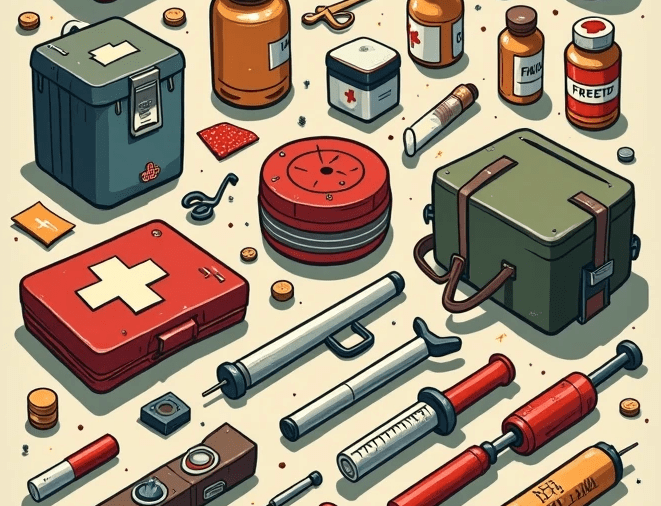
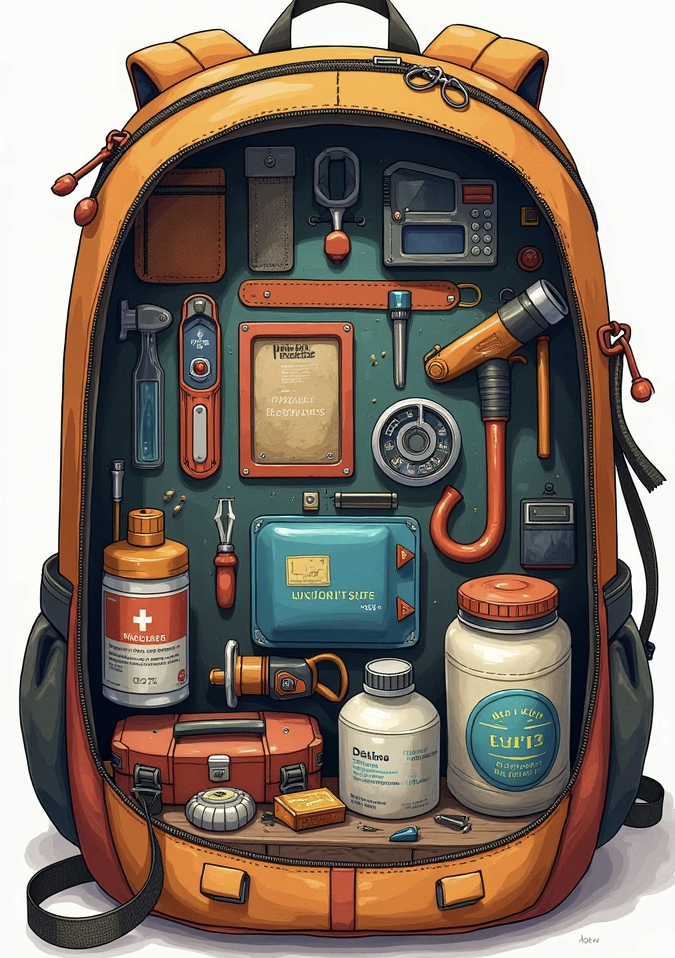
Pro Tip: Always carry a compact trauma kit with a tourniquet, pressure bandages, and hemostatic agents. Hemostatic agents are powders or dressings that make blood clot faster. If you don’t have those, improvise but prioritize stopping the bleeding first.


Survival Skill #2: Control Your Airway – Clear It, Keep It Open

What good is stopping the bleeding if you can’t breathe? When disaster strikes, choking on blood, vomit, or debris is a very real threat. If you don’t keep that airway open, you’re dead before you even get a chance to bleed out.

Skill: Learn to do the Head-Tilt Chin-Lift maneuver and the Heimlich maneuver.

  • Head-Tilt Chin-Lift — If someone’s unconscious or semi-conscious, tilt their head back and lift the chin to open the airway. Clear any visible obstruction with your fingers or a tool.
  • Heimlich Maneuver — If someone’s choking on food or debris, hit that abdomen hard just above the belly button until the obstruction pops out.

Pro Tip: Don’t wait to be a medic to learn CPR. That’s your bread and butter when someone stops breathing or their heart stops. Get certified or at least watch good tutorials and practice.


Survival Skill #3: Build and Use a Splint

Broken bones are no joke in the wild or disaster zones. Without proper immobilization, you risk further injury, bleeding, or infection. You can’t call an ambulance — you are the ambulance.

Skill: Use what you have — sticks, branches, metal, or anything rigid — to immobilize broken or sprained limbs.

  • Find two strong sticks or any sturdy straight object.
  • Pad them with cloth to prevent cutting into the skin.
  • Secure them tightly with rope, tape, strips of cloth, or even shoelaces.
  • Make sure the splint immobilizes the joints above and below the injury.

Pro Tip: Practice making a splint now, so when you need it, you don’t fumble like a scared city slicker.


Survival Skill #4: Improvise a Breathing Filter or Mask

Smoke, chemical fumes, dust, and toxic air can kill you just as fast as a bullet. If you don’t have a gas mask or proper respirator, don’t sit there choking. Use your brain and improvise.

Skill: Make a basic filter using materials around you.

  • Take a clean cloth or bandana and wet it.
  • Layer it with activated charcoal (if you have it) or charcoal from a campfire crushed finely.
  • Fold it to cover nose and mouth tightly.
  • Breathe through it — it won’t be perfect, but it’ll filter out much of the dust and chemicals.

Pro Tip: Store activated charcoal tablets or powder in your survival kit. If you can’t get charcoal, use multiple layers of damp fabric as a minimum barrier.


Survival Skill #5: Keep Calm and Prioritize Care

You can’t do anything if you lose your head. Panic is the biggest killer after injury or trauma. Your body’s adrenaline will spike, but your brain needs to stay cold and tactical.

Skill: Train yourself mentally to triage and act swiftly.

  • Assess the situation quickly: who needs the most urgent care?
  • Stop the bleeding first.
  • Keep the airway clear second.
  • Immobilize injuries third.
  • Prevent shock by keeping the patient warm and calm.

Pro Tip: Practice these steps under pressure with your group or family. If you freeze up in a real disaster, your survival odds drop drastically.


DIY Survival Hack #1: Make a Field Dressing from Household Items

You don’t need fancy medical gear to make a functional dressing.

  • Take clean cotton T-shirts, towels, or even sanitary napkins (they’re sterile and absorbent).
  • Fold them thickly.
  • Use duct tape or strips of cloth to secure them over wounds.
  • If you have honey, rub a thin layer on the wound before dressing. Honey is a natural antibacterial agent and helps prevent infection.

This field dressing will buy you time to get serious care or stabilize someone long enough for evacuation.


DIY Survival Hack #2: Create a DIY Splint from Magazine Pages and Tape

No sticks handy? No problem.

  • Fold several pages of a magazine tightly into a thick, rigid strip.
  • Use duct tape or cloth to secure it firmly around the injured limb.
  • This crude splint isn’t perfect but will stabilize a sprain or minor fracture enough to prevent further damage.

Practice this now so you can whip one out in a pinch.


DIY Survival Hack #3: Homemade Mouth-to-Mouth Shield

If someone’s unconscious and not breathing, you’ll need to perform rescue breaths safely.

  • Cut a small piece of plastic from a sandwich bag or cling wrap.
  • Poke a small hole in the middle (about the size of a dime).
  • Use this as a barrier between your mouth and theirs to reduce infection risk while doing mouth-to-mouth.

This simple device is cheap, easy, and could save a life without risking your own health.


Bottom Line: Bleed, Breathe, Survive
If you think emergency care is something only doctors or medics should worry about, you’re already dead. This survival game is brutal, and you will get hurt — maybe badly. The difference between life and death is having the skills, guts, and knowledge to act immediately and decisively.

You stop the bleeding, clear the airway, immobilize injuries, protect yourself from toxic air, and keep a cool head under pressure. Every second wasted is a second closer to the grave. Get the right gear, practice these skills, and learn these hacks now. Because when SHTF, the world won’t be handing out Band-Aids and breathing masks. You’ll have to be your own damn EMT.

Remember: Bleed, Breathe, Survive. It’s that simple. Or not at all.
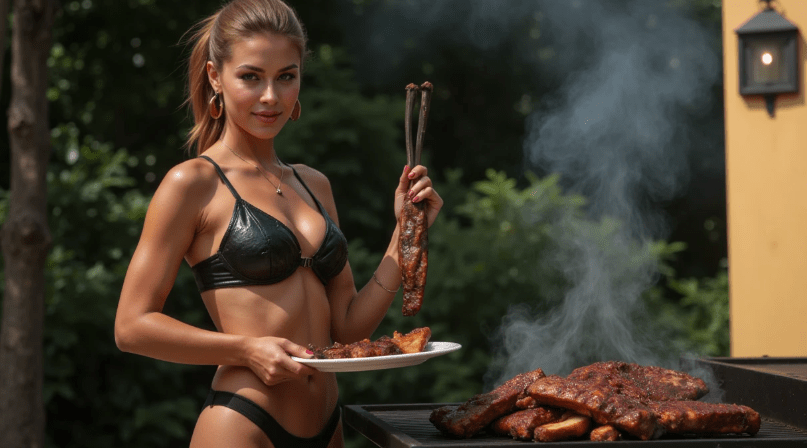
Grid Down, Game On: Tailgate Party Power-Out Hacks

Let me tell you something: just because the power grid goes down doesn’t mean the game’s off. In my world, we prep for worst-case scenarios and still know how to have a good time. I’ve hosted tailgate parties in conditions that would make most folks head for the hills—ice storms, blackouts, rolling grid failures. Why? Because morale matters. In a crisis, keeping traditions alive—especially one as sacred as game day—is how communities stay strong.

If you’re looking to keep the party going when the lights go out, you’ve come to the right place. This isn’t your average fluff about burgers and folding chairs. This is grid-down tailgating, survivalist style. And I’ve got 10 rock-solid tips, plus my go-to solar generators that’ll keep your tailgate humming without the grid.


1. Go Solar or Go Hungry

First and foremost: if you’re planning a tailgate with no power, you’ll need an alternative energy source. Generators are great—until they run out of gas. But a solar generator? Quiet, sustainable, and won’t attract the wrong kind of attention. Invest in a good one, and you can power a mini-fridge, speaker system, lights, and even a TV for the game.

More on the best solar options later. Just know this—solar is the lifeline of any blackout bash.


2. Choose Battery-Powered Appliances

When the grid’s gone, every watt counts. Don’t bring energy hogs to your tailgate. Opt for LED lights, battery-powered fans, and low-voltage appliances. I’m talking electric coolers, rechargeable blenders, and portable induction cookers with built-in battery compatibility.

Save your juice for the essentials: food, music, and the game.


3. Set Up a Solar Charging Station

You’re going to have guests, and guests come with dead phones and high expectations. A basic folding solar panel with USB ports can keep devices running. Set up a charging station away from the food zone, and make sure it gets direct sunlight for most of the day.

Pro tip: precharge all your battery banks the day before.


4. Prep Food That Doesn’t Need Power

No one wants to be cooking a 12-hour brisket during a blackout. Plan your menu around items that store well and don’t need much prep. Think smoked sausage, jerky, pre-grilled chicken, sandwiches, wraps, and cold salads. Keep a propane stove or camp grill handy for hot items.

Plan like the fridge isn’t coming back—and you’ll never go hungry.


5. Keep Drinks Ice-Cold Without Electricity

Forget electric coolers if your solar setup’s limited. Use heavily insulated coolers like YETI or RTIC, and pack them tight with ice the night before. Salt the ice to lower its melting point—it’ll last longer. Separate drink coolers from food coolers to reduce how often you open them.

Tailgates are judged by drink temperature. Don’t mess this up.


6. Create a DIY Tailgate Shelter

If the power’s out, there’s a good chance the weather’s part of the problem. Whether it’s too hot or threatening rain, you need shelter. Set up a heavy-duty canopy, and anchor it like you’re expecting 30 mph winds. Add tarps to create walls for windbreaks or shade.

Comfort = morale. Morale = victory.


7. Use a Solar Lantern Setup for After-Dark Fun

Once the sun goes down, you’ll need light. String up solar lanterns during the day to charge, then hang them under your canopy, in trees, or on poles. These will give off ambient light without sucking up battery power like an electric setup.

Avoid fire or open flames in tight areas—you don’t want your blackout party to turn into a burn unit.


8. Keep Entertainment Old-School Ready

If the game’s delayed, or you lose the stream, have backup fun planned. Cornhole, ladder toss, and playing cards keep the party rolling. Don’t rely solely on tech. And make sure your speaker system is either battery-powered or runs efficiently on your solar generator.

And yes, that means downloading the pre-game playlist ahead of time. Spotify doesn’t work when the internet’s out, rookie.


9. Prepare for Safety and Sanitation

Power out? That means bathrooms may be too. Bring a privacy shelter, portable toilet, hand sanitizer, and garbage bags. Stock up on paper towels and have a fire extinguisher on hand near your cooking area.

Sanitation breakdown = party shutdown. Stay clean, stay prepped.


10. Test Your Setup BEFORE Game Day

This one’s non-negotiable. Run a full test of your off-grid tailgate setup at least a week before the event. Make sure your solar panels charge, your battery banks hold, your gear works as expected. You don’t want to find out your “solar-ready” grill needs an outlet 10 minutes before kickoff.

Amateurs improvise. Preppers prepare.


Top Solar Generators for Grid-Down Tailgating

Now let’s talk gear. Not all solar generators are created equal, and you want something that can handle party mode under pressure.

1. Jackery Explorer 1000 Plus

  • Pros: Lightweight, expandable battery, runs cooler boxes and small appliances with ease.
  • Cons: Limited AC outlets, not for heavy-duty items.
  • Why it’s great: Perfect for powering a portable TV and speaker system without burning through reserves.

2. EcoFlow Delta 2 Max

  • Pros: Ultra-fast charging, runs larger devices like grills and even small AC units.
  • Cons: Heavier, but still portable.
  • Why it’s great: A true workhorse for tailgates with a crowd.

3. Bluetti AC200MAX

  • Pros: High capacity, multiple charging ports, can power a small fridge, induction cooktop, and lights all at once.
  • Cons: Pricey, but worth every cent if you tailgate regularly.
  • Why it’s great: Built for blackout situations—and built to party.

4. Anker Solix F2000 (PowerHouse 767)

  • Pros: Expandable, durable, and runs quietly.
  • Cons: Large footprint, not backpack-portable.
  • Why it’s great: You can tailgate through the whole season on a single charge cycle with proper solar input.

Final Word: Party Like a Prepper

Blackout or not, tailgate season doesn’t stop for anything. When the power goes out, it’s the preppers, the planners, and the prepared who keep the good times rolling. If you’ve got solar, smarts, and a solid cooler full of snacks and cold drinks, you’re already ahead of the game.

Remember—it’s not just about surviving, it’s about thriving. And on game day, that means having the best seat in the parking lot, even when the rest of the city’s gone dark.

Grid down? Game on.

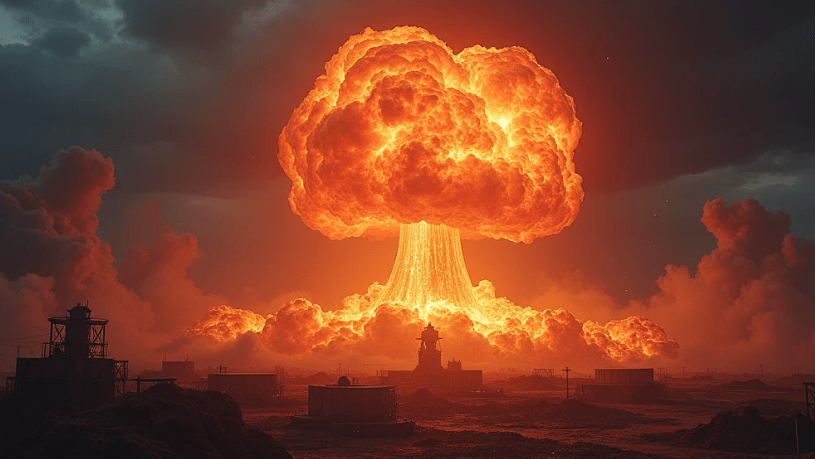
12,000 nuclear warheads : Nuclear Warheads by Nation

Global Arsenal: Nuclear Warheads by Nation

By a Survival Prepper Who Hates War

You don’t have to be a conspiracy theorist to see the writing on the wall. Just look around. The world is bristling with nuclear weapons—hundreds here, thousands there—all prepped to unleash hell in an instant. I’m not some warmonger or doomsday cultist. I’m a survivalist. And I prepare because history tells us time and time again: when you trust governments with this kind of firepower, you’re rolling the dice with human existence.

Today, I’m breaking down the global nuclear arsenal. Not because I admire it. Hell no. But because knowledge is power—and knowing who holds these weapons, and in what quantities, tells you where the flashpoints are. And where not to be when it all goes sideways.

1. Russia – Approx. 5,889 warheads

Let’s start with the bear in the east. Russia has the largest stockpile of nuclear weapons on Earth. Most of these are part of their strategic arsenal—intercontinental ballistic missiles (ICBMs), submarine-launched ballistic missiles (SLBMs), and long-range bombers. Thousands are retired and awaiting dismantlement, but don’t be fooled: around 1,550 are deployed and ready to fly at a moment’s notice.

Russia’s doctrine has shifted toward tactical nukes too—lower-yield weapons designed for use on the battlefield. In a conflict, that makes escalation a lot more likely. You toss a so-called “small” nuke into the mix, and it’s only a matter of time before someone responds with a bigger one.

2. United States – Approx. 5,244 warheads

Right behind Russia is the U.S., with thousands of nuclear warheads scattered across land-based silos, submarines, and air bases around the world. We’ve had these things since Hiroshima and Nagasaki, and instead of phasing them out, we’ve modernized them. New delivery systems, faster response times, more precise targeting.

I don’t say this with pride. I say it with fear. Our own government talks about deterrence like it’s some magic shield. But deterrence is just another word for mutually assured destruction—MAD, they call it. Fitting, isn’t it?

3. China – Approx. 500 warheads (and growing)

China used to be a distant third, but they’re catching up fast. The Chinese Communist Party is building new missile silos in the desert, expanding their submarine fleet, and investing in hypersonic weapons. Analysts think they could have 1,500 warheads by 2035.

They claim a “no first use” policy, but policies change. If there’s one thing I’ve learned, it’s that doctrines mean squat once the missiles start flying.

4. France – Approx. 290 warheads

France likes to remind the world that it’s independent—and its nuclear deterrent is part of that mindset. Their warheads are primarily deployed on submarines, with a few air-launched options. Small arsenal, relatively speaking, but still enough to end millions of lives.

You don’t need thousands of nukes to destroy civilization. A few hundred well-placed warheads can collapse global infrastructure in a matter of hours. EMPs, radiation, firestorms—choose your poison.

5. United Kingdom – Approx. 225 warheads

The UK relies heavily on its Trident submarine fleet. Like France, their arsenal is smaller, but just as deadly. They’ve recently announced plans to raise the cap on warheads—a reversal of disarmament trends. That tells you where we’re headed. Not toward peace, but rearmament. All it takes is one spark—one miscalculation—and boom. Goodbye, London. Goodbye, humanity.

6. Pakistan – Approx. 170 warheads

This is where things get especially dicey. Pakistan’s nuclear posture is India-focused, but the region is volatile. Border clashes, terrorism, political instability—you name it. And let’s not forget that Pakistan is a country where the military holds major sway, and where extremist elements have occasionally infiltrated institutions.

They’ve developed tactical nuclear weapons too—designed to be used in battlefield scenarios. That scares the hell out of me. Tactical nukes lower the threshold for use. Once the line is crossed, there’s no going back.

7. India – Approx. 164 warheads

India and Pakistan are locked in a nuclear arms race that gets less press than it should. India has a no-first-use policy, but again, policies mean little in the fog of war. They’ve got missiles that can reach deep into China and Pakistan, and their triad—land, sea, and air-based delivery—is developing fast.

We’re talking about two countries with historical animosities, border disputes, and major populations packed into small geographic areas. If a nuclear exchange broke out here, the global fallout—literal and political—would be catastrophic.

8. Israel – Estimated 90 warheads (undeclared)

Israel doesn’t officially admit to having nukes, but everyone knows they do. Their policy of “nuclear opacity” is strategic—keeping enemies guessing. But it’s also dangerous. In the Middle East, where trust is thin and grudges run deep, opacity breeds suspicion.

Israel has submarine-launched missiles, air-based delivery, and possibly land-based systems. Their focus is deterrence, particularly against Iran. But if things spiral, that deterrence can become devastation.

9. North Korea – Estimated 30–50 warheads

This is the wild card. North Korea doesn’t just have nukes—they broadcast them like trophies. They’ve tested ICBMs that can reach the U.S. mainland, and they’re refining their warheads for miniaturization and deployment.

The scariest part? We don’t fully know what they’ve got or how stable their chain of command is. In a crisis, logic and strategy might take a back seat to desperation.


The Bigger Picture

In total, we’re looking at over 12,000 nuclear warheads across the globe. Even if only a fraction of those were used, the result would be apocalyptic. According to scientists, just 100 nukes dropped on cities would trigger a nuclear winter—blocking sunlight, destroying crops, and killing billions through starvation.

And yet, we keep building more.

That’s the insanity of it. We’re stockpiling civilization-ending weapons as if it’s business as usual. Politicians talk about modernization and defense budgets like they’re upgrading smartphones. But we’re not upgrading—we’re gambling with the only planet we’ve got.

Why I Prep

I’m not prepping because I think I can survive a full-blown nuclear exchange. No one really “survives” that. I prep because it gives me options. A remote homestead, clean water, radiation filters, food stores—these aren’t luxuries. They’re necessities in a world where the next war might be the last.

But more than prepping for survival, I speak out because I still have hope. Hope that sanity will prevail. Hope that people will realize the madness of nuclear brinkmanship before it’s too late. I hate war because I love life. I love the land, the forests, the animals, the sound of a creek in spring.

Nukes don’t just end wars. They end everything.

Final Word

Here’s what I’ll tell you, prepper to prepper, citizen to citizen: don’t trust any nation with your future. Know what’s out there. Know who holds the keys to Armageddon. And keep your gear ready—not because we want this war, but because the ones in charge sure don’t seem to mind flirting with it.

Stay alert. Stay prepared. And above all, stay human.

The Safest Seats in a Movie Theatre During an Emergency

Let me guess—you think the movie theatre is a place to relax, check your phone, drown in popcorn, and escape reality for two hours. WRONG. That kind of soft, head-in-the-sand thinking will get you dead. If you walk into any enclosed public space—like a movie theatre—without knowing your exits, your cover options, and your defensive posture, you’ve already lost.

I’m not here to scare you. I’m here to wake you up.

Emergency situations—including active shooters, fires, structural collapse, or crowd panic—can and DO happen in theatres. You don’t get to control if it happens, but you sure as hell can control how prepared you are.

Let’s talk about where to sit—and how to think—so you walk out alive if it all goes to hell.


🎯 First Rule of Survival: Get Your Head on a Swivel

Complacency kills. That’s not a catchphrase. That’s a fact. If you’re walking into a theatre with your eyes glued to your phone and your AirPods in, you’re a liability to yourself and everyone around you. Situational awareness is your best friend. Act like it.


🪑 Where to Sit: The Only Seats That Make Sense

🔻Back Row, Aisle Seat (Exit Side)

This is your throne. You’ve got your back to the wall, a full view of the audience, and quick access to the exit. You’re not boxed in, and nobody can sneak up behind you. In a threat scenario, this position allows observation, escape, and even ambush if needed.

🔻Mid-Theatre, Aisle Seat Near Emergency Exit

If the back row is full or doesn’t exist, go for an aisle seat in the mid-section, near the emergency doors. Not only can you GTFO fast, but you can also drag others with you if you’re trained and willing.

🚫Avoid:

  • Dead center of the theatre. You’ll be trapped like a rat in a maze.
  • Front rows. Limited view, slow to react, you’re first in the line of fire if anything comes in from the front.
  • Middle of any row. Slows your escape. You’ll be crawling over weaklings frozen in fear.

🎒15 Survival Movie Theatre Skills You Need to Master

  1. Situational Awareness Drills
    Clock every exit. Watch people. Spot the loners. Recognize body language that says “I’m about to snap.”
  2. Pathfinding Under Pressure
    Know multiple paths to the exit, including crawling routes under seats.
  3. Use of Improvised Cover
    Seats, trash cans, stair rails—use anything to shield yourself or others from line of sight.
  4. Low Light Navigation
    Memorize your seat path on the way in. Phones might not work when panic breaks out.
  5. Rapid Exit Without Causing Stampede
    Move fast but smart. Yelling “FIRE!” creates chaos. Lead by example, not hysteria.
  6. Hand-to-Hand Combat in Tight Spaces
    If you’re trained, be ready. Tight quarters mean elbows, knees, and improvised weapons.
  7. Self-Tourniquet Application
    Bleeding out from a leg wound in row 8 is preventable—if you practiced.
  8. People Herding
    Can you calm the people around you and move them fast? That’s leadership.
  9. Improvised Weapon Use
    Belt buckles, keys, flashlight, or your damn soda cup lid—anything can be a weapon.
  10. Silent Communication
    Finger-pointing, hand signals. Talking makes noise. Learn quiet teamwork.
  11. Quick Inventory Assessment
    What do you have on you that’s useful? What does your group have? Check mentally.
  12. Cover vs. Concealment Differentiation
    A movie seat hides you. It doesn’t stop bullets. Learn the damn difference.
  13. Emergency Aid for Strangers
    CPR, pressure bandaging, or at least dragging someone out who’s frozen.
  14. Panic Response Control
    You can’t help anyone if you’re screaming. Train your breath, train your mind.
  15. Exit Dominance
    If you’re first to the door, secure it. Don’t let others funnel you into a worse situation.

🔧3 DIY Survival Theatre Hacks

1. The Tactical Popcorn Bucket

Line your popcorn bucket with a folded mylar blanket, a tourniquet, mini flashlight, and earplugs. It looks innocent, but you’ve just smuggled a micro go-bag past security. Boom.

2. Shoelace Rescue Tool

Your laces? Not just for fashion. Use them to tie off wounds, trip hazards, or as hand ties if someone’s a threat. Paracord shoelaces? Even better.

3. The Jacket Decoy

Leave your jacket on a seat as a decoy if you’re being hunted or followed. Gives them a false lead. Bonus: heavy jackets can also act as low-level cover or distraction tools if thrown.


💣What You’re Up Against

Let’s be blunt: active shooters go for soft targets, and theatres are prime real estate. Dark, loud, distracted people. That’s candyland for a psycho. You’ve got seconds to react, and your training—or lack of it—makes the difference.

Most people freeze. You? You don’t get that luxury. You move. You assess. You lead. Or at least, you get the hell out without making it someone else’s job to drag you.


🧠Mindset Is Survival

The average American has lost the survival instinct. Spoiled by climate control and delivery apps, they’ve forgotten that danger doesn’t care how comfortable you are. If you think I’m being “paranoid,” good. That means you’re still soft. Harden up.

There’s a difference between living in fear and living with awareness. You can eat your popcorn and still be watching those exit doors. You can enjoy a film and still plan the path out. It’s not paranoia. It’s preparedness.


🔚Final Word

If you remember one thing, remember this: You’re your own first responder.

In the time it takes law enforcement to breach the building, identify the threat, and reach you, you’ll either be:

  • Alive and helping others,
  • Crawling and bleeding, or
  • A damn statistic.

Choose. Train. Sit smart. Be ready.

You don’t get to schedule emergencies—but you sure as hell get to be prepared for them.


The SHTF Wake-Up Call: How to Prepare for a World Where What You Have Is All That Matters

The SHTF Wake-Up Call: How to Prepare for a World Where What You Have Is All That Matters

If you’re still sitting around, thinking that everything is going to be fine and that some miracle will come along to save you, then it’s time for a serious wake-up call. You’ve been warned, and if you haven’t taken action yet, you’re a fool. When shit hits the fan (SHTF) for real, you won’t have time to run to the store and pick up a few cans of beans. You won’t have a backup plan that depends on someone else’s help. The hard truth is, what you have on hand will be ALL that matters. That’s it. You think you’re prepared? Think again. You can’t survive on optimism or hope alone.

So, let me make it crystal clear: You better have your act together now, or you’re done.

The problem with most people today is that they’re completely blind to the real threats we face. They walk around, heads buried in their phones, oblivious to the fact that this whole society could collapse in the blink of an eye. But it’s not just some far-off apocalypse I’m talking about. I’m talking about economic collapse, social unrest, grid failures, natural disasters, pandemics, and everything in between. The kind of world where your food, your water, your shelter, and your ability to protect yourself from the chaos around you will depend entirely on what you’ve managed to gather and the skills you’ve learned.

That’s right. Skills. Skills that you better start mastering now.

Here’s the thing: when the grid goes down and the grocery stores empty out, you won’t be able to waltz into your friendly local convenience store to grab a snack. And let me tell you, unless you live in a rural area and have prepared for the worst, you won’t be seeing those preppers with “lots of ammo and supplies” coming to save you. It’s every man for himself, and you will quickly realize just how unprepared you are if you don’t start taking this seriously.

So, let’s get into it. If you want to survive the collapse, you need to have the right skills in your back pocket. Here are 15 critical SHTF survival skills you need to master before it’s too late.

1. Water Filtration and Purification

If there’s one thing that’s more precious than gold when SHTF, it’s water. You can go without food for weeks, but you can’t survive more than a few days without water. Stockpiling water is smart, but you also need the knowledge to purify any water you come across. Learn how to boil water, use filtration systems, and make DIY purification methods.

2. Fire Starting

A fire isn’t just for cooking or warmth. It’s a beacon for rescue, a deterrent for predators, and a signal to others. Learn how to start a fire with limited supplies. I’m talking about using flint and steel, magnifying glasses, fire starters, and even primitive methods like rubbing sticks together. If you can’t make fire, you’re screwed.

3. Food Preservation

Stockpiling food is essential, but do you know how to make it last? Canning, dehydrating, and fermenting food are all necessary skills. If you’re relying solely on canned goods, you’re setting yourself up for failure in the long run. Learning how to preserve your own food can make the difference between life and death.

4. Self-Defense

Let me say it loud and clear: the world isn’t going to be a safe place when SHTF. People will become desperate, and desperation breeds violence. If you don’t know how to defend yourself—whether that’s with a firearm, a knife, or your bare hands—you’re putting yourself at extreme risk. Learn how to use weapons, but also know how to fight without them.

5. Shelter Building

When your home is no longer safe, you’ll need to know how to build a shelter. Do you know how to construct a lean-to, a tarp shelter, or even use natural resources for protection? If you’re stuck in the wilderness, your survival depends on your ability to stay dry, warm, and protected.

6. Hunting and Fishing

You’re not going to find a butcher shop to supply you with steaks once society falls apart. Knowing how to hunt, fish, trap, and forage is vital for long-term survival. You need to have the skills to put food on the table in a world where hunting for a meal isn’t just a recreational activity.

7. First Aid and Medical Knowledge

When help isn’t on the way, you better know how to take care of yourself. You need more than just a basic first aid kit—you need to know how to use it. Learn basic field medicine, including how to treat wounds, fractures, infections, and even how to perform CPR. The human body is fragile, and when it goes wrong, you’ll be on your own.

8. Navigation

If the GPS goes down, are you prepared to find your way? Learn how to read a map and use a compass. In a collapsed world, you’ll need to be able to navigate through urban areas or the wilderness. Whether you’re running from danger or searching for a safer place, the ability to find your way will be crucial.

9. Bartering

Cash is worthless when the economy collapses, but goods and services still hold value. If you don’t understand how to barter, you’re going to be at a serious disadvantage. Learn how to negotiate and trade supplies or skills to get what you need.

10. Composting and Growing Food

When you can no longer rely on grocery stores, you better know how to grow your own food. If you can’t grow your own crops or raise livestock, you’ll quickly run out of resources. Learn how to compost, plant, and maintain a garden. It’s one of the most valuable survival skills you can have.

11. Mental Toughness

Let’s face it: survival isn’t just about physical skills; it’s also about mental resilience. If you lose your nerve when things get tough, you won’t last long. You need to stay calm, think critically, and be able to make tough decisions when everything around you is falling apart. Mental toughness will be your secret weapon.

12. Improvised Weapons

When ammunition and weapons are scarce, you need to know how to improvise. A sharp stick or a hammer can be just as effective as a firearm in a pinch. Learn how to turn everyday objects into weapons for self-defense.

13. Electricity Alternatives

You won’t have access to the grid when it goes down, so you better know how to create your own power. Solar panels, wind turbines, and hand-crank generators are all viable options. You also need to know how to repair basic electrical systems.

14. Communication

When cell towers and the internet are gone, you need to know how to communicate without relying on modern technology. Ham radios, signal fires, and other low-tech methods will keep you connected when everyone else is in the dark.

15. Mental Health Care

When society breaks down, your emotional and psychological state can make or break your survival. Depression, stress, and anxiety can destroy your ability to function. Learn techniques for maintaining mental health during chaotic times. You need to stay strong, calm, and focused.


3 DIY SHTF Survival Hacks

Now, let’s talk about some simple, DIY hacks that can save your life when SHTF. If you’re relying on a pre-made kit, you’re already behind the curve. Here are three hacks you need to know:

1. DIY Water Filter

You don’t need an expensive water filtration system to clean dirty water. Create a simple water filter using sand, gravel, charcoal, and a piece of cloth. Just layer these materials in a plastic bottle, and it will filter out the bigger contaminants, leaving you with cleaner water. It won’t purify it entirely, but it will make it much safer to drink.

2. DIY Solar Still

If you’re out in the wilderness without access to clean water, a solar still can help. Dig a small hole, place a container at the bottom, and surround it with plastic sheeting. Place a small stone in the center of the plastic to create a low point, and the sun will cause the water to evaporate, collect, and drip into the container. It’s a slow process, but it can provide clean water.

3. Fire Starter with Cotton Balls and Vaseline

When you don’t have matches, and you need to start a fire, make your own fire starter. Soak cotton balls in Vaseline and store them in a waterproof container. When you need to start a fire, just light one of these balls. The Vaseline will act as an accelerant, giving you a fast and hot flame to get your fire going.


If you think all of this is overkill, fine. Keep living in your fantasy world where someone else will save you when the world falls apart. But remember this: when SHTF, what you have is all you’ll have. No backup plans, no help from anyone. It’s time to wake up, get real, and start preparing. Or you’ll be one of the ones begging for help when it’s already too late. Your survival starts now, not tomorrow.

The Ultimate List of Survival Foods You Should Grow Yourself

The Ultimate List of Survival Foods You Should Grow Yourself

(Told by a Fed-Up, No-Nonsense Survivalist)

Listen up. If you think the grocery store is your safety net, you’re already screwed. This isn’t a joke and it sure as hell ain’t a game. When the trucks stop rolling, the power goes out, or the world goes sideways — your fancy apps and two-day shipping won’t feed you.

You want to survive? You GROW your food.

I’m not talking about pretty little herb gardens. I’m talking calorie-dense, nutrient-rich, survival-grade crops that’ll keep you and your family alive when the rest of the neighborhood is fighting over moldy cans of beans.

Here’s the no-BS list of survival foods you should be growing RIGHT NOW — and if you’re not, then get off your butt and get planting.


🔥 The Survival Foods You NEED To Grow

  1. Potatoes
    These starchy workhorses are loaded with carbs and keep well in a root cellar. Grow them in buckets, raised beds, whatever you’ve got. Easy, fast, and reliable.
  2. Beans (Pole & Bush)
    High in protein, they’re your best friend when meat isn’t an option. They also fix nitrogen in the soil — which means better yields overall.
  3. Corn
    Don’t grow sweet corn for fun. Grow dent or flint corn — the kind you can dry and grind into meal. This is real survival food.
  4. Winter Squash
    Long shelf life. Heavy on calories. Butternut, acorn, spaghetti — doesn’t matter. They’ll keep through winter if stored right.
  5. Garlic
    Not just for flavor. Garlic is antibacterial, antifungal, and boosts immunity. Plus, it stores for months.
  6. Onions
    Adds depth to every meal, and it’s another strong natural antibiotic. Plant a lot — they go quick.
  7. Carrots
    Vitamin A bombs. Easy to grow, easy to store, and great for morale. Don’t underestimate morale food.
  8. Kale and Collards
    Leafy greens that don’t quit. They’ll grow in frost and keep producing for weeks. Nutrient-rich and damn tough.
  9. Cabbage
    Eat it raw, cooked, or ferment it into sauerkraut for gut health. Stores well and produces big.
  10. Tomatoes (Paste Types)
    Forget salad tomatoes. Grow Roma or San Marzano. They’re meaty, great for sauces, and can be preserved easily.
  11. Peppers
    Bell or hot, they’re loaded with vitamin C and they dehydrate well. Hot peppers also help preserve food and boost metabolism.
  12. Sweet Potatoes
    Grow the greens and the tubers. High in nutrients, hardy in poor soil, and sweet enough to break up food boredom.
  13. Zucchini
    One plant can feed a neighborhood. You’ll get tired of zucchini before it stops producing.
  14. Turnips
    Fast-growing and reliable. The roots feed you, the greens feed your livestock or compost. Win-win.
  15. Herbs (Basil, Thyme, Oregano)
    Not just flavor. Many herbs have medicinal benefits, and let’s be honest — bland food kills morale faster than cold weather.

🧠 Top 15 Survival Skills You Better Learn Yesterday

  1. Canning and Preservation
    If you can’t store it, you’re wasting harvest. Learn water bath and pressure canning NOW.
  2. Seed Saving
    No seed = no food next season. Learn to save and store seeds properly.
  3. Composting
    Fertilizer won’t fall from the sky. Compost everything — food scraps, manure, leaves.
  4. Irrigation Setup
    No water = dead garden. Build a rain catchment system or gravity-fed drip line.
  5. Crop Rotation
    Don’t plant the same thing in the same spot. It destroys your soil.
  6. Soil Building
    Healthy soil is LIFE. Use compost, mulch, manure, and worm castings.
  7. Foraging
    Know what edible weeds and wild plants grow near you — just in case your garden fails.
  8. Basic First Aid
    What’s that got to do with food? A LOT when you slice your hand harvesting cabbage in a blackout.
  9. DIY Pest Control
    No pesticides? Learn natural methods — neem oil, diatomaceous earth, companion planting.
  10. Food Dehydration
    Dry fruits, veggies, and meats. Lightweight, long-lasting survival food.
  11. Root Cellar Building
    Store food the old-school way — underground and temperature-stable.
  12. Cooking Without Power
    Solar oven, rocket stove, open fire. Know them all.
  13. Water Purification
    Rainwater + bacteria = diarrhea. Filter it, boil it, or don’t drink it.
  14. Tool Maintenance
    A broken hoe doesn’t feed you. Learn how to fix and sharpen your gear.
  15. Animal Husbandry (Bonus)
    Chickens, rabbits, goats — they add meat and manure to your homestead. Even if you start small.

🛠️ 3 DIY Survival Hacks You’ll Thank Me For Later

  1. 5-Gallon Bucket Potato Tower
    No space? No problem. Drill drainage holes in a 5-gallon bucket. Plant seed potatoes at the bottom, keep adding soil as they grow. Harvest a full bucket of potatoes in a few months.
  2. Homemade Self-Watering Containers
    Take two buckets. One for the water reservoir, one with soil and a wicking system. Perfect for growing during hot months or if water is limited.
  3. Eggshell Calcium Boost
    Dry and crush eggshells, sprinkle them in your garden beds. It adds calcium, keeps slugs away, and helps prevent blossom-end rot in tomatoes.

Final Word from a Tired, Angry Survivalist

Look — I don’t care who you voted for. I don’t care how many TikToks you’ve watched about prepping. If you don’t get serious and start growing your own food, you’re gambling with your life.

The system is fragile. The soil is ready. The question is — are you?

You don’t need land, money, or even experience. You need the will to survive, some dirt, and the guts to get started.

Start now. Not tomorrow. Not when things “calm down.”
Because when it all goes dark — those who grow, eat.
And those who wait… don’t.

The Best States to Grow a Survival Garden

(Told Straight by Someone Who Actually Grows Their Own Damn Food)

Let’s cut the fluff. If you’re thinking about survival gardening, your location matters — a lot. You don’t want to be stuck trying to grow tomatoes in 100-degree desert heat or watching your crops rot from nonstop rain in the Pacific Northwest. You need a place where the soil is good, the growing season is long, and the government leaves you alone.

So here it is — the hard truth about the best states to grow a survival garden. I’m talking about places where you can grow enough food to survive, thrive, and stick it to the system if things go sideways.


1. Tennessee

You want rich soil? You want rain? You want a long growing season and low land prices? Tennessee checks all the boxes. Mild winters, plenty of sunshine, and you can grow almost everything here — beans, corn, squash, tomatoes, leafy greens, potatoes, fruit trees. The laws are also favorable to homesteaders. Not too many restrictions, and folks mind their own business.


2. Missouri

The Ozarks are a survivalist’s dream. Tons of natural resources, plenty of fresh water, and excellent soil. Plus, land is still affordable if you know where to look. You can grow food, raise animals, and build off-grid without some HOA telling you your solar panels are “unsightly.” It’s no wonder so many preppers are quietly heading this way.


3. North Carolina

Western North Carolina especially. Good elevation, great soil, and a long enough growing season to plant more than one crop per year. You’ve got access to fresh water from mountain streams, and the climate isn’t brutal. It’s a solid blend of self-sufficiency potential and relative safety from extreme weather.


4. Kentucky

If you want underrated, this is it. Kentucky is quiet, lush, and has some of the best topsoil in the country. It’s perfect for growing survival staples like corn, beans, squash, and root veggies. There’s plenty of space, low taxes, and folks are generally self-reliant and leave you alone — exactly how we like it.


5. Texas (East Texas, specifically)

Forget West Texas unless you like growing dust. East Texas, though? It’s humid, green, and fertile. Long growing season, tons of water, and enough room to build a self-sustaining setup. The state itself has a strong “don’t tread on me” culture — and that counts for something when the grid goes down.


Final Word

You can prep all you want, but if you’re trying to grow food in a place where nothing grows, you’re wasting your time. Survival gardening isn’t just about planting seeds — it’s about being strategic, knowing your climate, and choosing a location where your garden will feed your family, not fail you when you need it most.

So stop scrolling and start planning. Because when the supply chain collapses, real security isn’t ammo — it’s potatoes.

The Forgotten Hazard When Bugging Out

When most folks talk about bugging out, they focus on the obvious threats: looters, martial law, roving gangs, civil unrest, and the ever-looming collapse of modern infrastructure. You’ve heard it all before. Pack your bug-out bag. Choose your route. Scout a fallback location. Stock up on MREs, water filters, knives, ammo, comms gear—the whole nine yards.

And yet, while the prepping world drowns itself in gear reviews and tactical hypotheticals, one crucial hazard gets completely and unforgivably overlooked.

I’m talking about complacency’s ugly cousin: Group Fragility. That’s right. The people you trust, the ones you’re planning to survive alongside—your family, your so-called “mutual assistance group,” your bros from the shooting range—they might be the very thing that gets you killed.

Let me say it plain: a bug-out plan is only as strong as its weakest member.

Now before you roll your eyes and tell yourself, “I’ve trained with my team,” or “My wife’s tough,” or “We’ll be fine because we’ve practiced,” let me stop you right there. Practice doesn’t equal performance under real pressure. And emotional breakdowns, moral disagreements, and physical weaknesses don’t show themselves when you’re camping for fun over a long weekend.

They show themselves when the stakes are real. When someone’s bleeding. When you’re out of clean water and three days into a storm. When someone you love starts panicking and you realize: “This is what’s going to get us killed.”

You Think You’re Ready? Think Again.

The fantasy of bugging out is seductive. The romantic image of disappearing into the woods, rifle slung over your shoulder, hunting deer and living off the land—it’s so appealing it blinds people. But reality has no use for fantasy. The truth is most people can’t even handle a power outage without losing their minds, let alone a full-blown collapse that drives you from your home with nothing but your bug-out gear and a prayer.

Sure, you can pack iodine tablets and solar chargers. But you can’t pack mental stability. You can’t pack maturity. And you sure as hell can’t pack grit.

I’ve seen it happen. Big, strong men break down crying when they realize they forgot to bring spare socks and now their feet are soaked, blistered, and infected. Gung-ho preppers who bought $3,000 rifles but didn’t bring tampons for their wives. Families that fall apart arguing over where to camp because no one ever decided who the leader was. The gear didn’t fail. The people did.

The Real Enemy Is Human Weakness

So what is the “forgotten hazard” I’m so mad about? It’s the human element. The people in your party are walking question marks under pressure. They are liabilities—until they’ve been tested under fire, for real, and have proven otherwise.

Bugging out isn’t about gear. It’s about mindset. It’s about psychological resilience, leadership, discipline, and trust forged through shared hardship. Without that, your so-called team is just a group of panic-prone strangers carrying matching backpacks.

Your spouse, your kids, your best friend—if they’ve never suffered, never hiked ten miles with a rucksack while sick, never made a decision under extreme duress—they are not ready. And if you haven’t prepared them for that moment, then you are not ready either.

Emotional Collapse Is Contagious

Ever seen what happens when someone panics in a group setting? It spreads. Fast. Like a virus. One person screams, and suddenly three people are hyperventilating. One person freezes in the middle of a river crossing, and now everyone’s stuck in place, vulnerable, visible, exposed.

Fear is louder than logic. And once it takes root, it doesn’t matter how much food you stockpiled or how fancy your GPS watch is. Fear will kill you.

What happens when the teenager in your group refuses to keep walking and bursts into tears from exhaustion? What happens when your partner gets a stomach bug and can’t walk for two days? What happens when two people start screaming at each other over which direction to go?

Let me tell you what happens. You stop moving. You waste precious daylight. You compromise your location. You become prey.

You Better Start Training People Now

If you’re reading this and feeling uncomfortable, good. That means you still have time. Time to fix this. Time to take off the blinders and face the uncomfortable truth: survival is about people, not just products.

Start drilling your team—your real team, not your fantasy squad. Take your kids hiking in the rain. Make your partner build a fire without matches. Go camping without any electronics and leave the granola bars at home. Eat beans, sleep on cold ground, hike until your muscles scream.

And do it all together.

Why? Because the only way to root out weakness is to force it to the surface. And once you’ve seen it—once your daughter breaks down crying, or your best friend lies to your face about losing the compass—then you can start building real trust. Not the feel-good, “we’re family” trust. I’m talking about battlefield trust. Hard-earned, honest, proven trust.

That is the only kind that matters when society collapses.

Leadership Isn’t Optional

Another thing most bug-out plans lack? Clear hierarchy. When everyone thinks they’re in charge, no one is. And when bullets are flying or you’re sprinting from a wildfire, hesitation will kill you.

Designate a leader now. Establish a chain of command. Decide who makes the call when things go sideways—and make sure everyone agrees ahead of time.

Don’t fall into the trap of “we’ll decide when it happens.” That’s a fantasy. In real life, there will be no time. You’ll need to act instantly, or you’ll all be corpses under a tarp.

Don’t Forget Morality Clashes

This part stings the most. What if the person you’ve planned to bug out with suddenly disagrees with how far you’re willing to go to survive?

Will you loot if necessary? Will you kill to protect supplies? Will you lie to strangers, leave people behind, steal from the dead?

You might think you know what you’d do. You might think you know what your loved ones would do. But let me tell you from experience: people’s morals mutate fast when their stomach is empty and their hands are shaking from fear.

Talk about it now. Set boundaries. Make plans. Or get ready for a knife in the back when things get dark enough.

Final Word: Your Real Bug-Out Plan Is Psychological

You can pack all the gear in the world, memorize every knot, and learn every edible plant. But if your group breaks down because of fear, conflict, or weakness, none of that will save you.

The forgotten hazard isn’t the EMP. It’s not the government. It’s not even the weather.

It’s the people standing next to you.

So fix that now. Train them. Test them. Talk to them.

Or die with them.

Your choice.

Losers Can’t Survive Without a Bug Out Bag

Surviving Alaska: How to Prepare for Natural Disasters in the Last Frontier

How Alaska Residents Prepare for the State’s Worst Natural Disasters

Living in Alaska, we know that the harsh environment is as much a part of life as breathing. From freezing winters to unpredictable earthquakes and wildfires, natural disasters are just another reality we must contend with. Preparing for these challenges isn’t a choice—it’s a necessity. If you’re a resident of the Last Frontier, you understand that survival isn’t about waiting for disaster to strike. It’s about being ready long before the storm hits.

Alaska is vast and diverse, stretching across multiple climate zones, making it prone to a wide range of natural disasters. Earthquakes, tsunamis, wildfires, and severe weather events are common, each presenting its own set of challenges. Let’s break down the most significant natural disasters that could impact the state and how we prepare for them.

Earthquakes

Alaska is located on the Pacific Ring of Fire, making it one of the most seismically active regions in the world. The state experiences thousands of earthquakes each year, though most go unnoticed. However, there’s always the risk of a major earthquake. In 1964, Anchorage experienced a magnitude 9.2 earthquake—the most powerful earthquake ever recorded in North America.

Preparation Tips for Earthquakes in Alaska:

  1. Secure Heavy Items: Make sure furniture, water heaters, and other large items are securely anchored to walls. In an earthquake, the last thing you need is a heavy object falling on you or causing a fire.
  2. Emergency Kit: Keep a survival kit with food, water, medical supplies, and a flashlight. Keep it in an easily accessible location.
  3. Learn to Drop, Cover, and Hold On: Earthquakes strike without warning. Teach your family how to protect themselves when the shaking starts.
  4. Have a Communication Plan: During a major earthquake, phone lines may be down. Make sure everyone knows where to meet and how to communicate in case of an emergency.
  5. Know Your Exit Routes: In an earthquake, you may need to evacuate. Familiarize yourself with alternate exit routes from your home.

Tsunamis

Alaska’s long coastline is vulnerable to tsunamis, triggered by undersea earthquakes or volcanic activity. The Alaska Peninsula, Aleutian Islands, and southern coastal areas are at the highest risk. In 1964, the Great Alaska Earthquake triggered a tsunami that caused widespread damage across the state and even as far as Hawaii and Japan.

Preparation Tips for Tsunamis in Alaska:

  1. Know Your Evacuation Zone: If you live along the coast, find out whether you’re in a tsunami evacuation zone. Local authorities often provide maps that show evacuation routes.
  2. High Ground: Always know the nearest high ground in case of a tsunami warning. Get to higher ground immediately—don’t wait to see if the water rises.
  3. Tsunami Warning System: Pay attention to local tsunami warnings. They’re issued by the National Weather Service and can save lives. Make sure your emergency kit includes a battery-powered radio to receive alerts.
  4. Family Meeting Points: Tsunamis can be especially dangerous if you’re separated from your family. Set predetermined meeting points in the event of an evacuation.
  5. Prepare for Aftershocks: After a tsunami or earthquake, there may be aftershocks that cause further damage or trigger additional tsunamis. Be prepared for more seismic activity.

Wildfires

Alaska experiences some of the largest wildfires in the country, especially in the summer. The state’s vast forests and dry conditions create ideal environments for fires to spread quickly. Fire seasons can be unpredictable, with some years experiencing little activity and others facing massive outbreaks.

CLICK HERE TO LEARN HOW TO SURVIVE A FAMINE

Preparation Tips for Wildfires in Alaska:

  1. Create a Defensible Space: Clear brush, dead trees, and flammable materials from around your home. Creating a defensible space can help protect your property from encroaching wildfires.
  2. Fire-Resistant Materials: If you’re building or renovating, consider using fire-resistant materials like metal roofing and non-combustible siding to reduce your home’s risk.
  3. Fire Extinguishers: Keep fire extinguishers in strategic locations around your home and property. Make sure you know how to use them.
  4. Evacuation Routes: Plan multiple evacuation routes in case of a wildfire. Roads may become impassable, so it’s essential to have alternatives.
  5. Emergency Kit: In addition to the usual items in an emergency kit, include N95 masks to protect against smoke inhalation during a wildfire.

Severe Winter Weather

Alaska’s winter weather is brutal. Snowstorms, ice storms, and temperatures regularly dipping below freezing are common occurrences. With little daylight in the winter months, Alaskans must be especially vigilant about staying prepared.

Preparation Tips for Severe Winter Weather:

  1. Winterize Your Home: Insulate your pipes and windows. Ensure your home’s heating system is in good working order, and stock up on firewood if you use a wood stove for heat.
  2. Winter Survival Gear: Always have cold-weather survival gear in your vehicle, including blankets, extra clothing, food, and water. If you get stranded, these items can mean the difference between life and death.
  3. Snow Removal Tools: Keep snow shovels, salt, and other tools on hand to keep driveways and walkways clear.
  4. Car Maintenance: Before winter sets in, make sure your vehicle is ready. Check the tires, battery, and fluid levels to prevent breakdowns in freezing temperatures.
  5. Emergency Heat Sources: Consider having a backup heat source in case your primary heating system fails. A propane heater or kerosene heater can be life-saving.

Flooding

Click here to learn how to survive a nationwide blackout

Floods can occur in Alaska due to rapid snowmelt, heavy rain, or ice jams. While the state’s vast wilderness areas are less prone to flooding than more developed areas, communities along rivers and streams still face a significant risk, especially during the spring thaw.

Preparation Tips for Flooding in Alaska:

  1. Elevate Important Items: In flood-prone areas, raise valuables and important documents off the ground to prevent water damage.
  2. Sandbags: Keep sandbags on hand to divert floodwaters away from your property. These can be used around doors or windows to protect your home.
  3. Know Your Flood Zones: If you live in a floodplain, check local maps and understand the risks to your property. Develop a plan to evacuate quickly if necessary.
  4. Keep a Boat or Floatation Device: If you live in a flood-prone area, having a small boat or floatation device on hand can help with evacuations or emergency rescues.
  5. Flood Insurance: Regular homeowner’s insurance won’t cover flood damage. Look into flood insurance if you live in a high-risk zone.

10 Survival Prepper Tips for Alaska’s Natural Disasters

  1. Layer Up: In Alaska’s unpredictable weather, layering is key to staying warm. A good base layer will keep sweat off your skin and trap heat.
  2. Stockpile Non-Perishables: Buy extra canned goods, dried foods, and long-lasting supplies to ensure you can survive during an emergency.
  3. Water Filtration: Have a water filtration system or purification tablets on hand in case your water supply is contaminated.
  4. Battery-Powered Radio: Stay informed by having a battery-powered or hand-crank radio to listen to weather alerts and emergency instructions.
  5. Fire-Starting Kit: A fire can save your life in extreme cold. Keep waterproof matches, lighters, and fire starters in your survival kit.
  6. Work Boots and Gloves: Protect your feet and hands with durable boots and gloves, especially when working outside in harsh conditions.
  7. GPS Devices: If you’re traveling in remote areas, a GPS device can help you navigate and stay on track if traditional landmarks are covered in snow or debris.
  8. Practice Regular Drills: Regularly practice your emergency plans with your family so everyone knows what to do when disaster strikes.
  9. Know the Wild Edibles: Familiarize yourself with local plant life so you can forage for food in an emergency situation.
  10. Stay Fit: Physical fitness is crucial for survival. Whether it’s hiking, snowshoeing, or even carrying firewood, staying strong will help you endure tough conditions.

Bug-Out Bases in the First State: Top 30 Survivalist Campgrounds in Delaware

Top 30 Delaware Campgrounds Every Survival Prepper Should Know

As a seasoned survival prepper in Delaware, I’ve scouted the state for campsites that offer more than just a place to pitch a tent. Whether you’re preparing for an emergency bug-out or seeking a weekend retreat to hone your skills, these 30 campgrounds provide the perfect blend of seclusion, natural resources, and accessibility.

CLICK HERE TO LEARN HOW TO SURVIVE A FAMINE

1. Cape Henlopen State Park
Located in Lewes, this park offers over 150 campsites nestled among pine forests and dunes. With access to the beach and fishing piers, it’s ideal for coastal survival training.

2. Delaware Seashore State Park
Situated between Rehoboth and Bethany Beach, this park features campgrounds with ocean views, providing opportunities for saltwater fishing and marine survival practice. The Outbound+4Wikipedia+4VacationIdea+4

3. Killens Pond State Park
In Felton, this park offers 17 walk-in primitive campsites surrounded by hardwood forests. The 66-acre millpond is perfect for freshwater fishing and canoeing. The Tech Edvocate+3Delaware Today+3Outdoor With J+3

4. Lums Pond State Park
Near Bear, this park features the largest freshwater pond in Delaware. With 17 miles of hiking trails and opportunities for boating, it’s a great spot for practicing waterborne survival skills. Wikipedia+1Only In Your State+1

5. Trap Pond State Park
Located in Laurel, this park is home to the northernmost stand of bald cypress trees in the U.S. It offers canoeing, hiking, and primitive camping experiences. campinglife101.com+1Only In Your State+1

6. Redden State Forest
Spanning over 12,400 acres, this forest in Georgetown provides free primitive camping and 44 miles of trails for hiking and biking. The Outbound+1Outdoor With J+1

7. Blackbird State Forest
Located north of Smyrna, this 6,000-acre forest offers primitive camping and diverse trails for hiking and horseback riding. Wikipedia

8. Holts Landing State Park
Near Bethany Beach, this 205-acre park features a crabbing pier and boat ramp, making it ideal for practicing water-based survival techniques. Wikipedia

9. Gulls Way Campground
This family-friendly campground offers tent and RV sites, providing a balance between comfort and wilderness exposure.

10. Cape Henlopen State Park
Beyond its main campground, this park offers additional primitive sites for those seeking a more rugged experience.

11. Pine Tree Campground
Located in Lincoln, this campground offers a variety of sites, including some that are more secluded, suitable for prepping practice.

12. Tuckahoe Acres
Situated in Rehoboth Beach, this campground offers a mix of amenities and natural surroundings, perfect for weekend getaways. VacationIdea

13. Historic Blueberry Farm
This unique site offers a blend of history and nature, providing a different perspective on survival camping. The Tech Edvocate

14. Holly Lake Campsites
Located in Lincoln, this campground offers a variety of amenities and natural settings, suitable for both beginners and seasoned preppers.

15. Homestead Campground
Situated in Lincoln, this campground offers a mix of amenities and natural surroundings, ideal for prepping practice.

16. Lost Lands RV Park
Located in Delmar, this park offers RV sites and is close to natural areas for exploration. VacationIdea

17. Tall Pines Campground Resort
In Lewes, this resort offers a mix of amenities and natural settings, suitable for both relaxation and prepping practice.

18. Treasure Beach RV Park & Campground
Located in Selbyville, this park offers RV sites and is close to natural areas for exploration. VacationIdea

19. Deep Branch Family Campground
Situated in Lincoln, this campground offers a variety of amenities and natural settings, ideal for family outings and prepping practice.

20. Sun Outdoors Rehoboth Bay
Located in Ocean View, this campground offers a mix of amenities and natural surroundings, suitable for both relaxation and prepping practice.

21. G & R Recreation Campground
Situated in Dagsboro, this campground offers a variety of amenities and natural settings, ideal for family outings and prepping practice. VacationIdea

22. Pine Haven Campground
Located in Lincoln, this campground offers a mix of amenities and natural surroundings, suitable for famalies!

23. Brumbley Family Park
A smaller, lesser-known site in Greenwood, this quiet family campground is ideal for those seeking solitude, with good tree coverage and open space for skills training and shelter building.

24. Cozy Acres Campground
Tucked away in Delmar, this spot lives up to its name. While it offers some comforts, it’s remote enough to double as a great location for practicing self-sufficiency and off-grid living.

25. Lums Pond Equestrian Camping Area
Separate from the main campground, this equestrian area at Lums Pond is a hidden gem for preppers. Less crowded and more rustic, it’s excellent for testing gear or staging survival scenarios.

26. Killens Pond Primitive Area
Beyond the main camping loops, Killens Pond features primitive sites that are secluded and wooded. Great for solo training weekends or trying your hand at no-fire, no-tools shelter building.

27. Fort DuPont State Park (Scout Camping Area)
This historical site near Delaware City isn’t widely known for camping, but scouts and survivalist groups sometimes use it. Ideal for group training, especially in urban survival simulation.

28. Possum Hill Camping Area (Blackbird Forest)
An isolated and forested location, Possum Hill offers backcountry-style camping with minimal services. It’s perfect for those wanting to get as close to wilderness prep as Delaware allows.

29. Redden Lodge Area (Redden State Forest)
Adjacent to Redden Lodge, this zone allows for both organized group camping and more rugged tent setups in the surrounding forest. Wildlife sightings here are common—great for tracking and foraging.

30. Big Oak County Park (Kent County)
A lesser-known park in Smyrna, Big Oak has open fields and wooded areas that are ideal for stealth camping or group drills. The area’s remoteness makes it a valuable asset for preppers who need training space with minimal foot traffic.

Conclusion: Where Preparedness Meets the First State’s Wild Heart

When you live in Delaware and think like a prepper, you start seeing the land differently. You don’t just look for beauty—you look for utility. You assess every grove, field, and pond for its survival value. And the truth is, while Delaware might be one of the smaller states in the country, it’s packed with high-value locations for anyone serious about readiness, resilience, and rugged living.

These 30 campgrounds aren’t just vacation spots—they’re training grounds. Each one offers something different: Killens Pond is your water purification classroom. Redden State Forest is your stealth movement and shelter-craft zone. Cape Henlopen? That’s coastal survival at its finest. Whether you’re practicing bug-out drills, sharpening your foraging skills, or testing your bug-out bag over a long weekend, these spots give you controlled environments to fail, learn, and improve before the real test ever comes.

And let’s be honest—complacency is a prepper’s biggest enemy. If you’re just stocking food in a basement and calling it preparedness, you’re missing the point. Skills > gear. Practice > theory. That’s why getting into the wild—Delaware’s wild—is mission-critical.

These parks, forests, and family-run campgrounds let you train solo, run weekend missions with your MAG (Mutual Assistance Group), or introduce your family to off-grid living. Some are perfect for bow hunting and small-game tracking. Others are ideal for bushcraft, water navigation, or signaling practice. Heck, a few even push you close to the edge of urban zones, which gives you the chance to prep for worst-case scenarios like civil unrest or supply line collapse.

I’ve spent years hiking these trails, sleeping under tarps, digging catholes in the cold, and learning how Delaware’s changing seasons shape both challenge and opportunity. I’ve tested my fire-making skills in Blackbird Forest during a February freeze, and I’ve learned the hard way how swarming mosquitos in Trap Pond can destroy your morale faster than an empty canteen.

That’s the real takeaway here: Preparedness isn’t a destination—it’s a lifestyle.

The good news? Delaware is quietly one of the most prepper-friendly states on the East Coast if you know where to look. From beachside sand dunes to cypress swamps, from pine forests to rolling meadows—you’ve got terrain variety and tactical options all within driving distance. And with so many under-the-radar camping areas, you can find solitude without needing to go hundreds of miles out west.

So pack your gear, load up your med kits, run your checklists, and get out there. The time to train isn’t when things fall apart—it’s right now, when the grid’s still humming and the skies are still clear.

Because when the power goes out, when the food stops showing up at stores, or when you need to move your family fast—you’ll either be the one who trained, or the one who wished they had.

Delaware is more than enough to make you dangerous—in the best possible way.

Stay sharp. Stay quiet. Stay ready.

Beyond the Basics: What Survival Skills Alone Can’t Prepare You For

Anyone who’s been around the prepping world long enough knows this: book knowledge and bushcraft skills will only get you so far.

Yes, it’s great if you know how to start a fire with a bow drill or set up a lean-to shelter with paracord. But if you think survival is just about skills, you’re not seeing the whole picture. Survival isn’t just about staying alive—it’s about staying functional, smart, and sane under pressure.

When the grid goes down, society breaks, or you’re deep in the wild with no backup, you’ll need more than just skills—you’ll need grit, mental clarity, and adaptability.


The Real-World Truth About Survival

In real-life situations, things don’t happen like they do in the manuals. You don’t get perfect weather. You don’t get all the right gear. You don’t always have time to think. And your biggest threats? They’re not just hunger or cold. They’re panic, poor judgment, fatigue, and people making bad decisions—including you if you’re not ready.

That’s why mental preparedness, physical endurance, and adaptability are just as critical as any survival skill.


10 Survival Prepper Tips to Go Beyond the Basics

1. Train Your Mind Before You Train Your Hands
It doesn’t matter how good you are with a ferro rod if you can’t stay calm when you’re wet, cold, and lost. Mental discipline saves lives.

2. Get Uncomfortable on Purpose
Practice survival scenarios when conditions suck—rain, cold, hunger, or fatigue. Comfort-based training breeds weakness.

3. Know When to Fight and When to Flee
Prepping isn’t just defense—it’s strategy. Sometimes survival means walking away and saving your strength.

4. Build a System, Not Just a Bag
Your bug-out bag is only part of the plan. Without a system—routes, contacts, backups—it’s just expensive dead weight.

5. Practice Real-World Scenarios
Blindfold yourself and build a fire. Purify water at night. Escape a “stranded vehicle” with limited gear. Don’t train only in fair weather.

6. Harden Your Body Now
You won’t rise to the occasion—you’ll fall to your level of training. Hike. Carry weight. Get stronger. Fitness is survival currency.

7. Learn to Work with People You May Not Like
In a survival situation, you might not get to pick your group. Learn to lead, follow, and manage tension under stress.

8. Diversify Your Skills
Don’t just master fire-starting. Learn comms, basic mechanics, first aid, negotiation, navigation, and bartering. Prepping is about being multi-dimensional.

9. Prepare for Boredom and Isolation

Mental fatigue kills. Pack low-tech distractions—cards, a notepad, even a harmonica. Your mind needs fuel just like your body does.

10. Stock Resilience, Not Just Supplies
The strongest prep isn’t in your pantry—it’s in your mindset. Keep adapting, learning, and staying three steps ahead. That’s the real edge.


Final Word: Skills Are Just the Beginning

Survival is a full-spectrum discipline. It’s not about being the best woodsman or having the fanciest gear. It’s about enduring the unexpected, staying sharp when it matters, and being prepared when others panic.

So train smart. Think deeper. Prepare harder.

Because when it hits the fan, survival doesn’t reward the skilled—it rewards the ready.