

Texas is a land of wide horizons and rugged independence — but the risks here are real, and many of them don’t come from simply growing older. Whether you live in a city, rural valley, or the wide open plains, Texans face a unique mix of hazards. This isn’t a doom-and-gloom list; it’s a survivalist’s essential guide to understanding the most common non-old-age causes of death in the Lone Star State — and what you must do to stay alive and thrive.
Drawing on health data and injury statistics, this article walks through the top 10 killers in Texas not directly tied to old age, explains why they claim lives, and gives you rugged, practical strategies to survive them.
1. Heart Disease (Chronic Cardiovascular Failure)

Why It’s Deadly in Texas
Heart disease is the leading cause of death in Texas year after year, even for adults under 65. High blood pressure, obesity, smoking, and lack of fitness all fuel clogged arteries and deadly heart attacks.
How to Survive and Prevent It
If you want to be a survivor, you train like one.

- Get your blood pressure and cholesterol checked annually.
- Eat a diet low in processed foods, sugar, and trans fats.
- Walk, hike, run, or bike at least 30 minutes a day.
- Learn basic CPR — it saves lives when every second counts.
A robust lifestyle is your best defense against a silent killer.
2. Cancer

Why It’s Deadly
Cancer — especially lung, colorectal, and breast — is the second leading cause of death in Texas. Tobacco use and poor diet contribute significantly to cancer risk statewide.
How to Stay Safe
Cancer often won’t wait for old age — early detection saves lives.
- Get regular screenings based on age and risk factors.
- Avoid tobacco and second-hand smoke.
- Maintain a healthy weight and active lifestyle.
- Know your family history and ask your doctor for appropriate tests.
Take prevention seriously — it’s the survivalist’s first step.
3. Unintentional Injuries (Accidents)

Why They Score High
In Texas, accidental injury — like falls, poisonings, and crashes — is a leading killer, especially for people under 45. Motor vehicle crashes alone are a massive source of fatalities.
How to Survive Them
Stay alert, take training, and prepare daily:
- Always wear seatbelts and obey speed limits.
- Never drive impaired.
- Take defensive driving courses.
- In the outdoors, learn wilderness first aid and situational awareness.
Accidents don’t announce themselves — be ready.
4. Motor Vehicle Crashes

Why They Kill
Texas has long distances, high speeds, and heavy trucks sharing the road — a deadly combination. Speeding and carelessness multiply the danger.
Survival Tactics
- Avoid rush hour and high-risk roads when possible.
- Keep your vehicle maintained, tires rotated, and brakes in top shape.
- Use hands-free devices — distracted driving kills.
- Have a roadside emergency kit including first aid supplies.
In Texas, the road can be a battlezone — drive prepared.
5. Firearm Injuries (Homicides + Suicides)

Why This Is a Leading Cause
Firearms account for thousands of deaths — through homicides and suicides alike. The rate of gun deaths in Texas has increased substantially in recent years.
How to Survive and Prevent Them
- If you keep firearms, train professionally and store them unloaded and locked.
- Never mix guns with alcohol or emotional distress.
- Learn conflict avoidance — walking away is not weakness.
- If someone is in crisis, contact help immediately.
Safety around firearms begins with respect and training.
6. Drug Overdose and Alcohol-Related Deaths

Why They’re Rising
Substance misuse — particularly alcohol and certain drugs — causes a massive death toll in Texas. The combination of addiction and a lack of awareness can be lethal.
Survival Tips
- Never use unknown drugs or mixes.
- Learn to recognize overdose signs (e.g., unresponsiveness, shallow breathing).
- Carry naloxone (Narcan) if opioids are a local risk.
- Seek support for addiction — strength isn’t refusing help, it’s demanding it.
Preparation and community support save lives.
7. Stroke and Cerebrovascular Events

Why They Kill
Strokes strike without warning and can happen to younger adults when risk factors like hypertension go unmanaged.
How to Survive and Reduce Risk
Use the FAST rule:
- Face drooping
- Arm weakness
- Speech difficulty
- Time to call emergency services
Eat well, exercise, and monitor your blood pressure.
8. Infectious Disease Outbreaks
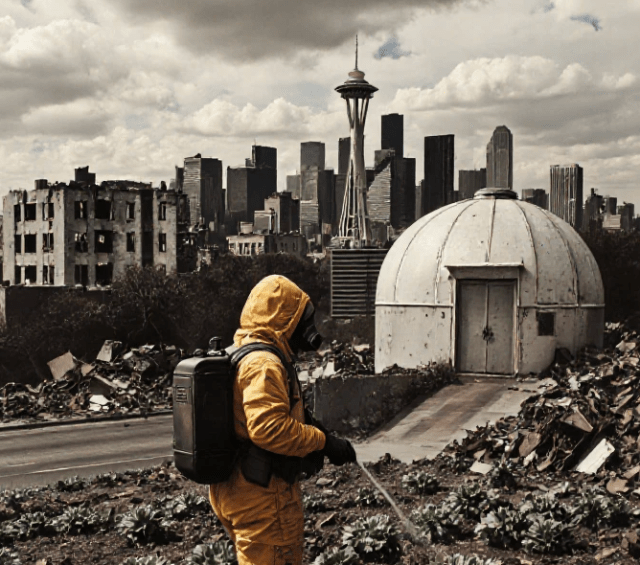
Why They’re Still Relevant
Outbreaks and measles can be deadly even for healthy adults, especially without vaccination or preparedness. Recent outbreaks in Texas show diseases can spread fast.
How to Stay Alive
- Stay up-to-date on vaccinations.
- Practice good hygiene and avoid crowded sick areas.
- Learn how airborne diseases spread.
- Have a basic supply of masks and sanitizers.
Preparedness beats panic.
9. Heat-Related Illness

Why It’s Lethal in Texas
Brutal Texas summers aren’t just uncomfortable — heat kills. High temperatures, outdoor work, and dehydration can lead to heatstroke.
How to Survive
- Hydrate before you feel thirsty.
- Wear light, breathable clothing.
- Take breaks in shade or air-conditioned spaces.
- Monitor yourself and others for signs of heat exhaustion.
Heat is silent but deadly — don’t underestimate it.
10. Drowning and Flood-Related Deaths

Why They’re Especially Deadly Here
Texas leads the U.S. in flood fatalities due to geography and heavy summer rains. Driving or walking into floodwaters remains a major killer.
Survival Strategies
- Turn around, don’t drown — never cross moving water by vehicle or foot.
- Know your local flood zones.
- Prepare a family emergency plan for flash floods.
- Learn basic water rescue safety (not risky heroics).
Respect water — it’s more powerful than most Texans think.
Final Survival Tips From a Prepper
You can’t control everything — but you can control how prepared you are:
✔ Get routine health screenings
✔ Learn lifesaving skills (CPR, first aid)
✔ Maintain physical fitness and nutrition
✔ Create emergency plans for home, car, and community
✔ Stay informed about local hazards
Texas demands resilience. Survivors don’t just accept risk — they understand it, prepare for it, and act before it’s too late.






























 TheDailyChristian