
Hawaii Tiny Home Living: Island Locations That Actually Allow It

Hawaii Tiny Home Living: Island Locations That Actually Allow It

by Brooke Homestead — 2025 Female Survival Prepper of the Year

Hawaii is paradise — no argument there. Turquoise waters, lush forests, volcanic peaks, and year-round sun make it a dream destination for tiny home living. But paradise comes with its own challenges: limited space, strict regulations, and high costs. I’m Brooke Homestead, and I’ve lived off-grid in extreme climates. I’ve seen what works and what doesn’t when it comes to living small in isolated, beautiful places. Today, we’re talking about Hawaii tiny home living — where you can legally build, thrive, and embrace island life without breaking the law or your budget.


Best Islands and Locations for Tiny Homes in Hawaii: Big Island & Kauai

Brooke Homestead — 2025 Female Survival Prepper of the Year

(CLICK ON BROOKE HOMSTEAD’S PICTURE BELOW FOR TO HEAR HER VIDEO MESSAGE)

Big Island — Room to Grow, Nature at Your Doorstep

The Big Island is ideal for those wanting space, adventure, and flexibility. Unlike Oahu or Maui, land is more abundant and zoning tends to be more flexible in rural areas.

Why Big Island works:

  • Rural zoning is supportive: Many parcels outside Hilo, Kona, or Waimea allow tiny homes on foundations or tiny homes on wheels if you follow building codes.
  • Off-grid opportunity: Solar, rainwater catchment, and composting systems work beautifully in the consistent tropical climate.
  • Diverse environments: From volcanic plains to rainforest valleys, you can pick a location that fits your lifestyle — beachside, mountainside, or mid-island quiet.

💡 Brooke Tip: Check each county’s land use regulations. Hawaii County can be tiny-home friendly in rural zones, but parcels near urban centers have stricter rules.


Kauai — Small Island Serenity

Kauai, the “Garden Isle,” is perfect if you’re seeking a quiet, nature-immersed tiny home lifestyle. Land is limited, but small homes are possible with proper planning.

Why Kauai works:

  • Rural zoning areas: Many small parcels outside Lihue or Princeville allow tiny homes as primary residences or secondary dwellings.
  • Community support: Locals value sustainability and traditional Hawaiian lifestyle, which often aligns with tiny, off-grid living.
  • Natural beauty everywhere: Rivers, forests, and beaches make off-grid water, solar, and garden setups feasible.

Brooke Survival Insight: Rainfall can be heavy — design your tiny home with robust roofing, drainage, and elevated foundations to prevent flooding and moisture damage.


Toughest Zoning Areas for Tiny Homes: Oahu & Maui

Oahu and Maui are popular, but urbanization and tourism-heavy zoning make tiny homes challenging:

  • Oahu: Honolulu and surrounding metro areas have strict building codes, minimum square footage requirements, and little room for off-grid living. Tiny homes are mostly allowed as ADUs behind a primary residence.
  • Maui: Tourist demand keeps land expensive and zoning restrictive. Many parcels require full-size dwellings and adherence to strict environmental regulations.

💡 Brooke Tip: If you must be on Oahu or Maui, consider tiny homes as accessory dwellings, co-housing communities, or parcels far from urban centers.


Zoning Laws in Hawaii — Tiny Home Considerations
Hawaii has county-specific regulations, so legality varies by island:

  • Accessory Dwelling Units (ADUs): Allowed in many urban and suburban zones, typically 200–400 sq. ft.
  • Tiny Homes on Wheels (THOWs): Treated as RVs; allowed mostly in rural areas or private land with temporary permits.
  • Foundation-based Tiny Homes: Must meet county building codes and state residential codes — including wind-load, flood zones, and plumbing standards.

Brooke Advice: Always call county planning and building departments before purchasing land. Tiny home legality can vary dramatically between neighboring parcels.


Cost of Land in Hawaii — Budget Realities

Land in Hawaii is expensive and limited:

  • Big Island (rural zones): $50,000–$150,000+ per acre. Utilities may need installation; off-grid setups are common.
  • Kauai: $75,000–$200,000 per acre, depending on proximity to the coast. Remote parcels are ideal for tiny homes but require off-grid planning.
  • Oahu & Maui: $250,000+ per small lot. Tiny homes are mostly feasible as ADUs or secondary dwellings.

Other costs to consider: water tanks, septic systems, solar + battery systems, and road access. Off-grid preparedness is essential in Hawaii.


Climate Considerations — Island Weather Challenges

Hawaii is tropical, which is beautiful but requires planning:

  • Rainfall: Especially on windward sides, heavy rain is common — make sure your roof, foundation, and drainage are resilient.
  • Humidity: High humidity can affect wood, insulation, and appliances — proper ventilation is crucial.
  • Wind & storms: Hurricanes and high winds are rare but possible. Secure foundations and tie-downs are a must.
  • Sun: Solar power works beautifully year-round, but shade and ventilation are important for cooling.

Brooke Survival Wisdom: Even paradise requires preparation. Elevate your home, manage water, and insulate for moisture — your tiny home will thank you.


Final Homestead Thoughts

Hawaii can be a tiny home paradise if you choose your location and plan carefully:

  • Best Locations: Big Island for space and rural flexibility; Kauai for small, nature-integrated living.
  • Challenging Areas: Oahu and Maui for urban restrictions, high costs, and strict codes.
  • Planning Essentials: Check zoning, climate risks, and infrastructure before buying land.

Tiny home living in Hawaii is about freedom, resilience, and connection with your surroundings. With the right island, planning, and preparation, your dream of minimalist, off-grid living in paradise can absolutely thrive.

Brooke Homestead
Nevada Tiny Home Living: Where the Desert Meets Minimalism

Nevada Tiny Home Living: Where the Desert Meets Minimalism

by Brooke Homestead — 2025 Female Survival Prepper of the Year

Nevada is the ultimate playground for tiny home enthusiasts who love wide-open spaces, desert landscapes, and self-sufficient living. From the mountain-ringed valleys of Reno to the remote stretches near Las Vegas, the Silver State offers opportunities for downsizing, off-grid living, and minimalist lifestyles. I’m Brooke Homestead, and after years of thriving off-grid and building tiny homes, I’ll guide you through the best desert communities for tiny homes, zoning realities, land costs, and climate considerations.


Best Desert Communities for Tiny Homes in Nevada: Reno and Pahrump

Reno — High Desert with Community Access

Reno is perfect for tiny home enthusiasts seeking proximity to urban amenities while enjoying desert space:

  • Zoning flexibility in outskirts: Many parcels in Washoe County allow tiny homes as primary residences or accessory dwellings.
  • Land affordability: Rural lots range from $15,000–$50,000 per acre — plenty of space for solar panels, gardens, and off-grid systems.
  • Community mindset: Residents value self-sufficiency, practicality, and outdoor lifestyles, making tiny homes socially welcomed.

💡 Brooke Tip: Look for parcels outside city limits — you’ll get more privacy and freedom for off-grid setups while still accessing shops, schools, and healthcare.


Pahrump — Southern Desert Freedom

Pahrump offers affordable land, desert beauty, and lenient zoning for tiny homes:

  • Rural-friendly zoning: Many parcels allow THOWs or foundation-based tiny homes.
  • Land affordability: Parcels typically range from $5,000–$25,000 per acre — ideal for off-grid desert homesteads.
  • Community support: Residents embrace independence, sustainability, and minimalistic living.

Brooke Survival Insight: Desert heat is intense in summer — reflective roofing, ventilation, and shading are essential for comfort and energy efficiency.


Challenging Areas for Tiny Homes in Nevada: Las Vegas & Henderson

Urban centers present challenges:

  • Zoning restrictions: Minimum lot sizes, municipal codes, and HOA rules limit tiny home placement.
  • Higher land costs: Urban parcels often exceed $75,000–$150,000 per lot.
  • Limited off-grid options: Dense development restricts water systems, septic independence, and solar setups.

💡 Brooke Tip: Tiny homes in Las Vegas or Henderson work mostly as ADUs behind existing homes or in planned eco-friendly tiny home communities.


Zoning Laws in Nevada — Tiny Home Considerations

Nevada does not have a statewide tiny home law; local regulations vary:

  • Accessory Dwelling Units (ADUs): Allowed in some cities, usually 200–500 sq. ft.
  • Tiny Homes on Wheels (THOWs): Treated as RVs; generally permitted on rural private land or in designated RV parks.
  • Foundation-based Tiny Homes: Must meet state and local building codes, including structural, electrical, plumbing, and insulation standards.

Brooke Advice: Always confirm zoning with city or county offices before purchasing land — desert parcels may have restrictions based on water access and municipal codes.


Cost of Land in Nevada — Budgeting for Tiny Homes

Land in Nevada is affordable, especially in rural desert areas:

  • Reno outskirts: $15,000–$50,000 per acre — perfect for off-grid high desert living.
  • Pahrump rural lots: $5,000–$25,000 per acre — ideal for THOWs or foundation-based tiny homes.
  • Las Vegas & Henderson metro: $75,000+ per lot — tiny homes mostly feasible as ADUs.
  • Northern and central desert towns: $3,000–$20,000 per acre — excellent for minimalist and self-sufficient living.

Additional costs include wells, septic systems, solar panels, driveway access, and desert-specific building materials.


Climate Considerations — Desert Living for Tiny Homes

Nevada has a desert and high desert climate, which affects tiny home planning:

  • Winter: Mild to cold — insulation is still important for cold desert nights.
  • Summer: Hot and dry — reflective roofs, ventilation, and shade are essential.
  • Storms: Occasional monsoons and wind storms require proper drainage, anchoring, and reinforced construction.
  • Water scarcity: Rainwater collection, water storage, and efficiency are critical for off-grid living.

Brooke Survival Insight: Tiny homes are compact — without proper insulation, sun protection, and water planning, desert life can quickly become uncomfortable or unsustainable.


Final Homestead Thoughts

Nevada is a state where tiny home living and desert minimalism thrive, offering stunning landscapes, wide-open spaces, and a culture of independence:

  • Best Communities: Reno for high desert amenities and proximity to city services; Pahrump for affordability, desert freedom, and off-grid potential.
  • Challenging Areas: Las Vegas and Henderson due to zoning, density, and high land costs.
  • Planning Essentials: Verify zoning, design for sun, heat, monsoons, and water access, and plan off-grid systems for energy and self-sufficiency.

Tiny home living in Nevada is about resilience, simplicity, and enjoying life in expansive desert spaces under endless skies. With the right location and preparation, you can thrive in a small, sustainable home surrounded by rugged landscapes and quiet freedom.

Brooke Homestead

New Mexico Tiny Home Living: Best Desert Communities

New Mexico Tiny Home Living: Best Desert Communities

by Brooke Homestead — 2025 Female Survival Prepper of the Year

New Mexico is a desert haven for tiny home enthusiasts, offering wide-open spaces, breathtaking landscapes, and a lifestyle that blends simplicity with self-sufficiency. From the high desert of Santa Fe to small towns with strong off-grid communities, the state is ideal for those who want to downsize, embrace minimalism, and connect with nature. I’m Brooke Homestead, and after years of living off-grid, building tiny homes, and thriving in desert environments, I’ll guide you through New Mexico’s best desert communities, zoning realities, land costs, and climate considerations.


Best Desert Communities for Tiny Homes in New Mexico: Santa Fe and Las Cruces

Santa Fe — Artsy Desert Living with Community

Santa Fe is perfect for tiny home enthusiasts who want culture, community, and desert beauty:

  • Zoning flexibility in outskirts: Many parcels outside the city allow tiny homes as primary residences or accessory dwellings.
  • Land affordability: Rural lots range from $25,000–$60,000 per acre — enough for off-grid solar, gardens, and water catchment systems.
  • Community mindset: Residents embrace sustainability, minimalism, and alternative lifestyles, making tiny homes socially welcomed.

💡 Brooke Tip: Look for parcels in the high desert surrounding Santa Fe — privacy, space for off-grid systems, and stunning sunsets are guaranteed.


Las Cruces — Southern Desert Simplicity

Las Cruces offers affordable land, desert beauty, and a practical environment for tiny homes:

  • Rural-friendly zoning: Many parcels allow THOWs or foundation-based tiny homes.
  • Land affordability: Parcels typically range from $10,000–$35,000 per acre — ideal for off-grid or minimalist setups.
  • Community support: Residents value independence, self-sufficiency, and practical living.

Brooke Survival Insight: The desert sun is intense — proper insulation, reflective roofing, and solar ventilation are critical for comfort and energy efficiency.


Challenging Areas for Tiny Homes in New Mexico: Albuquerque & Santa Teresa

Urban centers present some challenges:

  • Zoning restrictions: Minimum lot sizes, municipal codes, and building requirements can limit tiny home placement.
  • Higher land costs: Urban parcels often exceed $75,000 per lot.
  • Limited off-grid options: Dense neighborhoods reduce freedom for solar, water, and septic independence.

💡 Brooke Tip: Tiny homes in Albuquerque or Santa Teresa are mostly feasible as ADUs behind existing homes or in planned eco-friendly small-home communities.


Zoning Laws in New Mexico — Tiny Home Considerations

New Mexico does not have a statewide tiny home law; local regulations vary:

  • Accessory Dwelling Units (ADUs): Increasingly allowed in some towns, usually 200–500 sq. ft.
  • Tiny Homes on Wheels (THOWs): Treated as RVs; generally allowed on rural private land or in designated RV parks.
  • Foundation-based Tiny Homes: Must meet state and local building codes, including electrical, plumbing, structural, and insulation standards.

Brooke Advice: Always verify zoning with city or county planning offices before purchasing land — desert parcels may have different restrictions based on water access and land use.


Cost of Land in New Mexico — Budgeting for Tiny Homes

Land in New Mexico is affordable, especially outside metro areas:

  • Santa Fe outskirts: $25,000–$60,000 per acre — perfect for high desert living.
  • Las Cruces rural lots: $10,000–$35,000 per acre — ideal for THOWs or off-grid foundation-based homes.
  • Albuquerque & Santa Teresa metro: $75,000+ per small lot — tiny homes mostly feasible as ADUs.
  • Northern desert towns: $5,000–$25,000 per acre — excellent for minimalist living and off-grid systems.

Additional costs include water access, solar panels, septic systems, driveway access, and desert-specific building materials.


Climate Considerations — Desert Living for Tiny Homes

New Mexico has a high desert climate, which affects tiny home planning:

  • Winter: Mild and dry — insulation is still important for cold desert nights.
  • Summer: Hot and sunny — reflective roofs, ventilation, and shade are essential.
  • Storms: Occasional monsoons require drainage planning and reinforced construction.
  • Water scarcity: Rainwater collection and efficient water use are critical for off-grid living.

Brooke Survival Insight: Tiny homes are compact — without proper insulation, ventilation, and water planning, desert living can become uncomfortable or unsustainable.


Final Homestead Thoughts

New Mexico is a state where tiny home living thrives in the desert, offering stunning landscapes, affordable land, and a culture of independence:

  • Best Communities: Santa Fe for culture and high desert beauty; Las Cruces for affordability and practical off-grid living.
  • Challenging Areas: Albuquerque and Santa Teresa due to density, zoning, and urban restrictions.
  • Planning Essentials: Verify zoning, design for sun, heat, storms, and water access, and plan off-grid systems for self-sufficiency.

Tiny home living in New Mexico is about resilience, simplicity, and enjoying life in wide-open desert spaces. With the right location and preparation, you can thrive in a small, sustainable home under endless skies and vivid sunsets.

Brooke Homestead

North Dakota Tiny Home Living: Where the Lifestyle Works Best (UPDATED MARCH 2026)

North Dakota Tiny Home Living: Where the Lifestyle Works Best

by Brooke Homestead — 2025 Female Survival Prepper of the Year

North Dakota is a paradise for tiny home enthusiasts who crave wide-open spaces, rural freedom, and a minimalist lifestyle. From the rolling plains to quiet river valleys, the Peace Garden State offers affordable land, supportive rural communities, and plenty of room for off-grid living. I’m Brooke Homestead, and after years of thriving off-grid and building tiny homes in challenging environments, I’ll guide you through the best locations for tiny homes, zoning realities, land costs, and climate considerations.


Best Places for Tiny Homes in North Dakota: Fargo and Bismarck 🌾🏡

Fargo — Small Town Energy with Big Potential

Fargo is ideal for tiny home enthusiasts seeking access to amenities without sacrificing open space:

  • Zoning flexibility in surrounding areas: Many parcels in Cass County allow tiny homes as primary residences or accessory dwellings.
  • Land affordability: Rural lots typically range from $15,000–$50,000 per acre — enough space for gardens, solar panels, and off-grid systems.
  • Community mindset: Residents value self-sufficiency, practicality, and small-scale living, making tiny homes socially welcomed.

💡 Brooke Tip: Look for parcels just outside city limits — you’ll enjoy access to services while maintaining privacy and freedom for off-grid living.


Bismarck — Capital City with Rural Flexibility

Bismarck offers affordable land, supportive zoning, and access to the Missouri River for recreation:

  • Rural-friendly zoning: Many parcels allow Tiny Homes on Wheels (THOWs) or foundation-based tiny homes.
  • Land affordability: Parcels range from $10,000–$40,000 per acre — ideal for off-grid, minimalist living.
  • Community support: Residents embrace independence, outdoor living, and self-sufficient lifestyles.

Brooke Survival Insight: Winters are long and harsh — proper insulation, heating systems, and snow-proof construction are critical for comfort and safety.


Challenging Areas for Tiny Homes in North Dakota: Grand Forks & Minot ⚠️

Urban centers can present obstacles:

  • Zoning restrictions: Minimum lot sizes, city ordinances, and historic districts may limit tiny home placement.
  • Higher land costs: Urban parcels often exceed $50,000–$100,000 per lot.
  • Limited off-grid options: Dense neighborhoods restrict independent water, septic, and solar setups.

💡 Brooke Tip: Tiny homes in Grand Forks or Minot work best as ADUs behind existing homes or in tiny home-friendly communities on the outskirts.


Zoning Laws in North Dakota — Tiny Home Considerations 📜

North Dakota does not have a statewide tiny home law; local regulations vary by city and county:

  • Accessory Dwelling Units (ADUs): Allowed in some towns, typically 200–500 sq. ft.
  • Tiny Homes on Wheels (THOWs): Treated as RVs; generally allowed on rural private land or in designated RV parks.
  • Foundation-based Tiny Homes: Must meet state and local building codes, including structural, electrical, plumbing, and insulation standards.

Brooke Advice: Always verify zoning with local city or county offices before purchasing land — rural parcels often have more flexibility than urban lots.


Cost of Land in North Dakota — Budgeting for Tiny Homes 💰

Land in North Dakota is affordable and plentiful, especially outside urban centers:

  • Fargo outskirts: $15,000–$50,000 per acre — ideal for semi-rural tiny home living.
  • Bismarck rural lots: $10,000–$40,000 per acre — perfect for off-grid or THOW setups.
  • Grand Forks & Minot metro: $50,000+ per lot — tiny homes mostly feasible as ADUs.
  • Other rural counties: $5,000–$25,000 per acre — excellent for off-grid and minimalist living.

Additional costs include wells, septic systems, solar panels, driveway access, and winter-proofing.


Climate Considerations — North Dakota Weather for Tiny Homes

North Dakota has a continental climate with long, cold winters and warm summers, which impacts tiny home planning:

  • Winter: Cold and snowy — insulation, heating, and snow-load roofs are essential.
  • Summer: Warm and sunny — ventilation, shading, and cooling systems help maintain comfort.
  • Storms: Occasional tornadoes and thunderstorms require proper anchoring, drainage, and emergency preparedness.
  • Water Management: Ensure adequate water storage and drainage, particularly for off-grid setups.

Brooke Survival Insight: Tiny homes are compact — without proper insulation and storm preparation, winter months can become harsh and unsafe.


Final Homestead Thoughts

North Dakota is a state where tiny home living works beautifully, offering wide-open spaces, rural freedom, and a culture of independence:

  • Best Locations: Fargo for semi-rural living with city access; Bismarck for affordable land and Missouri River access.
  • Challenging Areas: Grand Forks and Minot due to urban density and zoning restrictions.
  • Planning Essentials: Verify zoning, design for cold winters, storms, and water access, and consider off-grid systems for energy and self-sufficiency.

Tiny home living in North Dakota is about resilience, simplicity, and enjoying life surrounded by prairie skies and open landscapes. With the right location and preparation, you can thrive in a small, sustainable home in the Peace Garden State.

Brooke Homestead
New Jersey Tiny Home Lifestyle: Surprising Places That Allow It

New Jersey Tiny Home Lifestyle: Surprising Places That Allow It

by Brooke Homestead — 2025 Female Survival Prepper of the Year

New Jersey may not be the first state that comes to mind when thinking of tiny homes, but for those willing to look beyond the urban sprawl, there are surprising towns and counties where small living is possible. From wooded suburbs to quiet coastal communities, New Jersey offers access to amenities, coastal beauty, and pockets of land suitable for downsizing. I’m Brooke Homestead, and after years of building tiny homes, living off-grid, and helping people thrive in small spaces, I can guide you through where tiny homes are allowed, zoning realities, land costs, and climate considerations.


Best Places for Tiny Homes in New Jersey: Hunterdon County and Ocean County

Hunterdon County — Rural Charm Close to the City

Hunterdon County, in western New Jersey, is ideal for tiny home enthusiasts seeking space, rural surroundings, and community support:

  • Flexible zoning in rural areas: Many parcels allow tiny homes as primary residences or accessory dwellings.
  • Affordable land: Lots can range from $50,000–$100,000 per acre depending on location.
  • Community mindset: Residents often embrace sustainability, small-scale farming, and minimalist lifestyles.

💡 Brooke Tip: Look for parcels slightly outside the town center — you’ll get more freedom for gardens, solar panels, and water catchment systems.


Ocean County — Coastal Living with Tiny Home Potential

Ocean County offers coastal access and small-town living:

  • Zoning flexibility: Rural and semi-rural parcels allow tiny homes, especially in areas outside heavily developed shorelines.
  • Community support: Residents value simplicity, recreation, and sustainable living.
  • Land affordability: Parcels range from $40,000–$90,000 per acre, depending on proximity to the coast.

Brooke Survival Insight: Coastal weather means hurricane preparedness and moisture-resistant materials are essential for tiny homes here.


Challenging Areas for Tiny Homes in New Jersey: Jersey City & Hoboken ⚠️

Urban New Jersey presents several hurdles:

  • Zoning restrictions: Historic districts, minimum lot sizes, and urban planning codes limit tiny home placement.
  • High land costs: Small parcels in cities like Jersey City or Hoboken can exceed $300,000–$500,000, making downsizing financially tricky.
  • Limited off-grid options: Dense development reduces flexibility for solar, water, and septic independence.

💡 Brooke Tip: Tiny homes in these areas are mostly feasible as ADUs behind existing homes or in specialized small-home communities.


Zoning Laws in New Jersey — Tiny Home Considerations

New Jersey does not have a statewide tiny home law; regulations vary by county and municipality:

  • Accessory Dwelling Units (ADUs): Increasingly allowed in some towns, typically 200–500 sq. ft.
  • Tiny Homes on Wheels (THOWs): Treated as RVs; usually permitted on rural parcels or in designated RV parks.
  • Foundation-based Tiny Homes: Must comply with state and local building codes, including electrical, plumbing, structural, and insulation standards.

Brooke Advice: Always confirm zoning with local planning offices — rules can vary significantly between neighboring parcels.


Cost of Land in New Jersey — Budgeting for Tiny Homes

Land in New Jersey is more expensive than most states, but opportunities exist:

  • Hunterdon County rural lots: $50,000–$100,000 per acre — ideal for off-grid tiny homes with space for gardens and solar.
  • Ocean County semi-rural lots: $40,000–$90,000 per acre — coastal access without extreme costs.
  • Northern urban metro (Jersey City/Hoboken): $300,000+ per small parcel — tiny homes mostly feasible as ADUs or secondary dwellings.
  • Southern New Jersey small towns: $30,000–$60,000 per acre — excellent for minimalist living and off-grid setups.

Additional costs: wells, septic systems, solar panels, driveway access, and storm preparation.


Climate Considerations — New Jersey Weather for Tiny Homes

New Jersey has a humid continental and coastal climate, which affects tiny home design:

  • Winter: Cold with snow — insulation, heating, and snow-load roofs are essential.
  • Summer: Hot and humid — ventilation, shade, and cooling systems are important.
  • Storms & Hurricanes: Coastal areas are at risk — reinforced structures and elevated foundations are recommended.
  • Rainfall: Frequent — proper drainage and moisture-resistant materials are crucial.

Brooke Survival Insight: Tiny homes are compact — poor insulation or inadequate storm prep can quickly create discomfort or hazards. Coastal areas require extra attention to wind, water, and moisture management.


Final Brooke Homestead Thoughts

New Jersey is a state with surprising opportunities for tiny home living, especially in towns that balance rural charm, coastal beauty, and community support:

  • Best Places: Hunterdon County for rural charm and space; Ocean County for coastal access and semi-rural freedom.
  • Challenging Areas: Jersey City and Hoboken due to zoning, density, and high land costs.
  • Planning Essentials: Verify zoning, design for winter, summer heat, and coastal storms, and consider off-grid systems for water and energy.

Tiny home living in New Jersey is about resilience, simplicity, and finding your small space in a densely populated state. With the right town and careful planning, you can thrive in a small, sustainable home surrounded by forests, rivers, and the Atlantic coastline.

Brooke Homestead

Arizona’s Tiny Home Lifestyle: Best Cities and Toughest Places to Go Small – (UPDATED)

by Brooke Homestead2025 Female Survival Prepper of the Year

Listen — I’ve lived under canopies of big sky in Montana, tucked into thickets in Pennsylvania, and ridden out dust storms deep in the desert. But few places in the U.S. can test a tiny home dream like Arizona does. This state is beautiful, brutal, breathtaking, and totally unforgiving — all at the same time. And that’s exactly why going tiny here takes more than ambition; it takes prep, grit, and know‑how.

Whether you’ve got visions of solar panels glinting off red rock or worry about zoning headaches that feel like cactus pricks, I’ve got you covered. Let’s dig in and find where tiny living thrives — and where it’ll test you.


Best City for Tiny Homes in Arizona: Prescott — Tiny Living with Community and Character 🌟

If Arizona were a painting, Prescott would be one of the warm, inviting brush strokes — easy on the eyes and rich in character. Sitting at about 5,000 feet in elevation, Prescott manages to offer four seasons of real weather, a tight‑knit community, and enough open land to make a tiny home setup feel natural rather than squeezed in.

This is exactly the kind of place I love: not too crowded, respects its neighbors, and open to innovating — just not at the cost of community harmony.

Why Prescott Works for Tiny Home Living

🏜️ Balance of Urban Access and Rural Feel
Prescott gives you that rare mix: restaurants, healthcare, and local amenities without sacrificing elbow room. You’re not lost in the wilderness, but you’ve also got elbow room for gardens, rainwater tanks, and solar arrays.

📜 Supportive Local Culture
Let’s be honest — tiny homes aren’t just about square footage — they’re about lifestyle. Prescott embraces diversity in living arrangements and this often translates into smoother conversations with planners and neighbors alike.

🌿 Ideal Climate for Off‑Grid Systems
High elevation gives Prescott cooler summers and more gentle winters compared to Phoenix or Tucson. That’s gold if you’re doing passive solar, small wood‑stove heating, or rainwater collection systems.

💡 Brooke’s On‑The‑Ground Tip:
Before you buy, talk to the county planning department early. Even in Prescott, each parcel can differ in its tiny home readiness based on water access, septic rules, and minimum square footage requirements. But I’ve seen more nods and smiles here than groans — and that counts for a lot.


Toughest Places to Go Small in Arizona: Phoenix and Scottsdale ⚠️

I’m not going to sugarcoat it — Phoenix and its glamorous neighbor Scottsdale are tough territory for tiny homes. If you love big city vibes, lively culture, and nonstop activity, I get the draw. But from a tiny home practicality angle, these metro areas are like navigating a desert storm without a compass.

What Makes These Cities Hard for Tiny Living?

🏙️ Skyrocketing Land Costs
Phoenix and Scottsdale aren’t just expensive — they’re urban‑premium expensive. Even tiny parcels in outer neighborhoods will often cost more than a fully built tiny home. If your dream was to save money by going small — you’ll spend it very quickly here.

📜 Stringent Zoning and Codes
Metro zoning in Phoenix and Scottsdale tends to favor traditional housing models — single‑family homes, townhouses, apartments. Tiny homes especially tiny homes on wheels are often treated like RVs — permitted in RV parks or temporary spaces — but not as permanent primary residences in most single‑family zones.

🚧 Planning Office Frustration
I’ll tell you something from experience: when a planner sees “tiny home” on a permitting app in major metros, the questions start multiplying. They’re not hostile — just cautious — and that means time, cost, and compromise.

💡 Survival Wisdom:
If Phoenix or Scottsdale is your heart’s desire, your best route is often through Accessory Dwelling Units (ADUs). Tiny living as a granny flat, guest house, or studio on an existing property is far more realistic than standalone tiny homes on private lots — but even that comes with rules and size minimums.


Zoning Laws in Arizona — Know the Rules Before You Build 📜

Here’s where most folks — even seasoned homesteaders — stumble: zoning is local, not state‑wide. Arizona doesn’t have a single law that gives tiny homes a free pass anywhere. Instead, zoning depends on city or county ordinances — and those vary like desert terrain.

Three Key Paths Tiny Homes Are Often Classified:

  1. Primary Residence on a Foundation
    If your tiny home is on a permanent foundation and meets the local building code for dwellings, you may be able to treat it like any other house — but only if zoning allows smaller structures.
  2. Accessory Dwelling Unit (ADU)
    Many cities are now incorporating ADUs into their codes. These are secondary living spaces on a lot that already has a primary home. ADUs are often the best tiny home fit in metro areas.
  3. Tiny Home on Wheels (THOW)
    These are typically treated as vehicles or RVs, which can create both opportunity and roadblocks:
    • Allowed as temporary dwellings in RV parks
    • Allowed on private property with specific RV use zoning
    • Sometimes outright forbidden as a full‑time residence

County vs City — Mostly the County Calls the Shots Outside Metro Areas

If you’re considering rural land — say in Yavapai, Cochise, or Coconino counties — you’ll find that zoning can be more flexible, but not automatically welcoming. Most rural codes still require:

✔ septic systems
✔ well or water access
✔ stormwater plans
✔ setbacks and access roads

The smart strategy? Start with the county planner — before you buy — not after. I can’t stress that enough. Having a parcel that sounds perfect and then finding out it’s zoning hostile is like finding water in the desert — only to realize it’s a mirage.


Cost of Land in Arizona — Real‑Deal Numbers You Need 💰

Arizona’s land costs vary wildly depending on who’s asking and where they’re looking — and learning this early will keep your budget realistic.

Typical Price Patterns

📍 Rural Counties (e.g., Apache, Navajo, Mohave)
Land here can be affordable — sometimes just a few thousand dollars per acre — but that can come with tradeoffs: lack of utilities, remote access, and challenging terrain.

📍 Transition Zones (e.g., Prescott, Flagstaff Outskirts, Show Low)
These areas offer a sweet spot — decent access, lower land costs than metro, and more tolerance for non‑traditional housing.

📍 Metro Fringe (Phoenix and Tucson outskirts)
Expect land prices to climb fast as proximity to city services increases. Tiny dreams are possible — but the land bill can quickly outgrow the tiny house budget.

📍 City and Suburban Parcels
Here’s where passion and finances split. Small lots inside city limits may cost more than your tiny home build itself — especially near popular neighborhoods.

Don’t Forget the Extras

Owning land isn’t just the purchase price. For tiny off‑grid success you must plan and budget for:

🔹 Well drilling or water access
🔹 Septic or composting systems
🔹 Electric tie‑ins or solar + battery systems
🔹 Road and driveway access
🔹 Permits and inspections

Real talk: even low‑cost land can turn into a pricier project if none of those essentials are in place.


Climate Considerations — Arizona Throws Everything at You 🌞🌵

Arizona’s climate is not gentle — but it rewards preparation.

Low Desert (Phoenix, Tucson, Yuma)

Scorching summers
– Low humidity
– Big swings between day and night temps
– Flash floods possible

Your tiny home needs: brilliant insulation, reflective roofing, deep shade solutions, and real cooling plans — because battles with triple‑digit heat aren’t won by hope alone.

High Desert & Mountains (Prescott, Flagstaff, Payson)

– Cooler summers
– Cold winters with snow
– Dramatic weather shifts

This is where tiny homes can really shine if you build with climate in mind — proper insulation, passive solar, wood stoves, and solid roofing.

Survivalist Setup Essentials

Wherever you are:

✔ Start with a strong foundation or tie‑downs — wind and monsoon storms are real.
✔ Orient your home for shade in summer and sun in winter.
✔ Choose materials that handle UV, wind, sand, and temperature swings.
✔ Think water first — rainwater capture and storage can save you in dry months.


Brooke Homestead’s Final Thoughts

Arizona isn’t a tiny home fairy tale. It’s a wild frontier with opportunity, if you come prepared, informed, and realistic.

Prescott is a standout city — approachable, friendly, and tiny‑home ready.
Phoenix and Scottsdale are beautiful, expensive, and rigid — not impossible, but tougher than they look.
Zoning laws are local — your success depends on where you step and how well you plan.
Land costs vary dramatically — rural broad acres versus metro bite‑size lots.
Climate is a teacher: respect it, and your tiny home will thrive.

Tiny living isn’t about shrinking your life — it’s about amplifying your freedom. Arizona can be that amplifier, but you need planning, patience, and practical know‑how.

You’ve got the roadmap — now go build something resilient.
Brooke Homestead
Virginia Tiny Homes: Cities That Welcome Small Living (UPDATED)

From the rolling Blue Ridge Mountains to the Chesapeake Bay shore, Virginia is a state full of history, natural beauty, and — if you know where to look — opportunities for living small in a big world. I’m Brooke Homestead. I’ve lived off the grid, weathered storms with nothing but grit and a good rain tarp, and trusted myself on where tiny homes truly fit into a community. Today I’m going to walk you through the best — and the trickiest — places to plant your tiny home in Virginia. 🌿🏡


Best City for Tiny Homes in Virginia: Staunton 🌟

Let’s jump right in.

If I had to pick one city in Virginia that really gets it on tiny living, I’d point you toward Staunton — a welcoming blend of small‑town charm and practical tiny home acceptance.
This city has actually written itself into the tiny home conversation by allowing tiny over‑land sizes down to about 200 square feet as part of its building code — and without the endless bureaucracy you’ll find elsewhere.

Why Staunton Works Well

Tiny homes get real respect here — Staunton’s planning unit recognizes tiny homes (including accessory dwellings) without forcing you into complicated approvals.

Historic but progressive — There’s a genuine vibe of preservation and innovation. While Staunton loves its older architecture and cobblestone history, there’s room in the mix for smart, small, sustainable living. That’s a cultural win you can’t ignore.

Keswick and surrounding acreage — Just outside Staunton proper, you’ll find rolling fields and forests that make off‑grid systems like rainwater capture, solar arrays, and composting toilets feel not just doable — but welcomed with open arms.

💡 Brooke’s Homestead Tip: If you’re thinking buy land and build your tiny home from the ground up, Staunton’s proximity to rural Augusta County gives you the latitude to work with county planners — not against them — especially if you make a good plan and talk to them early.


Worst City for Tiny Homes in Virginia: Arlington ⚠️

Now this may surprise some folks — especially those who love urban culture — but when it comes to tiny homes, Arlington can be a big challenge.

Arlington has been aggressively reforming its zoning — and it is expanding housing types — but primarily toward more compact multi‑unit structures like duplexes, triplexes, and townhomes, not tiny homes on their own lots.

Why Arlington Isn’t Ideal for Tiny Living

Zoning complexity: The city eliminated single‑family zoning in many areas, but that doesn’t automatically mean a tiny home on wheels or even a small standalone dwelling is permitted. Most new rules focus on missing middle housing — not individual tiny units.

Sky‑high land values: With land prices that make most mortgages blush (and Zillow listings cry), you’ll have a real battle just finding a legal parcel affordable enough for a tiny home. (Urban land in Northern Virginia is expensive — even for small builds.)

Urban infrastructure focus: Arlington planners are understandably prioritizing transit‑oriented development, structured neighborhoods, and multi‑unit housing stock — but tiny homes often fall outside those design visions.

💡 Brooke’s Survival Insight: If your heart is set on the DC metro area, consider ADUs attached to existing properties — that’s the smoother path for tiny living here. But don’t expect free‑standing tiny homes on private lots without major hoops.


Zoning Laws in Virginia — What Tiny Homesteaders Actually Face

Alright — let’s dig into the nuts and bolts (literally) of zoning in Virginia, because this is where many well‑intentioned dreamers hit their first patch of briars.

No One‑Size‑Fits‑All Rule

Virginia doesn’t have a statewide provision that automatically lets you stick a tiny home anywhere. Instead, your outcome depends deeply on county and city zoning ordinances — and those differ brusquely from place to place.

Building Code Standard

At the state level, tiny homes can comply with the Virginia Uniform Statewide Building Code (which is based on the International Residential Code). This means any home you want to legally house people in — tiny included — needs:

  • proper foundation,
  • structural integrity,
  • plumbing, electrical, etc.

The code even includes Appendix Q, which specifically outlines minimum requirements for tiny homes.

But here’s the twist: local zoning might still want a minimum square footage buried deep in the ordinances, even if the building code allows smaller. This disconnect is where a planner can make or break your dream.

Common Local Variations

Here’s a snapshot of what you’ll encounter in different parts of the state (based on recent local zoning summaries):

  • Fauquier County: Accepts tiny homes as primary residences or ADUs — but no tiny homes on wheels.
  • Buckingham County: Allows tiny homes on wheels on private land — with sewer connection mandates.
  • Albemarle County: Tiny homes permitted as ADUs with special use permits.
  • Virginia Beach: Treats tiny homes like any other residential structure — they must meet hurricane and flood safety codes.
  • Norfolk: Tiny dwellings often part of affordable housing programs, with utility connections required.

Pro Tip from Brooke: Call the local zoning office before you sign on land. I can’t tell you how many folks buy property, only to discover their vision doesn’t match the county’s definition of a “dwelling.” Asking ahead saves heartbreak and hard‑earned dollars.


Cost of Land in Virginia — Budget Reality

Let’s talk dollars — because any survivalist worth her salt plans with a spreadsheet and coffee. ☕📊

Virginia’s land prices vary tremendously depending on where you’re looking:

🪵 Rural Counties: Starting as low as a few thousand dollars per acre in parts of Southern and Central Virginia. But keep in mind, remote land often lacks water, power, or septic access — so you’ll need to budget for those.

🏡 Suburban Areas: Places like near Richmond, Norfolk, or Charlottesville can run $50,000–$250,000+ per acre — pricey for tiny home plots.

🌆 High‑Demand Urban Zones: Northern Virginia land — especially closer to Washington DC — can blow up to $1 million+ per acre, making standalone tiny home builds hard to justify without subdividing or using ADUs.

Other Land‑Related Costs

Every bit of infrastructure you add adds to your price:

  • Utilities: Running power, water, sewage can range from $5,000–$20,000 depending on distance.
  • Septic System: If county water isn’t available, plan $3,000–$10,000+ for a private system.
  • Solar & Off‑Grid Gear: If you’re truly homesteading off the grid, solar panels and battery banks are often the best insurance policy — expect $5,000–$20,000+ in upfront cost.

💡 Brooke’s Money Tip: Buying land with existing road access, water access, or nearby utility hookups saves you thousands long before you shovel dirt for your foundation.


Climate Considerations — Virginia Weather and Your Tiny Home

Virginia’s climate can feel like an old friend — warm, welcoming — until she throws thunderstorms and winter chill at you. Here’s what you need to keep in mind:

🌤️ Coastal Eastern Virginia (Virginia Beach, Norfolk):
High humidity, hurricane potential, and flood risk mean your tiny home’s foundation and elevation plan must take storm surge into account. Hurricane‑proofing matters here.

🍁 Central / Piedmont (Staunton, Charlottesville, Lynchburg):
Warm summers, cool winters, and a beautiful four‑season rhythm. Rainwater management, solid insulation, and good roofing are real priorities.

❄️ Western Highlands (near Appalachian Trail):
Winters get cold and snow isn’t unknown. You’ll want floors that are insulated from ground chill and a heating plan that doesn’t cost you an arm and a leg.

💡 Practical Survival Wisdom: Regardless of where you build, always account for water diversion and foundation drainage — tiny homes dislike sitting in moisture more than a novice dislikes a rattlesnake on the trail.


Brooke Homestead’s Words

Virginia isn’t just a place — it’s a patchwork of communities, each with its own interpretation of how homes — tiny or mighty — belong in the landscape.

Places like Staunton are paving the way for tiny living with thoughtful zoning and a spirit of community. On the flip side, urban zones like Arlington make the process possible but more complex than it should be for independent tiny homes.

Whatever patch you choose, here’s my best advice:

🌱 Know the laws before you buy
📐 Plan for utilities early
💪 Prepare for weather challenges
📞 Talk to planners, not just realtors

Tiny living is about freedom — but freedom with preparation is where true peace of mind grows.

Stay curious, stay kind, and build something that lasts.
Brooke Homestead.

Washington Tiny Home Lifestyle: Best Cities for Downsizing (UPDATED 2026)

by Brooke Homestead — 2025 Female Survival Prepper of the Year

If there’s one thing I’ve learned from years on the trail and years off the grid, it’s that your home doesn’t need to be big to be mighty — but its location absolutely matters. Washington State offers wild landscapes, lush forests, rugged rivers, and plenty of challenges for anyone thinking about living small. Let’s break down where going tiny works best — and where it’ll test your grit.


Best City for Tiny Homes in Washington: Spokane

If tiny home living were a hiking trail, Spokane would be a well‑marked route with solid footing — wide enough for a pack mule and beautiful enough for long sunsets. This inland city in eastern Washington balances practical access with affordability, which is key when you’re downsizing and dreaming bigger.

🧭 Why Spokane?

  • More flexible housing paths: Unlike dense urban zones, Spokane and nearby Mead have tiny house sales and community interest, with park models and small footprints actively marketed.
  • Permitting friendly: Local planning offices can be collaboration partners, and anecdotal reports suggest city planners in Spokane are often willing to work with tiny homeowners to meet code.
  • Lower costs: Eastern Washington is generally more affordable than the Puget Sound area — land is cheaper, property taxes are friendlier, and your homestead dollar stretches farther.

  • Lifestyle perks: Access to rivers, trails, and wide open skies makes Spokane an ideal backdrop for outdoor life — whether you’re back‑to‑basics camping or setting up a rainwater catchment system.

🔧 Real‑World Tip from Brooke: If you’re planning to build tiny with a focus on self‑sufficiency, look just outside the city limits where zoning is looser, water access is easier and solar panels soak up rays without neighbor complaints.


Worst City for Tiny Homes in Washington: Seattle ⚠️

Now listen — Seattle is a stunning place. The water, the skyline, the mountains — wow. But from a tiny home practicality standpoint? Seattle can be like trying to roast marshmallows in the rain without a fire.

Here’s why Seattle isn’t ideal for tiny homes right now:

Housing market stress: Seattle is one of the most unaffordable markets in the country, which pushes land prices — and regulatory pressure — through the roof.
Strict zoning + building codes: To place a tiny home legally in Seattle, you pretty much have to integrate it as an Accessory Dwelling Unit (ADU) — meaning it needs to meet residential standards on a property that already has a primary structure.
Tiny on wheels? Tough luck: Tiny homes on wheels (THOWs) are often treated as RVs — allowed only in limited zones, parks, or temporary situations. Long‑term residential use, especially on private small lots, is increasingly difficult.
Competition for space: With powerful demand and limited land, Seattle planners focus on mid‑rise and multifamily builds — not tiny pockets of independent living.

💡 Brooke’s Advice: Don’t get me wrong — Seattle can be part of a tiny home strategy if you aim for community villages or non‑traditional housing projects. But if your vision is quiet backyard off‑grid homesteading, there are better places in this state.


Zoning Laws in Washington — The Terrain You’ve Got to Know

Washington doesn’t have a one‑size‑fits‑all tiny home zoning law. Instead, local governments — cities and counties — hold most of the cards. The statewide Growth Management Act (GMA) guides planning overall, but the specifics of tiny home living change dramatically depending on where you set up camp:

What You Need to Know:

No Statewide Tiny Law: Washington leaves zoning up to local jurisdictions. That means each county or city decides how tiny homes fit into their plans.

Accessory Dwelling Units (ADUs): Many urban and suburban areas allow tiny homes as ADUs — effectively like backyard cottages — usually with size minimums, utility connections, and design standards.

Tiny Homes on Wheels (THOWs): These are often treated as RVs. Some areas allow them in RV parks or under temporary permits, but full‑time residential use is often restricted outside specific zones or rural parcels.

Rural vs. Urban Differences: Rural counties can be more relaxed — especially if you bring your own water, septic, and off‑grid systems — but they still require permitting and meet health district rules.

Survivalist Insight: Always call the local planner before you buy land. I can’t tell you how many times a gorgeous property turned out to have septic or well limitations, or zoning that prohibits living structures under a certain square footage.


Cost of Land in Washington — What You’re Really Signing Up For

This topic is where you separate dreamers from doers. In Washington, land costs vary wildly — from rural watershed acreage that feels almost free, to urban parcels that cost more than your tiny home itself.

Eastern Washington: Land can be incredibly affordable — sometimes under $10,000 per acre in remote corners. If you like privacy and open skies, you’ll be thrilled.

Near Puget Sound: Expect prices to climb — $50,000–$100,000+ even for small lots in commuter zones. These areas are desirable, which means fewer tiny home friendly buys.

Tiny Home Communities: Some villages and eco‑communities offer land leases for tiny homes, where utilities may be shared and costs are predictable — around $150–$600/month depending on the setting.

Infrastructure Costs: Water hookups, septic approval, and utility connection fees can add thousands to the total budget. If you’re planning off‑grid solar or rainwater systems, stack that into your plan early.

Brooke’s Off‑Grid Tip: Even if you score great land, don’t underestimate the practical costs — digging a well, installing a septic, and building access roads can easily add $10,000–$50,000 depending on terrain.


Climate Considerations — What the Weather Will Throw at You

Washington’s climate is as diverse as its terrain. Tiny homes need to stand up to what Mother Nature brings:

Western Washington (Puget Sound & Coast): Mild summers, wet winters, and relentless rain mean you must plan drainage, moisture barriers, and roof design like your life depends on it — because your walls do.

Eastern Washington: Drier air and hotter summers contrast with cold winters. Insulation, well‑sealed windows, and heating systems are non‑negotiable.

Mountain Foothills: Snow loads, wind exposure, and access issues in winter months can impact building permits or insurance.

Survival Strategy: In any climate zone, tiny homes must handle water — both in and out. Off‑grid rainwater harvesting, composting toilets, solar arrays, and good ventilation will keep you comfortable year‑round.


Wrapping It Up — Tiny With Tenacity

Washington state is an incredible place to live tiny — if you go in with your eyes open and your pack stocked with knowledge. There’s solid opportunity here, especially in places like Spokane where affordability and local government cooperation can help you downsize without sacrificing livability.

But you’ll need to navigate:

  • Varying zoning laws by city and county
  • The reality of land costs and infrastructure expenses
  • Seasonal climate challenges that shape how you build and maintain your tiny home

Whether you’re dreaming of a tiny homestead with solar panels and a wood stove, or a simple starter home that gets you into sustainable living, Washington has paths worth exploring — as long as you do the planning, prep, and conversation with local regulators first.

From the mountains to the rivers and beyond — I hope you find your tiny home sweet spot.

Wyoming’s Deadliest Bugs: Survival Tips for Campers and Tiny Home Dwellers

Introduction: Wyoming Wilderness—Beautiful, Brutal, and Bug-Infested

Wyoming is a land of vast plains, jagged mountains, and serene forests, and for many, it’s the dream of the outdoors. But let me tell you something straight: this is not just a postcard-perfect place. If you’re camping, hiking, or living in one of those tiny homes tucked into the wild, you are sharing your space with a cast of critters that can seriously ruin your life—sometimes permanently.

As a survival prepper who’s had his fair share of mishaps—yes, including that little incident with my neighbor’s gasoline, which was, admittedly, captured on his Ring camera—I can tell you one thing with certainty: respect Wyoming’s wildlife, especially the creepy-crawly kind, or pay the consequences.


The bugs here are not just annoying. They are dangerous, cunning, and sometimes lethal. Some can kill you within hours if untreated, others can leave you sick or debilitated for weeks. And unlike in big cities, emergency services might be miles away, and the cell service? Hit-or-miss.

This guide is not for the faint of heart. I’ll break down the most dangerous bugs you’ll encounter in Wyoming, explain how to protect yourself while camping or living in a tiny home, and give you a survival prepper’s approach to staying alive when Mother Nature decides to bite back.


Wyoming’s Most Dangerous Bugs: Nature’s Tiny Killers

Wyoming might look peaceful, but lurking in the grass, forests, and even your cabin are some of the deadliest bugs you’ll ever encounter. I’ve categorized them by type, lethality, and likelihood of encountering them.

1. The Western Black Widow Spider

The Western Black Widow (Latrodectus hesperus) is famous for its venomous bite, which can cause severe pain, muscle cramps, and in rare cases, death—especially in children or those with compromised immune systems.

  • Appearance: Shiny black body with a distinctive red hourglass under its abdomen.
  • Habitat: Dark, undisturbed areas like woodpiles, sheds, garages, and sometimes corners of tiny homes.
  • Risk: Bites are rare but highly painful. In some cases, bites can require hospitalization.

Prepper Advice: Always inspect firewood before bringing it inside. Keep your tiny home clutter-free, and wear gloves when reaching into dark corners or under furniture.


2. Brown Recluse Spider

Wyoming has a growing population of brown recluse spiders. Their bites may start as small, painless punctures but can develop into necrotic wounds that eat away at tissue over days.

  • Appearance: Light to medium brown, violin-shaped marking on the back.
  • Habitat: Dark, dry areas—closets, attics, storage boxes.
  • Risk: Moderate to high. Secondary infections can make bites life-threatening.

Prepper Advice: Shake out clothing, shoes, and bedding before use. In tiny homes, seal cracks and gaps where spiders can enter.


3. Blacklegged (Deer) Tick

Deer ticks are Wyoming’s primary vector for Lyme disease. A single tick bite can leave you bedridden for weeks, sometimes months, with fatigue, joint pain, and neurological issues.

  • Appearance: Tiny, reddish-brown, almost invisible until fully engorged.
  • Habitat: Grasslands, shrubs, forest edges.
  • Risk: High if unprotected during hiking or camping.
  • Dangerous Twist: Ticks can also carry anaplasmosis and babesiosis, deadly if untreated.

Prepper Advice: Use insect repellents with DEET or picaridin, wear long sleeves and pants tucked into socks while hiking, and check your body carefully after being outdoors.


4. Wyoming Centipedes (Scolopendra spp.)

These are not your garden-variety centipedes. Wyoming’s larger species can deliver venomous bites that are extremely painful, causing swelling, nausea, and in rare cases, systemic reactions.

  • Appearance: Large, segmented body with long antennae and venomous fangs.
  • Habitat: Under logs, rocks, and debris near homes or cabins.
  • Risk: Moderate but painful. In small children or elderly adults, bites can be dangerous.

Prepper Advice: Always wear gloves when moving logs or debris. Keep tiny homes sealed and free of clutter where centipedes can hide.


5. Mosquitoes – The Silent Killers

Mosquitoes may seem like a minor nuisance, but Wyoming is home to species that can carry West Nile Virus and other arboviruses. While fatalities are rare, infection can leave you severely ill.

  • Appearance: Small, fuzzy, often unnoticeable until biting.
  • Habitat: Standing water, damp soil, marshes.
  • Risk: Moderate but widespread.

Prepper Advice: Mosquito nets over sleeping areas, long sleeves, and repellents are essential for camping and tiny home patios. Don’t let a small bug make your life miserable.


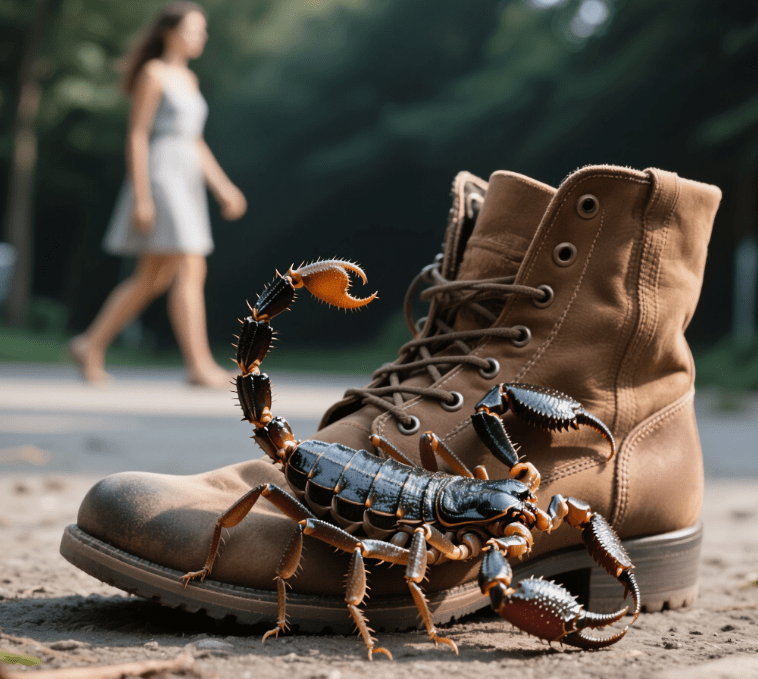
6. Scorpions (Northern Scorpion)

Yes, scorpions exist in Wyoming, though not in massive numbers. Their sting can cause severe pain, numbness, and in rare cases, allergic reactions.

  • Appearance: Small to medium, brownish, curved tail with stinger.
  • Habitat: Rocky areas, under debris, and occasionally tiny home foundations.
  • Risk: Low but not zero. The prepper’s motto: never underestimate the sting.

Prepper Advice: Shake out bedding and clothing, and wear boots outside at night. Always check shoes before putting them on.


7. Poisonous Caterpillars

Wyoming has several species with urticating hairs, such as the Lonomia caterpillar, which can cause severe allergic reactions and internal bleeding in extreme cases.

  • Appearance: Small, fuzzy, or spiny larvae, often on shrubs or trees.
  • Habitat: Trees, bushes, and vegetation near campsites.
  • Risk: Low but significant if touched.

Prepper Advice: Avoid touching unknown caterpillars. Use gloves when handling firewood or pruning shrubs around your tiny home.


8. Fleas

Fleas are not usually fatal, but they can transmit tularemia, a rare but potentially deadly disease. Flea infestations can also exacerbate allergies and secondary infections.

  • Appearance: Tiny, wingless, dark brown insects.
  • Habitat: Grasslands, forests, or homes with pets.
  • Risk: Moderate; infestations can quickly spiral out of control.

Prepper Advice: Treat pets, keep floors clean, and avoid sleeping near areas where wildlife frequents. Tiny homes with high rodent activity are especially vulnerable.


9. Kissing Bugs (Triatomines)

While rare in Wyoming, these insects carry Chagas disease, which can be fatal if untreated. They bite humans at night and feed near the mouth or eyes.

  • Appearance: Dark, flat bugs with long legs and a conical head.
  • Habitat: Cracks in walls, attics, and under rocks.
  • Risk: Low but serious.

Prepper Advice: Seal tiny home cracks, use window screens, and inspect bedding after camping outdoors.


What to Wear While Camping and Living in a Tiny Home

Surviving Wyoming’s bug population requires more than luck—it demands smart clothing and gear.

1. Long Sleeves and Pants

This is the first line of defense. Even light fabric protects against ticks, mosquitoes, and spider bites. If camping, tuck pants into socks and wear gloves when handling wood or vegetation.

2. Bug Repellent

  • DEET or picaridin sprays for exposed skin.
  • Permethrin-treated clothing for long-term protection.
  • Mosquito nets for sleeping areas, especially in tents or tiny home porches.

3. Sturdy Boots

  • Protect your feet from centipedes, scorpions, and snakes.
  • Inspect shoes before wearing—they are hiding spots for spiders.

4. Gloves

Always carry durable gloves when handling wood, shrubs, or trash. Many serious bites happen because someone underestimated a tiny, venomous bug hiding in clutter.

5. Hats and Neck Protection

Some insects, like mosquitoes and ticks, are drawn to warm areas. Wearing a hat and scarf can reduce bites on your head and neck.


Tiny Home Bug Hazards

Living in a tiny home doesn’t mean you’re safe. In fact, small spaces can magnify infestations because bugs have less territory to hide in and can infest quickly.

1. Entry Points

  • Cracks around doors and windows
  • Vents and tiny gaps in foundation
  • Holes in screens

Prepper Tip: Seal everything. Use weather stripping, caulking, and fine mesh screens.

2. Food Storage

Bugs are attracted to food. Keep all food airtight, and never leave crumbs or leftovers exposed.

3. Moisture Control

Many dangerous insects thrive in damp areas. Tiny homes with leaks or high humidity are bug magnets. Fix leaks, ventilate, and use dehumidifiers when possible.

4. Rodents and Wildlife

Rodents can carry fleas and ticks. Keep tiny homes secure from wildlife intrusion—mesh vents, solid doors, and traps where legal.


Emergency Protocols: If You Get Bitten

Despite precautions, bites can happen. Here’s the survival prepper approach:

  1. Identify the bug if possible (take a photo without touching).
  2. Clean the area with soap and water.
  3. Apply cold compresses to reduce swelling.
  4. Monitor for severe symptoms: difficulty breathing, dizziness, spreading redness, or necrosis.
  5. Seek medical attention immediately for bites from black widows, brown recluses, ticks showing bullseye rashes, or unexplained allergic reactions.

Pro Tip: Always carry a basic survival medical kit with antihistamines, antiseptics, and a tick removal tool.


A Wyoming Survival Prepper’s Final Thoughts

Living or camping in Wyoming isn’t just about enjoying nature—it’s about respecting the unseen dangers that lurk in the shadows. Bugs are not just pests—they are small predators with the power to ruin your day, or your life.

As a prepper, the goal is simple: avoid unnecessary risk, prepare for the worst, and stay vigilant. Gear up properly, inspect your tiny home daily, and maintain a survival mindset. And remember—if you ever find yourself caught on your neighbor’s Ring camera stealing gas, well… at least you’ll have your bug survival skills to fall back on. Yowsers indeed.

Wyoming is beautiful, wild, and deadly—but with preparation, you can thrive. Respect the bugs, protect yourself, and live to see another sunrise in the rugged heart of the American West.