George Stephanopoulos presses President Joe Biden on what he calls a “bad night” during the 2024 presidential debate against Donald Trump—a night that, in hindsight, became a turning point not just for the campaign but for the entire election. Biden appears reflective, slower in cadence, choosing his words carefully as he acknowledges that the debate performance rattled supporters, donors, and party leaders who had already been anxious about optics, stamina, and the unforgiving spotlight of a televised showdown. Stephanopoulos, maintaining the restrained but pointed tone of a seasoned interviewer, circles back repeatedly to the same underlying question: whether this was merely one off night or a revealing moment that accelerated a decision already forming behind closed doors.
Biden doesn’t fully concede the latter, but his answers suggest an awareness that modern campaigns are less forgiving than they once were, especially when moments are clipped, looped, and dissected in real time across social media and cable news. He frames his eventual exit from the race as an act of responsibility rather than defeat, emphasizing party unity, electoral math, and what he describes as the broader stakes of preventing another Trump presidency. The conversation carries a sense of inevitability, as if both men understand that the interview is less about relitigating the debate and more about documenting a political transition. When Biden speaks about stepping aside so that Vice President Kamala Harris could take the mantle, his tone shifts toward reassurance, underscoring confidence in her ability to prosecute the case against Trump more aggressively and energize voters who had begun to drift. Stephanopoulos doesn’t push theatrics; instead, he lets the weight of the moment sit, allowing pauses to do as much work as the questions themselves.
The interview ultimately plays less like damage control and more like a coda to a long political chapter—one in which a single night, fair or not, became symbolic of broader concerns and faster-moving political realities. For viewers, the clip offers a rare look at a sitting president publicly processing the end of a campaign, acknowledging vulnerability without fully embracing regret, and attempting to shape how history will remember the moment when the race changed hands, the strategy shifted, and the 2024 election entered a new and uncertain phase.
Ivana Trump telling that story about Donald Trump not wanting to name his son Donald Trump Jr. because he was worried the kid might grow up to be a “loser” is one of those anecdotes that feels less like an interview and more like the tightest stand-up bit you’ve ever heard delivered completely by accident. Because think about that logic for a second.
Most parents worry about diapers, college, maybe whether their kid will need braces. Donald Trump is sitting there like, “I don’t know, Ivana… what if this baby ruins the brand?” That’s not a father talking, that’s a Fortune 500 board meeting happening in a maternity ward. And the word choice—“loser”—is doing a lot of heavy lifting. Not “unhappy,” not “unfulfilled,” not “struggling.” Just straight to the Trump family diagnostic test: winner or loser, no middle category, no mercy.
It’s almost impressive how early the pressure starts. The kid isn’t even born yet and already he’s under a performance review. Imagine being Donald Trump Jr. hearing this later in life. Like, “Oh, cool, Dad wasn’t sure I deserved my name because I might’ve ended up normal.”
And the irony is delicious, because Junior grows up, takes the name, leans all the way into it, and makes it his whole personality. The thing Trump was afraid of happening—the name being attached to someone imperfect—turns out to be unavoidable, because that’s how humans work. Ivana telling the story so casually is what makes it comedy gold.
No dramatic pause, no apology, just, “Yeah, he didn’t want to name him that in case he was a loser,” like she’s talking about returning a sweater that might pill. It’s dark, it’s absurd, and it perfectly captures a worldview where love is conditional, success is mandatory, and even newborns are expected to protect the family brand. Honestly, forget DNA tests—this story alone proves that kid was definitely a Trump.
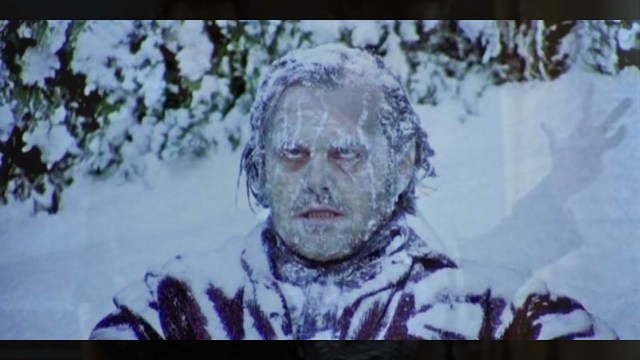
Weeks of sub-freezing temperatures, brutal wind chills, heavy snow, and ice grind people down. Add Lake Michigan and Lake Superior into the mix, and you get storms that shut down roads, collapse power lines, and isolate entire communities.
I’ve watched people here freeze inside their own homes, poison themselves trying to stay warm, and die in vehicles they thought would protect them. Wisconsin doesn’t kill because it’s unfamiliar—it kills because people stop respecting it.
Let’s break down how people actually die in Wisconsin winter storms—and what it takes to survive when the grid fails.
❄️ The Top Ways People Die in Wisconsin Winter Storms
1. Hypothermia During Long Power Outages
This is the leading cause of winter storm deaths in Wisconsin.
Ice storms and heavy snow bring down power lines fast, especially in tree-dense neighborhoods and rural areas. When the power goes out:
Furnaces shut down
Electric heat disappears instantly
Well pumps stop
Apartment buildings lose central heat
Wisconsin homes lose heat quickly when temperatures stay below zero for days. Indoor temps can fall into the 30s and 40s fast.
Hypothermia starts quietly:
Shivering
Confusion
Slowed movement
Loss of consciousness
People die because they assume the power will come back “soon.” In Wisconsin, “soon” can mean days.
2. Carbon Monoxide Poisoning From Unsafe Heating
Every serious Wisconsin winter storm brings preventable deaths from carbon monoxide.
People die from:
Generators running in garages
Propane heaters used indoors without ventilation
Charcoal grills brought inside
Cars running to stay warm in enclosed spaces
Carbon monoxide is odorless and invisible. You don’t get a warning—you just don’t wake up.
If it burns fuel and isn’t designed for indoor emergency use, it will kill you if you misuse it.
3. Stranded Vehicles in Extreme Cold and Whiteouts
Wisconsin storms create deadly travel conditions:
Blowing snow
Whiteouts
Ice-covered highways
Sub-zero wind chills
People die because:
They travel during storms
They trust AWD too much
They don’t carry winter emergency kits
Once stranded:
Fuel runs out
Heat disappears
Wind chill accelerates hypothermia
People freeze to death in vehicles less than a mile from help because Wisconsin winter doesn’t give grace periods.
4. Medical Emergencies With Delayed Response
During major winter storms:
Ambulances are delayed
Rural roads are impassable
Hospitals are overwhelmed
Pharmacies close
People die from:
Heart attacks
Strokes
Diabetic emergencies
Respiratory failure
Loss of powered medical equipment
If you rely on oxygen, insulin refrigeration, dialysis, or CPAP machines, winter storms put your life on a ticking clock.
5. Falls, Ice Injuries, and Overexertion
Wisconsin winter turns everyday chores into killers.
Common fatal scenarios:
Slipping on icy stairs or sidewalks
Head injuries
Broken hips
Heart attacks while shoveling heavy snow
Falls from roofs while clearing snow
When emergency response is delayed, injuries that should be survivable become fatal.
🛒 Will Grocery Stores Go Empty in Wisconsin During Winter Storms?
Yes—and it happens faster than most people expect.
Wisconsin grocery stores:
Depend on daily deliveries
Carry limited backstock
Lose power during storms
Before storms:
Bread, milk, eggs disappear
Bottled water vanishes
Batteries, propane, and generators sell out
After storms:
Trucks stop
Stores close or operate on limited hours
Shelves stay empty for days
If you wait until the forecast turns ugly, you’re already behind.
🍲 Survival Food Prepping for Wisconsin Winter Storms
Cold burns calories. Hunger weakens your ability to stay warm.
Best Survival Foods to Stock
Shelf-Stable Staples
Canned soups and chili
Canned meats
Beans and lentils
Rice and pasta
Peanut butter
Oatmeal
No-Cook Foods
Protein bars
Trail mix
Jerky
Crackers
Water
Minimum 1 gallon per person per day
Plan for 7 days
Winter storms can disrupt water treatment and pumping stations. Stored water matters.
🔋 Solar Generators: A Smart Choice for Wisconsin Winters
Wisconsin power outages often last multiple days, especially after ice storms.
Gas generators:
Require fuel that disappears quickly
Produce carbon monoxide
Cannot be used indoors
Solar generators:
Safe indoors
Silent
No fumes
Recharge via solar panels—even in winter daylight
What Solar Generators Can Power
Medical devices
Phones and emergency radios
Lights
Refrigerators (cycled)
Small heaters (used cautiously)
Safe indoor power keeps people alive when the grid fails.
🧰 Best Survival Supplies for Wisconsin Winter Storms
Every Wisconsin household should have:
Warmth & Shelter
Cold-rated sleeping bags
Wool blankets
Thermal base layers
Hats, gloves, thick socks
Indoor-safe heaters
Carbon monoxide detectors
Power & Light
Solar generator
Solar panels
Battery lanterns
Headlamps
Extra batteries
Medical & Safety
First aid kit
Extra prescription medications (7–10 days)
Fire extinguisher
Cooking
Camping stove
Extra fuel
Matches or lighters
Basic cookware
🧠 Why Survival Prepping Matters in Wisconsin
Wisconsin winter doesn’t knock—it grinds systems down.
Power grids fail. Roads shut down. Supply chains stop.
Prepping isn’t extreme. It’s common sense in a state where winter lasts months.
If you live in Wisconsin and don’t plan for extended outages, you’re trusting luck to keep you alive.
Luck doesn’t survive January.
🧊 How to Survive a Wisconsin Winter Storm
Stay Off the Roads
Travel kills more people than cold
Layer Up Indoors Immediately
Don’t wait for the house to cool
Create a Warm Zone
One room
Block drafts
Insulate windows and doors
Ration Power
Medical needs first
Lighting second
Eat and Hydrate
Calories help maintain body heat
Stay Informed
Weather radio
Emergency alerts
Wisconsin winter doesn’t care how used to snow you are.
It doesn’t care how many storms you’ve survived. And it doesn’t care if you thought you were ready.
Cold, wind, and darkness kill quietly and efficiently.
Prepare before the storm—or become another winter story people talk about when spring finally shows up.
It’s not just snow—it’s wind off the Great Lakes, ice, whiteouts, flooding, and prolonged power outages.
Lake Effect snow can dump feet of snow in hours. Ice storms snap trees like matchsticks. Wind chills drop temperatures into dangerous territory fast. And when the power goes out, entire regions are left cold, dark, and cut off.
I’ve seen people here freeze in suburban homes, poison themselves trying to stay warm, and die in vehicles they assumed would keep them safe. Michigan winter doesn’t care how long you’ve lived here—it only respects preparation.
Let’s talk about how people actually die in Michigan winter storms—and what it takes to survive when things fall apart.
❄️ The Top Ways People Die in Michigan Winter Storms
1. Hypothermia During Extended Power Outages
This is the leading cause of winter storm deaths in Michigan.
Heavy snow, ice, and wind bring down power lines fast—especially in tree-dense neighborhoods. When the power goes out:
Gas furnaces stop
Electric heat fails instantly
Well pumps shut down
Apartments lose centralized heat
Michigan homes cool quickly, especially during polar air outbreaks. Indoor temperatures can drop into the 30s within hours.
Hypothermia doesn’t require extreme cold:
Shivering
Confusion
Slowed movement
Loss of consciousness
People die because they assume the power will be restored quickly. In Michigan, it often isn’t.
2. Carbon Monoxide Poisoning From Unsafe Heating
Every major Michigan winter storm brings the same tragic pattern.
People die from:
Generators running in garages
Propane heaters used indoors improperly
Charcoal grills brought inside
Cars running in enclosed spaces
Carbon monoxide is invisible and odorless. You don’t feel it coming. You just don’t wake up.
Hypothermia starts quietly:
If it burns fuel and isn’t designed for indoor emergency use, it will kill you if you misuse it.
3. Stranded Vehicles in Whiteouts and Extreme Cold
Lake Effect snow creates sudden, blinding whiteouts.
People die because:
Visibility drops to zero in minutes
Highways shut down
Vehicles slide off roads
Cell service fails in rural areas
Once stranded:
Fuel runs out
Heat disappears
Wind chill accelerates hypothermia
People freeze to death in cars less than a mile from help because they underestimated how fast Michigan winter turns deadly.
4. Medical Emergencies With Delayed Response
During severe winter storms:
Ambulances are delayed
Roads are impassable
Hospitals are overwhelmed
Pharmacies close
People die from:
Heart attacks
Strokes
Diabetic emergencies
Respiratory failure
Loss of powered medical equipment
If you rely on oxygen, insulin refrigeration, dialysis, or CPAP machines, winter storms put your life on a countdown.
5. Falls, Ice Injuries, and Overexertion
Michigan winters turn everyday tasks into fatal ones.
Common causes of death:
Slips on ice
Head injuries
Broken hips
Heart attacks while shoveling heavy snow
Falls from roofs while clearing snow
When emergency response is delayed, injuries that should be survivable become deadly.
🛒 Will Grocery Stores Go Empty in Michigan During Winter Storms?
Yes—and it happens faster than people expect.
Michigan grocery stores:
Depend on daily truck deliveries
Carry limited backstock
Lose power during storms
Before storms:
Bread, milk, eggs vanish
Bottled water disappears
Batteries, propane, and generators sell out
After storms:
Trucks stop running
Stores close or operate on limited hours
Shelves stay empty for days
If you wait until the storm is already coming, you’ve already lost.
🍲 Survival Food Prepping for Michigan Winter Storms
Cold burns calories. Hunger weakens your ability to stay warm.
Best Survival Foods to Stock
Shelf-Stable Staples
Canned soups and chili
Canned meats
Beans and lentils
Rice and pasta
Peanut butter
Oatmeal
No-Cook Foods
Protein bars
Trail mix
Jerky
Crackers
Water
Minimum 1 gallon per person per day
Plan for 7 days
Winter storms can disrupt water treatment and pumping stations. Stored water is non-negotiable.
🔋 Solar Generators: A Smart Choice for Michigan Winters
Michigan power outages often last multiple days, especially after ice storms.
Gas generators:
Require fuel that disappears quickly
Produce carbon monoxide
Cannot be safely used indoors
Solar generators:
Safe indoors
Silent
No fumes
Recharge via solar panels—even in winter daylight
What Solar Generators Can Power
Medical devices
Phones and emergency radios
Lights
Refrigerators (cycled)
Small heaters (used cautiously)
Safe indoor power keeps people alive when the grid fails.
🧰 Best Survival Supplies for Michigan Winter Storms
Every Michigan household should have:
Warmth & Shelter
Cold-rated sleeping bags
Wool blankets
Thermal base layers
Hats, gloves, thick socks
Indoor-safe heaters
Carbon monoxide detectors
Power & Light
Solar generator
Solar panels
Battery lanterns
Headlamps
Extra batteries
Medical & Safety
First aid kit
Extra prescription medications (7–10 days)
Fire extinguisher
Cooking
Camping stove
Extra fuel
Matches or lighters
Basic cookware
🧠 Why Survival Prepping Matters in Michigan
Michigan winter storms don’t just inconvenience people—they overwhelm systems.
Power grids fail. Roads shut down. Supply chains stop.
Prepping isn’t extreme—it’s responsible.
If you live in Michigan and don’t plan for extended winter outages, you are trusting luck to keep you alive.
Luck fails every winter.
🧊 How to Survive a Michigan Winter Storm
Stay Off the Roads
Whiteouts kill drivers fast
Layer Up Indoors Immediately
Don’t wait for the house to cool
Create a Warm Zone
One room
Block drafts
Insulate windows and doors
Ration Power
Medical needs first
Lighting second
Eat and Hydrate
Calories help maintain body heat
Stay Informed
Weather radio
Emergency alerts
🚨 Michigan’s Top Survival Prepper’s Final Words of Safety
Michigan winter doesn’t care how familiar snow is to you. It doesn’t care how many storms you’ve lived through. And it doesn’t care if you “thought you were ready.”
Cold, wind, darkness, and isolation kill quietly and efficiently.
Prepare before the storm—or become another winter statistic people talk about when the snow finally melts.
How Do Most People Die in a Winter Storm in the State of Pennsylvania — And How to Survive One
If you live in Pennsylvania and think winter storms are “manageable,” you’re already thinking like someone who hasn’t been humbled yet.
I’ve watched Pennsylvanians shrug off storm warnings for decades. People assume winter here is mild compared to the Midwest or New England — and that false sense of security is exactly why storms kill people every single year.
Pennsylvania winter storms aren’t just snowstorms. They’re:
Ice storms that snap power lines
Nor’easters that paralyze entire regions
Lake-effect snow in the northwest
Appalachian cold that traps rural communities
Wind that strips heat faster than people realize
Winter here doesn’t need record snowfall to be deadly. It just needs people who didn’t prepare.
How Winter Storms Actually Kill People in Pennsylvania
Let’s stop pretending these deaths are freak accidents. They follow the same patterns — every winter.
1. Hypothermia — Inside Homes and Apartments
Hypothermia is the leading cause of winter storm deaths in Pennsylvania.
And no, it doesn’t just happen outdoors.
It happens when:
Ice storms knock out power
Heating systems fail
Temperatures drop into the teens or single digits
Wind penetrates poorly insulated buildings
Older homes, row houses, mobile homes, and apartments lose heat fast. People try to “ride it out” instead of preparing.
Once your core temperature drops, judgment disappears. People stop thinking clearly, stop layering properly, and stop making smart choices.
Cold kills quietly — especially indoors.
2. Carbon Monoxide Poisoning (The Most Preventable Death)
Every major Pennsylvania winter storm brings carbon monoxide deaths. Every single one.
People run:
Gas generators in garages
Propane heaters inside homes
Grills or camp stoves indoors
Vehicles too close to buildings
Carbon monoxide is odorless, invisible, and lethal. You don’t get a warning. You don’t feel pain. You just pass out.
If you live in Pennsylvania and don’t have battery-powered carbon monoxide detectors, you’re trusting luck — and winter does not reward luck.
3. Vehicle-Related Deaths on Icy and Rural Roads
Pennsylvania roads during winter storms are a death trap for the unprepared.
People die because they:
Drive during freezing rain or whiteouts
Get stranded on highways or mountain roads
Run out of fuel
Sit in vehicles with snow-blocked exhaust pipes
Don’t carry winter survival gear
In rural and mountainous parts of Pennsylvania, help can take hours or days to arrive. Cell service disappears fast. A car becomes your shelter whether you planned for it or not.
If your vehicle doesn’t have a winter survival kit, you’re not prepared to travel. Period.
4. Ice Falls, Roof Collapses, and Shoveling Heart Attacks
Ice storms are especially deadly in Pennsylvania.
Deaths occur from:
Slipping on untreated ice
Falling from ladders or roofs
Structural collapses from ice accumulation
Overexertion while shoveling heavy, wet snow
Cold constricts blood vessels. Heavy lifting stresses the heart. Every winter, people collapse mid-driveway because they ignored their limits.
Survival isn’t about toughness. It’s about restraint.
5. Power Outages and Medical Dependency Failures
Pennsylvania’s aging infrastructure makes power outages especially dangerous.
People who rely on:
Oxygen concentrators
CPAP machines
Refrigerated medications
Electric mobility devices
…are at serious risk during extended outages caused by ice and wind.
During major storms, emergency services get overwhelmed fast. Roads are impassable. Help is delayed. If you don’t have backup power, you are exposed.
Will Grocery Stores Go Empty During a Pennsylvania Winter Storm?
Yes. And they empty faster than people expect.
Every storm forecast triggers:
Panic buying
Shelf stripping
Delivery delays
What disappears first:
Bread
Milk
Eggs
Bottled water
Canned food
Batteries
Firewood
Ice storms are especially brutal because trucks can’t move safely. Rural communities and small towns get hit hardest.
If you wait until the storm is announced, you are already behind.
Why Survival Prepping Is Critical in Pennsylvania
Pennsylvania winters demand preparation because:
Ice storms cripple infrastructure
Rural and mountainous regions slow emergency response
Aging power grids fail easily
Weather changes rapidly
Prepping isn’t paranoia. It’s acknowledging that you may be on your own longer than you think.
Prepared people stay warm, fed, and informed. Unprepared people panic and freeze.
Survival Food Prepping for Pennsylvania Winter Storms
Food isn’t comfort during winter storms — it’s fuel.
Best Survival Foods to Store
Choose foods that:
Don’t require refrigeration
Can be eaten cold
Deliver high calories
Top options:
Canned meats (chicken, tuna, beef)
Beans and lentils
Rice and pasta
Oatmeal
Peanut butter
Protein bars
Shelf-stable soups
Freeze-dried meals
In Pennsylvania, you should store at least 7–14 days of food per person, more if you live rurally.
Melting snow requires fuel and time — neither guaranteed during outages.
Solar Generators: A Smart Winter Backup Power Option
Gas generators work — but they require fuel, ventilation, and constant attention.
Solar generators offer:
Indoor-safe power
Quiet operation
No fuel dependency
Reliable backup electricity
They can power:
Medical devices
Lights
Phones
Radios
Electric blankets
Refrigerators intermittently
Look for:
1,000–2,000Wh capacity
Expandable solar panels
Multiple output ports
Power equals warmth. Warmth equals survival.
Essential Winter Storm Survival Supplies for Pennsylvania
Home Survival Essentials
Thermal blankets
Cold-rated sleeping bags
Flashlights and headlamps
Battery-powered radio
Extra batteries
Layered winter clothing
Hats, gloves, wool socks
Safety Gear
Fire extinguisher
First aid kit
Carbon monoxide detectors
Safe space heaters
Fire-safe candles
Vehicle Survival Kit (Non-Negotiable)
Heavy blankets
High-calorie food
Water
Shovel
Jumper cables
Ice scraper
Flares or reflectors
How to Actually Survive a Pennsylvania Winter Storm
Survival is about discipline, not bravado.
You survive by:
Staying home
Conserving heat
Eating enough calories
Using backup power wisely
Avoiding unnecessary travel
You die by:
Driving when warned not to
Using unsafe heating methods
Waiting until the last minute
Assuming help is close
Winter storms don’t reward confidence. They reward preparation.
Pennsylvania winter storms don’t care how long you’ve lived here. They don’t care that you’ve “seen worse.” They don’t care about tradition, pride, or convenience.
They care about exposure, heat, calories, and planning.
Prepared people endure storms. Unprepared people become statistics.
You don’t prep because you’re afraid. You prep because you respect winter enough to survive it.
How Do Most People Die in a Winter Storm in the State of New Mexico — And How to Survive One
Let’s get one thing straight right out of the gate: New Mexico is not “warm” in the winter. Anyone who thinks desert equals safety is already behind the curve — and that mindset gets people killed every single year.
I’ve been prepping long enough to watch the same mistakes repeat themselves over and over. People in New Mexico underestimate elevation, wind, isolation, infrastructure failure, and cold because the sun is out and the sky looks calm. Then the temperature drops 30 degrees overnight, the power goes out, the roads close, and suddenly reality hits hard.
Winter storms in New Mexico don’t kill people loudly like hurricanes. They kill quietly — through cold, isolation, fuel shortages, and total lack of preparation.
And no, help is not coming as fast as you think out here.
How Winter Storms Actually Kill People in New Mexico
Winter storms in New Mexico don’t look like East Coast blizzards, but they are just as deadly — sometimes more so — because people are spread out, resources are thin, and emergency response times are longer.
Here’s how people actually die.
1. Hypothermia in “Mild” Temperatures
This is the number one killer during New Mexico winter storms.
People think hypothermia only happens in snowstorms. Wrong. It happens when:
Temperatures drop below freezing at night
Power goes out
Wind strips heat from homes
People don’t have backup heat
High elevation areas — Santa Fe, Taos, Ruidoso, Farmington, Las Vegas (NM), Gallup — get brutally cold. Even lower elevations experience dangerous nighttime temperature drops.
People die because they:
Don’t own enough blankets
Have no backup heat
Don’t layer indoors
Assume the outage will be short
Cold plus wind plus darkness equals rapid heat loss. Hypothermia doesn’t care if the sun was out six hours earlier.
2. Carbon Monoxide Poisoning (Deadly and Preventable)
Every winter storm in New Mexico brings carbon monoxide deaths.
People run:
Gas generators indoors
Propane heaters inside enclosed rooms
Camp stoves or grills inside homes
Carbon monoxide kills silently. You don’t feel pain. You don’t smell danger. You just pass out and never wake up.
If you live in New Mexico and do not have battery-powered carbon monoxide detectors, you are taking an unnecessary and stupid risk.
3. Getting Stranded in Remote Areas
This one is huge in New Mexico.
Winter storms shut down:
Rural highways
Mountain passes
Back roads
Reservation roads
Dirt and gravel roads
People die because they:
Drive during storms
Underestimate distance between towns
Run out of fuel
Don’t carry winter survival gear in their vehicle
In New Mexico, you don’t just get stuck — you get isolated. Cell service disappears. Help is hours or days away. Your vehicle becomes your shelter whether you like it or not.
4. Home Heating Failures and Fire Deaths
Improvised heating kills people every winter.
Common mistakes:
Overloading electrical systems
Using unsafe space heaters
Burning wood improperly
Leaving heaters unattended
Winter storms increase fire deaths because people panic and use heat sources they don’t understand.
Cold pushes people into bad decisions. Fire finishes the job.
5. Dehydration and Lack of Food
Yes, dehydration — in winter.
Cold suppresses thirst, and when:
Water pipes freeze
Power goes out
Stores close
Roads shut down
People find themselves without safe drinking water or enough calories to stay warm.
Calories are heat. No food equals faster hypothermia.
Will Grocery Stores Go Empty During a New Mexico Winter Storm?
Absolutely — and often faster than people expect.
New Mexico relies heavily on long-distance supply chains. When roads close or trucks can’t move, shelves empty fast.
What disappears first:
Bottled water
Bread and milk
Eggs
Canned food
Propane canisters
Firewood
Rural areas get hit hardest. Small towns may not see deliveries for days.
If your plan is to “run to the store if it gets bad,” you don’t understand how winter storms work out here.
Why Survival Prepping Matters in New Mexico
Prepping matters more in New Mexico than in many other states because:
Communities are spread out
Emergency response is slower
Elevation increases cold risk
Infrastructure is fragile
Weather changes fast
The desert doesn’t forgive mistakes. It just makes them quieter.
When winter storms hit, you are responsible for yourself first.
Survival Food Prepping for New Mexico Winter Storms
Food is not optional — it’s fuel.
Best Survival Foods to Store
Focus on foods that:
Don’t require refrigeration
Can be eaten without cooking
Are calorie-dense
Top choices:
Canned meats (chicken, tuna, spam)
Beans and lentils
Rice and pasta
Oatmeal
Peanut butter
Shelf-stable soups
Protein bars
Freeze-dried meals
You should store at least 10–14 days of food per person in New Mexico, especially in rural or mountain areas.
🧊 How Do Most People Die in a Winter Storm in Connecticut—and How to Survive One
If you live in Connecticut and think winter storms are “nothing new,” you’re exactly the kind of person this article is written for.
Yes, New England gets snow every year. That doesn’t mean people are prepared. It means people are comfortable, and comfort kills faster than cold. Every major Connecticut winter storm proves the same brutal truth: power grids fail, roads shut down, grocery stores empty, and people who assumed they’d be fine suddenly aren’t.
I’ve watched this state lose power for days—sometimes weeks—from snow, ice, and windstorms. And every time, the same mistakes cost lives. Let’s stop pretending this is unpredictable and talk about how people actually die during Connecticut winter storms—and how you survive when the system breaks down.
❄️ The Top Ways People Die in Connecticut Winter Storms
1. Hypothermia During Extended Power Outages
This is the big one in Connecticut.
Heavy, wet snow and ice bring down trees and power lines like matchsticks. Entire towns lose electricity, sometimes for days or weeks. When the power goes:
Oil burners stop
Gas furnaces shut down
Electric baseboard heat dies instantly
Homes cool rapidly, especially older New England houses with drafts, basements, and poor insulation. Hypothermia can begin in indoor temperatures well above freezing, particularly for children, seniors, and anyone sick or exhausted.
People don’t realize they’re hypothermic until they’re confused, sluggish, and unable to think clearly—which is when bad decisions start.
2. Carbon Monoxide Poisoning From “Temporary” Heat Solutions
Every Connecticut winter storm produces the same tragic headlines.
People try to heat their homes using:
Gas generators in garages or basements
Charcoal grills indoors
Propane heaters without ventilation
Fireplaces used incorrectly
Carbon monoxide is odorless, invisible, and deadly. It doesn’t knock—it puts people to sleep and never lets them wake up.
If it burns fuel and isn’t rated for indoor use with ventilation, it does not belong inside your home. Period.
3. Driving Accidents and Stranded Vehicles
Connecticut winter storms aren’t just snow—they’re ice, freezing rain, sleet, and whiteout conditions. Roads become skating rinks, especially bridges and back roads.
People die because:
They underestimate black ice
They overestimate AWD or 4WD
They get stranded with no supplies
They try to walk for help in freezing wind
Once you’re exposed to wind and cold without shelter, hypothermia accelerates fast.
4. Medical Emergencies With No Access to Help
During severe winter storms:
Ambulances can’t reach homes
Hospitals are overwhelmed
Pharmacies close
Home medical equipment loses power
People die from:
Heart attacks
Strokes
Diabetic emergencies
Oxygen equipment failures
Dialysis disruptions
If you rely on powered medical devices or daily medication, a Connecticut winter storm is not an inconvenience—it’s a serious survival threat.
5. Falls, Trauma, and Delayed Medical Care
Ice storms turn sidewalks, driveways, and stairs into death traps.
A fall that would normally be survivable becomes fatal when:
Roads are impassable
EMS response is delayed
Power outages complicate treatment
Broken hips, head injuries, and internal bleeding become deadly when help can’t arrive in time.
🛒 Will Grocery Stores Go Empty During a Connecticut Winter Storm?
Yes. Always. And faster than people expect.
Connecticut grocery stores rely on just-in-time inventory systems:
Minimal back stock
Daily deliveries
No buffer for storms
Before the storm:
Bread, milk, eggs vanish
Bottled water is gone
Batteries, propane, and generators sell out
After the storm:
Trucks can’t move
Stores lose power
Shelves stay empty
If your plan involves “running to the store,” you don’t have a plan—you have a fantasy.
🍲 Survival Food Prepping for Connecticut Winter Storms
Survival food is not about gourmet meals. It’s about calories, shelf life, and simplicity.
Best Survival Foods to Stock
Shelf-Stable Staples
Canned soups and stews
Canned meats (chicken, tuna, salmon)
Beans and lentils
Rice and pasta
Peanut butter
Protein bars
No-Cook Options
Trail mix
Crackers
Jerky
Ready-to-eat meals (MREs)
Water
Minimum 1 gallon per person per day
Plan for 5–7 days, preferably more
Ice storms can disrupt water treatment facilities, and boil advisories are common—assuming you still have power to boil water.
🔋 Solar Generators: Essential for Connecticut Winter Survival
If you live in Connecticut and don’t own a solar generator, you’re relying entirely on luck.
Gas generators:
Require fuel (which disappears fast)
Produce carbon monoxide
Can’t safely be used indoors
Solar generators:
Work indoors
Produce no fumes
Require no fuel runs
Can recharge via solar panels
What a Solar Generator Can Power
Medical devices (CPAP, oxygen concentrators)
Phones and emergency radios
Lights
Small space heaters (used carefully)
Refrigerators (intermittently)
Pair one with folding solar panels and you’ve just removed yourself from total grid dependence.
🧰 Best Survival Supplies for Connecticut Winter Storms
Every household in Connecticut should already have the following:
Warmth & Shelter
Cold-rated sleeping bags
Wool blankets
Thermal base layers
Hats, gloves, thick socks
Indoor-safe backup heaters
Carbon monoxide detectors
Power & Light
Solar generator
Solar panels
Battery lanterns
Headlamps
Spare batteries
Medical & Safety
First aid kit
Prescription medications (7–10 days)
Fire extinguisher
Cooking
Camping stove
Extra fuel
Matches or lighters
Simple cookware
Why Survival Prepping Matters in Connecticut
Here’s the hard truth New Englanders hate admitting:
You cannot rely on the grid.
Connecticut’s power infrastructure is vulnerable to trees, ice, snow, and wind. Restoration can take days or weeks, especially in rural or wooded areas.
Emergency services do their best—but they’re overwhelmed during major storms. Help is delayed, resources are stretched thin, and you are expected to fend for yourself at first.
Prepping isn’t fear. It’s accountability.
How to Actually Survive a Connecticut Winter Storm
Stay Off the Roads
Travel only if absolutely necessary
Dress for Cold Indoors
Assume heat may not return quickly
Consolidate Heat
Stay in one room
Block drafts
Use body heat and insulation
Ration Power
Prioritize medical devices and lighting
Eat and Hydrate
Calories generate heat
Dehydration worsens cold stress
Stay Informed
Weather radio
Emergency alerts
🚨 Final Words From an Angry Survival Prepper
Connecticut winter storms don’t kill because they’re rare. They kill because people assume experience equals preparation.
It doesn’t.
Power will go out. Roads will close. Stores will empty. Help will be slow.
You can prepare now—or you can learn the hard way when the lights go out and the temperature drops.
They die because they didn’t see it coming, didn’t respect risk, or assumed it wouldn’t happen to them.
I’ve spent years studying survival—real survival, not Hollywood nonsense. The kind that happens on highways, job sites, back roads, lakes, neighborhoods, and during ordinary days that turn deadly fast.
If you live in Georgia, this article is for you.
Not because Georgia is uniquely dangerous—but because Georgia has a very specific risk profile shaped by:
• Heavy vehicle traffic • Rural and urban overlap • Heat and humidity • Firearm prevalence • Severe weather • Outdoor culture • Long commutes • Industrial and construction work
This article covers the top 10 non-disease, non-age-related ways people die in Georgia, why those deaths happen, and—most importantly—how to stay alive.
This is about personal responsibility, situational awareness, and stacking the odds in your favor.
Let’s get into it.
#1 Motor Vehicle Crashes (Cars, Trucks, Motorcycles)
Why This Is the #1 Killer
If there’s one thing that quietly kills more Georgians than anything else on this list, it’s traffic accidents.
High-speed interstates. Long commutes. Distracted driving. Rural roads with poor lighting. Aggressive driving culture. Motorcycle fatalities. Large trucks.
Cars are weapons when handled carelessly.
People die because: • Speed is normalized • Phones steal attention • Fatigue is ignored • Seatbelts aren’t used consistently • Motorcycles are treated as invisible • Weather is underestimated
Survival truth: Most crashes happen close to home, during routine drives.
How to Survive Georgia Roads
Adopt the survival driver mindset: • Drive like everyone else is distracted—because they are • Leave space. Space equals reaction time • Never assume someone sees you • Slow down in rain (Georgia roads get slick fast) • Treat intersections as danger zones
Non-negotiables: • Seatbelt. Every time. No excuses. • No phone use—not even “quick checks” • Don’t drive tired. Fatigue kills like alcohol. • Motorcyclists: wear full protective gear, not just a helmet
Life coach reminder: You don’t get bonus points for arriving fast. You only win by arriving alive.
#2 Firearm-Related Deaths (Accidental, Homicide, and Self-Inflicted)
People die because: • Firearms are handled casually • Guns are stored improperly • Safety rules are ignored • Emotional moments escalate • Alcohol mixes with firearms
This category includes accidents, violence, and self-inflicted harm. Each one is preventable.
How to Stay Alive Around Firearms
If you own a gun: • Treat every firearm as loaded • Secure firearms from unauthorized access • Separate guns and ammunition when not in use • Never mix alcohol or drugs with firearms
If you don’t own a gun: • Be aware of your environment • Avoid emotionally charged confrontations • Leave situations that feel unstable
Life coach perspective: Strength isn’t pulling a trigger—it’s walking away when your ego wants control.
If you’re struggling emotionally, survival sometimes means asking for help. That’s not weakness. That’s leadership over your own life.
#3 Accidental Poisoning & Drug Overdose
Why This Happens So Often
Overdoses don’t just happen to “addicts.”
They happen because: • Dosages are misunderstood • Substances are mixed • Pills are shared • Tolerance changes • Illicit substances are unpredictable
Survival rules: • Never mix substances without medical guidance • Store medications locked and labeled • Install carbon monoxide detectors • Ventilate fuel-burning appliances • Avoid using generators indoors or in garages
Life coach truth: Your body is not a testing ground. Respect it like the survival asset it is.
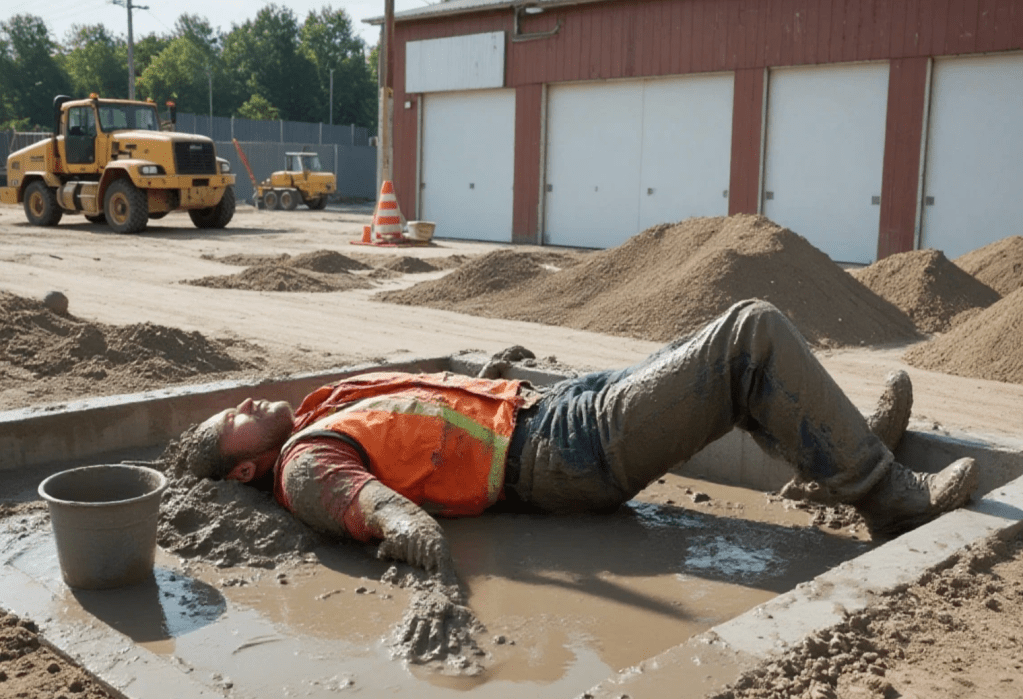
#4 Falls (Construction, Ladders, Heights, and Work-Related Accidents)
Why Falls Kill Younger People Than You Think
Falls aren’t just “old people problems.”
In Georgia, they happen on: • Construction sites • Roofing jobs • Ladders • Trees • Warehouses
People die because: • Safety gear is skipped • Heights are underestimated • Fatigue sets in • “I’ve done this a hundred times” mentality
How to Stay Vertical and Alive
Non-negotiables: • Use proper fall protection • Inspect ladders and scaffolding • Don’t rush jobs at height • Stop when tired
Life coach reminder: Experience doesn’t make you immune—it makes you responsible.
If you live in Louisiana, you already know one thing for certain: This state does not play around.
Louisiana is beautiful, dangerous, humid enough to breathe like soup, and packed with more survival challenges per square mile than most people realize. Between the wildlife, the weather, the roads, and human behavior that can only be explained by “hold my beer,” Louisiana quietly racks up fatalities that have nothing to do with old age, cancer, or disease.
As a professional survivalist prepper—and someone who uses humor as a coping mechanism—I believe in two things:
Staying alive
Laughing while doing it
So today, we’re breaking down the Top 10 non-disease ways people die in Louisiana, why it happens, and exactly what you must do to survive. Because preparation beats panic, and panic plus humidity equals poor decision-making.
Let’s begin.
1. Motor Vehicle Accidents (a.k.a. Louisiana’s Favorite Extreme Sport)
If Louisiana had an official state hobby, it would be reckless driving.
Car accidents remain the number one non-medical cause of death in the state. And no, it’s not just “bad luck.”
Why People Die This Way
Speeding like the interstate is the Daytona 500
Distracted driving (phones, food, drama)
Driving impaired (alcohol, drugs, fatigue)
Poor road conditions and sudden weather changes
Not wearing seat belts (still… in 2026…)
Louisiana regularly ranks among the worst states for traffic fatalities per capita, and the highways are basically obstacle courses sprinkled with potholes and bad decisions.
How to Survive It
Wear your seatbelt. This isn’t optional. This is physics.
Drive like everyone else is actively trying to kill you (because statistically… they might be).
Never assume someone will stop at a red light.
Avoid driving during heavy rain when roads flood fast.
Keep an emergency kit in your vehicle: flashlight, water, first-aid kit, reflective vest.
Survival rule: Arriving late is better than arriving dead.
2. Drowning (Because Water Is Everywhere)
Louisiana is about 50% land, 50% water, and 100% dangerous if you underestimate it.
From rivers and bayous to lakes, canals, and floodwaters, drowning is a constant threat.
Why People Die This Way
Swimming in rivers with strong currents
Alcohol involved around water (a bad combo)
Boating accidents
Floodwater underestimation
Children falling into unsecured water sources
Floodwater is especially deadly because it hides:
Debris
Downed power lines
Open drains
Wildlife that absolutely does not want to be touched
How to Survive It
Never swim in moving water unless you’re trained.
Wear life jackets on boats (fashion comes second to breathing).
Fence pools and secure access points.
Never drive into floodwaters. “Turn around, don’t drown” exists for a reason.
Learn basic water rescue skills—but don’t become victim #2 trying to save someone.
Water doesn’t care how confident you are.
3. Hurricanes and Storm Surge (Nature’s Way of Evicting You)
Hurricanes aren’t rare events in Louisiana. They’re seasonal personality traits.
Storm surge and flooding kill more people than wind alone, often after the storm “looks calm.”
The hurricane doesn’t have to hit directly. Water moves sideways, upward, and into places it absolutely shouldn’t.
How to Survive It
Evacuate when told. Pride is not a flotation device.
Have a go-bag ready before hurricane season.
Elevate valuables and electrical systems.
Never run generators indoors or near windows.
Stay informed through NOAA weather alerts.
Survival tip: You can’t rebuild if you’re not alive.
4. Firearms Accidents and Violence
Louisiana has a strong gun culture—which means responsibility must match access. Unfortunately, accidents and violent encounters claim lives every year.
Why People Die This Way
Unsafe firearm handling
Negligent discharges
Domestic disputes escalating
Criminal violence
Lack of situational awareness
Many deaths happen not from intent, but from complacency.
How to Survive It
Treat every firearm as loaded.
Store guns securely, especially around children.
Avoid confrontations whenever possible.
Practice de-escalation.
Get professional firearms training.
Survival isn’t about being the toughest—it’s about going home.
5. Extreme Heat (The Louisiana Sauna Effect)
Louisiana heat doesn’t politely ask if you’re hydrated. It just takes you down.
Heat-related deaths occur during outdoor work, recreation, or even indoors without proper cooling.
Why People Die This Way
Dehydration
Heat exhaustion turning into heat stroke
Overexertion
Alcohol use in high heat
Lack of air conditioning
Heat stroke kills fast and quietly.
How to Survive It
Drink water constantly, not “when thirsty.”
Take breaks in shade or AC.
Wear breathable clothing.
Avoid peak sun hours.
Know the signs of heat illness: dizziness, confusion, nausea.
If you stop sweating, you’re already in trouble.
6. Falls (Yes, Seriously)
Falls kill more people than you think—especially from ladders, roofs, and slick surfaces.
Why People Die This Way
Wet floors
Poor lighting
Unsafe ladders
Alcohol use
Flood-related debris
One bad fall can lead to fatal head trauma.
How to Survive It
Use proper footwear.
Secure ladders.
Install handrails.
Slow down—especially on wet surfaces.
Don’t mix alcohol with “home improvement.”
Gravity always wins.
7. Boating Accidents
Louisiana loves boats. Unfortunately, boats don’t love recklessness.
Why People Die This Way
No life jackets
Alcohol use
Overcrowded boats
Poor weather awareness
Nighttime navigation errors
Water + speed + alcohol = tragedy.
How to Survive It
Wear a life jacket at all times.
Check weather forecasts.
Avoid boating while intoxicated.
Carry emergency communication devices.
Learn navigation rules.
Boats float. People don’t.
8. Alligator Encounters (They Were Here First)
Alligators are not mascots. They are apex predators with patience.
Why People Die This Way
Feeding gators
Walking pets near water
Swimming in unsafe areas
Ignoring warning signs
Gators don’t chase often—but when they do, it’s already too late.
How to Survive It
Never feed wildlife.
Keep distance from water edges.
Walk pets on short leashes.
Swim only in designated areas.
If you see a gator, leave the area.
You are not faster. You are not stronger.
9. Industrial and Workplace Accidents
Louisiana’s economy includes oil, gas, construction, and shipping—dangerous industries when safety slips.
Why People Die This Way
Equipment failure
Lack of training
Fatigue
Ignoring safety protocols
Pressure to rush jobs
One shortcut can be fatal.
How to Survive It
Follow safety procedures religiously.
Use proper PPE.
Speak up about unsafe conditions.
Rest when fatigued.
Respect heavy machinery.
No job is worth your life.
10. Flooding (The Silent Killer)
Flooding kills more Louisianans than most people realize.
Why People Die This Way
Driving into water
Being trapped in homes
Flash floods
Poor drainage systems
Underestimating water depth
Just six inches of moving water can knock you over.
How to Survive It
Never walk or drive through floodwater.
Elevate living areas in flood zones.
Know evacuation routes.
Keep emergency supplies ready.
Respect water warnings.
Floodwater doesn’t care how familiar the road looks.
Final Thoughts from a Survivalist Who Likes to Laugh
Louisiana is wild, beautiful, dangerous, and absolutely worth surviving.
Most deaths on this list are preventable, and survival often comes down to:
Awareness
Preparation
Humility
Common sense
You don’t need to live in fear—you just need to live prepared.
Stay safe. Stay smart. And remember: Survival is serious business, but that doesn’t mean we can’t laugh while staying alive.
I’m a professional survivalist prepper. I believe in preparedness, redundancy, situational awareness, and the radical idea that you should wake up alive tomorrow. I’m also a stand-up comedian, which means I cope with reality by making jokes while quietly checking my emergency kit.
This article isn’t about fear. It’s about probability.
Most people don’t die because they’re old. They die because something preventable went wrong, they underestimated a risk, or they assumed “it won’t happen to me.”
California has a unique risk profile. Some dangers are obvious. Others wear yoga pants and look harmless until they ruin your life.
Below are the Top 10 non-old-age-related ways people commonly die in California, why they happen, and what you can do to stay alive, functional, and sarcastically optimistic.
Let’s begin.
1. Motor Vehicle Accidents (AKA: The California Freeway Hunger Games)
Why People Die This Way
California traffic isn’t traffic — it’s a social experiment in impatience.
People die in vehicle accidents due to:
Speeding (especially on freeways and rural highways)
Driving under the influence (alcohol, drugs, or exhaustion)
Motorcycles versus physics (physics always wins)
Aggressive driving combined with fragile egos
The problem isn’t just accidents — it’s reaction time, speed, and mass. A two-ton vehicle moving at 70 mph doesn’t care about your intentions.
How to Survive It
Drive like everyone else is drunk, angry, and late — because statistically, some of them are.
Leave more following distance than you think you need. Then double it.
Don’t race. The finish line is a red light.
Avoid peak DUI hours (late night, weekends).
If you ride a motorcycle, assume you are invisible and fragile — because you are.
Keep emergency supplies in your vehicle: water, first aid kit, flashlight, phone charger.
Survival Rule: The goal of driving is not to be right. The goal is to be alive.
2. Drug Overdoses (The Silent, Relentless Killer)
Why People Die This Way
Overdoses don’t just happen in dark alleys. They happen in:
Suburban homes
Apartments
Bathrooms
Bedrooms
“One last time” scenarios
California has been hit hard by opioid overdoses, especially fentanyl contamination. People often don’t know what they’re taking, how strong it is, or how their tolerance has changed.
Add isolation, shame, and delayed medical response — and it becomes fatal.
How to Survive It
Never use alone. Ever. Pride kills.
Carry Naloxone (Narcan) if you or someone you know uses opioids.
Test substances when possible. Street drugs lie.
If you’re prescribed medication, follow dosage instructions like your life depends on it — because it does.
If someone is unresponsive, call 911 immediately. California’s Good Samaritan laws protect callers.
Survival Rule: Shame is deadlier than drugs. Call for help.
3. Suicide (The Most Preventable Cause of Death)
Why People Die This Way
This isn’t about weakness. It’s about:
Untreated depression
Chronic stress
Financial pressure
Isolation
Loss of meaning
Access to lethal means during a temporary crisis
Many suicides happen during short emotional storms, not lifelong decisions.
How to Survive It
If you’re struggling, talk to someone before the crisis peaks.
Remove or lock away lethal means during hard periods.
Build routines: sleep, movement, sunlight.
If someone you know is withdrawing or giving things away, take it seriously.
Call or text 988 (Suicide & Crisis Lifeline) if needed.
Survival Rule: Feelings are temporary. Death is not. Stay.
4. Accidental Falls (Not Just an “Old People” Thing)
Why People Die This Way
Falls kill people of all ages due to:
Head injuries
Ladder accidents
Alcohol impairment
Slippery surfaces
Overconfidence and under-footwear
California’s DIY culture alone accounts for half of this category.
How to Survive It
Use proper ladders. No chairs. No crates. No vibes.
Wear shoes with traction.
Install handrails and adequate lighting.
Don’t mix alcohol and heights.
If you hit your head and feel “off,” seek medical attention.
Survival Rule: Gravity has never lost a fight. Respect it.
5. Fire & Smoke Inhalation (Wildfires and Home Fires)
Why People Die This Way
Fire doesn’t kill most victims — smoke does.
In California, deaths occur from:
Wildfires overtaking homes or vehicles
Smoke inhalation during evacuations
House fires caused by cooking, candles, or faulty wiring
Smoke incapacitates fast. You don’t get heroic last words.
How to Survive It
Install and maintain smoke detectors.
Have an evacuation plan. Practice it.
Keep a “go bag” ready during fire season.
Close doors when evacuating to slow fire spread.
If there’s heavy smoke, stay low and get out immediately.
Survival Rule: You don’t outrun fire. You out-plan it.
6. Homicide (Violence, Firearms, and Bad Decisions)
Why People Die This Way
Most homicides involve:
Firearms
People who know each other
Escalated arguments
Alcohol or drugs
Poor conflict management
Random violence exists, but predictable violence is more common.
How to Survive It
Avoid confrontations with strangers.
De-escalate. Ego is not bulletproof.
Be aware of your surroundings.
Secure firearms safely and responsibly.
Trust your instincts and leave bad situations early.
Survival Rule: Winning an argument isn’t worth dying for.
7. Drowning (Oceans, Rivers, Pools, and “I Got This”)
Why People Die This Way
California water deaths happen due to:
Rip currents
Cold shock
Alcohol
Overestimating swimming ability
No life jackets
The ocean doesn’t care if you’re fit.
How to Survive It
Learn how rip currents work.
Never swim alone.
Wear life jackets when boating.
Don’t fight the current — float and signal.
Avoid alcohol near water.
Survival Rule: Water is patient. It waits for mistakes.
8. Workplace Accidents (Especially Construction & Agriculture)
Why People Die This Way
Common causes include:
Falls from heights
Heavy machinery
Electrical hazards
Fatigue
Cutting corners to save time
California’s economy runs on people who work hard — sometimes too hard.
How to Survive It
Follow safety protocols, even when annoying.
Use protective equipment.
Report unsafe conditions.
Rest. Fatigue kills.
Speak up — your life outranks productivity.
Survival Rule: No job is worth a funeral.
9. Extreme Heat (Yes, Even in California)
Why People Die This Way
Heat kills via:
Dehydration
Heat exhaustion
Heat stroke
Organ failure
It sneaks up, especially on people without access to cooling or water.
How to Survive It
Hydrate constantly.
Avoid peak heat hours.
Use cooling centers.
Check on vulnerable neighbors.
Never leave people or pets in cars.
Survival Rule: If you feel “off,” you’re already in trouble.
10. Carbon Monoxide Poisoning (The Invisible Assassin)
Why People Die This Way
Carbon monoxide is odorless, colorless, and lethal. Causes include:
Faulty heaters
Generators indoors
Grills in enclosed spaces
Blocked vents
People fall asleep and never wake up.
How to Survive It
Install CO detectors.
Maintain appliances.
Never run engines indoors.
Ventilate properly.
Take alarms seriously.
Survival Rule: If you can’t smell the danger, detect it.
Final Survivalist Thoughts
California is not trying to kill you. Complacency is.
Most deaths aren’t freak accidents. They’re patterns — predictable, preventable, and survivable with awareness and preparation.
And remember: The goal isn’t to live forever. It’s to not die stupidly.
Stay sharp. Stay ready. Stay alive.
California is beautiful. It has beaches, mountains, deserts, forests, sunshine, earthquakes, traffic, wildfires, and enough stress to make a yoga instructor cry in a Trader Joe’s parking lot.
I’m a professional survivalist prepper. I believe in preparedness, redundancy, situational awareness, and the radical idea that you should wake up alive tomorrow. I’m also a stand-up comedian, which means I cope with reality by making jokes while quietly checking my emergency kit.
This article isn’t about fear. It’s about probability.
Most people don’t die because they’re old. They die because something preventable went wrong, they underestimated a risk, or they assumed “it won’t happen to me.”
California has a unique risk profile. Some dangers are obvious. Others wear yoga pants and look harmless until they ruin your life.
Below are the Top 10 non-old-age-related ways people commonly die in California, why they happen, and what you can do to stay alive, functional, and sarcastically optimistic.
Let’s begin.
1. Motor Vehicle Accidents (AKA: The California Freeway Hunger Games)
Why People Die This Way
California traffic isn’t traffic — it’s a social experiment in impatience.
People die in vehicle accidents due to:
Speeding (especially on freeways and rural highways)
Driving under the influence (alcohol, drugs, or exhaustion)
Motorcycles versus physics (physics always wins)
Aggressive driving combined with fragile egos
The problem isn’t just accidents — it’s reaction time, speed, and mass. A two-ton vehicle moving at 70 mph doesn’t care about your intentions.
How to Survive It
Drive like everyone else is drunk, angry, and late — because statistically, some of them are.
Leave more following distance than you think you need. Then double it.
Don’t race. The finish line is a red light.
Avoid peak DUI hours (late night, weekends).
If you ride a motorcycle, assume you are invisible and fragile — because you are.
Keep emergency supplies in your vehicle: water, first aid kit, flashlight, phone charger.
Survival Rule: The goal of driving is not to be right. The goal is to be alive.
2. Drug Overdoses (The Silent, Relentless Killer)
Why People Die This Way
Overdoses don’t just happen in dark alleys. They happen in:
Suburban homes
Apartments
Bathrooms
Bedrooms
“One last time” scenarios
California has been hit hard by opioid overdoses, especially fentanyl contamination. People often don’t know what they’re taking, how strong it is, or how their tolerance has changed.
Add isolation, shame, and delayed medical response — and it becomes fatal.
How to Survive It
Never use alone. Ever. Pride kills.
Carry Naloxone (Narcan) if you or someone you know uses opioids.
Test substances when possible. Street drugs lie.
If you’re prescribed medication, follow dosage instructions like your life depends on it — because it does.
If someone is unresponsive, call 911 immediately. California’s Good Samaritan laws protect callers.
Survival Rule: Shame is deadlier than drugs. Call for help.
3. Suicide (The Most Preventable Cause of Death)
Why People Die This Way
This isn’t about weakness. It’s about:
Untreated depression
Chronic stress
Financial pressure
Isolation
Loss of meaning
Access to lethal means during a temporary crisis
Many suicides happen during short emotional storms, not lifelong decisions.
How to Survive It
If you’re struggling, talk to someone before the crisis peaks.
Remove or lock away lethal means during hard periods.
Build routines: sleep, movement, sunlight.
If someone you know is withdrawing or giving things away, take it seriously.
Call or text 988 (Suicide & Crisis Lifeline) if needed.
Survival Rule: Feelings are temporary. Death is not. Stay.
4. Accidental Falls (Not Just an “Old People” Thing)
Why People Die This Way
Falls kill people of all ages due to:
Head injuries
Ladder accidents
Alcohol impairment
Slippery surfaces
Overconfidence and under-footwear
California’s DIY culture alone accounts for half of this category.
How to Survive It
Use proper ladders. No chairs. No crates. No vibes.
Wear shoes with traction.
Install handrails and adequate lighting.
Don’t mix alcohol and heights.
If you hit your head and feel “off,” seek medical attention.
Survival Rule: Gravity has never lost a fight. Respect it.
5. Fire & Smoke Inhalation (Wildfires and Home Fires)
Why People Die This Way
Fire doesn’t kill most victims — smoke does.
In California, deaths occur from:
Wildfires overtaking homes or vehicles
Smoke inhalation during evacuations
House fires caused by cooking, candles, or faulty wiring
Smoke incapacitates fast. You don’t get heroic last words.
How to Survive It
Install and maintain smoke detectors.
Have an evacuation plan. Practice it.
Keep a “go bag” ready during fire season.
Close doors when evacuating to slow fire spread.
If there’s heavy smoke, stay low and get out immediately.
Survival Rule: You don’t outrun fire. You out-plan it.
6. Homicide (Violence, Firearms, and Bad Decisions)
Why People Die This Way
Most homicides involve:
Firearms
People who know each other
Escalated arguments
Alcohol or drugs
Poor conflict management
Random violence exists, but predictable violence is more common.
How to Survive It
Avoid confrontations with strangers.
De-escalate. Ego is not bulletproof.
Be aware of your surroundings.
Secure firearms safely and responsibly.
Trust your instincts and leave bad situations early.
Survival Rule: Winning an argument isn’t worth dying for.
7. Drowning (Oceans, Rivers, Pools, and “I Got This”)
Why People Die This Way
California water deaths happen due to:
Rip currents
Cold shock
Alcohol
Overestimating swimming ability
No life jackets
The ocean doesn’t care if you’re fit.
How to Survive It
Learn how rip currents work.
Never swim alone.
Wear life jackets when boating.
Don’t fight the current — float and signal.
Avoid alcohol near water.
Survival Rule: Water is patient. It waits for mistakes.
8. Workplace Accidents (Especially Construction & Agriculture)
Why People Die This Way
Common causes include:
Falls from heights
Heavy machinery
Electrical hazards
Fatigue
Cutting corners to save time
California’s economy runs on people who work hard — sometimes too hard.
How to Survive It
Follow safety protocols, even when annoying.
Use protective equipment.
Report unsafe conditions.
Rest. Fatigue kills.
Speak up — your life outranks productivity.
Survival Rule: No job is worth a funeral.
9. Extreme Heat (Yes, Even in California)
Why People Die This Way
Heat kills via:
Dehydration
Heat exhaustion
Heat stroke
Organ failure
It sneaks up, especially on people without access to cooling or water.
How to Survive It
Hydrate constantly.
Avoid peak heat hours.
Use cooling centers.
Check on vulnerable neighbors.
Never leave people or pets in cars.
Survival Rule: If you feel “off,” you’re already in trouble.
10. Carbon Monoxide Poisoning (The Invisible Assassin)
Why People Die This Way
Carbon monoxide is odorless, colorless, and lethal. Causes include:
Faulty heaters
Generators indoors
Grills in enclosed spaces
Blocked vents
People fall asleep and never wake up.
How to Survive It
Install CO detectors.
Maintain appliances.
Never run engines indoors.
Ventilate properly.
Take alarms seriously.
Survival Rule: If you can’t smell the danger, detect it.
Final Survivalist Thoughts
California is not trying to kill you. Complacency is.
Most deaths aren’t freak accidents. They’re patterns — predictable, preventable, and survivable with awareness and preparation.
And remember: The goal isn’t to live forever. It’s to not die stupidly.
Stay sharp. Stay ready. Stay alive.
California is beautiful. It has beaches, mountains, deserts, forests, sunshine, earthquakes, traffic, wildfires, and enough stress to make a yoga instructor cry in a Trader Joe’s parking lot.
I’m a professional survivalist prepper. I believe in preparedness, redundancy, situational awareness, and the radical idea that you should wake up alive tomorrow. I’m also a stand-up comedian, which means I cope with reality by making jokes while quietly checking my emergency kit.
This article isn’t about fear. It’s about probability.
Most people don’t die because they’re old. They die because something preventable went wrong, they underestimated a risk, or they assumed “it won’t happen to me.”
California has a unique risk profile. Some dangers are obvious. Others wear yoga pants and look harmless until they ruin your life.
Below are the Top 10 non-old-age-related ways people commonly die in California, why they happen, and what you can do to stay alive, functional, and sarcastically optimistic.
Let’s begin.
1. Motor Vehicle Accidents (AKA: The California Freeway Hunger Games)
Why People Die This Way
California traffic isn’t traffic — it’s a social experiment in impatience.
People die in vehicle accidents due to:
Speeding (especially on freeways and rural highways)
Driving under the influence (alcohol, drugs, or exhaustion)
Motorcycles versus physics (physics always wins)
Aggressive driving combined with fragile egos
The problem isn’t just accidents — it’s reaction time, speed, and mass. A two-ton vehicle moving at 70 mph doesn’t care about your intentions.
How to Survive It
Drive like everyone else is drunk, angry, and late — because statistically, some of them are.
Leave more following distance than you think you need. Then double it.
Don’t race. The finish line is a red light.
Avoid peak DUI hours (late night, weekends).
If you ride a motorcycle, assume you are invisible and fragile — because you are.
Keep emergency supplies in your vehicle: water, first aid kit, flashlight, phone charger.
Survival Rule: The goal of driving is not to be right. The goal is to be alive.
2. Drug Overdoses (The Silent, Relentless Killer)
Why People Die This Way
Overdoses don’t just happen in dark alleys. They happen in:
Suburban homes
Apartments
Bathrooms
Bedrooms
“One last time” scenarios
California has been hit hard by opioid overdoses, especially fentanyl contamination. People often don’t know what they’re taking, how strong it is, or how their tolerance has changed.
Add isolation, shame, and delayed medical response — and it becomes fatal.
How to Survive It
Never use alone. Ever. Pride kills.
Carry Naloxone (Narcan) if you or someone you know uses opioids.
Test substances when possible. Street drugs lie.
If you’re prescribed medication, follow dosage instructions like your life depends on it — because it does.
If someone is unresponsive, call 911 immediately. California’s Good Samaritan laws protect callers.
Survival Rule: Shame is deadlier than drugs. Call for help.
3. Suicide (The Most Preventable Cause of Death)
Why People Die This Way
This isn’t about weakness. It’s about:
Untreated depression
Chronic stress
Financial pressure
Isolation
Loss of meaning
Access to lethal means during a temporary crisis
Many suicides happen during short emotional storms, not lifelong decisions.
How to Survive It
If you’re struggling, talk to someone before the crisis peaks.
Remove or lock away lethal means during hard periods.
Build routines: sleep, movement, sunlight.
If someone you know is withdrawing or giving things away, take it seriously.
Call or text 988 (Suicide & Crisis Lifeline) if needed.
Survival Rule: Feelings are temporary. Death is not. Stay.
4. Accidental Falls (Not Just an “Old People” Thing)
Why People Die This Way
Falls kill people of all ages due to:
Head injuries
Ladder accidents
Alcohol impairment
Slippery surfaces
Overconfidence and under-footwear
California’s DIY culture alone accounts for half of this category.
How to Survive It
Use proper ladders. No chairs. No crates. No vibes.
Wear shoes with traction.
Install handrails and adequate lighting.
Don’t mix alcohol and heights.
If you hit your head and feel “off,” seek medical attention.
Survival Rule: Gravity has never lost a fight. Respect it.
5. Fire & Smoke Inhalation (Wildfires and Home Fires)
Why People Die This Way
Fire doesn’t kill most victims — smoke does.
In California, deaths occur from:
Wildfires overtaking homes or vehicles
Smoke inhalation during evacuations
House fires caused by cooking, candles, or faulty wiring
Smoke incapacitates fast. You don’t get heroic last words.
How to Survive It
Install and maintain smoke detectors.
Have an evacuation plan. Practice it.
Keep a “go bag” ready during fire season.
Close doors when evacuating to slow fire spread.
If there’s heavy smoke, stay low and get out immediately.
Survival Rule: You don’t outrun fire. You out-plan it.
6. Homicide (Violence, Firearms, and Bad Decisions)
Why People Die This Way
Most homicides involve:
Firearms
People who know each other
Escalated arguments
Alcohol or drugs
Poor conflict management
Random violence exists, but predictable violence is more common.
How to Survive It
Avoid confrontations with strangers.
De-escalate. Ego is not bulletproof.
Be aware of your surroundings.
Secure firearms safely and responsibly.
Trust your instincts and leave bad situations early.
Survival Rule: Winning an argument isn’t worth dying for.
7. Drowning (Oceans, Rivers, Pools, and “I Got This”)
Why People Die This Way
California water deaths happen due to:
Rip currents
Cold shock
Alcohol
Overestimating swimming ability
No life jackets
The ocean doesn’t care if you’re fit.
How to Survive It
Learn how rip currents work.
Never swim alone.
Wear life jackets when boating.
Don’t fight the current — float and signal.
Avoid alcohol near water.
Survival Rule: Water is patient. It waits for mistakes.
8. Workplace Accidents (Especially Construction & Agriculture)
Why People Die This Way
Common causes include:
Falls from heights
Heavy machinery
Electrical hazards
Fatigue
Cutting corners to save time
California’s economy runs on people who work hard — sometimes too hard.
How to Survive It
Follow safety protocols, even when annoying.
Use protective equipment.
Report unsafe conditions.
Rest. Fatigue kills.
Speak up — your life outranks productivity.
Survival Rule: No job is worth a funeral.
9. Extreme Heat (Yes, Even in California)
Why People Die This Way
Heat kills via:
Dehydration
Heat exhaustion
Heat stroke
Organ failure
It sneaks up, especially on people without access to cooling or water.
How to Survive It
Hydrate constantly.
Avoid peak heat hours.
Use cooling centers.
Check on vulnerable neighbors.
Never leave people or pets in cars.
Survival Rule: If you feel “off,” you’re already in trouble.
10. Carbon Monoxide Poisoning (The Invisible Assassin)
Why People Die This Way
Carbon monoxide is odorless, colorless, and lethal. Causes include:
Faulty heaters
Generators indoors
Grills in enclosed spaces
Blocked vents
People fall asleep and never wake up.
How to Survive It
Install CO detectors.
Maintain appliances.
Never run engines indoors.
Ventilate properly.
Take alarms seriously.
Survival Rule: If you can’t smell the danger, detect it.
Final Survivalist Thoughts
California is not trying to kill you. Complacency is.
Most deaths aren’t freak accidents. They’re patterns — predictable, preventable, and survivable with awareness and preparation.










































 TheDailyChristian