Utah Power Outages And How to Stay Safe With No Electricity During SHTF

When the power goes out unexpectedly—especially for days or even weeks—many people realize just how dependent they are on electricity. As a lifelong prepper and someone who cares deeply about helping others get through tough times, I want to offer you both practical skills and compassionate guidance. Whether you live in a cozy Utah suburb or out in the red rock country, preparing for blackouts isn’t paranoia; it’s wisdom.

The truth is, Utah has unique challenges during power outages: harsh winters, vast rural areas, and increasing pressure on infrastructure from population growth and climate instability. If the power grid goes down during an SHTF (S**t Hits The Fan) event, being ready can mean the difference between discomfort and disaster—or worse.

Let’s go through five essential survival skills to help you thrive without electricity, three creative DIY power hacks, three must-have products, and the five worst cities in Utah to be stuck in during a blackout. Then, we’ll talk about how to put it all together into a sustainable plan for your household.


5 Essential Survival Skills for Living Without Electricity

1. Firecraft and Heating Without Power
If the power goes out in the middle of a Utah winter, especially in the high-elevation zones like Park City or Logan, keeping warm becomes a life-or-death priority. Learn how to safely build and maintain indoor and outdoor fires. Stockpile dry firewood, invest in a wood-burning stove or indoor-rated propane heater, and know how to ventilate properly. Always have a carbon monoxide detector on standby with backup batteries.

2. Manual Water Sourcing and Purification
Your taps won’t run forever when there’s no electricity. Wells need pumps. City water systems can lose pressure or become contaminated. Every household should have at least one gravity-fed water filtration system (like a Berkey or DIY ceramic filter). Learn to collect rainwater, find natural water sources, and purify with methods like boiling, iodine tablets, and solar stills.

3. Food Preservation and Non-Electric Cooking
Once refrigeration is gone, spoilage happens fast. Learn to can, pickle, and dehydrate food. If you haven’t tried solar ovens or rocket stoves yet, they’re efficient and perfect for Utah’s sunny days. A Dutch oven and cast-iron skillet over an open flame or hot coals will also serve you well. Don’t forget: learning to make bread from scratch using natural leavening like sourdough is both comforting and sustaining.

4. Non-Electric Communication
Cell towers may stay up for a while on backup generators—but not forever. Learn to use and maintain ham radios or CB radios for local communication. Have printed local maps and know your community’s geography in case you need to travel for help or trade.

5. Security and Situational Awareness
During a long-term blackout, desperation can grow fast in urban centers. Practice situational awareness. That means knowing your neighbors, keeping a low profile when distributing supplies, and securing your home. Training in self-defense, installing manual locks, and developing a home perimeter plan could keep your family safe when tensions run high.


3 DIY Electricity Hacks for Blackout Survival

You don’t need to rely on the grid to power a few essentials. Here are three DIY hacks to produce or store electricity in a blackout:

1. Build a Bicycle Generator
A stationary bike connected to a car alternator or small generator can be a great way to generate small amounts of power—enough to charge phones, small batteries, or LED lights. You’ll need a voltage regulator and some basic tools, but there are many tutorials online to guide you.

2. DIY Solar Power Bank
Combine a small portable solar panel (20–100 watts) with a deep-cycle marine battery, charge controller, and inverter. It’s simple and scalable. You can store enough power to run a fan, charge phones, or even keep a small fridge cold for a few hours a day.

3. Thermal Energy Conversion
Use thermoelectric generators (TEGs) to convert heat from a stove or fire into usable electricity. They don’t produce a lot, but it’s enough to power LED lights or a USB-powered device. This is particularly useful in cold climates like Utah, where you’re running heat sources daily in winter anyway.


The 3 Most Important Survival Products When There’s No Electricity

If you only had three survival products to rely on during a major grid-down event, these would give you the highest chances of staying safe and healthy:

1. Multi-Fuel Stove or Rocket Stove
Cooking, boiling water, and warmth—all without power. A rocket stove is efficient, burns small sticks, and works in all weather. Better still if it runs on multiple fuels like wood, propane, or alcohol.

2. Gravity-Fed Water Filtration System
Clean water is survival priority #1. Systems like the Berkey can filter thousands of gallons of questionable water without electricity. For long-term SHTF, this could save your life.

3. LED Lanterns with Rechargeable Batteries
Safe, long-lasting lighting is essential, especially when candles are too risky or short-lived. Use rechargeable AA or AAA batteries and charge them via solar panels or bike generators.


5 Worst Cities in Utah to Lose Power During SHTF

When considering which cities in Utah would be hardest to survive in during an extended power outage, we’re looking at population density, elevation, climate severity, infrastructure weaknesses, and social dynamics. Here are the top 5 you want to prepare especially well for:

1. Salt Lake City
High population, heavy snow in winter, and a complex urban infrastructure make SLC extremely vulnerable. If stores are looted and fuel runs dry, people will be desperate. Suburbs might fare slightly better, but urban chaos can ripple out fast.

2. West Valley City
Utah’s second-largest city, West Valley has a similar problem—high density, minimal local agriculture, and large apartment complexes that become heat traps or iceboxes without power. Security concerns are also more significant here.

3. Ogden
Known for rough winters and older infrastructure, Ogden’s electrical systems aren’t as robust as they should be. It’s also a hub city, which means traffic bottlenecks and resource shortages happen fast.

4. Provo
Though home to BYU and a somewhat community-minded population, Provo’s growing tech sector and urban sprawl make it dependent on the grid. Winters can be harsh, and there’s not a ton of backup infrastructure.

5. Park City
Tourism and wealth mask a survival challenge here: high altitude, deep winter snow, and dependence on electric heat. When vacationers leave, residents may find themselves cut off from help due to snowed-in roads and empty shelves.


How to Prepare and Stay Safe

Now that you know what skills to learn, products to get, and what areas are most at risk, it’s time to form a simple, clear plan.

Step 1: Create Layers of Redundancy
Don’t just rely on one flashlight or one water source. Have backups. If your solar panel fails, you want a hand-crank option. If your propane runs out, you want a wood option.

Step 2: Practice What You Learn
Reading about survival is great, but try going one weekend a month without electricity. Cook all your meals on a rocket stove. Use only non-electric lighting. Try to wash clothes by hand. You’ll discover weaknesses in your plan that you can fix now, while it’s still easy.

Step 3: Build a Support Network
No one survives alone forever. Get to know your neighbors. Find like-minded folks in your area who are also prepping. Build a barter system or a shared emergency plan. In Utah especially, many communities are already tight-knit—you just need to lean into that.

Step 4: Stay Calm and Lead by Example
When SHTF, people will panic. But you’ve prepared. Keep your cool. Help those who need it without putting your own household in danger. Your calm presence might be what inspires others to organize instead of descend into chaos.


Final Thoughts

Living without electricity is not only possible—it’s how humans lived for thousands of years. With a little knowledge, a few tools, and a lot of heart, you can thrive even when the lights go out. Whether you’re in a city or tucked into the mountains, your readiness could mean everything for your family and even your community.

Be wise. Be kind. Be prepared.

Is Utah’s Drinking Water Safe? An Angry Survivalist’s Guide to Not Dying of Thirst in the Desert

Is Utah’s Drinking Water Safe? An Angry Survivalist’s Guide to Not Dying of Thirst in the Desert

Let’s get one thing straight before we even start: if you’re asking whether Utah’s drinking water is safe, you’ve already made a mistake. You’re assuming that any government body, utility company, or faceless bureaucracy gives a damn about you or your family when the taps run dry or worse—start spewing poison. If you’re living in Utah, surrounded by deserts, red rock, and a bone-dry climate that could bleach the soul out of a rattlesnake, and you don’t have a backup plan for water, you’re not just unprepared—you’re bait.

Yeah, the officials will tell you Utah’s drinking water is “generally safe.” Go ahead, read the reports, scan through the carefully worded EPA compliance checkboxes. They’ll say things like “meets federal standards” or “low levels of contamination.” But dig just a little deeper and you’ll find trace amounts of arsenic, perchlorate, uranium, and nitrates in some of the water sources across the state. Not to mention aging infrastructure in rural areas, possible backflow events, and stormwater runoff from nearby agriculture and mining operations. You trust that tap water? Might as well start licking puddles off a gas station floor.

So what does a sane, prepared human being do in this kind of environment?

You learn to filter, purify, and hack your way to clean water—or you get left behind.

15 Water Filtration Survival Skills Every Utahn Needs (Especially if You’re Not a Sheep)

  1. Boiling – The oldest trick in the book. Bring water to a rolling boil for at least one minute (three at elevation). Kills bacteria, viruses, and parasites. Doesn’t remove chemicals, though—so don’t stop here.
  2. Activated Charcoal Filtering – You can DIY this with charcoal, sand, and gravel in a two-liter bottle. It helps remove bad taste, odor, and some chemicals. Stack it with boiling for best results.
  3. Portable Water Filter (LifeStraw, Sawyer Mini) – Lightweight, field-tested, and can be thrown in your go-bag. Don’t go anywhere without it. Seriously.
  4. Gravity-Fed Water Filter Systems – For base camps or your homestead. These can process gallons per day without electricity. Brands like Berkey or homemade bucket systems are a must.
  5. Solar Still Construction – Dig a hole, lay in green vegetation, set up a plastic sheet and a container. The sun does the rest. It’s slow, but it works—especially in a sunburned place like Utah.
  6. Bleach Purification – Unscented household bleach. Eight drops per gallon. Shake, wait 30 minutes. If it smells faintly of chlorine, it’s good. If not, dose again. Don’t drink straight after—let it breathe.
  7. Iodine Tablets or Tincture – Not tasty, but effective. Kills most pathogens. Don’t use long term—bad for thyroid. Keep it in your kit for emergencies.
  8. UV Light Pen (Steripen) – Zaps microbes using ultraviolet light. Needs batteries, so don’t count on it for the long haul, but handy in the short term.
  9. Sand and Gravel Pre-Filters – Want your fancy filter to last longer? Run your water through a bucket of sand and gravel first. Takes out sediment and debris.
  10. Clay Pot Filters – Ancient technology still kicking. Clay pots with activated charcoal inside. Slow but effective—great for a cabin or rural homestead.
  11. DIY Bio-Filter Systems – Layer sand, charcoal, and gravel in a large barrel. Great for filtering rainwater or stream water before boiling or chemical treatment.
  12. Rainwater Harvesting – It’s legal in Utah in moderation. Collect rain from your roof with a clean system. Filter it before use—bird crap and dust settle on rooftops.
  13. Stream Sediment Settling – Let muddy water sit for a few hours to allow sediment to sink before filtering. Don’t destroy your filters with silt.
  14. Pre-Filtering with Cloth – Run water through a clean T-shirt or bandana to get out the chunks before treating it further.
  15. Filtering Through Grass or Reeds – In a pinch, layering clean grass or reeds in a bottle can help filter large particles and improve taste. Primitive, but better than drinking straight swamp.

3 DIY Survival Drinking Water Hacks for the Desperate (or Just Damn Smart)

Hack #1: The Tarp + Hole Solar Still

Got plastic sheeting? Dig a hole in the ground, toss in some vegetation (or even your own urine if you’re desperate), put a cup or container in the middle, stretch the plastic over the hole, and place a rock in the center to create a dip. The sun heats the contents, moisture evaporates, condenses on the plastic, and drips into the cup. Slow as hell—but pure as snowmelt.

Hack #2: Tin Can Water Distiller

You need two cans—one full of dirty or salt water, the other empty. Connect them with aluminum foil or copper tubing if you’ve got it. Heat the full can over a fire. Steam rises, travels through the foil/tube, condenses in the second can. Boom—clean water. Basic distillation, no lab coat needed.

Hack #3: Emergency Pine Tree Filter

This is for last-resort situations. Pine trees exude sap and compounds that can act as crude water filters when passed through layers of pine bark and branches. Don’t count on it to kill viruses, but in a survival pinch, it can take the edge off cloudy water. Filter, then boil.


Back to Utah: Why You Can’t Trust the Tap

Parts of Utah rely on groundwater sources that are increasingly contaminated by agricultural runoff. Then you’ve got surface water systems that can be overwhelmed by heavy storms, wildfire ash, and algal blooms. Small towns with outdated treatment facilities? They’ve had boil orders before, and they’ll have them again. Just because your water is clear doesn’t mean it’s safe. Colorless, odorless death is still death.

Let me remind you of the St. George arsenic situation in the early 2000s—residents unknowingly drank water with high levels of arsenic for years. And that was with regulation. You think they’ll sound the alarm the second something goes wrong again? Or will they sit on it, spin it, and play PR games while your gut turns inside out?

And when the big one hits—be it earthquake, power grid collapse, drought, EMP, or social upheaval—you think clean water will just keep flowing out of that spigot like magic? Think again.

Utah is a high-desert, low-water nightmare waiting to happen. And if you’re not prepared, you’re already dead—you just don’t know it yet.


What You Need to Do Right Now

Practice using every one of the above filtration techniques. If you wait until you need them, you’re already too late.

Stockpile clean water—at least 1 gallon per person per day, for two weeks minimum.

Invest in multiple filtration methods—don’t rely on just one.

Scout local water sources—streams, springs, ponds. Learn their behavior year-round.

The Ultimate List of Survival Foods You Should Grow Yourself

The Ultimate List of Survival Foods You Should Grow Yourself

(Told by a Fed-Up, No-Nonsense Survivalist)

Listen up. If you think the grocery store is your safety net, you’re already screwed. This isn’t a joke and it sure as hell ain’t a game. When the trucks stop rolling, the power goes out, or the world goes sideways — your fancy apps and two-day shipping won’t feed you.

You want to survive? You GROW your food.

I’m not talking about pretty little herb gardens. I’m talking calorie-dense, nutrient-rich, survival-grade crops that’ll keep you and your family alive when the rest of the neighborhood is fighting over moldy cans of beans.

Here’s the no-BS list of survival foods you should be growing RIGHT NOW — and if you’re not, then get off your butt and get planting.


🔥 The Survival Foods You NEED To Grow

  1. Potatoes
    These starchy workhorses are loaded with carbs and keep well in a root cellar. Grow them in buckets, raised beds, whatever you’ve got. Easy, fast, and reliable.
  2. Beans (Pole & Bush)
    High in protein, they’re your best friend when meat isn’t an option. They also fix nitrogen in the soil — which means better yields overall.
  3. Corn
    Don’t grow sweet corn for fun. Grow dent or flint corn — the kind you can dry and grind into meal. This is real survival food.
  4. Winter Squash
    Long shelf life. Heavy on calories. Butternut, acorn, spaghetti — doesn’t matter. They’ll keep through winter if stored right.
  5. Garlic
    Not just for flavor. Garlic is antibacterial, antifungal, and boosts immunity. Plus, it stores for months.
  6. Onions
    Adds depth to every meal, and it’s another strong natural antibiotic. Plant a lot — they go quick.
  7. Carrots
    Vitamin A bombs. Easy to grow, easy to store, and great for morale. Don’t underestimate morale food.
  8. Kale and Collards
    Leafy greens that don’t quit. They’ll grow in frost and keep producing for weeks. Nutrient-rich and damn tough.
  9. Cabbage
    Eat it raw, cooked, or ferment it into sauerkraut for gut health. Stores well and produces big.
  10. Tomatoes (Paste Types)
    Forget salad tomatoes. Grow Roma or San Marzano. They’re meaty, great for sauces, and can be preserved easily.
  11. Peppers
    Bell or hot, they’re loaded with vitamin C and they dehydrate well. Hot peppers also help preserve food and boost metabolism.
  12. Sweet Potatoes
    Grow the greens and the tubers. High in nutrients, hardy in poor soil, and sweet enough to break up food boredom.
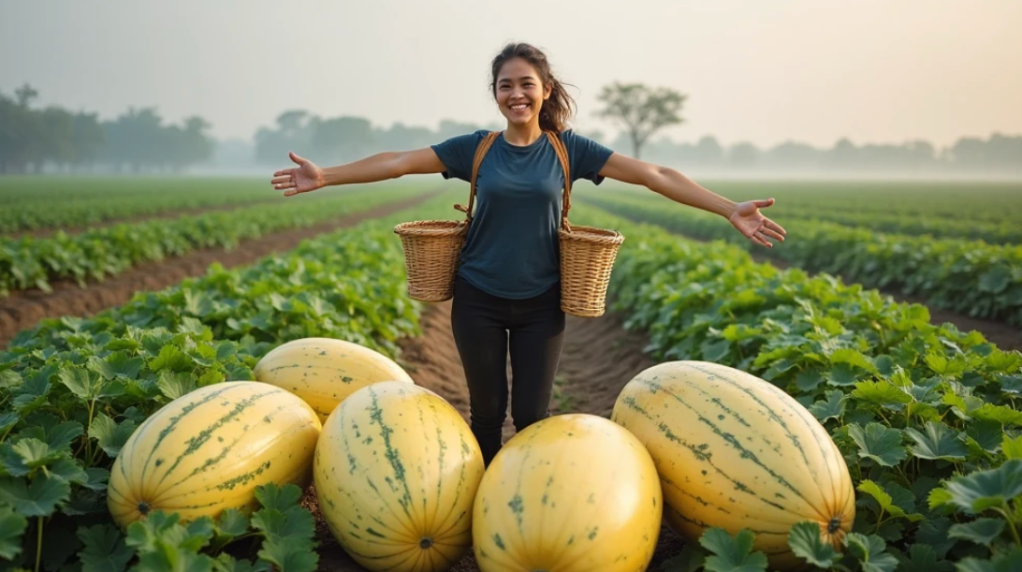
  13. Zucchini
    One plant can feed a neighborhood. You’ll get tired of zucchini before it stops producing.
  14. Turnips
    Fast-growing and reliable. The roots feed you, the greens feed your livestock or compost. Win-win.
  15. Herbs (Basil, Thyme, Oregano)
    Not just flavor. Many herbs have medicinal benefits, and let’s be honest — bland food kills morale faster than cold weather.

🧠 Top 15 Survival Skills You Better Learn Yesterday

  1. Canning and Preservation
    If you can’t store it, you’re wasting harvest. Learn water bath and pressure canning NOW.
  2. Seed Saving
    No seed = no food next season. Learn to save and store seeds properly.
  3. Composting
    Fertilizer won’t fall from the sky. Compost everything — food scraps, manure, leaves.
  4. Irrigation Setup
    No water = dead garden. Build a rain catchment system or gravity-fed drip line.
  5. Crop Rotation
    Don’t plant the same thing in the same spot. It destroys your soil.
  6. Soil Building
    Healthy soil is LIFE. Use compost, mulch, manure, and worm castings.
  7. Foraging
    Know what edible weeds and wild plants grow near you — just in case your garden fails.
  8. Basic First Aid
    What’s that got to do with food? A LOT when you slice your hand harvesting cabbage in a blackout.
  9. DIY Pest Control
    No pesticides? Learn natural methods — neem oil, diatomaceous earth, companion planting.
  10. Food Dehydration
    Dry fruits, veggies, and meats. Lightweight, long-lasting survival food.
  11. Root Cellar Building
    Store food the old-school way — underground and temperature-stable.
  12. Cooking Without Power
    Solar oven, rocket stove, open fire. Know them all.
  13. Water Purification
    Rainwater + bacteria = diarrhea. Filter it, boil it, or don’t drink it.
  14. Tool Maintenance
    A broken hoe doesn’t feed you. Learn how to fix and sharpen your gear.
  15. Animal Husbandry (Bonus)
    Chickens, rabbits, goats — they add meat and manure to your homestead. Even if you start small.

🛠️ 3 DIY Survival Hacks You’ll Thank Me For Later

  1. 5-Gallon Bucket Potato Tower
    No space? No problem. Drill drainage holes in a 5-gallon bucket. Plant seed potatoes at the bottom, keep adding soil as they grow. Harvest a full bucket of potatoes in a few months.
  2. Homemade Self-Watering Containers
    Take two buckets. One for the water reservoir, one with soil and a wicking system. Perfect for growing during hot months or if water is limited.
  3. Eggshell Calcium Boost
    Dry and crush eggshells, sprinkle them in your garden beds. It adds calcium, keeps slugs away, and helps prevent blossom-end rot in tomatoes.

Final Word from a Tired, Angry Survivalist

Look — I don’t care who you voted for. I don’t care how many TikToks you’ve watched about prepping. If you don’t get serious and start growing your own food, you’re gambling with your life.

The system is fragile. The soil is ready. The question is — are you?

You don’t need land, money, or even experience. You need the will to survive, some dirt, and the guts to get started.

Start now. Not tomorrow. Not when things “calm down.”
Because when it all goes dark — those who grow, eat.
And those who wait… don’t.

The Best States to Grow a Survival Garden

(Told Straight by Someone Who Actually Grows Their Own Damn Food)

Let’s cut the fluff. If you’re thinking about survival gardening, your location matters — a lot. You don’t want to be stuck trying to grow tomatoes in 100-degree desert heat or watching your crops rot from nonstop rain in the Pacific Northwest. You need a place where the soil is good, the growing season is long, and the government leaves you alone.

So here it is — the hard truth about the best states to grow a survival garden. I’m talking about places where you can grow enough food to survive, thrive, and stick it to the system if things go sideways.


1. Tennessee

You want rich soil? You want rain? You want a long growing season and low land prices? Tennessee checks all the boxes. Mild winters, plenty of sunshine, and you can grow almost everything here — beans, corn, squash, tomatoes, leafy greens, potatoes, fruit trees. The laws are also favorable to homesteaders. Not too many restrictions, and folks mind their own business.


2. Missouri

The Ozarks are a survivalist’s dream. Tons of natural resources, plenty of fresh water, and excellent soil. Plus, land is still affordable if you know where to look. You can grow food, raise animals, and build off-grid without some HOA telling you your solar panels are “unsightly.” It’s no wonder so many preppers are quietly heading this way.


3. North Carolina

Western North Carolina especially. Good elevation, great soil, and a long enough growing season to plant more than one crop per year. You’ve got access to fresh water from mountain streams, and the climate isn’t brutal. It’s a solid blend of self-sufficiency potential and relative safety from extreme weather.


4. Kentucky

If you want underrated, this is it. Kentucky is quiet, lush, and has some of the best topsoil in the country. It’s perfect for growing survival staples like corn, beans, squash, and root veggies. There’s plenty of space, low taxes, and folks are generally self-reliant and leave you alone — exactly how we like it.


5. Texas (East Texas, specifically)

Forget West Texas unless you like growing dust. East Texas, though? It’s humid, green, and fertile. Long growing season, tons of water, and enough room to build a self-sustaining setup. The state itself has a strong “don’t tread on me” culture — and that counts for something when the grid goes down.


Final Word

You can prep all you want, but if you’re trying to grow food in a place where nothing grows, you’re wasting your time. Survival gardening isn’t just about planting seeds — it’s about being strategic, knowing your climate, and choosing a location where your garden will feed your family, not fail you when you need it most.

So stop scrolling and start planning. Because when the supply chain collapses, real security isn’t ammo — it’s potatoes.

Survival Prepper’s Ultimate Guide to the Best Camping Sites in Utah

Survival Prepper’s Ultimate Guide to the Best Camping Sites in Utah

As a survivalist, being prepared is a lifestyle, and one of the most important elements of survival prep is knowing where to go when the world as we know it might shift into chaos. For us preppers living in the great state of Utah, we have the advantage of an expansive wilderness that stretches from rugged deserts to high mountain ranges. Whether you’re preparing for the worst or you’re just looking for a weekend getaway to practice your survival skills, Utah offers some of the best camping spots to test your mettle.

1. Utah’s Natural Fortress: The Best Campsites for Preppers

Utah is home to a diverse range of camping sites that cater to survivalists looking to hone their skills in a variety of environments. From the dense, evergreen forests in the north to the desolate and isolated deserts in the south, Utah’s topography presents the ultimate challenge for any prepper looking to practice self-sufficiency, bushcraft, and survival techniques. Here are 30 of the best spots for camping, where you can perfect your skills and prepare for anything life throws your way.

2. Top 30 Camping Sites for Survival Preppers in Utah

  1. Zion National Park – This iconic park offers a mix of canyons, plateaus, and mountains. It’s perfect for learning desert survival skills while surrounded by rugged landscapes.
  2. Arches National Park – Known for its incredible red rock formations, this park also offers excellent areas for backcountry camping.
  3. Canyonlands National Park – This massive park is perfect for long-term survival training with isolated, rugged terrain.
  4. Capitol Reef National Park – A hidden gem, Capitol Reef offers solitude, extensive trails, and areas where you can practice wilderness survival away from the crowds.
  5. Great Salt Lake – The salt flats and desert surrounding the Great Salt Lake provide an opportunity to test your skills in harsh, barren conditions.
  6. Fishlake National Forest – Known for its lush forests, this area is ideal for learning the art of foraging and living off the land.
  7. Antelope Island State Park – Perfect for dry conditions and desert survival, this park offers a mix of wildlife and isolation.
  8. Tushar Mountains – Located in central Utah, these mountains offer high-altitude challenges that prepare you for cold-weather survival.
  9. Wasatch Mountains – Close to Salt Lake City, the Wasatch offers easy access to both alpine and wilderness environments.
  10. Mirror Lake Scenic Byway – A beautiful and peaceful place to practice long-range camping with stunning views of alpine lakes and mountains.
  11. Bear Lake State Park – Surrounded by forests and hills, Bear Lake is a good option for prepping in a mix of aquatic and wooded environments.
  12. Desolation Wilderness – Offering steep terrain and tricky navigation, this spot challenges even the most seasoned survivalists.
  13. Red Cliffs Desert Reserve – Near St. George, this area gives you the chance to practice desert navigation, shelter building, and fire-starting techniques.
  14. Willard Bay State Park – This bay area can help you practice water survival tactics and fishing.
  15. Fremont Indian State Park – Explore desert terrain and learn to survive in extreme conditions while experiencing ancient cultural sites.
  16. Pine Valley Mountains – This high-elevation mountain range provides remote locations ideal for survivalists seeking solitude and fresh water sources.
  17. Goblin Valley State Park – Known for its unique rock formations, this park offers great opportunities to practice stealth camping and shelter building.
  18. Boulder Mountain – This remote mountain area is perfect for those who want a combination of rugged terrain, seclusion, and testing your survival instincts.
  19. Dead Horse Point State Park – Famous for its striking desert landscape, this spot challenges campers to master desert survival and navigation techniques.
  20. Fishlake Basin – Known for its rugged terrain and high-altitude lakes, Fishlake Basin allows you to test both mountain and water survival skills.
  21. Mill Creek Canyon – With dense forest and easy access, Mill Creek Canyon is an excellent site for learning shelter building and foraging in a forest environment.
  22. The Henry Mountains – For those wanting to test their ability to survive in the wildest, most remote regions of Utah, the Henry Mountains offer a true survivalist’s challenge.
  23. Lake Powell – While Lake Powell’s famous for its water activities, it’s also a prime location for survivalists looking to practice primitive skills.
  24. Kolob Canyons – A remote part of Zion, Kolob Canyons is less visited, allowing you to practice long-term survival in solitude.
  25. Willard Peak – Ideal for mountaineering preppers, this mountain offers incredible views, challenging terrain, and isolation.
  26. Fishlake National Forest – This vast forest offers a mix of terrain, including alpine lakes, meadows, and rugged hills perfect for preppers.
  27. La Sal Mountains – Known for their rugged beauty, the La Sals offer a chance to practice survival in high-altitude, wooded environments.
  28. The Maze – This remote area of Canyonlands National Park is an excellent location for true wilderness survival with little to no human contact.
  29. East Canyon State Park – A great choice for prepping in a more temperate zone, East Canyon offers forested areas, hiking trails, and water for testing survival tactics.
  30. Huntington Canyon – With its thick forests and access to streams, this is a great place to practice foraging, fishing, and other vital survival skills.

3. Why These Campsites Are Perfect for Survival Preppers

Each of these 30 campsites has been carefully selected because they offer unique survival challenges and opportunities. Whether you’re interested in mastering fire-starting techniques, honing your shelter-building skills, or learning to navigate harsh desert environments, these spots provide the perfect backdrop for training and practicing the essential skills you’ll need in a survival situation. These locations also give preppers a chance to test their resourcefulness, whether by fishing, foraging, or building sustainable shelters with the natural materials available in each area.

Utah’s topography allows for every type of survival training imaginable. From mountain environments where you can hone your winter survival tactics, to desert landscapes that will help you learn the art of water conservation and finding food in arid conditions, the state offers a variety of challenges.

4. Prepping for the Worst

While the camping sites mentioned are great for a weekend getaway or a training camp with your fellow preppers, they also provide real-world testing grounds for more serious prepping. From wilderness survival to long-term off-grid living, these sites will prepare you for a variety of emergencies. They allow you to test gear, practice primitive techniques, and sharpen your skills, all while being in environments that will push your limits.

Some of these locations also provide the added benefit of being remote enough to help you practice isolation tactics. They allow you to test your ability to stay self-sufficient for extended periods of time, with minimal interaction with the outside world.

5. Making the Most of Your Survival Training

Before you head out to any of these campsites, be sure to pack the essentials: a good survival knife, fire-starting materials, a map and compass, water filtration equipment, and a reliable first aid kit. These campsites will test your resourcefulness and ability to adapt, so make sure you’re prepared for the worst-case scenario. After all, the goal is not just to survive, but to thrive when you face adversity in the wilderness.

In conclusion, Utah is an incredible state for preppers, offering diverse landscapes that will challenge your skills and prepare you for any situation. Whether you’re practicing in the backcountry or surviving in the desert, these campsites provide the perfect environment to push your survival abilities to the limit.

Utah’s Worst Natural Disasters and How to Prepare Like a Pro

Surviving Utah: A Prepper’s Guide to Natural Disaster Readiness

As a seasoned prepper in Utah, I know firsthand that survival isn’t just about gear—it’s about mindset, strategy, and community. Utah’s diverse terrain and climate present unique challenges, from the seismic risks along the Wasatch Front to the wildfire-prone regions in the south. Here’s how we prepare for the worst, ensuring we not only survive but thrive when disaster strikes.

CLICK HERE TO LEARN HOW TO SURVIVE A FAMINE


1. Earthquakes: Brace for the Big One

The Wasatch Front is overdue for a significant earthquake. With a 57% chance of a magnitude 6.0 or greater quake in the next 50 years, preparedness is paramount. Securing heavy furniture, retrofitting homes, and assembling a comprehensive emergency kit are essential steps. Additionally, practicing the “drop, cover, and hold on” technique can save lives during the shaking. KSL News+5KSL News+5KSL News+5KSL News+5KSL News+5KSL News+5dspd.utah.gov+6KSL News+6KSL News+6


2. Wildfires: Defend Your Homestead

Utah’s hot, dry summers create prime conditions for wildfires. Residents in areas like St. George and Cedar City are particularly vulnerable. Creating defensible space around your property, using fire-resistant materials, and having a go-bag ready can make all the difference. Stay informed through local fire alerts and always have an evacuation plan in place.


3. Flooding: Know Your Terrain

While floods aren’t as common as other disasters, Utah’s mountainous terrain and rapid snowmelt can lead to sudden flash floods. Living near rivers or in valleys increases this risk. It’s crucial to understand your local flood zone and have a plan to move to higher ground if necessary. Avoid driving through flooded areas, as even shallow waters can be deadly. Utah State University Extension


4. Winter Storms: Winterize Everything

Utah’s winters can be brutal, with blizzards and subzero temperatures. Winterizing your vehicle, stocking up on essentials like blankets and non-perishable food, and ensuring your home heating systems are functional are vital steps. Always keep a battery-powered radio to receive weather updates during power outages. dspd.utah.gov+1Vox+1


5. Heatwaves: Stay Cool and Hydrated

Utah’s summer heat can be intense, especially in southern regions. To combat heat-related illnesses, drink plenty of water, avoid strenuous activities during peak heat hours, and stay in air-conditioned environments when possible. Having a cooling center plan and understanding the signs of heat exhaustion can be lifesaving.


10 Survival Prepper Tips for Utah’s Natural Disasters

  1. Diversify Water Sources: Don’t rely solely on city water. Collect rainwater and store it in barrels. Ensure you have a portable water filter for purification.Utah State University Extension
  2. Emergency Communication Plan: Establish a family meeting point and an out-of-state contact. Use walkie-talkies or satellite phones when cell networks are down.KSL News
  3. Food Storage: Maintain a 72-hour emergency food supply. Rotate stock regularly and include comfort foods to maintain morale.dspd.utah.gov+1Be Ready Utah+1
  4. First Aid Training: Take CPR and first aid courses. Equip your kit with essential medical supplies, including prescription medications.AP News
  5. Fire Safety: Keep fire extinguishers accessible and learn how to use them. Regularly clear dry brush and debris from around your property.Be Ready Utah
  6. Power Backup: Invest in solar-powered chargers and backup generators. Ensure you have extra fuel stored safely.
  7. Emergency Shelter: Have tents, tarps, and sleeping bags ready. Know the locations of nearby shelters and evacuation routes.
  8. Security Measures: Install motion-sensor lights and security cameras. Consider firearms training and legal firearm ownership for self-defense.
  9. Community Involvement: Join local CERT (Community Emergency Response Team) groups. Participate in neighborhood preparedness drills.Utah State University ExtensionKSL News+6Be Ready Utah+6Vox+6
  10. Stay Informed: Use apps like FEMA, MyShake, and NOAA Weather Radio for real-time alerts. Regularly check local hazard maps and updates.Utah State University Extension+2WIRED+2Vox+2Be Ready Utah

Conclusion

In Utah, survival isn’t just about having the right gear; it’s about being proactive, staying informed, and fostering a community of preparedness. By understanding the unique risks our state faces and taking deliberate steps to mitigate them, we ensure that when disaster strikes, we’re not just surviving—we’re thriving.