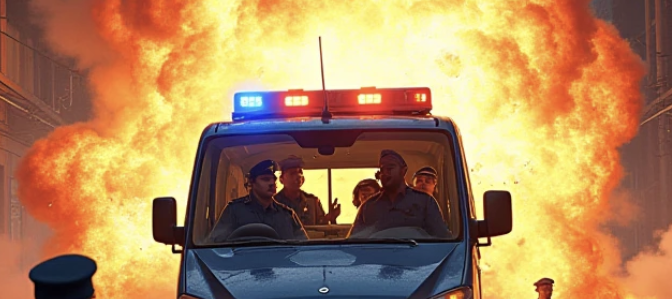
How To Stay Safe and Survive During a Riot in Michigan

When civil unrest breaks out, things can spiral fast—especially in cities where tensions are already boiling over. I’ve lived through chaos, trained for uncertainty, and helped others get out of life-threatening situations with nothing but grit, brains, and a well-packed bug-out bag. If you’re in Michigan and riots hit your area, don’t rely on chance or hope. Rely on skills. This guide lays out what you need to know to stay safe and survive a riot.

Mindset: Situational Awareness Over Fear

Before you start swinging bats or thinking you can brawl your way out of trouble, let me give you the golden rule of surviving civil unrest: avoidance is better than confrontation. Awareness and preparation beat strength every time. You have to be calm, fast-thinking, and light on your feet. Always know where your exits are, who’s nearby, and what’s happening within your line of sight.

You don’t have to be a fighter to survive—but knowing how to defend yourself if it comes to it? That’s priceless.


8 Self-Defense Skills Every Civilian Should Master

  1. The Hammer Fist Strike
    Easy to learn, devastating to apply. Use the meaty bottom of your fist like a hammer—target the nose, collarbone, or side of the head. Practice this with a tire or punching bag until it becomes second nature.
  2. Knee Strikes
    When it’s close-quarters, your knees are deadly weapons. Drive them upward into the attacker’s midsection, groin, or thigh. Knee strikes can neutralize even larger opponents when timed right.
  3. Elbow Strikes
    In tight crowds, swinging a fist is tough. Your elbows, however, are perfect for close-range defense. Practice horizontal and downward elbow strikes—aim for the temple, jaw, or ribs.
  4. Wrist Grab Escape
    Riots are chaotic, and people may grab you—either to harm you or stop you. Learn the wrist escape: rotate your wrist toward the attacker’s thumb and pull sharply away. This simple trick can save your life.
  5. Chokehold Escape (Standing Rear Choke)
    If someone catches you from behind, don’t panic. Step to the side, lower your center of gravity, and strike backward with elbows or stomp their foot—then peel their arm from your neck. Learn this through video demos or martial arts classes.
  6. Use of Makeshift Shields
    Riot environments often rain debris. Use a backpack as a shield. A rolled-up jacket wrapped around your arm can block blades. Know how to turn everyday items into protection.
  7. Ground Defense Basics
    If you fall, don’t curl up. Get into a defensive position—knees up, arms shielding your head—and find a way to get back to your feet fast. Ground-and-pound situations are deadly.
  8. Weapon Retention
    If you’re carrying any tool or weapon, you better know how to keep it. Practice keeping control of your gear, especially if you’re carrying a baton, pepper spray, or a knife. If someone takes it from you, they’ll use it on you.

Your Riot Survival Toolkit

Michigan’s weather can be unpredictable, and that adds another layer to any survival situation. A good kit is half the battle won. Here’s what you need in a mobile, low-profile riot survival bag:

  • Compact first-aid kit
  • Bandana (for dust, debris, or makeshift tourniquet)
  • Flashlight with strobe feature
  • Leather gloves
  • Water bottle with purification tablets
  • Energy bars
  • Power bank
  • Folding knife or multi-tool
  • Pepper spray or gel (gel preferred in wind-prone Michigan cities)
  • Backup phone with prepaid SIM
  • Map of your local area (yes, paper—because GPS may go down)

Keep your kit light and ready to go. Leave flashy gear at home. You want to blend in—not stand out.


3 DIY Survival Weapon Builds

Let me be clear: these are for defense. Never use these for aggression. But when you’re cornered and the law is twenty minutes away—or not coming at all—you’ll be glad you know how to improvise.

  1. PVC Pipe Baton
    • Materials: 18-24” of 1-inch PVC pipe, steel bolts, duct tape
    • Fill the pipe halfway with bolts or small stones. Cap both ends. Wrap the grip with duct tape. You now have a makeshift baton that’s light but delivers heavy hits.
  2. Sling Shot from Paracord and Metal Spoon
    • Cut the handle off a sturdy metal spoon. Bend the bowl into a Y-shape. Attach paracord or surgical tubing to the arms. Use small stones or ball bearings as ammo. Great for distracting and defensive distance strikes.
  3. Canister Flash Device
    • Use a small metal container (Altoids tin), flashlight guts, and a burst of magnesium shavings (from fire-starter blocks). When ignited briefly, it creates a blinding flash that gives you 3–5 seconds to escape. Do not use near flammable material.

Route Planning and Escape Strategy

If you’re in Detroit, Grand Rapids, Flint, or Lansing—expect the possibility of demonstrations getting heated. The key to riot survival is knowing multiple exits and blending in.

Do:

  • Memorize 2-3 escape routes from your home and workplace.
  • Know where police stations, hospitals, and fire stations are.
  • Avoid main roads and commercial districts after dark.
  • Dress neutral: gray, black, or navy. No flashy gear.

Don’t:

  • Film everything. You’re not a journalist. Phones attract attention.
  • Wear open-toed shoes. Always be ready to run or fight.
  • Get involved in any protest unless you understand the risks.

Teamwork: Survive Together

If you’ve got a family, establish a rally point. If phones go down, have backup communication plans like whistles or pre-set radio channels (FRS/GMRS). Practice this with your kids if you have any. Drill it. Repetition builds instinct.

Got neighbors you trust? Form a mutual watch agreement. Strength in numbers still applies when society breaks down.


Final Thoughts

Riots are terrifying not because of one threat—but because they contain many threats. Fires. Gunfire. Crowds. Police responses. Opportunistic criminals. In those moments, law and order are concepts, not guarantees. Your survival depends on how quickly you recognize danger, how well you prepare, and how ruthlessly you execute your plan.

If you’re reading this after the chaos starts—get somewhere safe, quiet, and defensible. If you’re reading this before it starts, you’re already ahead of the curve. Stay gray. Stay smart. Stay alive.


How To Stay Safe and Survive During a Riot in Massachusetts

How To Stay Safe and Survive During a Riot in Massachusetts

Massachusetts might not be the first state you think of when the word riot comes to mind, but the reality is that chaos can erupt anywhere, anytime. Whether you’re in downtown Boston, Springfield, Worcester, or a small town off I-90, being caught unprepared in a civil disturbance could cost you everything. I’ve spent the better part of my life training in survival, self-defense, and situational awareness. I’m not writing this to scare you — I’m writing it to prepare you.

In this guide, you’ll learn the exact methods I use to survive and stay safe when riots break out — especially in urban or semi-urban environments like many found across Massachusetts. We’ll dive into 8 practical self-defense skills, 3 DIY ways to create survival weapons, and top-level situational awareness tips you won’t find in your average survival manual.


Understanding the Threat: What Happens During a Riot?

A riot isn’t just a loud protest. When things get violent, you’ve got looters, arsonists, aggressive crowds, and people who don’t care about laws or your safety. Police may be overwhelmed or slow to respond. Roads get blocked. Cell towers may become overloaded. You’re on your own — at least for a while.

Your goal isn’t to win a fight. Your goal is to get home safe or secure a shelter where you can wait things out. That said, if you have to defend yourself or others, you better know how to do it right.


8 Self-Defense Skills Every Prepper Should Master During Civil Unrest

1. Situational Awareness (The Gray Man Principle)

This isn’t a fight skill — it’s a survival skill. Always scan your surroundings. Identify exits, crowd behavior, and choke points. Dress inconspicuously. Don’t wear tactical gear or expensive clothes. Blend in and don’t draw attention — become the gray man. People ignore what doesn’t stand out.

2. Verbal De-escalation

If someone’s targeting you in the chaos, use a calm, assertive tone. Many aggressors back off when they don’t get an emotional reaction. Learn how to control your body language. Keep your hands open, voice steady, and tone neutral.

3. Palm Heel Strike

If you’re forced to strike, use your palm, not your fist. It’s harder to injure yourself and delivers massive force. Aim for the chin, nose, or throat. This can buy you a few seconds to escape.

4. Elbow Strike

In close quarters (and riots are all about close contact), your elbows are devastating. Use them if someone grabs you or tries to push you to the ground. Horizontal or downward strikes can incapacitate a threat instantly.

5. Escape From Wrist Grabs

Whether it’s law enforcement pulling you into a crowd or a rioter trying to drag you, break their grip by rotating your wrist toward the weakest part of their grip (usually between thumb and fingers) and pulling away sharply.

6. Use of Barriers

A trash can lid, backpack, or even a car door can be a makeshift shield. Always look for something to place between you and a threat — don’t just rely on your fists.

7. Ground Defense Tactics

If you’re taken to the ground, cover your head, curl slightly to protect internal organs, and kick outward to create space. Get back on your feet quickly — the ground is a bad place to be during a riot.

8. Improvised Self-Defense Tools

Keys between fingers, a tactical flashlight, or even a rolled-up magazine can be defensive weapons. You don’t need to carry a weapon — you need to think like a weapon. Train with what’s around you.


3 DIY Survival Weapon Skills You Can Learn Today

Note: These weapons are strictly for emergency defense during extreme situations. Know your local laws.

1. PVC Pipe Baton

A 1-inch PVC pipe cut to 18–24 inches and filled with sand or nails makes a powerful non-lethal impact tool. Wrap it with duct tape for grip. It’s light, concealable, and effective.

How to make:

  • Cut PVC to length
  • Seal one end with a glued-on cap
  • Fill with sand or nails
  • Cap the other end and wrap it

2. Sling Weapon (Rock or Metal Projectile)

A braided paracord sling or even a basic one made with shoe laces and cloth can launch small projectiles at serious speed. It’s not just for hunting — it can be used to break windows, distract threats, or provide cover.

Tip: Practice your aim. This takes skill.

3. Improvised Spear or Pike

Take a broom handle or mop stick, whittle down the tip to a point or duct-tape a kitchen knife securely to the end. This gives you reach and keeps threats at a distance. It’s crude but effective when barricaded indoors or defending narrow hallways.


How to React When a Riot Breaks Out Near You

  1. Don’t Investigate – If you hear noise, shouting, or sirens, do not go check it out. Gather intel from a safe distance (police scanners, local radio, citizen apps like Citizen or PulsePoint).
  2. Get Off the Street – Riots move fast. Within minutes, peaceful demonstrations can turn violent. Get inside, lock doors, and barricade if needed. Stay away from windows.
  3. Secure Water and Food – Grocery stores are the first to get looted. You should already have at least a 72-hour supply. If not, now is not the time to be shopping. Use what you have.
  4. Have a Bug-Out Route – Know multiple exit routes from your location. Avoid highways. Take side roads. Avoid public transportation — it’s a magnet for angry crowds.
  5. Use Comms Wisely – Keep your phone charged, but turn off Wi-Fi and Bluetooth to avoid tracking. Text rather than call to preserve battery. Consider a handheld radio or walkie-talkies with friends/family.

Final Tips for Massachusetts Residents

  • Urban Dwellers: Boston, Cambridge, Lowell — your biggest threat is large, condensed crowds and mass transit gridlock. Know your building’s exits and nearby safe zones like parking garages or office lobbies.
  • Suburban Areas: Riots may spill over if police get overwhelmed. Fortify windows, keep cars fueled, and avoid main roads. Trust your neighbors? Coordinate now.
  • Rural Preppers: You’re less likely to see riot spillover, but keep your property secure and be ready to help urban family or friends bug out if needed.

Remember, Massachusetts has strict weapons laws. That’s why the key here is improvisation. Defense isn’t about going on offense — it’s about smart strategy, awareness, and speed.


Final Word From a Lifelong Prepper

You don’t have to be an ex-Marine, a martial arts expert, or a survival show contestant to get through a riot. But you do need to be prepared to move, think, and act decisively when others are panicking. The time to build your skills isn’t when you hear glass breaking — it’s now.

Start small. Learn the techniques. Train your family. Build that DIY baton. Run escape drills. Because when the time comes, your best weapon is the one you already know how to use.

Stay alert. Stay gray. Stay alive.


How To Stay Safe and Survive During a Riot in North Dakota

When chaos breaks loose in a quiet state like North Dakota, it catches most folks off guard. But if you’re a survival-minded individual like me, you know complacency is the enemy. Riots don’t give warnings. They flare up fast—often within minutes—and turn peaceful towns into danger zones. Whether it’s Bismarck or Fargo, once tensions boil over, it’s too late to start thinking about a plan. You either have one, or you don’t. Today, I’m laying out a no-BS guide on how to keep yourself and your family safe when the streets go hot.


Understanding the Threat

Riots are unpredictable, often driven by political unrest, economic frustration, or social tension. While North Dakota isn’t known for civil unrest, don’t confuse calm with permanent peace. If you’re reading this, you’re probably not one to bet your life on the odds—and that’s good. Always expect the unexpected.

The key is preparation. That means having gear, knowing your surroundings, mastering self-defense, and—if it comes down to it—having the skills to build what you need to survive.


8 Self-Defense Skills You Must Master

These aren’t movie tricks or TikTok tactics. These are real, actionable skills that can keep you alive.

1. Situational Awareness

The number one tool in your arsenal isn’t a weapon—it’s your mind. Always scan your environment. Look for exits. Watch body language. If the energy in a crowd shifts, you should feel it before you see it. Trust your gut and act early.

2. De-escalation Tactics

You’re not a hero, and this isn’t the time for ego. If someone confronts you, your first goal is to avoid conflict. Use calm tones, non-threatening gestures, and strategic positioning to keep distance. Walk away before fists fly.

3. Basic Striking Techniques

If you’re forced to fight, keep it simple: palm strikes, elbow strikes, and low kicks. These are powerful, easy to execute, and don’t require years of training. Aim for soft targets like the throat, groin, and solar plexus.

4. Escaping Holds and Grabs

Learn how to break free from wrist grabs, bear hugs, and chokeholds. Use leverage, not strength. The goal is not to overpower, but to escape and move to safety.

5. Improvised Weapon Usage

Know how to use what’s around you. A belt with a heavy buckle, a pen, a sturdy flashlight—these can all become defensive tools. Don’t rely on carrying weapons—rely on your adaptability.

6. Weapon Disarming Basics

This is only for dire situations. If you’re unarmed and someone threatens you with a weapon, disarming could be your last shot. Focus on redirecting, controlling, and neutralizing. It’s risky but better than freezing.

7. Ground Defense

If you’re knocked down, your fight isn’t over. Learn to protect your head, use your legs to create space, and stand back up with control. Never stay on the ground in a crowd—it’s where you’ll get stomped.

8. Team Tactics

If you’re with family or a group, work as a unit. Assign roles—one leads, one watches the rear, one carries supplies. Communicate clearly and stay together. Never let panic scatter your team.


3 DIY Survival Weapon Builds

Sometimes, carrying a weapon isn’t an option. But necessity is the mother of invention. These DIY weapons can be made from common materials and pack enough punch to give you an edge.

1. PVC Pipe Baton

Materials: 1″ diameter PVC pipe (2–3 feet), sand or metal nuts, duct tape.

Instructions: Fill the pipe with sand or metal nuts for weight. Seal both ends. Wrap the grip with duct tape or paracord for handling. It’s light, sturdy, and can deliver bone-crushing force when needed.

2. Nail Bat

Materials: Wooden bat or thick branch, nails, hammer.

Instructions: Drive nails through one end of the bat. Wrap the handle with cloth or tape for grip. This is a last-resort weapon—lethal and intimidating. Use only if you’re in extreme danger.

3. Sling Shot Survival Tool

Materials: Y-shaped branch, surgical tubing or bike inner tube, leather pouch.

Instructions: Cut a solid Y-branch and secure tubing to the arms. Attach a leather patch to hold ammo—rocks, bolts, or steel bearings. Silent, light, and powerful at close range.


Best Practices for Riot Survival in North Dakota

Let’s get specific. Here’s how to survive if a riot breaks out in your area:

1. Avoid Hot Zones

If you see smoke or hear sirens—go the opposite direction. Monitor local police scanners or emergency apps like PulsePoint. Avoid downtown areas, government buildings, and protest gathering spots.

2. Shelter in Place if Possible

If your home is secure, don’t go outside. Board up windows, block entrances, and stay quiet. Have a backup power source, drinking water, and a go-bag ready in case you need to leave fast.

3. Blend In

If caught outside, don’t stand out. Ditch any flashy or tactical gear. Neutral colors, no logos. Move like you belong—confident but not confrontational.

4. Know Your Escape Routes

Always have three ways out—on foot, by car, and through side streets or back alleys. Practice these routes with your family. GPS won’t help if networks go down.

5. Communicate Off-Grid

When the grid fails or networks are jammed, use walkie-talkies or ham radios. Texts may still go through when calls won’t. Establish code words with your group ahead of time.


Final Thoughts from a Lifelong Prepper

You don’t rise to the occasion—you fall back on your training. That’s the survivalist creed. During a riot, it’s not about being a hero. It’s about being alive when the dust settles. I’ve seen too many people freeze when the world went sideways, and I’ve made it my life’s work to make sure that never happens to me—or to those who listen.

North Dakota might seem low-risk, but don’t bet your family’s safety on peace lasting forever. Stockpile smart, train harder, and plan like it’s already happening. Because when the streets turn to war zones, it won’t matter who started it—it’ll only matter who walks away.

Stay sharp. Stay prepared. And remember: it’s better to be a year too early than a second too late.

How To Stay Safe and Survive During a Riot in Tennessee

When the streets boil over with chaos and the sirens echo louder than common sense, you’ll quickly learn one brutal truth: you’re either prepared or you’re prey. As a survival prepper with years of training in self-defense and bushcraft, I’ve witnessed the fine line between survival and tragedy. Riots are unpredictable beasts. They erupt fast, spread faster, and leave devastation in their wake. Whether you’re in Nashville, Memphis, Chattanooga, or a small town that rarely makes the news, knowing how to stay safe during a riot isn’t just smart—it’s survival.

Let’s walk through essential knowledge that’ll help you stay alive and protect those you love. This isn’t sugar-coated theory; it’s the kind of practical, field-tested advice forged in fire and reality.


Mindset Before Mayhem: Stay Aware, Stay Ahead

Before we dive into self-defense and survival builds, understand this: survival starts before the first brick is thrown. Situational awareness is your first line of defense. Always be aware of your surroundings. If you see protests forming or tension rising—leave. You don’t want to be a spectator to chaos.

Stay informed through police scanners, local news, and social media, but avoid getting glued to your screen. Have a “go-no-go” bag ready, and a family emergency plan rehearsed.


8 Essential Self-Defense Skills to Survive a Riot

You don’t need to be Bruce Lee. You need to be efficient, decisive, and confident. Here are eight self-defense skills every Tennessean should master to stay alive during a riot:

1. The Fence and Verbal De-escalation

The “fence” is a non-threatening stance with your hands up and open between you and a potential attacker. It’s defensive but looks passive. Combine it with calm, confident verbal de-escalation—your first attempt should always be to defuse, not escalate.

2. Situational Awareness Training

Learn to read a crowd, pick out threats, notice body language, and spot exits. Trust your gut. If it feels wrong, it probably is.

3. Basic Striking Techniques

Master open palm strikes, elbows, and knee strikes. These are devastating in close quarters and don’t injure your hands like punching can. Learn to target the nose, chin, solar plexus, and knees.

4. Escape from Grabs

If someone grabs your wrist, shirt, or backpack, you need fast, instinctive techniques to break free. Use leverage, not strength. Practice wrist breaks, lapel releases, and hair-pull escapes.

5. Ground Defense

In a riot, being on the ground is dangerous. Learn how to break your fall, protect your head, and get up quickly using shrimping and tactical rolls.

6. Improvised Weapon Use

A belt, flashlight, rolled-up magazine, umbrella, or even a backpack can be a weapon. Train with common objects and learn how to use them effectively.

7. Mob Navigation Techniques

Move with the flow of a crowd, not against it. Keep your arms up to protect your chest, and wedge yourself sideways like a swimmer cutting through water. Never get pinned against a wall or fence.

8. Mental Conditioning and Fear Control

Your ability to manage fear is everything. Practice stress inoculation—simulate stressful environments while training. Adrenaline dumps can paralyze or energize; it’s up to your mindset and preparation.


DIY Survival: 3 Ways to Build Weapons for Defense

In Tennessee, you might find yourself miles away from police protection. If looters are breaking into homes or mobs are closing in, having defensive tools—preferably homemade and legal—can save lives.

1. PVC Pipe Baton

Materials: 1-inch PVC pipe (18-24 inches), sand, duct tape.
How: Fill the pipe with sand or small gravel, seal both ends with caps or duct tape, and wrap the outside with grip tape. This baton is strong, heavy, and can be carried discreetly.

2. Slingshot with Ball Bearings

Materials: Y-shaped tree branch, surgical tubing, leather pouch, and steel ball bearings.
How: Carve a strong, symmetrical Y-branch, attach surgical tubing to the ends, and fit a leather pouch in the middle. This DIY slingshot can easily deliver deterrent-level damage and fits in a pocket.

3. Door Brace Spear

Materials: Wooden broom handle, long steel screw, electrical tape.
How: Sharpen one end of the broom handle or insert a long steel screw (tip exposed) into the end, and wrap with electrical tape to secure. You now have a spear you can brace behind a door or use in self-defense if a home invasion occurs.

Note: Always check Tennessee state laws about homemade weapons to avoid legal trouble.


Quick Riot Survival Checklist

When a riot ignites, every second matters. Here’s your fast-response list:

  • Keep your bug-out bag (BOB) packed and in your vehicle or near the exit.
  • Include water, energy bars, first aid, cash, flashlight, local maps, multi-tool, and ID.
  • Wear neutral clothing (no logos, nothing politically charged).
  • Use a mask and goggles for tear gas protection.
  • Have a rally point for your family to meet if separated.
  • Avoid major intersections and commercial zones where looters gather.
  • Park your vehicle nose-out for a quick escape.
  • NEVER try to reason with a riot. Escape is your mission, not confrontation.

Escape & Evasion in Tennessee’s Terrain

If you’re forced to flee urban areas, Tennessee’s wilderness can be your sanctuary. Know how to use the landscape:

  • Wooded Escape Routes: The Smokies, Cumberland Plateau, and local greenways offer excellent cover and mobility.
  • Creekbeds and Rail Lines: Use these to move unseen and avoid roadblocks or mobs.
  • Abandoned Barns and Outbuildings: Many rural areas have old shelters that can be used temporarily if you need to lay low.

Final Word: Preparation Is the Ultimate Equalizer

When law and order break down, your ability to stay calm, defend yourself, and move smart becomes your currency of survival. Tennessee is a proud, resilient state with a deep heritage of independence. Channel that strength, but don’t let pride get you killed. You’re not trying to win a fight—you’re trying to win the right to keep living.

Stay alert. Train hard. Prep smart. And remember: fortune doesn’t favor the bold—it favors the prepared.

How To Stay Safe and Survive During a Riot in Pennsylvania

When civil unrest erupts, the rules of normal society get tossed out the window. If you find yourself in Pennsylvania during a riot—whether in Philly, Pittsburgh, or a small town—you need to shift from civilian mindset to survivalist instinct fast. I’ve lived through hurricanes, blackouts, and civil unrest. Let me tell you: chaos doesn’t send a warning text.

If you’re caught unprepared, you’re a target. But with the right mindset, skills, and tools, you can protect yourself and your loved ones. Here’s how a seasoned survival prepper handles a riot scenario.


First: Situational Awareness is Your Survival Bedrock

Before you ever have to throw a punch or swing a bat, your awareness will keep you alive. Monitor your surroundings constantly. Know the difference between a peaceful crowd and a mob ready to burn everything in sight. Stay updated on local news, and if something starts brewing, trust your gut. Don’t wait. Get out early if you can.

Install police scanner apps and follow local emergency channels. If you’re on foot, avoid bottlenecks like alleyways or fences. If you’re in a vehicle, keep your gas tank above half at all times and know at least three alternate routes out of town.


8 Self-Defense Skills Every Prepper Should Master

In a riot, 911 is likely overwhelmed or unavailable. That means you are your own first responder. Whether you’re defending yourself or your family, here are the self-defense skills that matter most:

  1. Situational De-escalation
    Learn how to defuse tension verbally and with body language. Sometimes not fighting is the smartest fight you’ll win.
  2. Krav Maga Basics
    This Israeli martial art was designed for real-world violence. Focus on neutralizing threats fast—groin strikes, eye gouges, and throat punches are not dirty; they’re smart.
  3. Palm Heel Strikes
    Avoid hurting your own hand. A palm heel to the nose or jaw is devastating and easy to learn.
  4. Elbow Strikes
    In close quarters, nothing beats the elbow. Short, fast, and bone-breaking.
  5. Improvised Weapon Training
    Know how to turn a flashlight, pen, or belt buckle into a weapon. A sturdy tactical pen can be life-saving.
  6. Ground Defense
    If you end up on the ground, know how to protect your face and get back up. Jiu-jitsu fundamentals are invaluable here.
  7. Escape From Grabs
    Practice breaking holds. A wrist grab can lead to a beatdown—or a quick reversal if you’ve trained properly.
  8. Weapon Retention & Disarmament
    If someone pulls a weapon on you, your goal is either to flee or disarm fast. Learn the basics of redirecting a knife or firearm—timing and confidence are everything.

3 DIY Survival Weapons You Can Make at Home

Even if you don’t own firearms or they’re not accessible, you can arm yourself legally and discreetly with DIY tools that pack serious deterrent value.

1. PVC Pipe Baton

  • Materials: 1-inch diameter PVC pipe (2 feet), sand or BBs, duct tape.
  • Instructions: Fill the pipe with BBs or sand to give it weight, seal both ends, wrap with duct tape for grip. It hits hard and won’t attract as much attention as a metal bat.

2. Improvised Spear

  • Materials: A broomstick, kitchen knife, duct tape, paracord.
  • Instructions: Lash the knife to the end of the stick tightly. Works for both defense and deterrent purposes, especially if you’re defending your home.

3. Slingshot with Metal Ammo

  • Materials: Commercial slingshot, ball bearings or marbles.
  • Instructions: Practice accuracy. A slingshot can take down small game or discourage an aggressive attacker without the noise of a firearm.

How To Fortify & Escape Your Home During a Riot

If a riot is headed your way, bugging in is your first line of defense. Fortify your home with these quick strategies:

  • Block ground-floor windows with furniture or plywood. You’re not trying to win a war, just discourage entry.
  • Turn off all lights at night to avoid drawing attention.
  • Create a safe room. If intruders enter, you need one locked, fortified space to regroup and plan an escape if needed.

If the situation escalates and you must bug out:

  • Don’t take major roads. They’re likely jammed or under police/military lockdown.
  • Move at dawn or dusk. Less visibility, less risk.
  • Dress like a grey man. Neutral colors, no tactical gear that screams “prepared.” You want to blend in, not stand out.

Quick-Access Riot Survival Kit

Here’s what every Pennsylvanian should keep ready when unrest flares up:

  • Tactical flashlight with strobe
  • Filtered water bottle or Lifestraw
  • Multi-tool or fixed blade knife
  • First aid kit with blood clotting gauze
  • Smoke mask or N95
  • Sturdy gloves (for climbing or dealing with debris)
  • Copies of ID in a waterproof bag
  • Map with marked safe routes out of town
  • Cash in small bills
  • Energy bars or MREs

Mindset: The Ultimate Survival Tool

If you panic, you lose. Stay calm, focused, and decisive. Panic is contagious. So is confidence. Your demeanor will influence your family and those around you. In a riot, fear spreads like fire. Be the firebreak.

Trust your instincts. Don’t hesitate. If you see things are spiraling, don’t wait for permission to act. It’s always better to leave too early than one minute too late.


Final Thoughts From a Seasoned Prepper

Riots in Pennsylvania aren’t just a big-city problem anymore. With social tension boiling across the country, even rural towns can become hotspots overnight. You don’t need to be a doomsday bunker-dweller to be prepared. You just need to take your safety seriously.

Train your body. Train your mind. Prepare your home. Learn to defend yourself and protect what matters.

Because in the end, when the system fails, you’re all you’ve got.

How To Stay Safe and Survive During a Riot in New Jersey

How To Stay Safe and Survive During a Riot in New Jersey
By a Skilled Survival Prepper

When chaos hits your doorstep, especially in a densely populated place like New Jersey, your survival depends on preparation, quick thinking, and decisive action. Riots aren’t just distant news stories—they can ignite in your neighborhood in a matter of hours. I’ve lived through civil unrest before. I’ve seen what happens when the power grid flickers, the police are overwhelmed, and people panic.

If you’re not prepared, you become a target. But if you take the time to train, plan, and stay sharp, you’ll not only survive a riot—you’ll come out stronger and more aware.

Let me walk you through what you need to know.


Understand the Nature of Riots

Riots are unpredictable, emotional surges of violence and destruction. They can start from political unrest, police incidents, or even after sports events. New Jersey’s urban centers—Newark, Jersey City, Camden, Trenton—can become flashpoints due to their population density and social dynamics.

When a riot breaks out, the goal isn’t to be a hero. Your only mission is to survive and protect your loved ones.


The 8 Self-Defense Skills You Must Master

Whether you’re caught on the street or defending your home, these skills are critical.

1. Situational Awareness

Your best defense is always being aware. Before a riot even starts, know your surroundings—routes in and out, crowd behavior, and potential threats. Listen, watch, and keep your phone charged with a scanner or citizen-reporting app.

2. Verbal De-escalation

You’d be surprised how far a calm voice and firm posture can go. Learn to manage a confrontation before it becomes physical. Practice phrases that redirect or de-escalate hostile intent.

3. Escape and Evasion

Can you disappear in a crowd? Do you know how to change your appearance fast? Learn basic disguise techniques, like using reversible jackets, hats, or sunglasses. Blend in or slip away unnoticed.

4. Basic Striking and Blocking

Train in boxing or Krav Maga. A solid jab, cross, and elbow strike can disable an attacker. Learn to block and deflect blows, especially from blunt weapons.

5. Joint Locks and Control Holds

If you’re grabbed, you need to know how to break free. Wrist locks, arm bars, and finger manipulation give you the upper hand without needing to be the strongest person.

6. Ground Defense

If you’re taken to the ground, many untrained people panic. Practice defensive ground positions like guard and shrimping. Learn how to get back up quickly without exposing your back.

7. Improvised Weapons

Know how to use what’s around you—keys, pens, belts, a rolled-up magazine. These everyday items can become effective weapons in a pinch. Practice using them safely and effectively.

8. Multiple Opponent Tactics

In a riot, you may face more than one threat. Never get surrounded. Use angles and movement to keep attackers on one side. Always look for escape routes, not victories.


How to React When Riots Break Out in New Jersey

  1. Don’t Wait for the News
    Have a trusted app or radio tuned to local law enforcement frequencies. By the time a riot is televised, it’s already too late.
  2. Bug-In or Bug-Out?
    If you’re in a high-risk area like Newark or Paterson and live in an apartment building, it may be safer to bug out early. If you’re in a suburban or fortified home, bugging in and defending may be smarter. Know which option fits your environment and plan both.
  3. Create a Safe Room
    One room in your home should be fortified with strong locks, minimal windows, supplies, and communication tools. It’s where you regroup, rest, or make your last stand if needed.
  4. Dress for Urban Survival
    Wear muted colors, comfortable shoes, and bring a backpack with essentials: water, snacks, gloves, flashlight, and basic first aid. Leave no jewelry or flashy items on you.
  5. Avoid Choke Points
    Stay away from bridges, tunnels, and crowded highways. New Jersey has lots of them, and they’re the first places to clog or turn hostile.
  6. Protect Your Vehicle
    If you’re using your car to escape, fill the tank early, tint the windows, and remove any identifying bumper stickers. Keep a getaway kit in the trunk—tools, maps, jumper cables, and a fire extinguisher.

3 DIY Survival Weapon Builds

You don’t need to be a blacksmith to protect your home. Here are three practical DIY weapon builds:

1. PVC Pipe Baton

Take a 24-inch length of 1-inch PVC pipe, fill it with sand or lead shot for weight, and wrap the ends in duct tape or paracord for grip. It’s lightweight, concealable, and can deliver serious stopping power.

2. Nail Bat

Get an old wooden baseball bat. Drill holes through the top and hammer in large nails, then bend them slightly outward with pliers. It’s a brutal deterrent and sends a clear message: your home is not an easy target.

3. Slingbow

With a sturdy slingshot frame and some elastic tubing, you can convert it into a slingbow capable of firing arrows. Add a whisker biscuit to hold arrows in place and you’ve got a silent, reusable ranged weapon. Perfect for defending at range without attracting attention.


Mental Strength and Leadership

During civil unrest, panic is as deadly as violence. You must stay calm. Your family or group will look to you for strength. Build trust before the crisis. Establish a communication plan. Give roles to each member—guard, lookout, medic, communicator.

And remember: self-defense doesn’t end when the threat passes. There’s often looting, fires, and injuries that come after the riot. Be ready for prolonged instability—especially if supply chains get disrupted or law enforcement is pulled back.


Post-Riot Recovery and Threat Assessment

Once the initial riot is over, don’t assume it’s safe. Stay alert. Some of the most dangerous moments happen in the aftermath when emergency services are stretched thin, and criminals feel emboldened.

  • Check perimeter security: Barricade broken doors, replace locks, and create noise traps.
  • Assist only if safe: Help neighbors or others only if you can do so without exposing your group.
  • Debrief and improve: After it’s over, review what worked and what didn’t. Sharpen your weaknesses.

Final Words from a Fellow Prepper

New Jersey is no stranger to unrest—between political protests, economic tensions, and dense population centers, the potential for riots is real. You don’t have to live in fear, but you do have to live prepared.

Take the time to build skills, gather tools, and fortify your mindset. When the storm comes, you won’t be just another person running scared. You’ll be ready. You’ll lead. You’ll survive.

How To Stay Safe and Survive During a Riot in Montana

Riots can spark anywhere—yes, even in the wide-open expanses of Montana. From Bozeman to Billings, no place is immune when tensions rise and order collapses. I’ve spent decades preparing for the unexpected: training in self-defense, bushcraft, and survival tactics in all environments, urban and wild. And today, I’m going to share essential techniques to stay alive, stay sharp, and stay free during civil unrest.

A riot is not a political movement; it’s chaos in motion. You don’t want to be caught in the middle of it unprepared. Whether you’re protecting your homestead, bugging out, or just trying to get your family to safety, here’s a hard-hitting, no-BS guide for staying safe in a Montana riot.


8 Essential Self-Defense Skills You Need to Master

1. Situational Awareness
Before you even throw a punch or grab a weapon, you need to see the danger coming. Situational awareness means being alert to shifts in crowd energy, sudden movement, or bottlenecks in a street. Keep your head on a swivel. Use reflections in windows, avoid distractions like phones, and always have an exit route mapped out in your head. Know the difference between a protest and a riot—there’s a fine line, and you’ll know when it’s crossed.

2. Verbal De-escalation
This skill can save your life more often than a right hook. Speak calm, clear, and firm if someone gets in your face. Don’t posture or insult. Disengage and redirect attention if possible. The real win in self-defense is not having to fight at all.

3. Improvised Weapon Training
If you didn’t bring a weapon, make one. A metal flashlight, car keys in your fist, or even a rolled-up magazine can become effective tools in the right hands. Train with random objects, learn their weight, balance, and striking capabilities.

4. Palm Heel Strikes and Elbow Hits
Punching is for boxers. In a real street fight, your fist can break easier than you think. Instead, use your palm heel to strike the nose or chin. Elbows are devastating in close quarters. Fast, brutal, and less likely to injure your own hand.

5. Escaping Holds and Grabs
You get grabbed, you get dead—unless you know how to break free. Practice escaping wrist locks, bear hugs, and chokes. Remember, leverage beats strength. Use momentum and body positioning. Bite, gouge, and stomp if needed—this is survival, not a dojo tournament.

6. Shielding Techniques
Learn how to protect your vital organs and head during a physical confrontation. Using your arms to form a shield in front of your head and torso can minimize damage from blunt-force attacks. Practice this while moving; it should be second nature.

7. Ground Defense
If you fall, the fight isn’t over—it just changed levels. Learn to fight off your back, using kicks, sweeps, and fast recoveries. Getting to your feet quickly is essential. On the ground in a riot means you’re a target. Don’t stay there.

8. Escape and Evasion Tactics
You need to know how to disappear. Blend in with the crowd, avoid attention, and use alleyways and side streets. In Montana’s urban zones like Missoula or Helena, scout areas ahead of time and plan low-traffic exit routes. Carry a bandana or mask for dust, smoke, and ID concealment.


3 DIY Survival Weapons You Can Build in a Pinch

When lawlessness takes over, you might have to defend your family. These DIY weapons are quick, legal to build, and effective.

1. The Sock Mace
Take a heavy padlock, drop it into a thick athletic sock, and tie a knot at the open end. Swing it fast and hard—it’s like a medieval flail. Easy to conceal, quick to make, and hits like a hammer.

2. PVC Pipe Spear
Cut a length of PVC pipe around 4 to 5 feet. Sharpen a steel tent spike or long nail and attach it to one end with paracord and epoxy. Wrap the handle with duct tape or cloth for grip. It’s lightweight and effective for self-defense or even hunting if the grid stays down.

3. Duct Tape & Razor Blade Knuckle Guard
Wrap several razor blades in layers of duct tape with a handle-sized gap in the center. Strap it around your knuckles like brass knuckles. Not for long fights, but if someone closes in and you need to make space now, this gets the job done.


Riot-Specific Safety Tips for Montana

Montana’s geography and sparse population may feel like a safety net—but don’t let it fool you. When unrest hits a major town, help could be hours away.

  • Don’t rely on 911 – First responders will be overwhelmed. Prepare to be your own backup.
  • Dress down – Wear neutral, non-descript clothing. No camo, no slogans, no red or blue. Blending in buys time.
  • Avoid major routes – Highways and main roads will be jammed or blocked. Know alternate routes through backroads, fire trails, or even hiking paths if needed.
  • Stay indoors unless escaping – A fortified home is better than a panicked crowd. Use furniture to block entry points and keep your lights low.
  • Have a rally point – If separated from family or your group, have a pre-determined location to regroup. Practice getting there without phones.

Gear You Need (And Why)

  • Multi-tool – Your lifeline for prying, cutting, fixing.
  • Flashlight with strobe – Disorient attackers or signal in the dark.
  • Water filter straw – If stores are ransacked and water lines shut off, this can save you.
  • Rugged gloves – Protect your hands from glass, debris, and cold.
  • Kevlar hoodie or jacket – Looks normal, but resists knives and some blunt trauma.
  • Tactical pen – Writes like a pen, strikes like a spike.

The Prepper’s Mindset: Cold, Calm, Calculated

In a riot, emotions run hot. But you? You stay cold and clear. You don’t get swept into arguments or moral debates—you get home safe. Always think defense first, offense last. You’re not out there to prove anything. Your mission is survival.

Understand that most people don’t prep. They panic. They look for someone to follow—or someone to fight. Stay away from crowds. Keep communication short, decisions fast, and movement constant.

If you’re with others, assign roles: lookout, navigator, enforcer, medic. Train your family. Kids can learn basic defense. Spouses can carry gear and give first aid. A team that trains together survives together.

How To Stay Safe and Survive During a Riot in Wisconsin

If you’re reading this, it means you take survival seriously — and you should. Riots are unpredictable, dangerous, and often strike with little to no warning. I’ve seen how quickly a peaceful protest can turn into a battleground. Whether you’re in Milwaukee, Madison, or some small Wisconsin town, chaos doesn’t check your zip code. As a trained survival prepper and self-defense instructor, I’m here to walk you through how to stay safe, avoid confrontation, and — if absolutely necessary — defend yourself and your family.


First Rule: Don’t Be There

This might sound obvious, but it’s the #1 rule in riot survival. If you know tensions are high — political rallies, court verdicts, or viral incidents — stay informed. Download police scanner apps. Monitor social media and local news. If things are heating up in your area, get out early. Don’t wait until you hear sirens.

But let’s say you can’t leave. Maybe you’re trapped at work, or your home is directly in the hot zone. That’s when the real prepping comes into play.


The 8 Self-Defense Skills Every Prepper Needs During Civil Unrest

When push comes to shove, you need more than just courage. You need technique. These self-defense skills will keep you alive and out of harm’s way:

1. Situational Awareness

Most fights are won before a punch is thrown. Train yourself to read body language, listen for crowd shifts, and scan for weapons or hostile movements. Get your head out of your phone and observe your environment like your life depends on it — because it might.

2. Escape & Evasion Tactics

You don’t always have to win a fight — you just need to avoid it. Learn how to identify exits, blend into crowds, and move without drawing attention. A hoodie and a clean pair of sneakers can be your best friends when you need to vanish.

3. Open-Hand Strikes

When you’re unarmed, your hands are your weapons. Master palm strikes, hammer fists, and elbow smashes. These are effective, legal in most jurisdictions, and won’t injure your hand like a closed-fist punch might.

4. Close-Quarters Defense

Riots get messy. If someone grabs you or gets in your face, you need to know how to break free. Practice wrist escapes, choke counters, and clinch control. A strong base and good leverage go a long way.

5. Improvised Weapons Training

A metal pen, a tactical flashlight, even a belt can be a weapon. Know how to use everyday items to defend yourself. A rolled-up magazine can be used like a baton. Don’t underestimate what’s in your pocket.

6. Defensive Knife Handling

If you choose to carry a blade, learn how to deploy it safely and defend yourself without escalating unnecessarily. Wisconsin law allows folding knives and certain fixed blades — know what’s legal and train accordingly.

7. Adrenaline Management

Your heart rate will spike during a riot. Train your breath to stay calm under stress. Practice box breathing (inhale 4 seconds, hold 4, exhale 4, hold 4). A calm fighter survives longer.

8. Verbal De-escalation

Sometimes your voice is the strongest weapon. Learn how to stay calm, speak with authority, and de-escalate angry people. Not every encounter needs to go physical. If you can talk your way out, do it.


Shelter in Place: Fortify Your Home

If you’re stuck inside and the riot is moving your way, here’s how to hold your ground:

  • Lock all doors and reinforce weak entry points with furniture or braces.
  • Close blinds to avoid drawing attention.
  • Keep a low profile: No lights, no loud noise, no posting on social media.
  • Prepare a “silent room” — preferably a bathroom or interior closet with water, first aid, a flashlight, and a blunt object for defense.

DIY Survival Weapon Skills (When Lawful Defense is Necessary)

You don’t need a full arsenal to defend your home. You need creativity, resourcefulness, and a calm mindset.

1. Homemade Baton from a Broomstick

Break or saw a wooden broom handle into 24-inch sections. Wrap the grip with duct tape or paracord. A simple stick can deliver powerful strikes. Always aim for limbs or midsection — never lethal zones unless it’s truly life-or-death.

2. PVC Pipe Slingshot

Using ½” PVC pipe, surgical tubing, and a leather pouch, you can make a compact slingshot capable of launching marbles or steel balls. It’s quiet, easy to hide, and great for distracting or deterring without drawing attention.

3. Pepper Spray Substitute

Crush red pepper flakes or hot chili powder into water and load it into a cleaned-out spray bottle. It won’t be as potent as commercial pepper spray, but it’ll give you an edge in a pinch. Aim for the eyes, then get out of there fast.


Supplies Checklist for Riot Survival

Keep this kit ready and portable:

  • Flashlight (with strobe mode)
  • N95 mask (for smoke/tear gas)
  • Goggles (construction style)
  • Work gloves
  • First-aid kit
  • Bottled water and energy snacks
  • Portable power bank
  • Tactical pen or legal pocketknife
  • Duct tape and zip ties (multi-purpose)
  • Maps — don’t rely on GPS

Escape Routes and Contingency Plans

Know your city. Study maps. Identify alternate routes — alleys, side streets, overpasses, even drainage ditches. Keep your gas tank above half. If you can leave by car, do it early. If you’re on foot, travel in pairs and avoid bottlenecks like bridges or tunnels.

Wisconsin cities are grid-like, which helps. Avoid state highways if protests are near government buildings. Stick to residential neighborhoods to pass through unnoticed.


What Not to Do

  • Don’t wear camo, tactical gear, or anything that draws attention.
  • Don’t film or provoke rioters — phones are targets.
  • Don’t try to “patrol” your neighborhood unless you’re part of an organized, trained group.
  • Don’t assume police will help you — during riots, they often have bigger priorities.

After the Riot: Reassess and Recover

When the dust settles, check in with neighbors. Document damage for insurance. If you had to defend yourself, document everything and contact a lawyer. Always stay inside legal boundaries — even in chaos, the law still applies.


Final Word from a Veteran Prepper

You don’t have to be a combat veteran or martial arts expert to survive a riot. You just need clear thinking, simple skills, and the will to act. Preparation beats panic every single time.

If you’re in Wisconsin — or anywhere these days — don’t wait until the streets are burning. Train now. Gear up now. Get mentally sharp now.

Because when it all goes sideways, no one’s coming to save you but you.

How To Stay Alive During a Riot in Nevada

There’s an old saying I live by: “When chaos erupts, the prepared don’t panic.” I’m not just a survivalist—I’m someone who has spent decades training, drilling, and building the tools necessary to outlast disaster. If you find yourself in Nevada during a riot—be it sparked by political unrest, resource scarcity, or civil disorder—your ability to stay alive will depend on how fast you think, how well you move, and how seriously you’ve prepared. Let’s talk brass tacks. I’ll share eight must-know self-defense skills and three DIY survival weapon hacks that could save your life when society turns savage.


Understand the Environment

Nevada is a diverse landscape. Riots in Las Vegas are different from disturbances in Reno or Carson City. Urban areas bring dense crowds, narrow alleys, and concrete traps. In more rural regions, you might have more space—but fewer resources and longer emergency response times.

During a riot, law enforcement is often overwhelmed, distracted, or ordered to stand down. That means you are your own first responder. Your mindset, your preparedness, and your skillset will determine whether you make it through or become another statistic.


8 Self-Defense Skills Every Prepper Should Master

These are not abstract martial arts moves. These are battlefield-tested skills. Learn them, practice them, and teach them to your family.

1. Situational Awareness (SA)
This is your first line of defense. You must learn to read a crowd, spot anomalies, and anticipate violence before it starts. Train your brain to scan exits, identify chokepoints, and watch hands (not eyes). The guy who spots the threat five seconds earlier wins the encounter.

2. De-escalation Tactics
Sometimes the smartest thing to do is avoid a fight. Learn calm, assertive language and body positioning. Keep your hands visible, speak slowly, and avoid aggressive eye contact. Blend in or appear harmless until you’re ready to break away.

3. Escape & Evasion
You need to know how to move undetected. Learn to move quietly, use cover and concealment, and understand the urban terrain. Practice going over fences, moving through alleys, or crawling under debris. Your legs are your best weapons—use them to run smart, not just fast.

4. Basic Hand-to-Hand Combat
Focus on real-world application: palm strikes, elbow strikes, knee kicks, and eye gouges. No flashy kicks—just dirty, effective moves. Train in Krav Maga or Systema if you’re looking for combat-efficient styles.

5. Knife Defense and Use
In a riot, weapons are common. You must know how to disarm, redirect, or use a knife if your life depends on it. Practice with rubber knives and get used to rapid close-quarter drills. Also, know how to safely conceal and draw a blade.

6. Improvised Weapon Use
Anything can be a weapon. A pen, belt, broken bottle, or car antenna. Learn how to spot and adapt everyday items to your defense. Practice using them at home. Muscle memory is everything under stress.

7. Crowd Navigation
Getting caught in a mob can kill you. Learn how to “swim” through crowds diagonally rather than head-on. Don’t resist the flow—move with it while subtly navigating toward an exit. Use people as cover if necessary.

8. Tactical First Aid
If you’re bleeding out, no self-defense skill matters. Learn how to use a tourniquet, pack a wound, and treat blunt trauma. Carry a compact IFAK (Individual First Aid Kit) with you at all times.


3 DIY Survival Weapons You Can Build in Minutes

I’m not saying you should walk around armed like Mad Max. But when riots break out, you need something between your fists and a firearm. These three DIY weapons are fast to make, brutal in effect, and legal in many areas if used as “tools.”

1. Slap Sap (Improvised Impact Weapon)

  • Materials: Sock + handful of quarters, rocks, or nuts/bolts
  • How-To: Drop the heavy items into the toe of a sock. Tie it off.
  • Use: Swing it fast and low. Aim for knees, thighs, or temples.
  • This is a modern take on the blackjack. Easy to conceal. Devastating.

2. PVC Pipe Spear

  • Materials: PVC pipe (3–4 ft), duct tape, fixed-blade knife
  • How-To: Tape the knife securely to one end. Reinforce with paracord.
  • Use: Great for defense in confined areas or deterrence against aggressors.
  • Not a weapon for active combat—but incredible for holding ground or intimidation.

3. Tactical Torch (Blinding Tool + Striker)

  • Materials: Flashlight with crenellated bezel (think tactical LED)
  • Bonus: Wrap with paracord for grip, coat bezel edges with superglue and salt for extra abrasiveness
  • Use: Blind an attacker, then strike. Keep it in your car, backpack, or belt at all times.

Nevada-Specific Considerations

Nevada is open-carry friendly, but that doesn’t mean you’ll get away with pulling a firearm during civil unrest without consequences. If you do carry, train legally and tactically. Know your state’s self-defense laws cold.

Also: riots affect supply chains. Las Vegas gets food via trucks—if I-15 or US-95 shuts down, panic hits fast. Always keep 72 hours of water, food, and medical supplies in your go-bag.


5 Extra Tips That Could Save Your Life

1. Keep your head on a swivel – Riots are chaotic and unpredictable. Don’t fixate—scan constantly.
2. Wear neutral clothing – No team colors, political slogans, or loud prints. Blend in.
3. Have a safe rally point – Choose a pre-decided place to regroup with family or friends.
4. Learn to drive under duress – That means fast turnarounds, off-road escape, and ramming through light debris.
5. Carry cash and burner phone – ATMs go down. Comms get shut off. Always have a backup.


Final Word

In Nevada—or anywhere—when riots break out, the question isn’t “What will the government do?” It’s “What will you do in the first 10 seconds?” That’s where lives are lost—or saved.

Train now. Prepare now. Because when the mob is coming, it’s too late to Google how to survive.


How Not to Die During a Riot in Minnesota

Let’s get this straight: when chaos hits your backyard—whether it’s a protest gone rogue or full-scale urban collapse—you don’t get second chances. Riots are loud, chaotic, fast, and unforgiving. I’ve walked through enough civil unrest zones, from Minneapolis to Atlanta, to know that what saves you isn’t luck or brute strength. It’s preparation, awareness, and controlled aggression.

In this guide, I’ll break down the real skills that’ll keep you alive during a riot in Minnesota—or anywhere else it kicks off. And we’re not talking theoretical fluff here. I’m giving you 8 street-proven self-defense skills and 3 DIY methods to rig up survival weapons if you’re caught empty-handed. You’ll walk away with the mindset of a hardened prepper, not a scared civilian.


🛡️ 8 Self-Defense Skills to Survive a Riot

  1. Situational Awareness (The Most Important Skill)
    Before you even throw a punch or grab a weapon, train your eyes and brain. In a riot, you need 360-degree awareness—who’s moving, who’s armed, where the exits are, where the bottlenecks are. Practice “war-gaming” situations in your head when walking down a street. Anticipate trouble before it explodes.
  2. Verbal De-Escalation
    Not every threat needs to be neutralized with force. Sometimes, the best win is walking away. Learn how to use your tone, body language, and words to defuse aggression. A low voice, non-threatening posture, and firm tone can buy you the seconds you need to slip away.
  3. Palm Heel Strike
    Forget Hollywood punches. The palm heel strike is fast, powerful, and won’t break your knuckles. Aim for the nose, chin, or solar plexus. It’ll stun your attacker and give you the opening to escape.
  4. Elbow Strikes in Close Quarters
    If you’re shoulder-to-shoulder in a dense crowd, fists won’t work. Use elbows—downward, across, or upward strikes. These are short-range power tools for busting jaws and breaking free.
  5. Knee Strikes to Thigh or Groin
    When there’s no space, your knees become battering rams. Slam them into the thigh to deaden the attacker’s leg or go for the groin to drop them instantly.
  6. Escaping Holds
    Whether it’s a bear hug from behind or someone grabbing your arm, learn how to break out. Drop your weight, twist your body, and use leverage. If you train in anything, make it Krav Maga or Brazilian Jiu-Jitsu, which both excel in real-world escapes.
  7. Improvised Weapon Use
    Bottles, pens, belts, keys—learn to use what’s around you. A pen jammed into a neck artery or a belt swung like a flail can buy you time or space. Train with random objects at home. Make it muscle memory.
  8. Team Movement and Buddy Cover
    If you’re with friends or family, never separate. Move like a team. One person watches the rear, another scans forward, the rest guard the flanks. Practice this in your house or yard. During a riot, unity is survival.

🧰 3 DIY Survival Weapon Skills (Urban Guerrilla Edition)

You might find yourself unarmed. You still need to defend. Here’s how to rig up protection on the fly:

1. PVC Pipe Baton

  • Materials: 1.5″ thick PVC pipe, duct tape, sand or nails.
  • Fill the pipe with sand or metal bits, then seal both ends with duct tape. This adds weight and turns it into a club that hits hard.
  • Grip the handle area with paracord or tape for extra traction.
  • Use: Cripples limbs, breaks glass, and fends off attackers in close combat.

2. Tactical Slingshot

  • Materials: Y-shaped branch, rubber tubing (bike inner tube), leather pouch.
  • Carve the branch into a slingshot frame. Tie rubber tubing to the forks, attach leather in the middle. Use stones, ball bearings, or hex nuts as ammo.
  • Use: Long-range defense, distractions, disabling threats from a distance.

3. Canister Mace (Chemical Defense)

  • Materials: Small spray bottle, vinegar, black pepper, hot sauce.
  • Mix ingredients, shake well, and fill a spray bottle.
  • Aim for the eyes and face. It’s non-lethal but incredibly disorienting.
  • Use: Crowd deterrent, escape tool, surprise countermeasure.

🧠 Mental Game: The Unseen Weapon

Weapons and fighting mean nothing without the mindset. You’ve got to decide—before the riot breaks out—that you’re not going to freeze. Train your instincts, rehearse your escape plan, and practice drills in your garage or backyard. The goal isn’t to fight for fun; it’s to neutralize and escape.


📍Minnesota Specific Riot Survival Tips

  1. Know Your City Grid
    Minneapolis and St. Paul have river divides, skyway systems, and alley loops. Use them to vanish fast. Train yourself to know at least three escape routes from any location you frequent.
  2. Avoid Major Intersections
    Riots love to choke traffic and trap civilians in intersections. Use side streets, parks, and bike trails to move unseen.
  3. Cache Supplies
    In riot zones, access to gas, food, and clean water gets cut quick. Store mini survival kits in your car, garage, and backpack. Include: multitool, flashlight, pepper spray, emergency phone charger, protein bars.

🏕️ Final Thoughts from a Seasoned Survivalist

Look—I’m not writing this to scare you. I’m writing this because I’ve seen good people get chewed up in bad situations because they thought it would never happen in their town. Riots move fast and break things, and if you’re not thinking three steps ahead, you’ll be the one on the pavement while others walk away.

Train your body. Train your mind. Learn to use what’s around you. Build your team. Run drills. Think like a predator but act with discipline.

Minnesota isn’t exempt from unrest. If 2020 taught us anything, it’s that even the most peaceful cities can become war zones overnight.

So here’s the mission: Get ready now. Because when the streets go hot, you won’t have time to read a guide.