These Oklahoma Insects Can End Your Life — Read This Before You Learn the Hard Way

I’ve spent decades teaching Americans how to stay alive in environments that don’t care about your opinions, your comfort, or your excuses. I’ve personally helped save over 20,000 lives through survival training, preparedness planning, and hard truths most people don’t want to hear.

And here’s one of those truths: Oklahoma is not as safe as people think.

Everyone worries about tornadoes and ignores the smaller threats crawling, biting, stinging, and infecting people every single year. That’s the kind of ignorance that gets people hospitalized—or killed. Insects may be small, but they don’t need size when they have venom, disease, and human stupidity working in their favor.

Let’s talk about the most dangerous insects in Oklahoma, why they’re lethal, and what you must do to survive them.


1. Brown Recluse Spider — Oklahoma’s Silent Flesh-Eater

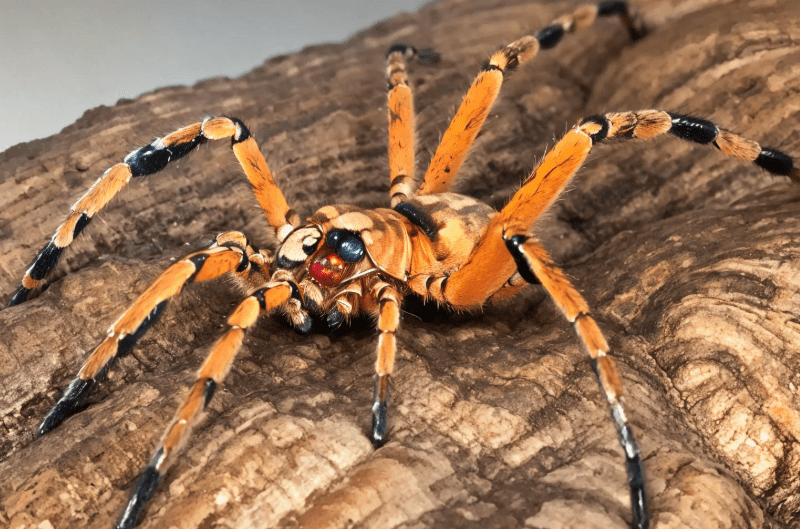
If there is one creature in Oklahoma that has ruined more lives than it should, it’s the brown recluse spider.

This spider thrives in Oklahoma homes, barns, sheds, garages, and closets. Its venom is necrotic, meaning it kills tissue. Left untreated, a bite can lead to open wounds, infection, permanent scarring, or systemic reactions that can be fatal in rare cases.

Why it kills:

  • Tissue destruction
  • Secondary infection
  • Delayed medical response due to painless initial bite

Survival rules:

  • Never leave shoes, gloves, or clothing on the floor overnight
  • Shake everything before wearing it
  • Seal cracks, reduce clutter, and eliminate their hiding places
  • If bitten, seek medical attention immediately — waiting is how tissue dies

I’ve seen tough men lose chunks of flesh because they thought they could “walk it off.” Nature does not care about your pride.


2. Black Widow Spider — Venom That Shuts the Body Down

The black widow doesn’t play games. Its venom attacks the nervous system, causing muscle spasms, respiratory distress, and severe pain.

Healthy adults may survive with treatment. Children, the elderly, and people with medical conditions often don’t get that luxury.

Why it kills:

  • Respiratory failure
  • Nervous system overload
  • Delayed treatment

Survival rules:

  • Wear gloves when reaching into dark areas
  • Treat all woodpiles, sheds, and outdoor furniture as hostile territory
  • Severe cramping, chest pain, or breathing trouble = emergency room immediately

This isn’t fear-mongering. This is reality.


3. Fire Ants — Death by Swarm

Fire ants aren’t impressive individually. That’s the mistake people make.

They attack as a coordinated swarm, injecting venom repeatedly. In Oklahoma, fire ant attacks have caused fatal anaphylactic shock, especially in children and people with allergies.

Why they kill:

  • Multiple venom injections
  • Allergic shock
  • Panic leading to delayed escape

Survival rules:

  • Learn where mounds are and eliminate them properly
  • If attacked, run immediately and brush ants off aggressively
  • If you have allergies, carry an epinephrine injector — no exceptions

Fire ants kill not because they’re powerful, but because people underestimate them.


4. Kissing Bugs — The Disease Carrier Nobody Talks About

The kissing bug is present in Oklahoma, and most people have never even heard of it. That ignorance is dangerous.

This insect can transmit Chagas disease, a parasitic infection that can quietly destroy your heart over years before killing you.

Why it kills:

  • Long-term heart damage
  • Silent infection
  • Misdiagnosis

Survival rules:

  • Seal cracks around doors and windows
  • Reduce outdoor lighting near sleeping areas
  • Never ignore unexplained swelling near the face after a bug bite

Slow deaths are still deaths.


5. Scorpions — Small, Fast, and Underrated

Oklahoma is home to striped bark scorpions, and while most stings aren’t fatal, children and elderly victims are at serious risk.

Scorpion venom affects the nervous system and can cause breathing problems, convulsions, and cardiac issues.

Survival rules:

  • Always wear shoes at night
  • Shake bedding and towels
  • Seek medical help for severe reactions immediately

Nighttime is when people let their guard down — and that’s when scorpions win.


6. Wasps and Hornets — Flying Medical Emergencies

Wasps don’t just sting — they attack repeatedly, especially when nests are disturbed. In Oklahoma, wasp stings kill people every year due to allergic reactions.

Why they kill:

  • Anaphylaxis
  • Multiple stings
  • Delayed emergency response

Survival rules:

  • Never attempt nest removal without protection
  • Run, don’t swat
  • Any swelling of the throat or difficulty breathing = emergency care

Ego kills faster than venom.


7. Mosquitoes — The Disease Delivery System

Mosquitoes spread West Nile virus and other illnesses across Oklahoma every year. You don’t need dozens of bites — just one infected mosquito.

Why they kill:

  • Brain inflammation
  • Organ failure
  • Vulnerable populations

Survival rules:

  • Eliminate standing water
  • Use proper repellents
  • Protect children and elderly aggressively

Mosquitoes don’t need strength. They outsource the killing to disease.


Final Survival Reality Check for Oklahoma Residents
The modern world has made people soft, distracted, and dangerously overconfident. Oklahoma’s insects don’t need to hunt you — they wait for you to make mistakes.

Survival isn’t about fear. It’s about respecting threats, preparing intelligently, and acting fast when things go wrong.

I’ve saved lives because I tell people what they don’t want to hear. If this article keeps even one person from losing a limb, a child, or their life, then it’s done its job.

Stay alert. Stay prepared. And never underestimate what can crawl, sting, or bite its way into your obituary.


The Only Thing in Washington State that Can Kill You Faster Than These Bugs is the Halitosis of Seattle’s Residents

I’ve trained civilians, outdoorsmen, first responders, and families across this country on how to survive when systems fail and nature takes advantage of human laziness. And if there is one place in the United States where people have become dangerously disconnected from basic survival hygiene, it’s Seattle, Washington.

Let’s be honest. When you combine constant moisture, mild temperatures, overflowing trash, encampments, neglected infrastructure, and residents who think nature is something you “coexist” with instead of control, you create a bug paradise. Washington State already has enough natural threats. Seattle turns them into a full-blown biological experiment.

Insects don’t care about politics, feelings, or city slogans. They breed where filth exists. And in Washington, especially western Washington, they’re thriving.

Here are the most dangerous insects in Washington State, why they can kill you, and what you must do if you want to survive.


1. Black Widow Spider — Washington’s Most Dangerous Resident

Yes, Washington has black widows. And yes, people underestimate them constantly.

Black widows thrive in garages, sheds, crawl spaces, outdoor furniture, and junk piles — all things Washington cities are excellent at accumulating. Their venom attacks the nervous system and can cause muscle paralysis, respiratory distress, and cardiac complications.

Why it kills:

  • Neurotoxic venom
  • Severe muscle cramping and breathing issues
  • Increased danger to children, elderly, and compromised adults

Survival strategy:

  • Wear gloves anytime you reach into dark spaces
  • Remove clutter aggressively — spiders love neglect
  • Severe pain, chest tightness, or trouble breathing means immediate ER care

A spider doesn’t need size when it has venom and human arrogance working together.


2. Brown Recluse Spider — Rare, but Increasingly Found

While historically uncommon, brown recluse spiders are appearing more frequently in Washington, especially through transported goods, storage units, and urban sprawl.

Their venom causes necrotic wounds, destroying tissue from the inside out. Many victims don’t feel the bite until the damage is already underway.

Why it kills:

  • Tissue death leading to infection
  • Sepsis if untreated
  • Delayed medical attention

Survival strategy:

  • Never wear shoes or clothing left on the floor
  • Shake out bedding, towels, and gear
  • Seek medical care immediately if a bite worsens over hours

Rot doesn’t stay local. It spreads.


3. Wasps and Yellowjackets — Flying Anger With Wings

Washington is crawling with yellowjackets, paper wasps, and hornets, especially in late summer. Seattle’s garbage-heavy environment gives them unlimited food sources.

One sting is painful. Multiple stings can be fatal. Allergic reactions can kill in minutes.

Why they kill:

  • Anaphylactic shock
  • Repeated stings
  • Swarming behavior

Survival strategy:

  • Never swat — run
  • Avoid open food and trash exposure
  • Carry epinephrine if you’ve ever had a bad reaction

I’ve seen grown adults collapse because they thought “it’s just a wasp.”


4. Mosquitoes — Washington’s Quiet Disease Dealers

People think mosquitoes are a southern problem. That’s ignorance talking.

Washington mosquitoes spread West Nile virus and other infections, especially near stagnant water, drainage systems, and encampments where sanitation has collapsed.

Why they kill:

  • Brain inflammation
  • Long-term neurological damage
  • Silent infections in vulnerable populations

Survival strategy:

  • Eliminate standing water near your home
  • Use real insect repellent, not essential oils
  • Protect children and elderly aggressively

Mosquitoes don’t hunt. They wait for cities to rot.


5. Fleas — Small, Fast, and Disease-Friendly

Where rodents thrive, fleas follow. Seattle has a rodent problem, and fleas carry diseases that history books should have taught people to fear.

Why they kill:

  • Disease transmission
  • Rapid infestation
  • Secondary infections

Survival strategy:

  • Control rodents immediately
  • Wash bedding frequently
  • Treat pets year-round

Clean environments don’t support fleas. Filthy ones do.


6. Ticks — The Long-Term Killers

Washington ticks carry Lyme disease and other bacterial infections that can destroy joints, organs, and the nervous system over time.

These aren’t fast deaths — they’re slow, miserable ones.

Survival strategy:

  • Perform full-body tick checks after outdoor exposure
  • Wear long sleeves and treat clothing
  • Remove ticks properly and monitor symptoms

Ticks win when people are lazy.


7. Scavenger Flies — Infection Machines

In high-density urban decay zones, flies become vectors for bacteria, parasites, and infection. Open wounds, food, and waste attract them instantly.

Why they kill:

  • Infection of wounds
  • Food contamination
  • Maggot infestations in extreme neglect cases

Survival strategy:

  • Maintain strict sanitation
  • Cover wounds immediately
  • Control waste aggressively

If flies are comfortable, you’re already losing.


Final Bug Warning for Washington State

Washington State is beautiful. Seattle is not safe.

When hygiene collapses, insects flourish. When insects flourish, disease follows. And when people pretend this isn’t happening, the body count rises quietly.

Survival is not about optimism. It’s about control, cleanliness, and readiness. Nature punishes negligence without apology.

If you live in Washington — especially near Seattle — treat your environment like a threat, because it is. The bugs already have.

Stay sharp. Stay clean. Stay alive.

Killer Bugs of Tennessee: A Survival Prepper’s Guide to Avoiding the State’s Deadliest Insects

When you live close to the woods, work with your hands, and believe in self-reliance, you learn quickly that the smallest threats are often the ones that hurt you the most.

In Tennessee, the terrain is generous but unforgiving. Thick forests, rolling farmland, humid summers, and mild winters make it prime territory not just for people, but for insects that can seriously injure—or in rare cases, kill—an unprepared individual.

This article isn’t written to scare you. Fear is useless in survival. Information, on the other hand, is a tool. My goal is to lay out the most dangerous insects found in the state of Tennessee, explain why they matter, and give you clear, practical steps to keep yourself and your family safe.

If you live, hunt, hike, camp, garden, or simply enjoy sitting on a back porch in this state, this knowledge belongs in your mental survival kit.


Why Insects Are a Serious Survival Threat in Tennessee

Most people think of survival threats as storms, power outages, or civil unrest. Insects rarely get the respect they deserve. That’s a mistake.

Insects are dangerous because:

  • They are easy to overlook
  • They thrive near homes and campsites
  • They often attack without warning
  • Some carry diseases with long-term consequences
  • Medical treatment may not be immediately available in rural areas

In a grid-down or disaster scenario, even a minor bite can become life-threatening if infection sets in or medical care is delayed. Prepared people don’t dismiss small threats—they manage them.


1. Mosquitoes: Tennessee’s Deadliest Insect by Numbers

If we’re talking strictly about human deaths, mosquitoes top the list—not just in Tennessee, but worldwide.

Why Mosquitoes Are Dangerous

Mosquitoes themselves aren’t the problem. What they carry is.

In Tennessee, mosquitoes are known vectors for:

  • West Nile Virus
  • Eastern Equine Encephalitis (EEE)
  • Zika Virus
  • La Crosse Encephalitis

While many infected individuals show mild or no symptoms, others—especially children, the elderly, and immunocompromised adults—can suffer severe neurological complications.

From a prepper’s perspective, disease-carrying insects are a long-term threat. You may not feel the damage immediately, but once symptoms appear, you’re already behind the curve.

Where You’ll Encounter Them

  • Standing water (ditches, buckets, birdbaths)
  • Creek bottoms and riverbanks
  • Shaded yards and overgrown brush
  • Campsites and hunting areas

How to Stay Safe from Mosquitoes

  • Eliminate standing water around your home weekly
  • Wear long sleeves and pants during dawn and dusk
  • Use proven repellents (DEET, picaridin, or oil of lemon eucalyptus)
  • Install window screens and repair holes
  • Run fans on porches—mosquitoes are weak flyers

Prepared households treat mosquito control as routine maintenance, not a seasonal afterthought.


2. Ticks: Silent, Patient, and Potentially Life-Altering

Ticks are not insects, but most folks group them together—and for good reason. In Tennessee, ticks are one of the most serious outdoor health threats.

Dangerous Tick Species in Tennessee

  • Lone Star Tick
  • Blacklegged Tick (Deer Tick)
  • American Dog Tick

These ticks can transmit:

  • Lyme disease
  • Rocky Mountain spotted fever
  • Ehrlichiosis
  • Alpha-gal syndrome (a red meat allergy caused by Lone Star ticks)

Alpha-gal alone has changed the lives of many outdoorsmen who suddenly can’t eat beef or pork without severe reactions.

Why Ticks Are a Prepper’s Concern

Ticks don’t bite and leave. They embed themselves, feed slowly, and often go unnoticed for hours or days. In a long-term emergency scenario, untreated tick-borne illness can remove a capable adult from usefulness entirely.

Tick Prevention Strategies

  • Treat clothing with permethrin
  • Wear light-colored pants to spot ticks
  • Tuck pants into boots when in tall grass
  • Perform full-body tick checks after outdoor activity
  • Shower within two hours of exposure

In my household, tick checks are non-negotiable. Discipline prevents disease.


3. Brown Recluse Spiders: Small, Reclusive, and Dangerous

The brown recluse spider is well established in Tennessee and deserves respect.

Why Brown Recluses Are Dangerous

Their venom can cause:

  • Severe skin damage
  • Necrotic wounds
  • Secondary infections

While fatalities are rare, untreated bites can result in long healing times and permanent tissue damage.

Where Brown Recluses Hide

  • Garages
  • Sheds
  • Woodpiles
  • Closets
  • Cardboard boxes
  • Undisturbed storage areas

They don’t roam looking to bite you. Most bites happen when someone puts on clothing or reaches into storage without looking.

How to Avoid Brown Recluse Bites

  • Shake out shoes and clothing
  • Store items in plastic bins, not cardboard
  • Reduce clutter
  • Wear gloves when moving stored items
  • Seal cracks and crevices in structures

Prepared living spaces are orderly for a reason—it limits hiding places for threats.


4. Black Widow Spiders: Recognizable and Medically Significant

Black widows are less common than brown recluses but still present throughout Tennessee.

Why Black Widows Are Dangerous

Their venom attacks the nervous system and can cause:

  • Severe muscle pain
  • Cramping
  • Nausea
  • Elevated blood pressure

Children and elderly individuals are at higher risk for complications.

Common Black Widow Locations

  • Under decks
  • In woodpiles
  • Crawl spaces
  • Outdoor furniture
  • Utility boxes

Safety Measures

  • Wear gloves when handling firewood
  • Inspect outdoor furniture before use
  • Keep woodpiles away from the home
  • Reduce insect populations that attract spiders

Respect their space, and they usually return the favor.


5. Fire Ants: Aggressive and Relentless

Imported fire ants are spreading in parts of Tennessee, particularly in the southern and western regions.

Why Fire Ants Are Dangerous

Fire ants attack as a group. Their stings cause:

  • Intense burning pain
  • Pustules
  • Secondary infections
  • Allergic reactions, including anaphylaxis

Multiple stings can overwhelm children or pets quickly.

Fire Ant Survival Tips

  • Learn to recognize mounds
  • Avoid standing still in infested areas
  • Treat mounds promptly
  • Keep yards maintained
  • Teach children what fire ant mounds look like

Prepared families educate early. Recognition saves pain.


6. Wasps, Hornets, and Yellowjackets: Territorial Defenders

Stinging insects account for more insect-related deaths in the U.S. than spiders.

Why They’re Dangerous

  • They sting repeatedly
  • They attack in groups
  • They defend nests aggressively
  • Allergic reactions can be fatal without epinephrine

Yellowjackets are especially aggressive and commonly encountered during late summer and fall.

Where Encounters Happen

  • Trash cans
  • Picnic areas
  • Attics and eaves
  • Underground nests
  • Campsites

Staying Safe Around Stinging Insects

  • Avoid swatting
  • Cover food outdoors
  • Secure garbage lids
  • Inspect structures regularly
  • Remove nests early (or hire professionals)

In a survival scenario, stings are more than painful—they can be disabling.


7. Kissing Bugs: Rare but Worth Knowing

Kissing bugs are present in Tennessee, though encounters are uncommon.

Why They Matter

They can carry Chagas disease, a serious illness affecting the heart and digestive system. Transmission is rare in the U.S., but awareness matters.

Prepper Takeaway

  • Seal cracks in homes
  • Reduce outdoor lighting near doors
  • Keep pets indoors at night

Preparedness isn’t paranoia—it’s awareness.


Practical Survival Principles for Bug Safety

Here’s how a prepper thinks about insects:

  1. Control the environment – Reduce habitat and access
  2. Protect the body – Clothing, repellents, inspections
  3. Recognize early signs – Bites, rashes, unusual symptoms
  4. Maintain medical readiness – First aid supplies and knowledge
  5. Educate the family – Everyone plays a role

Insects don’t care how tough you are. They exploit complacency.


Essential Bug Defense Gear for Tennessee Homes

Every prepared household should have:

  • Insect repellent
  • Tick removal tools
  • Antihistamines
  • Hydrocortisone cream
  • Epinephrine (if prescribed)
  • Protective clothing
  • Mosquito netting for emergencies

These items are inexpensive compared to the cost of treatment—or regret.


Final Thoughts from a Prepper

Living prepared doesn’t mean living afraid. It means respecting reality.

Tennessee’s insects are part of the ecosystem, but they don’t have to be part of your medical history. Most injuries happen because people assume “it won’t happen to me.” Survival-minded folks don’t rely on luck—they rely on knowledge, habits, and discipline.

If you take nothing else from this article, remember this: the smallest threats succeed when ignored. Pay attention, prepare your space, and teach the next generation how to live smart in bug country.

Stay alert. Stay capable. Stay safe.

Surviving Vermont’s Most Dangerous Insects

Most people think Vermont is safe.

They picture rolling green hills, maple syrup, quiet towns, clean air, and a slower pace of life. They imagine danger comes from winter storms or maybe the occasional bear wandering too close to a campsite.

That kind of thinking gets people killed.

Not quickly.
Not dramatically.
But quietly, stupidly, and preventably.

The real threats in Vermont aren’t loud. They don’t roar. They don’t chase you. They sting, bite, infect, and disappear—while you’re busy assuming nothing serious could happen here.

I’ve spent years studying survival, risk patterns, and real-world emergencies. And one thing is constant: people underestimate small threats. Especially insects. Especially in places they believe are “low-risk.”

This article exists because complacency is deadlier than venom.

Let’s talk about the most dangerous insects in Vermont, how they can kill you under the wrong conditions, and—most importantly—what you can do to survive when things go wrong.


First, a Hard Truth About “Lethal” Insects in Vermont

Before we go any further, let’s be clear and professional:

Vermont does not have insects that routinely kill healthy people through venom alone.

There are no aggressive tropical spiders.
No scorpions.
No assassin bugs spreading Chagas disease.

But death doesn’t require exotic monsters. It requires biology, bad timing, and ignorance.

In Vermont, insects become deadly through:

  • Severe allergic reactions (anaphylaxis)
  • Disease transmission
  • Delayed medical response
  • Isolation from help
  • Repeated exposure or multiple stings

That’s how people die in “safe” places.


1. Bees, Wasps, Hornets, and Yellowjackets: The Most Immediate Killers

If you want the number one insect threat in Vermont, stop looking for something exotic.

It’s stinging insects.

Why They’re Dangerous

For most people, a sting is painful but survivable.

For others, a single sting can trigger anaphylaxis, a rapid and life-threatening allergic reaction that can:

  • Close airways
  • Drop blood pressure
  • Cause loss of consciousness
  • Kill within minutes

Many people do not know they are allergic until it happens.

That’s the nightmare scenario.

Yellowjackets and hornets are especially dangerous because:

  • They are aggressive
  • They sting repeatedly
  • They defend nests violently
  • They often attack in groups

You don’t need to provoke them. Landscaping, hiking, woodpiles, and outdoor eating are enough.

Survival Reality Check

If you are stung and experience:

  • Trouble breathing
  • Swelling of the face or throat
  • Dizziness or collapse

You are in a medical emergency.

Waiting it out is how people die.

Prepper Survival Measures

A professional prepper doesn’t rely on luck:

  • Know where nests commonly form (ground, eaves, sheds)
  • Wear protective clothing when working outdoors
  • Avoid scented products outdoors
  • Keep distance—don’t “tough it out”
  • If you know you’re allergic, emergency medication is not optional—it’s survival equipment

Angry truth?
People die every year because they didn’t want to “make a big deal” out of a sting.


2. Ticks: The Slow Killers Everyone Ignores

Ticks don’t look scary.

That’s their advantage.

Vermont has several tick species capable of transmitting serious diseases, including:

  • Lyme disease
  • Anaplasmosis
  • Babesiosis
  • Powassan virus (rare, but severe)

These are not inconveniences. They are life-altering illnesses.

Why Ticks Are Dangerous

Tick-borne diseases don’t kill quickly. They:

  • Damage the nervous system
  • Attack joints and organs
  • Cause chronic fatigue and pain
  • Create long-term disability

In rare cases, complications can be fatal—especially when diagnosis is delayed.

The real danger is neglect.

People don’t check.
They don’t treat bites seriously.
They don’t act early.

Survival Reality Check

Ticks don’t need wilderness. They thrive in:

  • Backyards
  • Tall grass
  • Wooded edges
  • Parks
  • Trails

You don’t need to be an outdoorsman to be exposed.

Prepper Survival Measures

Professionals treat tick prevention as routine discipline:

  • Full body checks after outdoor exposure
  • Light-colored clothing to spot ticks
  • Keeping grass and brush trimmed
  • Understanding that “I’ll check later” is unacceptable

Complacency doesn’t cause symptoms immediately. It ruins lives quietly.


3. Mosquitoes: Disease Vectors with a Body Count

Mosquitoes are responsible for more human deaths worldwide than any other animal.

Vermont is not immune.

While rare, mosquitoes in the region can carry serious viruses, including Eastern Equine Encephalitis (EEE).

EEE is uncommon—but when it happens, it is brutal.

Why Mosquitoes Are Dangerous

Severe mosquito-borne illnesses can cause:

  • Brain inflammation
  • Seizures
  • Permanent neurological damage
  • Death in extreme cases

The danger isn’t the bite. It’s what the bite injects.

Survival Reality Check

Outbreaks don’t announce themselves loudly. They emerge quietly, seasonally, and unpredictably.

People who think “it’s just a mosquito” are gambling with odds they don’t understand.

Prepper Survival Measures

Survival is about reducing exposure:

  • Limit outdoor activity at peak mosquito hours
  • Eliminate standing water near living areas
  • Use physical barriers like screens and protective clothing
  • Don’t ignore public health warnings—they exist for a reason

This isn’t paranoia. It’s risk management.


4. Fire Ants and Other Biting Insects: Rare, But Not Harmless

While fire ants are not native or widespread in Vermont, isolated encounters and travel exposure still matter.

Biting insects can cause:

  • Severe skin infections
  • Secondary bacterial complications
  • Dangerous reactions in vulnerable individuals

The threat increases with poor hygiene, immune compromise, or delayed treatment.

Survival Reality Check

Infections kill more people historically than venom ever has.

Ignoring wounds is how survival stories turn into obituaries.


The Bigger Picture: Why Insects Kill People Who “Should Have Been Fine”

People don’t die because insects are powerful.

They die because:

  • They underestimate risk
  • They delay action
  • They assume help will arrive fast
  • They trust luck instead of preparation

I’m angry about that—not at nature, but at denial.

Professional survival isn’t about fear.
It’s about respect for reality.


What a Real Survival Prepper Does Differently

A professional prepper doesn’t panic.
They prepare.

They understand:

  • Small threats compound
  • Minor injuries escalate
  • Delays kill

They treat prevention as boring—but mandatory.

No heroics.
No bravado.
No gambling with biology.


Final Thoughts: Vermont Is Beautiful—But It Doesn’t Care About You

Nature is not kind.
It is indifferent.

Vermont’s insects don’t hunt you—but they don’t forgive ignorance either.

You don’t survive by assuming you’re safe.
You survive by accepting that you’re not.

Stay alert.
Stay informed.
And stop underestimating the smallest things.

They’ve ended more lives than most people want to admit.

How to Survive Wisconsin’s Most Dangerous Insects That Can Kill You

I’ve spent decades surviving in environments most people panic in after five minutes. Frozen backcountry. Flooded lowlands. Abandoned industrial zones. Dense forests where the sun barely touches the ground. And if there’s one truth I’ve learned — one that separates the living from the dead — it’s this:

Nature does not care how comfortable you feel.

Wisconsin is often mistaken for a “safe” state. Clean air. Friendly towns. Endless lakes. Hardwood forests. Whitetail deer. But that’s exactly what makes it dangerous. Comfort breeds complacency. And complacency is what gets people killed.

I’m known in the prepper community as someone who doesn’t exaggerate, doesn’t romanticize, and doesn’t sugarcoat reality. When I tell you that certain insects in Wisconsin can absolutely end your life, I’m not speaking hypothetically. I’m speaking from research, field experience, medical case studies, and survival failures I’ve witnessed firsthand.

This isn’t fear porn.
This is preparation.

Below are the most dangerous insects in Wisconsin, how they kill, how fast they act, and exactly what you must do to survive if you ever encounter them — whether you’re hiking, hunting, working outdoors, or just stepping into your own backyard.


1. Deer Ticks (Blacklegged Ticks) — Wisconsin’s Silent Killers

If I could eliminate one insect from Wisconsin permanently, it would be the deer tick.

They don’t buzz.
They don’t sting.
They don’t warn you.

And they kill more people than any other insect on this list.

Why Deer Ticks Are Lethal

Wisconsin is one of the worst Lyme disease hotspots in the United States. Deer ticks transmit:

  • Lyme disease
  • Anaplasmosis
  • Babesiosis
  • Powassan virus (often fatal)

Lyme disease alone can destroy your nervous system, heart, joints, and cognitive function. Left untreated, it can permanently disable you or slowly kill you. Powassan virus can cause brain swelling and death in days.

Here’s the brutal truth most people don’t want to hear:

You don’t need to be deep in the woods to be infected.
Ticks thrive in lawns, parks, campgrounds, and suburban backyards.

Survival Protocol

  • Wear light-colored clothing so ticks are visible
  • Treat clothing with permethrin (not skin)
  • Perform full-body tick checks every 24 hours
  • Remove ticks with fine-tipped tweezers immediately
  • If flu-like symptoms appear within weeks, seek medical treatment immediately

In survival scenarios, untreated tick-borne disease is a slow death sentence. Prevention is non-negotiable.


2. Mosquitoes — The Most Underestimated Killer in Wisconsin

People laugh when I say mosquitoes are dangerous. That tells me they’ve never watched a healthy adult collapse from encephalitis.

Wisconsin’s wetlands, lakes, and river systems make it a mosquito paradise — and a disease vector nightmare.

Diseases Mosquitoes Transmit in Wisconsin

  • West Nile virus
  • La Crosse encephalitis (especially deadly to children)
  • Eastern equine encephalitis
  • Zika (rare, but present)

These viruses attack the brain and central nervous system. Some cause permanent neurological damage. Some kill.

Survival Protocol

  • Use DEET or picaridin repellents
  • Wear long sleeves at dusk and dawn
  • Eliminate standing water near shelter
  • Use mosquito netting when sleeping outdoors
  • If fever + headache + neck stiffness appear, seek medical care immediately

In long-term survival situations, mosquito control becomes as important as food and water.


3. Bald-Faced Hornets — The Aerial Assassins

These insects don’t just sting.

They hunt.

Bald-faced hornets are aggressive, territorial, and capable of coordinating group attacks. I’ve seen experienced woodsmen panic when a nest is disturbed — and panic kills faster than venom.

Why They’re Deadly

  • Multiple stings can cause toxic envenomation
  • Stings to the throat or face can block airways
  • Allergic reactions can trigger anaphylactic shock

One sting might hurt. Ten can hospitalize you. Fifty can kill you.

Survival Protocol

  • Never approach hanging nests
  • If attacked, run immediately — do not swat
  • Protect face and airway
  • Carry an EpiPen if allergic
  • Remove stingers and seek medical care after multiple stings

Hornets don’t stop once they start. Distance is survival.


4. Paper Wasps — Pain, Panic, and Fatal Reactions

Paper wasps are common across Wisconsin and frequently build nests under eaves, decks, and sheds — places people stumble into unprepared.

They are less aggressive than hornets, but far more common.

Why They’re Dangerous

  • Extremely painful stings
  • Swarm behavior when nests are threatened
  • High risk for anaphylaxis

People fall from ladders, suffer cardiac events, or lose consciousness after surprise attacks.

Survival Protocol

  • Inspect structures regularly
  • Eliminate nests early in spring
  • Wear protective clothing
  • Seek immediate help if swelling spreads beyond sting site

A single sting can turn fatal in minutes if you’re allergic.


5. Yellowjackets — Ground-Based Kill Zones

Yellowjackets are responsible for more insect-related deaths in the Midwest than people realize.

Why? Because they nest underground — and humans step directly into their kill zone.

Why They Kill

  • Extremely aggressive
  • Capable of repeated stings
  • Swarm attacks common
  • Venom causes systemic reactions

I’ve seen hunters drop their weapons and sprint blindly after stepping on a nest. That’s how ankles break. That’s how people fall into ravines.

Survival Protocol

  • Watch for ground activity
  • Never mow over suspected nests
  • Run fast and straight if attacked
  • Cold compress and antihistamines after stings
  • Seek emergency care after multiple stings

In survival environments, yellowjackets are not a nuisance — they’re a threat.


6. Fire Ants (Emerging Threat)

Fire ants are not widespread in Wisconsin yet — but warming climates are changing everything.

And when they arrive fully, people will be unprepared.

Why Fire Ants Are Deadly

  • Swarm attacks
  • Venom causes burning pain and pustules
  • High risk of allergic shock
  • Attacks often happen while sleeping outdoors

Survival Protocol

  • Avoid disturbed soil mounds
  • Shake out clothing and bedding
  • Treat bites aggressively
  • Monitor for infection

Never underestimate invasive species.


7. Blister Beetles — Chemical Burns in Insect Form

Blister beetles don’t bite or sting.

They burn you chemically.

Their bodies contain cantharidin — a toxin that causes blistering, internal bleeding, and kidney damage if ingested.

Why They’re Dangerous

  • Skin contact causes severe blistering
  • Ingestion can be fatal
  • Livestock deaths are common

Survival Protocol

  • Do not crush beetles on skin
  • Wash exposed areas immediately
  • Avoid contaminated food or hay
  • Seek medical attention for severe reactions

Pain doesn’t equal harmless. Sometimes it’s a warning.


8. Botflies (Rare but Possible)

Botflies are rare in Wisconsin — but travel and animal hosts make exposure possible.

Why They’re Horrifying and Dangerous

  • Larvae burrow into skin
  • Can cause severe infections
  • Require medical extraction

Survival Protocol

  • Cover exposed skin
  • Treat wounds immediately
  • Seek medical care for unexplained lesions

Parasitic insects are survival morale killers.


9. Horseflies and Deer Flies — Blood Loss and Infection Risks

Large biting flies are more than painful. They can transmit bacteria and cause dangerous infections.

Why They Matter

  • Deep, tearing bites
  • Heavy bleeding
  • Risk of infection

Survival Protocol

  • Use head nets
  • Cover skin
  • Disinfect bites immediately

Pain distracts. Distraction kills.


10. Bed Bugs (Psychological and Physical Breakdown)

Bed bugs won’t kill you directly — but in long-term survival scenarios, sleep deprivation, infections, and psychological stress can.

I’ve seen strong people break after weeks without rest.

Survival Protocol

  • Inspect sleeping areas
  • Heat treat clothing
  • Maintain hygiene

Mental survival matters as much as physical survival.


Wisconsin’s Survival Doctrine

Wisconsin isn’t dangerous because it’s wild.

It’s dangerous because people underestimate it.

Insects don’t care how prepared you think you are. They don’t care about your experience level. They exploit laziness, shortcuts, and denial.

Survival is built on awareness, discipline, and respect for threats that seem small.

I didn’t earn my reputation by ignoring insects.

I earned it by surviving them.

Prepare accordingly.

Deadly Bugs, Bad Leadership, and Survival in California: What You Need to Know

I’ve trained survivalists in deserts, forests, disaster zones, and urban collapse scenarios for over two decades. I’ve watched states rise and fall in preparedness, common sense, and leadership. California? I’m done pretending it’s not actively working against its own citizens.

Between reckless policies, ignored infrastructure, and a government more focused on optics than reality, Californians are left to fend for themselves—especially when it comes to real-world dangers like venomous and disease-carrying insects. Nature doesn’t care about politics, but poor leadership makes surviving nature a lot harder.

Let’s get one thing straight: California is home to insects that can kill you. Sometimes it’s venom. Sometimes it’s disease. Sometimes it’s your body’s reaction. And when emergency response is delayed, underfunded, or inaccessible, a small mistake can become fatal fast.

Below are the most dangerous insects in California, why they’re deadly, and exactly what you need to do to survive.


1. Africanized “Killer” Bees

These bees are not a myth, and they are absolutely present in California.

Africanized honey bees are extremely territorial. Disturb one hive and you may face hundreds or thousands of stings in seconds. Death usually occurs through toxic envenomation or anaphylactic shock, even in people with no known allergies.

Survival Rules:

  • Run immediately—do not swat.
  • Cover your face and airways.
  • Get indoors or into a vehicle.
  • Remove stingers by scraping, not pinching.
  • Seek medical help immediately after multiple stings.

If you’re hiking barefoot or working outdoors, you’re at serious risk if you stumble into a ground hive.


2. Western Black Widow Spider

The black widow is calm—until it isn’t. Its venom attacks the nervous system and can cause severe muscle cramping, paralysis, respiratory distress, and death in vulnerable individuals.

Survival Rules:

  • Wear gloves when working outdoors.
  • Shake out shoes and clothing.
  • If bitten: clean the area, apply ice, and seek medical care immediately.
  • Severe symptoms require antivenom.

Black widows thrive in clutter—something California cities seem to specialize in these days.


3. Brown Recluse Spider (Expanding Range)

While not historically native, brown recluses are increasingly reported due to transport, climate shifts, and urban sprawl.

Their venom causes necrotic tissue death, leading to infections, sepsis, and in rare cases, death.

Survival Rules:

  • Do not ignore a worsening bite.
  • Seek medical care immediately if skin darkens or ulcerates.
  • Keep storage areas clean and sealed.

Delayed treatment is where people lose limbs—or their lives.


4. Kissing Bugs (Triatomine Bugs)

These insects transmit Chagas disease, a slow killer that attacks the heart and digestive system. Many infected people don’t realize it until years later, when organ damage becomes irreversible.

Survival Rules:

  • Seal cracks in walls and foundations.
  • Use bed nets in rural areas.
  • If bitten repeatedly, request disease screening.

California doesn’t track this well. That should worry you.


5. Mosquitoes (West Nile, Zika, and More)

Mosquitoes are the deadliest insects on Earth, and California has plenty of them.

West Nile Virus alone has killed Californians—especially the elderly and immunocompromised.

Survival Rules:

  • Remove standing water.
  • Use repellents with DEET or picaridin.
  • Wear long sleeves at dusk and dawn.
  • Seek medical attention for neurological symptoms.

When public mosquito control programs fail, individuals pay the price.


6. Tarantula Hawks (Pepsis Wasps)

These massive wasps deliver one of the most painful stings in the insect world. While rarely fatal on their own, shock, falls, or allergic reactions can turn deadly.

Survival Rules:

  • Stay still—do not provoke.
  • Avoid bright clothing in desert areas.
  • Treat stings immediately and monitor breathing.

Pain can incapacitate you long enough to cause secondary injuries.


7. Fire Ants (Invasive and Spreading)

Fire ants are spreading in Southern California, and mass stings can cause death via allergic reaction or toxic overload.

Survival Rules:

  • Watch where you step—especially barefoot.
  • Wash stings immediately.
  • Seek help for swelling or breathing issues.

Ignoring invasive species is just another example of California leadership failure.


8. Fleas (Plague Still Exists)

Yes—plague still exists in California, transmitted by fleas from rodents.

Rare? Yes. Impossible? Absolutely not.

Survival Rules:

  • Control rodents.
  • Treat pets for fleas.
  • Avoid wild animal contact.

History doesn’t care if you think you’re “modern.”


Final Survival Advice from Someone Who’s Had Enough

California loves to regulate everything—except the things that actually keep you alive.

You cannot depend on rapid emergency response.
You cannot assume public safety systems are functioning.
And you cannot afford ignorance.

Survival in California now requires personal responsibility.

Learn your environment. Wear protective gear. Carry first-aid supplies. Know when to seek help—and don’t delay because someone told you “it’s probably nothing.”

Because insects don’t care who you voted for.
And when seconds matter, politics won’t save you.

The Most Dangerous Insects in Massachusetts – What Can Kill You and How to Stay Alive

Pull up a chair. Pour yourself something hot. If you’re living, hiking, hunting, fishing, or even sipping tea off the grid here in Massachusetts, there’s something you need to understand right now:

You don’t need bears, blizzards, or back-alley nonsense to end up dead in the Bay State.

Sometimes all it takes is an insect small enough to miss during a shower.

I’ve spent years prepping, teaching, and living the self-reliant life—half woodsman, half neighborhood uncle who knows how to fix things when they break. And I’ll tell you this straight: Massachusetts doesn’t look dangerous until it is. The insects here don’t roar or rattle. They bite, sting, and vanish—and if you don’t know what you’re dealing with, they can absolutely put you in the ground.

Let’s break down the most dangerous insects in Massachusetts and, more importantly, how to survive them like someone who plans to see tomorrow.


1. Ticks: The Silent Assassins of New England

If Massachusetts had an unofficial insect mascot of doom, it would be the tick.

Blacklegged ticks—also called deer ticks—are everywhere: woods, lawns, parks, stone walls, and yes, your own backyard. They don’t buzz. They don’t warn you. They hitch a ride and dig in.

The real danger isn’t the bite—it’s what comes with it.

Ticks in Massachusetts are known carriers of Lyme disease, anaplasmosis, babesiosis, and other serious illnesses. Left untreated, these infections can lead to long-term neurological damage, organ failure, and in rare but very real cases, death.

Survival Tips from the Field:

  • Wear long sleeves and pants when in brush or woods. Light-colored clothing helps you spot them.
  • Use permethrin-treated clothing or proper insect repellent.
  • Perform full body tick checks every single time you come in from outdoors.
  • Remove ticks immediately with fine-tipped tweezers—slow, steady pull, no twisting.
  • If symptoms show up (fever, fatigue, joint pain), don’t tough it out. Get medical help.

Ticks don’t care how strong you are. Knowledge is your armor.


2. Mosquitoes: Flying Syringes of Disease

Most folks think mosquitoes are just itchy annoyances. That thinking gets people hurt.

In Massachusetts, mosquitoes are known carriers of Eastern Equine Encephalitis (EEE) and West Nile Virus. EEE, in particular, is no joke. While rare, it carries a high fatality rate and can cause severe brain inflammation.

These insects thrive near standing water, wetlands, and during warm, humid months. One bite. That’s all it takes.

Survival Tips from the Field:

  • Eliminate standing water around your property.
  • Use screens, netting, and repellents when outdoors.
  • Avoid dusk and dawn exposure during peak mosquito season.
  • Wear loose, long clothing when possible.
  • If severe headache, fever, confusion, or stiff neck appear—seek medical attention immediately.

Mosquitoes don’t look like killers. That’s exactly why they are.


3. Bees, Wasps, and Hornets: When One Sting Is One Too Many

Most stings are painful. Some are deadly.

In Massachusetts, yellow jackets, hornets, and bees cause thousands of emergency room visits each year. For people with severe allergies, a single sting can trigger anaphylaxis, a rapid and potentially fatal reaction that shuts down breathing and drops blood pressure fast.

You don’t need to be deep in the woods for this—backyards, picnics, sheds, and even trash cans are hot zones.

Survival Tips from the Field:

  • Know if you or family members have allergies.
  • Carry an epinephrine auto-injector if prescribed.
  • Avoid swatting—slow movements reduce aggression.
  • Keep food sealed outdoors.
  • If stung and symptoms escalate (swelling of face/throat, dizziness, difficulty breathing), call emergency services immediately.

Nature doesn’t care if it was an accident.


4. Deer Flies and Horse Flies: Pain, Infection, and Blood Loss Risks

These flies don’t just bite—they slice.

Deer flies and horse flies are aggressive, fast, and persistent during summer months. While they’re not major disease vectors like ticks, their bites can lead to serious infections, allergic reactions, and significant blood loss in vulnerable individuals.

They’re especially dangerous for children, the elderly, or anyone with compromised immune systems.

Survival Tips from the Field:

  • Wear hats and light-colored clothing—deer flies target dark colors.
  • Use insect repellents that target biting flies.
  • Clean bites thoroughly and monitor for infection.
  • Cover open wounds immediately.

Pain is one thing. Infection is another.


5. Spiders: Rare but Worth Respecting

Massachusetts doesn’t have many deadly spiders, but black widows do exist, though encounters are rare. Their venom can cause severe muscle pain, cramping, and systemic reactions, especially in children or older adults.

Brown recluses, despite popular myth, are not native to Massachusetts.

Survival Tips from the Field:

  • Shake out gloves, boots, and stored clothing.
  • Reduce clutter in sheds and basements.
  • Seek medical care if severe pain or symptoms develop after a bite.

Low probability doesn’t mean zero risk.


Here’s the truth they don’t teach in glossy brochures:

Survival in Massachusetts isn’t about fear—it’s about awareness.

The most dangerous insects here don’t hunt you. They wait for ignorance, laziness, or bad habits. A prepper’s edge isn’t weapons or gear—it’s discipline.

Check yourself.
Protect your space.
Act early when something feels off.

Do that, and you’ll keep enjoying that off-grid tea with folks who trust you to know what you’re talking about.

And that, my friend, is how you survive the Bay State—one tiny threat at a time.

Nevada’s Deadliest Insects Are Small But Extremely Deadly

When people think about survival threats in Nevada, their minds often jump straight to the desert heat, dehydration, rattlesnakes, or mountain lions. As a long-time survival prepper who believes deeply in prevention and preparedness, I can tell you this: some of the most dangerous threats in Nevada are small, quiet, and often overlooked.

Insects may not look intimidating, but several species found in Nevada can cause severe medical emergencies, long-term health complications, or—under the wrong circumstances—death. While fatalities are rare, the risk increases dramatically when people are unprepared, unaware, or dismissive of warning signs.

This article is not meant to scare you. It’s meant to protect you. Knowledge, calm decision-making, and early action save lives. Let’s walk through the most dangerous insects in Nevada and, more importantly, what you can do to survive an encounter.


1. Africanized Honey Bees (Killer Bees)

Africanized honey bees are one of the most dangerous insects found in Nevada—not because of a single sting, but because of how aggressively they defend their hive. These bees can pursue a perceived threat for long distances and attack in large numbers.

Why They’re Dangerous

  • They react faster and in larger numbers than European honey bees
  • Multiple stings can overwhelm the body
  • High risk for children, elderly individuals, and those with allergies

Survival Guidance

If you disturb a hive:

  • Run immediately—do not swat at the bees
  • Cover your face and head as you flee
  • Get inside a vehicle or building as quickly as possible
  • Seek medical attention if stung multiple times

Prepper mindset: Never approach bee nests. Teach children to recognize and avoid them. If you live in rural Nevada, have local pest control numbers saved.


2. Western Black Widow Spider

The western black widow is one of Nevada’s most feared spiders—and for good reason. Its venom is neurotoxic, meaning it affects the nervous system.

Why They’re Dangerous

  • Bites can cause severe muscle cramps and pain
  • Symptoms may include nausea, sweating, and difficulty breathing
  • Most dangerous to young children and older adults

Survival Guidance

If bitten:

  • Stay calm and limit movement
  • Clean the bite with soap and water
  • Apply a cold pack to reduce pain
  • Seek medical care immediately, especially if symptoms worsen

Prepper mindset: Wear gloves when working in sheds, garages, woodpiles, and outdoor storage areas. Prevention is your strongest defense.


3. Arizona Bark Scorpion

While scorpions may seem more common in Arizona, the Arizona bark scorpion does exist in southern Nevada, especially around Las Vegas.

Why They’re Dangerous

  • Venom affects the nervous system
  • Can cause numbness, muscle twitching, and breathing difficulty
  • Stings are particularly dangerous for children

Survival Guidance

If stung:

  • Clean the sting site
  • Apply ice for pain relief
  • Monitor breathing and muscle movement
  • Seek emergency care if symptoms escalate

Prepper mindset: Shake out shoes, bedding, and clothing. Seal cracks around doors and windows. Use black lights at night to spot scorpions around your home.


4. Brown Recluse Spider (Rare but Possible)

Although not native to Nevada, brown recluse spiders have been occasionally transported into the state via shipping boxes and storage items.

Why They’re Dangerous

  • Venom can cause tissue damage
  • Bites may worsen over days
  • Misdiagnosis can delay proper treatment

Survival Guidance

If you suspect a bite:

  • Clean the area immediately
  • Avoid home remedies
  • Seek professional medical evaluation
  • Document changes in the wound

Prepper mindset: Do not assume a bite is “nothing.” Delayed care increases risk.


5. Fire Ants

Fire ants are not widespread in Nevada, but isolated populations and accidental introductions have occurred.

Why They’re Dangerous

  • Aggressive swarm attacks
  • Painful stings that can trigger allergic reactions
  • Risk of anaphylaxis in sensitive individuals

Survival Guidance

If attacked:

  • Leave the area immediately
  • Brush ants off quickly
  • Wash sting sites thoroughly
  • Seek medical help if swelling or breathing issues occur

Prepper mindset: Learn the signs of ant mounds and keep emergency allergy medication accessible if needed.


General Survival Rules for Insect Encounters in Nevada

As a survival prepper, I live by these rules—and I encourage you to do the same:

  1. Never underestimate small threats
  2. Wear protective clothing outdoors
  3. Inspect sleeping and storage areas
  4. Teach children insect safety early
  5. Seek medical care sooner rather than later

Your goal is not to “tough it out.” Your goal is to stay alive and healthy.

Hawaii’s Hidden Killers: Insects, Ocean Creatures, and Island Dangers Most Travelers Ignore

Most people hear “Hawaii” and picture warm breezes, palm trees, and postcard sunsets. That’s how the islands get you. I’ve traveled light, off the grid, and self-reliant for years, and if there’s one rule that keeps you alive anywhere, it’s this: nature doesn’t care about your vacation plans.

Hawaii may look gentle, but it’s packed with creatures—on land and in the ocean—that can ruin your trip fast if you get careless. You don’t need to fear the islands, but you do need to respect them. This isn’t about panic; it’s about awareness. Below are the insects and ocean threats in Hawaii that smart travelers keep their distance from.


Dangerous Insects and Land Creatures of Hawaii

1. Little Fire Ants (Wasmannia auropunctata)

If there’s one creature locals truly hate, it’s the little fire ant. These invasive ants are tiny, hard to spot, and pack a sting that feels like hot needles. They rain down from trees, crawl into clothing, and sting repeatedly.

For a prepper mindset, ants like these are a morale killer. You won’t always see them until it’s too late. They’re common on the Big Island and spreading fast. Never lean against unknown trees, and always shake out clothes and gear left outside.


2. Hawaiian Centipedes

These are not the garden variety centipedes you might be used to. Hawaiian centipedes can grow long, fast, and aggressive when disturbed. They hide under rocks, in leaf litter, shoes, and sometimes inside homes.

The sting is intensely painful and can swell badly. From a survival standpoint, the danger comes from stepping or grabbing without looking. Rule of thumb: never go barefoot at night, and always check boots or sleeping areas before use.


3. Spiders (Brown Widow and Black Widow)

Hawaii is home to widow spiders, especially the brown widow, which is more common than the black widow. They like dark, dry spaces—woodpiles, outdoor furniture, sheds, and garages.

They are not aggressive, but accidental contact is the problem. If you’re staying off-grid or in rustic accommodations, gloves are not optional when moving gear or cleaning out storage areas.


4. Mosquitoes

Mosquitoes in Hawaii aren’t just annoying—they’re capable of spreading disease. Standing water, humid conditions, and warm temperatures make them relentless, especially at dawn and dusk.

From a prepper perspective, mosquitoes are slow erosion. Sleep loss, infection risk, and constant irritation wear you down. Cover up, use netting where possible, and don’t assume ocean breezes will save you.


5. Caterpillars and Stinging Insects

Certain caterpillars and wasp species in Hawaii can cause painful skin reactions. Bright colors are often a warning sign in nature. Don’t touch unfamiliar insects, even if they look harmless.

The rule is simple: observe, don’t interact.


Ocean Dangers You Must Take Seriously

The ocean is where Hawaii becomes truly unforgiving. Most serious injuries in the islands happen in or near the water.


6. Box Jellyfish

Box jellyfish are present in Hawaiian waters and are infamous for their powerful stings. They tend to appear near shore on predictable cycles, often days after a full moon.

Even seasoned swimmers avoid the water during known box jellyfish periods. When locals stay out of the ocean, you should too. The sea doesn’t issue second chances.


7. Portuguese Man o’ War

Often mistaken for jellyfish, the Portuguese man o’ war floats on the surface like a blue balloon. Its tentacles can extend far below the water and still sting even when washed up on shore.

Never touch one—alive or dead. Many injuries happen when curious beachgoers pick them up. Survival rule: if it looks strange and washed up, leave it alone.


8. Cone Snails

Cone snails are small, beautifully patterned shells found in Hawaiian waters. They also deliver venom through a harpoon-like tooth.

Collectors and beachcombers get injured because they don’t realize the danger. If you don’t know what’s inside a shell, don’t handle it. Period.


9. Sharks (Especially Tiger Sharks)

Hawaii is tiger shark territory. Attacks are rare, but they do happen, and the risk increases at dawn, dusk, and in murky water.

As a survival traveler, I avoid swimming during low visibility or when fish are active. Sharks are not monsters—but they are apex predators doing what predators do.


10. Moray Eels

Moray eels hide in reef crevices and strike defensively if threatened. Many bites happen when people stick hands into holes while snorkeling or fishing.

Never put your hands where you can’t see. That rule applies everywhere, but especially underwater.


11. Scorpionfish (Nohu)

Hawaii’s scorpionfish blends perfectly into coral and rocks. Stepping on one causes immediate pain and injury.

Shuffle your feet when entering rocky waters and wear protective footwear. Reef shoes aren’t fashion—they’re armor.


12. Sea Urchins (Wana)

Sea urchins are common on Hawaiian reefs. Their spines break easily and embed in skin, causing long-term discomfort.

Don’t rush into shallow reef areas, and never assume clear water means safe footing.


Final Survival Thoughts

Hawaii is not dangerous because it’s hostile—it’s dangerous because it’s deceptive. Everything looks peaceful. That’s when people let their guard down.

As an off-the-grid traveler, my approach is simple:

  • Look before you touch
  • Respect warning signs and local advice
  • Assume nature has the advantage

You don’t need fear to survive Hawaii—you need humility. The islands reward those who observe, listen, and tread lightly. Do that, and you’ll leave with memories instead of scars.

The Most Dangerous Insects in Idaho That Can Kill You Barefoot — A Harvard-Trained Survivalist Explains How to Live

By the time most people think about insects, it’s already too late. They’re focused on predators with teeth, weather patterns, or human threats. That’s amateur thinking.

As someone who graduated first in my class from Harvard, and who has spent decades applying academic rigor to real-world survival scenarios, I can tell you this plainly: some of the most lethal encounters in Idaho happen silently, close to the ground, and often without shoes involved.

Idaho’s terrain — forests, sagebrush plains, riverbanks, abandoned structures, and rural homesteads — creates the perfect ecosystem for insects that inject venom, spread disease, or cause cascading medical emergencies. Barefoot exposure dramatically increases risk, especially in summer, during grid failures, camping, or post-disaster situations.

This article breaks down the most dangerous insects in Idaho, why they’re lethal, and exact survival steps you must take if you encounter them without footwear.

This is not fearmongering. This is preparation.


1. Black Widow Spider — Idaho’s Most Dangerous Venomous Arthropod

Despite common myths, black widows are native and well-established in Idaho, particularly in southern and western regions. They thrive in woodpiles, sheds, crawlspaces, rock piles, and abandoned structures — exactly where barefoot individuals are most vulnerable.

Why It’s Deadly

Black widow venom attacks the nervous system. While healthy adults often survive, children, the elderly, and those barefoot without immediate medical access are at serious risk.

Symptoms include:

  • Severe muscle cramping
  • Abdominal rigidity (often mistaken for appendicitis)
  • Profuse sweating
  • Respiratory distress
  • Hypertension and shock

Barefoot Survival Protocol

  • Freeze immediately if bitten. Movement accelerates venom spread.
  • Wash the area with soap and clean water if available.
  • Apply a cold compress (not ice directly).
  • Seek medical attention immediately — antivenom is effective if administered early.
  • Do not attempt to cut or suck the wound. That’s cinematic nonsense.

2. Ticks — Small, Silent, and Statistically Deadlier Than Spiders

Ticks are not insects, but from a survival perspective, semantics don’t matter — outcomes do.

Idaho has documented cases of:

  • Rocky Mountain Spotted Fever
  • Tularemia
  • Lyme-like bacterial infections

Barefoot exposure dramatically increases tick attachment, especially near grass, riverbanks, and livestock areas.

Why They’re Dangerous

Ticks don’t kill quickly. They kill slowly and quietly, which makes them more dangerous than venomous insects in long-term survival scenarios.

Untreated infections can cause:

  • Organ failure
  • Neurological damage
  • Death

Barefoot Survival Protocol

  • Inspect feet, ankles, and calves every 30–60 minutes outdoors.
  • Remove ticks with fine-tipped tweezers, pulling straight out.
  • Clean the bite thoroughly.
  • Mark the date — symptoms can take days or weeks.
  • Seek medical care if fever, rash, or fatigue appears.

3. Fleas — Yes, Idaho Still Has Plague Zones

Most people laugh when you mention the plague. That tells me they haven’t studied Idaho.

Bubonic plague is still present in parts of rural Idaho, primarily transmitted by infected fleas from rodents.

Why It’s Lethal

Plague progresses rapidly without antibiotics and can be fatal in under a week.

Symptoms include:

  • Sudden fever
  • Swollen lymph nodes
  • Chills and weakness
  • Sepsis in advanced cases

Barefoot Survival Protocol

  • Avoid rodent burrows and carcasses.
  • Do not sit or walk barefoot in abandoned structures.
  • Wash feet immediately after exposure.
  • Seek medical care immediately if flu-like symptoms appear after flea bites.

This is not hypothetical. Idaho reports cases regularly.


4. Wasps, Yellowjackets, and Hornets — Death by Immune Overreaction

Stepping barefoot on a ground nest is one of the fastest ways to end your day — or your life.

Why They’re Dangerous

  • Multiple stings amplify venom load.
  • Anaphylaxis can occur even without prior allergy history.
  • Airway closure can happen within minutes.

Barefoot Survival Protocol

  • Run immediately and cover your face.
  • Scrape stingers out — do not pinch.
  • Apply cold compresses.
  • Use antihistamines if available.
  • Epinephrine is lifesaving — if you carry it, use it without hesitation.
  • Seek emergency medical care if swelling spreads or breathing becomes difficult.

5. Blister Beetles — Chemical Burns You Didn’t See Coming

Blister beetles release cantharidin, a powerful toxin that causes chemical burns on contact.

Why They’re Dangerous

Barefoot contact can cause:

  • Severe blistering
  • Secondary infections
  • Systemic toxicity if absorbed

Barefoot Survival Protocol

  • Do not crush the beetle.
  • Rinse skin immediately with soap and water.
  • Avoid touching eyes or mouth.
  • Cover blisters loosely and monitor for infection.

6. Bees — One Sting Is Annoying, Many Are Lethal

While Idaho does not have widespread Africanized bee populations, multiple stings still pose lethal risk, especially barefoot near hives.

Barefoot Survival Protocol

  • Leave the area immediately.
  • Remove stingers quickly.
  • Monitor breathing and swelling.
  • Seek emergency help for systemic symptoms.

Final Harvard-Level Survival Advice: Shoes Are Not Optional

Let me be academically blunt.

Walking barefoot in Idaho is not “natural.” It is statistically negligent.

In survival scenarios:

  • Shoes protect against venom injection
  • Shoes reduce parasite exposure
  • Shoes prevent secondary infections
  • Shoes buy you time — and time equals survival

If you remove your shoes, do so intentionally, briefly, and with environmental awareness.

Prepared people don’t rely on luck.
They rely on systems.

And the simplest system is footwear.