30 Incredible Wisconsin Campsites to Test Your Survival Skills

30 Campsites in Wisconsin That Every Survival Prepper Should Explore

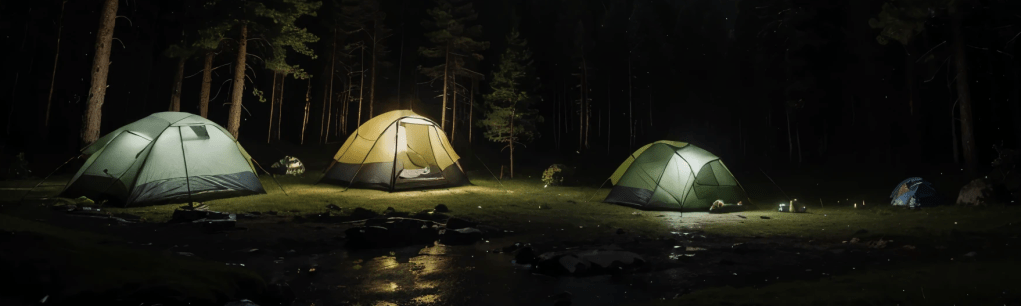
When it comes to survival prepping, few places offer the rugged beauty and challenge of Wisconsin. As a seasoned prepper living in the state, I know that the right campground isn’t just a place to pitch a tent—it’s a proving ground for your survival skills. From testing your fire-starting abilities to practicing shelter-building techniques, the right campsite can make all the difference in ensuring you’re ready for any emergency. Whether you’re training for long-term wilderness survival, looking for seclusion, or simply trying to explore the natural beauty of Wisconsin, there are plenty of campgrounds to meet your prepper needs.

Here are 30 of the best campsites in Wisconsin for survival preppers like you.

CLICK HERE TO LEARN HOW TO SURVIVE A FAMINE

1. Chequamegon National Forest

This vast wilderness is one of the top places in Wisconsin for any prepper looking to test their outdoor skills. With over 1.5 million acres of forested land, you can practice everything from foraging to shelter-building. There are numerous primitive campsites to choose from, and it’s perfect for solo survival training.

2. Roche-A-Cri State Park

Located in the central part of Wisconsin, Roche-A-Cri offers rugged terrain and scenic views. You’ll find campsites that are perfect for seclusion and honing your fire-starting techniques, all while enjoying the wild, unspoiled beauty of the area.

3. Kettle Moraine State Forest – Northern Unit

With its diverse terrain of rolling hills, deep forests, and sparkling lakes, Kettle Moraine’s Northern Unit is an excellent spot for practicing navigation and wilderness survival skills. The campsites are primitive, which means you’ll get to test your self-sufficiency under more authentic conditions.

4. Devil’s Lake State Park

Located near Baraboo, Devil’s Lake offers stunning views and diverse terrain for preppers who want to hone their skills in different environments. The park is popular, so you might not get complete solitude, but it’s perfect for practicing survival skills and prepping for more remote trips.

5. Black River State Forest

This 60,000-acre forest is ideal for those who want to experience a variety of survival training. There are ample opportunities to test your skills in a remote environment, with primitive campsites perfect for more hardcore survivalists.

6. Brule River State Forest

The Brule River State Forest is known for its pristine wilderness and offers a great opportunity to work on your water navigation skills. The campsites here range from primitive to more accessible, allowing preppers to choose their level of difficulty.

7. Copper Falls State Park

If you’re looking for seclusion combined with some beautiful terrain, Copper Falls is your spot. The park’s rugged, forested areas are great for testing your survival instincts while also enjoying the beauty of waterfalls and deep woods.

8. Door County Coastal Byway

With its abundance of wilderness and isolated camping options, Door County offers the ideal setting for long-term bug-out training. The area’s campgrounds are known for their privacy, making it perfect for solo preppers.

9. Perrot State Park

This park is known for its steep bluffs and overlooks that give it a dramatic feel, ideal for preppers looking to practice navigation and self-sufficiency in a challenging environment. The secluded campsites here are perfect for survival training.

10. High Cliff State Park

Located along Lake Winnebago, High Cliff offers great opportunities for water survival training and testing your preparedness against natural elements. The terrain varies from forested areas to steep cliffs, providing a variety of survival challenges.

11. Governor Dodge State Park

With more than 1,500 acres of forest and two lakes, Governor Dodge is an excellent site for survivalists looking to test their wilderness navigation and fire-starting techniques. The park has both primitive and modern campsites, allowing for a range of prepper activities.

12. Pattison State Park

Pattison is home to Wisconsin’s tallest waterfall, but it’s not just the natural beauty that draws preppers to this site—it’s the challenging terrain and remote campsites. This park is great for both water-based survival practice and wilderness training.

13. Trempealeau National Wildlife Refuge

The 6,000 acres of wetlands in this refuge make it an excellent choice for survivalists who want to test their ability to navigate swampy, wetland areas. It’s a perfect location for practicing water navigation and stealth survival tactics.

14. Big Falls County Park

Big Falls offers a blend of rugged wilderness and serene beauty, making it ideal for both testing your skills and enjoying the peace of nature. The campsites are secluded, offering privacy while you practice your survival skills.

15. Nelson Dewey State Park

Located on the Mississippi River, this park provides unique survival challenges, such as river navigation, shelter-building, and foraging in a diverse environment. The campsites are primitive, allowing you to fully immerse yourself in your training.

16. Interstate State Park

Located on the St. Croix River, this park offers great opportunities for water-based survival exercises as well as traditional wilderness survival activities. The terrain includes cliffs, rock outcroppings, and deep forests for testing your overall survival skills.

17. Lake Kegonsa State Park

This beautiful park is perfect for preppers who want to practice their fishing, water navigation, and overall wilderness survival. The peaceful environment allows for both mental and physical preparedness exercises.

18. Willow River State Park

Willow River is known for its picturesque waterfalls, but it also offers challenging hiking trails and various opportunities for survival training. The park has both primitive and developed campsites, making it ideal for testing a variety of prepper skills.

19. Lake Wissota State Park

Situated on the shores of Lake Wissota, this park provides plenty of opportunities for water survival training and fishing. The campsites are secluded and allow preppers to focus on honing their survival techniques.

20. Wildcat Mountain State Park

The rugged terrain of Wildcat Mountain makes it a favorite for experienced preppers. It offers challenging hikes, beautiful views, and isolated campsites that are perfect for survivalists looking for a real test.

21. Apostle Islands National Lakeshore

The Apostle Islands offer a unique challenge with its remote islands and dense forests. Perfect for water-based survival training, the campsites are isolated, which makes it ideal for serious preppers looking to test their skills.

22. Menominee County Forest

This lesser-known gem is perfect for preppers who want to test their skills in a more secluded and rugged environment. The forest has a number of primitive campsites where you can practice long-term survival techniques.

23. Lac Vieux Desert Campground

This remote spot offers both water and woodland survival challenges. The campsites are primitive, providing a true prepper experience where you can hone your shelter-building, fire-starting, and navigation skills.

24. Wisconsin Dells

Although better known for its tourist attractions, Wisconsin Dells also offers some great campsites for preppers looking to stay near both water and wilderness. It’s an excellent place to practice your survival skills while still being near the conveniences of civilization.

25. Flambeau River State Forest

The Flambeau River is a perfect place for water-based survivalists to practice their skills. The state forest provides seclusion and plenty of opportunities for navigating through the dense woods and building shelters.

26. The Northern Highland-American Legion State Forest

This vast forest is home to hundreds of lakes and miles of hiking trails. It’s a prepper’s paradise, with numerous campsites that range from primitive to more accessible, allowing for all levels of survival training.

27. Mole Lake Campground

Located near the Mole Lake, this area offers a mix of woodlands and wetlands that are perfect for testing your survival skills. The quiet, isolated campsites make it ideal for preppers seeking solitude.

28. Pine Point Campground

Pine Point’s remote location on the shores of the Mississippi River makes it a fantastic place for testing your navigation and wilderness skills, particularly in the winter months when conditions get more challenging.

29. Buckhorn State Park

This state park, located along the Wisconsin River, offers plenty of opportunities for water survival and wilderness training. It’s perfect for those who want to test their preparedness in a variety of environments.

30. Hartman Creek State Park

With its stunning scenery and numerous trails, Hartman Creek is an excellent place to hone your outdoor survival skills, whether you’re practicing navigation, shelter-building, or foraging.


Whether you’re a seasoned prepper or just starting out, these 30 Wisconsin campsites offer the perfect mix of rugged terrain, seclusion, and natural beauty to test your skills and get ready for anything. Don’t wait for the world to change—get out there, prepare, and thrive in Wisconsin’s wild outdoors!
Rhode Island’s Hidden Survival Gems: Top Campsites for Preppers

Escape to the Wild: Rhode Island’s Top Campsites for Preppers

If you’re a survival prepper like me, you know that preparation isn’t just about stockpiling food, ammo, and tools – it’s about knowing where to go when things hit the fan. Rhode Island, often overlooked for its small size, is a hidden gem for preppers looking to connect with nature, practice survival skills, and have a safe retreat should the need arise. You’d be surprised at how many rugged spots are scattered across this state, perfect for long-term survival practice, or just for a weekend getaway to recharge your survival instincts. Here’s a guide to some of the best campsites in Rhode Island that every survivalist should know about, complete with recommendations for what you’ll need to bring and what makes these spots ideal for prepping.

Before we dive in, let me remind you that being prepared means you’ve got to have the right gear and knowledge. Always make sure to carry a well-packed bug-out bag, your first-aid kit, fire starters, and a reliable water filter – these are essential for surviving in any of these locations. The terrain may seem inviting, but you’ll need to be ready for the challenges each of these sites offers.

CLICK HERE TO LEARN HOW TO SURVIVE A FAMINE

1. Burlingame State Park

This 3,100-acre park in Charlestown is perfect for preppers who want a mix of forested areas and wetlands. It offers a good variety of terrain for survivalists to practice shelter-building, fire-making, and water purification. Plus, you’ve got the added bonus of freshwater ponds to practice fishing and water filtration.

2. Goddard Memorial State Park

With its 500 acres of forest and saltwater coastline, Goddard offers everything a prepper could want: a mix of wooded areas for shelter building and open areas where you can practice long-range navigation. The saltwater is a great source for foraging and fishing, making it a solid spot for prepping exercises.

3. Beavertail State Park

Located in Jamestown, this park is right on the coast. The dramatic cliffs and seacoast offer a tough, yet beautiful environment for prepping exercises. Seaweed for sustenance and natural shelters among the trees can help test your survival knowledge in Rhode Island’s unique environment.

4. Fort Adams State Park

Known for its history, Fort Adams is also an excellent location to practice tactical skills, as you can use the fortifications and surrounding grounds to work on shelter defense, camouflage, and escape plans. It’s an interesting mix of both nature and man-made structures.

5. Arcadia Management Area

This is one of Rhode Island’s largest natural areas, spanning 14,000 acres. With dense woods, streams, and varied terrain, it’s a prime location for long-term survival training. Practice navigation, foraging, and long-term shelter-building here. You can also find an array of wildlife to study or hunt for food.

6. Tiverton Four Corners

This spot might not be the most well-known in Rhode Island, but it offers a peaceful setting to focus on minimalist camping, shelter building, and honing fire-starting techniques. The area is sparsely populated, giving you a true escape from civilization.

7. Camp Yawgoog

Located in Rockville, this camp is excellent for prepping families and groups. It offers various terrains that can challenge your survival skills in both urban and rural environments. You’ll get access to open fields, wooded areas, and even some water features for fishing.

8. Ninigret Conservation Area

If you’re into saltwater survival skills, Ninigret Conservation Area offers a mix of tidal ponds and saltwater marshes. You can practice fishing, gather shellfish, and work on sustainable food sourcing in the wild. It’s a secluded area where you can also test your navigation skills.

9. Kingston Campground

Situated near the University of Rhode Island, Kingston Campground is an ideal spot to practice bug-out strategies. While it’s close to civilization, it still gives you plenty of chances to practice wilderness survival skills in relative isolation. The nearby forests and freshwater sources make it great for setting up longer-term camps.

10. Lincoln Woods State Park

Lincoln Woods is a prime location for preppers to set up base camps and hone wilderness survival tactics. With 600 acres of mixed woodlands, you’ll find plenty of places to practice shelter-building, campfire maintenance, and even survivalist foraging.

11. South Kingstown Campground

This campground, nestled in the coastal region, offers a combination of beach and forest. As a prepper, you can test your coastal survival skills in the wilds of the ocean and also practice your freshwater survival tactics in nearby ponds.

12. Carr Pond

If you want a secluded experience to perfect your wilderness survival skills, Carr Pond in Lincoln offers a more remote location where you can practice your skills without interruption. It’s a great place to work on building shelters and setting traps in quiet woodlands.

13. Rocky Point State Park

Though it’s a bit more developed, Rocky Point still offers access to coastal wilderness. Test your survival instincts in its forested areas and sandy shores, perfect for practicing navigation and survival strategies.

14. Wickford Town Beach

A great location to combine water survival tactics and coastal navigation, Wickford Town Beach offers opportunities for fishing, collecting seafood, and practicing your self-reliance skills. Perfect for those wanting to test how well they can survive along the Rhode Island shoreline.

15. Scituate Reservoir

Survivalists can’t go wrong with the Scituate Reservoir, one of the largest water sources in the state. While camping here, you can practice water filtration techniques and long-term survival planning in a relatively isolated, forested environment.

16. Misquamicut State Beach

This beach is great for survivalists looking to test their ability to live off the land, as it’s a prime location to practice fishing, foraging, and even shelter building in a coastal environment. The water is rich in sea life, so you can hone your survival skills in an aquatic setting.

17. Cedar Point Campground

Located in Narragansett, this campground is perfect for preppers looking to work on their urban escape tactics. It’s close enough to Rhode Island’s more populous areas while providing a good mix of forest, open fields, and waterfront areas to test various survival techniques.

18. Trustom Pond Wildlife Refuge

A prime location for preppers who want to practice stealthy survival tactics. This wildlife refuge is rich with flora and fauna, providing ample opportunity for foraging and learning the local ecosystems. It’s a great place to test your survival knowledge in a controlled environment.

19. Sachuest Point National Wildlife Refuge

At Sachuest Point, you’ll get a mixture of coastal terrain and rugged, rocky cliffs. It’s perfect for testing your ability to work with limited resources in a challenging environment. Work on your fishing and water collection techniques, and don’t forget to practice your survival foraging skills.

20. Hickory Hill Campground

Situated in the rural areas of Exeter, Hickory Hill is the perfect site for prepping exercises that demand isolation. It’s an excellent place for long-term camping, practicing your fire-starting skills, and perfecting your shelter-building techniques.

21. Pond and Brook Campground

In the town of Richmond, Pond and Brook offers easy access to water, making it perfect for survivalists looking to practice purification techniques. The surrounding woods allow for shelter building, and the pond offers the chance to practice fishing for survival.

22. Chapin Forest

For those looking for a more wooded area to practice quiet, sustainable living, Chapin Forest provides an immersive setting. The diverse ecosystems make it an excellent spot for testing survival tactics like camouflage, stealth, and living off the land.

23. Burlingame Pond Campground

With its peaceful surroundings, Burlingame Pond Campground offers privacy and natural beauty. It’s perfect for long-term camping where preppers can focus on honing their wilderness survival skills, such as fishing, shelter-building, and primitive fire-starting techniques.

The Essence of Survival Prepping

Survival prepping isn’t just a hobby; it’s a mindset, a lifestyle that focuses on being self-reliant and prepared for whatever challenges may arise. It’s about taking responsibility for your safety, well-being, and future, even when the world around you seems uncertain. Whether you’re facing natural disasters, economic instability, societal collapse, or simply wanting to ensure you and your loved ones can thrive in any situation, survival prepping offers a sense of empowerment and peace of mind. But the journey of prepping isn’t just about stockpiling supplies—it’s about learning the skills and gaining the knowledge that will allow you to make it through difficult circumstances.

When it comes to prepping, there are many facets to consider: food, water, shelter, security, and medical preparedness. But above all, it’s the mindset of resilience and adaptability that will carry you through the toughest times. It’s understanding that no matter what life throws your way, you have the skills, tools, and determination to endure.

In Rhode Island, with its mix of coastal terrain, dense woodlands, and freshwater resources, there are countless opportunities for preppers to put their skills to the test. The campsites I’ve listed are more than just places to camp—they are arenas to hone your abilities in foraging, fishing, shelter-building, and navigating both familiar and unfamiliar environments. These sites give you the chance to simulate real-world survival scenarios, build self-reliance, and become comfortable in nature’s unpredictability. They remind us that prepping is a way of embracing our natural world, understanding it, and using its resources sustainably.

Survival prepping isn’t only about the worst-case scenarios; it’s about improving your everyday life. Learning how to make fire from sticks, purify water in the wild, or build a shelter out of local materials isn’t just an exercise in survival—it’s a deeper connection to the earth. It teaches us gratitude for what we have and the importance of using what nature provides in an efficient and sustainable manner.

The skills that survival preppers develop can be crucial, whether you’re out on a camping trip or navigating the complexities of modern society. Living a more self-sufficient life, even on a smaller scale, can reduce your reliance on the outside world and empower you to handle adversity. The ability to grow your own food, manage your water supply, or even just know how to navigate unfamiliar terrain, provides not only a sense of security but a sense of peace in an unpredictable world.

While we hope for the best, we prepare for the worst, and that’s where survival prepping really shines. It’s about being ready for whatever life has in store, whether it’s a simple power outage or something much larger. A strong prepper mindset isn’t just about accumulating gear—it’s about training yourself to handle any situation calmly, resourcefully, and intelligently.

And let’s not forget the camaraderie that comes with prepping. It brings people together—whether it’s through online communities, local groups, or shared camping experiences. Sharing knowledge, techniques, and tools helps build resilience not only in ourselves but in the community as a whole. It reinforces the idea that no one is alone in their journey toward preparedness. When one person thrives, the group thrives.

Rhode Island, with its blend of wilderness and coastal beauty, is an ideal location to practice survival skills. It’s a place where you can test your endurance in the forest, the coast, and the waters, and perfect your ability to live with nature, rather than just survive in it. The state’s parks and campgrounds offer everything you need to simulate real-life scenarios, from building shelters and securing water sources to cooking over a campfire and navigating by the stars.

In the end, survival prepping is about more than just being ready for a crisis. It’s about embracing self-sufficiency and creating a life that allows you to face adversity with confidence, no matter the circumstances. It’s about building skills that can serve you and your loved ones no matter what the future holds. By staying engaged with your prepper journey, constantly learning, and training yourself to adapt, you create a foundation of security and peace of mind.

So, get out there—test your survival skills, practice preparedness, and immerse yourself in nature. Whether in Rhode Island or anywhere else, your ability to handle challenges will make you stronger, more self-reliant, and, ultimately, more prepared for whatever may come. Prepping is not a destination; it’s a lifelong journey of growth, learning, and the determination to thrive in the face of adversity.


Final Thoughts:
Rhode Island may not have the vast wilderness of states like Maine or Montana, but it offers a wide range of terrain perfect for survival prepping. Whether you’re near the coast, in dense forests, or by freshwater streams, these campsites offer everything you need to practice wilderness survival, hone your skills, and recharge your prepping mindset. Make sure to plan ahead, carry essential supplies, and know your limits – the survivalist lifestyle isn’t for the faint of heart.

Oregon’s Top Bug-Out Locations for Hardcore Preppers

Primitive But Powerful: Oregon’s Most Prepped Campsites

As a seasoned prepper in Oregon, I’ve scouted and tested campgrounds that not only offer breathtaking views but also provide the solitude, resources, and terrain ideal for long-term survival training, bug-out scenarios, or just reconnecting with the land. From dense old-growth forests to high-desert plateaus, Oregon’s diverse landscapes offer unparalleled opportunities for self-reliance practice.

CLICK HERE TO LEARN HOW TO SURVIVE A FAMINE


🏕️ Top 30 Prepper-Friendly Campgrounds in Oregon

  1. Bull of the Woods Wilderness – A rugged, old-growth forest in the Cascades, perfect for stealth camping and water purification training. Wikipedia
  2. Santiam State Forest – Offers diverse terrain with creeks, waterfalls, and fire lookout access, ideal for navigation and shelter-building exercises. Wikipedia
  3. Suttle Lake Campgrounds – Provides access to water for purification practice and opportunities for fishing and boating. Wikipedia+7Wikipedia+7Axios+7
  4. Glass Buttes – A volcanic high-desert area with abundant obsidian, excellent for tool crafting and survival crafting skills. Wikipedia
  5. Derrick Cave – A lava tube cavern offering natural shelter for emergency scenarios and exploration. Wikipedia
  6. Opal Creek Wilderness – Features pristine rivers and old-growth forests, perfect for water sourcing and stealth camping.
  7. Trillium Lake Campground – Provides clear water sources and opportunities for fishing and kayaking.
  8. Devils Lake State Recreation Area – Offers nearly 700 acres of fish-rich waters, suitable for fishing and water purification practice. Axios
  9. Whalen Island County Campground – A rustic coastal retreat ideal for birdwatching, kayaking, and enjoying serene sunsets. Axios
  10. L.L. Stub Stewart Memorial State Park – Known as “Portland’s backyard,” featuring extensive trails and biking paths. Axios
  11. Silver Falls State Park – Offers waterfall hikes and diverse terrain for navigation and shelter-building exercises.
  12. Redwood National and State Parks – Provides serene experiences with ancient coast redwoods and diverse ecosystems. Condé Nast Traveler
  13. Mount Hood National Forest – Features diverse terrain with opportunities for hiking, fishing, and wildlife observation.Wikipedia
  14. Willamette National Forest – Offers a variety of trails and campgrounds for diverse outdoor activities.
  15. Deschutes National Forest – Provides access to lakes, rivers, and trails for fishing, boating, and hiking.
  16. Umpqua National Forest – Features hot springs, waterfalls, and diverse wildlife for exploration.
  17. Wallowa-Whitman National Forest – Offers rugged terrain and diverse ecosystems for hiking and wildlife observation.
  18. Fremont-Winema National Forest – Provides access to lakes and rivers for fishing and boating activities.
  19. Ochoco National Forest – Features diverse terrain with opportunities for hiking and wildlife observation.
  20. Siuslaw National Forest – Offers coastal access and diverse ecosystems for exploration.
  21. Wallowa Lake State Park – Provides access to Wallowa Lake for fishing and boating activities.
  22. Catherine Creek Campground – Offers access to Catherine Creek for fishing and hiking activities.
  23. Timothy Lake Campground – Provides access to Timothy Lake for fishing and boating activities.
  24. Lost Lake Campground – Offers access to Lost Lake for fishing and hiking activities.Wikipedia+2Axios+2Wikipedia+2
  25. Diamond Lake Campground – Provides access to Diamond Lake for fishing and boating activities.
  26. Alvord Desert – A remote desert area offering solitude and opportunities for survival training.
  27. Steens Mountain – Features rugged terrain and diverse ecosystems for hiking and wildlife observation.Condé Nast Traveler
  28. Owyhee River Canyon – Offers remote canyon landscapes for exploration and survival training.
  29. John Day Fossil Beds National Monument – Provides unique geological formations and opportunities for exploration.
  30. Hells Canyon National Recreation Area – Features rugged terrain and diverse ecosystems for hiking and wildlife observation.

🧭 Prepper’s Checklist for Oregon Campgrounds

  • Water Sources: Ensure access to clean water for drinking and purification practice.Wikipedia
  • Terrain Variety: Look for areas with diverse landscapes for navigation and shelter-building exercises.
  • Seclusion: Choose remote locations to practice stealth camping and avoid detection.
  • Wildlife: Familiarize yourself with local wildlife for safety and food sourcing.
  • Emergency Access: Know the nearest exit routes and emergency services.

🔥 Survival Skills to Practice

  • Fire Starting: Practice using various methods to start fires in different conditions.
  • Shelter Building: Construct shelters using natural materials and available resources.
  • Water Purification: Test different methods of purifying water from natural sources.
  • Food Sourcing: Identify edible plants and practice fishing and hunting techniques.

Survivalists’ Guide: 30 Best Campsites in New Hampshire for the Ultimate Prepper Experience

When you’re a prepper living in the rugged terrain of New Hampshire, you’re no stranger to the wild and untamed nature of the land. Whether you’re preparing for the worst-case scenario or just want to spend some time honing your survival skills, the Granite State offers some of the best campsites for survivalists. From dense forests to remote mountain ranges, New Hampshire is a goldmine for those who want to be off the grid and ready for anything. Below, we explore the 30 best camping sites for preppers in New Hampshire. These campsites are perfect for those who want to test their wilderness survival skills or just get away from it all while still being close enough to resources in case you need them.

CLICK HERE TO LEARN HOW TO SURVIVE A FAMINE

1. Crawford Notch State Park

Located in the White Mountains, Crawford Notch State Park is ideal for survivalists. The park’s rugged terrain offers ample opportunities for bushcraft, hunting, and fishing. If you’re looking for a spot to practice your fire-starting skills or to set up a temporary shelter, this is the place to do it. Nearby, you’ll find the Saco River, which is perfect for water purification experiments.

2. Franconia Notch State Park

Franconia Notch is home to some of the most breathtaking landscapes in New Hampshire. The park is surrounded by steep cliffs, dense woods, and plenty of wildlife. This site is perfect for advanced survivalists who want to experience challenging terrain. You’ll find abundant hiking trails, and the infamous “Old Man of the Mountain” memorial makes for an iconic backdrop.

3. White Mountain National Forest

As the largest national forest in New Hampshire, the White Mountain National Forest offers a massive area for preppers to explore and practice survival skills. There are countless trails, campsites, and remote areas where you can set up camp. The terrain includes everything from thick forests to high-altitude peaks. It’s the ideal location for prepping and practicing your navigation and shelter-building skills.

4. Moose Brook State Park

This park, located near Berlin, offers great access to the northern White Mountains. If you need a secluded area to hone your skills, Moose Brook offers quiet campgrounds, perfect for survivalists who want to practice stealth camping. There are ample fishing opportunities, and the nearby terrain provides plenty of challenges for testing your resourcefulness.

5. Mount Monadnock State Park

Known as one of the most climbed mountains in the world, Mount Monadnock is an excellent location for preppers looking to test their endurance. The summit provides an incredible vantage point over the surrounding forest, perfect for learning topographic map navigation. The park offers primitive campsites for those who want to stay off the beaten path.

6. Ellis River Campground

CLICK HERE TO LEARN HOW TO SURVIVE A FAMINE

Tucked away in the heart of the White Mountains, Ellis River Campground offers a secluded environment for those interested in primitive camping. With the Ellis River nearby, it’s a great location for testing water purification methods or practicing fishing for your food. The forest offers excellent opportunities for shelter building and wildlife tracking.

7. Lake Francis State Park

Lake Francis, in the northern part of the state, is known for its wild, unspoiled beauty. This park is remote enough that you’ll have to rely on your survival skills if you plan to go off-grid. The lake is ideal for water-based survival practice, and the surrounding woodlands are great for setting up an emergency camp.

8. Pawtuckaway State Park

Pawtuckaway State Park offers a variety of campsites that range from more developed to primitive. This diversity makes it perfect for preppers, as you can start with easy access and move to more challenging locations. With wooded trails, marshes, and a large pond, it’s an excellent location for wildlife identification and survival practices like fire-building and trapping.

9. Lost River Gorge and Boulder Caves

For those who want to practice survival skills in a unique location, Lost River Gorge offers a fascinating environment. The caves and gorge offer natural shelter opportunities, while the boulders can be used for rock climbing and testing your ability to navigate rough terrain. This is one of the best campsites for preppers who like to think outside the box.

10. Tuckerman Ravine

If you’re an experienced prepper looking to push your limits, Tuckerman Ravine on Mount Washington should be on your list. The area is challenging, and the weather can be brutal, but it’s a perfect place for advanced survivalists. The rugged terrain and rapidly changing weather conditions will test your resilience and ability to adapt in a real wilderness survival scenario.

11. Gorham Mountain Trail Camp

For preppers looking for high-altitude training, the Gorham Mountain Trail Camp is the place to go. Located in Acadia National Park, it’s the ideal spot for refining your wilderness navigation skills. The view from the summit provides a unique perspective of the land, while the area around the campsite offers multiple natural resources to practice with.

12. Kancamagus Highway

The Kancamagus Highway is more than just a scenic drive – it’s a prime location for camping. The area is rich in wildlife, and the surrounding forests make it perfect for bushcraft exercises. Preppers can test their ability to survive in diverse environments, from river crossings to dense woods, all while staying relatively close to the highway for easy extraction if necessary.

13. The Androscoggin River Campsites

For those interested in water-based survival skills, camping along the Androscoggin River offers plenty of opportunities. This river is not only a beautiful site but also a perfect location for practicing water purification and fishing techniques. You’ll also find dense woods where you can perfect your shelter-building skills.

14. Jenness State Beach Campground

For preppers looking to practice survival skills in a coastal environment, Jenness State Beach Campground offers a unique experience. With access to both saltwater and fresh water, this site is ideal for practicing coastal survival techniques, including fishing, foraging, and fire-starting.

15. Baker River Campground

Located near Rumney, the Baker River Campground is nestled along the river, providing an ideal environment for testing your bushcraft and survival skills. This location offers a mix of flat grounds, river access, and forested areas to practice building shelters and water purification. It’s remote enough to be a challenge but close enough to civilization if things go awry.

16. Wildcat Mountain

For more experienced preppers, Wildcat Mountain offers a rugged challenge. The terrain here is tough, with steep inclines and unpredictable weather, making it perfect for testing endurance and resourcefulness. There are plenty of wooded areas for setting up camp and practicing stealth tactics.

17. Sawyer Pond Campsite

Sawyer Pond, located in the central part of the state, offers a serene location to practice traditional survival skills. The pond provides an excellent water source for testing purification techniques, while the surrounding forest is ideal for tracking and wildlife observation.

18. Camp Northwood

A more secluded and primitive campsite located near Lake Winnipesaukee, Camp Northwood is perfect for prepping in a relatively isolated area. The terrain around the lake provides a combination of wetland and forested environments, great for testing a variety of survival skills.

19. Pine River Campground

A tranquil location near the White Mountains, the Pine River Campground offers preppers a perfect mix of isolation and access to resources. There’s abundant wildlife to track, and the nearby river provides both water purification and fishing practice.

20. Mount Chocorua Campground

Mount Chocorua is one of the most iconic peaks in New Hampshire, and its campground offers an excellent base for survivalists. It’s secluded, with rugged terrain perfect for wilderness skills practice. Set up camp and test your ability to navigate through varied landscapes.

21-30: Other Notable Campsites in New Hampshire for Survival Preppers:

  • Hancock Campground
  • Jockey Hollow
  • Carter Notch Hut
  • Grafton Notch State Park
  • Cranmore Mountain Resort
  • Mount Cardigan
  • Nansen Wayside Campground
  • Shelburne Campground
  • Baker Valley Campground
  • Echo Lake State Park

Conclusion


For survival preppers in New Hampshire, the abundance of rugged terrain and remote locations provides a multitude of opportunities to hone your skills and test your preparedness. Whether you’re learning how to build a fire, forage for food, or navigate the wilderness, New Hampshire’s campsites offer an unparalleled setting for training, practice, and testing your resilience. Remember, the key to being ready for any emergency is to have the skills and the mindset to survive, no matter what. These campsites will give you the space you need to get in touch with nature and sharpen your survival instincts.

Survival Preppers’ Dream: 22 Must-Visit Campsites in Mississippi

The Best Campsites for Mississippi Survival Preppers: A Guide to Thriving in the Magnolia State

Survival prepping is a lifestyle, and here in Mississippi, it’s all about preparing for the worst while hoping for the best. Whether you’re preparing for a storm, a long-term disaster, or just looking to test your skills off the grid, camping is one of the most effective ways to hone your survival techniques. Our state is rich in natural beauty and diverse landscapes, offering plenty of opportunities to practice essential outdoor skills, whether you’re a seasoned prepper or just getting started.

From deep forests to riverfront sites and remote islands, Mississippi offers an array of camping experiences that are perfect for anyone looking to sharpen their survival instincts. If you’re ready to embrace the challenges that come with prepping in the wild, here’s a list of 22 of the best campsites across the state that will help you develop the skills necessary for long-term survival.

1. Tishomingo State Park

Located in the northeastern part of Mississippi, Tishomingo State Park offers a blend of rugged terrain, rolling hills, and diverse wildlife. It’s a great place to practice shelter building and fire-starting in a wilderness setting. The park’s natural beauty and peaceful environment make it perfect for those looking to hone their survival skills.

Key Survival Skill: Shelter building and fire-starting

2. Pascagoula River Audubon Center

If you’re looking for a more unique experience, the Pascagoula River Audubon Center offers swampy marshlands, wildlife-rich areas, and solitude. This area can help you practice water-based survival techniques, including building a raft, fishing, and foraging for edible plants.

Key Survival Skill: Water survival and fishing

CLICK HERE TO LEARN HOW TO SURVIVE A FAMINE

3. LeFleur’s Bluff State Park

This park is located near Jackson and offers a mix of forest and lakefront sites. It’s a great spot for those looking to practice fishing, trapping, and creating makeshift shelters. The park is easy to access and provides a controlled environment to sharpen your skills.

Key Survival Skill: Fishing and trapping

4. Keesler Air Force Base Campground

For those who want a more structured, yet still rugged, camping experience, the Keesler Air Force Base Campground near Biloxi provides military-style camping sites with access to beaches, forests, and other environments perfect for prepping. You’ll learn how to live in harsh conditions while still having a little comfort.

Key Survival Skill: Adaptability and basic gear usage

5. Natchez Trace Parkway

Stretching through Mississippi, the Natchez Trace Parkway offers a mix of forested campsites and long stretches of remote terrain. It’s an excellent spot for long hikes and practicing navigation, a crucial survival skill. You can also learn how to secure food in a variety of environments here.

Key Survival Skill: Navigation and food procurement

6. Cedar Point Campground

Located in the Gulf Islands National Seashore, Cedar Point offers a secluded, beachside experience where you can hone skills like water purification, coastal survival, and shelter building in sandy environments. You’ll also find plenty of wild edibles and fishing opportunities.

Key Survival Skill: Coastal survival and water purification

7. Mississippi Palisades State Park

This park is perfect for survivalists looking for a more rugged experience. The terrain is steep, and the area offers forested areas, cliffs, and views of the Mississippi River. This site is perfect for honing your climbing skills and wilderness navigation.

Key Survival Skill: Climbing and advanced navigation

8. Percy Quin State Park

Just an hour’s drive from Jackson, Percy Quin offers plenty of lakeside campsites surrounded by woods. It’s a great spot for practicing your fishing techniques and learning how to survive in more moderate climates with various habitats.

Key Survival Skill: Fishing, survival tactics in moderate climates

9. Bogue Chitto Water Park

If you’re interested in water survival skills and rafting, Bogue Chitto Water Park offers fast-moving water and lush forests, making it the perfect environment to practice water-based survival tactics and shelter-building in wet, cold conditions.

Key Survival Skill: Water-based survival

10. Tallahatchie Flats Campground

This remote campground is ideal for those looking for solitude and a place to escape from civilization. It’s a great spot to practice foraging and understanding the natural world around you while testing your ability to survive in isolated areas.

Key Survival Skill: Foraging and living off the land

11. Gulf Islands National Seashore

There’s nothing like learning to survive along the coast, and Gulf Islands National Seashore offers pristine beaches and dense forests. It’s a great place to practice wilderness skills like shelter-building, fishing, and fire-starting, all while learning how to use the elements to your advantage.

Key Survival Skill: Coastal shelter-building, fishing

12. Clear Springs Campground

Located in the DeSoto National Forest, this campsite offers a chance to camp by clear springs in a quiet, secluded environment. It’s the perfect location to practice water purification techniques, shelter-building, and finding wild edibles.

Key Survival Skill: Water purification and wild edibles

13. Black Creek Wilderness

For those who want a truly rugged challenge, Black Creek Wilderness offers untouched terrain with few modern amenities. This is an area for the serious prepper to test their skills in advanced navigation, shelter-building, and wildlife tracking.

Key Survival Skill: Advanced navigation and tracking

14. Lake Chautauqua

A peaceful and scenic environment, Lake Chautauqua offers many opportunities for primitive camping. It’s an excellent site for practicing water purification and fishing while also learning how to live off the grid.

Key Survival Skill: Living off the grid

15. Flint Creek Water Park

This spot is well known for its pristine waters, making it ideal for survivalists looking to practice water-based survival skills, including fishing, boating, and water purification. You can also learn how to live in areas that rely on water as a critical resource.

Key Survival Skill: Water-based survival and resource management

16. Bogue Chitto State Park

Another great park in the area, Bogue Chitto is perfect for testing out basic survival skills. The park offers great foraging opportunities and wild animal tracking, along with plenty of forest for shelter-building practice.

Key Survival Skill: Animal tracking and foraging

17. Sandy Creek Campground

Sandy Creek offers a more serene environment where you can set up camp beside beautiful water features. The park offers good opportunities for practicing shelter-building, fishing, and wilderness survival techniques.

Key Survival Skill: Wilderness shelter-building and fishing

18. Jonestown Campground

This remote campground offers access to a rugged, undeveloped environment where you can test your skills in basic wilderness survival. It’s perfect for preppers who want to practice living completely off the land.

Key Survival Skill: Off-the-grid survival

19. Piney Woods Campground

This campground is deep in the heart of Mississippi’s pine forests. It’s a great spot to practice fire-starting, building shelters, and understanding how to navigate through dense woods.

Key Survival Skill: Fire-starting and shelter-building

20. Desoto National Forest

Located in southern Mississippi, the Desoto National Forest is vast and offers numerous campgrounds perfect for survivalists who enjoy an immersive experience. From food foraging to building shelters, this forest is the perfect training ground.

Key Survival Skill: Immersive wilderness survival

21. Enid Lake Campground

Enid Lake is a prime location for those looking to perfect their water-based survival skills, as it offers ample fishing, boating, and resource gathering opportunities. It’s perfect for prepping with access to natural water sources.

Key Survival Skill: Water survival and fishing

22. Aliceville Lake Campground

This remote campground offers a quiet space to practice survival skills in a mostly undisturbed environment. It’s ideal for testing your knowledge of wildlife and practicing the fine art of stealth camping.

Key Survival Skill: Stealth camping and wildlife observation


Whether you’re testing your skills in fire-building, navigation, or water survival, Mississippi offers diverse landscapes for every prepper to master survival skills. These campgrounds will give you the opportunity to experience a variety of environments and test yourself in different scenarios, so when the time comes, you’ll be ready. Get out there and start prepping for whatever challenges lie ahead.

Unplug and Survive: Best Camping Locations for Preppers in New York

Discover New York’s Most Challenging Survival Campsites

If you’re a prepper living in New York, you’re probably already aware that your survival plan needs to include reliable access to nature. In a state as diverse as New York, with its dense forests, rugged mountains, and sprawling lakes, it’s the perfect place to prepare for all kinds of situations. Whether you’re looking for an off-the-grid weekend retreat, a basecamp for your bug-out plan, or just a place to practice wilderness survival skills, New York is home to some of the best campsites that cater to every prepper’s needs.

CLICK HERE TO LEARN HOW TO SURVIVE A FAMINE

As survivalists, we know that camping is more than just recreation—it’s preparation. It’s the opportunity to hone your skills, test your gear, and get comfortable with self-sufficiency in the wild. In this guide, we’ll go over 30 of the best campsites in New York for survival preppers. These campsites offer everything from backcountry, primitive camping to more established sites where you can stock up and get away from it all. Whether you’re testing out a new shelter or practicing bushcraft, there’s a spot here that fits the bill.

1. Adirondack Park: A Prepper’s Paradise

Adirondack Park is one of the largest protected areas in the U.S., covering over six million acres. The size of this wilderness alone makes it a perfect location for a prepper’s retreat. The park offers an expansive network of trails and primitive campsites where you can practice your skills in survival, navigation, and self-reliance. Remote lakes and rivers offer ideal spots for fishing and water purification practices.

  • Campgrounds: The state has more than 100 campsites scattered throughout the park, but for a true prepper experience, you’ll want to check out the backcountry sites.
  • Skills to Practice: Wilderness navigation, fire-starting, shelter-building, water filtration.

2. Letchworth State Park: The Grand Canyon of the East

Known for its dramatic gorge and the Genesee River cutting through, Letchworth State Park is a wonderful place for both beginner and advanced preppers. With over 14,000 acres of rugged terrain, this park offers a variety of experiences, from easy-to-access campsites to more remote, primitive ones for those who want to test their survival mettle.

  • Campgrounds: You’ll find several campgrounds with amenities, but the more remote sites on the western side of the park offer a challenge for those wanting a deeper survival experience.
  • Skills to Practice: Topographic map reading, first-aid, fire-starting in damp conditions.

3. Catskill Mountains: Steeped in Wilderness and History

The Catskills are a rugged mountain range that stretches over 700,000 acres in southeastern New York. A favorite for backpackers and survivalists, the Catskills are packed with hiking trails and primitive camping options. The terrain here will challenge your skills and force you to adapt to ever-changing conditions.

  • Campgrounds: The high-elevation sites along the Long Path and the Pine Hill-West Kill trail will provide solitude and allow you to practice backcountry survival.
  • Skills to Practice: Map and compass use, knot-tying, building improvised shelters.

4. Shawangunk Ridge: Rugged and Remote

If you’re looking for rugged, isolated terrain where you can disconnect and get serious about prepping, the Shawangunk Ridge is the place to be. This area offers everything from high cliffs to deep forests, making it a great location for testing your wilderness survival skills.

  • Campgrounds: The Sam’s Point area has several primitive campsites, but for the truly adventurous, the backcountry campsites off the main trails are the most secluded.
  • Skills to Practice: Shelter-building, hunting, foraging, signaling for help.

5. Taconic State Park: Remote and Quiet

Located in the southeastern corner of the state, Taconic State Park offers a peaceful retreat for preppers looking to escape to more remote locations. With its mix of dense woods and open fields, Taconic is a great spot to practice bushcraft and hone your fire-making techniques in a variety of environments.

  • Campgrounds: Several primitive campsites near Rudd Pond provide a more isolated experience. The Taconic Trail offers ample opportunities for backcountry exploration.
  • Skills to Practice: Water purification, creating traps, building effective shelters.

6. Finger Lakes National Forest: Lakeside Survival

The Finger Lakes region is known for its clear, deep lakes, and the national forest here is no exception. The forest offers several campsites located near water, which is ideal for learning fishing, water treatment, and utilizing natural resources. For a prepper, having access to a water source is a key factor in determining camp location.

  • Campgrounds: The Backbone Campground is situated in a secluded area, providing the perfect base for testing your outdoor skills.
  • Skills to Practice: Fishing, water purification, crafting tools from stone and wood.

7. Harriman State Park: Just a Stone’s Throw from the City

If you’re based in New York City, Harriman State Park offers a quick getaway without venturing too far. Despite its proximity to the city, Harriman is a large park with plenty of backcountry campsites, making it a prime spot for testing your survival skills in a relatively controlled setting.

  • Campgrounds: The park has both developed and primitive campsites, with remote sites along the Long Path and the Ramapo-Dunderberg Trail.
  • Skills to Practice: Navigation, long-term food storage, night survival techniques.

8. Mohonk Preserve: A Nature Lover’s Sanctuary

This stunning preserve in the Shawangunk Mountains offers a variety of outdoor experiences, including backcountry camping for those who want to test their preparedness in a pristine, protected environment. It’s not just about camping here—it’s about integrating survivalism into the natural ecosystem.

  • Campgrounds: The preserve’s camping areas offer access to diverse habitats for testing different types of shelters and survival strategies.
  • Skills to Practice: Foraging for edible plants, emergency shelter-building, wilderness first-aid.

9. North-South Lake: Escape to the Catskills

Located in the heart of the Catskill Mountains, North-South Lake offers a prime location for preppers to practice their survival skills with access to both water and wilderness. The campsites here are well-established but also provide access to remote and less-visited backcountry areas.

  • Campgrounds: The North-South Lake Campground is ideal for beginner preppers, while the surrounding wilderness areas are perfect for more advanced survivalists.
  • Skills to Practice: Fishing, water filtration, natural navigation.

10. Lake Placid: Adventure and Survival Combined

Lake Placid is known for its winter sports, but it’s also an excellent spot for preppers. Located in the Adirondacks, this area offers both rugged terrain and access to water, making it a prime location for honing skills in a variety of environments.

  • Campgrounds: The area has several backcountry campsites that are ideal for testing both your survival gear and your ability to live off the land.
  • Skills to Practice: Winter camping, ice fishing, shelter-building in harsh conditions.

11. Green Lakes State Park: Beautiful and Practical

Located near Syracuse, Green Lakes State Park is a picturesque site with two glacial lakes. For preppers, this area offers the opportunity to practice survival in a relatively controlled environment while having easy access to clean water and fish. It’s a great location for testing emergency supplies and gear.

  • Campgrounds: The campgrounds offer access to lakeside camping with easy access to hiking trails and survival testing spots.
  • Skills to Practice: Fishing, emergency preparedness, first-aid skills.

12. Boreas Ponds: Remote and Rugged

For those who want to take their prepping to the next level, Boreas Ponds is a secluded, hard-to-reach location within the Adirondacks. The ponds and surrounding wilderness provide a truly isolated experience, perfect for testing your limits.

  • Campgrounds: Primitive campsites scattered around the ponds and accessible only by trail offer solitude and immersion in nature.
  • Skills to Practice: Water sourcing, navigating in isolation, long-term food storage.

13. Saranac Lake: A Prepper’s Oasis in the Wild

Saranac Lake offers a unique combination of wilderness, beauty, and remote camping. The region is home to multiple campgrounds and backcountry sites that are ideal for preppers looking to test their survival skills without too much interference from modern civilization.

  • Campgrounds: The surrounding forest and lake make it a great location for testing shelter-building, hunting, and trapping.
  • Skills to Practice: Fishing, fire-making, water filtration.

14. Ticonderoga: Fort and Wilderness

Ticonderoga is known for its historic fort, but the surrounding wilderness offers much more for a prepper. With its location near Lake Champlain, it’s a great area for practicing aquatic survival skills, navigation, and wilderness shelter building.

  • Campgrounds: Primitive campsites along the Lake Champlain shore provide a mix of history and survival experience.
  • Skills to Practice: Shelter-building, historical knowledge, water sourcing.

15. Allegany State Park: Large and Diverse

This massive state park offers a mix of forest, open land, and mountainous terrain. It’s perfect for preppers looking to test out a variety of survival techniques in one area.

  • Campgrounds: The park has several established campgrounds with primitive sites for serious survivalists.
  • Skills to Practice: Tracking, shelter-building, foraging.

16. Balsam Lake Mountain: A Peak Experience

For a real challenge, head to Balsam Lake Mountain. With a summit offering panoramic views and a remote setting, it’s a great place to work on your prepper skills in a more challenging environment.

  • Campgrounds: Several backcountry campsites along the mountain trails allow for extensive wilderness testing.
  • Skills to Practice: Hiking, navigation, fire-making in high altitudes.

17. Wilson State Park: Secluded Wilderness

This state park in the southern part of the Adirondacks is known for its wild, remote setting. It’s perfect for testing your backcountry survival skills without distractions from other campers.

  • Campgrounds: With its rugged terrain, the campgrounds are isolated, offering an excellent testing ground for preppers.
  • Skills to Practice: Navigation, bushcraft, water sourcing.

18. Hither Hills State Park: Coastal Survival Skills

Located on Long Island, Hither Hills State Park offers a different type of wilderness compared to the dense forests of the Adirondacks or Catskills. The coastal environment here is perfect for practicing coastal survival skills, such as fishing, foraging, and beach shelter-building.

  • Campgrounds: The park’s oceanside campsites provide access to both forests and beaches, offering an ideal setting for water-based survival practices.
  • Skills to Practice: Coastal foraging, fishing, shelter-building on sandy terrain.

19. Montauk Point State Park: Coastal Retreat

At the farthest tip of Long Island, Montauk Point offers some of the most remote, rugged coastal terrain. Ideal for preppers looking to master survival skills along the coast, Montauk combines the harshness of the sea with wilderness challenges.

  • Campgrounds: With limited campsites near the lighthouse and surrounding terrain, it’s a great spot for testing survival tactics and gear for coastal environments.
  • Skills to Practice: Saltwater fishing, sea survival, emergency signaling.

20. Rondout Reservoir: Off the Beaten Path

Located in the Catskills, the Rondout Reservoir is a hidden gem for preppers looking for a remote site. The reservoir and surrounding forest offer a pristine location to test your skills, especially for water sourcing and aquatic survival techniques.

  • Campgrounds: There are few established campgrounds here, and most camping requires a trek into more isolated areas.
  • Skills to Practice: Fishing, water filtration, long-distance hiking.

21. Seward Mountain: Rugged Adirondack Challenge

For preppers looking for a serious challenge, Seward Mountain provides the rugged terrain and remote setting you need to put your survival skills to the test. This area is perfect for training in altitude, exposure, and long-term survival practices.

  • Campgrounds: The lack of established campsites makes it an ideal spot for backcountry camping.
  • Skills to Practice: Altitude survival, trail navigation, advanced fire-building.

22. Palisades Interstate Park: Urban Escape

Located just across the river from New York City, Palisades Interstate Park offers a surprising escape into nature with cliffs, woodlands, and riverside spots. It’s ideal for prepping if you’re located in or near the city but need to retreat into nature.

  • Campgrounds: With easy access to the city but a wild atmosphere, this park is perfect for weekend getaways with a focus on survival training.
  • Skills to Practice: Urban escape planning, water purification, minimal camping.

23. High Peaks Wilderness: Ultimate Prepper Challenge

High Peaks is home to New York’s highest mountains, offering terrain that will test even the most seasoned prepper. This area offers an abundance of backcountry campsites in a rugged, remote wilderness environment, perfect for serious long-term survival practice.

  • Campgrounds: Remote campsites only accessible by foot, making it ideal for experienced preppers.
  • Skills to Practice: Wilderness navigation, shelter-building, winter survival.

24. Otter Creek: Off the Grid

If you’re looking for a true off-the-grid experience, Otter Creek offers remote backcountry camping perfect for preppers wanting to disconnect entirely. Located near the Adirondacks, it offers both water access and forested terrain for testing your survival skills.

  • Campgrounds: Primitive camping sites scattered throughout the area provide a true wilderness experience.
  • Skills to Practice: Fire-starting without matches, fishing, stealth camping.

25. Lake George Wild Forest: Nature’s Bounty

The Lake George Wild Forest offers abundant resources for preppers, including clean water, wild food sources, and shelter-building materials. The extensive trail network and forested terrain make it a perfect location for a comprehensive survival practice.

  • Campgrounds: A mix of primitive and established campsites throughout the area provides varying levels of challenge for preppers.
  • Skills to Practice: Wild edibles, trap-setting, crafting survival tools.

26. Zaleski State Forest: Wilderness Exploration

While technically just over the border in Ohio, Zaleski State Forest has become a popular choice for preppers looking to challenge themselves in the wild. Its isolation and rugged terrain make it a great spot for practicing long-term survival techniques.

  • Campgrounds: Zaleski offers few established campsites, so you’re likely to be in complete isolation.
  • Skills to Practice: Navigation, stealth camping, fire-starting in wet conditions.

27. Cherry Ridge Wilderness Area: Seclusion and Silence

Cherry Ridge is one of the most remote camping locations in New York State, offering a deep wilderness experience. This location is perfect for practicing survival skills in an isolated environment, far from civilization.

  • Campgrounds: With minimal infrastructure, this area is ideal for those wanting to test their true survival skills.
  • Skills to Practice: Long-term shelter-building, wilderness foraging, tracking.

Additional Tips for Preppers Camping in New York:

  • Be Prepared for the Weather: New York’s climate varies greatly depending on the region, so make sure to check weather reports before heading out. The Adirondacks can be cold, even in summer, while the Catskills can have sudden weather shifts.
  • Carry Essential Survival Gear: Always have a survival kit with essentials such as a knife, fire starter, first-aid kit, flashlight, water purifier, and food rations.
  • Know Your Water Sources: Many of these campsites offer access to lakes and rivers, but always purify your water. Knowing how to filter water and make it potable is a crucial prepper skill.
  • Practice Leave No Trace: Be respectful of nature. Take everything you bring and leave no trace of your stay.
  • Consider Emergency Communication: It’s a good idea to carry a satellite phone or radio in case of emergency, especially in more remote areas.

Final Thoughts:

Whether you’re looking for an off-the-grid retreat, a basecamp for your bug-out plan, or just a place to test your survival skills, New York State has something to offer every prepper. From the dense forests of the Adirondacks to the rugged peaks of the Catskills, each of these campsites provides a unique environment for prepping, learning, and honing your skills. So, gather your gear, pick a spot, and get out there—your next survival training adventure awaits!

Best Campsites for Ohio Survival Preppers Period!

The Best Campsites for Ohio Survival Preppers: Nature, Resources, and Strategic Retreats

When you’re living in Ohio and preparing for any number of potential disasters, you need to make sure you’re ready. Having the right camping spots in your back pocket is vital—these locations are not just great for a weekend getaway but are crucial to your preparedness strategy. Whether it’s because of a natural disaster, civil unrest, or an economic collapse, knowing where to go and what to bring is half the battle.

But let’s be real: camping in Ohio isn’t just about pitching a tent in the woods. As a prepper, you’re looking for more. You need access to freshwater, shelter from the elements, strategic positioning in case of an emergency, and an understanding of the local wildlife and plants. Fortunately, Ohio has plenty of off-the-grid campgrounds and outdoor retreats that can help you hone your survival skills while also giving you peace of mind. Below, I’m going to share 30 of the best campsites across Ohio that will not only allow you to connect with nature but also give you the opportunity to practice critical survival skills in a relatively safe and controlled environment.

So grab your bug-out bag, check your gear, and let’s dive into these Ohio survival prepper-approved camping locations.

CLICK HERE TO LEARN HOW TO SURVIVE A FAMINE


1. Wayne National Forest – Southern Ohio

Wayne National Forest, covering over 240,000 acres, is a survival prepper’s dream. This expansive forest offers rugged terrain, ample water sources, and plenty of natural resources to forage. The diverse landscapes—from dense woods to open grasslands—make it the perfect place to test your skills. With campsites like Lake Vesuvius and Clear Creek Campground, Wayne National Forest has plenty of options for those looking to get deep into Ohio’s wilderness.

Survival Prepper Bonus: The forest is home to several unique species of wildlife, including deer, wild turkey, and black bears, making it a prime location to practice hunting and tracking.


2. Hocking Hills State Park – Southeastern Ohio

Hocking Hills is probably one of the most popular camping areas in Ohio, and for good reason. With its dramatic cliffs, cascading waterfalls, and rich ecosystems, this park is not only beautiful but also strategic. The Old Man’s Cave area offers excellent shelter in the form of rock shelters and caves that can be utilized in an emergency scenario.

Survival Prepper Bonus: Learn how to utilize rock formations for protection against the elements and practice water purification techniques using the local streams.


3. Cuyahoga Valley National Park – Northeastern Ohio

Just outside Cleveland, this 32,000-acre national park offers everything from dense forests to open fields, making it a great prepper location. Brandywine Falls and the Towpath Trail provide water access and good paths for tracking. The park’s diverse habitats give you the chance to practice different survival skills in varied terrain.

Survival Prepper Bonus: Practice building shelters near water sources and take note of edible plants like wild mushrooms and berries.


4. Salt Fork State Park – Eastern Ohio

Salt Fork State Park is Ohio’s largest state park, with over 17,000 acres of wilderness. It has plenty of campsites spread throughout, allowing you to pick a more remote location if you’re trying to truly get away from civilization. The Salt Fork Lake can be used for water filtration experiments or fishing, and the woods provide plenty of resources for shelter and fire-building.

Survival Prepper Bonus: Plenty of game animals roam these forests, so it’s an ideal place for practicing hunting, trapping, and tracking.


5. Tar Hollow State Park – Southeastern Ohio

This park is a hidden gem for prepper types looking for a quiet, less-traveled location to hone their skills. With over 5,000 acres of forest, it’s a great place to learn how to live off the land in Ohio. The terrain is rugged and challenging, which is perfect for survival training.

Survival Prepper Bonus: If you can handle the rugged conditions here, you’ll be able to survive anywhere. It’s also a great place for practicing water purification and shelter-building techniques.


6. Mohican State Park – Central Ohio

Known for its dense forest and wild beauty, Mohican State Park is another excellent location for prepping. The Clear Fork Gorge provides a natural barrier to entry, and there’s no shortage of resources. Whether you’re hunting, fishing, or practicing foraging, you’ll find plenty to keep you busy.

Survival Prepper Bonus: The Mohican River can be used to practice fishing and water purification, and the area is rich in medicinal plants.


7. John Bryan State Park – Southwestern Ohio

Nestled along the Little Miami River, John Bryan State Park offers a mix of wooded areas and rolling hills. It’s a fantastic location for hiking, water access, and testing your ability to navigate Ohio’s river systems. This park is perfect for learning to build temporary shelters, especially near riverbanks.

Survival Prepper Bonus: Excellent for practicing watercraft navigation (kayaking or canoeing), fishing, and shelter-building.


8. Lake Erie Islands – Northern Ohio

The islands in Lake Erie, such as Kelleys Island, South Bass Island, and Put-in-Bay, offer a unique challenge for prepper-minded campers. With access to the lake for freshwater and fishing, combined with an abundance of plant life, you can practice survival skills while being a bit more isolated.

Survival Prepper Bonus: Islands provide an added level of natural protection. Learn to live off fish and foraged items, and practice navigation using the lake.


9. Scioto Trail State Park – Southern Ohio

Known for its rugged hills and beautiful vistas, Scioto Trail is perfect for those who want to practice long-term survival techniques. Its extensive trail systems allow you to traverse different terrains, including deep woods and wide meadows. You’ll also find some primitive campsites for a more secluded experience.

Survival Prepper Bonus: Ideal for testing your ability to stay off the grid for long periods, with plenty of wildlife for hunting and trapping practice.


10. Blue Rock State Park – Southeastern Ohio

This park offers some of Ohio’s most remote and wild areas. With dense forests, river access, and plenty of off-trail options, it’s a great place to practice map reading, tracking, and other essential prepper skills. It’s also a great location for fishing and primitive camping.

Survival Prepper Bonus: Blue Rock Lake offers an opportunity for water purification practice and fishing, while the surrounding forest is full of edible plants.


11. Punderson State Park – Northeastern Ohio

Located near Cleveland, Punderson State Park offers a combination of forest, meadow, and lake environments. It’s a great spot for honing your fishing and shelter-building skills. Punderson Lake can be used for water collection and purification experiments.

Survival Prepper Bonus: Try setting up your camp near the lake and practicing your skills with a nearby water source.


12. Giant Eagle Trail and the Appalachian Backcountry

Ohio’s portion of the Appalachian Trail offers prime opportunities for survivalists looking for a longer, more challenging environment. The Giant Eagle Trail section winds through hilly, wooded terrain, making it a solid location to practice route planning and resource gathering.

Survival Prepper Bonus: This is a great spot to practice long-distance navigation and pack-bearing, simulating a real bug-out scenario.


13. Nelson-Kennedy Ledges State Park – Northeast Ohio

This park is known for its unique rock formations and ravines, making it ideal for natural shelter-building and learning the ways of the land. The trails are not overcrowded, so you’ll have a chance to practice your survival techniques with minimal interruptions.

Survival Prepper Bonus: Excellent for creating improvised shelters and using natural materials to make tools.


14. Vinton Furnace Experimental Forest – Southeastern Ohio

A government-owned experimental forest, Vinton Furnace offers a unique mix of rugged terrain and learning opportunities. It’s a prime location to practice off-the-grid living, as the forest is managed for research purposes, so it provides pristine and diverse ecosystems to explore.

Survival Prepper Bonus: This forest is an excellent place to practice mapping and off-trail navigation, as well as foraging and fishing.


15. Kelleys Island State Park – Northern Ohio

As part of the Lake Erie Islands, Kelleys Island offers a secluded environment ideal for prepping. Access to water, fishing opportunities, and natural shelter-building materials make it a perfect place to practice your bug-out survival skills.

Survival Prepper Bonus: Islands can be harder to reach in emergencies, making them perfect practice grounds for isolating yourself while managing limited resources.


16. Cedar Falls – Hocking Hills

An iconic site in the Hocking Hills area, Cedar Falls is perfect for survival preppers who want to practice living off the land with limited supplies. The location is a natural gathering point, with lots of resources for hunting and shelter-building.

Survival Prepper Bonus: Cedar Falls offers both fresh water and dense woods, making it perfect for a long.


17. Old Man’s Cave Campground – Hocking Hills

An ideal spot for those seeking both natural beauty and tactical advantages. The area provides large rock shelters that can be utilized in emergencies, and the surrounding forest is rich with wildlife and foraging opportunities.

Survival Prepper Bonus: Perfect for practicing natural shelter construction and water filtration from nearby streams.


18. Hueston Woods State Park – Southwestern Ohio

This park offers a mix of forest and lake environments, making it perfect for practicing various survival skills. The Acton Lake provides opportunities for water-based techniques, including purification and fishing.

Survival Prepper Bonus: Utilize the surrounding wilderness for small game hunting, fishing, and shelter-building practices.


19. Lake Hope State Park – Southeastern Ohio

Lake Hope State Park offers seclusion and a variety of landscapes to explore. From dense forests to marshland, it’s a perfect spot for honing survival strategies like navigation, water purification, and shelter-building.

Survival Prepper Bonus: The park’s varied terrain and access to fresh water make it perfect for an extended survival trip.


20. The Burr Oak State Park – Southeastern Ohio

The natural beauty and isolation of Burr Oak make it a great location for practicing off-grid living and long-term survival. This park provides plenty of wooded areas and is a great spot for both primitive camping and survival training.

Survival Prepper Bonus: Excellent for testing your foraging and water collection skills.


21. Wolf Creek Campground – Southeastern Ohio

Known for its dense forests and the nearby Wolf Creek, this campground is ideal for preppers looking to practice resource management and water purification.

Survival Prepper Bonus: Practice filtering water from Wolf Creek and constructing natural shelters using local materials.


22. Pine Lake Campground – Northeastern Ohio

A peaceful setting for preppers who want a more serene environment while practicing their skills. Located near Pine Lake, this campground offers plenty of opportunities to forage, fish, and practice fire-starting techniques.

Survival Prepper Bonus: Excellent for building a wilderness camp and learning to live off the land.


23. The Best Campsites for Ohio Survival Preppers

With over 30 amazing survival camping spots, Ohio offers everything from dense forests to secluded islands. Each of these locations provides opportunities to hone your survival skills, ranging from hunting and foraging to fire-building and shelter construction. Remember, the best way to prepare for any crisis is by getting out there and practicing—these sites will help you master your skills, and maybe even discover some new techniques along the way.


24. The Ultimate Prepper’s Guide to Ohio Camping

As preppers, we’re not just looking for the perfect camping trip; we’re searching for locations that will help us refine essential survival skills in real-world environments. Whether it’s the ability to forage for wild edibles, find clean water, or build a shelter that can withstand Ohio’s weather conditions, the camping sites in this list are perfect training grounds for survival. Ohio offers the variety of landscapes needed to mimic nearly every survival situation you may encounter, whether it’s a rural disaster, a bug-out scenario, or a simple test of your skills.

25. Wildlife and Flora: A Prepper’s Advantage

Ohio’s diverse ecosystems provide an incredible advantage for preppers. Beyond just providing a peaceful escape, these natural environments can be rich with resources that can make or break your survival plans. From edible mushrooms to wild berries, from the abundance of deer to the common presence of wild turkey, these ecosystems are an excellent way to practice your hunting, trapping, and foraging skills.

Understanding what’s edible and what’s not can be the difference between survival and failure. These campsites—whether in dense forests like Wayne National Forest or alongside lakes like Lake Erie Islands—offer the perfect training grounds to learn about local flora and fauna.

Survival Prepper Bonus: Knowing the wild edibles and medicinal plants of Ohio will increase your chances of surviving when traditional food sources are unavailable. Take time to familiarize yourself with local plant life, and you’ll add a valuable skill to your survival repertoire.

26. Water Resources in Ohio: A Survivalist’s Key to Success

Water is one of the most critical aspects of survival, and Ohio’s plentiful lakes, rivers, and streams make it a prime location for testing your water purification techniques. Whether you’re using a portable water filter, boiling water over an open flame, or experimenting with DIY methods, these Ohio camping locations give you real-world practice in accessing and purifying water.

Some of the top camping sites for water access include Cuyahoga Valley National Park, where you can practice filtering water from the Cuyahoga River, and Salt Fork State Park, where Salt Fork Lake offers abundant opportunities to test your water purification skills.

Survival Prepper Bonus: Practice filtering water from both clear and murky sources. Some areas may offer highly contaminated water, perfect for testing your advanced purification methods.

27. Shelter Building in Ohio’s Weather Conditions

Surviving the elements is a major concern for any prepper, and Ohio’s ever-changing weather—from freezing winters to hot and humid summers—gives you the perfect environment to hone your shelter-building skills. Understanding how to create shelters that will keep you warm in the winter and cool in the summer is vital for your survival training.

Sites like Hocking Hills and Wayne National Forest are known for their rock formations and natural shelters, such as caves and overhangs, which you can utilize for practice. Also, consider using Mohican State Park‘s deep woods to experiment with creating shelters out of locally available materials.

Survival Prepper Bonus: Try building multiple types of shelters—whether it’s a tarp shelter, a debris hut, or a lean-to—before the weather forces you to use them for real.

28. Advanced Fire Starting Techniques: Testing Your Skills

Building a fire is one of the most fundamental skills a prepper can have, and Ohio’s wilderness provides plenty of opportunities to practice this skill. Whether you’re using traditional matches or testing primitive methods such as friction fire or flint and steel, Ohio’s campsites give you access to a variety of fire-starting materials.

Tar Hollow State Park, with its dry underbrush and fallen trees, is an excellent location to test your fire-starting skills. You’ll also find dry, dead wood in places like Blue Rock State Park and Punderson State Park, which can be perfect for creating fires in even the harshest of conditions.

Survival Prepper Bonus: Practice using fire-starting methods in all weather conditions—rain, wind, and snow. Ohio’s weather will push you to improve your techniques to ensure your fire stays lit in any circumstance.

29. Ohio: A Preppers’ Paradise for Long-Term Bug-Out Scenarios

In the event of a long-term disaster scenario, it’s not just about having a quick place to run to—it’s about having a spot where you can survive for an extended period. Ohio’s vast wilderness areas offer numerous opportunities for just that. Salt Fork State Park, with its expansive size and secluded campsites, is an excellent location for long-term survival.

Wayne National Forest and Scioto Trail State Park also offer vast remote areas where you can practice skills like setting up a permanent camp, hunting, and living off the land for a prolonged period.

Survival Prepper Bonus: Test your ability to live off the land for a week or more, practicing everything from water purification to hunting, fishing, and shelter construction.

30. Bug-Out Bags: Essential Gear for Ohio Campers

No prepper is ever fully prepared without a well-stocked bug-out bag, and these Ohio campgrounds provide the perfect places to test out your gear. From Wayne National Forest to Hocking Hills, you’ll need a solid bug-out bag that includes everything from fire-starting tools to first-aid supplies.

When you camp in Ohio’s wild areas, it’s essential to understand which gear is most effective. If you’re hiking through rugged areas like Mohican State Park or Cedar Falls, you’ll want lightweight but durable gear. Alternatively, when camping near water sources like Lake Erie Islands, consider waterproof gear and fishing supplies.

Survival Prepper Bonus: Take your bug-out bag to the next level by testing new gear, evaluating its weight, and learning which tools and supplies are most useful in a true survival situation.


Conclusion: Ohio as a Survival Preppers’ Playground

Ohio isn’t just home to cornfields and small-town charm—it’s a survivalist’s paradise that provides varied terrains, abundant natural resources, and the opportunity to practice every essential survival skill imaginable. Whether you’re trying to master shelter-building, water purification, fire-starting, or hunting, the state’s diverse parks, forests, and lakes give you the opportunity to get real-world practice.

From remote, off-the-grid locations like Blue Rock State Park to more accessible, yet still strategic, sites like Hocking Hills State Park, Ohio offers endless opportunities to refine your skills and build confidence in your ability to survive in any situation. As preppers, the more you practice these techniques in real-world settings, the more prepared you will be for anything that comes your way. And let’s face it—Ohio’s natural beauty doesn’t hurt either.

The ultimate goal is to never be caught unprepared. So, pack your gear, gather your supplies, and hit the trails at these top 30 camping sites. After all, you can never know enough about your surroundings, and the best time to practice is now—before you need to rely on your skills in a true survival scenario.

Top 23 Campsites in Minnesota Every Prepper Needs to Know

As a survival prepper living in the rugged, often harsh environment of Minnesota, it’s crucial to have a plan in place for not just surviving but thriving when the unexpected happens. Whether you’re preparing for a long-term emergency, practicing off-grid living, or just getting away from it all, camping in the wilds of Minnesota provides the perfect opportunity to hone your skills and connect with nature.

Minnesota, with its dense forests, vast lakes, and diverse ecosystems, offers some of the best camping spots for preppers. Whether you’re looking for a remote location for self-sufficiency training or a more accessible site for family outings, the state is full of options that cater to a variety of needs.

Below is a list of 23 top camping sites that will provide a perfect base to practice your prepper skills, from fire-making and shelter building to water purification and foraging. Let’s dive into the best Minnesota campsites for survival preppers!

CLICK HERE TO LEARN HOW TO SURVIVE A FAMINE

1. Boundary Waters Canoe Area Wilderness (BWCAW)

This 1.1 million-acre expanse of pristine wilderness is one of the best places in the state to practice survival skills. The BWCAW is known for its remote nature, only accessible by canoe or foot, making it an ideal location for preppers seeking a real wilderness experience. The variety of lakes, rivers, and forests provides endless opportunities to practice everything from fishing and foraging to navigating and shelter building.

2. Voyageurs National Park

Located in the northern part of the state, Voyageurs offers miles of waterways and backcountry camping opportunities. With its remote islands and forests, this park is a prime location for testing your wilderness skills in a more rugged environment. Boat access ensures that you can travel deeper into the park for solitude, or, for a challenge, kayak or canoe to reach more isolated spots.

3. Tettegouche State Park

Tettegouche is perfect for preppers who enjoy a mix of lakeside camping and forested trails. With over 9,000 acres of land, this park offers rugged terrain, waterfalls, and wilderness camping areas that are ideal for practicing survival tactics in a controlled environment.

4. Apostle Islands National Lakeshore

While technically in Wisconsin, the Apostle Islands are a short hop from Minnesota’s border. These 21 islands are accessible by boat or kayak, and they’re perfect for preppers seeking isolation. You can camp on some of the islands and practice self-sufficiency while exploring unique coastal terrain.

5. Cascade River State Park

Known for its dramatic waterfalls and deep ravines, Cascade River State Park offers preppers a secluded area to test their survival skills. The park’s challenging terrain is perfect for those who want to practice creating shelter or navigating difficult landscapes.

6. Split Rock Lighthouse State Park

Split Rock is a scenic and relatively accessible spot for preppers who want to get away without venturing too far into the wilderness. The park has a historic lighthouse, and with miles of hiking trails and cliffs overlooking Lake Superior, it’s a great spot to practice survival skills.

7. Sibley State Park

Sibley is known for its diversity of terrain, from lakes to woods, and its proximity to the Chippewa National Forest. It offers a range of opportunities for learning and practicing wilderness survival tactics like tracking, fire-building, and wilderness first aid.

8. Itasca State Park

This is the birthplace of the Mississippi River, and it’s a fantastic place for preppers to practice wilderness living. Itasca State Park offers dense forests and numerous trails that will help you hone your navigation skills and perfect your understanding of local flora and fauna.

9. Jay Cooke State Park

This park is ideal for those who want to hone their skills in a rugged environment. With its river gorges, dense forests, and terrain that’s both challenging and beautiful, Jay Cooke offers a mix of survival training opportunities and scenic beauty.

10. St. Croix State Park

Located in the eastern part of the state, St. Croix is Minnesota’s largest state park and offers great opportunities for preppers. With a mix of forests, lakes, and trails, this park is perfect for those looking to practice navigation, building shelters, and foraging for food.

11. Upper Sioux Agency State Park

This park provides a secluded and quiet atmosphere, perfect for a prepper who wants to go off-grid for a while. The park features native prairie, woodlands, and the Yellow Medicine River, ideal for practicing survival skills like trapping, fishing, and fire-starting.

12. Fools Creek Campground

Located in the Chippewa National Forest, Fools Creek is an excellent location for preppers who want to be surrounded by forest while learning about shelter building and navigation. The forest is dense, and there are plenty of opportunities to practice skills related to foraging and survival.

13. Gooseberry Falls State Park

The dramatic waterfalls here aren’t just for sightseeing—they provide an excellent backdrop for practicing your prepper skills. Whether you’re building a shelter or fishing, this park offers a natural environment to test your survival strategies.

14. Pipestone National Monument

While known for its cultural significance, Pipestone also offers rugged terrain for practicing survival skills. The trails lead through prairie and wetlands, giving you a chance to work on your navigation and foraging skills while learning about the history of the land.

15. Whitewater State Park

With its rolling hills and river valleys, Whitewater offers beautiful scenery and diverse wildlife. It’s an excellent spot for preppers to practice survival skills like fishing, hunting, and cooking with limited resources.

16. Crow Wing State Park

This state park is perfect for preppers who want to spend some time on water, as it’s located at the confluence of the Crow Wing and Mississippi Rivers. This is a great location to practice paddling, fishing, and bushcraft skills, all while exploring one of Minnesota’s most beautiful regions.

17. Minneopa State Park

If you’re looking to practice your prepping skills with a little more accessibility, Minneopa offers a combination of woods and prairie that’s ideal for beginner preppers. It also has some great trails for hiking and testing your ability to navigate in a mixed environment.

18. Camden State Park

This park, located along the Redwood River, offers a mix of hardwood forest, prairies, and hiking trails. It’s an excellent location to practice fishing, trapping, and living off the land.

19. Blue Mounds State Park

If you’re looking for a more rugged, mountainous terrain, Blue Mounds is the place for you. The park offers opportunities for rock climbing, hiking, and learning to live in a more challenging environment.

20. Lake Bemidji State Park

Located near the city of Bemidji, this park offers a variety of outdoor opportunities, including hiking, canoeing, and wildlife watching. It’s an excellent spot for practicing survival techniques while enjoying the beauty of northern Minnesota.

21. Tamarac National Wildlife Refuge

For preppers interested in honing their survival skills around a wetland environment, Tamarac offers a unique opportunity. Its diverse ecosystems are perfect for learning about wildlife tracking and foraging in a more aquatic environment.

22. Cannon Falls Regional Park

For preppers who want a more urban environment but still need to practice basic survival skills, this regional park is a good option. It’s less remote but offers plenty of opportunities to practice essential skills like first aid and basic bushcraft.

23. Lake of the Woods

Located in the far north of the state, this remote lake offers unparalleled isolation and is perfect for preppers who want to get away from it all. The surrounding woods and waters provide the perfect backdrop for practicing your fishing, shelter-building, and wilderness survival skills.

The Importance of Survival Prepping: A Critical Conclusion

Survival prepping is no longer just a hobby or niche interest; it has become a vital aspect of modern life, especially for those living in areas like Minnesota, where the environment can change abruptly and harshly. While the idea of prepping might seem extreme to some, in reality, it’s a practical and proactive approach to securing your safety and well-being during times of crisis. Whether it’s natural disasters, economic collapse, or civil unrest, being prepared can make the difference between survival and hardship. Let’s dive deeper into why survival prepping is not just important, but crucial for everyone—especially in a state like Minnesota, where the elements and unexpected events can truly test your resilience.

1. Unpredictable Natural Disasters

Minnesota, known for its harsh winters, tornadoes, and severe weather conditions, presents a variety of challenges that can strike unexpectedly. Extreme cold, blizzards, ice storms, and flooding can isolate communities and disrupt essential services like electricity, water, and transportation. When these events occur, they often happen without much warning, leaving little time to react. By being prepared, you can ensure you have the necessary supplies, skills, and mental readiness to handle such crises effectively.

2. Self-Sufficiency in a Crisis

One of the key principles of survival prepping is self-sufficiency. When disaster strikes, whether it’s a natural disaster or a societal collapse, relying on others for help can often lead to disappointment or delay. The ability to be self-reliant—having the tools, knowledge, and skills to survive on your own—gives you an enormous advantage. From growing your own food and purifying water to knowing how to build shelter and start a fire, self-sufficiency ensures that you can withstand even the toughest conditions without needing to rely on outside resources. In Minnesota, with its vast wilderness and unpredictable weather, knowing how to be independent and self-sustaining could save your life.

3. A Layer of Security in an Uncertain World

The world is increasingly uncertain, with political tensions, economic instability, and global challenges that can disrupt our normal way of life. Disasters—whether large-scale catastrophes or smaller, more localized crises—can happen at any time, leaving individuals unprepared for the realities of living without the comforts of modern life. Survival prepping helps provide a layer of security during these times of uncertainty. By preparing now, you’re ensuring that you and your loved ones have a plan and the necessary supplies to face these challenges head-on. This peace of mind allows you to focus on finding solutions, rather than panicking when the time comes.

4. Mental and Emotional Preparedness

Survival prepping isn’t just about physical preparation; it’s also about developing a resilient mindset. When disaster strikes, fear, anxiety, and confusion are natural reactions. However, those who have prepared are often mentally more resilient, able to stay calm and think clearly under pressure. By training in survival techniques, practicing scenarios, and learning problem-solving skills, preppers develop a mindset that’s focused on solutions rather than problems. This mental and emotional preparedness is just as critical as having physical supplies.

5. Community and Family Protection

Survival prepping extends beyond the individual. It’s about ensuring that your family, friends, and community are equally prepared to face crises. When disaster strikes, those who have been trained and equipped to handle difficult situations can provide invaluable support to those around them. A well-prepared family can navigate a crisis together, relying on each other’s strengths, skills, and resources. Moreover, when everyone in a community shares basic survival knowledge and supplies, it increases the overall chance of survival for the group.

6. Sustainability and Long-Term Preparedness

Another reason survival prepping is crucial is its long-term focus. It’s not just about getting through the immediate aftermath of a crisis; it’s about building resilience for the future. Growing your own food, learning sustainable farming techniques, using renewable energy sources, and creating a robust emergency plan can help ensure that your survival is not a short-term fix, but a sustainable way of life. Prepping for long-term survival allows you to thrive in the face of adversity, reducing your dependence on systems that may fail during a crisis.

7. Becoming Better Stewards of the Land

As a prepper, there’s also a strong emphasis on understanding and respecting nature. Survival prepping often goes hand-in-hand with outdoor skills like foraging, fishing, and hunting. By learning to live in harmony with the environment, preppers build a deep connection to the land and an appreciation for sustainable practices. Minnesota’s diverse ecosystems, from forests to lakes, provide endless opportunities to learn and apply these skills. This approach doesn’t just ensure your survival—it also teaches you how to protect the land for future generations.

8. Empowerment Through Preparation

Finally, survival prepping is about empowerment. In an unpredictable world, knowing that you have the skills, knowledge, and resources to overcome challenges can give you a sense of confidence and control. When you prepare for the worst, you’re not just bracing for disaster—you’re actively taking steps to ensure your success in the face of adversity. This proactive approach gives you the mental and emotional strength to handle any situation, from natural disasters to social unrest.

Lastly: Why Survival Prepping Is Critical

Survival prepping is not about living in fear; it’s about living with foresight and resilience. In a state like Minnesota, where weather can be unforgiving and the world can change in the blink of an eye, it’s essential to be prepared. Prepping allows you to be proactive, self-sufficient, and mentally strong in the face of adversity. Whether you’re surviving a harsh winter, an economic collapse, or a natural disaster, the skills and resources you build today could mean the difference between life and death tomorrow.

As a prepper, you’re not just preparing for the worst; you’re ensuring that, come what may, you and your loved ones will thrive no matter what challenges arise.

Washington Prepper’s Paradise: Best Washington State Campsites for Wilderness Training

Best Survival Camping in Washington

As a survival prepper living in the rugged and diverse state of Washington, I’ve spent countless hours scouting, hiking, and camping in some of the most remote and pristine locations this place has to offer. Whether it’s for bug-out scenarios, wilderness survival training, or just finding a peaceful retreat from the chaos of modern life, Washington is one of the best places to embrace self-reliance. With its temperate rainforests, high mountain peaks, dense woods, and sweeping coastlines, the Evergreen State has everything you need for honing your survival skills while also taking in the sheer beauty of the Pacific Northwest.

As a prepper, your priority is likely to find campsites that offer seclusion, safety, access to natural resources, and proximity to essential survival elements—whether that be water sources, wild game, or terrain conducive to building shelter. The campsites in Washington offer all of this, and many of them provide incredible wilderness experiences that will leave you prepared for anything.

Here’s my list of 30 of the best camping sites in Washington that any survivalist or prepper should consider.

CLICK HERE TO LEARN HOW TO SURVIVE A FAMINE


1. North Cascades National Park

A true hidden gem, the North Cascades offer untamed wilderness and remote campsites that are perfect for anyone looking to truly test their survival skills. You’ll find an abundance of fresh water, wildlife, and towering mountains. The challenging terrain will ensure you feel far from civilization.

Viral Tags: survival prepper, off-grid living, North Cascades, wilderness skills, remote camping, survivalists Washington

2. Mount Rainier National Park

This park’s rugged terrain and stunning alpine lakes provide numerous opportunities for wilderness camping. The diverse ecosystems range from temperate rainforests to subalpine meadows, and it’s a great place for both long-term camping and emergency bug-out scenarios.

Viral Tags: Mount Rainier, bug-out camping, prepping Washington, emergency shelters, bug-out bags

3. Olympic National Park

With its combination of dense rainforests, mountain ridges, and dramatic coastlines, this park provides everything a prepper could want. You’ll find campsites that allow for both short stays and extended survival training experiences.

Viral Tags: Olympic National Park, Washington prepper, coastal camping, wilderness survival, bug-out location

4. Lake Wenatchee State Park

If you’re looking for a campsite close to both water and highland terrain, Lake Wenatchee provides a solid base for anyone learning to live off the land. It offers both forest and lakefront sites, and access to fishing, firewood, and water.

Viral Tags: Lake Wenatchee, survival prepper site, water access, fishing, off-grid camping Washington

5. Deception Pass State Park

Known for its stunning views and strategic location, Deception Pass offers excellent coastal terrain. With saltwater access and diverse wildlife, this park is ideal for anyone who wants to practice fishing and foraging while preparing for any scenario.

Viral Tags: Deception Pass, prepper campsite, survival skills Washington, coastal foraging

6. Gifford Pinchot National Forest

A massive forest offering everything from high mountain meadows to thick old-growth forests, Gifford Pinchot is perfect for preppers seeking seclusion. There are miles of trails, streams for water, and abundant wildlife.

Viral Tags: Gifford Pinchot, wilderness camping, prepper destination, self-sufficiency Washington, forest survival

7. San Juan Islands

For those interested in island living, the San Juans are a prime choice. These islands are a quiet retreat, and many of them have campsites that give you access to fishing, kayaking, and exploring remote beaches.

Viral Tags: San Juan Islands, prepper escape, island camping, Washington survivalist

8. Mount St. Helens National Volcanic Monument

After the eruption of 1980, this area was transformed into a rugged and dynamic wilderness. It’s a unique place for camping, offering challenging terrain that’ll put your survival skills to the test.

Viral Tags: Mount St. Helens, volcanic camping, survival challenges, Washington prepping, rugged terrain

9. Snoqualmie Pass

For winter survivalists, Snoqualmie Pass provides year-round opportunities for outdoor activities. Camping in this area offers mountain views, fresh streams, and wild game, making it perfect for honing cold-weather survival skills.

Viral Tags: Snoqualmie Pass, cold-weather survival, winter prepper, camping Washington state

10. Stevenson

A hidden gem tucked into the Gorge, Stevenson’s campsites are great for both beginner and advanced preppers. The lush forests and streams provide ample resources, and it’s a great spot to practice wilderness skills without straying too far from civilization.

Viral Tags: Stevenson, Gorge camping, prepper base, Washington survival, wilderness retreat

11. Columbia River Gorge

A stunning location for both hiking and camping, this area provides abundant resources such as water, game, and diverse landscapes. Whether you’re building shelter or perfecting your fire-starting techniques, the Gorge has a lot to offer.

Viral Tags: Columbia River Gorge, prepper locations, wilderness camping Washington, survival training

12. Mount Hood National Forest

Just across the border in Oregon, Mount Hood National Forest is a great spot for Washington preppers to explore. The forest offers high elevation camping, fishing, and plenty of wilderness areas to practice your survival skills.

Viral Tags: Mount Hood, forest camping, Washington prepper, wilderness survival

13. Rasar State Park

A quieter park with a variety of outdoor activities, Rasar offers river access and a peaceful atmosphere. It’s perfect for long-term camping and learning to live off the land.

Viral Tags: Rasar State Park, prepper retreat, survival camping Washington, river access

14. Bellingham

For those closer to the northern border, Bellingham offers rugged coastline and forested campsites. It’s a great place for prepping for cold-weather scenarios with its coastal climate.

Viral Tags: Bellingham, Washington coastal camping, prepping north Washington, wilderness survival

15. Larch Mountain

For high elevation camping with panoramic views, Larch Mountain provides excellent terrain for scouting and long-term survival skills. The steep inclines and alpine lakes make it a challenging but rewarding experience.

Viral Tags: Larch Mountain, Washington prepper, alpine camping, long-term survival, rugged terrain


16. Yakima River Canyon

A beautiful and relatively secluded area, perfect for primitive camping. The Yakima River offers excellent water resources, while the surrounding desert-like terrain teaches survivalists how to thrive in dry conditions.

Viral Tags: Yakima River, desert camping Washington, primitive survival, prepper skills

17. Conconully State Park

Nestled in the Okanogan Highlands, this park is ideal for anyone preparing for a long-term bug-out scenario. The combination of water access and remote location offers a great survivalist challenge.

Viral Tags: Conconully, remote camping Washington, survival training, Okanogan Highlands

18. Quinault Rainforest

For preppers looking to embrace the wetter side of Washington, the Quinault Rainforest is a beautiful and abundant spot. With numerous streams, abundant plant life, and various animal species, it’s a perfect place for learning about foraging.

Viral Tags: Quinault Rainforest, Washington rainforest camping, survival in the rain, foraging prepper

19. Okanogan-Wenatchee National Forest

A diverse forest system offering access to valleys, rivers, and mountain ridges. It’s ideal for long-term camping and honing self-reliance skills, particularly when it comes to water sources and game tracking.

Viral Tags: Okanogan-Wenatchee, mountain survival, prepper locations Washington, wilderness prepper

20. Hoh Rainforest

A remote and highly tranquil camping destination, the Hoh Rainforest offers all the elements needed for self-sufficiency. There are ample resources for food, shelter, and water, making it a perfect test for your skills.

Viral Tags: Hoh Rainforest, rainforest camping, survival prepper, self-sufficiency, Washington wilderness

21. Teanaway Community Forest

A hidden gem for prepper camping, Teanaway offers a remote, vast wilderness with clear water, lots of wildlife, and varied terrain. This spot offers all the elements you need for an extended survival trip.

Viral Tags: Teanaway Community Forest, wilderness camping, prepper resources, survival Washington

22. Palouse Falls State Park

For those wanting a challenge, Palouse Falls provides remote terrain and stunning views. The waterfall offers an amazing backdrop to any wilderness training and is perfect for prepper enthusiasts.

Viral Tags: Palouse Falls, remote camping Washington, waterfall camping, prepper retreat

23. Snoqualmie National Forest

The perfect place for any prepper looking to hone their wilderness survival skills, from fire starting to shelter building, this forest has plenty of resources to keep you self-sufficient for long stretches of time.

Viral Tags: Snoqualmie National Forest, Washington prepper, wilderness survival, outdoor adventure

24. Tahuya State Forest

A pristine forest area near the Hood Canal, Tahuya is a great spot for stealth camping. Its seclusion offers the perfect opportunity to practice the skills needed for bug-out living.

Viral Tags: Tahuya State Forest, stealth camping Washington, bug-out skills, prepper retreat

25. Klickitat County

This remote area has everything a prepper could need: thick forests, open plains, and access to water. Its isolation makes it perfect for learning to live off the land.

Viral Tags: Klickitat County, remote camping Washington, prepping, wilderness skills

26. Mima Mounds

A unique terrain known for its mysterious mounds and flat landscape, Mima Mounds offers ample space for both outdoor training and recreational survival activities.

Viral Tags: Mima Mounds, Washington prepper, survival training, unique terrain, off-grid living

27. Mount Adams

Located near the Gifford Pinchot National Forest, Mount Adams is perfect for advanced preppers. It offers high-altitude terrain, a harsh environment, and the resources needed for survival.

Viral Tags: Mount Adams, survivalist camping, high-altitude prepper, wilderness survival Washington

28. Loon Lake

A peaceful lake-side camping site for those who enjoy solitude and close proximity to nature, ideal for prepping with ample natural resources.

Viral Tags: Loon Lake, peaceful camping, prepping with water, Washington survival skills

29. Snoqualmie Pass

A prime location for winter survival, it provides year-round camping and opportunities for cold-weather training in a rugged setting.

Viral Tags: Snoqualmie Pass, cold-weather survival, prepping Washington state, snow camping

30. Wallowa-Whitman National Forest

Although a bit on the remote side, Wallowa-Whitman is a treasure trove of nature and resources. The rugged terrain and natural beauty offer an ideal environment for building resilience and honing wilderness survival skills.

The Importance of Staying Warm While Camping in Washington

When it comes to camping in Washington, staying warm is not just a comfort—it’s a matter of survival. The diverse climate across the state means that you could find yourself in a variety of temperature conditions, from the wet, cool coastal weather of the Olympic Peninsula to the snowy, freezing temperatures in the Cascades or high deserts of Eastern Washington. For survival preppers, understanding how to stay warm in all these environments is absolutely crucial.

Unpredictable Weather

Washington is known for its unpredictable and rapidly changing weather. The western part of the state, especially around the Olympic Rainforest and the Cascades, sees frequent rain, high humidity, and temperatures that can quickly drop once the sun sets. On the other hand, the eastern part of the state, with its high-desert landscapes and rolling hills, can experience blistering hot days followed by bone-chilling nights. In both cases, staying warm can be the difference between a pleasant trip and a dangerous one.

The key to preparedness is always being ready for the unexpected. Even during the summer months, nights in the mountains or along the coast can get surprisingly cold. Sudden storms, especially in the mountains or wilderness areas, can turn a warm day into a cold, wet, and dangerous scenario. If you’re not prepared for these changes, you could easily fall into hypothermia, dehydration, or worse, and in some areas, help might be hours or even days away.

Hypothermia and Cold-Weather Risks

Hypothermia is a real threat when camping in Washington, and it can strike even when the temperatures aren’t freezing. It can develop when the body loses heat faster than it can produce it, and it can be triggered by wet conditions, wind, and inadequate clothing. Even temperatures above 50°F (10°C) can result in hypothermia if you’re exposed to rain and wind. Preppers in Washington need to be aware of the signs of hypothermia—shivering, confusion, slurred speech, and lack of coordination—and know how to prevent it by staying dry and layered.

For survivalists, having the right gear is non-negotiable. Inadequate sleeping bags, improper shelter, and poor clothing choices are often the leading causes of cold-related injuries or fatalities. Even a thin layer of moisture on your clothing, whether from sweat, rain, or fog, can strip away your body heat and leave you vulnerable to hypothermia.

Building and Maintaining Warmth

The ability to build and maintain a fire is one of the fundamental survival skills in Washington’s wilderness. Fire not only provides warmth, but it also serves as a beacon for rescue operations, a tool for cooking, and a psychological morale booster in the cold and damp. In Washington, you might need to get creative with fire-starting, especially if you find yourself in a wet environment. Knowing how to find dry tinder, build a shelter to protect your fire from rain, and use fire-starting methods such as flint and steel or magnesium fire starters can be lifesaving.

When temperatures drop, your sleeping system also plays a major role in keeping you warm. Washington’s weather can vary greatly by region, so it’s important to choose the appropriate sleeping bag and mat. For winter or high-elevation camping, a four-season sleeping bag is necessary, while even in mild conditions, an insulated pad or air mattress will help keep you off the cold ground. Packing extra clothing, such as warm hats, gloves, and socks, ensures that your core temperature remains regulated during the night.

The Role of Shelter in Maintaining Warmth

In Washington’s wilderness, shelter is a top priority in any camping or survival situation. The wind and rain can quickly sap your body heat, and without a proper shelter, staying warm can be nearly impossible. Whether you’re using a tent, hammock, or tarp, the key is to create a barrier against the elements. A four-season tent with a rainfly, or a shelter that shields you from wind and rain, will keep you insulated from the harsh outdoors.

For more experienced preppers, building your own shelter—like a lean-to, debris hut, or snow cave—can provide better insulation and greater warmth, as well as give you the satisfaction of being fully self-reliant. These shelters, while not always the easiest to construct, can be lifesaving in emergencies and provide better heat retention than an average tent.

The Importance of Layering

Layering is the fundamental principle for regulating body temperature in any weather conditions, but especially in Washington’s fluctuating climate. The key to staying warm in Washington is to wear multiple layers that can be added or removed as needed. Start with moisture-wicking base layers to keep sweat off your skin, add an insulating middle layer, such as fleece or down, and then finish with an outer layer that is waterproof and windproof.

In wet conditions, it’s critical to keep your feet dry, as cold, wet feet can lead to frostbite or other serious conditions. Waterproof boots, gaiters, and even an extra pair of socks can make a huge difference in your ability to stay warm and healthy in Washington’s wilderness.

Warmth as a Mental and Physical Tool

Staying warm isn’t just about physical health; it’s also a mental necessity. Washington’s wilderness can be harsh, and when you’re cold, tired, and uncomfortable, it can affect your morale. Warmth brings comfort, and comfort is an essential part of staying focused, thinking clearly, and making survival decisions when you need them most.

In a survival situation, it’s easy to panic if you’re cold and uncomfortable, but with the right mindset and preparation, you can overcome this challenge. Whether you’re camping for leisure or in a prepper mindset, maintaining warmth helps you stay alert and functional, which is crucial for problem-solving, setting up camp, and staying

Survival Preppers’ Guide to New Jersey’s Best Campsites

When you’re living in New Jersey, it’s easy to take the state’s bustling cities and suburban comforts for granted. But as a survival prepper, you know that those comforts can quickly disappear in the face of an emergency, and it’s essential to know where to go when you need to disappear into the wilderness. The Garden State may be best known for its beaches and boardwalks, but it also has a wealth of hidden gems perfect for prepping, camping, and honing your survival skills. Whether you’re looking for a weekend retreat to test your self-sufficiency or a remote location to weather a long-term crisis, New Jersey has something to offer.

Here’s a list of the 30 best campsites in New Jersey every prepper should know about, along with a breakdown of their features to help you get the most out of your time in the wild. These campgrounds offer both convenience and seclusion, and each one presents unique opportunities for testing and refining your survival strategies.

CLICK HERE TO LEARN HOW TO SURVIVE A FAMINE


1. Wharton State Forest

Located in the Pine Barrens, Wharton State Forest is perfect for survival training. It’s one of New Jersey’s largest state forests and features hundreds of miles of trails, dense woods, and secluded areas ideal for practicing bushcraft, shelter-building, and navigation. The area’s remoteness makes it a top choice for any prepper looking for a place to disappear.

2. High Point State Park

On the border of New Jersey and New York, High Point offers sweeping views and a rugged landscape that’s great for survival scenarios. It’s home to the state’s highest point, and while the park is popular for hiking and scenic views, it’s easy to find quiet, remote areas to practice your survival skills.

3. Stokes State Forest

Situated in the Kittatinny Mountains, Stokes State Forest has diverse landscapes, from forests to marshes, ideal for foraging, hunting, and survival training. Its secluded campsites and quiet surroundings make it a perfect location to sharpen your survivalist instincts.

4. Round Valley Reservoir

Round Valley offers a range of recreational activities, but its isolated campsites provide an opportunity for long-term camping in a lakefront environment. It’s an excellent spot for prepping with access to water, fishing, and shelter-building practice.

5. Spruce Run Recreation Area

Located near Clinton, this park offers a more family-friendly environment, but with its dense woods and varied topography, it provides the perfect backdrop for wilderness survival. You can practice fire-starting, foraging, and fishing in the nearby reservoir.

6. Belleplain State Forest

With its expansive pine forest, Belleplain is a great place to practice navigation skills and living off the land. The area offers plenty of opportunities for hunting and fishing, as well as survivalist training in the wild.

7. Lea Brook Reservoir

A quiet, off-the-beaten-path location, Lea Brook is a great spot for those seeking solitude. Its rugged terrain and proximity to water make it a top choice for prepping scenarios that involve building shelters or honing water purification techniques.

8. Maurice River Campground

This is an excellent spot for prepping, with ample opportunities for fishing, water survival, and shelter building. The surrounding terrain is varied and offers plenty of room for testing out your skills without interference.

9. Allaire State Park

Known for its historic village, Allaire also has rugged woodland areas perfect for survivalists. You’ll find plenty of campsites, along with forested areas for practicing navigation and building shelters.

10. Bass River State Forest

This hidden gem offers dense forests and access to pristine water sources. Bass River is great for practicing water purification, fishing, and navigation, with plenty of isolated campsites for privacy.

11. Rancocas State Park

A lesser-known park with thick forests and small streams, Rancocas offers a peaceful environment for survivalists looking to practice their skills without being disturbed. It’s a great spot for building survival shelters and honing your stealth skills.

12. Whipple Hill Preserve

A quiet, off-grid location, Whipple Hill is the perfect spot to practice long-term survival skills. The preserve’s rugged landscape and quiet atmosphere make it ideal for testing your endurance and skillset.

13. Pine Barrens Campground

Nestled deep in the Pine Barrens, this site offers easy access to the dense woodlands for survival training. The campground itself is a no-frills, primitive site, ideal for a true prepper experience.

14. Barnegat Lighthouse State Park

While it’s a more well-known location, Barnegat offers a coastal environment perfect for prepping with a maritime focus. Learn watercraft survival, fish for food, and practice setting up shelter in a coastal environment.

15. Dunnfield Creek Campground

This small, remote campground is located within the Delaware Water Gap National Recreation Area. The area offers dense forests and rugged terrain ideal for practicing skills like fire-starting, navigation, and finding shelter.

16. Cheesequake State Park

With its diversity of ecosystems, Cheesequake offers a variety of terrain, from marshes to forested areas. This park is perfect for preppers seeking to practice their skills in multiple environments.

17. Lake Lenape Park

Offering tranquil lakeside views, Lake Lenape is great for learning about water-based survival strategies, including fishing, boating, and water purification. It also has plenty of secluded campsites for testing your long-term survival skills.

18. Turkey Swamp Park

Ideal for preppers looking for isolation, Turkey Swamp is located in central New Jersey, providing ample opportunities for survival skills practice in a secluded, low-traffic area. You’ll find dense woods and access to water for prepping activities.

19. Hickory Run State Park

Located just across the border in Pennsylvania, Hickory Run offers everything a survivalist could want: dense forests, rugged terrain, and access to freshwater streams. This park is great for long-term survival practice.

20. Ringwood State Park

Nestled in the northern part of the state, Ringwood offers easy access to forested areas and rolling hills perfect for honing your skills in navigation, shelter building, and foraging.

21. Kittatinny Valley State Park

Great for those looking to practice wilderness survival in a variety of terrains, Kittatinny Valley offers hiking trails, remote campsites, and dense forests ideal for prepping scenarios.

22. Wildcat Ridge Wildlife Management Area

Located in northern New Jersey, Wildcat Ridge is remote and rugged, offering opportunities for hunting, fishing, and camping. The wildlife in the area is abundant, making it a great spot for honing your survival skills.

23. Silver Lake Park

A peaceful lakeside spot, Silver Lake is great for learning water purification methods and fishing. The park is less crowded than others, offering a quiet and isolated environment to practice your prepping skills.

24. Sourland Mountain Preserve

Offering over 2,000 acres of woodland, the Sourland Mountain Preserve is a perfect training ground for survivalists. Its varied terrain and isolation make it a prime spot for prepping activities.

25. Whitesbog Village

A historic location, Whitesbog offers easy access to the Pine Barrens and its many resources. It’s perfect for preppers who want to combine historical knowledge with practical survival skills.

26. Van Saun County Park

Although it’s a family-friendly park, Van Saun offers woods and secluded areas ideal for survival training. It’s close to major urban centers, allowing you to practice prepping scenarios in a more controlled setting.

27. Great Swamp National Wildlife Refuge

Perfect for preppers looking for an off-grid wilderness experience, Great Swamp is home to diverse wildlife and wetland areas, making it ideal for practicing hunting and foraging skills.

28. Washington Crossing State Park

Located along the Delaware River, this park offers historical significance and a natural environment for prepping. You’ll find plenty of wooded areas for shelter-building and fishing in the river.

29. Fortescue State Marina

For a water-based prepping experience, Fortescue is a top pick. Situated along the Delaware Bay, it’s great for practicing water survival and testing your skills in a coastal environment.

30. Cape May Point State Park

At the southern tip of New Jersey, this park offers a mix of beach and woodland survival training opportunities. It’s perfect for testing your skills in both coastal and forested environments.


Whether you’re prepping for a worst-case scenario or just want to experience New Jersey’s natural beauty while honing your survival skills, these 30 campsites provide the perfect environments to test your abilities and connect with the wild. From dense forests and rugged mountains to remote lakes and coastal areas, New Jersey has a wealth of terrain that offers the perfect opportunity for survivalists to prepare for whatever comes next.