South Dakota Survival Gardening Advice, Tricks, and the Best Emergency Food Storage Preparedness Tips Around

🌾 2025 Survivalist of the Year: Brooke Homestead’s South Dakota Resilience Plan

When you talk about wide-open land, punishing winters, scorching summers, and winds that never seem to clock out, you’re talking about South Dakota.

And according to Brooke Homestead, South Dakota is one of the most underrated survival states in America — if you understand its rhythm.

Below is Brooke’s South Dakota survival gardening and food storage strategy, delivered in her voice — practical, sharp, and built for real-world resilience.


🌻 Brooke Homestead Introduces Herself

“Hey friends — Brooke here.

South Dakota doesn’t pretend to be gentle.

You’ll get blazing summer sun, sudden hail, prairie winds, and winters that freeze your water lines solid. But here’s the thing — that unpredictability builds strong homesteaders.

The first season I gardened here, I underestimated the wind. Lost half my lettuce crop in one afternoon. Lesson learned.

In South Dakota, you don’t dabble in preparedness. You commit.”


🌱 Brooke’s Survival Gardening Strategy for South Dakota
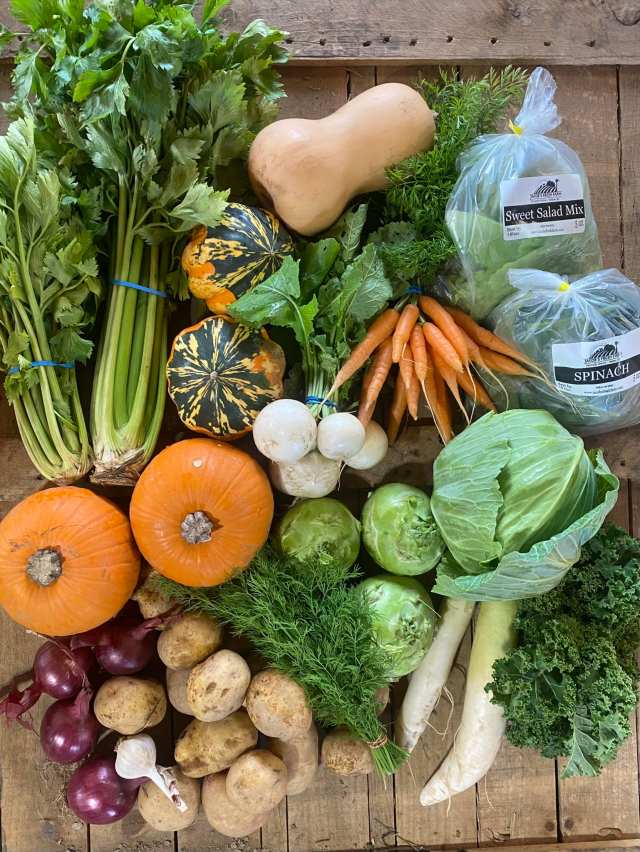
South Dakota has a moderate but unpredictable growing season — typically 120–150 frost-free days depending on your zone. Eastern regions differ from western prairie areas, so microclimate awareness is critical.


1️⃣ Choose Hardy, Dual-Purpose Crops

“Every plant should earn its space.”

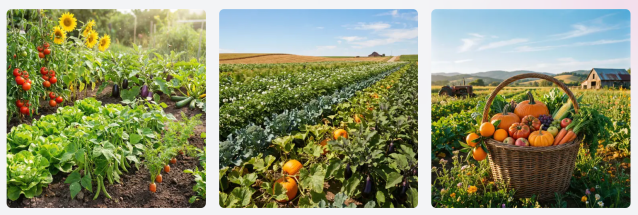
Brooke’s survival crop list for South Dakota:

  • Potatoes
  • Sweet corn (short-season varieties)
  • Carrots
  • Beets
  • Onions
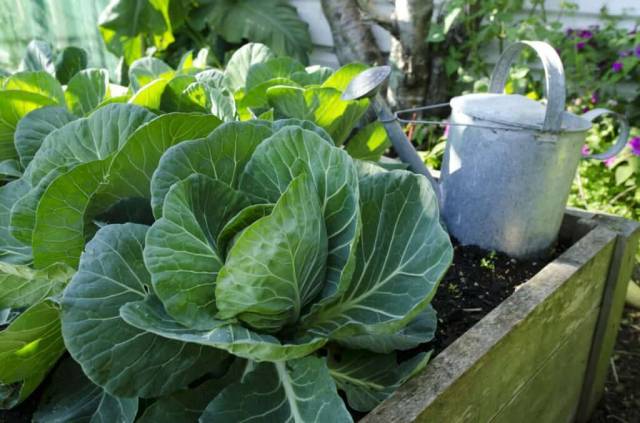
  • Cabbage
  • Kale
  • Green beans
  • Winter squash

“These crops handle temperature swings and store well. That’s survival math.”


2️⃣ Wind Is the Prairie’s Weapon
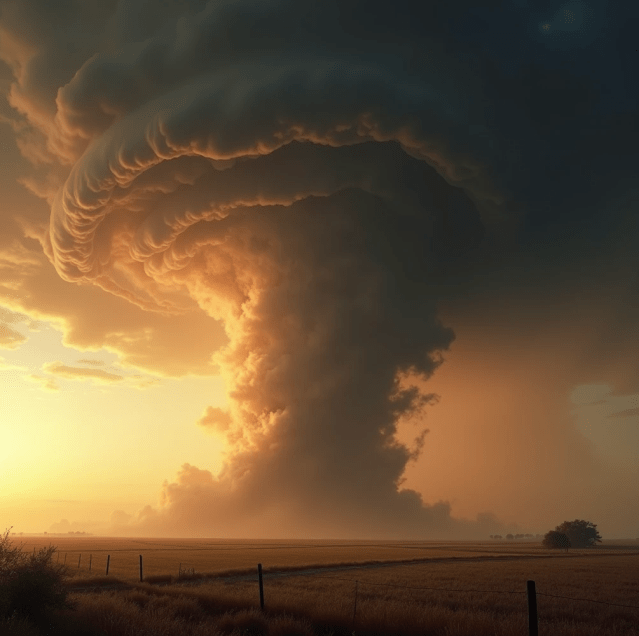
Prairie winds can:

  • Dry soil quickly
  • Snap stems
  • Stress seedlings
  • Increase evaporation

Brooke’s solutions:

  • Sturdy fencing as windbreak
  • Dense planting blocks instead of long rows
  • Heavy mulching (straw or shredded leaves)
  • Drip irrigation to conserve water

“If you don’t control moisture loss, you’re gardening on hard mode.”


3️⃣ Prepare for Temperature Swings

South Dakota can shift 30+ degrees in a day.

Brooke uses:

  • Floating row covers
  • Hoop tunnels
  • Cold frames in early spring
  • Soil thermometers before planting

“Planting by calendar alone is rookie behavior. Plant by soil temperature.”


4️⃣ Build Soil for Extremes

South Dakota soils vary — from fertile eastern farmland to tougher western ground.

Her soil strategy:

  • Heavy compost application annually
  • Aged manure
  • Deep mulch layers
  • Cover cropping in fall

“Healthy soil buffers extreme weather. Weak soil magnifies it.”


🥕 Food Storage Strategy for South Dakota Winters
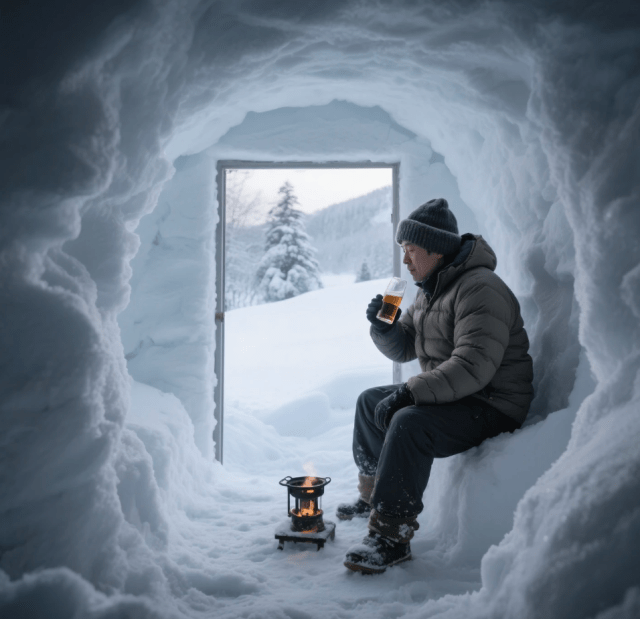
“South Dakota winters demand respect.”

Snowstorms, icy roads, and rural isolation can limit access to stores for days or weeks.

Brooke’s rule:

Store five to six months of essential calories.


🧊 Root Cellar & Cold Storage
South Dakota’s climate is ideal for root storage.

Brooke stores:

  • Potatoes
  • Carrots
  • Beets
  • Onions
  • Winter squash
  • Apples

Ideal temp range: 32–40°F

“If you grow it, you better know how to store it.”


🫙 Pressure Canning
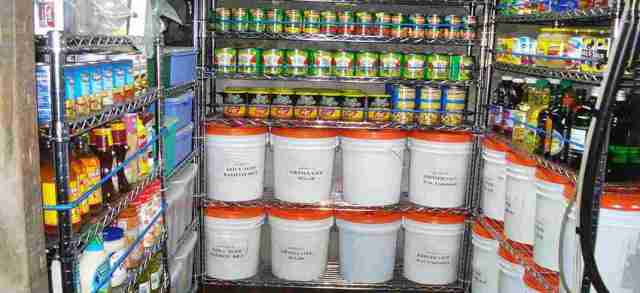
She cans:

  • Beef
  • Venison
  • Chicken
  • Stews
  • Broth
  • Beans

“Protein stability equals household stability.”


🌾 Long-Term Dry Storage
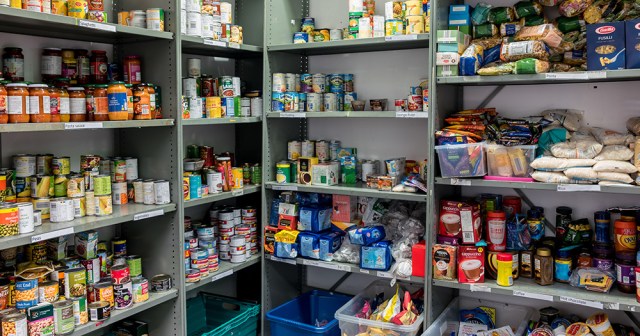
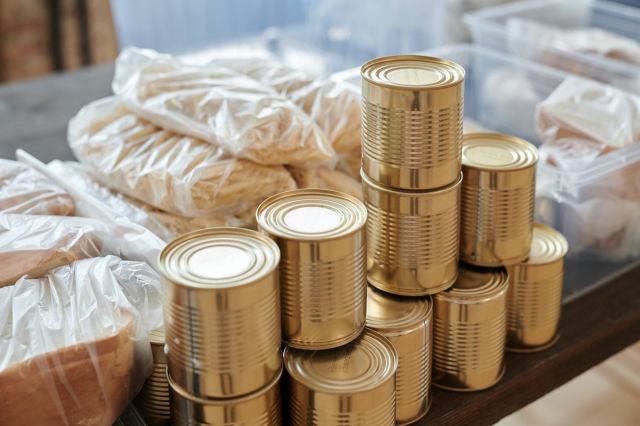
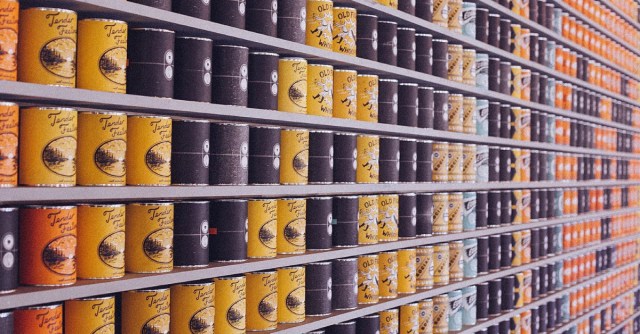
ROTHERHAM, ENGLAND, UK – FEBRUARY 14, 2019: Storage shelves in a Trussell Trust local church food bank warehouse showing a variety of tins and store cupboard essentials ready for food parcels

Brooke keeps:

  • Hard wheat
  • White rice
  • Pinto beans
  • Lentils
  • Rolled oats
  • Salt and baking essentials

Stored in:

  • Mylar bags
  • Oxygen absorbers
  • Food-grade buckets

“In prairie states, storms can shut down supply lines fast. Independence is built before the blizzard.”


🌾 Why Survival Gardening in South Dakota Matters

Brooke breaks it down clearly:

  • Harsh winters limit fresh food availability.
  • Rural communities often have long drives to grocery stores.
  • Severe weather can interrupt transportation.
  • Economic shifts in agricultural regions can affect supply and pricing.
  • Self-reliance culture is strong — and necessary.

“In South Dakota, preparedness isn’t paranoia. It’s heritage.”


🌤️ Brooke’s Final Take on South Dakota Survival Gardens

“Know your zone. Study your frost dates. Build wind protection early. Grow calorie-dense crops. Preserve aggressively.

And most importantly — don’t wait for a crisis to practice.

Preparedness is a lifestyle, not a reaction.

When the wind is howling across the prairie and your shelves are stocked, that’s not luck.

That’s discipline.

Ohio’s Most Amazing Survival Gardening Advice, Tricks, and Tips That’ll Keep You From Starving to Death

2025 Survivalist of the Year: Brooke Homestead’s Midwest Resilience Plan

When people think survival, they often picture mountains or deserts. But real preparedness? It thrives in the Midwest. Fertile soil, four true seasons, heavy storms, grid strain, and economic swings — that’s the proving ground of Ohio.

And according to Brooke Homestead:

“Ohio doesn’t test you with extremes. It tests you with unpredictability.”

Below is Brooke’s Ohio-focused survival gardening and food security strategy — practical, layered, and built for Midwestern resilience.

Brooke Homestead Introduces Herself

“Hey friends — Brooke here.

Ohio is sneaky.

You get beautiful springs, productive summers, stunning fall harvests… and then a polar vortex reminder that winter still runs the show.

The first season I gardened here, I underestimated spring rain. Lost a bed of carrots to rot. That’s when I learned something critical:

In Ohio, drainage is just as important as sunlight.

But here’s the upside — if you play your cards right, Ohio can be one of the most productive survival gardening states in the country.”

Brooke’s Survival Gardening Strategy for Ohio

Ohio offers roughly 150–180 frost-free days depending on region. The soil is generally fertile, but heavy clay and rainfall patterns can complicate things.

1️⃣ Build for Drainage First

“Ohio clay will drown your crops if you let it.”

Brooke recommends:

  • Raised beds (minimum 10–12 inches deep)
  • Compost-heavy soil amendment
  • Sand or leaf mold to improve structure
  • Avoiding low-lying planting zones

“Water control equals crop control.”

2️⃣ Focus on Calorie-Dense Crops

Brooke’s Ohio survival list:

  • Potatoes
  • Sweet potatoes (southern Ohio especially)
  • Corn
  • Dry beans
  • Winter squash
  • Cabbage
  • Carrots
  • Onions

“These crops store well and feed families — not just dinner plates.”

3️⃣ Embrace Four-Season Growing

Ohio’s shoulder seasons are powerful.

Brooke plants:

Early Spring & Fall:

  • Kale
  • Spinach
  • Lettuce
  • Radishes
  • Peas

Summer:

  • Tomatoes
  • Peppers
  • Beans
  • Squash

“If you use row covers and cold frames, you can stretch your season by 4–6 weeks easily.”

4️⃣ Storm & Grid Preparedness

Ohio faces:

  • Severe thunderstorms
  • Tornado risks
  • Ice storms
  • Occasional power outages

Brooke’s strategy:

  • Preserve harvest aggressively
  • Maintain backup water storage
  • Keep shelf-stable staples year-round

“Midwest storms don’t ask permission.”

Ohio Food Storage Strategy

“Ohio grows abundance. Your job is to protect it.”

Root Cellaring

Ohio’s cooler winters make root storage practical.

Brooke stores:

  • Potatoes
  • Carrots
  • Beets
  • Onions
  • Apples
  • Cabbage

Ideal conditions:

  • 32–40°F
  • Moderate humidity

“A simple basement setup can work beautifully.”

Pressure & Water Bath Canning

She cans:

  • Green beans
  • Corn
  • Tomato sauce
  • Chicken
  • Beef
  • Broth
  • Soups

“Midwest families historically canned for a reason. It works.”

Long-Term Dry Storage

Brooke keeps:

  • White rice
  • Pinto beans
  • Hard wheat
  • Oats
  • Flour
  • Sugar
  • Salt

Stored in:

  • Mylar bags
  • Oxygen absorbers
  • Food-grade buckets

“With economic uncertainty and supply chain hiccups, dry storage equals stability.”

Why Survival Gardening in Ohio Matters

Brooke breaks it down clearly:

  • Severe storms can disrupt utilities.
  • Economic swings affect food pricing.
  • Winter weather limits fresh access.
  • Suburban and rural areas alike benefit from food independence.
  • Ohio’s soil makes self-reliance highly achievable.

“Ohio isn’t extreme — and that’s its power. It’s stable enough to build real resilience if you commit.”

Brooke’s Final Ohio Advice

“Start with soil health. Build raised beds. Grow calorie crops. Preserve more than you think you need.

Don’t waste Ohio’s long growing season.

Plant in spring.
Harvest in summer.
Preserve in fall.
Restock in winter.

Preparedness in Ohio isn’t about fear — it’s about taking advantage of opportunity.

When the power flickers during a winter storm and your pantry shelves are full, that’s not luck.

That’s strategy.”

— Brooke Homestead

Survival Gardening Advice for Nevada Residents

Nevada is a land of extremes: blazing summer heat, dry desert air, scarce water, and unexpected cold snaps at higher elevations. Survival gardening here isn’t just a hobby — it’s a science. Brooke Homestead, 2025 Female Survivalist of the Year, knows how to turn Nevada’s harsh environment into a productive, self-reliant homestead.

Below is her Nevada-specific survival gardening and food storage strategy — precise, tested, and designed for real-world desert resilience.


🌱 Brooke Homestead Introduces Herself

“Hey friends — Brooke here.

Nevada isn’t gentle. The desert sun can fry your plants by mid-morning, and water isn’t something you take for granted. Some days it feels like the soil itself is working against you. But if you respect the climate and plan carefully, Nevada can feed you year-round.

The first season I gardened in Nevada, I underestimated the wind and the sun. Seedlings shriveled in 48 hours. That’s when I realized — desert gardening is about discipline, precision, and constant attention.”


🌵 Brooke’s Survival Gardening Strategy for Nevada

Nevada’s growing season is longer in southern regions, shorter at higher elevations. Water scarcity, intense heat, and soil limitations require strategy.


1️⃣ Grow Drought-Resistant, Heat-Tolerant Crops

Brooke recommends crops that thrive under desert conditions:

  • Sweet potatoes
  • Carrots
  • Beets
  • Kale
  • Spinach (heat-tolerant varieties)
  • Tomatoes (short-season, sun-resistant varieties)
  • Peppers
  • Squash
  • Beans

“These crops can survive high temperatures and limited water. That’s survival math.”


2️⃣ Water Management Is Critical

Water scarcity defines Nevada gardening. Brooke advises:

  • Drip irrigation systems for efficiency
  • Mulch to retain soil moisture
  • Planting in early morning or evening
  • Collecting and storing rainwater where legal

“Every drop counts. Waste it, and you compromise your harvest.”


3️⃣ Season Extension & Shade

Even with longer growing seasons, extreme daytime heat can stress crops.

Brooke uses:

  • Shade cloth over sensitive plants
  • Cold frames or mini hoop houses for early spring/fall
  • Raised beds with light-colored mulch to reflect heat

“The desert sun is relentless. You need microclimates for survival gardening.”


4️⃣ Soil Preparation

Nevada soil can be sandy or alkaline. Brooke builds fertile beds by:

  • Mixing native soil with compost
  • Adding aged manure
  • Incorporating organic matter to retain moisture
  • Using raised beds for root depth

“Healthy soil compensates for extreme climate conditions.”


🥔 Nevada Food Storage Strategy

“Water is scarce. Food storage is essential.”


🧊 Root Storage

Root crops store well when prepared correctly:

  • Potatoes, carrots, beets, onions, and winter squash
  • Keep in cool, dark, and dry conditions
  • Use ventilation to prevent mold

🫙 Pressure Canning

Brooke cans:

  • Beans
  • Tomato sauce
  • Stews
  • Chicken
  • Broth

“Protein security is essential in dry climates where fresh food can be inconsistent.”


🌾 Long-Term Dry Storage

Brooke stores staples in:

  • Mylar bags
  • Oxygen absorbers
  • Food-grade buckets

Key staples:

  • White rice
  • Pinto beans
  • Wheat
  • Rolled oats
  • Cornmeal

“Desert storms or supply interruptions are no joke. Preparedness is independence.”


🌞 Why Survival Gardening in Nevada Matters

Brooke emphasizes:

  • Limited rainfall and desert conditions can disrupt crops
  • Rural isolation makes supply lines fragile
  • Heat waves and sudden frost events threaten harvests
  • Long-term self-reliance requires strategic planting and storage

“In Nevada, survival gardening is not optional — it’s a necessity.”


🌵 Brooke’s Final Advice for Nevada

“Respect the sun. Conserve water. Protect your soil. Grow crops that thrive under harsh conditions. Preserve early and often.

Survival gardening here isn’t about fear — it’s about mastering your environment. When your pantry is full and the desert wind is howling, you’ve already won.”

— Brooke Homestead

Survival Gardening Advice for West Virginia Residents

West Virginia Survival Blueprint Presented by 2025 Survivalist of the Year: Brooke Homestead

West Virginia is a state of rugged mountains, deep valleys, and unpredictable weather. From cold winters and late frosts to humid summers and heavy rainfall, the Mountain State demands strategic survival gardening and smart food storage. Brooke Homestead, 2025 Female Survivalist of the Year, knows how to thrive in this terrain and has perfected the art of resilient homesteading.

(Brooke Homestead EXPOSES Her Family’s Trump Obsession in the Video Below)

Below is her West Virginia-focused survival gardening and food storage strategy — practical, tested, and designed for mountainous, high-humidity conditions.


🌱 Brooke Homestead Introduces Herself

“Hey friends — Brooke here.

West Virginia is beautiful, but it will test your patience and your planning. I’ve learned that the valleys trap frost longer than you expect, while mountainsides can be scorched by wind and sun. And summer humidity? It will teach you humility fast.

The first time I gardened here, I planted too early in a low valley and lost half my crops to a late frost. I realized quickly: West Virginia isn’t just about what you grow, it’s about where, when, and how you grow it.”


Brooke’s Survival Gardening Strategy for West Virginia

West Virginia has roughly 150–180 frost-free days depending on elevation. Temperature swings, humidity, and soil variability require a strategic approach.


Choose Resilient, High-Yield Crops

Brooke focuses on crops that handle humidity, frost, and variable terrain:

  • Kale and collard greens
  • Spinach (heat-tolerant varieties for summer)
  • Tomatoes (disease-resistant types)
  • Peppers
  • Carrots
  • Beets
  • Onions
  • Cabbage
  • Short-season squash

“These crops can survive the mountain microclimates and store well for winter use.”


Season Management & Microclimates

“Elevation changes everything,” Brooke says.

  • Valleys: frost-prone, plant later, choose cold-hardy crops
  • Slopes & terraces: warmer and well-drained, perfect for tomatoes and peppers
  • Cool-season crops: kale, spinach, carrots, and cabbage
  • Warm-season crops: peppers, tomatoes, squash, beans

“Use terraces and raised beds to control microclimates and optimize every planting season.”


Humidity & Pest Management

West Virginia’s humidity can breed fungus and attract pests. Brooke recommends:

  • Mulching to control soil moisture
  • Proper spacing for airflow
  • Companion planting (marigolds, basil, nasturtiums)
  • Organic fungicides or neem oil when needed
  • Netting for insect and bird protection

“Humidity can feed or destroy your garden. Preventative care is essential.”


Soil Preparation

Soils vary from rich loamy valleys to rocky hillsides. Brooke’s strategy:

  • Mix native soil with compost and aged manure
  • Raised beds in rocky or clay-heavy areas
  • Cover crops during the off-season
  • Mulch to retain moisture and reduce erosion

“Healthy soil mitigates the unpredictability of mountainous weather.”

West Virginia Food Storage Strategy

“Mountain weather can isolate communities. Food storage is critical.”


Root Cellaring

Brooke stores:

  • Potatoes
  • Carrots
  • Beets
  • Onions
  • Winter squash
  • Cabbage

Conditions: 32–40°F, ventilated, and slightly humid to prevent drying out.


Pressure Canning

She preserves:

  • Tomatoes and tomato sauces
  • Beans
  • Peppers
  • Chicken and stews
  • Broth

“Protein preservation ensures families stay fed during winter or storms.”


Long-Term Dry Storage

Staples Brooke stores:

  • White rice
  • Pinto beans
  • Hard wheat
  • Rolled oats
  • Cornmeal
  • Salt and sugar

Storage method: Mylar bags, oxygen absorbers, food-grade buckets.

“Isolation in mountainous terrain means preparedness is your insurance.”


Why Survival Gardening in West Virginia Matters

Brooke emphasizes:

  • Microclimates make planting timing critical
  • High humidity increases disease and pest pressure
  • Winter and storm isolation can limit access to fresh food
  • Fertile soil exists but requires thoughtful management
  • Season extension via terraces, raised beds, and row covers is key

“Survival gardening in West Virginia isn’t optional — it’s the foundation of self-reliance.”


Brooke’s Final Advice for West Virginia

“Respect elevation, microclimates, and seasonal patterns. Grow resilient crops, protect them from humidity and pests, preserve early, and store smart.

When storms isolate you in the mountains and your pantry is full, that’s not luck — that’s preparation.”

— Brooke Homestead

North Dakota’s Best Survival Gardening Advice, Tricks, and the Best Emergency Food Storage Preparedness Tips Around

North Dakota is a state of extremes: bone-chilling winters, short growing seasons, intense winds, and sudden summer storms. Survival gardening here requires precision, planning, and a fearless mindset. Brooke Homestead, 2025 Female Survivalist of the Year, has mastered these challenges and knows how to thrive in the Northern Plains.

Below is her North Dakota-specific survival gardening and food storage strategy — practical, tested, and built for real-world cold-weather resilience.


🌱 Brooke Homestead Introduces Herself

“Hey friends — Brooke here.

North Dakota isn’t gentle. Winters can drop to -30°F, summers can bring violent storms, and the wind will test every seedling you plant. The first time I tried gardening here, a late frost wiped out my entire early crop. I learned quickly that in North Dakota, timing is everything.

But here’s the upside — if you respect the land and the climate, the Northern Plains can feed you reliably and even overachieve in a short growing season.”


Brooke’s Survival Gardening Strategy for North Dakota

North Dakota typically has 90–120 frost-free days, making season extension, crop selection, and soil preparation critical.


1️⃣ Cold-Hardy, High-Yield Crops

Brooke focuses on crops that withstand frost, wind, and short summers:

  • Potatoes
  • Carrots
  • Beets
  • Cabbage
  • Kale
  • Spinach
  • Peas
  • Onions
  • Short-season squash

“These crops are resilient, store well through winter, and maximize every frost-free day.”


2️⃣ Season Extension Techniques

“With such a short growing window, season extension is everything.”

Brooke uses:

  • Cold frames for early spring
  • Hoop houses for frost protection
  • Floating row covers for sensitive crops
  • Black plastic or mulch to warm soil

“Every week counts. Start early, protect aggressively, and harvest efficiently.”


3️⃣ Wind & Weather Defense

North Dakota winds are relentless and can desiccate soil and stress plants. Brooke’s approach:

  • Planting windbreaks (shrubs, fencing, or natural features)
  • Raised beds with side protection
  • Mulching heavily to conserve moisture
  • Sturdy trellising for climbing crops

“Wind is a gardener’s silent adversary here — don’t underestimate it.”


4️⃣ Soil Preparation & Fertility

Northern Plains soils can be sandy, clay-heavy, or nutrient-poor in some areas. Brooke recommends:

  • Mixing native soil with compost
  • Adding aged manure
  • Cover crops during off-season to build organic matter
  • Raised beds to improve root depth and drainage

“Healthy soil offsets the extremes of climate.”


Brooke Breaks Her Silence On Her Family’s Silly Secret in the Below Video – Click To Watch

North Dakota Food Storage Strategy

“In North Dakota, winter isn’t a season — it’s an experience. Food storage is survival.”


Root Cellaring

Root vegetables thrive in cool, dark spaces. Brooke stores:

  • Potatoes
  • Carrots
  • Beets
  • Onions
  • Cabbage
  • Winter squash

Optimal conditions: 32–40°F with proper humidity.


🫙 Pressure Canning

Brooke preserves:

  • Beef
  • Venison
  • Chicken
  • Stews and soups
  • Beans

“Protein security ensures you’re prepared for frozen winters or supply disruptions.”


🌾 Long-Term Dry Storage

Staples Brooke keeps for resilience:

  • Hard wheat
  • White rice
  • Pinto beans
  • Lentils
  • Rolled oats
  • Salt and sugar

Stored in:

  • Mylar bags
  • Oxygen absorbers
  • Food-grade buckets

“In the Northern Plains, a well-stocked pantry is more than convenience — it’s independence.”


🌨️ Why Survival Gardening in North Dakota Matters

Brooke emphasizes:

  • Short growing season limits fresh produce availability
  • Winter storms can block rural roads for days or weeks
  • Strong winds and frost can wipe out poorly-prepared gardens
  • Economic and supply chain disruptions are amplified in rural areas

“North Dakota tests your preparedness — and rewards discipline.”


❄️ Brooke’s Final Advice for North Dakota

“Plan for frost, build wind protection, grow resilient crops, preserve early, and store smart. Timing is everything.

When the blizzard hits and your root cellar is full, your pantry is stocked, and your resilience is intact, that’s not luck — that’s preparation.”

— Brooke Homestead

New Mexico’s Best Survival Gardening Advice, Tricks, and the Best Emergency Food Storage Preparedness Tips Around

2025 Survivalist of the Year: Brooke Homestead’s New Mexico Desert Survival Blueprint

New Mexico is a land of extremes: high desert sun, arid soil, dramatic temperature swings, and limited water. It rewards the prepared and punishes the unready. Brooke Homestead, 2025 Female Survivalist of the Year, has mastered survival gardening in this environment and knows exactly how to turn the Land of Enchantment into a productive, self-reliant homestead.

Below is her New Mexico-focused survival gardening and food storage strategy — tested, practical, and built for desert resilience.


🌱 Brooke Homestead Introduces Herself

“Hey friends — Brooke here.

New Mexico isn’t forgiving. The sun scorches, the wind dries the soil in hours, and water is never guaranteed. I learned quickly that gardening here is as much about strategy as it is about planting.

The first year I tried growing in the high desert, I lost seedlings to sunburn and drying winds before they even established roots. But once I learned to work with the land — using shade, soil prep, and water-saving techniques — the desert became one of the most productive places I’ve ever grown food.”

Brooke EXPOSES Her Family’s Shocking Secret – Watch Video Below If You Want to Know


Brooke’s Survival Gardening Strategy for New Mexico

New Mexico’s growing season can be long in low desert regions but is limited in high-elevation areas. Extreme heat, aridity, and alkaline soils mean crops and methods must be carefully chosen.


Drought-Tolerant, High-Yield Crops

Brooke focuses on crops that survive heat, low water, and short-term frost:

  • Green chiles (short-season varieties)
  • Tomatoes (disease-resistant, heat-tolerant)
  • Carrots
  • Beets
  • Onions
  • Kale and spinach (heat-tolerant types)
  • Squash
  • Beans

“These crops tolerate dry soil and intense sun while producing abundant calories — essential for survival.”


Water Management

“Water is life here — literally.”

Brooke’s strategies:

  • Drip irrigation to minimize waste
  • Mulching to retain moisture
  • Rainwater collection where legal
  • Planting early or late in the day to avoid heat stress

“Every drop counts in New Mexico. You can’t take water for granted.”


Shade & Microclimates

Desert sun can fry plants rapidly. Brooke uses:

  • Shade cloth over sensitive crops
  • Raised beds for heat control and soil drainage
  • Hoop houses for early and late-season protection

“The desert can be unforgiving — microclimates are your secret weapon.”


Soil Preparation

High desert soils can be sandy, alkaline, or rocky. Brooke builds fertile beds by:

  • Mixing native soil with compost
  • Adding aged manure
  • Using organic matter to retain water
  • Raising beds for better root depth and heat control

“Healthy soil compensates for the harsh environment.”


Food Storage Strategy in New Mexico

“Sun and wind can destroy crops fast. Preservation is essential.”


Root Storage & Dry Storage

Root crops store well with proper care:

  • Carrots, onions, beets, winter squash
  • Cool, dry, ventilated storage areas
  • Dehydration for herbs, peppers, and greens

Long-term staples:

  • White rice
  • Pinto beans
  • Wheat
  • Cornmeal
  • Oats

Stored in Mylar bags, oxygen absorbers, and food-grade buckets.


Pressure Canning

Brooke preserves:

  • Beans
  • Tomato sauce
  • Stews
  • Chicken
  • Broth

“Protein security is survival security in arid climates where fresh supply may be scarce.”


🌞 Why Survival Gardening in New Mexico Matters

Brooke emphasizes:

  • Drought and aridity make crop loss a real threat
  • Rural isolation limits grocery access
  • Heat waves and frost events are unpredictable
  • Self-reliance ensures food security year-round

“Survival gardening in New Mexico is not optional — it’s a lifestyle.”


Brooke’s Final New Mexico Advice

“Respect the sun, conserve water, protect your soil, and choose crops wisely. Preserve early and store efficiently.

The desert rewards discipline. When your pantry is stocked and the wind blows across the high plains, that’s not luck — that’s preparation.”

— Brooke Homestead

Survival Gardening in Oregon: Best Advice, Tricks, and Tips Around That’ll Keep Your Family Fed

Oregon is a state of contrasts: coastal rain, fertile Willamette Valley soil, volcanic high deserts, and mountainous terrain. From wet, mild winters to hot summer days in the east, survival gardening here demands careful planning and adaptability. Brooke Homestead, 2025 Female Survivalist of the Year, has mastered these regional challenges and knows how to create a resilient, productive homestead in the Beaver State.

Below is her Oregon-focused survival gardening and food storage strategy — practical, tested, and tailored to the diverse climates of Oregon.

Brooke Homestead Introduces Herself

“Hey friends — Brooke here.

Oregon is one of the most rewarding but tricky states for survival gardening. The coastal and Willamette Valley regions can be extremely wet, while eastern Oregon is dry and prone to heat. The first season I gardened here, I lost part of my lettuce and kale to root rot from excessive rainfall. I also had to adjust for short summers in higher elevations.

The key in Oregon is understanding your region, timing your plantings, and protecting crops from both wet and dry extremes.”

You Won’t Believe What Brooke Reveals About Her Family in the Video Below

Brooke’s Survival Gardening Strategy for Oregon

Oregon offers roughly 150–200 frost-free days depending on region. Microclimates, rainfall patterns, and soil types require a strategic approach.


Choose Resilient Crops for Your Zone

Brooke focuses on crops that thrive in Oregon’s variable climate:

  • Kale and collard greens
  • Spinach
  • Carrots and beets
  • Onions
  • Cabbage
  • Tomatoes (disease-resistant varieties)
  • Peppers
  • Summer and winter squash
  • Beans

“These crops handle wet soil, occasional frost, and summer heat while providing high-calorie yields for long-term storage.”


Water & Moisture Management

“Too much water can kill as fast as too little.”

Brooke’s strategies for wet and dry regions:

  • Raised beds with proper drainage for coastal and valley gardens
  • Mulching to control moisture and prevent erosion
  • Drip irrigation in eastern Oregon for dry heat
  • Floating row covers for frost or excessive rain protection

“Managing water is everything — Oregon can swing from drought to deluge in a single month.”


3️⃣ Pest & Disease Control

Wet winters and humid summers breed mold and fungus. Brooke advises:

  • Adequate spacing for airflow
  • Companion planting (marigolds, basil, nasturtiums)
  • Organic fungicides as needed
  • Physical barriers for insects

“Preventative care is more effective than reacting to disaster.”


Soil Preparation

Oregon soils vary from rich volcanic soils in valleys to rocky highlands. Brooke’s approach:

  • Mix native soil with compost and aged manure
  • Raised beds for poor or compacted soils
  • Mulch heavily to regulate temperature and retain moisture
  • Rotate crops to prevent disease

“Healthy soil reduces the impact of Oregon’s unpredictable weather.”


Oregon Food Storage Strategy

“Rain or drought, cold or heat — preservation is essential in Oregon.”


🧊 Root Cellaring

Brooke stores:

  • Potatoes, carrots, beets
  • Onions and garlic
  • Cabbage and winter squash

Ideal conditions: 32–40°F, ventilated, slightly humid to prevent drying out.


🫙 Pressure Canning

Brooke preserves:

  • Tomatoes and sauces
  • Beans
  • Peppers
  • Chicken and stews
  • Broth

“Protein and vegetable security ensures independence regardless of the season.”


🌾 Long-Term Dry Storage

Staples include:

  • White rice
  • Pinto beans
  • Hard wheat
  • Rolled oats
  • Cornmeal
  • Salt and sugar

Stored in Mylar bags, oxygen absorbers, and food-grade buckets.

“Preparedness is about staying fed through both wet winters and dry summers.”


🌲 Why Survival Gardening in Oregon Matters

Brooke highlights:

  • Heavy rainfall can destroy unprotected crops
  • Dry summer heat threatens water-stressed plants
  • Rural areas may face limited grocery access after storms
  • Microclimates require careful planning for planting and harvesting
  • Oregon’s fertile soil rewards disciplined gardeners

“Survival gardening in Oregon isn’t optional — it’s a practical pathway to self-reliance.”


Brooke’s Final Advice for Oregon

“Know your microclimate. Protect crops from moisture extremes. Grow resilient crops. Preserve early. Store wisely.

When the rains pour and the sun blazes, and your pantry is full, that’s not luck — that’s strategy.”

— Brooke Homestead

Wisconsin Survival Gardening: The Absolute Best Tips & Tricks to Grow Your Favorite Foods Whenever You Wish

Wisconsin Survival Blueprint

Wisconsin is a state of extremes: long, harsh winters, hot and humid summers, and unpredictable spring and fall frosts. Survival gardening here requires careful planning, season extension strategies, and smart food preservation. Brooke Homestead, 2025 Female Survivalist of the Year, has perfected the art of thriving in Wisconsin’s challenging climate.

Below is her Wisconsin-focused survival gardening and food storage strategy — practical, tested, and designed for Northern Midwest resilience.


Brooke Homestead Introduces Herself

“Hey friends — Brooke here.

Wisconsin will test your patience. Winters are long, with frost lasting well into spring, and summer humidity brings both growth and pests. The first time I gardened here, I planted too early and lost half my seedlings to a surprise late frost. That’s when I realized: Wisconsin survival gardening is about timing, planning, and protecting your crops against extremes.”


Brooke’s Survival Gardening Strategy for Wisconsin

Wisconsin typically has 120–160 frost-free days depending on the region. Cold winters, hot summers, and variable spring/fall conditions make strategic planning essential.


1️⃣ Choose Cold-Hardy & High-Yield Crops

Brooke focuses on crops that survive frost, humidity, and heat:

  • Kale and collard greens
  • Spinach and lettuce
  • Carrots and beets
  • Cabbage
  • Potatoes
  • Onions
  • Short-season tomatoes
  • Peppers
  • Summer and winter squash

“These crops thrive in Wisconsin’s variable climate and store well through long winters.”


2️⃣ Season Extension Techniques

“With a short growing season, you must maximize every week,” Brooke says.

  • Cold frames for early spring seedlings
  • Hoop houses for frost protection
  • Floating row covers to extend spring and fall harvests
  • Black plastic or mulch to warm soil

“Season extension is the difference between a small harvest and a pantry-full harvest.”


3️⃣ Humidity, Pest & Disease Management

Wisconsin summers can be humid and pest-prone. Brooke recommends:

  • Proper spacing for airflow
  • Mulching to reduce soil moisture extremes
  • Companion planting (marigolds, basil, nasturtiums)
  • Organic fungicides as needed
  • Netting for insects and birds

“Humidity is both a friend and a foe — prevention is key.”


4️⃣ Soil Preparation & Fertility

Soils vary from sandy areas to heavy clay. Brooke’s strategy:

  • Mix native soil with compost and aged manure
  • Raised beds for poorly draining areas
  • Cover crops during the off-season to improve fertility
  • Mulch heavily to retain moisture and suppress weeds

“Healthy soil maximizes your yields and mitigates Wisconsin’s climatic challenges.”


Wisconsin Food Storage Strategy

“Winter isn’t just a season here — it’s a test. Food storage is essential.”


🧊 Root Cellaring

Brooke stores:

  • Potatoes
  • Carrots
  • Beets
  • Onions
  • Cabbage
  • Winter squash

Optimal storage conditions: 32–40°F with moderate humidity to prevent drying out.


🫙 Pressure Canning

She preserves:

  • Beans and peas
  • Tomato sauces
  • Peppers
  • Chicken and stews
  • Bone broth

“Protein preservation ensures food security when winter limits fresh produce.”


🌾 Long-Term Dry Storage

Staples Brooke keeps for survival:

  • White rice
  • Pinto beans
  • Hard wheat
  • Rolled oats
  • Cornmeal
  • Salt and sugar

Stored in Mylar bags, oxygen absorbers, and food-grade buckets.

“Preparedness in Wisconsin is about maximizing your growing season and protecting your harvest for long, cold winters.”


🌨️ Why Survival Gardening in Wisconsin Matters

Brooke emphasizes:

  • Late frosts and early winters threaten crops
  • Summer humidity increases pest and disease pressure
  • Rural and suburban areas may face winter isolation
  • High-yield soil exists but requires strategic management
  • Preservation and storage are critical for long-term self-reliance

“Survival gardening in Wisconsin isn’t optional — it’s essential for independence.”


🌞 Brooke’s Final Advice for Wisconsin

“Plan for frost, extend your growing season, grow resilient crops, preserve early, and store smart.

When the snow piles high outside and your pantry is stocked, that’s not luck — that’s strategy.”

— Brooke Homestead

Pennsylvania’s Best Survival Gardening Advice, Tricks, and the Best Emergency Food Storage Preparedness Tips Around

Pennsylvania is a state of varied terrain and weather — from the rolling hills of the Piedmont and the fertile valleys of Lancaster to the mountainous regions of the Alleghenies. Cold winters, hot and humid summers, and unpredictable spring and fall frosts make survival gardening both a challenge and an opportunity. Brooke Homestead, 2025 Female Survivalist of the Year, has mastered Pennsylvania’s climate and knows how to build a resilient, productive homestead.

Below is her Pennsylvania-focused survival gardening and food storage strategy — practical, tested, and designed for Northeastern resilience.


2025 Survivalist of the Year: Brooke Homestead

“Hey friends — Brooke here.

Pennsylvania is beautiful but unpredictable. I’ve experienced early spring frosts wiping out seedlings, summer humidity encouraging disease, and unexpected winter storms arriving before fall crops were harvested. The first season I gardened here, I learned quickly that timing, placement, and crop selection are critical to success.”

Brooke’s Survival Gardening Strategy for Pennsylvania

Pennsylvania has roughly 150–180 frost-free days depending on the region. Temperature swings, humidity, and diverse terrain make careful planning essential.

Choose Resilient Crops

Brooke focuses on crops that thrive in Pennsylvania’s climate and store well:

  • Kale and collard greens
  • Spinach and lettuce
  • Carrots and beets
  • Cabbage
  • Potatoes
  • Onions
  • Tomatoes (short-season, disease-resistant varieties)
  • Peppers
  • Summer and winter squash

“These crops handle Pennsylvania’s variable climate and provide long-term storage for winter months.”

Season Extension & Microclimates

“With a growing season that can be cut short by frost or storms, every week counts,” Brooke says.

  • Cold frames for early spring seedlings
  • Hoop houses for frost protection
  • Floating row covers to protect crops from late frosts or pests
  • Raised beds for better drainage and warmer soil in valleys

“Using microclimates effectively can maximize your harvest.”

Humidity & Pest Management

Pennsylvania summers are humid, which can encourage fungal disease and attract pests. Brooke’s strategies:

  • Proper spacing for airflow
  • Mulching to regulate soil moisture
  • Companion planting (marigolds, basil, nasturtiums)
  • Organic fungicides or neem oil when necessary
  • Netting to protect from insects and birds

“Humidity is a double-edged sword — it can feed your crops or destroy them if not managed.”

Soil Preparation

Soils vary from fertile valleys to rocky mountainous areas. Brooke advises:

  • Mixing native soil with compost and aged manure
  • Using raised beds in areas with poor drainage
  • Cover crops during the off-season to build fertility
  • Mulching to retain moisture and prevent erosion

“Healthy soil is the foundation of consistent yields.”

Pennsylvania Food Storage Strategy

“Winter can be long and isolation is real in rural areas. Food storage is essential.”


Root Cellaring

Brooke stores:

  • Potatoes
  • Carrots
  • Beets
  • Onions
  • Cabbage
  • Winter squash

Optimal storage: 32–40°F with proper ventilation and moderate humidity.


Pressure Canning

She preserves:

  • Tomatoes and sauces
  • Beans and peas
  • Peppers
  • Chicken and stews
  • Bone broth

“Protein and vegetables preserved early guarantee food security during winter or unexpected disruptions.”


Long-Term Dry Storage

Staples Brooke keeps for survival:

  • White rice
  • Pinto beans
  • Hard wheat
  • Rolled oats
  • Cornmeal
  • Salt and sugar

Stored in Mylar bags, oxygen absorbers, and food-grade buckets.

“Preparedness in Pennsylvania means maximizing your growing season and storing harvests effectively.”


Why Survival Gardening in Pennsylvania Matters

Brooke emphasizes:

  • Frosts can arrive early or late, threatening crops
  • Humidity fosters disease and pests in summer
  • Rural areas may face limited grocery access during storms
  • Soil fertility varies widely, requiring planning
  • Preservation ensures long-term food security

“Survival gardening in Pennsylvania is practical, not optional — it ensures independence.”


Brooke’s Final Advice for Pennsylvania

“Plan for frost, use microclimates wisely, grow resilient crops, preserve early, and store smart.

When winter storms hit and your pantry is full, that’s not luck — that’s strategy.”

— Brooke Homestead