Alaska’s Deadliest and Ugliest BUGS: Survival Prepper Advivce from a Man Who Should’ve Been on FRIENDS

I didn’t come to Alaska because I loved the cold.
I came here because I needed to disappear.

Hollywood didn’t want me. Casting directors didn’t want me. Eighty auditions during the late-1990s sitcom pilot season, and not one callback that mattered. And yes, I told people I landed the role of “Joey” on FRIENDS. I told them all. I believed it long enough that the lie became heavier than the truth.

When the lie collapsed, I did what any rational, broken, angry almost-actor would do: I went north. Far north. Somewhere nobody asked questions, and where survival mattered more than stories.

Alaska doesn’t care who you were supposed to be.
Alaska only cares whether you’re prepared.

And most people aren’t.

When folks think about Alaska killing them, they imagine bears, blizzards, or falling through ice. They don’t think about insects. They don’t think about the things that crawl, bite, sting, swarm, and inject your body with reactions you didn’t plan for.

That’s a mistake.

Because while Alaska doesn’t have jungles or deserts, it does have insects that can absolutely end your life—not dramatically, not cinematically, but quietly, efficiently, and without apology.

This article is about those insects.
And it’s about what I carry in my bug-out bag because I’ve learned the hard way that nature doesn’t give second chances, and neither does denial.


Why Insects in Alaska Are More Dangerous Than You Think

Let’s clear something up right now:
Alaska doesn’t need venomous spiders or exotic scorpions to be deadly.

What it has instead is isolation, extreme reactions, and limited access to help.

An insect bite that might be inconvenient in a city can become fatal in the Alaskan backcountry because:

  • Medical help may be hours—or days—away
  • Weather can ground aircraft
  • Allergic reactions don’t wait for rescue
  • Infections thrive in cold, wet environments
  • Swarms don’t stop when you panic

In Alaska, the danger isn’t just the insect.
It’s the context.

And context is everything.


1. Mosquitoes: Alaska’s Most Dangerous Insect (Yes, Really)

Everyone laughs at mosquitoes until they stop laughing.

Alaska mosquitoes are not the delicate, polite insects you remember from childhood summers. These are aggressive, persistent, swarming blood-seekers that emerge in numbers so large they look like weather patterns.

Why Mosquitoes Are Dangerous in Alaska

Mosquitoes in Alaska are dangerous for three primary reasons:

  1. Sheer Volume
    In some regions, mosquito density is among the highest on Earth. You don’t get bitten once—you get bitten hundreds of times in minutes.
  2. Severe Allergic Reactions
    Some people experience extreme swelling, systemic reactions, or breathing issues after repeated bites.
  3. Secondary Effects
    • Infection from excessive scratching
    • Blood loss in extreme cases
    • Hypothermia risk when you stop moving to escape them
    • Panic, which leads to bad decisions

People underestimate mosquitoes because they don’t look dramatic. That’s how they win.

Survival Reality Check

If you’re miles from shelter and mosquitoes force you to stop moving, remove gloves, or expose skin, you’re already losing.

In Alaska, mosquitoes don’t just bite you.
They control your behavior.

And anything that controls your behavior in the wilderness can kill you.


2. Black Flies: Small, Silent, and Relentless

Black flies don’t buzz.
They don’t warn you.
They just appear.

And then they start biting.

Why Black Flies Are Dangerous

Black flies are especially dangerous because:

  • Their bites slice the skin instead of puncturing it
  • Bleeding can continue longer than expected
  • Swarms can overwhelm exposed skin rapidly
  • Bites often swell significantly

In remote areas, multiple black fly bites can cause:

  • Intense inflammation
  • Fever-like symptoms
  • Fatigue and weakness
  • Risk of infection

Again, none of this is dramatic.
That’s what makes it dangerous.

You don’t collapse.
You deteriorate.


3. No-See-Ums (Biting Midges): Psychological Warfare in Insect Form

If mosquitoes are bullies, no-see-ums are sadists.

You don’t feel them at first.
You don’t see them.
Then hours later, your skin is on fire.

Why No-See-Ums Matter

These microscopic insects:

  • Penetrate standard mosquito netting
  • Cause delayed reactions
  • Create clusters of intensely itchy bites
  • Lead to excessive scratching and broken skin

In Alaska’s damp climate, broken skin is an open invitation for infection.

I’ve seen grown adults mentally unravel after a night of no-see-um exposure. Sleep deprivation alone can get you killed in the wilderness.


4. Wasps, Hornets, and Yellowjackets: The Real Sting Threat

Alaska doesn’t have tropical wasps, but what it does have is territorial, aggressive stinging insects that do not tolerate mistakes.

Why Stinging Insects Are a Serious Threat

  • Multiple stings can overwhelm the body
  • Allergic reactions can escalate rapidly
  • Nests are often hidden in brush or woodpiles
  • Encounters happen suddenly

In the backcountry, there’s no ambulance.
There’s no quick injection unless you brought it.

You don’t need to be “deathly allergic” for stings to become life-threatening. Sometimes the body just decides it’s had enough.


5. Ticks: Slow, Quiet, and Potentially Devastating

Ticks in Alaska are less common than in warmer states, but they exist—and their danger is long-term rather than immediate.

Why Ticks Are Dangerous in Alaska

  • They attach without pain
  • They can remain unnoticed
  • They can cause systemic illness
  • Cold weather does not eliminate risk

The danger with ticks isn’t panic.
It’s neglect.

And neglect is a killer in survival situations.


The Real Killer: Underestimating “Small” Threats

Here’s the truth nobody wants to hear:

People die in the wilderness not because of dramatic events, but because of compounding problems.

A bite leads to swelling.
Swelling leads to limited movement.
Limited movement leads to exposure.
Exposure leads to hypothermia or injury.

That’s how it happens.

No soundtrack.
No hero speech.
Just consequences.


What I Carry in My Bug-Out Bag While Camping in Alaska (Because I’m Done Being Unprepared)

I don’t carry gear because I’m paranoid.
I carry gear because I’ve been disappointed by systems, people, and my own past decisions.

Nature doesn’t care about your confidence.
Only your preparation.

Below is what I carry specifically to deal with insect threats in Alaska.


1. Full-Coverage Insect Protection Clothing

  • Lightweight long-sleeve shirts
  • Bug-resistant pants
  • Head net designed for mosquitoes and midges
  • Gloves that allow dexterity

Skin exposure is a liability.


2. Industrial-Strength Insect Repellent

I don’t rely on “natural” solutions when my safety is on the line.

I carry repellents proven to work against:

  • Mosquitoes
  • Black flies
  • Biting midges

Application discipline matters more than brand loyalty.


3. First Aid Supplies Focused on Bites and Stings

My kit includes:

  • Antihistamine tablets (non-sedating when possible)
  • Topical anti-itch treatments
  • Antiseptic wipes
  • Bandages for secondary wounds

This isn’t comfort gear.
It’s damage control.


4. Emergency Allergy Preparedness

If you or someone in your group has known severe allergies:

  • Carry prescribed emergency medication
  • Store it properly
  • Know where it is at all times

Hope is not a plan.


5. Shelter That Keeps Insects Out

Your shelter should:

  • Seal completely
  • Have fine mesh netting
  • Allow ventilation without exposure

Sleep deprivation is a silent killer.


6. Fire-Starting Tools

Smoke is one of the oldest insect deterrents for a reason.

I carry:

  • Redundant fire starters
  • Dry tinder
  • Knowledge of safe fire use

Fire equals warmth, visibility, and control.


7. Mental Preparedness (The Thing Nobody Packs)

This matters more than gear.

You need to accept that:

  • Discomfort is inevitable
  • Panic makes everything worse
  • Anger can be useful if it keeps you moving

I survived rejection, lies, and starting over in a frozen state. Bugs don’t get to break me.


Final Thoughts from a Man Who Learned Too Late

I didn’t become famous.
I didn’t become rich.
I became realistic.

Alaska stripped away every illusion I had about control. And insects—small, relentless, underestimated—taught me that survival is about respecting all threats, not just the cinematic ones.

You don’t have to love the wilderness.
You just have to prepare for it.

Because Alaska doesn’t care who you were supposed to be.

It only cares whether you’re ready.

And if you’re not?

Something small will remind you.

The Brutal Truth Why Your “Survival Kit” Is A Joke – And What You Actually Need to Survive

Let’s get something straight: the world is not your friend. It never has been. And every time you scroll through social media watching people argue about meaningless garbage — politics, celebrity drama, whatever nonsense is trending — you can almost feel civilization cracking under the weight of its own stupidity. Most people think “preparedness” means buying a flashlight and hoping the government saves them. These are the same people who panic when the grocery store runs out of milk for 48 hours. Pathetic.

But you’re here because you’re not one of them — or at least, you’re trying not to be. You want a real survival kit. A kit that won’t crumble the moment the power grid collapses or society finally implodes under its own ignorance. Good. Because we’re done pretending that everything is fine. It’s not. And if you don’t have the right essentials, you’re going to learn the hard way why every serious survivalist keeps their gear ready, organized, and non-negotiable.

Below are the actual best survival kit essentials — not the watered-down, cute little lists written by lifestyle bloggers who think “minimalist living” is the same thing as surviving catastrophe. This is the gear you need when the world stops pretending.


1. A Real Knife — Not a Toy

If your knife came in a plastic package at a gas station, throw it in the trash. A survival knife is not a fashion accessory. It’s a tool, a weapon, a lifeline, and in the worst-case scenario, the only thing between you and becoming a cautionary tale.

Your knife should be:

  • Full-tang
  • Carbon steel or high-quality stainless
  • Strong enough to baton wood
  • Sharp enough to cut rope, fabric, and meat

The world will not hesitate to put you in situations where your knife is your only defense. Expect it.


2. Water Filtration — Because Clean Water Won’t Magically Appear

People act like water is always going to flow from their faucets forever. News flash: when the grid goes down, the pumps stop. And when that happens, the unprepared will drink whatever they can find — contaminated ponds, roadside runoff, bacteria-infested puddles. They’ll get sick. You won’t. Because you’ll have:

  • A portable water filter (Sawyer Mini or similar)
  • Purification tablets
  • A metal canteen for boiling water

Without clean water, you have 3 days. Maybe. Plan accordingly.


3. Fire-Starting Gear — Because Cold and Darkness Don’t Care

If you think one cheap lighter is enough, you’re already halfway to failure. You need multiple ways to create fire because fire means warmth, sterilization, cooking, signaling, and psychological stability.

A real kit includes:

  • Ferro rod
  • Stormproof matches
  • Butane lighter
  • Tinder sources (cotton balls, fatwood, etc.)

Fire is life. And life doesn’t come easy.


4. Shelter Materials — Because Exposure Will Kill You First

Most people think they’re invincible. They aren’t. One night of cold rain will crush morale and end your chances. Shelter isn’t optional — it’s the backbone of survival.

Your kit must include:

  • Emergency reflective blanket
  • Tarp or lightweight shelter
  • Paracord
  • Stakes or makeshift anchors

Comfort is irrelevant. Survival is everything.


5. First Aid — Because Injuries Don’t Heal Themselves

The world is full of hazards — rusty nails, broken glass, cliffs, hostile people, and plain old bad luck. And guess what? Hospitals won’t be open when everything collapses.

Your first aid essentials:

  • Bandages, gauze, and wraps
  • Antiseptic wipes
  • Antibiotic ointment
  • Painkillers
  • Trauma supplies (tourniquet, hemostatic gauze)
  • Medical gloves

There’s no dignity in dying from an infection. Handle it.


6. Multi-Tool — Because You Need More Than Two Hands

A multi-tool is the unsung hero of survival gear. Opening cans, fixing gear, cutting wire, tightening screws — it’s the stuff you don’t think about until you need it. And in survival situations, you will need it.

Avoid the cheap ones. If it breaks in your hand when you’re desperate, that’s on you.


7. Reliable Light Source — Because Darkness Is the Enemy

A flashlight is more than a convenience — it’s control. It’s the ability to move, work, and defend yourself at night. It’s the difference between panic and clarity.

You need:

  • A rugged LED flashlight
  • Spare batteries
  • A small back-up light or headlamp

Without light, your environment owns you.


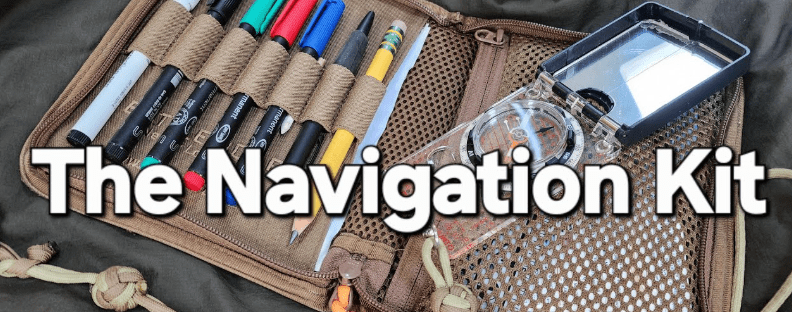
8. Navigation Gear — Because Phone GPS Is a Luxury

Technology-dependent people are going to be completely lost — literally. Batteries die. Cell towers fail. Satellites get compromised. And then what?

Your kit must include:

  • Compass
  • Physical map of your region
  • Backup notes of routes, landmarks, and safe zones

If you can’t navigate without a smartphone, you’re prey.


9. Food Rations — Because Hunger Makes People Stupid

When people get hungry, they make bad decisions — desperate decisions. You need rations that don’t rely on refrigeration, cooking, or delicate packaging.

Go for:

  • High-calorie emergency bars
  • Freeze-dried meals
  • Nuts and protein-dense snacks

This isn’t gourmet dining. This is “stay alive until tomorrow.”


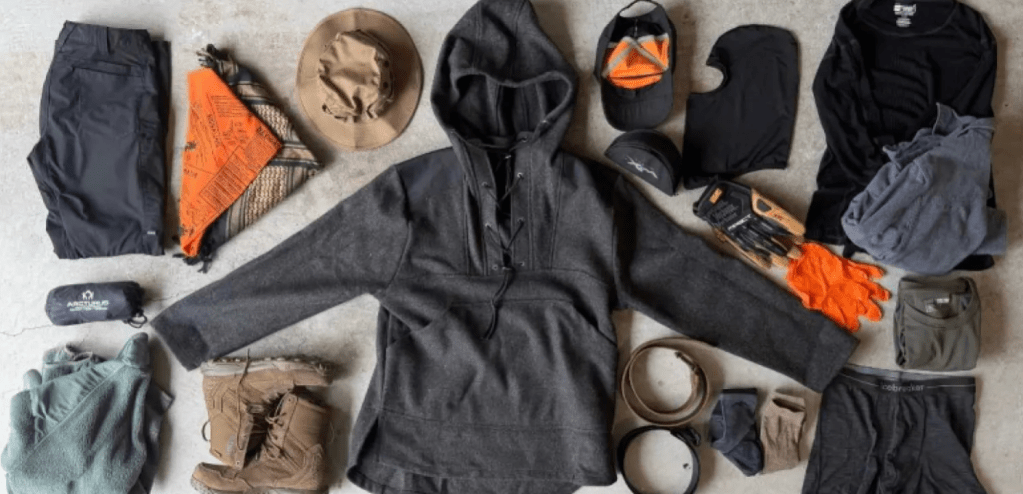
10. Clothing Layers — Because Weather Doesn’t Care About Your Plans

A proper survival kit includes more than gear — it includes what you wear. Weather changes faster than society collapses, and if you aren’t ready, the environment will make you pay.

Pack:

  • Thermal base layers
  • Waterproof shell
  • Wool socks
  • Gloves and a beanie

Comfort is optional. Protection is not.


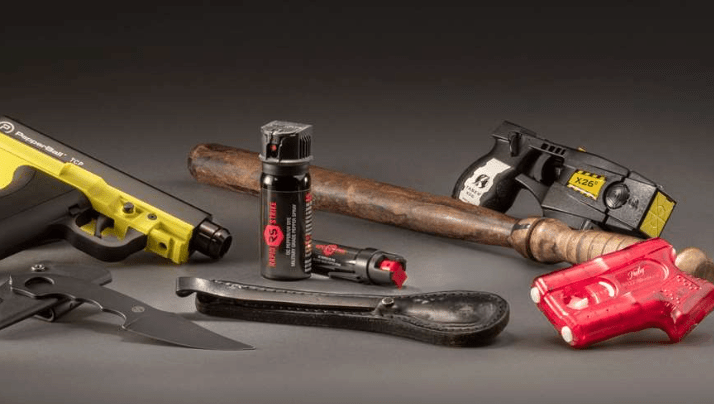
11. Self-Defense Tools — Because People Become the Real Threat

When systems fail, people unravel. Desperation turns good people dangerous, and dangerous people malicious. You don’t need paranoia — you need realism.

Consider carrying:

  • Pepper spray
  • A sturdy knife (again — you should have two)
  • A tactical pen
  • A self-defense training mindset

Because the worst thing you can do in a crisis is trust the wrong person.


12. The Mental Will to Survive

All the gear in the world can’t save someone who’s mentally weak. Survival demands grit — the kind this modern world has stripped from most people. When panic hits, when exhaustion tries to break you, when the world around you falls apart, the only thing that keeps you alive is your will.

And that’s something no one can pack for you.


Conclusion

The world is unpredictable, fragile, and full of people who think “preparedness” is unnecessary until it’s too late. Don’t be one of them. Build your survival kit like your life depends on it — because one day, it might.

When the world fails — and it will — your survival kit is either your life insurance or a reminder of your own negligence. Choose wisely.

How To Stay Safe and Survive During a Riot in Florida (Especially Miami)

Riot situations can spark off in a flash—especially in high-tension environments like Florida, where political tensions, natural disasters, and cultural divides can stir the pot quickly. If you’re not prepared when the chaos ignites, you could find yourself trapped, vulnerable, or worse. This guide is written not by a theorist or keyboard warrior, but by someone who’s trained, tested, and lived the prepper life. I’m going to walk you through real, tactical knowledge—not fluff—on how to survive a riot, defend yourself and your family, and even build your own survival tools if the grid fails or law enforcement is overwhelmed.

Let’s break it down into essential areas: self-defense skills, DIY survival weapon builds, and practical tips for riot survival in Florida’s urban and suburban settings.


Understanding the Threat

Florida is a hot zone in more ways than one. You’ve got densely populated metro areas like Miami, Tampa, and Orlando, combined with racial, political, and economic friction. A major protest can turn violent in hours. When it does, roads clog, police are spread thin, and looters target homes and businesses. Knowing how to react—and when—is your edge.


8 Crucial Self-Defense Skills for Riot Survival

1. Situational Awareness

The number one self-defense skill isn’t a punch or a weapon—it’s awareness. Keep your head on a swivel. Don’t get tunnel vision. Always scan exits, observe crowd behavior, and listen for shifts in tone—chants getting louder, police forming lines, people suddenly running. These are your cues to move.

2. Verbal De-escalation

Most threats can be avoided by staying calm and using the right words. Avoid eye contact with aggressive individuals. Speak clearly, with a low tone. Avoid insults. Say things like, “I don’t want trouble,” or “Let’s just keep moving.” Being able to defuse tension can keep you off someone’s radar.

3. Open-Hand Combat Techniques

You don’t need to be a black belt to defend yourself. Master three basics: palm strikes to the chin/nose, elbows to the jaw or ribs, and knee strikes to the midsection. These are powerful, quick, and can drop an attacker long enough for you to escape.

4. Escape and Evasion Tactics

Learn how to blend in with the crowd, take alternate routes, and stay out of choke points (like alleyways and dead-end streets). Avoid police frontlines and looter groups alike. Carry a map, not just a phone, in case GPS fails.

5. Improvised Weapon Use

If you’re not carrying a legal self-defense weapon, look around. A tactical flashlight, metal water bottle, belt buckle, or even a rolled-up magazine can be used for defense. Train your mind to see ordinary items as tools or weapons.

6. Ground Defense

If someone takes you down, don’t panic. Keep your chin tucked, bring your knees in, and cover your head. From your back, use your legs to create distance. Kick at the knees, shins, or groin to buy space to get back up.

7. Group Movement Tactics

If you’re with family or a small group, assign roles. One leads, one watches the rear, one keeps visual on surroundings. Stay close but not huddled—move like a team. Have a rally point if separated.

8. Adrenaline Control

Train your breathing. When adrenaline spikes, your motor control drops. Use box breathing: inhale for 4 seconds, hold for 4, exhale for 4, hold for 4. It keeps your mind sharp and reactions clear during chaos.


3 DIY Survival Weapons You Can Build Fast

If things escalate and you’re cut off from help, you may need to craft weapons from materials around you. These are not for intimidation—they are for last-resort defense. Be smart, know the laws, and only use if legally and morally justified.

1. PVC Pipe Baton

Grab a 2-foot section of PVC pipe (1-inch diameter), fill it with sand or concrete mix, and seal both ends with duct tape or rubber caps. Wrap it in paracord or grip tape. You now have a powerful blunt weapon that doubles as a walking stick.

2. Slingshot from Surgical Tubing

Using a Y-shaped tree branch or sturdy plastic forked handle, attach surgical tubing (or bike inner tube strips) and a leather patch. Use it to launch ball bearings, small rocks, or even marbles. Quiet, compact, and effective.

3. Spear with a Kitchen Knife

Lash a sturdy kitchen knife to a broomstick or closet dowel rod using paracord, duct tape, or zip ties. Sharpen the end of the pole if no knife is available. This extends your reach and gives you a stand-off advantage in close encounters.


Florida-Specific Riot Survival Tips

Florida’s landscape, laws, and climate play a big role in how you prepare:

  • Heat and Humidity: Always carry water purification tablets and electrolyte packs. Dehydration and heatstroke will ruin your mobility.
  • Hurricane-Prone Seasons: Riots often spike during or after disasters. Stock a bug-out bag year-round and rotate supplies every 90 days.
  • Castle Doctrine State: Know your rights. Florida law supports self-defense in your home and even your vehicle. But outside your home, use restraint—courtrooms aren’t forgiving just because you’re armed.
  • Transportation Routes: Avoid highways and interstates during riots. Use secondary roads and have backup routes planned. Always keep a half tank of gas minimum.
  • Curfews and Checkpoints: These often pop up during civil unrest. Have printed ID, a calm story, and keep any weapons legally carried and out of reach.

What to Pack: Quick Riot Survival Kit

  • Compact trauma first-aid kit
  • Tactical flashlight (1000+ lumens)
  • N95 or gas mask (if tear gas is deployed)
  • Portable radio (battery or hand-crank)
  • Knife (fixed blade or folding, legal length)
  • Cash (ATMs often go down)
  • Water filter straw
  • Compact food (MREs or protein bars)
  • Local paper maps
  • Emergency whistle

Keep it in your car, your backpack, or by the door—wherever it’s ready to grab fast.


Final Word: Mental Fortitude

Riots are not games. People die. People get traumatized. If you’ve trained your body but not your mind, you’ll freeze when it counts. Mental resilience comes from preparation, scenario planning, and building confidence through training. Don’t wait for it to happen to “start thinking like a survivor.” The time is now.

I’m not here to tell you to go full commando in the suburbs. I’m telling you to be prepared enough that when things hit the fan in Florida—whether from a protest gone violent, a collapsed supply chain, or a disaster aftermath—you’re the calm one. The protector. The survivor.