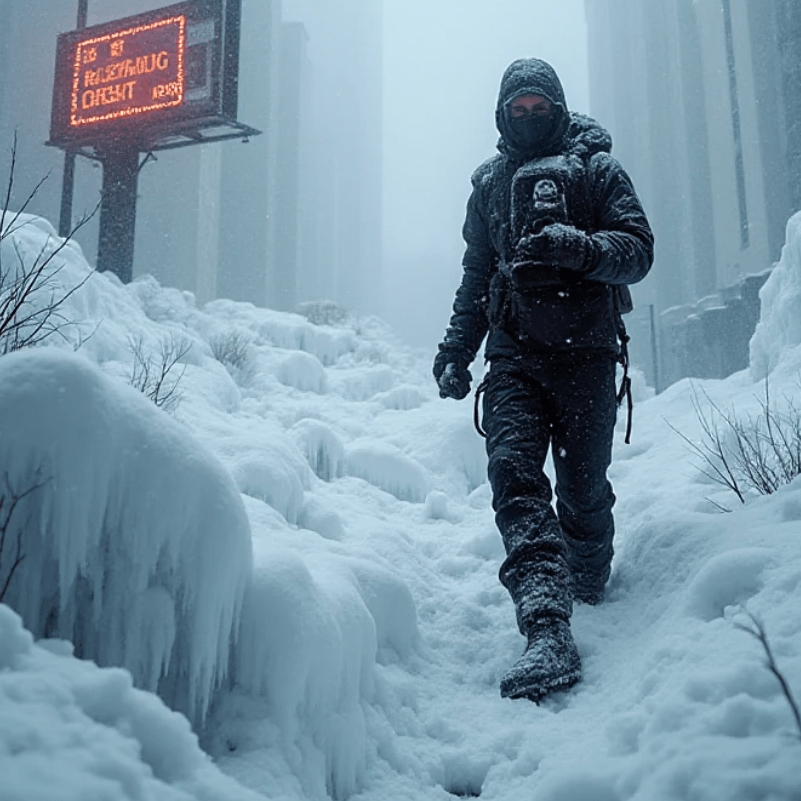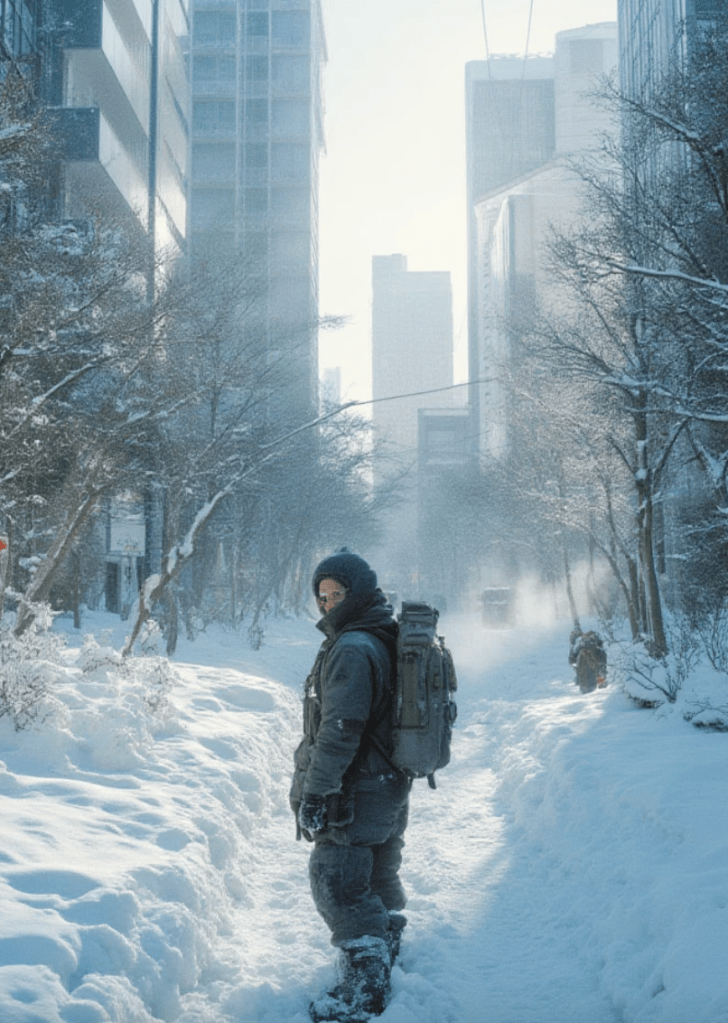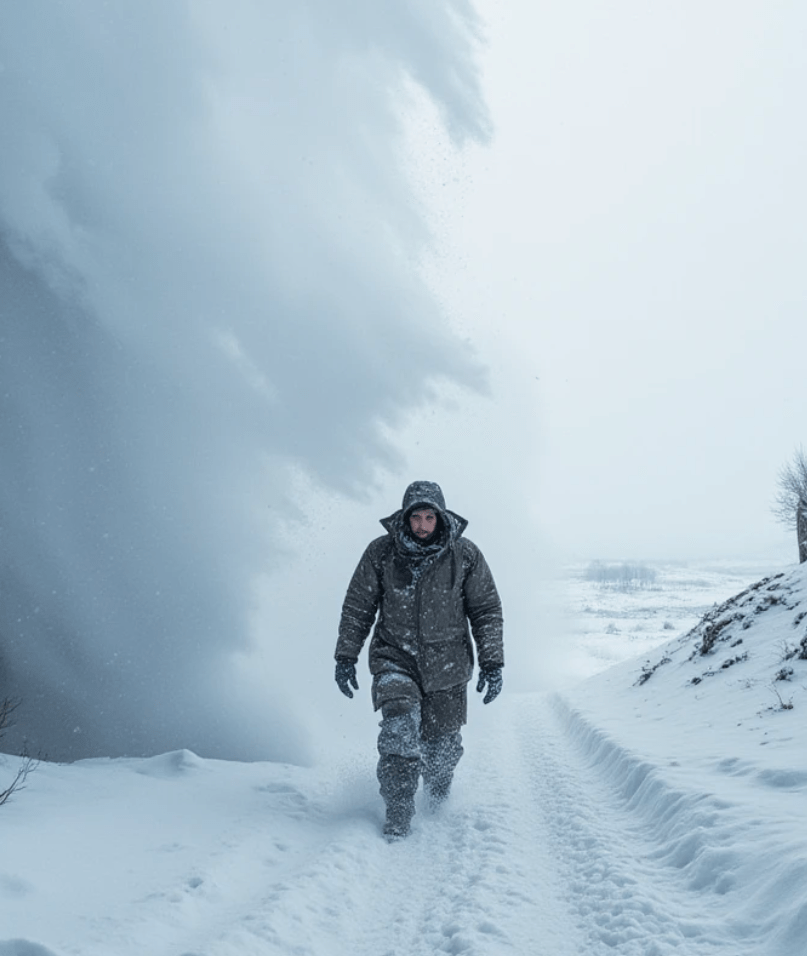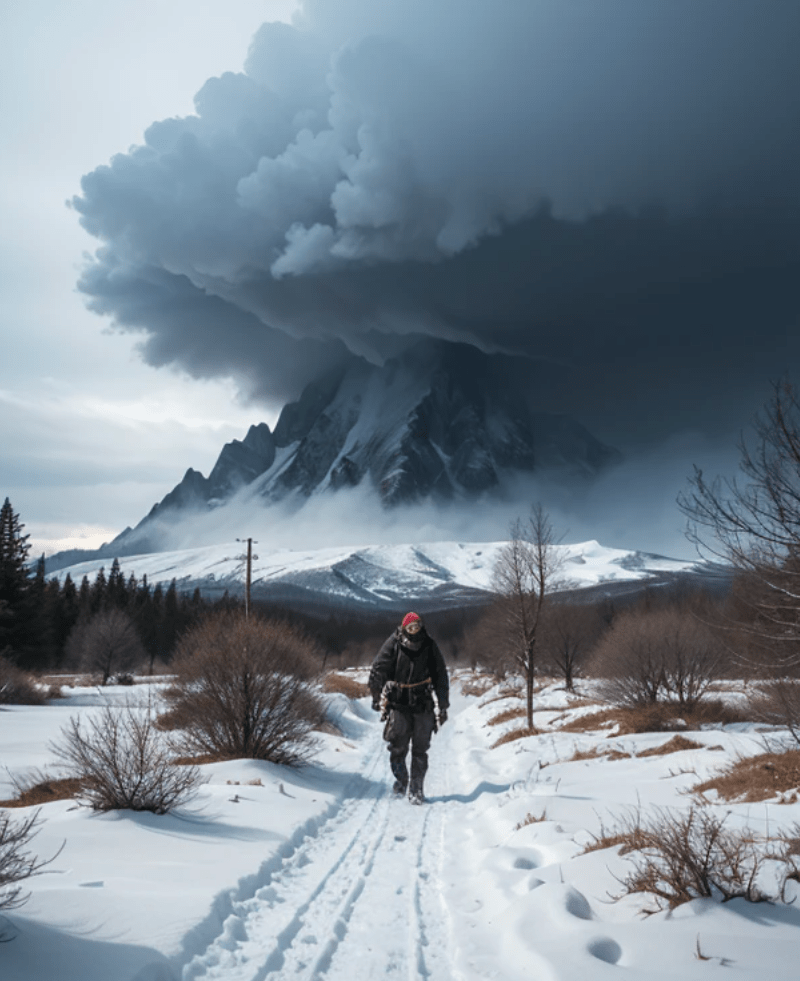
The Brutal Reality of Dying in an Alaska Winter Storm (And How to Stay Alive When Others Don’t)

Let me be very clear: Alaska winter storms are not comparable to the rest of the United States.
If you bring a “Lower 48” mindset into an Alaska winter, you are a liability — to yourself and to anyone who has to rescue you.

I’ve seen it happen repeatedly. People move to Alaska, visit Alaska, or grow up here and get complacent. They underestimate cold, distance, darkness, isolation, and how fast the environment strips away mistakes.

In Alaska, winter storms don’t inconvenience you. They cut you off — from power, from food, from roads, from help, and sometimes from daylight itself.

Out here, survival isn’t optional. It’s mandatory.


How Winter Storms Actually Kill People in Alaska

Deaths during Alaska winter storms are not random. They are predictable and brutal — and they happen the same ways every year.


1. Hypothermia — The Primary Killer

Hypothermia is the number one cause of winter storm deaths in Alaska.

And it happens fast.

It occurs when:

  • Temperatures plunge far below zero
  • Wind chill accelerates heat loss
  • Power goes out for days or weeks
  • People underestimate exposure time

In Alaska, you don’t need hours to become hypothermic. Sometimes minutes are enough — especially with wind.

Once hypothermia starts:

  • Judgment collapses
  • Coordination fails
  • People make fatal decisions

Cold here doesn’t negotiate. It ends conversations.


2. Carbon Monoxide Poisoning (Deadly and Shockingly Common)

Every winter storm in Alaska brings carbon monoxide deaths.

People run:

  • Generators inside homes or garages
  • Propane heaters without ventilation
  • Camp stoves indoors
  • Vehicles near structures

Carbon monoxide is invisible and odorless. You won’t feel panic. You’ll feel tired — and then you won’t feel anything.

If you live in Alaska without battery-powered carbon monoxide detectors, you are living dangerously — whether you admit it or not.


3. Becoming Stranded — The Alaska Specialty

This one kills people who thought they were “just running a quick trip.”

Winter storms shut down:

  • Bush roads
  • Ice roads
  • Highways
  • Runways
  • Snow machine trails

People die because they:

  • Travel without survival gear
  • Run out of fuel
  • Lose visibility
  • Get stuck in whiteouts
  • Rely on GPS instead of reality

In Alaska, stranded doesn’t mean “late.”
It means isolated, often with no cell service and no immediate rescue.

Your vehicle becomes your shelter — or your grave.


4. Ice, Avalanches, and Structural Failures

Alaska winter storms bring:

  • Roof collapses from snow load
  • Ice-related falls
  • Avalanches in mountainous regions
  • Structural fires caused by unsafe heating

People die because they:

  • Ignore load limits
  • Walk carelessly on ice
  • Use unsafe heat sources
  • Push beyond environmental limits

The margin for error here is razor thin.


5. Medical Dependency Failures During Long Outages

This is one of the deadliest realities of Alaska winters.

People relying on:

  • Oxygen concentrators
  • Dialysis support
  • Refrigerated medications
  • Electric mobility devices

…are at extreme risk during extended outages.

In many areas, outages last days or weeks, not hours. Emergency response is delayed. Flights are grounded. Roads are impassable.

If you don’t have backup power, you are on borrowed time.


Will Grocery Stores Go Empty During an Alaska Winter Storm?

Yes — and often before the storm even arrives.

Alaska depends heavily on:

  • Barges
  • Planes
  • Long-distance trucking

When storms hit:

  • Deliveries stop
  • Flights are grounded
  • Barges delay
  • Shelves empty fast

What disappears first:

  • Water
  • Shelf-stable food
  • Fuel
  • Propane
  • Batteries
  • Firewood

In rural villages, resupply can take weeks.

If your plan involves “going to the store,” you don’t understand where you live.


Why Survival Prepping Is Mandatory in Alaska

Prepping in Alaska isn’t a hobby. It’s baseline competence.

Alaska requires preparation because:

  • Cold is extreme and prolonged
  • Darkness lasts weeks or months
  • Communities are isolated
  • Emergency response is delayed
  • Infrastructure is fragile

The environment does not care about optimism.
It respects preparation and punishes ignorance.


Survival Food Prepping for Alaska Winter Storms

Food is heat. Food is energy. Food is survival.

Best Survival Foods to Store

Focus on foods that:

  • Don’t require refrigeration
  • Can be eaten cold
  • Deliver high calories and fat

Top choices:

  • Canned meats (salmon, beef, chicken)
  • Beans and lentils
  • Rice and pasta
  • Oatmeal
  • Peanut butter
  • Protein bars
  • Freeze-dried meals
  • High-fat shelf-stable foods

In Alaska, you should store at least 14–30 days of food per person, especially in rural areas.

Cold burns calories aggressively. Starvation accelerates death.


Water: Non-Negotiable in Frozen Conditions

Winter storms freeze pipes and water systems.

Minimum rule:

  • 1 gallon per person per day
  • Store 14–30 days minimum

Melting snow requires fuel and time — both of which may be limited.

Store water ahead of time or have multiple purification methods.


Solar Generators: A Survival Force Multiplier in Alaska

Gas generators are common — and necessary — but fuel logistics are brutal.

Solar generators provide:

  • Indoor-safe power
  • Quiet operation
  • No fuel dependency
  • Supplemental energy during daylight hours

They can power:

  • Medical devices
  • Lights
  • Radios
  • Phones
  • Electric blankets
  • Battery recharging systems

Look for:

  • 2,000Wh+ capacity
  • Cold-weather rated batteries
  • Expandable solar arrays

Solar doesn’t replace fuel generators in Alaska — it extends survival time, and that matters.


Essential Winter Storm Survival Supplies for Alaska

Home Survival Gear

  • Extreme cold-rated sleeping bags
  • Thermal blankets
  • Headlamps and lanterns
  • Battery-powered radio
  • Heavy winter clothing layers
  • Wool socks, gloves, hats

Safety Equipment

  • Fire extinguisher
  • First aid kit
  • Carbon monoxide detectors
  • Properly rated heaters
  • Fire-safe lighting

Vehicle Survival Kit (Absolutely Mandatory)

  • Arctic-rated sleeping bags
  • High-calorie emergency food
  • Water
  • Shovel
  • Jumper cables
  • Traction aids
  • Signal flares or beacons

How to Actually Survive an Alaska Winter Storm

Survival here is discipline and humility.

You survive by:

  • Staying put when warned
  • Conserving heat
  • Eating enough calories
  • Managing fuel carefully
  • Avoiding unnecessary travel

You die by:

  • Assuming rescue is fast
  • Traveling unprepared
  • Using unsafe heat sources
  • Ignoring weather warnings

Alaska doesn’t give second chances.


Final Reality Check

Alaska winter storms don’t care how tough you think you are. They don’t care how experienced you feel. They don’t care how confident you sound.

They care about:

  • Preparation
  • Heat
  • Calories
  • Power
  • Judgment

Prepared people survive Alaska.
Unprepared people become recovery operations.

You don’t prep in Alaska because you’re scared.
You prep because you understand exactly where you are.


The Hard Truth About Dying in a New York Winter Storm (And How to Stay Alive)


How Do Most People Die in a Winter Storm in the State of New York — And How to Survive One

If you live in New York and think winter storms are “nothing new,” congratulations — that mindset is exactly why people die every single year.

I’ve been a survival prepper long enough to watch New Yorkers shrug off storm warnings, mock preparation, and assume infrastructure will save them. Then the power goes out. Roads close. Emergency services get overwhelmed. And suddenly everyone realizes they are far more dependent than they thought.

New York winter storms don’t just affect rural areas or upstate regions. They kill people in cities, suburbs, small towns, and mountain communities alike. From lake-effect blizzards to ice storms, Nor’easters, and polar cold snaps — winter in New York is unforgiving.

And no, experience doesn’t equal preparedness.


How Winter Storms Actually Kill People in New York

Let’s be clear: winter storms don’t kill randomly. They kill predictably — the same ways, every time.

Here’s how most deaths actually happen in New York winter storms.


1. Hypothermia — Even Indoors

Hypothermia is the leading cause of winter storm deaths in New York.

People assume hypothermia only happens outdoors. That’s wrong.

It happens when:

  • Power goes out
  • Heating systems fail
  • Temperatures drop below freezing
  • Wind strips heat from poorly insulated buildings

Older homes, apartments, and high-rise buildings lose heat fast. Elevators stop working. Hallways become wind tunnels. People try to “wait it out” instead of preparing.

Once your core body temperature drops, judgment disappears. People stop making smart decisions — and that’s usually the beginning of the end.

Cold kills quietly.


2. Carbon Monoxide Poisoning (A Deadly, Repeating Mistake)

Every major New York winter storm results in carbon monoxide deaths. Every single one.

People:

  • Run generators in apartments or garages
  • Use grills, camp stoves, or propane heaters indoors
  • Burn fuel improperly in enclosed spaces

Carbon monoxide has no smell. No warning. No mercy.

If you don’t have battery-powered carbon monoxide detectors, you are rolling the dice with your life for no reason.

This is not bad luck. This is preventable ignorance.


3. Vehicle-Related Deaths During Storms

New York drivers consistently overestimate their abilities in winter conditions.

People die because they:

  • Drive during whiteouts
  • Get stuck on highways
  • Run out of fuel
  • Sit in snow-blocked vehicles
  • Don’t clear exhaust pipes

Lake-effect snow can dump feet of snow in hours. Roads shut down fast. When traffic stops, vehicles turn into refrigerators.

If you don’t have a winter car survival kit, your vehicle is not a safety plan — it’s a liability.


4. Falls, Ice Injuries, and Shoveling-Related Heart Attacks

Ice kills more New Yorkers than snow.

Common causes:

  • Slipping on untreated sidewalks
  • Falling on stairs
  • Overexertion while shoveling
  • Ignoring physical limitations

Cold constricts blood vessels. Heavy snow shoveling pushes the heart past its limits. Every winter, people collapse mid-driveway because they refused to slow down.

Survival requires patience, not pride.


5. Medical Equipment Failure During Power Outages

This one doesn’t get enough attention.

People who rely on:

  • Oxygen concentrators
  • Dialysis support equipment
  • Refrigerated medications
  • Powered mobility devices

…are at extreme risk during extended outages.

During major New York storms, emergency services get overwhelmed fast. Hospitals prioritize life-threatening emergencies. If you don’t have backup power, you are dangerously exposed.


Will Grocery Stores Go Empty During a New York Winter Storm?

Yes. And they empty faster than people want to admit.

Every storm forecast triggers:

  • Panic buying
  • Shelf stripping
  • Supply chain disruptions

What disappears first:

  • Bread
  • Milk
  • Eggs
  • Bottled water
  • Canned food
  • Batteries
  • Flashlights

In heavy storms, delivery trucks stop moving. Stores close due to power outages or staff shortages. Urban areas aren’t immune — they’re often worse because of population density.

If you wait until the storm is announced, you’re already late.


Why Survival Prepping Is Critical in New York

New York has:

  • Aging infrastructure
  • Dense populations
  • Long emergency response times during storms
  • Severe winter weather variability

When the grid fails, millions are affected at once. You cannot depend on speed, convenience, or outside help.

Prepping is not paranoia. It’s accepting reality.

Prepared people stay warm, fed, and informed. Unprepared people freeze, panic, and wait for rescue that may not arrive quickly.


Survival Food Prepping for New York Winter Storms

Food is survival fuel — especially in cold environments.

Best Survival Foods to Stock

Choose foods that:

  • Don’t require refrigeration
  • Can be eaten without cooking
  • Provide high calories

Top options:

  • Canned meats (tuna, chicken, beef)
  • Beans and lentils
  • Rice and pasta
  • Oatmeal
  • Peanut butter
  • Protein bars
  • Shelf-stable soups
  • Freeze-dried meals

You should store at least 7–14 days of food per person in New York. Urban living doesn’t change biology — cold burns calories fast.


Water: The Forgotten Essential

People assume water will always flow. Winter storms prove otherwise.

Pipes freeze. Treatment plants lose power. Boil-water advisories appear.

Minimum storage:

  • 1 gallon per person per day
  • Store 7–10 days minimum

If water stops flowing, hydration becomes a survival issue very quickly — even in winter.


Solar Generators: A Smart Backup Power Solution

Gas generators work — but they come with risk, fuel dependency, and ventilation requirements.

Solar generators offer:

  • Indoor-safe power
  • Quiet operation
  • No fuel dependency
  • Low maintenance

They can power:

  • Medical devices
  • Lights
  • Phones
  • Radios
  • Electric blankets
  • Refrigerators intermittently

Look for:

  • 1,000–2,000Wh capacity
  • Expandable solar panels
  • Multiple output ports

Power equals safety. Darkness equals danger.


Essential Winter Storm Survival Supplies for New York

Home Survival Essentials

  • Thermal blankets
  • Cold-rated sleeping bags
  • Flashlights and headlamps
  • Battery-powered radio
  • Extra batteries
  • Layered winter clothing
  • Gloves, hats, thermal socks

Safety Gear

  • Fire extinguisher
  • First aid kit
  • Carbon monoxide detectors
  • Safe space heaters
  • Fire-safe candles

Vehicle Survival Kit

  • Heavy blankets
  • Water
  • High-calorie food
  • Shovel
  • Jumper cables
  • Ice scraper
  • Flares or reflectors

How to Actually Survive a New York Winter Storm

Survival is about restraint.

You survive by:

  • Staying home
  • Conserving heat
  • Eating enough calories
  • Using backup power wisely
  • Avoiding unnecessary travel

You die by:

  • Driving when warned not to
  • Ignoring outage timelines
  • Using unsafe heat sources
  • Waiting until the last minute

Storms don’t reward confidence. They reward preparation.


Final Reality Check

New York winter storms don’t care how tough you think you are. They don’t care that you’ve “seen worse.” They don’t care how busy you are.


They care about exposure, calories, heat, and planning.

Prepared people endure storms. Unprepared people become statistics.

You don’t prepare because you’re afraid. You prepare because you’re not stupid.

New Mexico Winter Storms Don’t Care Where You Live — They Kill the Unprepared


How Do Most People Die in a Winter Storm in the State of New Mexico — And How to Survive One

Let’s get one thing straight right out of the gate: New Mexico is not “warm” in the winter. Anyone who thinks desert equals safety is already behind the curve — and that mindset gets people killed every single year.

I’ve been prepping long enough to watch the same mistakes repeat themselves over and over. People in New Mexico underestimate elevation, wind, isolation, infrastructure failure, and cold because the sun is out and the sky looks calm. Then the temperature drops 30 degrees overnight, the power goes out, the roads close, and suddenly reality hits hard.

Winter storms in New Mexico don’t kill people loudly like hurricanes. They kill quietly — through cold, isolation, fuel shortages, and total lack of preparation.

And no, help is not coming as fast as you think out here.


How Winter Storms Actually Kill People in New Mexico

Winter storms in New Mexico don’t look like East Coast blizzards, but they are just as deadly — sometimes more so — because people are spread out, resources are thin, and emergency response times are longer.

Here’s how people actually die.


1. Hypothermia in “Mild” Temperatures

This is the number one killer during New Mexico winter storms.

People think hypothermia only happens in snowstorms. Wrong. It happens when:

  • Temperatures drop below freezing at night
  • Power goes out
  • Wind strips heat from homes
  • People don’t have backup heat

High elevation areas — Santa Fe, Taos, Ruidoso, Farmington, Las Vegas (NM), Gallup — get brutally cold. Even lower elevations experience dangerous nighttime temperature drops.

People die because they:

  • Don’t own enough blankets
  • Have no backup heat
  • Don’t layer indoors
  • Assume the outage will be short

Cold plus wind plus darkness equals rapid heat loss. Hypothermia doesn’t care if the sun was out six hours earlier.


2. Carbon Monoxide Poisoning (Deadly and Preventable)

Every winter storm in New Mexico brings carbon monoxide deaths.

People run:

  • Gas generators indoors
  • Propane heaters inside enclosed rooms
  • Camp stoves or grills inside homes

Carbon monoxide kills silently. You don’t feel pain. You don’t smell danger. You just pass out and never wake up.

If you live in New Mexico and do not have battery-powered carbon monoxide detectors, you are taking an unnecessary and stupid risk.


3. Getting Stranded in Remote Areas

This one is huge in New Mexico.

Winter storms shut down:

  • Rural highways
  • Mountain passes
  • Back roads
  • Reservation roads
  • Dirt and gravel roads

People die because they:

  • Drive during storms
  • Underestimate distance between towns
  • Run out of fuel
  • Don’t carry winter survival gear in their vehicle

In New Mexico, you don’t just get stuck — you get isolated. Cell service disappears. Help is hours or days away. Your vehicle becomes your shelter whether you like it or not.


4. Home Heating Failures and Fire Deaths

Improvised heating kills people every winter.

Common mistakes:

  • Overloading electrical systems
  • Using unsafe space heaters
  • Burning wood improperly
  • Leaving heaters unattended

Winter storms increase fire deaths because people panic and use heat sources they don’t understand.

Cold pushes people into bad decisions. Fire finishes the job.


5. Dehydration and Lack of Food

Yes, dehydration — in winter.

Cold suppresses thirst, and when:

  • Water pipes freeze
  • Power goes out
  • Stores close
  • Roads shut down

People find themselves without safe drinking water or enough calories to stay warm.

Calories are heat. No food equals faster hypothermia.


Will Grocery Stores Go Empty During a New Mexico Winter Storm?

Absolutely — and often faster than people expect.

New Mexico relies heavily on long-distance supply chains. When roads close or trucks can’t move, shelves empty fast.

What disappears first:

  • Bottled water
  • Bread and milk
  • Eggs
  • Canned food
  • Propane canisters
  • Firewood

Rural areas get hit hardest. Small towns may not see deliveries for days.

If your plan is to “run to the store if it gets bad,” you don’t understand how winter storms work out here.


Why Survival Prepping Matters in New Mexico

Prepping matters more in New Mexico than in many other states because:

  • Communities are spread out
  • Emergency response is slower
  • Elevation increases cold risk
  • Infrastructure is fragile
  • Weather changes fast

The desert doesn’t forgive mistakes. It just makes them quieter.

When winter storms hit, you are responsible for yourself first.


Survival Food Prepping for New Mexico Winter Storms

Food is not optional — it’s fuel.

Best Survival Foods to Store

Focus on foods that:

  • Don’t require refrigeration
  • Can be eaten without cooking
  • Are calorie-dense

Top choices:

  • Canned meats (chicken, tuna, spam)
  • Beans and lentils
  • Rice and pasta
  • Oatmeal
  • Peanut butter
  • Shelf-stable soups
  • Protein bars
  • Freeze-dried meals

You should store at least 10–14 days of food per person in New Mexico, especially in rural or mountain areas.

Cold burns calories fast. Hunger weakens judgment.


Water: Critical in Cold Desert Conditions

New Mexico winters bring frozen pipes and water system failures.

Minimum rule:

  • 1 gallon per person per day
  • Store 7–14 days minimum

If your water source fails, you cannot rely on snow melt alone — and boiling requires power or fuel.

Store water. Period.


Solar Generators: A Game-Changer for New Mexico

New Mexico is one of the best states in the country for solar — even in winter.

Solar generators allow you to:

  • Power medical devices
  • Run lights
  • Charge phones and radios
  • Power small heaters or electric blankets
  • Keep food from spoiling

Look for:

  • 1,000–2,000Wh minimum capacity
  • Expandable solar panels
  • Multiple output ports

Unlike gas generators, solar units can run indoors safely and don’t rely on fuel deliveries.


Essential Winter Storm Survival Supplies for New Mexico

Home Survival Gear

  • Thermal blankets
  • Cold-rated sleeping bags
  • Headlamps and flashlights
  • Battery-powered radio
  • Extra batteries
  • Layered winter clothing
  • Gloves, hats, socks

Safety Supplies

  • Fire extinguisher
  • First aid kit
  • Carbon monoxide detectors
  • Safe space heaters
  • Firewood or propane (stored properly)

Vehicle Survival Kit (Non-Negotiable)

  • Heavy blankets
  • Water
  • High-calorie food
  • Shovel
  • Jumper cables
  • Tire chains (mountain areas)
  • Flares or reflectors

How to Actually Survive a New Mexico Winter Storm

Survival isn’t dramatic. It’s disciplined.

You survive by:

  • Staying put
  • Conserving heat
  • Eating enough calories
  • Using backup power smartly
  • Avoiding unnecessary travel

You die by:

  • Driving when warned not to
  • Assuming help is close
  • Underestimating cold
  • Waiting until the last minute

New Mexico winters punish arrogance.

How New Jersey Winter Storms Really Kill People — And How to Make Sure You’re Not One of Them

I’ve been prepping for years, and I’m going to say this plainly because sugarcoating gets people killed: most people who die in winter storms don’t die because the storm was “too strong.” They die because they were unprepared, stubborn, ignorant, or lazy.

New Jersey is not immune to brutal winter weather. Nor’easters, blizzards, ice storms, whiteout conditions, sub-freezing temperatures, and multi-day power outages happen here regularly — and every single year people act surprised like this is brand new information.

It isn’t.

This article exists because too many people still think “it won’t be that bad” right up until they’re freezing, trapped, hungry, or dead. If that sentence offends you, good — that means you need to read this more than anyone else.


How Winter Storms Actually Kill People in New Jersey

Let’s clear up the biggest lie first: snow itself doesn’t kill people. Behavior does.

Here are the top ways people die during winter storms in New Jersey — over and over and over again.


1. Exposure and Hypothermia (The Silent Killer)

Hypothermia is the #1 killer in winter storms.

It doesn’t require arctic conditions. People in New Jersey die from hypothermia inside their own homes every winter when power goes out and temperatures drop.

Common mistakes:

  • No backup heat source
  • Relying solely on the power grid
  • Not owning proper winter clothing indoors
  • Assuming the outage will “only last a few hours”

Hypothermia sets in when your core body temperature drops below 95°F. Once that happens, judgment declines, movement slows, and people make stupid decisions — like going outside when they shouldn’t or falling asleep and never waking up.

Cold doesn’t care how confident you are.


2. Carbon Monoxide Poisoning (The Most Avoidable Death)

Every major winter storm brings carbon monoxide deaths. Every single one.

People:

  • Run generators indoors or in garages
  • Use grills, propane heaters, or camp stoves inside
  • Burn candles improperly in enclosed spaces

Carbon monoxide is odorless, invisible, and ruthless. You don’t “feel” it coming. You just get sleepy… then you’re done.

If you do not own battery-powered CO detectors, you are gambling with your life for no reason.


3. Vehicle-Related Deaths (Stupidity on Wheels)

New Jersey drivers love to believe they’re invincible. Winter storms prove otherwise.

People die because they:

  • Drive during whiteouts
  • Get stranded on highways
  • Run out of fuel
  • Sit in snow-covered cars with blocked exhaust pipes
  • Try to “just make it home”

Vehicles become freezers on wheels during winter storms. If you don’t have a winter car kit, your car is not a safety net — it’s a coffin with a steering wheel.


4. Falls, Ice Injuries, and Heart Attacks

Shoveling snow kills more people than most storms themselves.

  • Slipping on ice
  • Overexertion
  • Ignoring medical limitations
  • Not taking breaks
  • No traction gear

Heart attacks spike during blizzards because people push themselves instead of working smart. Cold constricts blood vessels. Heavy lifting in freezing weather is a perfect recipe for disaster.


5. Medical Equipment Failure During Power Outages

If you or someone in your household relies on:

  • Oxygen machines
  • Refrigerated medications
  • Electric mobility devices

…and you don’t have a backup power plan, you are one outage away from catastrophe.

Hospitals get overwhelmed during storms. Emergency services get delayed. You are expected to survive on your own longer than you think.


Will Grocery Stores Go Empty During a New Jersey Winter Storm?

Yes. And they already do — every time snow is forecasted.

The shelves don’t empty because of the storm itself. They empty because people panic-buy at the last second like they’ve learned nothing from the last 20 winters.

Within hours:

  • Bread disappears
  • Milk vanishes
  • Eggs are gone
  • Canned food gets wiped out
  • Water is stripped bare

Supply trucks don’t magically teleport through blizzards. If roads are closed, deliveries stop. If power is out, stores close.

If your plan is “I’ll just run to the store if it gets bad,” you don’t have a plan. You have a fantasy.


Why Survival Prepping Matters During Winter Storms

Prepping isn’t paranoia. It’s responsibility.

Winter storms don’t ask permission. They don’t care about your job, your schedule, or your opinions. The grid is fragile. Emergency services are stretched thin. You are expected to handle yourself.

Prepping gives you:

  • Warmth when the grid fails
  • Food when stores close
  • Power when darkness hits
  • Control when chaos spreads

The people who mock preparedness are always the first ones begging for help when things go sideways.


Survival Food Prepping for New Jersey Winter Storms

You don’t need to be extreme — you need to be consistent.

Best Survival Foods to Stock

Focus on foods that:

  • Don’t require refrigeration
  • Can be eaten cold if necessary
  • Are calorie-dense

Top choices:

  • Canned meats (tuna, chicken, beef)
  • Beans (black, kidney, lentils)
  • Rice and pasta
  • Oatmeal
  • Peanut butter
  • Protein bars
  • Freeze-dried meals
  • Shelf-stable soups
  • Powdered milk

You should have at least 7–14 days of food per person. Not snacks. Actual meals.

Calories matter more than variety in cold conditions.


Water: The Most Ignored Survival Supply

Winter storms knock out water treatment plants and freeze pipes.

Minimum rule:

  • 1 gallon of water per person per day
  • Store at least 7–10 days

If pipes freeze or burst, you won’t be able to boil water without power. Store water ahead of time or invest in water purification options.


Solar Generators: The Smart Prepper’s Secret Weapon

Gas generators are useful — but they require fuel, ventilation, and constant management.

Solar generators are quieter, safer, and usable indoors.

Best uses:

  • Power medical devices
  • Charge phones
  • Run lights
  • Power small heaters or electric blankets
  • Keep refrigerators running intermittently

Look for solar generators with:

  • At least 1,000–2,000Wh capacity
  • Multiple output options
  • Expandable solar panels

Power equals control. Darkness equals panic.


Essential Winter Storm Survival Supplies

If you live in New Jersey and don’t own these, fix that immediately:

Core Survival Gear

  • Battery-powered radio
  • Headlamps and flashlights
  • Extra batteries
  • Thermal blankets
  • Cold-weather sleeping bags
  • Layered winter clothing
  • Gloves, hats, scarves

Safety Gear

  • Fire extinguisher
  • First aid kit
  • Carbon monoxide detectors
  • Ice cleats for boots
  • Snow shovel (ergonomic)

Vehicle Survival Kit

  • Blankets
  • Water
  • Flares
  • Jumper cables
  • Shovel
  • Cat litter or sand for traction
  • Emergency food

How to Actually Survive a New Jersey Winter Storm

Here’s the blunt truth: survival is boring and disciplined.

You survive by:

  • Staying home
  • Conserving heat
  • Eating enough calories
  • Avoiding unnecessary risks
  • Using backup power wisely
  • Monitoring weather updates

You do not survive by:

  • Driving unnecessarily
  • Ignoring warnings
  • Waiting until the last minute
  • Assuming help is coming quickly

Storms don’t kill prepared people. They kill complacent ones.


Winter storms in New Jersey are not rare. They are not unpredictable. They are not unavoidable.

Deaths happen because people refuse to prepare, refuse to listen, and refuse to respect the environment they live in.

You don’t need fear — you need foresight.

If this article made you uncomfortable, good. Comfort is what gets people killed. Preparation is what keeps you alive.

West Virginia Winter Storms Don’t Need Blizzards to Kill — They Just Need Complacency


How Do Most People Die in a Winter Storm in the State of West Virginia — And How to Survive One

If you live in West Virginia and think winter storms are “nothing compared to up north,” you are making the exact mistake that gets people killed here every single year.

I’ve watched it happen over and over. People underestimate elevation, winding mountain roads, aging infrastructure, and how fast isolation sets in. They assume help will arrive quickly. It won’t.

West Virginia winter storms don’t kill with spectacle. They kill with ice, darkness, power outages, blocked roads, and distance. When storms hit here, you’re not just cold — you’re cut off.

And if you didn’t prepare ahead of time, winter makes that painfully clear.


How Winter Storms Actually Kill People in West Virginia

Deaths during winter storms in West Virginia are not random. They follow predictable patterns — the same ones, every winter.


1. Hypothermia — Inside Rural Homes and Mobile Homes

Hypothermia is the leading cause of winter storm deaths in West Virginia.

And no, it doesn’t require record-breaking cold.

It happens when:

  • Ice storms knock out power
  • Heat pumps fail
  • Older homes lose heat quickly
  • People don’t have backup heat sources

Mobile homes, older houses, and poorly insulated cabins lose heat fast. Once indoor temperatures drop, hypothermia begins quietly.

People assume they can “bundle up and wait it out.” They underestimate how fast cold drains energy and judgment.

Cold kills patiently.


2. Carbon Monoxide Poisoning (A Deadly and Repeating Mistake)

Every major winter storm in West Virginia brings carbon monoxide poisonings.

People run:

  • Generators in garages or near homes
  • Propane heaters indoors
  • Camp stoves and grills inside
  • Fireplaces improperly

Carbon monoxide is invisible and odorless. You won’t feel pain. You’ll feel sleepy — and then you won’t wake up.

If you live in West Virginia without battery-powered carbon monoxide detectors, you are gambling with your life unnecessarily.


3. Getting Stranded on Mountain Roads

This one kills people every winter.

West Virginia storms shut down:

  • Mountain passes
  • Switchback roads
  • Secondary highways
  • Gravel and dirt roads

People die because they:

  • Drive during ice storms
  • Slide off mountain roads
  • Run out of fuel
  • Lose cell service
  • Don’t carry winter survival gear

In West Virginia, getting stranded doesn’t mean waiting an hour. It can mean waiting overnight or longer — in the cold.

Your vehicle becomes your shelter whether you planned for it or not.


4. Ice Falls, Roof Collapses, and Chainsaw Accidents

Ice storms are especially deadly here.

Deaths occur from:

  • Slipping on untreated ice
  • Falling while clearing roofs
  • Roof collapses under ice load
  • Chainsaw accidents during cleanup

People rush to “fix things” instead of slowing down. Cold, ice, and fatigue make mistakes fatal.

Survival requires patience — not urgency.


5. Power Outages and Medical Dependency Failures

West Virginia’s infrastructure is vulnerable during winter storms.

People relying on:

  • Oxygen concentrators
  • CPAP machines
  • Refrigerated medications
  • Electric mobility devices

…are at serious risk when outages last days.

Mountain terrain delays crews. Ice blocks access roads. Emergency response slows dramatically.

If you don’t have backup power, you’re exposed.


Will Grocery Stores Go Empty During a West Virginia Winter Storm?

Yes — and often faster than people expect.

West Virginia relies heavily on:

  • Mountain trucking routes
  • Limited delivery schedules
  • Smaller local stores

When storms hit:

  • Trucks can’t get through
  • Shelves empty quickly
  • Rural areas wait days for restocks

What disappears first:

  • Bread
  • Milk
  • Eggs
  • Bottled water
  • Canned food
  • Batteries
  • Firewood

If your plan is “I’ll grab supplies when it starts snowing,” you’re already too late.


Why Survival Prepping Matters in West Virginia

Prepping is critical here because:

  • Terrain slows emergency response
  • Ice storms cripple power lines
  • Rural communities are isolated
  • Weather changes rapidly with elevation

Prepping isn’t fear — it’s responsibility.

Prepared people stay warm, fed, and safe. Unprepared people wait in the dark and hope.

Hope is not a survival strategy.


Survival Food Prepping for West Virginia Winter Storms

Food keeps your body warm and functional.

Best Survival Foods to Store

Choose foods that:

  • Don’t require refrigeration
  • Can be eaten cold
  • Are calorie-dense

Top choices:

  • Canned meats (chicken, tuna, beef)
  • Beans and lentils
  • Rice and pasta
  • Oatmeal
  • Peanut butter
  • Protein bars
  • Shelf-stable soups
  • Freeze-dried meals

In West Virginia, store at least 7–14 days of food per person, more if you’re rural or mountainous.

Cold burns calories faster than people realize.


Water: A Hidden Risk in Winter

Frozen pipes are common during West Virginia storms.

Minimum storage:

  • 1 gallon per person per day
  • Store at least 7–10 days

If water systems fail, boiling requires fuel or power — neither guaranteed during outages.

Store water ahead of time.


Solar Generators: A Smart Backup Power Option

Gas generators are common in West Virginia — but fuel access can be limited during storms.

Solar generators offer:

  • Indoor-safe power
  • Quiet operation
  • No fuel dependency
  • Reliable backup energy

They can power:

  • Medical devices
  • Lights
  • Phones
  • Radios
  • Electric blankets
  • Refrigerators intermittently

Look for:

  • 1,000–2,000Wh capacity
  • Expandable solar panels
  • Multiple output ports

Power keeps you alive when roads are impassable.


Essential Winter Storm Survival Supplies for West Virginia

Home Survival Essentials

  • Thermal blankets
  • Cold-rated sleeping bags
  • Flashlights and headlamps
  • Battery-powered radio
  • Extra batteries
  • Layered winter clothing
  • Hats, gloves, wool socks

Safety Gear

  • Fire extinguisher
  • First aid kit
  • Carbon monoxide detectors
  • Safe space heaters
  • Fire-safe candles

Vehicle Survival Kit (Non-Negotiable)

  • Heavy blankets
  • Water
  • High-calorie food
  • Shovel
  • Jumper cables
  • Ice scraper
  • Flares or reflectors

How to Actually Survive a West Virginia Winter Storm

Survival is about discipline.

You survive by:

  • Staying home
  • Conserving heat
  • Eating enough calories
  • Using backup power carefully
  • Avoiding unnecessary travel

You die by:

  • Driving icy mountain roads
  • Using unsafe heating methods
  • Waiting until the last minute
  • Assuming help is close

West Virginia winter punishes assumptions.


West Virginia winter storms don’t care how tough you think you are. They don’t care that you’ve lived here your whole life. They don’t care about optimism.

Texas Winter Storm Survival: Why People Die, Why Stores Empty, and Why Prepping Is No Longer Optional

If you think winter storms “aren’t a Texas problem,” congratulations—you’re already behind the curve.

Texas winter storms don’t kill people because of snow totals like Minnesota or Alaska. They kill people because Texans aren’t prepared, infrastructure collapses fast, and most households rely on just-in-time systems that fail within hours. I’ve watched this happen repeatedly, and every time the same excuses come out. The same panic. The same deaths.

Let’s get brutally honest about how people actually die in Texas winter storms—and what you must do before the next one hits.


Top Ways People Die in Texas Winter Storms

1. Hypothermia Inside Their Own Homes

This one makes me angry every time.

People freeze to death inside houses they assume will protect them. When the power goes out—and in Texas it almost always does—homes lose heat fast. Poor insulation, electric heating systems, and no backup heat turn living rooms into refrigerators overnight.

Hypothermia doesn’t need sub-zero temperatures. It can happen in the 40s and 50s, especially when people are wet, exhausted, or elderly.

Reality check:
If your home loses power for more than 12–24 hours in freezing weather and you have no backup heat, you are in danger.


2. Carbon Monoxide Poisoning From Stupid Decisions

Every Texas winter storm produces the same headlines:

  • “Family found dead from generator fumes”
  • “Charcoal grill used indoors”
  • “Car left running in garage”

Carbon monoxide kills silently and fast. People panic, try to heat their homes with the wrong tools, and never wake up.

Rule:
If it burns fuel and isn’t designed for indoor use with ventilation, it does not belong inside your house.


3. Medical Emergencies With No Help Coming

During winter storms, emergency services are overwhelmed or completely unreachable. Roads freeze. Ambulances can’t move. Hospitals lose power. Pharmacies shut down.

People die from:

  • Heart attacks
  • Respiratory failure
  • Insulin shortages
  • Dialysis disruptions
  • Oxygen equipment failures

Texas storms don’t kill instantly—they cut off systems people rely on to stay alive.


4. Exposure While Driving or Walking

Texans are not trained to drive on ice. Period.

Piled-up crashes strand people for hours or days in freezing temperatures. Some try to walk home. Some leave vehicles too early. Some sit too long without heat.

Cold + exhaustion + wind = fatal exposure faster than people expect.


5. Falls, Trauma, and Untreated Injuries

Ice turns stairs, sidewalks, and driveways into death traps. Broken hips and head injuries become fatal when:

  • Power is out
  • Roads are closed
  • EMS response is delayed

A simple fall becomes a death sentence during infrastructure failure.


Will Grocery Stores Go Empty During a Texas Winter Storm?

Yes. And fast.

Texas grocery stores operate on just-in-time delivery systems. That means:

  • Shelves are stocked daily
  • Back rooms are small
  • One missed truck delivery empties stores within hours

Before the storm even hits:

  • Bread disappears
  • Water vanishes
  • Milk and meat are gone
  • Batteries and propane sell out

After the storm hits, trucks can’t deliver. Stores close due to power outages or staffing issues.

If you wait until the storm is announced, you already lost.


Survival Food Prepping for Texas Winter Storms

You do NOT need apocalypse bunkers—but you do need food that:

  • Doesn’t require refrigeration
  • Can be eaten cold if needed
  • Requires minimal cooking fuel

Best Survival Foods to Stock

Shelf-Stable Essentials

  • Canned meats (chicken, tuna, spam)
  • Canned beans and soups
  • Peanut butter
  • Protein bars
  • Shelf-stable rice and pasta
  • Instant oatmeal
  • Powdered milk

No-Cook Options

  • Crackers
  • Trail mix
  • Jerky
  • Ready-to-eat meals (MREs)

Water

  • Minimum: 1 gallon per person per day
  • Plan for at least 5–7 days

Texas storms regularly knock out water treatment plants. Boil notices are common—assuming you still have power.


🔋 Solar Generators: Non-Negotiable for Texas

If you take one thing seriously, let it be this:

A solar generator is the single most valuable survival tool for Texas winter storms.

Why?

  • Gas generators require fuel (which disappears)
  • They produce carbon monoxide
  • Solar generators work indoors
  • They are silent and safe

What a Solar Generator Can Power

  • Space heaters (intermittently)
  • CPAP machines
  • Medical devices
  • Phones and radios
  • Lights
  • Small cooking appliances
  • Refrigerators (briefly, to save food)

Pair it with solar panels, and you’re no longer helpless when the grid collapses—which it absolutely will again.


Best Survival Supplies to Have for Texas Winter Storms

Here’s the bare minimum survival kit every Texas household should already have:

Heating & Warmth

  • Cold-rated sleeping bags
  • Wool blankets
  • Thermal base layers
  • Hats, gloves, socks
  • Indoor-safe propane or kerosene heaters (with CO detectors)

Power & Light

  • Solar generator
  • Solar panels
  • Battery lanterns
  • Headlamps
  • Extra batteries

Safety

  • Carbon monoxide detectors
  • Fire extinguisher
  • First aid kit
  • Prescription meds (minimum 7 days)

Cooking

  • Camping stove
  • Extra fuel
  • Matches/lighters
  • Cookware

Why Survival Prepping Is Critical in Texas

Texas winter storms expose one ugly truth:

You cannot rely on the system.

The grid fails. Officials deflect blame. Aid comes late—if it comes at all. The government will not heat your home, feed your family, or power your medical equipment.

Prepping isn’t paranoia. It’s self-respect.

You prep not because you expect disaster—but because history shows it will happen again.


How to Actually Survive a Texas Winter Storm

  1. Stay Home
    • Travel only if life depends on it
  2. Layer Clothing
    • Dress for cold even indoors
  3. Consolidate Heat
    • Stay in one room
    • Block drafts
    • Use body heat
  4. Ration Power
    • Prioritize medical devices and heat
    • Don’t waste battery life
  5. Eat and Hydrate
    • Calories generate body heat
    • Dehydration worsens hypothermia
  6. Monitor Conditions
    • Weather radio
    • Emergency alerts

Final Warning From Someone Who’s Seen This Too Many Times

Texas winter storms don’t kill because they’re rare.
They kill because people refuse to prepare, trust fragile systems, and assume “it won’t happen again.”

It will.

The next freeze will come. The grid will fail. Stores will empty. Emergency services will stall.

The only question is whether you’ll be ready—or another statistic.

The Ohio Winter Reality Check: How Winter Storms Kill and How to Stay Alive

Ohioans like to think they “know winter.” And sure, compared to the South, you’ve seen snow before. But familiarity breeds complacency—and complacency is exactly what gets people killed during Ohio winter storms.

I’ve watched this cycle repeat for decades: storms roll in, power goes out, roads shut down, grocery stores empty, and suddenly people who thought they were “fine” are freezing, stranded, or making desperate decisions that cost lives.

Let’s stop pretending. Here’s how people actually die in Ohio winter storms—and what you need to do before the next one hits.


❄️ The Top Ways People Die in Ohio Winter Storms

1. Hypothermia in Homes Without Power

This one shouldn’t happen—but it does. Every year.

Ohio winter storms regularly knock out power for days, sometimes longer. When electricity goes down:

  • Furnaces stop
  • Space heaters fail
  • Homes lose heat fast

Older homes, poorly insulated houses, and mobile homes are especially dangerous. Hypothermia can occur well above freezing, especially in children, the elderly, and anyone already sick.

If you’re sitting in a 40–50°F house for hours or days, you’re already in trouble.


2. Carbon Monoxide Poisoning From Improvised Heating

Winter storms turn otherwise rational people into panic-fueled decision-makers.

Common deadly mistakes:

  • Running generators in garages
  • Using charcoal grills indoors
  • Burning propane heaters without ventilation
  • Sitting in running cars to “stay warm”

Carbon monoxide is invisible, odorless, and lethal. It kills entire families in their sleep every winter in Ohio.

Rule:
If it’s not designed for indoor use with proper ventilation, it doesn’t belong inside your home.


3. Car Accidents and Stranded Motorists

Ohio winter storms are notorious for:

  • Ice storms
  • Whiteout snow squalls
  • Freezing rain

Even experienced drivers lose control on black ice. Massive pileups strand people on highways for hours or overnight. Once the car runs out of fuel or heat, exposure becomes deadly fast.

Walking for help in freezing wind is often worse than staying put.


4. Medical Emergencies With No Access to Help

During major winter storms:

  • Ambulance response times skyrocket
  • Hospitals are overwhelmed
  • Pharmacies close
  • Roads become impassable

People die not from the storm itself, but from:

  • Heart attacks
  • Strokes
  • Asthma attacks
  • Diabetic emergencies
  • Oxygen and dialysis interruptions

If you rely on daily medication or powered medical devices, winter storms are a direct threat to your life.


5. Falls, Trauma, and Delayed Care

Ice turns Ohio into a slip-and-fall nightmare.

Broken hips, head injuries, and internal bleeding become deadly when:

  • EMS can’t reach you
  • Power is out
  • Hospitals are overloaded

What would be a survivable injury on a normal day becomes fatal during a winter storm.


Will Grocery Stores Go Empty During an Ohio Winter Storm?

Yes. Absolutely. Every time.

Ohio grocery stores run on just-in-time inventory systems. That means:

  • Minimal back stock
  • Daily deliveries
  • No cushion for disruptions

Before the storm even arrives:

  • Bread, milk, eggs disappear
  • Bottled water is gone
  • Batteries, propane, and generators sell out

Once roads ice over, trucks stop moving. Stores either close or sit empty.

If your plan is “I’ll just run to the store,” you don’t have a plan.


Survival Food Prepping for Ohio Winter Storms

You don’t need luxury food—you need reliable calories.

Best Survival Foods to Stock

Shelf-Stable Basics

  • Canned soups and stews
  • Canned chicken, tuna, salmon
  • Beans and lentils
  • Rice and pasta
  • Peanut butter
  • Protein bars

No-Cook Foods

  • Trail mix
  • Crackers
  • Jerky
  • Ready-to-eat meals (MREs)

Water

  • At least 1 gallon per person per day
  • Plan for 5–7 days minimum

Ice storms frequently knock out water treatment facilities. Boil advisories are common—assuming you even have power to boil water.


Solar Generators: A Survival Game-Changer in Ohio

If you live in Ohio and don’t own a solar generator, you’re gambling with your safety.

Why solar generators matter:

  • Work indoors
  • No carbon monoxide
  • No fuel runs
  • Silent and reliable

What They Can Power

  • Medical devices (CPAP, oxygen concentrators)
  • Phones and emergency radios
  • Lights
  • Small heaters (used wisely)
  • Refrigerators (briefly, to preserve food)

Pair a solar generator with folding solar panels, and you’re no longer helpless when the grid fails—which it will.


Best Survival Supplies for Ohio Winter Storms

Every Ohio household should already have the following:

Warmth & Shelter

  • Cold-rated sleeping bags
  • Wool blankets
  • Thermal base layers
  • Hats, gloves, socks
  • Indoor-rated backup heaters
  • Carbon monoxide detectors

Power & Light

  • Solar generator
  • Solar panels
  • Battery lanterns
  • Headlamps
  • Extra batteries

Medical & Safety

  • First aid kit
  • Prescription meds (7–10 days)
  • Fire extinguisher

Cooking

  • Camping stove
  • Extra fuel
  • Matches or lighters
  • Simple cookware

Why Survival Prepping Matters in Ohio

Here’s the truth people don’t like hearing:

You are on your own during the first days of a winter storm.

Government response is slow. Utilities prioritize infrastructure, not individual homes. Emergency services triage—and you may not be the priority.

Prepping isn’t fear. It’s responsibility.

If you live in Ohio and experience winter every year, there’s no excuse for being unprepared.


How to Actually Survive an Ohio Winter Storm

  1. Stay Off the Roads
    • Unless it’s life-or-death
  2. Layer Up Indoors
    • Dress like the heat might not come back
  3. Consolidate Heat
    • Stay in one room
    • Seal drafts
    • Use body heat
  4. Ration Power
    • Prioritize medical needs and lighting
  5. Eat and Drink Regularly
    • Calories = warmth
    • Dehydration worsens cold stress
  6. Stay Informed
    • Weather radio
    • Emergency alerts

Final Words From a Very Tired Survival Prepper

Ohio winter storms don’t kill because they’re unpredictable.
They kill because people assume the system will save them.

It won’t.

Power will go out. Roads will close. Stores will empty. Help will be delayed.

You either prepare before the storm—or you suffer during it.

Those are the only two options.

This Is How People Actually Die in Connecticut Winter Storms


🧊 How Do Most People Die in a Winter Storm in Connecticut—and How to Survive One

If you live in Connecticut and think winter storms are “nothing new,” you’re exactly the kind of person this article is written for.

Yes, New England gets snow every year. That doesn’t mean people are prepared. It means people are comfortable, and comfort kills faster than cold. Every major Connecticut winter storm proves the same brutal truth: power grids fail, roads shut down, grocery stores empty, and people who assumed they’d be fine suddenly aren’t.

I’ve watched this state lose power for days—sometimes weeks—from snow, ice, and windstorms. And every time, the same mistakes cost lives. Let’s stop pretending this is unpredictable and talk about how people actually die during Connecticut winter storms—and how you survive when the system breaks down.


❄️ The Top Ways People Die in Connecticut Winter Storms

1. Hypothermia During Extended Power Outages

This is the big one in Connecticut.

Heavy, wet snow and ice bring down trees and power lines like matchsticks. Entire towns lose electricity, sometimes for days or weeks. When the power goes:

  • Oil burners stop
  • Gas furnaces shut down
  • Electric baseboard heat dies instantly

Homes cool rapidly, especially older New England houses with drafts, basements, and poor insulation. Hypothermia can begin in indoor temperatures well above freezing, particularly for children, seniors, and anyone sick or exhausted.

People don’t realize they’re hypothermic until they’re confused, sluggish, and unable to think clearly—which is when bad decisions start.


2. Carbon Monoxide Poisoning From “Temporary” Heat Solutions

Every Connecticut winter storm produces the same tragic headlines.

People try to heat their homes using:

  • Gas generators in garages or basements
  • Charcoal grills indoors
  • Propane heaters without ventilation
  • Fireplaces used incorrectly

Carbon monoxide is odorless, invisible, and deadly. It doesn’t knock—it puts people to sleep and never lets them wake up.

If it burns fuel and isn’t rated for indoor use with ventilation, it does not belong inside your home. Period.


3. Driving Accidents and Stranded Vehicles

Connecticut winter storms aren’t just snow—they’re ice, freezing rain, sleet, and whiteout conditions. Roads become skating rinks, especially bridges and back roads.

People die because:

  • They underestimate black ice
  • They overestimate AWD or 4WD
  • They get stranded with no supplies
  • They try to walk for help in freezing wind

Once you’re exposed to wind and cold without shelter, hypothermia accelerates fast.


4. Medical Emergencies With No Access to Help

During severe winter storms:

  • Ambulances can’t reach homes
  • Hospitals are overwhelmed
  • Pharmacies close
  • Home medical equipment loses power

People die from:

  • Heart attacks
  • Strokes
  • Diabetic emergencies
  • Oxygen equipment failures
  • Dialysis disruptions

If you rely on powered medical devices or daily medication, a Connecticut winter storm is not an inconvenience—it’s a serious survival threat.


5. Falls, Trauma, and Delayed Medical Care

Ice storms turn sidewalks, driveways, and stairs into death traps.

A fall that would normally be survivable becomes fatal when:

  • Roads are impassable
  • EMS response is delayed
  • Power outages complicate treatment

Broken hips, head injuries, and internal bleeding become deadly when help can’t arrive in time.


🛒 Will Grocery Stores Go Empty During a Connecticut Winter Storm?

Yes. Always. And faster than people expect.

Connecticut grocery stores rely on just-in-time inventory systems:

  • Minimal back stock
  • Daily deliveries
  • No buffer for storms

Before the storm:

  • Bread, milk, eggs vanish
  • Bottled water is gone
  • Batteries, propane, and generators sell out

After the storm:

  • Trucks can’t move
  • Stores lose power
  • Shelves stay empty

If your plan involves “running to the store,” you don’t have a plan—you have a fantasy.


🍲 Survival Food Prepping for Connecticut Winter Storms

Survival food is not about gourmet meals. It’s about calories, shelf life, and simplicity.

Best Survival Foods to Stock

Shelf-Stable Staples

  • Canned soups and stews
  • Canned meats (chicken, tuna, salmon)
  • Beans and lentils
  • Rice and pasta
  • Peanut butter
  • Protein bars

No-Cook Options

  • Trail mix
  • Crackers
  • Jerky
  • Ready-to-eat meals (MREs)

Water

  • Minimum 1 gallon per person per day
  • Plan for 5–7 days, preferably more

Ice storms can disrupt water treatment facilities, and boil advisories are common—assuming you still have power to boil water.


🔋 Solar Generators: Essential for Connecticut Winter Survival

If you live in Connecticut and don’t own a solar generator, you’re relying entirely on luck.

Gas generators:

  • Require fuel (which disappears fast)
  • Produce carbon monoxide
  • Can’t safely be used indoors

Solar generators:

  • Work indoors
  • Produce no fumes
  • Require no fuel runs
  • Can recharge via solar panels

What a Solar Generator Can Power

  • Medical devices (CPAP, oxygen concentrators)
  • Phones and emergency radios
  • Lights
  • Small space heaters (used carefully)
  • Refrigerators (intermittently)

Pair one with folding solar panels and you’ve just removed yourself from total grid dependence.


🧰 Best Survival Supplies for Connecticut Winter Storms

Every household in Connecticut should already have the following:

Warmth & Shelter

  • Cold-rated sleeping bags
  • Wool blankets
  • Thermal base layers
  • Hats, gloves, thick socks
  • Indoor-safe backup heaters
  • Carbon monoxide detectors

Power & Light

  • Solar generator
  • Solar panels
  • Battery lanterns
  • Headlamps
  • Spare batteries

Medical & Safety

  • First aid kit
  • Prescription medications (7–10 days)
  • Fire extinguisher

Cooking

  • Camping stove
  • Extra fuel
  • Matches or lighters
  • Simple cookware

Why Survival Prepping Matters in Connecticut

Here’s the hard truth New Englanders hate admitting:

You cannot rely on the grid.

Connecticut’s power infrastructure is vulnerable to trees, ice, snow, and wind. Restoration can take days or weeks, especially in rural or wooded areas.

Emergency services do their best—but they’re overwhelmed during major storms. Help is delayed, resources are stretched thin, and you are expected to fend for yourself at first.

Prepping isn’t fear. It’s accountability.


How to Actually Survive a Connecticut Winter Storm

  1. Stay Off the Roads
    • Travel only if absolutely necessary
  2. Dress for Cold Indoors
    • Assume heat may not return quickly
  3. Consolidate Heat
    • Stay in one room
    • Block drafts
    • Use body heat and insulation
  4. Ration Power
    • Prioritize medical devices and lighting
  5. Eat and Hydrate
    • Calories generate heat
    • Dehydration worsens cold stress
  6. Stay Informed
    • Weather radio
    • Emergency alerts

🚨 Final Words From an Angry Survival Prepper

Connecticut winter storms don’t kill because they’re rare.
They kill because people assume experience equals preparation.

It doesn’t.

Power will go out. Roads will close. Stores will empty. Help will be slow.

You can prepare now—or you can learn the hard way when the lights go out and the temperature drops.

Those are your only options.

Dying in Georgia – How Most People Die in The Peach State

Most people don’t die because they’re unlucky.

They die because they didn’t see it coming, didn’t respect risk, or assumed it wouldn’t happen to them.

I’ve spent years studying survival—real survival, not Hollywood nonsense. The kind that happens on highways, job sites, back roads, lakes, neighborhoods, and during ordinary days that turn deadly fast.

If you live in Georgia, this article is for you.

Not because Georgia is uniquely dangerous—but because Georgia has a very specific risk profile shaped by:

• Heavy vehicle traffic
• Rural and urban overlap
• Heat and humidity
• Firearm prevalence
• Severe weather
• Outdoor culture
• Long commutes
• Industrial and construction work

This article covers the top 10 non-disease, non-age-related ways people die in Georgia, why those deaths happen, and—most importantly—how to stay alive.

This is about personal responsibility, situational awareness, and stacking the odds in your favor.

Let’s get into it.


#1 Motor Vehicle Crashes (Cars, Trucks, Motorcycles)

Why This Is the #1 Killer

If there’s one thing that quietly kills more Georgians than anything else on this list, it’s traffic accidents.

High-speed interstates. Long commutes. Distracted driving. Rural roads with poor lighting. Aggressive driving culture. Motorcycle fatalities. Large trucks.

Cars are weapons when handled carelessly.

People die because:
• Speed is normalized
• Phones steal attention
• Fatigue is ignored
• Seatbelts aren’t used consistently
• Motorcycles are treated as invisible
• Weather is underestimated

Survival truth: Most crashes happen close to home, during routine drives.

How to Survive Georgia Roads

Adopt the survival driver mindset:
• Drive like everyone else is distracted—because they are
• Leave space. Space equals reaction time
• Never assume someone sees you
• Slow down in rain (Georgia roads get slick fast)
• Treat intersections as danger zones

Non-negotiables:
• Seatbelt. Every time. No excuses.
• No phone use—not even “quick checks”
• Don’t drive tired. Fatigue kills like alcohol.
• Motorcyclists: wear full protective gear, not just a helmet

Life coach reminder:
You don’t get bonus points for arriving fast. You only win by arriving alive.


#2 Firearm-Related Deaths (Accidental, Homicide, and Self-Inflicted)

Why Firearms Are a Major Risk in Georgia

Georgia has strong gun culture—which isn’t inherently bad—but familiarity breeds complacency.

People die because:
• Firearms are handled casually
• Guns are stored improperly
• Safety rules are ignored
• Emotional moments escalate
• Alcohol mixes with firearms

This category includes accidents, violence, and self-inflicted harm. Each one is preventable.

How to Stay Alive Around Firearms

If you own a gun:
• Treat every firearm as loaded
• Secure firearms from unauthorized access
• Separate guns and ammunition when not in use
• Never mix alcohol or drugs with firearms

If you don’t own a gun:
• Be aware of your environment
• Avoid emotionally charged confrontations
• Leave situations that feel unstable

Life coach perspective:
Strength isn’t pulling a trigger—it’s walking away when your ego wants control.

If you’re struggling emotionally, survival sometimes means asking for help. That’s not weakness. That’s leadership over your own life.


#3 Accidental Poisoning & Drug Overdose

Why This Happens So Often

Overdoses don’t just happen to “addicts.”

They happen because:
• Dosages are misunderstood
• Substances are mixed
• Pills are shared
• Tolerance changes
• Illicit substances are unpredictable

Accidental poisoning also includes:
• Carbon monoxide exposure
• Household chemicals
• Improper medication storage

How to Protect Yourself and Your Family

Survival rules:
• Never mix substances without medical guidance
• Store medications locked and labeled
• Install carbon monoxide detectors
• Ventilate fuel-burning appliances
• Avoid using generators indoors or in garages

Life coach truth:
Your body is not a testing ground. Respect it like the survival asset it is.


#4 Falls (Construction, Ladders, Heights, and Work-Related Accidents)

Why Falls Kill Younger People Than You Think

Falls aren’t just “old people problems.”

In Georgia, they happen on:
• Construction sites
• Roofing jobs
• Ladders
• Trees
• Warehouses

People die because:
• Safety gear is skipped
• Heights are underestimated
• Fatigue sets in
• “I’ve done this a hundred times” mentality

How to Stay Vertical and Alive

Non-negotiables:
• Use proper fall protection
• Inspect ladders and scaffolding
• Don’t rush jobs at height
• Stop when tired

Life coach reminder:
Experience doesn’t make you immune—it makes you responsible.


#5 Drowning (Lakes, Rivers, Pools, and the Coast)

Why Georgia Drowning Deaths Are Common

Georgia has:
• Lakes
• Rivers
• Pools
• Coastal access

People drown because:
• They overestimate swimming ability
• Alcohol is involved
• Life jackets aren’t worn
• Currents are underestimated

How to Survive Water

Water survival basics:
• Wear life jackets—especially on boats
• Never swim alone
• Avoid alcohol near water
• Learn basic rescue techniques

Life coach truth:
Nature doesn’t care how confident you feel. Respect keeps you alive.


#6 Fires & Smoke Inhalation

Why Fire Kills So Fast

Fire deaths usually aren’t from burns—they’re from smoke.

People die because:
• Smoke detectors don’t work
• Escape plans don’t exist
• Exits are blocked
• People underestimate speed of fire

Fire Survival Rules

• Install and test smoke detectors
• Plan escape routes
• Practice drills
• Keep extinguishers accessible

Life coach angle:
Preparation is love in action—for yourself and everyone in your home.


#7 Workplace & Industrial Accidents

Why Jobs Kill

Georgia has strong industrial, agricultural, and logistics sectors.

People die because:
• Safety protocols are ignored
• Equipment is rushed
• Training is skipped
• Fatigue is normalized

How to Stay Alive at Work

• Follow procedures—even when inconvenient
• Speak up about unsafe conditions
• Never bypass safety mechanisms

Life coach truth:
Your life is worth more than productivity metrics.


#8 Severe Weather (Heat, Storms, Tornadoes)

Why Weather Is Deadly in Georgia

Heat kills quietly.

Storms kill suddenly.

People die because:
• Heat exhaustion is ignored
• Weather warnings aren’t taken seriously
• Shelter plans don’t exist

Weather Survival Mindset

• Hydrate aggressively
• Respect heat indexes
• Have storm plans
• Don’t drive into flooded roads

Life coach reminder:
Preparation beats panic every single time.


#9 Violence & Assault (Non-Firearm)

Why Situational Awareness Matters

Fatal violence isn’t random.

It happens when:
• People ignore warning signs
• Arguments escalate
• Alcohol lowers inhibition
• Ego overrides safety

How to Avoid Becoming a Statistic

• De-escalate
• Leave early
• Trust instincts
• Avoid known high-risk environments

Life coach angle:
Walking away is a skill. Train it.


#10 Carbon Monoxide & Household Hazards

The Silent Killer

Carbon monoxide kills without warning.

People die because:
• Detectors are missing
• Appliances malfunction
• Ventilation is poor

How to Stay Safe at Home

• Install CO detectors
• Maintain appliances
• Never use fuel devices indoors

Life coach truth:
Your home should restore you—not end you.


Surviving in Georgia Is a Daily Practice

Survival isn’t paranoia.

It’s awareness plus action.

Every single cause of death on this list is largely preventable with:
• Respect for risk
• Preparation
• Emotional control
• Personal responsibility

You don’t need to live scared.

You need to live awake.

Because survival isn’t about avoiding death—it’s about choosing life, every single day.

If you do that consistently, Georgia becomes a place to thrive—not just survive.

What Kills People in New Jersey The Most — And How Prepared Citizens Stay Alive

New Jersey may be called the Garden State, but don’t let the greenery fool you. Between dense population centers, aging infrastructure, busy highways, unpredictable weather, and human complacency, New Jersey is a state where survival awareness matters.

As a lifelong New Jersey prepper and survivalist, I’ll tell you something most people don’t like to hear:

Most deaths in this state are preventable.

They’re not caused by fate. They’re caused by lack of preparedness, poor situational awareness, and failure to respect everyday risks.

This article covers the Top 10 most common ways people die in New Jersey that are not related to old age, why they happen, and — most importantly — what you must do to avoid becoming a statistic.

This isn’t fear-mongering.
This is practical survival intelligence for living in New Jersey.


1. Drug Overdoses (Especially Opioids and Synthetic Fentanyl)

Why People Die From It in New Jersey

New Jersey has been hit hard by the opioid epidemic, particularly fentanyl, which is now found in everything from heroin to cocaine to counterfeit pills.

People die because:

  • They underestimate potency
  • They unknowingly ingest fentanyl
  • They use alone with no rescue possible
  • They delay calling for help
  • They don’t carry Naloxone (Narcan)

Overdose deaths don’t just affect “addicts.” Weekend users, partygoers, and even first-time experimenters are dying at alarming rates.

How to Survive It

Survival Steps:

  • Carry Narcan (it’s legal and often free in NJ)
  • Never use alone
  • Test substances with fentanyl test strips
  • Learn overdose signs (slow breathing, blue lips, unconsciousness)
  • Call 911 immediately — NJ has Good Samaritan protections

Prepper Mindset:
You don’t need to approve of drug use to prepare for reality. Carry Narcan the same way you carry a tourniquet.


2. Motor Vehicle Crashes (Cars, Motorcycles, and Pedestrians)

Why People Die

New Jersey has some of the most congested highways in America. Fatal crashes happen due to:

  • Speeding and aggressive driving
  • Distracted driving (phones)
  • Impaired driving
  • Poor road conditions
  • Pedestrian strikes in urban areas

Motorcyclists and pedestrians are especially vulnerable.

How to Survive It

Survival Steps:

  • Assume every driver is distracted
  • Avoid driving during peak crash hours (late night, rush hour)
  • Wear seatbelts — every trip
  • Motorcyclists: full protective gear, no exceptions
  • Pedestrians: high-visibility clothing, eye contact before crossing

Prepper Mindset:
Driving is the most dangerous thing most people do daily. Treat it like a survival operation, not a routine task.


3. Suicide and Mental Health Crises

Why People Die

Stress, financial pressure, isolation, addiction, and untreated mental illness claim thousands of lives in NJ every year.

People die because:

  • They feel trapped with no options
  • They don’t seek help
  • They lack community support
  • They have easy access to lethal means

How to Survive It

Survival Steps:

  • Build real community connections
  • Remove or secure lethal means during crisis periods
  • Normalize mental health check-ins
  • Use crisis resources when needed (988 Lifeline)
  • Learn to recognize warning signs in others

Prepper Mindset:
Mental resilience is survival gear. A strong mind keeps you alive longer than any weapon or stockpile.


4. Homicide and Violent Crime

Why People Die

Most homicides in NJ are:

  • Personal disputes
  • Domestic violence
  • Gang-related
  • Situational crimes (wrong place, wrong time)

Violence escalates fast when emotions, substances, and weapons mix.

How to Survive It

Survival Steps:

  • Avoid predictable routines
  • Practice situational awareness
  • De-escalate conflicts whenever possible
  • Trust your instincts — leave early
  • Take self-defense training

Prepper Mindset:
The best fight is the one you never enter. Survival means avoidance first, defense second.


5. Falls and Traumatic Injuries (Not Just the Elderly)

Why People Die

Falls kill more people than most realize — including:

  • Construction accidents
  • Ladder falls
  • Slips on ice
  • DIY home projects gone wrong

Head injuries are often fatal.

How to Survive It

Survival Steps:

  • Use safety equipment (helmets, harnesses)
  • Avoid risky shortcuts
  • Clear ice and hazards promptly
  • Never rush physical tasks
  • Keep homes well-lit and clutter-free

Prepper Mindset:
Overconfidence kills. Respect gravity — it never misses.


6. Heart Attacks and Sudden Cardiac Events (Non-Elderly)

Why People Die

Heart attacks don’t just affect seniors. In NJ, many occur due to:

  • Chronic stress
  • Poor diet
  • Smoking and vaping
  • Undiagnosed conditions
  • Delayed response

How to Survive It

Survival Steps:

  • Know warning signs (jaw pain, shortness of breath, nausea)
  • Keep blood pressure in check
  • Learn CPR
  • Call 911 immediately — don’t “wait it out”
  • Reduce daily stress where possible

Prepper Mindset:
Your heart is a mission-critical system. Maintain it like your life depends on it — because it does.


7. House Fires and Residential Fires

Why People Die

Fires kill through smoke inhalation, not flames.

Common causes include:

  • Faulty wiring
  • Space heaters
  • Cooking accidents
  • Candles
  • Smoking indoors

How to Survive It

Survival Steps:

  • Install smoke detectors on every level
  • Test alarms monthly
  • Keep fire extinguishers accessible
  • Practice escape plans
  • Never overload outlets

Prepper Mindset:
Fire moves faster than panic. Preparation buys you seconds — and seconds save lives.


8. Carbon Monoxide Poisoning

Why People Die

Carbon monoxide is silent and invisible.

Deaths occur from:

  • Faulty furnaces
  • Blocked vents
  • Generators used indoors
  • Car exhaust in garages

How to Survive It

Survival Steps:

  • Install CO detectors near bedrooms
  • Service heating systems annually
  • Never run engines indoors
  • Vent fireplaces properly

Prepper Mindset:
If you can’t see the threat, your gear must detect it for you.


9. Drowning (Beaches, Lakes, and Rivers)

Why People Die

New Jersey’s coastline and waterways claim lives every year due to:

  • Rip currents
  • Alcohol use
  • Overconfidence in swimming ability
  • Cold water shock

How to Survive It

Survival Steps:

  • Swim near lifeguards
  • Learn rip current escape techniques
  • Wear life jackets when boating
  • Avoid alcohol while swimming

Prepper Mindset:
Water doesn’t care how fit you are. Respect it or it will humble you fast.


10. Extreme Weather and Environmental Exposure

Why People Die

New Jersey experiences:

  • Heat waves
  • Winter storms
  • Flooding
  • Hurricanes and nor’easters

Deaths happen due to:

  • Power outages
  • Hypothermia
  • Heatstroke
  • Flooded vehicles

How to Survive It

Survival Steps:

  • Maintain emergency kits
  • Stock food, water, and meds
  • Never drive through floodwater
  • Have backup heat and power plans
  • Monitor weather alerts

Prepper Mindset:
Weather doesn’t kill people — lack of preparation does.


Final Survival Takeaway

Most people don’t die because they didn’t know better.

They die because they:

  • Ignored warnings
  • Assumed “it won’t happen to me”
  • Failed to prepare
  • Reacted instead of planned

Survival in New Jersey isn’t about paranoia.


It’s about awareness, discipline, and respect for reality.

Prepare now — while you still have the choice.