If you live in Kansas, I’m going to tell you something straight, without sugarcoating it.
Most people who die here didn’t think it would happen to them.
They weren’t reckless thrill-seekers. They weren’t criminals. They weren’t looking for danger. They were regular Kansans—hard-working people who assumed tomorrow was guaranteed.
That assumption is what gets people killed.
I’ve spent my life studying survival—not just wilderness survival, but real-world survival, the kind that determines whether you make it home to your family at night. And if there’s one thing I’ve learned, it’s this:
Survival isn’t about luck. It’s about decisions made before the crisis hits.
In this article, we’re going to break down the top 7 ways most people in Kansas die that have nothing to do with old age, why these deaths happen so often, and—most importantly—what you must do to dramatically increase your odds of surviving.
This isn’t meant to scare you. It’s meant to wake you up. Because when you take responsibility for your own safety, you reclaim control over your life.
Let’s get into it.
1. Motor Vehicle Accidents (Highways, Rural Roads, and Distracted Driving)
Why This Kills So Many Kansans
Kansas is a driving state. Long highways. Two-lane rural roads. Miles between towns. That freedom comes at a deadly price.
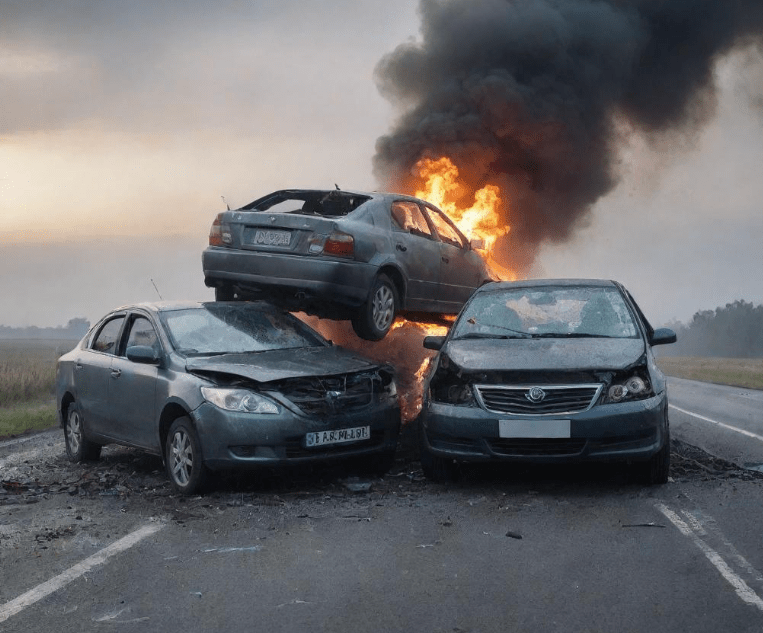
Car accidents are consistently the leading cause of death for Kansans under 55.
The biggest contributors:
High speeds on open roads
Rural highways with no median barriers
Seatbelt non-use
Distracted driving (phones, GPS, eating)
Impaired driving (alcohol, fatigue, drugs)
Rural crashes are especially deadly because help takes longer to arrive. When a crash happens at 70 mph on an empty stretch of road, survival becomes a race against time—and time often wins.
How You Survive This Threat
This isn’t about being scared of driving. It’s about driving like a professional survivor.
Survival Rules for Kansas Roads:
Wear your seatbelt every single time. No exceptions. Ever.
Slow down on rural highways, especially at night.
Never assume other drivers are paying attention. Assume they aren’t.
Put the phone down. No text is worth your life.
Keep an emergency kit in your vehicle (water, flashlight, tourniquet, blanket).
Don’t drive exhausted. Fatigue kills just as effectively as alcohol.
Survival is about stacking small smart decisions until danger has no opening.
2. Heart Attacks and Sudden Cardiac Events (Not Old Age)
Why This Is So Common in Kansas
Heart disease isn’t just an “old person problem.” In Kansas, middle-aged men and women die suddenly from cardiac events every day.
The reasons are brutally simple:
Poor diet
Chronic stress
Lack of exercise
Smoking
Ignoring warning signs
Kansas culture values toughness. That’s admirable—but dangerous when it comes to health. Too many people ignore chest pain, shortness of breath, or fatigue because they “don’t want to make a fuss.”
That mindset kills.
How You Survive This Threat
Here’s the truth most people don’t want to hear:
Your body will warn you before it quits—if you listen.
Survival Actions That Save Lives:
Learn the early signs of a heart attack (jaw pain, arm pain, nausea, pressure).
Take chest discomfort seriously, even if it feels mild.
If you live in Ohio, congratulations—you’ve survived winter potholes, construction season that lasts 11 months, and at least one awkward conversation about college football allegiance. But surviving Ohio life requires more than avoiding Buckeye arguments and Skyline Chili debates.
As a professional survivalist prepper (and someone who owns more flashlights than friends), I study how people actually die—not in movies, not in zombie fantasies, but in real, boring, tragically preventable ways. And let me tell you something that should wake you up faster than a tornado siren at 3 a.m.:
Most people don’t die from rare disasters. They die from everyday stupidity, complacency, and underestimating risk.
This article breaks down the Top 10 most common non-disease, non-old-age causes of death in Ohio, why they happen, and what you must do to survive them—with a little humor, because if we can’t laugh while preparing to live, what’s the point?
1. Motor Vehicle Accidents (a.k.a. Ohio’s Most Popular Contact Sport)
Why People Die This Way
Ohio drivers are brave. Too brave. Texting, speeding, drunk driving, winter ice, farm equipment on highways, and “I’ll just beat that yellow light” optimism combine into a perfect storm of steel and regret.
Rural roads are especially deadly—less lighting, higher speeds, and longer emergency response times.
How to Survive It
Drive like everyone else is actively trying to kill you
Put the phone down (TikTok will survive without you)
Keep winter survival gear in your car (blanket, water, flashlight)
Slow down on back roads—deer don’t use crosswalks
Never drive impaired. Ever. Not even “just buzzed”
Prepper Rule: The most dangerous place you’ll ever be is inside a moving vehicle operated by a human.
2. Drug Overdoses (The Silent Epidemic)
Why People Die This Way
Ohio has been hit hard by opioids, fentanyl, and polysubstance use. Many overdoses happen accidentally—people don’t know what they’re taking or how strong it is.
This isn’t about moral failure. It’s about chemistry, addiction, and misinformation.
How to Survive It
Carry naloxone (Narcan)—yes, even if you “don’t know anyone who uses”
Prepper Rule: Survival is about harm reduction, not judgment.
3. Suicide (The One We Don’t Talk About Enough)
Why People Die This Way
Stress, financial pressure, isolation, untreated mental health issues, and lack of support push people past a breaking point. Ohio’s economic and seasonal stressors don’t help.
This is not weakness. This is human overload.
How to Survive It
Talk. Seriously. Silence kills.
Build community—even awkward, imperfect community
Remove immediate means during emotional crises
Seek professional help early, not as a last resort
Check on people who “seem fine”
Prepper Rule: Mental resilience is survival gear.
If you or someone you know is struggling, call or text 988 in the U.S. Help is there.
4. Firearms Accidents & Violence
Why People Die This Way
Unsafe storage, lack of training, emotional decisions, and escalation of conflicts turn firearms from tools into tragedies.
Most accidental shootings happen at home.
How to Survive It
Get trained—seriously trained
Lock firearms and store ammo separately
Use safes, especially with kids present
De-escalate conflicts; walk away
Treat every firearm as loaded (because it might be)
Prepper Rule: Responsibility is the real safety switch.
5. Falls (No, You Don’t Have to Be Elderly)
Why People Die This Way
Ladders, roofs, icy sidewalks, workplace accidents, and alcohol combine into gravity doing what gravity does best.
Falls are especially deadly in construction, farming, and DIY home projects.
How to Survive It
Use proper ladders (not chairs… not buckets… not vibes)
Wear slip-resistant footwear in winter
Don’t work alone on risky tasks
Use harnesses and rails
Respect heights—your bones do
Prepper Rule: Gravity never takes a day off.
6. Drowning (Yes, Even in Ohio)
Why People Die This Way
Lakes, rivers, flooded creeks, boating accidents, alcohol use, and underestimating water currents cause more drownings than people expect.
Ohio rivers look calm—until they’re not.
How to Survive It
Wear life jackets (fashion is temporary, breathing is forever)
Never swim alone
Avoid alcohol when boating or swimming
Respect floodwaters—don’t drive through them
Learn basic water rescue techniques
Prepper Rule: Water doesn’t care how tough you are.
7. Fires & Carbon Monoxide Poisoning
Why People Die This Way
Faulty heaters, candles, overloaded outlets, and poor ventilation kill silently—especially during Ohio winters.
Carbon monoxide is invisible, odorless, and rude.
How to Survive It
Install CO and smoke detectors on every level
Test alarms monthly
Never use grills or generators indoors
Keep fire extinguishers accessible
Practice fire escape plans
Prepper Rule: If you can’t smell the danger, detect it electronically.
8. Workplace & Industrial Accidents
Why People Die This Way
Ohio has heavy industry, agriculture, logistics, and manufacturing. Fatigue, shortcuts, poor training, and outdated equipment turn jobs into hazards.
How to Survive It
Follow safety protocols—even when no one’s watching
Wear PPE (it’s cheaper than a funeral)
Report unsafe conditions
Take breaks—fatigue kills
Get trained and retrained
Prepper Rule: Productivity means nothing if you don’t live to enjoy it.
9. Extreme Weather (Ohio Is Sneaky Like That)
Why People Die This Way
Tornadoes, flash floods, heat waves, winter storms, and power outages catch people unprepared.
Speed, alcohol, lack of helmets, poor training, and overconfidence turn fun into tragedy.
Most accidents happen close to home.
How to Survive It
Wear helmets and protective gear
Get trained and licensed
Don’t mix alcohol with machines
Inspect equipment
Hunt safely and visibly
Prepper Rule: Fun should not require a coroner.
Final Thoughts from Your Friendly Neighborhood Survivalist
Survival isn’t about fear—it’s about awareness, preparation, and humility. Ohio isn’t dangerous because it’s wild; it’s dangerous because people assume nothing bad will happen today.
Bad things don’t need permission.
If you take anything from this article, let it be this:
Prepared people don’t panic. They adapt. And they live.
Stay safe. Stay sharp. And please—put the phone down while driving.
Rhode Island may be the smallest state in the union, but don’t let its size fool you. Danger doesn’t need square mileage to work its way into your life—it only needs complacency.
I’ve spent decades studying survival: wilderness, urban, maritime, kitchen-based (because yes, survival starts with what you eat and how you cook it), and human behavior under stress. And after analyzing patterns of accidental and preventable deaths in Rhode Island, one thing becomes painfully clear:
Most people don’t die because the world is unfair. They die because they weren’t prepared.
This article breaks down the Top 10 non-disease, non-cancer, non-old-age causes of death in Rhode Island, explains why they happen, and—most importantly—what you must do to survive them.
Think of this like a perfectly executed meal. Every ingredient matters. One mistake, and dinner’s ruined. Or worse—you are.
Let’s sharpen the knives.
1. Motor Vehicle Crashes (Cars, Motorcycles, and Pedestrians)
Why People Die This Way in Rhode Island
Rhode Island drivers suffer from a deadly combination:
Dense traffic
Short trips that breed complacency
Aggressive driving habits
Weather that changes its mind every 15 minutes
Most fatal crashes involve:
Speeding
Distracted driving (phones, GPS, food)
Alcohol or drug impairment
Failure to wear seatbelts
Motorcyclists without proper protective gear
Pedestrians are especially vulnerable in urban areas like Providence, Pawtucket, and Warwick.
How to Survive It
A survivalist treats driving like operating heavy machinery—because that’s exactly what it is.
Rules to live by:
Wear your seatbelt every single time. No excuses.
Assume every other driver is tired, angry, distracted, or stupid.
Slow down in rain, fog, and snow. Physics doesn’t care about your schedule.
Motorcyclists: full-face helmet, armored jacket, gloves, boots. You are meat without armor.
Pedestrians: wear reflective gear at night and never assume a driver sees you.
Survival mindset: You’re not trying to win the drive. You’re trying to survive it.
2. Drug Overdoses (Accidental Poisoning)
Why People Die This Way
Rhode Island has been hit hard by the opioid and fentanyl crisis. Many overdose deaths are:
Accidental
Involving unknown potency
Mixed with alcohol or other drugs
Occurring alone, with no one to help
Even experienced users misjudge doses when fentanyl contaminates substances.
How to Survive It
This is not a moral issue. This is chemistry and physiology.
Life-saving measures:
Never use alone
Carry naloxone (Narcan) and know how to use it
Avoid mixing substances
Test substances when possible
Seek help early—overdose symptoms escalate fast
Survival is about odds. Stacking them in your favor is the only move.
3. Falls (Especially at Home and at Work)
Why People Die This Way
Falls are one of the most underestimated killers. In Rhode Island, fatal falls often involve:
Ladders
Stairs
Slippery surfaces
Roof work
Construction and industrial jobs
Head injuries turn a simple misstep into a permanent end.
How to Survive It
A prepper respects gravity like a wild animal—it’s always hunting.
Stay alive by:
Using proper ladders and stabilizers
Wearing non-slip footwear
Installing handrails and adequate lighting
Never rushing physical tasks
Wearing helmets in high-risk work environments
In the kitchen, I don’t rush a knife. On a ladder, I don’t rush gravity.
4. Suicide (Self-Harm)
Why People Die This Way
This is not weakness. It’s isolation, untreated mental distress, and hopelessness.
Contributing factors include:
Economic stress
Substance abuse
Relationship breakdowns
Chronic stress
Untreated mental health issues
Many deaths occur during moments of temporary crisis that feel permanent.
How to Survive It
Survival sometimes means staying alive long enough for the storm to pass.
Critical survival steps:
Remove yourself from isolation
Talk to someone immediately
Seek professional support
Reduce access to lethal means during crisis periods
If you or someone you know is in immediate danger, contact 988 (Suicide & Crisis Lifeline) in the U.S.
A true survivalist knows when to fight—and when to call in backup.
5. Fires and Smoke Inhalation
Why People Die This Way
Most people don’t burn to death—they suffocate from smoke.
Common causes include:
Faulty wiring
Cooking accidents
Space heaters
Candles
Smoking indoors
Many fatalities occur at night when people are asleep.
How to Survive It
Fire safety is non-negotiable.
Your survival checklist:
Install smoke detectors on every level of your home
Test them monthly
Keep fire extinguishers accessible
Never leave cooking unattended
Practice fire escape plans
In my kitchen, I control heat. Fire respects discipline, not arrogance.
6. Drowning (Ocean, Rivers, Lakes, Pools)
Why People Die This Way
Rhode Island’s coastline is beautiful—and unforgiving.
Drownings often involve:
Strong currents and rip tides
Cold water shock
Alcohol consumption
Overestimating swimming ability
Lack of life jackets
How to Survive It
Water doesn’t care how confident you feel.
Rules of survival:
Learn rip current escape techniques
Wear life jackets when boating or fishing
Avoid swimming alone
Limit alcohol near water
Respect cold water temperatures
A chef knows water can kill a sauce—or save it. Same element, different outcome.
7. Carbon Monoxide Poisoning
Why People Die This Way
Carbon monoxide is silent, invisible, and deadly.
Common sources:
Gas heaters
Furnaces
Generators
Grills used indoors
Blocked exhaust vents
People often fall asleep and never wake up.
How to Survive It
This one is stupidly preventable.
Do this now:
Install carbon monoxide detectors
Never run engines indoors
Maintain heating systems
Keep vents clear
If you can smell danger, it’s already too late. CO gives no warning.
8. Workplace Accidents
Why People Die This Way
Industries like construction, manufacturing, and maritime work carry inherent risks.
Deaths often involve:
Heavy machinery
Falls
Electrocution
Crushing injuries
Safety shortcuts
How to Survive It
Golden rule: Safety rules are written in blood.
Wear protective gear
Follow lockout procedures
Speak up about unsafe conditions
Never bypass safety systems
Stay alert and rested
Professional survival means respecting systems designed to keep you alive.
9. Extreme Weather Exposure (Hypothermia & Heat)
Why People Die This Way
Rhode Island weather kills quietly.
Hypothermia occurs:
In cold, wet conditions
With inadequate clothing
During power outages
Among the homeless or unprepared
Heat-related deaths happen during summer heatwaves.
How to Survive It
Dress and plan like weather wants you dead—because sometimes it does.
Survival basics:
Layer clothing
Stay dry
Prepare emergency heating and cooling
Hydrate aggressively in heat
Never underestimate “mild” weather
Weather is the original apex predator.
10. Violence and Homicide
Why People Die This Way
Most violent deaths involve:
Firearms
Domestic disputes
Gang-related incidents
Escalated conflicts
Often, victims knew their attackers.
How to Survive It
Violence avoidance is survival mastery.
Stay alive by:
Avoiding high-risk environments
De-escalating conflicts
Being situationally aware
Securing your home
Seeking help in volatile relationships
The best fight is the one you never enter.
Final Survivalist Thoughts
Survival isn’t about fear—it’s about preparation.
Most of the ways people die in Rhode Island are:
Predictable
Preventable
The result of ignored warnings
You don’t need to live in a bunker or eat freeze-dried beans (though I can make beans taste better than Gordon Ramsay ever could).
You just need discipline, awareness, and respect for reality.
As a survivalist and preparedness professional, I don’t view Florida through rose-colored glasses. I view it as an environment of extremes: heat, water, weather, wildlife, traffic, and human behavior all converging in ways that can turn deadly fast.
Most people who die in Florida did not expect to die that day. They were driving to work. Swimming on vacation. Riding a motorcycle. Waiting out a storm. Trusting that “it probably won’t happen to me.”
That assumption is what kills people.
This article breaks down the top 10 non–old-age ways people commonly die in Florida, explains why they die, and—most importantly—what you must do to avoid becoming another statistic.
This isn’t fear-mongering. This is situational awareness, risk management, and survival discipline.
1. Motor Vehicle Crashes (Cars, Motorcycles, Pedestrians)
Why People Die
Florida’s roads are among the most dangerous in the country due to:
High tourist traffic
Elderly drivers mixed with aggressive drivers
Distracted driving (phones, GPS, rideshares)
Heavy rain reducing visibility
High motorcycle usage year-round
Pedestrian-unfriendly road design
Motorcycles are especially lethal here. No seasonal break means constant exposure, and Florida has no helmet requirement over age 21—a decision that costs lives every year.
Pedestrians die because drivers don’t expect them, and pedestrians assume drivers see them.
How to Survive
Drive like everyone else is about to do something stupid
Never assume right-of-way means safety
Wear a helmet on a motorcycle regardless of the law
Avoid driving during peak tourist hours if possible
Increase following distance during rain
If walking, wear reflective gear at night
Teach your family that crossing legally does NOT mean crossing safely
Survival Rule: Steel and speed always win. Don’t test it.
2. Drowning (Ocean, Lakes, Pools, Canals)
Why People Die
Florida has more water hazards than almost anywhere else:
Rip currents
Canals with steep sides
Retention ponds
Backyard pools
Alcohol + water = disaster
Many drownings involve strong swimmers who panic, underestimate currents, or suffer exhaustion.
Children drown silently. Adults drown confidently.
How to Survive
Learn how rip currents work (float, don’t fight)
Never swim alone in open water
Avoid canals—steep walls make escape nearly impossible
Fence pools properly and use alarms
Wear life vests when boating or kayaking
Treat alcohol near water as a lethal risk multiplier
Survival Rule: Water does not forgive arrogance.
3. Hurricanes and Storm-Related Deaths
Why People Die
People rarely die from the wind itself. They die from:
Flooding
Falling trees
Power outages and heat exposure
Carbon monoxide poisoning from generators
Driving into floodwaters
The most dangerous phase is after the storm, when people take risks too soon.
How to Survive
Evacuate when told—don’t gamble with storm surge
Never run generators indoors or near windows
Assume all downed power lines are live
Store water, food, and medications ahead of time
Do not drive through standing water—depth is deceptive
Survival Rule: You can’t “tough out” water and electricity.
I’m a professional survivalist prepper. I believe in preparedness, redundancy, situational awareness, and the radical idea that you should wake up alive tomorrow. I’m also a stand-up comedian, which means I cope with reality by making jokes while quietly checking my emergency kit.
This article isn’t about fear. It’s about probability.
Most people don’t die because they’re old. They die because something preventable went wrong, they underestimated a risk, or they assumed “it won’t happen to me.”
California has a unique risk profile. Some dangers are obvious. Others wear yoga pants and look harmless until they ruin your life.
Below are the Top 10 non-old-age-related ways people commonly die in California, why they happen, and what you can do to stay alive, functional, and sarcastically optimistic.
Let’s begin.
1. Motor Vehicle Accidents (AKA: The California Freeway Hunger Games)
Why People Die This Way
California traffic isn’t traffic — it’s a social experiment in impatience.
People die in vehicle accidents due to:
Speeding (especially on freeways and rural highways)
Driving under the influence (alcohol, drugs, or exhaustion)
Motorcycles versus physics (physics always wins)
Aggressive driving combined with fragile egos
The problem isn’t just accidents — it’s reaction time, speed, and mass. A two-ton vehicle moving at 70 mph doesn’t care about your intentions.
How to Survive It
Drive like everyone else is drunk, angry, and late — because statistically, some of them are.
Leave more following distance than you think you need. Then double it.
Don’t race. The finish line is a red light.
Avoid peak DUI hours (late night, weekends).
If you ride a motorcycle, assume you are invisible and fragile — because you are.
Keep emergency supplies in your vehicle: water, first aid kit, flashlight, phone charger.
Survival Rule: The goal of driving is not to be right. The goal is to be alive.
2. Drug Overdoses (The Silent, Relentless Killer)
Why People Die This Way
Overdoses don’t just happen in dark alleys. They happen in:
Suburban homes
Apartments
Bathrooms
Bedrooms
“One last time” scenarios
California has been hit hard by opioid overdoses, especially fentanyl contamination. People often don’t know what they’re taking, how strong it is, or how their tolerance has changed.
Add isolation, shame, and delayed medical response — and it becomes fatal.
How to Survive It
Never use alone. Ever. Pride kills.
Carry Naloxone (Narcan) if you or someone you know uses opioids.
Test substances when possible. Street drugs lie.
If you’re prescribed medication, follow dosage instructions like your life depends on it — because it does.
If someone is unresponsive, call 911 immediately. California’s Good Samaritan laws protect callers.
Survival Rule: Shame is deadlier than drugs. Call for help.
3. Suicide (The Most Preventable Cause of Death)
Why People Die This Way
This isn’t about weakness. It’s about:
Untreated depression
Chronic stress
Financial pressure
Isolation
Loss of meaning
Access to lethal means during a temporary crisis
Many suicides happen during short emotional storms, not lifelong decisions.
How to Survive It
If you’re struggling, talk to someone before the crisis peaks.
Remove or lock away lethal means during hard periods.
Build routines: sleep, movement, sunlight.
If someone you know is withdrawing or giving things away, take it seriously.
Call or text 988 (Suicide & Crisis Lifeline) if needed.
Survival Rule: Feelings are temporary. Death is not. Stay.
4. Accidental Falls (Not Just an “Old People” Thing)
Why People Die This Way
Falls kill people of all ages due to:
Head injuries
Ladder accidents
Alcohol impairment
Slippery surfaces
Overconfidence and under-footwear
California’s DIY culture alone accounts for half of this category.
How to Survive It
Use proper ladders. No chairs. No crates. No vibes.
Wear shoes with traction.
Install handrails and adequate lighting.
Don’t mix alcohol and heights.
If you hit your head and feel “off,” seek medical attention.
Survival Rule: Gravity has never lost a fight. Respect it.
5. Fire & Smoke Inhalation (Wildfires and Home Fires)
Why People Die This Way
Fire doesn’t kill most victims — smoke does.
In California, deaths occur from:
Wildfires overtaking homes or vehicles
Smoke inhalation during evacuations
House fires caused by cooking, candles, or faulty wiring
Smoke incapacitates fast. You don’t get heroic last words.
How to Survive It
Install and maintain smoke detectors.
Have an evacuation plan. Practice it.
Keep a “go bag” ready during fire season.
Close doors when evacuating to slow fire spread.
If there’s heavy smoke, stay low and get out immediately.
Survival Rule: You don’t outrun fire. You out-plan it.
6. Homicide (Violence, Firearms, and Bad Decisions)
Why People Die This Way
Most homicides involve:
Firearms
People who know each other
Escalated arguments
Alcohol or drugs
Poor conflict management
Random violence exists, but predictable violence is more common.
How to Survive It
Avoid confrontations with strangers.
De-escalate. Ego is not bulletproof.
Be aware of your surroundings.
Secure firearms safely and responsibly.
Trust your instincts and leave bad situations early.
Survival Rule: Winning an argument isn’t worth dying for.
7. Drowning (Oceans, Rivers, Pools, and “I Got This”)
Why People Die This Way
California water deaths happen due to:
Rip currents
Cold shock
Alcohol
Overestimating swimming ability
No life jackets
The ocean doesn’t care if you’re fit.
How to Survive It
Learn how rip currents work.
Never swim alone.
Wear life jackets when boating.
Don’t fight the current — float and signal.
Avoid alcohol near water.
Survival Rule: Water is patient. It waits for mistakes.
8. Workplace Accidents (Especially Construction & Agriculture)
Why People Die This Way
Common causes include:
Falls from heights
Heavy machinery
Electrical hazards
Fatigue
Cutting corners to save time
California’s economy runs on people who work hard — sometimes too hard.
How to Survive It
Follow safety protocols, even when annoying.
Use protective equipment.
Report unsafe conditions.
Rest. Fatigue kills.
Speak up — your life outranks productivity.
Survival Rule: No job is worth a funeral.
9. Extreme Heat (Yes, Even in California)
Why People Die This Way
Heat kills via:
Dehydration
Heat exhaustion
Heat stroke
Organ failure
It sneaks up, especially on people without access to cooling or water.
How to Survive It
Hydrate constantly.
Avoid peak heat hours.
Use cooling centers.
Check on vulnerable neighbors.
Never leave people or pets in cars.
Survival Rule: If you feel “off,” you’re already in trouble.
10. Carbon Monoxide Poisoning (The Invisible Assassin)
Why People Die This Way
Carbon monoxide is odorless, colorless, and lethal. Causes include:
Faulty heaters
Generators indoors
Grills in enclosed spaces
Blocked vents
People fall asleep and never wake up.
How to Survive It
Install CO detectors.
Maintain appliances.
Never run engines indoors.
Ventilate properly.
Take alarms seriously.
Survival Rule: If you can’t smell the danger, detect it.
Final Survivalist Thoughts
California is not trying to kill you. Complacency is.
Most deaths aren’t freak accidents. They’re patterns — predictable, preventable, and survivable with awareness and preparation.
And remember: The goal isn’t to live forever. It’s to not die stupidly.
Stay sharp. Stay ready. Stay alive.
California is beautiful. It has beaches, mountains, deserts, forests, sunshine, earthquakes, traffic, wildfires, and enough stress to make a yoga instructor cry in a Trader Joe’s parking lot.
I’m a professional survivalist prepper. I believe in preparedness, redundancy, situational awareness, and the radical idea that you should wake up alive tomorrow. I’m also a stand-up comedian, which means I cope with reality by making jokes while quietly checking my emergency kit.
This article isn’t about fear. It’s about probability.
Most people don’t die because they’re old. They die because something preventable went wrong, they underestimated a risk, or they assumed “it won’t happen to me.”
California has a unique risk profile. Some dangers are obvious. Others wear yoga pants and look harmless until they ruin your life.
Below are the Top 10 non-old-age-related ways people commonly die in California, why they happen, and what you can do to stay alive, functional, and sarcastically optimistic.
Let’s begin.
1. Motor Vehicle Accidents (AKA: The California Freeway Hunger Games)
Why People Die This Way
California traffic isn’t traffic — it’s a social experiment in impatience.
People die in vehicle accidents due to:
Speeding (especially on freeways and rural highways)
Driving under the influence (alcohol, drugs, or exhaustion)
Motorcycles versus physics (physics always wins)
Aggressive driving combined with fragile egos
The problem isn’t just accidents — it’s reaction time, speed, and mass. A two-ton vehicle moving at 70 mph doesn’t care about your intentions.
How to Survive It
Drive like everyone else is drunk, angry, and late — because statistically, some of them are.
Leave more following distance than you think you need. Then double it.
Don’t race. The finish line is a red light.
Avoid peak DUI hours (late night, weekends).
If you ride a motorcycle, assume you are invisible and fragile — because you are.
Keep emergency supplies in your vehicle: water, first aid kit, flashlight, phone charger.
Survival Rule: The goal of driving is not to be right. The goal is to be alive.
2. Drug Overdoses (The Silent, Relentless Killer)
Why People Die This Way
Overdoses don’t just happen in dark alleys. They happen in:
Suburban homes
Apartments
Bathrooms
Bedrooms
“One last time” scenarios
California has been hit hard by opioid overdoses, especially fentanyl contamination. People often don’t know what they’re taking, how strong it is, or how their tolerance has changed.
Add isolation, shame, and delayed medical response — and it becomes fatal.
How to Survive It
Never use alone. Ever. Pride kills.
Carry Naloxone (Narcan) if you or someone you know uses opioids.
Test substances when possible. Street drugs lie.
If you’re prescribed medication, follow dosage instructions like your life depends on it — because it does.
If someone is unresponsive, call 911 immediately. California’s Good Samaritan laws protect callers.
Survival Rule: Shame is deadlier than drugs. Call for help.
3. Suicide (The Most Preventable Cause of Death)
Why People Die This Way
This isn’t about weakness. It’s about:
Untreated depression
Chronic stress
Financial pressure
Isolation
Loss of meaning
Access to lethal means during a temporary crisis
Many suicides happen during short emotional storms, not lifelong decisions.
How to Survive It
If you’re struggling, talk to someone before the crisis peaks.
Remove or lock away lethal means during hard periods.
Build routines: sleep, movement, sunlight.
If someone you know is withdrawing or giving things away, take it seriously.
Call or text 988 (Suicide & Crisis Lifeline) if needed.
Survival Rule: Feelings are temporary. Death is not. Stay.
4. Accidental Falls (Not Just an “Old People” Thing)
Why People Die This Way
Falls kill people of all ages due to:
Head injuries
Ladder accidents
Alcohol impairment
Slippery surfaces
Overconfidence and under-footwear
California’s DIY culture alone accounts for half of this category.
How to Survive It
Use proper ladders. No chairs. No crates. No vibes.
Wear shoes with traction.
Install handrails and adequate lighting.
Don’t mix alcohol and heights.
If you hit your head and feel “off,” seek medical attention.
Survival Rule: Gravity has never lost a fight. Respect it.
5. Fire & Smoke Inhalation (Wildfires and Home Fires)
Why People Die This Way
Fire doesn’t kill most victims — smoke does.
In California, deaths occur from:
Wildfires overtaking homes or vehicles
Smoke inhalation during evacuations
House fires caused by cooking, candles, or faulty wiring
Smoke incapacitates fast. You don’t get heroic last words.
How to Survive It
Install and maintain smoke detectors.
Have an evacuation plan. Practice it.
Keep a “go bag” ready during fire season.
Close doors when evacuating to slow fire spread.
If there’s heavy smoke, stay low and get out immediately.
Survival Rule: You don’t outrun fire. You out-plan it.
6. Homicide (Violence, Firearms, and Bad Decisions)
Why People Die This Way
Most homicides involve:
Firearms
People who know each other
Escalated arguments
Alcohol or drugs
Poor conflict management
Random violence exists, but predictable violence is more common.
How to Survive It
Avoid confrontations with strangers.
De-escalate. Ego is not bulletproof.
Be aware of your surroundings.
Secure firearms safely and responsibly.
Trust your instincts and leave bad situations early.
Survival Rule: Winning an argument isn’t worth dying for.
7. Drowning (Oceans, Rivers, Pools, and “I Got This”)
Why People Die This Way
California water deaths happen due to:
Rip currents
Cold shock
Alcohol
Overestimating swimming ability
No life jackets
The ocean doesn’t care if you’re fit.
How to Survive It
Learn how rip currents work.
Never swim alone.
Wear life jackets when boating.
Don’t fight the current — float and signal.
Avoid alcohol near water.
Survival Rule: Water is patient. It waits for mistakes.
8. Workplace Accidents (Especially Construction & Agriculture)
Why People Die This Way
Common causes include:
Falls from heights
Heavy machinery
Electrical hazards
Fatigue
Cutting corners to save time
California’s economy runs on people who work hard — sometimes too hard.
How to Survive It
Follow safety protocols, even when annoying.
Use protective equipment.
Report unsafe conditions.
Rest. Fatigue kills.
Speak up — your life outranks productivity.
Survival Rule: No job is worth a funeral.
9. Extreme Heat (Yes, Even in California)
Why People Die This Way
Heat kills via:
Dehydration
Heat exhaustion
Heat stroke
Organ failure
It sneaks up, especially on people without access to cooling or water.
How to Survive It
Hydrate constantly.
Avoid peak heat hours.
Use cooling centers.
Check on vulnerable neighbors.
Never leave people or pets in cars.
Survival Rule: If you feel “off,” you’re already in trouble.
10. Carbon Monoxide Poisoning (The Invisible Assassin)
Why People Die This Way
Carbon monoxide is odorless, colorless, and lethal. Causes include:
Faulty heaters
Generators indoors
Grills in enclosed spaces
Blocked vents
People fall asleep and never wake up.
How to Survive It
Install CO detectors.
Maintain appliances.
Never run engines indoors.
Ventilate properly.
Take alarms seriously.
Survival Rule: If you can’t smell the danger, detect it.
Final Survivalist Thoughts
California is not trying to kill you. Complacency is.
Most deaths aren’t freak accidents. They’re patterns — predictable, preventable, and survivable with awareness and preparation.
And remember: The goal isn’t to live forever. It’s to not die stupidly.
Stay sharp. Stay ready. Stay alive.
California is beautiful. It has beaches, mountains, deserts, forests, sunshine, earthquakes, traffic, wildfires, and enough stress to make a yoga instructor cry in a Trader Joe’s parking lot.
I’m a professional survivalist prepper. I believe in preparedness, redundancy, situational awareness, and the radical idea that you should wake up alive tomorrow. I’m also a stand-up comedian, which means I cope with reality by making jokes while quietly checking my emergency kit.
This article isn’t about fear. It’s about probability.
Most people don’t die because they’re old. They die because something preventable went wrong, they underestimated a risk, or they assumed “it won’t happen to me.”
California has a unique risk profile. Some dangers are obvious. Others wear yoga pants and look harmless until they ruin your life.
Below are the Top 10 non-old-age-related ways people commonly die in California, why they happen, and what you can do to stay alive, functional, and sarcastically optimistic.
Let’s begin.
1. Motor Vehicle Accidents (AKA: The California Freeway Hunger Games)
Why People Die This Way
California traffic isn’t traffic — it’s a social experiment in impatience.
People die in vehicle accidents due to:
Speeding (especially on freeways and rural highways)
Driving under the influence (alcohol, drugs, or exhaustion)
Motorcycles versus physics (physics always wins)
Aggressive driving combined with fragile egos
The problem isn’t just accidents — it’s reaction time, speed, and mass. A two-ton vehicle moving at 70 mph doesn’t care about your intentions.
How to Survive It
Drive like everyone else is drunk, angry, and late — because statistically, some of them are.
Leave more following distance than you think you need. Then double it.
Don’t race. The finish line is a red light.
Avoid peak DUI hours (late night, weekends).
If you ride a motorcycle, assume you are invisible and fragile — because you are.
Keep emergency supplies in your vehicle: water, first aid kit, flashlight, phone charger.
Survival Rule: The goal of driving is not to be right. The goal is to be alive.
2. Drug Overdoses (The Silent, Relentless Killer)
Why People Die This Way
Overdoses don’t just happen in dark alleys. They happen in:
Suburban homes
Apartments
Bathrooms
Bedrooms
“One last time” scenarios
California has been hit hard by opioid overdoses, especially fentanyl contamination. People often don’t know what they’re taking, how strong it is, or how their tolerance has changed.
Add isolation, shame, and delayed medical response — and it becomes fatal.
How to Survive It
Never use alone. Ever. Pride kills.
Carry Naloxone (Narcan) if you or someone you know uses opioids.
Test substances when possible. Street drugs lie.
If you’re prescribed medication, follow dosage instructions like your life depends on it — because it does.
If someone is unresponsive, call 911 immediately. California’s Good Samaritan laws protect callers.
Survival Rule: Shame is deadlier than drugs. Call for help.
3. Suicide (The Most Preventable Cause of Death)
Why People Die This Way
This isn’t about weakness. It’s about:
Untreated depression
Chronic stress
Financial pressure
Isolation
Loss of meaning
Access to lethal means during a temporary crisis
Many suicides happen during short emotional storms, not lifelong decisions.
How to Survive It
If you’re struggling, talk to someone before the crisis peaks.
Remove or lock away lethal means during hard periods.
Build routines: sleep, movement, sunlight.
If someone you know is withdrawing or giving things away, take it seriously.
Call or text 988 (Suicide & Crisis Lifeline) if needed.
Survival Rule: Feelings are temporary. Death is not. Stay.
4. Accidental Falls (Not Just an “Old People” Thing)
Why People Die This Way
Falls kill people of all ages due to:
Head injuries
Ladder accidents
Alcohol impairment
Slippery surfaces
Overconfidence and under-footwear
California’s DIY culture alone accounts for half of this category.
How to Survive It
Use proper ladders. No chairs. No crates. No vibes.
Wear shoes with traction.
Install handrails and adequate lighting.
Don’t mix alcohol and heights.
If you hit your head and feel “off,” seek medical attention.
Survival Rule: Gravity has never lost a fight. Respect it.
5. Fire & Smoke Inhalation (Wildfires and Home Fires)
Why People Die This Way
Fire doesn’t kill most victims — smoke does.
In California, deaths occur from:
Wildfires overtaking homes or vehicles
Smoke inhalation during evacuations
House fires caused by cooking, candles, or faulty wiring
Smoke incapacitates fast. You don’t get heroic last words.
How to Survive It
Install and maintain smoke detectors.
Have an evacuation plan. Practice it.
Keep a “go bag” ready during fire season.
Close doors when evacuating to slow fire spread.
If there’s heavy smoke, stay low and get out immediately.
Survival Rule: You don’t outrun fire. You out-plan it.
6. Homicide (Violence, Firearms, and Bad Decisions)
Why People Die This Way
Most homicides involve:
Firearms
People who know each other
Escalated arguments
Alcohol or drugs
Poor conflict management
Random violence exists, but predictable violence is more common.
How to Survive It
Avoid confrontations with strangers.
De-escalate. Ego is not bulletproof.
Be aware of your surroundings.
Secure firearms safely and responsibly.
Trust your instincts and leave bad situations early.
Survival Rule: Winning an argument isn’t worth dying for.
7. Drowning (Oceans, Rivers, Pools, and “I Got This”)
Why People Die This Way
California water deaths happen due to:
Rip currents
Cold shock
Alcohol
Overestimating swimming ability
No life jackets
The ocean doesn’t care if you’re fit.
How to Survive It
Learn how rip currents work.
Never swim alone.
Wear life jackets when boating.
Don’t fight the current — float and signal.
Avoid alcohol near water.
Survival Rule: Water is patient. It waits for mistakes.
8. Workplace Accidents (Especially Construction & Agriculture)
Why People Die This Way
Common causes include:
Falls from heights
Heavy machinery
Electrical hazards
Fatigue
Cutting corners to save time
California’s economy runs on people who work hard — sometimes too hard.
How to Survive It
Follow safety protocols, even when annoying.
Use protective equipment.
Report unsafe conditions.
Rest. Fatigue kills.
Speak up — your life outranks productivity.
Survival Rule: No job is worth a funeral.
9. Extreme Heat (Yes, Even in California)
Why People Die This Way
Heat kills via:
Dehydration
Heat exhaustion
Heat stroke
Organ failure
It sneaks up, especially on people without access to cooling or water.
How to Survive It
Hydrate constantly.
Avoid peak heat hours.
Use cooling centers.
Check on vulnerable neighbors.
Never leave people or pets in cars.
Survival Rule: If you feel “off,” you’re already in trouble.
10. Carbon Monoxide Poisoning (The Invisible Assassin)
Why People Die This Way
Carbon monoxide is odorless, colorless, and lethal. Causes include:
Faulty heaters
Generators indoors
Grills in enclosed spaces
Blocked vents
People fall asleep and never wake up.
How to Survive It
Install CO detectors.
Maintain appliances.
Never run engines indoors.
Ventilate properly.
Take alarms seriously.
Survival Rule: If you can’t smell the danger, detect it.
Final Survivalist Thoughts
California is not trying to kill you. Complacency is.
Most deaths aren’t freak accidents. They’re patterns — predictable, preventable, and survivable with awareness and preparation.
A Survival Prepper’s Guide to Tiny Threats That Can End Lives When Society Fails
When most people think about survival threats in Nebraska, they imagine tornadoes ripping across farmland, brutal winter cold, or food shortages during societal collapse. Those are real dangers. But as a survival prepper who has spent decades studying what actually kills people when infrastructure fails, I can tell you this with absolute certainty:
Insects will become one of the most underestimated killers during SHTF.
When hospitals are closed, pharmacies are empty, and emergency services are overwhelmed or gone entirely, something as small as a bite, sting, or parasite can spiral into infection, permanent injury, or death.
Nebraska may not have jungles or deserts, but it does have insects capable of killing, disabling, infecting, and weakening survivors, especially children, the elderly, and the unprepared.
This article is not written to scare you. It is written to wake you up.
If you live in Nebraska—or plan to bug out through it—you need to understand which insects pose the greatest risk, why they are dangerous, and how to prepare for them when modern medicine is no longer an option.
Why Insects Become More Dangerous During SHTF
In normal times, insect encounters are inconveniences. In collapse scenarios, they become force multipliers of death.
Here’s why:
No access to antibiotics
No emergency epinephrine for allergic reactions
Limited wound care
Increased exposure due to outdoor living
Breakdown of sanitation
Weakened immune systems from stress and malnutrition
Insects don’t need to hunt you. They don’t need intent. They only need opportunity.
And Nebraska provides plenty of it.
1. Ticks – The Silent Killers of the Midwest
Why Ticks Are Nebraska’s #1 Insect Threat
If I had to name the most dangerous insect in Nebraska from a survival standpoint, ticks would top the list without hesitation.
Ticks don’t kill you quickly. They kill you slowly—through disease.
Nebraska is home to several dangerous tick species, including:
American Dog Tick
Blacklegged Tick (Deer Tick)
Lone Star Tick
These parasites are expanding their range every year, and climate shifts have made Nebraska more tick-friendly than ever.
Diseases Ticks Can Transmit
In a functioning society, these diseases are serious. In collapse, they are often fatal.
Lyme disease
Rocky Mountain spotted fever
Ehrlichiosis
Anaplasmosis
Tularemia
Alpha-gal syndrome (red meat allergy)
Without antibiotics, many of these diseases lead to:
Neurological damage
Heart complications
Chronic pain
Immune system failure
Death
Survival Reality
A tick bite may go unnoticed for days. By the time symptoms appear, treatment options may be gone.
Ticks are the long-game killers.
Prepper Countermeasures
Treat clothing with permethrin
Perform daily full-body tick checks
Carry tick removal tools
Learn herbal and alternative antimicrobial protocols
Avoid tall grass when possible
Keep campsites clear and dry
2. Mosquitoes – Nebraska’s Airborne Plague
More Than Just an Annoyance
Mosquitoes are often dismissed as harmless. That mindset will get people killed during societal collapse.
Nebraska mosquitoes are known carriers of:
West Nile Virus
Eastern Equine Encephalitis
Heartworm (affects animals critical to survival)
West Nile alone has caused fatalities in Nebraska in modern times—with hospitals operating.
Now imagine no hospitals.
Why Mosquitoes Are So Dangerous Post-Collapse
They breed fast
They thrive in stagnant water
They attack at night
They weaken already stressed survivors
A fever that lasts a week in SHTF conditions can mean dehydration, delirium, or secondary infection.
Prepper Countermeasures
Eliminate standing water
Sleep under mosquito netting
Burn natural repellents (sage, cedar, pine)
Wear long sleeves at dusk and dawn
Maintain immune strength through nutrition
3. Brown Recluse Spider – The Flesh-Destroyer
Nebraska’s Most Feared Spider
The brown recluse spider exists in Nebraska, especially in southern regions and inside structures.
While not aggressive, its bite can cause serious tissue damage, and in some cases, systemic illness.
Why Brown Recluse Bites Are Deadly During SHTF
Necrotic wounds are prone to infection
Open sores attract bacteria and insects
Healing is slow without medical care
A bite that would be manageable today could become fatal due to infection alone.
Prepper Countermeasures
Shake out boots, gloves, and clothing
Seal sleeping areas
Keep bedding elevated
Learn wound cleaning and infection control
Avoid cluttered shelters
4. Black Widow Spider – Neurotoxic Threat
Not Just a Scary Name
Black widows are present throughout Nebraska and prefer dark, undisturbed places like woodpiles, sheds, and debris.
Their venom attacks the nervous system.
Survival Risk Factors
Severe pain can immobilize survivors
Muscle spasms and weakness limit mobility
No antivenom access during collapse
For elderly or malnourished individuals, the danger increases dramatically.
Prepper Countermeasures
Wear gloves when handling debris
Keep camps organized
Avoid reaching into unseen spaces
Maintain calcium and magnesium intake
5. Bees, Wasps, and Hornets – The Allergy Killers
The Insect That Kills the Fastest
Bees and wasps don’t usually kill through venom toxicity. They kill through anaphylaxis.
During SHTF:
No EpiPens
No ambulances
No emergency rooms
One sting can end a life in minutes.
Nebraska’s Aggressive Species
Yellowjackets
Paper wasps
Bald-faced hornets
Prepper Countermeasures
Avoid strong scents
Keep food sealed
Destroy nests carefully during cold months
Identify allergy risks in your group
Carry antihistamines and natural anti-inflammatories
6. Fire Ants – Expanding Threat
While not historically dominant, fire ants are slowly expanding northward.
Multiple stings can cause:
Severe pain
Infection
Allergic reactions
In a weakened survivor, fire ants can overwhelm quickly.
Prepper Countermeasures
Avoid disturbed soil
Wear boots
Treat bites immediately
Keep sleeping areas elevated
7. Fleas – The Disease Carriers People Forget
Fleas are more than itchy nuisances.
Historically, they were responsible for plagues that wiped out millions.
Why Fleas Matter in Collapse
Thrive on rodents
Spread quickly
Carry bacterial diseases
Multiply in unsanitary conditions
If rodent populations explode post-collapse, flea-borne illness follows.
Prepper Countermeasures
Control rodents aggressively
Keep bedding clean
Use diatomaceous earth
Maintain hygiene even when water is scarce
8. Biting Flies – The Blood Loss Factor
Horse flies and deer flies are common in Nebraska and capable of delivering painful bites that bleed.
In survival conditions:
Open wounds invite infection
Blood loss weakens already fragile bodies
Prepper Countermeasures
Wear light-colored clothing
Use head nets
Cover exposed skin
Clean bites immediately
Psychological Warfare: Insects Break Morale
Insects don’t just harm the body. They attack the mind.
Constant itching disrupts sleep
Bites lower morale
Fear reduces decision-making ability
In survival, mental resilience is as important as physical strength.
Nebraska Medical Preparedness: Your Anti-Insect Survival Kit
Every prepper in Nebraska should stock:
Antihistamines
Antiseptics
Sterile bandages
Tick removal tools
Permethrin
Natural repellents
Antibiotic alternatives
Wound care manuals
Knowledge weighs nothing. Ignorance weighs lives.
Remember: Small Threats in Nebraska Can End Big Plans
History shows us a brutal truth:
Civilizations don’t just fall to war and famine. They fall to disease, infection, and neglect of small dangers.
Insects have survived every extinction event. They will survive whatever comes next.
The question is whether you will.
The Most Dangerous Insects in the State of Nebraska That Could Really Harm You
If you live in Nebraska—or pass through it during uncertain times—you must respect these tiny threats. You must prepare for them. And you must teach others.
Because when the world goes quiet, the buzzing doesn’t stop.
Stay alert. Stay prepared. And never underestimate the smallest enemy.
People love to pretend North America is “safe.” Safe neighborhoods. Safe hiking trails. Safe backyards. That lie falls apart the second you realize how many things here can kill you without making a sound. No growl. No warning. Just a sting, a bite, or a microscopic parasite riding in on six legs.
Insects don’t care about your politics, your optimism, or your belief that “it won’t happen to me.” They’ve been killing humans long before cities existed, and they’ll keep doing it long after society collapses under its own stupidity.
Below are 10 of the most dangerous insects in North America—where they live, how they kill, and how you might survive if you stop being careless and start paying attention.
If you think mosquitoes are just annoying, you’re already behind. Mosquitoes kill more humans than any other creature on the planet, and North America is no exception. West Nile virus, Eastern Equine Encephalitis, Zika—take your pick. You don’t feel the danger until it’s already in your bloodstream.
How to Survive:
Eliminate standing water around your home
Wear long sleeves at dusk and dawn
Use real insect repellent, not “natural” nonsense
Install window screens and actually maintain them
Ignore mosquitoes, and you’re gambling with your nervous system.
2. Africanized Honey Bee (“Killer Bee”)
Location: Southwest U.S., spreading north Why It’s Deadly: Mass stings and venom overload
One bee sting won’t kill most people. Hundreds will. Africanized honey bees don’t stop when you run. They don’t warn you politely. They attack in swarms and chase victims for long distances.
How to Survive:
Run immediately if attacked—do not stand your ground
Cover your face and airway
Get indoors or into a vehicle fast
Seek medical attention after multiple stings
These bees don’t care that humans “own” the land now.
3. Brown Recluse Spider
Location: Midwest and Southern U.S. Why It’s Deadly: Necrotic venom
This spider doesn’t kill everyone it bites—but when it does, it does it slowly and horribly. The venom destroys tissue, causing wounds that rot from the inside out. Infection and organ failure follow if untreated.
How to Survive:
Shake out shoes, gloves, and clothing
Seal cracks in walls and foundations
Seek medical help immediately after a suspected bite
Brown recluses thrive in clutter. Clean your environment or pay for it.
4. Black Widow Spider
Location: Throughout North America Why It’s Deadly: Neurotoxic venom
Black widow venom attacks the nervous system, causing muscle paralysis, severe pain, and respiratory distress. Children, elderly adults, and people with weak health are especially vulnerable.
How to Survive:
Wear gloves when working in sheds or woodpiles
Reduce insect populations that attract spiders
Get medical treatment quickly—antivenom exists
Ignoring pain because you “don’t want to overreact” is how people die.
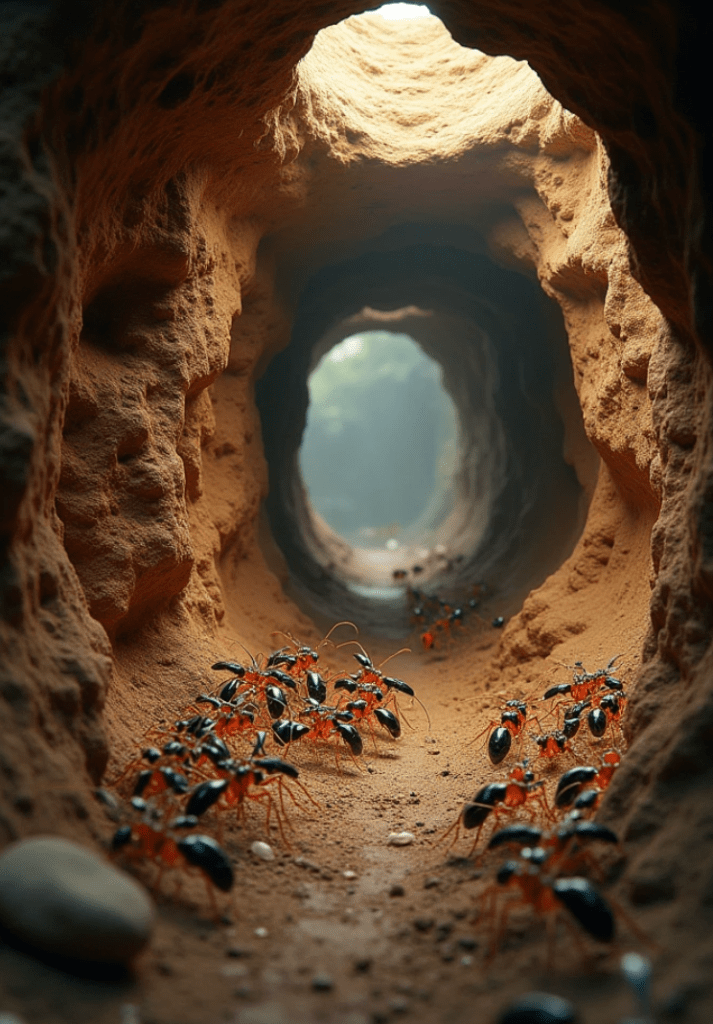
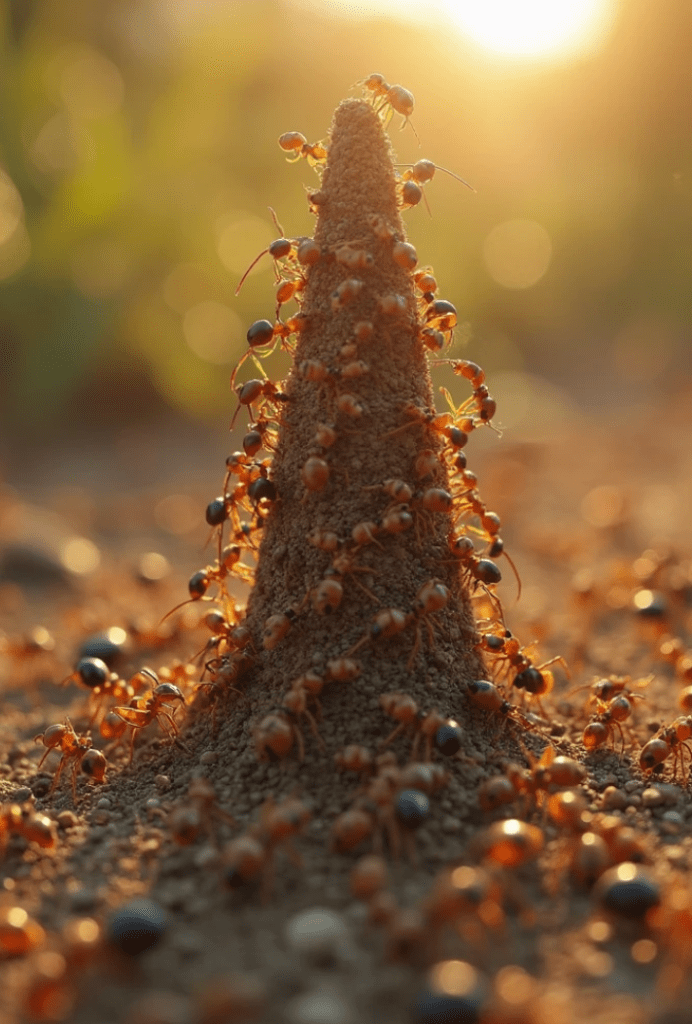
5. Fire Ant
Location: Southern U.S. Why It’s Deadly: Venom and allergic reactions
Fire ants don’t sting once. They swarm, latch on, and inject venom repeatedly. For people with allergies, this can trigger fatal anaphylaxis. Even without allergies, massive stings can lead to infection and systemic reactions.
How to Survive:
Avoid ant mounds—watch where you step
Treat property infestations aggressively
Carry antihistamines or an EpiPen if allergic
Fire ants are proof that size doesn’t matter when numbers are on your enemy’s side.
This isn’t common—but globalization keeps bringing foreign threats home. The tsetse fly transmits parasites that cause neurological collapse if untreated.
How to Survive:
Seek medical attention after unexplained fevers post-travel
Avoid complacency with imported insects
Nature doesn’t respect borders. Neither should your preparedness.
7. Kissing Bug (Triatomine Bug)
Location: Southern and Southwestern U.S. Why It’s Deadly: Chagas disease
This insect feeds on blood and defecates near the bite wound. That waste carries parasites that enter the body and quietly destroy the heart over years.
How to Survive:
Seal cracks in homes
Keep pets indoors at night
Get tested if bitten
Some deaths don’t happen fast. They happen quietly while you’re busy ignoring reality.
8. Deer Fly
Location: Forests, wetlands, rural areas Why It’s Deadly: Disease transmission
Deer flies deliver painful bites and can spread tularemia, a potentially fatal bacterial infection.
How to Survive:
Wear light-colored clothing
Use head nets in heavy fly areas
Clean and disinfect bites immediately
One infected bite can spiral into organ failure if untreated.
9. Fleas
Location: Anywhere mammals live Why It’s Deadly: Plague and typhus
Yes, plague still exists. Fleas don’t care that it’s “medieval.” When sanitation breaks down, fleas become efficient killers again.
How to Survive:
Control rodents
Treat pets regularly
Maintain hygiene even when society doesn’t
History repeats itself because people refuse to learn.
10. Velvet Ant (Cow Killer Ant)
Location: Southern and Central U.S. Why It’s Deadly: Extreme venom, allergic reactions
Despite the name, it’s a wasp. Its sting is legendary—intense pain that can cause shock, heart issues, or fatal allergic responses.
How to Survive:
Don’t handle unfamiliar insects
Wear protective footwear outdoors
Treat stings immediately
Curiosity is not a survival trait.
Final Reality Check
The world is not built for your comfort. It’s built to test whether you adapt or die. Insects don’t need claws, teeth, or intelligence. They just need you to stay ignorant long enough.
Preparedness isn’t paranoia—it’s the bare minimum. Learn where these insects live. Learn how they kill. Learn how to respond. Because help won’t always come in time, and nature doesn’t give second chances.
I’m not proud of the man I became after everything fell apart. When people talk about SHTF scenarios, they do it with a strange mix of fear and fascination. Some even romanticize it—imagining themselves as rugged lone wolves, capable of thriving when society collapses. I used to be one of them. I thought surviving would be instinctive, automatic, part of some primal ability buried deep inside. But instincts mean nothing when reality is colder, harsher, and hungrier than your imagination ever prepared you for.
I lost everything because I thought I was smarter than the disaster that came for me. I believed I had “enough” without really knowing what enough meant. I confused optimism for readiness, and that failure cost me more than possessions—it cost me people, comfort, security, and a sense of worth I still struggle to regain.
So now I write these words not as an expert, not as a brave prepper, but as someone who learned every lesson in the most painful way possible. If you are just getting started with basic food storage preps for an SHTF moment, I hope my failures will keep you from repeating them.
Why Food Storage Matters More Than You Think
When the world is still intact, food feels like an afterthought. Grocery stores glow on every corner. Restaurants hum with life. Delivery apps bring meals to your doorstep in minutes. It all feels so permanent—until the day it isn’t.
When SHTF hit my area, the grocery stores were empty within hours. Not days. Hours. I remember walking down an aisle stripped bare, my footsteps echoing off metal shelves like the sound of a coffin lid closing. I had canned beans at home, maybe a bag of rice that I’d been ignoring in the pantry, and some stale cereal that I had forgotten to throw out. It wasn’t enough. Not even close.
If you think you have time to prepare later, you don’t. If you think you can improvise, you can’t. When everyone is scrambling, desperation destroys creativity. People who never stole a thing in their lives will fight over a dented can of tomatoes. People you trusted will become strangers. And you—if you’re like I was—will learn the meaning of regret in its rawest form.
That’s why food storage isn’t optional. It’s the foundation of survival.
Start Small—Because Small Is Still Better Than Nothing
Before everything fell apart, I always imagined prepping as something huge—stockpiling bunkers full of supplies, shelves fortified with military rations, huge five-gallon buckets lining the basement. I never started because it always felt overwhelming.
What I should have done—and what you should do—was start small. Even a single week of food stored properly can make the difference between panic and calm.
Here’s what I wish someone had told me:
1. Begin With a 7-Day Supply
A solid first step is simply making sure you can feed yourself (and your family, if you have one) for seven days without outside help. This baseline prep includes:
Rice (cheap, long-lasting, filling)
Beans (dried or canned)
Canned meat like tuna or chicken
Pasta
Tomato sauce or canned vegetables
Oatmeal
Peanut butter
A few comfort foods (your sanity will thank you later)
This isn’t glamorous. It doesn’t look like the prepper fantasy you see online. But this humble supply can hold you steady when the world begins to tilt.
2. Build Up to 30 Days
Once you have a week, build toward a month. At 30 days of food, something changes inside you. You begin to feel a kind of quiet strength. A stability. Not the loud confidence of someone bragging about their gear, but the soft, steady reassurance that you won’t starve tomorrow.
Keep Your Food Simple and Shelf-Stable
One of my big mistakes was buying “prepper food” without understanding my needs. I bought freeze-dried meals that required more water than I had available. I bought bulk grains without storing them correctly. Mice had a better feast than I did.
Focus on what lasts and what you’ll actually eat. Survival isn’t a diet—it’s nourishment.
Food Items That Last
White rice
Pasta
Rolled oats
Peanut butter
Canned tuna, chicken, and sardines
Canned vegetables
Canned soups
Honey (never spoils)
Salt and spices
Instant potatoes
Powdered drink mixes (helps fight taste fatigue)
Store It Right
This is where my downfall truly began: poor storage. No matter how much food you gather, it’s worthless if ruined by:
Moisture
Heat
Pests
Light
Poor containers
Store food in cool, dry areas. Use airtight containers for grains. Label everything with dates. Don’t let your efforts rot away in silence the way mine did.
Rotate—Or Watch Your Supplies Die in the Dark
I used to think storing food meant sealing it away and forgetting it until disaster struck. That’s how I lost half my supplies: expiration dates quietly creeping past, cans rusting behind clutter, bags of rice turning to inedible bricks.
The rule you need to tattoo onto your mind is:
“Store what you eat. Eat what you store.”
Rotation keeps your stock fresh. It keeps you used to the foods you rely on. And it stops your prepping investment from becoming a graveyard of wasted money and ruined nourishment.
Water: The Part Everyone Ignores Until It’s Too Late
I had food. Not enough—but some. But water? I had barely any. When the taps ran dry, reality hit harder than hunger ever did.
For every person, you need one gallon of water per day—minimum. Drinking, cooking, cleaning, sanitation—it all drains your supply faster than you think.
Start with:
A few cases of bottled water
Larger jugs or water bricks
A reliable filtration method (LifeStraw, Sawyer Mini, etc.)
Food will keep you alive. Water will keep you human.
Don’t Learn the Hard Way Like I Did
Prepping isn’t paranoia. It isn’t fearmongering. It isn’t overreacting.
It’s the quiet, painful understanding that no one is coming to save you when everything falls apart.
I learned too late. I lost too much. I live every day with the weight of those failures.
But you can learn from me. You can start now, with something small, something humble, something that grows over time.
And when the next disaster comes—and it will—you won’t feel that crushing panic I felt standing in an empty store staring at empty shelves. Instead, you’ll feel a sense of calm strength, knowing you took your future seriously.
I hope you prepare. I hope you start today. And I hope you never have to feel the kind of regret that still keeps me awake at night.
If you’re the kind of clueless person who thinks running a gas-powered generator inside your house or garage during a blackout is a cute idea, congratulations—you’re about five seconds away from becoming another Darwin Award statistic. I don’t care if you survive or not. But for the tiny fraction of you with a shred of common sense, I’m going to lay down some brutal truths about generator safety during extended power outages. You’re welcome in advance.
First things first: generators are not toys. They are fire-breathing, fuel-guzzling machines that will kill you faster than a stampeding herd of zombies if you don’t treat them with the respect they deserve. This is especially true when the grid goes down for days—or weeks. People think they can just throw a generator in the corner of the garage, crank it up, and watch their lights come back on like nothing happened. That’s how people die. Let me be crystal clear: never, ever, under any circumstances, operate a generator indoors or in an enclosed space.
Carbon monoxide doesn’t care about your feelings. It doesn’t care that you’re trying to binge-watch TV while the rest of the neighborhood is in darkness. It’s a silent killer. The moment you inhale it, your brain gets robbed of oxygen. You collapse. You die. Your family probably does too, and the paramedics? Good luck—they won’t make it in time if the outage is widespread. So if you think it’s okay to run a generator in your basement, just do everyone a favor and stay in the house. Alone. Forever.
Now that we’ve cleared that up, let’s talk placement. Generators need to breathe. They need fresh air. They need space. Put them outside, at least 20 feet from your house, doors, and windows. Not 15. Not 19. Twenty. And make sure the exhaust is pointing away from any living area. Think of it like a dragon: you wouldn’t put a dragon in your living room and expect your furniture to survive. Treat your generator the same way.
Fuel storage is another topic that seems to blow the minds of every amateur prepper. Gasoline is a volatile, flammable nightmare waiting to explode, and somehow people think it’s fine to store five gallons in the kitchen. No. Just no. Use approved fuel containers, keep them outside, and never store them near an open flame—or your generator. And don’t even get me started on running a generator with an empty tank. These machines don’t just quit politely—they sputter, backfire, and sometimes throw flames. Keep fuel levels consistent, and refuel only when the generator is off and cooled down.
Extension cords. Yes, those flimsy pieces of crap you think are fine for a few hours of use. They’re not. If your extension cord isn’t rated for the load you’re putting on it, you might as well be lighting your house on fire yourself. Invest in heavy-duty, grounded cords. Don’t cheap out. You want to light your house with electricity, not fire. Period.
Load management is another area where people fail miserably. A generator has limits, and exceeding them is a fast track to disaster. Don’t even think about powering your entire house unless you have a monster generator designed for it. Start with essential appliances: refrigerator, freezer, a few lights, and maybe a sump pump if you live somewhere wet. Everything else can wait—or burn. You need to know what your generator can handle, and do not push it beyond its rated capacity. Overload it, and you’ll either destroy the generator or electrocute yourself. And I don’t care which happens—you won’t survive either scenario if you’re unlucky.
Maintenance is another thing people ignore until it’s too late. A generator sitting in the corner of your shed is useless if it won’t start when everything goes dark. Change the oil, clean the air filter, check the spark plug, and inspect fuel lines. Treat your generator like a war machine, because in a long-term power outage, that’s exactly what it is. A dead generator is as useful as a cardboard box filled with hope.
Noise. Yes, generators are loud. Too bad. This isn’t a spa. If someone complains, punch them. Or better yet, keep the generator as far away from neighbors as possible—because if the world has gone to hell, the last thing you need is some entitled Karen whining about noise while you’re trying to survive.
There’s one more thing most people don’t consider: security. A generator is a juicy target for looters during prolonged outages. Don’t leave it lying around like a shiny toy. Lock it up if possible, or at least make it difficult for thieves to carry it away. The last thing you need is to survive a week without power, only to have your generator stolen. If you live in a high-risk area, a chain and padlock might just save your life—or at least your ability to refrigerate that leftover food.
And for the love of whatever deity you pretend to follow, know how to operate your generator before the lights go out. Read the manual. Know the controls. Understand how to shut it down quickly in an emergency. Ignorance is not bliss—it’s a ticket to the morgue.
Let’s sum this up, because I know some of you morons need everything spelled out. Here’s the brutal checklist for surviving a prolonged power outage with a generator:
Outdoor placement only – Minimum 20 feet from structures, exhaust away from living spaces.
Never indoors – Basements, garages, or any enclosed areas are death traps.
Safe fuel storage – Approved containers, outside, away from flames, generator off and cooled before refueling.
Heavy-duty cords – Rated for the load, grounded, don’t cheap out.
Load management – Only run essential appliances, never exceed rated capacity.
Regular maintenance – Oil changes, air filter cleaning, spark plug inspection, fuel line checks.
Noise tolerance – Loud is unavoidable, so deal with it.
Security measures – Lock it up or secure it to prevent theft.
Know the machine – Learn operation and emergency shutdown before the blackout.
Carbon monoxide vigilance – If you smell exhaust, evacuate. Do not test your luck.
Take this seriously, because I don’t care about your excuses. In the end, survival isn’t about luck—it’s about preparation, smarts, and being ruthless enough to follow the rules while everyone else screws up. If you fail to respect your generator, the world will make a swift decision about your survival—and spoiler alert: it won’t be kind.
Generators are a lifeline in a SHTF scenario, but they’re also lethal weapons if mishandled. Handle them with respect. Follow the rules. Don’t be an idiot. And if you do die because you thought running a generator in your basement was a good idea… well, don’t say I didn’t warn you.
This Is Why Water Is The Absolute Basic for Preparedness
Let me tell you something that shouldn’t still need to be explained in the year we’re living in: water is the cornerstone of preparedness. Not food. Not tools. Not fancy gear. WATER.
And yet somehow—somehow—I keep seeing people stocking their garages with tactical backpacks and overpriced survival gimmicks while completely ignoring the one resource that actually keeps them alive. It’s infuriating. It’s ridiculous. It’s proof that the world has learned absolutely nothing from the disasters it already lived through.
I swear, every time the power grid flickers or a storm rolls in, these same unprepared folks run to the store like panicked toddlers to fight over the last cases of bottled water. Then they have the audacity to act shocked when the shelves are empty. Really? You didn’t see that coming? You didn’t think maybe—just maybe—you should’ve had water set aside already?
Well, buckle up, because we’re going to talk about why water is the absolute basic for preparedness, why the world keeps pretending it isn’t, and why you absolutely cannot afford to be as clueless as the masses sleepwalking through life.
1. Without Water, You’re Done in Three Days—Period
Let’s start with the biological truth. The hard truth. The slap-in-the-face truth:
A human can survive weeks without food, but only three days without water.
Three days.
That’s it.
And depending on the conditions—heat, physical exertion, illness—you might not even last that long. But somehow, people keep prepping like water is optional, like it’s some “bonus item” on the emergency checklist.
It’s not optional. It’s not secondary. It’s the foundation.
If you don’t have a dependable water supply, you’re not prepared. You’re pretending.
2. The System You Trust? It Breaks. Often. And Quickly.
Let me make something clear: clean, convenient, pressurized water flowing from your tap is not some magical guarantee. It’s a fragile system held together by aging infrastructure, overworked utilities, political incompetence, and pure luck.
One bad storm. One prolonged blackout. One contamination issue. One supply chain failure.
And suddenly millions of people are boiling rainwater in pots, standing in line for hours at “emergency distribution points,” and acting like they live in the Stone Age.
We’ve seen it happen in small towns. We’ve seen it happen in major cities. We’ve seen it happen after hurricanes, droughts, chemical spills, grid failures, and even routine maintenance screwups. But every time, the world still behaves like these events were unpredictable.
It’s maddening how fast people forget.
The system isn’t stable. It isn’t guaranteed. And it certainly doesn’t deserve your blind trust.
3. Everyone Preps for Food First—Which Shows How Little They Understand
Nine out of ten new preppers start with food. “I need buckets of rice and beans,” they say. “I need canned goods. I need freeze-dried meals.”
Sure. Food matters.
But here’s the hilarious part: every one of those foods requires water to cook, or at the very least, water to digest properly so you don’t wreck your kidneys in the middle of a crisis.
You want to survive on dehydrated rations with no water? Enjoy that emergency room visit—oh wait, in a disaster scenario, there isn’t one.
The prepping world is full of people who think they’re being clever by buying 25-year-shelf-life meals, but they don’t store the water needed to actually use them. That’s like buying a car with no fuel tank.
I shouldn’t have to say this out loud. But apparently I do.
4. Water Isn’t Just for Drinking—And That’s Where Most People Go Wrong
Let’s break down some basic math for the folks in the back:
Drinking water: ~1 gallon per person per day (bare minimum).
But that’s only part of the equation.
You also need water for:
Cooking
Washing and hygiene
Pet care
First aid and wound cleaning
Cleaning tools and surfaces
Sanitation and flushing
So that “three-gallon emergency stash” some people brag about? That’s going to last you about one day, maybe two if you’re living like a dehydrated desert hermit.
A realistic target is a minimum of 30 gallons per person, and that’s only for short-term disruptions. For long-term preparedness, you need far more—stored, filtered, collected, and renewable.
But try telling that to a society that thinks a few cases of bottled water is a preparedness plan.
5. You Need Multiple Water Sources—Because One Will Fail
And let me make one more point, because this is where amateurs fail spectacularly:
You need layers of water redundancy.
Not one method. Not two. Several.
If your plan is “I’ll just fill the bathtub,” guess what? If the power goes out before you think of it, the water pressure is gone. Too late. Enjoy your empty tub.
If your plan is “I’ll filter water from the river,” hope you enjoy walking to it while everyone else in your area has the exact same idea.
If your plan is “I’ll buy water,” you clearly haven’t lived through a real crisis—stores empty in minutes, not hours.
Here’s what a real prepper has:
Stored water (barrels, jugs, cubes, rotation system)
If your plan doesn’t include at least four of these, you’re betting your life on luck. And luck is the one resource you’re guaranteed to run out of.
6. Society Doesn’t Respect Water Until It Loses It—And That’s the Problem
We live in a world that treats water like it’s infinite. People run faucets while brushing their teeth, hose down driveways, refill backyard pools, and buy cases of bottled water like it’s fashionable.
Then one boil advisory hits and suddenly everyone becomes a panicked, desperate survivalist.
It’s pathetic. It’s predictable. And it’s exactly why preppers like us are constantly misunderstood or mocked—right up until the moment the grid stumbles and those same people come knocking on our doors.
You know who never panics when the water shuts off? The person who already stored, filtered, and planned for it.
But the rest of society? They panic because they never bothered to think ahead.
7. If You Don’t Prepare Water First, You’re Setting Yourself Up to Fail
I don’t care how much gear you have. I don’t care how tough you think you are. I don’t care if you’ve watched every survival show ever made.
If you don’t have water, you’re not prepared. And you’re not going to make it.
This world is unstable—economically, environmentally, politically. Disruptions are coming. Some are already here. And you can either face them with water security or face them with empty hands and wishful thinking.
I’m tired of watching people ignore the basics. I’m tired of seeing preparedness treated like a hobby instead of a necessity. And I’m tired—truly tired—of shouting this into a world that refuses to listen.
But I’ll say it again, loudly, because maybe this time someone will finally hear it:
**WATER IS THE FIRST PREP.
THE MOST IMPORTANT PREP. THE PREP THAT DEFINES WHETHER YOU SURVIVE OR FAIL.**