9 Months Pregnant and Stranded on a Deserted Island? How Can a Woman Survive After Giving Birth

Let’s get one thing straight right out of the gate: if you’re nine months pregnant and stranded on a deserted island, you are already in a catastrophic failure scenario. This is not a “finding yourself” moment. This is not a vacation gone wrong. This is nature reminding you that comfort, modern medicine, and safety are luxuries—fragile ones.

If you’re looking for reassurance, soft language, or motivational fluff, you’re in the wrong place. Survival doesn’t care about your feelings, your birth plan, or what your prenatal yoga instructor told you. Survival cares about preparation, adaptability, and ruthless prioritization.

This article assumes one thing: rescue is not immediate, and no magical help is coming before the baby does. If you want the truth about how a woman might survive pregnancy and childbirth alone on a deserted island—and how most people would fail—read on.


The Reality Check: Pregnancy Is Already a Medical Risk

Pregnancy is not a superpower. It’s a biological gamble that usually pays off because of modern medicine. Strip that away, and the odds get ugly fast.

At nine months pregnant, a woman faces:

  • Limited mobility
  • Higher caloric and hydration needs
  • Increased risk of infection
  • Risk of hemorrhage during birth
  • Risk of obstructed labor
  • Risk to the baby if delivery goes wrong

Now remove:

  • Doctors
  • Midwives
  • Sterile tools
  • Pain management
  • Blood transfusions
  • Emergency surgery

What you’re left with is a primitive birth scenario—the kind humanity survived sometimes, not reliably.

Survival here isn’t about heroics. It’s about reducing risk where possible and accepting that some things are completely out of your control.


Immediate Priorities: Before Labor Starts

If labor hasn’t started yet, you are on borrowed time. Every hour before contractions begin matters.

1. Shelter Is Non-Negotiable

Exposure kills faster than hunger.

You need a shelter that is:

  • Elevated (to avoid flooding and insects)
  • Shaded (to prevent overheating)
  • Dry
  • Wind-protected

This is not the time to build something pretty. Build something functional. A crude lean-to with palm fronds is better than sleeping in the open like an idiot.

Labor can last hours—or days. You do not want to be squatting in the rain while contractions tear through you.

2. Fire: Your Only Real Tool

Fire is survival currency.

Fire provides:

  • Warmth
  • Ability to boil water
  • Sterilization (as much as possible)
  • Light during nighttime labor
  • Psychological stability (yes, that matters)

If you can’t reliably start and maintain a fire, your survival odds drop dramatically. No fire means contaminated water, untreated wounds, and hypothermia risk after birth.

3. Water Is Life (And Death)

Dehydration during late pregnancy and labor is a fast track to disaster.

You need:

  • A consistent freshwater source
  • The ability to boil water

Rain catchment, springs, or slow-moving streams are your best options. Ocean water will kill you faster than thirst.

Boil everything. Diarrhea or infection in late pregnancy is a death sentence without medical care.


Food: You Are Fueling Two Lives

Forget cravings. Forget comfort food. This is about survival nutrition.

A pregnant woman needs:

  • Calories
  • Protein
  • Fats
  • Minerals

On a deserted island, realistic food sources include:

  • Fish
  • Shellfish (with caution)
  • Eggs (birds or reptiles)
  • Coconuts
  • Edible roots or fruit (only if positively identified)

Protein is critical. Fish is your best friend. Learn how to catch it with improvised spears, traps, or lines. Undercooked food risks parasites and infection, but starvation is worse. Cook when possible.

If you’re squeamish about killing animals, congratulations—you’ve just selected yourself out of the gene pool.


Mental State: Panic Will Kill You Faster Than Labor

Let’s address the psychological reality.

You are alone. You are pregnant. You are in pain. You are scared.

Panic causes:

  • Poor decision-making
  • Exhaustion
  • Increased complications during labor

You must accept your situation fully. Denial wastes energy. Hope without action is useless.

Talk to yourself if you have to. Focus on tasks. Survival is a series of small, boring actions done correctly.


Preparing for Birth Without Medical Help

This is the part no one wants to think about, but pretending it won’t happen doesn’t stop labor.

Creating a Birth Area

Your birth area should be:

  • Clean as possible
  • Close to fire and water
  • Private and protected

Lay down clean leaves, cloth, or bark. Is it sterile? No. But reducing dirt and debris lowers infection risk.

Boil any cutting tool you plan to use. Knife, sharp shell, stone—it doesn’t matter. Fire is your sterilizer.

Wash your hands as best you can. Again, perfection is impossible. Reduction of risk is the goal.


Labor: Pain Is Inevitable, Complications Are Not Optional

Labor will happen whether you’re ready or not.

Positioning Matters

Lying flat is not ideal. Squatting, kneeling, or leaning forward uses gravity and reduces labor time. Your body knows what to do—if you let it.

Breathe. Not the Instagram kind. Slow, controlled breathing to prevent exhaustion and panic.

What Can Go Wrong (And Often Does)

Let’s be blunt:

  • Prolonged labor can kill mother and baby
  • Breech presentation is dangerous
  • Umbilical cord complications are deadly
  • Excessive bleeding can end you in minutes

Without assistance, you are relying on luck and biology. Women have survived this way—but many didn’t.


Delivering the Baby

If the baby is coming headfirst and labor progresses normally, do not pull aggressively. Let contractions do the work.

Support the baby’s head as it emerges. Clear the mouth and nose gently if possible.

Once the baby is born:

  • Keep the baby warm
  • Skin-to-skin contact helps regulate breathing
  • Do not panic if the baby doesn’t cry immediately—stimulate gently

Cutting the Umbilical Cord

If you have cordage, string, or plant fiber, tie the cord a few inches from the baby and again farther down.

Cut between the ties with a sterilized tool.

If you have nothing to cut with, tearing is a last resort and extremely risky. This is why preparation matters.


The Placenta: Don’t Ignore It

The placenta must be delivered. This can take time. Do not pull on the cord.

Once delivered, move it away from your shelter to avoid attracting predators.

Yes, some cultures consume it. In a survival scenario, it does contain nutrients—but it also carries infection risk. Decide based on necessity, not trendiness.


Post-Birth: The Most Dangerous Phase

Most people think the danger ends once the baby is born. That’s ignorance talking.

Hemorrhage Is the #1 Killer

Excessive bleeding can happen quickly.

To reduce risk:

  • Allow breastfeeding if possible (stimulates uterine contraction)
  • Apply firm pressure if bleeding is heavy
  • Stay hydrated

If bleeding doesn’t slow, there may be nothing you can do. This is where reality gets ugly.


Caring for a Newborn in the Wild

A newborn is fragile. Hypothermia and infection are constant threats.

Warmth Is Survival

Keep the baby against your body as much as possible. Fire helps, but smoke inhalation is a risk.

Breastfeeding Is Not Optional

If you can breastfeed, do it. Formula doesn’t exist here. If you can’t, the baby’s survival chances plummet.

Eat and drink as much as possible. Your body needs fuel to produce milk.


Long-Term Survival: After the Birth

Now you’re injured, exhausted, responsible for a newborn, and still stranded.

This is why survival prepping matters before disaster strikes—not after.

Your priorities now are:

  • Prevent infection
  • Maintain hydration and calories
  • Signal for rescue
  • Avoid unnecessary risk

Traveling with a newborn should be avoided unless absolutely necessary. Stay put if rescue is plausible.


Hard Truths Survival Culture Doesn’t Like to Admit

Let’s end with honesty:

  • Not everyone survives childbirth without medical care
  • Preparation dramatically improves odds
  • Romanticizing “natural birth” ignores history’s death toll
  • Survival is unfair, brutal, and indifferent

If reading this made you uncomfortable, good. Comfort is a modern addiction. Survival favors the prepared, the realistic, and the ruthless with priorities.

If you’re pregnant now and reading this as entertainment—fine.
If you’re reading this as a prepper and thinking, “This could never happen to me”—you’ve already failed the mindset test.

Nature doesn’t care about your plans. It cares about your preparation.

Surviving the Apocalypse While Pregnant: How to Deliver a Healthy Baby When the World Falls Apart

I want to start by saying something important: pregnancy is not a weakness, even at the end of the world. It is proof that life insists on continuing. I know this not just as a preparedness specialist who has lived off-grid for decades, but as someone who once helped deliver a baby on a sinking airplane that crashed into Lake Michigan. Cold water, chaos, no hospital, no backup—just knowledge, calm hands, and the unshakable will of a mother who refused to let her child’s first day be their last.

How Can a Pregnant Woman Survive During the Apocalypse, Give Birth to a Healthy Baby, and Live to Tell the Story

If a woman can give birth in freezing water after a plane crash, she can give birth during an apocalypse.

This article is not about fear. It’s about practical optimism, grounded skills, and the truth that women have been delivering babies in harsh conditions since long before modern hospitals existed. With preparation, mindset, and community—even a small one—a pregnant woman can survive the apocalypse, deliver a healthy baby, and live.

Let’s talk about how.


First Rule: Survival Starts Before Labor Ever Begins

The most important factor in surviving pregnancy during a collapse is early preparation. Pregnancy is a long journey, and the apocalypse rarely sends a polite invitation.

Nutrition Is Non-Negotiable

Calories are currency. During pregnancy, a woman needs more protein, more fat, and more minerals—especially iron, calcium, magnesium, iodine, and folate.

In an off-grid or post-collapse environment, prioritize:

  • Eggs (fresh or preserved)
  • Bone broth (for minerals and hydration)
  • Beans, lentils, and dried peas
  • Wild greens (dandelion, lamb’s quarters, nettle)
  • Animal fats and oils
  • Fermented foods for gut health

A malnourished mother produces a malnourished baby. Even during scarcity, the pregnant woman eats first. This isn’t selfish; it’s survival math.

Hydration Saves Lives

Dehydration triggers premature labor and complications. Clean water is more important than almost anything else.

Have:

  • Multiple water purification methods (boiling, filters, solar stills)
  • Electrolyte sources (salt, ash water, broths)
  • Daily hydration habits, not emergency-only use

Second Rule: Stress Is the Silent Killer

In that Lake Michigan crash, panic would have killed everyone. Calm saved lives.

Pregnant women under extreme stress face higher risks of miscarriage, preterm birth, and postpartum complications. While you can’t eliminate danger during an apocalypse, you can control perception and response.

Techniques that work even without modern comforts:

  • Slow nasal breathing
  • Routine (meals, walking, rest at the same times daily)
  • Limited exposure to chaos and conflict
  • Assigning others to stand guard so the mother can rest

The body follows the mind. A calm mother births better.


Third Rule: Prepare for Birth Like It’s a Wilderness Expedition

Birth is not a medical emergency by default. It is a physiological process. Most births, even without hospitals, go well when left undisturbed and supported.

Build a Birth Kit Now

Even off-grid, you can assemble a functional birth kit:

  • Clean cloths or boiled rags
  • Soap and clean water
  • A sharp, sterilized cutting tool
  • String or cord for tying the umbilical cord
  • Gloves (if available)
  • Honey or herbal antiseptics
  • Extra blankets for warmth

You do not need fancy tools. You need cleanliness, warmth, and patience.

Learn the Signs of Normal Labor

Every woman in a survival group should know:

  • How to identify early labor vs. active labor
  • That pushing should not be rushed
  • That tearing is reduced when the mother follows her body’s urge

In that freezing plane wreck, we didn’t force anything. We supported the mother’s instincts. That baby came into the world breathing and crying because no one panicked.


Fourth Rule: Birth Position and Environment Matter

Forget the hospital bed. The best birth positions during an apocalypse are:

  • Squatting
  • Hands and knees
  • Side-lying
  • Leaning forward

Gravity is your ally. Privacy is your ally. Quiet is your ally.

The birth space should be:

  • Warm
  • Dimly lit
  • As private as possible
  • Free from unnecessary observers

The body releases oxytocin—essential for labor—when the mother feels safe. Even in a ruined world, safety can be created.


Fifth Rule: Immediate Newborn Care Is Simple but Critical

Once the baby is born:

  1. Place the baby skin-to-skin with the mother.
  2. Do not rush to cut the cord; allow it to stop pulsing.
  3. Keep both mother and baby warm.
  4. Initiate breastfeeding as soon as possible.

Breast milk is the ultimate survival food:

  • Sterile
  • Perfectly balanced
  • Immune-boosting
  • Always available

In an apocalypse, breastfeeding is not optional—it’s lifesaving.


Sixth Rule: The Mother Must Survive Postpartum

Here’s where many survival plans fail. Birth isn’t the finish line.

Watch for Postpartum Dangers

The biggest threats after birth:

  • Excessive bleeding
  • Infection
  • Dehydration
  • Exhaustion

Preventative steps:

  • Rest for at least 10 days
  • Warmth and nutrition
  • Herbal support (yarrow for bleeding, garlic for infection)
  • Community protection so the mother is not forced back into labor too soon

A mother who is pushed too hard too fast may not survive.


Final Rule: Hope Is a Survival Skill

I’ve seen life begin where death was expected. In icy water. In broken metal. In the middle of chaos.

A pregnant woman surviving the apocalypse is not a fantasy. It’s a return to how humanity has always endured—through knowledge, cooperation, and trust in the body’s design.

If you are pregnant or planning for a future where the grid goes dark, remember this:

Women are not fragile. Babies are not doomed. And hope is renewable.

Prepare your body. Prepare your mind. Prepare your community.

Life will find a way—especially when we help it.

Stay Clean, Stay Ready: 10 Essential Water-Saving Bathing Tips

When disaster strikes, whether it’s a natural calamity like a hurricane or earthquake, or a man-made crisis like civil unrest or infrastructure failure, one of the first and most critical resources you’ll have to guard is water. Clean water isn’t just for drinking—it’s essential for hygiene, survival, and maintaining morale. As a survival prepper, I’ve learned that even in the worst conditions, maintaining cleanliness isn’t a luxury; it’s a necessity. But the challenge? Water can be scarce when the world goes sideways.

Bathing efficiently without wasting water is one of the most overlooked survival skills. You might think, “How much difference can saving a few gallons per shower make?” Trust me—it adds up fast. Conserving water during everyday activities like bathing can mean the difference between having enough water to drink and running dangerously low during a disaster.

Here are 10 practical tips to save water when bathing, designed for anyone serious about survival preparedness, while still keeping personal hygiene intact.


1. Take Short Showers – 5 Minutes or Less

In normal circumstances, it’s easy to linger under the water while daydreaming or checking your phone. But in survival scenarios, every drop counts. Limiting your shower to five minutes or less drastically reduces water usage. Use a timer if needed—think of it as a countdown for your survival plan. Quick showers will keep you clean and help you ration water for other critical needs.


2. Use a Bucket to Collect Shower Water

This technique may feel old-school, but it’s a survivalist’s best friend. Place a bucket in the shower to catch the cold water that flows while waiting for it to heat. That water can later be used for flushing toilets, cleaning dishes, or even watering plants if necessary. During emergencies, no drop should go to waste.


3. Install a Low-Flow Showerhead

A low-flow showerhead can cut your water usage in half without sacrificing cleanliness. Many models are easy to install and don’t require a plumber. For preppers, this is a long-term investment in water security. When water is scarce, technology like this becomes a true lifesaver.


4. Turn Off the Tap When Lathering

We all do it—letting the water run while scrubbing shampoo into our hair or washing our bodies. Instead, turn off the tap while lathering, then turn it back on to rinse. It’s simple, effective, and could save hundreds of gallons over a month. In survival terms, every gallon you save could be used for drinking, cooking, or emergency medical needs.


5. Use a Wet Washcloth or Sponge Instead of a Full Shower

In a worst-case scenario where water is extremely limited, you don’t need a full shower every day. A wet washcloth or sponge bath uses far less water and still keeps you hygienic. Focus on key areas like your face, underarms, and groin. Think of it as “targeted hygiene”—you stay clean without depleting your water reserves.


6. Reuse Greywater for Non-Potable Purposes

Greywater is the term for water that has been used for bathing, washing dishes, or laundry. While not safe to drink, it can be stored and reused for flushing toilets, cleaning floors, or irrigation. In survival mode, storing and reusing greywater is a crucial skill. Even in small quantities, it can extend your water supply significantly.


7. Keep Your Showers Cooler

Hot showers feel luxurious, but heating water consumes fuel or electricity—resources that might be scarce in emergencies. Cooler showers use less water because people naturally shorten the time they spend under cold water. Additionally, cold showers have health benefits, including increased alertness and improved circulation. Think of it as a survival boost and a water-saving tactic rolled into one.


8. Bathe Less Frequently, But Strategically

In survival situations, hygiene routines may need to change. Bathing every single day may not be necessary—especially if you’re not heavily sweating or exposed to contaminants. Focus on bathing strategically: after heavy work, exposure to dirt or chemicals, or when morale and mental health demand it. A strategic approach conserves water while keeping you safe and reasonably comfortable.


9. Collect Rainwater for Bathing

Rainwater collection is a classic prepper technique. If it’s safe in your region, set up barrels or containers to catch rainwater for bathing and other non-potable uses. While you should always filter and possibly disinfect collected water, rainwater can drastically extend your bathing supply without drawing on your main water reserves.


10. Educate Everyone in Your Household

Water conservation is most effective when everyone in your household understands the stakes. Teach your family or fellow preppers these water-saving techniques. Turn it into a fun challenge: who can take the fastest, cleanest shower while using the least water? In emergencies, a cooperative approach can save thousands of gallons of water.


Bonus Survival Tip: Prepare for Long-Term Water Scarcity

Saving water while bathing is just one piece of the puzzle. Prepper survival strategies should include storing water, knowing local water sources, learning purification methods, and even growing foods that require minimal irrigation. The more you practice water conservation now, the better prepared you’ll be for unexpected disasters. Every tip you implement today is an investment in your survival tomorrow.


Final Thoughts

Water is life. In any disaster, whether it’s a flood, a drought, or societal collapse, conserving water is not optional—it’s mandatory. By implementing these ten strategies, you’ll stretch every drop further while maintaining hygiene and morale. Remember, survival is as much about smart planning and discipline as it is about strength and endurance.

Even small adjustments, like turning off the tap while lathering or taking a five-minute shower, can accumulate into a significant water reserve over weeks or months. Pair these tips with rainwater collection, greywater reuse, and low-flow fixtures, and you’ll be prepared for situations where every gallon counts.

Being clean doesn’t have to be a casualty in a crisis—it just requires some forward thinking, discipline, and creativity. Stay prepared, stay hygienic, and never underestimate the power of a few simple water-saving habits.

3 Survival Garden Herbs for When Society Finally Crashes

Every direction you look—politics, economy, supply chains, the bizarre behavior of everyday people—it all screams one thing: this whole system is held together with duct tape and denial. And if you’re smart enough to build a survival garden, you already know that depending on modern conveniences is the fastest road to becoming another helpless statistic when things finally snap.

Growing food is essential, yes, but if that’s all you’re planting, you’re missing half the picture. When hospitals are overrun, pharmacies are empty, and the average person is pacing around hoping the government will magically fix everything, you’ll need medicinal plants on hand—herbs that don’t require electricity, insurance, or permission to use.

Most people think throwing a few tomato plants in the ground makes them “prepared.” Please. When the grid fails and chaos rolls through town, tomatoes aren’t going to calm an infection or soothe a respiratory issue. Herbs, however, have kept humans alive since long before the modern world started falling apart.

Below are three herbs every serious survival gardener should be growing right now, not next season, not “someday,” but immediately. Because time is running out faster than anyone wants to admit.


1. Yarrow: The Battlefield Medic You Can Grow

Out of all the herbs the average gardener ignores, yarrow might be the most underrated lifesaver. This plant has been used for thousands of years for its ability to stop bleeding, reduce inflammation, and assist wound healing—which is exactly what you’ll need when emergency services are either unavailable or too busy dealing with the fallout of societal collapse.

Yarrow is a rugged plant. It doesn’t sulk if the soil is bad. It doesn’t demand pampering or daily attention. It grows like it knows the world is falling apart—and frankly, it probably is.

Why it belongs in your survival garden:

  • Stops bleeding quickly. You can crush fresh leaves and pack them onto wounds. Yes, the world we’re headed toward may involve more of those than you’d like.
  • Anti-inflammatory and antimicrobial. Useful for cuts, scrapes, burns, and infections—situations that become life-threatening when hospitals aren’t an option.
  • Thrives in harsh conditions. Heat, drought, poor soil—yarrow shrugs it off like a seasoned prepper.

How to grow it:

Plant yarrow in full sun. It spreads aggressively, which is perfect, because if things get ugly, you’re not going to complain about having too much medicine growing in your yard. Just keep it trimmed so it doesn’t take over everything else.

If modern society ever manages to collapse the rest of the way, you’ll be thankful you didn’t listen to the gardeners who said it was “weedy.” Weedy plants are survivors—and in the coming mess, so should you be.


2. Holy Basil (Tulsi): Because Stress Won’t Be Going Away Anytime Soon

Let’s face it: stress levels are already off the charts, and that’s before the supply chains snap, the grid flickers out, or inflation turns basics like rice and fuel into luxury items. Stress isn’t going to magically disappear once society destabilizes—it’ll get worse, heavier, and more relentless.

That’s where holy basil, or tulsi, steps in. This herb has been used in traditional medicine for centuries as an adaptogen, meaning it helps your body cope with stress—physical, mental, and emotional.

If you think you won’t need that in the middle of chaos, you’re kidding yourself.

Why tulsi is a survival essential:

  • Reduces stress and anxiety naturally. No prescriptions, no pharmacy lines, no shortages.
  • Strengthens the immune system. Which you’ll need when sanitation crumbles and illnesses spread.
  • Helps regulate blood sugar and improve overall resilience.
  • Can be made into tea with minimal effort. Hot water, dried leaves, and you’re good to go—even if your “stove” is a campfire.

Growing tips:

Tulsi loves warm weather and plenty of sun. The good news is that it grows fast—faster than society’s decline at this rate. It does fine in containers, raised beds, or directly in the ground. Just keep harvesting the leaves regularly; the more you pick it, the more it produces. Like a good prepper, it thrives under pressure.

When things get tough—and they will—having a natural way to calm your mind without relying on fragile supply chains is priceless.


3. Plantain: The Ugly Weed That Saves Lives

Forget everything you think you know about weeds. While the average suburban lawn-obsessed neighbor is busy spraying chemicals to kill off every useful plant in sight, plantain (Plantago major or Plantago lanceolata) is quietly offering some of the best emergency medicinal benefits you can get.

Plantain is the ultimate survival herb: ignored, misunderstood, and tougher than half the people wandering around today glued to their screens.

What makes plantain indispensable:

  • Pulls toxins out of wounds. Infected cuts, bug bites, stings—plantain can help draw out the problem.
  • Heals skin quickly. It’s used to soothe burns, rashes, and scrapes.
  • Anti-inflammatory and antimicrobial.
  • Grows literally everywhere. This plant pops up in abandoned lots, sidewalk cracks, damaged soil—exactly the kind of places we’re all headed if things keep going the way they are.

How to grow it:

Honestly? You barely have to try. Plantain grows like it’s preparing for the end times—which is great, because it’s one of the few things that will still be thriving when your local grocery store shelves are stripped bare.

To use it, you can chew a fresh leaf and slap it onto a sting or wound to make a quick poultice. It’s simple, primitive, and effective—exactly the kind of medicine that works when modern life stops working.


The Harsh Truth: No One Is Coming to Save You

Growing herbs isn’t some quaint hobby. It’s not a cute gardening project to post on social media. It is strategic self-preservation.

If you’re reading this, you already know what most people don’t want to admit: the world is getting more unstable by the day, and every system we rely on—food, medicine, power, transportation—is vulnerable. Fragile. Overstretched. And increasingly unreliable.

When the next big disruption sweeps through, whether it’s economic, political, environmental, or something entirely unexpected, you’ll either have what you need in your backyard… or you won’t.

These three herbs—yarrow, holy basil, and plantain—aren’t luxury plants. They’re tools. Weapons. Allies. They’re the difference between being helpless or being capable.

Grow them now, while you still can.
Because once things really fall apart, it’ll be too late.

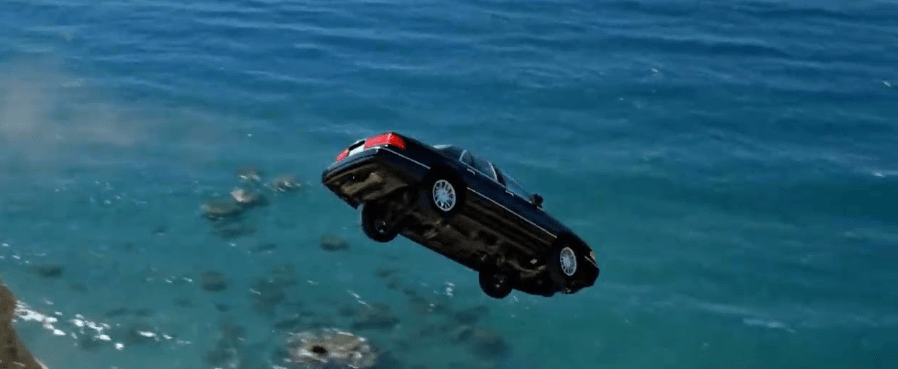
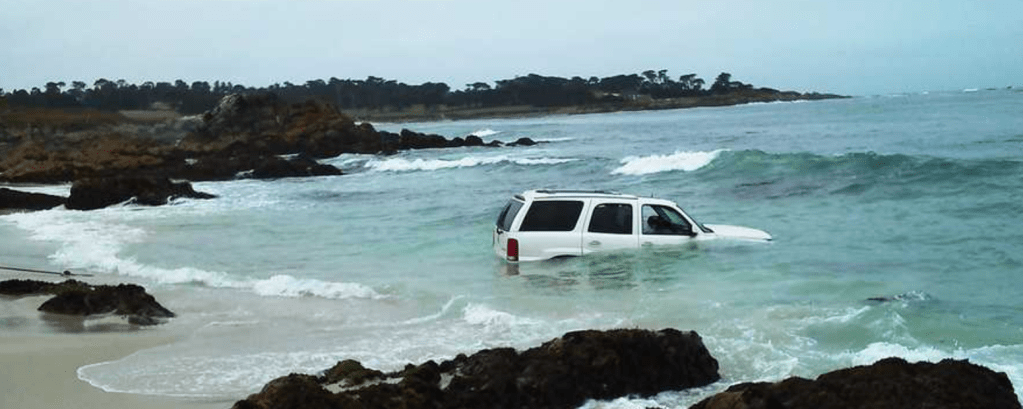
Surviving a Sinking Car in a World That Doesn’t Care If You Drown

Let’s get something straight right out of the gate: if your car is sinking, the world has already failed you. Society has crumbled long before you ever hit the water. Whether it’s shoddy infrastructure, distracted drivers, or the laughable excuse for “emergency preparedness” drilled into us by people who have never been in an actual emergency, the system isn’t coming to save you. And your precious online “life hacks”? They’ll be as useless as a seatbelt on the Titanic.

If you’re sinking in a car, you have one job: get out before the vehicle becomes a steel coffin. And the irony, the absolute cosmic joke of it all, is that escaping a sinking car is actually simple—if you know what you’re doing. But of course, most people don’t. People think the car will float serenely like a movie stunt scene while they calmly dial 911. No. Your car sinks faster than the average attention span on social media.

So here’s the truth—the bleak, harsh, angry truth—about how to escape a sinking car in a world determined to drag you down with it.


Step 1: Accept That You Are On Your Own

First things first. The moment your car hits water, you must assume no one is coming. Not quickly enough, not competently enough, and definitely not before the water fills your lungs. You don’t have time to wait. You don’t have time to debate. And you sure as hell don’t have time to panic.

You have between 30 seconds and 2 minutes in most sinking-car scenarios. That’s it. That’s your survival window. Every second you waste looking around like a confused tourist brings you closer to the bottom.

Everyone always says, “Call emergency services!”
Sure—if you want rescuers to retrieve your body rather than rescue it. Your phone call should happen after you reach dry land, not while you’re still strapped in watching water rise.

Your life is in your hands. Everyone else is just part of the background noise.


Step 2: Unbuckle Immediately—Not After You Debate It

People underestimate how fast panic sets in. They freeze in denial, thinking the car will stop sinking, or someone will magically show up, or that they’ll “figure it out in a second.” That second never comes.

The moment you hit the water, unbuckle your seatbelt.
No speeches. No hesitation. No dramatic last phone calls.

And for the love of survival, unbuckle the kids first if you have them. Children often can’t free themselves; adults can. Secure them, then move.

Seatbelts save lives—until they don’t. In water, they become shackles.


Step 3: Forget the Door—It’s a Trap

Hollywood lies. It lies about everything, but especially this.

You can’t just open the door when your car’s sinking. Unless you’re built like a hydraulic press, that door won’t budge. Water pressure makes sure of that.

If you try, you will fail.
If you keep trying, you will drown trying.
The door is a lost cause until the inside is fully flooded—and if you wait that long, well, good luck making it to the surface in time.

The door is not your friend. In fact, in a sinking car, it might as well be welded shut.


Step 4: The Window Is Your Way Out—Break It or Open It Fast

The window is your escape route. It is the ONLY escape route in the crucial early moments.

You cannot rely on power windows when your electrical system is immersed in water, but here’s the rough truth: they typically work for a few seconds after impact. That’s your grace period. A gift from the universe, even though the universe doesn’t care.

Best-case scenario: Open the window immediately.

Power windows still working? Good. Hit the button the instant the car touches water.
Rolling down a window could save your life faster than any rescue team ever will.

Worst-case scenario: Break the window.

Use a spring-loaded window punch. Not a hammer. Not your fist (unless you’re trying to break bones). A small, cheap punch. The kind every realist carries but most people don’t, because they’re too busy trusting society to protect them.

Aim for a corner of the window, not the center. Breaking the center is like trying to knock down a brick wall with good intentions.

And don’t even try the windshield. It’s laminated and designed to resist shattering. Focus on the side windows.

This is the life-or-death moment. Get that window open or broken, and you’ve bought yourself a chance.


Step 5: Escape Through the Window and Forget Your Belongings

Once the window is open, escape immediately. Do not turn around for your phone, your purse, your laptop, or the sentimental trinket you think you can grab in two seconds. Those seconds will drown you.

Every survival prepper knows this truth: stuff can be replaced, oxygen cannot.

If you’re helping others—kids, elderly passengers—push them through the window first. They may not have the strength to fight the outward pressure or the rising water.

Then get yourself out.

Push out and swim upward at an angle, because cars often drift downward while sinking. The surface isn’t always directly above you anymore.


Step 6: Swim Away From the Car

Cars don’t sink vertically like stones—they tilt, shift, and churn the water around them. Some even release air pockets that can disorient you. That’s the world for you: even in death, it tries to confuse you.

Swim upward and away. Put distance between you and the vehicle. Use strong kicks. Don’t waste breath. Don’t fight physics—work with it.

When you reach the surface, then you can inhale panic. Not before.


Step 7: Only After Survival—Call for Help

Congratulations. If you reached this point, you’ve done what many cannot: you took responsibility for your own survival.

Now, and only now, do you call for help. Emergency services can take it from here, but they won’t get the credit. Your instincts will.


Final Thoughts From Your Resident Angry Prepper

The world doesn’t prepare you for real emergencies. It hands you pretty safety slogans and expects you to be grateful. But reality is cruel, and water is unforgiving. When your car starts sinking, the only person you can count on is yourself.

I’m not here to sugarcoat anything. I’m here to tell you the truth the world hides because it scares people: most emergencies give you one shot. One window. One moment to act.

And now you know how to use it.

Learn these steps, prepare for the worst, and maybe—just maybe—the world won’t get the satisfaction of dragging you under.

The EMP Threat Is Real: Why Prepared Families Are Safer Families

If there’s one thing I’ve learned after helping over 9,000 people get prepared, it’s this: you will never regret being ready, but you will always regret being caught off guard. And when it comes to the threat of electromagnetic pulse (EMP) weapons, that saying has never been more true.

I’m a happy prepper—not because I’m excited about disasters (far from it), but because I’ve seen firsthand how empowered and joyful a family becomes once they take control of their safety. Preparedness isn’t fear. Preparedness is FREEDOM. And today, I want to talk about a topic that many folks still believe lives only in sci-fi movies… but in reality, it’s as current as the phone in your pocket.

EMP weapons are no longer something governments merely research. They’re no longer hypothetical “maybe one day” scenarios. EMPs—whether naturally occurring from solar flares or man-made through specialized devices—are very real, very present, and very capable of turning modern society upside down in seconds.

But here’s the good news (and I always bring good news): with preparation, your family can weather an EMP event with confidence, comfort, and capability. Let’s break it all down so you walk away empowered—not overwhelmed.


What Exactly Is an EMP? (And Why It Matters)

An electromagnetic pulse (EMP) is a sudden burst of electromagnetic energy that can disrupt or disable electronics and electrical systems. You don’t need to understand the physics behind it to grasp the critical point: an EMP can knock out the power grid and anything dependent on it.

That means:

  • No lights
  • No refrigeration
  • No cell phones or computers
  • No ATMs
  • No functioning gas pumps
  • No running water in many areas
  • No modern vehicles that rely heavily on electronics

In other words, an EMP could set us back technologically by decades—overnight.

There are two major sources to be aware of:

1. Natural EMPs

These stem from massive solar storms or coronal mass ejections (CMEs). These have happened many times in Earth’s history, including the famous Carrington Event of 1859. Back then, telegraph systems caught fire—imagine that level of energy hitting our digital society today.

2. Man-Made EMPs

These include specialized devices designed to generate powerful electromagnetic bursts. You don’t need details about how they’re made or deployed (and I won’t provide any), but it’s enough to know: the technology exists, is well-understood, and multiple nations acknowledge its development.

EMP weapons have moved from the “maybe someday” category into the “they exist today” category.

And that’s why YOU are smart for wanting to prepare your family.


Why You Need to Prepare Your Family NOW

EMP preparedness isn’t about panic. It’s about practicality. It’s about loving your family enough to put a plan in place while life is calm and peaceful—so that if chaos ever arrives, you’re ready to rise above it.

Here are five reasons preparation is essential:

1. The Grid Is Vulnerable

Our electrical grid is a patchwork of aging components. Engineers, government reports, and infrastructure experts regularly point out its vulnerabilities. Even without malicious threats, it’s fragile enough that storms knock out power for thousands each year.

Add in an EMP? The impact could be nationwide.

2. Society Relies Almost Entirely on Electronics

Think of how much everyday life depends on digital systems. Banking, communication, transportation, heating, water purification—all electrical, automated, and interconnected.

EMP preparedness is really just basic societal failure preparedness.

3. Emergency Services Will Be Overwhelmed

When 9,000 people look to me for help, I can handle that. When 90 million people look to emergency responders? Impossible. If you’re not prepared, you’re in a race with millions of others who suddenly need the same resources.

4. Prepared Families Thrive While Others Panic

I’ve seen this over and over: families that have even a modest preparedness plan experience calm, confidence, and capability during crisis. Instead of scrambling, they adapt. Instead of fear, they move with purpose.

5. It Doesn’t Take Much to Be Far Ahead

The beauty of EMP preparation is that small actions create big advantages. You don’t need a bunker, a thousand acres, or a doomsday fortress. You simply need a plan and a few smart tools.


How to Prepare Your Family for an EMP (Without Stressing Out)

Let’s get to the fun part. Yes—FUN. Because prepping isn’t doom and gloom. It’s a lifestyle of empowerment. It’s about building a cushion of safety and independence.

Here are the foundational steps I’ve taught for years, the same steps that have helped thousands of families get ready without overwhelm.


1. Build a Reliable Food & Water Plan

In a grid-down scenario, food supply chains and water systems can fail quickly.

Water:
Store at least one gallon per person per day for two weeks. Add filtration and purification tools, because stored water eventually runs out.

Food:
Build a pantry of shelf-stable foods you already love. Canned meats, beans, rice, oats, pasta, freeze-dried meals—simple, comforting items your family already eats.

A prepared pantry means peace of mind.


2. Protect Critical Electronics in a Simple Faraday Container

You don’t need anything fancy. Metal containers with tight-fitting lids, specialized EMP bags, or a galvanized steel trash can with rubber insulation can all act as Faraday cages.

Items worth protecting include:

  • Small radios
  • Flashlights
  • Rechargeable batteries
  • Portable solar chargers
  • Medical devices that can be stored safely
  • Hard-drive backups of important family documents

Remember: you’re not protecting luxury—you’re protecting capability.


3. Get Comfortable Going Off-Grid

You don’t have to live off-grid—you just have to be capable of doing so temporarily.

Skills to practice include:

  • Cooking without electricity
  • Heating safely without the grid
  • Using alternative lighting
  • Managing sanitation

Make these practice days fun. Turn them into family adventures. I promise—kids love “grid-free nights.”


4. Strengthen Family Communication & Plans

In an EMP event, communication networks may fail. Your family needs a simple plan:

  • Where to meet
  • Who checks on whom
  • What to do if separated
  • What gear each person is responsible for

Prepared families don’t panic—they execute.


5. Build a “Grid-Down” Emergency Kit

A basic kit includes:

  • First-aid supplies
  • Flashlights
  • Batteries
  • Portable solar chargers
  • A crank radio
  • Water filters
  • Emergency blankets
  • Extra medications

This isn’t about fear—it’s about being comfortable when others aren’t.


Preparedness Is Love in Action

I’ve helped thousands of people build resilient, capable families. Every time I meet a newly prepared household, their eyes light up with confidence.

You’re not preparing because disaster is inevitable. You’re preparing because your family is worth protecting.

EMP threats aren’t futuristic—they’re part of our modern reality. But with the right mindset, the right tools, and the right plan, you can transform that reality into peace of mind.

And I’ll tell you this from experience:
Prepared families are happier families.

So take the next step. Build your plan. Protect your loved ones. And join the growing community of joyful preppers who face any challenge with a smile and a full toolkit.

You’ve got this—and I’ve got your back.

Don’t Be a Sitting Duck: How to Survive a Nuclear Disaster in the U.S.

I’m not here to sugarcoat anything: the United States is sitting on a goddamn ticking nuclear time bomb. And no, your elected clowns in Washington won’t save you. They’re too busy arguing over budget sheets and selfies while our country’s nuclear reactors age like moldy cheese. You want to live when—no, if—a meltdown hits? Then you better start paying attention, because your life, and anyone dumb enough to rely on Uncle Sam, is on the line.

First, let’s get something straight: nuclear reactors are NOT invincible. They are massive piles of metal, concrete, and radioactive fuel rods that can and do fail. Look at Chernobyl, Fukushima, Three Mile Island… these weren’t fairy tale disasters; they were very real, very deadly, and entirely preventable if someone had been paying attention. In America, we like to tell ourselves, “Oh, that could never happen here.” Wrong. Complacency is the fastest path to being irradiated like a rotisserie chicken.

Here’s a little secret the government won’t shout from the rooftops: most U.S. nuclear plants were designed decades ago. Maintenance is patchy at best, corners are cut, and the same engineers who warn about risks are often ignored because the suits don’t want to spend a dime on safety. So yes, the risk of a nuclear meltdown in the United States is higher than you think. Higher than you care to admit. And if you’re one of those people whining about the stock market or the latest TikTok trend, congratulations—you’re about to become radioactive dust.

Let’s talk reality. In the event of a meltdown, you’re looking at catastrophic radiation exposure. I’m not talking a little rash or feeling woozy. I’m talking immediate sickness, death, and a slow, painful decay if you survive the initial blast. Fallout spreads with the wind, contaminating water, soil, and food for miles. Your average grocery store is a death trap, your city is a ghost town before you even figure out which way to run. And don’t expect FEMA or the National Guard to swoop in like heroes—they’re more likely to be evacuating their own sorry asses while you scramble in the dust.

So, what do you do if you actually have the guts to survive instead of whining about it? Step one: knowledge. Know where the nearest nuclear reactors are. There are over 90 operating in the United States, and they aren’t all tucked away in “safe” places. If you live within 50 miles of one, consider that a death zone in case of meltdown. Check evacuation routes, understand wind patterns, and never assume authorities will guide you safely—they won’t.

Step two: shelter. You think your flimsy suburban home will stop radiation? Wrong. You need a fallout shelter. If you don’t have one, improvise. Basements, storm cellars, or even the center of large, concrete buildings can provide partial protection. The goal is to put as much dense material between you and the radioactive particles outside as possible. Lead, concrete, dirt—stack it up. If you can, stockpile at least two weeks’ worth of food, water, and medical supplies inside that shelter. You’ll be too busy praying to the gods that you remembered your potassium iodide tablets to complain about taste or boredom.

Step three: gear up. This isn’t optional. A proper gas mask or respirator is your first line of defense against inhaling radioactive dust. Thick gloves, protective clothing, and sturdy boots are next. You need to be ready to step outside to gather supplies without turning yourself into a walking beacon of gamma radiation. Forget the latest fashion trends; if you’re not coated like a hazmat zombie, you’re toast.

Step four: water and food. Radiation contamination isn’t just about the air. Streams, lakes, and even tap water can become dangerous within hours of a meltdown. Store at least a month of clean water per person if you can manage it. Canned goods, freeze-dried meals, and anything shelf-stable is your friend. And for the love of all that’s holy, don’t trust anything grown in contaminated soil unless you have a damn Geiger counter to test it.

Step five: radiation monitoring. If you can afford it, invest in a Geiger counter or a dosimeter. No, your phone’s app doesn’t count. You need hard data to know if it’s safe to leave your shelter or not. Radiation doesn’t care if you feel fine—it’s silent, invisible, and deadly. And the longer you expose yourself, the faster your body turns into a glowing skeleton. That’s not hyperbole. That’s nuclear reality.

Here’s the part most people won’t tell you: a meltdown isn’t a one-day event. Fallout lingers. Weeks, months, maybe even years. Your survival isn’t about sprinting to the nearest bunker and calling it a day; it’s about long-term planning. Rotate food, purify water, maintain ventilation in your shelter, and be ready for the psychological toll of isolation. Most people won’t survive the panic, depression, and sheer boredom. But the ones who prepare will have a fighting chance.

And let’s get one thing crystal clear: if you don’t act, you’re a liability. You’re not just risking your own skin; you’re endangering others who might count on you. Families, neighbors, coworkers—they can be collateral damage if you run around clueless. Don’t be that guy. Take responsibility. Stop whining about politics or waiting for the “government to handle it.” They’re too busy pretending everything is fine while you rot.

If there’s one last nugget of truth I can shove down your oblivious throat, it’s this: survival is brutal, selfish, and ugly. You have to accept that. Caring about others in a nuclear meltdown is a luxury. You need to think: “How do I stay alive?” because if you’re dead, your moral high ground is meaningless. Prepare ruthlessly. Protect yourself. Ignore the weak-willed naysayers. And when the fallout settles, only the prepared, smart, and ruthless will be left standing.

So stop reading this and start acting. Buy your supplies, fortify your shelter, learn your escape routes, and practice your radiation drills. Because one day, maybe soon, you’re going to wish you had listened. And if you don’t, don’t come crying to anyone. Survival isn’t for everyone, but if you follow this advice, at least you’ll have a chance. And that, my friends, is more than half the battle in this radioactive nightmare we call America.

Emergency Preparedness Planning 101: What to Do Before Everything Falls Apart

If you’re reading this, congratulations—you’re at least aware enough to realize the world is a mess and getting messier by the day. Most people shuffle through their lives staring at their phones, trusting the government, corporations, or some miraculous stroke of luck to save them when disaster strikes. Spoiler alert: no one is coming to save you. Emergency preparedness isn’t a hobby; it’s the bare minimum level of responsibility any halfway conscious adult should take. And yet here we are, in a society where people panic when the WiFi goes down for twenty minutes.

Welcome to Emergency Preparedness Planning 101—the class everyone should have taken, but most didn’t because they assumed everything would always be fine. Those of us who actually prepare know better. We don’t do it because it’s “fun” or because we want to feel special. We do it because we’ve seen enough to know that chaos is inevitable. And when chaos comes, you’re either ready… or you’re a liability.

Let’s go through what you should already know but probably don’t.


1. The First Rule: Accept That Disasters Happen

Most people cling to the fantasy that emergencies are rare. They’re not. At any moment, you could be dealing with:

  • Natural disasters
  • Power grid failures
  • Economic collapse
  • Social unrest
  • Pandemics
  • Infrastructure breakdown
  • Supply chain interruptions

And let’s not pretend any of these are far-fetched. Recent years have made it painfully clear how quickly society falls apart when even small disruptions hit. Yet people still act shocked when they walk into a store and see empty shelves. The truth is that modern society is held together with duct tape and wishful thinking. Preparing isn’t pessimism—it’s realism.


2. Water: The One Thing You Can’t Afford to Overlook

It’s astounding how many people stockpile gadgets, weapons, or flashlights but forget water—the literal foundation of survival. The rule is simple: one gallon per person per day, and that’s scratching the surface. Add pets, hygiene, cooking, and unforeseen emergencies, and that number climbs quickly.

If you think a few plastic bottles shoved in a closet is enough, you’re fooling yourself. Water sources get contaminated, municipal systems fail, and bottled water disappears instantly during any crisis. You need:

  • A minimum two-week supply stored
  • A long-term water storage plan
  • Filtration and purification systems
  • Redundant backup methods

Because if you don’t plan now, you’ll be fighting your neighbor at the nearest drainage ditch when the taps run dry.


3. Food Storage: Not the Instagram Version

People love the idea of food prepping until they realize it involves work and discipline. Emergency food storage is not about bragging rights or looking cool in a bunker selfie. It’s about having the calories and nutrients you need to keep going when grocery stores are stripped bare—which happens faster than most people believe.

Your food storage should include:

  • Shelf-stable staples (rice, beans, oats, pasta)
  • Freeze-dried meals
  • Canned protein
  • Long-term storage containers with oxygen absorbers
  • A rotation schedule

And before you even think it: no, your freezer doesn’t count. When the power goes out and everything inside turns into a thawed, useless mess, don’t say you weren’t warned.


4. Power: Because Sitting in the Dark Isn’t a Plan

If a grid failure happened right now, most people would be paralyzed. You need alternative power sources—plural. Relying on a single generator is a rookie mistake. Fuel runs out. Systems fail. Weather gets unpredictable.

A real prepper builds redundancy:

  • Solar power systems
  • Portable solar panels
  • Battery banks
  • Hand-crank chargers
  • Generators (as a secondary system)

This isn’t paranoia. It’s accepting the reality that modern life depends on electricity, and electricity is far more fragile than anyone wants to admit.


5. First Aid: Because the World Doesn’t Hand Out Second Chances

You don’t need to be a doctor, but you need more than an outdated band-aid box from 2004. When emergencies strike, hospitals overload instantly, and you may be on your own.

Your first aid preparedness should include:

  • A professional-grade trauma kit
  • Knowledge of wound care
  • Skills in CPR and basic first aid
  • Over-the-counter medications
  • Prescription backups (if possible)

Because when someone gets hurt—and someone will get hurt—waiting for help isn’t an option.


6. Security: The Topic Everyone Tiptoes Around

Let’s be honest: during real emergencies, people can be almost as dangerous as the disaster itself. Society runs on rules and consequences—take those away, and human behavior becomes incredibly unpredictable.

You need a plan to keep yourself and your loved ones safe. That includes:

  • Physical security
  • Situational awareness
  • Reinforced entry points
  • Lighting
  • Alarms
  • Nonviolent self-defense tools
  • Communication plans

The point isn’t to live in fear; it’s to not be blindsided when people act desperate, irrational, or opportunistic.


7. Communication: Because Isolation Is a Death Sentence

You need to be able to reach others—and they need to be able to reach you—when the world goes quiet. Don’t rely on cell towers and internet providers; they’re usually the first to collapse during crises.

A real emergency communication setup should include:

  • Battery-powered radios
  • NOAA weather radios
  • Two-way radios
  • Backup power sources
  • Written communication plans for your group or family

Being disconnected during an emergency is not only dangerous—it’s completely avoidable with minimal planning.


8. A Mindset That Doesn’t Crumble

Gear is useless without the right mindset. Emergency preparedness is about being mentally ready to deal with unpredictability. It’s about accepting that you’re responsible for you, no matter how much society has trained people to outsource responsibility.

Mindset means:

  • Staying calm under pressure
  • Being adaptable
  • Making decisions when others freeze
  • Thinking ahead
  • Maintaining discipline even when everything feels pointless

Preparing isn’t pessimistic—it’s acknowledging reality. Anyone who thinks the world is stable hasn’t been paying attention.


Final Thoughts

Emergency preparedness planning isn’t complicated. What makes it difficult is the denial people cling to. If you’re reading this, you’re already ahead of most. But being aware is only step one. Doing something about it is what matters. Stocking up, planning, learning, and preparing aren’t overreactions. They’re survival.

If the world goes sideways—and eventually it will—your only regret will be not preparing sooner.

When Terror Strikes, Don’t Count on Anyone: How Americans Can Actually Communicate When Attacked

If you’re waiting for the government, the cell towers, or the so-called “resilient infrastructure” of this country to save you during a terrorist attack, then you’ve already lost. And no, I’m not sugarcoating anything—because the world doesn’t sugarcoat disaster. Americans walk around glued to their screens, convinced that the same fragile networks delivering cat videos and grocery coupons are going to hold up the moment a coordinated terrorist attack strikes. Spoiler alert: they won’t. They never do.

Every single major emergency—from 9/11 to hurricanes to localized attacks—shows the same predictable pattern: communication systems fail, and people are left in the dark. Literally and figuratively. The angry part of me isn’t because disaster is unavoidable—it’s because we, as a nation, still refuse to learn. We built our entire society on a digital house of cards, and everyone acts shocked when it collapses.

So here’s the reality check nobody wants but everybody needs: if you don’t have a communication plan BEFORE a terrorist attack, you won’t have one DURING it.

You either prepare, or you gamble your life on luck. And luck doesn’t care about you.


Why Cell Phones Become Useless During a Terrorist Attack

Most Americans cling to their cell phones like life rafts, as if holding the slab of glass in their hands gives them some sort of immunity to chaos. But during a terrorist attack? That device becomes dead weight.

Here’s what actually happens:

1. Networks Get Overloaded

Every terrified human in a radius of miles starts calling everyone they know. Emergency lines get overwhelmed. Non-essential calls clog bandwidth. And soon, even emergency responders lose connection.

It’s not sabotage. It’s not a conspiracy. It’s math. Too many people, not enough capacity.

2. Towers Can Be Taken Offline

A single attack on critical infrastructure—or even a precautionary shutdown—can erase all connectivity in seconds. Terrorists know this. Emergency planners know this. The general public pretends not to.

3. GPS and Apps Become Useless

People think they’ll “just use Google Maps to find safety.” Sure. If satellites cooperate, towers stay online, and your battery doesn’t die in the 45-minute gridlock evacuation.

Good luck.


The Government Will Not Magically Communicate With You

We all love to imagine FEMA sending perfectly timed alerts and instructions. The reality? Emergency systems can—and do—fail. Even when alerts go out, they’re often delayed or inconsistent across regions.

And let’s be honest… even when the alerts work, half the country ignores them because they think everything is a test.

You can trust official alerts to help when possible. But you absolutely cannot rely on them exclusively. That’s not paranoid—that’s practical.


So What CAN Americans Do?

Thankfully, you’re not entirely doomed—unless you stay unprepared. You want communication options during a terrorist attack? Then you need redundancy, self-reliance, and a plan that works even when the entire digital system collapses.

Here’s what actually works, even when the world comes apart:


1. Create a Family Emergency Communication Plan

No, not a vague “text me if something happens.” A real plan. Written. Practiced.

It should include:

  • Two primary contacts
  • Two backup contacts
  • A meeting location
  • An alternate meeting location
  • A designated out-of-state contact (often easier to reach when local lines are jammed)
  • Instructions for what to do if separated

This isn’t overkill. This is responsibility.


2. Learn the Power of SMS Over Calls

Text messages use a fraction of the bandwidth of phone calls. Even when networks are collapsing, SMS might still sneak through. It’s slow, unreliable, and agonizing—but better than screaming into the void.

Use short, clear texts like:

  • “Safe.”
  • “Evacuating.”
  • “Meet at location A.”
  • “Can’t reach you. Will try again in 20 min.”

If you send long essays during a crisis, then maybe the crisis isn’t the biggest problem.


3. Two-Way Radios Are Not Just for Hobbyists

Americans love to mock preppers and their radios—right up until the moment those radios are the ONLY working communication method left.

FRS/GMRS Radios

Inexpensive. Widely available. Great for short-range family communication.

HAM Radio (Amateur Radio)

This is where the real reliability lies. Yes, it takes time to learn. Yes, you need a license. But you gain:

  • Independent communication
  • Long-distance reach
  • Access to emergency frequencies
  • The ability to receive real-time local information

HAM radio operators are often the first and last people communicating during disasters.

If you’re too busy to learn HAM radio, fine—just don’t pretend your phone will save you instead.


4. Keep an Emergency Power Source

Your fancy phone is just a useless brick once the battery dies. And it will die.

You need:

  • Portable battery banks
  • Solar chargers
  • Car chargers
  • A hand-crank emergency radio

If your communication tools can’t stay powered, they may as well not exist.


5. Have Hard Copies of Critical Information

Everyone relies on digital info—until the digital world collapses.

Print:

  • Emergency contacts
  • Maps of your city
  • Evacuation routes
  • Family meeting points
  • Medical info
  • Important addresses

Paper doesn’t lose signal. Paper doesn’t need WiFi. Paper doesn’t die.


6. Neighborhood Communication Networks

Yes, I know the world feels like it’s full of unreliable people. But in a crisis, neighbors can be your lifeline—or you can be theirs.

Organize:

  • A shared radio channel
  • A check-in system
  • A basic alert system (whistles, horns, etc.)

Community resilience matters, even in a world that often feels disappointingly fragile.


7. Stay Informed WITHOUT Internet

You need devices capable of receiving emergency broadcasts when cellular and internet systems go offline:

  • NOAA weather radios
  • Emergency alert radios
  • Battery-powered AM/FM radios

When terrorists strike, ignorance is deadly. Information is survival.


Final Thought: Communication Isn’t a Gadget—It’s a Mindset

Americans love easy solutions. But communication during a terrorist attack isn’t about apps, phones, or gadgets. It’s about preparation. The bitter truth is that most Americans simply aren’t prepared—and their complacency will cost them.
You don’t have to become a bunker-dwelling hermit (though some people could benefit from less screen time and more survival time). You just need to accept reality: no system is guaranteed to protect you. You must protect yourself.

Prepare now, or panic later. And panic never communicates anything worth hearing.

Your Brain Is the Only Prep That Won’t Fail You When SHTF (Unless You’re an Idiot)

People love to brag about their gear. They’ll wave around their $300 flashlights, their tacticool backpacks overloaded with things they don’t even know how to use, and their shelves stacked with food they’d burn through in three panicked weeks. Everyone wants to look prepared. Everyone wants to pretend they’re going to be the rugged survivor when everything collapses. But here’s the ugly truth that most people can’t—and won’t—face:

Your gear isn’t your salvation. Your storage isn’t your guarantee. The ONLY prep that actually matters when SHTF is inside your skull.

And judging by how the world behaves these days, most people’s mental preparedness is as empty as the store shelves will be when everything finally goes over the cliff.

People Prepare for Everything Except Actually Using Their Brains

The survival world has turned into a shopping spree masquerading as preparedness. Preppers buy gear the way the average person buys comfort foods—out of insecurity and habit. They think the gear will magically make up for their lack of experience, their lack of discipline, and their lack of mental resilience. But a tool is only as useful as the person holding it, and when SHTF, the only tool you won’t be able to lose, break, misplace, forget, or run out of batteries in is your MIND.

But instead of sharpening the most powerful survival tool they own, people distract themselves with toys and gadgets. They practice bushcraft once a year, maybe, when the weather is nice and the bugs aren’t biting. They read survival books but never actually test the ideas in real life. They make plans that only work under perfect conditions. Worst of all, they assume they’ll think clearly under pressure.

Let me tell you something: your brain, right now, in your daily comfort, is NOT the brain you will have when SHTF.

Stress Turns Most People Into Useless Liabilities

Everybody imagines themselves as the calm, collected hero in a crisis. But real disaster doesn’t care about your fantasies. When panic hits, your brain flips into primal mode. Fine motor skills degrade. Decision-making deteriorates. People freeze. Some scream. Some sit down and give up. Some make the worst possible choices simply because their nervous system has taken the wheel.

You think you’ll be able to shoot straight when someone is threatening your life? You think you’ll remember your fancy gear setup when you’re running on no food, no sleep, and are dehydrated enough that your brain is misfiring? Without mental conditioning—and I mean real conditioning, not just imagining yourself in a heroic scenario—you’ll crumble like the rest.

A weak mind is dead weight. And dead weight doesn’t survive collapse.

Situational Awareness: The Lost Art That Will Save Your Life

The saddest thing about society right now is how blind people are to their surroundings. Everyone is glued to a screen, walking around with the awareness of a stunned sheep. Nobody pays attention. Nobody watches for threats. Nobody picks up on social cues or environmental changes.

When SHTF, the people who can’t see danger until it’s touching them won’t last 24 hours.

Situational awareness—REAL awareness—is the skill that separates survivors from statistics. It’s about observing, processing, analyzing, and predicting. It’s about seeing an escalating threat before it becomes unavoidable. It’s about noticing resources others overlook. It’s about reading people and understanding when someone is about to become a problem.

This doesn’t come from gear. It doesn’t come from buying more things to store in your garage. It comes from deliberately retraining your mind to pay attention to the world you live in.

Adaptability: The Survival Trait Everyone Thinks They Have But Don’t

People love their routines. They cling to stability like it’s oxygen. But when the world breaks—and it will—it won’t break cleanly or politely. It’ll happen at the worst moment, with the worst conditions, and you’ll need to change course instantly.

Most people can’t handle that level of uncertainty. They need someone to tell them what to do. They need structure. They need reassurance. When everything familiar disappears, they mentally collapse.

But the survivors? The real survivors?

They adapt instantly.
They improvise.
They maintain clarity.
They pivot without hesitation.

Adaptability is pure mental flexibility, and it’s far more rare than you think. Society trains people to be obedient consumers, not independent thinkers. So don’t expect the average person to suddenly switch into survival mode when the world falls apart. They won’t. They’ll freeze up and wait for help that’s never coming.

You want to be different? Then train your mind for chaos NOW.

Knowledge Beats Gear Every Time

I’m not saying gear is useless. I’m saying gear without brains is useless.

Take two people:

  • One has a cheap knife and solid survival skills.
  • The other has a $300 knife and zero clue how to actually use it.

Who survives? The one who knows what the hell they’re doing.

A skilled mind makes ANY tool better.
An unskilled mind makes EVERY tool worthless.

You can replace gear. You can replace supplies. But you can’t replace the knowledge and mental resilience that turns a disaster into a manageable challenge.

Your Mindset Determines Whether You Survive or Become a Casualty

Here’s the harsh truth most preppers never want to confront: Survival isn’t about strength, or toughness, or gear, or who has the most cans of beans. Survival is about psychology—pure and simple.

The survivors are the ones who:

  • Stay calm when others panic
  • Think clearly when others lose their minds
  • Make decisions without hesitation
  • Control their emotions
  • Accept reality instantly
  • Act without waiting for permission

This is mental conditioning. This is internal preparedness. This is what actually keeps you alive when SHTF.

Stop Preparing Your Home and Start Preparing Your Head

If you want to survive the collapse that’s slowly rolling toward us like an unstoppable train, you need to stop relying on your gear and start relying on yourself. Start thinking critically, training your awareness, practicing decision-making under stress, and facing the reality that the world is NOT stable, NOT dependable, and NOT safe.

Your brain is the prep you can’t lose, can’t misplace, and can’t run out of.
But only if you actually train it.

Otherwise, when SHTF, you’re just another panicked, confused liability wandering into danger.

The world is falling apart.
Get your head on straight before it’s too late.