Top Survival Foods You Better Have Before Everything Goes Wrong (And It Will)

If you’re reading this, congratulations—you’ve at least realized that the world is one minor disaster away from going completely off the rails. Most people wander through life thinking the grocery store shelves magically refill themselves, or that disasters only happen on TV. Spoiler alert: they don’t. And when things inevitably go sideways, those same people will be crying in parking lots looking for bottled water. Meanwhile, you—if you actually follow through—might stand a fighting chance. But only if you stock the right survival food in your kit. And please, for your own sake, don’t pack the usual garbage people think qualifies as “emergency food.”

So let’s go through the best survival food items for your survival kit—the ones that won’t get you killed. I’ll even break down why they matter, though frankly, it’s the kind of common sense people should already know.


Why Survival Food Matters (If That Isn’t Obvious Already)

Look, survival isn’t a cooking show. You’re not going to be flambéing anything when the power’s out or when you’re trekking through debris and broken glass. Survival food has one job: keep you alive. That means it has to meet a few basic criteria that too many people ignore:

  • Long shelf life – Because you’re not rotating your stock like a grocery store.
  • High-calorie density – Starving is a terrible hobby.
  • Low preparation requirement – You may not even have clean water, let alone a working stove.
  • Portability – If your kit weighs as much as your regrets, you won’t make it far.

If a food item doesn’t meet those requirements, it doesn’t belong in your survival kit. Period.


1. Peanut Butter: The Undisputed Champion of Not Dying

Peanut butter is cheap, dense, portable, shelf-stable, and calorie-loaded. It’s basically the perfect survival food. Unless you’re allergic—in which case, well, you’ve got a different set of problems.

One jar can pack over 2,500 calories, tons of fat (which you need when you’re burning energy like a madman), and protein. You don’t need to heat it, cook it, or refrigerate it. You don’t even need to like it—survival isn’t a gourmet experience.


2. Energy Bars: Because You Won’t Be Sitting Down for a Meal

Forget your fancy protein bars with quinoa sprinkles and “forest berry drizzle.” I’m talking about high-calorie, dense energy bars—the type hikers choke down because they’re too useful to ignore.

These bars take up almost no space and deliver a hit of carbs, fats, and sugars that can keep your body from shutting down while you’re slogging through a disaster zone.

Just keep in mind that some bars pretend to be healthy and barely hit 150 calories. If you want to survive, not starve, pick bars in the 300–400 calorie range. And no, you don’t get bonus points for organic.


3. Canned Meat: The Not-So-Glamorous Lifesaver

A lot of people gag at the idea of canned meat, which tells me they’ve never been hungry enough. Tuna, chicken, spam, salmon—pick your protein. These cans last forever, they’re packed with nutrients, and they can be eaten straight from the can if you don’t mind looking like a character from a post-apocalyptic movie.

To make it even better, canned meats don’t need refrigeration until they’re opened. Just remember to pack a can opener unless you plan on bashing the cans open with a rock like a caveman.


4. Rice and Beans: The Classic Combo That Refuses to Die

If civilization ends tomorrow, rice and beans will probably still be around in some dusty pantry. And for good reason:

  • Together, they form a complete protein.
  • They’re cheap.
  • They store forever—especially if you repackage them with oxygen absorbers.

Yes, they require cooking and water, which isn’t ideal. That’s why these belong in your home stash or long-term survival bag, not your small emergency kit or bug-out bag. Still, they’re worth mentioning because few foods give you more nutrition per dollar.


5. Freeze-Dried Meals: The Fancy Option (But Actually Smart)

Freeze-dried meals get mocked by people who think survival food should taste like cardboard. But here’s the reality: these meals are lightweight, last 20–30 years, and only require hot water. That’s a pretty sweet deal when the alternative is gnawing on dry pasta.

Get meals that have at least 500 calories per pouch, not those pathetic backpacking meals made for people pretending to “rough it.” Go for brands known for high calorie counts and decent macros.

And don’t forget: freeze-dried isn’t the same as dehydrated. Freeze-dried lasts much longer and keeps more nutrients intact. Your future half-starved self will thank you—though you might not deserve it.


6. Instant Oatmeal: Low Glamour, High Payoff

Instant oats are a survival staple. They’re cheap, flexible, lightweight, and ridiculously easy to prepare. In worst-case scenarios, you can even “cold soak” them in water if you have to. Sure, the texture will be awful, but again, this is survival—not brunch.

Pick plain oats, not the sugary varieties. You need calories, not cavities.


7. Trail Mix: Because You’ll Need Fuel, Not Motivation

Trail mix is what happens when nuts, dried fruit, and chocolate decide to form a survival alliance. It’s loaded with fats, carbs, and sugar—all things your doomsday body will burn through in minutes.

Make sure your trail mix includes:

  • Nuts (fat and protein)
  • Dried fruit (quick carbs)
  • Chocolate or M&Ms (morale and calories)

Skip the trendy stuff with kale chips or yogurt drops. The goal is survival, not pretending to be healthy during the apocalypse.


8. Hardtack or Survival Rations: The Food Brick You’ll Hate but Depend On

Hardtack is basically the bread equivalent of a brick—hard, tasteless, and nearly indestructible. But it lasts decades if kept dry and can keep you alive when everything else runs out.

Modern emergency rations (like 2,400–3,600 calorie bars) are much more efficient. Yes, they taste like slightly sweet cardboard, but they’re designed to survive heat, cold, moisture, and probably nuclear winter. And you only need a few bars to survive a couple of days.


9. Shelf-Stable Ready-to-Eat Meals (MREs)

If you want the convenience of a full meal without any preparation, MREs are the way to go. They come with heaters, so you can eat hot food even if everything around you is on fire—literally or metaphorically.

They’re heavy, so don’t pack too many in a go-bag, but having one or two can make a miserable situation slightly less unbearable.


Final Thoughts: If You Don’t Prepare Now, Don’t Complain Later

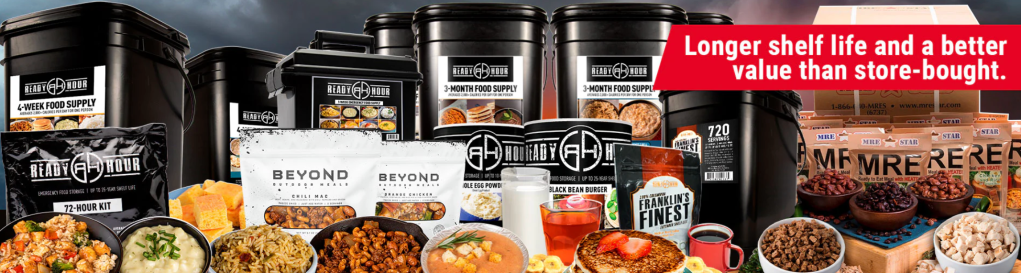
Most people wait until disaster hits before realizing they should’ve prepared. Don’t be one of them. A survival kit without proper food is just a fancy bag of regrets. Start with the basics above and pack enough calories to sustain you for at least 72 hours. More if you actually want a fighting chance.

Because when things fall apart—and they will—your survival kit is the only thing standing between you and becoming another cautionary tale that people pretend they learned something from.

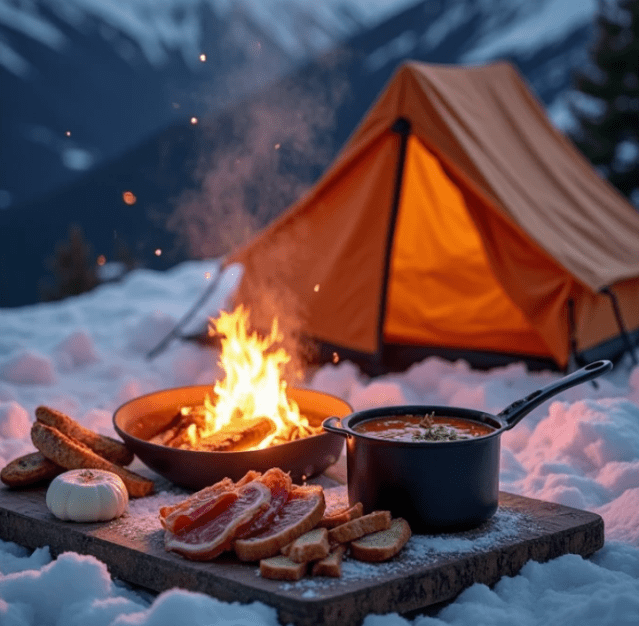
Bug-Out with Tent, Trailer, or Something Else? Why Your Choice Might Still Get You Killed

Let’s face it: most people wandering through life today think “bugging out” means grabbing a backpack, hopping in an SUV, and heading toward some fantasy cabin in the mountains like they’re starring in a low-budget survival movie. Meanwhile, those of us who actually prepare—really prepare—know that the world is teetering on the edge of collapse, and the worst part isn’t the chaos coming. It’s the crowds of clueless citizens who think they’re going to “figure it out” as everything burns.

So here’s the ugly truth: your bug-out shelter—tent, trailer, or whatever else you’ve romanticized—is probably not the miracle solution you think it is. Every option has weaknesses. Every option can fail you. And if you expect otherwise, you’ve already lost.

Still, we’re stuck in this doomed civilization together, so let’s break down the realities of the three main bug-out shelter paths and why they might, if you’re lucky, give you a microscopic edge when everything goes dark.


Option 1: The Tent — Lightweight, Portable, and Pathetically Vulnerable

Ah yes, the favorite of ultralight backpackers and YouTube survival “influencers” who pretend they know cold, hunger, and terror. The tent is the bug-out choice for those who prefer mobility—but it’s also the choice for those who are comfortable sleeping inside a nylon bag while the entire forest listens to them breathe.

But here’s why tents do matter despite their fragility:

The Pros:

  • You can move fast. Mobility is survival when the masses are fleeing like sheep without GPS.
  • No fuel requirement. Unlike trailers or RVs, you don’t become dependent on gas—something most people won’t plan for until they’re siphoning fuel in the middle of the night.
  • Cheap enough that even beginners can buy a real one. And yes, beginners will still manage to buy the wrong one, but at least they have a shot.

The Cons:

  • Zero protection. Rainfly or not, if the weather wants to punish you, it will. If wildlife wants to investigate your midnight snack, it will. If humans want your supplies, you’re done.
  • Terrible insulation. You’re a warm, edible burrito to the world.
  • Setup requires calm hands—something you won’t have on Day 3 of societal collapse.

Let’s put it simply: tents are fast, but fragile. Good for escaping the chaos, but dangerous for surviving it long-term. If your bug-out strategy relies solely on a tent, then congratulations—you’re planning for mobility, not protection.


Option 2: The Trailer — Sturdier, Heavier, and a Beacon for Desperate People

A trailer might seem like the balanced choice. It offers shelter, mobility, and storage. A place to sleep without waking up soaked from condensation or frost. A place where your food isn’t stored inches from your pillow. A place that doesn’t flap like a dying bird every time the wind blows.

But don’t fool yourself: trailers come with their own demons.

The Pros:

  • Protection from the elements. Real walls do wonders during storms, even if they’re thin aluminum.
  • More storage space. Your supplies can actually be organized instead of bursting out of a backpack like a sad garage-sale explosion.
  • You look less desperate. And in survival terms, “less desperate” often means “less likely to be targeted.”

The Cons:

  • You’re married to your vehicle. No truck, no mobility. Lose the key? You’re a stationary buffet for anyone who stumbles upon you.
  • Fuel dependency. And no—storing 20 gas cans “just in case” doesn’t magically fix this issue.
  • Visibility. Trailers scream: “I have supplies!” to anyone passing by.

Worse, navigating rough terrain with a trailer means you’ll be stuck on roads longer than someone with a tent. And roads will be where chaos lives.

Trailers are great—until you can’t move them. Then they’re nothing but a tiny metal coffin with cabinets.


Option 3: Other Options — The Fantasy Land of Improvised Survival

Some preppers swear by alternative bug-out shelters: hammocks, rooftop tents, converted school buses, vans, DIY off-grid carts, or even old hunting blinds. Innovation is great—right up until reality slaps you in the face.

The Pros:

  • Niche advantages. Hammocks are phenomenal in humid areas. Vans provide stealth. Rooftop tents keep you away from ground predators.
  • Customizability. You can tailor these setups exactly to your environment.

The Cons:

  • Specialized means limited. A hammock is useless in the desert. A rooftop tent is a liability in high winds. A van becomes your prison if people block the exit.
  • High learning curve. Most people don’t know how to use these systems correctly even in perfect conditions—much less during apocalypse-lite.
  • Maintenance. The more moving parts, the more chances something fails when you need it most.

In short, alternative shelters can be brilliant for specific environments—but they demand actual skill, discipline, and scenario planning. And let’s be real: most people won’t do any of that.


So Which Bug-Out Shelter Should You Choose?

The answer is as grim as you expect:

None of Them Are Perfect.

Because you don’t get perfection in collapse scenarios. You get trade-offs. You get compromises. You get options that are all flawed, and you choose the flaw you’re most prepared to survive.

Here’s the mindset you actually need:

  • If you expect chaos early: choose mobility. Tents win.
  • If you expect long-term off-grid living: choose protection. Trailers win.
  • If you know your terrain better than most people know their own families: choose alternatives. Specialized gear wins.

But the real truth—the one nobody likes to say out loud—is this:

Your shelter choice doesn’t save you. Your preparedness, discipline, skills, and planning save you. The shelter is just the tool.

And if society collapses tomorrow, the masses will flood the highways, destroy the forests, raid anyone with visible gear, and burn through resources like toddlers with matches. And you’ll be out there, choosing between nylon, aluminum, and creative madness.

Best Survival Products Hiding in Your Grocery Aisles

Civilization is not a guarantee—it’s a temporary arrangement held together by apathy, duct tape, and a population that assumes “someone else” is handling things. Maybe that used to be true. Not anymore. Every week the cracks get wider, and every year we pretend that supply chains, government agencies, and corporate giants will somehow keep functioning even as everything around us falls apart.

And yet, most people wander through grocery stores like zombies, tossing snacks into their carts and giggling on their phones, never stopping to consider that the lights above their heads and the food on those shelves rely on systems that can collapse overnight. All it takes is one power grid failure, one fuel shortage, one cyberattack, one natural disaster—pick your poison—and the whole façade drops.

I’m tired of watching people sleepwalk through danger. I’m tired of pretending everything is fine. So here’s the truth: if you’re even half awake, you should already be stocking up. Fortunately, you don’t need a bunker, a forest cabin, or a shipping container full of MREs to prepare. You can find real, practical, shelf-stable survival gear right inside your everyday grocery store—if you know what to look for.

Below are the best survival products you can buy before the masses finally panic or the shelves go bare (again).


1. Canned Meat: The Only Protein You Can Trust When Reality Crumbles

Everyone loves to sneer at canned meat—right until the day the refrigerated section dies and the fresh meat aisle becomes a biohazard zone. Canned chicken, tuna, spam, and roast beef are some of the most underrated survival foods on the planet.

They last for years, require no cooking, maintain protein content, and can be eaten straight out of the can. When the world decides to malfunction, people who used to mock canned meat will regret tossing organic kale chips into their carts instead of stocking up like sane adults.

Stop worrying about the label aesthetics and grab the cans. Protein is survival, period.


2. Rice and Beans: The Boring Duo That Will Keep You Alive Longer Than Your Favorite Politician

People roll their eyes at rice and beans because they’re “too basic.” Well, guess what? Basic foods built civilizations long before electricity, refrigeration, and food delivery apps turned humanity soft. Rice and beans together form a complete protein, and both store for absurdly long periods if you keep them dry.

Everyone wants “fun” survival foods. Good luck staying alive on granola bars and high-priced freeze-dried meals. Rice and beans aren’t glamorous, but they’ll outlast every influencer who thinks prepping is a quirky aesthetic.


3. Peanut Butter: Nutrient-Dense, Calorie-Dense, and Doesn’t Give a Damn About Power Outages

One jar of peanut butter contains thousands of calories, lasts over a year, and requires no heating or preparation. That’s called dependable. Meanwhile, the world around you is becoming the opposite of dependable.

If inflation spikes, if the grid goes down, if transportation collapses even for a week—you will want foods that don’t care about temperature, convenience, or refrigeration. Peanut butter will carry you through days when chaos eats everything else.

Grab the jars. All of them.


4. Salt: The Mineral That Built Empires (And Will Save You When Your Fridge Is Just a Box of Rotting Hope)

Modern people treat salt like a seasoning. Precarious societies treat it like gold. In a real crisis, salt becomes one of the most valuable survival items on the planet because it preserves food, balances electrolytes, and extends the lifespan of almost anything perishable.

Refrigeration is temporary. Salt is forever. A few dollars now could save your entire supply stash later.


5. Shelf-Stable Milk: You’ll Thank Yourself When Fresh Dairy Turns Into Toxic Waste

You don’t have to live without milk during a crisis. Shelf-stable milk (boxed or powdered) lasts months to years and can be used for cooking, coffee, cereal, and sanity. When fresh milk disappears—and it will, very quickly—you’ll be watching people panic over shortages you solved months ago.

Most people don’t even realize shelf-stable milk exists. That’s why it’s still sitting quietly on store shelves. For now.


6. Instant Coffee: The Survival Comfort That Will Keep You From Losing Your Mind

Humans underestimate morale. They think survival is only calories, water, and shelter. But a demoralized mind collapses faster than a crumbling supply chain. That’s where instant coffee comes in.

When your entire neighborhood is losing it, when the sun rises on chaos, when the nights feel too long and too dark—one hot cup of coffee can keep your sanity tethered. Instant coffee stores forever, requires only water, and can be a mental anchor when everything else gets ugly.


7. Bottled Water: The Most Boring Thing in the Store, But the First Thing to Vanish

People laugh at preppers storing bottled water—right until a storm hits and they’re fighting strangers for the last case. Water is life. Water goes fast. Water stops being available the moment pumps lose electricity.

If the grocery store STILL has a wall of bottled water, consider it a miracle. Get it while you can. You will never regret having too much water—but you will regret not having enough.


8. First-Aid Supplies: Because Hospitals Might Be the First Thing to Collapse

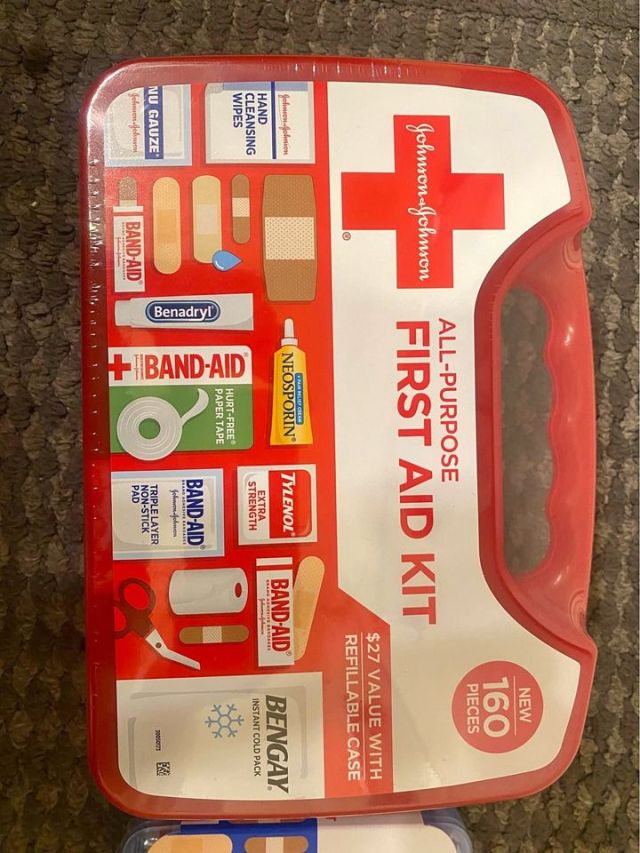
Most grocery stores stock basic medical supplies that become invaluable when the healthcare system becomes overwhelmed. Gauze, bandages, antiseptic wipes, pain relievers, and antibacterial ointments can turn a crisis into an inconvenience instead of a death sentence.

People will scream that “someone” is coming to help. The problem is that “someone” is never as fast or reliable as your own preparation.


9. Trash Bags and Aluminum Foil: The Silent Titans of Survival

No one talks about these, and maybe they should start. Industrial-sized trash bags can be used for shelter, insulation, water collection, sanitation, and gear protection. Aluminum foil can cook, reflect heat, block moisture, and preserve food.

When you look at a simple shopping bag and see survival tools instead of household products, that’s when you finally wake up to how fragile this world has become.


10. Manual Can Opener: Because Electricity Won’t Open Anything for You

People buy stacks of canned food and forget the one item that actually lets them access it. A manual can opener is the difference between eating and starvation when the grid decides it’s had enough.

You don’t need a fancy one. You just need one that works without power—something the modern world seems to have forgotten how to function without.


Final Thoughts (Not That Anyone Listens)

The grocery store is more than a place to wander around mindlessly while the world deteriorates outside. It’s a temporary armory of supplies, a sanctuary before the storm, a fragile lifeline that won’t stay intact forever. The things that keep you alive in a crisis are sitting there on the shelves right now—quiet, unappreciated, ignored by a population that thinks the system will always work.

The truth? It won’t. And when it fails, you’ll either be the one holding the last can opener…
or the one begging for it.

The Brutal Truth Why Your “Survival Kit” Is A Joke – And What You Actually Need to Survive

Let’s get something straight: the world is not your friend. It never has been. And every time you scroll through social media watching people argue about meaningless garbage — politics, celebrity drama, whatever nonsense is trending — you can almost feel civilization cracking under the weight of its own stupidity. Most people think “preparedness” means buying a flashlight and hoping the government saves them. These are the same people who panic when the grocery store runs out of milk for 48 hours. Pathetic.

But you’re here because you’re not one of them — or at least, you’re trying not to be. You want a real survival kit. A kit that won’t crumble the moment the power grid collapses or society finally implodes under its own ignorance. Good. Because we’re done pretending that everything is fine. It’s not. And if you don’t have the right essentials, you’re going to learn the hard way why every serious survivalist keeps their gear ready, organized, and non-negotiable.

Below are the actual best survival kit essentials — not the watered-down, cute little lists written by lifestyle bloggers who think “minimalist living” is the same thing as surviving catastrophe. This is the gear you need when the world stops pretending.


1. A Real Knife — Not a Toy

If your knife came in a plastic package at a gas station, throw it in the trash. A survival knife is not a fashion accessory. It’s a tool, a weapon, a lifeline, and in the worst-case scenario, the only thing between you and becoming a cautionary tale.

Your knife should be:

  • Full-tang
  • Carbon steel or high-quality stainless
  • Strong enough to baton wood
  • Sharp enough to cut rope, fabric, and meat

The world will not hesitate to put you in situations where your knife is your only defense. Expect it.


2. Water Filtration — Because Clean Water Won’t Magically Appear

People act like water is always going to flow from their faucets forever. News flash: when the grid goes down, the pumps stop. And when that happens, the unprepared will drink whatever they can find — contaminated ponds, roadside runoff, bacteria-infested puddles. They’ll get sick. You won’t. Because you’ll have:

  • A portable water filter (Sawyer Mini or similar)
  • Purification tablets
  • A metal canteen for boiling water

Without clean water, you have 3 days. Maybe. Plan accordingly.


3. Fire-Starting Gear — Because Cold and Darkness Don’t Care

If you think one cheap lighter is enough, you’re already halfway to failure. You need multiple ways to create fire because fire means warmth, sterilization, cooking, signaling, and psychological stability.

A real kit includes:

  • Ferro rod
  • Stormproof matches
  • Butane lighter
  • Tinder sources (cotton balls, fatwood, etc.)

Fire is life. And life doesn’t come easy.


4. Shelter Materials — Because Exposure Will Kill You First

Most people think they’re invincible. They aren’t. One night of cold rain will crush morale and end your chances. Shelter isn’t optional — it’s the backbone of survival.

Your kit must include:

  • Emergency reflective blanket
  • Tarp or lightweight shelter
  • Paracord
  • Stakes or makeshift anchors

Comfort is irrelevant. Survival is everything.


5. First Aid — Because Injuries Don’t Heal Themselves

The world is full of hazards — rusty nails, broken glass, cliffs, hostile people, and plain old bad luck. And guess what? Hospitals won’t be open when everything collapses.

Your first aid essentials:

  • Bandages, gauze, and wraps
  • Antiseptic wipes
  • Antibiotic ointment
  • Painkillers
  • Trauma supplies (tourniquet, hemostatic gauze)
  • Medical gloves

There’s no dignity in dying from an infection. Handle it.


6. Multi-Tool — Because You Need More Than Two Hands

A multi-tool is the unsung hero of survival gear. Opening cans, fixing gear, cutting wire, tightening screws — it’s the stuff you don’t think about until you need it. And in survival situations, you will need it.

Avoid the cheap ones. If it breaks in your hand when you’re desperate, that’s on you.


7. Reliable Light Source — Because Darkness Is the Enemy

A flashlight is more than a convenience — it’s control. It’s the ability to move, work, and defend yourself at night. It’s the difference between panic and clarity.

You need:

  • A rugged LED flashlight
  • Spare batteries
  • A small back-up light or headlamp

Without light, your environment owns you.


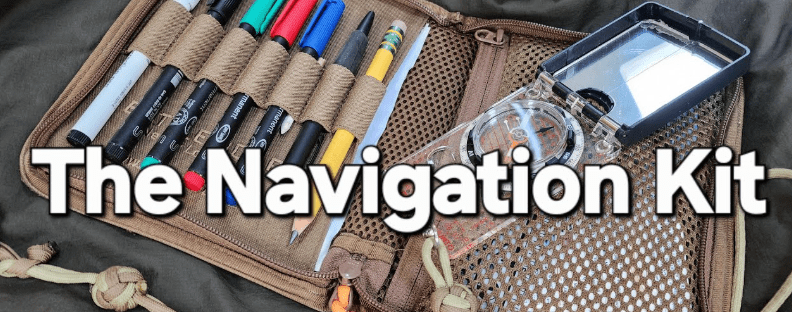
8. Navigation Gear — Because Phone GPS Is a Luxury

Technology-dependent people are going to be completely lost — literally. Batteries die. Cell towers fail. Satellites get compromised. And then what?

Your kit must include:

  • Compass
  • Physical map of your region
  • Backup notes of routes, landmarks, and safe zones

If you can’t navigate without a smartphone, you’re prey.


9. Food Rations — Because Hunger Makes People Stupid

When people get hungry, they make bad decisions — desperate decisions. You need rations that don’t rely on refrigeration, cooking, or delicate packaging.

Go for:

  • High-calorie emergency bars
  • Freeze-dried meals
  • Nuts and protein-dense snacks

This isn’t gourmet dining. This is “stay alive until tomorrow.”


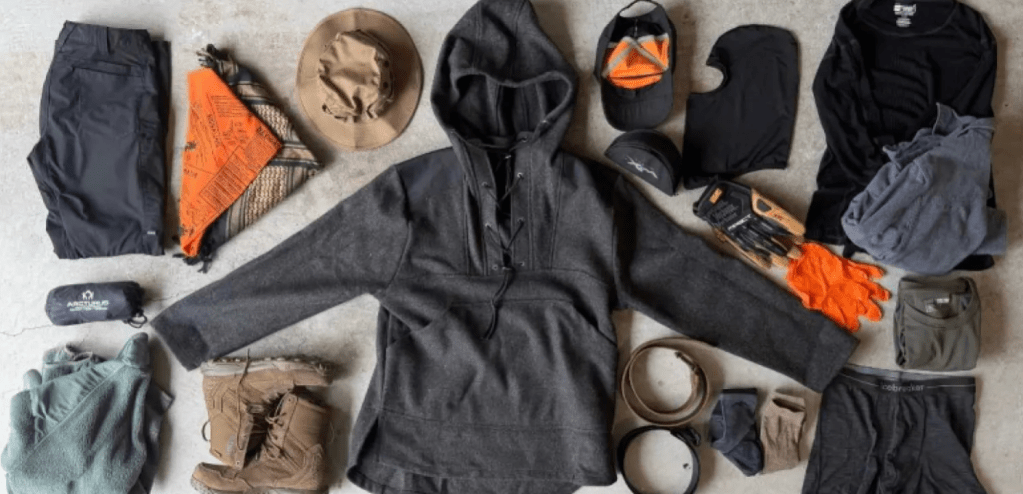
10. Clothing Layers — Because Weather Doesn’t Care About Your Plans

A proper survival kit includes more than gear — it includes what you wear. Weather changes faster than society collapses, and if you aren’t ready, the environment will make you pay.

Pack:

  • Thermal base layers
  • Waterproof shell
  • Wool socks
  • Gloves and a beanie

Comfort is optional. Protection is not.


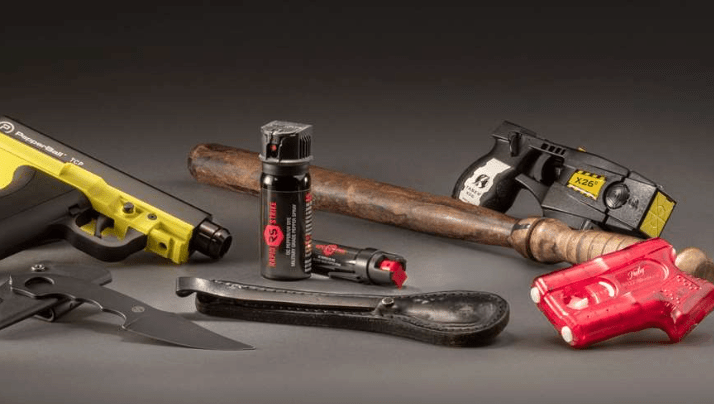
11. Self-Defense Tools — Because People Become the Real Threat

When systems fail, people unravel. Desperation turns good people dangerous, and dangerous people malicious. You don’t need paranoia — you need realism.

Consider carrying:

  • Pepper spray
  • A sturdy knife (again — you should have two)
  • A tactical pen
  • A self-defense training mindset

Because the worst thing you can do in a crisis is trust the wrong person.


12. The Mental Will to Survive

All the gear in the world can’t save someone who’s mentally weak. Survival demands grit — the kind this modern world has stripped from most people. When panic hits, when exhaustion tries to break you, when the world around you falls apart, the only thing that keeps you alive is your will.

And that’s something no one can pack for you.


Conclusion

The world is unpredictable, fragile, and full of people who think “preparedness” is unnecessary until it’s too late. Don’t be one of them. Build your survival kit like your life depends on it — because one day, it might.

When the world fails — and it will — your survival kit is either your life insurance or a reminder of your own negligence. Choose wisely.

Clear to the Last Drop: Mastering Water Purification Methods

Listen up, because I’m only going to say this once—your cushy modern lifestyle has made you soft, blind, and dangerously dependent on a system that’s teetering on the brink of collapse. You think that faucet will always spit out clean water? You think bottled water will save you when the trucks stop rolling? Wake the hell up. When the grid goes down, the shelves empty out, and the government forgets your ZIP code, the only water you’ll have is the water you can purify yourself. You better learn how to turn sludge into salvation—now. Not next week. Not when you’re already thirsty. Now.

Why Water Matters More Than You Realize

You can survive three weeks without food. But without water? Three days, maybe less if it’s hot and you’re exerting yourself. And no, guzzling from a river isn’t going to cut it unless you want your insides turned into a parasitic amusement park. Giardia, cryptosporidium, E. coli, cholera—you ever heard of them? If you haven’t, you will… when they’re drilling holes in your guts and you’re writhing in the dirt, praying to a sky that doesn’t give a damn.

Let’s fix that ignorance right now. I’m going to teach you how to purify water like your life depends on it—because it does.


10 Survival Skills to Purify Water When the World Goes to Hell

1. Boiling

Boiling is your first line of defense. Build a damn fire and get that water rolling. A good three to five minutes at a hard boil will kill most of the microscopic hellspawn. At higher altitudes? Boil longer. Firewood’s free if you’re willing to sweat for it.

2. Solar Disinfection (SODIS)

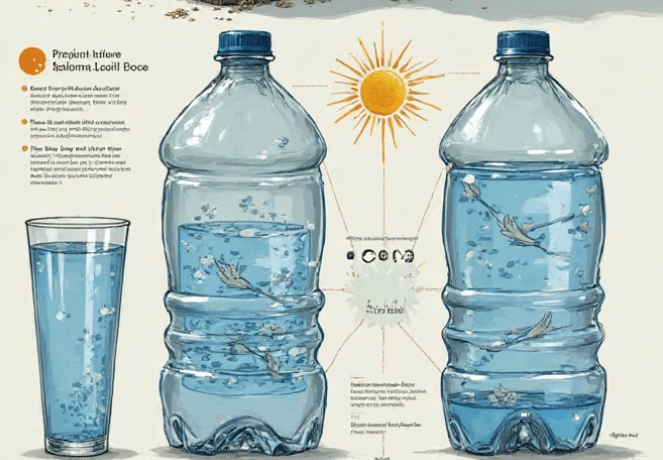
Fill a clear plastic bottle with water. Shake it to aerate, then lay it in direct sunlight for six hours—longer if it’s cloudy. UV-A radiation and heat will kill a lot of the bacteria. Is it perfect? No. But it’s better than drinking raw creek juice.

3. DIY Charcoal Filter

Layer gravel, sand, and activated charcoal in a bottle or hollow log. Pour your water through it. This won’t kill pathogens, but it’ll remove particulates and improve taste before you boil or disinfect chemically. Think of it as a pre-wash before you hit it with the heavy stuff.

4. Chemical Treatment (Iodine or Chlorine)

Carry iodine tablets or unscented household bleach. 2 drops of bleach per liter of water. Let it sit for 30 minutes. Taste the bleach? Good. That means it’s working. No bleach? Learn how to make it from salt and a car battery. (That’s a skill for another day.)

5. Distillation

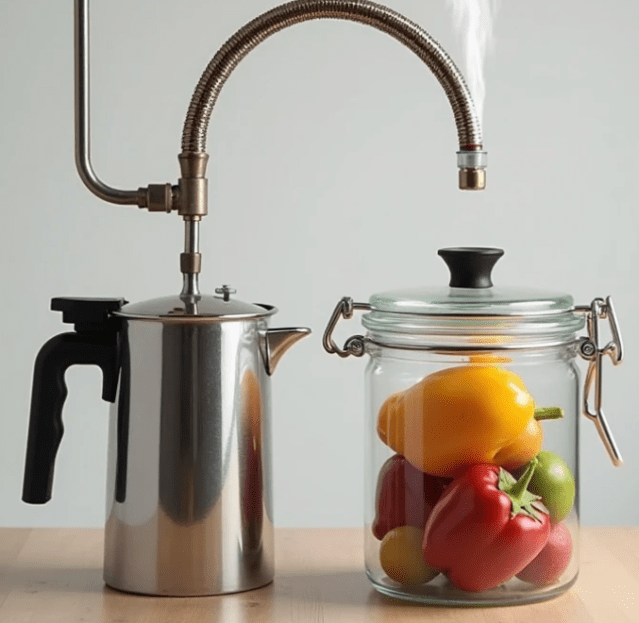
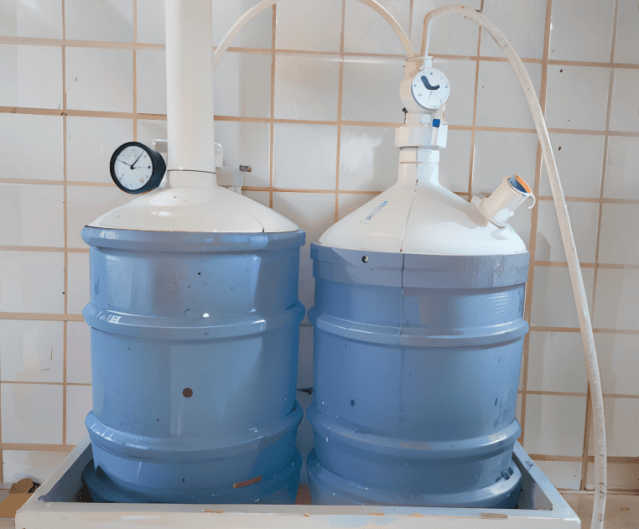
Boiling water into steam and collecting the condensation will leave most nasties behind—including heavy metals and salts. Use a metal pot, tubing, and a collection vessel. Even seawater becomes drinkable. It’s slow, but it’s clean.

6. Pump Filters

There are portable survival filters out there with ceramic or carbon cartridges. They’re solid. If you can buy one, do it. But remember—they clog, they break, and replacement parts are rare when society tanks. Know how to clean and maintain them.

7. Improvised Evaporation Still

Dig a pit, put a container in the middle, and cover the pit with plastic. Put a pebble in the center to make the plastic dip. As water evaporates, it condenses and drips into the container. It’s not fast, but it’ll save your hide in arid hellscapes.

8. Tree Transpiration

Wrap a clear plastic bag around leafy branches. The tree will sweat out moisture, and it’ll collect in the bag. Bonus: It’s already distilled and safer than river water. Just don’t use toxic plants like poison oak or sumac, genius.

9. Snow and Ice Safety

Melt snow before you drink it. Never eat it raw—it lowers your core temperature and burns precious calories. Ice from moving water is safer than stagnant snowbanks. Don’t trust pristine looks. Mother Nature lies.

10. Rainwater Harvesting

Set up a tarp, metal sheeting, or even a poncho to channel rainwater into a container. Keep it covered. Birds crap mid-flight, and you don’t want that in your sip. Rain’s generally safe, but if you’re near factories or downwind of civilization, purify it anyway.


3 DIY Survival Hacks That’ll Make You Look Like a Water Wizard

Hack #1: The “Fire Bottle” Water Boiler

Got a metal water bottle? Good. Drop it into the edge of your campfire and let it boil. No pot required. Just don’t use aluminum—it’ll melt and leach into your water. Stainless steel is king. Pour it into another container or drink straight from it once cool.

Hack #2: Pine Needle Disinfection

Boil water with pine needles. Not only does it help kill bacteria, but pine contains vitamin C and mild antiseptic properties. It doesn’t replace proper purification, but it gives your water a fighting chance and a survivalist’s bouquet you’ll learn to love.

Hack #3: Bandana Pre-Filter

Before boiling or chemically treating, run water through a bandana or shirt to filter out sediment, bugs, and other nasty floaters. It won’t kill microbes, but it keeps your other gear from clogging and makes it easier to disinfect.


Gear Up or Shut Up

You want the easy route? Get a LifeStraw or Sawyer filter, iodine tablets, a stainless steel pot, and a solar still kit. But don’t just stash them in your bug-out bag and call it good. Use them. Practice in the woods, in your backyard, or on that next camping trip you always talk about but never take. Know how to improvise when the tools fail—because they will.


The Water Mindset

Screenshot

Every drop is precious. Learn to find it. Learn to protect it. Treat it like liquid gold. No one’s coming to save you, and thirst doesn’t wait for your Amazon order to arrive. Build a water strategy today—not tomorrow. Stockpile supplies. Practice techniques. Teach your kids. Tell your neighbors, or don’t—it’s up to you who lives when the tap runs dry.

I’m not here to sugarcoat or pat you on the back. I’m here to scream the truth into your face while you can still hear it.

Water is life. Learn how to keep it clean—or you won’t keep anything at all.

EMP-Proof Your Life: 10 Must-Haves for Your Faraday Cage

Let me be real blunt—most people aren’t ready for the coming storm. I’m not talking about a power outage or a snowstorm. I’m talking about a full-blown electromagnetic pulse (EMP)—natural or man-made—that will knock us right back into the 1800s in the blink of an eye. You think your phone, your car, or your precious smart fridge is going to survive that blast? Think again, cupcake.

A single EMP could fry every unprotected circuit, every wire, every device you depend on. No power. No communication. No transportation. Civilization as you know it—gone. And 99% of folks will sit there crying because they didn’t take five minutes to prepare. Well, not me. And not you, if you’ve got the guts to listen.

The Faraday cage—your best line of defense. It’s not a damn sci-fi gimmick. It’s a grounded, shielded container that protects electronics from high-frequency electromagnetic radiation. If you don’t have one yet, make one. A galvanized metal trash can with a tight-fitting lid and insulation inside works fine. But that’s only step one.

Step two? Knowing what the hell to put in it. So let’s break down the 10 must-have items you need to EMP-proof your life. Skip these, and you’re toast.


1. Two-Way Radios (with Extra Batteries)

When the cell towers fry, and the internet goes black, you’ll want to communicate with your group. That cheap Motorola walkie-talkie in the kids’ toy chest ain’t gonna cut it. Get a reliable set of long-range two-way radios, and for the love of common sense, store the batteries separately in the Faraday cage. Wrap them in plastic or cardboard first. Don’t be an idiot—don’t short them out by cramming them next to metal.


2. Solar Charger

You can’t just store electronics and expect them to last forever. Eventually, you’ll need to power them. Grid’s gone, remember? No plugging into the wall. A solar charger is your best bet. EMP won’t touch it if it’s shielded right, and it’ll give you the juice you need for radios, lights, and other small gear. Make sure it’s compact and has a wide compatibility range—USB, 12V, all of it.


3. Emergency Radio (Hand-Crank + Solar)

This one’s a no-brainer. When the world goes quiet, radio broadcasts might be the only info coming out of the chaos. Get a hand-crank and solar combo emergency radio with AM/FM/NOAA capability. It might be the only way to hear emergency updates, weather patterns, or any sign that order still exists. Don’t store your fragile ego in the Faraday cage—store the damn radio.


4. Back-Up Flash Drives (With Important Documents)

You ever tried rebuilding your life from scratch with no ID, no records, and no proof of who you are? That’s what it’ll feel like if you lose your digital footprint. Toss in a few encrypted flash drives with PDFs of your ID, passport, insurance, medical records, survival manuals, and offline maps. This isn’t paranoia—it’s insurance.


5. Prepaid Cell Phone (Burner + Extra SIMs)

Yeah, yeah, I hear you. “What’s the point of a phone if the grid’s down?” Listen, not every EMP takes out every satellite or cell tower permanently. And there’s always a chance of recovery—if not tomorrow, maybe in a few months. When service does come back, you’ll want to be ready. A cheap burner phone, stored dead and clean, might be your ticket to early communication. Load it with key contacts now.


6. Old-School GPS Unit

Your smartphone GPS? Forget it. It’ll be dead or fried. But an old-fashioned handheld GPS unit, especially a ruggedized hiking model, can still pull satellite signals and help you navigate. Don’t count on paper maps alone unless you’ve got a damn good sense of direction and a death wish. Store the GPS, plus batteries or solar charger, and learn how to use it BEFORE disaster hits.


7. Spare Car Key Fob / Vehicle Electronics

Newer vehicles rely on electronic control modules—ECUs—to function. If your vehicle gets fried, it’s useless. But some vehicles can survive, especially older ones, and some can be salvaged with backup electronics. If you’ve got a bug-out vehicle, store a spare key fob, a copy of the onboard computer (if swappable), or critical modules. Hell, store a whole spare ignition system if you can.


8. Mini Laptop or Tablet (With Offline Data)

I’m not talking about streaming Netflix while the world burns. I’m talking about storing offline survival manuals, maps, communication protocols, encryption tools, HAM radio guides, plant identification databases—knowledge. Knowledge is power when the lights go out. A small, rugged tablet or netbook with long battery life, stored and updated quarterly, could be your lifeline.


9. HAM Radio Equipment

I cannot stress this enough: HAM radio is the backbone of post-collapse communication. When everything else goes dark, the HAM community will still be transmitting. Get licensed, learn the protocols, and stash a basic transceiver, antenna, cables, and manuals in the cage. This isn’t some prepper fad. It’s what the military, emergency responders, and hardcore survivalists rely on when the SHTF.


10. Digital Multimeter

It’s not sexy, but it’s damn useful. A digital multimeter lets you check batteries, circuits, and power output. Want to know if your solar panel is producing? Want to troubleshoot a jury-rigged circuit? This tool is your friend. Stick a manual in there too, unless you’re an electrical engineer or like gambling with smoke and sparks.


Final Rant: Don’t Be a Clueless Sheep

Now let me end with this: if you think this list is overkill, you’re part of the problem. The government isn’t coming to save you. Your neighbors will turn desperate. Your bank won’t be reachable. The rule of law? It’ll be written in blood, not on paper.

An EMP attack or solar flare isn’t fiction—it’s science. It’s history. And it’s coming. I don’t prep because I’m afraid—I prep because I want to live. If that makes me angry, it’s because I see too many people laughing at survival while they scroll TikTok and pretend they’re safe.

Well, guess what?

When the sky lights up and the grid dies, I’ll be ready.
Will you?

Build the cage. Pack it smart. Protect what matters.

Because once it hits, it’s too damn late.

Is Louisiana’s Drinking Water Safe

Alright, buckle up. You want the truth about Louisiana’s drinking water? You want it raw, unfiltered, no sugarcoating? Then listen up, because I’m about to lay it down straight, survivalist style—angry, unapologetic, and armed with the cold hard facts and skills you need to keep your family from becoming a bunch of sick, water-poisoned zombies.


Is Louisiana’s Drinking Water Safe? Hell No.

You’ve probably heard the official line: “Our water meets EPA standards.” Yeah, right. That’s bureaucratic bullshit designed to keep you calm while you’re drinking chemicals, heavy metals, pesticides, and god knows what else. Louisiana’s water infrastructure is a ticking time bomb, riddled with old pipes, contamination, and pollution from oil refineries, agricultural runoff, and industrial waste. You don’t need me to tell you the state has had numerous boil-water advisories and contamination incidents. The Mississippi River, which supplies a huge chunk of Louisiana’s water, is one of the most polluted rivers in America.

So if you think you’re safe just filling up your glass and sipping away, you’re dead wrong. You’re gambling with your health and the health of your loved ones. If you care even one bit about survival and self-reliance, you better learn how to filter, purify, and secure your water NOW.


15 Water Filtration Survival Skills You Need to Master NOW

  1. Boiling Water — The simplest and oldest method. Boil water for at least 1 minute (3 minutes if you’re above 6,500 feet) to kill bacteria, viruses, and parasites. No fancy gear needed, just fire and a pot.
  2. Using a Portable Water Filter — Get a solid survival filter like the Sawyer Mini or LifeStraw. These remove protozoa and bacteria, but remember: most don’t kill viruses.
  3. DIY Charcoal Filter — Crush hardwood charcoal, layer it with sand and gravel in a container. Pour water through to reduce chemicals and improve taste. It’s basic, but effective for sediment and some impurities.
  4. Solar Disinfection (SODIS) — Fill clear plastic bottles with water, place them in direct sunlight for 6 hours. UV rays kill pathogens. It’s slow, but a good backup.
  5. Chemical Purification with Iodine or Chlorine Tablets — Lightweight and portable, tablets kill most pathogens. But beware of taste and allergies.
  6. Distillation — Boil water and capture the steam on a cold surface, collecting pure water. It removes almost everything, including heavy metals and salts.
  7. Using Coffee Filters or Bandanas — Not for purification but for removing large sediments and debris before filtering or boiling.
  8. Creating a Sand and Gravel Filter — Layer sand, fine gravel, and coarse gravel in a container to remove suspended particles. This is a good pre-filter.
  9. Using Zeolite or Activated Carbon — These materials bind chemicals and heavy metals. Activated carbon filters are essential to remove chlorine, pesticides, and VOCs.
  10. Making a Solar Still — Dig a hole, place a container in the center, cover the hole with plastic, and place a rock to create a low point. Condensation collects pure water. Great for emergency situations.
  11. Water Bag Filtration — Use specialized survival water bags with built-in filters when hiking or bugging out.
  12. DIY Ceramic Filters — Porous ceramic blocks filter out bacteria and protozoa. They require regular cleaning but can be made at home if you know how.
  13. Magnetic Water Treatment — Some survivalists swear by magnets to reduce scale and contaminants; it’s controversial but worth researching.
  14. Finding and Using Natural Spring Water — Locate and test natural springs. Spring water is usually cleaner but must still be filtered.
  15. Using UV Water Purifiers — Battery-powered UV purifiers zap pathogens. They’re fast but rely on power, so keep backup options.

3 DIY Survival Drinking Water Hacks to Save Your Life

Hack 1: Make Your Own Water Filter from a Plastic Bottle

Cut the bottom off a clean plastic bottle. Invert it like a funnel. Layer the inside with cotton balls, activated charcoal (charcoal from a campfire will work if crushed), sand, and gravel—top to bottom. Pour murky water through it slowly. This filters out sediment and some toxins. It won’t purify water, so boil or chemically treat it afterward. This simple hack turns trash into life-saving tech.
Hack 2: Use Household Bleach as a Water Purifier

In a survival pinch, plain unscented household bleach can disinfect water. Add 8 drops (about 1/8 teaspoon) of bleach per gallon of clear water. Stir and let it sit for 30 minutes. If the water smells strongly of bleach after that, let it air out. This kills most pathogens. Don’t use scented or splashless bleach — those have chemicals that can poison you.

Hack 3: Solar Still from Household Items

If you’re stuck with salty or contaminated water, create a solar still. Use a wide bowl, put a cup in the center, cover with plastic wrap, and place a small weight in the center to create a dip. Sunlight evaporates the water; condensation drips into the cup. This produces drinkable water even from swampy or salty sources. It’s slow but reliable.


Why You Can’t Trust Louisiana’s Tap Water

Let’s get real: Louisiana’s tap water has been exposed to everything from industrial pollution, agricultural chemicals, lead leaching from old pipes, to algal blooms fueled by nutrient runoff. The Gulf Coast’s flooding disasters regularly contaminate municipal water supplies with sewage and chemical waste. And the state’s infrastructure? Aging, underfunded, and vulnerable.

Don’t expect the government or water companies to admit these problems openly or fix them fast. Your survival depends on your readiness to take water filtration and purification into your own hands. Nobody else is coming to save you when the water turns toxic.


How to Prepare NOW

  • Stock up on filtration gear. No excuses.
  • Learn how to boil and distill water.
  • Gather materials for DIY filters: charcoal, sand, gravel, cotton.
  • Keep bleach and iodine tablets handy.
  • Scout natural water sources near you and test them.
  • Practice water purification methods regularly. In a real crisis, you won’t have time to fumble.

Final Warning

If you don’t have survival water skills, you’re playing Russian roulette with your health. Louisiana’s drinking water is not a sure bet — it’s a gamble with serious consequences. Prepare to filter, purify, and treat your water every single time you drink it. Otherwise, you’re inviting sickness, disease, and disaster.

I don’t sugarcoat this because people die when they ignore the truth. Be smart. Be ready. Be self-reliant.


If you want, I can help you make a full survival water kit checklist, or guide you step-by-step through building your own filters and purification setups. Just say the word.

Stay sharp and stay hydrated—the right way.

Is Maine’s Drinking Water Safe

Is Maine’s Drinking Water Safe? Hell No—Not for the Prepared Survivalist!

Listen up, because I’m about to tell you exactly why Maine’s drinking water—despite what the so-called “experts” say—is NOT safe enough for you or your family, especially if you’re serious about survival. I don’t care what the glowing brochures from some government agency or utility company say. You want the truth? Here it is, raw and unfiltered:

Maine’s water system is a ticking time bomb. You got aging infrastructure, contamination from industrial runoff, agricultural chemicals, and even hidden pathogens that slip through the cracks. This isn’t some conspiracy; it’s the reality of a state with beautiful lakes and rivers that have been poisoned by careless human activity.

You think because the water tastes “fine” or meets EPA standards it’s safe? I’ve been in the trenches of survival prepping long enough to know that “safe” is a relative term. When the grid goes down, or when a natural disaster hits, your pristine tap water can turn into a biological nightmare in seconds.

If you’re serious about staying alive, you better learn how to filter, purify, and make that water safe with your own hands, without relying on anyone else’s system or fancy labels. So buckle up—I’m giving you 15 critical water filtration survival skills you NEED, plus 3 DIY survival drinking water hacks you can whip up with stuff in your own home or out in the wild.


15 Water Filtration Survival Skills Every Prepared Person MUST Know

  1. Boiling Water Correctly: Don’t just simmer, bring water to a full, rolling boil for at least 1 minute (3 minutes above 6,500 ft elevation) to kill bacteria, viruses, and parasites.
  2. Using a Portable Water Filter: Know how to use a reliable ceramic, hollow fiber, or carbon water filter that removes protozoa and bacteria but realize most don’t filter out viruses.
  3. Improvised Sand and Charcoal Filter: Layer sand, charcoal (activated if possible), and gravel in a container to create a basic filter that removes sediments and some contaminants.
  4. Solar Disinfection (SODIS): Fill clear plastic bottles with water and leave them in direct sunlight for 6+ hours; UV rays kill pathogens but don’t remove chemicals.
  5. Chemical Purification: Use water purification tablets or household bleach (unscented, 8 drops per gallon, stir and wait 30 minutes) to disinfect water.
  6. Distillation: Use a homemade solar still or boil water and collect condensed steam to remove heavy metals and salts, not just pathogens.
  7. Using Cloth for Pre-Filtering: Pour water through a clean cloth or bandana to remove large debris and sediment before further treatment.
  8. Finding Natural Water Sources: Learn to identify reliable sources like springs, moving streams, or rainwater rather than stagnant ponds.
  9. Recognizing Contaminated Water: Know the warning signs—cloudiness, foul smell, dead animals nearby, or chemical odors mean avoid unless you can treat it properly.
  10. Testing Water with DIY Kits: Carry or make simple water testing kits for pH, turbidity, or bacteria presence for quick assessments.
  11. Using Bio-Sand Filters: Build a slow sand filter that uses biological layers to reduce pathogens over time.
  12. Emergency Water Collection: Learn to harvest dew, rainwater, or even plant transpiration in survival situations.
  13. Understanding Filtration Limits: Know what your filtration method can and can’t remove (viruses, heavy metals, chemical toxins) and combine methods accordingly.
  14. Storage of Filtered Water: Use clean, sealed containers to store water after filtration and purification to prevent recontamination.
  15. Portable UV Purifiers: Utilize handheld UV light devices that zap viruses and bacteria instantly when batteries hold up.

3 DIY Survival Drinking Water Hacks You Can Use TODAY

Hack #1: The Charcoal Coffee Filter Trick

Take some clean charcoal from your campfire or barbecue grill. Crush it into small pieces but not dust. Place it inside a clean coffee filter or cloth pouch. Pour suspicious water slowly through it. The charcoal adsorbs chemicals, bad odors, and some pathogens. Follow this with boiling or chemical purification.

Hack #2: The Plastic Bottle Solar Purifier

Fill a clear plastic bottle with water. Place it on a reflective surface (like a piece of aluminum foil or a car hood) in direct sunlight. Leave it there for 6+ hours. The sun’s UV rays kill off pathogens without any gear. Great when you’ve got nothing but a bottle and the sun.

Hack #3: The DIY Solar Still

Dig a hole about 3 feet wide and 2 feet deep in the dirt. Place a container in the center to catch distilled water. Cover the hole with a plastic sheet, anchor it down with dirt, and place a small rock in the center to create a dip so condensed water drips into the container. You can extract moisture from soil or plants this way when no water source is available.


Why You Can’t Trust Maine’s Water System Blindly

Maine is famous for its pristine wilderness, but the reality is far messier under the surface. You’ve got towns and cities dumping industrial pollutants into rivers, agricultural nitrates seeping into groundwater, and more recently, reports of PFAS (per- and polyfluoroalkyl substances)—the so-called “forever chemicals”—showing up in local wells. These aren’t your garden-variety contaminants. PFAS are linked to serious health problems, and they do NOT just go away by boiling or simple filtration.

Municipal water treatment plants are limited in their capability to deal with such advanced contaminants. They focus on bacteria and common chemicals, not long-term toxins that accumulate in your body. That’s why you need to be your own first line of defense.

Natural disasters? You bet. Maine faces heavy rains, floods, and freezing winters that stress pipes and water systems. After any disaster, the water quality can plummet overnight. You don’t want to be caught drinking water with sewage or chemical runoff when every drop counts.


How To Protect Yourself and Your Family

The solution? Don’t rely on the city or the tap. Prepare NOW. Train yourself in the filtration survival skills above, get the right gear (portable filters, UV purifiers, chemical tablets), and learn how to create your own DIY filtration devices from what’s available around you.

When disaster strikes or the grid fails, you don’t want to be the one scrambling to figure out how to make water safe. This is basic survival, and frankly, anyone who ignores water safety is courting sickness, dehydration, or worse.


Final Warning

Maine’s water may look clear, but that’s only skin deep. There’s a battlefield underneath filled with microscopic enemies and invisible toxins. Trusting the government or utility companies with your health? That’s a fool’s game.

Be angry if you want, be skeptical if you must, but be prepared. Your life depends on it.

Remember these words:

Safe water isn’t given—it’s earned through skill, preparation, and relentless vigilance.

Is Kansas’ Drinking Water Safe

Is Kansas’s Drinking Water Safe? A Survivalist’s Wake-Up Call

Let me make this real clear, right out the gate—NO, Kansas’s drinking water is not safe. Not if you’re the kind of person who doesn’t trust bureaucrats in suits who think “acceptable contamination levels” are just fine for your kids to drink. You want the truth? The truth is, if you’re not filtering your water in Kansas—or anywhere else for that matter—you’re just gambling with your health like it’s a slot machine in Vegas.

You think the government’s gonna save you when the pipes go dry or when a chemical spill leaks into your groundwater? You think the EPA, with its revolving door of industry lobbyists, is your friend? Wake up. It’s time to take control of your own survival, especially when it comes to the most critical element of life—clean water.


The Dirty Reality of Kansas Water

From nitrates in agricultural runoffs to PFAS forever chemicals from industrial waste, Kansas is sitting on a powder keg of pollution. And let’s not even get started on the crumbling infrastructure—half the rural water systems in Kansas haven’t seen a proper upgrade in 50 years.

Multiple towns across the state have tested positive for high nitrate levels, lead, and arsenic. In Haysville and parts of Wichita, residents have been advised to boil water due to E. coli outbreaks more than once in the last decade. Meanwhile, small farming communities are drinking straight from wells laced with farm runoff—fertilizers, herbicides, pesticides, you name it.


You Can’t Trust the Tap – What You CAN Do

It’s time to take matters into your own calloused hands. Whether you live in a city, on a homestead, or you’re bugging out in the Flint Hills, you need to know how to filter, purify, and secure safe drinking water.

Here are 15 essential water filtration survival skills every Kansan—and every American—ought to know before the next drought, blackout, or chemical spill turns your tap into a death trap.


15 Water Filtration Survival Skills You Better Learn Fast

1. Boiling

Boiling kills most bacteria, viruses, and parasites. Bring it to a rolling boil for at least 1 minute, or 3 minutes at higher elevations.

2. Charcoal Filtration

Homemade filters using activated charcoal remove many chemical impurities. Make one using a plastic bottle, charcoal, sand, and gravel.

3. Solar Disinfection (SODIS)

Use clear PET bottles and full sunlight for at least 6 hours. UV rays and heat kill pathogens—primitive but effective.

4. Portable Water Filters

Invest in Lifestraw, Sawyer Mini, or similar. These pocket-sized tools are lifesavers—literally. Always keep one in your bug-out bag.

5. DIY Slow Sand Filter

A 3-bucket system with sand, gravel, and activated charcoal. Slow, but removes bacteria and particulates over time.

6. Bleach Treatment

Unscented household bleach (6–8 drops per gallon). Let it sit for 30 minutes. The water should smell slightly of chlorine—no smell means add more.

7. UV Purifiers

Battery-powered or crank-operated UV pens (like SteriPen) zap waterborne microbes. Lightweight and deadly efficient.

8. Distillation

Heat water, capture the steam, and condense it. Removes everything—including heavy metals and salt. You can build one from pots and tubing or even a solar still.

9. Rainwater Collection

Catch rain off your roof. Use first-flush diverters to avoid debris. Store in food-grade barrels and filter before drinking.

10. Clay Pot Filters

Porous ceramic pots filter bacteria and particulates. Some are impregnated with silver for added antimicrobial properties.

11. Moss Filtration

Use sphagnum moss—a natural antimicrobial—to filter small volumes in an emergency. Better than nothing.

12. Pine Tree Filters

Pine sapwood’s xylem can filter bacteria at a microscopic level. Research from MIT shows it works. Cut, whittle, and rig it up.

13. Copper Storage

Store purified water in copper vessels. It kills bacteria and viruses slowly over time—useful for storage, not instant purification.

14. Bio-sand Filters

Layered gravel, fine sand, and charcoal create a long-lasting, low-tech filter. Requires maintenance but can serve a whole family.

15. Test Strips and Meters

Know what’s in your water. Test for nitrates, pH, chlorine, lead, and bacteria. Don’t guess—KNOW what poison you’re trying to filter out.


3 DIY Survival Drinking Water Hacks for the Mad Max Future We’re Heading Toward

1. Plastic Bottle Distiller

Take a clear plastic bottle, fill it halfway with dirty water, seal it, and place it angled in the sun with a clean bottle at the other end. The evaporated water will condense in the second bottle, leaving contaminants behind.

2. DIY Charcoal & Sand Filter

Cut a 2-liter bottle. Layer bottom-to-top: cloth, charcoal (from campfire), sand, then gravel. Pour dirty water in and let gravity do the work. Boil or bleach afterward if you can.

3. T-shirt and Pot Combo

No filter? Pour water through a clean t-shirt into a pot to remove visible gunk. Then boil. Crude but can save your hide.


So… Is Kansas’s Drinking Water Safe?

Here’s the final answer: Only if you make it safe.

Don’t wait for a government alert or a “boil notice” after your kid’s already got diarrhea for three days. Don’t trust a system that thinks it’s okay to dose your drinking supply with trace arsenic and tell you it’s “within acceptable limits.” That’s their limit—not yours.

The reality is, we live in a world where agricultural waste, industrial runoff, and political negligence have tainted the most basic resource we need to survive. Kansas is just one snapshot of a larger crisis. And it’s not just the rural well water, either—urban tap water is under constant threat from aging pipes and overburdened treatment systems.


Water Is Life—Act Like It

If you want to survive what’s coming—and believe me, something is coming—then you better treat water like the life-or-death issue it is. Practice these survival skills. Build DIY setups. Test your water. Filter everything. Assume nothing. And never, ever rely on someone else to keep you alive.

Be angry. Be aware. Be prepared.

Because when the grid fails and the faucets stop flowing, the only people who drink are the ones who planned ahead.

Bug Out Bags (BOB) – What to pack, how to tailor it to your needs, and keeping it ready.

Let me be crystal clear right off the bat: if you don’t have a Bug Out Bag (BOB) packed and ready to grab this dang second, you are not ready for anything but a front-row seat to your own demise. This isn’t some Boy Scout sleepover or a cute Instagram hike. This is survival, plain and ugly. When the world turns sideways — and trust me, it will — you won’t have time to debate the pros and cons of your gear choices. You either grab your bag and get out, or you stay put and rot. Those are your options.

What the Heck Is a Bug Out Bag, and Why You Need One Yesterday

A Bug Out Bag is your lifeline — your emergency pack for when staying where you are means death, detention, or destruction. It needs to sustain you for at least 72 hours of full self-reliance. You can build it for longer, but don’t make the mistake of packing your whole garage. You’re not moving house. You’re escaping Hell.

Most of the world walks around with their heads shoved so far up their rear ends they could see their own tonsils. They think Amazon Prime and a 911 call are going to save them. Let me tell you something, cupcake — no one’s coming to save you. You are the cavalry. So get off your ass and start packing your BOB.


The 15 Survival Skills You Better Damn Well Know Before You Bug Out

You can have the best gear in the world, but if you don’t know what the hell you’re doing, you’re just a well-equipped corpse. Learn these skills like your life depends on them — because it does.

  1. Fire Starting (Without a Lighter) – Learn to spark a flame with flint, steel, a ferro rod, or hell, even a damn battery and steel wool.
  2. Water Purification – Boil, filter, use iodine tablets — or die slowly from diarrhea. Your call.
  3. Shelter Building – Tarps, space blankets, or natural materials. Know how to stay dry and off the ground.
  4. Knot Tying – You think rope ties itself? Learn real knots: bowline, taut-line hitch, trucker’s hitch.
  5. Navigation Without GPS – Compass, topographical map, sun and stars. Your phone’s going to be dead weight in a real crisis.
  6. First Aid – CPR, wound care, infection control. Blood is slippery; learn how to deal with it.
  7. Food Foraging – Know what plants won’t kill you and which ones will make you vomit blood.
  8. Hunting and Trapping – You’re not living off granola bars forever. Know how to snare, fish, and shoot.
  9. Security and Self-Defense – Know how to use a knife and a firearm. And not like a damn movie star — properly.
  10. Stealth Movement – Loud people die first. Learn how to move like a ghost.
  11. Situational Awareness – Pay attention. Stop looking at your feet. Know your surroundings.
  12. Camouflage and Concealment – Blending in isn’t just fashion; it’s survival.
  13. Bartering and Negotiation – People will kill for toilet paper. Know how to deal and not get swindled.
  14. Mental Toughness – Stop crying. Stay calm. Think fast. Panic is a killer.
  15. Improvisation – You won’t always have gear. Learn to MacGyver your way through life-threatening situations.

How to Tailor Your BOB Without Being a Damn Idiot

Here’s where most people screw up — they copy a list from the internet without thinking. Tailor your bag to your region, your climate, your body, your skills, and your realistic bug-out plan.

Are you in the city or the woods?
If you’re in a city, weight matters more — you may be walking 20 miles in boots. You’ll need more water purification and urban navigation tools. If you’re out in the boonies, focus on shelter and hunting tools.

What’s your climate?
Cold? Pack layers, a thermal bivvy, and waterproof gear. Hot? Shade tarp, hydration tabs, light clothing, and sunscreen.

Got kids? A dog? Medical issues?
If you need meds, pack extra. If you have kids, double water and snacks. Dogs? They eat and drink too, genius.

Fitness level?
Don’t pack a 60-pound bag if you can’t jog across the street without wheezing. Tailor it to your real ability, not your fantasy.


What Goes in a Bug Out Bag – The Non-Negotiables

Screenshot

Here’s the foundation. Don’t argue. Just pack it.

  • Water: At least 1 liter per day. Bring purification tabs, LifeStraw, Sawyer Mini, and a metal container for boiling.
  • Food: MREs, energy bars, trail mix, jerky. High calories, low space. Rotate stock every 6 months.
  • Shelter: Tarp, space blanket, bivvy sack, paracord.
  • Fire: Ferro rod, waterproof matches, dryer lint in a pill bottle. Redundancy matters.
  • Knife: Fixed-blade full-tang. Don’t bring some flimsy kitchen crap.
  • Multi-tool: Leatherman or equivalent.
  • First Aid Kit: Stop bleeding. Kill infection. Include tourniquet, QuikClot, trauma shears, gauze.
  • Light: Headlamp with spare batteries.
  • Clothing: Season-appropriate. Layers. Wool socks. Underwear. Gloves.
  • Navigation: Compass, local map, laminated and marked.
  • Cash: Small bills. ATMs will be dead.
  • Documents: Copies of ID, insurance, prescriptions, in a waterproof pouch.
  • Comms: Crank radio, emergency whistle, signal mirror.
  • Self-defense: You do what’s legal in your area. Just be able to protect what’s yours.
  • Hygiene: Toothbrush, soap, toilet paper, feminine supplies. Sanity matters.
  • Misc: Duct tape, zip ties, super glue, fishing kit, sewing needle and thread.

3 DIY Survival Hacks You’ll Thank Me For Later

You want clever? Here’s your clever. These hacks are field-tested, dirt-approved, and desperation-certified.

1. Altoid Tin Survival Kit
Pack a mini kit in an old mint tin: fire striker, fish hooks and line, a mini compass, a razor blade, needle and thread, safety pins, water purification tabs. Throw it in your BOB as backup — or stash one in your glovebox, jacket, and every damn coat pocket you own.

2. Tampon Trick
Not just for first aid or hygiene — tampons are compact, sterile, and super absorbent. Use them to stop bleeding, as tinder, or even a water filter (in a pinch). Keep a couple in a Ziploc bag. Laugh now, live later.

3. Crayon Candle
In the dark and need light? A standard crayon burns for 20–30 minutes. Use a paperclip as a stand, light the tip — now you’ve got emergency lighting in a pinch. Carry a couple in your bag. Cheap, light, and long-burning.


Keep It Ready — Or Kiss Your Ass Goodbye

A Bug Out Bag that isn’t ready is just a duffel full of dead weight. Rotate your food every six months. Check your water filters, batteries, and meds. Do a seasonal gear audit. You want to find out your flashlight’s dead when your home’s on fire?

Stash your BOB by the exit. Not in the attic. Not buried under camping gear. Put it somewhere you can grab it with your eyes closed. Hell, practice doing just that. Run drills. Time yourself. You should be out the door in 60 seconds, max.


Final Thought

This world doesn’t owe you a damn thing. Not power. Not food. Not peace. If you’re still waiting for the government to take care of you, you’re already dead — they’ll get around to scraping up what’s left of you after the dust settles.

But if you’ve got a solid Bug Out Bag, real skills, and a plan, then maybe — just maybe — you’ll be one of the few standing when the smoke clears.

So get mad, get ready, and get packed.