Water Purification & Storage – WATER IS LIFE, YOU FOOLS – PAY ATTENTION OR DIE THIRSTY

Screenshot

Let me get one thing through your thick skull right off the bat: without water, you’re dead in three days. And no, I don’t mean that fancy sparkling garbage you sip at your desk while checking Instagram. I mean real, drinkable water — the kind that doesn’t rot your guts with bacteria or slowly poison you with chemicals. When the grid goes down and the store shelves are stripped bare by soft-handed suburban panic-zombies, you’d better damn well know how to purify, store, and manage your own water supply. Otherwise, you’ll be a bloated corpse in a ditch next to your Keurig.

You want survival? Start with water. Everything else comes second.

Let me break it down for you because clearly, this world has raised too many people who think “hydration” means buying a BPA-free bottle and putting a sticker on it.


15 SURVIVAL SKILLS FOR WATER PURIFICATION & STORAGE
Screenshot

1. Boiling Water

If you don’t know how to boil water, get out of my face. It’s Survival 101. Bring it to a rolling boil for at least 1 minute (3 minutes at higher elevations). Kills bacteria, viruses, parasites. No electricity? Use a fire, camp stove, or solar oven — if you even know what those are.

2. Building a Fire

Don’t think you’ll boil anything unless you can make a fire with more than just a Bic lighter. Master ferro rods, bow drills, and flint and steel, or freeze your sorry self while sipping swamp water.

3. Basic Filtration with Cloth

A folded T-shirt can filter out mud, silt, and gunk. No, it won’t kill bacteria — but it keeps you from drinking sludge. Combine it with boiling or chemical treatment. Layer cloth, charcoal, sand, and gravel if you’ve got time to DIY a better filter.

4. Solar Disinfection (SODIS)

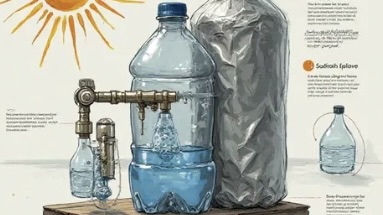
If you’re stranded and desperate, fill a clear plastic bottle, set it in the sun for 6 hours (longer if it’s cloudy), and let UV rays kill the germs. Not ideal, but better than diarrhea death. You city people love plastic, so use it.

5. Chemical Treatment – Bleach

Screenshot

Use unscented household bleach — 8 drops per gallon of water. Stir it, wait 30 minutes, and if it still smells a little like bleach, you’re probably good. Just don’t be a dumbass and overdo it. Sodium hypochlorite saves lives if you use your brain.

6. Iodine Tablets

Stock up. Not tasty, but effective against most pathogens. If you’re pregnant or have thyroid issues, you’re out of luck — but if it’s the apocalypse, maybe don’t be picky.

7. Portable Filters

A Lifestraw or Sawyer Mini could be the difference between life and death. Know how to use and backflush them. Don’t just throw them in your bug-out bag and think you’re Rambo.

8. Rainwater Harvesting

Don’t wait for the tap to dry up. Set up rain barrels, tarps, or even garbage bags to catch water. Know your local laws — yes, the government tries to regulate rain — and know how to filter that water before you drink it.

9. Constructing a DIY Sand & Charcoal Filter

You want clean water? Build a filter. Layer gravel, sand, activated charcoal, and make sure the container drains from the bottom. Run it through once, then boil or chemically treat it. Done right, it beats any overpriced prepper filter out there.

10. Long-Term Water Storage

Water goes bad if you’re stupid. Use food-grade containers. Treat with bleach before storing. Store in a cool, dark place. Rotate every 6–12 months. Don’t store in milk jugs — they degrade and leak. Use HDPE barrels or mylar bags with oxygen absorbers.

11. Know Your Sources

Rivers, lakes, snow, puddles — all different beasts. Learn to identify safe vs. dangerous water. Agricultural runoff, heavy metals, and sewer-contaminated creeks will kill you just as dead as dehydration.

12. Snow & Ice Collection

Melt it before you drink. Never eat snow — it lowers your core temp and can lead to hypothermia. Gather, melt, purify. Every drop counts in the winter.

13. Distillation

Boil water, capture steam, condense it. Kills everything — even removes salt from seawater. Improvise with pots, tubes, and whatever the hell you can scrounge. Knowledge matters more than gear.

14. Water Scouting & Signs

Animals, insects, green vegetation, and low points in terrain often mean water’s nearby. Learn to track water like your ancestors did — before you walk yourself to death chasing mirages.

15. Hydration Discipline

Don’t gulp it all down like a spoiled gym rat. Sip, ration, and manage intake. Hydration is strategy. If you’re sweating like a pig, you’re doing it wrong. Work during cool hours and stay in the shade when you can.


3 DIY SURVIVAL HACKS FOR PURIFICATION & STORAGE

🔧 1. Homemade Charcoal Filter from a Soda Bottle

Take a used 2-liter bottle. Cut off the bottom. Layer in this order: charcoal (from a fire, crushed), sand, gravel, cloth. Punch small holes in the cap. Run water through — and then boil it or treat it. This won’t kill microbes on its own, but it clears out crap and buys you time.

🔧 2. Solar Still

Dig a hole. Place a container in the middle. Surround with wet vegetation or pour dirty water into the pit. Cover with clear plastic. Put a rock in the center of the plastic, so condensed water drips into the container. Passive, no fire needed, and produces pure water. Slow, but it works.

🔧 3. DIY Bleach Dispenser from an Eyedropper Bottle

Take a small eyedropper bottle, label it clearly, and keep it with your gear. Fill it with bleach. 8 drops = 1 gallon of water. Keeps you from eyeballing it like an idiot and accidentally poisoning yourself. Precision saves lives.


WAKE UP AND GET READY
Screenshot

I’m sick of watching armchair preppers buy $3,000 worth of tactical gear and not know the first thing about making their own water safe. You want to survive? Stop playing dress-up and start learning the hard skills. When the power goes out, and the taps run dry, and your neighbors start looking at you like you’re a walking water bottle, you’ll wish you’d spent less time scrolling and more time practicing.

Don’t think FEMA’s gonna save you. Don’t think your Brita pitcher is enough. Don’t think your water heater stash lasts forever. You need redundancy, practice, and grit.

Water is not optional.

Water is survival.

So either get your act together — or get ready to die thirsty.

End of rant. Get to work.

Stay Safe in the Silver State: Prepper Tips for Nevada’s Natural Disasters

Surviving the Deserts and Earthquakes of Nevada: A Prepper’s Guide

Nevada, the Silver State, is well-known for its vast desert landscapes, glimmering casinos, and a lifestyle deeply rooted in independence. But beyond the glitzy lights and urban sprawl, residents are aware of the harsh realities of living in a state susceptible to a variety of natural disasters. As a prepper in Nevada, you’ve got to be ready for anything—from extreme heatwaves and wildfires to earthquakes and floods. In this guide, I’m going to walk you through how we prepare for Nevada’s worst natural disasters and offer 10 survival prepper tips that every Nevadan should know.

1. Understand the Nevada Landscape and Hazards

Nevada is a diverse state, but it’s known for its arid desert climate and rugged mountain terrain. The northern part of the state experiences extreme cold temperatures and heavy snow in the winter, while the southern part remains hot and dry year-round. Both extremes present unique survival challenges, especially during natural disasters. Residents in the north must prepare for snowstorms and freezing temperatures, while those in the south face the ever-present threat of wildfires and extreme heat.

CLICK HERE TO LEARN HOW TO SURVIVE A FAMINE

2. Wildfires: The Ever-Present Danger

Wildfires are a frequent and devastating threat in Nevada, particularly during the dry summer months. Wildfires can spread rapidly, consuming dry vegetation and quickly becoming uncontrollable. As a prepper, it’s vital to have a plan to evacuate if a wildfire is near. Prepare your home by creating defensible spaces around your property, clearing away dry vegetation, and investing in fire-resistant materials for your home.

Prepper Tip #1: Create an evacuation route and practice it with your family. Always have your go-bag ready, and be prepared to leave at a moment’s notice. Ensure that everyone knows where the emergency rendezvous point is.

3. Earthquakes: Nevada’s Hidden Danger

Nevada may not be as famous for earthquakes as California, but it’s a major player in the seismic zone. In fact, Nevada experiences more than 600 earthquakes each year, with some of them strong enough to cause significant damage. The west of the state is part of the Walker Lane Fault Zone, which is an active fault line. While most of these quakes are small, the potential for a large, damaging earthquake exists.

Prepper Tip #2: Secure your home by anchoring heavy furniture and shelving units to the wall. Store your emergency supplies in easy-to-reach places, and practice earthquake drills with your family.

4. Extreme Heat: Surviving Nevada’s Searing Summers

Summer temperatures in Nevada can easily exceed 100°F, especially in the southern part of the state. The desert climate makes it easy to become dehydrated, and prolonged exposure to the sun can result in heatstroke. Extreme heat can also lead to power outages and water shortages.

Prepper Tip #3: Invest in a good solar-powered air conditioning system or fans that can help you keep cool during power outages. Always keep a large water supply on hand—aim for at least a gallon per person per day for a week. Hydration is key.

5. Flash Flooding: A Surprising Hazard

While Nevada is mostly dry, flash floods can happen unexpectedly, especially during monsoon season. These floods can quickly transform dry riverbeds into raging torrents of water, sweeping away vehicles and homes in a matter of minutes. It’s crucial to know when flash flood warnings are issued and have a plan to get to higher ground if necessary.

Prepper Tip #4: Know the flood-prone areas in your area and avoid building or storing valuables in low-lying areas. If you live near a wash or riverbed, keep a set of waterproof clothing and emergency supplies ready to go.

6. Snowstorms and Winter Weather: Northern Nevada’s Challenge

Though much of Nevada is desert, northern regions like Reno and the surrounding areas can experience heavy snowfalls during the winter months. These snowstorms can lead to road closures, power outages, and the isolation of communities.

Prepper Tip #5: Keep a winter survival kit in your vehicle, including blankets, chains for your tires, extra food and water, and a flashlight. It’s also a good idea to have a backup generator for when the power goes out during a storm.

7. Droughts: A Long-Term Issue

Nevada is one of the driest states in the U.S., and droughts are an ongoing concern. With a reliance on the Colorado River for water, the state faces constant pressure from declining water levels. In prolonged drought conditions, water shortages become a critical issue.

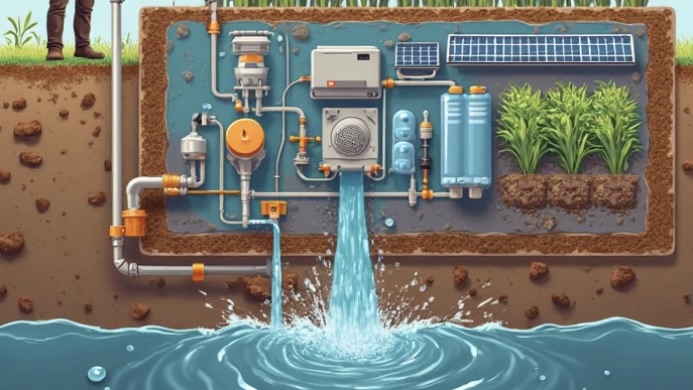
Prepper Tip #6: Collect and store rainwater whenever possible. Having a rainwater harvesting system installed can provide a valuable backup water supply. Also, consider investing in a high-efficiency water filtration system for your home.

8. Tornadoes: A Rare but Real Threat

Though rare in Nevada, tornadoes can and do occur, primarily in the northern and central parts of the state. Tornadoes can come with little warning, and their destructive power can level entire structures. It’s vital to be prepared and understand what to do if one should strike.

Prepper Tip #7: Have a designated safe room or basement in your home that’s reinforced to withstand the wind and debris of a tornado. Keep it stocked with emergency supplies like first aid kits, water, and non-perishable food.

9. Pests and Rodents: An Unlikely Survival Threat

While not traditionally thought of as a disaster, Nevada’s desert environment can bring pests like scorpions, rattlesnakes, and rodents into close contact with humans. These animals can be dangerous and spread disease, especially if they’re driven to seek shelter due to natural disasters.

Prepper Tip #8: Seal up cracks and gaps in your home, especially in the foundation, to keep out pests. Always inspect outdoor gear and supplies before bringing them inside, and consider investing in pest-proof containers for food storage.

10. Power Outages: Be Ready for the Worst

The heat, wildfires, and snowstorms in Nevada can all contribute to power outages. Whether it’s a widespread blackout or a localized issue, losing electricity can be a serious survival challenge, especially if it’s during extreme weather.

Prepper Tip #9: Install a backup power system, like a generator, to keep essential appliances running. Solar-powered chargers for your phones and other devices can also be a lifesaver when the grid goes down.

11. Stay Informed: Knowledge is Key

Living in a state prone to natural disasters means staying informed. Nevada residents need to know when disasters are on the horizon and have access to reliable weather and emergency information sources.

Prepper Tip #10: Invest in a weather radio with battery backup, so you can receive up-to-date information during emergencies. Also, consider downloading emergency apps on your phone that will alert you to local disaster warnings.

Conclusion

Being a survival prepper in Nevada means more than just stacking up supplies—it’s about preparing for the unique natural disasters the state faces. Whether you’re braving the scorching summer heat, preparing for an earthquake, or evacuating from a wildfire, the key to survival is planning and preparation. With these 10 survival tips, you can be confident that you’re ready for whatever Nevada throws your way. Keep your head in the game, your supplies stocked, and your mind sharp. Survival in the Silver State isn’t just about luck—it’s about being prepared for anything.

Surviving Oregon: Essential Prepper Tips for the Worst Natural Disasters

Living in Oregon means you get to experience the breathtaking beauty of our mountains, forests, and coastline. But with those natural wonders come some serious challenges. From earthquakes that could shake the entire state to wildfires that sweep across vast areas, Oregon residents need to be prepared for the unexpected. Natural disasters are a reality here, and as a prepper, it’s crucial to know what to expect and how to stay alive when everything goes sideways. In this article, we’ll dive into how Oregonians can prepare for the state’s worst natural disasters.

Understanding Oregon’s Natural Disaster Risks

CLICK HERE TO LEARN HOW TO SURVIVE A FAMINE

Oregon is no stranger to natural disasters. The state’s unique geography and climate mean that we’re at risk for multiple types of catastrophic events. Here’s a breakdown of the most common disasters Oregonians face:

  1. Earthquakes: Oregon lies on the Cascadia Subduction Zone, a fault line that runs off the coast and could produce a major earthquake at any time. The Cascadia earthquake, expected to be a magnitude 9 or higher, could devastate much of the state, with significant infrastructure damage and widespread chaos.
  2. Wildfires: Oregon’s forests are a beauty to behold, but they are also highly susceptible to wildfires. These fires can start easily in the dry summer months and quickly spread across thousands of acres.
  3. Flooding: Heavy rains, especially in the winter months, can cause flooding in the Willamette Valley and along the coast. Floodwaters can wash out roads, damage homes, and create long-lasting issues for affected communities.
  4. Tsunamis: Living on the coast or in low-lying coastal areas means being at risk of a tsunami triggered by a major earthquake along the Cascadia fault.
  5. Severe Weather: While not as frequent, Oregon can experience extreme weather conditions, including ice storms, snowstorms, and windstorms. The mountainous regions often see heavy snowfall, and the coastal areas can be hit by intense wind events.

For those of us living here, preparing for the worst is not just an option—it’s a necessity.

How to Prepare for Oregon’s Worst Natural Disasters: A Prepper’s Guide

Now that we understand the types of natural disasters Oregon faces, it’s time to talk about how to prepare for them. Here’s a prepper’s guide to surviving these emergencies:

1. Build a Comprehensive Emergency Kit

Every prepper needs an emergency kit, and it should be tailored to the specific needs of your region. For Oregon residents, this means being prepared for both earthquakes and wildfires. Your kit should include water, non-perishable food, a first aid kit, a flashlight, a radio, batteries, and essential medications. Don’t forget to include clothing suited for all weather conditions, such as rain gear, warm clothing, and sturdy boots.

Prepper Tip: Include a fire extinguisher in your kit to address wildfires that may break out near your home.

2. Plan Your Evacuation Routes

In the event of an earthquake or wildfire, evacuation could be a matter of life and death. Make sure to identify multiple evacuation routes from your home, especially if you live in a high-risk area. Know where your nearest emergency shelters are located, and practice evacuation drills with your family.

Prepper Tip: If you live in a coastal area, know your tsunami evacuation route and where high ground is.

3. Seismic Safety for Earthquakes

Oregon is prone to earthquakes, and the Cascadia Subduction Zone could produce a massive quake at any time. To prepare, secure heavy furniture and objects that could fall during a tremor. Reinforce doors, windows, and walls to withstand shaking. Make sure your home’s foundation is secure, and if you’re in a high-risk area, consider retrofitting your home for earthquake resistance.

Prepper Tip: Keep a hardhat and protective gloves in your emergency kit in case you need to navigate debris after an earthquake.

4. Create a Wildfire Defense Plan

Wildfires are a constant threat in Oregon, especially during the hot summer months. To defend your property, clear away any dead vegetation, leaves, or dry brush from around your home. Trim back trees and shrubs that could catch fire. Additionally, keep your lawn well-watered and ensure that you have access to water sources for firefighting.

Prepper Tip: Install fire-resistant roofing and siding, and always keep a hose, shovels, and fire tools handy during fire season.

5. Flood Preparedness for the Willamette Valley

The Willamette Valley is particularly susceptible to flooding, so it’s essential to have a plan in place for when waters rise. Elevate important items in your home above potential flood levels. Stockpile sandbags, and make sure your sump pump is working properly. If you live in a floodplain, consider flood insurance to protect your property.

Prepper Tip: Avoid driving through floodwaters, and have a boat or raft on standby in case of an emergency.

6. Tsunami Preparedness for Coastal Areas

If you live near the Oregon coast, tsunami preparedness is crucial. Make sure you have an evacuation plan that leads you to high ground away from the shore. Tsunamis can strike minutes after an earthquake, so it’s essential to act quickly. Always have a battery-powered weather radio to get updates on potential tsunami warnings.

Prepper Tip: Educate your family about tsunami evacuation zones and practice evacuation drills regularly.

7. Stockpile Emergency Food and Water

In the aftermath of a disaster, supplies can run out quickly. For that reason, it’s important to store at least a 72-hour supply of emergency food and water. Focus on high-calorie, non-perishable foods like freeze-dried meals, canned goods, and protein bars. Be sure to rotate your stock every six months to ensure freshness.

Prepper Tip: Keep a portable water filtration system in your kit to purify any local water sources if necessary.

8. Secure Communications

During a disaster, cell networks may go down, so it’s essential to have alternate methods of communication. Invest in two-way radios, a satellite phone, or a ham radio. Make sure everyone in your family knows how to use these devices and has a way to communicate if phone lines are down.

Prepper Tip: Have a paper copy of important phone numbers and contact information, as digital devices may not work in all situations.

9. Practice Self-Sufficiency Skills

Living in Oregon means having the skills to survive when the grid goes down. Learn how to hunt, fish, forage, and grow your own food. Understand basic first aid, fire-starting techniques, and how to purify water.

Prepper Tip: Invest in a good set of tools for gardening, hunting, and emergency repairs.

10. Keep Your Gas Tank Full

Oregon’s remote areas can become isolated during natural disasters, so always keep your vehicle’s gas tank at least half full. This ensures you’ll have enough fuel to evacuate if needed and can power your vehicle’s generator for emergencies.

Prepper Tip: Keep a spare fuel container on hand in case you need extra gas.

Conclusion: Prepare for the Worst, Hope for the Best

Living in Oregon means living with the constant possibility of natural disasters. As a prepper, it’s essential to stay vigilant and be prepared for whatever comes your way. By following these tips, you can ensure that you and your loved ones are ready to handle everything from earthquakes to wildfires to tsunamis. It’s not just about surviving; it’s about thriving in the face of disaster. Stay safe, stay prepared, and trust that your efforts will pay off when disaster strikes.


Incorporating these survival tips will give you the peace of mind knowing that, no matter what Oregon throws at you, you’ll be ready to weather the storm—literally.

Beyond the Basics: What Survival Skills Alone Can’t Prepare You For

Anyone who’s been around the prepping world long enough knows this: book knowledge and bushcraft skills will only get you so far.

Yes, it’s great if you know how to start a fire with a bow drill or set up a lean-to shelter with paracord. But if you think survival is just about skills, you’re not seeing the whole picture. Survival isn’t just about staying alive—it’s about staying functional, smart, and sane under pressure.

When the grid goes down, society breaks, or you’re deep in the wild with no backup, you’ll need more than just skills—you’ll need grit, mental clarity, and adaptability.


The Real-World Truth About Survival

In real-life situations, things don’t happen like they do in the manuals. You don’t get perfect weather. You don’t get all the right gear. You don’t always have time to think. And your biggest threats? They’re not just hunger or cold. They’re panic, poor judgment, fatigue, and people making bad decisions—including you if you’re not ready.

That’s why mental preparedness, physical endurance, and adaptability are just as critical as any survival skill.


10 Survival Prepper Tips to Go Beyond the Basics

1. Train Your Mind Before You Train Your Hands
It doesn’t matter how good you are with a ferro rod if you can’t stay calm when you’re wet, cold, and lost. Mental discipline saves lives.

2. Get Uncomfortable on Purpose
Practice survival scenarios when conditions suck—rain, cold, hunger, or fatigue. Comfort-based training breeds weakness.

3. Know When to Fight and When to Flee
Prepping isn’t just defense—it’s strategy. Sometimes survival means walking away and saving your strength.

4. Build a System, Not Just a Bag
Your bug-out bag is only part of the plan. Without a system—routes, contacts, backups—it’s just expensive dead weight.

5. Practice Real-World Scenarios
Blindfold yourself and build a fire. Purify water at night. Escape a “stranded vehicle” with limited gear. Don’t train only in fair weather.

6. Harden Your Body Now
You won’t rise to the occasion—you’ll fall to your level of training. Hike. Carry weight. Get stronger. Fitness is survival currency.

7. Learn to Work with People You May Not Like
In a survival situation, you might not get to pick your group. Learn to lead, follow, and manage tension under stress.

8. Diversify Your Skills
Don’t just master fire-starting. Learn comms, basic mechanics, first aid, negotiation, navigation, and bartering. Prepping is about being multi-dimensional.

9. Prepare for Boredom and Isolation
Mental fatigue kills. Pack low-tech distractions—cards, a notepad, even a harmonica. Your mind needs fuel just like your body does.

10. Stock Resilience, Not Just Supplies
The strongest prep isn’t in your pantry—it’s in your mindset. Keep adapting, learning, and staying three steps ahead. That’s the real edge.


Final Word: Skills Are Just the Beginning

Survival is a full-spectrum discipline. It’s not about being the best woodsman or having the fanciest gear. It’s about enduring the unexpected, staying sharp when it matters, and being prepared when others panic.

So train smart. Think deeper. Prepare harder.

Because when it hits the fan, survival doesn’t reward the skilled—it rewards the ready.

SHTF Reality Check: Why Local Officials Might Not Have Your Back

Many folks believe that when disaster strikes, the authorities will step in and keep them informed. They assume that emergency alerts will come through loud and clear, and that help will be on the way. But that mindset is a dangerous one.

The truth is, when the SHTF, relying on authorities—or mainstream media—to keep you informed is a gamble. Their priorities often don’t align with your survival needs. In many cases, they might not even have the information you need when you need it most.

It’s time to face facts: you are your first responder. If you’re waiting for someone else to tell you what’s happening, you’re already behind the curve.

CLICK HERE TO LEARN HOW TO NEVER STARVE WHEN DOOMSDAY HITS!


The Reality of Emergency Information

When disaster strikes, authorities may not be as transparent as we’d like them to be. Their priority is often to prevent confusion from spreading through the masses. Panicking can cause more immediate disarray than the emergency itself, and they know this.

To them, emergency situations are about the statistics. What they care about the most is saving face with the public. And everyday folks who just want to protect themselves and their families may be left in the dark when SHTF—until it’s too late to do anything about it.

But our families are not just a percentage on a screen. It is our duty to protect them.


10 Survival Prepper Tips to Stay Informed and Prepared

1. Invest in a Hand-Crank or Solar-Powered Radio

A battery-operated or hand-cranked radio can keep you connected to the outside world, even when the power grid fails. There are numerous channels and frequencies dedicated to emergency broadcasts, and they can be an invaluable resource when emergencies strike.

2. Utilize Emergency Alert Apps

There are several apps designed to keep you informed during emergencies. Apps like FEMA, AccuWeather, and the American Red Cross offer real-time alerts and detailed disaster planning guides. Additionally, apps like Zello turn your phone into a walkie-talkie, allowing you to communicate with others using Wi-Fi or cellular data .LifewireLifewire+2preppersparadigm.com+2End Times Preppers+2

3. Build a Local Network

Your neighbors, your friends, or any acquaintance you have can provide important insights and updates during emergencies. Building these relationships can pay us back a thousandfold in bad situations.

4. Stay Active on Community Forums

Online communities and forums dedicated to emergency preparedness and survival can be invaluable resources. Websites like SurvivalistBoards and PrepperForums offer a wealth of information and allow you to connect with like-minded individuals .

5. Monitor Police and Emergency Scanner Apps

Apps like Police Scanner and Scanner Radio allow you to listen to live broadcasts from law enforcement and emergency services. These can help you stay informed about local emergencies, road closures, and other critical events!

6. Create a Family Emergency Plan

Develop a comprehensive emergency plan that includes evacuation routes, meeting points, and communication strategies. Ensure all family members are familiar with the plan and conduct regular drills.

7. Assemble a Bug-Out Bag

A well-stocked bug-out bag can be a lifesaver in an emergency. Include essentials like water, non-perishable food, a first aid kit, flashlight, and multi-tool. Don’t forget important documents and any necessary medications.

8. Stay Informed Through Alternative News Sources

While mainstream media can be unreliable, alternative news sources often provide more detailed and timely information. Websites like Zero Hedge and The Prepper Journal offer insights into current events and their potential impact on your preparedness plans .Food Storage Moms+1Preparing with Dan+1

9. Practice Situational Awareness

Always be aware of your surroundings and stay alert to potential threats. Trust your instincts and don’t ignore red flags. Situational awareness can help you make informed decisions and avoid dangerous situations.

10. Regularly Review and Update Your Preparedness Plans

Emergencies can evolve rapidly, and so should your preparedness plans. Regularly review and update your plans to ensure they remain effective and relevant. Adapt to new information and changing circumstances.


Final Thoughts

Our world is unpredictable and often unfair. We can’t always rely on being spoon-fed knowledge in emergencies. However, by staying proactive and equipping ourselves with the right tools, we can stay ready to move when we have to.

Remember, when the SHTF, the authorities might not be there to help you. It’s up to you to stay informed, stay prepared, and stay alive.

Take control of your information sources, build a reliable network, and equip yourself with the knowledge and tools you need. Your family’s safety depends on it.

10 Survival Tools No Doomsday Prepper Living in Florida Should Be Without

As we approach the peak of hurricane season, it’s crucial to be prepared. While we often focus on storm shutters and sandbags, having the right survival tools can make all the difference when disaster strikes. Let’s dive into the top 10 essential survival tools every Floridian should have on hand.


1. NOAA Weather Radio

A NOAA Weather Radio is your lifeline to real-time updates during a storm. These radios broadcast continuous broadcasts of official Weather Service information, including weather and hazard information, 24 hours a day, 7 days a week. They’re battery-powered or hand-crank, ensuring you stay informed even during power outages. Florida Department of HealthOsceola County+2oceantoday.noaa.gov+2oceantoday.noaa.gov+2oceantoday.noaa.gov


2. Portable Power Station

Power outages are common during hurricanes. A portable power station can keep your essential devices running—think cell phones, laptops, or medical equipment. Look for models with multiple outlets and USB ports. Some even come with solar panel compatibility for extended use.


3. Multi-Tool or Survival Knife

A high-quality multi-tool or survival knife is indispensable. From cutting through debris to preparing food, these tools are versatile and compact. Brands like Leatherman and Gerber offer models with pliers, knives, screwdrivers, and more.


4. Water Filtration System

Clean water can become scarce after a storm. A portable water filter or purification tablets can make questionable water sources safe to drink. The LifeStraw Personal Water Filter is a popular choice, capable of filtering up to 1,000 liters of water.Travelers


5. First Aid Kit

Injuries can occur during storms or while preparing your home. A well-stocked first aid kit should include bandages, antiseptics, pain relievers, and any personal medications. Don’t forget items like tweezers and scissors.AP News+2Travelers+2New York Post+2


6. Fire Extinguisher

Electrical issues or gas leaks can lead to fires. Having a fire extinguisher rated for all types of fires (Class A, B, and C) is essential. Ensure it’s easily accessible and that all family members know how to use it.


7. Emergency Shelter

A portable tent or emergency shelter can provide protection if you’re forced to evacuate or if your home becomes uninhabitable. Look for lightweight, waterproof options that are easy to set up.


8. Flashlights and Headlamps

Power outages are common during hurricanes. Flashlights and headlamps ensure you can navigate safely in the dark. Opt for LED models with long battery life. Headlamps are particularly useful as they keep your hands free.


9. Emergency Whistle

In case you’re trapped or need to signal for help, an emergency whistle can be heard over long distances. It’s compact, lightweight, and easy to carry.


10. Duct Tape and Paracord

Duct tape is incredibly versatile—use it to seal windows, repair gear, or even as a makeshift bandage. Paracord can be used for shelter building, securing items, or even as a tourniquet in emergencies.


Hurricane Survival Tips for Floridians

  1. Create a Family Emergency Plan: Establish meeting points and communication methods.Florida Department of Health
  2. Gather Emergency Supplies: Ensure you have at least a two-week supply of essentials.
  3. Secure Your Home: Install storm shutters or board up windows.
  4. Stay Informed: Monitor weather updates via NOAA Weather Radio or trusted news sources.oceantoday.noaa.gov
  5. Evacuate When Directed: If authorities issue an evacuation order, leave immediately.
  6. Avoid Flooded Areas: Do not drive through standing water; it can be deeper than it appears.Travelers
  7. Turn Off Utilities: If instructed, shut off gas, water, and electricity to prevent further damage.
  8. Stay Indoors During the Storm: Remain in a safe area away from windows and doors.Travelers
  9. Wait for Official All-Clear: The calm eye of the storm can be deceptive; wait for authorities to declare it’s safe.
  10. Check for Hazards After the Storm: Be cautious of downed power lines, gas leaks, and structural damage.

Most Hurricane-Prone Cities in Florida

Florida’s coastal cities are particularly vulnerable during hurricane season:

  • Miami: Located in a low-lying area, making it susceptible to storm surges.
  • Tampa: Historically, Tampa has been fortunate, but it’s overdue for a direct hit.
  • Jacksonville: While further north, it can still experience significant impacts from hurricanes.
  • Orlando: Inland but can face flooding and wind damage from strong storms.
  • Key West: Being at the southernmost point, it’s often the first to encounter storms.

10 Critical Items Every Southern California Prepper Should Stock

Ready for the End: 10 Critical Items Every Southern California Prepper Should Stock

Hey there, SoCal! Whether you’re a seasoned prepper or just starting to think about disaster readiness, it’s essential to be prepared for the unexpected. From wildfires and earthquakes to power outages and civil unrest, having the right gear can make all the difference. Let’s dive into the top 10 survival tools every Southern Californian should have on hand.


1. Water Filtration System

In a region prone to droughts and wildfires, access to clean water can become scarce. A portable water filter, like the Sawyer Mini, allows you to purify water from lakes, streams, or even puddles, ensuring you stay hydrated when municipal systems fail. Survival Magazine


2. Multi-Tool or Survival Knife

A high-quality multi-tool or fixed-blade knife is indispensable. Brands like Gerber and Leatherman offer models equipped with pliers, screwdrivers, and blades, making them versatile for various survival tasks, from building shelter to preparing food.


3. Portable Power Station

Power outages can last for days, especially after a wildfire or earthquake. A portable power station, such as the Goal Zero Yeti, can charge your devices, run small appliances, and keep essential equipment operational during extended blackouts.


4. First Aid Kit

Accidents happen, and having a well-stocked first aid kit is crucial. Ensure it includes bandages, antiseptics, tweezers, pain relievers, and any personal medications. Regularly check and update your kit to keep it ready for use.


5. Emergency Shelter

In the event of evacuation or if your home becomes uninhabitable, having an emergency shelter is vital. Compact tents, tarps, or emergency bivvies can provide protection from the elements and a place to rest.


6. Fire Extinguisher

With the threat of wildfires in Southern California, having a fire extinguisher on hand is essential. Ensure it’s rated for all types of fires (Class A, B, and C) and that all family members know how to use it.


7. Flashlight and Headlamp

Power outages can occur without warning. A reliable flashlight and headlamp ensure you can navigate safely in the dark. Opt for LED models with long battery life and consider solar-powered options to reduce reliance on disposable batteries.


8. Emergency Radio

Staying informed is crucial during a disaster. An emergency radio, preferably hand-crank or solar-powered, can provide updates on weather conditions, evacuation orders, and emergency broadcasts when other communication channels are down.PlanetWare


9. Duct Tape and Paracord

These versatile items can be used for a multitude of purposes, from repairing gear to building shelter. Duct tape is excellent for quick fixes, while paracord can serve as rope for various tasks.


10. Emergency Food Supply

Having a stash of non-perishable food ensures you have sustenance during emergencies. Opt for freeze-dried meals, protein bars, and canned goods that are easy to prepare and have long shelf lives.


10 Survival Prepper Tips for Southern Californians

  1. Create a Family Emergency Plan: Establish meeting points and communication methods in case of separation.
  2. Maintain a 72-Hour Emergency Kit: Ensure each family member has a kit with essentials like water, food, and first aid supplies.
  3. Secure Your Home: Install fire-resistant materials and clear vegetation to create defensible space.
  4. Stay Informed: Sign up for local alert systems and monitor NOAA Weather Radio for updates.
  5. Practice Evacuation Drills: Regularly rehearse evacuation routes and procedures with all family members.
  6. Know Multiple Routes: Familiarize yourself with alternative evacuation routes to avoid traffic congestion.
  7. Maintain Your Vehicle: Keep your car fueled and stocked with emergency supplies, including a spare tire and jumper cables.
  8. Secure Important Documents: Store copies of important documents in a waterproof and fireproof container.
  9. Learn Basic First Aid: Take a first aid and CPR course to be prepared for medical emergencies.
  10. Stay Calm and Follow Official Instructions: During a disaster, remain calm and follow the guidance of local authorities.

Best Camping Sites in Southern California

For preppers, camping isn’t just about recreation—it’s about training and testing gear. Here are some top spots to consider:

  • Jumbo Rocks Campground, Joshua Tree National Park: Offers surreal desert landscapes and clear night skies, ideal for stargazing and testing gear. PlanetWare
  • San Onofre Bluffs Campground: Located near San Clemente, this site provides ocean views and access to surf breaks, perfect for coastal survival training. wildoutdoorsy.com
  • Green Valley Campground, Cuyamaca Rancho State Park: Situated near Julian, this campground offers cooler temperatures and lush forests, providing a different environment for survival practice. PlanetWare
  • El Capitan State Beach Campground: Located near Santa Barbara, this site offers beachfront camping with opportunities for fishing and marine survival skills.
  • Idyllwild Campground, Mount San Jacinto State Park: Nestled in the San Bernardino National Forest, this campground offers cooler temperatures and access to hiking trails, ideal for wilderness survival training.

Prepper Priorities: Must-Have Items Before the Collapse

Prepper Priorities: Must-Have Items Before the Collapse

In today’s uncertain world, the notion of self-reliance is becoming more important than ever. With rising concerns over political instability, economic uncertainty, and the unpredictability of natural disasters, it’s clear that the need to prepare for potential crises is something that we can no longer ignore. Whether it’s the possibility of hyperinflation, power grid failures, or even the collapse of social order, being ready for the worst can ensure that you, your family, and your community are protected.

As conservative-minded individuals, we value independence, personal responsibility, and the ability to weather any storm that comes our way. Preparing for a collapse—whether political, economic, or otherwise—requires the right mindset, skills, and tools. Let’s take a look at the must-have items every prepper should stock up on, with a focus on practical, common-sense solutions.


1. Water Filtration System

You don’t have to look far to see that clean water is becoming an increasingly precious commodity. The fact that many cities across the U.S. are experiencing water shortages, and that the quality of municipal water is increasingly suspect, makes having a reliable water filtration system essential. Whether you prefer a portable filter like the Lifestraw or a larger, home-based filtration system, ensuring access to clean water is a top priority. As recent reports have highlighted the contamination of water supplies in cities like Flint, Michigan, the need for self-sufficiency when it comes to water is crystal clear.


2. Food Storage and Emergency Supplies

With inflation at historic highs and the global food supply chain under increasing strain, securing a long-term food supply is more critical than ever. Stocking up on non-perishable foods, freeze-dried meals, and essentials like rice, beans, and canned goods will help ensure your family is well-fed during a crisis. In recent years, we’ve seen shortages in everything from toilet paper to baby formula—what if the next shortage impacts your ability to feed your family? Given the government’s unpredictable handling of supply chain issues, it’s up to you to ensure you’re prepared.


3. Firearms and Ammunition

As we’ve witnessed in the past year, political and social tensions in the U.S. are rising, and the need for personal protection is becoming more pressing. The Second Amendment is an essential part of our nation’s foundation, and being able to defend your home and loved ones is paramount. From unpredictable civil unrest to the increasing possibility of government overreach, firearms and ammunition are not just for hunting—they’re a tool for preserving life and liberty. Recent political debates on gun control have only further solidified the importance of having the right to bear arms and the necessity of being prepared.


4. Medical Supplies and First Aid Kit

In any emergency situation, the ability to treat wounds, illnesses, and injuries is crucial. As hospitals become overwhelmed in times of crisis—whether due to pandemics, civil unrest, or natural disasters—a well-stocked first aid kit can make a life-or-death difference. Essential items include bandages, antiseptics, medications, and tools for dealing with serious injuries. When you rely on government-run healthcare systems that are increasingly overwhelmed, having the knowledge and resources to care for yourself and your family becomes indispensable.


5. Solar-Powered Battery Chargers

The rising risk of power grid failures should be a wake-up call to anyone who values self-sufficiency. From cyberattacks on critical infrastructure to natural disasters like hurricanes and wildfires, power outages are becoming more common. Solar-powered battery chargers allow you to keep your communications running, charge important devices, and maintain a basic level of connectivity, even during extended outages. With the increasing instability of both domestic and international politics, it’s important to ensure that you can maintain your independence, even when the grid goes down.


6. Emergency Shelter

When disaster strikes, the ability to secure shelter can make all the difference in your survival. Whether it’s a temporary bug-out shelter or a more permanent setup, having the right gear—such as tents, tarps, or a well-built shelter in your backyard—can provide safety and comfort in times of chaos. Just look at the mass exodus from urban areas in the wake of natural disasters or civil unrest—having a backup plan for shelter can help you escape the fray when the world goes sideways.


7. Survival Tools and Multi-Tools

The right tools can mean the difference between life and death in a survival situation. A high-quality multi-tool, such as a Leatherman or Swiss Army knife, can serve a multitude of purposes, from building shelter to defending yourself. Additionally, having specialized tools for tasks like fire-starting, hunting, and cooking can make your survival efforts much more manageable. As we’ve seen with the growing unpredictability of global conflicts and natural disasters, there’s no telling when you may need to rely on your own two hands to survive.


8. Fuel and Energy Resources

As power grids and gas supplies become more vulnerable to both cyberattacks and supply chain breakdowns, securing alternative energy sources is becoming more critical. This can include fuel for cooking and heating, as well as renewable resources like solar panels or generators. With the rising cost of energy and increasing energy dependency in times of crisis, being able to manage your own energy resources will be key to maintaining your independence. Political tensions in energy-rich regions only further highlight the importance of securing your energy needs now.


9. Communication Devices

Staying informed and connected during an emergency is crucial. While smartphones are convenient, they are also dependent on the grid. Investing in alternative communication devices—such as two-way radios or satellite phones—can keep you in touch with loved ones and provide critical information when all other forms of communication fail. The recent power outages in California and Texas have demonstrated how fragile our communication systems can be when disaster strikes, and having a backup plan is essential for survival.


10. Bug-Out Bag

A bug-out bag is your go-to survival kit that should include everything you need to survive for at least 72 hours in a crisis. This should include water, food, medical supplies, fire-starting tools, and clothing, all packed in a durable, easy-to-carry bag. Recent political developments, such as civil unrest and the rising risk of natural disasters, have shown that being able to quickly evacuate your home is not just a smart move—it could be life-saving.


11. Mental and Physical Conditioning

Survival isn’t just about having the right gear—it’s also about being mentally and physically prepared to endure. Building physical strength, stamina, and mental resilience can help you handle the stress and strain that comes with survival situations. Whether it’s training for self-defense, practicing mindfulness, or strengthening your body through regular exercise, conditioning is crucial to maintaining a survival mindset.


11 Survival Prepper Tips

  1. Develop a comprehensive emergency plan – Include family members and ensure everyone knows the steps to take in case of evacuation or lockdown.
  2. Stay informed – Always monitor reliable news sources for updates on local and global crises.
  3. Learn essential survival skills – Learn how to forage, hunt, and fish; practice fire-starting and shelter-building.
  4. Create a bug-out plan – Know multiple escape routes and have a trusted destination in mind.
  5. Practice financial preparedness – Have cash on hand and precious metals for bartering in case the financial system collapses.
  6. Stockpile essentials – Think beyond food and water—get tools, batteries, and other long-term supplies.
  7. Communicate your plan – Share your emergency plans with loved ones and practice regularly.
  8. Strengthen community ties – Build relationships with neighbors and like-minded individuals who can help in a crisis.
  9. Stay fit and healthy – In an emergency, your health and stamina will be critical to your survival.
  10. Learn basic first aid – Knowing how to treat injuries and illnesses could save lives during a disaster.
  11. Have a backup energy source – Solar-powered tools and alternative energy sources will keep you off the grid.

Current Events Political Moments Impacting Prepping

Recent political events—from the chaotic withdrawal from Afghanistan to escalating tensions over inflation—serve as stark reminders of the instability in our world. Policies that affect energy, gun rights, and government intervention are all part of the equation when planning for a collapse. As government actions grow more unpredictable, self-reliance becomes more necessary for ensuring your future security.

Frozen Solid: Surviving the Coldest Winters in New Hampshire

Living in New Hampshire means dealing with a variety of natural disasters that can strike at any moment. Whether it’s the extreme cold of winter, the torrential rains of spring, or the occasional blizzard, we Granite Staters have learned that preparation is key. In a state as unpredictable as New Hampshire, being ready for any emergency can mean the difference between life and death. From building the right emergency kit to ensuring your home is fortified against the elements, here’s how New Hampshire residents are preparing for the worst that Mother Nature can throw at us.

1. Winter Storms and Blizzards

Let’s start with winter, which is probably the most well-known challenge in New Hampshire. With its long, harsh winters, snowstorms, and blizzards can easily leave roads impassable and power outages lasting for days. The first line of defense against a New Hampshire winter storm is a well-stocked emergency kit. Make sure you’ve got enough food, water, and other essential supplies to last for at least 72 hours.

  • Tip #1: Keep extra blankets, sleeping bags, and warm clothing on hand in case your heating system goes down. You might also want to have a wood stove or alternative heat source to keep your home warm.
  • Tip #2: Stock up on emergency food supplies such as canned goods, freeze-dried meals, and high-calorie snacks. Don’t forget about a manual can opener!
  • Tip #3: Ensure you have an emergency power source. A generator is a great investment, but if you can’t afford one, invest in a good supply of rechargeable batteries, solar-powered chargers, and power banks.

2. Flooding

New Hampshire has its share of rivers and streams, and during heavy rainstorms or the spring thaw, flooding can be a serious risk. The Merrimack and Connecticut Rivers, among others, have a history of flooding when storms hit or when the snowpack melts too quickly. If you live in a flood zone, it’s vital to be aware of evacuation routes and have a plan in place.

  • Tip #4: Install sump pumps in your basement and have backup power in case the electricity goes out. A flooded basement can cause irreversible damage if left unattended.
  • Tip #5: Elevate electrical appliances and items like important documents to higher ground. Consider waterproofing your basement if you live in a flood-prone area.

3. Tornadoes

While New Hampshire is not typically known for tornadoes, these vicious storms have been known to strike, particularly during the spring and summer months. Strong tornadoes are rare, but they can still cause significant damage.

  • Tip #6: Build a safe room or basement in your home where you can take shelter during a tornado. Make sure your family knows where to go and how to stay safe.
  • Tip #7: Invest in a NOAA weather radio with a battery backup. This way, you’ll always be informed of severe weather warnings.

4. Earthquakes

Earthquakes aren’t a daily concern in New Hampshire, but that doesn’t mean we’re immune. The state has experienced tremors in the past, and scientists believe the area is capable of more significant seismic activity in the future. Though rare, it’s always smart to be prepared.

  • Tip #8: Secure heavy furniture and appliances to the walls to prevent them from falling during an earthquake. Have an evacuation plan in place, and know where the safest areas are in your home.
  • Tip #9: Keep a stash of water and food that doesn’t require cooking or refrigeration in case utilities are disrupted.

5. Wildfires

With increasing temperatures and drier conditions, New Hampshire is beginning to see a rise in wildfires. While the risk is lower than in other parts of the country, we’ve had a few out-of-control blazes in recent years.

  • Tip #10: If you live near wooded areas, create defensible space around your home by clearing dead leaves, branches, and brush. Keep a hose, shovel, and rake nearby to help manage smaller fires.

6. Hurricanes and Tropical Storms

While New Hampshire is located far from the usual hurricane tracks, we are still vulnerable to the tail ends of major storms that make their way up the coast. These storms can bring heavy rains, high winds, and dangerous coastal flooding.

  • Tip #11: Keep your gutters clean and ensure that your property’s drainage system is functioning properly. Heavy rainfall can cause rapid flooding if there’s nowhere for the water to go.
  • Tip #12: Have a sturdy emergency kit on hand, especially if you live near the coast. Consider investing in storm shutters or plywood to protect your windows from high winds.

7. Severe Winter Cold

New Hampshire’s winters can get so cold that frostbite and hypothermia become a real risk. In some areas, temperatures can dip well below freezing for weeks at a time. It’s important to know how to stay warm and how to care for others in these extreme conditions.

  • Tip #13: Keep extra layers of clothing available, including insulated gloves, boots, and socks. A good winter coat and thermal underwear are lifesavers during long bouts of cold.
  • Tip #14: If you have elderly family members or neighbors, check in on them regularly. They’re more susceptible to the cold, and their homes may not be as well-insulated.

8. Food and Water Storage

New Hampshire’s varied weather conditions mean that emergencies can come in all seasons. Stocking up on food and water supplies is an absolute necessity, as grocery stores and other essential services may not be readily available during or after a natural disaster.

  • Tip #15: Store at least a two-week supply of non-perishable food and water. Don’t forget about pets or other animals—make sure you have enough food and water for them too.
  • Tip #16: Invest in high-quality water filters, as flooding can often contaminate local water supplies. Having a way to purify water from lakes or rivers could save your life in a worst-case scenario.

9. Communication Plans

During a disaster, communication can be challenging. Cell towers may go down, and landlines may be cut off. New Hampshire residents need to ensure they have a reliable means of communicating with family and emergency responders.

  • Tip #17: Establish a family emergency plan. Ensure everyone knows where to meet in the event of a disaster, and keep a list of emergency contacts, including out-of-state relatives.
  • Tip #18: Consider investing in satellite phones or two-way radios as a backup communication system. These can be life-saving if traditional cell networks fail.

10. Home Fortification

The state of New Hampshire can experience a variety of natural disasters, and it’s crucial to fortify your home against the elements. Whether it’s reinforcing your roof to withstand heavy snow, installing storm-resistant windows, or ensuring your foundation is strong enough to hold up during flooding, preparation starts with your home.

  • Tip #19: Keep your roof clear of snow and ice in the winter months. Ice dams can cause major water damage if left unchecked. Regularly check your roof’s condition and make necessary repairs before winter hits.

Conclusion

New Hampshire residents know that survival isn’t just about having a few canned goods and a flashlight. It’s about being prepared for any situation. From snowstorms to flooding, tornadoes, and hurricanes, the state’s weather can change on a dime, and it’s up to us to be ready for whatever comes our way.

Being prepared means staying vigilant, having the right supplies, and knowing how to react in an emergency. It’s about taking the time to create a plan, fortifying your home, and stocking up on essentials so that you can weather any storm that comes your way. Living in New Hampshire means facing the best and worst of nature’s fury, but with the right preparation, we’ll be ready for whatever the future holds.

CLICK HERE TO LEARN HOW TO SURVIVE A FAMINE

Emergency Preparedness: South Dakota’s Statewide Strategy

Dakota Drift: Surviving Off-Grid in South Dakota

Living in South Dakota isn’t for the faint of heart. From the flat plains to the rugged Black Hills, this state offers both beauty and peril. As a seasoned prepper, I’ve learned that surviving here isn’t just about having the right gear—it’s about understanding the land, the weather, and the threats that come with them.

🧭 Final Word from a South Dakota Survivalist: Preparedness Isn’t Paranoia—It’s a Way of Life

CLICK HERE TO LEARN HOW TO SURVIVE A FAMINE

Living in South Dakota teaches you a few hard truths early on—Mother Nature doesn’t negotiate, warnings don’t always come in time, and hope isn’t a plan. Whether it’s a blinding blizzard screaming across the plains, a tornado ripping across the horizon, or a flood swallowing the Black Hills in the dead of night, this state will test your grit. That’s why we don’t just prepare—we live prepared.

This isn’t about fear. It’s about freedom. When you’ve got six feet of snow outside, the grid goes down, and your driveway disappears under a sheet of ice, you’ll thank yourself for every gallon of water stored, every can of food sealed, every spare battery and radio tested. You’re not waiting on a rescue—you are the rescue.

Preparedness in South Dakota isn’t a weekend hobby—it’s woven into our daily routine. From stacking firewood and rotating food stores to training with our community and keeping tabs on weather alerts, we make it a lifestyle. Because out here, self-reliance isn’t old-fashioned. It’s survival.

The biggest threat isn’t just the storm itself—it’s the mindset that says, “It probably won’t happen to me.” That attitude gets people hurt. But when you’ve got a plan, when you’ve run the drills, when your gear is checked and your crew is ready, you replace panic with purpose.

Natural disasters may strike without warning, but you don’t have to be caught off guard. Whether you live in the heart of Sioux Falls, a ranch near Belle Fourche, or a cabin tucked in the Black Hills, you owe it to yourself—and your family—to be ready for anything.

So take that first step, or the next one. Check your supplies. Walk through your bug-out plan. Talk to your neighbors. Update your emergency contacts. Invest in a radio, sharpen your axe, charge your solar bank. Get after it.

Because in South Dakota, surviving the worst isn’t just about making it through the storm—it’s about being strong enough to rebuild after it.

And that, fellow preppers, is the real measure of preparedness.


🌪️ 1. Tornadoes: The Silent Destroyers

South Dakota lies in “Tornado Alley,” where twisters can form with little warning. The 1972 Black Hills Flood serves as a grim reminder of nature’s fury. In 1972, Rapid City experienced a devastating flash flood that claimed lives and reshaped the community. Visit Rapid City

Prepper Tip: Invest in a NOAA Weather Radio with tone alert and Specific Area Message Encoding (SAME) capability. These devices can provide critical warnings and are essential during power outages.Wikipedia


❄️ 2. Blizzards: Winter’s Wrath

Winters in South Dakota are brutal. Blizzards can drop temperatures to life-threatening levels, making travel impossible and power outages common.

Prepper Tip: Keep a winter survival kit in your vehicle, including blankets, non-perishable food, water, and a shovel. Ensure your home is stocked with heating fuel and backup power sources.


🌊 3. Flooding: The Hidden Threat

While not as frequent as other disasters, flooding can occur, especially in areas near rivers and streams. The 1972 flood in Rapid City is a stark reminder of this threat. Visit Rapid City

Prepper Tip: Elevate electrical appliances and utilities above potential flood levels. Consider installing sump pumps and backflow valves to protect your property.National Geographic


🔥 4. Wildfires: The Summer Menace

Dry conditions in the summer can lead to wildfires, especially during Red Flag Warnings when winds and low humidity create ideal fire conditions.

Prepper Tip: Create a defensible space around your home by clearing dead vegetation and using fire-resistant materials in construction.


🌪️ 5. Severe Thunderstorms: The Summer Squall

Summer brings severe thunderstorms with the potential for hail, damaging winds, and even tornadoes. These storms can cause significant property damage and power outages.

Prepper Tip: Secure loose objects outdoors and trim trees near your home to prevent wind damage. Keep an emergency kit with flashlights, batteries, and a first aid kit readily available.


🧭 6. Civil Air Patrol: Community Support

The South Dakota Wing Civil Air Patrol (CAP) plays a vital role in disaster response, offering aerial search and rescue, disaster relief, and humanitarian assistance. Wikipedia

Prepper Tip: Stay informed about CAP activities and consider volunteering or supporting their missions to enhance community resilience.Wikipedia


🛠️ 7. Emergency Preparedness: A Statewide Effort

South Dakota’s commitment to disaster preparedness is evident through initiatives like the Stephenson Disaster Management Institute, which provides geospatial data to assist in hazard mitigation and emergency planning. Wikipedia

Prepper Tip: Familiarize yourself with local emergency plans and participate in community preparedness programs to stay informed and ready.


🔥 8. Fire Safety: Year-Round Vigilance

Fire safety isn’t just a summer concern. In winter, heating equipment can pose fire risks, while dry conditions in spring and fall can lead to wildfires.

Prepper Tip: Install smoke detectors and fire extinguishers in key areas of your home. Regularly inspect and maintain heating equipment to prevent fire hazards.


🧊 9. Ice Storms: Slick and Dangerous

Ice storms can coat trees and power lines, leading to widespread outages and hazardous travel conditions.

Prepper Tip: Keep a battery-powered radio and extra blankets on hand. Avoid travel during icy conditions and ensure your vehicle is equipped with emergency supplies.


🚨 10. Stay Informed: Knowledge is Power

Being aware of potential threats and staying updated on weather conditions can make a significant difference in disaster preparedness.

Prepper Tip: Subscribe to local weather alerts and follow emergency management agencies on social media for real-time updates.

🧭 Final Word from a South Dakota Survivalist: Preparedness Isn’t Paranoia—It’s a Way of Life

Living in South Dakota teaches you a few hard truths early on—Mother Nature doesn’t negotiate, warnings don’t always come in time, and hope isn’t a plan. Whether it’s a blinding blizzard screaming across the plains, a tornado ripping across the horizon, or a flood swallowing the Black Hills in the dead of night, this state will test your grit. That’s why we don’t just prepare—we live prepared.

This isn’t about fear. It’s about freedom. When you’ve got six feet of snow outside, the grid goes down, and your driveway disappears under a sheet of ice, you’ll thank yourself for every gallon of water stored, every can of food sealed, every spare battery and radio tested. You’re not waiting on a rescue—you are the rescue.

Preparedness in South Dakota isn’t a weekend hobby—it’s woven into our daily routine. From stacking firewood and rotating food stores to training with our community and keeping tabs on weather alerts, we make it a lifestyle. Because out here, self-reliance isn’t old-fashioned. It’s survival.

The biggest threat isn’t just the storm itself—it’s the mindset that says, “It probably won’t happen to me.” That attitude gets people hurt. But when you’ve got a plan, when you’ve run the drills, when your gear is checked and your crew is ready, you replace panic with purpose.

Natural disasters may strike without warning, but you don’t have to be caught off guard. Whether you live in the heart of Sioux Falls, a ranch near Belle Fourche, or a cabin tucked in the Black Hills, you owe it to yourself—and your family—to be ready for anything.

So take that first step, or the next one. Check your supplies. Walk through your bug-out plan. Talk to your neighbors. Update your emergency contacts. Invest in a radio, sharpen your axe, charge your solar bank. Get after it.

Because in South Dakota, surviving the worst isn’t just about making it through the storm—it’s about being strong enough to rebuild after it.

And that, fellow preppers, is the real measure of preparedness.