
Minnesota’s Worst Roads to Drive on During a Disaster

Minnesota’s Worst Roads to Drive on During a Disaster

Here are the stretches of road that are known for turning into nightmares when SHTF in the North Star State:

1. I-94 Between Minneapolis and St. Cloud

This artery is notorious for whiteout blizzards and multi-car pileups. It’s a main corridor, so it’s often jammed with traffic during evacuations. One stalled semi here during a snowstorm, and you’ve got a parking lot for miles.

2. Highway 61 Along the North Shore

A beautiful drive in summer, but during icy storms or landslides from spring thaw, this road can become blocked or collapse altogether. Limited turn-offs and few gas stations add to the danger.

3. I-35 Near Duluth

Steep grades and lake-effect snow make this area a hazard zone in winter. If a tanker jackknifes here during a disaster, good luck getting out fast.

4. Highway 2 Through the Iron Range

This remote highway cuts through miles of isolated terrain. In a wildfire or grid-down event, getting stranded out here can leave you helpless unless you’re prepared.

5. County Road 8 in Beltrami County

Flood-prone and poorly maintained, this road has eaten more tires than I care to count. Add heavy rain or washed-out culverts, and you’re stuck in the swamp.

6. MN-36 in the Twin Cities Metro

This is a commuter’s nightmare on a regular day. In an emergency? It’s gridlock hell. It bottlenecks near Stillwater, especially during bridge closures.

7. Highway 169 in Southern Minnesota

Flat, exposed, and prone to blowing snow and drifts. Visibility can drop to zero, and locals know to avoid it in winter—outsiders might not.


15 Survival Driving Skills for Disaster Scenarios

Whether you’re facing down a tornado, bugging out after a grid collapse, or escaping wildfires, your vehicle is only as useful as your ability to drive it under stress. These 15 skills can keep you alive:

1. Defensive Driving Under Duress

Know how to anticipate panic drivers and avoid pileups. Most people freeze or slam the brakes. Stay smooth, stay alert.

2. Navigating Without GPS

Cell towers fail. Learn to read a map and use a compass. Keep printed maps of your region and alternate routes in your glove box.

3. Driving with Limited Visibility

Fog, snow, smoke—disasters impair vision. Use fog lights, drive slow, crack a window to listen for hazards, and follow road contours.

4. Off-Road Navigation

Dirt roads, fields, frozen lakes—when pavement fails, you’ll need to take the road less traveled. Practice in a safe place before you need to do it for real.

5. Tire Repair and Inflation on the Fly

Carry a patch kit, plug kit, and portable air compressor. Knowing how to plug a tire in minutes is a lifesaver.

6. Fuel Management

Keep your tank above half at all times. Know your fuel economy, range on reserve, and where gas stations are off the main drag.

7. Escape Maneuvers

Learn how to break through roadblocks or ditches without rolling your rig. Practice hard turns, J-turns, and evasive braking in safe areas.

8. Braking on Ice or Wet Roads

Pumping brakes on ice vs. ABS braking—know the difference and how your vehicle behaves. Practice sliding recoveries in a snow-covered parking lot.

9. Tactical Parking

Never park head-in during a disaster. Park for a fast exit, with the nose pointing out. If you’re bugging out, seconds count.

10. Driving Through Water

If you must ford water, know your vehicle’s wading depth. Drive slow, steady, and don’t stop mid-crossing unless you want to be swimming.

11. Winching and Towing

A winch and tow straps are gold. Learn how to use them safely. Practice snatch recoveries with a buddy before disaster strikes.

12. Spotting and Avoiding Road Hazards

Broken asphalt, downed power lines, and abandoned vehicles can trap you. Know how to spot danger ahead and steer clear.

13. Silent Driving

Turn off music, avoid honking, and drive with stealth in hostile zones. Useful in post-disaster looting scenarios or civil unrest.

14. Vehicle Camouflage

If it’s really bad, black out lights with red film, remove visible decals, and drape camo netting over your car when parked.

15. Driving with Injuries

Know how to operate your vehicle with one arm or leg in a worst-case scenario. Modify seat positions and practice using hand controls if needed.


3 DIY Survival Driving Hacks When You Run Out of Gas

Running out of fuel during a disaster is not just an inconvenience—it could kill you. Here are 3 last-ditch hacks I’ve used in the field:

1. The Camp Stove Siphon Hack

Got a camp stove that uses white gas or Coleman fuel? You can mix small amounts with what’s left in your tank (older vehicles only). Filter through a shirt to remove particulates. Use only in emergencies and only if your engine is not high-compression.

2. Alcohol Burn Trick

In extreme cold, windshield washer fluid with high alcohol content can keep your fuel system alive. Add it only in small amounts to dilute water in the tank, not as a fuel source. Also works to keep lines from freezing temporarily.

3. Gravity Siphon from Abandoned Vehicles

Use clear tubing and a plastic bottle to start a siphon from another car. Bite the tube, lower the bottle below tank height, and let gravity work. Always check for pressure systems—newer cars may need a hand-pump siphon.


Closing Thoughts

Disasters don’t care how new your SUV is or whether you’ve got a Bluetooth infotainment system. When hell breaks loose, it’s about fundamentals: terrain, timing, and tenacity. Minnesota’s roads can turn savage fast—from sudden floods to snarled exits during a wildfire. But with the right knowledge, preparation, and vehicle discipline, you can drive your way out of almost anything.

Make no mistake: the most important gear you’ll ever carry is between your ears. But backed with good tools, sharp instincts, and hardened skills, you won’t just survive—you’ll escape.

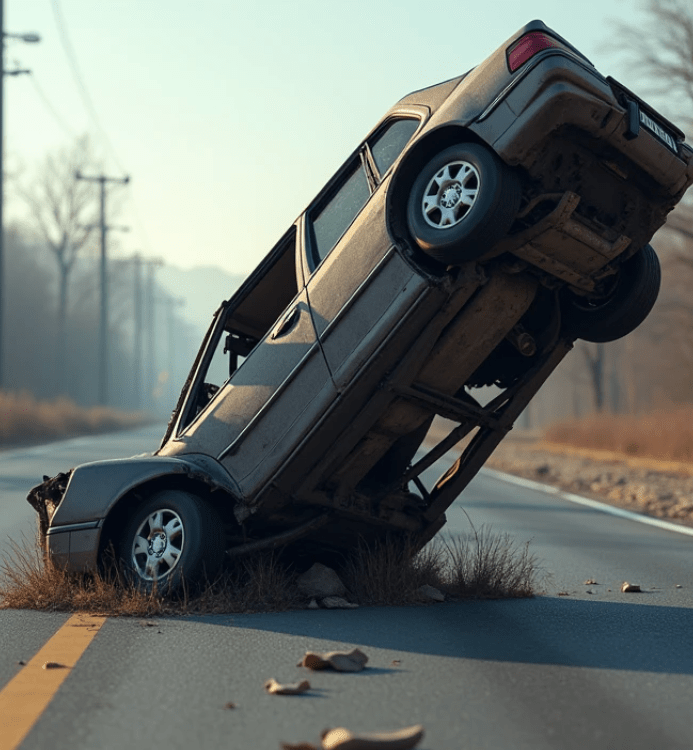
Nebraska’s Worst Roads to Drive on During a Disaster

Nebraska’s Worst Roads to Drive on During a Disaster: A Survivalist’s Hard-Learned Lessons

I’ve driven across deserts where the air could melt rubber, crossed frozen mountain passes where one wrong turn meant an icy death, and crawled through swamps that swallowed tires whole. But nowhere tests your nerves in a disaster like the flat, deceivingly gentle landscapes of Nebraska. It’s a land that hides danger in its simplicity. When the storm hits or the grid goes down, the Cornhusker State becomes a maze of impassable roads, blackouts, and waterlogged ditches.

I’ve spent years on the move, teaching myself how to survive behind the wheel. So take it from someone who’s had a few too many close calls—if you’re trying to get out of Dodge when all hell breaks loose in Nebraska, there are certain roads you’d do best to avoid. But even more importantly, you need to know how to drive when the rules no longer apply.

Let’s dig into the worst roads in Nebraska to be caught on during a crisis, then I’ll walk you through 15 survival driving skills to keep you alive, and 3 emergency hacks when the gas runs dry.


Nebraska’s Disaster-Prone Roads to Avoid

These roads might seem fine under clear skies, but when things turn south—floods, storms, civil unrest, or fuel shortages—they become traps.

1. Highway 275 (Between Norfolk and Fremont)

Flood-prone with poor drainage and aging bridges. One good storm and you’ll find yourself in a watery grave or stuck in an endless reroute.

2. Interstate 80 (Especially Omaha to Lincoln)

It’s a straight shot through the state, and that’s the problem. In a disaster, it’s a magnet for traffic jams, accidents, and panicked evacuees. You’ll be a sitting duck.

3. Highway 6

This two-lane route clogs quickly in emergencies and floods in spring storms. Visibility drops, and the ditch depth can flip your vehicle if you’re not careful.

4. Highway 20 (The Bridges to Nowhere)

In northern Nebraska, the infrastructure can’t handle a deluge. Rural bridges get washed out, and there’s nobody coming to fix them during a statewide disaster.

5. Highway 2 through the Sandhills

Beautiful terrain but treacherous when wet or snowy. No cell service for miles, and breakdowns here mean you’re truly alone.

6. Loup River Valley Roads

These scenic byways turn into mud pits. You’ll sink before you see a soul. Not worth the risk unless you’re packing a winch and 72-hour rations.


15 Survival Driving Skills That Can Save Your Life

If you’ve ever driven in chaos—roads crumbling, people panicking—you know it takes more than guts. It takes skill. These are the moves that have saved me time and again.

1. Threshold Braking

Keep your tires just at the edge of locking. Perfect for wet, icy, or loose gravel situations.

2. Skid Recovery

Turn into the skid, don’t fight it. Let the tires catch naturally. Fighting it just sends you sideways into a ditch.

3. Situational Awareness

Constantly scan your environment. Don’t fixate. One eye on the road, the other on potential threats or alternate exits.

4. Low-Speed Maneuvering

When debris or stalled cars block your path, crawling through tight spaces with precision becomes your ticket out.

5. Hand Signals for Low Visibility

When tail lights are useless in smoke or blackout conditions, knowing and using hand signals for convoy communication is vital.

6. Driving Without Headlights (Stealth Mode)

You don’t always want to be seen. Learn to drive with just enough dash light and moonlight when needed.

7. River Crossing Assessment

If you have to ford water, check depth with a stick and look for current. Never cross a flowing stream above your axle unless it’s life or death.

8. Run-Flat Tire Management

Learn how to keep rolling on compromised tires, and pack tire sealant and an air compressor.

9. High-Centering Recovery

Get off the hump by letting air out of your tires slightly and using traction aids like sand ladders or even floor mats.

10. Using Terrain for Cover

Avoid ambushes or flying debris by hugging terrain contours or parking behind natural barriers.

11. Rearview Bluff

Make your vehicle look like it’s been stripped or burned to deter looters—blackened windows, fake smoke damage, or broken glass on the dash.

12. Car Barricade Breaching

Know how to slowly push aside a stalled vehicle (or other obstruction) without damaging your radiator. Go low, push near the rear quarter panel.

13. Fuel Conservation Driving

Drive in high gear, avoid rapid acceleration, and coast when possible. Every drop counts when the pumps are dry.

14. Defensive Driving Under Fire

Not metaphorical—real bullets. Zigzag, use obstacles as shields, and never stop in the open. Reverse can be just as fast as drive.

15. Escape Route Mapping

Always know three ways out: one obvious, one hidden, one crazy. Think fences you can smash, alleys, or even train tracks.


3 DIY Driving Hacks When You’re Out of Gas

Now let’s talk worst-case: you’re stranded. No gas, no AAA, just a quiet Nebraska road and a long night ahead. Here are three bushcraft-meets-automotive tricks I’ve used in the field.

1. Siphon Every Drop (Even From Yourself)

Keep a siphon hose and fuel-safe container. You’d be shocked how much fuel’s left in “dead” cars, lawn equipment, even abandoned tractors. Pro tip: rural properties often keep fuel tanks near barns. Respect private property, but survival is survival.

2. DIY Ethanol Booster

Corn country, right? If you’re desperate, ethanol or moonshine can work in small doses for older vehicles (pre-2001). Never run it straight, but you can mix it 10–20% with existing gasoline to eke out a few miles. Don’t try this in modern fuel-injected vehicles with sensors—they’ll hate it.

3. Roll and Glide Technique

Find a decline and coast. Seriously. Every foot helps. Push the vehicle onto a slope, shift into neutral, and use that to gain distance or even line of sight to rescue or fuel. Gravity never runs out.


Final Thoughts from a Road-Hardened Nomad

Nebraska’s beauty is deceptive. It looks like open country, a straight shot to safety. But under the pressure of disaster, those long roads twist into traps. With water rushing over bridges, winds flattening fields, and desperate people doing desperate things—you need more than horsepower. You need skill, planning, and a cool head.

I’ve driven out of wildfires, riots, and once, a Category 4 hurricane. But the loneliest and scariest escape I ever made was in the Nebraska Sandhills, with only a half tank of gas, a busted alternator, and the radio dead from EMP interference. I made it out by knowing when to drive, when to hide, and when to ditch the road entirely.

So next time you’re topping off your tank or checking your map, ask yourself: If the world went dark today, would I know how to drive my way out?

If you’re not sure, start practicing. Because in a real disaster, Google Maps won’t save you. But your skills just might.

Iowa’s Worst Roads to Drive on During a Disaster

Iowa’s Worst Roads to Drive on During a Disaster
By a Well-Traveled Survivalist

There’s a reason most folks underestimate the land between the coasts. From a bird’s-eye view, Iowa looks like a patchwork of cornfields and gravel roads. But when a disaster strikes—be it flood, blizzard, tornado, or grid-down scenario—those roads can turn into a gauntlet. I’ve spent decades traveling through all kinds of terrain, from the jungles of Colombia to the mountain passes of Afghanistan. Let me tell you, Iowa’s backroads in the middle of a Midwestern thunderstorm? Just as dangerous as any warzone.

Disaster has a way of peeling back comfort like bark off a tree. When the sirens start, cell towers fail, and gas stations shut down, your best chance of survival might come down to your wheels and your wits. Below, I’ll lay out 15 survival driving skills every Iowan—or any prepared soul—needs to master, plus 3 DIY hacks to keep moving when your gas tank’s dry. But first, let’s talk about the battleground: Iowa’s most treacherous roads when the world goes sideways.


The Most Treacherous Roads in Iowa During a Disaster

  1. Highway 20 (Western Segment)
    Western Iowa’s stretch of Highway 20 often floods after heavy rains. During a flash flood, this corridor turns into a watery grave. Flatland runoff builds fast, and without elevation to carry it away, you’re driving blind through standing water.
  2. I-80 Between Des Moines and Iowa City
    While it’s one of the busiest interstates in Iowa, in a disaster, that’s exactly the problem. It bottlenecks fast, especially in snowstorms or mass evacuations. Don’t count on cruising this route during chaos.
  3. County Road F62 (Marion to Knoxville)
    Twisting hills and tree-lined curves make this rural gem beautiful—but deadly. In winter, it becomes a skating rink; in rain, a mudslide risk. No plows, no lights, no help.
  4. Highway 2 (Southern Iowa)
    A frequent victim of Missouri River flooding. Entire stretches of this road have been wiped out in past storms. In a bug-out situation, avoid this path unless you’ve recon’d it yourself.
  5. IA-330 Northeast of Des Moines
    Tornado alley, plain and simple. The road is exposed, isolated, and flanked by ditches—not where you want to be when twisters tear through.
  6. Gravel Roads in Tama and Poweshiek Counties
    During a disaster, GPS will push you onto these gravel roads to “save time.” Don’t fall for it. One storm and they’re impassable. Get stuck here, and you’re a sitting duck.

15 Survival Driving Skills for Disaster Scenarios

  1. Reading the Road
    If the surface looks darker than usual during rain, it’s probably deeper than you think. Water distorts depth. Know how to read the color and ripple.
  2. Driving Without GPS
    Memorize paper maps. Practice navigating with a compass and dead reckoning. Satellites fail. Your brain can’t.
  3. Off-Road Maneuvering
    Know how to use low gear, lock differentials, and feather the throttle. A field may be your only way out.
  4. Evasive Driving
    Practice J-turns and emergency braking in empty lots. If you’re chased or boxed in during civil unrest, you’ll be glad you did.
  5. Tire Change Under Pressure
    Be able to change a tire in under 5 minutes with limited visibility. Bonus points if you can do it with a busted jack.
  6. Escape Routines
    Know how to escape from a submerged vehicle, including kicking out side windows and cutting seatbelts. Timing is life.
  7. Fuel Conservation Tactics
    Learn to coast, hypermile, and minimize gear shifting. Every drop of fuel matters when there’s no refuel in sight.
  8. Navigating by Landmarks
    Learn to recognize silos, barns, water towers, and wind turbines as navigational aids. Nature and man-made markers never need batteries.
  9. Communication on the Go
    Equip your vehicle with CB radio or GMRS. When cell towers go down, this is your only lifeline.
  10. Driving in Blackout Conditions
    Practice using night vision (if you’ve got it) or driving with no lights using only moonlight and memory. Useful when stealth matters.
  11. Handling Panic Situations
    Develop muscle memory for when adrenaline spikes. Whether avoiding a downed power line or maneuvering through looters, cool heads drive better.
  12. Improvised Towing
    Use ratchet straps, tow ropes, or even paracord to pull another vehicle or debris. Just know the knots and tension limits.
  13. Winter Ice Control
    Carry sand, kitty litter, and traction boards. Learn how to rock the car back and forth to break ice grip.
  14. Engine Maintenance
    Know how to clean filters, check fluids, and jump a battery with spare wire if you don’t have jumper cables.
  15. Brake Failure Protocol
    If your brakes go, pump fast, downshift, and use the emergency brake in pulses—not one hard yank. That saves lives.

3 DIY Survival Driving Hacks When You Run Out of Gas

  1. The Ethanol Hack
    Iowa’s got corn. Lots of it. In an absolute emergency, you can distill ethanol from fermented corn mash. It’s not easy, but with copper tubing, a pressure cooker, and some time, it’s possible. Ethanol burns lean—filter it well or risk engine damage.
  2. The Lawn Mower Siphon Trick
    That old lawn mower or ATV in someone’s abandoned shed? Many of them have gas. Carry a siphon hose and a catch can. Be respectful—if it’s not yours, it might be someone else’s lifeline.
  3. Wood Gasifier Retrofit
    Advanced, but doable. With steel barrels, wood chips, and basic welding, you can create a wood gasifier to power an older carbureted engine. Think WWII truck tech. It ain’t pretty, but it rolls.

Tips for Staying Alive on Iowa Roads

  • Always carry a 72-hour car kit: water, food, wool blanket, trauma gear, jumper cables, flares.
  • Keep your gas tank no lower than half full. In a grid-down event, the line at Casey’s stretches to forever—and might never move.
  • Scout backroads now—while you still can. Drive them in daylight, mark danger spots on your maps, and cache supplies if you’re bold enough.

When the skies go black and the sirens wail, you won’t rise to the occasion. You’ll fall to the level of your training. So train hard. Know your routes. And never let your tank run dry.

The cornfields of Iowa might look peaceful, but when the world turns upside down, they’ll show you their teeth.

Utah’s Worst Roads to Drive on During a Disaster

Driving Through Hell: Survivalist Tactics for Navigating Utah’s Worst Roads in a Disaster

I’ve crossed deserts with a leaking radiator, powered a truck with cooking oil, and once drove 60 miles with no brakes through war-torn terrain. I’ve learned one thing: survival favors the prepared, and nowhere is that truer than the remote, rugged, and often unforgiving roads of Utah. When disaster strikes—be it quake, flood, fire, or civil unrest—knowing how to drive your way out can mean the difference between life and death.

Utah is a stunning land, but don’t let the red rock beauty fool you. It can turn deadly fast. With fault lines under Salt Lake City, wildfire risks in the Wasatch, and flash floods in the canyons of Southern Utah, you need more than four-wheel drive. You need grit, knowledge, and a rig that won’t quit.

Let me walk you through the worst roads to be caught on when hell breaks loose, and the skills you’ll need to escape.


Utah’s Worst Roads in a Natural Disaster

  1. Interstate 15 through the Wasatch Front
    It’s the main artery, but that’s the problem. One quake or crash and it’s a parking lot from Ogden to Provo. Urban gridlock + panic = chaos.
  2. SR-9 into Zion National Park
    Gorgeous, but it turns into a deathtrap in flash flood season. Narrow, winding, and boxed in by canyon walls. No way out if water comes.
  3. Highway 6 through Spanish Fork Canyon
    Rockslides, poor visibility, and sudden weather shifts make this one a gamble on the best of days. In a quake or storm, you’re done.
  4. Mirror Lake Highway (SR-150)
    High-altitude and scenic, but it’s often snowbound even in early summer. Cell signal? Forget it. Landslides are common after storms.
  5. US-89 through Southern Utah
    Desolate and wide open, but prone to washouts and debris flows. If your tank’s not full or your rig’s not ready, you won’t make it.
  6. Parley’s Canyon on I-80
    Major route out of Salt Lake City, but slick in winter and vulnerable to truck crashes. A backup here can trap you for hours.
  7. La Sal Mountain Loop Road
    Remote, steep, and nearly impassable after rains or fire. Gorgeous views, but you’d be better off with wings if disaster hits.
  8. Capitol Reef’s Notom-Bullfrog Road
    Remote dirt track with clay-rich soil. When wet, it becomes pure sludge. People get stuck here on purpose trying to test themselves. Bad idea in a crisis.
  9. Kolob Terrace Road
    Twists and elevation changes make it beautiful but treacherous. Add a wildfire or landslide and you’re driving blind.
  10. Little Cottonwood Canyon Road (SR-210)
    Avalanche central in winter, and crowded with tourists year-round. One accident, and you’re locked in with nowhere to turn.

15 Survival Driving Skills That Might Save Your Life

  1. Driving Without Headlights (Night Stealth)
    Know how to navigate by moonlight or use just your running lights. Light draws attention in post-disaster chaos.
  2. Manual Transmission Mastery
    You’d be shocked how many people can’t drive stick. When automatics fail or you need to jump into an abandoned vehicle, this saves your hide.
  3. Off-Road Recovery Techniques
    Know how to rock your vehicle free, use traction boards, or build ramps from logs. Getting stuck can be fatal.
  4. Reading the Land
    Learn to read water drainage, slope lines, and road crown. It’ll help avoid flash floods, soft shoulders, or terrain that will swallow your wheels.
  5. Engine Cooling Tricks
    You may be crawling in 100-degree heat. Learn tricks like turning on the heater to bleed engine heat, or carrying aluminum foil for makeshift heat shields.
  6. Improvised Tire Repair
    Know how to use tire plugs, fix a bead break, or use duct tape and zip ties to limp on a shredded sidewall.
  7. Gas Can Handling and Fuel Transfer
    Carry a siphon kit and know how to use it. Stealing gas may be the only option when stations are empty.
  8. Driving in Reverse for Distance
    Sounds ridiculous, but if a road is blocked and turning around isn’t an option, you might need to back out a quarter mile or more.
  9. Braking with a Failed System
    Learn engine braking techniques and how to use terrain to slow down—like uphills or embankments.
  10. Vehicle Camouflage
    Paint mud on reflective surfaces, cover shiny parts, and learn how to park in shadow or brush to stay hidden.
  11. Escape Driving Under Gunfire
    Zig-zag driving, suppressing speed, using terrain like boulders or buildings for cover—this isn’t just for movies.
  12. Fuel Efficiency Tactics
    Kill A/C, slow down, coast when possible, and avoid hard acceleration. Fuel stretches longer than you think if you’re smart.
  13. Water Fording Techniques
    Know how to gauge depth and current. Enter slow, steady, and don’t stop. Know where your air intake is.
  14. Using Maps Without GPS
    Old-school paper maps and a compass never run out of batteries. Know how to read topo lines and mileage charts.
  15. Towing and Pushing Vehicles
    Chains, winches, or even using your rig to shove a dead vehicle off the road can be the difference between being trapped or getting out.

3 DIY Survival Driving Hacks When You’re Out of Gas

  1. Alcohol-Based Fuel Substitute (in an Emergency Only)
    Everclear, high-proof liquor, or rubbing alcohol can sometimes be used in small doses in older engines—especially carbureted ones. Not ideal, but enough to maybe get a few miles closer to safety.
  2. DIY Solar Oven Gasifier (Advanced)
    With metal cans, some tubing, and organic material, you can build a crude gasifier to generate burnable vapors for small engines. It’s slow and inefficient, but in the boonies, it can save you.
  3. Fuel Scavenging Rig
    Build a simple siphon setup with food-grade tubing and a primer bulb. Keep it clean, coiled, and stored in a side panel. In a pinch, you can draw from lawn equipment, boats, or other stranded vehicles.

The Survivalist’s Take

Surviving a disaster in Utah isn’t just about having the right gear—it’s about knowing the land and being mentally and mechanically ready to improvise. The desert will eat you alive if you think cell service and Google Maps are a plan. I’ve pulled families out of canyons and found hikers who were days from dying of dehydration. The consistent factor in who survives isn’t strength—it’s preparation.

You don’t need a $90,000 overlanding rig. But you do need a well-maintained vehicle, fuel on hand, food and water in your cab, and the will to do whatever it takes.

If you’re heading into the wild, or even just commuting across the Wasatch in winter, think like it’s a war zone—because sometimes, it is.


Drive smart. Drive prepared. Drive like your life depends on it—because one day, it just might.