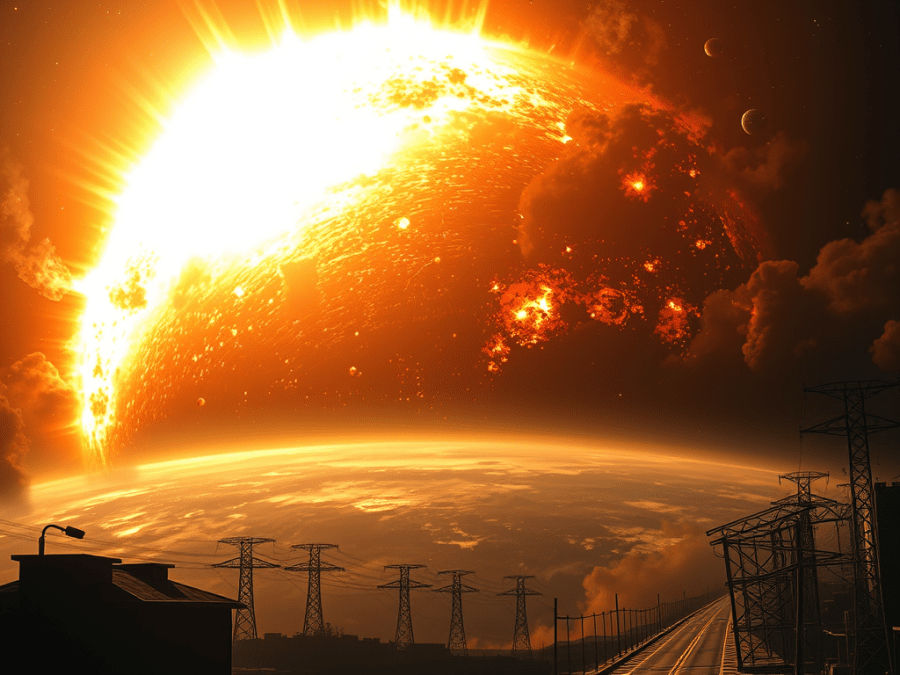
Why the Next Solar Event Will End Life As You Know It

Most people walk around thinking the world is indestructible. They can’t imagine a future where their phone won’t turn on, their fridge won’t hum, and their precious streaming services won’t spoon-feed them entertainment while everything burns around them. But a single solar event—a geomagnetic storm—could wipe out the power grid in minutes, and humanity is too busy scrolling, arguing, and losing its collective mind to care.

If you’re reading this, you’re not like them. You see the cracks forming. You see the fragility. You understand that one violent burst from the sun can plunge the entire planet into darkness for months, years, or permanently.

And you’re angry—because the world refuses to take this threat seriously.

Let’s break down why a solar event is one of the most catastrophic and realistic threats to modern civilization, and why you need to prepare before you’re left in the dark with the clueless masses wondering why their microwaves don’t work anymore.


The Sun Doesn’t Care About Our Fragile Civilization
Solar events are not sci-fi. They’re not hypothetical. They’re not “overblown prepper fantasies.” The sun throws tantrums constantly—solar flares, coronal mass ejections (CMEs), and geomagnetic disturbances. Usually Earth dodges them. But every once in a while, the wrong burst hits us dead-on.

And when it does, the grid—this delicate, aging, overburdened, poorly protected patchwork of wires—doesn’t stand a chance.

Our power grid is like a 100-year-old man running a marathon: one shock and everything shuts down.


The Last Warning: The 1859 Carrington Event

In 1859, the Carrington Event slammed the earth so hard telegraph stations literally caught fire. Sparks flew from metal. Operators were shocked. Equipment melted.

That was back when the world wasn’t dependent on electronics.

Imagine that same solar event hitting today.

  • Every transformer could fry.
  • Most communication systems would fall silent.
  • GPS would fail instantly.
  • Satellites could be damaged beyond repair.
  • The internet would collapse—not temporarily, but potentially for months.

And without the internet? Society as you know it stops ticking.

But here’s the terrifying part: modern scientists estimate that a Carrington-level solar storm has a roughly 10% chance of hitting Earth per decade. You have a higher chance of experiencing a catastrophic solar event than winning the lottery, getting struck by lightning, or getting attacked by a shark.

Yet people prep for none of it.


Infrastructure Built on Hope, Denial, and Duct Tape
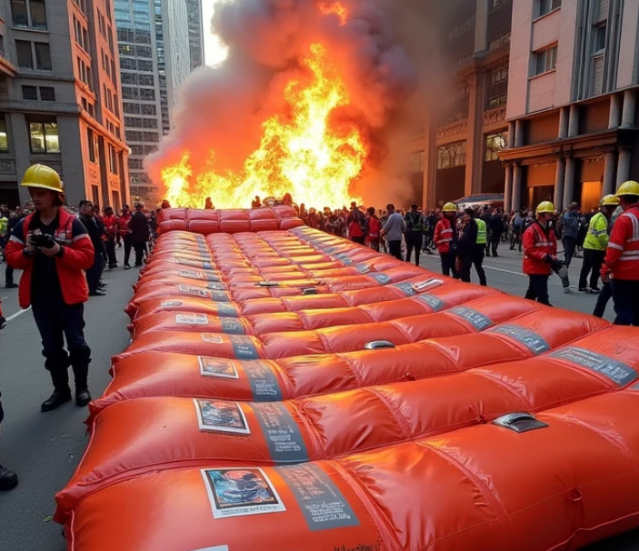
The power grid isn’t just fragile—it’s a disaster waiting to happen.

Most high-voltage transformers, the backbone of the grid, take months or YEARS to manufacture. They aren’t mass-produced. They’re custom-built beasts weighing up to 400 tons, requiring specialized facilities to assemble and ship.

And guess where many of them are made?

Not in your country.

Let that sink in.

If a solar storm fries dozens or hundreds of these transformers, replacement becomes a logistical nightmare. Supply chains collapse. Power stays out for extended periods. And in that darkness? Chaos grows.

Governments know this—but they don’t fix it. Too expensive, they say. Too unlikely, they claim. Meanwhile, the probability keeps rising, and the grid keeps aging.

Civilization is held together with rust, tape, and denial.


How a Solar Event Would Destroy Your “Normal Life”

People underestimate how dependent they are on electricity. They picture candlelight dinners and board games. They imagine a temporary inconvenience, like a heavy storm outage.

What they don’t picture is the complete failure of every system they rely on:

1. Water stops flowing

Electric pumps fail. Cities lose pressure. Water treatment plants shut down. Forget showers—try finding safe drinking water.

2. Fuel stops moving

Gas pumps don’t work. Refineries fail. Transportation halts. The fantasy of bugging out evaporates when your tank is empty.

3. Food supply collapses

Grocery stores have three days of inventory. Refrigeration dies. Distribution networks crash. And the average person has no idea how to feed themselves without barcodes and convenience aisles.

4. Medicine becomes scarce

Hospitals lose power. Supply chains freeze. Life-saving medications become impossible to obtain.

5. Communication ends

No phones. No internet. No news. No emergency alerts. Silence.

And in that silence, panic takes over.


People Will Turn on Each Other—Fast
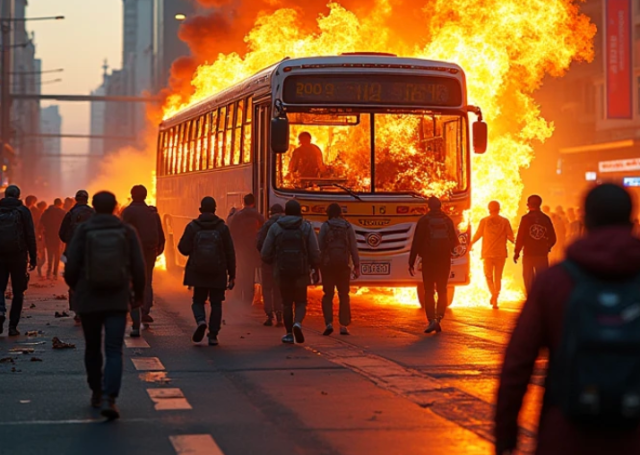
You don’t need a solar storm to see how unhinged people already are. They argue over everything. They hoard at the first sign of trouble. They break down mentally if their Wi-Fi flickers.

Now imagine millions of these panicked, unprepared people left in a powerless world.

  • No AC.
  • No heat.
  • No money systems.
  • No digital infrastructure.
  • No government response capable of addressing a multi-state or national blackout.

You think society is unstable now? Wait until the lights go out for longer than 48 hours.

Without the grid, the world falls apart at lightning speed.


Why You Need to Prepare NOW—not after the next solar flare warning
Once a CME is on its way, you can’t rush out to the store. You can’t “wait and see.” There’s no last-minute prepping. There is only what you already have and what you have already built.

Preparedness starts before the panic. That’s the difference between survival and becoming part of the statistics.

Here’s what serious preppers already set up:

1. Off-grid power solutions

  • Solar generators
  • Battery banks
  • Faraday-protected equipment
  • Small-scale independent systems

If you’re relying on the grid to power your future, you’re doing it wrong.

2. Water independence

Gravity-fed systems, wells, rainwater catchment. Anything not plugged into the fragile electrical world.

3. Food resilience

Crops, storage foods, preservation skills. Canned goods and Mylar bags don’t panic when the grid collapses.

4. Communication redundancies

Ham radio, off-grid radios kept in Faraday containers, and analog backups.

5. A realistic mindset

Most people panic when the world changes. Preppers adjust, adapt, and survive.


The Sun Will Strike Again—The Only Question Is When
Solar events aren’t optional. They’re guaranteed. The only variable is timing.

The grid wasn’t built to handle a direct hit. Society isn’t mentally equipped to live without electricity. Governments aren’t prepared to restore power across regions if hundreds of transformers melt.

But you? You can be prepared.

Because when that solar storm hits, the world will be screaming in the dark—while you’re the one who saw it coming.
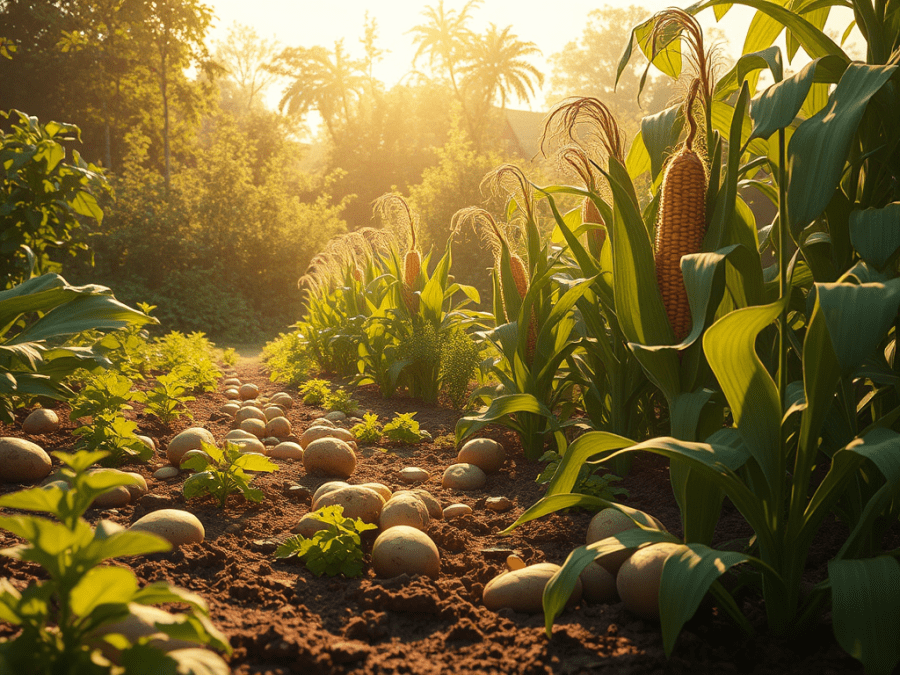

Grow These Survival Crops Now—Because Nobody’s Coming to Save You

The world isn’t getting better. You already know that—every headline is another reminder that the system is rotting from the inside out. The supply chain snaps if the wrong boat parks sideways. Grocery stores empty out if people panic for twenty minutes. And you’re supposed to trust that civilization will hold up long enough to keep your family fed?

Yeah. Right.

If you’re paying attention, you already know you need to grow your own food—real survival food, not the trendy nonsense influencers pretend will “heal your energy.” I’m talking about the tough crops. The war-zone crops. The crops that can keep you alive when everything else stops working.

This isn’t about gardening. This is about staying alive when society collapses under the weight of its own stupidity.

Below are the best survival foods to grow if you’re serious about not starving. They’re hardy, calorie-dense, reliable, and proven to keep humans alive when all hell breaks loose.
1. Potatoes (The Underrated Calorie King)

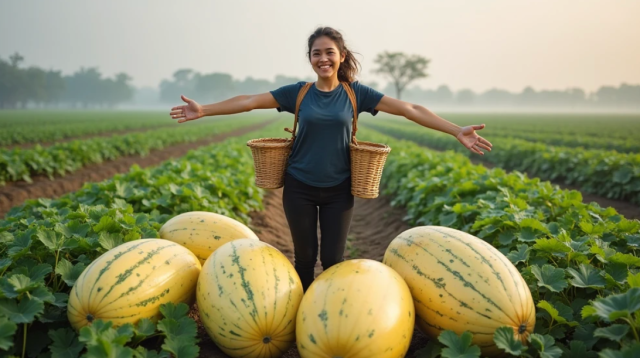
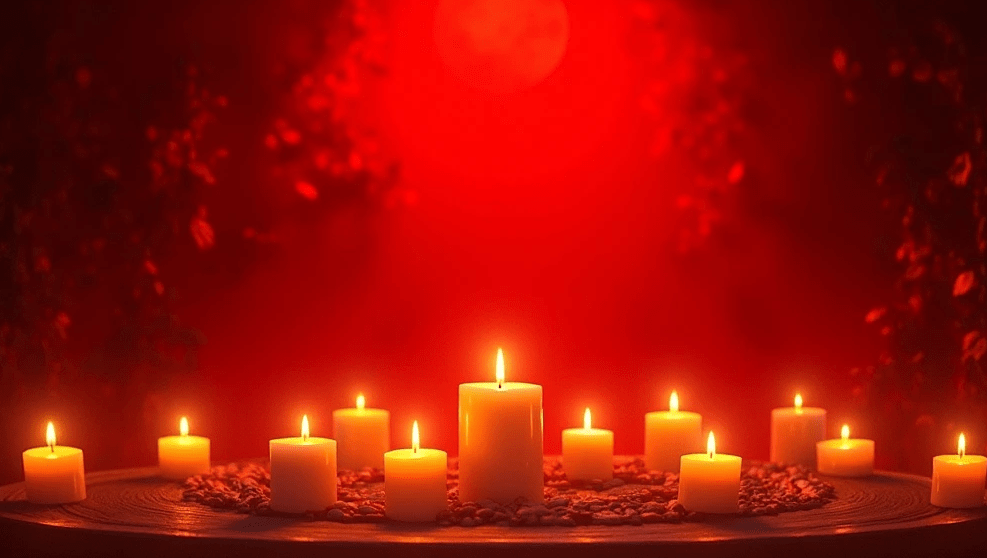
People laugh at potatoes—until they realize these humble dirt nuggets kept entire civilizations alive. Potatoes grow in lousy soil, don’t need much babying, and produce more calories per square foot than almost anything else.

When grocery shelves are stripped bare and the clueless masses panic, you’ll be sitting on piles of real food while they argue about who took the last granola bar.

Why potatoes are essential:

  • High calories
  • Grow in poor soil
  • Store well in cool, dark areas
  • Minimal pest issues

If you’re not growing potatoes, you’re already behind.

2. Beans (Your Long-Term Survival Protein)

Everyone talks about protein until they need to actually grow some. Livestock? Good luck feeding it when animal feed disappears. Hunting? So will everyone else—wildlife will vanish fast. But beans? Beans just grow. And they give you protein without expecting you to play rancher in the apocalypse.

Pole beans, bush beans, dry beans—grow them all. They improve soil, climb anything, and tolerate harsh neglect better than most people you know.

Why beans matter:

  • Plant-based protein
  • Long-term dry storage
  • Soil-building nitrogen fixers
  • Reliable yield

Beans won’t betray you. People will.

3. Corn (Massive Harvest, Endless Uses)

Say what you want about corn—it feeds people. It feeds animals. It feeds entire nations. And unlike half the fragile specialty crops people obsess over, corn actually produces enough mass to matter when you’re trying to stay alive.

You can grind it into meal, feed it to chickens, ferment it, store it, or eat it straight off the cob. Fast-growing, sun-loving, drought-tolerant corn is a prepper’s workhorse.

Corn benefits:

  • Huge calorie yield
  • Can be dried and stored long-term
  • Works in tons of recipes
  • Great for bartering

In a grid-down world, corn is currency.

4. Winter Squash (Hard-Shelled Survival Gold)

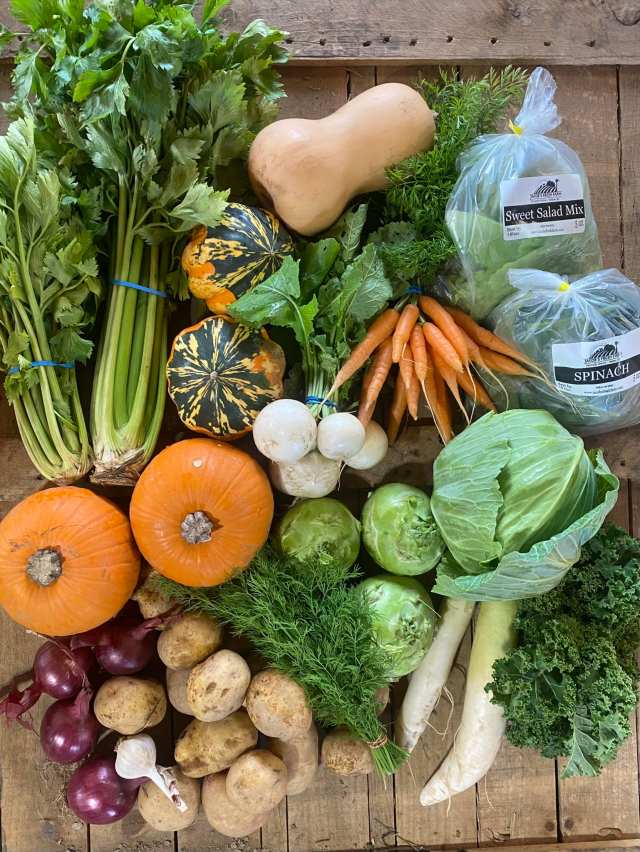
After the collapse, refrigeration won’t be there to save you. That’s why winter squash matters—they’re the original long-term storage food. With thick rinds and durable flesh, they’ll sit on your shelf for months without rotting into compost.

Butternut, acorn, Hubbard, kuri—pick your fighters. Just make sure you grow a lot of them.

Why winter squash is vital:

  • Keep for 6–12 months
  • Great carbs and vitamins
  • Hardy plants once established
  • Huge harvest potential

When everyone else is shivering and hungry, your squash pile will look like treasure.

5. Sweet Potatoes (Survival Meets Nutrition)

Unlike regular potatoes, sweet potatoes tolerate heat, drought, and neglect like they’re built for catastrophe. They provide calories, vitamins, and vines you can eat as greens if you’re desperate.

Once you plant sweet potatoes, they practically take over—exactly what you want in a world falling apart.

Benefits:

  • High yield
  • Heat and drought tolerant
  • Edible greens
  • Stores for months

Sweet potatoes don’t care if civilization crumbles.

6. Cabbage (The Forget-Me-Not Food That Just Keeps Giving)

Cabbage is the vegetable equivalent of a bunker—heavy, tough, and made to endure. It produces a ton of edible mass and becomes even more useful when fermented.

Sauerkraut isn’t a trend—it’s what people made when they didn’t have refrigerators.

Why cabbage is a survival classic:

  • Huge nutritional value
  • Stores for weeks
  • Can be fermented for long-term preservation
  • Cold-hardy

Cabbage doesn’t die easily. Can’t say the same about most modern diets.

7. Garlic & Onions (Flavors That Keep You Sane)

Listen, life after collapse is going to be miserable enough. If your food is bland, it gets even worse. Garlic and onions aren’t just flavor—they’re medicine, pest repellants, and food preservers.

Plus, they store extremely well.

Why you need them:

  • Long storage
  • Antibacterial properties
  • Easy to grow
  • High value for trade

If you want morale, you want alliums.

8. Carrots (The Survival Root That Doesn’t Complain)

Carrots take a little soil prep, but once they’re growing, they’re practically unstoppable. They store well, grow well in cool weather, and diversify your calories.

They’re also one of the few crops people will still like eating when they’re exhausted, cold, and miserable.

Why carrots earn a spot:

  • Easy to grow
  • Long storage
  • Cold tolerant
  • High vitamins

Carrots are simple. The world won’t be.

9. Kale (The One Green That Doesn’t Die)

Most leafy greens collapse under heat, cold, or pests. Kale laughs at all of them. It’s a multi-season, frost-kissing, apocalypse-proof plant that keeps producing when everything else waves a white flag.

Benefits:

  • Extremely hardy
  • Long season
  • Nutrient dense
  • Keeps producing

You don’t need trendy superfoods. You need kale.

10. Sunflowers (Seeds, Oil, and Livestock Feed)

Sunflowers give you more than beauty—they give you protein-rich seeds, oil for cooking, and feed for animals. They grow tall, strong, and resilient, even when conditions turn nasty.

Why sunflowers matter:

  • Edible seeds
  • Oil extraction
  • Drought tolerant
  • Excellent survival bartering item

Sunflowers don’t care about chaos—they just grow.


FINAL THOUGHTS: GROW FOOD OR GET LEFT BEHIND

You can’t fix the world. You can’t stop the collapse. You can’t rely on the grid, the government, the stores, or the clueless crowds who still think “everything will be fine.”

But you can grow food.

Survival belongs to the prepared—not the optimistic.

Learn these crops. Plant them now. Because when the world finally goes dark, your garden will be the only thing standing between your family and starvation.

The Brutal Truth Why Your “Survival Kit” Is A Joke – And What You Actually Need to Survive

Let’s get something straight: the world is not your friend. It never has been. And every time you scroll through social media watching people argue about meaningless garbage — politics, celebrity drama, whatever nonsense is trending — you can almost feel civilization cracking under the weight of its own stupidity. Most people think “preparedness” means buying a flashlight and hoping the government saves them. These are the same people who panic when the grocery store runs out of milk for 48 hours. Pathetic.

But you’re here because you’re not one of them — or at least, you’re trying not to be. You want a real survival kit. A kit that won’t crumble the moment the power grid collapses or society finally implodes under its own ignorance. Good. Because we’re done pretending that everything is fine. It’s not. And if you don’t have the right essentials, you’re going to learn the hard way why every serious survivalist keeps their gear ready, organized, and non-negotiable.

Below are the actual best survival kit essentials — not the watered-down, cute little lists written by lifestyle bloggers who think “minimalist living” is the same thing as surviving catastrophe. This is the gear you need when the world stops pretending.


1. A Real Knife — Not a Toy

If your knife came in a plastic package at a gas station, throw it in the trash. A survival knife is not a fashion accessory. It’s a tool, a weapon, a lifeline, and in the worst-case scenario, the only thing between you and becoming a cautionary tale.

Your knife should be:

  • Full-tang
  • Carbon steel or high-quality stainless
  • Strong enough to baton wood
  • Sharp enough to cut rope, fabric, and meat

The world will not hesitate to put you in situations where your knife is your only defense. Expect it.


2. Water Filtration — Because Clean Water Won’t Magically Appear

People act like water is always going to flow from their faucets forever. News flash: when the grid goes down, the pumps stop. And when that happens, the unprepared will drink whatever they can find — contaminated ponds, roadside runoff, bacteria-infested puddles. They’ll get sick. You won’t. Because you’ll have:

  • A portable water filter (Sawyer Mini or similar)
  • Purification tablets
  • A metal canteen for boiling water

Without clean water, you have 3 days. Maybe. Plan accordingly.


3. Fire-Starting Gear — Because Cold and Darkness Don’t Care

If you think one cheap lighter is enough, you’re already halfway to failure. You need multiple ways to create fire because fire means warmth, sterilization, cooking, signaling, and psychological stability.

A real kit includes:

  • Ferro rod
  • Stormproof matches
  • Butane lighter
  • Tinder sources (cotton balls, fatwood, etc.)

Fire is life. And life doesn’t come easy.


4. Shelter Materials — Because Exposure Will Kill You First

Most people think they’re invincible. They aren’t. One night of cold rain will crush morale and end your chances. Shelter isn’t optional — it’s the backbone of survival.

Your kit must include:

  • Emergency reflective blanket
  • Tarp or lightweight shelter
  • Paracord
  • Stakes or makeshift anchors

Comfort is irrelevant. Survival is everything.


5. First Aid — Because Injuries Don’t Heal Themselves

The world is full of hazards — rusty nails, broken glass, cliffs, hostile people, and plain old bad luck. And guess what? Hospitals won’t be open when everything collapses.

Your first aid essentials:

  • Bandages, gauze, and wraps
  • Antiseptic wipes
  • Antibiotic ointment
  • Painkillers
  • Trauma supplies (tourniquet, hemostatic gauze)
  • Medical gloves

There’s no dignity in dying from an infection. Handle it.


6. Multi-Tool — Because You Need More Than Two Hands

A multi-tool is the unsung hero of survival gear. Opening cans, fixing gear, cutting wire, tightening screws — it’s the stuff you don’t think about until you need it. And in survival situations, you will need it.

Avoid the cheap ones. If it breaks in your hand when you’re desperate, that’s on you.


7. Reliable Light Source — Because Darkness Is the Enemy

A flashlight is more than a convenience — it’s control. It’s the ability to move, work, and defend yourself at night. It’s the difference between panic and clarity.

You need:

  • A rugged LED flashlight
  • Spare batteries
  • A small back-up light or headlamp

Without light, your environment owns you.


8. Navigation Gear — Because Phone GPS Is a Luxury

Technology-dependent people are going to be completely lost — literally. Batteries die. Cell towers fail. Satellites get compromised. And then what?

Your kit must include:

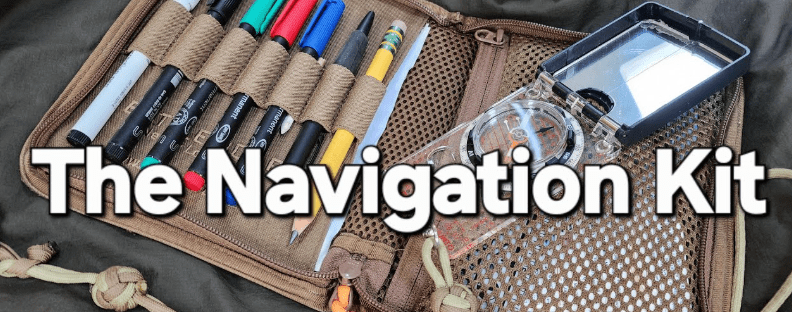
  • Compass
  • Physical map of your region
  • Backup notes of routes, landmarks, and safe zones

If you can’t navigate without a smartphone, you’re prey.


9. Food Rations — Because Hunger Makes People Stupid

When people get hungry, they make bad decisions — desperate decisions. You need rations that don’t rely on refrigeration, cooking, or delicate packaging.

Go for:

  • High-calorie emergency bars
  • Freeze-dried meals
  • Nuts and protein-dense snacks

This isn’t gourmet dining. This is “stay alive until tomorrow.”


10. Clothing Layers — Because Weather Doesn’t Care About Your Plans

A proper survival kit includes more than gear — it includes what you wear. Weather changes faster than society collapses, and if you aren’t ready, the environment will make you pay.

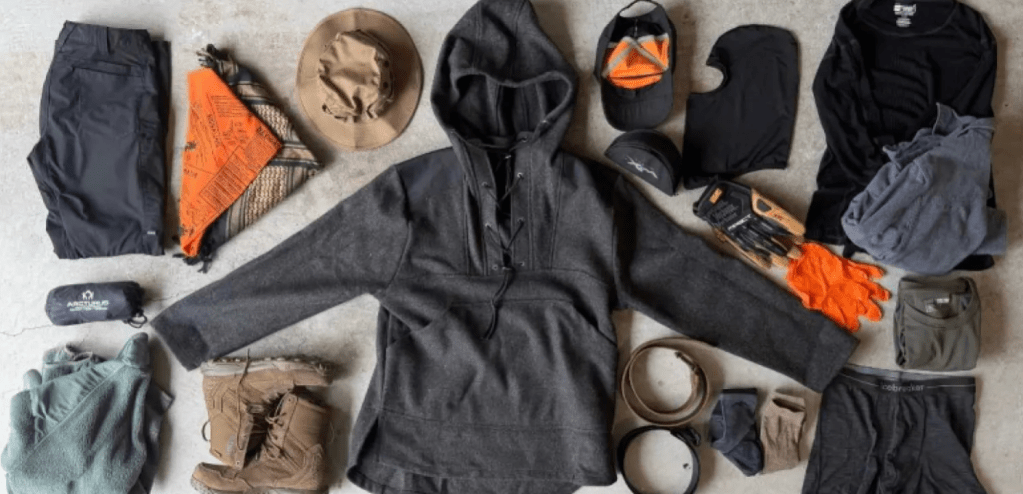
Pack:

  • Thermal base layers
  • Waterproof shell
  • Wool socks
  • Gloves and a beanie

Comfort is optional. Protection is not.


11. Self-Defense Tools — Because People Become the Real Threat

When systems fail, people unravel. Desperation turns good people dangerous, and dangerous people malicious. You don’t need paranoia — you need realism.

Consider carrying:

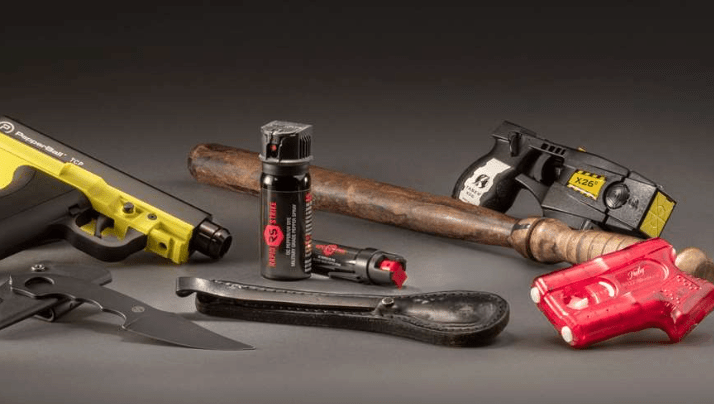
  • Pepper spray
  • A sturdy knife (again — you should have two)
  • A tactical pen
  • A self-defense training mindset

Because the worst thing you can do in a crisis is trust the wrong person.


12. The Mental Will to Survive

All the gear in the world can’t save someone who’s mentally weak. Survival demands grit — the kind this modern world has stripped from most people. When panic hits, when exhaustion tries to break you, when the world around you falls apart, the only thing that keeps you alive is your will.

And that’s something no one can pack for you.


Conclusion

The world is unpredictable, fragile, and full of people who think “preparedness” is unnecessary until it’s too late. Don’t be one of them. Build your survival kit like your life depends on it — because one day, it might.

When the world fails — and it will — your survival kit is either your life insurance or a reminder of your own negligence. Choose wisely.

Utah Power Outages And How to Stay Safe With No Electricity During SHTF

When the power goes out unexpectedly—especially for days or even weeks—many people realize just how dependent they are on electricity. As a lifelong prepper and someone who cares deeply about helping others get through tough times, I want to offer you both practical skills and compassionate guidance. Whether you live in a cozy Utah suburb or out in the red rock country, preparing for blackouts isn’t paranoia; it’s wisdom.

The truth is, Utah has unique challenges during power outages: harsh winters, vast rural areas, and increasing pressure on infrastructure from population growth and climate instability. If the power grid goes down during an SHTF (S**t Hits The Fan) event, being ready can mean the difference between discomfort and disaster—or worse.

Let’s go through five essential survival skills to help you thrive without electricity, three creative DIY power hacks, three must-have products, and the five worst cities in Utah to be stuck in during a blackout. Then, we’ll talk about how to put it all together into a sustainable plan for your household.


5 Essential Survival Skills for Living Without Electricity

1. Firecraft and Heating Without Power
If the power goes out in the middle of a Utah winter, especially in the high-elevation zones like Park City or Logan, keeping warm becomes a life-or-death priority. Learn how to safely build and maintain indoor and outdoor fires. Stockpile dry firewood, invest in a wood-burning stove or indoor-rated propane heater, and know how to ventilate properly. Always have a carbon monoxide detector on standby with backup batteries.

2. Manual Water Sourcing and Purification
Your taps won’t run forever when there’s no electricity. Wells need pumps. City water systems can lose pressure or become contaminated. Every household should have at least one gravity-fed water filtration system (like a Berkey or DIY ceramic filter). Learn to collect rainwater, find natural water sources, and purify with methods like boiling, iodine tablets, and solar stills.

3. Food Preservation and Non-Electric Cooking
Once refrigeration is gone, spoilage happens fast. Learn to can, pickle, and dehydrate food. If you haven’t tried solar ovens or rocket stoves yet, they’re efficient and perfect for Utah’s sunny days. A Dutch oven and cast-iron skillet over an open flame or hot coals will also serve you well. Don’t forget: learning to make bread from scratch using natural leavening like sourdough is both comforting and sustaining.

4. Non-Electric Communication
Cell towers may stay up for a while on backup generators—but not forever. Learn to use and maintain ham radios or CB radios for local communication. Have printed local maps and know your community’s geography in case you need to travel for help or trade.

5. Security and Situational Awareness
During a long-term blackout, desperation can grow fast in urban centers. Practice situational awareness. That means knowing your neighbors, keeping a low profile when distributing supplies, and securing your home. Training in self-defense, installing manual locks, and developing a home perimeter plan could keep your family safe when tensions run high.


3 DIY Electricity Hacks for Blackout Survival

You don’t need to rely on the grid to power a few essentials. Here are three DIY hacks to produce or store electricity in a blackout:

1. Build a Bicycle Generator
A stationary bike connected to a car alternator or small generator can be a great way to generate small amounts of power—enough to charge phones, small batteries, or LED lights. You’ll need a voltage regulator and some basic tools, but there are many tutorials online to guide you.

2. DIY Solar Power Bank
Combine a small portable solar panel (20–100 watts) with a deep-cycle marine battery, charge controller, and inverter. It’s simple and scalable. You can store enough power to run a fan, charge phones, or even keep a small fridge cold for a few hours a day.

3. Thermal Energy Conversion
Use thermoelectric generators (TEGs) to convert heat from a stove or fire into usable electricity. They don’t produce a lot, but it’s enough to power LED lights or a USB-powered device. This is particularly useful in cold climates like Utah, where you’re running heat sources daily in winter anyway.


The 3 Most Important Survival Products When There’s No Electricity

If you only had three survival products to rely on during a major grid-down event, these would give you the highest chances of staying safe and healthy:

1. Multi-Fuel Stove or Rocket Stove
Cooking, boiling water, and warmth—all without power. A rocket stove is efficient, burns small sticks, and works in all weather. Better still if it runs on multiple fuels like wood, propane, or alcohol.

2. Gravity-Fed Water Filtration System
Clean water is survival priority #1. Systems like the Berkey can filter thousands of gallons of questionable water without electricity. For long-term SHTF, this could save your life.

3. LED Lanterns with Rechargeable Batteries
Safe, long-lasting lighting is essential, especially when candles are too risky or short-lived. Use rechargeable AA or AAA batteries and charge them via solar panels or bike generators.


5 Worst Cities in Utah to Lose Power During SHTF

When considering which cities in Utah would be hardest to survive in during an extended power outage, we’re looking at population density, elevation, climate severity, infrastructure weaknesses, and social dynamics. Here are the top 5 you want to prepare especially well for:

1. Salt Lake City
High population, heavy snow in winter, and a complex urban infrastructure make SLC extremely vulnerable. If stores are looted and fuel runs dry, people will be desperate. Suburbs might fare slightly better, but urban chaos can ripple out fast.

2. West Valley City
Utah’s second-largest city, West Valley has a similar problem—high density, minimal local agriculture, and large apartment complexes that become heat traps or iceboxes without power. Security concerns are also more significant here.

3. Ogden
Known for rough winters and older infrastructure, Ogden’s electrical systems aren’t as robust as they should be. It’s also a hub city, which means traffic bottlenecks and resource shortages happen fast.

4. Provo
Though home to BYU and a somewhat community-minded population, Provo’s growing tech sector and urban sprawl make it dependent on the grid. Winters can be harsh, and there’s not a ton of backup infrastructure.

5. Park City
Tourism and wealth mask a survival challenge here: high altitude, deep winter snow, and dependence on electric heat. When vacationers leave, residents may find themselves cut off from help due to snowed-in roads and empty shelves.


How to Prepare and Stay Safe

Now that you know what skills to learn, products to get, and what areas are most at risk, it’s time to form a simple, clear plan.

Step 1: Create Layers of Redundancy
Don’t just rely on one flashlight or one water source. Have backups. If your solar panel fails, you want a hand-crank option. If your propane runs out, you want a wood option.

Step 2: Practice What You Learn
Reading about survival is great, but try going one weekend a month without electricity. Cook all your meals on a rocket stove. Use only non-electric lighting. Try to wash clothes by hand. You’ll discover weaknesses in your plan that you can fix now, while it’s still easy.

Step 3: Build a Support Network
No one survives alone forever. Get to know your neighbors. Find like-minded folks in your area who are also prepping. Build a barter system or a shared emergency plan. In Utah especially, many communities are already tight-knit—you just need to lean into that.

Step 4: Stay Calm and Lead by Example
When SHTF, people will panic. But you’ve prepared. Keep your cool. Help those who need it without putting your own household in danger. Your calm presence might be what inspires others to organize instead of descend into chaos.


Final Thoughts

Living without electricity is not only possible—it’s how humans lived for thousands of years. With a little knowledge, a few tools, and a lot of heart, you can thrive even when the lights go out. Whether you’re in a city or tucked into the mountains, your readiness could mean everything for your family and even your community.

Be wise. Be kind. Be prepared.

Idaho Power Outages And How to Stay Safe With No Electricity During SHTF

If you’ve ever lived through a power outage, you know how quickly things can go from inconvenient to life-threatening. Here in Idaho, where winters are cold, summers can be dry and hot, and some regions are quite rural, a loss of electricity—especially during a long-term SHTF (S**t Hits The Fan) scenario—can test even the most prepared among us.

Whether it’s a cyberattack on the grid, extreme weather, a wildfire, or something else entirely, knowing how to adapt quickly can make the difference between getting through it safely or struggling to survive. Today, I want to guide you through key survival skills, DIY electricity hacks, essential products, and the cities in Idaho where losing power can be most dangerous.


Why Preparing for Grid Failure in Idaho Matters

Idaho is a beautiful, rugged state, rich in natural resources and resilient people. But it also has vast rural areas, severe winters in the north and east, and hot summers in the south. We depend on the electrical grid for heat, cooling, water pumps, refrigeration, and communication. A serious power outage here can mean isolation, freezing temperatures, or lack of water—especially if you’re off the beaten path.

Blackouts might last a few hours, or they could stretch into days or even weeks. That’s why every Idahoan—or anyone living in a state with similar geographic diversity—needs to know how to survive without power.


5 Survival Skills to Master Without Electricity

Let’s start with the fundamentals. Electricity has only been part of our lives for a little over a century. People lived—and thrived—without it for thousands of years. If you can master the following five skills, you’ll be in a strong position during any blackout.

1. Water Collection and Purification

Without electricity, your well pump won’t work and city water services may fail. Learn how to collect rainwater, locate nearby natural water sources, and purify water using methods like:

  • Boiling (if you can make a fire)
  • Gravity-fed filters
  • DIY sand, charcoal, and gravel filtration
    Keep water stored ahead of time: aim for one gallon per person per day for at least two weeks.

2. Off-Grid Cooking

Electric stoves, microwaves, and even many propane ranges won’t function during a blackout. Learn how to cook safely using:

  • Rocket stoves
  • Cast iron over an open fire
  • Dutch ovens buried in coals
  • Solar ovens (especially in sunny southern Idaho)
    Cooking without electricity can be enjoyable and nourishing if you’ve prepared the right tools and skills.

3. Food Preservation

When the fridge and freezer go out, you risk losing days’ worth of food. Learn how to:

  • Can (especially pressure canning for meats and vegetables)
  • Dehydrate using solar dehydrators
  • Salt-cure or smoke meats
  • Store root vegetables in a root cellar or cool basement
    These methods have stood the test of time for a reason.

4. Heating and Cooling Your Shelter

Winter in northern Idaho can be brutal without electric heating. Understand how to insulate your home and stay warm using:

  • Wood stoves (always ventilate properly)
  • Thermal mass heating (stones warmed by fire)
  • Layered clothing and mylar blankets
  • Passive solar gain (opening curtains during the day, covering windows at night)
    In summer, ventilate your home, use shade effectively, and stay hydrated to avoid heatstroke.

5. Low-Tech Communication

In a widespread outage, cell towers may go down. Knowing how to communicate without relying on modern tech is vital. Learn how to:

  • Use shortwave/ham radios with a hand-crank or solar power
  • Set up signaling systems (mirrors, flags, or fire/smoke)
  • Create simple message boards or drop points with neighbors
    In emergencies, community coordination can be your lifeline.

3 DIY Electricity Hacks During a Blackout

When the grid fails, a little ingenuity can go a long way. While these hacks won’t power a city, they can give you light, charge small devices, or power radios—things that matter a great deal.

1. DIY Solar Battery Bank

Build a basic solar power system using:

  • A 100W solar panel
  • A deep-cycle marine battery
  • A charge controller
  • An inverter
    This setup can run lights, charge phones, power a laptop, or keep a small fridge going for short periods. It’s simple, modular, and scalable.

2. Hand-Crank Generator

Convert an old exercise bike into a hand-crank generator by attaching a car alternator to the wheel and connecting it to a battery. It takes effort, but it can charge radios, phones, or even small LED lights. Great exercise too!

3. Thermoelectric Generator (TEG)

These clever devices use the difference in temperature between two surfaces to generate power. You can use a TEG on a wood stove or campfire to charge small electronics. Look for camping-specific models that are efficient and compact.


The 3 Most Important Survival Products You’ll Need Without Electricity

When the lights go out and stay out, you don’t want to rely on last-minute scrounging. The following three products are absolute game-changers:

1. Water Filtration System

Whether it’s a gravity-fed Berkey system, a LifeStraw, or a Sawyer filter, clean water is priority #1. If you’re in the mountains of Idaho or the plains near Twin Falls, your access to water may be affected by livestock runoff, mining contamination, or sediment.

2. Alternative Light Source

Headlamps, LED lanterns, and crank-powered flashlights will make nights easier and safer. Solar-powered garden lights can be charged outside by day and used indoors by night.

3. Heat Source

A wood-burning stove or portable propane heater (like a Mr. Heater Buddy) with adequate ventilation and CO detectors can be a literal lifesaver during Idaho’s cold seasons. Even emergency thermal blankets can help maintain body heat.


5 Worst Cities in Idaho to Be Without Electricity

Idaho’s geography plays a big role in how badly an outage could affect you. Here are five cities where losing power could pose serious challenges:

1. Idaho Falls

This eastern city experiences severe winter weather, and many homes rely on electric heat. An outage in January here could be deadly without backup heating.

2. Coeur d’Alene

Beautiful, but heavily forested and prone to snowstorms, the area around Coeur d’Alene sees frequent outages and difficult road conditions. It can become quickly isolated.

3. Twin Falls

Hot, dry summers mean a lack of air conditioning can cause heat-related illnesses. Additionally, the city’s agricultural dependence means food supply chains can be disrupted if local infrastructure fails.

4. Mountain Home

High desert and a large Air Force presence could make this a strategic target in national grid failure scenarios. Water availability and summer heat are big concerns here.

5. McCall

A beloved mountain town, but remote and snowy. Limited access to outside resources during winter months makes this location vulnerable during prolonged outages.


Final Thoughts from a Survival-Minded Friend

Prepping doesn’t mean panic. It means peace of mind. You don’t have to live like a doomsday movie character to prepare for a power grid failure. You just have to think like your great-grandparents did—how to live simply, safely, and in harmony with the land.

Idaho is a state of survivalists at heart. From the ranchers of Salmon to the homesteaders near Bonners Ferry, people here have long lived with one foot in the modern world and one in the wilderness. That’s a legacy to honor—and a skill set worth passing down.

If you’re new to prepping, start small. Store extra water. Learn to cook off-grid. Practice camping in your backyard with no power. Talk to neighbors about creating a local emergency plan. Community is strength.

Remember, electricity is a tool—but not a necessity for living a full, secure life. Stay warm, stay dry, and keep learning.

Texas Power Outages And How to Stay Safe With No Electricity During SHTF

If you’ve lived in Texas for a while, you already know that we can experience extreme weather from every angle—burning summers, ice storms, flooding, and even tornadoes. Unfortunately, each of these natural events can quickly spiral into a larger emergency, especially when the power goes out. The infamous Texas Winter Storm of 2021 taught us all just how vulnerable our power grid really is. So if you’re reading this, you’re likely the type of person who doesn’t want to be caught off guard again. That’s smart.

I’m here to help you prepare, not panic. When the grid goes down—whether from weather, cyberattack, aging infrastructure, or overload—you need to be able to survive, adapt, and protect your loved ones. No electricity doesn’t have to mean no hope. With the right skills, tools, and mindset, you can make it through even the toughest blackouts.

Let’s walk through five essential survival skills you’ll need when the lights go out, three clever DIY hacks for generating some power on your own, the top three must-have survival items to keep on hand, and finally, which cities in Texas are the absolute worst places to be when the grid fails.


5 Survival Skills to Know When Living Without Electricity

1. Off-Grid Cooking & Food Prep

When the power goes out, so does your electric stove, microwave, and fridge. Being able to cook food without power is critical. Invest in a propane camping stove, rocket stove, or build your own solar oven using a cardboard box and foil. Know how to use cast iron cookware over an open flame safely. And don’t forget the value of shelf-stable foods—beans, rice, canned meats, powdered milk.

Being able to preserve food without a fridge—by smoking, salting, dehydrating, or fermenting—is another underrated skill. It’s not just about eating, it’s about eating safely.

2. Water Purification and Storage

When electricity goes down, water pressure often drops or gets contaminated. Learn to collect rainwater and purify it. You should have water filters like LifeStraw or Sawyer Minis, but also know old-school methods like boiling, using bleach drops, or building a sand-charcoal filtration system.

You can DIY a water cache using 55-gallon food-grade barrels. Plan for at least one gallon of water per person, per day, for a minimum of two weeks.

3. Staying Warm (or Cool)

Texas weather isn’t just inconvenient—it can be deadly. In winter, without heat, hypothermia becomes a real risk. Learn to insulate a room using blankets, foam board, or mylar emergency blankets on windows. Set up a safe heat source like a Mr. Heater Buddy (rated for indoor propane use with proper ventilation).

In the summer, know how to cool down with old-fashioned tricks like cross-ventilation, wet cloth wraps, shade shelters, and battery-powered fans. Heat stroke can kill just as easily as frostbite.

4. Lighting & Situational Awareness

Once it’s dark, your world shrinks. Have a system for lighting: solar lanterns, candles, headlamps, and flashlights with rechargeable batteries. But also learn how to maintain night vision, avoid light discipline mistakes (which can attract attention in bad times), and move silently in low light.

Your eyes and ears are your best defenses when everything else is down. Learn to listen to your environment.

5. Community Bartering & Security Basics

Survival isn’t always about going it alone. When the grid is down for weeks, bartering may become necessary. Learn basic trade value (like what a bottle of bleach or a pound of rice is worth in hard times) and build trust with neighbors beforehand. At the same time, know how to secure your property discreetly and safely. Motion-activated solar lights, reinforced doors, and simple early-warning tripwires can go a long way.

You don’t need to become Rambo—you just need to be prepared, alert, and protective of your space and people.


3 DIY Electricity Hacks During a Blackout

1. Build a Solar USB Charger

Using a small solar panel (5-20W), a charge controller, and a USB output module, you can create your own solar phone charger. These parts are widely available online or from hardware stores. Great for keeping phones, radios, or USB lights running when the grid is down.

2. Bicycle Generator Setup

Convert a bicycle into a pedal-powered generator using an alternator or a DC motor. You’ll need a voltage regulator and a battery to store the charge. This DIY setup can power small devices or recharge batteries with a good workout.

3. DIY Mason Jar Oil Lamp

If you’re caught without flashlights or solar lanterns, you can make an oil lamp using a mason jar, olive or vegetable oil, and a cotton wick (or even a shoelace in a pinch). It won’t replace your entire lighting system, but it can provide a surprisingly steady light source.


Top 3 Most Important Survival Products to Have Without Electricity

1. Portable Power Bank (Solar Rechargeable)
A high-capacity solar power bank or battery station like a Jackery or Goal Zero unit allows you to keep your essential electronics (phone, radio, flashlight, fan) running. Make sure it’s solar rechargeable and test it regularly.

2. Water Filtration System
Whether it’s a gravity-fed Berkey filter, a LifeStraw, or Sawyer Mini, you must have a reliable way to turn contaminated water into drinkable water. Boiling is great—but what if you’re low on fuel?

3. Emergency Radio (Hand Crank + Solar + Battery)
Communication is critical in a crisis. A NOAA weather radio with AM/FM and shortwave capabilities keeps you informed. Bonus if it includes a flashlight and USB charger.


5 Worst Cities in Texas to Be in During a Power Outage

Some places in Texas are just tougher to survive in when the grid fails. Factors like population density, climate extremes, lack of infrastructure, or crime risk make these cities particularly hazardous:

1. Houston
Hot, humid, and sprawling, Houston becomes almost unlivable without AC. Crime increases during outages, and flood risk adds another danger.

2. Dallas
High population, extreme summer heat, and ice storms in the winter. Dallas has seen grid strain before and would struggle in long-term blackouts.

3. El Paso
While drier and safer than some cities, El Paso relies heavily on power for water pumps and cooling systems in a desert environment. Summer heat can be punishing.

4. Corpus Christi
Hurricane-prone and vulnerable to grid instability. Water contamination and evacuation problems make this a tough spot during power-down events.

5. San Antonio
Large and rapidly growing, San Antonio’s grid is already under pressure. With extreme heat and limited shade, it poses a serious survival challenge during summer outages.


Final Thoughts: Resilience Starts With Mindset

The truth is, we can’t always predict when or why the lights will go out. But what we can do is take control of how we respond. Preparing for a power outage isn’t just about gadgets or gear—it’s about mindset. Think long-term. Think “What can I do today to be better off tomorrow?”

Start small. Practice one survival skill a week. Add a few key items to your home every month. Talk to your neighbors. Run a mock blackout scenario with your family. It’s not paranoia—it’s responsibility.

The more self-sufficient you become, the more peace you’ll feel. And if the day comes when everything does go dark, you’ll be the one who knows how to light a fire, filter the water, cook the food, and stay calm in the storm.

Stay safe, stay prepared, and never underestimate the power of knowledge.

New York Power Outages and How to Stay Safe With No Electricity During SHTF

When the lights go out, everything changes. If you’ve ever been caught in a power outage—especially a long one—you know how quickly our modern comforts can disappear. For those of us living in New York State, where population density, weather extremes, and infrastructure vulnerabilities converge, losing power isn’t just inconvenient; it can be downright dangerous. Whether you’re in the heart of Manhattan or in a small upstate town, being prepared means more than having a flashlight and a few cans of soup.

Let’s talk about how to stay safe, smart, and sane when the grid goes down, especially during a situation where everything hits the fan (SHTF). From hard-earned survival skills to practical DIY electricity hacks, this guide is here to empower you with both knowledge and confidence.


5 Survival Skills for Living Without Electricity

Living without power can feel like stepping back a century. But people lived that way for thousands of years, and so can we—with the right mindset and skills. Here are five critical abilities every New Yorker should learn before the lights go out.


1. Fire Craft and Off-Grid Cooking

Cooking is one of the first hurdles you’ll face in a blackout, especially if your stove or microwave relies on electricity. Being able to start a fire safely is a foundational survival skill. Learn how to make a Dakota fire hole—an efficient, smokeless fire pit—and how to cook over an open flame using cast iron. If you have a propane grill, keep extra tanks stored safely. Bonus points if you know how to cook with a solar oven, which works wonders in summer.


2. Water Procurement and Purification

In a prolonged power outage, municipal water systems can fail, especially if the pumps rely on electricity. You’ll need to locate alternate sources of water (like rainwater or streams) and purify them. Learn how to make a gravity-fed water filtration system using activated charcoal, sand, and gravel. Always keep a stash of water purification tablets, and know how to boil water over an open fire if needed.


3. Food Preservation Without Refrigeration

Food spoilage is one of the biggest threats when the fridge dies. Learn traditional methods of preservation like canning, pickling, smoking, fermenting, and dehydration. For example, salt-cured meats can last weeks unrefrigerated, and fermented vegetables can supply essential nutrients long after the fresh stuff is gone.


4. Manual Sanitation and Waste Management

Let’s be honest—when the toilet won’t flush and the water stops running, things get… uncomfortable. In urban areas especially, this can quickly become a health hazard. Learn how to create a sawdust toilet (composting toilet alternative), manage gray water safely, and maintain personal hygiene with minimal water. Keep a well-stocked sanitation bucket system with heavy-duty trash bags, baking soda, and bleach.


5. Situational Awareness and Community Communication

When the grid goes down, you lose not only power but also connection—no internet, no news, and possibly no phone signal. Train yourself to rely on local radio, ideally a hand-crank emergency radio. Form neighborhood alliances and have a community plan. Understand the signs of civil unrest or worsening conditions and how to respond calmly and smartly.


3 DIY Electricity Hacks When the Grid Goes Down

You don’t have to be an electrical engineer to generate a bit of power during a blackout. Here are three practical, do-it-yourself hacks that can bring light, charge your devices, or even run small appliances in a pinch.


1. DIY Solar Charger with USB Output

With a small solar panel kit (available online or at hardware stores), you can build a basic solar charging system for phones, radios, or flashlights. You’ll need:

  • A 10-20W solar panel
  • A solar charge controller
  • A 12V battery (like a deep-cycle marine battery)
  • A USB car adapter

Connect the panel to the charge controller, then to the battery, and plug in your USB adapter. This can keep your essential devices running for days.


2. Bicycle Generator for Small Power Needs

If you’re handy, convert an old bike into a pedal-powered generator. You’ll need a bike stand, a belt or chain drive, and a small alternator or motor. This setup can generate enough electricity to charge a battery pack or power a few LED lights. It’s also great exercise and a morale booster during dark times.


3. Saltwater Battery Lamp

When resources are scarce, even salt and water can make a difference. Using magnesium and copper plates (or coins), you can make a rudimentary battery with saltwater. Connect enough of these cells in series, and you can power an LED. It won’t light up your whole house, but in an emergency, every little bit of light helps.


3 Most Important Survival Products Without Electricity

While survival is mostly about mindset and skill, having the right gear can make a night-and-day difference. If I had to choose just three must-haves for a no-electricity scenario, these would be it:


1. Multi-Fuel Camp Stove (e.g., MSR WhisperLite)
Reliable, versatile, and portable, these stoves can burn white gas, kerosene, or even unleaded gasoline. It’s your best bet for cooking or boiling water safely when the power is out and fire pits aren’t an option.


2. Solar Generator (like Jackery or Bluetti)
A solar generator is a quiet, clean way to power essentials like a CPAP machine, lights, or small appliances. Look for one with at least 500Wh capacity and a foldable solar panel. It may be an investment—but in a long-term blackout, it can be a lifeline.


3. Headlamp with Rechargeable Battery
Hands-free lighting is more useful than a flashlight, and using a rechargeable model with a solar bank or hand crank makes it even better. Always have backup lights and extra power sources available.


5 Worst Cities in New York to Be in During a Power Outage

Not all places in New York are created equal when the grid goes dark. The following cities pose unique challenges due to their infrastructure, population density, crime potential, and lack of immediate resources.


1. New York City
No surprise here. The Big Apple is deeply reliant on electricity for everything—transportation, water pumps, elevators, and communication systems. A prolonged outage could result in gridlock, water shortages, looting, and a breakdown in services. If you’re in NYC, you must have a robust bug-in or bug-out plan.


2. Buffalo
Heavy snowfall in winter combined with aging electrical infrastructure makes Buffalo a risky place for long-term outages. Frozen pipes, inaccessible roads, and limited local resources can make it extremely challenging to stay warm and safe.


3. Albany
The capital city is a central hub, but its aging grid and colder winters make power outages especially tough. Hospitals and government systems may get backup generators—but residential areas might not. Additionally, it’s prone to flooding, adding another layer of risk.


4. Rochester
Another cold-weather city with a high dependency on the grid. Its older buildings and infrastructure are not well-equipped for extended blackouts, especially during storm season. Food spoilage and heating become urgent concerns here.


5. Yonkers
Close to NYC but with fewer resources, Yonkers faces the double threat of population density and limited emergency services. If an outage leads to cascading failures in sanitation, water, or policing, residents could be left fending for themselves.


Staying Safe, Staying Smart

Preparedness isn’t about fear—it’s about confidence. When you have the skills, tools, and mindset to meet challenges head-on, you’re not just surviving. You’re thriving under pressure.

If you live in New York or any other urban or semi-urban area, take the time now—while the lights are still on—to build your resilience. Practice your fire-starting skills in a controlled setting. Stock up on clean water, batteries, canned goods, and medical supplies. Make sure your family knows the plan.

Don’t wait for FEMA or the city to come knocking. When the grid goes down, you’ll be glad you took the time to prepare.

Stay safe, stay aware, and above all, stay kind. In the darkest times, a little light from a helping hand can go a long way.

North Carolina Power Outages and How to Stay Safe With No Electricity During SHTF

When the lights go out and the hum of modern life suddenly fades to silence, we’re reminded just how dependent we’ve become on electricity. In North Carolina, where hurricanes, ice storms, and aging infrastructure frequently test our resilience, it’s not just about comfort—it’s about survival. I’ve lived through more than one of these dark spells, and let me tell you: being prepared is not just smart, it’s essential.

As a longtime survival prepper with a deep love for community, nature, and self-reliance, I want to share some of the most important skills, tools, and insights you’ll need when the grid goes down. Whether it’s a temporary blackout or a long-term SHTF (Stuff Hits the Fan) scenario, here’s how you can not only survive—but thrive—without electricity in North Carolina.


5 Essential Survival Skills When There’s No Electricity

1. Fire Building and Management

Without electricity, fire becomes your best friend. It provides heat, light, the ability to cook, and even a psychological boost when the world seems uncertain. Learn at least three ways to start a fire—matches, lighters, and friction methods like a bow drill or ferro rod. Practice building different types of fires (teepee, log cabin, Dakota fire hole) and keep a waterproof fire-starting kit ready.

2. Water Purification and Collection

Tap water may stop flowing, or become unsafe if treatment plants go offline. Learn to collect rainwater (it’s legal in North Carolina!) using barrels or even tarps. Have multiple purification methods: boiling, bleach drops, and portable filters like LifeStraw or Sawyer Mini. Water is life, and without it, you’re in trouble fast.

3. Off-Grid Cooking

Microwaves and electric stoves won’t do you any good. Master the art of off-grid cooking. A rocket stove, propane camp stove, solar oven, or even Dutch oven over a fire will keep your meals warm and morale high. Practice with dry goods and canned food so you’re comfortable when the pressure is on.

4. Food Preservation Without Refrigeration

If the power’s out for days or weeks, that freezer full of meat is a ticking time bomb. Learn traditional preservation techniques like canning, pickling, salting, smoking, and fermenting. A simple DIY root cellar can keep root vegetables and hardy produce fresh for months without a watt of power.

5. Situational Awareness and Security

Blackouts create opportunity—for both goodwill and criminal mischief. Understand the basics of home defense, fortifying entry points, and keeping a low profile. If you’re in a densely populated area, maintain situational awareness. Communicate with neighbors you trust and develop a mutual aid plan before disaster strikes.


3 DIY Electricity Hacks During a Blackout

Even if the grid is down, a little ingenuity can go a long way. Here are three off-grid hacks that could give you just enough electricity to power critical items.

1. DIY Solar USB Charger

With just a small solar panel (5V, available at most hardware stores), a USB converter, and a battery pack, you can create a basic solar USB charging station. It won’t run your fridge, but it will keep phones, flashlights, or radios alive—critical during emergencies for communication and news.

2. Hand-Crank Generator

Hand-crank generators or bike-powered dynamos are effective ways to manually generate power. You can DIY a setup using an old bicycle and a small generator motor to charge 12V batteries. It’s not easy work, but it’s sustainable and can power LED lights, radios, or charge small devices in a pinch.

3. Car Battery Inverter System

Your vehicle is essentially a giant power source. With a DC-to-AC power inverter (300W or more), you can use your car battery to run essential electronics like lights, a fan, or a small heater. Just be sure to run the engine occasionally to recharge the battery, and keep fuel conserved.


Top 3 Survival Products You’ll Need Without Electricity

If you can only get a few items to prepare for a blackout, prioritize these. They make a world of difference when you’re plunged into the dark.

1. LED Lantern with Rechargeable Batteries

Forget candles—LED lanterns are brighter, safer, and often come with solar-rechargeable options. The best ones can run for days on a single charge and light up an entire room. Add rechargeable batteries and a solar charger for a long-term solution.

2. Solar Generator (Portable Power Station)

A reliable solar generator is one of the best long-term investments you can make. Brands like Jackery or EcoFlow provide enough juice to run essential electronics, lights, fans, or a CPAP machine. Pair with foldable solar panels for a compact and portable energy system.

3. Emergency Radio with Crank and Solar Options

Communication is critical during blackouts. A hand-crank or solar NOAA emergency radio gives you access to weather updates, local alerts, and even AM/FM stations. Some models include built-in flashlights and USB charging ports for versatility.


The 5 Worst Cities in North Carolina to Be During a Blackout

While every part of the state has its own challenges, some places are more vulnerable than others due to population density, infrastructure weaknesses, or environmental exposure. Here are five cities where being without power could be particularly dangerous:

1. Charlotte, NC

As the largest city in North Carolina, Charlotte’s urban density and reliance on technology make it a rough place during blackouts. The high-rise buildings, heavy traffic, and limited self-reliance of many residents can create tension and overwhelm resources quickly.

2. Raleigh, NC

As the state capital, Raleigh hosts many state operations and relies heavily on digital infrastructure. A power outage here could affect not only residents but also disrupt emergency services and governmental coordination. Plus, the influx of new residents has outpaced preparedness in many neighborhoods.

3. Wilmington, NC

Wilmington is beautiful but vulnerable. Coastal storms—especially hurricanes—routinely knock out power here. Downed lines and flooded roads make it hard for utility crews to restore service. Combine that with evacuation traffic and supply chain breakdowns, and you’ve got a high-risk zone.

4. Durham, NC

Durham has an interesting mix of urban and rural areas, but its older electrical infrastructure and growing tech sector make it particularly exposed to grid issues. A long-term blackout would severely impact local businesses and cause strain on emergency resources.

5. Greensboro, NC

While not as big as Charlotte or Raleigh, Greensboro faces its own issues. It’s a logistics hub, and during a blackout, you could see fuel shortages, looting, or overwhelmed hospitals. Its mixed socioeconomic demographics mean some areas may recover slower than others.


Final Thoughts: Stay Prepared, Stay Kind

Living without electricity isn’t just about having flashlights and canned beans. It’s about building a mindset of self-reliance, creativity, and compassion. When the grid goes down—especially during SHTF—those who know how to stay calm, take action, and help others are the ones who thrive.

Start by mastering a few core survival skills. Create a power outage kit with the essentials. Learn some basic off-grid electricity hacks. And most of all, build a community of like-minded people who care for each other. Preparedness isn’t paranoia—it’s love in action.

The truth is, the future is unpredictable. But with a bit of planning and a whole lot of heart, you and your family can weather even the darkest storms. North Carolina is a beautiful state, and with a little foresight, it can also be a resilient one.

Stay safe out there, and remember: the best power source is the one between your ears.

Nevada Power Outages And How to Stay Safe With No Electricity During SHTF

Living in Nevada, a state known for its rugged deserts, vast open spaces, and vibrant cities, means we’re no strangers to challenges. One scenario every responsible prepper must consider is what happens when the power goes out—whether due to natural disaster, cyberattack, or grid failure during a catastrophic event (SHTF: Stuff Hits The Fan).

The truth is, electricity powers much of our modern life, and losing it unexpectedly can thrust us back into a more primitive, survival-based existence. But don’t worry—being prepared with knowledge, practical skills, and the right gear will ensure you stay safe, comfortable, and even empowered through a blackout. I want to share some guidance on surviving without electricity in Nevada and give you some practical, hands-on tips and products to prioritize.


Why Prepare for Power Outages in Nevada?

Nevada’s arid climate and isolated stretches make it both resilient and vulnerable. You’ll face extreme temperatures, especially in summer and winter, and limited immediate access to resources if power is out for days or weeks. Urban centers like Las Vegas and Reno rely heavily on electricity for everything from water pumping to air conditioning and refrigeration. So when the grid fails, daily life can quickly become difficult.


Five Essential Survival Skills to Thrive Without Electricity

  1. Water Sourcing and Purification
    Electric pumps power most residential water systems, so when the electricity fails, you may lose running water. Knowing how to find water in your environment—whether from natural springs, rain catchment, or stored supplies—is critical. Also, understanding purification methods like boiling, using chemical tablets, or filtering with portable filters is essential to avoid waterborne illness.
  2. Fire Building for Heat and Cooking
    Without electric stoves or heaters, fire is your best friend. Master building and maintaining a fire safely, using wood, charcoal, or even coal. Learn different fire-starting methods such as using a ferro rod, flint and steel, or natural tinder. Fire gives you warmth, the ability to cook, and even a signal for rescue if needed.
  3. Food Preservation and Foraging
    Without refrigeration, fresh food won’t last long. Learn how to preserve food through drying, smoking, fermenting, or salting. Also, knowing edible wild plants, insects, and local wildlife can supplement your diet in an emergency. Familiarize yourself with Nevada’s native flora and fauna, but always double-check to avoid poisonous plants.
  4. Lighting Without Electricity
    Electric lighting is a convenience we take for granted. In a blackout, you’ll rely on candles, oil lamps, solar lanterns, or hand-crank flashlights. Practice using and maintaining these light sources now, so you’re confident when you need them. Also, always keep spare fuel and batteries safely stored.
  5. Navigation and Communication Skills
    Cell towers and internet services are dependent on electricity. Learn traditional navigation methods using a map and compass and how to communicate via battery-powered or hand-crank radios. Knowing how to send visual signals or create smoke signals can be useful if you need to attract help in remote areas.

Three DIY Electricity Hacks During a Blackout

Even without grid power, it’s possible to generate some electricity on your own to power essential devices. Here are three hacks that can help:

  1. Solar Charger Using Small Panels
    Small, portable solar panels are increasingly affordable and can charge phones, radios, or small battery packs. You can build a simple solar charger with a panel, a voltage regulator, and a USB port. During daylight hours, place your solar panel in direct sun and connect your device to keep communication open.
  2. Hand-Crank Generator
    If you have some basic electronic parts, it’s possible to create a hand-crank generator. By turning a crank connected to a small DC motor, you can produce enough electricity to charge a phone or power a small LED light. This requires some DIY skill but can be life-saving in extended outages.
  3. Bicycle-Powered Generator
    If you have a stationary bike, you can convert it into a pedal-powered generator. By attaching a DC motor or alternator to the bike’s rear wheel and connecting it to a battery and inverter setup, pedaling generates electricity. This is great exercise and a renewable way to produce power when the sun isn’t available.

The Three Most Important Survival Products for No Electricity Situations

  1. Multi-Fuel Stove or Portable Propane Burner
    A stove that can burn multiple fuel types (propane, butane, wood) allows you to cook food and boil water without electricity. Portability is key, so you can use it indoors with proper ventilation or outdoors.
  2. Reliable Water Filtration System
    A high-quality water filter or purification system, such as a gravity filter or a LifeStraw, ensures safe drinking water regardless of source. Water is life, and this is non-negotiable.
  3. Durable Solar Lantern or Rechargeable LED Lantern
    Lighting is crucial after sunset for safety, comfort, and mental well-being. Solar lanterns with rechargeable batteries are perfect because they don’t rely on fragile batteries that can run out.

Five Worst Cities in Nevada for Blackouts and Why

  1. Las Vegas
    As Nevada’s largest city and a major tourist destination, Las Vegas relies heavily on electricity for everything from casinos to water pumping. A blackout here would cause severe disruptions and chaos, especially in high-rise buildings with no backup power.
  2. Reno
    Reno’s location in the Sierra Nevada mountains makes it susceptible to winter storms that can damage power lines. The city’s dependence on electricity for heating means outages in cold weather can be dangerous.
  3. North Las Vegas
    This growing urban area shares many vulnerabilities with Las Vegas proper, including dense population and reliance on grid power. Blackouts can quickly lead to public safety issues and strain emergency services.
  4. Henderson
    As another large suburb of Las Vegas, Henderson depends on the same infrastructure. High temperatures in summer combined with no AC during blackouts make this city particularly vulnerable.
  5. Carson City
    The state capital has a more rural feel but is still vulnerable to power outages due to limited infrastructure redundancy. Its location in a valley can complicate emergency response and power restoration.

Staying Safe and Prepared

The best way to face power outages is to prepare now. Maintain a stock of essentials like water, non-perishable food, batteries, and first aid supplies. Have a plan for communicating with family or neighbors and know your evacuation routes if necessary.

During an outage, conserve energy, stay calm, and prioritize safety. Avoid using generators indoors to prevent carbon monoxide poisoning. Use your skills to find water, make fire, and preserve food. Stay informed through battery-powered radios.


Final Thoughts

Living in Nevada without electricity is a challenge, but with the right knowledge, skills, and equipment, it’s entirely manageable. You’ll be able to protect yourself and your loved ones and maintain your dignity in difficult times. Preparation isn’t just about surviving—it’s about thriving no matter what life throws your way.

If you haven’t started prepping for power outages, I encourage you to take the first steps today. Learn these survival skills, gather your gear, and practice using your tools. The peace of mind you’ll gain is worth every minute.

Michigan’s Worst Roads to Drive on During a Disaster

I’ve driven across the windswept deserts of Arizona in a sandstorm, through Appalachia with a busted axle, and in the dead of a Montana blizzard using nothing but chains and grit. But let me tell you—few things test your mettle like driving in Michigan after a disaster hits. Cracked pavement, narrow shoulderless highways, forgotten forest roads—if you’re not prepared, Michigan will eat you alive. The state’s infrastructure is a patchwork quilt of old industrial routes, pothole-riddled backstreets, and seasonal access roads that seem to vanish when you need them most.

So when disaster strikes—be it an ice storm, tornado, chemical spill, or civil unrest—you better be ready to outdrive the chaos. Below are the roads you should avoid in Michigan when SHTF, the survival driving skills to get you out of harm’s way, and a few DIY hacks if your tank runs dry in the middle of nowhere.


The 5 Worst Roads in Michigan to Drive on During a Disaster

1. I-94 Between Detroit and Jackson

I-94 is a vital artery, but in a crisis, it turns into a clogged vein. Construction is constant, traffic backups are brutal, and exits are limited. When panic sets in, this stretch becomes a parking lot. Worse, if you’re caught during a snowstorm or flash freeze, you’re stuck—possibly for hours, maybe days.

2. M-39 (Southfield Freeway)

This one’s a death trap when it rains, snows, or floods. The underpasses flood so fast you’d think Poseidon had a hand in designing them. In a disaster, your odds of getting stuck under a flooded viaduct are alarmingly high.

3. M-10 (Lodge Freeway)

Known for sharp turns and reckless drivers, M-10 is tough to manage even on a good day. In a mass-evacuation or emergency situation, it becomes a twisted mess of broken-down vehicles and frustrated drivers with nowhere to go.

4. Telegraph Road (US-24)

Once a major thoroughfare, Telegraph has aged poorly. Deep potholes, worn paint, and uneven surfaces make it a tire killer. Add a disaster scenario and you’re looking at suspension damage, loss of control, or worse.

5. M-59 (Hall Road)

Hall Road is Michigan’s strip mall superhighway—cluttered, confusing, and full of people who drive like they’ve never seen a turn signal. When things go bad, everyone floods here, hoping for supplies. You’ll find gridlock, road rage, and nowhere to go.


15 Survival Driving Skills You Need When the Grid Goes Down

  1. Know Your Exit Routes
    Always memorize at least three ways out of your city—main roads, back roads, and rural trails.
  2. Read the Terrain
    In Michigan, snow hides potholes and floods disguise sinkholes. Train yourself to read water lines, tree movement, and road texture.
  3. Drive Without GPS
    Learn to read paper maps, follow compass bearings, and use natural landmarks like rivers and elevation to navigate.
  4. Brake Feathering on Ice
    Avoid slamming your brakes on slick roads. Instead, feather them—light, pulsing taps that keep traction without losing control.
  5. Off-Road Transitioning
    When roads fail, you’ll need to take to the forest, ditches, or fields. Know how to gently drop off curbs and cross rough terrain without bottoming out.
  6. High Water Assessment
    Never drive through standing water unless you can judge depth. If you can’t see the road markings, it’s too deep.
  7. Combat Reverse
    Master the art of reversing through narrow passages under pressure—especially important during blocked escape routes.
  8. Swerve Control
    Practice controlling your vehicle during evasive maneuvers. Swerving too hard leads to rollover—keep your hands light and don’t overcorrect.
  9. Engine Management in Cold Weather
    Michigan winters are brutal. Keep a block heater, monitor oil viscosity, and always carry a thermal blanket for engine emergencies.
  10. Clutch & Coast
    If you’re running low on fuel or trying to escape silently, knowing how to coast in neutral or clutch can save gas and reduce noise.
  11. Know How to Fix a Flat (Fast)
    Disasters don’t wait for AAA. Practice changing a tire under five minutes—blindfolded, if you want a challenge.
  12. Use Mirrors Like a Hawk
    You can’t afford tunnel vision. Train yourself to check mirrors every five seconds—spot ambushes, detours, and traffic snarls early.
  13. Run Flat Awareness
    Not every tire will die with a bang. Feel for pull, vibration, and steering lag—change it before it strands you.
  14. Situational Lights Discipline
    Use brake lights sparingly when fleeing. Tail lights scream your position. Know when to go dark.
  15. Evade & Obscure
    Use smoke, road flares, or mud to obscure your vehicle from pursuers or drones. Always be ready to vanish.

3 DIY Survival Driving Hacks When You Run Out of Gas

  1. Siphon with a Water Bottle and Tube
    Keep a few feet of clear tubing and a clean water bottle. You can siphon fuel from abandoned vehicles using gravity and suction. Just be careful—gas fumes are toxic. Never do this near flame or spark.
  2. Emergency Biofuel Blend
    If you’re driving a diesel engine, you can blend vegetable oil (from restaurants or pantries) with a small amount of rubbing alcohol and let it settle. Filter well. It’s rough—but it might get you 10–20 more miles to safety.
  3. Solar Heat & Pressure Hack
    On sunny days, place a sealed metal gas can in a hot area (like the car roof) to slightly pressurize remaining vapors. Then, carefully tip it toward your fuel intake using gravity to draw every drop. Slow, but better than nothing.

Final Word From the Road

I’ve driven through chaos in more places than I can count—New Orleans post-Katrina, NorCal during wildfire evacuations, and Flint during the water crisis. If there’s one thing I’ve learned, it’s this: mobility is survival. If your vehicle becomes a prison on wheels, you’re done.

Michigan is a land of contrast—gleaming cities, thick pine forests, frozen lakes, and endless cornfields. But its roads weren’t built for disaster. They were built cheap, patched over decades, and stretched beyond their limits. So you’ve got to make up the difference with skill, smarts, and nerve.

Keep your rig maintained. Practice those survival driving skills like your life depends on them—because one day, it just might. And when you’re sitting at the edge of the road, watching others panic while you’re quietly driving off into the woods with a full tank, you’ll know you’ve made it to a higher level.

Stay sharp. Stay quiet. Keep moving.