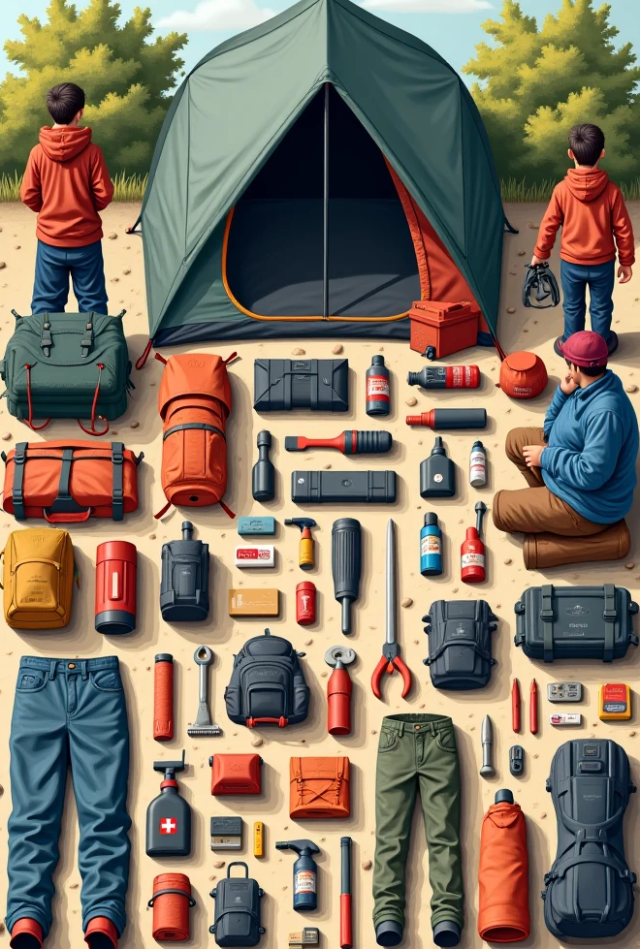
Alaska’s Worst Roads to Drive on During a Disaster

Alaska’s Worst Roads to Drive on During a Disaster – From the Eyes of a Seasoned Survivalist

I’ve spent decades carving tire tracks across some of the most rugged, merciless terrains known to man—from the punishing sands of the Mojave to the dense, axle-busting jungles of the Darien Gap. But few places demand as much raw respect behind the wheel as Alaska. The Last Frontier isn’t just a nickname—it’s a truth carved in black ice and frost-heaved pavement. When disaster strikes—be it earthquake, wildfire, blizzard, or civil collapse—Alaska’s roads become both escape route and executioner.

The truth is, you don’t “drive” Alaska during a crisis—you survive it. And if you want to live to tell the tale, there are a few roads you better know, and a few skills you better master before that engine growls in protest.


Alaska’s Worst Roads During a Disaster

1. Dalton Highway (aka “Haul Road”)

Stretching over 400 miles from Fairbanks to Deadhorse, the Dalton is a white-knuckle ride even on a good day. Isolated, barely maintained, and stalked by arctic weather, this trucker’s lifeline turns savage in a disaster. Landslides, freezing rain, and zero services mean you’re on your own. Cell service? Forget it. One bad decision and you’re a ghost story.

2. Seward Highway (Anchorage to Seward)

Scenic? Sure. Deadly in a quake or flood? Absolutely. This coastal stretch hugs cliffs and runs parallel to rail lines and avalanche zones. A tsunami alert could turn this highway into a death trap in minutes, and heavy snowfall regularly buries vehicles in surprise whiteouts.

3. Tok Cut-Off

It connects the Alaska Highway to Glennallen. But it’s narrow, remote, and mostly wilderness. Heavy snowfall or volcanic ash from nearby Mt. Wrangell can choke visibility. If the gas stations dry up during a fuel crisis, you’re stranded—no tow truck’s coming.

4. Denali Highway

This 135-mile gravel road cuts through pure wilderness, rarely plowed and often impassable in spring and fall. During disaster scenarios like forest fires or landslides, the Denali becomes a trap with few escape routes and fewer human beings.

5. Glenn Highway

While more traveled, this artery between Anchorage and Glennallen is flanked by landslide-prone mountains and earthquake faults. Any structural compromise in its bridges can isolate half the state.

6. Richardson Highway

Connecting Valdez to Fairbanks, the Richardson is vulnerable to avalanches, flash flooding, and thick snow. When disaster knocks, it doesn’t take much to sever this old military route.


15 Survival Driving Skills for Disaster Scenarios

If you think four-wheel drive and a full tank will save you in Alaska, you’re not thinking like a survivalist. Here are 15 crucial driving skills that separate survivors from statistics:

  1. Reading the Road Ahead – Spotting black ice, sinkholes, or fire damage before it eats your tires.
  2. Engine Braking on Descents – Don’t ride your brakes; downshift to save control and prevent burnout.
  3. Knowing When to Bail – The ability to ditch a vehicle when it becomes a coffin, and switch to foot travel fast.
  4. Tire Chain Application Under Duress – Learn to throw on chains even when fingers are frozen or the wind’s howling.
  5. Self-Recovery Using a Winch – Master the pulley systems, tree savers, and anchors to get unstuck solo.
  6. River Ford Judgment – How to judge depth, flow, and bottom material before a crossing floods your rig.
  7. Spotting Weak Ice – Never trust a frozen creek; knowing ice thickness can save your life.
  8. Improvised Traction Aids – From floor mats to chopped wood, know what can get you moving when stuck.
  9. Fuel Conservation Tactics – Idle less, coast more, cut AC/heat, and drive in the sweet RPM zone.
  10. Navigation Without GPS – Know how to use maps, a compass, and landmarks to reroute on the fly.
  11. Night Driving with Blackout Discipline – Keeping lights low or off when you don’t want to attract attention.
  12. Bug-Out Load Balancing – How to pack heavy but balanced gear for traction and speed.
  13. Escape Driving (Evasive Maneuvers) – J-turns, high-speed reverses, and off-road veers—practice them.
  14. Mechanical Triage – Know how to bypass a fuel pump, plug a radiator, or jury-rig a serpentine belt.
  15. Psychological Endurance – Fatigue kills more than speed. Train your mind for 36-hour nonstop focus under pressure.

3 DIY Survival Driving Hacks When You Run Out of Gas

Because it will happen. And when it does, knowing these could turn a death sentence into a delay:

1. DIY Alcohol-Based Fuel Substitute

If you’ve got access to high-proof spirits (Everclear, moonshine, etc.) or ethanol, small engines can burn it in a pinch. It’s dirty and inefficient, but if you’re only trying to limp 10 miles to safety, it might work—especially on older, carbureted engines. Just be warned: this is emergency-only, and not all engines will tolerate it.

2. Siphon Like a Pro

Always keep a siphon hose with a one-way valve. Abandoned cars, tractors, boats—Alaska has plenty of them. Pop a fuel line, drop the hose, and get what you can. Pro tip: newer vehicles often have anti-siphon traps; go for the fuel line under the car instead of the filler neck.

3. Gravity Feed Bypass

If your fuel pump dies and you’ve got gas in a container, you can rig a gravity feed. Strap the can to your roof, run a fuel-safe hose to the carburetor or intake rail, and let physics do the rest. It’s old-school, crude, and flammable—but effective in the middle of nowhere.


Final Word From the Trail

Driving in Alaska during a disaster isn’t just about the road—it’s about mindset. You can have the best tires, a modded-out rig, and a full bug-out kit, but if you panic or hesitate, you’re dead weight. I’ve seen rigs buried in landslides, frozen in rivers, and roasted in wildfires. In every case, it wasn’t just about what broke down—it was about what the driver didn’t know.

Alaska rewards preparation and punishes arrogance. Treat every road like it wants to kill you, and you’ll start to drive like a survivor.

So, build your skills, prep your vehicle, know your roads—and always have an exit strategy. Because when the world ends, the last thing you want is to still be trying to start your truck.



Arkansas’s Worst Roads to Drive on During a Disaster

Arkansas’s Worst Roads to Drive on During a Disaster — and How to Survive Them Behind the Wheel

Let me tell you something straight: if you’re driving through Arkansas during a full-blown disaster and you don’t know what you’re doing, you’re not just putting your life at risk—you’re endangering everyone you pass on that broken stretch of asphalt. I’ve spent years roaming every type of terrain from deserts to frozen tundras, and there’s one truth that always holds: your vehicle is either your salvation or your coffin. It all depends on how you drive it—and where.

Arkansas, beautiful and rugged as it is, isn’t exactly known for pristine highway conditions. But throw in a disaster—tornado, flood, winter storm, grid-down blackout, or civil unrest—and those narrow backroads and twisting mountain passes turn into traps. Let’s take a look at the worst places to drive through in Arkansas during a disaster, followed by survival driving skills and DIY hacks that might just save your life.


Arkansas’s Worst Roads During a Disaster

1. Highway 7 (Between Harrison and Russellville)
Picturesque? Absolutely. Safe during a flood or ice storm? Not a chance. Landslides, falling trees, and zero visibility curves make this a deathtrap when the weather turns.

2. Interstate 30 (Little Rock to Texarkana)
This corridor gets clogged fast in any kind of mass evacuation. Throw in overturned trucks, panic drivers, or a fuel shortage, and you’ve got a parking lot with a panic problem.

3. Highway 10 (Near Perryville)
Flooding hits this area hard. The road might still look “passable,” but underneath the water? Washed out culverts and crumbling pavement.

4. Interstate 40 (Especially near the White River crossing)
This stretch turns into a swampy mess when the river floods. Combine that with heavy 18-wheeler traffic and frantic evacuees, and you’re playing roulette with every mile.

5. Scenic Highway 23 – “The Pig Trail”
Don’t let the charming name fool you. During a disaster, those hairpin turns, narrow lanes, and zero guardrails can quickly become lethal.

6. Highway 71 (Between Fayetteville and Fort Smith)
Rockslides, sharp inclines, and over-confident flatlanders trying to “make good time” can clog this route in the worst way.

7. Highway 270 (Hot Springs to Mt. Ida)
Beautiful country, but limited visibility, heavy trees, and zero alternate escape routes. If something blocks your way, you’re boxed in.

8. Highway 67/167 Corridor
One of the busiest roads during evacuations. Potholes, debris, and desperate drivers weaving in and out make it a gauntlet.

9. Highway 49 (Especially near Helena-West Helena)
Low-lying areas flood fast, and that Delta wind can rip through with little warning. If the levees are stressed, it’s game over.

10. County Roads in the Ozarks
These are gravel, often unsigned, and nearly impassable with heavy rain or snow. Don’t depend on GPS—it’ll lead you right into the woods and leave you there.


15 Survival Driving Skills to Get You Out Alive

When it hits the fan, knowing how to actually drive in crisis conditions separates survivors from statistics. Here’s what I’ve learned over three decades of road-running in war zones, wilderness, and wipeouts:

  1. Threshold Braking – Learn to brake without locking your wheels. Keeps control even on wet or icy roads.
  2. Handbrake Turns – When you’ve got to spin the vehicle on a dime in tight quarters (say, boxed in a riot), this old rally trick can be a lifesaver.
  3. Low Gear Hill Descent – Keeps you from skidding downhill like a boulder. Especially critical in the Ozarks.
  4. Off-Road Tire Placement – Know how to straddle ruts and avoid tire-poppers like branches and nails.
  5. Driving Without Power Steering – If your engine dies or belt snaps, you’d better be able to muscle that wheel.
  6. Escape Driving in Reverse – You might need to back out of a tight spot fast. Practice controlled reversing at speed.
  7. Ramming Basics – If you must break through a barricade, hit low and center with controlled speed—not full throttle.
  8. Water Fording Technique – Don’t guess. Know your vehicle’s wading depth, and never cross fast-moving water.
  9. Driving by Compass – When GPS dies and you’re in the woods, compass navigation from map-to-ground is critical.
  10. Driving with Blown Tires – Maintain control, keep speed low, and don’t brake hard. Get to a flat zone fast.
  11. Tire Plugging in the Field – Carry a repair kit and know how to use it. Don’t wait until you’re leaking air 40 miles from help.
  12. Situational Awareness – You need 360° mental coverage at all times. Watch mirrors, scan shoulders, anticipate threats.
  13. Stealth Driving – Kill lights, coast in neutral, and keep RPMs low if you’re avoiding detection.
  14. Fuel Efficiency Driving – Coast where you can, drive 45-55 MPH, and avoid sudden acceleration to extend your fuel range.
  15. Mental Control Under Pressure – Might not seem like a “skill,” but it’s what separates panic from execution. Breathe, focus, adapt.

3 DIY Survival Driving Hacks When You Run Out of Gas

Sometimes, despite your planning, you’ll run dry. Maybe fuel’s gone, maybe your tank’s been siphoned while you slept. Here are three field hacks that can help you squeeze a few more miles—or at least survive the walk.

1. Alcohol Stove Siphon Burner (Emergency Siphon Booster)
If you’ve got denatured alcohol, Everclear, or even high-proof liquor, you can rig a small burner under your intake pipe (carefully) to vaporize trace gasoline and create enough vapor pressure to nudge the engine over. Crude? Absolutely. But I’ve seen it work.

2. Campfire Carb Heat Trick
If you’re stuck and the engine’s too cold to vaporize remaining fuel (especially in old carb models), build a small fire nearby and redirect heat with a metal plate toward the engine block. Don’t overdo it—you want warmth, not ignition.

3. Gravity Feed from Spare Canister
Bypassing the fuel pump entirely with a gravity-feed line can give older vehicles a few extra miles. Hang the spare can higher than the fuel intake, use a clear hose and basic valve to control flow. Works best on low-pressure systems.


Final Thoughts from the Road

You don’t need to be a Navy SEAL or a Mad Max road warrior to survive behind the wheel during a disaster. What you do need is planning, experience, and the will to stay calm under fire. Don’t depend on luck. Don’t rely on rescue. When the road disappears, the GPS dies, and the fuel gauge hits E—you’ll wish you knew every one of these tips by heart.

Arkansas is a land of beauty, but beauty doesn’t mean mercy. The roads here can be cruel, especially when nature—or society—turns hostile. Keep your tank full, your eyes sharp, and your instincts sharper. Out here, survival favors the prepared.


Michigan’s Worst Roads to Drive on During a Disaster

I’ve driven across the windswept deserts of Arizona in a sandstorm, through Appalachia with a busted axle, and in the dead of a Montana blizzard using nothing but chains and grit. But let me tell you—few things test your mettle like driving in Michigan after a disaster hits. Cracked pavement, narrow shoulderless highways, forgotten forest roads—if you’re not prepared, Michigan will eat you alive. The state’s infrastructure is a patchwork quilt of old industrial routes, pothole-riddled backstreets, and seasonal access roads that seem to vanish when you need them most.

So when disaster strikes—be it an ice storm, tornado, chemical spill, or civil unrest—you better be ready to outdrive the chaos. Below are the roads you should avoid in Michigan when SHTF, the survival driving skills to get you out of harm’s way, and a few DIY hacks if your tank runs dry in the middle of nowhere.


The 5 Worst Roads in Michigan to Drive on During a Disaster

1. I-94 Between Detroit and Jackson

I-94 is a vital artery, but in a crisis, it turns into a clogged vein. Construction is constant, traffic backups are brutal, and exits are limited. When panic sets in, this stretch becomes a parking lot. Worse, if you’re caught during a snowstorm or flash freeze, you’re stuck—possibly for hours, maybe days.

2. M-39 (Southfield Freeway)

This one’s a death trap when it rains, snows, or floods. The underpasses flood so fast you’d think Poseidon had a hand in designing them. In a disaster, your odds of getting stuck under a flooded viaduct are alarmingly high.

3. M-10 (Lodge Freeway)

Known for sharp turns and reckless drivers, M-10 is tough to manage even on a good day. In a mass-evacuation or emergency situation, it becomes a twisted mess of broken-down vehicles and frustrated drivers with nowhere to go.

4. Telegraph Road (US-24)

Once a major thoroughfare, Telegraph has aged poorly. Deep potholes, worn paint, and uneven surfaces make it a tire killer. Add a disaster scenario and you’re looking at suspension damage, loss of control, or worse.

5. M-59 (Hall Road)

Hall Road is Michigan’s strip mall superhighway—cluttered, confusing, and full of people who drive like they’ve never seen a turn signal. When things go bad, everyone floods here, hoping for supplies. You’ll find gridlock, road rage, and nowhere to go.


15 Survival Driving Skills You Need When the Grid Goes Down

  1. Know Your Exit Routes
    Always memorize at least three ways out of your city—main roads, back roads, and rural trails.
  2. Read the Terrain
    In Michigan, snow hides potholes and floods disguise sinkholes. Train yourself to read water lines, tree movement, and road texture.
  3. Drive Without GPS
    Learn to read paper maps, follow compass bearings, and use natural landmarks like rivers and elevation to navigate.
  4. Brake Feathering on Ice
    Avoid slamming your brakes on slick roads. Instead, feather them—light, pulsing taps that keep traction without losing control.
  5. Off-Road Transitioning
    When roads fail, you’ll need to take to the forest, ditches, or fields. Know how to gently drop off curbs and cross rough terrain without bottoming out.
  6. High Water Assessment
    Never drive through standing water unless you can judge depth. If you can’t see the road markings, it’s too deep.
  7. Combat Reverse
    Master the art of reversing through narrow passages under pressure—especially important during blocked escape routes.
  8. Swerve Control
    Practice controlling your vehicle during evasive maneuvers. Swerving too hard leads to rollover—keep your hands light and don’t overcorrect.
  9. Engine Management in Cold Weather
    Michigan winters are brutal. Keep a block heater, monitor oil viscosity, and always carry a thermal blanket for engine emergencies.
  10. Clutch & Coast
    If you’re running low on fuel or trying to escape silently, knowing how to coast in neutral or clutch can save gas and reduce noise.
  11. Know How to Fix a Flat (Fast)
    Disasters don’t wait for AAA. Practice changing a tire under five minutes—blindfolded, if you want a challenge.
  12. Use Mirrors Like a Hawk
    You can’t afford tunnel vision. Train yourself to check mirrors every five seconds—spot ambushes, detours, and traffic snarls early.
  13. Run Flat Awareness
    Not every tire will die with a bang. Feel for pull, vibration, and steering lag—change it before it strands you.
  14. Situational Lights Discipline
    Use brake lights sparingly when fleeing. Tail lights scream your position. Know when to go dark.
  15. Evade & Obscure
    Use smoke, road flares, or mud to obscure your vehicle from pursuers or drones. Always be ready to vanish.

3 DIY Survival Driving Hacks When You Run Out of Gas

  1. Siphon with a Water Bottle and Tube
    Keep a few feet of clear tubing and a clean water bottle. You can siphon fuel from abandoned vehicles using gravity and suction. Just be careful—gas fumes are toxic. Never do this near flame or spark.
  2. Emergency Biofuel Blend
    If you’re driving a diesel engine, you can blend vegetable oil (from restaurants or pantries) with a small amount of rubbing alcohol and let it settle. Filter well. It’s rough—but it might get you 10–20 more miles to safety.
  3. Solar Heat & Pressure Hack
    On sunny days, place a sealed metal gas can in a hot area (like the car roof) to slightly pressurize remaining vapors. Then, carefully tip it toward your fuel intake using gravity to draw every drop. Slow, but better than nothing.

Final Word From the Road

I’ve driven through chaos in more places than I can count—New Orleans post-Katrina, NorCal during wildfire evacuations, and Flint during the water crisis. If there’s one thing I’ve learned, it’s this: mobility is survival. If your vehicle becomes a prison on wheels, you’re done.

Michigan is a land of contrast—gleaming cities, thick pine forests, frozen lakes, and endless cornfields. But its roads weren’t built for disaster. They were built cheap, patched over decades, and stretched beyond their limits. So you’ve got to make up the difference with skill, smarts, and nerve.

Keep your rig maintained. Practice those survival driving skills like your life depends on them—because one day, it just might. And when you’re sitting at the edge of the road, watching others panic while you’re quietly driving off into the woods with a full tank, you’ll know you’ve made it to a higher level.

Stay sharp. Stay quiet. Keep moving.


Georgia’s Worst Roads to Drive on During a Disaster

I’ve been to deserts where the wind can skin you raw, jungles that eat vehicles whole, and mountains where roads crumble beneath your tires. If there’s one thing I’ve learned, it’s this: survival isn’t just about muscle or fire-starting. Sometimes, it comes down to your ability to drive—fast, smart, and tactical—when everything’s falling apart. Whether you’re bugging out from a wildfire, navigating after a hurricane, or escaping gridlock in a flash flood, how you handle your rig could mean the difference between making it to safety or becoming a cautionary tale.

Let’s take Georgia for example. She’s a beautiful state with red clay, deep pine woods, winding backroads, and mountains that stretch like the backs of sleeping beasts. But when Mother Nature gets mean, Georgia’s roads turn into a survivalist’s obstacle course.

From Atlanta’s tangled interstates to the low country’s flood-prone causeways, there are a few roads that’ll test everything you’ve got if disaster strikes. Before I get into those, let’s lay down the survival driving skills every serious prepper should know.


15 Survival Driving Skills That Can Save Your Life

  1. Situational Awareness While Driving
    Eyes always scanning. Mirrors, side streets, overhead—your vehicle is your cocoon, but it’s also a target in chaos. Keep your head on a swivel.
  2. Quick Evasion Techniques
    Practice sudden U-turns, J-turns, and off-road cutouts. You’ll need to avoid blockades, mobs, or crumbling roads without hesitation.
  3. Low-Light and No-Light Navigation
    Learn to drive using only parking lights or no lights with night vision if needed. Sometimes stealth beats speed.
  4. Driving Without GPS
    When signals die, maps and compass knowledge will keep you from driving in circles or into danger.
  5. Vehicle Hardening
    Reinforce bumpers, tint windows, and keep a push bar or winch up front. Make your vehicle more resilient to impacts and capable of pushing through debris.
  6. Off-Road Recovery
    Know how to get unstuck with traction mats, a shovel, or a high-lift jack. Don’t count on clean pavement.
  7. Flood Navigation
    Learn how deep is too deep. Six inches of moving water can sweep away a car. Twelve inches and you’re a raft.
  8. Fuel Efficiency Driving
    Feather the throttle, coast in neutral, and know your gear-to-speed ratios. Save every drop of fuel.
  9. Mechanical Basics
    Can you replace a belt, bypass a dead alternator, or fix a radiator hose with duct tape and hose clamps? If not, learn.
  10. Driving Under Stress
    Adrenaline will spike. Breathe, focus, and execute. Panic kills.
  11. Barricade Bypassing
    Sometimes you don’t go around; you go through. Reinforced bumpers and sandbagged speed can get you past.
  12. Defensive Driving in Hostile Territory
    Maintain distance, avoid getting boxed in, and be ready to reverse course at a moment’s notice.
  13. Motorcycle or ATV Proficiency
    If your vehicle dies, two wheels or four small ones might be your Plan B. Learn how to handle them.
  14. Bridge and Overpass Avoidance
    They collapse, they clog, and they’re choke points. If there’s another way, take it.
  15. Tactical Communication
    Use CB radios, ham radios, or prearranged light signals to coordinate with your crew while on the move.

Georgia’s Worst Roads in a Natural Disaster

Now let’s talk local—Georgia has roads that are fine in blue skies but turn into death traps when the weather goes bad. Here are some you should avoid—or prepare to fight through:

  1. I-285 (Atlanta Perimeter)
    Known as “The Perimeter,” it clogs like a stopped-up artery in a crisis. One jackknifed semi and you’re gridlocked for miles.
  2. GA-400
    This highway cuts north through Atlanta’s suburbs. It’s a commuter’s nightmare on a normal day. In a disaster? Pure bottleneck.
  3. I-16 (Savannah to Macon)
    This east-west corridor is a hurricane evacuation route. Problem is, it turns into a parking lot during mandatory evacuations.
  4. US-17 Coastal Highway
    Scenic, yes. But also low-lying and prone to flooding during tropical storms and hurricanes.
  5. SR 121 (The Okefenokee Highway)
    Beautiful and remote, but forget it during wildfire season. This road runs too close to the swamp and can disappear in smoke or flame.
  6. GA-180 (Wolf Pen Gap Road)
    Tight curves and mountain drops make this North Georgia road lethal during ice storms, mudslides, or heavy rain.
  7. Buford Highway (US-23)
    Heavy pedestrian traffic, poor road conditions, and unpredictable intersections—chaos squared when the power’s out.
  8. I-20 Through Atlanta
    This stretch often becomes an urban snarl. If the city’s falling apart, so is this route.
  9. US-441 Through the Piedmont
    Rural and beautiful, but limited gas stops and poor shoulders make it unreliable if you’re in a convoy or heavy vehicle.
  10. I-75 Southbound from Atlanta
    During a mass exodus, everyone tries to get out via I-75. That’s the problem—everyone.

3 DIY Fuel Hacks for When You’re Out of Gas

You can’t always count on a full tank or an open gas station. Here are three field-expedient methods when you’re running on fumes.

1. Siphoning from Abandoned Vehicles
Always carry a clear siphon tube and a fuel-safe container. Vehicles often still have gas even if they’re dead. Avoid diesel if you’re gasoline-only.

Pro Tip: Modern cars have anti-siphon screens. Use a fuel transfer pump or access the fuel line underneath.

2. Improvised Fuel from Small Engines
Lawnmowers, generators, ATVs—if it’s got a small engine and a carburetor, it likely has fuel. Hit suburban homes, outbuildings, or rural properties.

3. Ethanol Harvest from Alcohol-Based Products
Pure alcohol (Everclear, for example) can be used in emergency combustion. You’ll lose power and risk long-term damage, but it can keep you rolling for a few extra miles. Only use in small quantities, and only if your engine can tolerate high ethanol content.


Closing Thoughts from the Road

Driving during a disaster isn’t about getting from A to B—it’s about survival. Your vehicle is your lifeline, your mobile shelter, your fast-track to safety. But if you treat it like an ordinary tool, it’ll fail you. You need to drive it like your life depends on it—because sometimes, it really does.

Plan your routes. Know your alternatives. Keep your bug-out rig ready, your go-bag in the back seat, and your wits sharper than the road beneath your tires. When the storm hits or the ground shakes, Georgia’s roads won’t show you mercy—but with the right skillset, you won’t need it.

Survival Behind the Wheel: Conquering Arizona’s Deadliest Roads in a Disaster

I’ve driven everything from a beat-up Tacoma in the Sonoran Desert to an armored Defender through washed-out jungle roads in Central America. Let me tell you, nothing quite prepares you for the unforgiving terrain of Arizona during a natural disaster. Between flash floods, wildfires, dust storms, and heat waves, the roads here turn from useful ribbons of asphalt into potential deathtraps. If you’re caught off-guard, you could find yourself stranded without help for miles.

I’ve made it my mission to study and conquer these threats. Whether you’re trying to get your family out of a wildfire zone or bugging out during a power grid collapse, mastering survival driving is your ticket to staying alive.

Arizona’s Worst Roads in a Disaster

First, let’s talk about the roads you need to be wary of. These stretches can turn catastrophic fast.

  1. I-17 Between Phoenix and Flagstaff – Twisting elevation changes, steep grades, and choke-points make this corridor a nightmare in wildfire evacuations or winter storms.
  2. State Route 88 (Apache Trail) – This scenic byway turns into a crumbling dirt trap with sharp switchbacks. One rainstorm and it becomes impassable.
  3. US-93 Between Wickenburg and Hoover Dam – A hotspot for accidents even in good conditions. In a disaster? Expect total gridlock or worse.
  4. I-10 East of Tucson – Known for dust storms that hit without warning, cutting visibility to zero.
  5. State Route 264 on the Hopi Reservation – Beautiful, but remote. In a grid-down scenario, help could be days away.
  6. US-191 in the White Mountains – Twists, turns, and limited cell service make it dicey in wildfire conditions.

Now that we’ve covered where not to be, let’s talk about how to get out if you are there.


15 Survival Driving Skills That Can Save Your Life

  1. Off-Roading Basics – Learn to read terrain and navigate soft sand, rocks, and washes. A 4WD vehicle won’t help if you don’t know how to use it.
  2. Water Crossing Techniques – Know how to gauge water depth and current before crossing washes or flooded roads. Cross at a 90-degree angle and avoid water over 6 inches deep.
  3. Escape Route Planning – Always have three exits in mind, even if you’re on a freeway. Use topo maps—not just GPS.
  4. Situational Awareness – Scan 360 degrees every few seconds. What’s the wind doing? Where’s the fire line? Any stalled vehicles ahead?
  5. Driving Without GPS – Learn to use a compass and paper map. Solar flares or cyberattacks could render GPS useless.
  6. Driving in Dust Storms – Don’t slam on the brakes. Pull off as far as you can, kill your lights, and wait it out. Visibility can drop to inches.
  7. Fuel Discipline – Top off your tank when you hit half. Never let it drop below a quarter in a crisis zone.
  8. Aggressive Maneuvering – Practice J-turns and quick evasive lane changes on dirt roads—especially if escape requires avoiding crowds or fallen debris.
  9. Vehicle Hardening – Protect your radiator with mesh, keep a second spare tire, and carry extra fluids. Heat kills engines.
  10. Night Navigation – Learn to drive in blackout mode using night vision or low beams taped down. Great for evading attention.
  11. Driving Through Fire Zones – Close all vents, keep windows up, drive with headlights on even during the day. Avoid rubberized road shoulders—they can ignite.
  12. Manual Transmission Recovery – Know how to clutch-start a vehicle with a dead battery. Push-starting can save your life in a grid-down escape.
  13. Downhill Braking Techniques – Use engine braking instead of relying solely on your brakes. Overheated brakes are common on I-17’s steep descents.
  14. Vehicle Recovery – Carry a tow strap, traction boards, and a winch if possible. Getting stuck in Arizona’s backcountry in 115°F is a death sentence.
  15. Emergency Signaling – In case you do get stuck, use mirrors, flares, and even SOS patterns with headlights or rocks to attract attention.

3 DIY Survival Driving Hacks When You Run Out of Gas

If you’re out of fuel in the middle of nowhere, you’re not out of options—yet.

1. Alcohol-Based Fuel Hack

If you’re carrying a bottle of high-proof alcohol (e.g., Everclear), it can work as an emergency fuel in small quantities—especially in older carbureted engines. You won’t get far, and performance will drop, but it might get you a few critical miles. Mix no more than 10–20% alcohol into the tank to avoid engine damage.

2. Solar Still for Water, Not Fuel

While you’re stuck, staying hydrated is top priority. Build a solar still with a plastic tarp, a container, and a few rocks. This won’t get you moving, but it’ll keep you alive long enough to wait for help or hike out.

3. Siphoning Fuel

Carry a length of food-grade tubing. Many stranded cars in a disaster still have fuel. Newer models have anti-siphon tech, but you can still access the fuel tank from underneath with basic tools. Be respectful—do it only in life-or-death scenarios.


Final Thoughts: Drive Like Your Life Depends on It (Because It Does)

You can have all the gear in the world, but if you don’t have the mindset, none of it matters. Driving in a disaster isn’t about speed. It’s about control, awareness, and adaptability. I’ve seen people die on perfectly paved roads because they panicked or didn’t understand how their vehicle worked. I’ve also seen a 20-year-old Subaru Outback make it through floodwaters because the driver kept his cool and stuck to the high ground.

Every year, more people move to Arizona without knowing the risks. If you live near Flagstaff, Sedona, Tucson, or even the outer reaches of Phoenix, you need to prepare. Nature doesn’t give warnings that make sense. One moment you’re fine, the next you’re boxed in by wildfire or stuck in a dry riverbed that suddenly becomes a torrent.

So here’s your assignment: take a weekend. Find a safe trail near you. Load your vehicle like it’s go time. Practice maneuvering. Simulate a dead GPS. Drive with purpose. Then review what went wrong.

Because someday it might not be a drill.

And when that day comes, you’ll be glad you learned to drive like a survivor.

The Ultimate EDC Checklist: Are These Key Items in Your Kit?

Imagine this scenario for a moment—you’re heading out the door, running errands, or even just walking to the mailbox. Everything seems perfectly normal. Then, suddenly, the unexpected happens. A power outage. A car breakdown. An emergency situation where you need to think on your feet and act fast.

Now, ask yourself: Are you really prepared for the unexpected?

Most people go about their day with the bare minimum in their pockets or bags: a wallet, a smartphone, and a set of keys. But what if that wasn’t enough? What if you could make a few small changes to your everyday carry (EDC) that could help you in a survival situation or simply make life a little easier?

It’s time to think beyond the basics and upgrade your EDC. When disaster strikes—whether it’s a natural disaster, power outage, or even just an unexpected situation—you’ll want to be as prepared as possible. With the right EDC, you can navigate these events with confidence, without being caught off guard.

Let’s go over the crucial items every survivalist should have in their everyday carry kit. These tools could very well be the difference between surviving and being caught unprepared.

1) Multi-tool

A multi-tool is perhaps the most essential item in your EDC. This versatile tool is your Swiss Army knife for modern-day survival. From knives and screwdrivers to bottle openers and pliers, a quality multi-tool will serve you in nearly any situation. Whether you’re fixing a broken item, opening a package, or handling an unexpected repair on the go, having a multi-tool at your disposal is invaluable.

Survival Prepper Tip: Choose a multi-tool that’s compact, durable, and easy to carry. Look for one that includes a knife, scissors, pliers, and a few screwdrivers. Don’t forget about the weight – you want something that’s easy to carry without weighing you down.

2) Flashlight

When the lights go out, a flashlight is your best friend. Whether you’re facing a power outage at home, navigating through a dark area, or even just trying to find something in a poorly lit space, a flashlight is a must-have in your EDC. Opt for a small, durable, and powerful flashlight that can be easily carried in your bag or pocket. There’s nothing worse than fumbling around in the dark when you need light the most.

Survival Prepper Tip: Look for a flashlight that uses rechargeable batteries, which can save you money in the long run. Solar-powered models are an excellent choice for preppers who want a sustainable option. Always have spare batteries in your kit as well.

3) Fire Starter

When you’re caught in a situation where you need warmth, cooking, or a signal for help, a reliable fire starter can be a game-changer. A Ferro rod fire starter is compact and easy to carry, and it’s capable of igniting a fire even in wet conditions. You never know when you might need to create a fire to cook food, stay warm, or send out an emergency signal. Fire is also essential for purification, whether you’re boiling water for drinking or disinfecting something.

Survival Prepper Tip: Practice using your fire starter before you need it. The last thing you want is to struggle with it during an emergency. Keep a few fire-starting supplies, like cotton balls soaked in petroleum jelly or tinder, in your kit for easy ignition.

4) Water Bottle

Water is life, and in any survival scenario, access to clean drinking water is critical. Carrying a durable, reusable water bottle ensures you’re never without hydration when you need it. Additionally, a high-quality water bottle with a built-in filter can help you purify water from lakes, streams, or questionable sources. Having access to clean water is a fundamental survival skill, and carrying it with you makes it a part of your everyday readiness.

Survival Prepper Tip: Choose a stainless steel or BPA-free plastic water bottle. If you’re worried about contamination, consider one with a built-in filtration system. This ensures you can purify water from a variety of sources in the wild.

5) First Aid Kit

When you’re in a survival situation, injuries can happen fast—whether it’s a cut, burn, sprain, or something more serious. A small but well-stocked first aid kit is essential in your EDC. You should be able to address minor injuries and have supplies for more serious situations, like infection prevention or wound care.

Survival Prepper Tip: At the very least, your first aid kit should include antiseptic wipes, bandages, gauze, medical tape, tweezers, pain relievers, and any personal medications. Don’t forget to include an emergency whistle, as it can help you signal for help if you need it.

6) Paracord

Paracord is one of those items that you’ll be glad you packed, even though you might never need it. However, when you do, you’ll be amazed at its versatility. From building shelter, tying down gear, making repairs, to even using it for fire-starting (by stripping it), paracord is a survivalist’s go-to utility tool. Keep at least 10 feet of it in your EDC kit.

Survival Prepper Tip: Choose a high-quality, 550-paracord with a higher tensile strength. It should be durable enough to withstand harsh conditions. If possible, look for a paracord bracelet, so you have it easily accessible.

7) Survival Blanket (Mylar Blanket)

A Mylar survival blanket, also known as a space blanket, is a must-have in your EDC. It’s small, lightweight, and helps retain body heat in extreme temperatures. It can also be used as a reflective signaling device in emergencies. These blankets are an essential part of your kit because they protect you from hypothermia and other weather-related dangers.

Survival Prepper Tip: The reflective nature of Mylar blankets makes them ideal for signaling. Use them in survival situations to attract attention from rescuers. Consider carrying a small survival shelter or poncho for added protection.

8) Knife

A high-quality, folding pocket knife is essential for your EDC. From preparing food to cutting rope, a sharp knife can help you handle multiple survival tasks. Choose a compact, easy-to-carry knife that is capable of handling heavy-duty tasks. Make sure the blade is durable, and the handle is comfortable to grip.

Survival Prepper Tip: When selecting a knife, consider the lock mechanism for safety. Always sharpen your blade and check for rust to maintain optimal performance.

9) Compact Tool Kit

While a multi-tool is great, sometimes you need specialized tools for specific tasks. A small, compact tool kit with essentials like a small wrench, pliers, or even a screwdriver set can be a lifesaver. This can help you with repairs or minor fixes during your day-to-day life or in emergency situations.

Survival Prepper Tip: A lightweight, minimal tool kit with just a few essential tools will help you make repairs on the go without adding unnecessary bulk to your kit.

10) Tactical Pen

A tactical pen is another item that can be part of your EDC kit without drawing attention. While it functions as a regular pen, it also serves as a self-defense weapon, glass breaker, and even a tool for small repairs. It’s an inconspicuous but practical addition to your gear, and it could come in handy in a wide variety of scenarios.

Survival Prepper Tip: Choose a tactical pen made of heavy-duty materials, like aluminum or titanium, so it can withstand rugged use. Ensure it also has a reliable writing mechanism to make it functional as a regular pen.


Final Thoughts:

In a survival situation, your ability to adapt, improvise, and make use of the resources at hand is what will keep you alive. Your EDC is more than just a collection of random items. It’s a critical component of your overall preparedness strategy. The key to an effective EDC is to make sure you have the tools that you need to handle unexpected situations, whether that’s a minor inconvenience or a full-blown emergency.

By having these items in your kit, you’re setting yourself up for success. Keep refining your gear, add more items as necessary, and always stay alert. The world is unpredictable, but with the right tools in your pocket, you’ll be ready for whatever comes your way.

Survival Prepper Tip: Regularly review your EDC kit. Seasons change, your needs evolve, and new gear becomes available. Keeping your kit up to date will ensure that you’re always ready for whatever life throws your way.

The Wifi Trap: What Most Preppers Overlook When SHTF

As preppers, we’re always thinking about the “what ifs” — what if the power grid goes down? What if food becomes scarce? What if our security is compromised? But one thing that often gets overlooked in prepping is how we handle something as common as wifi when SHTF (Sh*t Hits The Fan).

Sure, most of us are used to having wifi at our fingertips. It’s something we take for granted in our daily lives, whether we’re at home, at a café, or even traveling. But when disaster strikes—whether it’s a natural disaster, an EMP, or some form of societal collapse—the wifi we rely on can become a huge liability.

Think about it: every time a major storm hits or an earthquake shakes things up, what happens? The power grid goes down, cell towers collapse, and suddenly, we’re cut off from the world. The internet disappears. But if you’re a prepper, you’ve probably planned ahead. You’ve got your own generator, and maybe even a backup power source for your wifi. You’re sitting pretty, right?

Well, not quite.


The Dangerous Wifi Mistake Most People Make

The truth is, while having wifi during a crisis can be a blessing—it can also make you a target. When you’ve got a working wifi signal in an otherwise digitally dead area, you’re sending out a beacon. A signal to anyone with a device searching for a connection. And when people are desperate—whether it’s for information, communication, or resources—they’ll stop at nothing to get to you. That includes the possibility of using force.

Picture this: a massive power outage or grid failure. You’re sitting in your home with your backup generator, using your wifi to access essential information or stay in touch with other preppers. But that signal, that tiny little wave bouncing off your router, is broadcasting to anyone nearby. And when resources are scarce, there are plenty of people who would be willing to do whatever it takes—perhaps even storm your house or break into your perimeter—to steal those resources.

This is a situation we must be prepared for. If you’ve got wifi set up for a SHTF scenario, there are a few things you need to understand to stay safe.


Reducing Your Wifi Range: A Smart Strategy

What’s the solution? Do we simply throw our routers out the window during a power outage? Of course not. But there are steps you can take to ensure your wifi doesn’t make you an easy target in an already dangerous situation.

One way to protect yourself is by reducing the range of your wifi signal. Most modern wifi routers allow you to adjust the power output—basically controlling how far your signal reaches. By lowering the power, you can restrict your wifi’s range and make it much less noticeable to anyone outside your immediate vicinity.

This is a smart strategy for preppers who don’t want to broadcast their presence to the wrong people.

Tip #1: Most wifi routers allow you to control the transmit power. Check your router’s settings and adjust the power output. You’ll want to reduce it to a level where only those inside your home or immediate property can access the signal.

Tip #2: Always refer to your router’s manual or interface to make sure you’re adjusting the correct settings. Each router model is different, but most will have an option to control the signal strength or transmit power.


How to Hide Your Wifi with Physical Barriers

Now, let’s say you’re not tech-savvy or don’t want to mess with your router settings. There’s another simple method you can use: physical barriers. You can reduce the range of your wifi signal by surrounding your router with dense materials like concrete or stones.

Think about it: wifi signals can only travel through certain materials. Concrete, metal, and stone are excellent at blocking signals. By placing your router in a space surrounded by these materials, you’re naturally limiting the range without having to adjust any settings. For example, if you have a basement or a sturdy, windowless room in your house, that could serve as a great space to keep your router safe.

Tip #3: A simple and effective method is placing your router in a room with thick concrete walls or a storage area made of dense materials. This will help shield the signal from reaching the outside world.


Prepping for Emergencies Beyond the Basics

As a prepper, it’s crucial to think outside the box, especially when you’re facing an unprecedented situation. Most people think of wifi as a convenience, not as a potential vulnerability. But in an emergency, your technology can become both a tool and a liability. The key is to adapt.

Tip #4: Don’t just prep for short-term scenarios. Plan for long-term sustainability. A few days without the grid is one thing; surviving for months or even years is something entirely different.


The Importance of Digital Security

Just as you would lock your doors and secure your home, you need to protect your digital space. In the chaos following a major disaster, people might go to extreme lengths to obtain your resources. You need to be aware of how much you’re broadcasting. This goes beyond just wifi—think about all the digital signals your devices are sending out. Cell phones, radios, and even Bluetooth can be tracked or intercepted if you aren’t careful.

Tip #5: Turn off Bluetooth, GPS, and Wi-Fi on devices when not in use. The fewer signals you send out, the less chance you’ll attract attention from those looking to exploit your resources.


Additional Wifi Safety Measures

Another smart move is to create a network that’s encrypted and secure. In a post-collapse world, information is power, and anyone who can hack into your system will have a major advantage. Set up a VPN (Virtual Private Network) to protect your online communications and data.

Tip #6: Always use a VPN on your devices. It encrypts your online activity and adds an extra layer of security when accessing the internet in a crisis.


Know Your Neighbors (But Keep Your Distance)

If you’re living in a close-knit neighborhood, don’t underestimate the value of knowing who is nearby. The stronger your community connections, the better prepared you’ll be to handle any situation. But even within a close community, you need to remain vigilant. Trust is built, not given.

Tip #7: Form a prepper group with trusted neighbors, but always remain cautious about who you allow into your circle. Trust, but verify.


Redundancy is Key to Prepper Success

While you’re reducing your wifi signal and securing your digital footprint, remember that redundancy is critical. You can’t rely on a single system. A backup communications plan is necessary, whether it’s a two-way radio or even an old-fashioned CB.

Tip #8: Invest in walkie-talkies or ham radios for backup communication in case the internet and cell towers fail completely.


Stay One Step Ahead

At the end of the day, the goal is to stay one step ahead of the game. By taking these simple but effective precautions, you reduce your exposure and keep your home from becoming a target when the chips go down.

Tip #9: Be proactive, not reactive. Anticipate problems before they occur, and stay prepared for any scenario that may unfold.


Conclusion: A Tactical Approach to Wifi in a Crisis

When SHTF, you’re going to face a whole new set of challenges. Wifi may be a tool, but it can also be a dangerous liability if you don’t handle it right. From adjusting power settings to using physical barriers, there are simple and effective ways to reduce the range of your wifi signal and avoid drawing attention to yourself.

Tip #10: Continuously reassess your preparedness plan. Emergencies evolve, and your prepping must evolve with them.

By being aware of the wifi mistake that many preppers overlook, you’re one step closer to ensuring that your home remains secure—and that you’re truly ready when the chips go down.

Survival Gold: Highest Calorie Canned Goods to Stockpile Now

Listen up, you soft city dwellers and clueless suburbanites. If you’re still prancing around thinking a few cans of soup and a bag of rice will keep you alive when the world goes sideways, you’re dead wrong. You’re not prepping; you’re playing pretend. When the grid goes down, when the shelves are bare, and when the chaos hits, you better have the right fuel to keep your body running. And that fuel isn’t some low-calorie, nutrient-deficient nonsense. It’s high-calorie, shelf-stable, and packed with the energy you need to survive. So, let’s talk about the real survival gold: the highest calorie canned goods you should be hoarding right now.


🔥 1. SPAM – The Calorie Beast

Let’s start with the king of canned calories: SPAM. Each can packs a whopping 1,080 calories. That’s right—1,080 calories of pure, unadulterated energy. It’s compact, shelf-stable, and doesn’t require refrigeration. In a survival situation, that’s gold. Sure, it’s not gourmet, but when you’re hungry and the world’s gone to hell, you’ll be thankful for every greasy bite.


🥩 2. Libby’s Corned Beef – Protein Powerhouse

Next up, Libby’s Corned Beef. This isn’t just a salty snack; it’s a protein-packed powerhouse. With 2.1 calories per gram, it’s dense, filling, and perfect for long-term storage. It’s been a staple in American pantries since 1868, and for good reason. When you’re rationing food, you want something that sticks with you.


🐟 3. Tuna in Oil – Omega-3 and Calories

Don’t overlook canned tuna in oil. While tuna in water is leaner, tuna in oil is calorie-dense and provides essential omega-3 fatty acids. A 5-ounce can can deliver around 160 calories, and that’s before you even factor in the oil. It’s lightweight, easy to store, and doesn’t require cooking. In a pinch, that’s invaluable.


🌶️ 4. Chili with Beans – Comfort and Calories

Chili with beans is more than just a comfort food; it’s a survival staple. A 19-ounce can can pack up to 540 calories. It’s hearty, filling, and provides a good balance of protein and carbohydrates. Plus, it’s easy to eat cold if you don’t have a way to heat it up. When the world is falling apart, a warm meal can do wonders for morale.


🥩 5. Roast Beef – Ready-to-Eat Protein

Canned roast beef is a must-have for any serious prepper. A 15-ounce can can deliver around 400 calories. It’s ready to eat, requires no preparation, and is packed with protein. When you’re on the move or don’t have the luxury of a full kitchen, this is the kind of food that keeps you going.


🍗 6. Chunk Chicken Breast – Lightweight Protein

Canned chunk chicken breast is another excellent protein source. With around 240 calories per can, it’s lightweight, easy to store, and versatile. You can eat it straight from the can, mix it with other foods, or use it in recipes. In a survival situation, versatility is key.


🥫 7. Canned Beans – Carbs and Fiber

Don’t forget about canned beans. They’re not just for chili; they’re a great source of carbohydrates and fiber. A cup of canned black beans can deliver around 200 calories. They’re shelf-stable, easy to store, and can be eaten cold if necessary. In a long-term survival situation, you’ll need carbs to keep your energy up.


🥥 8. Coconut Milk – High-Calorie Liquid

Coconut milk is often overlooked, but it’s a high-calorie liquid that’s perfect for cooking or drinking. A cup can deliver around 552 calories. It’s also shelf-stable and can add variety to your meals. When you’re stuck eating the same things day after day, a little variety can make a big difference.


🍫 9. Dark Chocolate – Sweet Survival

Yes, dark chocolate. It’s not just a treat; it’s a survival food. An ounce can deliver around 150–170 calories. It’s also packed with antioxidants and can boost morale. In a survival situation, keeping your spirits up is just as important as keeping your body fueled.preppingprotips.com


🍜 10. Instant Noodles – Quick and Calorie-Dense

Instant noodles are a prepper’s best friend. A package can deliver around 380 calories. They’re lightweight, easy to store, and cook quickly. In a survival situation, time and energy are precious commodities. Anything that saves you both is worth its weight in gold.


🔧 15 Survival Skills You Better Master (continued)

Fire Starting – Without fire, you’re dead.

Water Purification – You can’t drink from just any stream.

Shelter Building – Hypothermia kills.

Foraging – Know what’s edible and what’s not.

Hunting and Trapping – Food doesn’t just appear.

Fishing – Rivers and lakes are full of food if you know how to catch it.

Self-Defense – Not everyone is friendly.

Navigation – A map and compass are your best friends.

First Aid – Injuries happen; know how to treat them.


🛠️ 3 DIY Survival Hacks That Actually Work

You don’t need fancy gear. You need grit, brains, and a little ingenuity. These three hacks could make the difference between dying cold in a ditch or seeing another sunrise.


1. DIY Rocket Stove (Out of Cans)

Forget lugging a propane burner. You can build a small rocket stove with just a large coffee can, a smaller soup can, and a knife. Cut an L-shaped channel in the sides, nest the smaller can inside, and boom—you’ve got a high-efficiency burner that uses sticks and dry leaves to boil water in minutes. Lightweight, compact, and hot as hell. That’s the kind of stove that saves lives.


2. Crayon Fire Starters

That’s right—those dumb crayons you gave your kids can burn for up to 30 minutes each. Wrap a few in foil, keep them in your bug-out bag, and when you need to get a fire going in wet weather or high wind, light the paper wrapper. You’ll thank me when your hands are frozen and your lighter’s sputtering.


3. Plastic Bottle Fishing Kit

Take a water bottle, wrap 10-15 feet of fishing line around it, tuck in a couple of hooks and sinkers, and seal the whole thing up. Now you’ve got a compact, waterproof fishing kit that can catch you dinner in any river, lake, or pond. Lightweight, stealthy, effective—like every survival tool should be.


🧭 Final Thoughts from an Angry Survivalist

Here’s the ugly truth: Most people aren’t gonna make it. They’ll run to the grocery store three days too late, get trampled for a loaf of bread, and starve in the comfort of their own panic.

But not you.

You’re here because you see the storm on the horizon. You know that survival isn’t about who has the nicest solar generator or the fanciest bug-out location. It’s about planning. It’s about discipline. And yes—it’s about calories.

Canned food isn’t just convenient—it’s currency, it’s fuel, and it’s life insurance. And every single can you stack today is a bullet dodged tomorrow.

So don’t listen to the soft voices telling you, “you don’t need that much food,” or “you’re being paranoid.” No, you’re being prepared. And when things go sideways—and they will—you’ll be alive, well-fed, and ready to rebuild while the rest are curled up in their living rooms, wondering where the Wi-Fi went.

Stock up. Train up. And for the love of survival—don’t wait.

This isn’t a game. It’s survival. And only the prepared will eat.

Surviving Without a Hospital: Medic Skills You Need When SHTF

Surviving Without a Hospital: Medic Skills You Need When SHTF

When the world collapses and the grid goes down, most of us will be cut off from the very systems that we rely on for survival—no electricity, no cell service, and no access to medical professionals. In those moments, you’ll need to rely on yourself. One of the most important skills you can develop is knowing how to be your own medic when SHTF. You won’t have the luxury of rushing to the emergency room, so your knowledge and your ability to treat injuries and illnesses will be critical to your survival.

The Importance of Medic Skills When SHTF

In a survival situation, you are the first responder. When disaster strikes, the hospitals and emergency services will be overwhelmed, or they may not even be available. You’ll need to step up, stay calm, and take control of your health. That means knowing how to handle common medical issues on your own—from minor cuts to more serious wounds, sprains, burns, fractures, and everything in between.

The good news is that with some basic training and the right mindset, you can equip yourself to manage medical emergencies until help arrives—or until you can find it. This might sound overwhelming at first, but it’s a skill set that will make the difference between life and death when the chips are down. So, let’s dive into some essential first aid skills and survival tips you need to know.

First Aid Basics for Survival Situations

1. Cuts and Scrapes: The First Line of Defense

Cuts and scrapes are the most common injuries you’ll encounter, and thankfully, they’re also some of the easiest to treat. If it’s a minor cut, you should:

  • Clean the wound with warm water and soap to prevent infection.
  • Apply an antibiotic ointment like Neosporin to ward off bacteria.
  • Cover the wound with a bandage to keep it clean and dry.

But if you’re dealing with a deeper cut or gash, things get more complicated.

  • Stop the bleeding by applying direct pressure with a clean cloth. Hold it in place until the bleeding slows.
  • For severe bleeding, use a tourniquet above the injury (only if you cannot stop the bleeding with pressure), but this should be a last resort. Remember, tourniquets can cause damage if left on too long, so it’s vital to get medical help as soon as possible.

2. Sprains and Strains: The R.I.C.E. Method

If you twist your ankle or injure your wrist, it’s crucial to address the injury immediately to prevent further damage. The R.I.C.E. method is your go-to strategy:

  • Rest: Limit movement to prevent further strain on the injury.
  • Ice: Apply an ice pack or a makeshift cold compress to reduce swelling.
  • Compression: Wrap the injured area with a bandage to provide stability and reduce swelling.
  • Elevation: Raise the injured limb above the level of your heart to reduce swelling.

While it may not completely heal the injury, it can minimize the damage and reduce pain until you get help or the injury heals naturally.

3. Burns: Treating Heat Injuries in the Wild

We’ve all burned ourselves at some point. Whether it’s from touching a hot pan or getting too close to a fire, burns can be debilitating. Here’s how to handle them:

  • For minor burns, immediately immerse the area in cool water (not ice-cold, which could cause more damage). You can also apply aloe vera or a soothing burn ointment.
  • For severe burns, cover the area with a clean, dry cloth (don’t use anything that could stick to the wound, like gauze or cotton). Don’t pop any blisters, as this can lead to infection. Seek medical help as soon as possible—burns can be life-threatening if they cover a large area.

4. Broken Bones: Immobilization Is Key

If you suspect a broken bone, the most important thing is to immobilize the area. Movement can worsen the damage and cause more pain. Here’s how you can handle it:

  • Immobilize the limb using a splint or any rigid material you have at hand, such as a stick, board, or even a rolled-up newspaper.
  • Apply a cold compress to reduce swelling.
  • Elevate the injured limb to reduce swelling and pain, if possible.

Remember, a fracture may be painful, but with proper immobilization, you can manage it until you can either get to help or set up a longer-term solution.

The Role of Knowledge in Survival Medicine

Now that we’ve covered some basic injuries, it’s important to stress that knowledge is your best weapon when dealing with medical emergencies in a survival situation. The key to surviving when medical help isn’t available is not just knowing how to stop bleeding or treat a sprain. You need to think on your feet and stay calm under pressure.

10 Prepper Tips for Managing Medical Emergencies When SHTF

  1. Master First Aid and CPR: Make sure you’re certified in both basic first aid and CPR. These certifications provide the knowledge you need to treat a variety of injuries and help keep someone alive until professional help arrives.
  2. Assemble a Fully Stocked First Aid Kit: Ensure that your first aid kit includes essential supplies like bandages, antiseptics, pain relievers, splints, and tourniquets. But don’t stop there—think about additional items like saline solution for wound irrigation, a good pair of scissors, and medical gloves.
  3. Learn to Use Herbal Remedies: In a grid-down situation, over-the-counter medications might not be available. Learn to identify and use medicinal plants for natural pain relief, wound care, and other common ailments. Echinacea, garlic, and yarrow are all great examples.
  4. Know How to Suture Wounds: In a real emergency, you might need to close a deep wound yourself. Take a class or practice using a suture kit. It could save your life or someone else’s.
  5. Prepare for Infection: Keep your wounds as clean as possible and apply antibacterial ointment. In a survival situation, infections can become life-threatening without antibiotics, so keep wounds covered and change dressings regularly.
  6. Learn to Make a Splint: You don’t always have a store-bought splint on hand. Learn how to improvise using sticks, cloth, or whatever materials you can find in your environment.
  7. Stockpile Antibiotics: While illegal in many areas, antibiotics are a must-have in a prepper’s medical supplies. Talk to a healthcare professional about obtaining them for emergency situations and learn how to use them properly.
  8. Stay Calm Under Pressure: One of the most important skills in a medical emergency is maintaining composure. Stay calm and assess the situation before rushing into action. The more calm and collected you are, the better your chances of dealing with the injury.
  9. Learn How to Build a Survival Medical Kit: You can’t always rely on pre-packaged kits. Consider building your own kit with the items that you know will be most useful in a survival situation. Don’t forget tools for improvisation.
  10. Practice Regularly: Medic skills are like any other skill—they get better with practice. Regularly practice treating injuries using your kit, and familiarize yourself with emergency procedures so you’re ready when things go sideways.

Conclusion: Be Your Own Medic, Be Your Own Lifeline

In a world where hospitals may not be an option, your ability to be your own medic could make all the difference. The knowledge you gain now will prepare you for any medical emergency that may arise, ensuring that you can handle everything from simple cuts to serious trauma.

By investing in your medical knowledge today, you’ll have the skills you need to survive and thrive in a world where help is no longer on the way. Keep learning, keep practicing, and above all, be prepared. Your life, and the lives of those around you, could depend on it.

Stay or Go? Making the Right Call When SHTF

Stay or Go? Making the Right Call When SHTF
By Someone Who’s Sick of People Not Paying Attention

Listen up, because I’m only going to say this once: when the world falls apart—and it will—you won’t have time to play “what if?” There’s one question you better be able to answer on instinct: Do you bug in or bug out? If you haven’t figured that out ahead of time, you’re already behind and probably dead.

I’m tired of watching soft-handed weekend warriors debate this online like it’s a damned video game. This isn’t theory. It’s your life, your family, your future. So let’s strip the fluff and deal with cold, brutal reality.


The First Truth: There’s No One-Size-Fits-All Answer

Anyone telling you that “bugging out is always best” or “never leave your home” is full of it. Every scenario is different. Civil unrest? Chemical spill? EMP? Martial law? You have to evaluate your surroundings, your supplies, your risks—and do it fast.

Your default should be bugging in. Why? Because your home is where your resources are. You’ve (hopefully) stockpiled food, water, tools, weapons. It’s your ground. You know it. You can defend it. But if staying put puts a target on your back, or if your house becomes a death trap, you better have a Plan B. And that Plan B better not be “run into the woods with a backpack and pray.”


15 Survival Skills You Better Have Locked Down

Forget Netflix and social media. Here’s what you should be spending your time learning:

  1. Water purification – Learn to boil, filter, or purify dirty water.
  2. Fire starting – Matches run out. Know how to start a fire with flint, steel, or a bow drill.
  3. First aid – Not band-aids. I’m talking trauma care: tourniquets, wound dressing, infections.
  4. Self-defense – Knife, firearm, bare hands. Be ready to defend your life.
  5. Situational awareness – Learn to read people, crowds, and danger signs before they explode.
  6. Food preservation – Dry it, smoke it, can it. Don’t waste calories.
  7. Shelter building – A tarp and cordage or deadfall and brush. Know how to stay warm and dry.
  8. Navigation – No GPS. Learn to use a compass and read a topographic map.
  9. Silent movement – Move like a ghost. Don’t attract attention.
  10. Bartering – Know what’s valuable post-collapse and how to trade smart.
  11. Knot tying – Rope is useless if you don’t know what to do with it.
  12. Trapping/hunting – Rabbits, squirrels, fish—quiet protein.
  13. Camouflage – Hide yourself, your gear, your scent. Blend in or disappear.
  14. Mental toughness – If you can’t handle fear, hunger, or pain, you won’t make it.
  15. Basic mechanics – Know how to fix a generator, mend a pack, patch a leak.

Assessing When to Bug-Out: The Signs You Can’t Ignore

Bugging out isn’t some cool Rambo fantasy. It’s risky as hell and should only happen if you’ve got no other choice. These are your red flags:

  • Your location is compromised (riots, looting, structural damage).
  • No more resources (water gone, food looted, power permanently out).
  • Tactical disadvantage (can’t defend your home, too exposed).
  • Incoming threat (chemical cloud, wildfire, or flood you can’t stop).
  • You’re being targeted (neighbors know you’ve got supplies).

If two or more of those are true, you pack up and get moving NOW. No debate. No hesitation.


Bugging Out the Right Way: No Room for Amateurs

Let me be crystal clear: If you’re going to bug out, it better not be your first time trying it. You better have your gear dialed in, your route memorized, and your backup plans in place.

Key Reminders:

  • Have at least 3 bug-out locations, not just “Uncle Joe’s cabin.”
  • Know at least 2 alternate routes to each location—highways are dead traps.
  • Your bug-out bag should be ready to grab in 30 seconds. Period.
  • Dress to disappear, not impress. Earth tones, layers, sturdy boots.
  • Move at dawn or dusk—less visibility, less heat, fewer people.
  • NEVER go without a map, water filter, knife, and fire starter.

3 DIY Survival Hacks You’ll Thank Me For

Let’s cut the fancy gear crap. When your $300 gadget fails, these will save you:

1. Aluminum Can Stove

Cut a soda can, poke air holes, fill with alcohol or cotton soaked in petroleum jelly = instant lightweight stove. Weighs nothing. Boils water in minutes. Make five. They’re cheap.

2. Condom Water Carrier

Yep, condoms. Unlubricated ones. They can carry a liter of water, are compact, and don’t weigh a thing. Wrap it in a sock or bandana to protect it from punctures.

3. Super Glue for Wounds

Medical-grade or not, super glue can seal a cut fast when you don’t have time or materials to stitch. Clean the wound, pinch shut, apply glue. Done. Infection still a risk, but it stops bleeding.


Stop Waiting for a Wake-Up Call

I’ve heard every excuse in the book: “My wife won’t let me.” “I don’t have time to prep.” “It probably won’t happen.” Shut up. Just shut up.

When the grocery shelves are empty, when the cops stop coming, when your neighbor kicks in your door because he knows you stored food and he didn’t, you’ll realize prepping wasn’t paranoia—it was necessary.

Don’t be the fool who dies waiting for the government to come fix it. Don’t be the moron who loads his truck for the first time after the sirens start. Don’t be the statistic.


Final Word: Make the Call Now—Not Later

Bug in if you can. It’s safer, smarter, and you’re in control. But don’t get romantic about your house—it’s just walls and wood. If it turns against you, walk away with your life and don’t look back.

This isn’t a game. This is survival. Either you make the decision ahead of time, or the chaos will make it for you. And believe me, chaos doesn’t give a damn about your comfort.

So… stay or go?

Decide now. Or die later.