Is South Dakota’s Drinking Water Safe

Is South Dakota’s Drinking Water Safe? An Angry Survivalist’s No-Nonsense Take

Alright, listen up. I don’t have time for sugarcoating or wishy-washy half-truths. If you’re living in South Dakota—or anywhere for that matter—and you think your drinking water is safe just because some government report says so, you’re dangerously naïve. Water is life. And if you don’t know how to secure, filter, and purify it, you’re asking for trouble. Plain and simple.

South Dakota may look like a peaceful, wide-open state with its rolling plains and serene lakes, but don’t let that fool you. Beneath that calm surface, contaminants—industrial pollutants, agricultural runoff, bacteria, viruses, heavy metals—are waiting to wreck your gut, your health, or worse. The water in municipal supplies, private wells, and natural sources can all harbor threats. Trusting blindly in tap water or any “officially safe” label is a survival mistake you don’t get to make twice.

So here’s the deal: Whether you’re bugging out or bugging in, you MUST master water filtration and purification skills. If you don’t, you’re dead in the water—literally. I’m laying out 15 water filtration survival skills that could save your life. Then I’m hitting you with 3 DIY survival drinking water hacks, because when push comes to shove, you gotta improvise with what you have.

15 Water Filtration Survival Skills to Keep You Alive

  1. Know Your Sources
    First, identify all possible water sources around you: rivers, lakes, ponds, rainwater, even puddles. Never assume clear water is safe—often the most polluted water looks deceptively clean.
  2. Pre-Filter Sediment
    Always filter out large particles and sediment before any purification. Use cloth, coffee filters, or even layers of sand and charcoal in a homemade filter.
  3. Boiling Water Properly
    This is survival 101. Boil water vigorously for at least one full minute (3 minutes if you’re above 6,500 feet elevation). Boiling kills most pathogens—bacteria, viruses, and protozoa.
  4. Use Activated Charcoal
    Charcoal removes chemical contaminants, toxins, and improves taste. If you can’t get activated charcoal, make charcoal by burning hardwood and crushing the blackened remains.
  5. DIY Sand and Gravel Filter
    Layer fine sand, coarse sand, and gravel in a container to filter out suspended solids. Pour water through slowly to trap particles.
  6. Solar Disinfection (SODIS)
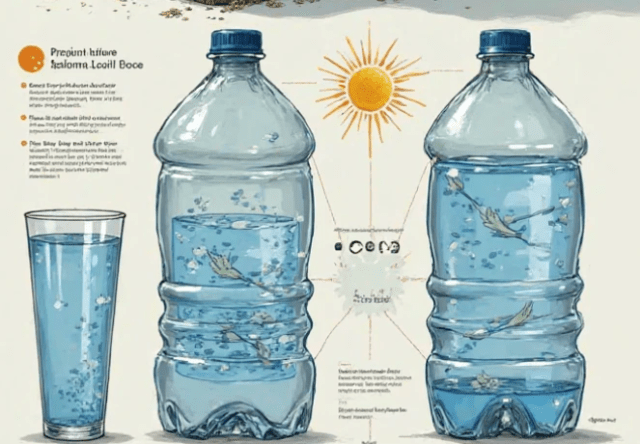
    In a pinch, fill a clear plastic bottle with water and leave it in direct sunlight for 6 hours. UV rays kill many bacteria and viruses.
  7. Chemical Purification
    Use iodine or chlorine tablets. Follow the instructions closely. Iodine is effective but not recommended for pregnant women or people with thyroid problems.
  8. Construct a Bio-Sand Filter
    This more advanced filter uses layers of sand and gravel combined with beneficial bacteria colonies to biologically purify water.
  9. Know Your Filters
    Carry a portable water filter rated to remove bacteria and protozoa. Some filter systems don’t handle viruses—know your gear’s limits.
  10. DIY Coffee Filter + Charcoal + Sand System
    Layer coffee filters, charcoal, sand, and gravel inside a plastic bottle with holes cut in the bottom for a makeshift filter.
  11. Distillation
    Set up a solar still or distillation apparatus if you have salty or chemically contaminated water. It’s slow but effective.
  12. Test for Contaminants
    If you have test strips or kits, use them to check for nitrates, lead, bacteria, and other toxins. It’s better than flying blind.
  13. Avoid Stagnant Water
    Avoid collecting water from stagnant sources that breed bacteria and parasites. Move water or let it flow before collecting.
  14. Maintain Your Equipment
    Clean your filters regularly. Don’t let mold or algae grow inside your water gear, or it defeats the purpose.
  15. Store Water Safely
    After filtration, store water in clean, food-grade containers. Cover them tightly and keep away from direct sunlight to prevent recontamination.

3 DIY Survival Drinking Water Hacks

Hack 1: The Bottle and Charcoal Filter
Take a clean plastic bottle and cut the bottom off. Invert it to make a funnel. Add a layer of cloth or coffee filter at the neck, then add crushed charcoal, fine sand, and gravel in layers. Pour water through slowly. This removes sediment, chemicals, and improves taste. Follow with boiling or chemical treatment for safety.

Hack 2: Solar Still for Distillation
Dig a hole in the ground. Place a container in the center to collect water. Cover the hole with plastic sheeting and weigh down the edges. Put a small stone in the middle of the plastic so it dips down over the container. Condensation will collect and drip into the container, leaving contaminants behind. Great for salty or dirty water.

Hack 3: Boiling with Pine Needles for Flavor and Detox
Boil water with fresh pine needles or spruce twigs. Not only does this add vitamins and improve taste, but the heat and natural oils can help neutralize some toxins. Just don’t rely on this alone; always filter first and purify.


Why You Can’t Trust “Safe” Water Reports in South Dakota

South Dakota’s surface water and groundwater come under increasing pressure from agricultural chemicals—nitrates, pesticides, herbicides—that seep into the water table. Reports often highlight compliance with EPA standards, but those standards don’t cover every harmful chemical or emerging contaminant. Industrial operations and old mining activities add heavy metals like arsenic and lead. Aging municipal infrastructure can cause pipe corrosion or contamination events.

You may have heard about nitrate contamination in parts of eastern South Dakota affecting private wells. Infants and pregnant women are especially vulnerable to nitrate poisoning (blue baby syndrome). And let’s not forget the occasional harmful algal blooms in lakes and reservoirs, which release deadly toxins into the water.

If you rely on untreated well water or natural sources, you’re rolling the dice without proper filtration and purification. Municipal tap water might be treated, but that doesn’t mean it’s 100% clean by your survivalist standards. Aging pipes, unknown contaminants, and possible boil water advisories during emergencies can all make tap water unsafe.


The Bottom Line

You have two choices: blindly trust whatever water comes out of your faucet or learn the skills to secure your own water supply no matter what. I don’t care if you live in a small South Dakota town or a farmstead miles from anywhere. You need to be your own water quality inspector, filtration engineer, and purification expert.

Ignoring this reality is an invitation to sickness or death. I’m not here to coddle you with feel-good talk or let you off the hook with “the government says it’s safe.” When the grid goes down, the rivers run dirty, or your well tests high on nitrates, what then? Don’t say I didn’t warn you.

Invest in a reliable water filter, learn to build your own, practice boiling and chemical purification. Carry test strips. Collect rainwater and know how to treat it. Build solar stills. Keep activated charcoal on hand. Don’t waste time complaining about water quality—fix it. Your life depends on it.

Remember, survival isn’t about hoping things get better. It’s about preparing for when they don’t. And when South Dakota’s drinking water turns bad—and it will—you better be ready. Because you won’t get a second chance.

Tennessee’s Drinking Water Safety: The Ugly Truth

Tennessee’s Drinking Water Safety: The Ugly Truth

Tennessee’s drinking water comes from a mix of surface water sources like rivers and lakes and groundwater from wells. On paper, the Tennessee Department of Environment and Conservation (TDEC) claims the water meets federal standards, but those “standards” can be shockingly lax. Heavy metals like lead and arsenic? They’ve been found in some regions. Agricultural runoff? Hello, nitrates and pesticides. Industrial pollution? Toxic chemicals lurking beneath the surface. And don’t forget about aging water treatment plants and pipelines, which can introduce bacteria and viruses if not properly maintained.

Even worse, in a crisis—natural disaster, contamination event, or infrastructure failure—your water source could become a death trap overnight. You think the government or local authorities will swoop in and save you immediately? Think again. When SHTF, it’s on you to have the skills and gear to secure clean water, or you’ll be drinking from mud puddles and praying to God you don’t catch something worse than dehydration.

15 Water Filtration Survival Skills You Need

Listen close because these skills could literally save your life. You cannot just hope the water is safe or rely on store-bought filters alone. You must master these filtration and purification methods like your life depends on it — because it does.

  1. Boiling Water
    The oldest and simplest trick: boil water for at least 1-3 minutes to kill most bacteria, viruses, and parasites. If you’re above 6,500 feet elevation, boil longer.
  2. Using Activated Charcoal
    Activated charcoal is a powerhouse for removing chemicals, toxins, and bad tastes. You can make your own charcoal by burning hardwood until it turns black and then crushing it finely.
  3. DIY Sand and Gravel Filter
    Layer sand, gravel, and charcoal in a container to create a slow water filter that catches sediment and particulates. It won’t kill microbes but will clarify the water.
  4. Solar Disinfection (SODIS)
    Fill clear plastic bottles with water and leave them in direct sunlight for 6 hours. UV rays help destroy pathogens. It’s not foolproof but better than nothing.
  5. Chemical Disinfection with Bleach
    Use unscented household bleach—add 8 drops per gallon, stir, and let it sit 30 minutes. If water smells like chlorine afterward, let it sit uncovered to off-gas.
  6. Constructing a Bio-Sand Filter
    Create a layered filter with sand and gravel, allowing beneficial bacteria to grow and naturally break down contaminants over time.
  7. Using Portable Water Filters
    Carry a quality survival water filter (like Sawyer or LifeStraw) designed to remove bacteria and protozoa.
  8. Distillation
    Capture water vapor by heating water and condensing the steam into a clean container. This removes heavy metals and salts but requires equipment.
  9. Using Iodine Tablets or Drops
    These are lightweight chemical treatments to kill bacteria and viruses. Be mindful of allergies or thyroid conditions.
  10. Making a Cloth Filter
    Use a clean cloth or bandana to filter out large particulates before further treatment.
  11. Freezing and Thawing
    In cold climates, freezing water and then thawing can reduce some microbial load, but it’s unreliable alone.
  12. Using Moringa Seeds
    Crush Moringa oleifera seeds and stir into turbid water. The seeds act as natural coagulants to help sediment settle.
  13. Using Alum Powder
    Alum helps clump sediment and contaminants, making it easier to filter out suspended solids.
  14. Using Coffee Filters or Paper Towels
    Not a full solution but can help remove debris and particulates before chemical treatment.
  15. Knowing How to Collect Rainwater Safely
    Set up clean containers or tarps to collect rainwater. Make sure collection surfaces are free from contaminants and treat before drinking.

3 DIY Survival Drinking Water Hacks for When You’re Out of Options

You don’t always have fancy filters or chemical tablets lying around. When you’re stranded in the wild or stuck in a grid-down scenario, you’ve got to improvise and survive with what you have. Here are three hacks that will keep you hydrated without poisoning yourself.

1. The Solar Still

This is a lifesaver in arid environments or when water sources are contaminated. Dig a hole in the ground, place a container in the center, cover the hole with plastic sheeting, and place a small rock in the middle to create a low point. Condensation will collect on the plastic and drip into your container. This collects pure distilled water—clean and safe to drink.

2. Charcoal and Cloth Filter Bottle

Take a plastic bottle, cut it in half, and invert the top into the bottom like a funnel. Layer crushed charcoal, sand, and gravel inside the top part, then cover the mouth with a cloth or bandana. Pour dirty water through the filter slowly, and the water collected in the bottom will be much cleaner.

3. Boiling Water with a Makeshift Pot

If you don’t have a metal pot, use a large, clean leaf or bark fashioned into a container and fill it with water. Place it on hot coals or a rock heated by fire, not directly in flames, and bring it to a boil to purify.

Final Word: Don’t Trust Tennessee’s Tap Water—Prepare Like Your Life Depends on It

Look, I’m not here to scare you just for kicks. I’m here because I’ve seen what happens when people blindly trust municipal water systems. You want a dead serious wake-up call? Study the news and you’ll find incidents where water was contaminated by industrial chemicals, lead leaks, or harmful bacteria outbreaks. Tennessee is no exception.

You need to assume your water is compromised and act accordingly. Boil it, filter it, treat it, purify it by any means necessary. Keep backup water purification supplies in your bug-out bag or emergency kit, and learn how to craft your own filters and distillers. Knowing how to get safe drinking water from almost any source is non-negotiable for survival in Tennessee or anywhere else.

If you want to stay alive, you’ll get serious about your water. That means stocking up on filters, learning chemical treatments, building your own filtration devices, and understanding nature’s methods like solar disinfection and distillation. If you don’t, you’re inviting sickness, disease, and disaster right to your doorstep.

So stop waiting for “official” assurances, because those come after the fact, long after you’re already sick. Take control. Prepare. Survive. Because when the water turns toxic, it’s not just a matter of inconvenience—it’s a matter of life and death. And I guarantee you, if you’re not ready, you won’t last a day.

Is Hawaii’s Drinking Water Safe? Hell No, and Here’s Why You Better Be Ready!

Let me tell you something about paradise, folks. Just because you’re surrounded by white sand and turquoise water doesn’t mean you’re safe—or hydrated. You think Hawaii’s drinking water is safe just because it’s America’s 50th state? Think again. If you’re sipping from the tap thinking you’re fine, you’re already behind the survival curve. Complacency kills, and in Hawaii, where volcanic rock, outdated infrastructure, and jet fuel-contaminated aquifers are part of the equation, that tap water might as well be poison.

Let’s talk about what they don’t tell you on your fancy resort brochure.

The Red Hill Disaster: You Still Thirsty?

In 2021, the U.S. Navy leaked jet fuel into the Red Hill aquifer, which supplies Oahu’s drinking water. Thousands of people—civilians and military alike—got sick. Headaches, vomiting, skin rashes. The government called it a “mishap.” I call it a warning shot. And guess what? That aquifer’s not fully recovered. You think the islands just magically healed?

If the water system on a U.S. military base in the middle of the Pacific can get poisoned, then you’d better believe the rest of us are vulnerable. Earthquakes, tsunamis, hurricanes—they don’t knock. They bulldoze. And you want to be caught with your mouth open under a faucet like a fool?

Let’s get one thing straight: You better know how to filter your own water, or you’re screwed.


15 Water Filtration Survival Skills You Better Learn Before You Need Them

These aren’t fancy TikTok tricks. These are hard-earned survival skills. Master them, or die thirsty.

  1. Boil the Hell Out of It – At sea level, a full boil for one minute kills most pathogens. In Hawaii’s higher elevations? Make that three minutes.
  2. DIY Charcoal Filter – Crush up charcoal, layer it with sand and gravel in a bottle. Pour water through. Slower is cleaner. Every jungle survivor worth their salt knows this.
  3. Solar Still Construction – Dig a pit, put a container in the middle, cover with plastic, and weight the center. Let the sun evaporate and condense clean water. Works damn well in the tropics.
  4. UV Disinfection (SODIS) – Fill a clear PET plastic bottle with water and leave it in direct sunlight for six hours. UV rays kill most viruses and bacteria. Simple, slow, effective.
  5. Build a Bamboo Pipe Filter – Split a piece of bamboo, fill it with charcoal and sand. Tropical and effective. Locals in SE Asia have done it for centuries.
  6. Use Native Plants – Hibiscus and moringa seeds can help coagulate particulates in murky water. Strain, then boil. Nature’s water treatment.
  7. Rain Catchment System – Set up tarps and gutters to collect rain into clean barrels. Keep them covered. Mosquitoes and debris are no joke.
  8. Cloth Pre-Filtration – Dirty water? Filter it through a T-shirt to remove sediments before treating. Better for your filters. Less clogging. More drinking.
  9. Portable Water Filter Use (Lifestraw, Sawyer Mini) – If you don’t already have one of these in your bug-out bag, stop reading. Go buy two.
  10. Distillation Over Fire – Dirty water, saltwater, or urine can be distilled by boiling and capturing the vapor into a clean container. Only the vapor is drinkable. The rest is death.
  11. Iodine Tablet Dosing – Use these carefully. 5 drops per quart, shake, wait 30 minutes. Don’t overdose unless you like thyroid issues.
  12. Bleach Purification – 2 drops of unscented bleach per liter of water. Shake, wait 30 minutes. Cloudy? Double the dose. Taste nasty but saves lives.
  13. Sand Filter Construction – A layered system of gravel, fine sand, and charcoal can purify gallons of water. Make one near your shelter for redundancy.
  14. Heat Pasteurization Indicator (HPI) – You don’t need to boil water to make it safe—just heat it to 149°F (65°C). Use wax that melts at that temp to know when it’s safe.
  15. Multi-stage Survival Filters – Combine cloth, sand, charcoal, and UV. Redundancy is safety. Never trust one method. Use two or three if your life’s on the line.

3 DIY Survival Drinking Water Hacks – Use These or Get Used to Dehydration

Want to survive when everything goes south and FEMA’s still three islands away? Use these DIY water tricks like your life depends on it—because it does.

1. Tarp Rain Trap

String up a tarp in a V-shape between two trees, pointing the low end into a container. It’ll collect rainwater fast during Hawaii’s frequent showers. Filter with cloth, then boil. Never miss a storm—storms mean free, fresh water.

2. Banana Tree Reservoir

Banana trees store water in their stalks. Cut one down, carve out a bowl-like section, and leave it overnight. Water will pool inside. Filter and boil. Works in the humid jungle and tropical zones like Puna or Hana.

3. Condom Canteen

In a pinch, condoms hold a lot of water (up to a gallon if you double them up). Boil water, cool it, pour into the condom, tie off, and keep it in the shade. Lightweight, flexible, and absurdly useful. Don’t be squeamish. Be smart.


Final Rant: Don’t Trust the System

You think the Hawaii Department of Health is watching your back? I don’t. They downplayed the Red Hill disaster until people started puking in the streets. They issue boil-water notices after the damage is done. When your tap smells like diesel, that’s not a time for bureaucracy. That’s a time for preparedness.

You need to build water independence. Rain barrels, filters, multiple purification methods—hell, even a desalination backup if you’re on the coast. Because when disaster hits, stores go empty in hours. And water—water disappears first. Not bread. Not toilet paper. Water.


Parting Words from a Paranoid Bastard Who’s Still Alive

I don’t care if you live in Waikiki, Hilo, or on the edge of a volcano with a pet chicken named Moe. If you don’t know how to get clean water when the taps run dry, you’re just a future headline.

Learn the skills. Practice them. And for the love of everything that’s holy and hydrated, stop trusting the system to save you.

Paradise is no excuse for ignorance. Hawaii’s drinking water is only safe until it’s not.

So ask yourself, are you ready?

Is Connecticut’s Drinking Water Safe

Is Connecticut’s Drinking Water Safe? Hell No – Prepare to Filter or Perish

Let me be real clear with you: if you’re still trusting ANY government, ANY water company, or ANY utility to keep your family alive with clean drinking water, you’ve already lost the first battle in the war of survival.

Connecticut’s drinking water? Don’t get me started. Maybe you’ve heard the soothing lullabies from your local officials—“Our water meets EPA standards,” they say. “It’s treated, it’s monitored, it’s safe.” Well guess what? So did Flint, Michigan. So did Camp Lejeune. How’d that turn out?

Do not wait until your taps run brown or start smelling like a meth lab. Water is life. And if you’re not taking full control of your own water source—where it comes from, how it’s cleaned, and how it’s stored—you’re gambling with your life and the lives of everyone you love.

The Ugly Truth About Connecticut’s Water

Let’s break it down.

Connecticut relies on a combination of reservoirs, groundwater wells, and rivers. Sounds nice, right? Lots of fresh forested hills and mountain-fed streams? Sure—until a chemical spill upstream, a manufacturing plant dumps PCBs, or a water treatment plant malfunctions. Don’t even get me started on forever chemicals—PFAS. They’ve been found in dozens of water sources across New England, and Connecticut is no exception.

And did you know? Municipal systems can legally contain up to 10 parts per billion of arsenic. ARSENIC. That’s a carcinogen. Why would any sane human accept that?

The answer: they don’t know any better. But you do now.

So here’s what you need to survive.


15 Water Filtration Survival Skills Every Nutmeg Prepper Must Master

1. Boiling
The classic. Bring water to a rolling boil for at least one minute (or three at higher altitudes). Kills bacteria, viruses, and parasites. But doesn’t remove chemicals.

2. Activated Charcoal Filtration
Make your own with burned hardwood. Crush it up, pack it tight. Removes chemicals, odors, and some heavy metals.

3. Sand & Gravel Layer Filtration
Build a gravity filter using layers of gravel, fine sand, and charcoal. Slows the water, filters debris, and traps particulates.

4. Solar Still Construction
Dig a pit, cover it with clear plastic, and collect evaporated water in a cup. This distillation method removes salts and chemicals.

5. DIY Ceramic Filter
Use a ceramic pot (unglazed), line it with charcoal, and let gravity do the work. Excellent bacteria filter.

6. Bio-Sand Filter
A long-term solution: buckets layered with gravel, sand, and a biological layer that naturally digests pathogens.

7. Portable Filter Straw Use
LifeStraw or Sawyer Mini. Buy them. Use them. Carry them. These can save your life when you’re caught off-grid.

8. Rainwater Harvesting
Collect off your roof using food-grade barrels. Filter before drinking. Make sure your gutters are clean and BPA-free.

9. Bleach Purification
Unscented bleach, 4-6 drops per quart, wait 30 minutes. Effective against bacteria and viruses. DO NOT overdose.

10. UV Light Purification
Solar disinfection (SODIS): fill clear bottles, leave in full sun for 6 hours. UV-A rays kill microbes.

11. Boil-Filter Combo
Boil water first, then run it through charcoal or ceramic filters to remove remaining toxins.

12. Pine Tree Filtration
Pine resin and wood can be used to create a makeshift bio-filter in emergencies.

13. Coffee Filter Pre-Screening
Use a coffee filter or even a clean cloth to remove large debris before finer filtration.

14. Emergency Desalination
If you’re near salt water: distill. Don’t drink it directly—salt kills. Learn to build a crude solar distiller or stove-top system.

15. Streamside Safety Tactics
Never collect water downstream of civilization or livestock. Always go upstream and filter anyway—never trust clear water.


3 DIY Survival Drinking Water Hacks (When You’re Out of Options)

These aren’t pretty, but they work when all else fails.

Hack #1: The Sock Filter
Take a clean sock. Fill the toe with charcoal (from your fire), followed by sand, and small rocks. Pour dirty water through. It won’t remove viruses, but it can reduce sediment and chemical taste. Still needs boiling after.

Hack #2: The Tree Tap Trick
Tie a plastic bag around a leafy tree branch and seal it. Let the sun work—plants sweat. You’ll collect a bit of safe drinking water per day. It’s slow, but it’s clean.

Hack #3: The Bottle UV Bomb
Clear plastic bottle + direct sunlight = your survival friend. Fill it, leave it on a reflective surface in the sun for 6-8 hours. It’s not perfect, but it’s better than drinking from a pond raw.


Connecticut Residents: Get Off the Couch and Into the Wild

Don’t wait for the next boil water advisory. They’re coming. You can bet your last water ration on it.

You think the government will roll up with bottled water for everyone? They’ll help some folks. Not you. Not me. You’re on your own.

The best way to treat water is to assume every drop is contaminated until you’ve processed it yourself. That means heat it, strain it, filter it, and store it properly in BPA-free, light-blocking containers. Rotate your water supply every 6 months. Keep at least 2 gallons per person per day stocked—minimum of 30 days.

And if you’re reading this and thinking, “Man, this guy’s paranoid”—good. You should be. Because it’s not paranoia when the threat is real.

We’re not just talking about survival in the wild—we’re talking about surviving suburban collapse. When the grid goes down. When the treatment plants fail. When a cyberattack poisons the supply chain. When chaos hits. And it will.


Closing Warning

Connecticut’s infrastructure is aging. Its groundwater is vulnerable. Its rivers are exposed. And its leaders are more concerned with policy optics than pipeline integrity.

If you’re still drinking straight from the tap, I hope you’re also writing your will.

Get a gravity-fed Berkey. Build a bio-sand filter. Learn to read a stream like your life depends on it—because it does.

Water doesn’t care about politics. It’s either clean or it’s not. And if you’re not filtering it, you’re the filter.


Filter or die, friend. Your move.

Is Illinois’s Drinking Water Safe

Let me be real with you. If you’re living in Illinois and still trusting your tap water to be “safe,” then you’re either asleep at the wheel or brainwashed by bureaucrats who care more about budgets than bodies.

You think just because water comes out of your faucet, it’s drinkable? You think Chicago’s water is clean just because they throw some chlorine and fluoride into Lake Michigan and call it a day? Wake up.

Illinois’s water supply is crawling with contaminants—lead, PFAS, nitrates, bacteria, industrial waste, agricultural runoff, and God-knows-what from those rotting underground pipes running beneath every town from Rockford to Cairo. Just because it looks clear doesn’t mean it won’t kill you slowly.

Here’s the cold, hard truth: your water has to pass through decades-old infrastructure, across chemically soaked farmland, and through some of the most poorly maintained treatment systems in the Midwest. And you’re supposed to just drink it and smile?

No. Hell no.


What’s Really in Illinois Tap Water?

Ever hear of lead poisoning? Guess what—it’s not just Flint. Hundreds of towns in Illinois, especially in Chicago and older suburban areas, still have lead service lines buried underground. A 2023 report estimated over 600,000 lead lines still in use across the state. That’s not “concerning.” That’s criminal.

Now add PFAS chemicals (the so-called “forever chemicals” that don’t break down and have been linked to cancer, immune system suppression, and developmental problems) detected in more than 300 water systems across Illinois.

Don’t forget the nitrates seeping into wells from farm runoff in rural areas. Or the bacteria in small towns with outdated sewage systems. Or the chromium-6, the same cancer-causing toxin Erin Brockovich fought over.

Still think Illinois water is safe?

You’d be a fool to rely on a state that can’t balance a budget, can’t patch a pothole, and sure as hell can’t keep its water clean.


15 Water Filtration Survival Skills You Better Learn Before the Grid Goes Down

You want to stay alive when the system collapses—or just when the tap runs brown? Then learn these. Drill them into your brain like your life depends on it. Because it does.

1. Boil Everything

Always start with boiling. 3–5 minutes at a rolling boil will kill bacteria, viruses, and parasites. But it won’t remove chemicals—so don’t stop here.

2. Make a DIY Charcoal Filter

Use a two-liter bottle, layer in gravel, sand, and activated charcoal. It removes particulates and some toxins. Cheap. Portable. Effective.

3. Distill Water with Heat

Use a metal pot, a glass bowl, and a lid. Collect the steam. That steam is your pure water. Removes everything: heavy metals, bacteria, and poisons.

4. Rainwater Harvesting

Set up barrels, tarp systems, or gutter-fed tanks. In Illinois, you’ll get plenty—filter it and store it for droughts or grid-down scenarios.

5. Gravity-Fed Multi-Stage Filters

Use two buckets. Upper one filled with filter media: gravel, sand, charcoal. Let gravity do the work. Clean, no power needed.

6. Know the Taste of Trouble

Learn to recognize off-smells, discoloration, and cloudiness. If your water tastes metallic, smells like sulfur, or feels slimy—filter or ditch it.

7. Solar Water Disinfection (SODIS)

Fill a clear plastic bottle, lay it in the sun for 6+ hours. UV rays will kill pathogens. Works when you’re low on fuel.

8. Portable Filters—Always Carry One

Sawyer Mini, LifeStraw, Katadyn. Keep one in your car, one in your bag, one at home. Don’t leave water purification to chance.

9. Ceramic Filters for Long-Term Use

Set up ceramic filters with silver-impregnated cores. Great for home use or homestead life. Lasts for thousands of liters.

10. Learn to Use Bleach Safely

Use 8 drops of 6% bleach per gallon of water. Stir and wait 30 minutes. Know your ratios—too much and you’ll poison yourself. Too little and you’ll just get sick anyway.

11. Use Moringa Seeds to Coagulate Crap

Crushed moringa seeds bind to particles in dirty water and help them settle. Clearer water = easier filtration.

12. DIY Bio-Filter in a 5-Gallon Bucket

Layer cloth, charcoal, sand, and gravel in a bucket with a spout. Maintain it. Clean it. It can give you weeks of clean water on the move.

13. Make a Fire Pit Still

Dig a fire pit, boil water in a covered pot, channel steam to a container using copper tubing. It’s crude but gives you distilled water in the wild.

14. Identify Safe Natural Sources

Fast-moving streams in wooded areas are better than ponds near towns or farmland. Never trust standing water without treating it.

15. Know the Warning Signs of Water Illness

Cramping, diarrhea, vomiting, and fatigue after drinking water? You screwed up. Learn the signs. Respond fast. Dehydration kills.


3 DIY Survival Water Hacks to Save Your Ass When Illinois Water Turns to Sludge

Hack #1: Trash Bag Solar Still

Dig a hole. Add wet grass or dirty water. Place a cup in the center. Cover with a clear trash bag and place a rock in the middle. Water evaporates, condenses, and drips into the cup. Boom—survival distilled water.

Hack #2: Tin Can Charcoal Filter

Make charcoal from a campfire (use hardwood). Crush it. Pack it into a tin can with cloth, gravel, and sand. Punch holes in the bottom. It’s crude but filters a lot of nastiness.

Hack #3: Bandana + Bleach Emergency Method

Pour water through a bandana to get rid of big debris. Then treat with bleach. It’s a two-step last-resort method when all else fails.


Illinois Is a Powder Keg of Water Problems—Prepare Now or Pay Later

You want to trust that smiling politician in Springfield? Go ahead. You want to wait for the EPA to do something useful? Be my guest.

But when the next big storm floods the treatment plants… when the aging pipes finally give out… when the chemicals spread from the next industrial “accident”… you’ll remember this warning.

Because you’re not just fighting bacteria anymore. You’re fighting corporate greed, crumbling infrastructure, and environmental collapse—all pouring out of your kitchen faucet.


Final Word: Own Your Water or Die Without It

Don’t wait for help. Don’t trust the tap. Don’t trust the system. Take control of your water supply today. Master filtration. Build your backup systems. Store bleach, charcoal, filters, and buckets. Stockpile water like it’s ammunition—because in the next disaster, that’s exactly what it will be.

Water is life. And in Illinois? It’s a life you have to fight for.