North Dakota’s Deadliest Insects: A Survival Prepper’s Guide to Staying Alive on the Prairie

I’ve spent my whole life watching the horizon.

That’s what North Dakota teaches you. Flat land sharpens the eyes. You learn to read the wind, the clouds, the behavior of animals—and yes, the insects. While some folks think this state is nothing but snow, wheat, and silence, I know better. I’ve seen danger coming from a mile away, sometimes buzzing, sometimes crawling, sometimes so small you don’t notice it until your body starts shutting down.

I can spot a mosquito in a blizzard. I can identify a tick at twenty paces. And I can slow-cook a pot of chili in my sleep without burning it—because survival is about preparation, awareness, and respect for the things that can kill you quietly.

North Dakota doesn’t have jungles or swamps, but don’t let that fool you. Our insects may not look terrifying, but several of them can absolutely end your life if you underestimate them. Some do it through disease. Some through venom. Some through allergic reactions. Some through sheer numbers.

This article isn’t meant to scare you. It’s meant to keep you alive.

If you live in North Dakota, hunt here, work the land, drive the back roads, or even just like camping under the big sky—read this carefully.


Why Insects Are a Serious Survival Threat in North Dakota
People think survival threats come with teeth or claws. Wolves. Bears. Blizzards. And yes, those things matter. But insects are different. They don’t roar. They don’t announce themselves. They don’t wait for permission.

Insects:

  • Strike without warning
  • Spread disease invisibly
  • Cause delayed symptoms
  • Are often ignored until it’s too late

In a state where emergency services can be hours away, a single bite or sting can turn into a medical emergency faster than most people realize.

Let’s talk about the worst offenders.


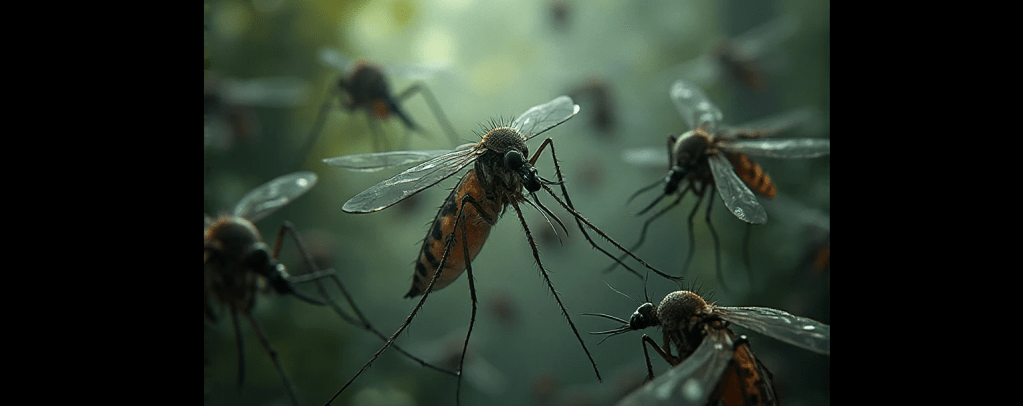
1. Mosquitoes: North Dakota’s Deadliest Animal

Let’s clear something up right now.

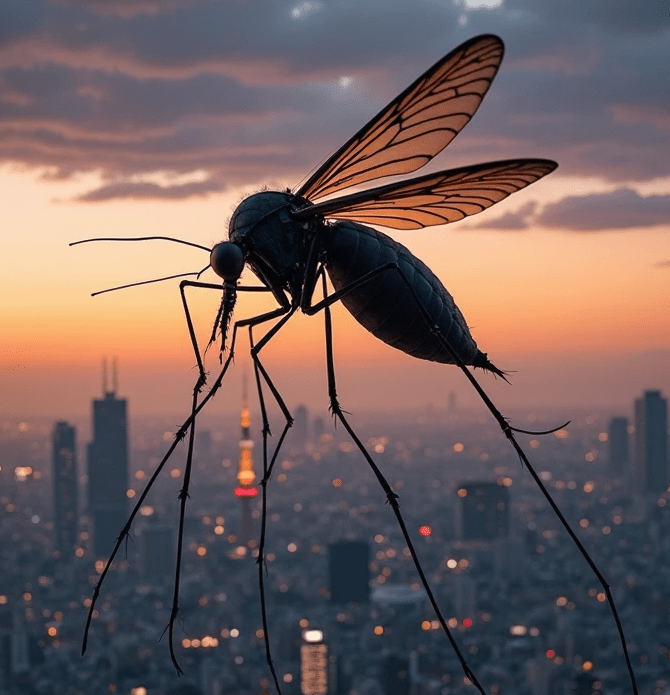
The mosquito is the most dangerous insect in North Dakota. Period.

Not because it looks scary. Not because it hurts that much. But because it kills more people worldwide than any other animal—and North Dakota is prime mosquito territory.

Why Mosquitoes Are So Dangerous Here

North Dakota’s wetlands, rivers, snowmelt pools, and warm summers create perfect breeding conditions. And the real danger isn’t the bite—it’s what comes with it.

Mosquitoes in North Dakota are known carriers of:

  • West Nile Virus
  • Jamestown Canyon Virus
  • Western Equine Encephalitis (rare but deadly)

West Nile alone has hospitalized and killed North Dakotans. Older adults and people with compromised immune systems are especially vulnerable—but anyone can be affected.

How Mosquitoes Can Kill You

  • Brain inflammation (encephalitis)
  • Severe neurological damage
  • Respiratory failure
  • Long-term paralysis
  • Death

Symptoms may start mild—fever, headache, fatigue—then escalate rapidly.

Survival Strategy

This is where prepper discipline saves lives:

  • Wear long sleeves and pants at dawn and dusk
  • Use EPA-approved repellents (DEET, picaridin, oil of lemon eucalyptus)
  • Eliminate standing water around your home
  • Sleep with screens or mosquito netting
  • Never ignore flu-like symptoms after bites

I don’t care how tough you think you are—mosquitoes don’t respect pride.


2. Ticks: Silent Killers in the Grass

Ticks don’t fly. They wait.

And North Dakota has more ticks than most people realize—especially in tall grass, wooded river corridors, and wildlife-heavy areas.

Dangerous Tick Species in North Dakota

  • American Dog Tick
  • Blacklegged Tick (Deer Tick)

These ticks can carry:

  • Lyme disease
  • Anaplasmosis
  • Babesiosis
  • Rocky Mountain spotted fever

How Ticks Can End Your Life

Ticks attach quietly. You may never feel them bite. But the bacteria they transmit can:

  • Shut down organs
  • Cause heart complications
  • Damage the nervous system
  • Become fatal if untreated

Lyme disease alone can lead to chronic illness if not caught early.

Survival Strategy

  • Wear light-colored clothing to spot ticks
  • Tuck pants into socks (yes, you’ll look ridiculous—alive, but ridiculous)
  • Perform full-body tick checks daily
  • Shower after outdoor exposure
  • Remove ticks immediately with fine-tip tweezers

I check myself like a man guarding the last match on Earth. You should too.


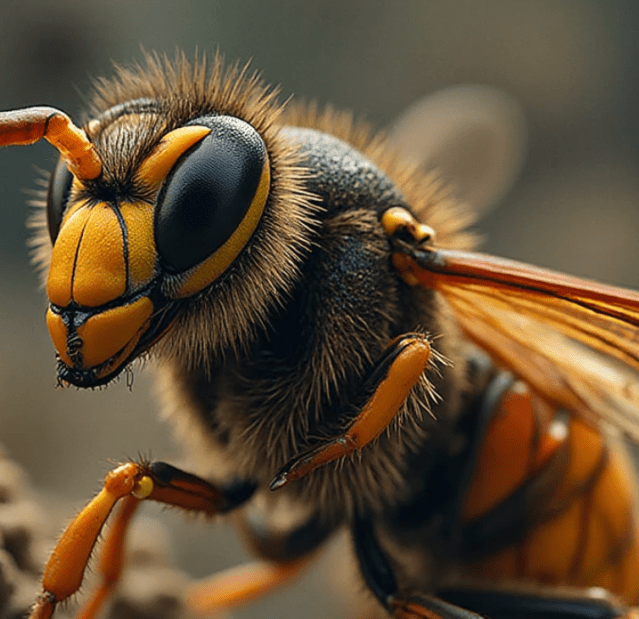
3. Bees, Wasps, and Hornets: Death by Allergy or Swarm

Most people survive bee stings. Some don’t.

In North Dakota, we deal with:

  • Honeybees
  • Yellowjackets
  • Paper wasps
  • Bald-faced hornets

The Real Threat: Anaphylaxis

A single sting can cause:

  • Throat swelling
  • Drop in blood pressure
  • Loss of consciousness
  • Cardiac arrest

People often don’t know they’re allergic until it happens.

Swarm Attacks

Disturbing a nest—especially while mowing, hiking, or working—can result in dozens or hundreds of stings. Even non-allergic people can die from:

  • Toxic venom overload
  • Shock
  • Respiratory failure

Survival Strategy

  • Learn where nests form (eaves, sheds, ground holes)
  • Wear protective clothing when working outdoors
  • Carry epinephrine if allergic
  • Do not swat—move away calmly
  • Seek medical help immediately after severe reactions

I’ve seen hornets defend their territory like trained soldiers. Respect that.


4. Blister Beetles: Small, Toxic, and Overlooked

Blister beetles don’t bite. They don’t sting.

They poison.

These beetles release cantharidin, a toxic chemical that causes severe blistering on contact.

Why They’re Dangerous

  • Can cause chemical burns
  • Toxic if ingested
  • Can contaminate hay and livestock feed
  • Dangerous to children and pets

In rare cases, ingestion can lead to:

  • Kidney failure
  • Gastrointestinal bleeding
  • Death

Survival Strategy

  • Never crush beetles on skin
  • Wash exposed areas immediately
  • Keep children from handling insects
  • Be cautious with hay and animal feed

5. Black Widow Spiders: Rare but Deadly Serious

Yes, North Dakota has black widows—especially in sheds, garages, and woodpiles.

Why Black Widows Matter

Their venom is neurotoxic and can cause:

  • Severe muscle cramps
  • Breathing difficulties
  • High blood pressure
  • Intense pain

Deaths are rare but possible, especially without treatment.

Survival Strategy

  • Wear gloves when handling debris
  • Shake out boots and clothing
  • Seek medical care immediately after a bite

6. Deer Flies and Horse Flies: Pain, Infection, and Blood Loss

These flying razors don’t just bite—they slice.

Why They’re Dangerous

  • Painful wounds
  • Risk of infection
  • Disease transmission
  • Blood loss from repeated bites

In survival scenarios, untreated wounds can become life-threatening.

Survival Strategy

  • Wear hats and long sleeves
  • Use repellents
  • Clean bites immediately
  • Watch for infection signs

Why North Dakota Survival Is About Awareness

Insects don’t announce themselves. They don’t care if you’re tough, prepared, or busy.

Survival in North Dakota comes down to:

  • Awareness
  • Prevention
  • Early action

I watch the land. I watch the sky. I watch the bugs.

And while I’m slow-cooking chili in my sleep, my eyes are still open to the things that can hurt the people I care about.


Final Survival Rules to Live By if You’re in North Dakota

  1. Never underestimate small threats
  2. Protect your skin
  3. Act early, not bravely
  4. Teach children insect safety
  5. Respect North Dakota’s quiet dangers

The prairie doesn’t shout. It whispers. And if you’re not paying attention, that whisper can be the last thing you hear.

Stay alert. Stay prepared. Stay alive.

Pennsylvania’s Most Dangerous and Deadly Insects That Will Sneak Up On You!

I’ve slept in deserts where the sand could cook your boots, jungles where the bugs were more dangerous than the enemy, and urban environments where complacency gets you hurt fast. These days I live in New York City, but every summer I pack up and head west into Pennsylvania—woods, mountains, rivers, and quiet towns that look peaceful until you stop paying attention.

And that’s the problem.

Pennsylvania doesn’t have lions, crocodiles, or venomous snakes crawling through every campsite. What it does have is something more dangerous: insects that people underestimate. Small. Quiet. Easy to ignore. Until they put you in the hospital—or worse.

This article isn’t written to scare you. It’s written to prepare you. Whether you’re hiking, camping, gardening, hunting, fishing, or just enjoying a backyard barbecue, you need to know what’s out there, what can hurt you, and how to stay alive and operational.

Because survival isn’t about panic.
It’s about awareness.


Why Insects Are a Serious Threat in Pennsylvania

Pennsylvania sits in a perfect storm of geography and climate. Warm summers, high humidity, dense forests, wetlands, farmland, and expanding suburbs create an ideal breeding ground for insects that bite, sting, inject venom, transmit disease, or trigger severe allergic reactions.

Here’s the reality most people don’t want to hear:

  • More people are injured by insects each year than by large wildlife
  • Allergic reactions kill more Americans annually than venomous animals
  • Disease-carrying insects are increasing due to climate shifts

The danger isn’t always immediate. Sometimes it’s delayed. Sometimes it’s invisible. Sometimes it starts as “just a bite” and ends in a hospital room.

Let’s break down the most dangerous and deadly insects in Pennsylvania, ranked by real-world threat—not hype.


1. Ticks – The Silent Killers of Pennsylvania

If I could eliminate one insect from Pennsylvania, it would be ticks. No debate.

Ticks are responsible for more long-term illness and suffering in this state than any other insect. They don’t sting. They don’t buzz. They don’t warn you. They wait.

Why Ticks Are So Dangerous

Pennsylvania is consistently ranked among the top states in the U.S. for tick-borne diseases, especially Lyme disease.

Ticks in Pennsylvania transmit:

  • Lyme disease
  • Anaplasmosis
  • Babesiosis
  • Ehrlichiosis
  • Powassan virus (rare but severe)

The most dangerous species include:

  • Blacklegged Tick (Deer Tick)
  • American Dog Tick
  • Lone Star Tick

Survival Reality

I’ve seen strong, athletic people reduced to chronic fatigue, joint pain, and neurological problems because they didn’t take ticks seriously.

Ticks can attach without pain. Symptoms may take weeks or months. Early detection is critical.

Prevention Is Non-Negotiable

  • Wear long sleeves and pants in wooded areas
  • Use EPA-approved insect repellents
  • Perform full-body tick checks daily
  • Shower immediately after outdoor exposure
  • Remove ticks properly with fine-tipped tweezers

In survival terms: ticks are patient predators. Treat them like one.


2. Mosquitoes – Pennsylvania’s Most Efficient Killers

Mosquitoes don’t look dangerous. That’s why they win.

Worldwide, mosquitoes kill more humans than any other animal. Pennsylvania isn’t immune.

Diseases Spread by Mosquitoes in PA

  • West Nile Virus
  • Eastern Equine Encephalitis (EEE)
  • Zika (rare but present in travel cases)
  • La Crosse encephalitis

While most mosquito bites are mild, the diseases they transmit can cause:

  • Brain inflammation
  • Permanent neurological damage
  • Death in vulnerable individuals

Why They’re Hard to Defend Against

Mosquitoes breed fast. They adapt. They thrive in:

  • Standing water
  • Wetlands
  • Suburban yards
  • Urban environments

You don’t need wilderness to encounter them.

Prepper’s Rule

Control what you can:

  • Eliminate standing water
  • Use window screens
  • Wear protective clothing at dusk and dawn
  • Use repellents consistently

Never assume “it’s just a mosquito.”


3. Eastern Yellow Jacket – Aggression with Air Support

Yellow jackets aren’t just wasps. They’re organized, territorial, and aggressive.

In Pennsylvania, they are responsible for more emergency stings than bees or hornets combined.

Why Yellow Jackets Are Dangerous

  • They attack in swarms
  • They can sting multiple times
  • They defend ground nests aggressively
  • They are attracted to food, trash, and sugary drinks

Real Risk

For people with allergies, a single sting can trigger anaphylaxis, a life-threatening condition that requires immediate medical intervention.

Even without allergies, multiple stings can cause:

  • Severe pain
  • Swelling
  • Infection
  • Toxic reactions

Survival Advice

  • Never swat at them
  • Identify and avoid ground nests
  • Keep food sealed outdoors
  • Move calmly if one approaches

Confidence and calm save you. Panic gets you stung.


4. Bald-Faced Hornet – The Black-and-White Enforcer

Don’t let the name fool you. The bald-faced hornet is not a hornet—it’s a highly aggressive wasp.

Why They’re a Problem

  • Extremely territorial
  • Large, painful stingers
  • Will pursue perceived threats
  • Nests often hidden in trees and shrubs

Tactical Reality

If you disturb a nest, you may not get one sting—you may get many.

Bald-faced hornets release alarm pheromones when they sting, calling in reinforcements.

Best Practice

  • Identify nests early
  • Never approach or disturb
  • Use professionals for removal
  • Maintain situational awareness while hiking or doing yard work

This is not an insect you “test.”


5. Brown Recluse Spider – Rare, But Serious

While not common across all of Pennsylvania, brown recluse spiders have been confirmed in isolated areas, often transported via boxes, firewood, or storage items.

Why It Matters

Their venom can cause:

  • Tissue damage
  • Severe skin reactions
  • Infection
  • Rare systemic complications

Survival Perspective

You’re unlikely to encounter one outdoors—but basements, sheds, and storage areas are risk zones.

Prevention

  • Shake out clothing and shoes
  • Wear gloves when moving stored items
  • Reduce clutter
  • Seal cracks and entry points

Respect the environment. Don’t blindly reach.


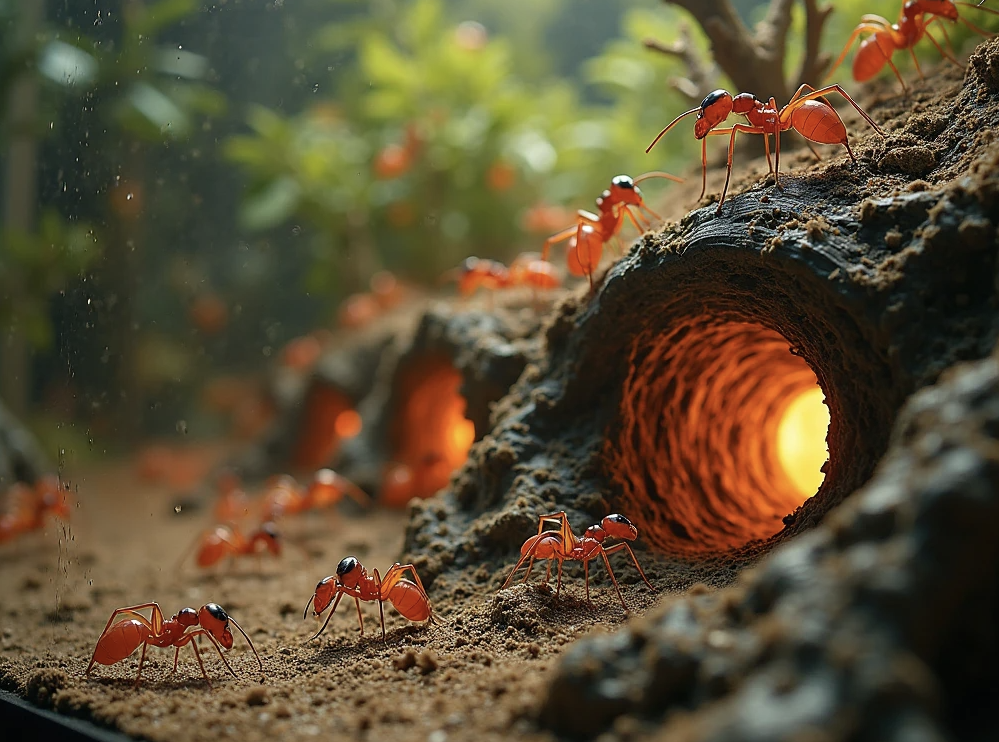
6. Fire Ants – An Expanding Threat

Fire ants are not historically native to Pennsylvania, but warming temperatures and human transport are allowing them to expand northward.

Why Fire Ants Are Dangerous

  • They attack in groups
  • Multiple stings per ant
  • Painful, burning sensation
  • Can cause allergic reactions

Future Risk

Fire ants are a watch list insect. What isn’t widespread now may be in the future.

Preparedness means anticipating change.


7. Kissing Bugs – Rare but Worth Knowing

Kissing bugs are uncommon in Pennsylvania but have been reported.

They can transmit Chagas disease, which can cause serious heart complications over time.

Risk Assessment

Low probability. High impact.

Prepper Rule

Know what they look like. Awareness is half the battle.


Why Insects Kill More People Than You Think

Insects don’t need claws or teeth. They use:

  • Venom
  • Bacteria
  • Viruses
  • Allergic reactions
  • Delayed illness

Most fatalities are not instant. They are preventable.

And prevention is a mindset.


Survival Principles for Insect Safety in Pennsylvania

  1. Awareness beats strength
  2. Preparation beats reaction
  3. Knowledge beats fear
  4. Complacency kills

You don’t need to live scared. You need to live smart.


Final Thoughts from a Former SEAL and Lifelong Prepper

Pennsylvania is beautiful. I vacation there for a reason. But nature doesn’t care about your comfort, your schedule, or your assumptions.

The most dangerous threats often come in the smallest packages.

Respect the insects. Prepare for them. Stay alert.

That’s how you enjoy the woods—and come home intact.

Stay sharp. Stay safe.

Virginia’s Most Dangerous Insects: A Survival Prepper’s Guide to Keeping Your Family Alive and Safe

Virginia is a beautiful state. From the Appalachian Mountains to the Tidewater region, from quiet farmland to dense forests and humid wetlands, it’s a place where families grow, traditions are built, and people look out for one another. But beauty can hide danger, and nature doesn’t give warnings the way people do.

This article is not meant to scare you.
It’s meant to protect you.

Some of the most dangerous threats in Virginia don’t roar, don’t rattle, and don’t announce themselves. They crawl, bite, sting, and infect. Insects may be small, but the damage they cause can be life-altering or fatal if you don’t understand them.

If you live in Virginia — or hike, hunt, camp, or work outdoors here — this knowledge is an act of love. What you’re about to read could save your life or the life of someone you care about.


1. Ticks — Virginia’s Deadliest Insect Threat

If there is one insect in Virginia that truly deserves your respect, it’s the tick.

Ticks are responsible for more serious illness and death than any other insect in the state. They don’t hurt when they bite. They don’t draw attention. And that’s exactly what makes them so dangerous.

Dangerous Tick Species in Virginia

  • Blacklegged tick (Deer tick)
  • Lone star tick
  • American dog tick

Diseases Ticks Transmit

  • Lyme disease
  • Rocky Mountain spotted fever
  • Ehrlichiosis
  • Anaplasmosis
  • Alpha-gal syndrome (red meat allergy)

Some of these diseases attack the nervous system. Others damage the heart or cause internal bleeding. Left untreated, they can be fatal.

How People Get Seriously Hurt

  • Missed tick bites
  • Delayed medical treatment
  • Ignoring flu-like symptoms
  • Assuming a rash or fever “will pass”

Survival & Prevention

  • Wear long sleeves and pants in grassy or wooded areas
  • Use permethrin-treated clothing
  • Perform full body tick checks every day
  • Remove ticks immediately with fine tweezers
  • Seek medical care if symptoms appear within weeks

Ticks don’t care how tough you are. Early action is survival.


2. Mosquitoes — Small, Persistent, and Extremely Dangerous

Mosquitoes thrive in Virginia’s warm, humid climate. Most people think of them as an annoyance, but they are one of the most efficient disease vectors on Earth.

Diseases Spread by Mosquitoes in Virginia

  • West Nile virus
  • Eastern equine encephalitis (EEE)
  • La Crosse encephalitis
  • Zika virus (rare, but present)

These viruses can cause brain inflammation, seizures, long-term neurological damage, and death.

Why Mosquitoes Are So Dangerous

  • You don’t feel the bite immediately
  • Symptoms can take days to appear
  • Children and elderly are most at risk

Survival & Prevention

  • Remove standing water around your home
  • Use DEET or picaridin repellents
  • Wear long clothing at dawn and dusk
  • Use mosquito nets when sleeping outdoors
  • Seek medical care for fever, headache, or neck stiffness

Protecting against mosquitoes protects entire families.


3. Eastern Yellowjackets — Aggression Without Mercy

Yellowjackets are extremely common in Virginia, and they are responsible for more insect-related emergency room visits than almost any other insect.

They are not passive. They defend their nests aggressively and often attack in swarms.

Why Yellowjackets Kill

  • Multiple stings in seconds
  • Venom toxicity
  • High risk of anaphylaxis
  • Nests often hidden underground

People are stung while mowing lawns, gardening, hiking, or simply walking barefoot.

Survival & Prevention

  • Watch for insect traffic near the ground
  • Never disturb ground nests
  • If attacked, run fast and straight
  • Do not swat or panic
  • Seek emergency care after multiple stings

Prepared awareness prevents tragedy.


4. Bald-Faced Hornets — Virginia’s Aerial Enforcers

Bald-faced hornets are large, intimidating, and highly territorial. Their nests are often found in trees, under eaves, or near structures.

Why They’re So Dangerous

  • Extremely painful stings
  • Swarm attacks common
  • Can sting repeatedly
  • High venom load

Stings to the face or throat can block airways quickly.

Survival & Prevention

  • Identify nests early
  • Never approach or throw objects at nests
  • Run immediately if attacked
  • Protect face and neck
  • Carry an EpiPen if allergic

Distance saves lives.


5. Paper Wasps — Familiar but Still Dangerous

Paper wasps often live close to people — under decks, porch roofs, and sheds. They’re less aggressive than hornets, but still capable of serious harm.

Why They Matter

  • Extremely painful stings
  • Group defense behavior
  • Anaphylaxis risk

Many people are stung while doing home maintenance.

Survival & Prevention

  • Inspect structures regularly
  • Remove nests early in the season
  • Wear protective clothing
  • Seek medical help for systemic reactions

Home safety is survival.


6. Fire Ants — A Growing Threat

Fire ants are expanding northward, and Virginia has already seen infestations in some regions.

Why Fire Ants Are Dangerous

  • Swarm attacks
  • Venom causes burning pustules
  • High risk for allergic reactions
  • Can attack sleeping people or children

Survival & Prevention

  • Avoid soil mounds
  • Treat infestations professionally
  • Wash bites immediately
  • Monitor for infection or swelling

Climate change means new threats — preparedness must adapt.


7. Brown Recluse Look-Alikes (Misidentified Danger)

While true brown recluse spiders are rare in Virginia, several insects and spiders cause necrotic wounds often blamed on insects.

Why This Matters

  • Delayed treatment leads to tissue damage
  • Secondary infection risk
  • Misdiagnosis causes worsening injury

Survival & Prevention

  • Clean all wounds thoroughly
  • Monitor for spreading redness
  • Seek medical care for necrotic symptoms

Ignoring wounds is never strength.


8. Blister Beetles — Chemical Burns in Insect Form

Blister beetles release a toxin called cantharidin that causes severe blistering.

Why They’re Dangerous

  • Chemical burns on skin
  • Severe reactions if ingested
  • Risk to children and livestock

Survival & Prevention

  • Do not crush on skin
  • Wash immediately after contact
  • Avoid contaminated food or hay

Pain is your warning sign.


9. Horse Flies and Deer Flies — Blood Loss and Infection

These flies don’t inject venom, but their bites tear skin and cause heavy bleeding.

Why They Matter

  • Open wounds
  • Infection risk
  • Dangerous distraction during outdoor activity

Survival & Prevention

  • Wear protective clothing
  • Use head nets
  • Disinfect bites immediately

Small injuries become big problems if ignored.


10. Bed Bugs — Psychological and Physical Breakdown

Bed bugs won’t kill you directly, but they destroy sleep, weaken immune systems, and increase infection risk.

Why Survivalists Care

  • Chronic sleep deprivation
  • Secondary skin infections
  • Mental health strain

Survival & Prevention

  • Inspect sleeping areas
  • Heat-treat clothing
  • Maintain clean sleeping conditions

Rest is survival.


Final Words from a Virginian Prepper Who Cares

Everything in this article comes from one place: love for people.

Preparation isn’t paranoia. It’s compassion. It’s making sure parents come home, kids stay healthy, and neighbors don’t suffer because no one warned them.

Virginia is worth protecting.
And so are you.

Knowledge is the first line of defense — and sharing it might be the most powerful survival skill of all.

Stay aware. Stay prepared. And look out for one another.

Surviving Vermont’s Most Dangerous Insects

Most people think Vermont is safe.

They picture rolling green hills, maple syrup, quiet towns, clean air, and a slower pace of life. They imagine danger comes from winter storms or maybe the occasional bear wandering too close to a campsite.

That kind of thinking gets people killed.

Not quickly.
Not dramatically.
But quietly, stupidly, and preventably.

The real threats in Vermont aren’t loud. They don’t roar. They don’t chase you. They sting, bite, infect, and disappear—while you’re busy assuming nothing serious could happen here.

I’ve spent years studying survival, risk patterns, and real-world emergencies. And one thing is constant: people underestimate small threats. Especially insects. Especially in places they believe are “low-risk.”

This article exists because complacency is deadlier than venom.

Let’s talk about the most dangerous insects in Vermont, how they can kill you under the wrong conditions, and—most importantly—what you can do to survive when things go wrong.


First, a Hard Truth About “Lethal” Insects in Vermont

Before we go any further, let’s be clear and professional:

Vermont does not have insects that routinely kill healthy people through venom alone.

There are no aggressive tropical spiders.
No scorpions.
No assassin bugs spreading Chagas disease.

But death doesn’t require exotic monsters. It requires biology, bad timing, and ignorance.

In Vermont, insects become deadly through:

  • Severe allergic reactions (anaphylaxis)
  • Disease transmission
  • Delayed medical response
  • Isolation from help
  • Repeated exposure or multiple stings

That’s how people die in “safe” places.


1. Bees, Wasps, Hornets, and Yellowjackets: The Most Immediate Killers

If you want the number one insect threat in Vermont, stop looking for something exotic.

It’s stinging insects.

Why They’re Dangerous

For most people, a sting is painful but survivable.

For others, a single sting can trigger anaphylaxis, a rapid and life-threatening allergic reaction that can:

  • Close airways
  • Drop blood pressure
  • Cause loss of consciousness
  • Kill within minutes

Many people do not know they are allergic until it happens.

That’s the nightmare scenario.

Yellowjackets and hornets are especially dangerous because:

  • They are aggressive
  • They sting repeatedly
  • They defend nests violently
  • They often attack in groups

You don’t need to provoke them. Landscaping, hiking, woodpiles, and outdoor eating are enough.

Survival Reality Check

If you are stung and experience:

  • Trouble breathing
  • Swelling of the face or throat
  • Dizziness or collapse

You are in a medical emergency.

Waiting it out is how people die.

Prepper Survival Measures

A professional prepper doesn’t rely on luck:

  • Know where nests commonly form (ground, eaves, sheds)
  • Wear protective clothing when working outdoors
  • Avoid scented products outdoors
  • Keep distance—don’t “tough it out”
  • If you know you’re allergic, emergency medication is not optional—it’s survival equipment

Angry truth?
People die every year because they didn’t want to “make a big deal” out of a sting.


2. Ticks: The Slow Killers Everyone Ignores

Ticks don’t look scary.

That’s their advantage.

Vermont has several tick species capable of transmitting serious diseases, including:

  • Lyme disease
  • Anaplasmosis
  • Babesiosis
  • Powassan virus (rare, but severe)

These are not inconveniences. They are life-altering illnesses.

Why Ticks Are Dangerous

Tick-borne diseases don’t kill quickly. They:

  • Damage the nervous system
  • Attack joints and organs
  • Cause chronic fatigue and pain
  • Create long-term disability

In rare cases, complications can be fatal—especially when diagnosis is delayed.

The real danger is neglect.

People don’t check.
They don’t treat bites seriously.
They don’t act early.

Survival Reality Check

Ticks don’t need wilderness. They thrive in:

  • Backyards
  • Tall grass
  • Wooded edges
  • Parks
  • Trails

You don’t need to be an outdoorsman to be exposed.

Prepper Survival Measures

Professionals treat tick prevention as routine discipline:

  • Full body checks after outdoor exposure
  • Light-colored clothing to spot ticks
  • Keeping grass and brush trimmed
  • Understanding that “I’ll check later” is unacceptable

Complacency doesn’t cause symptoms immediately. It ruins lives quietly.


3. Mosquitoes: Disease Vectors with a Body Count

Mosquitoes are responsible for more human deaths worldwide than any other animal.

Vermont is not immune.

While rare, mosquitoes in the region can carry serious viruses, including Eastern Equine Encephalitis (EEE).

EEE is uncommon—but when it happens, it is brutal.

Why Mosquitoes Are Dangerous

Severe mosquito-borne illnesses can cause:

  • Brain inflammation
  • Seizures
  • Permanent neurological damage
  • Death in extreme cases

The danger isn’t the bite. It’s what the bite injects.

Survival Reality Check

Outbreaks don’t announce themselves loudly. They emerge quietly, seasonally, and unpredictably.

People who think “it’s just a mosquito” are gambling with odds they don’t understand.

Prepper Survival Measures

Survival is about reducing exposure:

  • Limit outdoor activity at peak mosquito hours
  • Eliminate standing water near living areas
  • Use physical barriers like screens and protective clothing
  • Don’t ignore public health warnings—they exist for a reason

This isn’t paranoia. It’s risk management.


4. Fire Ants and Other Biting Insects: Rare, But Not Harmless

While fire ants are not native or widespread in Vermont, isolated encounters and travel exposure still matter.

Biting insects can cause:

  • Severe skin infections
  • Secondary bacterial complications
  • Dangerous reactions in vulnerable individuals

The threat increases with poor hygiene, immune compromise, or delayed treatment.

Survival Reality Check

Infections kill more people historically than venom ever has.

Ignoring wounds is how survival stories turn into obituaries.


The Bigger Picture: Why Insects Kill People Who “Should Have Been Fine”

People don’t die because insects are powerful.

They die because:

  • They underestimate risk
  • They delay action
  • They assume help will arrive fast
  • They trust luck instead of preparation

I’m angry about that—not at nature, but at denial.

Professional survival isn’t about fear.
It’s about respect for reality.


What a Real Survival Prepper Does Differently

A professional prepper doesn’t panic.
They prepare.

They understand:

  • Small threats compound
  • Minor injuries escalate
  • Delays kill

They treat prevention as boring—but mandatory.

No heroics.
No bravado.
No gambling with biology.


Final Thoughts: Vermont Is Beautiful—But It Doesn’t Care About You

Nature is not kind.
It is indifferent.

Vermont’s insects don’t hunt you—but they don’t forgive ignorance either.

You don’t survive by assuming you’re safe.
You survive by accepting that you’re not.

Stay alert.
Stay informed.
And stop underestimating the smallest things.

They’ve ended more lives than most people want to admit.

Georgia’s Deadliest Insects: A Survival Prepper’s Guide to Staying Alive in Bug Country

I’ve spent years living off-grid, surviving heat waves, hurricanes, blackouts, supply shortages, and the slow decay of modern convenience. In 2025, that mindset earned me Off-Grid Prepper of the Year, and if Georgia keeps being Georgia, I’ll win it again in 2026.

I love this state. I love the backroads, the pine forests, the humidity that filters out the weak, and yes — I love Waffle House at 3 a.m. and Zaxby’s on a long road trip. But loving Georgia doesn’t mean trusting it. Especially when it comes to insects.

Georgia is bug country. Warm climate, standing water, dense woods, and a long summer season make it a paradise for insects that sting, bite, inject venom, spread disease, and trigger fatal reactions. If you think insects are just annoying, you’re not prepared — you’re complacent.

Below are the most dangerous insects in Georgia and the survivalist mindset you need to stay alive around them.


1. Eastern Diamondback Rattlesnake (Honorable Mention, Because It Hunts Like an Insect)

No, it’s not an insect — but it feeds on the same ecosystem, and it shares the same hiding tactics. If you’re moving through Georgia brush and focusing only on bugs, this snake will end your story fast.

Why it’s deadly:

  • Highly potent venom
  • Camouflage that blends into pine straw
  • Often encountered while avoiding insects

Survival Tip:
Watch the ground, not your phone. Wear boots. Clear campsites before settling in. Bugs distract — predators capitalize.


2. Fire Ants (Solenopsis invicta)

Fire ants aren’t just painful — they’re strategic. Step on a mound, and they swarm. Hundreds of stings in seconds. For some people, anaphylaxis can kill them before help arrives.

Why they’re dangerous:

  • Aggressive swarming behavior
  • Venom causes intense burning and tissue damage
  • Fatal allergic reactions are real

Survival Tip:
Clear camp areas aggressively. Treat boots and pants with permethrin. Never sit on bare ground in Georgia without checking first.


3. Black Widow Spider

Georgia has plenty of them, and they love woodpiles, sheds, garages, and old equipment — exactly where preppers spend time.

Why it’s dangerous:

  • Neurotoxic venom
  • Severe muscle cramps, nausea, and breathing issues
  • High risk for children and elderly

Survival Tip:
Gloves are non-negotiable. Shake out boots. Keep storage areas clean. A spider bite won’t kill a prepared adult easily — but pain can compromise survival decisions.


4. Brown Recluse Spider

Quiet. Reclusive. Deadly if ignored.

Why it’s dangerous:

  • Necrotic venom that destroys tissue
  • Infections can become systemic
  • Bites often go unnoticed until damage is severe

Survival Tip:
Reduce clutter. Seal cracks. Don’t sleep on the floor. In survival situations, infection kills more people than venom.


5. Mosquitoes (The Real Apex Predator)

Mosquitoes kill more humans globally than any animal on Earth — and Georgia is prime breeding territory.

Why they’re deadly:

  • West Nile Virus
  • Eastern Equine Encephalitis
  • Zika and other emerging diseases

Survival Tip:
Eliminate standing water. Use mosquito netting. Treat clothing. If you think bug spray is optional, you’re not serious about survival.


6. Assassin Bugs (Including Kissing Bugs)

These look harmless until they aren’t.

Why they’re dangerous:

  • Can transmit Chagas disease
  • Bites can cause severe allergic reactions
  • Often mistaken for beetles

Survival Tip:
Seal sleeping areas. Avoid outdoor lights near camps. Learn insect identification — ignorance is the enemy.


7. Yellow Jackets

If you’ve ever been hit by one, you know they don’t warn — they punish.

Why they’re dangerous:

  • Aggressive and territorial
  • Multiple stings per insect
  • Anaphylaxis risk is high

Survival Tip:
Avoid sugary smells outdoors. Never swat blindly. Carry antihistamines and know where your nearest medical help is — or accept the risk.


8. Africanized Honey Bees (Expanding Range)

They’re moving north. Georgia is not immune.

Why they’re dangerous:

  • Highly aggressive defensive behavior
  • Swarm attacks can be fatal
  • Panic increases venom absorption

Survival Tip:
Cover face, protect airways, and move fast — not randomly. Water can help. Standing your ground will not.


9. Ticks (Small, Silent Killers)

Ticks don’t rush. They wait. Then they infect.

Why they’re dangerous:

  • Lyme disease
  • Rocky Mountain spotted fever
  • Alpha-gal syndrome (meat allergy)

Survival Tip:
Full-body checks. Light-colored clothing. Treat gear. Remove ticks immediately and properly.


10. Wheel Bugs (Assassin Bug Variant)

They look prehistoric — and they bite like it.

Why they’re dangerous:

  • Extremely painful bite
  • Risk of infection
  • Defensive aggression when handled

Survival Tip:
Observe, don’t touch. Teach kids early: bright colors and weird shapes usually mean danger.


Final Survivalist Mindset for Georgia Bug Country

Georgia rewards preparation and punishes laziness. Bugs don’t care how tough you think you are. They exploit sweat, distraction, clutter, and poor planning.

If you live here, camp here, hunt here, or bug out here, remember this:

  • Protect your skin
  • Protect your sleep
  • Protect your awareness

I love Georgia. I love its food, its people, and its grit. But survival isn’t about comfort — it’s about respect for the environment. And in Georgia, insects demand respect.

Stay sharp. Stay fed. And don’t let something with six legs write your obituary.

New York’s Most Dangerous Insects and How to Stay Alive

Most New Yorkers believe danger comes with sirens, crime statistics, or subway platforms at 2 a.m. They look up at skyscrapers and down at their phones, convinced that nature is something safely locked away in upstate forests or petting zoos. That assumption is a liability.

As a professional survival prepper, I don’t subscribe to the fantasy that concrete replaces biology. New York State—yes, including the city—is home to insects capable of killing you quietly, painfully, and often with no warning at all. You don’t need to be camping in the Adirondacks to be at risk. You just need to be unprepared, distracted, or ignorant.

This article isn’t written to scare you—it’s written to keep you alive. Whether you live in a Manhattan high-rise, a Brooklyn brownstone, or a rural cabin upstate, insects don’t care about your zip code.

Let’s talk about the most dangerous insects in New York State, how they can end your life, and what you can do to survive them.


1. Deer Ticks (Blacklegged Ticks)

Threat Level: High
Primary Danger: Lyme disease, anaplasmosis, babesiosis
Where Found: Statewide, especially wooded areas, parks, suburban yards

Ticks don’t sting, buzz, or announce themselves. That’s what makes them so dangerous. The blacklegged tick, commonly known as the deer tick, is responsible for Lyme disease—a condition that can destroy your nervous system, joints, heart, and cognitive function if untreated.

In severe cases, untreated tick-borne illness can lead to heart failure, neurological damage, or death.

How to Survive:

  • Wear long sleeves and pants in grassy or wooded areas—even in city parks.
  • Use permethrin-treated clothing and EPA-approved insect repellent.
  • Perform full-body tick checks daily.
  • Remove ticks immediately with fine-tip tweezers.
  • Seek medical attention if flu-like symptoms appear weeks after exposure.

Ignoring ticks because you live “in the city” is a rookie mistake.


2. Mosquitoes

Threat Level: High
Primary Danger: West Nile Virus, Eastern Equine Encephalitis (EEE)
Where Found: Statewide, especially near standing water

Mosquitoes are responsible for more human deaths worldwide than any other creature. New York is no exception. West Nile Virus appears every year, and while many survive, severe cases can cause brain swelling, paralysis, and death.

EEE is rarer but far more lethal, with mortality rates up to 30%.

How to Survive:

  • Eliminate standing water near your home.
  • Install window screens and repair gaps.
  • Wear light-colored, long clothing outdoors.
  • Use DEET or picaridin repellents.
  • Take fevers and neurological symptoms seriously—seek care immediately.

That backyard barbecue or rooftop hangout isn’t harmless.


3. Yellowjackets

Threat Level: Very High
Primary Danger: Anaphylactic shock
Where Found: Parks, garbage areas, backyards, city infrastructure

Yellowjackets are aggressive, territorial, and common in New York. Unlike bees, they sting repeatedly. For individuals with venom allergies—many of whom don’t know it yet—one sting can cause rapid airway closure and death within minutes.

Urban environments actually increase encounters due to trash and food waste.

How to Survive:

  • Avoid bright clothing and strong scents outdoors.
  • Keep food sealed and garbage secured.
  • Never swat—slowly back away.
  • Carry an EpiPen if you’ve had reactions before.
  • Call emergency services immediately if swelling or breathing difficulty occurs.

One sting is all it takes.


4. Bald-Faced Hornets

Threat Level: Extreme
Primary Danger: Multiple stings, venom overload
Where Found: Trees, utility poles, building edges

Despite the name, bald-faced hornets are aggressive wasps with powerful venom. Disturbing a nest—even accidentally—can result in dozens of stings in seconds.

Venom toxicity and allergic reactions can be fatal, even in healthy adults.

How to Survive:

  • Identify and avoid aerial nests.
  • Never attempt DIY removal.
  • Hire professionals for nest elimination.
  • If attacked, run immediately and seek shelter.
  • Get medical care after multiple stings.

Bravery doesn’t beat venom.


5. Fire Ants (Emerging Threat)

Threat Level: Growing
Primary Danger: Allergic reactions, infection
Where Found: Southern NY (spreading north)

Fire ants are slowly expanding northward. Their stings cause intense pain, blistering, and in some cases anaphylaxis.

Urban heat islands make cities ideal breeding grounds.

How to Survive:

  • Watch for mound-like nests.
  • Avoid walking barefoot outdoors.
  • Treat stings immediately.
  • Seek emergency help for systemic reactions.

Climate change doesn’t ask permission.


6. Brown Recluse (Rare but Possible)

Threat Level: Moderate but Serious
Primary Danger: Necrotic venom
Where Found: Occasionally transported via shipments

While not native, brown recluse spiders occasionally appear via freight and storage areas. Their venom can cause tissue death, infection, and systemic illness.

How to Survive:

  • Shake out stored clothing.
  • Use gloves in basements and storage units.
  • Seek medical care for unexplained necrotic wounds.

Rare doesn’t mean impossible.


7. Fleas

Threat Level: Moderate
Primary Danger: Disease transmission, severe infection
Where Found: Pets, rodents, subways, buildings

Fleas historically carried plague. Today, they still transmit disease and cause severe infections, especially in unsanitary environments.

How to Survive:

  • Treat pets regularly.
  • Control rodent infestations.
  • Clean living spaces thoroughly.

Urban density multiplies risk.


Final Survival Advice for New Yorkers

The New York City lifestyle teaches dependence—on infrastructure, services, and assumptions of safety. Insects don’t care about any of that.

Survival comes down to:

  • Awareness
  • Prevention
  • Rapid response

You don’t need to love the outdoors to respect its threats. You just need to be prepared.

Because bugs don’t care how tough you think you are—or how urban your life looks on Instagram.

Colorado Insects That Can Kill You and Why You’re Not Ready

Let’s get one thing straight right out of the gate: nature does not care about you. Colorado doesn’t care about you. The mountains don’t care. The plains don’t care. And the insects crawling, flying, biting, and stinging their way across this state certainly don’t care. The world likes to sell you a postcard version of Colorado—clean air, blue skies, hiking trails, and sunshine. That’s the lie. The truth is that this state is crawling with small, angry, venomous, disease-carrying creatures that can ruin you—or kill you—faster than you think.

And before anyone jumps in with “technically that’s a spider, not an insect,” save it. When you’re on the ground in pain, your body shutting down, taxonomy won’t save you. Survival will.

This article isn’t here to comfort you. It’s here to warn you.


1. Wasps, Hornets, and Yellowjackets: Death by Allergy or Numbers

Let’s start with the obvious menace most people underestimate: stinging insects. Yellowjackets, paper wasps, hornets, and various bees are everywhere in Colorado—from urban backyards to remote campsites.

For most people, a sting is painful but survivable. For others, it’s a death sentence.

Anaphylaxis doesn’t announce itself politely. Your throat swells, your blood pressure drops, your airway closes, and panic sets in. If you don’t have immediate access to emergency treatment, you’re done. No heroics. No second chances.

Even if you’re not allergic, multiple stings can overwhelm your system. Disturb a nest while hiking or mowing the lawn, and you won’t be dealing with “one or two stings.” You’ll be dealing with dozens.

Survival Reality Check:

  • Know whether you’re allergic before you’re in the wilderness.
  • Carry emergency medication if prescribed.
  • Avoid ground nests like your life depends on it—because it might.
  • Don’t rely on cell service to save you. Out here, help is often far away.

2. Mosquitoes: The Silent Disease Delivery System

People laugh at mosquitoes. They shouldn’t.

Colorado mosquitoes are known carriers of West Nile virus, which can lead to severe neurological damage or death. You don’t feel it happening. You don’t hear it coming. You get bit, you move on, and days later your body starts betraying you.

The danger here isn’t drama—it’s invisibility. No venom. No warning. Just consequences.

Survival Reality Check:

  • Use insect repellent consistently, not occasionally.
  • Avoid stagnant water areas, especially at dusk.
  • Don’t ignore flu-like symptoms after heavy mosquito exposure.
  • Prevention is the only defense—there is no fast cure.

3. Ticks: Tiny Parasites with a Long Memory

Colorado is home to several tick species, including the Rocky Mountain wood tick. These things latch on quietly and stay there, feeding while transferring bacteria and viruses into your bloodstream.

Colorado tick fever is real. So are other tick-borne illnesses that can leave you hospitalized or worse.

Ticks don’t need wilderness. They thrive in grass, brush, and even suburban yards. You don’t have to be “roughing it” to get hit.

Survival Reality Check:

  • Do full-body checks every time you’re outdoors.
  • Remove ticks properly and promptly.
  • Don’t assume symptoms will show up immediately.
  • Treat tick bites as serious business, not an inconvenience.

4. Black Widow Spiders: Venom with a Bad Attitude

Yes, spiders aren’t insects. No, that doesn’t make them less dangerous.

The western black widow is present in Colorado and carries neurotoxic venom that can cause severe pain, muscle spasms, breathing difficulty, and systemic reactions. While deaths are rare, “rare” doesn’t mean impossible—especially for children, older adults, or anyone with underlying conditions.

They like dark, quiet places: woodpiles, sheds, garages, and yes, sometimes your home.

Survival Reality Check:

  • Wear gloves when handling debris or firewood.
  • Shake out boots and clothing left outside.
  • Seek medical attention immediately after a bite.
  • Ignoring symptoms is how people get into real trouble.

5. Blister Beetles: Chemical Warfare in a Shell

Blister beetles don’t sting or bite, which makes them more dangerous than you think. They secrete cantharidin, a toxic chemical that causes severe skin blistering and can be deadly if ingested.

Livestock deaths from blister beetles happen every year. Humans aren’t immune to the toxin’s effects—it can damage the digestive and urinary systems.

They’re common in Colorado during warmer months, especially in agricultural areas.

Survival Reality Check:

  • Never handle unfamiliar beetles with bare hands.
  • Wash skin immediately after contact.
  • Keep them away from food and water sources.
  • “Harmless-looking” is a trap.

6. Kissing Bugs: Rare but Real

Triatomine insects—commonly called kissing bugs—have been documented in Colorado. They can carry Trypanosoma cruzi, the parasite responsible for Chagas disease.

The disease can cause long-term heart and digestive damage and may be fatal years after infection. Most people don’t even realize they’ve been infected until the damage is done.

Survival Reality Check:

  • Seal cracks in homes and sleeping areas.
  • Use screens and reduce outdoor lighting that attracts insects.
  • Don’t ignore unexplained symptoms after insect exposure.
  • Just because something is “rare” doesn’t mean it won’t be you.

Final Thoughts: Survival Is a Mindset

Here’s the part no one likes to hear: the world is not getting safer, cleaner, or more forgiving. Medical systems are strained. Response times are slow. People are distracted, complacent, and unprepared.

Insects don’t care about your optimism.

Survival in Colorado—or anywhere—requires awareness, preparation, and a healthy distrust of anything small enough to crawl under your defenses. You don’t need to panic. You need to pay attention.

Because out here, it’s never the big threats that get you.
It’s the little ones you didn’t take seriously.

Don’t Cry When Your House Gets Ransacked If You Didn’t Reinforce Your Windows With Plywood

Let me guess—you’re one of those people who thinks your cute little vinyl windows are going to protect you when everything finally collapses? You probably think your double-pane glass is tough. Maybe you think your HOA-approved shutters are going to keep the chaos out. Well, let me be the one to slap you verbally across the face: your windows are the weakest, most laughably fragile point in your entire home, and if you haven’t already figured that out, then I sincerely hope you enjoy being a future cautionary tale.

I’m not writing this because I care whether you make it through the next disaster, blackout, riot, hurricane, or whatever insanity is coming down the pipeline next. Frankly, I’ve been warning people for years and I’m tired of wasting breath. But every now and then some poor soul with two brain cells still rubbing together asks me how to keep their home from becoming an open buffet for intruders and flying debris when things go bad. And despite being furious at society as a whole, I don’t want to watch every clueless homeowner get swallowed by chaos.

So here it is. Plywood window barriers—your last-minute, low-tech, brutally effective line of defense when the world turns stupid (which at this point is practically every Tuesday). If you don’t build them now, you’ll wish you had.


Why Plywood Window Barriers Matter (Assuming You Still Care About Living)

Look, I get it. The hardware store isn’t glamorous. A sheet of plywood doesn’t sparkle. It’s not a magical electronic security system that talks to your phone. Instead it’s a giant slab of dead tree—heavy, ugly, and absolutely essential when people (or Mother Nature) are about to come crashing through your windows.

Your glass windows were designed for “normal civilization.” That means none of these:

  • Angry mobs
  • Looters
  • Hurricane winds
  • Flying debris
  • Idiots throwing bricks
  • The general collapse of law and order

Plywood doesn’t care about any of that. It laughs in the face of chaos.

You slap up a solid 5/8″ or 3/4″ sheet over your window frame, and suddenly that breakable, flimsy portal into your home becomes a wall. Sure, it’s not perfect. Nothing is. But compared to bare glass? It’s the difference between getting hit by a pickup truck versus getting hit by a Nerf ball. One ruins your week. The other ruins your life.

And don’t even start with, “I’ll put it up when I need it.” No, you won’t. Because you’ll be the one running to Home Depot with a crowd of panicked civilians, fighting over the last sheets like it’s Black Friday at the apocalypse. And then—shocker—there won’t be any left.


What Kind of Plywood You Should Use (If You Want It to Actually Work)

Most people wouldn’t know the difference between OSB and plywood if their survival depended on it—which, ironically, someday it might. So listen up:

Use real plywood, not OSB.

OSB flakes apart when exposed to rain or moisture for too long. It’s cheaper, sure. But we’re talking about emergency security here, not crafting a treehouse. Get exterior-grade plywood.

Thickness matters.

  • 1/2″ is the bare minimum.
  • 5/8″ or 3/4″ is ideal.

If you can’t lift a sheet without struggling, congratulations—you’re on the right track.

Pre-cut it before you need it.

But hey, if you want to be that person trying to measure windows during a storm warning, don’t let me stop you from winning a Darwin Award.


Anchoring the Plywood: Do NOT Half-Do This

I swear, the number of people who think they can just “nail it to the siding” makes me lose sleep. That’s not how this works, and if that’s your plan, you might as well tape a “Please Break In Here” sign to your window.

Screw it into the framing.

Yes, the actual structural framing around the window—not the flimsy molding. Use heavy-duty exterior screws. If you don’t hit stud wood, you’re just screwing plywood into air and praying it holds. Great strategy if you’re an optimist. I’m not.

Use washers.

Without washers, your screws can rip through the plywood under stress. And if that happens during a storm or riot, I hope you have good insurance.

Hurricane clips or brackets are even better.

Not required, but if you want your plywood to stay put even when someone’s pushing on it, kicking it, or the wind is trying to tear it off, brackets turn a flimsy board into a shield.


Advanced Reinforcement for People Who Actually Want to Survive

Most of you won’t bother doing any of this, but here’s what the smarter (or more paranoid) among us do:

1. Pre-drill and label everything

Every board gets:

  • A label (“Kitchen Window Left,” etc.)
  • Pre-drilled screw holes
  • Marked orientation

This shaves minutes off installation time. Minutes matter when the world is falling apart.

2. Add a crossbeam brace inside your home

Not everyone can do this, but if you want next-level reinforcement, place a 2×4 inside the window frame, pushing against the plywood from the interior. It adds insane resistance to forced entry without violating any laws or going full bunker mode.

3. Store the plywood INSIDE, not in your damp garage

Moisture warps wood. Warped plywood doesn’t fit. Then you cry. End of story.


When Should You Install Your Plywood Barriers?

If your answer is, “When things start getting bad,” then congratulations—you’re already too late. The whole point of preparedness is doing things before the crisis, not during it while your neighbors are panicking and your dog is eating drywall from stress.

Here are times when you should already have your boards ready to go:

  • Hurricane season
  • Widespread civil unrest
  • Extended power outages
  • Bad weather warnings
  • Empty store shelves
  • Basically any time society looks shakier than usual, which lately is always

You don’t have to mount them permanently (unless you want your home to look like a fortress, which honestly might be an upgrade). But at least pre-cut them, store them, and have the screws and drill ready.

People panic when the world wobbles. You shouldn’t.


Final Thoughts (You Won’t Like Them)

Look, if you’re the type who thinks “things will work themselves out,” then you probably won’t make it through the next major crisis anyway. Life rewards the prepared and punishes the complacent. I’m not here to coddle anyone. I’m here to tell you what works.

Plywood window barriers WORK.
They’re cheap. They’re fast. They’re strong.
And they can turn your fragile suburban fishbowl into something resembling a defensible structure.

If you want to ignore this advice, go ahead. But don’t come crying when your windows explode inward and the world invites itself right into your living room. Some of us will be fine—because we prepared. The rest can learn the hard way.

Still Drinking Tap Water? Then You’re Already Poisoning Yourself

Let’s cut the nonsense: if you haven’t started storing water, you are sleepwalking straight into your own extinction. And if you’re still drinking tap water without filtering it, then congratulations — you’re basically sipping slow poison every day and calling it “hydration.”

People love pretending the world is stable. They love believing the tap will run forever. They love thinking the government is quietly babysitting them with clean water and safety nets.

Newsflash: no one is coming to save you.
Not the government.
Not the city.
Not your clueless neighbors.
Not your TikTok “experts.”

When everything finally collapses — and it will — the very first thing that disappears is the one thing you cannot live three days without: water.

And before the collapse? You’re already drinking garbage.


Tap Water: The “Legal Contamination” You Chug Every Day

The delusion around tap water is insane. People genuinely believe that because it comes from a faucet, it must be safe.

Here’s the reality you don’t want to hear:

Tap water is a government-approved cocktail of trash, including:

  • Chlorine and chloramines
  • Fluoride
  • Rust and heavy metals from 50+ year-old pipes
  • Lead flakes (delicious!)
  • Pesticides
  • PFAS (“forever chemicals” that stick in your body)
  • Pharmaceuticals from people’s flushed meds
  • Nitrates from farm runoff
  • Microplastics
  • Unknown contaminants from “events” they don’t bother reporting

You’re not drinking “safe” water.
You’re drinking filtered sewage, “treated” with sterilizers and pumped back into your home with a smiley-face label slapped on it.

And that’s during normal life.

When the system collapses?
That same tap will spit out:

  • brown sludge
  • chemical-laced runoff
  • bacteria soup
  • or nothing at all

But sure — keep trusting the tap.
It makes thinning out the population easier.


You Need Stored Water. Not “Later.” Not “Someday.” NOW.

Most people won’t store water until it’s too late.
Some excuse themselves with:

  • “I don’t have space.”
  • “The tap has always worked.”
  • “I’ll fill the bathtub if something happens.”
  • “I have bottled water in the pantry.”

Pathetic.

When the grid goes down, thousands of people will sprint to stores like panicked livestock. The shelves will be empty in under 45 minutes.
The herd will be screaming.
Fighting.
Stealing.
Begging.

You?
You will sit comfortably — if you’re smart enough to prepare now.


How Much Water You Need — The Real Numbers, Not the Government Fantasy

The laughable “1 gallon per person per day” guideline is designed for helpless citizens who will end up begging FEMA for sips of muddy water.

A real prepper needs:

  • 2–3 gallons per person per day minimum
  • At least 30 days stored
  • More if you have kids, pets, heat, or a pulse

Water for:

  • drinking
  • cooking
  • hygiene
  • medical washing
  • cleaning wounds
  • not dying

If that sounds like a lot, tough.
Reality doesn’t care about your storage closet.


Storage Options That Won’t Fail Like Everything Else in Society

1. Water Bricks

Stackable. Tough. Secure.
They make you feel like you’re building fortifications — because you are.

2. 55-Gallon Barrels

Buy quality.
Store them properly.
Never on concrete unless you enjoy chemical leaching.

3. IBC Totes (275–330 gallons)

These make you a god among preppers.
With one tote you survive.
With two you thrive.
With three you become untouchable.

4. Heavy-Duty Jugs

Not the flimsy garbage that cracks the first time the temperature shifts by two degrees.


Hidden Water Sources the Average Idiot Never Thinks About

When the crisis hits, your neighbors will be losing their minds.
You will be calmly extracting water from:

  • Water heaters (40–80 gallons)
  • Toilet tanks (TOP tank — if you need this explained, stop reading)
  • Rain barrels
  • Ice
  • Backyards pools (with purification)

The difference between you and them?
You prepared.
They panicked.
You survive.
They become an example.


Purification: Because Bad Water Doesn’t Just Make You Sick — It Kills Fast

After the collapse, waterborne diseases skyrocket.
The weak will drink contaminated water and vanish from the gene pool within days.

You won’t — because you’ll have:

1. Filters

Real ones. Not cheap toys.

  • Berkey
  • Katadyn
  • Sawyer Mini
  • LifeStraw (as backup)

Filters remove pathogens.
Some remove chemicals.
None remove stupidity.


2. Boiling

If you can’t boil water correctly, you deserve the consequences.
Rolling boil. One minute. Done.


3. Bleach

The original survival classic.

8 drops per gallon
½ teaspoon per 5 gallons
Wait 30 minutes
Filter afterwards if needed

And NO — scented bleach, splashless bleach, or any “fancy” bleach does NOT work.
Use plain chlorine bleach only.


4. Tablets

Perfect when fuel is scarce or fire is impossible.


5. Solar Disinfection

Slow.
Simple.
Better than dying from diarrhea.


Tap Water Must Be Filtered Even BEFORE Disaster Hits

People think they’ll “start filtering when things get bad.”

Here’s a hint: things are already bad.
Your tap water is already contaminated.
Your city pipes are ancient.
Your water plant is overworked, understaffed, and barely meeting minimum legal standards.

If you aren’t filtering every drop you drink, you’re playing Russian roulette with chemicals and microbes.

A tap filter is cheaper than:

  • hospital visits
  • kidney damage
  • long-term chemical exposure
  • cancer
  • neurological issues
  • infertility
  • chronic inflammation

But hey — keep rolling the dice.
The population is overcrowded anyway.


Rainwater Harvesting: Free Water for the Intelligent Few

If you have a roof and you’re not capturing rainwater, you’re wasting a survival resource that literally falls from the sky.

All you need:

  • Gutters
  • Downspouts
  • First-flush diverter
  • Barrels or tanks

It’s legal in most states.
And where it isn’t?
Well… ask yourself why your government doesn’t want you collecting your own water.


Rotate Stored Water or Watch It Become Useless

Stored water won’t magically stay fresh forever.

Rotate:

  • 6 months for untreated tap water
  • 12 months for treated, sealed water

Label the dates.
Track the containers.
Be smarter than the people who will be pounding on your door when they’re thirsty.


Final Rule: NEVER Mention Your Water Supply to Anyone

Water is life — which means it turns desperate people into monsters.

When the taps go dry:

  • Your friendly neighbor becomes a threat
  • Your coworker becomes a beggar
  • Your relative becomes desperate
  • Strangers become dangerous

Your water supply is classified information.
Speak of it to no one.
Not now.
Not later.
Not ever.

The Water Apocalypse: Why Humanity Is Staring Down Its Own Thirst-Driven Obliteration

If there were ever a way humanity was going to finally wipe itself off the face of the earth, it wouldn’t be from something gloriously cinematic like volcanic eruptions, meteor impacts, or nuclear firestorms. No, the downfall of the human species is going to be infinitely dumber: people refusing to store and purify their own water. We are staring down an extinction-level event because humanity has developed a suicidal obsession with trusting broken systems, polluted tap water, and an infrastructure held together with duct tape and bureaucracy.

You want real talk? Sit down.

The world is already failing. Not “maybe one day,” not “if things get worse,” not “in some distant future.” Now. Civilization is wobbling like a rotted tree ready to snap. Water treatment plants are ancient, pipelines are decaying, contamination events are weekly news, and half the country drinks more chemicals than hydration. And that’s before the real collapse comes.

When the grid finally dies — from cyberattacks, solar storms, political incompetence, or plain old entropy — your water flow ceases instantly. No power for pumps. No power for treatment facilities. No power for filtration systems. No trucks delivering bottled water. No emergency crews. No nothing.

Your tap will go dry so fast your denial won’t even have time to finish a sentence.

And yet? People still drink tap water right now like it’s natural spring purity. Let’s call it what it is: an unregulated chemical cocktail spiked with industrial runoff, pharmaceutical residue, agricultural waste, heavy metals, microplastics, and whatever else local authorities casually shrug off. But sure, keep drinking it — if your long-term survival goals involve weakened immunity, chronic illness, and collapsing faster when the real crisis hits.

This is why preppers are always angry. Because we’re watching a species sprint toward extinction and brag about how “the government will handle it.” Yeah, they’ll handle it — the way they “handle” everything: late, poorly, and only after the damage is done.

Step One: Store Water Like You Expect Civilization to Fail (Because It Will)

Let’s get the baseline out of the way:
FEMA’s “one gallon per person per day” is a fantasy. A bureaucratic bedtime story meant to calm the sheep. In a collapse scenario, you need 3–5 gallons per person per day bare minimum — and that’s if you’re being conservative, cautious, and completely ignoring comfort.

Real survivalists know:

  • 30 days is the beginner tier.
  • 90 days is serious preparedness.
  • 180+ days is what an intelligent species would do if it wanted to avoid extinction.

Store water in:

  • 55-gallon barrels
  • Water bricks
  • IBC totes
  • Underground tanks
  • Rain catchment systems
  • Every spare container that won’t degrade

If it holds water and won’t poison you, fill it.

Step Two: Purify Water Like Everything Is Contaminated (Because It Will Be)

When collapse hits, no water on earth is safe.

Not the lakes.
Not the rivers.
Not the streams.
Not the rainfall.

Once the grid fails, contamination becomes universal and unavoidable.

Human desperation alone destroys waterways within days. People dump trash, waste, chemicals, and runoff everywhere when they panic — and they will panic. Water you could drink today becomes a biological and chemical hazard overnight.

You need purification redundancies:

  • Gravity filters (Berkey-style, Alexapure)
  • Ceramic filters
  • Portable purifiers (Sawyer Squeeze, Lifestraw)
  • Chemical treatments (chlorine dioxide, iodine)
  • Boiling capability
  • Distillation setups
  • Pre-filters for sediment

If you only have one method, you’re not prepared. You’re gambling.

And in an extinction-level scenario, gamblers die fast.

Step Three: Become Your Own Water Infrastructure

The people who survive extinction-level collapse aren’t the “lucky ones.” They’re the ones who planned like pessimists and prepared like realists.

You need:

  • Rain catchment systems with food-grade gutters
  • Gravity-fed storage tanks
  • Backyard cisterns
  • Manual pumps for wells
  • Off-grid filtration rigs
  • Redundant water caches hidden on your property

You build your own water grid because the one you rely on now will fail spectacularly.

Step Four: Stop Pretending Tap Water Is Anything but Slow Poison

Let’s finally address the delusion at the core of the problem: people think tap water is “safe.” They think government regulation means anything in a world where cities legally pump water through outdated lead pipes and industrial contamination is dismissed as “acceptable risk.”

Drinking unfiltered tap water is self-inflicted sabotage.

When collapse hits, the unprepared will drop fast — dehydrated, sick, or too weak to fight for survival. And yes, fight. Because when water vanishes, humanity drops its mask and reverts to its most primal instinct: take or die.

Step Five: Accept That Survival Is on You — No One Else Is Coming

People think they’re “good people,” which means they assume society will magically hold together even after infrastructure dies. That’s wishful thinking with extra stupidity.

When water stops flowing, everyone goes feral.

The only barrier between you and extinction is what you store, what you purify, and what you build now, while the lights are still on and the taps still drip their contaminated sludge.

If you want to survive the extinction event unfolding around us, start acting like a species that wants to exist tomorrow.

Because if you don’t?
You’ll be one of the billions who vanish — thirsty, shocked, and unprepared.