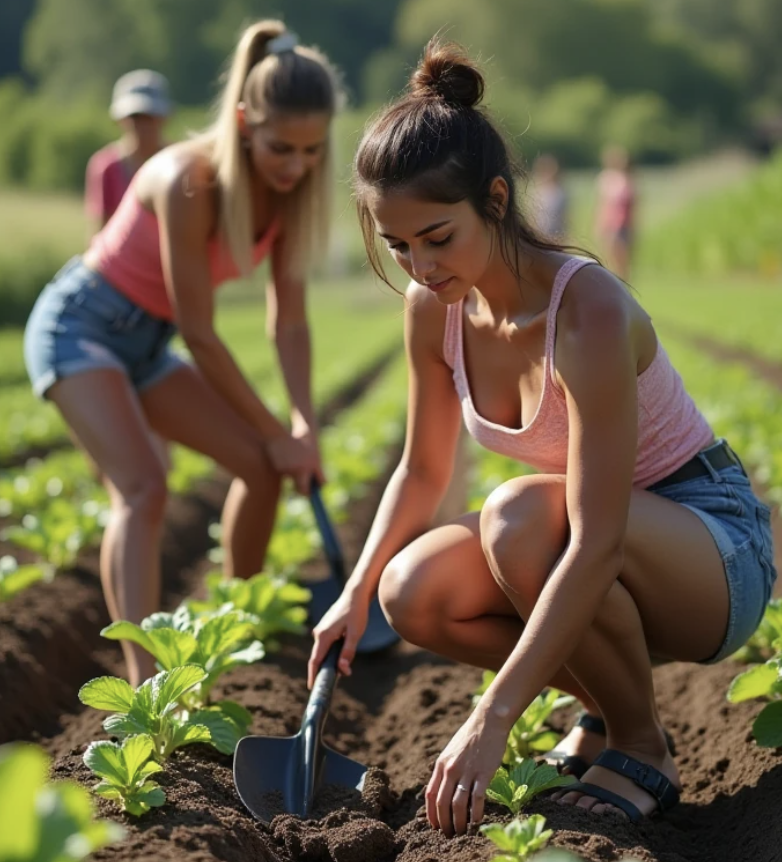
Arkansas Homesteading in a World Gone Soft

Let me make one damn thing clear right off the bat: this lifestyle is not for the weak. It’s not for suburbanites dreaming of sipping herbal tea on a Pinterest-perfect porch while chickens lay eggs like it’s some kind of fairy tale. No. Homesteading in Arkansas — in this unforgiving, beautiful, humid mess of a land — is for people ready to bleed, sweat, and fight tooth and nail for freedom. If you aren’t ready to break your back and outthink every crisis the world throws your way, turn around and go back to your HOA-gated sugar cube of a house.

Now that we’ve cleared out the soft-bellied dreamers, let’s talk real homesteading — the kind that’s rooted deep in the Ozark clay, where you grow your own food, raise your own meat, harvest your own power, and look the modern system dead in the eye and say: No thanks, I’ll do it my way.

Arkansas is one of the last damn strongholds of real freedom in this country. We’ve got the land. We’ve got the water. We’ve got the independence-minded people. And if you’ve got the guts, you can build a life that doesn’t depend on corporate supply chains, grid-fed everything, or politicians screwing up your future.

But listen close: you better know your skills. You screw up here, and you’re not just making a mess — you’re losing livestock, killing your crops, or freezing your butt off in a winter storm. So here are 15 critical homesteading skills every serious Arkansan homesteader better master — or die trying.


15 Essential Homestead Skills for Arkansas Survivors

  1. Seed Saving & Heirloom Gardening
    GMO garbage won’t cut it. You better learn to save your own seeds from strong, local heirloom plants that thrive in the Arkansas heat and humidity.
  2. Rainwater Harvesting & Filtration
    You think your well’s invincible? Think again. Learn to collect and purify rainwater — before the droughts and EPA regulations catch up to you.
  3. Solar Power Setup & Maintenance
    The grid goes down every time a squirrel sneezes. Learn to harness that brutal southern sun and run your homestead off solar like a boss.
  4. Composting & Soil Regeneration
    Arkansas clay ain’t exactly nutrient gold. Learn how to build your soil from the ground up — literally — using compost, manure, and biochar.
  5. Animal Husbandry (Chickens, Goats, Pigs)
    If you can’t raise and butcher your own meat, what the hell are you even doing? Get yourself livestock and learn how to keep ’em alive and productive.
  6. Off-Grid Cooking (Rocket Stove, Solar Oven, Dutch Oven)
    When the propane runs out, you better know how to cook on something besides a plastic-clad gas range. Build it. Test it. Master it.
  7. Root Cellaring & Food Preservation
    Canning, drying, fermenting — it’s not optional. Your grocery store backup plan won’t mean squat during an ice storm or economic collapse.
  8. Basic Carpentry & Construction
    Cabin walls don’t build themselves. Sheds rot. Fences fall. Know how to build and repair like your life depends on it — because someday, it just might.
  9. Blacksmithing & Tool Repair
    Learn to fix what breaks. You won’t find replacements when the supply chain’s down and the hardware store shelves are empty.
  10. First Aid & Herbal Medicine
    The hospital’s 40 miles away and closed half the time. Learn the plants in your own backyard and keep a real med kit — not a Hello Kitty Band-Aid box.
  11. Trapping & Wild Game Processing
    You’ll thank yourself when deer season is gone and food’s tight. Coons, rabbits, squirrels — learn how to trap and use every part.
  12. Firewood Processing & Wood Stove Maintenance
    Electric heat fails. Always has, always will. You’ll need firewood stacked high and dry. Learn to fell, buck, split, and cure your wood right.
  13. Fencing & Livestock Containment
    A goat outside the fence is a goat in the neighbor’s tomatoes — and a .22 bullet away from being a problem. Build sturdy, predator-proof fencing.
  14. Water Pump & Plumbing Repair
    When the well pump fails in July, you’ll either know how to fix it — or you’ll be sweating while your wife packs the kids for the city.
  15. Barter & Trade Savvy
    Money’s great until it’s worthless. Know the value of eggs, pork, labor, ammo, and skills in a barter economy — and don’t get taken for a fool.

3 DIY Homestead Hacks That’ll Save Your Butt

  1. DIY Rocket Stove for Off-Grid Cooking
    Use old bricks, a metal pipe, and some elbow grease to build a high-efficiency rocket stove in your backyard. Cooks fast, burns clean, and doesn’t use more than a handful of twigs. When propane tanks are empty and your generator’s out of gas, this bad boy will keep your family fed and your coffee hot.
  2. 50-Gallon Barrel Rainwater Catchment System
    Cut the top off a food-grade barrel, add a mosquito screen, and rig up a PVC overflow. Hook it to your downspouts with a first-flush diverter. Add a spigot at the bottom and boom — you’re harvesting 50 gallons of off-grid water per storm, without touching your well.
  3. Solar-Powered Electric Fence from Salvaged Panels
    Got an old solar panel and a car battery? Hook them up to a DC-powered fence charger. Keeps your goats in and the coyotes out without touching your utility bill. Cheap, reliable, and damn near bulletproof.

Arkansas Isn’t a Game — It’s a Battlefront

The government doesn’t care about you. The power company sees you as a dollar sign. The grocery store shelves are three days away from empty during any decent panic. You are the last line of defense between your family and chaos. And the only way you win is by learning, adapting, and never backing down.

Don’t sit on YouTube “researching” forever. Get your boots dirty. Plant something. Fix something. Butcher something. And for the love of everything worth living for — stop expecting the system to save you.

Arkansas is fertile ground for the independent and the bold. The laws are in your favor. The land is still affordable in places. And the people — the right people — will help you if you’re worth a damn. But you better bring grit. Bring skill. Bring that fire in your belly that says, “I don’t need handouts. I’ve got hands, and I’ve got the will.”

This ain’t a damn trend. It’s a way of life. And it might just be the last one left that makes any sense.


Arizona Homestead Lifestyle: A Survivalist’s Manifesto

Listen up, because I’m not going to sugarcoat this. If you’re thinking about homesteading in Arizona, you better be ready to fight. Not with fists, not with firearms—though you’d damn well better know how to use both—but with grit, sweat, and a raw-boned kind of determination most folks nowadays don’t have the spine for. This isn’t some Instagram-filtered fantasy where you prance around in a straw hat and harvest peaches. This is Arizona. The sun will try to kill you. The land doesn’t care if you live or die. And the government? They’ll either tax you into the dirt or regulate your freedom to death.

But I’m not here to coddle. I’m here to tell you what it takes to thrive.


The Arizona Advantage (and Curse)

Arizona’s got a brutal beauty. It’s dry, hot, and unforgiving—like a rattlesnake that doesn’t warn before it strikes. But it also means low humidity, long growing seasons (if you’re smart), and enough land still available to carve out something real. You can live free here—if you’re ready to work harder than most people have ever dreamed.

Water is the lifeblood out here, and it’s scarce. If you can’t figure out how to manage water, you’re screwed. I don’t care how nice your cabin is or how many solar panels you slap on the roof. If you can’t hydrate your land and your livestock, you’re done before you start.

So you want to live the homestead lifestyle in Arizona? Here’s what you must learn, do, and never forget.


15 Essential Homestead Skills for Arizona Survivalists

  1. Rainwater Harvesting – Capture every damn drop. Set up barrels, gutters, underground cisterns—whatever it takes. It’s legal in Arizona, so use it to your advantage before that changes.
  2. Drip Irrigation Systems – Wasting water in Arizona is idiocy. Learn to run a drip system from rainwater catchment. Mulch deep. Keep that ground moist or your crops will die screaming.
  3. Solar Power Setup and Maintenance – The sun’s brutal, but it’s also your best friend. Invest in a solid off-grid solar system and understand how to maintain it yourself. No excuses.
  4. Desert Gardening – You’re not in Kansas. Learn what grows here: mesquite, prickly pear, tepary beans, amaranth. Native, drought-resistant, calorie-dense crops are your lifeline.
  5. Canning and Food Preservation – When harvest comes, it all comes fast. You better know how to can, dehydrate, smoke, and root cellar or you’ll rot right along with your veggies.
  6. Animal Husbandry – Goats, chickens, rabbits. These are your protein producers. Know how to breed, butcher, and keep them alive when the temps hit 110.
  7. Butchering and Processing Meat – No, the store isn’t coming to save you. You better know how to skin, gut, and preserve meat or you’ll be wasting life—and lunch.
  8. Composting and Soil Building – Arizona dirt is garbage. You’ll need to turn it into something alive. Compost every scrap, use worms, and know how to read soil like a book.
  9. Firearm Handling and Marksmanship – It’s not just your right—it’s your responsibility. Predators, trespassers, and two-legged varmints don’t wait for a call to the sheriff.
  10. Basic First Aid and Herbal Remedies – Closest hospital might be 50 miles away. Know how to stitch a wound, set a bone, and use wild herbs to stop bleeding or cure infection.
  11. Blacksmithing and Tool Repair – When things break (and they will), you need to fix them. Weld. Sharpen. Forge. Don’t be a tool-less fool.
  12. Cob and Adobe Construction – You don’t need fancy lumber when you’ve got dirt. Learn how to build with cob, adobe, and earthbags. Cool in the summer, warm in the winter.
  13. Barter and Trade Skills – In a real crisis, cash is trash. Skills and goods matter. Learn how to trade like your life depends on it—because it might.
  14. Fuel and Wood Harvesting – Even in desert country, you’ll need fire. Learn where and how to gather wood legally and efficiently. Mesquite and juniper are your friends.
  15. Homeschooling and Self-Education – If you’ve got kids, it’s your job to raise ‘em smart and tough. Teach them truth, math, and survival—not the state’s propaganda.

3 DIY Homestead Hacks (Because Clever Beats Rich)

  1. Evaporative Cooling Jug Fridge (Zeer Pot)
    In Arizona heat, keeping food from spoiling is critical. Build a zeer pot with two unglazed clay pots (one inside the other), fill the gap with wet sand, and cover it with a wet cloth. Place it in a shady, breezy spot. It’ll drop temps by 20-30°F—no electricity required.
  2. Rocket Stove From Scrap Metal
    Stop relying on propane. Build a rocket stove from leftover metal piping or bricks. Efficient as hell, burns twigs, and can cook a full meal or boil water without wasting fuel. Great for backup or everyday use.
  3. Wicking Beds From Old Tubs or Troughs
    Use a busted bathtub, livestock trough, or even a plastic tote. Line it, fill with gravel, lay a perforated pipe, and top with soil. Water from the bottom up—it saves tons of water and keeps plants hydrated longer.

Final Warning and Encouragement (Yeah, I’m Contradictory—Get Used to It)

If you think you’ll “try” homesteading in Arizona, don’t bother. This ain’t a try thing. This is all-in, bleed-and-sweat, die-if-you-quit living. Your neighbors will either be tough as rawhide or totally useless. Pick your friends like you pick your firearms: reliable, rugged, and ready when needed.

But here’s the hard truth: there is nothing—I mean nothing—more rewarding than taking your independence back from a system that wants you docile and desperate. Every chicken egg you gather, every tomato you can, every gallon of water you pull from the sky is a middle finger to the technocratic parasites who want you enslaved to convenience.

Homesteading in Arizona is war. A war against the elements, the calendar, the consumer lifestyle, and the lie that you can’t survive without the system.

Well guess what?

You can.

And if you’re crazy, stubborn, and hungry enough—you will.

Welcome to the fight. Welcome to the land. Welcome to the life.

Let the desert burn away what’s weak. What’s left? That’s your real self.

Live hard. Homestead harder.

You Ain’t Gonna Make It Unless You’re Ready: A Survivalist’s Guide to Food Storage & Preservation

Let me tell you something straight—you either prep or perish. When the trucks stop rolling, the power goes down, and the store shelves go bare in less than 24 hours, your excuses won’t keep your stomach full. You can cry, beg, or pray all you want, but if you haven’t put in the work to build a rock-solid food storage system, you’re screwed.

Food storage and preservation aren’t hobbies—they’re life-or-death skills. The kind of skills your great-grandparents used just to get through the winter, and here you are in the 21st century, still relying on frozen pizzas and two-day shipping. Shameful.

So pull your head out of the sand and start learning the hard truth about what it takes to stay alive when the system crashes. I’m going to give you 15 survival skills and 3 DIY survival hacks that will keep you fed long after your neighbors have eaten the dog food and torn into their drywall looking for mice.


Survival Skills for Food Storage & Preservation

1. Canning (Water Bath & Pressure)

Master both. Water bath is for high-acid foods—tomatoes, jams. Pressure canning is for low-acid foods—meat, beans, veggies. Don’t screw this up unless you want a side of botulism with dinner.

2. Dehydrating

Buy a good dehydrator—or build one yourself. Dry fruits, jerky, herbs, even cooked rice and pasta. Light, compact, shelf-stable. Perfect for bug-out bags or tight storage.

3. Freeze-Drying

Yeah, the machines are expensive, but so’s your life. Freeze-dried food lasts 25 years. No power needed to keep it good. And unlike that freeze-dried crap from big box prepper stores, your homemade version isn’t full of garbage chemicals.

4. Vacuum Sealing

Oxygen is the enemy. Suck it out and your food lasts longer. Pair it with Mylar bags and O2 absorbers and you’re halfway to invincible.

5. Root Cellaring

No power? No problem. Learn to store potatoes, carrots, apples, cabbage, and more the old-fashioned way—buried in cool, dark places. This is pre-electric refrigeration technology. Use it.

6. Smoking Meat

Salt, smoke, and time—three ingredients to survive. Whether it’s fish, pork, or game you hunted yourself, knowing how to preserve meat without a freezer is priceless.

7. Fermentation

Kimchi, sauerkraut, kefir, pickles. This ain’t hipster nonsense—it’s a time-tested, bacteria-friendly preservation method that boosts gut health and keeps your food edible for months.

8. Making Jerky

Lean meat, sliced thin, salted, and dried. Easy to make, easy to store. It’s what nomads and pioneers lived on. You should too.

9. Using Mylar Bags with O2 Absorbers

This is non-negotiable. Store rice, flour, beans, oats—anything dry—in these and it’ll last a decade or more. Stack your buckets, seal your bags, and sleep better at night.

10. Salt Preservation

You got salt? You got food. It pulls moisture out, kills bacteria, and keeps things shelf-stable. From salt-cured fish to dry brining meat, it’s a primitive technique that still works.

11. Making Hardtack

It’s like eating drywall, but this flour-water-salt cracker lasts forever and keeps you alive. Store it dry and rehydrate it in soup when your taste buds finally revolt.

12. Rotating Your Pantry

Oldest in front, newest in back. You don’t want to find a crate of bloated tomato cans five years from now. Rotate monthly. Label dates. Be meticulous.

13. Batch Cooking & Canning Meals

Don’t just can green beans. Can chili. Can beef stew. Can soup. When it’s cold and you’re exhausted, opening a ready-made meal you canned yourself is worth gold.

14. Making Pemmican

This high-calorie mix of dried meat, fat, and berries can last years without refrigeration. Used by Native Americans and polar explorers. Make it now before you need it.

15. Building a Real Prepper Pantry

Don’t just throw stuff on shelves. Organize by type, date, and calories. Include spices, comfort food, and barter items. Your pantry should be an armory of nutrition.


DIY Survival Hacks That’ll Keep You Fed and Ready

Hack #1: DIY Zeer Pot (Desert Fridge)

Take two unglazed clay pots, one smaller than the other. Fill the space between them with wet sand, cover with a damp cloth, and place your perishables inside. As the water evaporates, it cools the inner pot—primitive refrigeration with zero electricity. Works best in dry climates.

Hack #2: Homemade Solar Dehydrator

Grab some scrap wood, black paint, clear plastic, and a screen. Build a box with airflow and sunlight access. Let nature do the work. Dehydrate apples, jerky, herbs, and more without touching your grid-powered devices.

Hack #3: Dig-a-Hole Cold Storage

No root cellar? No problem. Dig a 3-4 foot deep hole in a shaded spot. Line it with bricks or wood if you can. Place your sealed buckets or containers inside and cover with a tight lid or a pallet and tarp. Natural insulation keeps things cool year-round.


The Uncomfortable Truth

Let’s be clear: if you think this is overkill, you haven’t been paying attention. The government won’t save you. FEMA will roll in three days too late, and the National Guard won’t hand out pizza and soda. If a cyberattack hits the grid or supply chains collapse, the people with full pantries and solid skills will be the last ones standing.

This isn’t about fear. It’s about responsibility—to yourself, your family, your community. You don’t prep for fun, you prep because you understand how fragile civilization really is. Every time you put a new jar on the shelf or vacuum seal a bag of rice, you’re buying a little more time when it all goes to hell.

The rest of them? They’ll panic-buy bottled water and microwave popcorn. You’ll be sitting on beans, bullets, and a five-year plan. And when they come knocking? That’s your call to make. But you better believe you’ll feel a hell of a lot better turning people away from a stocked pantry than being the one begging for handouts.


Closing Rant – And You’d Better Listen

So here’s the deal: Quit waiting. Quit making excuses. Quit telling yourself you’ll start next month. Next month, the inflation will be worse, the shelves emptier, and your window to act even smaller. Start today. Learn the skills. Build your pantry. Do the work.

Don’t just survive. Overcome. Because when SHTF, you don’t rise to the occasion—you fall to the level of your training. So you better train like your life depends on it.

Because it does.

Homesteading Skills – Gardening, livestock, beekeeping, and food independence.

Alright, buckle up, because I’m not here to sugarcoat anything. If you think homesteading is some cute little hobby for weekend warriors sipping lattes, you’re dead wrong. This is about survival — real, gritty, no-BS self-reliance in a world that’s falling apart piece by piece. You want to eat, you want shelter, and you want your family to live? Then you better learn these homesteading skills now before the grid goes dark for good.

Homesteading Skills – Gardening, Livestock, Beekeeping, and Food Independence

15 Survival Skills You’d Better Master Yesterday

1. Seed Saving and Storage
If you don’t know how to save seeds from your crops, you’re just begging for starvation. Learn to harvest, dry, and store seeds properly. Keep them cool, dry, and dark. That little packet is your lifeline next season.

2. Soil Building and Composting
You want crops to grow, right? Then don’t expect miracles from dead dirt. Build healthy soil with compost and mulch. Stop relying on chemical fertilizers—they run out and poison your land. Nature’s way is the only way.

3. Crop Rotation and Companion Planting
Planting the same crop in the same spot every year is a death sentence for your garden. Rotate crops and plant companions that fight pests and boost growth naturally. Learn which plants hate each other and which ones love each other.

4. Water Harvesting and Conservation
Relying on municipal water? Ha! Learn to catch rainwater, build swales, or dig wells. Know how to conserve every drop. Without water, nothing grows, and you dry up and die.

5. Livestock Husbandry Basics
Chickens, goats, rabbits—these animals are your food factory, fertilizer source, and even security if you know what you’re doing. Learn proper feeding, shelter, health care, and breeding. Don’t let your critters die on you like some backyard zoo.

6. Butchering and Meat Processing
Don’t be squeamish. Learn how to butcher your animals cleanly and safely. Meat rots fast if you don’t handle it right. Knowing how to process and preserve meat saves your life when the freezer fails.

7. Beekeeping and Honey Harvesting
Bees aren’t just cute—they’re essential pollinators. You want your garden to produce, you better keep bees. Honey is natural medicine and a long-lasting sugar source. Know how to manage hives and harvest without wrecking the colony.

8. Food Preservation Techniques
Canning, drying, fermenting, smoking—you need to preserve your harvest or you’ll waste half of it. Learn every method so you don’t rely on supermarkets. Preserved food can keep you alive through winter or tough times.

9. Foraging Wild Edibles
Don’t just rely on your plot. Know how to find and identify edible plants, nuts, and berries in the wild. Ignorance here will get you sick or dead.

10. Pest and Disease Management
Don’t just spray chemicals like a zombie. Learn organic and natural pest control methods. Healthy soil and diverse crops resist pests better. If your garden gets wiped out, your food supply is toast.

11. Tool Maintenance and Repair
Broken hoe? Dead chainsaw? No parts and no hardware store nearby? Learn to fix and maintain your tools. Your tools are your lifelines—treat them like your own limbs.

12. Emergency Shelter Building
Shit hits the fan and you lose your home? Knowing how to build a quick shelter from natural materials or salvage is crucial. This isn’t just about comfort—it’s survival.

13. Fire Making and Cooking
You better know how to build and control fire with or without matches. Open flame cooking skills will save you when the power grid fails and fuel runs scarce.

14. Animal Butchering and Hide Tanning
Besides meat, your livestock gives you hides, bones, and sinew—valuable resources. Know how to tan hides and turn scraps into useful gear. Don’t waste a single bit.

15. Self-defense and Security
Protect your homestead. Learn basic self-defense and security protocols. Desperate people do desperate things, and when society collapses, you’ll need to defend your food and family.


3 DIY Survival Hacks for Homesteading

Hack #1: DIY Solar Food Dehydrator
Stop waiting for fancy gear. Build a solar dehydrator using scrap wood, clear plastic, and mesh screens. Dry fruit, herbs, and meat under the sun to preserve food without electricity. This simple contraption can save tons of food from spoiling and give you portable, high-energy snacks when fuel and power are gone.

Hack #2: Rain Barrel Water Filter
Set up a rain barrel system with a basic filter made from layers of sand, charcoal, and gravel. Collect rainwater off your roof, run it through this filter, and use it for irrigation or emergency drinking water after boiling. It’s dirt cheap and can keep your plants alive when drought hits.

Hack #3: Chicken Tractor from Scrap Materials
Build a movable chicken coop (chicken tractor) out of reclaimed wood and hardware cloth. This lets your chickens fertilize fresh ground while scratching for bugs, reducing feed costs and improving your soil naturally. Plus, it’s easy to move so you can keep your flock safe and happy.


Listen up. These skills aren’t just a hobby or a cute weekend project. They’re your lifeline if the supply chains break, the power grid goes down, or the economy tanks. Waiting for “someone else” to save you is a death sentence.

You want food independence? You want to raise your own protein and pollinate your garden with bees? You want to survive hard times with dignity? Then put down your phone, get outside, and start mastering these skills. No one’s coming to rescue you. It’s up to you to build, grow, and defend.

And if you think it’s easy, you’re dead wrong. It takes sweat, grit, and constant vigilance. This is survivalism at its rawest—no shortcuts, no excuses, no luxury.

Get to work.

The Ultimate List of Survival Foods You Should Grow Yourself

The Ultimate List of Survival Foods You Should Grow Yourself

(Told by a Fed-Up, No-Nonsense Survivalist)

Listen up. If you think the grocery store is your safety net, you’re already screwed. This isn’t a joke and it sure as hell ain’t a game. When the trucks stop rolling, the power goes out, or the world goes sideways — your fancy apps and two-day shipping won’t feed you.

You want to survive? You GROW your food.

I’m not talking about pretty little herb gardens. I’m talking calorie-dense, nutrient-rich, survival-grade crops that’ll keep you and your family alive when the rest of the neighborhood is fighting over moldy cans of beans.

Here’s the no-BS list of survival foods you should be growing RIGHT NOW — and if you’re not, then get off your butt and get planting.


🔥 The Survival Foods You NEED To Grow

  1. Potatoes
    These starchy workhorses are loaded with carbs and keep well in a root cellar. Grow them in buckets, raised beds, whatever you’ve got. Easy, fast, and reliable.
  2. Beans (Pole & Bush)
    High in protein, they’re your best friend when meat isn’t an option. They also fix nitrogen in the soil — which means better yields overall.
  3. Corn
    Don’t grow sweet corn for fun. Grow dent or flint corn — the kind you can dry and grind into meal. This is real survival food.
  4. Winter Squash
    Long shelf life. Heavy on calories. Butternut, acorn, spaghetti — doesn’t matter. They’ll keep through winter if stored right.
  5. Garlic
    Not just for flavor. Garlic is antibacterial, antifungal, and boosts immunity. Plus, it stores for months.
  6. Onions
    Adds depth to every meal, and it’s another strong natural antibiotic. Plant a lot — they go quick.
  7. Carrots
    Vitamin A bombs. Easy to grow, easy to store, and great for morale. Don’t underestimate morale food.
  8. Kale and Collards
    Leafy greens that don’t quit. They’ll grow in frost and keep producing for weeks. Nutrient-rich and damn tough.
  9. Cabbage
    Eat it raw, cooked, or ferment it into sauerkraut for gut health. Stores well and produces big.
  10. Tomatoes (Paste Types)
    Forget salad tomatoes. Grow Roma or San Marzano. They’re meaty, great for sauces, and can be preserved easily.
  11. Peppers
    Bell or hot, they’re loaded with vitamin C and they dehydrate well. Hot peppers also help preserve food and boost metabolism.
  12. Sweet Potatoes
    Grow the greens and the tubers. High in nutrients, hardy in poor soil, and sweet enough to break up food boredom.
  13. Zucchini
    One plant can feed a neighborhood. You’ll get tired of zucchini before it stops producing.
  14. Turnips
    Fast-growing and reliable. The roots feed you, the greens feed your livestock or compost. Win-win.
  15. Herbs (Basil, Thyme, Oregano)
    Not just flavor. Many herbs have medicinal benefits, and let’s be honest — bland food kills morale faster than cold weather.

🧠 Top 15 Survival Skills You Better Learn Yesterday

  1. Canning and Preservation
    If you can’t store it, you’re wasting harvest. Learn water bath and pressure canning NOW.
  2. Seed Saving
    No seed = no food next season. Learn to save and store seeds properly.
  3. Composting
    Fertilizer won’t fall from the sky. Compost everything — food scraps, manure, leaves.
  4. Irrigation Setup
    No water = dead garden. Build a rain catchment system or gravity-fed drip line.
  5. Crop Rotation
    Don’t plant the same thing in the same spot. It destroys your soil.
  6. Soil Building
    Healthy soil is LIFE. Use compost, mulch, manure, and worm castings.
  7. Foraging
    Know what edible weeds and wild plants grow near you — just in case your garden fails.
  8. Basic First Aid
    What’s that got to do with food? A LOT when you slice your hand harvesting cabbage in a blackout.
  9. DIY Pest Control
    No pesticides? Learn natural methods — neem oil, diatomaceous earth, companion planting.
  10. Food Dehydration
    Dry fruits, veggies, and meats. Lightweight, long-lasting survival food.
  11. Root Cellar Building
    Store food the old-school way — underground and temperature-stable.
  12. Cooking Without Power
    Solar oven, rocket stove, open fire. Know them all.
  13. Water Purification
    Rainwater + bacteria = diarrhea. Filter it, boil it, or don’t drink it.
  14. Tool Maintenance
    A broken hoe doesn’t feed you. Learn how to fix and sharpen your gear.
  15. Animal Husbandry (Bonus)
    Chickens, rabbits, goats — they add meat and manure to your homestead. Even if you start small.

🛠️ 3 DIY Survival Hacks You’ll Thank Me For Later

  1. 5-Gallon Bucket Potato Tower
    No space? No problem. Drill drainage holes in a 5-gallon bucket. Plant seed potatoes at the bottom, keep adding soil as they grow. Harvest a full bucket of potatoes in a few months.
  2. Homemade Self-Watering Containers
    Take two buckets. One for the water reservoir, one with soil and a wicking system. Perfect for growing during hot months or if water is limited.
  3. Eggshell Calcium Boost
    Dry and crush eggshells, sprinkle them in your garden beds. It adds calcium, keeps slugs away, and helps prevent blossom-end rot in tomatoes.

Final Word from a Tired, Angry Survivalist

Look — I don’t care who you voted for. I don’t care how many TikToks you’ve watched about prepping. If you don’t get serious and start growing your own food, you’re gambling with your life.

The system is fragile. The soil is ready. The question is — are you?

You don’t need land, money, or even experience. You need the will to survive, some dirt, and the guts to get started.

Start now. Not tomorrow. Not when things “calm down.”
Because when it all goes dark — those who grow, eat.
And those who wait… don’t.

The Best States to Grow a Survival Garden

(Told Straight by Someone Who Actually Grows Their Own Damn Food)

Let’s cut the fluff. If you’re thinking about survival gardening, your location matters — a lot. You don’t want to be stuck trying to grow tomatoes in 100-degree desert heat or watching your crops rot from nonstop rain in the Pacific Northwest. You need a place where the soil is good, the growing season is long, and the government leaves you alone.

So here it is — the hard truth about the best states to grow a survival garden. I’m talking about places where you can grow enough food to survive, thrive, and stick it to the system if things go sideways.


1. Tennessee

You want rich soil? You want rain? You want a long growing season and low land prices? Tennessee checks all the boxes. Mild winters, plenty of sunshine, and you can grow almost everything here — beans, corn, squash, tomatoes, leafy greens, potatoes, fruit trees. The laws are also favorable to homesteaders. Not too many restrictions, and folks mind their own business.


2. Missouri

The Ozarks are a survivalist’s dream. Tons of natural resources, plenty of fresh water, and excellent soil. Plus, land is still affordable if you know where to look. You can grow food, raise animals, and build off-grid without some HOA telling you your solar panels are “unsightly.” It’s no wonder so many preppers are quietly heading this way.


3. North Carolina

Western North Carolina especially. Good elevation, great soil, and a long enough growing season to plant more than one crop per year. You’ve got access to fresh water from mountain streams, and the climate isn’t brutal. It’s a solid blend of self-sufficiency potential and relative safety from extreme weather.


4. Kentucky

If you want underrated, this is it. Kentucky is quiet, lush, and has some of the best topsoil in the country. It’s perfect for growing survival staples like corn, beans, squash, and root veggies. There’s plenty of space, low taxes, and folks are generally self-reliant and leave you alone — exactly how we like it.


5. Texas (East Texas, specifically)

Forget West Texas unless you like growing dust. East Texas, though? It’s humid, green, and fertile. Long growing season, tons of water, and enough room to build a self-sustaining setup. The state itself has a strong “don’t tread on me” culture — and that counts for something when the grid goes down.


Final Word

You can prep all you want, but if you’re trying to grow food in a place where nothing grows, you’re wasting your time. Survival gardening isn’t just about planting seeds — it’s about being strategic, knowing your climate, and choosing a location where your garden will feed your family, not fail you when you need it most.

So stop scrolling and start planning. Because when the supply chain collapses, real security isn’t ammo — it’s potatoes.

The Stockpiler’s Survival Guide

In 2002, a man named Jack Whittaker from West Virginia hit the Powerball jackpot. It was the biggest prize of its time—hundreds of millions. Most folks would think he hit the ultimate jackpot. But if you dig deeper, you’ll find a cautionary tale that every prepper should take to heart.

Jack’s windfall didn’t bring joy. It brought chaos, greed, tragedy, and death. The moment people found out he was rich, they came out of the woodwork—begging, scheming, and circling like vultures. His house turned into a battleground of handouts and deception. He faced constant legal troubles, and worse, he lost both his daughter and granddaughter under tragic circumstances that many say were linked—directly or not—to the poison of sudden wealth.

Eventually, Jack said publicly that he wished he had torn up that lottery ticket.

CLICK HERE TO LEARN HOW TO NEVER STARVE WHEN DOOMSDAY HITS!

And that got me thinking.

As preppers, we’re not chasing lottery wins. But if you’re stockpiling wisely—if you’ve been planning for what others refuse to see coming—then in the eyes of the unprepared, you’re rich. Maybe not with cash, but with things that matter when the system collapses: food, water, fuel, skills, and know-how.

And just like Jack, if the wrong people find out, you become a target.

When SHTF, desperation turns good people bad. Neighbors turn into looters. Friends can become beggars. And strangers—well, don’t even count on mercy from them. It won’t matter if it’s your kid’s formula, your last bag of rice, or the meds you set aside for your spouse. If someone knows you have it, they will do anything to get it.

Lesson One: Conceal What You Have.

You don’t need to parade your supplies on social media. You don’t need to show off your stash in YouTube videos or brag about your “bug-out” plans at work. Loose lips sink ships. In a true crisis, every can of beans becomes gold. Every gallon of water becomes leverage.

Think about this: If every grocery store and supermarket shut down tonight, and folks knew you were stocked, your house might not survive the week. And that’s not paranoia—it’s math. Hungry people act fast. Starving people act violently.

Take a lesson from Jack Whittaker: if you have value—whether it’s dollars, gear, or provisions—keep it quiet. Because the more they know, the more they’ll take. And they won’t ask nicely.

Now, let’s talk about how to keep your prepping smart, quiet, and effective. Here are ten essential prepper tips every stockpiler should follow if they want to survive and stay off the radar.


10 Survival Prepper Tips for Smart Stockpiling and Stealth Survival

1. Don’t Tell, Don’t Show

It’s tempting to share your plans with friends or neighbors, especially if you’re proud of your setup. But limit your disclosures. Tell only those you trust with your life—and even then, keep details vague.

2. Diversify Your Stash

Don’t keep all your supplies in one place. Spread your stockpile across your home, vehicle, shed, and even hidden caches if possible. That way, if one area gets compromised, you’re not left high and dry.

3. Practice OPSEC

Operational Security (OPSEC) is a mindset. Don’t throw out packaging from large food purchases. Avoid bulk deliveries when neighbors are watching. Blend in. Be the “average Joe” who shops like everyone else.

4. Train, Don’t Just Store

All the gear in the world is worthless if you don’t know how to use it. Practice purifying water, making fire without matches, cooking off-grid, and self-defense. Build muscle memory.

5. Develop Community—but Quietly

Survival is easier in a group, but choose your circle carefully. Build quiet alliances with like-minded individuals. Barter, trade, and train together—but keep things low-key and never disclose your full inventory.

6. Gray Man Strategy

Look harmless, unprepared, and average. In public, don’t dress like you’re headed into the wild. When disaster strikes, don’t be the guy with the latest tactical gear walking down the street. Blend in to avoid attention.

7. Rotate and Maintain Supplies

Your food, fuel, and meds have expiration dates. Rotate stock, label everything, and use a spreadsheet if needed. The worst time to realize your food is spoiled is when your life depends on it.

8. Harden Your Home

Your house is your first line of defense. Reinforce doors, add security film to windows, set up motion lights, and consider solar cameras. You’re not being paranoid—you’re being ready.

9. Prepare for Power Loss

Most people think about food and water but forget energy. Stock up on batteries, solar chargers, hand-crank radios, and backup heating options. When the grid fails, you need to adapt quickly.

10. Have an Exit Plan

Sometimes you can’t shelter in place. Know where you’ll go, how you’ll get there, and what you’ll bring. Keep bug-out bags ready and have alternate routes. Never assume your first plan will work.


Survival Isn’t Just About Stuff—It’s About Mindset

Jack Whittaker’s story is more than a tragedy—it’s a mirror. When society collapses, the rules change. The rich won’t be the ones with stock portfolios—they’ll be the ones with clean water, warm meals, and working flashlights.

And just like Jack learned, if people know you’ve got something they don’t, they’ll come for it.

So stay sharp. Stay quiet. Stockpile smart. And remember: stealth is strength.

We prep not to boast, but to survive. And the best preppers don’t just prepare for disasters—they prepare to stay invisible when the world starts watching.

The Ultimate Survivalist In-Car Checklist: 7 Items You Need

Disaster doesn’t announce itself.

It strikes when you’re least ready—when your guard is down, and your mind is elsewhere. You might be thinking about dinner plans, your kids’ soccer game, or just getting home to a warm bed. But emergencies don’t care about your schedule.

CLICK HERE TO LEARN HOW TO NEVER STARVE WHEN DOOMSDAY HITS!

Picture this: It’s Friday evening. You’re finally off work. You’re cruising down a quiet stretch of road, miles away from the nearest gas station, thinking about how you’ll spend the weekend with your family. And then—BAM. A loud thud. Your car jerks violently. You lose control for a split second before steering to the shoulder. You get out, and there it is… a flat tire.

And just your luck—it’s raining sideways. Not a streetlamp in sight.

CLICK HERE TO LEARN HOW TO NEVER STARVE WHEN DOOMSDAY HITS!

Now let me ask you: Are you ready?

Because if you’re not, that flat tire could turn into a full-blown survival scenario. As any seasoned prepper will tell you, your vehicle isn’t just a means of transportation. It’s a mobile command center. It’s your lifeline when SHTF. Whether you’re evacuating due to wildfires, stranded in a snowstorm, or simply stuck with a mechanical failure, your car must be prepped for anything.

Here are the 7 essential items every survival-minded individual needs in their vehicle—and 10 additional prepper tips to keep you one step ahead when the unexpected hits.


1. Spare Tire, Jack, and Lug Wrench

Let’s start with the basics. A flat tire is more than just an inconvenience—it can leave you stranded for hours, or worse, overnight in the middle of nowhere. You need a fully inflated spare tire, a sturdy jack, and a reliable lug wrench.

Prepper Tip #1: Rotate and inspect your spare every three months. A flat spare is as useless as no spare at all.

Prepper Tip #2: Consider adding a tire plug kit and portable air compressor. Sometimes a quick patch and refill is all you need to get moving again.


2. Jumper Cables (or Jump Starter)

A dead battery is another common issue, especially in extreme temperatures. Having a solid pair of jumper cables can save you hours of waiting for help—or worse, being stuck in hostile conditions.

Prepper Tip #3: Upgrade to a lithium-ion jump starter. These compact power packs can jump your car without needing another vehicle. Plus, they usually have USB ports to charge your phone.


3. First-Aid Kit

This is non-negotiable. From minor cuts and scrapes to more serious injuries, a well-stocked first-aid kit can save lives.

Prepper Tip #4: Customize your kit. Add painkillers, antiseptics, trauma supplies (like a tourniquet), and allergy meds. Don’t forget a laminated card with CPR instructions and your personal medical info.


4. Flashlight and Extra Batteries

When darkness falls, you’ll need a dependable flashlight. Whether you’re checking under the hood, flagging down help, or navigating on foot, a solid light source is crucial.

Prepper Tip #5: Invest in a high-lumen LED flashlight with a strobe or SOS function. Keep extra batteries in a waterproof container, or go with a solar/crank-powered model for infinite power.


5. Emergency Blankets and Warm Clothing

Hypothermia can set in faster than you’d think, especially if your car won’t start and you’re trapped in cold weather. Emergency mylar blankets are compact, lightweight, and designed to reflect 90% of body heat.

Prepper Tip #6: Include a wool hat, gloves, socks, and a waterproof poncho. Hypothermia often starts with extremities, and you’ll be thankful for that added layer.


6. Non-Perishable Food and Water

If you’re stuck for hours—or days—you’ll need calories and hydration. Keep a stash of non-perishable, high-energy food and bottled water in your vehicle.

Prepper Tip #7: Use vacuum-sealed ration bars and emergency water pouches with a 5-year shelf life. They’re space-efficient and built for survival.

Prepper Tip #8: Toss in a LifeStraw or water purification tablets. If you run out of bottled water, these could keep you alive in a longer crisis.


7. Portable Charger or Power Bank

Your phone is your most powerful tool in a crisis—but only if it’s charged. A high-capacity portable power bank ensures you stay connected when your car battery isn’t an option.

Prepper Tip #9: Look for solar-powered models. Even if the grid’s down, you’ll still be able to charge your devices.


10 Bonus Survival Prepper Tips for Your Car

Now that you’ve got the 7 essentials, take it a step further. Hardcore preppers know that redundancy and versatility are key.

1. Multi-tool or Survival Knife

From cutting seatbelts to making repairs or defending yourself, a quality multi-tool is invaluable.

2. Duct Tape

Fix a hose, seal a window, secure gear, or even splint an injury. The uses are endless.

3. Maps and Compass

Don’t rely on GPS. If the grid’s down or you’re in a dead zone, paper maps and a compass will keep you on track.

4. Fire Starter Kit

Waterproof matches, ferro rods, or lighters—fire can provide warmth, boil water, signal for help, or keep predators away.

5. Reflective Triangle or Road Flares

Increase your visibility to other drivers, especially during night or low-visibility conditions.

6. Cash in Small Bills

ATMs might be down or inaccessible. Keep a stash of $1s, $5s, and $10s hidden in your car.

7. Toilet Paper and Hygiene Kit

Sanitation can be crucial. A small hygiene kit with TP, wipes, and hand sanitizer is easy to store and highly valuable.

8. Gloves and Safety Glasses

Whether fixing a tire or clearing debris, protect your hands and eyes.

9. Tow Strap

Help others—or get helped—without relying on a tow truck.

10. Notebook and Pencil

Record important details, leave a note if you have to leave your vehicle, or track resources. It’s old-school, but it works.


Final Word

Emergencies aren’t a matter of if, they’re a matter of when. Your vehicle is your mobile bug-out location—treat it like one. A well-stocked car can mean the difference between inconvenience and catastrophe.

So prep it now. Load it with gear. Check your supplies. Refresh items regularly.

Because when the moment comes—and it will—you won’t rise to the occasion.

You’ll fall back on your preparation.

And that, my fellow survivalist, is how you thrive when the rest of the world panics.

Prepper’s Pantry: 10 Foods You Should Always Keep on Hand

Prepper’s Pantry: 10 Foods You Should Always Keep on Hand for Tiny House Living

Living in a tiny house doesn’t just mean downsizing your belongings—it’s about embracing a more intentional lifestyle. Every item you bring into your tiny home should serve a purpose, and food storage is no exception. A prepper’s pantry isn’t just for hoarding massive amounts of canned goods and bags of rice; it’s about curating a collection of foods that are practical, space-efficient, and long-lasting. When space is limited, smart food storage becomes a crucial part of sustainable living. The key to prepping in a tiny house is striking a balance between the right amount of food to meet your needs without overcrowding your limited space.

CLICK HERE TO LEARN HOW TO NEVER STARVE WHEN DOOMSDAY HITS!

In this post, we’ll explore 10 foods that every tiny house dweller should always keep on hand for a well-stocked, sustainable pantry. With a little planning, you can have everything you need to weather unexpected situations—without sacrificing too much valuable space.


1. Canned Vegetables and Beans

When you live in a tiny house, versatility is your best friend. Canned vegetables and beans are non-negotiable pantry staples because they’re easy to store, have a long shelf life, and are ready to use with minimal prep. Whether you’re making soups, stews, or casseroles, canned beans are a quick and nutritious way to get protein without taking up precious refrigerator space. Vegetables like corn, peas, and carrots can be great options for adding a quick serving of greens to any meal.

Tip #1: Buy in bulk—Purchase large cans to save space and money. Also, consider choosing BPA-free canned goods for better health and eco-friendliness.


2. Rice and Quinoa

Rice and quinoa are essential pantry items that are both filling and versatile. These grains can serve as a base for countless meals, from stir-fries to grain bowls. Since both rice and quinoa have long shelf lives when stored in airtight containers, they’re perfect for small spaces like tiny houses. Quinoa also packs in extra protein, which is great for tiny house dwellers looking for more nutritional density in a small package.

Tip #2: Store rice and quinoa in airtight jars to prevent pests from invading your pantry. And consider using glass containers to cut down on plastic waste.


3. Dried Fruits and Nuts

Living small means making the most of every square inch, and dried fruits and nuts are a must for quick, nutritious snacks or meal add-ins. These foods are calorie-dense, so you don’t need much to get a lot of energy. Almonds, walnuts, dried apricots, and raisins can be great for on-the-go or mixed into oatmeal, salads, or baked goods. Plus, they have a long shelf life, making them perfect for long-term storage.

Tip #3: Store dried fruits and nuts in vacuum-sealed bags or mason jars to keep them fresh longer. This will also help maximize your storage space.


4. Canned Fish and Meats

Protein is a critical component of any diet, and canned fish and meats like tuna, salmon, and chicken provide a convenient, shelf-stable solution. These canned proteins can be added to everything from salads to sandwiches and are ideal for quick meals. In a tiny house, you don’t have the luxury of a massive freezer, so canned options are a great alternative to fresh or frozen meats.

Tip #4: Rotate your stock—Use older cans first to prevent anything from sitting in your pantry for too long. Stockpiling a variety of meats ensures that you don’t get tired of the same options.


5. Canned Tomatoes

Canned tomatoes are a versatile ingredient that forms the base for many dishes—from pasta sauces to soups. They have a long shelf life and are easy to store, making them a great choice for tiny house living. You can use canned tomatoes in everything from homemade pizza sauce to chili, adding both flavor and nutrition to your meals. They’re also great for making quick and easy meals when you’re short on time.

Tip #5: Buy in bulk—If you use canned tomatoes often, buying larger quantities can help save money and reduce packaging waste.


6. Pasta and Noodles

Pasta is a staple in almost any pantry because it’s cheap, easy to prepare, and can be paired with a variety of sauces, proteins, and vegetables. The best part is that pasta stores well and takes up little space—perfect for tiny house living. You can stock a variety of pasta shapes, from spaghetti to macaroni, and use them in everything from quick weeknight dinners to hearty pasta salads.

Tip #6: Use clear storage containers for your pasta to make it easy to see what you have on hand. This way, you can keep your pantry organized and avoid over-purchasing.


7. Powdered Milk

If you’re living in a tiny house, refrigeration space is precious. Powdered milk is a great substitute for fresh milk and can be used in everything from coffee and tea to baking and cooking. Since it doesn’t require refrigeration, it’s perfect for stocking up in a small space. Plus, it has a long shelf life, so you won’t need to worry about it going bad any time soon.

Tip #7: Store powdered milk in a cool, dry place to keep it fresh. Keep it in airtight containers to ensure its longevity.


8. Spices and Seasonings

In a tiny house, you want to make sure you’re packing only the essentials, and that means choosing your spices wisely. A few high-quality seasonings, like salt, pepper, garlic powder, and chili flakes, can make a huge difference in the flavor of your meals. Instead of stocking every spice under the sun, focus on the ones you use most often, and keep them in small containers or spice racks to save space.

Tip #8: Opt for multi-use spices—For example, a good all-purpose seasoning can work for many dishes, cutting down on the number of containers you need.


9. Honey and Maple Syrup

Honey and maple syrup are excellent natural sweeteners that also have medicinal properties. Honey can be used in tea, spread on toast, or added to baked goods. Maple syrup is another great natural sweetener that works well in pancakes, oatmeal, and desserts. Both honey and maple syrup have long shelf lives, which makes them great for your pantry. In tiny house living, these versatile sweeteners can do double duty as both food and medicine.

Tip #9: Store honey at room temperature—Honey doesn’t spoil, but storing it in a cool place ensures it stays at its best consistency.


10. Oats and Granola

Oats are a fantastic and filling food that can be used in a variety of ways, from oatmeal to granola bars. They’re a great source of fiber and are perfect for breakfast or even as a base for savory dishes. Granola is another good option to have on hand as a quick snack or a topping for yogurt and fruit. Both oats and granola are compact, making them perfect for tiny house living.

Tip #10: Keep oats in airtight containers to prevent pests and moisture from ruining your stock. You can also use oats for baking, adding to smoothies, or making homemade granola.


10 Tiny House Living Tips for Efficient Food Storage

  1. Use vertical space—Maximize storage by using shelves or hanging storage for jars and canned goods.
  2. Opt for multi-purpose foods—Choose ingredients that can be used in several dishes to reduce the variety of items needed.
  3. Keep your pantry organized—Invest in clear containers or labels so you can easily find what you need without taking up extra space.
  4. Use airtight containers—To prevent spoilage and pests, store grains, nuts, and dried fruits in airtight containers.
  5. Grow your own herbs—Even in a tiny home, you can grow herbs like basil, thyme, and mint in small pots or hanging planters.
  6. Shop in bulk—Buying in bulk not only saves you money but also reduces packaging waste.
  7. Plan meals around your pantry—Make sure to use up older items first to avoid waste and keep your pantry fresh.
  8. Preserve seasonal produce—Stock up on fresh fruits and vegetables when they’re in season and preserve them through canning or freezing.
  9. Keep a running inventory—Having an up-to-date list of your pantry items will help you avoid buying duplicates and save you time.
  10. Keep food prep simple—Simplify your meals by focusing on staple ingredients that can be transformed into multiple dishes.

Food Security 101: Top 10 Stockpile Staples

Food Security 101: Top 10 Stockpile Staples for the Homestead

Living on a homestead is more than just a lifestyle choice; it’s a commitment to self-sufficiency and preparedness. One of the most important aspects of this way of life is ensuring that you have a solid foundation for food security. There’s a certain peace of mind that comes from knowing you can feed your family no matter what the world throws your way. Whether you’re preparing for an unexpected crisis or simply want to make sure you’re well-stocked for the long haul, knowing what to stockpile is key.

CLICK HERE TO LEARN HOW TO NEVER STARVE WHEN DOOMSDAY HITS!

Food security on the homestead isn’t just about having enough food in the pantry. It’s about being resourceful, thinking ahead, and building up a collection of staples that will help your family thrive, even in uncertain times. There’s a strong sense of responsibility when it comes to providing for yourself and your loved ones. The Bible says in 1 Timothy 5:8, “Anyone who does not provide for their relatives, and especially for their own household, has denied the faith and is worse than an unbeliever.” As homesteaders, we take that verse to heart, ensuring that we are prepared and able to provide for our families.

Let’s dive into the top 10 food stockpile staples that every homesteader should have. These items will not only provide you with essential nutrition but will also give you peace of mind knowing that you’re ready for whatever the future may bring.


1. Canned Goods

Canned goods are an absolute essential in any food stockpile. They have a long shelf life, are easy to store, and can provide you with a wide range of meal options in a pinch. Stocking up on canned vegetables, beans, soups, meats, and fruits will ensure that you have access to nutrients even when fresh food isn’t available. When purchasing canned goods, make sure to check expiration dates and rotate your stock regularly to ensure freshness.

Tip #1: Always buy a variety of canned goods to prevent food fatigue—opt for a mix of vegetables, meats, beans, and fruits.


2. Grains (Rice, Oats, and Quinoa)

Grains are a staple of any long-term food storage plan because they’re versatile, nutrient-dense, and easy to store. Rice is a homesteader’s best friend—it’s cheap, stores well, and can be used in a variety of dishes. Oats are perfect for breakfast and can be used in baked goods or as a thickener for soups and stews. Quinoa, while a bit pricier, is a great gluten-free option that packs a lot of protein and fiber.

Tip #2: Consider purchasing grains in bulk to save money, and store them in airtight containers to protect them from pests and moisture.


3. Beans and Legumes

Beans are another essential staple for homesteaders. They’re full of protein and fiber, which makes them an excellent choice for maintaining a balanced diet. Dried beans have an incredibly long shelf life, which is why they’re a popular item for long-term food storage. Stock up on various types, including black beans, kidney beans, lentils, and chickpeas. They’re perfect for soups, stews, salads, or as a main dish.

Tip #3: Buy dried beans in bulk and be sure to soak them before cooking to reduce cooking time and improve digestibility.


4. Salt and Spices

Salt is one of the most important stockpile items you can have—not only for flavoring food but for preservation as well. Salt is a time-tested method for curing meats, preserving vegetables, and seasoning dishes. Alongside salt, don’t forget to stock up on your favorite spices. Fresh herbs may not always be available, but dried herbs and spices can transform a basic meal into something flavorful and comforting.

Tip #4: Store salt in airtight containers, and consider vacuum-sealing smaller spice packets for long-term freshness.


5. Sugar and Honey

Sugar and honey are important staples for sweetening dishes and making preserves. Sugar is also crucial in the process of canning fruits and vegetables. Honey, on the other hand, has natural antibacterial properties and can be used in many medicinal and culinary ways. Both have a long shelf life and can be used in a variety of recipes.

Tip #5: Store sugar in airtight containers to prevent clumping, and opt for raw honey if possible, as it has a longer shelf life.


6. Flour and Baking Ingredients

If you’re a homesteader, you likely do a lot of baking. Flour, yeast, and other baking ingredients are essential for creating bread, muffins, pancakes, and other staples. Flour has a relatively long shelf life when stored properly, but make sure to rotate it regularly and keep it in airtight containers. You’ll also want to have a variety of other baking essentials like baking powder, soda, and cornstarch on hand.

Tip #6: Consider storing flour in the freezer for longer shelf life and to prevent pests from getting into it.


7. Dehydrated and Freeze-Dried Foods

Dehydrated and freeze-dried foods are perfect for the homestead pantry. They’re lightweight, easy to store, and offer a great shelf life, making them an excellent addition to any emergency stockpile. Freeze-dried fruits, vegetables, and even meats can provide valuable nutrition when fresh food is not available. These foods can be rehydrated with water and used in a variety of recipes.

Tip #7: Consider investing in a food dehydrator or freeze dryer to make your own dehydrated food at home for ultimate self-sufficiency.


8. Canned Dairy or Powdered Milk

Dairy can be difficult to store long-term, but there are options that will ensure you don’t miss out on this important part of your diet. Canned dairy and powdered milk are both excellent choices for homesteaders looking to stock up. They may not replace fresh milk, but they’re great for cooking, baking, and making drinks. Powdered milk can also be used to make cheese or yogurt, providing valuable protein and calcium.

Tip #8: Store powdered milk in airtight containers and keep it in a cool, dark place to extend its shelf life.


9. Root Vegetables (Potatoes, Sweet Potatoes, Onions)

Root vegetables are an essential part of any homestead’s food stockpile. They store well, provide essential vitamins and minerals, and can be eaten in a variety of ways. Potatoes and sweet potatoes are packed with carbohydrates and can be used in everything from soups to casseroles. Onions are a great addition to many dishes and can be dehydrated for long-term storage.

Tip #9: Store root vegetables in a cool, dry place to prevent sprouting and spoilage. If possible, grow your own to increase self-sufficiency.


10. Nuts and Seeds

Nuts and seeds are nutrient-dense and packed with protein, fats, and vitamins. Almonds, walnuts, sunflower seeds, and pumpkin seeds are great options for your stockpile. They can be eaten as snacks, added to meals, or used for making nut butters. These foods are especially helpful in adding variety and texture to your meals.

Tip #10: Store nuts and seeds in airtight containers or vacuum-seal bags to prevent them from going rancid due to exposure to air.


10 Homestead Tips for Food Security:

  1. Rotate your stock regularly – Make sure you’re using older items first and replenishing your stock to keep everything fresh.
  2. Preserve your own food – Canning, dehydrating, and freezing your homegrown produce helps build up your food security.
  3. Grow a garden – The best way to ensure a steady supply of fresh food is by growing it yourself.
  4. Start a compost pile – Composting kitchen scraps will help nourish your garden, ensuring you have a sustainable food source.
  5. Invest in root cellars – A root cellar is a great way to store vegetables and fruits for long periods, keeping them fresh without refrigeration.
  6. Learn to forage – Wild edibles can supplement your food supply, and knowledge of local plants can be invaluable.
  7. Preserve your own meat – Learn to butcher and preserve meat through methods like curing, smoking, or canning.
  8. Store water – Having a water filtration system and backup water supplies is just as important as food.
  9. Barter with neighbors – Building strong relationships within your community can be a valuable resource for exchanging goods and services.
  10. Be prepared for emergencies – Having a well-stocked pantry and emergency plan in place will give you peace of mind.

Survival Essentials: The 10 Best Foods to Store Long-Term for Off-Grid Living

Living off the grid isn’t just about disconnecting from society; it’s about living in harmony with nature and relying on your own skills to sustain yourself. Whether you’re off the grid in the wilderness, a secluded homestead, or even in a tiny cabin, food storage is one of the most crucial elements of off-grid living. When you’re not dependent on grocery stores or delivery services, having a well-stocked pantry of long-lasting, nutrient-dense foods is essential for both survival and thriving in a self-sufficient lifestyle.

Long-term food storage isn’t just about hoarding supplies. It’s about being strategic, understanding your needs, and ensuring that the food you store has long shelf lives, nutritional value, and versatility. The right food can be the difference between having a successful, sustainable off-grid life and struggling to make ends meet. So, let’s dive into the top 10 foods every off-grid dweller should have in their long-term survival pantry, along with tips on how to maximize your space and efficiency.


1. Rice

Rice is one of the most essential, space-efficient foods you can store long-term. Not only does it provide a large amount of calories per serving, but it also has an incredible shelf life if stored properly. Brown rice, white rice, and even wild rice can be used in a variety of meals, from stir-fries to soups and casseroles. When stored in airtight containers and kept in a cool, dry place, rice can last for up to 30 years, making it an excellent choice for off-grid living.

Tip #1: Store rice in airtight containers such as Mylar bags with oxygen absorbers or in food-grade plastic buckets to keep out moisture and pests.


2. Dried Beans and Legumes

Dried beans and legumes are another pantry staple for off-grid survival. They are nutrient-dense, rich in protein and fiber, and incredibly versatile. Whether you’re preparing soups, stews, or chili, beans can be the base of many meals, providing the sustenance needed to fuel long days of work. They store well in airtight containers, have a long shelf life, and require minimal processing. Beans such as black beans, kidney beans, lentils, and chickpeas can all be easily incorporated into your food storage.

Tip #2: Pre-soak dried beans before cooking to reduce cook time and improve digestibility. Also, consider rotating your stock every couple of years to ensure freshness.


3. Canned Meats and Fish

Off-grid living often means fewer opportunities to purchase fresh meat or fish. That’s where canned meats and fish come in. Canned tuna, salmon, chicken, and other meats are incredibly convenient, portable, and shelf-stable. These foods provide a critical source of protein, which is essential for maintaining energy and muscle mass, especially when living an active off-grid lifestyle. Canned meats and fish are also great for emergencies when you can’t access your homestead’s hunting or fishing resources.

Tip #3: Diversify your canned meat and fish choices—Stock a variety of meats to avoid food fatigue, and always check the expiration dates to ensure they’re rotated properly.


4. Powdered Milk

Powdered milk is a critical food for off-grid living. Not only does it provide a good source of calcium and protein, but it can be used in a variety of ways: from making milk for drinking, to baking, and even cooking. Powdered milk has a much longer shelf life than fresh milk and requires no refrigeration, making it ideal for an off-grid lifestyle. In fact, with proper storage, powdered milk can last up to 25 years, ensuring that you always have a source of dairy when fresh options aren’t available.

Tip #4: Store powdered milk in vacuum-sealed bags or food-safe containers to prevent moisture absorption, and keep it in a cool, dry place for maximum shelf life.


5. Honey

Honey is one of the oldest natural preservatives, and it’s also one of the best food options for long-term storage. It has an indefinite shelf life when stored properly and offers a wide range of uses. Not only is honey a natural sweetener, but it has medicinal qualities as well. It’s also an essential ingredient for preserving fruits and vegetables, and its sugar content can boost energy when you’re working hard off the grid. Just be sure to store honey in glass jars or food-safe containers to keep it from absorbing moisture.

Tip #5: Use honey in recipes, for medicinal purposes, and as an energy source when working long hours off the grid. Always ensure it is kept away from moisture to maintain its quality.


6. Dehydrated and Freeze-Dried Foods

Dehydrated and freeze-dried foods are a lifesaver for anyone living off the grid. These foods are incredibly lightweight, take up minimal space, and have a long shelf life. You can stock up on fruits, vegetables, meats, and complete meals. Freeze-dried meals are especially useful for emergencies or during the off-season when you’re unable to grow your own food. Dehydrated and freeze-dried foods can be rehydrated with water and are great for making quick, nutritious meals.

Tip #6: Invest in a dehydrator if you have the resources, allowing you to preserve your own food from your homestead. Freeze-drying can also be done at home with the right equipment.


7. Whole Grains (Oats, Barley, and Corn)

Whole grains such as oats, barley, and corn are excellent options for off-grid living because they provide a solid nutritional base for breakfast, stews, and baking. Oats are especially useful for creating hearty breakfasts and can be stored for up to 30 years when kept in proper storage. Barley and corn can be used for soups, breads, or even milled into flour, giving you plenty of versatility in your off-grid meals.

Tip #7: Store grains in airtight containers and keep them in a cool, dry place to preserve freshness. You can even grow some of these grains on your homestead if you have the land.


8. Canned Vegetables and Fruits

Although fresh vegetables and fruits are harder to maintain off the grid, canned options are a great backup. Canned vegetables like carrots, peas, and green beans can add variety to your diet, and canned fruits can be a sweet treat. These items offer an excellent source of vitamins and minerals, especially in the off-season when your own garden isn’t producing. They’re easy to store, and with proper canning methods, they can last for years.

Tip #8: Look for canned goods with low sodium to avoid excessive salt intake. You can also can your own fruits and vegetables for long-term storage if you have the resources.


9. Salt and Spices

Salt is essential not just for flavoring your food but for preserving it. If you plan on smoking or curing meat, salt is a necessary ingredient. Spices, on the other hand, can make meals much more enjoyable, especially when you’re eating the same foods over and over again. A variety of spices, from pepper to garlic powder, will help break the monotony and allow you to create more flavorful meals. These items are lightweight, easy to store, and have long shelf lives.

Tip #9: Buy spices in bulk and store them in airtight containers to maintain their potency and flavor.


10. Sugar and Syrup

Sugar and syrup are both valuable for off-grid living. Sugar is not only a sweetener for drinks and baking, but it’s also essential for preserving fruits and making jams. Syrup can be used in the same way and can also help provide quick energy when you need it. Sugar, especially when stored properly, can last indefinitely. In an off-grid environment, having both sugar and syrup is a great way to ensure you can sweeten your food and create preserved treats.

Tip #10: Store sugar and syrup in sealed, moisture-proof containers to avoid clumping or spoilage. Keep these items in a cool, dry place to ensure longevity.


10 Off-Grid Living Tips and Skills:

  1. Master basic food preservation techniques like canning, drying, and smoking to extend the life of your food.
  2. Learn how to grow your own food—Stock up on seeds for vegetables, fruits, and herbs to ensure you can produce food year-round.
  3. Set up a rainwater collection system to provide water for cooking, cleaning, and irrigation.
  4. Invest in solar power to ensure you have a reliable energy source for cooking, heating, and lighting.
  5. Learn how to forage for wild edibles—Knowing what’s around you can help supplement your food supply.
  6. Keep a fire-starting kit handy—Whether it’s matches, a flint striker, or a ferro rod, being able to start a fire is essential for cooking and warmth.
  7. Practice self-reliance—Learn the skills needed to repair tools, build shelter, and perform basic survival tasks.
  8. Have a multi-fuel stove—A stove that can run on wood, propane, or solar energy will provide flexibility when resources are scarce.
  9. Create a composting system—Compost is a great way to recycle waste and create nutrient-rich soil for your garden.
  10. Plan for emergencies—Have a backup plan for extreme weather, medical issues, or other unexpected events.