

If you live in Louisiana, you already know one thing for certain:
This state does not play around.
Louisiana is beautiful, dangerous, humid enough to breathe like soup, and packed with more survival challenges per square mile than most people realize. Between the wildlife, the weather, the roads, and human behavior that can only be explained by “hold my beer,” Louisiana quietly racks up fatalities that have nothing to do with old age, cancer, or disease.
As a professional survivalist prepper—and someone who uses humor as a coping mechanism—I believe in two things:
- Staying alive
- Laughing while doing it
So today, we’re breaking down the Top 10 non-disease ways people die in Louisiana, why it happens, and exactly what you must do to survive. Because preparation beats panic, and panic plus humidity equals poor decision-making.
Let’s begin.
1. Motor Vehicle Accidents (a.k.a. Louisiana’s Favorite Extreme Sport)
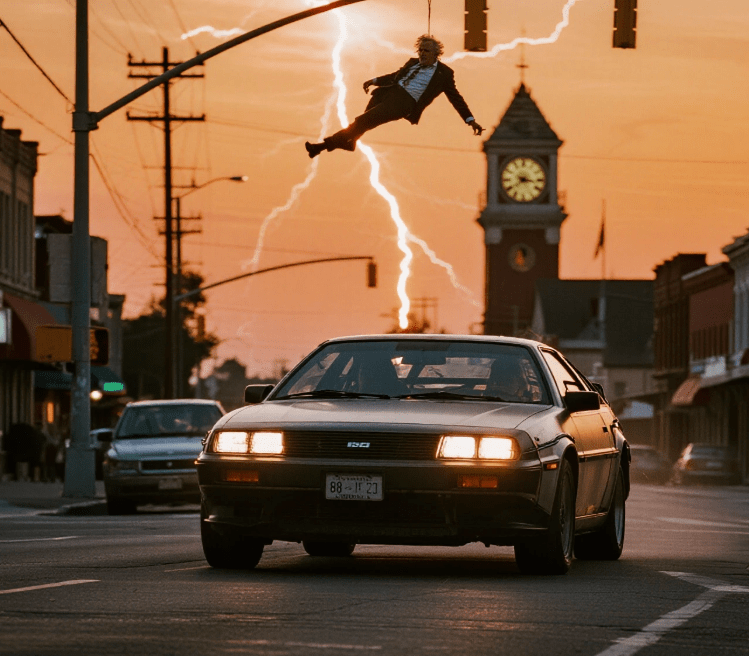
If Louisiana had an official state hobby, it would be reckless driving.
Car accidents remain the number one non-medical cause of death in the state. And no, it’s not just “bad luck.”
Why People Die This Way
- Speeding like the interstate is the Daytona 500
- Distracted driving (phones, food, drama)
- Driving impaired (alcohol, drugs, fatigue)
- Poor road conditions and sudden weather changes
- Not wearing seat belts (still… in 2026…)
Louisiana regularly ranks among the worst states for traffic fatalities per capita, and the highways are basically obstacle courses sprinkled with potholes and bad decisions.
How to Survive It
- Wear your seatbelt. This isn’t optional. This is physics.
- Drive like everyone else is actively trying to kill you (because statistically… they might be).
- Never assume someone will stop at a red light.
- Avoid driving during heavy rain when roads flood fast.
- Keep an emergency kit in your vehicle: flashlight, water, first-aid kit, reflective vest.
Survival rule: Arriving late is better than arriving dead.
2. Drowning (Because Water Is Everywhere)
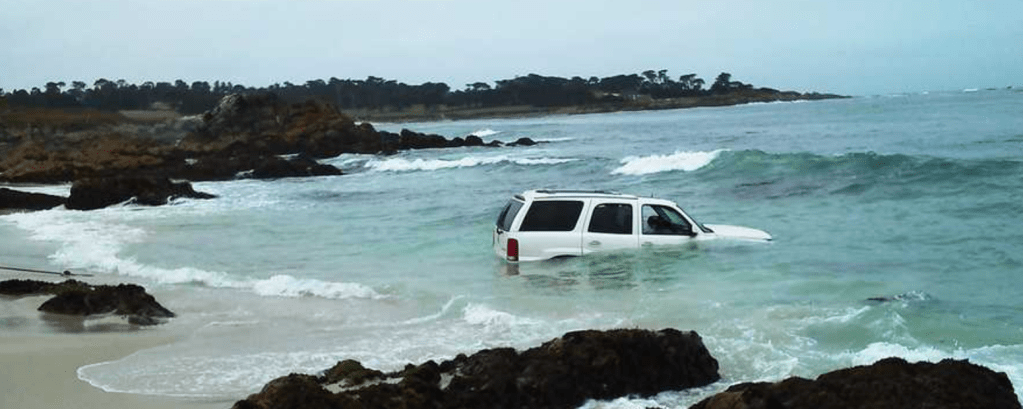
Louisiana is about 50% land, 50% water, and 100% dangerous if you underestimate it.
From rivers and bayous to lakes, canals, and floodwaters, drowning is a constant threat.
Why People Die This Way

- Swimming in rivers with strong currents
- Alcohol involved around water (a bad combo)
- Boating accidents
- Floodwater underestimation
- Children falling into unsecured water sources
Floodwater is especially deadly because it hides:
- Debris
- Downed power lines
- Open drains
- Wildlife that absolutely does not want to be touched
How to Survive It
- Never swim in moving water unless you’re trained.
- Wear life jackets on boats (fashion comes second to breathing).
- Fence pools and secure access points.
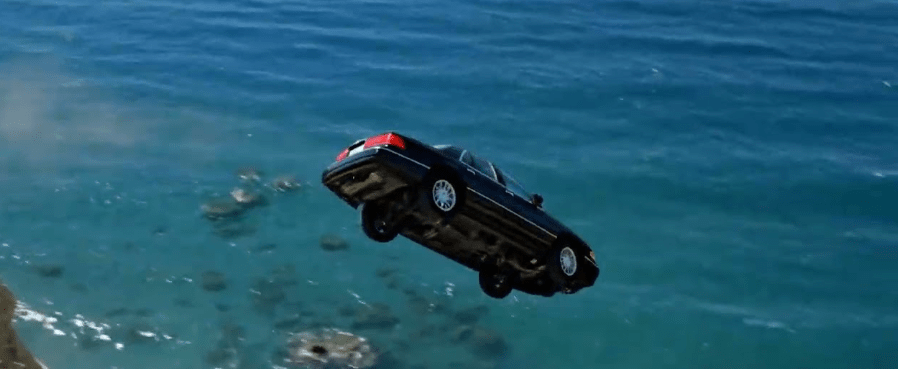
- Never drive into floodwaters. “Turn around, don’t drown” exists for a reason.
- Learn basic water rescue skills—but don’t become victim #2 trying to save someone.
Water doesn’t care how confident you are.
3. Hurricanes and Storm Surge (Nature’s Way of Evicting You)
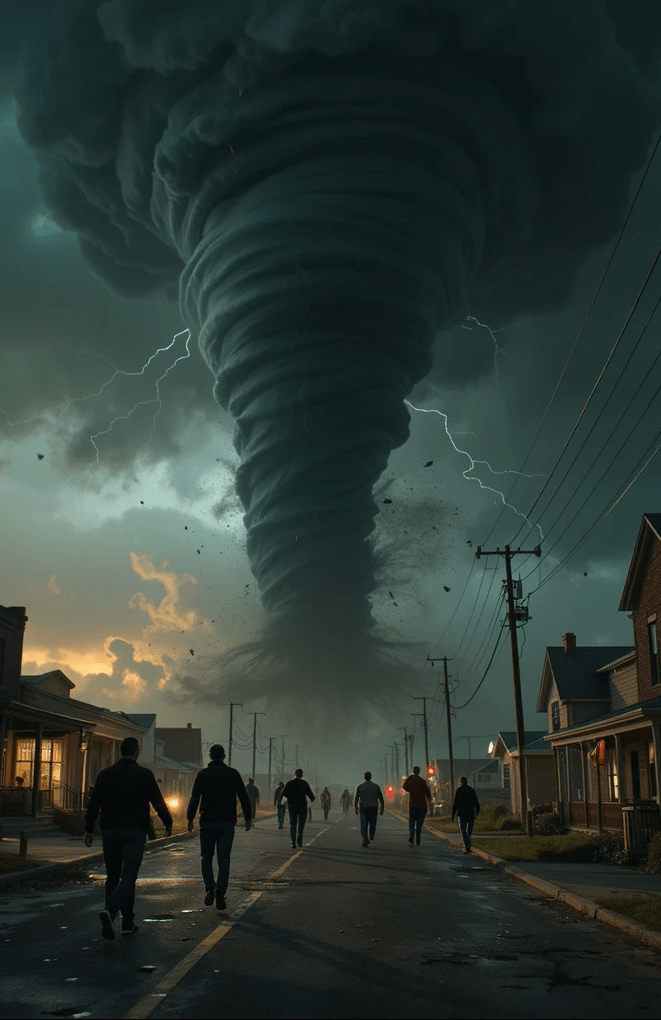
Hurricanes aren’t rare events in Louisiana. They’re seasonal personality traits.
Storm surge and flooding kill more people than wind alone, often after the storm “looks calm.”
Why People Die This Way
- Ignoring evacuation orders
- Underestimating storm surge
- Remaining in flood-prone areas
- Lack of emergency planning
- Generator misuse (carbon monoxide poisoning post-storm)
The hurricane doesn’t have to hit directly. Water moves sideways, upward, and into places it absolutely shouldn’t.
How to Survive It
- Evacuate when told. Pride is not a flotation device.
- Have a go-bag ready before hurricane season.
- Elevate valuables and electrical systems.
- Never run generators indoors or near windows.
- Stay informed through NOAA weather alerts.
Survival tip: You can’t rebuild if you’re not alive.
4. Firearms Accidents and Violence

Louisiana has a strong gun culture—which means responsibility must match access. Unfortunately, accidents and violent encounters claim lives every year.
Why People Die This Way

- Unsafe firearm handling
- Negligent discharges
- Domestic disputes escalating
- Criminal violence
- Lack of situational awareness
Many deaths happen not from intent, but from complacency.
How to Survive It

- Treat every firearm as loaded.
- Store guns securely, especially around children.
- Avoid confrontations whenever possible.
- Practice de-escalation.
- Get professional firearms training.
Survival isn’t about being the toughest—it’s about going home.
5. Extreme Heat (The Louisiana Sauna Effect)

Louisiana heat doesn’t politely ask if you’re hydrated. It just takes you down.
Heat-related deaths occur during outdoor work, recreation, or even indoors without proper cooling.
Why People Die This Way
- Dehydration
- Heat exhaustion turning into heat stroke
- Overexertion
- Alcohol use in high heat
- Lack of air conditioning
Heat stroke kills fast and quietly.
How to Survive It

- Drink water constantly, not “when thirsty.”
- Take breaks in shade or AC.
- Wear breathable clothing.
- Avoid peak sun hours.
- Know the signs of heat illness: dizziness, confusion, nausea.
If you stop sweating, you’re already in trouble.
6. Falls (Yes, Seriously)

Falls kill more people than you think—especially from ladders, roofs, and slick surfaces.
Why People Die This Way
- Wet floors
- Poor lighting
- Unsafe ladders
- Alcohol use
- Flood-related debris
One bad fall can lead to fatal head trauma.
How to Survive It

- Use proper footwear.
- Secure ladders.
- Install handrails.
- Slow down—especially on wet surfaces.
- Don’t mix alcohol with “home improvement.”
Gravity always wins.
7. Boating Accidents
Louisiana loves boats. Unfortunately, boats don’t love recklessness.
Why People Die This Way
- No life jackets
- Alcohol use
- Overcrowded boats
- Poor weather awareness
- Nighttime navigation errors
Water + speed + alcohol = tragedy.
How to Survive It
- Wear a life jacket at all times.
- Check weather forecasts.
- Avoid boating while intoxicated.
- Carry emergency communication devices.
- Learn navigation rules.
Boats float. People don’t.
8. Alligator Encounters (They Were Here First)

Alligators are not mascots. They are apex predators with patience.
Why People Die This Way

- Feeding gators
- Walking pets near water
- Swimming in unsafe areas
- Ignoring warning signs
Gators don’t chase often—but when they do, it’s already too late.
How to Survive It

- Never feed wildlife.
- Keep distance from water edges.
- Walk pets on short leashes.
- Swim only in designated areas.
- If you see a gator, leave the area.
You are not faster. You are not stronger.
9. Industrial and Workplace Accidents

Louisiana’s economy includes oil, gas, construction, and shipping—dangerous industries when safety slips.
Why People Die This Way
- Equipment failure
- Lack of training
- Fatigue
- Ignoring safety protocols
- Pressure to rush jobs
One shortcut can be fatal.
How to Survive It

- Follow safety procedures religiously.
- Use proper PPE.
- Speak up about unsafe conditions.
- Rest when fatigued.
- Respect heavy machinery.
No job is worth your life.
10. Flooding (The Silent Killer)

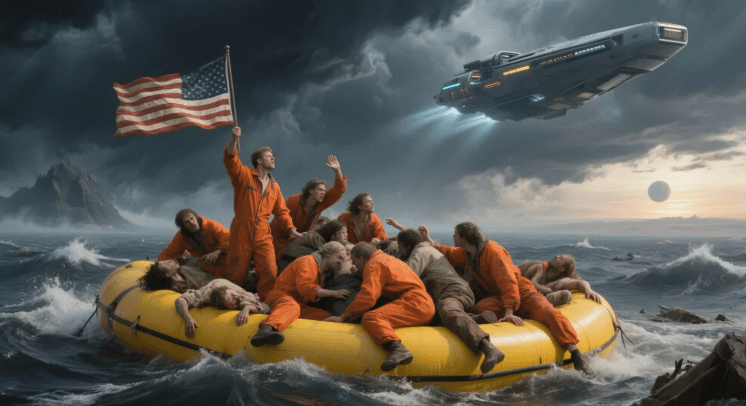
Flooding kills more Louisianans than most people realize.
Why People Die This Way
- Driving into water
- Being trapped in homes
- Flash floods
- Poor drainage systems
- Underestimating water depth
Just six inches of moving water can knock you over.
How to Survive It

- Never walk or drive through floodwater.
- Elevate living areas in flood zones.
- Know evacuation routes.
- Keep emergency supplies ready.
- Respect water warnings.
Floodwater doesn’t care how familiar the road looks.
Final Thoughts from a Survivalist Who Likes to Laugh
Louisiana is wild, beautiful, dangerous, and absolutely worth surviving.
Most deaths on this list are preventable, and survival often comes down to:
- Awareness
- Preparation
- Humility
- Common sense
You don’t need to live in fear—you just need to live prepared.
Stay safe. Stay smart. And remember:
Survival is serious business, but that doesn’t mean we can’t laugh while staying alive.


 TheDailyChristian