Ohio’s Deadliest Bugs – How a Prepared Mindset Can Save Your Life Against these Critters

As a survival prepper, I’ve learned one truth that many people underestimate: the most dangerous threats are often the smallest and most overlooked. In Ohio, people tend to focus on severe weather, power outages, or economic uncertainty. But insects—tiny, silent, and often ignored—can pose serious, sometimes fatal risks under the right conditions.

Let’s be clear and responsible from the start: Ohio does not have “instantly deadly” insects roaming every backyard. However, insects in this region can lead to life-threatening outcomes through allergic reactions, venom toxicity, infections, and disease transmission—especially when preparedness is lacking or medical response is delayed.

This article is not meant to cause fear. It’s meant to build awareness, readiness, and survival discipline. Knowledge keeps you alive. Preparation stacks the odds in your favor.

Below are the most dangerous insects found in Ohio, why they’re dangerous, and what a survival-minded individual can do to reduce risk and stay alive.


1. Mosquitoes: Ohio’s Most Lethal Insect (By Numbers)

If you think mosquitoes are just an itchy nuisance, you’re already behind.

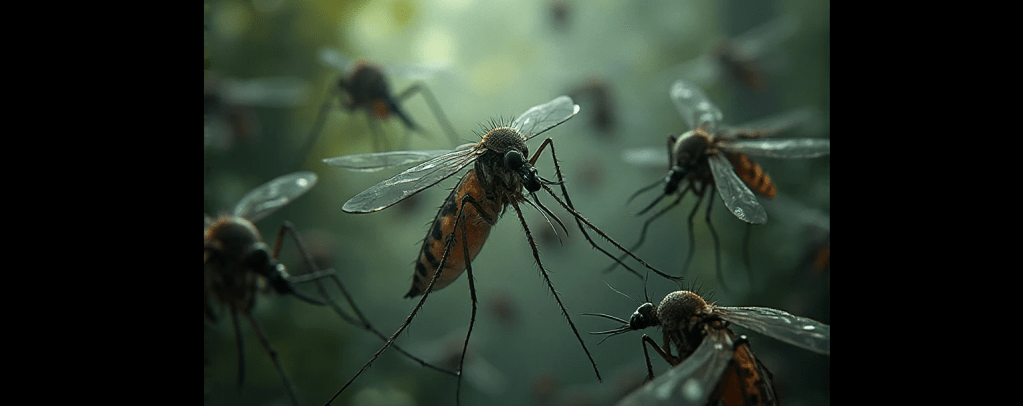
Globally and nationally, mosquitoes are responsible for more human deaths than any other insect due to their role as disease vectors. In Ohio, mosquitoes are known carriers of West Nile virus, Eastern Equine Encephalitis (EEE), and other pathogens that can cause severe neurological complications or death in rare cases.

Why Mosquitoes Are Dangerous

  • They transmit diseases without immediate symptoms
  • Infections can escalate quickly in vulnerable individuals
  • Standing water is common in Ohio’s climate
  • Peak activity aligns with summer outdoor exposure

Survival Prepper Strategy

  • Eliminate standing water around your property weekly
  • Use physical barriers like screens and protective clothing
  • Avoid peak mosquito hours (dawn and dusk)
  • Keep your immune system strong through sleep, nutrition, and hydration

A prepper understands that disease prevention is survival, not convenience.


2. Bees and Wasps: Small Stingers, Massive Risk

Bees, yellowjackets, hornets, and wasps are common throughout Ohio. For most people, a sting is painful but manageable. For others, a single sting can trigger anaphylaxis, a rapid, life-threatening allergic reaction.

Many fatalities linked to insect stings occur because:

  • The person didn’t know they were allergic
  • Emergency care was delayed
  • The sting occurred in a remote area

Why Stinging Insects Are Dangerous

  • Venom can trigger airway swelling and shock
  • Multiple stings increase toxin load
  • Nests are often hidden or disturbed accidentally

Survival Prepper Strategy

  • Learn nest locations on your property
  • Avoid sudden movements around stinging insects
  • Keep emergency response plans when hiking or working outdoors
  • Know the signs of severe allergic reactions and act immediately

Preparedness is not panic—it’s anticipation.


3. Ticks: The Slow Killers Most People Forget

Ticks are not insects technically, but from a survival standpoint, they belong in this discussion.

Ohio has seen a rise in Lyme disease, Rocky Mountain spotted fever, and other tick-borne illnesses. These diseases may not kill quickly, but untreated infections can lead to long-term disability or life-threatening complications.

Why Ticks Are Dangerous

  • Bites are often painless and unnoticed
  • Symptoms may appear days or weeks later
  • Early treatment is critical for survival

Survival Prepper Strategy

  • Perform full body tick checks after outdoor activity
  • Wear light-colored clothing to spot ticks easily
  • Shower soon after exposure to wooded or grassy areas
  • Remove ticks promptly using proper techniques

In survival terms, delay equals danger.


4. Brown Recluse Spiders: Rare, But Serious

Brown recluse spiders are not widespread in Ohio, but confirmed populations exist, especially in southern regions and inside structures.

Their venom can cause severe tissue damage in rare cases and may lead to systemic complications if left untreated.

Why Brown Recluses Are Dangerous

  • Bites may go unnoticed at first
  • Tissue damage can worsen over time
  • Secondary infections increase risk

Survival Prepper Strategy

  • Reduce clutter where spiders hide
  • Shake out clothing and bedding in storage
  • Seal cracks in homes and garages
  • Seek medical evaluation for unexplained, worsening wounds

Prepared living spaces are safer living spaces.


5. Fire Ants and Invasive Stinging Species

While not as established in Ohio as southern states, invasive stinging ants are increasingly reported due to climate shifts and transported materials.

Multiple stings can overwhelm the body, especially in children or those with allergies.

Why They’re Dangerous

  • Aggressive swarm behavior
  • Venom accumulates with multiple stings
  • Can cause systemic reactions

Survival Prepper Strategy

  • Monitor new insect activity on your land
  • Treat infestations early
  • Avoid disturbing mounds
  • Wear protective footwear outdoors

Early detection is a prepper’s best defense.


Environmental Factors That Increase Insect Risk in Ohio

A survival-focused mindset considers conditions, not just creatures.

Factors that increase danger include:

  • Flooding and heavy rainfall
  • Warm, humid summers
  • Abandoned structures
  • Poor sanitation or waste management

Preparedness means controlling your environment, not just reacting to threats.


What To Do If You’re Bitten or Stung

From a survival perspective, response matters more than fear.

General Survival Principles

  • Stay calm to slow venom spread
  • Move away from the insect source
  • Monitor symptoms closely
  • Seek medical care if symptoms worsen or become systemic

Never ignore:

  • Difficulty breathing
  • Rapid swelling
  • Confusion or dizziness
  • Fever following a bite

In survival situations, denial kills. Early action saves lives.


Final Prepper Thoughts: Small Threats, Serious Consequences

The average person underestimates insects because they’re small, common, and familiar. A survival prepper knows better.

In Ohio, insects are unlikely to kill a healthy, prepared individual—but lack of awareness, delayed response, and poor planning turn manageable risks into deadly outcomes.

Preparedness isn’t about fear.
It’s about respecting reality.

Control your environment. Learn the risks. Prepare your response.

That’s how you survive—no matter how small the threat appears.

Paradise Can Kill You: The Top 10 Ways People Die in Hawaii

Hawaii looks like paradise. Turquoise water. Warm trade winds. Lush mountains. Smiling faces.

But paradise has teeth.

I’ve spent years living, training, diving, and hunting in Hawaiian waters and wilderness. I’m a survivalist by trade and mindset, a prepper by necessity, and a shark hunter because understanding apex predators keeps you alive—both in the ocean and on land.

Most people who die in Hawaii don’t die peacefully in their sleep at 90. They die suddenly, violently, or because they underestimated this place.

Hawaii is not Disneyland. It is raw, wild, and indifferent to human error.

This article breaks down the top 10 non–old-age-related ways people die in Hawaii, why they die, and what you must do to avoid becoming another statistic.

This isn’t fear-mongering. This is survival intelligence.


1. Drowning (Ocean, Rivers, and Flash Floods)

The #1 silent killer in Hawaii

Why People Die This Way

Drowning is the leading non-age-related cause of death in Hawaii. Locals know this. Tourists ignore it.

Common reasons:

  • Underestimating rip currents
  • Swimming at unprotected beaches
  • Entering the ocean during high surf advisories
  • Alcohol use before swimming
  • River swimming during rain (flash floods)
  • Overconfidence in personal swimming ability

Hawaii’s ocean is not a pool. It’s a moving battlefield.

Rip currents here are fast, powerful, and invisible. Rivers can turn lethal in minutes due to upstream rain—even when skies are blue where you’re standing.

How to Survive It

Ocean Survival Rules:

  • Swim only at lifeguarded beaches
  • Learn to spot rip currents (dark channels, fewer breaking waves)
  • If caught in a rip: DO NOT FIGHT IT
    • Float
    • Signal
    • Swim parallel when released
  • Never turn your back on the ocean
  • Don’t swim alone

River Survival Rules:

  • If it rained anywhere inland, stay out
  • Avoid narrow valleys and waterfalls after storms
  • Heed warning signs—they exist because people died

Survival mindset: The ocean doesn’t care how confident you feel.


2. Motor Vehicle Accidents (Cars, Motorcycles, Scooters)

Why People Die This Way

Hawaii has narrow roads, blind curves, steep cliffs, and distracted drivers.

Top killers:

  • Speeding on unfamiliar roads
  • Driving tired or intoxicated
  • Tourists unfamiliar with terrain
  • Motorcycle crashes
  • Scooter accidents without helmets

Rain turns roads slick. Locals drive aggressively. Tourists hesitate at the worst moments.

That mix kills people.

How to Survive It

  • Drive defensively, not politely
  • Assume others will do something stupid
  • Avoid night driving in rural areas
  • Never speed on coastal or mountain roads
  • Wear helmets—always
  • If riding a motorcycle: assume invisibility

Prepper rule: Metal, speed, and terrain are unforgiving.


3. Hiking Accidents and Falls

Why People Die This Way

Instagram kills hikers.

People die from:

  • Hiking unmaintained trails
  • Slipping on wet volcanic rock
  • Heat exhaustion
  • Getting lost
  • Falling from ridges or waterfalls

Hawaii’s terrain is vertical and unstable. Mud becomes grease. Rocks crumble. One misstep can mean a 200-foot drop.

How to Survive It

  • Research trails before hiking
  • Avoid “illegal” or “closed” trails
  • Wear real hiking shoes, not sandals
  • Bring more water than you think you need
  • Start early; finish early
  • Tell someone where you’re going

If you don’t see locals hiking it—don’t hike it.


4. Drug Overdose (Including Prescription Drugs)

Why People Die This Way

Hawaii has a serious substance abuse problem beneath the surface beauty.

Common causes:

  • Opioids
  • Methamphetamine
  • Mixing drugs with alcohol
  • Unregulated street drugs
  • Tourists partying harder than their bodies can handle

Isolation increases risk. Help arrives slower in rural areas.

How to Survive It

  • Avoid unknown substances
  • Never mix drugs and alcohol
  • Use the buddy system
  • Carry naloxone if you or friends are at risk
  • Know your limits—and respect them

Survival isn’t macho. It’s disciplined.


5. Suicide

Why People Die This Way

Island life can feel isolating. Cost of living is brutal. Mental health resources are stretched thin.

People struggle silently.

How to Survive It

  • Stay connected
  • Seek help early
  • Watch for signs in others
  • Remove access to lethal means during crisis
  • Understand that asking for help is survival, not weakness

Even the strongest warriors need backup.


6. Shark Attacks (Yes, They Happen)

Why People Die This Way

Shark fatalities are rare—but when they happen, they’re violent and fast.

Contributing factors:

  • Murky water
  • Dawn and dusk swimming
  • Fishing activity nearby
  • Wearing shiny objects
  • Bleeding wounds

Sharks are not monsters. They are apex predators doing their job.

How to Survive It (From a Shark Hunter)

  • Avoid swimming at dawn/dusk
  • Stay out of murky water
  • Never swim near fishermen
  • Remove shiny jewelry
  • If attacked: fight back—eyes, gills, snout
  • Get out fast and control bleeding

Respect sharks. Understand them. Fear ignorance, not teeth.


7. Homicide and Violent Crime

Why People Die This Way

Most violence happens between people who know each other, often involving drugs, alcohol, or domestic disputes.

Tourists are rarely targeted—but complacency kills.

How to Survive It

  • Avoid high-risk neighborhoods at night
  • Don’t escalate conflicts
  • Trust your instincts
  • Secure your home
  • Situational awareness beats weapons

Survival starts with avoidance.


8. Fire and Carbon Monoxide Poisoning

Why People Die This Way

Common causes:

  • Faulty wiring
  • Improper generators
  • Grilling indoors
  • No smoke detectors
  • Poor ventilation

Hawaii homes often lack basements and firebreaks. Fires spread fast.

How to Survive It

  • Install smoke and CO detectors
  • Never use grills indoors
  • Use generators outside only
  • Have fire extinguishers
  • Practice evacuation plans

Fire doesn’t warn you. Prepare anyway.


9. Heat Illness and Dehydration

Why People Die This Way

People underestimate tropical heat.

Causes:

  • Hiking without water
  • Alcohol dehydration
  • Working outdoors without breaks
  • Ignoring early symptoms

Heat kills quietly.

How to Survive It

  • Hydrate constantly
  • Wear light clothing
  • Take shade breaks
  • Know heat exhaustion signs
  • Respect your limits

Water is life. Treat it that way.


10. Natural Disasters (Volcanoes, Flash Floods, Tsunamis)

Why People Die This Way

Hawaii is geologically alive.

Threats include:

  • Lava flows
  • Volcanic gas
  • Earthquakes
  • Tsunamis
  • Flash floods

People die when they ignore warnings.

How to Survive It

  • Know evacuation routes
  • Monitor alerts
  • Have go-bags ready
  • Don’t sightsee disasters
  • Obey authorities

Nature always wins. Adapt or perish.


Final Survival Thoughts from the Field

Hawaii doesn’t kill people randomly.

People die here because they assume paradise means safety.

Survival is about:

  • Awareness
  • Preparation
  • Respect for environment
  • Discipline

Whether you’re swimming, driving, hiking, partying, or just living—Hawaii demands humility.

Survive long enough, and you’ll see its beauty isn’t fragile—it’s lethal.

And it’s worth respecting.

From the Hollers to the Backwoods: Kentucky’s Most Lethal Insects and How to Survive Them

Kentucky doesn’t have jungles or deserts, but don’t let that fool you. Our state is home to several insects that can seriously injure or kill you under the right conditions. Whether it’s venom, allergic reactions, or disease transmission, these insects deserve your respect. Survival isn’t about fear—it’s about knowledge and preparation.

Below are the most dangerous insects in Kentucky and what you need to do to survive an encounter with each one.


1. Mosquitoes: Kentucky’s Silent Killers

If I had to name the most dangerous insect in Kentucky, it wouldn’t be exotic or rare. It would be the mosquito.

Mosquitoes in Kentucky can transmit West Nile virus, Eastern Equine Encephalitis (EEE), and other serious illnesses. Most folks swat them away without thinking, but these diseases can lead to brain inflammation, long-term neurological damage, or death—especially in children and older adults.

Why They’re Dangerous

  • Carry life-threatening viruses
  • Bite unnoticed, often multiple times
  • Thrive near standing water common in Kentucky

Survival Tips

  • Eliminate standing water around your home (gutters, buckets, livestock troughs)
  • Use EPA-approved insect repellents with DEET or picaridin
  • Wear long sleeves and pants at dusk and dawn
  • Install window screens and repair holes immediately

As a prepper, I treat mosquito control as a medical preparedness issue, not a comfort issue.


2. Ticks: Small, Patient, and Deadly

Ticks may not look like much, but in Kentucky they are a serious threat. Lone Star ticks, American dog ticks, and blacklegged ticks are all present here, and they can transmit Rocky Mountain spotted fever, ehrlichiosis, and Lyme disease.

Left untreated, some tick-borne illnesses can cause organ failure or death.

Why They’re Dangerous

  • Carry bacteria that attack the nervous system
  • Can stay attached for days
  • Often go unnoticed until symptoms appear

Survival Tips

  • Perform full body tick checks after time outdoors
  • Shower within two hours of coming inside
  • Treat clothing with permethrin
  • Remove ticks properly using fine-tipped tweezers

In Kentucky, tick checks are as routine as checking the weather.


3. Brown Recluse Spider: The One Every Kentuckian Fears

The brown recluse spider is real, it’s native to Kentucky, and yes—it can absolutely ruin your life.

While bites are rare, when they do occur, the venom can cause tissue necrosis, leading to open wounds, infections, and in extreme cases, systemic illness or death.

Why They’re Dangerous

  • Venom destroys skin and tissue
  • Bites often occur indoors
  • Symptoms may worsen days after the bite

Survival Tips

  • Shake out shoes, clothing, and bedding
  • Reduce clutter in basements and storage areas
  • Seal cracks and entry points in your home
  • Seek medical care immediately if bitten

I don’t panic about brown recluses—but I respect them enough to stay alert.


4. Black Widow Spider: Venom That Attacks Your Nervous System

Black widows also call Kentucky home. Their venom affects the nervous system and can cause intense pain, muscle cramps, and difficulty breathing.

While deaths are rare, they can be fatal for children, the elderly, or anyone with underlying health conditions.

Why They’re Dangerous

  • Neurotoxic venom
  • Pain can escalate quickly
  • Bites often happen in garages or woodpiles

Survival Tips

  • Wear gloves when handling firewood
  • Keep storage areas clean and well-lit
  • Seek medical attention for severe symptoms

Pain doesn’t kill people—delayed treatment does.


5. Wasps, Hornets, and Yellow Jackets: Death by Allergy

Stings from wasps, hornets, and yellow jackets are common in Kentucky, especially in late summer. For most folks, it’s just painful. For others, it’s deadly.

Anaphylaxis can occur within minutes and can shut down breathing completely.

Why They’re Dangerous

  • Highly aggressive when nests are disturbed
  • Multiple stings increase venom load
  • Allergic reactions can be fatal

Survival Tips

  • Identify and avoid nest areas
  • Wear light-colored clothing outdoors
  • Carry an EpiPen if you have known allergies
  • Seek emergency care immediately for swelling or breathing issues

Preparedness means knowing your own medical vulnerabilities.


6. Fire Ants: A Growing Threat in Kentucky

Fire ants are slowly spreading north, and parts of Kentucky are starting to see them. Multiple stings can cause severe allergic reactions and secondary infections.

Why They’re Dangerous

  • Swarm attacks
  • Painful venomous stings
  • Risk of infection from scratching

Survival Tips

  • Watch where you step in fields and yards
  • Treat mounds immediately
  • Wash sting areas and avoid scratching

Fire ants aren’t common everywhere yet—but they’re coming.


7. Kissing Bugs: Rare but Worth Knowing About

Kissing bugs are uncommon in Kentucky, but sightings do occur. They can transmit Chagas disease, which can cause heart failure years after infection.

Why They’re Dangerous

  • Transmit parasites through feces
  • Bite while you’re asleep
  • Long-term health consequences

Survival Tips

  • Seal gaps around doors and windows
  • Keep pets indoors at night
  • Use bed nets if camping or sleeping outdoors

Rare threats still matter in long-term survival planning.


Final Thoughts from a Kentucky Prepper

Living in Kentucky means living close to nature. That’s a blessing—but it comes with responsibility. Insects don’t care how tough you are, how rural you live, or how long your family’s been on the land. They operate on instinct, and they do it well.

Survival isn’t about paranoia. It’s about awareness, prevention, and quick action. Learn the threats. Prep your home. Teach your family. And treat even the smallest creature with respect—because in Kentucky, it doesn’t take much to turn a normal day into a fight for your life.

Avoiding Fatal Stings and Bites: A Prepper’s Guide to Missouri’s Deadliest Insects

Missouri is known for its rolling hills, rivers, and dense forests. The Show-Me State offers incredible opportunities for outdoor adventures, from hiking and camping to fishing and hunting. But lurking in the underbrush, trees, and even your backyard are some of the deadliest insects you could ever encounter. These aren’t your average bugs—they are armed, deadly, and capable of causing serious injury or even death. As a survival prepper, understanding these threats and knowing how to respond can make the difference between life and death.

In this guide, we’ll cover the most dangerous insects in Missouri, their behaviors, the risks they pose, and detailed strategies for preventing, mitigating, and surviving their attacks.


1. The Deadly Stinger: Africanized Honey Bees

Though not native, Africanized honey bees, often called “killer bees,” have been reported in Missouri. These insects are highly aggressive and will attack en masse if provoked. Unlike typical honey bees, Africanized honey bees chase victims long distances, sting multiple times, and can overwhelm even large animals.

Why They’re Dangerous

  • Aggressive Swarming Behavior: If one bee feels threatened, hundreds can attack simultaneously.
  • Multiple Stings: Unlike most bees that sting once, Africanized bees can sting multiple times.
  • Anaphylaxis Risk: Individuals allergic to bee venom can die from a single sting if medical help isn’t available.

Survival Tips

  1. Avoid Disturbing Hives: Never approach an unknown hive or swarm. They may not appear aggressive until it’s too late.
  2. Protective Clothing: When working outdoors in rural areas, wear long sleeves, gloves, and hats to reduce exposed skin.
  3. Escape Strategy: If attacked, run in a straight line and find shelter indoors or in a car. Do not swat—this increases aggression.
  4. Emergency Response: Carry an epinephrine injector if allergic. Seek immediate medical care after multiple stings.

2. The Silent Assassin: Ticks

Missouri’s humid climate and dense woodlands create the perfect environment for ticks. While ticks themselves are small and often go unnoticed, their bite can transmit life-threatening diseases such as Lyme disease, Rocky Mountain spotted fever, and ehrlichiosis.

Why They’re Dangerous

  • Disease Transmission: Lyme disease and Rocky Mountain spotted fever can cause severe illness and even death if untreated.
  • Stealthy Bites: Ticks inject an anesthetic while feeding, making them nearly impossible to detect.
  • Wide Habitat: Ticks are found in forests, tall grasses, and even residential backyards.

Survival Tips

  1. Prevent Contact: Wear long pants tucked into socks and use insect repellents containing DEET or permethrin.
  2. Check Your Body: After outdoor activities, inspect yourself for ticks, paying attention to the scalp, behind ears, and armpits.
  3. Proper Removal: Use fine-tipped tweezers to grasp the tick as close to the skin as possible and pull slowly. Disinfect the bite area afterward.
  4. Know Symptoms: Fever, rash, fatigue, and joint pain could indicate tick-borne disease. Seek medical attention immediately.

3. The Venomous Wasp: Bald-Faced Hornets

Bald-faced hornets, though technically a type of wasp, deserve a special mention. They are common in Missouri and are notorious for their painful stings and aggressive defense of nests.

Why They’re Dangerous

  • Painful Sting: Their venom can cause extreme pain, swelling, and, in rare cases, life-threatening reactions.
  • Aggressive Defense: Hornets will relentlessly attack if their nest is disturbed.
  • Colony Size: A single nest may house hundreds of workers ready to defend their queen.

Survival Tips

  1. Nest Avoidance: Observe the environment for hornet nests, especially in trees, shrubs, or under eaves.
  2. Do Not Provoke: Never attempt to destroy a nest on your own without protective gear.
  3. Protective Measures: If stung, wash the area with soap and water, apply ice to reduce swelling, and take antihistamines if needed. Seek emergency help if allergic reactions occur.

4. The Stealthy Killer: Brown Recluse Spiders

Missouri is home to the brown recluse spider, a venomous arachnid known for its necrotic bites. While fatalities are rare, untreated bites can lead to severe tissue damage, infections, and systemic complications.

Why They’re Dangerous

  • Venomous Bite: The venom can destroy skin tissue and, in rare cases, affect internal organs.
  • Elusive Nature: These spiders hide in dark, dry areas like attics, closets, and woodpiles.
  • Delayed Symptoms: Pain may be mild at first, making victims unaware of the severity.

Survival Tips

  1. Home Inspection: Regularly check closets, basements, and attics for spider activity.
  2. Protective Measures: Wear gloves when handling firewood or old boxes.
  3. Medical Treatment: Clean bites thoroughly and seek medical attention immediately if necrosis or severe pain develops.

5. The Tiny Assassin: Mosquitoes

Though often underestimated, mosquitoes are arguably the deadliest insects in Missouri. Beyond itchy bites, mosquitoes carry viruses such as West Nile Virus, Eastern Equine Encephalitis, and other pathogens.

Why They’re Dangerous

  • Disease Vector: Mosquito-borne illnesses can lead to hospitalization and, in rare cases, death.
  • Rapid Breeding: Mosquito populations explode in standing water, especially after heavy rains.
  • Widespread Presence: Found throughout urban, suburban, and rural areas.

Survival Tips

  1. Eliminate Standing Water: Remove containers, tires, or puddles that can serve as breeding grounds.
  2. Personal Protection: Apply insect repellent and wear long sleeves during peak activity times (dusk and dawn).
  3. Mosquito Nets: Essential for camping or rural survival situations.
  4. Know Symptoms: Fever, body aches, and neurological issues may indicate mosquito-borne illness. Seek medical help promptly.

6. The Deadly Stalker: Fire Ants

While more common in southern states, Missouri occasionally has infestations of red imported fire ants. These insects are extremely aggressive and deliver venomous stings that can trigger allergic reactions.

Why They’re Dangerous

  • Painful Stings: Fire ants inject venom causing burning sensations, blisters, and potential infections.
  • Colony Defense: Disturbing their mound can trigger multiple stings in minutes.
  • Anaphylaxis Risk: Severe allergic reactions can occur in sensitive individuals.

Survival Tips

  1. Avoid Mounds: Do not step near or disturb fire ant colonies.
  2. Protective Clothing: Wear boots and gloves in fields or wooded areas.
  3. First Aid: Wash stings, apply ice, and use antihistamines. Seek emergency care if systemic allergic symptoms occur.

7. General Strategies for Survival Against Insects

Knowing which insects are dangerous is only half the battle. Preppers and survivalists must adopt proactive strategies to reduce the risk of injury or death.

Personal Protection

  • Clothing: Long sleeves, pants tucked into boots, gloves, and hats.
  • Repellents: DEET-based sprays, permethrin-treated clothing, or natural alternatives like oil of lemon eucalyptus.
  • Camping Gear: Use mosquito nets, screen tents, and sealed sleeping bags.

Environmental Awareness

  • Avoid High-Risk Areas: Tall grass, dense forests, and stagnant water are common insect habitats.
  • Inspect Campsites: Check for hives, nests, or colonies before setting up.
  • Clear Surroundings: Remove debris, trim vegetation, and drain water to discourage insects.

Emergency Preparedness

  • Allergy Supplies: Epinephrine injectors, antihistamines, and first aid kits.
  • Medical Knowledge: Recognize symptoms of insect-borne diseases and venomous bites.
  • Communication: Have a plan to reach emergency services if you are in a remote area.

8. Conclusion

Missouri’s natural beauty comes with hidden dangers in the form of deadly insects. From aggressive bees and hornets to stealthy ticks, mosquitoes, and venomous spiders, the state is home to species that can quickly turn a routine outdoor adventure into a life-threatening situation.

As a prepper or outdoor enthusiast, awareness, preparation, and rapid response are key. Respect these insects, understand their behaviors, and adopt strategies to prevent and treat bites or stings. Survival is not just about enduring the elements—it’s about anticipating the threats you can’t always see.

By taking these precautions seriously, you can enjoy Missouri’s great outdoors while keeping deadly insects at bay. Remember: knowledge, preparation, and vigilance are your best tools for surviving the state’s most dangerous bugs.

Maryland’s Most Dangerous Insects No One Warns You About

I don’t write from a place of comfort. I write from a place of responsibility.

Years ago, I was a pilot involved in an accident that took 18 lives. I won’t describe it. I won’t dramatize it. I live with it. Since then, I’ve learned two things that guide how I prepare for survival today: small oversights have massive consequences, and danger is often ignored until it’s too late.

That lesson is why I prepare obsessively, why I respect risk, and why—outside of work and driving—I avoid electricity entirely. Control what you can. Respect what you can’t.

Which brings me to insects.

In Maryland, people worry about storms, crime, and winter outages. They do not worry nearly enough about insects. That’s a problem. Because some of the most dangerous threats in this state don’t announce themselves with teeth or claws. They arrive on six legs, quietly, often unnoticed, and sometimes with permanent consequences.

Below are the insects in Maryland that deserve far more attention than they get.


1. Blacklegged Ticks (Deer Ticks): The Silent Saboteurs

If I had to name one insect that causes more long-term damage in Maryland than any other, it would be the blacklegged tick.

Ticks don’t feel dangerous. They don’t sting. They don’t buzz. They don’t scare children. That’s why they’re ignored.

That’s also why they’re effective.

Blacklegged ticks are known carriers of Lyme disease and other serious illnesses. What makes them especially dangerous is their size—particularly in their nymph stage, when they’re no larger than a poppy seed. People don’t notice them until days later, if at all.

From a prepper’s standpoint, ticks are dangerous because:

  • Exposure is common in suburban yards, not just forests
  • Symptoms can be delayed and hard to trace
  • Long-term health impacts can be life-altering

I’ve seen capable, physically strong adults sidelined for months or years because of a single unnoticed bite. That’s not an exaggeration. That’s poor risk assessment at the community level.


2. Mosquitoes: Disease Delivery Systems with Wings

Marylanders joke about mosquitoes. I don’t.

Mosquitoes are not just irritating; they are biological delivery systems for disease. In this region, they are known carriers of viruses that can affect the nervous system and cause lasting damage.

The danger isn’t every mosquito. The danger is complacency.

Mosquitoes thrive in:

  • Standing water in suburban environments
  • Warm, humid summers (which Maryland has in abundance)
  • Areas where people assume “it’s just a bite”

As someone who plans for cascading failures, I look at mosquitoes as a multiplier threat. In a grid-down or emergency situation, limited medical access turns “minor” illnesses into serious problems quickly.


3. Yellowjackets: Aggression You Can’t Reason With

Most people lump all stinging insects together. That’s a mistake.

Yellowjackets are not passive defenders. They are aggressive, territorial, and capable of stinging multiple times. In Maryland, they often nest underground or inside structures, which means people stumble into them without warning.

Why they matter:

  • They attack in groups
  • They defend territory aggressively
  • They cause severe reactions in sensitive individuals

Even without allergies, multiple stings can be dangerous. In emergency planning, I treat yellowjackets as an environmental hazard, similar to unstable terrain. You don’t negotiate with them. You avoid them—or you suffer the consequences.


4. Northern Black Widow Spiders: Rare, But Not Harmless

Spiders don’t get enough accurate discussion. People either panic or dismiss them entirely.

The northern black widow is present in Maryland, and while bites are uncommon, they are not insignificant. These spiders prefer dark, undisturbed areas—woodpiles, sheds, crawlspaces. Places preppers often use.

The danger here is not frequency. It’s misidentification and delayed response.

Most bites happen when someone reaches into an area without visibility. In survival terms, that’s a preventable failure. Situational awareness applies even at arm’s length.


5. Assassin Bugs (Including Kissing Bugs): Rare but Worth Knowing

Assassin bugs are not widespread, and that’s why no one talks about them. But in preparedness, rarity does not equal irrelevance.

Some species can deliver painful bites, and certain relatives—often called “kissing bugs”—are known elsewhere for disease transmission. While Maryland isn’t a hotspot, sightings have increased in parts of the Mid-Atlantic.

From my perspective, this falls into the category of emerging risk. The kind that catches people off guard because “it’s not supposed to be here.”

That phrase has caused more damage than most storms ever have.


6. Deer Flies and Horse Flies: Pain Is the Least of the Problem

These flies don’t sting. They cut.

Deer flies and horse flies are common in rural and semi-rural Maryland, especially near water. Their bites are painful, yes—but more importantly, they create open wounds.

In survival planning, any insect that breaks skin is a potential infection vector. In warm, humid conditions, untreated wounds escalate fast.

These insects are also persistent. Swatting doesn’t deter them. Planning does.


Why No One Talks About This—and Why That’s Dangerous

In my experience, people avoid discussing slow, inconvenient threats. Insects don’t make headlines. They don’t feel dramatic.

But neither did the chain of small oversights that led to the worst day of my life.

Preparedness isn’t about fear. It’s about honesty. Maryland is not an extreme environment—but it is a complacent one. And complacency is what insects exploit best.

You don’t need to panic. You need to pay attention.

Check your yard. Know what lives in your shed. Teach your family that “small” doesn’t mean “safe.” Survival isn’t always about fighting. Sometimes it’s about noticing what everyone else ignores.

I learned that lesson the hardest way possible.

You don’t have to.

North Dakota’s Deadliest Insects: A Survival Prepper’s Guide to Staying Alive on the Prairie

I’ve spent my whole life watching the horizon.

That’s what North Dakota teaches you. Flat land sharpens the eyes. You learn to read the wind, the clouds, the behavior of animals—and yes, the insects. While some folks think this state is nothing but snow, wheat, and silence, I know better. I’ve seen danger coming from a mile away, sometimes buzzing, sometimes crawling, sometimes so small you don’t notice it until your body starts shutting down.

I can spot a mosquito in a blizzard. I can identify a tick at twenty paces. And I can slow-cook a pot of chili in my sleep without burning it—because survival is about preparation, awareness, and respect for the things that can kill you quietly.

North Dakota doesn’t have jungles or swamps, but don’t let that fool you. Our insects may not look terrifying, but several of them can absolutely end your life if you underestimate them. Some do it through disease. Some through venom. Some through allergic reactions. Some through sheer numbers.

This article isn’t meant to scare you. It’s meant to keep you alive.

If you live in North Dakota, hunt here, work the land, drive the back roads, or even just like camping under the big sky—read this carefully.


Why Insects Are a Serious Survival Threat in North Dakota

People think survival threats come with teeth or claws. Wolves. Bears. Blizzards. And yes, those things matter. But insects are different. They don’t roar. They don’t announce themselves. They don’t wait for permission.

Insects:

  • Strike without warning
  • Spread disease invisibly
  • Cause delayed symptoms
  • Are often ignored until it’s too late

In a state where emergency services can be hours away, a single bite or sting can turn into a medical emergency faster than most people realize.

Let’s talk about the worst offenders.


1. Mosquitoes: North Dakota’s Deadliest Animal

Let’s clear something up right now.

The mosquito is the most dangerous insect in North Dakota. Period.

Not because it looks scary. Not because it hurts that much. But because it kills more people worldwide than any other animal—and North Dakota is prime mosquito territory.

Why Mosquitoes Are So Dangerous Here

North Dakota’s wetlands, rivers, snowmelt pools, and warm summers create perfect breeding conditions. And the real danger isn’t the bite—it’s what comes with it.

Mosquitoes in North Dakota are known carriers of:

  • West Nile Virus
  • Jamestown Canyon Virus
  • Western Equine Encephalitis (rare but deadly)

West Nile alone has hospitalized and killed North Dakotans. Older adults and people with compromised immune systems are especially vulnerable—but anyone can be affected.

How Mosquitoes Can Kill You

  • Brain inflammation (encephalitis)
  • Severe neurological damage
  • Respiratory failure
  • Long-term paralysis
  • Death

Symptoms may start mild—fever, headache, fatigue—then escalate rapidly.

Survival Strategy

This is where prepper discipline saves lives:

  • Wear long sleeves and pants at dawn and dusk
  • Use EPA-approved repellents (DEET, picaridin, oil of lemon eucalyptus)
  • Eliminate standing water around your home
  • Sleep with screens or mosquito netting
  • Never ignore flu-like symptoms after bites

I don’t care how tough you think you are—mosquitoes don’t respect pride.


2. Ticks: Silent Killers in the Grass

Ticks don’t fly. They wait.

And North Dakota has more ticks than most people realize—especially in tall grass, wooded river corridors, and wildlife-heavy areas.

Dangerous Tick Species in North Dakota

  • American Dog Tick
  • Blacklegged Tick (Deer Tick)

These ticks can carry:

  • Lyme disease
  • Anaplasmosis
  • Babesiosis
  • Rocky Mountain spotted fever

How Ticks Can End Your Life

Ticks attach quietly. You may never feel them bite. But the bacteria they transmit can:

  • Shut down organs
  • Cause heart complications
  • Damage the nervous system
  • Become fatal if untreated

Lyme disease alone can lead to chronic illness if not caught early.

Survival Strategy

  • Wear light-colored clothing to spot ticks
  • Tuck pants into socks (yes, you’ll look ridiculous—alive, but ridiculous)
  • Perform full-body tick checks daily
  • Shower after outdoor exposure
  • Remove ticks immediately with fine-tip tweezers

I check myself like a man guarding the last match on Earth. You should too.


3. Bees, Wasps, and Hornets: Death by Allergy or Swarm

Most people survive bee stings. Some don’t.

In North Dakota, we deal with:

  • Honeybees
  • Yellowjackets
  • Paper wasps
  • Bald-faced hornets

The Real Threat: Anaphylaxis

A single sting can cause:

  • Throat swelling
  • Drop in blood pressure
  • Loss of consciousness
  • Cardiac arrest

People often don’t know they’re allergic until it happens.

Swarm Attacks

Disturbing a nest—especially while mowing, hiking, or working—can result in dozens or hundreds of stings. Even non-allergic people can die from:

  • Toxic venom overload
  • Shock
  • Respiratory failure

Survival Strategy

  • Learn where nests form (eaves, sheds, ground holes)
  • Wear protective clothing when working outdoors
  • Carry epinephrine if allergic
  • Do not swat—move away calmly
  • Seek medical help immediately after severe reactions

I’ve seen hornets defend their territory like trained soldiers. Respect that.


4. Blister Beetles: Small, Toxic, and Overlooked

Blister beetles don’t bite. They don’t sting.

They poison.

These beetles release cantharidin, a toxic chemical that causes severe blistering on contact.

Why They’re Dangerous

  • Can cause chemical burns
  • Toxic if ingested
  • Can contaminate hay and livestock feed
  • Dangerous to children and pets

In rare cases, ingestion can lead to:

  • Kidney failure
  • Gastrointestinal bleeding
  • Death

Survival Strategy

  • Never crush beetles on skin
  • Wash exposed areas immediately
  • Keep children from handling insects
  • Be cautious with hay and animal feed

5. Black Widow Spiders: Rare but Deadly Serious

Yes, North Dakota has black widows—especially in sheds, garages, and woodpiles.

Why Black Widows Matter

Their venom is neurotoxic and can cause:

  • Severe muscle cramps
  • Breathing difficulties
  • High blood pressure
  • Intense pain

Deaths are rare but possible, especially without treatment.

Survival Strategy

  • Wear gloves when handling debris
  • Shake out boots and clothing
  • Seek medical care immediately after a bite

6. Deer Flies and Horse Flies: Pain, Infection, and Blood Loss

These flying razors don’t just bite—they slice.

Why They’re Dangerous

  • Painful wounds
  • Risk of infection
  • Disease transmission
  • Blood loss from repeated bites

In survival scenarios, untreated wounds can become life-threatening.

Survival Strategy

  • Wear hats and long sleeves
  • Use repellents
  • Clean bites immediately
  • Watch for infection signs

Why North Dakota Survival Is About Awareness

Insects don’t announce themselves. They don’t care if you’re tough, prepared, or busy.

Survival in North Dakota comes down to:

  • Awareness
  • Prevention
  • Early action

I watch the land. I watch the sky. I watch the bugs.

And while I’m slow-cooking chili in my sleep, my eyes are still open to the things that can hurt the people I care about.


Final Survival Rules to Live By if You’re in North Dakota

  1. Never underestimate small threats
  2. Protect your skin
  3. Act early, not bravely
  4. Teach children insect safety
  5. Respect North Dakota’s quiet dangers

The prairie doesn’t shout. It whispers. And if you’re not paying attention, that whisper can be the last thing you hear.

Stay alert. Stay prepared. Stay alive.

Pennsylvania’s Most Dangerous and Deadly Insects That Will Sneak Up On You!

I’ve slept in deserts where the sand could cook your boots, jungles where the bugs were more dangerous than the enemy, and urban environments where complacency gets you hurt fast. These days I live in New York City, but every summer I pack up and head west into Pennsylvania—woods, mountains, rivers, and quiet towns that look peaceful until you stop paying attention.

And that’s the problem.

Pennsylvania doesn’t have lions, crocodiles, or venomous snakes crawling through every campsite. What it does have is something more dangerous: insects that people underestimate. Small. Quiet. Easy to ignore. Until they put you in the hospital—or worse.

This article isn’t written to scare you. It’s written to prepare you. Whether you’re hiking, camping, gardening, hunting, fishing, or just enjoying a backyard barbecue, you need to know what’s out there, what can hurt you, and how to stay alive and operational.

Because survival isn’t about panic.
It’s about awareness.


Why Insects Are a Serious Threat in Pennsylvania

Pennsylvania sits in a perfect storm of geography and climate. Warm summers, high humidity, dense forests, wetlands, farmland, and expanding suburbs create an ideal breeding ground for insects that bite, sting, inject venom, transmit disease, or trigger severe allergic reactions.

Here’s the reality most people don’t want to hear:

  • More people are injured by insects each year than by large wildlife
  • Allergic reactions kill more Americans annually than venomous animals
  • Disease-carrying insects are increasing due to climate shifts

The danger isn’t always immediate. Sometimes it’s delayed. Sometimes it’s invisible. Sometimes it starts as “just a bite” and ends in a hospital room.

Let’s break down the most dangerous and deadly insects in Pennsylvania, ranked by real-world threat—not hype.


1. Ticks – The Silent Killers of Pennsylvania

If I could eliminate one insect from Pennsylvania, it would be ticks. No debate.

Ticks are responsible for more long-term illness and suffering in this state than any other insect. They don’t sting. They don’t buzz. They don’t warn you. They wait.

Why Ticks Are So Dangerous

Pennsylvania is consistently ranked among the top states in the U.S. for tick-borne diseases, especially Lyme disease.

Ticks in Pennsylvania transmit:

  • Lyme disease
  • Anaplasmosis
  • Babesiosis
  • Ehrlichiosis
  • Powassan virus (rare but severe)

The most dangerous species include:

  • Blacklegged Tick (Deer Tick)
  • American Dog Tick
  • Lone Star Tick

Survival Reality

I’ve seen strong, athletic people reduced to chronic fatigue, joint pain, and neurological problems because they didn’t take ticks seriously.

Ticks can attach without pain. Symptoms may take weeks or months. Early detection is critical.

Prevention Is Non-Negotiable

  • Wear long sleeves and pants in wooded areas
  • Use EPA-approved insect repellents
  • Perform full-body tick checks daily
  • Shower immediately after outdoor exposure
  • Remove ticks properly with fine-tipped tweezers

In survival terms: ticks are patient predators. Treat them like one.


2. Mosquitoes – Pennsylvania’s Most Efficient Killers

Mosquitoes don’t look dangerous. That’s why they win.

Worldwide, mosquitoes kill more humans than any other animal. Pennsylvania isn’t immune.

Diseases Spread by Mosquitoes in PA

  • West Nile Virus
  • Eastern Equine Encephalitis (EEE)
  • Zika (rare but present in travel cases)
  • La Crosse encephalitis

While most mosquito bites are mild, the diseases they transmit can cause:

  • Brain inflammation
  • Permanent neurological damage
  • Death in vulnerable individuals

Why They’re Hard to Defend Against

Mosquitoes breed fast. They adapt. They thrive in:

  • Standing water
  • Wetlands
  • Suburban yards
  • Urban environments

You don’t need wilderness to encounter them.

Prepper’s Rule

Control what you can:

  • Eliminate standing water
  • Use window screens
  • Wear protective clothing at dusk and dawn
  • Use repellents consistently

Never assume “it’s just a mosquito.”


3. Eastern Yellow Jacket – Aggression with Air Support

Yellow jackets aren’t just wasps. They’re organized, territorial, and aggressive.

In Pennsylvania, they are responsible for more emergency stings than bees or hornets combined.

Why Yellow Jackets Are Dangerous

  • They attack in swarms
  • They can sting multiple times
  • They defend ground nests aggressively
  • They are attracted to food, trash, and sugary drinks

Real Risk

For people with allergies, a single sting can trigger anaphylaxis, a life-threatening condition that requires immediate medical intervention.

Even without allergies, multiple stings can cause:

  • Severe pain
  • Swelling
  • Infection
  • Toxic reactions

Survival Advice

  • Never swat at them
  • Identify and avoid ground nests
  • Keep food sealed outdoors
  • Move calmly if one approaches

Confidence and calm save you. Panic gets you stung.


4. Bald-Faced Hornet – The Black-and-White Enforcer

Don’t let the name fool you. The bald-faced hornet is not a hornet—it’s a highly aggressive wasp.

Why They’re a Problem

  • Extremely territorial
  • Large, painful stingers
  • Will pursue perceived threats
  • Nests often hidden in trees and shrubs

Tactical Reality

If you disturb a nest, you may not get one sting—you may get many.

Bald-faced hornets release alarm pheromones when they sting, calling in reinforcements.

Best Practice

  • Identify nests early
  • Never approach or disturb
  • Use professionals for removal
  • Maintain situational awareness while hiking or doing yard work

This is not an insect you “test.”


5. Brown Recluse Spider – Rare, But Serious

While not common across all of Pennsylvania, brown recluse spiders have been confirmed in isolated areas, often transported via boxes, firewood, or storage items.

Why It Matters

Their venom can cause:

  • Tissue damage
  • Severe skin reactions
  • Infection
  • Rare systemic complications

Survival Perspective

You’re unlikely to encounter one outdoors—but basements, sheds, and storage areas are risk zones.

Prevention

  • Shake out clothing and shoes
  • Wear gloves when moving stored items
  • Reduce clutter
  • Seal cracks and entry points

Respect the environment. Don’t blindly reach.


6. Fire Ants – An Expanding Threat

Fire ants are not historically native to Pennsylvania, but warming temperatures and human transport are allowing them to expand northward.

Why Fire Ants Are Dangerous

  • They attack in groups
  • Multiple stings per ant
  • Painful, burning sensation
  • Can cause allergic reactions

Future Risk

Fire ants are a watch list insect. What isn’t widespread now may be in the future.

Preparedness means anticipating change.


7. Kissing Bugs – Rare but Worth Knowing

Kissing bugs are uncommon in Pennsylvania but have been reported.

They can transmit Chagas disease, which can cause serious heart complications over time.

Risk Assessment

Low probability. High impact.

Prepper Rule

Know what they look like. Awareness is half the battle.


Why Insects Kill More People Than You Think

Insects don’t need claws or teeth. They use:

  • Venom
  • Bacteria
  • Viruses
  • Allergic reactions
  • Delayed illness

Most fatalities are not instant. They are preventable.

And prevention is a mindset.


Survival Principles for Insect Safety in Pennsylvania

  1. Awareness beats strength
  2. Preparation beats reaction
  3. Knowledge beats fear
  4. Complacency kills

You don’t need to live scared. You need to live smart.


Final Thoughts from a Former SEAL and Lifelong Prepper

Pennsylvania is beautiful. I vacation there for a reason. But nature doesn’t care about your comfort, your schedule, or your assumptions.

The most dangerous threats often come in the smallest packages.

Respect the insects. Prepare for them. Stay alert.

That’s how you enjoy the woods—and come home intact.

Stay sharp. Stay safe.

Virginia’s Most Dangerous Insects: A Survival Prepper’s Guide to Keeping Your Family Alive and Safe

Virginia is a beautiful state. From the Appalachian Mountains to the Tidewater region, from quiet farmland to dense forests and humid wetlands, it’s a place where families grow, traditions are built, and people look out for one another. But beauty can hide danger, and nature doesn’t give warnings the way people do.

This article is not meant to scare you.
It’s meant to protect you.

Some of the most dangerous threats in Virginia don’t roar, don’t rattle, and don’t announce themselves. They crawl, bite, sting, and infect. Insects may be small, but the damage they cause can be life-altering or fatal if you don’t understand them.

If you live in Virginia — or hike, hunt, camp, or work outdoors here — this knowledge is an act of love. What you’re about to read could save your life or the life of someone you care about.


1. Ticks — Virginia’s Deadliest Insect Threat

If there is one insect in Virginia that truly deserves your respect, it’s the tick.

Ticks are responsible for more serious illness and death than any other insect in the state. They don’t hurt when they bite. They don’t draw attention. And that’s exactly what makes them so dangerous.

Dangerous Tick Species in Virginia

  • Blacklegged tick (Deer tick)
  • Lone star tick
  • American dog tick

Diseases Ticks Transmit

  • Lyme disease
  • Rocky Mountain spotted fever
  • Ehrlichiosis
  • Anaplasmosis
  • Alpha-gal syndrome (red meat allergy)

Some of these diseases attack the nervous system. Others damage the heart or cause internal bleeding. Left untreated, they can be fatal.

How People Get Seriously Hurt

  • Missed tick bites
  • Delayed medical treatment
  • Ignoring flu-like symptoms
  • Assuming a rash or fever “will pass”

Survival & Prevention

  • Wear long sleeves and pants in grassy or wooded areas
  • Use permethrin-treated clothing
  • Perform full body tick checks every day
  • Remove ticks immediately with fine tweezers
  • Seek medical care if symptoms appear within weeks

Ticks don’t care how tough you are. Early action is survival.


2. Mosquitoes — Small, Persistent, and Extremely Dangerous

Mosquitoes thrive in Virginia’s warm, humid climate. Most people think of them as an annoyance, but they are one of the most efficient disease vectors on Earth.

Diseases Spread by Mosquitoes in Virginia

  • West Nile virus
  • Eastern equine encephalitis (EEE)
  • La Crosse encephalitis
  • Zika virus (rare, but present)

These viruses can cause brain inflammation, seizures, long-term neurological damage, and death.

Why Mosquitoes Are So Dangerous

  • You don’t feel the bite immediately
  • Symptoms can take days to appear
  • Children and elderly are most at risk

Survival & Prevention

  • Remove standing water around your home
  • Use DEET or picaridin repellents
  • Wear long clothing at dawn and dusk
  • Use mosquito nets when sleeping outdoors
  • Seek medical care for fever, headache, or neck stiffness

Protecting against mosquitoes protects entire families.


3. Eastern Yellowjackets — Aggression Without Mercy

Yellowjackets are extremely common in Virginia, and they are responsible for more insect-related emergency room visits than almost any other insect.

They are not passive. They defend their nests aggressively and often attack in swarms.

Why Yellowjackets Kill

  • Multiple stings in seconds
  • Venom toxicity
  • High risk of anaphylaxis
  • Nests often hidden underground

People are stung while mowing lawns, gardening, hiking, or simply walking barefoot.

Survival & Prevention

  • Watch for insect traffic near the ground
  • Never disturb ground nests
  • If attacked, run fast and straight
  • Do not swat or panic
  • Seek emergency care after multiple stings

Prepared awareness prevents tragedy.


4. Bald-Faced Hornets — Virginia’s Aerial Enforcers

Bald-faced hornets are large, intimidating, and highly territorial. Their nests are often found in trees, under eaves, or near structures.

Why They’re So Dangerous

  • Extremely painful stings
  • Swarm attacks common
  • Can sting repeatedly
  • High venom load

Stings to the face or throat can block airways quickly.

Survival & Prevention

  • Identify nests early
  • Never approach or throw objects at nests
  • Run immediately if attacked
  • Protect face and neck
  • Carry an EpiPen if allergic

Distance saves lives.


5. Paper Wasps — Familiar but Still Dangerous

Paper wasps often live close to people — under decks, porch roofs, and sheds. They’re less aggressive than hornets, but still capable of serious harm.

Why They Matter

  • Extremely painful stings
  • Group defense behavior
  • Anaphylaxis risk

Many people are stung while doing home maintenance.

Survival & Prevention

  • Inspect structures regularly
  • Remove nests early in the season
  • Wear protective clothing
  • Seek medical help for systemic reactions

Home safety is survival.


6. Fire Ants — A Growing Threat

Fire ants are expanding northward, and Virginia has already seen infestations in some regions.

Why Fire Ants Are Dangerous

  • Swarm attacks
  • Venom causes burning pustules
  • High risk for allergic reactions
  • Can attack sleeping people or children

Survival & Prevention

  • Avoid soil mounds
  • Treat infestations professionally
  • Wash bites immediately
  • Monitor for infection or swelling

Climate change means new threats — preparedness must adapt.


7. Brown Recluse Look-Alikes (Misidentified Danger)

While true brown recluse spiders are rare in Virginia, several insects and spiders cause necrotic wounds often blamed on insects.

Why This Matters

  • Delayed treatment leads to tissue damage
  • Secondary infection risk
  • Misdiagnosis causes worsening injury

Survival & Prevention

  • Clean all wounds thoroughly
  • Monitor for spreading redness
  • Seek medical care for necrotic symptoms

Ignoring wounds is never strength.


8. Blister Beetles — Chemical Burns in Insect Form

Blister beetles release a toxin called cantharidin that causes severe blistering.

Why They’re Dangerous

  • Chemical burns on skin
  • Severe reactions if ingested
  • Risk to children and livestock

Survival & Prevention

  • Do not crush on skin
  • Wash immediately after contact
  • Avoid contaminated food or hay

Pain is your warning sign.


9. Horse Flies and Deer Flies — Blood Loss and Infection

These flies don’t inject venom, but their bites tear skin and cause heavy bleeding.

Why They Matter

  • Open wounds
  • Infection risk
  • Dangerous distraction during outdoor activity

Survival & Prevention

  • Wear protective clothing
  • Use head nets
  • Disinfect bites immediately

Small injuries become big problems if ignored.


10. Bed Bugs — Psychological and Physical Breakdown

Bed bugs won’t kill you directly, but they destroy sleep, weaken immune systems, and increase infection risk.

Why Survivalists Care

  • Chronic sleep deprivation
  • Secondary skin infections
  • Mental health strain

Survival & Prevention

  • Inspect sleeping areas
  • Heat-treat clothing
  • Maintain clean sleeping conditions

Rest is survival.


Final Words from a Virginian Prepper Who Cares

Everything in this article comes from one place: love for people.

Preparation isn’t paranoia. It’s compassion. It’s making sure parents come home, kids stay healthy, and neighbors don’t suffer because no one warned them.

Virginia is worth protecting.
And so are you.

Knowledge is the first line of defense — and sharing it might be the most powerful survival skill of all.

Stay aware. Stay prepared. And look out for one another.

These Oklahoma Insects Can End Your Life — Read This Before You Learn the Hard Way

I’ve spent decades teaching Americans how to stay alive in environments that don’t care about your opinions, your comfort, or your excuses. I’ve personally helped save over 20,000 lives through survival training, preparedness planning, and hard truths most people don’t want to hear.

And here’s one of those truths: Oklahoma is not as safe as people think.

Everyone worries about tornadoes and ignores the smaller threats crawling, biting, stinging, and infecting people every single year. That’s the kind of ignorance that gets people hospitalized—or killed. Insects may be small, but they don’t need size when they have venom, disease, and human stupidity working in their favor.

Let’s talk about the most dangerous insects in Oklahoma, why they’re lethal, and what you must do to survive them.


1. Brown Recluse Spider — Oklahoma’s Silent Flesh-Eater

If there is one creature in Oklahoma that has ruined more lives than it should, it’s the brown recluse spider.

This spider thrives in Oklahoma homes, barns, sheds, garages, and closets. Its venom is necrotic, meaning it kills tissue. Left untreated, a bite can lead to open wounds, infection, permanent scarring, or systemic reactions that can be fatal in rare cases.

Why it kills:

  • Tissue destruction
  • Secondary infection
  • Delayed medical response due to painless initial bite

Survival rules:

  • Never leave shoes, gloves, or clothing on the floor overnight
  • Shake everything before wearing it
  • Seal cracks, reduce clutter, and eliminate their hiding places
  • If bitten, seek medical attention immediately — waiting is how tissue dies

I’ve seen tough men lose chunks of flesh because they thought they could “walk it off.” Nature does not care about your pride.


2. Black Widow Spider — Venom That Shuts the Body Down

The black widow doesn’t play games. Its venom attacks the nervous system, causing muscle spasms, respiratory distress, and severe pain.

Healthy adults may survive with treatment. Children, the elderly, and people with medical conditions often don’t get that luxury.

Why it kills:

  • Respiratory failure
  • Nervous system overload
  • Delayed treatment

Survival rules:

  • Wear gloves when reaching into dark areas
  • Treat all woodpiles, sheds, and outdoor furniture as hostile territory
  • Severe cramping, chest pain, or breathing trouble = emergency room immediately

This isn’t fear-mongering. This is reality.


3. Fire Ants — Death by Swarm

Fire ants aren’t impressive individually. That’s the mistake people make.

They attack as a coordinated swarm, injecting venom repeatedly. In Oklahoma, fire ant attacks have caused fatal anaphylactic shock, especially in children and people with allergies.

Why they kill:

  • Multiple venom injections
  • Allergic shock
  • Panic leading to delayed escape

Survival rules:

  • Learn where mounds are and eliminate them properly
  • If attacked, run immediately and brush ants off aggressively
  • If you have allergies, carry an epinephrine injector — no exceptions

Fire ants kill not because they’re powerful, but because people underestimate them.


4. Kissing Bugs — The Disease Carrier Nobody Talks About

The kissing bug is present in Oklahoma, and most people have never even heard of it. That ignorance is dangerous.

This insect can transmit Chagas disease, a parasitic infection that can quietly destroy your heart over years before killing you.

Why it kills:

  • Long-term heart damage
  • Silent infection
  • Misdiagnosis

Survival rules:

  • Seal cracks around doors and windows
  • Reduce outdoor lighting near sleeping areas
  • Never ignore unexplained swelling near the face after a bug bite

Slow deaths are still deaths.


5. Scorpions — Small, Fast, and Underrated

Oklahoma is home to striped bark scorpions, and while most stings aren’t fatal, children and elderly victims are at serious risk.

Scorpion venom affects the nervous system and can cause breathing problems, convulsions, and cardiac issues.

Survival rules:

  • Always wear shoes at night
  • Shake bedding and towels
  • Seek medical help for severe reactions immediately

Nighttime is when people let their guard down — and that’s when scorpions win.


6. Wasps and Hornets — Flying Medical Emergencies

Wasps don’t just sting — they attack repeatedly, especially when nests are disturbed. In Oklahoma, wasp stings kill people every year due to allergic reactions.

Why they kill:

  • Anaphylaxis
  • Multiple stings
  • Delayed emergency response

Survival rules:

  • Never attempt nest removal without protection
  • Run, don’t swat
  • Any swelling of the throat or difficulty breathing = emergency care

Ego kills faster than venom.


7. Mosquitoes — The Disease Delivery System

Mosquitoes spread West Nile virus and other illnesses across Oklahoma every year. You don’t need dozens of bites — just one infected mosquito.

Why they kill:

  • Brain inflammation
  • Organ failure
  • Vulnerable populations

Survival rules:

  • Eliminate standing water
  • Use proper repellents
  • Protect children and elderly aggressively

Mosquitoes don’t need strength. They outsource the killing to disease.


Final Survival Reality Check for Oklahoma Residents

The modern world has made people soft, distracted, and dangerously overconfident. Oklahoma’s insects don’t need to hunt you — they wait for you to make mistakes.

Survival isn’t about fear. It’s about respecting threats, preparing intelligently, and acting fast when things go wrong.

I’ve saved lives because I tell people what they don’t want to hear. If this article keeps even one person from losing a limb, a child, or their life, then it’s done its job.

Stay alert. Stay prepared. And never underestimate what can crawl, sting, or bite its way into your obituary.

New York’s Most Dangerous Insects and How to Stay Alive

Most New Yorkers believe danger comes with sirens, crime statistics, or subway platforms at 2 a.m. They look up at skyscrapers and down at their phones, convinced that nature is something safely locked away in upstate forests or petting zoos. That assumption is a liability.

As a professional survival prepper, I don’t subscribe to the fantasy that concrete replaces biology. New York State—yes, including the city—is home to insects capable of killing you quietly, painfully, and often with no warning at all. You don’t need to be camping in the Adirondacks to be at risk. You just need to be unprepared, distracted, or ignorant.

This article isn’t written to scare you—it’s written to keep you alive. Whether you live in a Manhattan high-rise, a Brooklyn brownstone, or a rural cabin upstate, insects don’t care about your zip code.

Let’s talk about the most dangerous insects in New York State, how they can end your life, and what you can do to survive them.


1. Deer Ticks (Blacklegged Ticks)

Threat Level: High
Primary Danger: Lyme disease, anaplasmosis, babesiosis
Where Found: Statewide, especially wooded areas, parks, suburban yards

Ticks don’t sting, buzz, or announce themselves. That’s what makes them so dangerous. The blacklegged tick, commonly known as the deer tick, is responsible for Lyme disease—a condition that can destroy your nervous system, joints, heart, and cognitive function if untreated.

In severe cases, untreated tick-borne illness can lead to heart failure, neurological damage, or death.

How to Survive:

  • Wear long sleeves and pants in grassy or wooded areas—even in city parks.
  • Use permethrin-treated clothing and EPA-approved insect repellent.
  • Perform full-body tick checks daily.
  • Remove ticks immediately with fine-tip tweezers.
  • Seek medical attention if flu-like symptoms appear weeks after exposure.

Ignoring ticks because you live “in the city” is a rookie mistake.


2. Mosquitoes

Threat Level: High
Primary Danger: West Nile Virus, Eastern Equine Encephalitis (EEE)
Where Found: Statewide, especially near standing water

Mosquitoes are responsible for more human deaths worldwide than any other creature. New York is no exception. West Nile Virus appears every year, and while many survive, severe cases can cause brain swelling, paralysis, and death.

EEE is rarer but far more lethal, with mortality rates up to 30%.

How to Survive:

  • Eliminate standing water near your home.
  • Install window screens and repair gaps.
  • Wear light-colored, long clothing outdoors.
  • Use DEET or picaridin repellents.
  • Take fevers and neurological symptoms seriously—seek care immediately.

That backyard barbecue or rooftop hangout isn’t harmless.


3. Yellowjackets

Threat Level: Very High
Primary Danger: Anaphylactic shock
Where Found: Parks, garbage areas, backyards, city infrastructure

Yellowjackets are aggressive, territorial, and common in New York. Unlike bees, they sting repeatedly. For individuals with venom allergies—many of whom don’t know it yet—one sting can cause rapid airway closure and death within minutes.

Urban environments actually increase encounters due to trash and food waste.

How to Survive:

  • Avoid bright clothing and strong scents outdoors.
  • Keep food sealed and garbage secured.
  • Never swat—slowly back away.
  • Carry an EpiPen if you’ve had reactions before.
  • Call emergency services immediately if swelling or breathing difficulty occurs.

One sting is all it takes.


4. Bald-Faced Hornets

Threat Level: Extreme
Primary Danger: Multiple stings, venom overload
Where Found: Trees, utility poles, building edges

Despite the name, bald-faced hornets are aggressive wasps with powerful venom. Disturbing a nest—even accidentally—can result in dozens of stings in seconds.

Venom toxicity and allergic reactions can be fatal, even in healthy adults.

How to Survive:

  • Identify and avoid aerial nests.
  • Never attempt DIY removal.
  • Hire professionals for nest elimination.
  • If attacked, run immediately and seek shelter.
  • Get medical care after multiple stings.

Bravery doesn’t beat venom.


5. Fire Ants (Emerging Threat)

Threat Level: Growing
Primary Danger: Allergic reactions, infection
Where Found: Southern NY (spreading north)

Fire ants are slowly expanding northward. Their stings cause intense pain, blistering, and in some cases anaphylaxis.

Urban heat islands make cities ideal breeding grounds.

How to Survive:

  • Watch for mound-like nests.
  • Avoid walking barefoot outdoors.
  • Treat stings immediately.
  • Seek emergency help for systemic reactions.

Climate change doesn’t ask permission.


6. Brown Recluse (Rare but Possible)

Threat Level: Moderate but Serious
Primary Danger: Necrotic venom
Where Found: Occasionally transported via shipments

While not native, brown recluse spiders occasionally appear via freight and storage areas. Their venom can cause tissue death, infection, and systemic illness.

How to Survive:

  • Shake out stored clothing.
  • Use gloves in basements and storage units.
  • Seek medical care for unexplained necrotic wounds.

Rare doesn’t mean impossible.


7. Fleas

Threat Level: Moderate
Primary Danger: Disease transmission, severe infection
Where Found: Pets, rodents, subways, buildings

Fleas historically carried plague. Today, they still transmit disease and cause severe infections, especially in unsanitary environments.

How to Survive:

  • Treat pets regularly.
  • Control rodent infestations.
  • Clean living spaces thoroughly.

Urban density multiplies risk.


Final Survival Advice for New Yorkers

The New York City lifestyle teaches dependence—on infrastructure, services, and assumptions of safety. Insects don’t care about any of that.

Survival comes down to:

  • Awareness
  • Prevention
  • Rapid response

You don’t need to love the outdoors to respect its threats. You just need to be prepared.

Because bugs don’t care how tough you think you are—or how urban your life looks on Instagram.