Texas Worst Roads to Drive on During a Disaster

Texas’s Worst Roads to Drive on During a Disaster

By a Well-Traveled Survivalist Who’s Seen the Best and the Worst of the Road

I’ve crisscrossed the American backroads more times than I can count, from snowbound Colorado passes to hurricane-ravaged Gulf shores. But let me tell you something—Texas is a different kind of beast. It’s big, it’s brash, and when disaster strikes, some of its roads become outright death traps. Whether you’re facing a flood, a wildfire, or another gridlocked evacuation, the road you choose may decide whether you make it out—or not.

Over the years, I’ve built up a set of survival driving skills that have saved my hide more than once, and I’m going to share them with you. But first, let’s talk about the roads in Texas you’ll want to avoid like a snake nest in a dry creek bed during a crisis.


Roads You Don’t Want to Be On When SHTF in Texas

1. Interstate 35 (I-35) – From Laredo to Dallas-Fort Worth

This artery is always congested, even on a good day. In a disaster, I-35 turns into a parking lot. You’re better off knowing every farm-to-market road that parallels it if you want to stay mobile.

2. Highway 290 – Austin to Houston

Flood-prone and often backed up, especially during hurricane evacuations. If water’s coming in fast or the storm’s already spun in, steer clear.

3. Interstate 10 (I-10) – Beaumont to San Antonio

When hurricanes hit, this corridor clogs up fast. It’s wide open in places, making it a wind tunnel in a storm or a frying pan in a fire.

4. Highway 6 – College Station to Houston

Tends to become a nightmare of stalled cars, especially during major storm evacuations. Low-lying sections are prone to flash flooding.

5. Loop 610 – Houston

In any kind of urban disaster, this loop can trap you like a hog in a snare. You’ll be surrounded, boxed in, and stressed to the limit.

6. Interstate 20 (I-20) – Dallas to Midland

Prone to pileups, and in a panic-driven escape, people drive like they’ve lost their minds. Visibility drops quick in West Texas dust storms.

7. US 59 – Laredo to Houston

A major route for trucking and border traffic—clogged with semis and trailers. Don’t get caught behind jackknifed rigs.

8. Farm to Market Road 1960 – North of Houston

Overbuilt, under-maintained, and a mess during any kind of storm or power outage.

9. Spaghetti Bowl – Dallas Interchange (I-30/I-35E/I-345)

Try navigating this complex tangle when the lights go out or the GPS is dead. Not a good place to be when you’re trying to keep moving.

10. State Highway 288 – Houston to Angleton

Floods fast, drains slow. There are some stretches where water lingers like bad company after a storm.


15 Survival Driving Skills That Could Save Your Life

When the pressure’s on and seconds count, driving becomes more than just a means of transport—it becomes a survival skill. Here are 15 techniques I swear by:

  1. Know Your Terrain: Study the backroads before the disaster strikes. Keep a paper map—GPS won’t always be there.
  2. Brake Control on Slopes: Learn how to pump or feather your brakes going downhill to avoid lock-up or skidding.
  3. Hydroplaning Recovery: Ease off the gas, steer straight. Do not brake hard or jerk the wheel.
  4. Driving Through Floodwater: Never if it’s over 6 inches deep—but if you must, go slow and steady. Keep engine revs up and don’t stop.
  5. Night Vision Driving: Use your low beams in fog or smoke, and keep your windshield spotless to reduce glare.
  6. Off-Road Evasion: Learn how to jump a curb or veer off-road without flipping your rig. Know your clearance and approach angles.
  7. Manual Gear Use (Even in Automatics): Downshifting can help with control in hilly terrain or when brakes are failing.
  8. Traffic Weaving: Keep a buffer zone and learn how to “thread the needle” when stalled traffic gives you only inches to work with.
  9. Engine Overheat Management: If you’re stuck crawling in heat, kill the A/C, idle in neutral, and blast the heat to draw off engine temp.
  10. Using Medians or Ditches: If blocked in, use grassy medians or shallow ditches as escape paths—know how your vehicle handles uneven ground.
  11. Fuel Efficiency Mode: Light throttle, early shifts, and coasting techniques to stretch every last drop of fuel.
  12. Aggressive Exit Maneuvers: Practice quick U-turns, reversing at speed, and J-turns if you’re in open space and need to evade.
  13. Flat Tire Management: Know how to drive 2–3 miles on a rim or flat if safety demands it. Destroying a wheel is better than losing your life.
  14. Mirror Discipline: Never stop checking your six. Rear-view awareness in chaos keeps you ahead of threats and opportunities.
  15. Team Convoy Tactics: If traveling with others, stagger formation, use radios, and assign lead/scout/cleanup roles for safety.

3 DIY Survival Driving Hacks When You Run Out of Gas

When that needle hits E and you’re nowhere near civilization, ingenuity is your best friend. These aren’t perfect, but they can give you the edge to get out alive:

1. Siphon From Abandoned Vehicles (Legally & Ethically)

Always carry a siphon kit. Even when power’s out, fuel sits in tanks. Make sure you know how to bypass anti-siphon valves. Target older vehicles for ease.

2. Alcohol-Based Emergency Burn Mix

In an absolute pinch, a high-proof alcohol mix (like Everclear) can serve as a limited substitute in older gasoline engines. It burns hotter and faster, so use cautiously and only short term. Test before relying on it.

3. Gravity Drain From Fuel Line

If you have access to a vehicle with a punctured fuel system, you can gravity-drain fuel by disconnecting the line beneath the tank (ideally while wearing gloves and using a container). Dangerous, yes, but useful.


Final Thoughts

Texas is a land of beauty, pride, and wide horizons. But it’s also a place where a lack of planning can get you stranded in a flooded bayou, trapped in bumper-to-bumper traffic, or worse. Don’t count on authorities to save you—they’ll be busy. Your best shot at survival is knowledge, practice, and readiness.

When the sky darkens and the roads jam up, you want to be the one who’s already moving. Not the one looking at taillights and rising water.

Stay sharp. Stay mobile. Stay alive.


South Carolina’s Worst Roads to Drive on During a Disaster

Driving Through the Storm: Survivalist Strategies for Navigating South Carolina’s Worst Roads in a Disaster

If there’s one lesson I’ve learned after years of traversing war zones, hurricane paths, and backcountry roads from the Appalachian hills to the swamps of Louisiana, it’s this: you don’t survive a disaster by luck—you survive by preparation and skill. South Carolina, with its thick pine forests, low-lying flood zones, and hurricane-prone coastlines, offers up a unique challenge to the survival-minded driver. When natural disasters hit—be it hurricane, flood, or even civil unrest—your ability to get in your rig and move can mean the difference between life and death.

I’ve driven every stretch of this state, from the marshy edges of Beaufort to the washed-out farm roads of Marion County. And I’ve seen what happens when people panic and rely too much on GPS and too little on grit. Below, I’ll break down 15 survival driving skills that will keep you mobile when others are stranded. I’ll also give you three DIY hacks for when your fuel runs dry—because out there, ingenuity is often your best co-pilot.

But before we dive in, you need to understand something about South Carolina’s roads during a crisis: they can become death traps.


South Carolina’s Worst Roads in a Disaster Scenario

South Carolina doesn’t lack for challenging terrain even on a blue-sky day. Add a natural disaster and you’re looking at some serious trouble zones. The worst roads? They’re the ones most likely to flood, clog, or collapse.

  1. US-17 (Charleston to Georgetown) – Beautiful coastal views, sure—but a hurricane’s dream target. Storm surge floods this route quickly, and it turns into a swampy mess fast.
  2. I-26 (Charleston to Columbia) – One of the main evacuation routes during hurricanes. It gets clogged fast, and if authorities reverse lanes (contraflow), you’re stuck in a one-way funnel.
  3. SC-9 (Marlboro and Horry Counties) – Known for low visibility and poor maintenance, especially near flood zones.
  4. US-501 (Conway to Myrtle Beach) – A bottleneck in every evacuation. Flooding and traffic jams make it impassable in hours.
  5. I-95 near Lake Marion – This stretch is susceptible to wind damage and long-term closures. Fallen trees, washed-out bridges—you name it.
  6. SC-41 through Jamestown – Low bridges and thick woods make it hard to navigate post-disaster.
  7. Old Charleston Highway (Beaufort County) – Narrow and often surrounded by swampy ditches.
  8. Rural routes through the Pee Dee region – Poor signage, washouts, and zero cell reception.
  9. Greenville’s mountain foothill backroads – Prone to landslides during heavy rains.
  10. Backroads of McCormick and Edgefield Counties – Gorgeous but deserted—if you break down, you’re on your own.

15 Survival Driving Skills to Master Now

  1. Off-Road Navigation
    GPS is great until it isn’t. Learn to read a paper map and orient by sun or compass. Disasters knock out satellites and towers.
  2. Driving Without Headlights
    In some situations—like avoiding attention—you need to drive stealth. Use low-beam techniques, moonlight, or red LED cabin lights to see without becoming a target.
  3. Emergency Braking on Wet Roads
    ABS systems don’t work well on washed-out roads. Practice controlled skids and pump-braking on gravel and mud.
  4. Water-Crossing Tactics
    If water is less than two feet deep, drive slowly and steadily. Never stop in the water. Avoid fast-moving current at all costs.
  5. Changing a Tire in the Dark
    Do it blindfolded if you must. You won’t always have daylight—or time.
  6. Driving With One Tire Flat
    Practice limp-driving to safety. Know how far your vehicle can go on a flat before the rim gives.
  7. Hand Signals and Silent Communication
    If radios fail and you’re traveling in a convoy, hand signals are gold.
  8. Fuel Rationing and Efficiency Driving
    Use coasting, skip-shifting, and low-RPM driving to conserve every drop.
  9. Jumpstarting Without Cables
    Push start if you drive manual, or use a rope-tow method with another vehicle.
  10. Vehicle Armor on the Fly
    Sheet metal, wood, or even filled sandbags can turn your SUV into a rolling bunker if civil unrest breaks out.
  11. Improvised Chains and Traction Aids
    Zip ties, paracord, or even floor mats can help you escape a muddy trap.
  12. Hotwiring Older Vehicles
    Not for fun—sometimes you’ll find an abandoned ride that could save your life. Know how to start older, non-chip-key vehicles in an emergency.
  13. Low-Visibility Convoy Movement
    If dust or rain limits visibility, tail light discipline and spacing keeps your team together.
  14. Driving with Damaged Windshields
    Pack clear plastic and duct tape—it won’t be perfect, but it’s better than shattered glass cutting you up.
  15. Escape and Evasion Driving
    Practice quick U-turns, J-turns, and ditch exits in safe conditions. These maneuvers aren’t just for movies—they save lives.

3 DIY Survival Driving Hacks When You’re Out of Gas

Let’s face it, fuel is often the first thing to go in a disaster. Every car in the county hits the pumps at once. Here’s how to stay mobile when the needle hits E.

  1. Siphoning Fuel Safely
    Keep clear tubing, a gas can, and a siphon bulb in your kit. Modern cars have anti-siphon valves, but you can still access gas from lawn mowers, boats, or older vehicles. Be discreet and respectful if scavenging.
  2. DIY Ethanol Fuel Substitute (Short-Term)
    If you’re in a bind and find moonshine or denatured alcohol, you can mix small amounts with gasoline (no more than 10-15%) to stretch your supply. Use only in emergencies—this can damage engines long-term.
  3. Emergency Bicycle Tow Rig
    Sounds crazy, but I once pulled a small SUV 3 miles with a mountain bike and pulley rig downhill in Colorado. Use paracord, a fixed rear axle, and ingenuity. This can get you from floodplain to high ground if no better options exist.

Final Thoughts from the Road

When the sky darkens over the Palmetto State, and the highways are a parking lot of desperate souls, your ability to think, drive, and adapt is what sets you apart from the herd. I’ve driven out of fires in California, through mudslides in Central America, and out of storm surge zones on Edisto Island with less than a gallon in the tank. And every time, it came down to knowing my vehicle, trusting my gut, and being prepared when no one else was.

Remember: the road may be your escape route—but it’s also a battlefield. Train accordingly.

Keep your rig clean, your tank topped, and your mind sharp.

See you out there.


Florida’s Worst Roads to Drive on During a Disaster

Survival Behind the Wheel: Navigating Florida’s Worst Roads in a Disaster

By the time you’ve spent years trekking across war-torn landscapes, mud-choked jungle trails, and the broken asphalt of post-hurricane suburbs, you begin to understand that survival isn’t just about what you carry—it’s about how you move. I’ve driven through typhoons in the Philippines, dodged flash floods in the Australian Outback, and maneuvered around collapsed bridges in post-earthquake Chile. But if you’re asking me about where driving can get particularly hairy? Florida. And it’s not just the weather—it’s the roads.

When a natural disaster hits the Sunshine State—whether it’s a hurricane, flood, or wildfire—certain roads turn from simple concrete ribbons into traps. And if you’re not ready for what’s coming, they’ll become your graveyard.

Here’s how to avoid that fate.


Florida’s Worst Roads in a Natural Disaster

Before you worry about how to drive out, know where not to drive.

  1. I-95 during evacuation: This coastal artery turns into a parking lot. One stalled vehicle in floodwaters? You’re stuck for hours, possibly days.
  2. Overseas Highway (US-1 to the Keys): A breathtaking ride under normal conditions—but a deathtrap in hurricanes. One way in, one way out.
  3. Alligator Alley (I-75 through the Everglades): Beautiful isolation… until you need gas, or help. Flooding here turns the road into an endless water trap.
  4. US-41 (Tamiami Trail): A narrow two-laner threading through wetlands. Zero margin for error when storm surge hits.
  5. SR 60 through central Florida: Often flooded after heavy rains or hurricane runoff. Notoriously slow to clear due to terrain and minimal drainage.
  6. SR A1A along the coast: Gorgeous—until it’s not. Constantly battered by storm surges and erosion.
  7. US-27 through Lake Okeechobee region: Flat, low-lying, and flood-prone. Add in evacuees and this road can leave you stranded mid-state.
  8. I-4 corridor (Tampa to Daytona): Urban chaos meets inland flooding. Major chokepoints in Polk and Seminole counties.
  9. SR 528 (Beachline Expressway): Limited alternate routes, gets flooded in hurricanes. Space Coast evacuees? They’ll all be here.
  10. I-10 through the Panhandle: Vulnerable to falling trees, storm surge, and closure after major winds or tornadoes.

15 Survival Driving Skills for Disaster Scenarios

Now, you want to get out alive? Here’s what I’ve learned the hard way:

  1. Float Test Awareness: Know your vehicle’s float point. Two feet of water can sweep a car. If you feel buoyant, back off or find higher ground.
  2. Off-Road Pivot Maneuver: Practice switching from asphalt to dirt or grass shoulder without losing control—essential when traffic halts.
  3. Flood Water Estimation: Use road signs, fence posts, or your own tire for scale. Water clarity can mislead. Don’t trust it—test with a stick.
  4. Spot Weak Infrastructure: Avoid bridges with visible cracks or that “bouncing” sensation. Disaster stress can collapse older spans.
  5. Drive-by Refueling: Know how to siphon (legally and ethically in emergencies) or pour from a jerry can without removing the funnel.
  6. Wind Drift Correction: High winds, especially from hurricanes or tornado bands, can push your vehicle laterally. Adjust your grip and alignment.
  7. Low-Gear Control: In waterlogged or muddy conditions, drive in low gear to avoid stalling and maintain traction.
  8. Headlight Morse: Learn basic signal codes. A three-flash sequence can signal “need help.” Five flashes rapidly? Emergency.
  9. Silent Coasting: If you’re low on fuel, kill the engine on slopes or decline to conserve power. Just maintain control and don’t lose steering.
  10. Situational Reversing: Know how to back up using mirrors in narrow paths. In the woods or alleys, this may save you when forward isn’t an option.
  11. Stealth Movement: At night or in high-risk areas, drive without headlights using night-vision or in convoy with light discipline.
  12. Trunk Tool Packing: Balance your tools to avoid rear-heavy swaying. A well-packed trunk can make maneuvering easier in panic stops.
  13. Two-Wheel Deactivation: Know how to disable traction control temporarily in older vehicles for off-road driving.
  14. CB and Scanner Use: Know local emergency and trucker channels. Cell service fails, radios don’t.
  15. “Dead Engine” Towing: Practice towing or being towed without power steering or brakes. You may need to push a car out of the road yourself.

3 DIY Gas Hacks When You Run Out

When the pumps go dry and you’re 30 miles from safety, these tricks can mean the difference between walking and driving:

  1. Propane to Gasoline Transfer (for emergencies only)
    If you’re carrying a propane tank (like from a grill), you can use a propane conversion kit to adapt certain engines—especially older carbureted ones—to run on propane in a pinch. It’s rough, not efficient, and should only be done if you have the knowledge or guide to follow.
  2. Fuel Line Siphon from Abandoned Vehicles
    Carry a siphon hose with a one-way valve. Look for stranded cars in safe locations. Check the fuel cap—some modern cars have anti-siphon tech, but older ones can still give you 1–2 gallons.
  3. Alcohol Fuel Mix
    In extreme cases, small amounts of isopropyl alcohol (rubbing alcohol) can be mixed with gasoline if your tank is bone-dry. Up to 10% mix is tolerable in some engines, though this risks damage over time. Only do this in a life-or-death scenario.

Driving Smart Is Surviving

Most people think survival means having a bug-out bag and a shotgun. They forget that mobility is often your best weapon. Knowing how to drive like your life depends on it—because one day, it might—is a skillset worth cultivating.

I’ve driven on roads where the asphalt bubbled from heat, where palm trees flew like missiles, and where GPS showed nothing but a void. In every case, it wasn’t luck that got me through—it was preparation, instinct, and the knowledge that sometimes, the only way out is through.

So prep your rig, learn your routes, know when to floor it and when to walk away.

Because in Florida’s next big one, the road won’t forgive your ignorance.

Nevada’s Worst Roads to Drive on During a Disaster: Lessons from a Well-Traveled Survivalist

I’ve driven through every kind of terrain this country has to offer. From the snow-packed switchbacks of the Rockies to the swampy trails of the Deep South. But nothing — and I mean nothing — tests a driver’s nerve like Nevada’s back roads during a natural disaster.

This state isn’t just vast; it’s harsh. Endless basins, razorback ridges, crumbling highways, and sudden weather shifts turn the Silver State into a survivalist’s gauntlet. If you’re ever caught out here when the big one hits — be it wildfire, flash flood, or an earthquake — knowing which roads to avoid and how to drive your way out might just save your life.

The High-Risk Highways and Byways

You need to understand: Nevada’s not all glitter and poker chips. Step outside Las Vegas or Reno, and you’re facing long stretches of desolate land. Most of the roads weren’t built for resilience — they were built fast and cheap during the boom times, and many haven’t seen serious maintenance in decades.

Here are the roads you need to avoid in a disaster:

  1. US-50 (The Loneliest Road in America) – Beautiful? Yes. Practical in a disaster? No. With hundreds of miles of isolation and minimal services, a breakdown here could be your last.
  2. NV-318 – Fast-moving floods have taken out sections of this road in the past. It becomes a trap in heavy rains.
  3. US-93 North of Ely – Cracks, buckles, and poor signage mean you’ll be playing a dangerous guessing game if the GPS goes out.
  4. SR-447 (Gerlach to Nixon) – Known to Burners heading to Black Rock, but not built for sustained traffic or emergency detours.
  5. I-15 Near Mesquite – Crowded, especially during evacuations from Vegas. One wreck and you’re stuck with thousands.
  6. US-95 Between Tonopah and Hawthorne – High winds and poor visibility from dust storms have caused deadly pileups.
  7. SR-375 (Extraterrestrial Highway) – Cool name, bad lifeline. Services are scarce, and the road can vanish beneath flash floods.
  8. Mt. Charleston Scenic Byway – Landslides, snow, and rockfalls make this route highly unstable during seismic or storm activity.
  9. SR-278 (Eureka to Carlin) – Limited escape routes and heavy ranch truck traffic mean slow evacuations.
  10. Goldfield to Beatty Road – This stretch is as ghostly as the towns it connects. A sinkhole once opened right in the middle of the two-lane road.

In a disaster, these roads go from inconvenient to deadly. Your best defense? Preparation, skill, and adaptability.


15 Survival Driving Skills to Get You Out Alive

When roads fail, it’s not horsepower that saves you — it’s skill. Here’s what you need to master:

  1. Situational Awareness – Always scan for exits, hazards, alternate routes, and natural cover.
  2. Off-Road Navigation – Know how to transition from asphalt to dirt without damaging your vehicle or losing control.
  3. Reading Terrain – Learn to identify mud traps, sand pits, and rock hazards before you’re in them.
  4. Driving Without GPS – When satellites fail, a compass, paper map, or just the sun’s position can steer you right.
  5. Driving on Flat Tires – Sometimes, forward motion is your only option. Know how to keep going on a rim temporarily.
  6. Escape and Evasion Maneuvers – Learn quick-turn techniques like the J-turn or bootlegger reverse to evade blocked paths or hostile encounters.
  7. Driving at Night Without Headlights – Use the moon and ambient light to avoid detection or conserve battery when stealth matters.
  8. Fuel Rationing Techniques – Accelerate smoothly, avoid hard braking, and coast when possible to stretch every drop.
  9. Water Crossing Tactics – Know depth limits and current speeds. Fast water kills engines — and people.
  10. Weight Distribution – Don’t overload one side. Balance your load to maintain control on uneven ground.
  11. Braking Without ABS – Pump your brakes manually in older or stripped-down vehicles to avoid skidding.
  12. Defensive Driving Under Stress – Tunnel vision can kill. Stay calm, even if the world’s on fire.
  13. Tire Repair in the Field – Carry plugs, a compressor, and know how to use them. Duct tape won’t cut it.
  14. Using Mirrors to Spot Threats – Check for looters, wild animals, or incoming hazards while maintaining your pace.
  15. Driving Through Debris – Angle your tires to push over small rubble, not absorb it.

3 DIY Gasless Driving Hacks

Running out of gas out here isn’t a maybe — it’s a when. Here’s how to squeeze the most out of your options:

1. Solar Still for Fuel Recovery

In the heat of Nevada, old fuel tanks and gas cans can leak or evaporate. If you come across abandoned vehicles, use a siphon tube and a solar still to extract residual fuel. Lay out a black tarp inside the trunk or rear bed, create a funnel with tubing, and place a container underneath. The sun’s heat can help recover vapors and tiny fuel remnants over hours. Slow? Yes. Lifesaving? Also yes.

2. Gravity-Fed Fuel System

When dealing with older vehicles (carbureted engines, mostly), you can rig a gravity-fed fuel system using a hanging fuel container. Mount it higher than the engine and connect it with fuel line tubing. It’s crude, but it works — especially when your fuel pump is shot or power’s gone.

3. Biofuel Burn Conversion

If you find cooking oil or animal fat (yes, it happens on ranch roads), you can blend it with residual diesel to power older diesel engines. It’s dirty and smelly, but enough heat and filtration will get the engine running in an emergency. Don’t try this on modern engines unless you want to turn your vehicle into a lawn ornament.


Final Thoughts from the Driver’s Seat

Disaster doesn’t send an RSVP. When it strikes, Nevada’s roads become survival tests, not transportation systems. You won’t have time to plan once things go wrong — so you plan now.

Load your vehicle like your life depends on it — because it will. Keep water, a field repair kit, spare tires, fuel canisters, and navigation tools within reach. Practice your skills. Know your roads. Trust no route without proof it’s clear. And above all, when everyone’s panicking and honking and spinning their wheels — you keep calm, shift gears, and drive out.

Because when the highway becomes a war zone, the survivor isn’t the one with the biggest truck — it’s the one who knows how to use it.

Stay or Go? Making the Right Call When SHTF

Stay or Go? Making the Right Call When SHTF
By Someone Who’s Sick of People Not Paying Attention

Listen up, because I’m only going to say this once: when the world falls apart—and it will—you won’t have time to play “what if?” There’s one question you better be able to answer on instinct: Do you bug in or bug out? If you haven’t figured that out ahead of time, you’re already behind and probably dead.

I’m tired of watching soft-handed weekend warriors debate this online like it’s a damned video game. This isn’t theory. It’s your life, your family, your future. So let’s strip the fluff and deal with cold, brutal reality.


The First Truth: There’s No One-Size-Fits-All Answer

Anyone telling you that “bugging out is always best” or “never leave your home” is full of it. Every scenario is different. Civil unrest? Chemical spill? EMP? Martial law? You have to evaluate your surroundings, your supplies, your risks—and do it fast.

Your default should be bugging in. Why? Because your home is where your resources are. You’ve (hopefully) stockpiled food, water, tools, weapons. It’s your ground. You know it. You can defend it. But if staying put puts a target on your back, or if your house becomes a death trap, you better have a Plan B. And that Plan B better not be “run into the woods with a backpack and pray.”


15 Survival Skills You Better Have Locked Down

Forget Netflix and social media. Here’s what you should be spending your time learning:

  1. Water purification – Learn to boil, filter, or purify dirty water.
  2. Fire starting – Matches run out. Know how to start a fire with flint, steel, or a bow drill.
  3. First aid – Not band-aids. I’m talking trauma care: tourniquets, wound dressing, infections.
  4. Self-defense – Knife, firearm, bare hands. Be ready to defend your life.
  5. Situational awareness – Learn to read people, crowds, and danger signs before they explode.
  6. Food preservation – Dry it, smoke it, can it. Don’t waste calories.
  7. Shelter building – A tarp and cordage or deadfall and brush. Know how to stay warm and dry.
  8. Navigation – No GPS. Learn to use a compass and read a topographic map.
  9. Silent movement – Move like a ghost. Don’t attract attention.
  10. Bartering – Know what’s valuable post-collapse and how to trade smart.
  11. Knot tying – Rope is useless if you don’t know what to do with it.
  12. Trapping/hunting – Rabbits, squirrels, fish—quiet protein.
  13. Camouflage – Hide yourself, your gear, your scent. Blend in or disappear.
  14. Mental toughness – If you can’t handle fear, hunger, or pain, you won’t make it.
  15. Basic mechanics – Know how to fix a generator, mend a pack, patch a leak.

Assessing When to Bug-Out: The Signs You Can’t Ignore

Bugging out isn’t some cool Rambo fantasy. It’s risky as hell and should only happen if you’ve got no other choice. These are your red flags:

  • Your location is compromised (riots, looting, structural damage).
  • No more resources (water gone, food looted, power permanently out).
  • Tactical disadvantage (can’t defend your home, too exposed).
  • Incoming threat (chemical cloud, wildfire, or flood you can’t stop).
  • You’re being targeted (neighbors know you’ve got supplies).

If two or more of those are true, you pack up and get moving NOW. No debate. No hesitation.


Bugging Out the Right Way: No Room for Amateurs

Let me be crystal clear: If you’re going to bug out, it better not be your first time trying it. You better have your gear dialed in, your route memorized, and your backup plans in place.

Key Reminders:

  • Have at least 3 bug-out locations, not just “Uncle Joe’s cabin.”
  • Know at least 2 alternate routes to each location—highways are dead traps.
  • Your bug-out bag should be ready to grab in 30 seconds. Period.
  • Dress to disappear, not impress. Earth tones, layers, sturdy boots.
  • Move at dawn or dusk—less visibility, less heat, fewer people.
  • NEVER go without a map, water filter, knife, and fire starter.

3 DIY Survival Hacks You’ll Thank Me For

Let’s cut the fancy gear crap. When your $300 gadget fails, these will save you:

1. Aluminum Can Stove

Cut a soda can, poke air holes, fill with alcohol or cotton soaked in petroleum jelly = instant lightweight stove. Weighs nothing. Boils water in minutes. Make five. They’re cheap.

2. Condom Water Carrier

Yep, condoms. Unlubricated ones. They can carry a liter of water, are compact, and don’t weigh a thing. Wrap it in a sock or bandana to protect it from punctures.

3. Super Glue for Wounds

Medical-grade or not, super glue can seal a cut fast when you don’t have time or materials to stitch. Clean the wound, pinch shut, apply glue. Done. Infection still a risk, but it stops bleeding.


Stop Waiting for a Wake-Up Call

I’ve heard every excuse in the book: “My wife won’t let me.” “I don’t have time to prep.” “It probably won’t happen.” Shut up. Just shut up.

When the grocery shelves are empty, when the cops stop coming, when your neighbor kicks in your door because he knows you stored food and he didn’t, you’ll realize prepping wasn’t paranoia—it was necessary.

Don’t be the fool who dies waiting for the government to come fix it. Don’t be the moron who loads his truck for the first time after the sirens start. Don’t be the statistic.


Final Word: Make the Call Now—Not Later

Bug in if you can. It’s safer, smarter, and you’re in control. But don’t get romantic about your house—it’s just walls and wood. If it turns against you, walk away with your life and don’t look back.

This isn’t a game. This is survival. Either you make the decision ahead of time, or the chaos will make it for you. And believe me, chaos doesn’t give a damn about your comfort.

So… stay or go?

Decide now. Or die later.

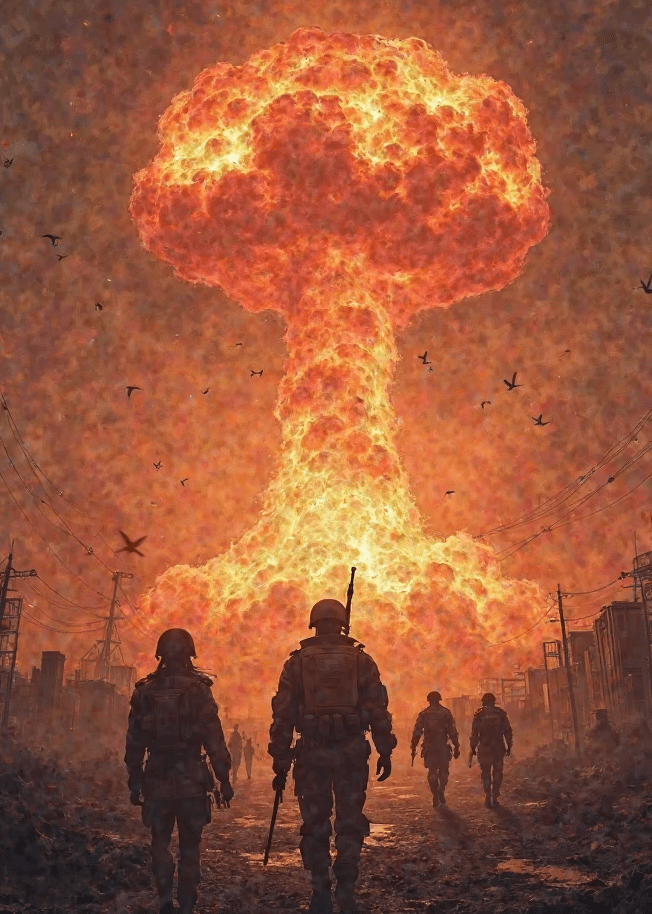
12,000 nuclear warheads : Nuclear Warheads by Nation

Global Arsenal: Nuclear Warheads by Nation

By a Survival Prepper Who Hates War

You don’t have to be a conspiracy theorist to see the writing on the wall. Just look around. The world is bristling with nuclear weapons—hundreds here, thousands there—all prepped to unleash hell in an instant. I’m not some warmonger or doomsday cultist. I’m a survivalist. And I prepare because history tells us time and time again: when you trust governments with this kind of firepower, you’re rolling the dice with human existence.

Today, I’m breaking down the global nuclear arsenal. Not because I admire it. Hell no. But because knowledge is power—and knowing who holds these weapons, and in what quantities, tells you where the flashpoints are. And where not to be when it all goes sideways.

1. Russia – Approx. 5,889 warheads

Let’s start with the bear in the east. Russia has the largest stockpile of nuclear weapons on Earth. Most of these are part of their strategic arsenal—intercontinental ballistic missiles (ICBMs), submarine-launched ballistic missiles (SLBMs), and long-range bombers. Thousands are retired and awaiting dismantlement, but don’t be fooled: around 1,550 are deployed and ready to fly at a moment’s notice.

Russia’s doctrine has shifted toward tactical nukes too—lower-yield weapons designed for use on the battlefield. In a conflict, that makes escalation a lot more likely. You toss a so-called “small” nuke into the mix, and it’s only a matter of time before someone responds with a bigger one.

2. United States – Approx. 5,244 warheads

Right behind Russia is the U.S., with thousands of nuclear warheads scattered across land-based silos, submarines, and air bases around the world. We’ve had these things since Hiroshima and Nagasaki, and instead of phasing them out, we’ve modernized them. New delivery systems, faster response times, more precise targeting.

I don’t say this with pride. I say it with fear. Our own government talks about deterrence like it’s some magic shield. But deterrence is just another word for mutually assured destruction—MAD, they call it. Fitting, isn’t it?

3. China – Approx. 500 warheads (and growing)

China used to be a distant third, but they’re catching up fast. The Chinese Communist Party is building new missile silos in the desert, expanding their submarine fleet, and investing in hypersonic weapons. Analysts think they could have 1,500 warheads by 2035.

They claim a “no first use” policy, but policies change. If there’s one thing I’ve learned, it’s that doctrines mean squat once the missiles start flying.

4. France – Approx. 290 warheads

France likes to remind the world that it’s independent—and its nuclear deterrent is part of that mindset. Their warheads are primarily deployed on submarines, with a few air-launched options. Small arsenal, relatively speaking, but still enough to end millions of lives.

You don’t need thousands of nukes to destroy civilization. A few hundred well-placed warheads can collapse global infrastructure in a matter of hours. EMPs, radiation, firestorms—choose your poison.

5. United Kingdom – Approx. 225 warheads

The UK relies heavily on its Trident submarine fleet. Like France, their arsenal is smaller, but just as deadly. They’ve recently announced plans to raise the cap on warheads—a reversal of disarmament trends. That tells you where we’re headed. Not toward peace, but rearmament. All it takes is one spark—one miscalculation—and boom. Goodbye, London. Goodbye, humanity.

6. Pakistan – Approx. 170 warheads

This is where things get especially dicey. Pakistan’s nuclear posture is India-focused, but the region is volatile. Border clashes, terrorism, political instability—you name it. And let’s not forget that Pakistan is a country where the military holds major sway, and where extremist elements have occasionally infiltrated institutions.

They’ve developed tactical nuclear weapons too—designed to be used in battlefield scenarios. That scares the hell out of me. Tactical nukes lower the threshold for use. Once the line is crossed, there’s no going back.

7. India – Approx. 164 warheads

India and Pakistan are locked in a nuclear arms race that gets less press than it should. India has a no-first-use policy, but again, policies mean little in the fog of war. They’ve got missiles that can reach deep into China and Pakistan, and their triad—land, sea, and air-based delivery—is developing fast.

We’re talking about two countries with historical animosities, border disputes, and major populations packed into small geographic areas. If a nuclear exchange broke out here, the global fallout—literal and political—would be catastrophic.

8. Israel – Estimated 90 warheads (undeclared)

Israel doesn’t officially admit to having nukes, but everyone knows they do. Their policy of “nuclear opacity” is strategic—keeping enemies guessing. But it’s also dangerous. In the Middle East, where trust is thin and grudges run deep, opacity breeds suspicion.

Israel has submarine-launched missiles, air-based delivery, and possibly land-based systems. Their focus is deterrence, particularly against Iran. But if things spiral, that deterrence can become devastation.

9. North Korea – Estimated 30–50 warheads

This is the wild card. North Korea doesn’t just have nukes—they broadcast them like trophies. They’ve tested ICBMs that can reach the U.S. mainland, and they’re refining their warheads for miniaturization and deployment.

The scariest part? We don’t fully know what they’ve got or how stable their chain of command is. In a crisis, logic and strategy might take a back seat to desperation.


The Bigger Picture

In total, we’re looking at over 12,000 nuclear warheads across the globe. Even if only a fraction of those were used, the result would be apocalyptic. According to scientists, just 100 nukes dropped on cities would trigger a nuclear winter—blocking sunlight, destroying crops, and killing billions through starvation.

And yet, we keep building more.

That’s the insanity of it. We’re stockpiling civilization-ending weapons as if it’s business as usual. Politicians talk about modernization and defense budgets like they’re upgrading smartphones. But we’re not upgrading—we’re gambling with the only planet we’ve got.

Why I Prep

I’m not prepping because I think I can survive a full-blown nuclear exchange. No one really “survives” that. I prep because it gives me options. A remote homestead, clean water, radiation filters, food stores—these aren’t luxuries. They’re necessities in a world where the next war might be the last.

But more than prepping for survival, I speak out because I still have hope. Hope that sanity will prevail. Hope that people will realize the madness of nuclear brinkmanship before it’s too late. I hate war because I love life. I love the land, the forests, the animals, the sound of a creek in spring.

Nukes don’t just end wars. They end everything.

Final Word

Here’s what I’ll tell you, prepper to prepper, citizen to citizen: don’t trust any nation with your future. Know what’s out there. Know who holds the keys to Armageddon. And keep your gear ready—not because we want this war, but because the ones in charge sure don’t seem to mind flirting with it.

Stay alert. Stay prepared. And above all, stay human.

Stay Safe in the Silver State: Prepper Tips for Nevada’s Natural Disasters

Surviving the Deserts and Earthquakes of Nevada: A Prepper’s Guide

Nevada, the Silver State, is well-known for its vast desert landscapes, glimmering casinos, and a lifestyle deeply rooted in independence. But beyond the glitzy lights and urban sprawl, residents are aware of the harsh realities of living in a state susceptible to a variety of natural disasters. As a prepper in Nevada, you’ve got to be ready for anything—from extreme heatwaves and wildfires to earthquakes and floods. In this guide, I’m going to walk you through how we prepare for Nevada’s worst natural disasters and offer 10 survival prepper tips that every Nevadan should know.

1. Understand the Nevada Landscape and Hazards

Nevada is a diverse state, but it’s known for its arid desert climate and rugged mountain terrain. The northern part of the state experiences extreme cold temperatures and heavy snow in the winter, while the southern part remains hot and dry year-round. Both extremes present unique survival challenges, especially during natural disasters. Residents in the north must prepare for snowstorms and freezing temperatures, while those in the south face the ever-present threat of wildfires and extreme heat.

CLICK HERE TO LEARN HOW TO SURVIVE A FAMINE

2. Wildfires: The Ever-Present Danger

Wildfires are a frequent and devastating threat in Nevada, particularly during the dry summer months. Wildfires can spread rapidly, consuming dry vegetation and quickly becoming uncontrollable. As a prepper, it’s vital to have a plan to evacuate if a wildfire is near. Prepare your home by creating defensible spaces around your property, clearing away dry vegetation, and investing in fire-resistant materials for your home.

Prepper Tip #1: Create an evacuation route and practice it with your family. Always have your go-bag ready, and be prepared to leave at a moment’s notice. Ensure that everyone knows where the emergency rendezvous point is.

3. Earthquakes: Nevada’s Hidden Danger

Nevada may not be as famous for earthquakes as California, but it’s a major player in the seismic zone. In fact, Nevada experiences more than 600 earthquakes each year, with some of them strong enough to cause significant damage. The west of the state is part of the Walker Lane Fault Zone, which is an active fault line. While most of these quakes are small, the potential for a large, damaging earthquake exists.

Prepper Tip #2: Secure your home by anchoring heavy furniture and shelving units to the wall. Store your emergency supplies in easy-to-reach places, and practice earthquake drills with your family.

4. Extreme Heat: Surviving Nevada’s Searing Summers

Summer temperatures in Nevada can easily exceed 100°F, especially in the southern part of the state. The desert climate makes it easy to become dehydrated, and prolonged exposure to the sun can result in heatstroke. Extreme heat can also lead to power outages and water shortages.

Prepper Tip #3: Invest in a good solar-powered air conditioning system or fans that can help you keep cool during power outages. Always keep a large water supply on hand—aim for at least a gallon per person per day for a week. Hydration is key.

5. Flash Flooding: A Surprising Hazard

While Nevada is mostly dry, flash floods can happen unexpectedly, especially during monsoon season. These floods can quickly transform dry riverbeds into raging torrents of water, sweeping away vehicles and homes in a matter of minutes. It’s crucial to know when flash flood warnings are issued and have a plan to get to higher ground if necessary.

Prepper Tip #4: Know the flood-prone areas in your area and avoid building or storing valuables in low-lying areas. If you live near a wash or riverbed, keep a set of waterproof clothing and emergency supplies ready to go.

6. Snowstorms and Winter Weather: Northern Nevada’s Challenge

Though much of Nevada is desert, northern regions like Reno and the surrounding areas can experience heavy snowfalls during the winter months. These snowstorms can lead to road closures, power outages, and the isolation of communities.

Prepper Tip #5: Keep a winter survival kit in your vehicle, including blankets, chains for your tires, extra food and water, and a flashlight. It’s also a good idea to have a backup generator for when the power goes out during a storm.

7. Droughts: A Long-Term Issue

Nevada is one of the driest states in the U.S., and droughts are an ongoing concern. With a reliance on the Colorado River for water, the state faces constant pressure from declining water levels. In prolonged drought conditions, water shortages become a critical issue.

Prepper Tip #6: Collect and store rainwater whenever possible. Having a rainwater harvesting system installed can provide a valuable backup water supply. Also, consider investing in a high-efficiency water filtration system for your home.

8. Tornadoes: A Rare but Real Threat

Though rare in Nevada, tornadoes can and do occur, primarily in the northern and central parts of the state. Tornadoes can come with little warning, and their destructive power can level entire structures. It’s vital to be prepared and understand what to do if one should strike.

Prepper Tip #7: Have a designated safe room or basement in your home that’s reinforced to withstand the wind and debris of a tornado. Keep it stocked with emergency supplies like first aid kits, water, and non-perishable food.

9. Pests and Rodents: An Unlikely Survival Threat

While not traditionally thought of as a disaster, Nevada’s desert environment can bring pests like scorpions, rattlesnakes, and rodents into close contact with humans. These animals can be dangerous and spread disease, especially if they’re driven to seek shelter due to natural disasters.

Prepper Tip #8: Seal up cracks and gaps in your home, especially in the foundation, to keep out pests. Always inspect outdoor gear and supplies before bringing them inside, and consider investing in pest-proof containers for food storage.

10. Power Outages: Be Ready for the Worst

The heat, wildfires, and snowstorms in Nevada can all contribute to power outages. Whether it’s a widespread blackout or a localized issue, losing electricity can be a serious survival challenge, especially if it’s during extreme weather.

Prepper Tip #9: Install a backup power system, like a generator, to keep essential appliances running. Solar-powered chargers for your phones and other devices can also be a lifesaver when the grid goes down.

11. Stay Informed: Knowledge is Key

Living in a state prone to natural disasters means staying informed. Nevada residents need to know when disasters are on the horizon and have access to reliable weather and emergency information sources.

Prepper Tip #10: Invest in a weather radio with battery backup, so you can receive up-to-date information during emergencies. Also, consider downloading emergency apps on your phone that will alert you to local disaster warnings.

Conclusion

Being a survival prepper in Nevada means more than just stacking up supplies—it’s about preparing for the unique natural disasters the state faces. Whether you’re braving the scorching summer heat, preparing for an earthquake, or evacuating from a wildfire, the key to survival is planning and preparation. With these 10 survival tips, you can be confident that you’re ready for whatever Nevada throws your way. Keep your head in the game, your supplies stocked, and your mind sharp. Survival in the Silver State isn’t just about luck—it’s about being prepared for anything.

Surviving Alaska: How to Prepare for Natural Disasters in the Last Frontier

How Alaska Residents Prepare for the State’s Worst Natural Disasters

Living in Alaska, we know that the harsh environment is as much a part of life as breathing. From freezing winters to unpredictable earthquakes and wildfires, natural disasters are just another reality we must contend with. Preparing for these challenges isn’t a choice—it’s a necessity. If you’re a resident of the Last Frontier, you understand that survival isn’t about waiting for disaster to strike. It’s about being ready long before the storm hits.

Alaska is vast and diverse, stretching across multiple climate zones, making it prone to a wide range of natural disasters. Earthquakes, tsunamis, wildfires, and severe weather events are common, each presenting its own set of challenges. Let’s break down the most significant natural disasters that could impact the state and how we prepare for them.

Earthquakes

Alaska is located on the Pacific Ring of Fire, making it one of the most seismically active regions in the world. The state experiences thousands of earthquakes each year, though most go unnoticed. However, there’s always the risk of a major earthquake. In 1964, Anchorage experienced a magnitude 9.2 earthquake—the most powerful earthquake ever recorded in North America.

Preparation Tips for Earthquakes in Alaska:

  1. Secure Heavy Items: Make sure furniture, water heaters, and other large items are securely anchored to walls. In an earthquake, the last thing you need is a heavy object falling on you or causing a fire.
  2. Emergency Kit: Keep a survival kit with food, water, medical supplies, and a flashlight. Keep it in an easily accessible location.
  3. Learn to Drop, Cover, and Hold On: Earthquakes strike without warning. Teach your family how to protect themselves when the shaking starts.
  4. Have a Communication Plan: During a major earthquake, phone lines may be down. Make sure everyone knows where to meet and how to communicate in case of an emergency.
  5. Know Your Exit Routes: In an earthquake, you may need to evacuate. Familiarize yourself with alternate exit routes from your home.

Tsunamis

Alaska’s long coastline is vulnerable to tsunamis, triggered by undersea earthquakes or volcanic activity. The Alaska Peninsula, Aleutian Islands, and southern coastal areas are at the highest risk. In 1964, the Great Alaska Earthquake triggered a tsunami that caused widespread damage across the state and even as far as Hawaii and Japan.

Preparation Tips for Tsunamis in Alaska:

  1. Know Your Evacuation Zone: If you live along the coast, find out whether you’re in a tsunami evacuation zone. Local authorities often provide maps that show evacuation routes.
  2. High Ground: Always know the nearest high ground in case of a tsunami warning. Get to higher ground immediately—don’t wait to see if the water rises.
  3. Tsunami Warning System: Pay attention to local tsunami warnings. They’re issued by the National Weather Service and can save lives. Make sure your emergency kit includes a battery-powered radio to receive alerts.
  4. Family Meeting Points: Tsunamis can be especially dangerous if you’re separated from your family. Set predetermined meeting points in the event of an evacuation.
  5. Prepare for Aftershocks: After a tsunami or earthquake, there may be aftershocks that cause further damage or trigger additional tsunamis. Be prepared for more seismic activity.

Wildfires

Alaska experiences some of the largest wildfires in the country, especially in the summer. The state’s vast forests and dry conditions create ideal environments for fires to spread quickly. Fire seasons can be unpredictable, with some years experiencing little activity and others facing massive outbreaks.

CLICK HERE TO LEARN HOW TO SURVIVE A FAMINE

Preparation Tips for Wildfires in Alaska:

  1. Create a Defensible Space: Clear brush, dead trees, and flammable materials from around your home. Creating a defensible space can help protect your property from encroaching wildfires.
  2. Fire-Resistant Materials: If you’re building or renovating, consider using fire-resistant materials like metal roofing and non-combustible siding to reduce your home’s risk.
  3. Fire Extinguishers: Keep fire extinguishers in strategic locations around your home and property. Make sure you know how to use them.
  4. Evacuation Routes: Plan multiple evacuation routes in case of a wildfire. Roads may become impassable, so it’s essential to have alternatives.
  5. Emergency Kit: In addition to the usual items in an emergency kit, include N95 masks to protect against smoke inhalation during a wildfire.

Severe Winter Weather

Alaska’s winter weather is brutal. Snowstorms, ice storms, and temperatures regularly dipping below freezing are common occurrences. With little daylight in the winter months, Alaskans must be especially vigilant about staying prepared.

Preparation Tips for Severe Winter Weather:

  1. Winterize Your Home: Insulate your pipes and windows. Ensure your home’s heating system is in good working order, and stock up on firewood if you use a wood stove for heat.
  2. Winter Survival Gear: Always have cold-weather survival gear in your vehicle, including blankets, extra clothing, food, and water. If you get stranded, these items can mean the difference between life and death.
  3. Snow Removal Tools: Keep snow shovels, salt, and other tools on hand to keep driveways and walkways clear.
  4. Car Maintenance: Before winter sets in, make sure your vehicle is ready. Check the tires, battery, and fluid levels to prevent breakdowns in freezing temperatures.
  5. Emergency Heat Sources: Consider having a backup heat source in case your primary heating system fails. A propane heater or kerosene heater can be life-saving.

Flooding

Click here to learn how to survive a nationwide blackout

Floods can occur in Alaska due to rapid snowmelt, heavy rain, or ice jams. While the state’s vast wilderness areas are less prone to flooding than more developed areas, communities along rivers and streams still face a significant risk, especially during the spring thaw.

Preparation Tips for Flooding in Alaska:

  1. Elevate Important Items: In flood-prone areas, raise valuables and important documents off the ground to prevent water damage.
  2. Sandbags: Keep sandbags on hand to divert floodwaters away from your property. These can be used around doors or windows to protect your home.
  3. Know Your Flood Zones: If you live in a floodplain, check local maps and understand the risks to your property. Develop a plan to evacuate quickly if necessary.
  4. Keep a Boat or Floatation Device: If you live in a flood-prone area, having a small boat or floatation device on hand can help with evacuations or emergency rescues.
  5. Flood Insurance: Regular homeowner’s insurance won’t cover flood damage. Look into flood insurance if you live in a high-risk zone.

10 Survival Prepper Tips for Alaska’s Natural Disasters

  1. Layer Up: In Alaska’s unpredictable weather, layering is key to staying warm. A good base layer will keep sweat off your skin and trap heat.
  2. Stockpile Non-Perishables: Buy extra canned goods, dried foods, and long-lasting supplies to ensure you can survive during an emergency.
  3. Water Filtration: Have a water filtration system or purification tablets on hand in case your water supply is contaminated.
  4. Battery-Powered Radio: Stay informed by having a battery-powered or hand-crank radio to listen to weather alerts and emergency instructions.
  5. Fire-Starting Kit: A fire can save your life in extreme cold. Keep waterproof matches, lighters, and fire starters in your survival kit.
  6. Work Boots and Gloves: Protect your feet and hands with durable boots and gloves, especially when working outside in harsh conditions.
  7. GPS Devices: If you’re traveling in remote areas, a GPS device can help you navigate and stay on track if traditional landmarks are covered in snow or debris.
  8. Practice Regular Drills: Regularly practice your emergency plans with your family so everyone knows what to do when disaster strikes.
  9. Know the Wild Edibles: Familiarize yourself with local plant life so you can forage for food in an emergency situation.
  10. Stay Fit: Physical fitness is crucial for survival. Whether it’s hiking, snowshoeing, or even carrying firewood, staying strong will help you endure tough conditions.

Surviving Oregon: Essential Prepper Tips for the Worst Natural Disasters

Living in Oregon means you get to experience the breathtaking beauty of our mountains, forests, and coastline. But with those natural wonders come some serious challenges. From earthquakes that could shake the entire state to wildfires that sweep across vast areas, Oregon residents need to be prepared for the unexpected. Natural disasters are a reality here, and as a prepper, it’s crucial to know what to expect and how to stay alive when everything goes sideways. In this article, we’ll dive into how Oregonians can prepare for the state’s worst natural disasters.

Understanding Oregon’s Natural Disaster Risks

CLICK HERE TO LEARN HOW TO SURVIVE A FAMINE

Oregon is no stranger to natural disasters. The state’s unique geography and climate mean that we’re at risk for multiple types of catastrophic events. Here’s a breakdown of the most common disasters Oregonians face:

  1. Earthquakes: Oregon lies on the Cascadia Subduction Zone, a fault line that runs off the coast and could produce a major earthquake at any time. The Cascadia earthquake, expected to be a magnitude 9 or higher, could devastate much of the state, with significant infrastructure damage and widespread chaos.
  2. Wildfires: Oregon’s forests are a beauty to behold, but they are also highly susceptible to wildfires. These fires can start easily in the dry summer months and quickly spread across thousands of acres.
  3. Flooding: Heavy rains, especially in the winter months, can cause flooding in the Willamette Valley and along the coast. Floodwaters can wash out roads, damage homes, and create long-lasting issues for affected communities.
  4. Tsunamis: Living on the coast or in low-lying coastal areas means being at risk of a tsunami triggered by a major earthquake along the Cascadia fault.
  5. Severe Weather: While not as frequent, Oregon can experience extreme weather conditions, including ice storms, snowstorms, and windstorms. The mountainous regions often see heavy snowfall, and the coastal areas can be hit by intense wind events.

For those of us living here, preparing for the worst is not just an option—it’s a necessity.

How to Prepare for Oregon’s Worst Natural Disasters: A Prepper’s Guide

Now that we understand the types of natural disasters Oregon faces, it’s time to talk about how to prepare for them. Here’s a prepper’s guide to surviving these emergencies:

1. Build a Comprehensive Emergency Kit

Every prepper needs an emergency kit, and it should be tailored to the specific needs of your region. For Oregon residents, this means being prepared for both earthquakes and wildfires. Your kit should include water, non-perishable food, a first aid kit, a flashlight, a radio, batteries, and essential medications. Don’t forget to include clothing suited for all weather conditions, such as rain gear, warm clothing, and sturdy boots.

Prepper Tip: Include a fire extinguisher in your kit to address wildfires that may break out near your home.

2. Plan Your Evacuation Routes

In the event of an earthquake or wildfire, evacuation could be a matter of life and death. Make sure to identify multiple evacuation routes from your home, especially if you live in a high-risk area. Know where your nearest emergency shelters are located, and practice evacuation drills with your family.

Prepper Tip: If you live in a coastal area, know your tsunami evacuation route and where high ground is.

3. Seismic Safety for Earthquakes

Oregon is prone to earthquakes, and the Cascadia Subduction Zone could produce a massive quake at any time. To prepare, secure heavy furniture and objects that could fall during a tremor. Reinforce doors, windows, and walls to withstand shaking. Make sure your home’s foundation is secure, and if you’re in a high-risk area, consider retrofitting your home for earthquake resistance.

Prepper Tip: Keep a hardhat and protective gloves in your emergency kit in case you need to navigate debris after an earthquake.

4. Create a Wildfire Defense Plan

Wildfires are a constant threat in Oregon, especially during the hot summer months. To defend your property, clear away any dead vegetation, leaves, or dry brush from around your home. Trim back trees and shrubs that could catch fire. Additionally, keep your lawn well-watered and ensure that you have access to water sources for firefighting.

Prepper Tip: Install fire-resistant roofing and siding, and always keep a hose, shovels, and fire tools handy during fire season.

5. Flood Preparedness for the Willamette Valley

The Willamette Valley is particularly susceptible to flooding, so it’s essential to have a plan in place for when waters rise. Elevate important items in your home above potential flood levels. Stockpile sandbags, and make sure your sump pump is working properly. If you live in a floodplain, consider flood insurance to protect your property.

Prepper Tip: Avoid driving through floodwaters, and have a boat or raft on standby in case of an emergency.

6. Tsunami Preparedness for Coastal Areas

If you live near the Oregon coast, tsunami preparedness is crucial. Make sure you have an evacuation plan that leads you to high ground away from the shore. Tsunamis can strike minutes after an earthquake, so it’s essential to act quickly. Always have a battery-powered weather radio to get updates on potential tsunami warnings.

Prepper Tip: Educate your family about tsunami evacuation zones and practice evacuation drills regularly.

7. Stockpile Emergency Food and Water

In the aftermath of a disaster, supplies can run out quickly. For that reason, it’s important to store at least a 72-hour supply of emergency food and water. Focus on high-calorie, non-perishable foods like freeze-dried meals, canned goods, and protein bars. Be sure to rotate your stock every six months to ensure freshness.

Prepper Tip: Keep a portable water filtration system in your kit to purify any local water sources if necessary.

8. Secure Communications

During a disaster, cell networks may go down, so it’s essential to have alternate methods of communication. Invest in two-way radios, a satellite phone, or a ham radio. Make sure everyone in your family knows how to use these devices and has a way to communicate if phone lines are down.

Prepper Tip: Have a paper copy of important phone numbers and contact information, as digital devices may not work in all situations.

9. Practice Self-Sufficiency Skills

Living in Oregon means having the skills to survive when the grid goes down. Learn how to hunt, fish, forage, and grow your own food. Understand basic first aid, fire-starting techniques, and how to purify water.

Prepper Tip: Invest in a good set of tools for gardening, hunting, and emergency repairs.

10. Keep Your Gas Tank Full

Oregon’s remote areas can become isolated during natural disasters, so always keep your vehicle’s gas tank at least half full. This ensures you’ll have enough fuel to evacuate if needed and can power your vehicle’s generator for emergencies.

Prepper Tip: Keep a spare fuel container on hand in case you need extra gas.

Conclusion: Prepare for the Worst, Hope for the Best

Living in Oregon means living with the constant possibility of natural disasters. As a prepper, it’s essential to stay vigilant and be prepared for whatever comes your way. By following these tips, you can ensure that you and your loved ones are ready to handle everything from earthquakes to wildfires to tsunamis. It’s not just about surviving; it’s about thriving in the face of disaster. Stay safe, stay prepared, and trust that your efforts will pay off when disaster strikes.


Incorporating these survival tips will give you the peace of mind knowing that, no matter what Oregon throws at you, you’ll be ready to weather the storm—literally.

Best Kentucky Prepper’s Handbook: Mastering Natural Disaster Preparedness

Surviving Kentucky: A Prepper’s Guide to Natural Disaster Readiness

Living in Kentucky means embracing the land’s beauty and unpredictability. As a prepper in the Bluegrass State, I’ve learned that readiness isn’t just a choice—it’s a necessity. From the rolling hills to the winding rivers, Kentucky offers both serenity and peril. Understanding the natural disasters that frequent our state and preparing accordingly can make the difference between life and death.


Understanding Kentucky’s Natural Disasters

CLICK HERE TO LEARN HOW TO SURVIVE A FAMINE

Kentucky’s diverse geography subjects it to various natural disasters:

  • Tornadoes: The state ranks among the top in the nation for tornado occurrences. The western region, including areas like Mayfield, has been particularly hard-hit. AP News
  • Flooding: Heavy rains can lead to flash floods, especially in eastern Kentucky’s mountainous terrain.
  • Winter Storms: The state’s unpredictable winters bring ice storms and heavy snowfalls, disrupting power and transportation.
  • Earthquakes: The New Madrid Fault Line runs through western Kentucky, posing a significant seismic risk. Kentucky and Beyond
  • Severe Thunderstorms: These can spawn tornadoes, hail, and damaging winds, affecting the entire state.

10 Survival Prepper Tips for Kentucky Residents

  1. Build a Comprehensive Emergency Kit: Include at least a three-day supply of water (one gallon per person per day), non-perishable food, a manual can opener, flashlights, batteries, a first aid kit, and necessary medications. SELF+3GQ+3Kenton Hardin Health Department+3
  2. Create a Family Emergency Plan: Establish meeting points, communication methods, and evacuation routes. Practice this plan regularly with all family members.
  3. Stay Informed with NOAA Weather Radio: A battery-powered or hand-crank NOAA Weather Radio can provide real-time alerts for severe weather events. Kenton Hardin Health Department+1GQ+1
  4. Secure Your Home Against Tornadoes: Identify a safe room or basement. If in a mobile home, evacuate immediately during a tornado warning. kyem.ky.gov+1Western Kentucky University+1
  5. Prepare for Flooding: Keep important documents in waterproof containers. Elevate electrical appliances above potential flood levels.
  6. Winterize Your Home: Insulate pipes, stock up on salt for de-icing, and have extra blankets and warm clothing on hand during winter months.
  7. Earthquake Preparedness: Secure heavy furniture to walls, practice “Drop, Cover, and Hold On” drills, and have an emergency kit readily accessible. Kenton Hardin Health Department+4police.uky.edu+4Western Kentucky University+4
  8. Maintain a Go-Bag: Pack essentials like water, food, clothing, and important documents in a bag that can be grabbed quickly in case of evacuation.
  9. Develop a Pet Emergency Plan: Ensure pets have identification, a supply of food and water, and a plan for shelter during disasters. Kenton Hardin Health Department
  10. Engage with Local Emergency Services: Join programs like Community Emergency Response Teams (CERT) to stay informed and assist during emergencies. LINK nky

Conclusion

Being a prepper in Kentucky isn’t about fear—it’s about empowerment. By understanding the risks and taking proactive steps, we can safeguard ourselves, our families, and our communities. Remember, preparedness isn’t just a one-time task; it’s an ongoing commitment to resilience.