Big Bugs That Kill in Louisiana: A Survival Prepper’s Guide to Staying Alive in the Bayou State

I’m going to start with full honesty, because honesty keeps people alive.

I am a professional survival prepper. I’ve spent decades studying hostile environments, biological threats, grid-down scenarios, and how small, overlooked dangers can wipe out entire communities if people aren’t paying attention. I’ve lived in deserts, forests, mountains, and frozen wastelands.

But Louisiana?

I’ve only ever been there for Mardi Gras.

And after what I saw crawling, flying, biting, stinging, and swarming—usually while everyone else was drunk and distracted—I knew one thing for certain:

Louisiana’s insects are not playing games.

This is a state where heat, humidity, standing water, and lush vegetation create the perfect breeding ground for insects that don’t just inconvenience you. They hospitalize you, disable you, and in certain conditions, kill you outright.

In a normal world with air conditioning, hospitals, and insect control services, many people survive encounters with these creatures.

But this article is not about comfort.

This is about survival.

This is about what happens when the grid is down, emergency services are overwhelmed, storms flood entire parishes, or you find yourself stranded, bug-bitten, infected, and alone.

Let’s talk about the insects in Louisiana that can end your life—and exactly what you need to do to stay breathing.


Why Louisiana Is One of the Most Dangerous States for Insect Threats
Louisiana is an insect paradise—and a human nightmare.

Here’s why:

  • Extreme humidity allows insects to thrive year-round
  • Warm temperatures mean no real “die-off” season
  • Swamps, bayous, wetlands, and flood zones create endless breeding grounds
  • Hurricanes and floods displace insects into populated areas
  • Dense vegetation gives insects hiding places and ambush points

From a survival prepper’s perspective, Louisiana is what happens when nature stacks the deck against you.

And the insects know it.


1. Mosquitoes: Louisiana’s Most Dangerous Killer (Yes, Really)

If you think mosquitoes are just annoying, you won’t survive Louisiana.

Mosquitoes are the deadliest animals on Earth, and Louisiana is one of their strongest footholds in the United States.

Why Louisiana Mosquitoes Are So Dangerous

Louisiana mosquitoes are not just aggressive—they are biological weapons.

They transmit:

  • West Nile Virus
  • Eastern Equine Encephalitis (EEE)
  • Zika Virus
  • Dengue Fever
  • Chikungunya
  • Heartworm (fatal to animals, devastating to morale in survival scenarios)

In a grid-down situation, even a single infected bite can spiral into high fever, neurological damage, paralysis, or death.

EEE alone has a fatality rate of up to 30%, with survivors often suffering permanent brain damage.

Survival Reality Check

In Louisiana, mosquitoes:

  • Bite during the day AND night
  • Breed in bottle caps worth of water
  • Enter homes through cracks you didn’t know existed
  • Swarm after floods and storms

How to Survive Mosquitoes in Louisiana

  • Wear long sleeves and pants—even in heat
  • Use permethrin-treated clothing
  • Eliminate standing water daily
  • Sleep under mosquito netting
  • Burn natural repellents like citronella and pine resin
  • Never ignore fever after a bite

In Louisiana, mosquitoes aren’t pests.

They’re executioners with wings.


2. Fire Ants: Tiny, Ruthless, and Capable of Killing You

Fire ants are everywhere in Louisiana, and they are one of the most underestimated threats in the state.

Why Fire Ants Are Deadly

Fire ants attack in swarms. They don’t bite once—they bite dozens or hundreds of times, injecting venom with each sting.

For many people, fire ant venom causes:

  • Severe allergic reactions
  • Anaphylaxis
  • Respiratory failure
  • Cardiac shock

Children, the elderly, and those with compromised immune systems are especially vulnerable.

In survival conditions, falling into a fire ant mound can be fatal within minutes.

Survival Mistakes That Get People Killed

  • Standing still while ants climb upward
  • Trying to brush ants off instead of fleeing
  • Panicking and falling

How to Survive a Fire Ant Attack

  • Move immediately and aggressively away
  • Strip infested clothing fast
  • Wash stings with soap and water
  • Apply cold compresses
  • Carry antihistamines if possible

Fire ants don’t look dangerous.

That’s why they kill people.


3. Brown Recluse Spider: Silent Venom, Slow Death

Louisiana is within the range of the brown recluse spider, one of the most medically significant spiders in North America.

Why Brown Recluse Bites Are So Dangerous

Brown recluse venom causes:

  • Tissue necrosis (flesh literally rots away)
  • Severe infection
  • Sepsis
  • Organ failure in rare cases

Many victims don’t even feel the bite at first. By the time symptoms appear, the damage is already spreading.

Where They Hide

  • Shoes
  • Clothing piles
  • Storage boxes
  • Crawl spaces
  • Abandoned buildings

Survival Response to a Bite

  • Seek medical treatment immediately
  • Clean the wound aggressively
  • Monitor for spreading discoloration
  • Do NOT ignore minor pain

In a survival scenario, untreated necrosis can lead to amputation or death.


4. Black Widow Spider: Venom That Attacks the Nervous System

Black widows are common in Louisiana and far more dangerous than most people realize.

What Black Widow Venom Does

  • Causes severe muscle cramps
  • Triggers high blood pressure
  • Disrupts nervous system function
  • Can cause respiratory failure

Children and elderly victims are at highest risk.

Survival Tips

  • Shake out shoes and gloves
  • Wear gloves when reaching into dark areas
  • Treat bites as medical emergencies

Black widows don’t chase people.

But they don’t forgive mistakes either.


5. Assassin Bugs (Kissing Bugs): Disease-Carrying Killers

Assassin bugs are increasingly common in Louisiana—and they carry Chagas disease, a slow killer most people have never heard of.

Why Chagas Disease Is So Dangerous

  • Symptoms can take years to appear
  • Causes heart failure
  • Causes digestive system collapse
  • Often diagnosed too late

Once symptoms appear, damage is often irreversible.

How to Survive Assassin Bugs

  • Seal cracks in homes
  • Use fine mesh screens
  • Avoid sleeping near lights at night
  • Inspect bedding regularly

This is a long-game killer, and Louisiana is fertile ground.


6. Wasps, Hornets, and Yellow Jackets: Airborne Death Squads

Louisiana’s wasps are aggressive, territorial, and relentless.

Why They’re So Dangerous

  • Swarm attacks
  • Multiple stings
  • High venom load
  • Severe allergic reactions

In survival conditions, even non-allergic individuals can die from toxic envenomation.

Survival Strategy

  • Avoid nests at all costs
  • Wear neutral colors
  • Carry antihistamines
  • Retreat immediately if attacked

Wasps don’t warn twice.


7. Horseflies and Deer Flies: Blood Loss and Infection

These insects don’t inject venom—they rip flesh.

Why They’re Dangerous

  • Painful, bleeding wounds
  • Disease transmission
  • Psychological stress

In swamp environments, open wounds become infected quickly.

Survival Tactics

  • Cover exposed skin
  • Use head nets
  • Treat bites immediately

Pain is a warning.

Ignore it, and infection follows.


8. Fleas: Tiny Vectors of Big Problems

Fleas carry:

  • Typhus
  • Plague (rare but possible)
  • Tapeworms

In disaster scenarios, fleas spread rapidly among humans and animals.

Survival Measures

  • Control rodents
  • Wash clothing frequently
  • Treat pets aggressively

History proves fleas can collapse societies.


9. Scorpions: Rare, But Not Harmless

Louisiana scorpions aren’t usually fatal—but pain and infection can still kill in survival conditions.

Survival Advice

  • Shake out boots
  • Avoid sleeping on ground
  • Treat stings seriously

Pain weakens judgment.

And poor judgment kills.


Survival Reality: Louisiana Is an Insect War Zone
I’ve studied survival across the country.

Louisiana stands apart.

Not because of bears or mountains or cold—but because everything bites, everything carries disease, and everything thrives in chaos.

If you live in Louisiana—or plan to pass through when society is unstable—your survival depends on respecting the insects.

Ignore them, and they will outlast you.

Prepare for them, and you stand a fighting chance.

Because in Louisiana, it’s not the gators or hurricanes that will get you first.

It’s the things you didn’t feel bite you.
The Most Dangerous Insects in Nebraska That Every Prepper Must Know Before SHTF

A Survival Prepper’s Guide to Tiny Threats That Can End Lives When Society Fails

When most people think about survival threats in Nebraska, they imagine tornadoes ripping across farmland, brutal winter cold, or food shortages during societal collapse. Those are real dangers. But as a survival prepper who has spent decades studying what actually kills people when infrastructure fails, I can tell you this with absolute certainty:

Insects will become one of the most underestimated killers during SHTF.

When hospitals are closed, pharmacies are empty, and emergency services are overwhelmed or gone entirely, something as small as a bite, sting, or parasite can spiral into infection, permanent injury, or death.

Nebraska may not have jungles or deserts, but it does have insects capable of killing, disabling, infecting, and weakening survivors, especially children, the elderly, and the unprepared.

This article is not written to scare you.
It is written to wake you up.

If you live in Nebraska—or plan to bug out through it—you need to understand which insects pose the greatest risk, why they are dangerous, and how to prepare for them when modern medicine is no longer an option.


Why Insects Become More Dangerous During SHTF

In normal times, insect encounters are inconveniences. In collapse scenarios, they become force multipliers of death.

Here’s why:

  • No access to antibiotics
  • No emergency epinephrine for allergic reactions
  • Limited wound care
  • Increased exposure due to outdoor living
  • Breakdown of sanitation
  • Weakened immune systems from stress and malnutrition

Insects don’t need to hunt you. They don’t need intent.

They only need opportunity.

And Nebraska provides plenty of it.


1. Ticks – The Silent Killers of the Midwest

Why Ticks Are Nebraska’s #1 Insect Threat

If I had to name the most dangerous insect in Nebraska from a survival standpoint, ticks would top the list without hesitation.

Ticks don’t kill you quickly.
They kill you slowly—through disease.

Nebraska is home to several dangerous tick species, including:

  • American Dog Tick
  • Blacklegged Tick (Deer Tick)
  • Lone Star Tick

These parasites are expanding their range every year, and climate shifts have made Nebraska more tick-friendly than ever.

Diseases Ticks Can Transmit

In a functioning society, these diseases are serious. In collapse, they are often fatal.

  • Lyme disease
  • Rocky Mountain spotted fever
  • Ehrlichiosis
  • Anaplasmosis
  • Tularemia
  • Alpha-gal syndrome (red meat allergy)

Without antibiotics, many of these diseases lead to:

  • Neurological damage
  • Heart complications
  • Chronic pain
  • Immune system failure
  • Death

Survival Reality

A tick bite may go unnoticed for days. By the time symptoms appear, treatment options may be gone.

Ticks are the long-game killers.

Prepper Countermeasures

  • Treat clothing with permethrin
  • Perform daily full-body tick checks
  • Carry tick removal tools
  • Learn herbal and alternative antimicrobial protocols
  • Avoid tall grass when possible
  • Keep campsites clear and dry

2. Mosquitoes – Nebraska’s Airborne Plague

More Than Just an Annoyance

Mosquitoes are often dismissed as harmless. That mindset will get people killed during societal collapse.

Nebraska mosquitoes are known carriers of:

  • West Nile Virus
  • Eastern Equine Encephalitis
  • Heartworm (affects animals critical to survival)

West Nile alone has caused fatalities in Nebraska in modern times—with hospitals operating.

Now imagine no hospitals.

Why Mosquitoes Are So Dangerous Post-Collapse

  • They breed fast
  • They thrive in stagnant water
  • They attack at night
  • They weaken already stressed survivors

A fever that lasts a week in SHTF conditions can mean dehydration, delirium, or secondary infection.

Prepper Countermeasures

  • Eliminate standing water
  • Sleep under mosquito netting
  • Burn natural repellents (sage, cedar, pine)
  • Wear long sleeves at dusk and dawn
  • Maintain immune strength through nutrition

3. Brown Recluse Spider – The Flesh-Destroyer

Nebraska’s Most Feared Spider

The brown recluse spider exists in Nebraska, especially in southern regions and inside structures.

While not aggressive, its bite can cause serious tissue damage, and in some cases, systemic illness.

Why Brown Recluse Bites Are Deadly During SHTF

  • Necrotic wounds are prone to infection
  • Open sores attract bacteria and insects
  • Healing is slow without medical care

A bite that would be manageable today could become fatal due to infection alone.

Prepper Countermeasures

  • Shake out boots, gloves, and clothing
  • Seal sleeping areas
  • Keep bedding elevated
  • Learn wound cleaning and infection control
  • Avoid cluttered shelters

4. Black Widow Spider – Neurotoxic Threat

Not Just a Scary Name

Black widows are present throughout Nebraska and prefer dark, undisturbed places like woodpiles, sheds, and debris.

Their venom attacks the nervous system.

Survival Risk Factors

  • Severe pain can immobilize survivors
  • Muscle spasms and weakness limit mobility
  • No antivenom access during collapse

For elderly or malnourished individuals, the danger increases dramatically.

Prepper Countermeasures

  • Wear gloves when handling debris
  • Keep camps organized
  • Avoid reaching into unseen spaces
  • Maintain calcium and magnesium intake

5. Bees, Wasps, and Hornets – The Allergy Killers

The Insect That Kills the Fastest

Bees and wasps don’t usually kill through venom toxicity.
They kill through anaphylaxis.

During SHTF:

  • No EpiPens
  • No ambulances
  • No emergency rooms

One sting can end a life in minutes.

Nebraska’s Aggressive Species

  • Yellowjackets
  • Paper wasps
  • Bald-faced hornets

Prepper Countermeasures

  • Avoid strong scents
  • Keep food sealed
  • Destroy nests carefully during cold months
  • Identify allergy risks in your group
  • Carry antihistamines and natural anti-inflammatories

6. Fire Ants – Expanding Threat

While not historically dominant, fire ants are slowly expanding northward.

Multiple stings can cause:

  • Severe pain
  • Infection
  • Allergic reactions

In a weakened survivor, fire ants can overwhelm quickly.

Prepper Countermeasures

  • Avoid disturbed soil
  • Wear boots
  • Treat bites immediately
  • Keep sleeping areas elevated

7. Fleas – The Disease Carriers People Forget

Fleas are more than itchy nuisances.

Historically, they were responsible for plagues that wiped out millions.

Why Fleas Matter in Collapse

  • Thrive on rodents
  • Spread quickly
  • Carry bacterial diseases
  • Multiply in unsanitary conditions

If rodent populations explode post-collapse, flea-borne illness follows.

Prepper Countermeasures

  • Control rodents aggressively
  • Keep bedding clean
  • Use diatomaceous earth
  • Maintain hygiene even when water is scarce

8. Biting Flies – The Blood Loss Factor

Horse flies and deer flies are common in Nebraska and capable of delivering painful bites that bleed.

In survival conditions:

  • Open wounds invite infection
  • Blood loss weakens already fragile bodies

Prepper Countermeasures

  • Wear light-colored clothing
  • Use head nets
  • Cover exposed skin
  • Clean bites immediately

Psychological Warfare: Insects Break Morale

Insects don’t just harm the body.
They attack the mind.

  • Constant itching disrupts sleep
  • Bites lower morale
  • Fear reduces decision-making ability

In survival, mental resilience is as important as physical strength.


Nebraska Medical Preparedness: Your Anti-Insect Survival Kit

Every prepper in Nebraska should stock:

  • Antihistamines
  • Antiseptics
  • Sterile bandages
  • Tick removal tools
  • Permethrin
  • Natural repellents
  • Antibiotic alternatives
  • Wound care manuals

Knowledge weighs nothing.
Ignorance weighs lives.


Remember: Small Threats in Nebraska Can End Big Plans

History shows us a brutal truth:

Civilizations don’t just fall to war and famine. They fall to disease, infection, and neglect of small dangers.

Insects have survived every extinction event.
They will survive whatever comes next.

The question is whether you will.

The Most Dangerous Insects in the State of Nebraska That Could Really Harm You

If you live in Nebraska—or pass through it during uncertain times—you must respect these tiny threats. You must prepare for them. And you must teach others.

Because when the world goes quiet, the buzzing doesn’t stop.

Stay alert.
Stay prepared.
And never underestimate the smallest enemy.

The Most Dangerous Insects in Massachusetts – What Can Kill You and How to Stay Alive

Pull up a chair. Pour yourself something hot. If you’re living, hiking, hunting, fishing, or even sipping tea off the grid here in Massachusetts, there’s something you need to understand right now:

You don’t need bears, blizzards, or back-alley nonsense to end up dead in the Bay State.

Sometimes all it takes is an insect small enough to miss during a shower.

I’ve spent years prepping, teaching, and living the self-reliant life—half woodsman, half neighborhood uncle who knows how to fix things when they break. And I’ll tell you this straight: Massachusetts doesn’t look dangerous until it is. The insects here don’t roar or rattle. They bite, sting, and vanish—and if you don’t know what you’re dealing with, they can absolutely put you in the ground.

Let’s break down the most dangerous insects in Massachusetts and, more importantly, how to survive them like someone who plans to see tomorrow.


1. Ticks: The Silent Assassins of New England

If Massachusetts had an unofficial insect mascot of doom, it would be the tick.

Blacklegged ticks—also called deer ticks—are everywhere: woods, lawns, parks, stone walls, and yes, your own backyard. They don’t buzz. They don’t warn you. They hitch a ride and dig in.

The real danger isn’t the bite—it’s what comes with it.

Ticks in Massachusetts are known carriers of Lyme disease, anaplasmosis, babesiosis, and other serious illnesses. Left untreated, these infections can lead to long-term neurological damage, organ failure, and in rare but very real cases, death.

Survival Tips from the Field:

  • Wear long sleeves and pants when in brush or woods. Light-colored clothing helps you spot them.
  • Use permethrin-treated clothing or proper insect repellent.
  • Perform full body tick checks every single time you come in from outdoors.
  • Remove ticks immediately with fine-tipped tweezers—slow, steady pull, no twisting.
  • If symptoms show up (fever, fatigue, joint pain), don’t tough it out. Get medical help.

Ticks don’t care how strong you are. Knowledge is your armor.


2. Mosquitoes: Flying Syringes of Disease

Most folks think mosquitoes are just itchy annoyances. That thinking gets people hurt.

In Massachusetts, mosquitoes are known carriers of Eastern Equine Encephalitis (EEE) and West Nile Virus. EEE, in particular, is no joke. While rare, it carries a high fatality rate and can cause severe brain inflammation.

These insects thrive near standing water, wetlands, and during warm, humid months. One bite. That’s all it takes.

Survival Tips from the Field:

  • Eliminate standing water around your property.
  • Use screens, netting, and repellents when outdoors.
  • Avoid dusk and dawn exposure during peak mosquito season.
  • Wear loose, long clothing when possible.
  • If severe headache, fever, confusion, or stiff neck appear—seek medical attention immediately.

Mosquitoes don’t look like killers. That’s exactly why they are.


3. Bees, Wasps, and Hornets: When One Sting Is One Too Many

Most stings are painful. Some are deadly.

In Massachusetts, yellow jackets, hornets, and bees cause thousands of emergency room visits each year. For people with severe allergies, a single sting can trigger anaphylaxis, a rapid and potentially fatal reaction that shuts down breathing and drops blood pressure fast.

You don’t need to be deep in the woods for this—backyards, picnics, sheds, and even trash cans are hot zones.

Survival Tips from the Field:

  • Know if you or family members have allergies.
  • Carry an epinephrine auto-injector if prescribed.
  • Avoid swatting—slow movements reduce aggression.
  • Keep food sealed outdoors.
  • If stung and symptoms escalate (swelling of face/throat, dizziness, difficulty breathing), call emergency services immediately.

Nature doesn’t care if it was an accident.


4. Deer Flies and Horse Flies: Pain, Infection, and Blood Loss Risks

These flies don’t just bite—they slice.

Deer flies and horse flies are aggressive, fast, and persistent during summer months. While they’re not major disease vectors like ticks, their bites can lead to serious infections, allergic reactions, and significant blood loss in vulnerable individuals.

They’re especially dangerous for children, the elderly, or anyone with compromised immune systems.

Survival Tips from the Field:

  • Wear hats and light-colored clothing—deer flies target dark colors.
  • Use insect repellents that target biting flies.
  • Clean bites thoroughly and monitor for infection.
  • Cover open wounds immediately.

Pain is one thing. Infection is another.


5. Spiders: Rare but Worth Respecting

Massachusetts doesn’t have many deadly spiders, but black widows do exist, though encounters are rare. Their venom can cause severe muscle pain, cramping, and systemic reactions, especially in children or older adults.

Brown recluses, despite popular myth, are not native to Massachusetts.

Survival Tips from the Field:

  • Shake out gloves, boots, and stored clothing.
  • Reduce clutter in sheds and basements.
  • Seek medical care if severe pain or symptoms develop after a bite.

Low probability doesn’t mean zero risk.


Here’s the truth they don’t teach in glossy brochures:

Survival in Massachusetts isn’t about fear—it’s about awareness.

The most dangerous insects here don’t hunt you. They wait for ignorance, laziness, or bad habits. A prepper’s edge isn’t weapons or gear—it’s discipline.

Check yourself.
Protect your space.
Act early when something feels off.

Do that, and you’ll keep enjoying that off-grid tea with folks who trust you to know what you’re talking about.

And that, my friend, is how you survive the Bay State—one tiny threat at a time.

The Off-Grid Survival Gear You’ll Need When Society Finally Collapses (Because It Will)

Everyone loves to pretend that society is stable. People cling to their smartphones, TikTok trends, and grocery-store convenience like it’s some kind of permanent blessing instead of the fragile illusion it really is. Meanwhile, the world teeters on the edge of failure—economies shaking, grids aging, infrastructure rotting, leadership clueless, and people softer than wet cardboard.

Off Grid Survival Gear: The Only Things That Actually Matter When the World Falls Apart” – My Mom

But sure, keep believing that someone’s coming to save you. FEMA? The government? Your neighbors who panic-buy toilet paper at the first sign of trouble? Yeah… that’ll work out great.

If you want even a fighting chance of surviving off-grid, especially long-term, you need gear that actually works—not gimmicks, not influencer trash, not overpriced corporate “prepper starter kits.” Real gear. Rugged gear. Gear that performs when everything else fails.

I’m not here to entertain you with positivity. I’m here to tell you the truth:
If you don’t take off-grid survival seriously, the world will chew you up and spit out your bones.

So let’s break down the only off-grid survival gear worth your time before the collapse—because it’s coming whether you’re ready or not.


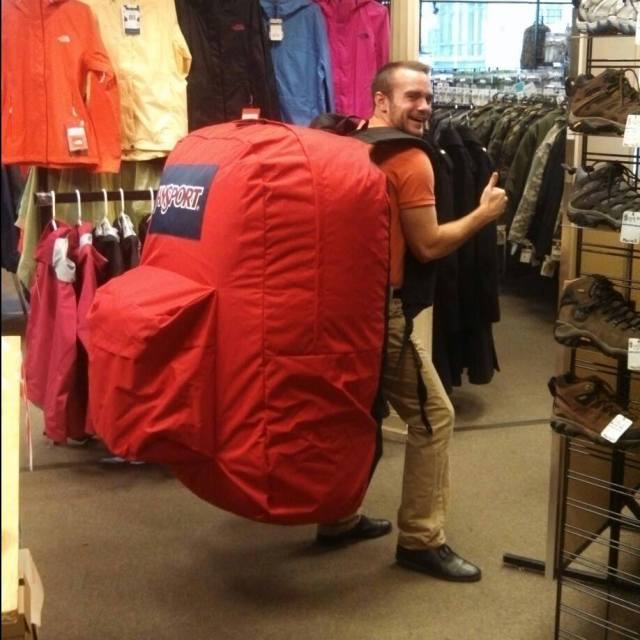
1. A Real Backpack (Not the Amazon Special That Rips on Day One)

You can’t survive off-grid if you can’t carry your gear, and too many people trust bargain-bin backpacks that can’t even withstand a weekend hike.

A real off-grid pack needs:

  • 1,000D Cordura or stronger
  • MOLLE webbing
  • Reinforced stitching
  • Padded waist belt
  • At least 50–75 liters of capacity

If your bag fails, you fail. Simple as that. When you’re miles away from civilization and your shoulder strap snaps, you’re not just annoyed—you’re compromised.


2. A Water Filtration System That Won’t Quit

Humans can last weeks without food but only days without water. And when you’re off-grid, you’re not drinking from a cute plastic bottle—you’re drinking from rivers, ponds, snowmelt, and whatever questionable puddle nature hands you.

You need:

  • A gravity-fed filter for base camp
  • A personal survival straw for emergencies
  • A pump filter for on-the-move travel
  • Purification tablets as backup

If your filtration system fails, enjoy dehydration, parasites, and organ failure—because nature doesn’t care about your feelings.


3. Solar Power and the Means to Store It

Unless you’re planning to spend your off-grid life sitting in the dark like a cave troll, you need reliable, renewable power. But solar gear isn’t some magical energy fairy—you need the right components:

  • A rugged foldable solar panel (100W–200W minimum)
  • A power bank with high-capacity lithium storage
  • A compact solar generator if staying in one place
  • Durable cables and adapters that don’t fray

Cheap solar setups die fast. Real ones keep emergency communications running, power lights, charge essential tools, and help you not lose your mind in total darkness.


4. A Cutting Tool That Could Survive an Apocalypse

Every off-grid scenario demands a real blade. And no, your kitchen knife isn’t going to cut it. You need:

  • A full tang survival knife
  • A folding EDC blade for daily tasks
  • A machete or hatchet for clearing brush and splitting wood

Your knife is your lifeline—not an accessory. A dull, weak blade is basically an insult to your own survival.


5. Fire-Starting Gear That Works Even When Everything Is Wet

If you can’t make fire, you can’t stay warm, boil water, or cook food. Fire is the difference between freezing at night or living to see the next sunrise.

You need redundancy, because things fail—especially when you desperately need them. A proper off-grid fire kit includes:

  • Ferro rod and striker
  • Stormproof matches
  • Butane lighter
  • Tinder (cotton balls with petroleum jelly, fatwood, or commercial cubes)

If you have only one method, congratulations—you’re planning to fail.


6. Rugged Off-Grid Shelter and Sleep System

People underestimate how quickly exposure kills. Hypothermia doesn’t care if you’re tough or motivated. Without real shelter gear, the elements become your executioner.

Your off-grid setup must include:

  • A compact 4-season tent or durable tarp setup
  • A high-quality sleeping bag rated for low temps
  • Thermal blankets as backup
  • A sleeping pad to keep your body off the cold ground

Nature does not negotiate. If you sleep in the wrong conditions, you won’t wake up.


7. Off-Grid Cooking Essentials

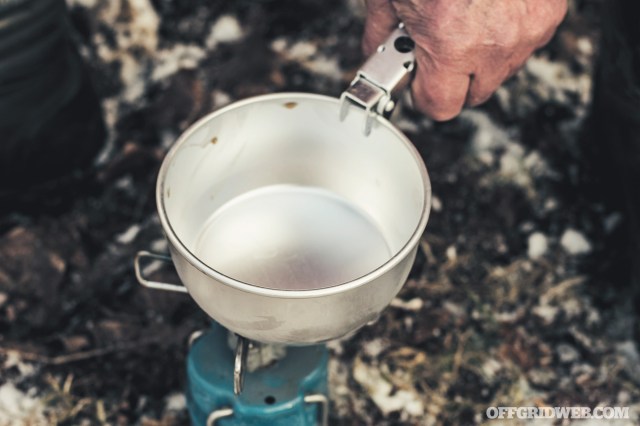
Close up Shot of a Camper at the Forest Cooking for Something Using Portable Stove on the Ground.

No power grid means no microwave, no stove, and no convenient meals. You need a way to cook in all weather conditions.

Your cooking kit should include:

  • A portable camp stove with multi-fuel capability
  • A stainless steel pot or cook set
  • A metal water bottle you can boil water in
  • Long-term food storage meals (freeze-dried or dehydrated)

And remember: off-grid life means learning primitive skills—because Skittles and instant ramen won’t feed you forever.


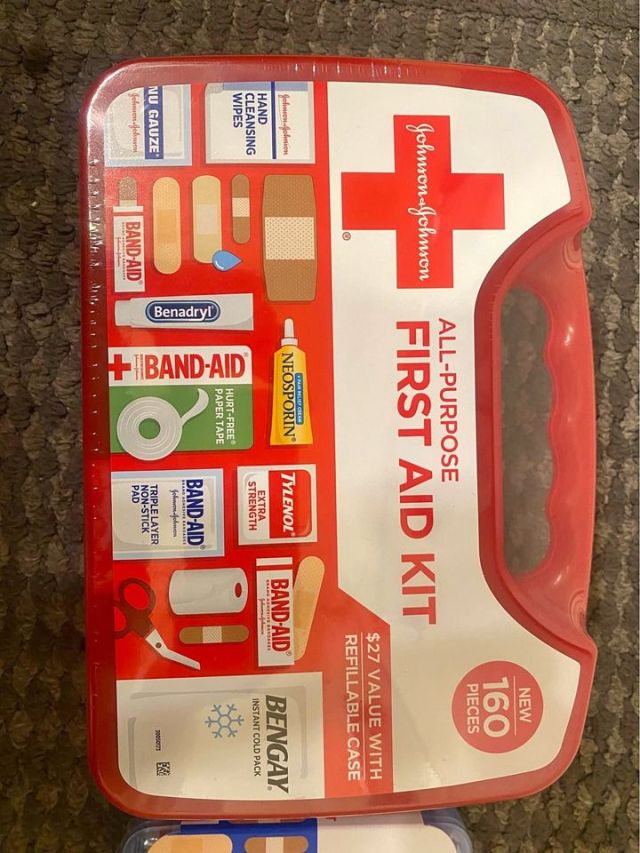
8. First Aid Gear—Because Injuries Off-Grid Are Unforgiving

In the wild, small wounds escalate into infections, infections become life-threatening, and emergency rooms are hours (or days) away.

A real off-grid first aid kit includes:

  • Trauma supplies (tourniquet, pressure bandage, clotting agent)
  • Antiseptics
  • Pain medication
  • Burn treatment
  • Splints and wraps
  • Medical tape that actually sticks

Too many people treat first aid like an afterthought. Those people don’t last long.


9. Navigation Tools—Because GPS Won’t Save You Forever

When the grid goes down, and your phone dies, you’ll need real tools:

  • A compass (a real one, not a toy)
  • Paper maps of your area
  • A backup GPS device for as long as satellites stay functional

If you’re lost off-grid, the world stops being your home and becomes your hunter.


10. Defensive Gear (Because Desperation Turns People Into Animals)

Let’s be honest: if society collapses, the biggest threat won’t be nature—it’ll be people. Desperate, unprepared, angry, panicked people who waited too long and now want your supplies.

You need defensive tools that fit your local laws, your skills, and your comfort level, such as:

  • Bear spray
  • A survival staff or hiking pole
  • Noise deterrents
  • Perimeter alarms for camp

Defense isn’t optional. It’s reality.


11. The Tools That Keep You Alive Long-Term

Short-term survival gear is easy. Anyone can buy a knife and a flashlight.
Long-term gear? That’s where the herd gets thinned.

You need:

  • A folding saw or compact chainsaw
  • A repair kit (duct tape, paracord, sewing needles, patches)
  • Fishing gear
  • A multitool with real steel, not cheap aluminum junk

Off-grid life is nonstop maintenance. If you can’t fix things, they fail—and then you fail too.


Final Reality Check

The harsh truth is simple:
Most people won’t survive off-grid.
They’re too soft, too dependent, too fragile, too delusional about how the world really works.

But if you’re reading this, maybe you’re different.
Maybe you’re one of the few who still understands that survival takes preparation, grit, and gear that won’t betray you.

Prepare now—while you still have the chance.

You’re Already Dead If You Haven’t Started Prepping Your Food Supply

Let’s get something straight right out of the gate: society isn’t stable, the system isn’t secure, and the people running the world couldn’t keep a chicken coop alive, much less an entire civilization. Every time you turn on the news, some new catastrophe is unfolding—food shortages, transportation shutdowns, political meltdowns, economic collapses, cyberattacks, contaminated water supplies, natural disasters. Pick your poison. The writing isn’t just on the wall; it’s spray-painted in neon letters. And yet most people walk around like clueless livestock, grazing blindly toward the slaughterhouse.

But you? You’re here because you know better. You understand what the herd refuses to admit: the only person responsible for keeping you alive is you, and that starts with long-term food storage that can actually withstand the chaos barreling straight toward us.

I’m not here to coddle you. I’m here to shake you awake. If that makes me “too pessimistic,” fine. If being angry is what it takes to survive in a world full of people who think Uber Eats will magically appear after the grid collapses, then I’ll stay angry.

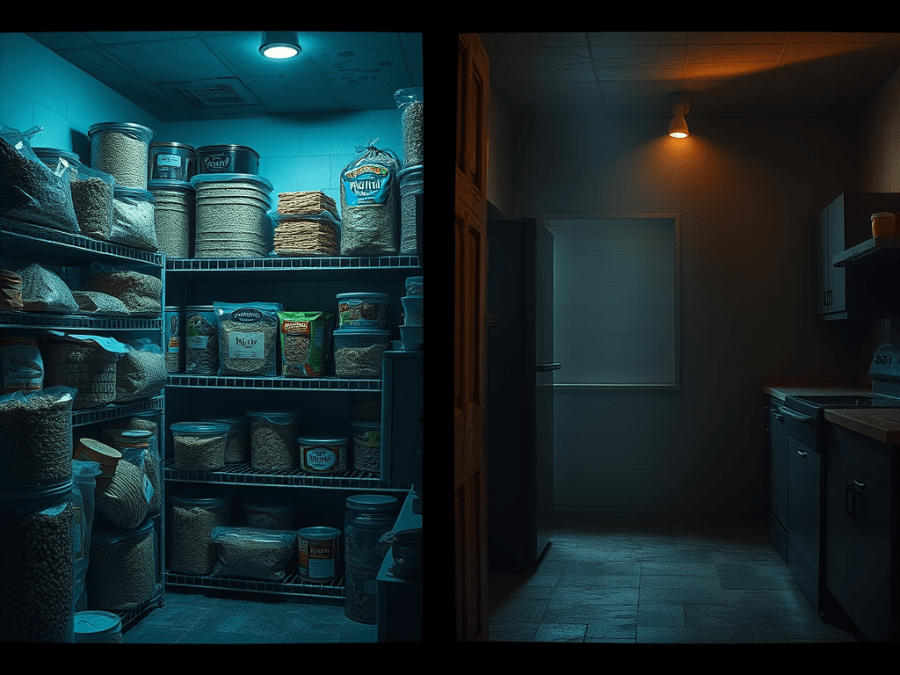
Let’s talk long-term food storage. Not the fantasy version. The real stuff. The supplies that keep you alive when the world finally face-plants into the dirt.


Why Long-Term Food Storage Is Non-Negotiable

Most people hear “long-term food storage” and think it means grabbing a few extra cans of soup during a supermarket sale. Cute. If your plan is to survive a weekend power outage, that might work. If your plan is to survive actual societal collapse, supply chain failure, or an extended emergency, you’re going to need far more than a pantry full of canned ravioli.

Ask yourself this:
If grocery stores closed tomorrow—not next year, not next month, tomorrow—how long would you last?

A week?
Three days?
A few miserable hours?

Let’s be brutally honest: most people would starve faster than they could comprehend what was happening. If you refuse to be one of them, you need a real food storage strategy—something resilient, diverse, nutrient-dense, and built to last decades.


1. Freeze-Dried Foods: The Prepper’s Crown Jewel

If you want food that lasts longer than today’s political promises, freeze-dried meals are your safest bet. Shelf lives of 25–30 years are typical, assuming you store them correctly in cool, dry environments. The texture is weird, sure. The taste can be hit or miss. But none of that matters when you’re staring down a long-term collapse and everyone else is bartering shoelaces for scraps of moldy bread.

Why freeze-dried works:

  • Insanely long shelf life
  • Lightweight
  • Nutrient retention remains high
  • Easy to prepare (just add water, assuming you’ve prepped that too)

They’re expensive upfront, but so is dying. Choose wisely.


2. Bulk Staples: The Backbone of Real Food Storage

While freeze-dried meals are your convenience stock, bulk staples are your survival workhorses. These are the foods humans have relied on for centuries—foods that fed armies, settlers, and every generation before modern society made everyone soft and useless.

Your Bulk Storage Must Include:

  • Rice (white rice lasts decades; brown does not—don’t get sloppy)
  • Dry beans (the humble protein source that won’t betray you)
  • Wheat berries (if you can grind your own flour, you’re already ahead of 99% of people)
  • Oats
  • Pasta
  • Sugar
  • Salt
  • Honey (this stuff lasts basically forever)

Stored properly in mylar bags + oxygen absorbers + food-grade buckets, these staples can outlive political careers, social media trends, and most human attention spans.


3. Canned Goods: Heavy but Reliable

Canned foods aren’t glamorous. They’re heavy, clunky, and sometimes questionable in taste. But you know what? They work. And in a world where shipping systems fail and electricity doesn’t exist, reliability matters more than whatever fancy diet trend is popular this week.

Ideal canned essentials:

  • Vegetables
  • Fruits
  • Meats (tuna, chicken, Spam, beef, sardines)
  • Beans
  • Tomato products
  • Soups and stews

Canned goods give you instant calories without fuel or prep. And in a crisis, convenience is survival.


4. Fats and Oils: The Most Overlooked (and Essential) Food Group

Calories keep you alive. Fat gives you calories. A lot of preppers focus on grains and protein while forgetting that fat is necessary for both energy and health. Good luck rebuilding a collapsed society while running on low-fat starvation rations like some malnourished dieter.

Store these:

  • Ghee (15+ year shelf life)
  • Coconut oil (long-lasting and stable)
  • Olive oil (shorter shelf life but valuable)
  • Shortening
  • Peanut butter (rotate frequently)

Without fats, your long-term plans turn into long-term suffering.


5. Comfort Foods: Don’t Be a Martyr

Listen, the world might collapse, but you don’t need to collapse emotionally with it. Morale matters. A spoonful of sugar might not fix civilization, but it can fix your mood long enough to keep you focused.

Stock:

  • Chocolate
  • Coffee
  • Tea
  • Hard candies
  • Shelf-stable baking ingredients

Call it luxury if you want — but it’s actually psychology.


6. Water Storage & Food Prep Compatibility

What good is freeze-dried food if you don’t have water? None. It’s as useless as trusting the government to save you.

Your food storage MUST align with your water storage and purification systems. If you’re relying on foods that require boiling water, make sure you actually have:

  • Stored water
  • Filtration
  • Fire source
  • Fuel
  • Backup methods if those fail

Prepping isn’t about hope. It’s about redundancy.


7. Rotation, Organization & Storage Discipline

Your food storage will only work if you maintain it. I know — personal responsibility is unpopular today, but that’s exactly why society is cracking apart.

Rules to live by:

  • Label everything
  • Track expiration dates
  • Rotate regularly
  • Store in cool, dry darkness
  • Use airtight containers
  • Don’t store where pests can ruin your future

Being sloppy now means being hungry later.


Final Thoughts: The World Isn’t Going to Get Better — But You Can Be Ready

People love to accuse preppers of fear-mongering. But the truth is, the world is doing a fine job fear-mongering itself. We’re not paranoid — we just pay attention. And long-term food storage isn’t a hobby, a trend, or some quirky personality trait. It’s survival. Pure and simple.

While everyone else is arguing about nonsense online, ignoring warning signs, and trusting fragile systems and incompetent leaders, you’re building something real: security, independence, and the power to survive what others won’t.

The world may be broken beyond repair — but with the right long-term food storage, you don’t have to fall with it.


Why the Next Solar Event Will End Life As You Know It

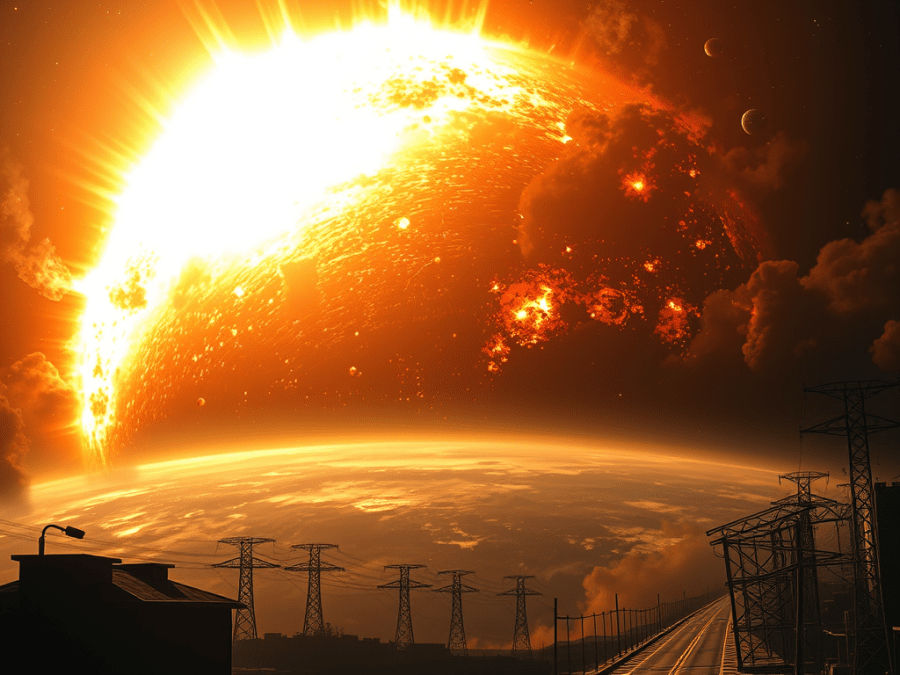
Most people walk around thinking the world is indestructible. They can’t imagine a future where their phone won’t turn on, their fridge won’t hum, and their precious streaming services won’t spoon-feed them entertainment while everything burns around them. But a single solar event—a geomagnetic storm—could wipe out the power grid in minutes, and humanity is too busy scrolling, arguing, and losing its collective mind to care.

If you’re reading this, you’re not like them. You see the cracks forming. You see the fragility. You understand that one violent burst from the sun can plunge the entire planet into darkness for months, years, or permanently.

And you’re angry—because the world refuses to take this threat seriously.

Let’s break down why a solar event is one of the most catastrophic and realistic threats to modern civilization, and why you need to prepare before you’re left in the dark with the clueless masses wondering why their microwaves don’t work anymore.


The Sun Doesn’t Care About Our Fragile Civilization

Solar events are not sci-fi. They’re not hypothetical. They’re not “overblown prepper fantasies.” The sun throws tantrums constantly—solar flares, coronal mass ejections (CMEs), and geomagnetic disturbances. Usually Earth dodges them. But every once in a while, the wrong burst hits us dead-on.

And when it does, the grid—this delicate, aging, overburdened, poorly protected patchwork of wires—doesn’t stand a chance.

Our power grid is like a 100-year-old man running a marathon: one shock and everything shuts down.


The Last Warning: The 1859 Carrington Event

In 1859, the Carrington Event slammed the earth so hard telegraph stations literally caught fire. Sparks flew from metal. Operators were shocked. Equipment melted.

That was back when the world wasn’t dependent on electronics.

Imagine that same solar event hitting today.

  • Every transformer could fry.
  • Most communication systems would fall silent.
  • GPS would fail instantly.
  • Satellites could be damaged beyond repair.
  • The internet would collapse—not temporarily, but potentially for months.

And without the internet? Society as you know it stops ticking.

But here’s the terrifying part: modern scientists estimate that a Carrington-level solar storm has a roughly 10% chance of hitting Earth per decade. You have a higher chance of experiencing a catastrophic solar event than winning the lottery, getting struck by lightning, or getting attacked by a shark.

Yet people prep for none of it.


Infrastructure Built on Hope, Denial, and Duct Tape

The power grid isn’t just fragile—it’s a disaster waiting to happen.

Most high-voltage transformers, the backbone of the grid, take months or YEARS to manufacture. They aren’t mass-produced. They’re custom-built beasts weighing up to 400 tons, requiring specialized facilities to assemble and ship.

And guess where many of them are made?

Not in your country.

Let that sink in.

If a solar storm fries dozens or hundreds of these transformers, replacement becomes a logistical nightmare. Supply chains collapse. Power stays out for extended periods. And in that darkness? Chaos grows.

Governments know this—but they don’t fix it. Too expensive, they say. Too unlikely, they claim. Meanwhile, the probability keeps rising, and the grid keeps aging.

Civilization is held together with rust, tape, and denial.


How a Solar Event Would Destroy Your “Normal Life”

People underestimate how dependent they are on electricity. They picture candlelight dinners and board games. They imagine a temporary inconvenience, like a heavy storm outage.

What they don’t picture is the complete failure of every system they rely on:

1. Water stops flowing

Electric pumps fail. Cities lose pressure. Water treatment plants shut down. Forget showers—try finding safe drinking water.

2. Fuel stops moving

Gas pumps don’t work. Refineries fail. Transportation halts. The fantasy of bugging out evaporates when your tank is empty.

3. Food supply collapses

Grocery stores have three days of inventory. Refrigeration dies. Distribution networks crash. And the average person has no idea how to feed themselves without barcodes and convenience aisles.

4. Medicine becomes scarce

Hospitals lose power. Supply chains freeze. Life-saving medications become impossible to obtain.

5. Communication ends

No phones. No internet. No news. No emergency alerts. Silence.

And in that silence, panic takes over.


People Will Turn on Each Other—Fast

You don’t need a solar storm to see how unhinged people already are. They argue over everything. They hoard at the first sign of trouble. They break down mentally if their Wi-Fi flickers.

Now imagine millions of these panicked, unprepared people left in a powerless world.

  • No AC.
  • No heat.
  • No money systems.
  • No digital infrastructure.
  • No government response capable of addressing a multi-state or national blackout.

You think society is unstable now? Wait until the lights go out for longer than 48 hours.

Without the grid, the world falls apart at lightning speed.


Why You Need to Prepare NOW—not after the next solar flare warning

Once a CME is on its way, you can’t rush out to the store. You can’t “wait and see.” There’s no last-minute prepping. There is only what you already have and what you have already built.

Preparedness starts before the panic. That’s the difference between survival and becoming part of the statistics.

Here’s what serious preppers already set up:

1. Off-grid power solutions

  • Solar generators
  • Battery banks
  • Faraday-protected equipment
  • Small-scale independent systems

If you’re relying on the grid to power your future, you’re doing it wrong.

2. Water independence

Gravity-fed systems, wells, rainwater catchment. Anything not plugged into the fragile electrical world.

3. Food resilience

Crops, storage foods, preservation skills. Canned goods and Mylar bags don’t panic when the grid collapses.

4. Communication redundancies

Ham radio, off-grid radios kept in Faraday containers, and analog backups.

5. A realistic mindset

Most people panic when the world changes. Preppers adjust, adapt, and survive.


The Sun Will Strike Again—The Only Question Is When

Solar events aren’t optional. They’re guaranteed. The only variable is timing.

The grid wasn’t built to handle a direct hit. Society isn’t mentally equipped to live without electricity. Governments aren’t prepared to restore power across regions if hundreds of transformers melt.

But you? You can be prepared.

Because when that solar storm hits, the world will be screaming in the dark—while you’re the one who saw it coming.

THE CRUEL REALITY OF LONG-TERM FOOD STORAGE: Your Family Will Pay the Price for Your Laziness

Let’s rip the bandage off immediately:
If you don’t have long-term food storage, your family isn’t just “at risk” — they’re already doomed.

When the shelves go empty and the trucks stop rolling, you won’t be the one who suffers first. It’ll be the people you love — the ones counting on you to be prepared instead of distracted, careless, or complacent.

You think the world is stable?
You think “it won’t happen here”?
Then you’re living in the same fantasy land as the rest of the pacified, screen-addicted herd.

The hard truth is this:

Civilization is hanging on by a thread, and that thread is fraying.
When it breaks, families won’t just go hungry — they will face choices no human being should ever face.

Starvation doesn’t care about your feelings.
Reality doesn’t soften itself for your comfort.
And collapse won’t politely ask whether you’re ready.


WHEN THE FOOD STOPS, SO DOES HUMANITY

Starvation changes people.
It strips away morals, empathy, compassion, and sanity the way fire strips paint.

And you better believe it happens fast.

After the first week without food, people become desperate.
After the second, they become unrecognizable.
After the third, they become dangerous — even to the people they love.

Families fracture.
Communities turn hostile.
The neighbor you waved at for ten years will bash your door in for a bag of rice.

And the worst part?
Most households don’t even have enough food to last 72 hours.

Three days.
That’s all it takes for society to slip into madness.

If you have nothing stored, if your pantry is a joke, if your “preps” consist of a few expired cans and denial, then you’re not planning to survive.

You’re planning a front-row seat to the most savage side of humanity.


**THE HARSH TRUTH:

Your Family Will Look to YOU — and You’ll Have Nothing to Give**

Imagine being the person your spouse, your parents, your children, your siblings turn to as hunger sets in.
Imagine the hollow eyes, the trembling hands, the fear that builds when every cupboard is empty.

And imagine having no plan, no supplies, no backup — nothing to offer except excuses.

You’ll watch the people who depend on you grow weaker, angrier, and more desperate by the day.

Pretend all you want.
Rationalize all you want.
Call it “fearmongering” or “overreacting.”

But when collapse comes — whether it’s a grid failure, an economic breakdown, a cyberattack, a drought, a strike, or something far worse — the unprepared will descend into panic long before the prepared even break a sweat.


WHY LONG-TERM FOOD STORAGE ISN’T OPTIONAL — IT’S THE DIFFERENCE BETWEEN SANITY AND SAVAGERY

Let’s stop pretending this is optional.

You need:

  • Bulk staples (rice, beans, oats, pasta)
  • Freeze-dried foods (25–30 years shelf life)
  • Shelf-stable proteins
  • High-calorie fats
  • Complete meal kits
  • Cooking fuels
  • Water storage & purification
  • Backup systems for when everything fails

You need months, ideally years, of food security — not because it’s “cool,” not because it makes you a prepper, but because society is a rickety circus tent held up by corrupt clowns and broken poles.

The second the music stops, the whole thing collapses.

And the people without food?
They won’t think.
They won’t negotiate.
They won’t stay rational.

Hungry humans become predators — and unprepared families become victims.


IF YOU THINK THIS IS OVERKILL, YOU’RE NOT PAYING ATTENTION

Look around.

Crop failures.
Supply chain chaos.
Inflation.
Climbing food prices.
Global conflict.
Utility failures.
Governments that can’t even keep their own operations functioning.
Society ripping itself apart from the inside.

And every time chaos hits, the shelves empty instantly.

Now imagine an event that doesn’t get fixed.
Imagine a system that doesn’t restart.
Imagine emergency services that don’t show up.
Imagine a grocery industry that doesn’t recover.

What then?

The answer is simple:
Those who prepared will live.
Those who didn’t will face horrors that never had to happen.


THE FUTURE BELONGs TO THE PREPARED — OR NOT AT ALL

This isn’t “oh cool, prepping is a hobby.”
This is life and death.
This is civilization versus collapse.
This is security versus desperation.
This is preparation versus regret.

Every pound of rice you store is a shield.
Every can of meat is a safety net.
Every bucket of staples is another day your family doesn’t have to suffer.
Every freeze-dried meal is one more piece of sanity in a world gone feral.

You don’t prep because you’re afraid.
You prep because reality is unforgiving — and you refuse to let your family face that reality unprotected.

Those who fail to prepare will face desperation.
Those who prepare will face inconvenience.

Which future are you choosing?

Because when everything collapses, the window to choose closes forever.

North Carolina Power Outages and How to Stay Safe With No Electricity During SHTF

When the lights go out and the hum of modern life suddenly fades to silence, we’re reminded just how dependent we’ve become on electricity. In North Carolina, where hurricanes, ice storms, and aging infrastructure frequently test our resilience, it’s not just about comfort—it’s about survival. I’ve lived through more than one of these dark spells, and let me tell you: being prepared is not just smart, it’s essential.

As a longtime survival prepper with a deep love for community, nature, and self-reliance, I want to share some of the most important skills, tools, and insights you’ll need when the grid goes down. Whether it’s a temporary blackout or a long-term SHTF (Stuff Hits the Fan) scenario, here’s how you can not only survive—but thrive—without electricity in North Carolina.


5 Essential Survival Skills When There’s No Electricity

1. Fire Building and Management

Without electricity, fire becomes your best friend. It provides heat, light, the ability to cook, and even a psychological boost when the world seems uncertain. Learn at least three ways to start a fire—matches, lighters, and friction methods like a bow drill or ferro rod. Practice building different types of fires (teepee, log cabin, Dakota fire hole) and keep a waterproof fire-starting kit ready.

2. Water Purification and Collection

Tap water may stop flowing, or become unsafe if treatment plants go offline. Learn to collect rainwater (it’s legal in North Carolina!) using barrels or even tarps. Have multiple purification methods: boiling, bleach drops, and portable filters like LifeStraw or Sawyer Mini. Water is life, and without it, you’re in trouble fast.

3. Off-Grid Cooking

Microwaves and electric stoves won’t do you any good. Master the art of off-grid cooking. A rocket stove, propane camp stove, solar oven, or even Dutch oven over a fire will keep your meals warm and morale high. Practice with dry goods and canned food so you’re comfortable when the pressure is on.

4. Food Preservation Without Refrigeration

If the power’s out for days or weeks, that freezer full of meat is a ticking time bomb. Learn traditional preservation techniques like canning, pickling, salting, smoking, and fermenting. A simple DIY root cellar can keep root vegetables and hardy produce fresh for months without a watt of power.

5. Situational Awareness and Security

Blackouts create opportunity—for both goodwill and criminal mischief. Understand the basics of home defense, fortifying entry points, and keeping a low profile. If you’re in a densely populated area, maintain situational awareness. Communicate with neighbors you trust and develop a mutual aid plan before disaster strikes.


3 DIY Electricity Hacks During a Blackout

Even if the grid is down, a little ingenuity can go a long way. Here are three off-grid hacks that could give you just enough electricity to power critical items.

1. DIY Solar USB Charger

With just a small solar panel (5V, available at most hardware stores), a USB converter, and a battery pack, you can create a basic solar USB charging station. It won’t run your fridge, but it will keep phones, flashlights, or radios alive—critical during emergencies for communication and news.

2. Hand-Crank Generator

Hand-crank generators or bike-powered dynamos are effective ways to manually generate power. You can DIY a setup using an old bicycle and a small generator motor to charge 12V batteries. It’s not easy work, but it’s sustainable and can power LED lights, radios, or charge small devices in a pinch.

3. Car Battery Inverter System

Your vehicle is essentially a giant power source. With a DC-to-AC power inverter (300W or more), you can use your car battery to run essential electronics like lights, a fan, or a small heater. Just be sure to run the engine occasionally to recharge the battery, and keep fuel conserved.


Top 3 Survival Products You’ll Need Without Electricity

If you can only get a few items to prepare for a blackout, prioritize these. They make a world of difference when you’re plunged into the dark.

1. LED Lantern with Rechargeable Batteries

Forget candles—LED lanterns are brighter, safer, and often come with solar-rechargeable options. The best ones can run for days on a single charge and light up an entire room. Add rechargeable batteries and a solar charger for a long-term solution.

2. Solar Generator (Portable Power Station)

A reliable solar generator is one of the best long-term investments you can make. Brands like Jackery or EcoFlow provide enough juice to run essential electronics, lights, fans, or a CPAP machine. Pair with foldable solar panels for a compact and portable energy system.

3. Emergency Radio with Crank and Solar Options

Communication is critical during blackouts. A hand-crank or solar NOAA emergency radio gives you access to weather updates, local alerts, and even AM/FM stations. Some models include built-in flashlights and USB charging ports for versatility.


The 5 Worst Cities in North Carolina to Be During a Blackout

While every part of the state has its own challenges, some places are more vulnerable than others due to population density, infrastructure weaknesses, or environmental exposure. Here are five cities where being without power could be particularly dangerous:

1. Charlotte, NC

As the largest city in North Carolina, Charlotte’s urban density and reliance on technology make it a rough place during blackouts. The high-rise buildings, heavy traffic, and limited self-reliance of many residents can create tension and overwhelm resources quickly.

2. Raleigh, NC

As the state capital, Raleigh hosts many state operations and relies heavily on digital infrastructure. A power outage here could affect not only residents but also disrupt emergency services and governmental coordination. Plus, the influx of new residents has outpaced preparedness in many neighborhoods.

3. Wilmington, NC

Wilmington is beautiful but vulnerable. Coastal storms—especially hurricanes—routinely knock out power here. Downed lines and flooded roads make it hard for utility crews to restore service. Combine that with evacuation traffic and supply chain breakdowns, and you’ve got a high-risk zone.

4. Durham, NC

Durham has an interesting mix of urban and rural areas, but its older electrical infrastructure and growing tech sector make it particularly exposed to grid issues. A long-term blackout would severely impact local businesses and cause strain on emergency resources.

5. Greensboro, NC

While not as big as Charlotte or Raleigh, Greensboro faces its own issues. It’s a logistics hub, and during a blackout, you could see fuel shortages, looting, or overwhelmed hospitals. Its mixed socioeconomic demographics mean some areas may recover slower than others.


Final Thoughts: Stay Prepared, Stay Kind

Living without electricity isn’t just about having flashlights and canned beans. It’s about building a mindset of self-reliance, creativity, and compassion. When the grid goes down—especially during SHTF—those who know how to stay calm, take action, and help others are the ones who thrive.

Start by mastering a few core survival skills. Create a power outage kit with the essentials. Learn some basic off-grid electricity hacks. And most of all, build a community of like-minded people who care for each other. Preparedness isn’t paranoia—it’s love in action.

The truth is, the future is unpredictable. But with a bit of planning and a whole lot of heart, you and your family can weather even the darkest storms. North Carolina is a beautiful state, and with a little foresight, it can also be a resilient one.

Stay safe out there, and remember: the best power source is the one between your ears.

Prepping on Autopilot: Unlocking the Power of Muscle Memory

Prepping on Autopilot: Unlocking the Power of Muscle Memory

As survivalists, we understand that in a crisis, hesitation can be fatal. The difference between life and death often comes down to how quickly and effectively we can respond to threats. This is where muscle memory becomes invaluable. By training our bodies to react instinctively, we can perform critical tasks without conscious thought, allowing us to focus on strategy and adaptation.


What Is Muscle Memory?

Muscle memory refers to the ability to perform movements without conscious thought, developed through repetition and practice. It’s a form of procedural memory, where the brain stores motor tasks, enabling quick and efficient execution under pressure. In survival situations, this means being able to handle weapons, navigate terrain, or administer first aid without having to deliberate on each action.


10 Survival Prepper Tips to Build and Utilize Muscle Memory

  1. Start Slow and Deliberate Begin with slow, controlled movements to ensure proper technique. Rushing through exercises can reinforce bad habits. For instance, when practicing firearm handling, focus on smooth draws and accurate aiming before increasing speed.
  2. Consistent Practice Regular repetition is key to developing muscle memory. Set aside time each day to practice essential skills, such as shelter building or fire starting, to reinforce these actions until they become second nature.
  3. Mental Rehearsal Visualization can enhance muscle memory. Mentally rehearse tasks like navigating a map or performing CPR. This mental practice activates the same neural pathways as physical practice, strengthening your ability to perform under stress.
  4. Vary Your Training Conditions Practice skills in different environments and scenarios. This variability prevents your body from becoming too accustomed to a single routine, ensuring adaptability in real-world situations.
  5. Focus on Quality, Not Quantity It’s more effective to practice a skill correctly a few times than to perform it incorrectly numerous times. Pay attention to detail and form to build accurate muscle memory.
  6. Use Dry Runs Perform tasks without equipment to simulate real conditions. For example, practice setting up a tent without using the actual tent to familiarize yourself with the process and identify potential issues.
  7. Teach Others Teaching a skill reinforces your own understanding and proficiency. Share your knowledge with fellow preppers to solidify your muscle memory and build a stronger community.
  8. Incorporate Stress Drills Simulate stressful conditions to train your body to perform under pressure. This could include timed tasks or scenarios with distractions, helping you maintain focus during emergencies.
  9. Track Your Progress Keep a log of your training sessions, noting improvements and areas needing attention. Regularly reviewing your progress can highlight patterns and guide your practice sessions.
  10. Rest and Recovery Adequate rest is essential for muscle recovery and memory consolidation. Ensure you’re getting enough sleep and taking breaks between intense training sessions to allow your body to heal and retain information.

The Importance of Muscle Memory in Survival Situations

In survival scenarios, time is often limited, and decisions must be made swiftly. Muscle memory allows you to perform necessary tasks efficiently, without the need for conscious thought. Whether it’s defending your home, navigating through the wilderness, or providing first aid, having these skills ingrained can be the difference between survival and failure.


Training Tips for Specific Survival Skills

  • Firearm Handling: Practice drawing and aiming your weapon in various positions and scenarios to ensure quick and accurate responses.
  • First Aid: Regularly perform CPR and other first aid procedures on mannequins or dummies to build confidence and proficiency.
  • Navigation: Use a map and compass to navigate different terrains, simulating real-world conditions to enhance your orientation skills.
  • Shelter Building: Practice constructing shelters using natural materials to become proficient in creating safe havens in the wild.
  • Water Procurement: Learn and practice methods of collecting and purifying water from various sources to ensure access to clean drinking water.

Conclusion

Building muscle memory is an investment in your survival. By training your body to perform essential tasks automatically, you free up mental resources to focus on strategy and adaptation. Remember, in a crisis, your body will do what you’ve trained it to do. Make sure that training prepares you for success.

Stay vigilant, stay prepared, and let muscle memory be your ally in the face of adversity.