Six-Legged Nightmares of Arkansas: The Bugs That Can Kill You and How to Outsmart Them

Ladies and gentlemen, boys and girls, preppers and porch-sitters—pull up a chair, grab yourself a glass of sweet tea (or something stronger if you’ve already been bitten), and let ol’ Uncle Survival here tell you a little something about Arkansas insects.

Now I don’t want to alarm you—this is not a panic article. This is an informed panic article. The kind where we laugh nervously while checking our socks for ticks and slapping our arms like we owe mosquitoes money.

Arkansas is a beautiful state. We’ve got forests, rivers, lakes, trails, hills, hollers, and enough humidity to make you feel like you’re wearing the atmosphere as a sweater. But nature, as we all know, does not hand out beauty without also slipping a few six-legged assassins into the mix.

These insects are small. They are quiet. They do not pay rent. And under the wrong conditions, they can absolutely, positively, no-foolin’, end your life.

Now before you write me an angry letter saying, “Sir, I have lived here 40 years and ain’t never been killed by a bug,” I remind you—neither has anyone who got killed by one. They are not available for comment.

So let’s talk about the most dangerous insects in Arkansas, how they can kill you, and—most importantly—how to survive them using preparation, common sense, and just a pinch of good old-fashioned paranoia.


A Quick Reality Check (and a Legal-Style Disclaimer)

First things first:
Not every insect on this list will kill you directly. Some carry diseases. Some cause severe allergic reactions. Some just open the door and let bacteria walk right in like they own the place.

Second:
Yes, I know spiders and ticks are technically arachnids, not insects. If that bothers you, I invite you to take it up with nature. They still bite, they still hurt you, and they still ruin camping trips, so they’re getting honorary insect status today. Consider it a loophole.

Alright. Let’s begin the parade of tiny terrors.


1. Mosquitoes ARE Arkansas’s Deadliest Animal (Yes, Animal)

If mosquitoes had a résumé, it would read:

  • Species: Flying Needle
  • Skills: Stealth, persistence, disease delivery
  • Hobbies: Ruining evenings, spreading illness, breeding in bottle caps

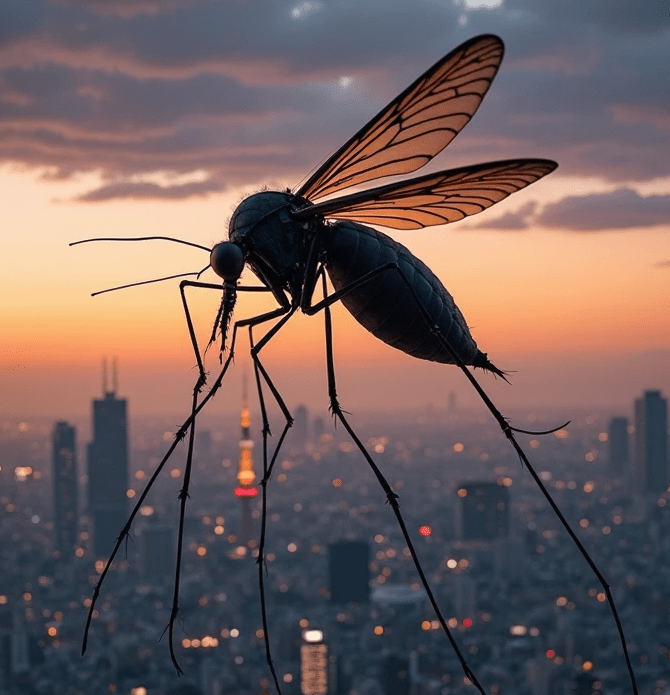
Mosquitoes are not just annoying. They are statistically the deadliest creatures on Earth, and Arkansas is prime mosquito real estate. Warm weather? Check. Standing water? Check. People who forget bug spray? Double check.

Why Mosquitoes Are So Dangerous

Mosquitoes themselves don’t kill you out of spite (although it feels personal). They kill you by acting like tiny hypodermic needles for diseases such as:

  • West Nile Virus
  • Eastern Equine Encephalitis (EEE)
  • St. Louis Encephalitis
  • Zika (rare but possible)

These diseases can cause serious neurological problems, long-term complications, and in rare cases, death—especially in older adults or people with weakened immune systems.

The danger here is not the bite—it’s what comes with the bite. It’s like ordering a sandwich and finding out it comes with a free side of meningitis.

Survival Tips from Your Friendly Neighborhood Prepper

  1. Eliminate Standing Water
    If water sits longer than a bad sitcom rerun, mosquitoes will move in. Dump buckets, clean gutters, flip kiddie pools.
  2. Dress Like a Sensible Nerd
    Long sleeves, long pants, light-colored clothing. Yes, it’s hot. So is a hospital bed.
  3. Use Insect Repellent Properly
    Repellents approved for insect protection are your friends. Apply according to the label. More is not better—you’re not glazing a ham.
  4. Timing Is Everything
    Mosquitoes love dawn and dusk. Plan activities accordingly or bring chemical backup.

2. Ticks Really Are The Slow, Creeping Menace of the Arkansas Woods’

Ticks don’t buzz. They don’t warn you. They don’t even hurt when they bite. Which is exactly why they are terrifying.

Ticks are like that quiet guy at the party who doesn’t say much, but you later find out he’s wanted in three states.

Arkansas is crawling—literally—with ticks, including:

  • Lone Star ticks
  • American dog ticks
  • Blacklegged ticks

Why Ticks Are So Dangerous

Ticks transmit some of the nastiest diseases known to humankind, including:

  • Rocky Mountain Spotted Fever
  • Ehrlichiosis
  • Tularemia
  • Alpha-gal syndrome (which can make you allergic to red meat—cruel and unusual punishment)

These illnesses can cause fever, organ complications, long-term health issues, and yes, in severe untreated cases, death.

The real danger? You often don’t know you’ve been bitten until days later.

Survival Tips (a.k.a. How to Not Become a Tick Buffet)

  1. Check Yourself Like You’re Going Through Airport Security
    After outdoor activity, inspect everything. Scalp, armpits, behind knees, waistband. Ticks are sneaky and have no shame.
  2. Shower Soon After Being Outdoors
    Water won’t kill a tick instantly, but it helps dislodge them and gives you a chance to find hitchhikers early.
  3. Treat Clothing, Not Just Skin
    Certain clothing treatments repel ticks before they ever reach your skin. Think of it as a force field.
  4. Don’t Ignore Symptoms
    Fever, rash, fatigue after a tick bite? Don’t “tough it out.” That’s how ticks win.

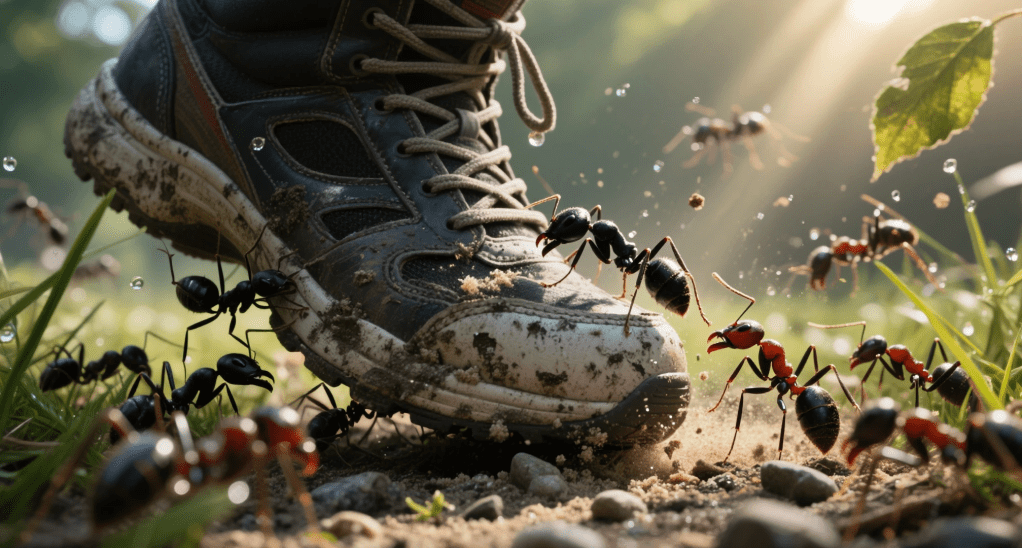
3. Fire Ants: Tiny, Angry, and Unionized

Fire ants are proof that size does not equal mercy.

These little red devils don’t just bite—they swarm. You step on one mound, and suddenly you’ve offended the entire ant community, their extended family, and possibly their church group.

Why Fire Ants Are Dangerous

For most people, fire ant stings cause painful welts. For some, especially those with allergies, multiple stings can trigger life-threatening reactions.

Additionally:

  • Large numbers of stings can overwhelm the body
  • Secondary infections can occur
  • Children and elderly individuals are at higher risk

And did I mention they attack in groups? Because they do. They don’t believe in solo missions.

Survival Tips (Don’t Panic—But Also, Panic a Little)

  1. Watch Where You Step
    Especially in open fields, lawns, and near sidewalks. Mounds aren’t decorative.
  2. If Attacked, Move Fast
    Do not stand there arguing with ants. Brush them off quickly and move away.
  3. Know Your Allergies
    If you or someone with you has a known insect sting allergy, preparedness is not optional—it’s essential.
  4. Treat Stings Promptly
    Cleaning and monitoring stings reduces the risk of infection and complications.

4. Nature’s Flying Grudge Holders

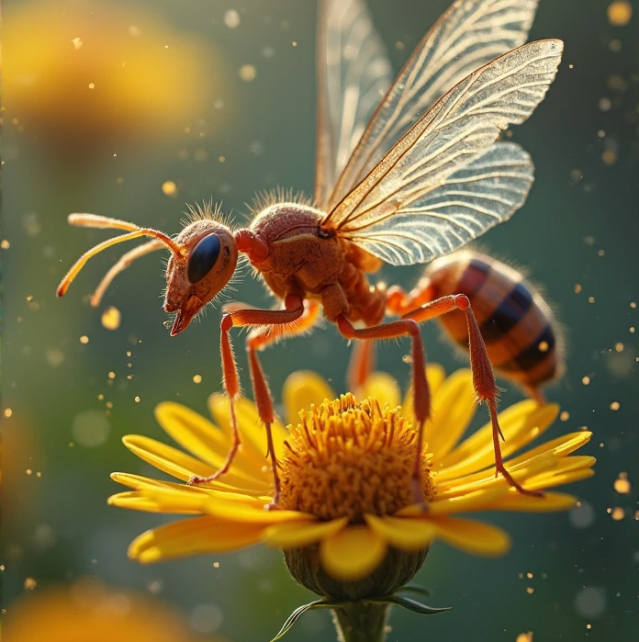
Now I want to be clear: Bees are important. They pollinate crops. They make honey. They are generally minding their own business.

Wasps and hornets, on the other hand, wake up angry.

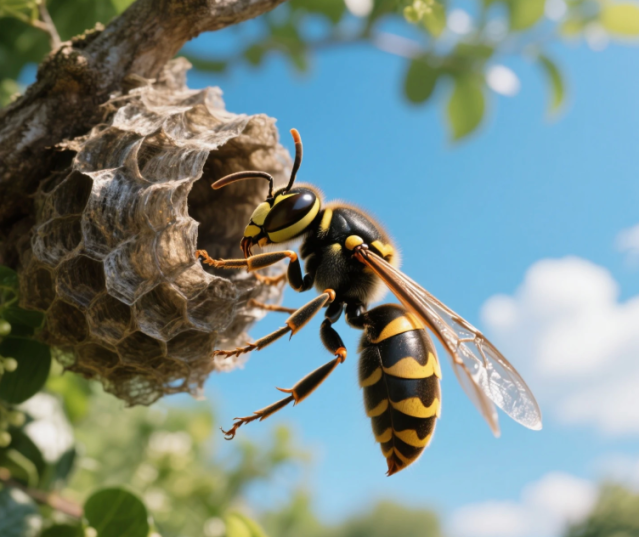
Arkansas is home to several stinging insects that can cause serious harm, including:

  • Yellowjackets
  • Paper wasps
  • Hornets

Why These Stings Can Be Fatal

For individuals with severe allergies, a single sting can trigger anaphylaxis—a rapid, life-threatening reaction that requires immediate medical attention.

Even without allergies:

  • Multiple stings can be dangerous
  • Stings near the face or throat increase risk
  • Panic can worsen outcomes

Survival Tips (Respect the Buzz)

  1. Do Not Swat First
    Swatting is a declaration of war. Move calmly away.
  2. Avoid Nest Areas
    Under eaves, trees, sheds, and outdoor furniture are popular hangouts.
  3. Keep Food Covered Outdoors
    Wasps love picnics like they paid for the potato salad.
  4. Have a Plan
    Know what to do if someone has a severe reaction. Seconds matter.

5. Kissing Bugs are The Insects With the Romantic Name that Gives Out the Worst Consequences (NOT AIDS)

If you’ve never heard of a kissing bug, congratulations—you were happier five seconds ago.

These insects (also called triatomine bugs) have been found in Arkansas and can carry Chagas disease, a serious illness that can cause long-term heart and digestive problems.

Why Kissing Bugs Are Dangerous

  • They bite near the face while people sleep
  • The disease they can transmit may not show symptoms for years
  • Long-term complications can be severe and life-threatening

They are not common, but when they are involved, the stakes are high.

Survival Tips (Because Sleep Is Hard Enough Already)

  1. Seal Entry Points in Homes
    Screens, cracks, and gaps are open invitations.
  2. Reduce Outdoor Lighting Near Bedrooms
    Lights attract insects, insects attract trouble.
  3. Be Cautious in Rustic or Rural Settings
    Cabins, sheds, and older buildings deserve extra inspection.

6. Fleas: Small, Jumping Disease Packages

Fleas may seem like a pet problem, but historically, they’ve been responsible for some of the worst disease outbreaks known to humanity.

While rare, fleas can carry diseases that are still present in parts of the U.S., including Arkansas.

Why Fleas Are Dangerous

  • They can transmit serious bacterial infections
  • Bites can become infected
  • They spread quickly in untreated environments

Survival Tips (Keep the Jumping Menace at Bay)

  1. Treat Pets Regularly
    Your dog should not be a flea Uber.
  2. Maintain Clean Living Spaces
    Vacuuming isn’t glamorous, but neither is scratching at 3 a.m.
  3. Address Infestations Quickly
    Fleas multiply faster than gossip in a small town.

Last Thoughts from a Slightly Paranoid Prepper Living in Arkansas (SOMETIMES YA WEIRDOS)

Now listen, friend. Arkansas is not out to get you. The insects aren’t plotting in tiny underground bunkers. Most of the time, you and these bugs can coexist peacefully—like neighbors who don’t borrow lawn equipment.

But survival isn’t about fear. It’s about awareness, preparation, and respect for the fact that nature does not care how tough you think you are.

You don’t need to live in a bubble. You just need to:

  • Pay attention
  • Protect yourself
  • Take bites and stings seriously
  • Laugh a little while doing it

Because if you can’t laugh at the idea of being taken out by something the size of a Tic Tac, then honestly, what are we even doing here?

Stay alert. Stay prepared. And for heaven’s sake—check your socks.

How to Survive Against The Most Dangerous Insects in Michigan

I’m going to say something that makes people uncomfortable: nature does not care how modern you think you are.

You can have air conditioning, a smartphone, and a garage full of power tools, and a creature that weighs less than a paperclip can still ruin—or end—your life under the right conditions. I’ve spent years studying survival, risk awareness, and emergency response, and I’m constantly amazed at how casually people dismiss insects as “just bugs.”

That attitude is how people get hurt.

Michigan isn’t Australia. We don’t have swarms of venomous nightmares crawling out of every tree. But pretending Michigan’s insects are harmless is just another symptom of a soft world that doesn’t like uncomfortable truths. Some insects here can kill you—not because they’re evil, but because biology doesn’t care about your assumptions.

The good news? You can survive every single one of these threats if you respect them and prepare like an adult.

Let’s talk about the real dangers.


First, Let’s Get One Thing Straight

Insects in Michigan do not roam around hunting humans. Deaths are rare, and almost always the result of:

  • Severe allergic reactions
  • Infections or disease transmission
  • Multiple stings or delayed medical response
  • Poor awareness and worse decision-making

Survival isn’t about fear. It’s about not being stupid when it counts.


1. Bees, Wasps, Hornets, and Yellow Jackets: The Real Killers

If one insect category in Michigan deserves your respect, it’s stinging insects.

Why They’re Dangerous

For most people, a sting hurts and that’s it. But for others, a single sting can trigger anaphylaxis, a fast-moving allergic reaction that can shut down breathing and blood pressure in minutes.

Even people who don’t know they’re allergic can discover it the hard way.

Yellow jackets and hornets are especially dangerous because:

  • They attack in groups
  • They defend nests aggressively
  • They can sting multiple times

Every year, people in the U.S. die from these insects—not because the insects are strong, but because humans are unprepared.

Survival Strategy

  • Know your allergy status. If you’ve ever had swelling beyond the sting site, don’t ignore it.
  • Carry antihistamines during outdoor work or camping.
  • Epinephrine (EpiPen) saves lives if prescribed—this is not optional if you’re allergic.
  • Never swat aggressively; slow movement saves you pain and panic.

I get angry when people laugh this off. This is basic risk awareness. We wear seatbelts—why ignore this?


2. Mosquitoes: Small, Annoying, and Potentially Deadly

People joke about Michigan mosquitoes like they’re a personality trait. I don’t laugh.

Why They’re Dangerous

Mosquitoes in Michigan can carry diseases such as:

  • West Nile Virus
  • Eastern Equine Encephalitis (EEE) (rare but severe)

Most infections don’t become life-threatening, but some do—especially for children, older adults, or people with weakened immune systems.

The danger isn’t dramatic. It’s quiet. Fever, headache, confusion—and suddenly you’re in serious trouble.

Survival Strategy

  • Use repellent with proven effectiveness when exposure is high.
  • Avoid standing water near living areas.
  • Wear long sleeves during peak mosquito activity.
  • Don’t ignore flu-like symptoms after heavy mosquito exposure.

This is the kind of threat that kills because people say, “It’s probably nothing.”

Survival mindset means taking “probably” seriously.


3. Deer Flies and Horse Flies: Pain, Infection, and Rare Complications

These flying pests don’t get enough attention because they’re not venomous. That’s a mistake.

Why They’re Dangerous

  • Their bites tear skin, not puncture it
  • They can cause significant bleeding
  • Open wounds increase infection risk
  • Some people experience severe inflammatory reactions

While deaths are extremely rare, untreated infections can escalate quickly—especially in wilderness or remote conditions.

Survival Strategy

  • Clean bites immediately with soap and water
  • Use antiseptic
  • Monitor for redness, heat, or swelling that spreads
  • Cover wounds when outdoors

Pain is not the danger. Neglect is.


4. Fire Ants (Rare, But Worth Mentioning)

Fire ants are not widespread in Michigan, but isolated populations have appeared in recent years due to climate shifts and transport.

Why They’re Dangerous

  • Multiple stings can overwhelm the body
  • Allergic reactions are possible
  • Secondary infections can occur

Survival Strategy

  • Avoid disturbing nests
  • Treat stings promptly
  • Seek medical care if breathing or swelling worsens

I don’t care how rare something is—if it can hurt you, it deserves respect.


What Survival Really Looks Like (And Why People Hate Hearing This)

Survival isn’t about living in fear or hoarding gear. It’s about humility.

The world is full of people who think preparedness is paranoia. Those same people panic when something unexpected happens.

Here’s what actually keeps you alive:

  • Awareness of real threats
  • Basic medical readiness
  • Willingness to act early instead of “waiting it out”
  • Respect for biology and environment

I stay optimistic because knowledge works. Preparation works. Calm thinking works.

But I stay angry because the world keeps teaching people that nothing bad will happen—as long as it’s uncomfortable to talk about.

That lie gets people hurt.


Final Thoughts On Michigan’s Bug Population: You Don’t Need Fear—You Need Respect

Michigan’s insects are not monsters. They’re not out to get you. But they don’t care if you’re ignorant, distracted, or unprepared.

Survival doesn’t require extreme measures. It requires:

  • Paying attention
  • Acting early
  • Respecting small threats before they become big ones

You don’t survive because you’re lucky.
You survive because you’re ready.

And in a world that keeps pretending readiness is optional, that mindset alone already puts you ahead.

Stay sharp. Stay calm. And stop underestimating the smallest things—they’ve been ending lives long before modern comfort showed up.

Know Your Enemy: The Most Dangerous Bugs in Rhode Island and How to Beat Them

I’ve spent my life preparing for disasters most people never think will happen. Fires, floods, storms, grid-down scenarios—those are the big ones. But the truth most folks don’t want to hear is this: sometimes the deadliest threats are the smallest. In the state of Rhode Island, you don’t need jungles, deserts, or exotic creatures to die from an insect encounter. All it takes is the wrong bite, the wrong sting, or the wrong moment of ignorance.

I don’t write this to scare you. I write this because knowledge saves lives—and if I had to choose between my life and yours, I’d choose yours without hesitation. Even if you were once my enemy. Survival isn’t about fear. It’s about respect for reality.

Let’s talk about the insects in Rhode Island that can, under the right circumstances, end a human life—and what you must do to stay alive.


1. Mosquitoes: The Silent Killers of New England

People laugh when I tell them mosquitoes are the most dangerous insect in Rhode Island. They shouldn’t. Mosquitoes are responsible for more human deaths worldwide than any other animal—and Rhode Island is not immune.

The Real Danger

Mosquitoes in Rhode Island can carry serious diseases, including:

  • Eastern Equine Encephalitis (EEE)
  • West Nile Virus

EEE, while rare, is especially deadly. It attacks the brain and can cause severe neurological damage or death. Survival isn’t guaranteed, and those who live may never fully recover.

How to Stay Alive

  • Eliminate standing water around your home—gutters, buckets, birdbaths.
  • Wear long sleeves and pants at dawn and dusk.
  • Use EPA-approved insect repellent.
  • Repair window and door screens immediately.
  • If you develop fever, headache, confusion, or stiff neck after mosquito exposure, seek medical help immediately.

Ignoring mosquito bites is how people die quietly.


2. Ticks: Slow Death Through Disease

Ticks are not insects—they’re arachnids—but they deserve a place on this list because they kill more Rhode Islanders than any spider ever will.

The Real Danger

The black-legged tick (deer tick) is common throughout Rhode Island. These ticks transmit:

  • Lyme disease
  • Anaplasmosis
  • Babesiosis

While Lyme disease itself is rarely immediately fatal, untreated infections can lead to heart complications, neurological damage, and immune system breakdown. Babesiosis, in particular, can be deadly in older adults or those with weakened immune systems.

How to Stay Alive

  • Perform full-body tick checks after outdoor activity.
  • Shower within two hours of being outdoors.
  • Wear light-colored clothing to spot ticks easily.
  • Use permethrin-treated clothing or tick repellent.
  • Remove ticks promptly with fine-tipped tweezers.

Time matters. The longer a tick feeds, the closer death creeps in.


3. Bees, Wasps, and Hornets: Death by Allergy

Most people survive bee and wasp stings. Some don’t. And when it goes wrong, it goes wrong fast.

The Real Danger

For individuals with severe allergies, a single sting can cause anaphylaxis—a rapid, life-threatening allergic reaction that can shut down the airway and drop blood pressure to fatal levels.

Yellowjackets and wasps are particularly aggressive in late summer and early fall. Unlike bees, they can sting multiple times.

How to Stay Alive

  • Know if you or family members have insect sting allergies.
  • Carry an epinephrine auto-injector if prescribed.
  • Avoid wearing strong fragrances outdoors.
  • Stay calm around flying insects—panic triggers attacks.
  • Seek emergency medical care immediately after signs of an allergic reaction.

I’ve seen strong men collapse in minutes. Don’t underestimate a sting.


4. Black Widow Spiders: Rare but Real

Rhode Island is not crawling with deadly spiders—but the black widow does exist here, though sightings are uncommon.

The Real Danger

Black widow venom attacks the nervous system. Bites are rarely fatal but can cause intense pain, muscle cramps, breathing difficulty, and dangerous complications in children, elderly individuals, or those with health conditions.

How to Stay Alive

  • Wear gloves when working in sheds, garages, or woodpiles.
  • Shake out shoes and clothing stored in dark places.
  • Seek medical care if bitten and symptoms worsen.

Survival means respecting even rare threats.


5. Fleas: The Forgotten Risk

Fleas aren’t just itchy—they’ve shaped human history.

The Real Danger

While plague is extremely rare in modern Rhode Island, fleas can still transmit serious bacterial infections and cause dangerous reactions in vulnerable individuals.

Pets that aren’t treated for fleas can bring risk directly into your home.

How to Stay Alive

  • Keep pets on veterinarian-approved flea prevention.
  • Wash bedding regularly.
  • Vacuum frequently.
  • Treat infestations immediately.

Neglect invites disaster.


Rhode Island’s Best Survival Rules I Live By—and You Should Too

If you remember nothing else, remember this:

  1. Small doesn’t mean harmless.
  2. Early action saves lives.
  3. Prevention is stronger than treatment.
  4. Respect nature—or pay for it.

I’ve trained for collapse scenarios that may never come. But insect threats are here every summer. Every backyard. Every walk in the woods.

If I could stand between you and danger, I would. Since I can’t, I give you this knowledge instead. Use it. Teach it. Pass it on.

Survival isn’t selfish. It’s a duty.

Stay alert. Stay prepared. Stay alive.

Surviving Vermont’s Most Dangerous Insects

Most people think Vermont is safe.

They picture rolling green hills, maple syrup, quiet towns, clean air, and a slower pace of life. They imagine danger comes from winter storms or maybe the occasional bear wandering too close to a campsite.

That kind of thinking gets people killed.

Not quickly.
Not dramatically.
But quietly, stupidly, and preventably.

The real threats in Vermont aren’t loud. They don’t roar. They don’t chase you. They sting, bite, infect, and disappear—while you’re busy assuming nothing serious could happen here.

I’ve spent years studying survival, risk patterns, and real-world emergencies. And one thing is constant: people underestimate small threats. Especially insects. Especially in places they believe are “low-risk.”

This article exists because complacency is deadlier than venom.

Let’s talk about the most dangerous insects in Vermont, how they can kill you under the wrong conditions, and—most importantly—what you can do to survive when things go wrong.


First, a Hard Truth About “Lethal” Insects in Vermont

Before we go any further, let’s be clear and professional:

Vermont does not have insects that routinely kill healthy people through venom alone.

There are no aggressive tropical spiders.
No scorpions.
No assassin bugs spreading Chagas disease.

But death doesn’t require exotic monsters. It requires biology, bad timing, and ignorance.

In Vermont, insects become deadly through:

  • Severe allergic reactions (anaphylaxis)
  • Disease transmission
  • Delayed medical response
  • Isolation from help
  • Repeated exposure or multiple stings

That’s how people die in “safe” places.


1. Bees, Wasps, Hornets, and Yellowjackets: The Most Immediate Killers

If you want the number one insect threat in Vermont, stop looking for something exotic.

It’s stinging insects.

Why They’re Dangerous

For most people, a sting is painful but survivable.

For others, a single sting can trigger anaphylaxis, a rapid and life-threatening allergic reaction that can:

  • Close airways
  • Drop blood pressure
  • Cause loss of consciousness
  • Kill within minutes

Many people do not know they are allergic until it happens.

That’s the nightmare scenario.

Yellowjackets and hornets are especially dangerous because:

  • They are aggressive
  • They sting repeatedly
  • They defend nests violently
  • They often attack in groups

You don’t need to provoke them. Landscaping, hiking, woodpiles, and outdoor eating are enough.

Survival Reality Check

If you are stung and experience:

  • Trouble breathing
  • Swelling of the face or throat
  • Dizziness or collapse

You are in a medical emergency.

Waiting it out is how people die.

Prepper Survival Measures

A professional prepper doesn’t rely on luck:

  • Know where nests commonly form (ground, eaves, sheds)
  • Wear protective clothing when working outdoors
  • Avoid scented products outdoors
  • Keep distance—don’t “tough it out”
  • If you know you’re allergic, emergency medication is not optional—it’s survival equipment

Angry truth?
People die every year because they didn’t want to “make a big deal” out of a sting.


2. Ticks: The Slow Killers Everyone Ignores

Ticks don’t look scary.

That’s their advantage.

Vermont has several tick species capable of transmitting serious diseases, including:

  • Lyme disease
  • Anaplasmosis
  • Babesiosis
  • Powassan virus (rare, but severe)

These are not inconveniences. They are life-altering illnesses.

Why Ticks Are Dangerous

Tick-borne diseases don’t kill quickly. They:

  • Damage the nervous system
  • Attack joints and organs
  • Cause chronic fatigue and pain
  • Create long-term disability

In rare cases, complications can be fatal—especially when diagnosis is delayed.

The real danger is neglect.

People don’t check.
They don’t treat bites seriously.
They don’t act early.

Survival Reality Check

Ticks don’t need wilderness. They thrive in:

  • Backyards
  • Tall grass
  • Wooded edges
  • Parks
  • Trails

You don’t need to be an outdoorsman to be exposed.

Prepper Survival Measures

Professionals treat tick prevention as routine discipline:

  • Full body checks after outdoor exposure
  • Light-colored clothing to spot ticks
  • Keeping grass and brush trimmed
  • Understanding that “I’ll check later” is unacceptable

Complacency doesn’t cause symptoms immediately. It ruins lives quietly.


3. Mosquitoes: Disease Vectors with a Body Count

Mosquitoes are responsible for more human deaths worldwide than any other animal.

Vermont is not immune.

While rare, mosquitoes in the region can carry serious viruses, including Eastern Equine Encephalitis (EEE).

EEE is uncommon—but when it happens, it is brutal.

Why Mosquitoes Are Dangerous

Severe mosquito-borne illnesses can cause:

  • Brain inflammation
  • Seizures
  • Permanent neurological damage
  • Death in extreme cases

The danger isn’t the bite. It’s what the bite injects.

Survival Reality Check

Outbreaks don’t announce themselves loudly. They emerge quietly, seasonally, and unpredictably.

People who think “it’s just a mosquito” are gambling with odds they don’t understand.

Prepper Survival Measures

Survival is about reducing exposure:

  • Limit outdoor activity at peak mosquito hours
  • Eliminate standing water near living areas
  • Use physical barriers like screens and protective clothing
  • Don’t ignore public health warnings—they exist for a reason

This isn’t paranoia. It’s risk management.


4. Fire Ants and Other Biting Insects: Rare, But Not Harmless

While fire ants are not native or widespread in Vermont, isolated encounters and travel exposure still matter.

Biting insects can cause:

  • Severe skin infections
  • Secondary bacterial complications
  • Dangerous reactions in vulnerable individuals

The threat increases with poor hygiene, immune compromise, or delayed treatment.

Survival Reality Check

Infections kill more people historically than venom ever has.

Ignoring wounds is how survival stories turn into obituaries.


The Bigger Picture: Why Insects Kill People Who “Should Have Been Fine”

People don’t die because insects are powerful.

They die because:

  • They underestimate risk
  • They delay action
  • They assume help will arrive fast
  • They trust luck instead of preparation

I’m angry about that—not at nature, but at denial.

Professional survival isn’t about fear.
It’s about respect for reality.


What a Real Survival Prepper Does Differently

A professional prepper doesn’t panic.
They prepare.

They understand:

  • Small threats compound
  • Minor injuries escalate
  • Delays kill

They treat prevention as boring—but mandatory.

No heroics.
No bravado.
No gambling with biology.


Final Thoughts: Vermont Is Beautiful—But It Doesn’t Care About You

Nature is not kind.
It is indifferent.

Vermont’s insects don’t hunt you—but they don’t forgive ignorance either.

You don’t survive by assuming you’re safe.
You survive by accepting that you’re not.

Stay alert.
Stay informed.
And stop underestimating the smallest things.

They’ve ended more lives than most people want to admit.

10 Deadliest Insects in North America That Can Kill You If You’re Not Paying Attention

People love to pretend North America is “safe.” Safe neighborhoods. Safe hiking trails. Safe backyards. That lie falls apart the second you realize how many things here can kill you without making a sound. No growl. No warning. Just a sting, a bite, or a microscopic parasite riding in on six legs.

Insects don’t care about your politics, your optimism, or your belief that “it won’t happen to me.” They’ve been killing humans long before cities existed, and they’ll keep doing it long after society collapses under its own stupidity.

Below are 10 of the most dangerous insects in North America—where they live, how they kill, and how you might survive if you stop being careless and start paying attention.


1. Mosquito

Location: Everywhere. Literally everywhere.
Why It’s Deadly: Disease transmission

If you think mosquitoes are just annoying, you’re already behind. Mosquitoes kill more humans than any other creature on the planet, and North America is no exception. West Nile virus, Eastern Equine Encephalitis, Zika—take your pick. You don’t feel the danger until it’s already in your bloodstream.

How to Survive:

  • Eliminate standing water around your home
  • Wear long sleeves at dusk and dawn
  • Use real insect repellent, not “natural” nonsense
  • Install window screens and actually maintain them

Ignore mosquitoes, and you’re gambling with your nervous system.


2. Africanized Honey Bee (“Killer Bee”)

Location: Southwest U.S., spreading north
Why It’s Deadly: Mass stings and venom overload

One bee sting won’t kill most people. Hundreds will. Africanized honey bees don’t stop when you run. They don’t warn you politely. They attack in swarms and chase victims for long distances.

How to Survive:

  • Run immediately if attacked—do not stand your ground
  • Cover your face and airway
  • Get indoors or into a vehicle fast
  • Seek medical attention after multiple stings

These bees don’t care that humans “own” the land now.


3. Brown Recluse Spider

Location: Midwest and Southern U.S.
Why It’s Deadly: Necrotic venom

This spider doesn’t kill everyone it bites—but when it does, it does it slowly and horribly. The venom destroys tissue, causing wounds that rot from the inside out. Infection and organ failure follow if untreated.

How to Survive:

  • Shake out shoes, gloves, and clothing
  • Seal cracks in walls and foundations
  • Seek medical help immediately after a suspected bite

Brown recluses thrive in clutter. Clean your environment or pay for it.


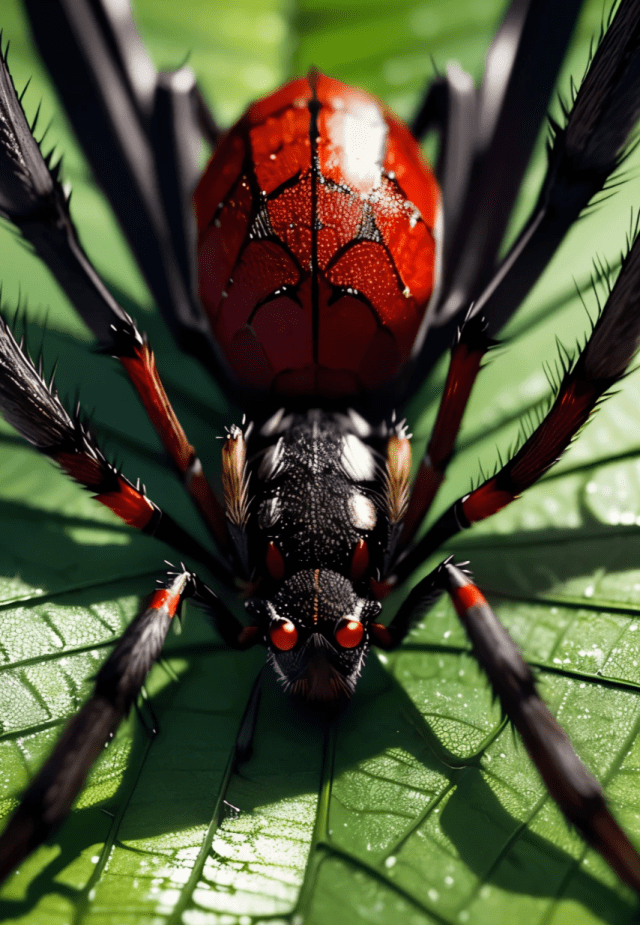
4. Black Widow Spider

Location: Throughout North America
Why It’s Deadly: Neurotoxic venom

Black widow venom attacks the nervous system, causing muscle paralysis, severe pain, and respiratory distress. Children, elderly adults, and people with weak health are especially vulnerable.

How to Survive:

  • Wear gloves when working in sheds or woodpiles
  • Reduce insect populations that attract spiders
  • Get medical treatment quickly—antivenom exists

Ignoring pain because you “don’t want to overreact” is how people die.


5. Fire Ant

Location: Southern U.S.
Why It’s Deadly: Venom and allergic reactions

Fire ants don’t sting once. They swarm, latch on, and inject venom repeatedly. For people with allergies, this can trigger fatal anaphylaxis. Even without allergies, massive stings can lead to infection and systemic reactions.

How to Survive:

  • Avoid ant mounds—watch where you step
  • Treat property infestations aggressively
  • Carry antihistamines or an EpiPen if allergic

Fire ants are proof that size doesn’t matter when numbers are on your enemy’s side.


6. Tsetse Fly (Rare but Documented Risk)

Location: Extremely rare, imported cases
Why It’s Deadly: African sleeping sickness

This isn’t common—but globalization keeps bringing foreign threats home. The tsetse fly transmits parasites that cause neurological collapse if untreated.

How to Survive:

  • Seek medical attention after unexplained fevers post-travel
  • Avoid complacency with imported insects

Nature doesn’t respect borders. Neither should your preparedness.


7. Kissing Bug (Triatomine Bug)

Location: Southern and Southwestern U.S.
Why It’s Deadly: Chagas disease

This insect feeds on blood and defecates near the bite wound. That waste carries parasites that enter the body and quietly destroy the heart over years.

How to Survive:

  • Seal cracks in homes
  • Keep pets indoors at night
  • Get tested if bitten

Some deaths don’t happen fast. They happen quietly while you’re busy ignoring reality.


8. Deer Fly

Location: Forests, wetlands, rural areas
Why It’s Deadly: Disease transmission

Deer flies deliver painful bites and can spread tularemia, a potentially fatal bacterial infection.

How to Survive:

  • Wear light-colored clothing
  • Use head nets in heavy fly areas
  • Clean and disinfect bites immediately

One infected bite can spiral into organ failure if untreated.


9. Fleas

Location: Anywhere mammals live
Why It’s Deadly: Plague and typhus

Yes, plague still exists. Fleas don’t care that it’s “medieval.” When sanitation breaks down, fleas become efficient killers again.

How to Survive:

  • Control rodents
  • Treat pets regularly
  • Maintain hygiene even when society doesn’t

History repeats itself because people refuse to learn.


10. Velvet Ant (Cow Killer Ant)

Location: Southern and Central U.S.
Why It’s Deadly: Extreme venom, allergic reactions

Despite the name, it’s a wasp. Its sting is legendary—intense pain that can cause shock, heart issues, or fatal allergic responses.

How to Survive:

  • Don’t handle unfamiliar insects
  • Wear protective footwear outdoors
  • Treat stings immediately

Curiosity is not a survival trait.


Final Reality Check

The world is not built for your comfort. It’s built to test whether you adapt or die. Insects don’t need claws, teeth, or intelligence. They just need you to stay ignorant long enough.

Preparedness isn’t paranoia—it’s the bare minimum. Learn where these insects live. Learn how they kill. Learn how to respond. Because help won’t always come in time, and nature doesn’t give second chances.

Stay alert. Stay angry. Stay alive.