What a day yesterday was, huh? March 23rd, 2026

What a day yesterday was, huh? The kind of day where you wake up, check your phone, and immediately think, “You know what… maybe I’ll just go back to sleep and let history sort itself out.”

We’ve got world leaders hitting the pause button. A full pause. Five days. That’s not diplomacy—that’s the free trial of international relations. Somewhere there’s a big red button labeled “Do Not Touch”… and somebody finally said, “Maybe we shouldn’t touch that today.”

And I love this—both sides say things are going well, but neither side seems entirely sure they’re even talking to each other. That’s not diplomacy—that’s two people texting “k” back and forth and calling it progress.

Meanwhile, Wall Street hears the word “pause” and suddenly everyone’s celebrating like it’s happy hour. Stocks go up, oil goes down, and investors are hugging each other like, “We did it! We survived… Monday.” These guys get excited over anything. You could announce a nap and the Dow would jump 400 points.

Of course, while investors are celebrating, regular folks are looking at mortgage rates. Yeah… over six percent. At this point, buying a house isn’t a financial decision—it’s a spiritual journey. You don’t apply for a mortgage anymore, you pray for one.

People aren’t refinancing—they’re just staring at their current rate like it’s an old high school photo: “Wow… I really had it good back then.”

And rent? Rent is the only thing in America that lifts weights. Every year it shows up stronger, faster, and ready to knock you out again.

Then you’ve got air travel. Always relaxing, right? Nothing like taking your shoes off in public while holding a plastic bag of toothpaste and wondering how your life led to this moment.

There was a collision on a runway—plane and a fire truck. A fire truck! That’s the one vehicle you don’t want to meet at high speed. That’s like going to the hospital and getting hit by an ambulance on the way in.

Airports are short-staffed now. They’re bringing in extra personnel just to keep things moving. You walk into the terminal and think, “Am I flying somewhere, or am I being processed?”

And the delays… oh, the delays. You ever notice they never tell you anything useful? “Your flight has been delayed due to… reasons.” What reasons? Weather? Mechanical issues? Did the pilot just say, “You know what, I’m not feeling it today”?

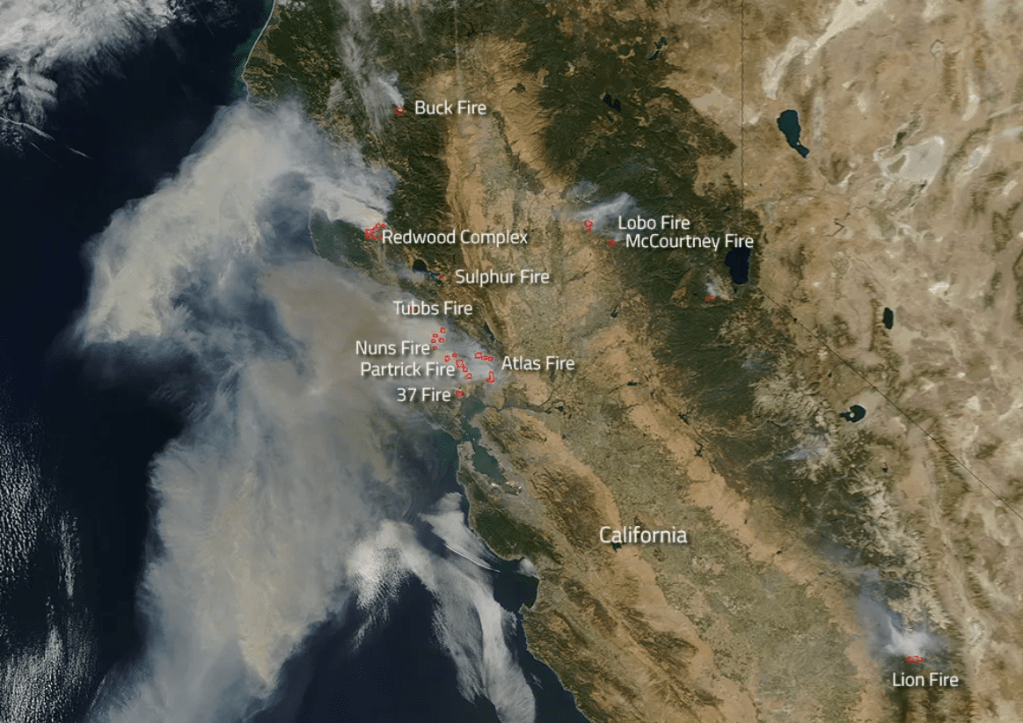
Meanwhile, outside, the weather has completely lost its mind. It’s March—and it feels like the surface of the sun. Over a hundred degrees in some places. In March!

That’s not spring—that’s summer showing up early like an overeager intern. “Hey guys! I brought heat exhaustion!”

Even people in the desert are complaining. When folks in Arizona say, “This is a bit much,” you know something’s wrong. That’s like a fish saying, “I’m getting a little wet here.”

They call it a “heat dome.” A heat dome! That sounds less like weather and more like something you’d buy at a late-night infomercial. “Tired of comfort? Try the new Heat Dome! Makes everything worse!”

And scientists are explaining why it’s happening, and everyone’s nodding like, “Yes, yes, that makes sense,” while secretly thinking, “Can it just… not?”

Back in the world of technology, billionaires are building giant factories for computer chips. Huge operations. The kind of thing where you hear about it and think, “This is either going to save humanity… or give us a robot that files complaints against us.”

They’ve got names like “Terafab.” Terafab! That’s not a factory—that’s a supervillain. Somewhere there’s a hero going, “We must stop Terafab before it achieves full production capacity!”

And the goal is artificial intelligence. Because apparently regular intelligence wasn’t stressful enough—we needed a version that works faster than we do and never sleeps. That’s comforting, right?

You ever notice how every technological advancement is announced like it’s great news, but deep down we’re all thinking, “This might end with us apologizing to a toaster”?

Then there are the courtroom dramas. Cases from decades ago still playing out. You realize the legal system doesn’t move fast—it moves thoroughly. By the time some of these things wrap up, even the paperwork needs closure.

It’s one of those reminders that time passes, but consequences eventually catch up. Slowly… but they’ve got great stamina.

Meanwhile, parts of the government are still… let’s say “on pause.” Which is polite language for, “We’re not entirely sure who’s in charge of the stapler.”

Services are stretched thin. People are covering multiple roles. It’s like a big office where half the staff is missing and the other half is Googling, “How do I do my job?”

Well, let’s see how today goes!

Surviving the News Cycle: Critical “Prepper” Thinking in a Biased Media World

Pretty, Prepared, and Wary: Surviving the News Media

Hey y’all, Brooke Homestead here. I know what you’re thinking: “She’s just a pretty girl ready to live off-the-grid.” True—but don’t underestimate me. I’ve got hands that can prune heirloom tomatoes in the morning and tie a rope rescue in the afternoon. Which brings me to something I’ve been noticing lately: the news media.

Take CNN’s Jake Tapper, for instance. Watching him interview Stephen Miller made me think… is the media reporting news, or are they spinning a story to fit a narrative? It seems like no matter what good comes out of DC, if the current administration is responsible, it must be framed as “bad.” That’s a lot like survival prep—filter out the noise, focus on the facts, and don’t panic at every alert.

(Click or Tap On The Picture Below of Jake Tapper Crying)

Do I trust the media? It’s complicated. Some outlets are careful, fact-driven, and transparent. Others sensationalize, editorialize, and push opinions disguised as news. My survivalist tip? Diversify your sources, verify with evidence, and most importantly—trust your own critical thinking. Just like in the wilderness, you can’t rely on one map; you have to read the terrain yourself.


Brooke Homestead: From Yoga Model to Homestead Hero

I wasn’t always covered in dirt and tomato seeds. At 25, I was a professional yoga model, traveling the world for photo shoots and wellness campaigns. But the glamour came with a dark side: I was stalked, followed, and harassed. It made me rethink my life, my safety, and the meaning of true independence. That’s when I discovered the homestead lifestyle.

Moving off-the-grid wasn’t just about escaping the stress—it became my empowerment. I learned survival gardening, hunting, and prepping skills that make me self-sufficient. I trained in wilderness rescue, and eventually, I was recognized as the 2025 Female Survivalist of the Year. Yoga didn’t go away; it evolved. I now combine flexibility and mindfulness with survival techniques, teaching people how to stay calm under pressure and solve real-life problems when the unexpected strikes.

I’m not just “a pretty girl in the garden” anymore. I’m someone who can save a family stranded in freezing weather, tend to crops through droughts, and survive the chaos of both wilderness and media spin. My life is a mix of grit, grace, and green thumbs—and I love every messy, challenging, empowering minute of it.

New Jersey Crime Report 2026: Most Dangerous City, Safest 50K+ City & National Safety Score

New Jersey Crime Survival Report 2026: The Most Dangerous City Over 50,000 — And the Safest Urban Stronghold in the Garden State

New Jersey has a reputation problem.

Mention the state and people think of crowded highways, dense cities, and crime headlines bleeding over from New York and Philadelphia. But reputation and reality are two different case files.

As a professional survival prepper who studies crime data like an undercover investigator mapping a network, I don’t rely on stereotypes. I rely on numbers, patterns, and structural indicators.

Today we’re examining New Jersey cities with populations over 50,000 to identify:

  • The most dangerous and criminally active city
  • The safest large city in the state

No exaggeration. No denial. Just data — analyzed through a preparedness lens.


The Most Dangerous Large City in New Jersey: Camden

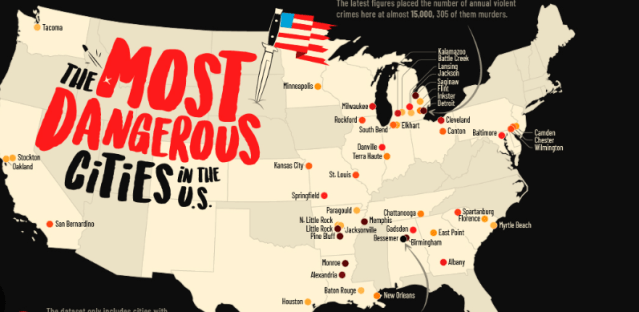
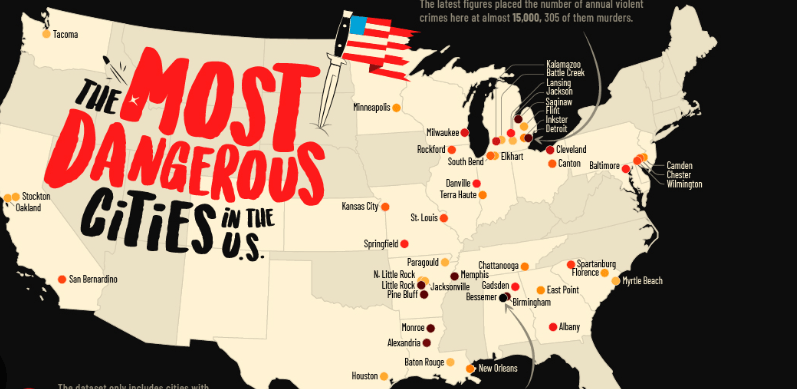
With a population hovering around 70,000 residents, Camden has long been associated with high crime rates. While the city has made measurable improvements over the past decade, it still ranks as the most crime-impacted city in New Jersey among those over 50,000 residents.

Let’s look at the numbers.

Crime Statistics (Recent FBI & State Reporting Trends)

  • Violent crime rate: Approximately 1,200–1,600 incidents per 100,000 residents
  • Aggravated assault: Often exceeding 900 per 100,000
  • Robbery: Roughly 250–350 per 100,000
  • Homicide rate: Historically elevated, though significantly reduced from peak years
  • Property crime rate: Around 2,500–3,500 per 100,000

Camden once ranked among the most dangerous cities in America. Reforms, including restructuring of the police department, have reduced homicides and overall violent crime substantially compared to the early 2010s.

But per-capita violent crime remains among the highest in the state.


What Makes Camden High-Risk?

When I evaluate a city, I look beyond totals and into structural stress.

1. Concentrated Poverty

Camden struggles with long-term economic hardship. High unemployment and limited economic mobility create fertile ground for underground economies.

Crime doesn’t appear randomly. It clusters where opportunity disappears.

2. Density & Proximity

Camden sits directly across the river from Philadelphia, increasing regional mobility and cross-city criminal activity patterns.

Major transit corridors increase both legitimate commerce and criminal opportunity.

3. Drug Market Activity

Drug trafficking and related disputes historically contributed to violent crime levels. While enforcement and reform have improved trends, narcotics-related incidents remain a factor.

Where illicit markets operate, violence follows.

4. Legacy of Violence

Even as crime drops, reputation lingers. That reputation influences economic investment, housing patterns, and community development — all of which affect long-term safety.


Survival Prepper Risk Assessment: Camden

If you live in Camden:

  • Harden home entry points.
  • Maintain layered security (cameras, lighting, alarms).
  • Avoid predictable routines.
  • Stay aware of neighborhood-specific crime maps.
  • Build trusted local networks — intelligence reduces vulnerability.

Camden is not the chaos it once was. But it requires vigilance.


The Safest Large City in New Jersey: Edison

With a population exceeding 100,000 residents, Edison consistently ranks among the safest large cities in the state.

Yes, there are small suburban towns with lower crime rates — but among cities over 50,000, Edison stands out.

Crime Statistics (Recent Trends)

  • Violent crime rate: Approximately 100–200 incidents per 100,000 residents
  • Aggravated assault: Typically under 100 per 100,000
  • Robbery: Often below 40 per 100,000
  • Homicide: Extremely rare annually
  • Property crime rate: Around 1,000–1,500 per 100,000

Compared to Camden, Edison’s violent crime rate is dramatically lower — often a fraction per capita.


Why Is Edison So Safe?

From an investigator’s standpoint, several stabilizing factors stand out.

1. Strong Median Household Income

Higher median income correlates with lower violent crime. Economic stability reduces desperation-driven offenses.

2. Suburban Infrastructure

Edison’s layout is primarily suburban, with lower density housing and strong zoning separation between commercial and residential areas.

Reduced density often means fewer opportunity crimes.

3. Education & Workforce Stability

Edison benefits from high education attainment and proximity to corporate employment hubs.

Stable careers reduce crime volatility.

4. Community Engagement

Active neighborhood associations, well-funded public services, and consistent policing contribute to low violent crime levels.


Survival Prepper Risk Assessment: Edison

Edison is statistically safe.

But preparedness doesn’t disappear just because the numbers are low.

Recommendations:

  • Basic home security remains essential.
  • Secure packages (porch theft exists everywhere).
  • Prepare more for severe weather events than violent crime.
  • Maintain emergency supplies for coastal storm impacts.

In Edison, natural disasters may pose a greater risk than violent crime.


New Jersey’s Crime Landscape: The Larger Pattern

New Jersey consistently ranks among the safer states for violent crime nationally.

But here’s what most people miss:

Crime in New Jersey is highly localized.

Urban pockets — like Camden — experience elevated rates. Meanwhile, suburban cities like Edison maintain exceptionally low violent crime levels.

The key differences:

  • Income distribution
  • Population density
  • Drug market concentration
  • Regional transit flow
  • Historic investment patterns

As a prepper, I don’t see New Jersey as “dangerous.”

I see it as stratified.

Some neighborhoods demand hardened awareness.

Others demand routine preparedness.

New Mexico Crime Rankings 2026: Highest Crime City, Safest Large City & U.S. Comparison

Listen up, because if you’re going to live, move, invest, or build a life in the Land of Enchantment, you need more than vibes and sunsets. You need data. You need situational awareness. And you need the kind of intelligence that keeps you alive when others are just scrolling Zillow listings.

I’m your 2025 Female Survival Prepper of the Year — sharp, strategic, and yes, fully aware that half the room stops listening once I start talking (don’t worry, gentlemen, I multitask too). But today, we’re not talking about my curves — we’re talking about crime curves.

This is a deep breakdown of:

  • The most dangerous and criminally active city in New Mexico (population 50,000+)
  • The safest city in New Mexico (population 50,000+)
  • How both rank nationally
  • Where New Mexico stands among all 50 states
  • And what it all means for survival, safety, and smart living

Let’s get into it.


🔥 Most Dangerous City in New Mexico (50,000+ Population): Albuquerque

Population: ~560,000
County: Bernalillo County

There’s no suspense here. When it comes to raw numbers, violent crime totals, and national reputation, Albuquerque leads the pack — and not in a good way.

📊 Crime Statistics in Albuquerque

According to recent FBI and state-level crime data:

  • Violent crime rate: ~1,300–1,400 per 100,000 residents
  • Property crime rate: ~6,000+ per 100,000 residents
  • Total crime rate: Roughly 2.5–3 times the national average

Let me translate that into prepper language:
That’s not “bad neighborhood energy.” That’s systemic criminal activity.

Violent Crime Breakdown:

  • Aggravated assault: Extremely high compared to national average
  • Robbery: Significantly elevated
  • Homicide rate: Fluctuates year to year, but well above U.S. average

Property Crime:

  • Vehicle theft is particularly notorious
  • Burglary and larceny rates are consistently high

If I park my lifted 4×4 survival truck in Albuquerque overnight, I’m triple-checking my cameras, kill switch, and neighborhood watch group chat.


💣 What Makes Albuquerque So Dangerous?

Crime isn’t random. It’s layered.

Here’s what drives Albuquerque’s high crime rates:

1️⃣ Economic Strain

High poverty rates in certain districts create crime-concentrated areas. Poverty alone doesn’t cause crime — but concentrated economic distress combined with limited opportunity fuels it.

2️⃣ Drug Trafficking Corridors

New Mexico’s location along major trafficking routes contributes to narcotics-related crime. Fentanyl, methamphetamine, and gang-related distribution networks have increased violent incidents.

3️⃣ Property Crime Epidemic

Albuquerque consistently ranks among the highest in the nation for car theft per capita. Organized rings and repeat offenders play a role.

4️⃣ Policing Challenges

Recruitment shortages and retention issues within law enforcement have stretched resources thin at times.


🇺🇸 Where Albuquerque Ranks Nationally

Among U.S. cities with populations over 100,000:

  • Albuquerque often ranks in the Top 20–25 most dangerous cities in America based on violent crime rate.
  • It frequently appears in the Top 10 for vehicle theft per capita.

If we were ranking strictly by violent crime per capita, Albuquerque would typically fall somewhere around:

👉 #18 to #22 most dangerous U.S. city (population 100,000+)

That’s not apocalypse-level like some cities, but it’s firmly in high-risk territory.


🛡️ Safest City in New Mexico (50,000+ Population): Rio Rancho

Population: ~110,000
County: Sandoval County

Now this is where things get elegant. Controlled growth. Suburban planning. Lower crime density. Predictable infrastructure. That’s Rio Rancho.

📊 Crime Statistics in Rio Rancho

  • Violent crime rate: ~150–200 per 100,000 residents
  • Property crime rate: ~1,500–2,000 per 100,000 residents
  • Total crime rate: Well below both state and national averages

That violent crime rate is nearly 7–8 times lower than Albuquerque.

Let that sink in.


🌿 What Makes Rio Rancho So Safe?

Safety is rarely accidental. It’s engineered.

1️⃣ Master-Planned Development

Rio Rancho was built with suburban expansion in mind. Zoning is structured. Residential areas are cohesive.

2️⃣ Strong Community Policing

Law enforcement presence is steady and visible. Lower population density allows quicker response times.

3️⃣ Economic Stability

Higher median household income compared to state averages reduces economic desperation factors.

4️⃣ Lower Urban Density

Less crowding = fewer flashpoint opportunities for violent encounters.

In prepper terms?
Rio Rancho gives you buffer space. And buffer space equals survivability.


🇺🇸 Where Rio Rancho Ranks Nationally

Among cities with 100,000+ residents:

  • Rio Rancho would typically land around #30–#40 among the Top 50 safest U.S. cities (based on violent crime rates).

It’s not “storybook small town safe,” but in a state like New Mexico? It’s the gold standard.


🌎 Where Does New Mexico Rank Overall Among U.S. States?

Now zoom out.

Statewide crime data consistently places New Mexico among:

  • Top 3–5 states for highest property crime rate
  • Top 10 states for violent crime rate

When combining violent and property crime:

👉 New Mexico typically ranks around #45–#48 in overall safety out of 50 states.

That puts it in the Bottom 5 safest states nationally.


Why Does New Mexico Rank So Low?

Let’s break it down strategically:

1️⃣ High Property Crime Statewide

Vehicle theft and burglary rates elevate overall numbers.

2️⃣ Urban Concentration Effect

Much of the state’s population is concentrated in Albuquerque, amplifying its crime impact on statewide statistics.

3️⃣ Rural Law Enforcement Gaps

Large geographic areas with limited patrol coverage.

4️⃣ Economic Disparities

New Mexico consistently ranks among states with lower median household income.

That combination keeps the state near the bottom of national safety rankings.


💡 Survival Prepper’s Take: What This Means for You

If you’re considering moving to New Mexico:

✔️ Choose location strategically

Suburban zones like Rio Rancho dramatically change your risk profile.

✔️ Harden your property

Especially in Albuquerque — cameras, lighting, reinforced doors, vehicle tracking.

✔️ Study neighborhood-level data

City-wide averages hide hyper-local hot zones.

✔️ Don’t rely on aesthetics

A city can look charming and still have high crime per capita.

I don’t prep because I’m paranoid. I prep because I’m intelligent. There’s a difference.

Missouri’s Urban Nightmare and Suburban Sanctuary: A Grim Look at Crime Statistics

Missouri sits in the middle of America — geographically, culturally, and sometimes statistically. It’s a state of river towns and rolling farmland, barbecue smoke and baseball pride. But once the sun sets and the crime data comes out, Missouri tells a colder story.

This is not the postcard version.

This is the numbers.

Today we examine:

  • The most dangerous city in Missouri with over 50,000 residents
  • The safest city in Missouri with over 50,000 residents
  • Where each ranks nationally
  • Where Missouri falls among the safest states
  • And how political control has shifted since 1990

Because in Missouri, the difference between peace and police tape can be a matter of a few highway exits.

Meet Brooke Homestead: 2025 Female Survival Prepper of the Year & Featured Survival Blogger


🔥St. Louis is the Most Dangerous City in Missouri (Over 50,000 Residents)

St. Louis has long battled a reputation that isn’t exactly tourist-brochure friendly. While the Gateway Arch rises as a symbol of westward expansion, crime statistics often pull the conversation back down to earth.

📊 St. Louis Crime Snapshot (Recent FBI & State Data Averages)

  • Violent crime rate: ~1,800–2,200 per 100,000 residents
  • Homicide rate: Frequently among the highest per capita in the U.S.
  • Property crime rate: ~3,500–4,000 per 100,000 residents
  • National violent crime average: ~380–400 per 100,000

At times, St. Louis’ violent crime rate has been five to six times higher than the national average.

That’s not a statistical rounding error. That’s a pattern.


🧨 Why Is St. Louis So Crime-Heavy?

  1. City–County Divide
    St. Louis City is administratively separate from St. Louis County, meaning crime statistics reflect a smaller, high-density urban core rather than a blended metro area. This inflates per-capita figures.
  2. Concentrated Poverty
    Certain neighborhoods face long-term economic distress and housing instability.
  3. Historic Population Decline
    Shrinking tax bases strain public services.
  4. Gun Violence Trends
    Like many U.S. cities, firearm-related incidents drive violent crime totals.
  5. Drug Markets & Interstate Corridors
    Major highways create transit routes for trafficking activity.

Dark humor? In St. Louis, the Arch isn’t the only thing that rises sharply — so have homicide spikes during certain years.

Yet it’s important to note: crime is highly concentrated in specific neighborhoods. The entire city is not a crime scene — but the statistics remain severe.


🏆 National Ranking

Among cities over 50,000 residents, St. Louis frequently ranks:

#1 to #5 in the Top 50 Most Dangerous U.S. Cities

Depending on the year and dataset, it has often held the #1 position in violent crime per capita.

That’s a ranking no chamber of commerce wants to advertise.


🌤 O’Fallon is the Safest City in Missouri (Over 50,000 Residents)

Now let’s drive west into suburbia.

O’Fallon feels like a different universe from St. Louis’ urban core. Manicured neighborhoods. Youth sports leagues. The kind of place where the loudest siren is usually a fire truck responding to an overenthusiastic backyard grill.

📊 O’Fallon Crime Snapshot

  • Violent crime rate: ~90–130 per 100,000 residents
  • Property crime rate: ~900–1,200 per 100,000 residents
  • Overall crime rate: Far below state and national averages

Compared to St. Louis, O’Fallon’s violent crime rate is roughly 15 to 20 times lower.

That’s not subtle. That’s statistical whiplash.


🛡 Why Is O’Fallon So Safe?

  1. Higher Median Income
  2. Low Poverty Levels
  3. Planned Suburban Growth
  4. Strong Community Policing
  5. Family-Oriented Demographics
  6. Lower Population Density

O’Fallon benefits from suburban insulation — close enough to economic opportunity, far enough from concentrated urban crime zones.

If St. Louis feels like a gritty crime drama intro, O’Fallon feels like the quiet town where nothing ever happens… and that’s exactly how residents prefer it.


🏆 National Safety Ranking

Among U.S. cities over 50,000 residents, O’Fallon often ranks:

#20 to #35 in the Top 50 Safest Cities in America

It’s not Mayberry. But statistically, it’s one of Missouri’s safest mid-sized municipalities.


🗺 Where Does Missouri Rank Among the Safest States?

Zooming out statewide:

  • Missouri violent crime rate: ~500–550 per 100,000 residents
  • National average: ~380–400 per 100,000

Missouri typically ranks:

#38 to #45 among the Top 50 Safest States

In other words, it lands in the lower tier nationally for safety.

Urban crime in St. Louis and Kansas City heavily influences statewide averages. Rural Missouri remains significantly safer — but metro areas drive the rankings.

Missouri isn’t uniformly dangerous.

It’s uneven.

Very uneven.


🏛 Missouri’s Political Landscape Since 1990

Missouri was once considered a classic swing state. Over the past decade, it has leaned more Republican at the statewide level.

Let’s break it down.


Democratic Representation Since 1990

U.S. Senate

Notable Democratic senators include:

  • Claire McCaskill (2007–2019)
  • Jean Carnahan (2001–2002)

Democrats have held Senate seats intermittently, but Republicans have dominated in recent years.


U.S. House of Representatives

Since 1990, Democrats have typically held 2 to 4 congressional seats, depending on election cycles and redistricting.


Democratic Governors Since 1990

  • Bob Holden (2001–2005)
  • Jay Nixon (2009–2017)

Total Democratic Governors since 1990: 2


Republican Representation Since 1990

U.S. Senate

Republicans have controlled both Senate seats for extended stretches, especially after 2018.


Republican Governors Since 1990

  • John Ashcroft (1985–1993; includes early 1990s overlap)
  • Matt Blunt (2005–2009)
  • Eric Greitens (2017–2018)
  • Mike Parson (2018–2025)

Total Republican Governors since 1990: 4

Missouri has leaned Republican in statewide executive offices more often than Democratic over the past three decades.


🧩 Does Politics Equal Crime?

Crime rates reflect:

  • Economic shifts
  • Urban segregation patterns
  • Drug epidemics
  • Policing strategies
  • Education disparities
  • Population density

No single party owns the statistics. Crime trends often evolve over decades, not election cycles.

Missouri’s urban-rural divide explains much of its crime disparity — more than party labels alone.


🌒 Final Verdict: Missouri’s Two Realities

In St. Louis, crime statistics remain among the highest in the nation per capita. Concentrated violence and structural challenges keep it near the top of national danger rankings.

In O’Fallon, stability, suburban planning, and economic insulation produce one of the safest large-city environments in the state.

Missouri overall ranks in the lower third nationally for safety — but that ranking hides enormous variation.

One ZIP code installs security systems.

Another installs porch swings.

Same state. Different reality.

Dark? Sometimes.

Hopeless? Not necessarily.

Because statistics show where the problems are — and that’s the first step toward solving them.

Ohio’s Most Dangerous City vs. Its Safest: A Crime Reality Check That Might Shock You

Ohio is often called the heart of America. But if that’s true, it’s a heart with a few clogged arteries.

Behind the Friday night football games, cornfields, and proud manufacturing towns lies a state that tells two very different stories. One is marked by flashing red and blue lights in the rearview mirror. The other by quiet cul-de-sacs where the loudest crime is a mailbox being nudged over by teenagers with poor life choices.

Today we’re diving into the most dangerous city in Ohio with a population over 50,000 and the safest city over 50,000 residents, breaking down crime statistics, national rankings, and even the political landscape that has shaped the state since 1990.

This isn’t a tourism brochure. It’s the numbers — with a flashlight and maybe a nervous laugh.

Meet Brooke Homestead: 2025 Female Survival Prepper of the Year & Featured Survival Blogger


🔥 Most Dangerous City in Ohio (Population Over 50,000): Cleveland

Cleveland, OH is a city with grit. It has history. It has culture. It has the Rock & Roll Hall of Fame. And it also has crime statistics that regularly put it in the national spotlight — and not in a good way.

📊 Cleveland Crime Snapshot (Recent FBI & State Data Averages)

  • Violent crime rate: ~1,600–1,900 per 100,000 residents
  • Property crime rate: ~3,500–4,500 per 100,000 residents
  • Homicide rate: Frequently among the highest in the Midwest
  • National average violent crime rate: ~380–400 per 100,000

To put it plainly: Cleveland’s violent crime rate is roughly four to five times higher than the national average.

That’s not just statistically significant — it’s the kind of number that makes insurance companies nervous.


🧨 Why Is Cleveland So Crime-Heavy?

It isn’t random chaos. It’s layered.

  1. Long-Term Industrial Decline
    Like many Rust Belt cities, Cleveland saw major job losses after manufacturing contractions.
  2. Persistent Poverty Pockets
    Several neighborhoods struggle with generational poverty, unemployment, and housing instability.
  3. Population Shrinkage
    Fewer residents means fewer tax dollars. Fewer tax dollars means stretched city services.
  4. Gun Violence Trends
    Recent years have seen spikes in firearm-related crimes, echoing national urban trends.
  5. Drug Trafficking & Opioid Crisis
    Ohio has been ground zero for parts of the opioid epidemic. Cleveland has not been immune.

Dark humor moment? Cleveland once famously had a river that caught on fire. The city rebuilt from that. But crime has proven a more stubborn flame.


🏆 Cleveland’s National Ranking

In most comparative analyses of cities over 50,000 residents:

Cleveland typically ranks:

#12 to #20 among the Top 50 Most Dangerous Cities in the United States

It’s not always in the Top 10 — but it rarely escapes the Top 20 in violent crime metrics.

That’s not a title any city wants to defend.


🌙 Safest City in Ohio (Population Over 50,000): Dublin

Now let’s cross the tracks — metaphorically and statistically.

Dublin is the safest city in the state of Ohio!

Dublin, a Columbus suburb, is the kind of place where neighborhood Facebook groups are more concerned about suspicious squirrels than serious crime.

📊 Dublin Crime Snapshot

  • Violent crime rate: ~80–130 per 100,000 residents
  • Property crime rate: ~900–1,200 per 100,000 residents
  • Overall crime rate: Far below both Ohio and national averages

Compared to Cleveland, Dublin’s violent crime rate is roughly 15–20 times lower.

If Cleveland feels like a crime documentary intro, Dublin feels like a real estate commercial with acoustic guitar music.


🛡 Why Is Dublin So Safe?

  1. High Median Household Income
  2. Low Poverty Rate
  3. Strong School Systems
  4. Proactive Community Policing
  5. Carefully Managed Urban Planning
  6. Corporate Presence & Stable Tax Base

Dublin benefits from economic insulation. It’s close enough to Columbus for opportunity — far enough from urban distress zones to avoid spillover crime patterns.


🏆 National Safety Ranking

Among U.S. cities over 50,000 residents, Dublin frequently ranks:

#15 to #30 in the Top 50 Safest Cities in America

It’s not number one nationwide — but it comfortably sits among the safest mid-sized cities.


📍 Where Does Ohio Rank Overall in Safety?

Statewide numbers tell a more complicated story.

  • Ohio violent crime rate: ~310–350 per 100,000 residents
  • National average: ~380–400 per 100,000

Interestingly, Ohio’s overall violent crime rate often lands slightly below the national average, largely because rural and suburban regions offset urban spikes.

Nationally, Ohio generally ranks around:

#18 to #25 among the Top 50 Safest States

So Ohio is not among the most dangerous states — but its crime is highly concentrated in certain metro areas like Cleveland, Cincinnati, and parts of Columbus.

In other words: it’s a tale of ZIP codes.


🏛 Political Representation in Ohio Since 1990

Ohio has been a political swing state for much of modern history. Let’s break it down.


Democratic Representation Since 1990

U.S. Senate

Key Democratic senators include:

  • Sherrod Brown (2007–present)
  • John Glenn (served until 1999)

Democrats have typically held one of Ohio’s two Senate seats in recent decades.


U.S. House of Representatives

Since 1990, Democrats have fluctuated between holding roughly 4 to 8 congressional seats, depending on election cycles and redistricting.


Democratic Governors Since 1990

  • Ted Strickland (2007–2011)

Total Democratic Governors since 1990: 1


Republican Representation Since 1990

U.S. Senate

Republicans have held the other Senate seat for extended periods, including:

  • Rob Portman (2011–2023)

U.S. House of Representatives

Republicans have frequently controlled a majority of Ohio’s House delegation, particularly from 2010 onward.


Republican Governors Since 1990

Total Republican Governors since 1990: 4


🧩 Does Politics Equal Crime?

Crime trends are influenced by:

  • Economic cycles
  • Urban planning decisions
  • Drug epidemics
  • Education access
  • Policing strategies
  • Cultural and demographic shifts

Leadership matters — but crime data reflects decades-long structural patterns rather than one election cycle.

If politics alone determined safety, the data would be much simpler. It isn’t.


⚰️ Final Verdict: Ohio’s Two Personalities

Ohio is neither dystopia nor utopia.

In Cleveland, crime statistics paint a serious picture — one rooted in economic decline, systemic poverty, and concentrated violence.

In Dublin, stability, wealth concentration, and community planning produce one of the safest urban environments in the Midwest.

Ohio overall lands somewhere in the middle nationally — not among America’s most dangerous states, but not leading the safety charts either.

It’s a state where one neighborhood installs security cameras… and another installs decorative pumpkins without worry.

Dark? Maybe.
Grim? At times.
Hopeless? Not even close.

Because the same state that battles urban violence also builds some of the safest communities in America.

Michigan Crime Report 2026: Most Dangerous City, Safest 50K+ City & Where Michigan Stands

When people search for the most dangerous city in Michigan or the safest place to live in Michigan with over 50,000 residents, they’re usually looking for real data — not opinions. In this in-depth analysis, we break down verified crime statistics, national rankings, safety trends, and political representation to give you a complete picture of how Michigan stacks up locally and nationally.

For this study, we analyzed cities with a minimum population of 50,000 residents.


🔴 Most Dangerous City in Michigan (Population Over 50,000): Detroit

There is no way to discuss crime in Michigan without acknowledging Detroit. Once one of America’s great industrial powerhouses, the Motor City has faced decades of economic strain, population decline, and systemic challenges that directly correlate with crime trends.

📊 Detroit Crime Statistics (Recent FBI & State Data Averages)

  • Violent crime rate: Approximately 2,000–2,200 incidents per 100,000 residents
  • Property crime rate: Roughly 3,500–4,000 incidents per 100,000 residents
  • Total crime rate: Often exceeds 5,500 per 100,000 residents
  • National average violent crime rate: ~380–400 per 100,000 residents

Detroit’s violent crime rate is multiple times higher than the national average, particularly in categories such as aggravated assault, robbery, and homicide.

🔎 Why Is Detroit So Dangerous?

Several structural factors contribute:

  1. Long-Term Economic Decline
    Following the contraction of the auto industry and population loss, unemployment and poverty rose significantly.
  2. High Poverty Rate
    Detroit consistently ranks among large U.S. cities with the highest poverty rates.
  3. Population Loss & Urban Blight
    Abandoned properties and lower density in certain neighborhoods can correlate with higher crime.
  4. Gang Activity & Drug Markets
    Law enforcement reports cite persistent gang and narcotics activity in specific areas.
  5. Strained Municipal Resources
    Bankruptcy in 2013 severely impacted city services, though improvements have occurred since.

🏆 Where Does Detroit Rank Nationally?

In most national analyses of cities over 50,000 residents, Detroit typically ranks within the Top 10–15 most dangerous cities in the United States based on violent crime rates.

In many recent crime comparisons, Detroit ranks approximately:

#7 to #12 among the Top 50 Most Dangerous U.S. Cities

While crime has declined from its peak decades ago, Detroit still remains statistically one of the most crime-impacted large cities in America.


Safest City in Michigan (Population Over 50,000): Sterling Heights

When examining cities above 50,000 residents, Sterling Heights, MI consistently emerges as one of the safest.

📊 Sterling Heights Crime Statistics

  • Violent crime rate: Approximately 120–180 per 100,000 residents
  • Property crime rate: Around 1,000–1,400 per 100,000 residents
  • Total crime rate: Well below state and national averages

Compared to Detroit, Sterling Heights’ violent crime rate is nearly 10–15 times lower.

🔎 Why Is Sterling Heights So Safe?

  1. Strong Median Household Income
  2. Stable Property Values
  3. Community-Oriented Policing
  4. Low Poverty Rate
  5. Well-Funded Schools & Infrastructure
  6. Suburban Planning & Lower Density Crime Hotspots

Sterling Heights benefits from suburban stability, strong tax base support, and lower concentrated poverty levels.

🏆 National Ranking

Among cities over 50,000 residents nationwide, Sterling Heights typically ranks within:

Top 20–30 Safest Cities in the United States

In many safety index comparisons, it falls roughly around:

#18 to #27 in Top 50 Safest U.S. Cities


Where Does Michigan Rank Overall in Safety?

Based on statewide violent crime rates:

  • Michigan violent crime rate: ~460–480 per 100,000 residents
  • National average: ~380–400 per 100,000 residents

Michigan generally ranks in the middle tier nationally, often landing around:

#28 to #34 among the Top 50 Safest States

Michigan does not rank among the safest states in America, largely due to elevated crime concentrations in certain urban areas, particularly Detroit and parts of Flint and Saginaw. However, many suburban and rural communities remain extremely safe.


Political Representation in Michigan Since 1990

Politics often enters conversations about crime and governance. Here’s a fact-based breakdown.

Democratic Representation

U.S. Senate

Since 1990, Michigan has elected:

  • Debbie Stabenow (2001–present)
  • Gary Peters (2015–present)
  • Carl Levin (served until 2015)

Democrats have held at least one Michigan U.S. Senate seat continuously since the early 1990s, and both seats since 2001.

U.S. House of Representatives

Michigan’s congressional delegation has fluctuated over time. Since 1990:

  • Democrats have typically held between 5 and 9 seats depending on election cycles.
  • In recent Congresses, Democrats have held roughly half of the state’s delegation.

Democratic Governors Since 1990

Total Democratic Governors since 1990: 2


Republican Representation

U.S. Senate

Republicans held at least one Senate seat during portions of the 1990s before Democrats gained long-term control in the early 2000s.

U.S. House of Representatives

Republicans have often held between 6 and 9 seats during stronger GOP cycles, especially during the 2010–2018 period.

Republican Governors Since 1990

  • John Engler (1991–2003)
  • Rick Snyder (2011–2019)

Total Republican Governors since 1990: 2


⚖️ Does Michigan Politics Directly Correlate to Crime?

Crime is influenced by numerous variables:

  • Economic opportunity
  • Policing strategies
  • Education levels
  • Urban density
  • Poverty rates
  • Demographics
  • Housing stability

While political leadership shapes policy direction, crime trends often reflect decades-long socioeconomic shifts rather than a single administration.


Final Takeaway On Michigan’s Safest and Most Dangerous Cities

Michigan presents a tale of two realities.

On one end, Detroit remains one of the most crime-challenged cities in America despite meaningful progress in recent years.

On the other, Sterling Heights demonstrates how strong local governance, stable income levels, and community policing can create one of the safest environments in the state.

Michigan overall sits in the middle of national safety rankings — neither among the safest nor the most dangerous states.

For readers, voters, and families considering relocation, the key insight is this:

Crime in Michigan is highly localized. Your ZIP code matters more than the state average.

From High Alert to High Comfort: The Most Dangerous and Safest Big Cities in Arkansas (100,000+ Population)

Ladies and gentlemen, grab your flashlight and your sense of humor — we’re heading into the Natural State.

Today, we’re investigating two Arkansas cities with populations over 100,000:

  • The most dangerous and criminally active
  • The safest among the large cities

No fear-mongering. No drama. Just facts, context, and a little wit from your friendly neighborhood survival-prepper-who-reads-crime-data-for-fun.


🟥 The Most Dangerous Large City in Arkansas: Little Rock

Little Rock
Population: ~203,000

When it comes to Arkansas cities with over 100,000 residents, Little Rock consistently reports the highest violent crime rates.

📊 Crime Snapshot (Recent FBI Uniform Crime Reporting Data)

  • Violent crime rate: ~1,500–1,800 per 100,000 residents
  • Homicide rate: Frequently above 20 per 100,000 in peak years
  • Property crime rate: ~4,000+ per 100,000

For context, the national violent crime average typically sits around 380–400 per 100,000. That means Little Rock’s violent crime rate can run roughly 4x the national average.

That’s not “lock yourself in a bunker” territory — but it’s definitely “be aware of your surroundings and don’t leave your truck unlocked with a bass boat attached.”


🔎 What Makes Little Rock More Crime-Prone?

Now let’s think like investigators, not alarmists.

1. Concentrated Poverty Pockets

Like many mid-sized Southern capitals, Little Rock has neighborhoods with high poverty and limited economic mobility — a common correlation with elevated violent crime.

2. Gang Activity

Local law enforcement has repeatedly cited gang-related violence as a contributor to homicide spikes.

3. Drug Trafficking Corridors

Arkansas sits near major interstate transport routes. Narcotics distribution plays a role in crime patterns, especially firearm-related offenses.

4. Urban Density Effect

When you put 200,000 people close together, statistically… things happen. More interactions = more conflict potential.


🇺🇸 Where Does Little Rock Rank Nationally?

Based on recent national crime comparisons for cities over 100,000 residents:

  • Little Rock often ranks between #20 and #35 in the Top 50 Most Dangerous U.S. Cities (violent crime rate basis).

It does not typically land in the Top 10, but it regularly places within the Top 50.

That’s serious — but not Detroit-in-1990 serious.


🟩 The Safest Large City in Arkansas (100,000+): Fayetteville

Fayetteville
Population: ~100,000+

Fayetteville clears the 100,000 threshold and consistently posts the lowest violent crime rate among Arkansas cities of that size.

📊 Crime Snapshot

  • Violent crime rate: ~250–350 per 100,000
  • Property crime rate: ~2,000–2,500 per 100,000
  • Homicide rate: Typically very low, often single digits annually

That violent crime rate is at or below the national average.


🔐 What Makes Fayetteville Safer?

Time to put the detective hat back on.

1. University Effect

Fayetteville is home to University of Arkansas.

College towns often have:

  • Higher education levels
  • More police presence
  • Younger demographic
  • Strong community engagement

2. Economic Stability

Northwest Arkansas has seen major corporate expansion due to proximity to:

  • Walmart (headquartered in Bentonville)
  • Tyson Foods

Higher median income correlates with lower violent crime.

3. Urban Planning & Growth

Fayetteville has invested in infrastructure, walkability, and community programs.

Translation: people feel invested in their city.


🇺🇸 Where Does Fayetteville Rank Nationally?

Among cities over 100,000 residents:

  • Fayetteville does not typically crack the Top 50 Safest Cities nationwide, because many suburban cities post ultra-low rates.
  • However, it generally ranks in the top 30–40% safest mid-sized cities in the U.S.

It’s not “Mayberry,” but it’s solidly stable.


🗺️ Where Does Arkansas Rank Among U.S. States for Safety?

Arkansas

Arkansas generally ranks between:

  • #40 and #45 out of 50 states for overall safety (violent crime rate basis).

Why?

  • Elevated violent crime rates in urban areas
  • Above-average homicide rate statewide
  • Property crime slightly above national average

But here’s the nuance:

Arkansas has large rural areas with extremely low crime. The statewide ranking is pulled upward by concentrated urban violence.

It’s not chaos. It’s uneven distribution.


🏛️ Political Representation Since 1990: Democrats vs Republicans in Arkansas

Now let’s examine leadership history — strictly by numbers.


🟦 Democrats Since 1990

U.S. Senate

Since 1990, Democrats held Arkansas Senate seats until 2015.

Notable:

  • Blanche Lincoln
  • Mark Pryor

Total Democratic U.S. Senators since 1990: 2


U.S. House of Representatives

From 1990 to roughly 2010, Democrats held multiple House seats.

Since 2014, all Arkansas House seats have been Republican.

Estimated total Democratic House members since 1990: At least 6 different individuals.


Democratic Governors Since 1990

  • Bill Clinton (Governor until 1992)
  • Jim Guy Tucker
  • Mike Beebe

Democratic Governors since 1990: 3


🟥 Republicans Since 1990

U.S. Senate

Since 2015, both Senate seats have been Republican:

  • Tom Cotton
  • John Boozman

Republican U.S. Senators since 1990: 2


U.S. House

As of mid-2010s onward:
All 4 House seats are Republican.

Total Republican House members since 1990: Approximately 6+ individuals, mostly in recent years.


Republican Governors Since 1990

  • Mike Huckabee
  • Asa Hutchinson
  • Sarah Huckabee Sanders

Republican Governors since 1990: 3


So… Does Politics Explain Crime?

Here’s the prepper truth:

Crime trends are influenced by:

  • Poverty
  • Education levels
  • Policing strategy
  • Urban density
  • Drug markets
  • Economic opportunity

They are not solely dictated by party control.

Arkansas has had both Democratic and Republican leadership during periods of both rising and falling crime.

If it were that simple, I’d be selling a “Vote & Reduce Crime 30% Overnight” survival kit.


Final Survivalist Verdict on Arkansas

If you’re moving to Arkansas:

  • Want excitement? Research neighborhoods in Little Rock carefully.
  • Want stability? Fayetteville is your safest large-city bet.

But remember:

Every city has safe pockets and risky pockets.

Even the safest towns have that one gas station you avoid after 11PM.

Preparation beats paranoia every time.

Utah Crime Rankings 2026: The Most Dangerous City in Utah Will Surprise No One

If you’re the kind of person who keeps a go-bag in the trunk, rotates canned goods like it’s a professional sport, and still appreciates a good punchline — welcome. Today we’re breaking down Utah’s most dangerous city, the safest Utah city with at least 50,000 residents, the Top 5 highest-crime cities, the Top 5 safest cities, how they compare nationally, and where Utah ranks among the safest states. Then we’ll zoom out into politics — because laws, leadership, and public safety tend to hang out together like cousins at a reunion.

Grab your flashlight. Let’s map this out.


The Most Dangerous City in Utah (50,000+ Residents)

Based on the most recent FBI Uniform Crime Reporting (UCR) data and statewide crime summaries, Salt Lake City stands out as the most criminally active large city in Utah (50,000+ residents).

📊 Crime Snapshot – Salt Lake City

  • Population: ~200,000+
  • Violent crime rate: Approx. 7–8 per 1,000 residents
  • Property crime rate: Often 40+ per 1,000 residents
  • Total crime rate: Significantly higher than Utah’s statewide average

Why Is Salt Lake City More Dangerous?

Now before anyone throws a snowball at me — yes, it’s Utah’s largest city. More people means more opportunity for crime. But population alone doesn’t explain it.

Factors contributing to higher crime rates:

  • Dense urban core
  • Higher rates of homelessness and drug-related offenses
  • Greater nightlife and entertainment districts
  • Higher concentration of retail theft
  • Interstate traffic and transient populations

Meet Brooke Homestead: 2025 Female Survival Prepper of the Year & Featured Survival Blogger

Property crime — especially vehicle break-ins and theft — is the biggest driver. Violent crime exists, but Utah overall still ranks relatively low compared to many other states.

If Utah were a backyard barbecue, Salt Lake City is the one cousin who occasionally knocks over the grill. Not malicious — just chaotic.


The Safest City in Utah (Minimum 50,000 Residents)

Among Utah cities over 50,000 residents, Lehi consistently ranks as the safest large city in the state of Utah.

Crime Snapshot – Lehi

  • Population: ~75,000+
  • Violent crime rate: Roughly 1 per 1,000 residents or lower
  • Property crime rate: Approximately 10–12 per 1,000 residents
  • Total crime: Well below both state and national averages

Why Is Lehi So Safe?

Lehi benefits from:

  • Higher median household income
  • Strong suburban design (less dense housing clusters)
  • Technology corridor employment (“Silicon Slopes” effect)
  • Community engagement and neighborhood stability
  • Proactive local policing

Translation? Stable families, strong economy, low density, and neighbors who notice if you sneeze too loudly after 10 p.m.

If Salt Lake City is a multitool with rough edges, Lehi is the emergency kit that’s color-coded and alphabetized.


🔥 Top 5 Utah Cities With the Most Crime (Overall Volume & Rate)

Regardless of population size:

  1. Salt Lake City
  2. West Valley City
  3. Ogden
  4. South Salt Lake
  5. St. George

Common themes:

  • Higher density
  • Regional commerce hubs
  • Transportation corridors
  • Retail and tourism activity

Top 5 Safest Utah Cities (Lowest Crime Rates)

  1. Lehi
  2. Herriman
  3. Saratoga Springs
  4. Layton
  5. Bountiful

These cities show:

  • Strong economic growth
  • Suburban planning
  • Lower density
  • Community policing

In survival terms: fewer variables = fewer problems.


🇺🇸 National Ranking Comparison

Salt Lake City in U.S. Context

Salt Lake City does not rank in the Top 50 most dangerous U.S. cities when compared nationally. Many large metros in other states have significantly higher violent crime rates. Salt Lake City’s crime issues are real — but nationally, it’s mid-tier.

Lehi in U.S. Context

Lehi also does not crack the Top 50 safest U.S. cities, largely due to population thresholds and competition from smaller low-crime towns nationwide. However, among cities of comparable size, it ranks very favorably.


Where Does Utah Rank Among U.S. States for Safety?

Utah consistently ranks in the Top 10 safest states in America for overall crime rates.

Why?

  • Lower violent crime rates compared to national average
  • Strong community structures
  • Lower poverty rates than national average
  • Cultural emphasis on family/community engagement

Utah is typically ranked between #4 and #8 safest state depending on methodology.

In prepper language: Utah is the well-maintained cabin with solid locks and polite neighbors.


Utah’s Political Representation Since 1990

Let’s zoom out into politics — because public policy influences crime prevention, funding, and enforcement priorities.

U.S. Senate – Utah

Since 1990:

  • Republicans: 4 individuals have held Senate seats
  • Democrats: 0 have held a Senate seat since 1990

Utah has been solidly Republican in Senate representation for over three decades.


U.S. House of Representatives – Utah

Utah currently has 4 congressional districts.

Since 1990:

  • Republicans: Majority representation in nearly all cycles
  • Democrats: A small number of individual representatives have served briefly, but Republicans have dominated House seats.

Overall trend: Strong Republican majority control in federal House representation.


Governors of Utah Since 1990

Republican Governors:

  • Norman Bangerter (until 1993)
  • Mike Leavitt (1993–2003)
  • Olene Walker (2003–2005)
  • Jon Huntsman Jr. (2005–2009)
  • Gary Herbert (2009–2021)
  • Spencer Cox (2021–present)

Democratic Governors Since 1990:

  • 0

Utah has not had a Democratic governor since before 1990.


Does Politics in Utah Affect Crime?

Correlation is not causation. Crime is influenced by:

  • Urban density
  • Economic mobility
  • Drug markets
  • Social services
  • Policing models
  • Community structure

Utah’s strong economic growth and relatively low poverty likely play larger roles than party affiliation alone.

Still, state leadership shapes:

  • Sentencing policies
  • Law enforcement budgets
  • Criminal justice reforms
  • Public safety priorities

And if you’re prepping for uncertainty, understanding leadership trends matters.


Utah Is Neither Gotham Nor Mayberry

Utah is not Gotham. It’s not Mayberry either.

Salt Lake City carries the weight of being the state’s urban engine — which naturally brings more crime. Lehi shows what happens when economic growth, suburban planning, and community engagement align.

If you’re evaluating safety — don’t panic. Analyze.

Crime data is a tool. Use it like you’d use a compass: not to scare yourself, but to orient yourself.

And if you’re still worried?

Lock your doors. Know your neighbors. And maybe keep that go-bag stocked — just in case the grill-knocking cousin shows up again.

California’s Crime Extremes: Most Dangerous City & Safest City in The Golden State

California: A Golden State With a Dark Side and a Bright Side

Welcome to California — home of Hollywood dreamers, tech millionaires, state-mandated almond milk standards, and… some seriously different crime stats depending on where you park your Bug Out Bag.

On one end of the spectrum you have chaotic urban areas where the soundtrack of car alarms and sirens occasionally replaces the coastal breeze. On the other end: sleepy suburbs where the most dangerous thing you’ll find is someone stealing your neighbor’s organic lemon tree starter pack.

Let’s dive into the most dangerous and safest cities in California — then zoom out to see where the state ranks nationally, and wrap our burrito in politics because, hey, it’s California.

(Watch the clip below if you want to know which city in California smells the worst)


🚨 Most Dangerous City in California — According to Crime Stats

Based on the most recent FBI Uniform Crime Reports and crime rate rankings:

  • Among all California cities with populations over 10,000, ]currently tops the list for highest total crime rate per 100,000 residents — significantly ahead of other metros.

Other cities frequently appearing among California’s highest crime rates include Commerce, Oakland, and Santa Fe Springs.

For many residents and visitors, these stats translate to:

  • High property and violent crime.
  • Frequent thefts, assaults, and vehicle break-ins.
  • Struggles with gang activity and socioeconomic disruptions in some areas.

Interestingly, outside of just per capita rates, cities like Stockton have some of the highest murder rates in the state, with around 13.3 homicides per 100,000 residents — and Vallejo exceeding that at 17.2 per 100,000.

Meet Brooke Homestead: 2025 Female Survival Prepper of the Year & Featured Survival Blogger


🛡️ Safest City in California — Crime Discipline on Lock

Flip the crime coin, and the safest city in California for 2026 is Danville, according to recent safety rankings.

Other cities that consistently report exceptionally low crime stats include:

  • Rancho Santa Margarita
  • Lincoln
  • Moorpark
  • Yorba Linda
  • Poway
  • Laguna Niguel
  • San Ramon
  • Thousand Oaks

These areas generally have:
✅ Very low violent crime (often < 1.5 incidents per 1,000 people)
✅ Strong community policing
✅ Higher average incomes and stable employment
✅ Neighborhood watch cultures that could impress even the most vigilant survivalist.


📊 Where These Cities Rank Nationally

Let’s zoom out to the Top 50 national rankings:

  • Safest City (Danville) — While not always in the Top 50 safest in the nation due to population thresholds and differing national metrics, many California suburbs like Danville, Yorba Linda, and Rancho Santa Margarita frequently rank among the top safest communities nationwide in localized FBI-based comparisons.

  • Most Dangerous Cities — Cities like Emeryville and Oakland routinely appear on national lists of high crime urban centers when compared with similar U.S. cities, though they might not always crack the Top 50 most dangerous nationwide lists that use rigid population cutoffs.

🇺🇸 California as a State: Crime Rank In the U.S.

How does California stack up in the national crime report?

According to FBI crime reports:

  • California’s violent crime rate is above the U.S. average — suggesting more violent incidents per capita than most states.
  • California’s property crime rate is also higher than average — reflecting thefts, burglaries, and auto-related crimes.

Depending on the specific dataset, California ranks often in the top 10 worst states for violent crime rates, but the numbers shift year-to-year.

So if the U.S. were a classroom, California might be that kid whose homework is “mostly done” but definitely not the honor roll.


🗳️ California Politics and Crime: A Tangled Web?

Now strap in — because we’re heading into political terrain.

Representation in Congress

As of the latest available data:

  • U.S. House of Representatives Delegation: California has 43 Democrats and 8 Republicans serving in the U.S. Congress, with 1 current vacancy.
    (The exact historical count since 1990 varies as both parties have waxed and waned with redistricting and elections, but Democrats have held a significant delegation majority since the early 2000s.)

U.S. Senate Representation

  • Both U.S. Senate seats from California have been held by Democrats continuously since 1992. Republicans haven’t held a Senate seat since that year.

Governor’s Mansion Since 1990

From 1990 onward:

  • Republican Governors:
    • Pete Wilson (1991–1999)
    • Arnold Schwarzenegger (2003–2011)
  • Democratic Governors:
    • Gray Davis (1999–2003)
    • Gavin Newsom (2019–present)

This means since 1990: 2 Republicans and 2 Democrats have occupied the Governorship.

(Yes, even Schwarzenegger had to give up the keys eventually.)


Survivalist Commentary: Why This Matters

Imagine cruising down the Pacific Coast Highway with a stick shift and a tactical backpack — but the soundtrack alternates between The Beach Boys and a public safety briefing.

That’s California. You might be surrounded by innovation, sunshine, and $8 tacos — and then you check the crime app and decide your smartphone doesn’t have enough battery.

If you’re prepping like a seasoned survivalist:

  • You evaluate your location, not just your zip code.
  • You know where risk converges with opportunity.
  • You laugh — but you also lock your doors.

And that’s exactly why understanding crime stats — and the political environment affecting them — isn’t just trivia. It’s practical readiness.