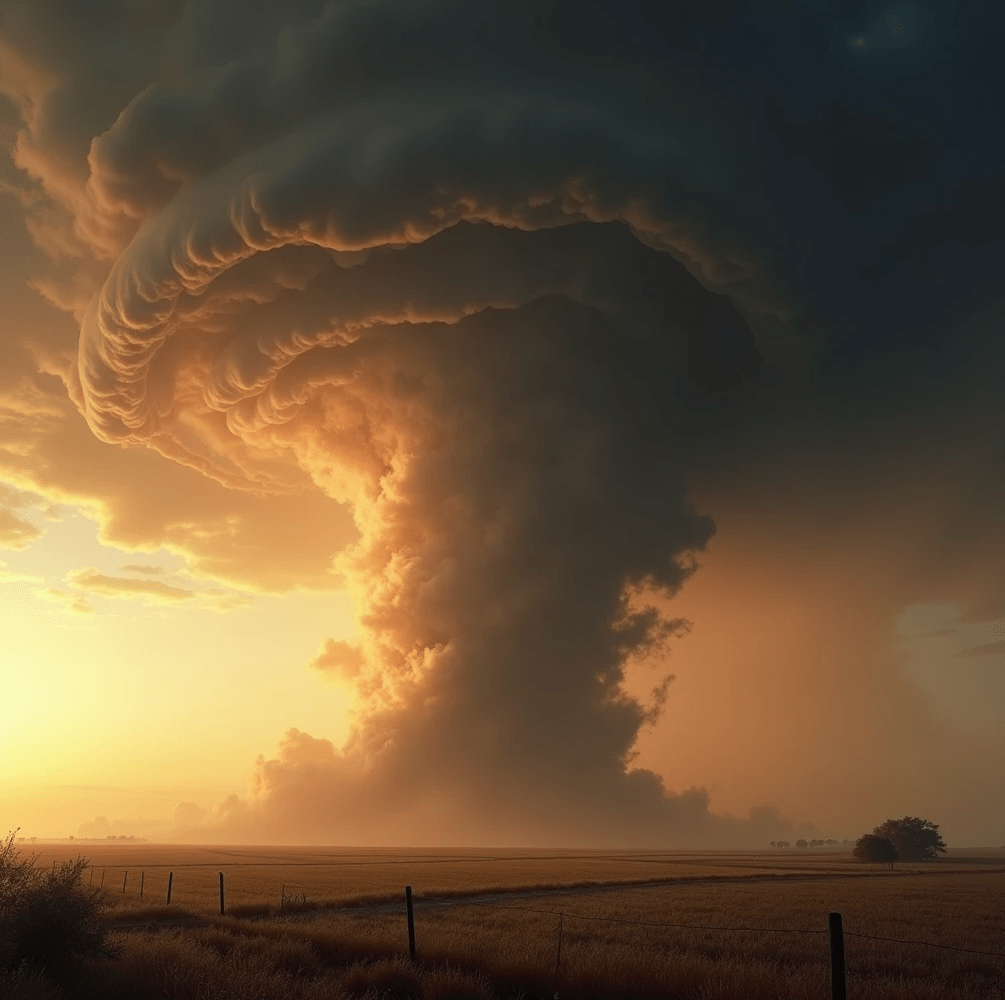
Tennessee Winter Storms Kill by Surprise & Why Ice Storms Empty Stores and End Lives

Tennessee doesn’t get hammered every winter like the Upper Midwest, so when snow or ice does hit, people are caught flat-footed. Roads aren’t treated fast enough. Power grids aren’t hardened for ice. Drivers aren’t trained for slick conditions. And families don’t have food, heat, or backup power ready.

That combination is deadly.

I’ve watched ice storms shut down Tennessee for days—sometimes weeks—while people insisted it “wasn’t that bad” right up until they lost power, heat, and access to food.

This article breaks down:

  • The top ways people die during winter storms in Tennessee
  • Why grocery stores empty faster than you think
  • Why survival food and backup power are critical here
  • What supplies actually matter
  • How to survive when ice takes over and help slows to a crawl

If you live in Tennessee and think winter storms are a joke, keep reading. That mindset kills.


Why Winter Storms in Tennessee Are So Dangerous

Tennessee winter storms aren’t about deep snow—they’re about ice and terrain.

Here’s what makes them especially lethal:

  • Freezing rain that coats roads, trees, and power lines
  • Hilly and mountainous terrain across much of the state
  • Bridges and overpasses that freeze instantly
  • Power infrastructure not built for heavy ice loads
  • Limited snow and ice removal equipment
  • Long restoration times after outages

Tennessee doesn’t need blizzards to shut down—it just needs a quarter inch of ice.


The Top Ways People Die in Winter Storms in Tennessee

These deaths are predictable and repeat every time.

1. Vehicle Accidents on Ice-Covered Roads

This is the leading cause of winter storm deaths in Tennessee.

  • Icy interstates like I-40, I-24, and I-65
  • Steep hills and winding back roads
  • Bridges and overpasses freezing first
  • Drivers with no real ice-driving experience

Tennessee drivers aren’t bad drivers—they’re untrained for ice. Once traction is gone on hills, crashes pile up fast.

If ice is forecast, stay off the roads. Period.


2. Hypothermia Inside the Home

This one catches people off guard every winter.

Ice storms knock out power, sometimes for days. Most Tennessee homes rely entirely on electricity for heat.

People die from hypothermia:

  • Sitting in cold houses
  • Wearing light clothing indoors
  • Trying to “wait it out”
  • Falling asleep and not waking up

Cold doesn’t need extreme temperatures to kill—just time and exposure.


3. Carbon Monoxide Poisoning

Every Tennessee winter storm brings the same preventable tragedy.

  • Generators run inside garages
  • Propane heaters used improperly
  • Charcoal grills brought indoors
  • Gas stoves used for heat

Carbon monoxide is invisible, odorless, and deadly. People fall asleep and never wake up.

If you don’t have carbon monoxide detectors in your home, you are taking a reckless risk.


4. Medical Emergencies With Delayed Response

During winter storms:

  • Ambulances are delayed
  • Roads are impassable
  • Clinics and pharmacies close
  • Emergency response times increase dramatically

People die from:

  • Heart attacks while shoveling ice and snow
  • Missed medications
  • Respiratory issues
  • Diabetic emergencies

Winter storms don’t cause these conditions—they remove access to help.


5. Falling Trees and Structural Damage

Ice storms turn Tennessee’s trees into weapons.

  • Ice-laden branches snap
  • Trees fall onto homes and vehicles
  • Power lines come down
  • People are crushed or electrocuted

Trying to “clear it real quick” during or immediately after a storm is how people get seriously injured—or killed.


Will Grocery Stores Go Empty in Tennessee?

Yes—and shockingly fast.

Tennessee grocery stores rely on just-in-time delivery. That means:

  • Minimal back stock
  • Constant truck deliveries
  • No buffer during road closures

Here’s what disappears first:

  • Bread
  • Milk
  • Eggs
  • Meat
  • Bottled water
  • Baby formula

Once ice shuts down highways, shelves stay empty.

If you wait until the storm hits to shop, you’re already too late.


Why Survival Food Prepping Matters in Tennessee

Tennessee storms don’t always last weeks—but 3–7 days without power or access to stores is common.

Survival food gives you time and options.

Every household should have:

  • 7–10 days of food per person
  • No refrigeration required
  • Minimal cooking needs

Best Survival Food Options

  • Freeze-dried meals
  • Canned soups and meats
  • Rice and beans
  • Pasta
  • Protein bars
  • Peanut butter
  • Instant oatmeal

If your food depends on electricity, it’s not reliable.


Solar Generators: The Smart Backup Power Choice for Tennessee

Gas generators cause problems every ice storm:

  • Fuel shortages
  • Carbon monoxide danger
  • Noise and theft risk
  • Cold-start failures

Solar generators with battery storage are safer and more reliable for most Tennessee households.

They can power:

  • Phones and radios
  • Medical equipment
  • LED lighting
  • Refrigerators
  • Internet routers
  • Small heaters

No fuel runs. No fumes. No guesswork.

If you don’t have backup power, you’re trusting a grid that fails under ice load every winter.


Essential Winter Survival Supplies for Tennessee

This is the minimum survival setup for Tennessee winter storms:

Power & Heat

  • Solar generator with battery storage
  • Power banks
  • Indoor-safe heater
  • Warm blankets and sleeping bags

Clothing & Warmth

  • Thermal layers
  • Wool socks
  • Hats and gloves
  • Emergency bivy blankets

Food & Water

  • 1 gallon of water per person per day
  • Non-perishable food
  • Manual can opener

Safety & Medical

  • First aid kit
  • Prescription medication backups
  • Carbon monoxide detectors
  • Fire extinguisher

Communication

  • NOAA weather radio
  • Flashlights and headlamps
  • Extra batteries

If you don’t own these, you’re not prepared—you’re exposed.


Why Survival Prepping Is So Important in Tennessee

Tennessee winters are unpredictable—and that unpredictability is the danger.

The state isn’t built for frequent winter storms. Equipment is limited. Infrastructure is vulnerable. And emergency services are quickly overwhelmed.

Prepping isn’t fear—it’s taking responsibility for your own survival.

You prepare so:

  • You don’t drive on deadly ice
  • You don’t freeze during outages
  • You don’t panic when shelves are empty
  • You don’t become another preventable headline

Winter Survival Tip from a True Tennessee Prepper
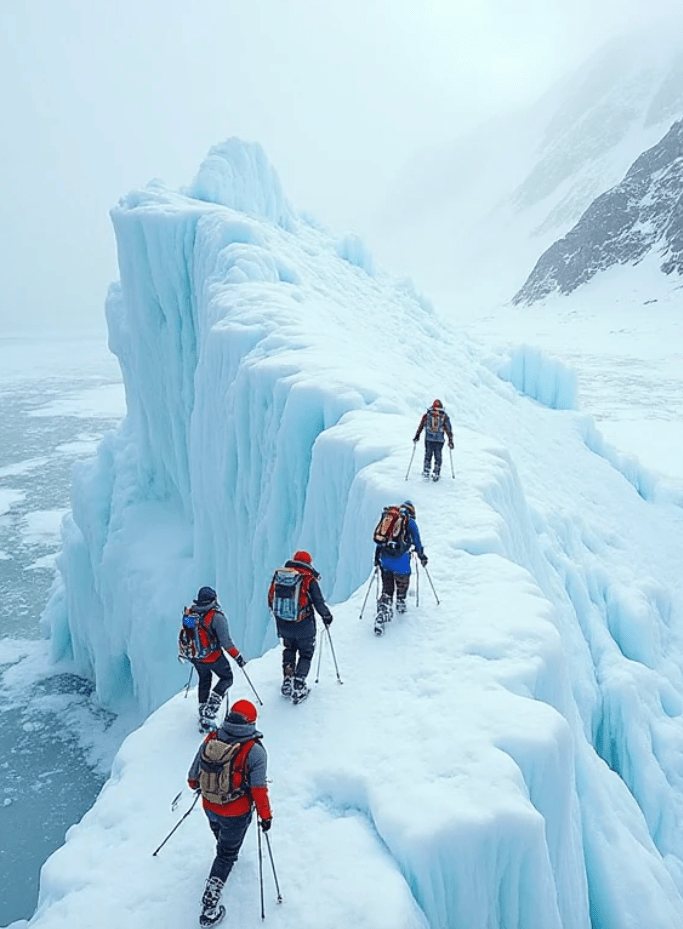
Every winter storm death in Tennessee comes down to one mistake:

Someone assumed it wouldn’t happen here.

Ice doesn’t care what state you live in.
Power doesn’t come back on demand.
And help doesn’t arrive instantly.

Prepare before the storm hits—because once it does, your options disappear fast.

Georgia Winter Storms Kill Because No One Takes Them Seriously — Here’s How to Survive

Georgia is not immune to winter storms. It’s vulnerable to them.

And that difference matters.

Georgia doesn’t deal with winter often, which means when snow or ice does hit, the state grinds to a halt. Roads aren’t treated. Drivers aren’t trained. Power grids aren’t hardened. Grocery stores aren’t stocked for panic buying. And people don’t have food, heat, or backup power ready.

I’ve watched Georgia ice storms turn entire metro areas into parking lots, shut down power for days, and leave families trapped in cold homes with nothing but excuses.

This article breaks down:

  • The top ways people die during winter storms in Georgia
  • Why grocery stores empty almost instantly
  • Why survival food and backup power are essential here
  • What supplies actually matter
  • How to survive when ice hits a state that isn’t built for it

If you live in Georgia and think winter storms are rare enough to ignore, that mindset will get you hurt—or worse.


Why Winter Storms in Georgia Are So Dangerous

Georgia winter storms don’t need deep snow. They just need ice.

Here’s what makes Georgia especially dangerous during winter weather:

  • Freezing rain that coats roads and bridges
  • Hills and elevation changes across much of the state
  • Minimal snow and ice treatment infrastructure
  • Power lines and trees vulnerable to ice loads
  • A population with little ice-driving experience
  • Rapid shutdown of businesses and services

Georgia isn’t built for winter—and winter doesn’t care.


The Top Ways People Die in Winter Storms in Georgia

These deaths are tragically predictable.

1. Vehicle Accidents on Ice-Covered Roads

This is the leading cause of winter storm deaths in Georgia.

  • Icy interstates like I-75, I-85, and I-20
  • Bridges and overpasses freezing instantly
  • Drivers with no ice experience
  • Gridlock that leaves people stranded for hours

Georgia’s roads turn into ice rinks fast—and once traffic locks up, emergency response slows to a crawl.

If ice is forecast, stay off the roads. Period.


2. Hypothermia Inside the Home

This one surprises people every time—and it shouldn’t.

Most Georgia homes rely entirely on electricity for heat. Ice storms knock power out fast and keep it out.

People die from hypothermia:

  • Sitting in cold homes
  • Wearing light clothing indoors
  • Trying to “wait it out”
  • Falling asleep and never waking up

Cold kills quietly, especially in homes not designed to retain heat.


3. Carbon Monoxide Poisoning

Every Georgia winter storm brings the same preventable tragedy.

  • Generators run inside garages
  • Propane heaters misused
  • Charcoal grills used indoors
  • Gas stoves used as heaters

Carbon monoxide is invisible and odorless. Families go to sleep and don’t wake up.

If you don’t have carbon monoxide detectors, you are risking your life for no reason.


4. Medical Emergencies With Delayed Response

During winter storms:

  • Ambulances are delayed
  • Roads are impassable
  • Clinics and pharmacies close
  • Emergency response times skyrocket

People die from:

  • Heart attacks while shoveling ice
  • Missed medications
  • Respiratory distress
  • Diabetic complications

The storm doesn’t cause these emergencies—it cuts off help.


5. Falling Trees and Downed Power Lines

Ice storms turn Georgia’s trees into weapons.

  • Branches snap under ice load
  • Trees fall onto homes and cars
  • Power lines come down
  • People are crushed or electrocuted

Trying to clean up during or immediately after a storm is how people get seriously hurt.


Will Grocery Stores Go Empty in Georgia?

Yes—and faster than almost anywhere else.

Georgia grocery stores run on just-in-time inventory, which means:

  • Minimal back stock
  • Constant truck deliveries
  • No buffer when roads ice over

What disappears first:

  • Bread
  • Milk
  • Eggs
  • Meat
  • Bottled water
  • Baby formula

Once roads shut down, shelves stay empty.

If you wait until the storm hits to shop, you’ve already lost.


Why Survival Food Prepping Matters in Georgia

Georgia storms may not last weeks—but 3–7 days without power or stores is common.

Survival food buys you time and stability.

Every household should have:

  • 7–10 days of food per person
  • No refrigeration required
  • Minimal cooking needs

Best Survival Food Options

  • Freeze-dried meals
  • Canned soups and meats
  • Rice and beans
  • Pasta
  • Protein bars
  • Peanut butter
  • Instant oatmeal

If your food depends on electricity, it’s not dependable.


Solar Generators: The Best Backup Power Option for Georgia

Gas generators fail people every ice storm:

  • Fuel shortages
  • Carbon monoxide risk
  • Noise and theft
  • Cold-start issues

Solar generators with battery storage are safer and more reliable for Georgia homes.

They can power:

  • Phones and radios
  • Medical equipment
  • LED lights
  • Refrigerators
  • Internet routers
  • Small heaters

No fuel runs. No fumes. No chaos.

If you don’t have backup power, you’re trusting a grid that isn’t designed for ice.


Essential Winter Survival Supplies for Georgia

This is the minimum setup to survive a Georgia winter storm:

Power & Heat

  • Solar generator with battery storage
  • Power banks
  • Indoor-safe heater
  • Warm blankets and sleeping bags

Clothing & Warmth

  • Thermal layers
  • Wool socks
  • Hats and gloves
  • Emergency bivy blankets

Food & Water

  • 1 gallon of water per person per day
  • Non-perishable food
  • Manual can opener

Safety & Medical

  • First aid kit
  • Prescription medication backups
  • Carbon monoxide detectors
  • Fire extinguisher

Communication

  • NOAA weather radio
  • Flashlights and headlamps
  • Extra batteries

If you don’t own these, you’re not prepared—you’re exposed.


Why Survival Prepping Is Critical in Georgia

Georgia doesn’t get winter storms often—and that’s exactly why they’re dangerous.

Infrastructure isn’t built for it. People aren’t mentally ready. And panic buying hits fast.

Prepping isn’t paranoia—it’s common sense when systems fail quickly.

You prepare so:

  • You don’t drive on deadly ice
  • You don’t freeze in your own home
  • You don’t panic when shelves are empty
  • You don’t become another avoidable fatality

Last Piece of Advice from a Legitimate Georgia Survival Prepper

Every winter storm death in Georgia comes down to the same mistake:

Someone believed it couldn’t happen here.

Ice doesn’t care what state you’re in.
Power doesn’t come back on demand.
And help doesn’t arrive instantly.

Prepare before the storm hits—because once it does, Georgia shuts down fast.

Here’s How Californians Actually Die in Winter Storms

Let’s kill the biggest lie Californians tell themselves:

“Winter storms aren’t really dangerous here.”

That belief gets people stranded, flooded, frozen, electrocuted, and killed every single year.

California winter storms don’t look like blizzards across cornfields. They look like:

  • Torrential rain and flash flooding
  • Mudslides that erase homes
  • Mountain blizzards that trap drivers
  • Power outages that last days
  • Roads washed out with no warning

And because people don’t mentally prepare for “winter survival” in California, they get caught with no food, no power, no heat, and no plan.

This article breaks down:

  • How people actually die in California winter storms
  • Why grocery stores still empty fast
  • Why survival food and backup power matter even here
  • What supplies keep you alive
  • How to survive when the state’s systems fail

I’m not here to be polite. I’m here to tell you what actually happens when California weather turns violent.


Why Winter Storms in California Are More Dangerous Than People Admit

California winter storms are multi-threat events.

Depending on where you live, you face:

  • Flash floods
  • River flooding
  • Snowed-in mountain highways
  • Power grid failures
  • Landslides and debris flows
  • Cold exposure in homes built for mild weather

The danger isn’t cold alone—it’s infrastructure failure plus overconfidence.


The Top Ways People Die in Winter Storms in California

These deaths are consistent, preventable, and ignored until it’s too late.


1. Drowning in Floodwaters

This is the number one killer during California winter storms.

People die because they:

  • Drive into flooded roads
  • Walk through fast-moving water
  • Underestimate depth and current
  • Get trapped in vehicles or homes

It takes less than 12 inches of moving water to sweep away a car. Flash floods don’t announce themselves—they arrive fast and violently.

If the road is flooded, turn around. Every time.


2. Vehicle Accidents in Snowy Mountain Passes

California mountain storms are brutal:

  • Donner Pass
  • I-80
  • Highway 50
  • Tehachapi Pass
  • Sierra Nevada routes

People die when they:

  • Ignore chain controls
  • Run out of fuel in snow
  • Get stranded overnight
  • Assume help is coming quickly

Mountain rescues can take hours or days. If you aren’t prepared to survive in your vehicle, you shouldn’t be there.


3. Hypothermia in Homes Without Power

California homes are not built for extended cold.

When storms knock out power:

  • Electric heating fails
  • Homes lose heat fast
  • People don’t own cold-weather gear
  • Indoor temperatures drop dangerously low

Hypothermia doesn’t care that it’s “California.”

Elderly residents and children are especially vulnerable when power stays out overnight.


4. Carbon Monoxide Poisoning

Every winter storm, the same deadly mistakes repeat:

  • Generators run indoors or too close to homes
  • Charcoal grills used inside
  • Gas stoves used for heat
  • Fireplaces misused

Carbon monoxide kills silently. Families go to sleep and never wake up.

If you own backup heat or power and don’t own CO detectors, you’re gambling with your life.


5. Landslides and Mudflows

This is a uniquely California killer.

Heavy rain after wildfires destabilizes hillsides. Entire neighborhoods are wiped out while people sleep.

  • Homes crushed
  • Roads buried
  • Emergency access blocked

If you live near slopes or burn scars, winter storms are not “just rain.”


6. Medical Emergencies With No Access to Help

During severe storms:

  • Roads are flooded or closed
  • EMS response slows dramatically
  • Pharmacies close
  • Power-dependent medical devices fail

People die from:

  • Missed medications
  • Respiratory issues
  • Heart attacks
  • Dialysis disruptions

Storms don’t need to injure you directly—they just need to cut you off.


Will Grocery Stores Go Empty in California?

Yes. Absolutely. And fast.

California grocery stores rely on:

  • Constant truck deliveries
  • Highway access
  • Functional ports and distribution centers

During major storms:

  • Roads flood
  • Trucks stop running
  • Panic buying empties shelves

What disappears first:

  • Bread
  • Water
  • Meat
  • Baby supplies
  • Batteries
  • Shelf-stable food

If you shop after the storm warning, you’re already behind.


Why Survival Food Prepping Matters in California

Storms don’t need to last weeks to create food shortages.

If roads are flooded or snowed in:

  • Stores can’t restock
  • Power outages spoil food
  • People panic-buy

A 7–14 day food buffer keeps you out of chaos.

Best Survival Food for California Storms

  • Freeze-dried meals
  • Canned meats and soups
  • Rice and beans
  • Protein bars
  • Nut butters
  • Shelf-stable snacks

If it requires refrigeration or daily store trips, it’s not reliable.


Solar Generators: The Smart Backup Power Choice for California

Gas generators are problematic in California:

  • Fuel shortages
  • Noise restrictions
  • Emissions rules
  • Carbon monoxide risk

Solar generators with battery storage are safer and more practical.

They can power:

  • Phones and emergency alerts
  • Refrigerators
  • Medical equipment
  • LED lights
  • Internet modems

California gets sunlight even during storms—battery backup matters more than fuel.


Essential Winter Survival Supplies for California

This is baseline preparedness, not paranoia.

Power & Heat

  • Solar generator with battery
  • Power banks
  • Indoor-safe heater
  • Thermal blankets

Clothing & Shelter

  • Warm layers
  • Waterproof jackets
  • Hats and gloves
  • Sleeping bags

Food & Water

  • 1 gallon of water per person per day
  • Non-perishable food
  • Manual can opener

Safety & Medical

  • First aid kit
  • Prescription backups
  • Carbon monoxide detectors
  • Fire extinguisher

Communication

  • NOAA weather radio
  • Flashlights and headlamps
  • Extra batteries

If you’re missing these, you’re not prepared—you’re depending on luck.


Why Survival Prepping Matters in California

California storms don’t give warnings you can shop through.

Roads close.
Power fails.
Help is delayed.
And people who thought they were “safe” suddenly aren’t.

Prepping means:

  • You don’t drive into floodwaters
  • You don’t freeze in the dark
  • You don’t panic-buy
  • You don’t become another headline

A Simple Word of Advice from a Real California Prepper

California kills people in winter storms because they don’t look like winter storms.

Rain, snow, flooding, power loss, and isolation are just as deadly as blizzards—sometimes more.

Prepare now.
Because once the storm hits, the system you trust stops working.

Utah Winter Survival Guide: Why Stores Empty, Power Fails, and People Don’t Make It

Let’s clear something up right now:
Living in Utah does NOT mean you’re automatically good at winter.

I don’t care how long you’ve lived here. I don’t care how many snowstorms you’ve “handled.” Every winter, Utah still racks up injuries, fatalities, and near-misses because people confuse familiar with safe.

Utah winter storms aren’t cute postcard snowfalls. They’re high-altitude blizzards, whiteout canyon roads, ice storms in the valleys, and brutal cold snaps that knock out power for days.

And every single time, people are shocked.

I’m not shocked anymore. I’m angry—because most of these deaths are completely preventable.

This article breaks down:

  • The top ways people die during winter storms in Utah
  • Why grocery stores empty fast, even in “prepared” states
  • Why survival food, backup power, and planning matter more here than most places
  • What supplies actually keep you alive
  • How to survive when the storm overstays its welcome

Read it now—before you’re stuck reading it by flashlight.


Why Utah Winter Storms Are Especially Dangerous

Utah’s geography makes winter storms far more lethal than people realize.

Here’s why:

  • High elevation = colder temps and faster weather changes
  • Mountain passes close quickly and stay closed
  • Rural areas are spread out with delayed emergency response
  • Inversions trap cold air and worsen conditions
  • Heavy snow loads collapse roofs and power lines
  • Dry air accelerates dehydration and hypothermia

People think snow equals “business as usual.”

That mindset kills.


The Top Ways People Die in Winter Storms in Utah

Let’s talk reality, not fairy tales.

1. Vehicle Accidents in Snow, Ice, and Whiteouts

This is the leading cause of winter storm deaths in Utah.

  • Interstate pileups on I-15 and I-80
  • Black ice in canyon roads
  • Whiteout conditions in open areas
  • Drivers overestimating AWD and snow tires

AWD does not stop you.
Snow tires do not defy physics.
Confidence does not equal traction.

Once you’re stranded in subfreezing temps at elevation, survival becomes a countdown.


2. Exposure and Hypothermia (Even for “Tough” Utahns)

Utah cold is deceptive. Dry air makes it feel manageable—until it’s not.

People die from hypothermia:

  • While stuck in vehicles
  • Inside homes without power
  • While shoveling snow
  • While hiking or snowmobiling during storms

Hypothermia doesn’t feel dramatic. It feels sleepy. Confused. Slow.

That’s why it kills so many people who thought they were “fine.”


3. Carbon Monoxide Poisoning

Every winter, without fail.

  • Gas generators run indoors
  • Propane heaters used improperly
  • Charcoal grills inside garages
  • Poor ventilation in cabins and RVs

Carbon monoxide kills silently. No warning. No second chance.

If you don’t own a carbon monoxide detector, you are not prepared—you are reckless.


4. Avalanches and Structural Collapses

Utah’s snow is heavy. And when it stacks up, bad things happen.

  • Roof collapses on homes and sheds
  • Barns and carports fail
  • Avalanches in backcountry and canyon areas

People die because they assume:

  • “It’s not that much snow”
  • “This roof has held before”
  • “We’ve skied here a hundred times”

Nature does not care about your past experience.


5. Medical Emergencies With No Access to Help

During severe storms:

  • Ambulances are delayed
  • Mountain roads are impassable
  • Clinics close
  • Pharmacies shut down

People die from:

  • Heart attacks while shoveling
  • Missed medications
  • Asthma and respiratory distress
  • Diabetic complications

The storm doesn’t cause these—it removes your safety net.


Will Grocery Stores Go Empty in Utah?

Yes. Fast. And worse in rural areas.

I’ve watched Utah grocery stores empty in hours, not days.

Here’s what disappears first:

  • Bread
  • Milk
  • Eggs
  • Meat
  • Bottled water
  • Baby formula

Utah’s just-in-time inventory system means:

  • No back stock
  • No quick resupply
  • Delayed delivery trucks due to road closures

Mountain towns and rural communities are hit hardest—and last to recover.

If your food plan relies on “running to the store,” you don’t have a plan.


Why Survival Food Prepping Is Non-Negotiable in Utah

Utah storms can isolate communities for days or even weeks.

Survival food buys you time—and time buys you safety.

Every household should have:

  • 7–14 days of food per person
  • No refrigeration required
  • Easy preparation with minimal fuel

Best Survival Food Options

  • Freeze-dried meals (excellent for altitude)
  • Canned soups and meats
  • Rice, beans, pasta
  • Protein bars
  • Instant oatmeal
  • Peanut butter

If your food spoils when the power goes out, it’s a liability—not an asset.


Solar Generators: The Smarter Utah Power Backup

Gas generators sound great—until winter hits.

Problems with gas generators:

  • Fuel shortages
  • Frozen engines
  • Carbon monoxide danger
  • Loud, attention-drawing noise

Solar generators excel in Utah because:

  • Cold improves battery efficiency
  • High altitude = strong solar exposure
  • No fuel needed
  • Safe indoor operation

Solar generators can power:

  • Phones and radios
  • Medical devices
  • LED lights
  • Refrigeration
  • Internet routers
  • Small heaters

If you live in Utah and don’t have backup power, you’re trusting luck instead of planning.


Essential Winter Survival Supplies for Utah

Here’s the bare minimum for surviving a serious winter storm in Utah:

Power & Heat

  • Solar generator with battery storage
  • Power banks
  • Indoor-safe heater
  • Sleeping bags rated for cold weather

Clothing & Warmth

  • Thermal base layers
  • Wool socks
  • Insulated gloves and hats
  • Emergency bivy blankets

Food & Water

  • 1 gallon of water per person per day
  • Non-perishable food
  • Manual can opener

Safety & Medical

  • First aid kit
  • Prescription medication backups
  • Carbon monoxide detectors
  • Fire extinguisher

Communication & Light

  • NOAA weather radio
  • LED flashlights
  • Extra batteries
  • Headlamps

No gear. No plan. No mercy from winter.


Why Survival Prepping Matters in Utah More Than People Admit

Utah residents like to think they’re tougher than average. Sometimes that’s true. But toughness without preparation is just arrogance.

Weather is becoming:

  • More extreme
  • Less predictable
  • More disruptive

Infrastructure is aging. Power grids are strained. Emergency services are overwhelmed during storms.

Prepping isn’t fear—it’s competence.

You prepare so:

  • You don’t panic
  • You don’t risk your life driving
  • You don’t become a burden on first responders
  • You don’t become another preventable headline

Final Word From an Angry Utah Prepper

Winter storms don’t kill people because they’re unstoppable.

They kill people because:

  • People underestimate them
  • People delay preparation
  • People assume help will arrive fast

If you live in Utah, winter is not optional—it’s guaranteed.

Prepare before the storm, or learn during it.

And trust me—you don’t want to learn the hard way.

Whiteouts, Wind, and Isolation: The Brutal Truth About Winter Storm Deaths in Wyoming

Wyoming winter is not a joke, not a challenge, and not something you “power through.”

It is one of the most unforgiving winter environments in the United States. And every year, people still die here for the same dumb, predictable reasons.

Wyoming doesn’t kill people with dramatic blizzards alone—it kills them with wind, distance, isolation, and arrogance.

I’ve watched folks raised on ranches, long-haul truckers, tourists, and lifelong residents all make the same fatal mistakes. Winter storms in Wyoming don’t give warnings twice. They don’t give grace. And they sure as hell don’t care how tough you think you are.

This article covers:

  • The top ways people die during winter storms in Wyoming
  • Why grocery stores empty fast, especially in rural areas
  • Why survival food, backup power, and planning are not optional here
  • The supplies that actually keep you alive
  • How to survive when help is hours—or days—away

If you live in Wyoming and you’re not prepared, you’re gambling with long odds.


Why Wyoming Winter Storms Are Especially Deadly

Wyoming winter storms are dangerous for one simple reason: there is no backup plan once things go wrong.

Here’s what makes Wyoming uniquely lethal:

  • Extreme, sustained winds
  • Massive temperature swings
  • Vast distances between towns
  • Frequent highway closures
  • Whiteout conditions that last hours
  • Limited emergency response in rural areas
  • Power outages that can stretch for days

You don’t “wait it out” on the side of the road in Wyoming.
You die there if you’re unprepared.


The Top Ways People Die in Winter Storms in Wyoming

This isn’t speculation. This is pattern recognition.

1. Vehicle Accidents and Stranding on Highways

This is the number one killer during Wyoming winter storms.

  • Multi-vehicle pileups on I-80 and I-25
  • Whiteouts with zero visibility
  • Black ice combined with high winds
  • Drivers underestimating how fast conditions change

When roads close in Wyoming, they stay closed. If you’re stranded without supplies, survival becomes a race against the cold and wind.

Wind chill in Wyoming can kill you in minutes.


2. Hypothermia and Exposure

Wyoming doesn’t do “mild cold.”

People die from exposure:

  • Inside vehicles
  • Inside homes with no power
  • On ranches and remote properties
  • While working outdoors too long

The wind strips heat faster than most people understand. Hypothermia doesn’t announce itself—it quietly shuts you down.

If you get wet or underdressed, your clock starts ticking immediately.


3. Carbon Monoxide Poisoning

Every winter, same story.

  • Generators run indoors
  • Propane heaters misused
  • Charcoal grills used inside buildings
  • Poor ventilation in cabins and trailers

Carbon monoxide is odorless, invisible, and deadly. You fall asleep and never wake up.

If you live in Wyoming without a carbon monoxide detector, you’re not rugged—you’re careless.


4. Medical Emergencies With No Access to Help

Wyoming’s isolation turns small medical issues into fatal ones.

During storms:

  • Ambulances are delayed or unavailable
  • Helicopters can’t fly
  • Clinics close
  • Pharmacies shut down

People die from:

  • Heart attacks while shoveling or working livestock
  • Missed medications
  • Respiratory failure
  • Diabetic emergencies

The storm doesn’t kill you directly—it cuts you off from help.


5. Structural Failures and Ranch Accidents

Heavy snow plus wind equals:

  • Roof collapses
  • Barn failures
  • Sheds and carports caving in

People get crushed, trapped, or injured—and in remote areas, help may be hours away.

Assuming “it’s held before” is how people end up under rubble.


Will Grocery Stores Go Empty in Wyoming?

Yes. Faster than almost anywhere else.

Wyoming grocery stores operate on:

  • Small inventories
  • Infrequent delivery schedules
  • Long supply chains

Once highways close, supply stops.

What disappears first:

  • Bread
  • Milk
  • Eggs
  • Meat
  • Bottled water
  • Baby formula

In small towns, shelves can stay empty for days or weeks.

If your plan is “we’ll just go to the store,” you don’t understand where you live.


Why Survival Food Prepping Is Critical in Wyoming

Wyoming storms isolate people. Period.

Survival food isn’t about fear—it’s about distance and delay.

Every household should have:

  • 10–14 days of food per person
  • No refrigeration required
  • Minimal cooking fuel needed

Best Survival Food Options

  • Freeze-dried meals (excellent for cold climates)
  • Canned meats and soups
  • Rice, beans, and pasta
  • Protein bars
  • Peanut butter
  • Instant oatmeal

If your food spoils when the power goes out, it’s a liability—not a resource.


Solar Generators: The Only Backup Power That Makes Sense in Wyoming

Gas generators sound good—until winter hits hard.

Gas generator problems:

  • Fuel shortages
  • Engines that won’t start in extreme cold
  • Carbon monoxide risk
  • Loud noise in isolated areas

Solar generators work better than people expect in Wyoming:

  • Cold temperatures improve battery efficiency
  • Clear winter skies provide solar input
  • No fuel deliveries needed
  • Safe for indoor use

Solar generators can power:

  • Phones and radios
  • Medical equipment
  • LED lighting
  • Refrigerators and freezers
  • Internet and communication devices

If you don’t have backup power in Wyoming, you’re one outage away from real trouble.


Essential Winter Survival Supplies for Wyoming

This is the non-negotiable list:

Power & Heat

  • Solar generator with battery storage
  • Power banks
  • Indoor-safe heater
  • Cold-rated sleeping bags

Clothing & Warmth

  • Layered thermal clothing
  • Wool socks
  • Insulated gloves and hats
  • Emergency bivy sacks

Food & Water

  • 1+ gallon of water per person per day
  • Non-perishable food
  • Manual can opener

Safety & Medical

  • First aid kit
  • Prescription medication backups
  • Carbon monoxide detectors
  • Fire extinguisher

Communication

  • NOAA weather radio
  • Flashlights and headlamps
  • Extra batteries

If you don’t own these, you’re not prepared—you’re exposed.


Why Survival Prepping Matters More in Wyoming Than Most States

Wyoming doesn’t have:

  • Nearby help
  • Fast response times
  • Dense infrastructure
  • Quick resupply

What it does have is:

  • Wind
  • Cold
  • Distance
  • Isolation

Prepping isn’t fear—it’s respect for reality.

You prepare so you don’t:

  • Freeze waiting for help
  • Drive when roads should be avoided
  • Become another roadside memorial
  • Put rescuers at risk

Final Word From a Professional Wyoming Prepper

Winter in Wyoming is not a test of toughness—it’s a test of preparation.

The land doesn’t care who you are.
The storm doesn’t care how long you’ve lived here.
And luck runs out faster than fuel.

Prepare early. Prepare seriously.
Or learn the hard way—if you’re lucky enough to survive it.

The Hard Truth About Dying in a New York Winter Storm (And How to Stay Alive)


How Do Most People Die in a Winter Storm in the State of New York — And How to Survive One

If you live in New York and think winter storms are “nothing new,” congratulations — that mindset is exactly why people die every single year.

I’ve been a survival prepper long enough to watch New Yorkers shrug off storm warnings, mock preparation, and assume infrastructure will save them. Then the power goes out. Roads close. Emergency services get overwhelmed. And suddenly everyone realizes they are far more dependent than they thought.

New York winter storms don’t just affect rural areas or upstate regions. They kill people in cities, suburbs, small towns, and mountain communities alike. From lake-effect blizzards to ice storms, Nor’easters, and polar cold snaps — winter in New York is unforgiving.

And no, experience doesn’t equal preparedness.


How Winter Storms Actually Kill People in New York

Let’s be clear: winter storms don’t kill randomly. They kill predictably — the same ways, every time.

Here’s how most deaths actually happen in New York winter storms.


1. Hypothermia — Even Indoors

Hypothermia is the leading cause of winter storm deaths in New York.

People assume hypothermia only happens outdoors. That’s wrong.

It happens when:

  • Power goes out
  • Heating systems fail
  • Temperatures drop below freezing
  • Wind strips heat from poorly insulated buildings

Older homes, apartments, and high-rise buildings lose heat fast. Elevators stop working. Hallways become wind tunnels. People try to “wait it out” instead of preparing.

Once your core body temperature drops, judgment disappears. People stop making smart decisions — and that’s usually the beginning of the end.

Cold kills quietly.


2. Carbon Monoxide Poisoning (A Deadly, Repeating Mistake)

Every major New York winter storm results in carbon monoxide deaths. Every single one.

People:

  • Run generators in apartments or garages
  • Use grills, camp stoves, or propane heaters indoors
  • Burn fuel improperly in enclosed spaces

Carbon monoxide has no smell. No warning. No mercy.

If you don’t have battery-powered carbon monoxide detectors, you are rolling the dice with your life for no reason.

This is not bad luck. This is preventable ignorance.


3. Vehicle-Related Deaths During Storms

New York drivers consistently overestimate their abilities in winter conditions.

People die because they:

  • Drive during whiteouts
  • Get stuck on highways
  • Run out of fuel
  • Sit in snow-blocked vehicles
  • Don’t clear exhaust pipes

Lake-effect snow can dump feet of snow in hours. Roads shut down fast. When traffic stops, vehicles turn into refrigerators.

If you don’t have a winter car survival kit, your vehicle is not a safety plan — it’s a liability.


4. Falls, Ice Injuries, and Shoveling-Related Heart Attacks

Ice kills more New Yorkers than snow.

Common causes:

  • Slipping on untreated sidewalks
  • Falling on stairs
  • Overexertion while shoveling
  • Ignoring physical limitations

Cold constricts blood vessels. Heavy snow shoveling pushes the heart past its limits. Every winter, people collapse mid-driveway because they refused to slow down.

Survival requires patience, not pride.


5. Medical Equipment Failure During Power Outages

This one doesn’t get enough attention.

People who rely on:

  • Oxygen concentrators
  • Dialysis support equipment
  • Refrigerated medications
  • Powered mobility devices

…are at extreme risk during extended outages.

During major New York storms, emergency services get overwhelmed fast. Hospitals prioritize life-threatening emergencies. If you don’t have backup power, you are dangerously exposed.


Will Grocery Stores Go Empty During a New York Winter Storm?

Yes. And they empty faster than people want to admit.

Every storm forecast triggers:

  • Panic buying
  • Shelf stripping
  • Supply chain disruptions

What disappears first:

  • Bread
  • Milk
  • Eggs
  • Bottled water
  • Canned food
  • Batteries
  • Flashlights

In heavy storms, delivery trucks stop moving. Stores close due to power outages or staff shortages. Urban areas aren’t immune — they’re often worse because of population density.

If you wait until the storm is announced, you’re already late.


Why Survival Prepping Is Critical in New York

New York has:

  • Aging infrastructure
  • Dense populations
  • Long emergency response times during storms
  • Severe winter weather variability

When the grid fails, millions are affected at once. You cannot depend on speed, convenience, or outside help.

Prepping is not paranoia. It’s accepting reality.

Prepared people stay warm, fed, and informed. Unprepared people freeze, panic, and wait for rescue that may not arrive quickly.


Survival Food Prepping for New York Winter Storms

Food is survival fuel — especially in cold environments.

Best Survival Foods to Stock

Choose foods that:

  • Don’t require refrigeration
  • Can be eaten without cooking
  • Provide high calories

Top options:

  • Canned meats (tuna, chicken, beef)
  • Beans and lentils
  • Rice and pasta
  • Oatmeal
  • Peanut butter
  • Protein bars
  • Shelf-stable soups
  • Freeze-dried meals

You should store at least 7–14 days of food per person in New York. Urban living doesn’t change biology — cold burns calories fast.


Water: The Forgotten Essential

People assume water will always flow. Winter storms prove otherwise.

Pipes freeze. Treatment plants lose power. Boil-water advisories appear.

Minimum storage:

  • 1 gallon per person per day
  • Store 7–10 days minimum

If water stops flowing, hydration becomes a survival issue very quickly — even in winter.


Solar Generators: A Smart Backup Power Solution

Gas generators work — but they come with risk, fuel dependency, and ventilation requirements.

Solar generators offer:

  • Indoor-safe power
  • Quiet operation
  • No fuel dependency
  • Low maintenance

They can power:

  • Medical devices
  • Lights
  • Phones
  • Radios
  • Electric blankets
  • Refrigerators intermittently

Look for:

  • 1,000–2,000Wh capacity
  • Expandable solar panels
  • Multiple output ports

Power equals safety. Darkness equals danger.


Essential Winter Storm Survival Supplies for New York

Home Survival Essentials

  • Thermal blankets
  • Cold-rated sleeping bags
  • Flashlights and headlamps
  • Battery-powered radio
  • Extra batteries
  • Layered winter clothing
  • Gloves, hats, thermal socks

Safety Gear

  • Fire extinguisher
  • First aid kit
  • Carbon monoxide detectors
  • Safe space heaters
  • Fire-safe candles

Vehicle Survival Kit

  • Heavy blankets
  • Water
  • High-calorie food
  • Shovel
  • Jumper cables
  • Ice scraper
  • Flares or reflectors

How to Actually Survive a New York Winter Storm

Survival is about restraint.

You survive by:

  • Staying home
  • Conserving heat
  • Eating enough calories
  • Using backup power wisely
  • Avoiding unnecessary travel

You die by:

  • Driving when warned not to
  • Ignoring outage timelines
  • Using unsafe heat sources
  • Waiting until the last minute

Storms don’t reward confidence. They reward preparation.


Final Reality Check

New York winter storms don’t care how tough you think you are. They don’t care that you’ve “seen worse.” They don’t care how busy you are.

They care about exposure, calories, heat, and planning.

Prepared people endure storms. Unprepared people become statistics.

You don’t prepare because you’re afraid. You prepare because you’re not stupid.

How New Jersey Winter Storms Really Kill People — And How to Make Sure You’re Not One of Them

I’ve been prepping for years, and I’m going to say this plainly because sugarcoating gets people killed: most people who die in winter storms don’t die because the storm was “too strong.” They die because they were unprepared, stubborn, ignorant, or lazy.

New Jersey is not immune to brutal winter weather. Nor’easters, blizzards, ice storms, whiteout conditions, sub-freezing temperatures, and multi-day power outages happen here regularly — and every single year people act surprised like this is brand new information.

It isn’t.

This article exists because too many people still think “it won’t be that bad” right up until they’re freezing, trapped, hungry, or dead. If that sentence offends you, good — that means you need to read this more than anyone else.


How Winter Storms Actually Kill People in New Jersey

Let’s clear up the biggest lie first: snow itself doesn’t kill people. Behavior does.

Here are the top ways people die during winter storms in New Jersey — over and over and over again.


1. Exposure and Hypothermia (The Silent Killer)

Hypothermia is the #1 killer in winter storms.

It doesn’t require arctic conditions. People in New Jersey die from hypothermia inside their own homes every winter when power goes out and temperatures drop.

Common mistakes:

  • No backup heat source
  • Relying solely on the power grid
  • Not owning proper winter clothing indoors
  • Assuming the outage will “only last a few hours”

Hypothermia sets in when your core body temperature drops below 95°F. Once that happens, judgment declines, movement slows, and people make stupid decisions — like going outside when they shouldn’t or falling asleep and never waking up.

Cold doesn’t care how confident you are.


2. Carbon Monoxide Poisoning (The Most Avoidable Death)

Every major winter storm brings carbon monoxide deaths. Every single one.

People:

  • Run generators indoors or in garages
  • Use grills, propane heaters, or camp stoves inside
  • Burn candles improperly in enclosed spaces

Carbon monoxide is odorless, invisible, and ruthless. You don’t “feel” it coming. You just get sleepy… then you’re done.

If you do not own battery-powered CO detectors, you are gambling with your life for no reason.


3. Vehicle-Related Deaths (Stupidity on Wheels)

New Jersey drivers love to believe they’re invincible. Winter storms prove otherwise.

People die because they:

  • Drive during whiteouts
  • Get stranded on highways
  • Run out of fuel
  • Sit in snow-covered cars with blocked exhaust pipes
  • Try to “just make it home”

Vehicles become freezers on wheels during winter storms. If you don’t have a winter car kit, your car is not a safety net — it’s a coffin with a steering wheel.


4. Falls, Ice Injuries, and Heart Attacks

Shoveling snow kills more people than most storms themselves.

  • Slipping on ice
  • Overexertion
  • Ignoring medical limitations
  • Not taking breaks
  • No traction gear

Heart attacks spike during blizzards because people push themselves instead of working smart. Cold constricts blood vessels. Heavy lifting in freezing weather is a perfect recipe for disaster.


5. Medical Equipment Failure During Power Outages

If you or someone in your household relies on:

  • Oxygen machines
  • Refrigerated medications
  • Electric mobility devices

…and you don’t have a backup power plan, you are one outage away from catastrophe.

Hospitals get overwhelmed during storms. Emergency services get delayed. You are expected to survive on your own longer than you think.


Will Grocery Stores Go Empty During a New Jersey Winter Storm?

Yes. And they already do — every time snow is forecasted.

The shelves don’t empty because of the storm itself. They empty because people panic-buy at the last second like they’ve learned nothing from the last 20 winters.

Within hours:

  • Bread disappears
  • Milk vanishes
  • Eggs are gone
  • Canned food gets wiped out
  • Water is stripped bare

Supply trucks don’t magically teleport through blizzards. If roads are closed, deliveries stop. If power is out, stores close.

If your plan is “I’ll just run to the store if it gets bad,” you don’t have a plan. You have a fantasy.


Why Survival Prepping Matters During Winter Storms

Prepping isn’t paranoia. It’s responsibility.

Winter storms don’t ask permission. They don’t care about your job, your schedule, or your opinions. The grid is fragile. Emergency services are stretched thin. You are expected to handle yourself.

Prepping gives you:

  • Warmth when the grid fails
  • Food when stores close
  • Power when darkness hits
  • Control when chaos spreads

The people who mock preparedness are always the first ones begging for help when things go sideways.


Survival Food Prepping for New Jersey Winter Storms

You don’t need to be extreme — you need to be consistent.

Best Survival Foods to Stock

Focus on foods that:

  • Don’t require refrigeration
  • Can be eaten cold if necessary
  • Are calorie-dense

Top choices:

  • Canned meats (tuna, chicken, beef)
  • Beans (black, kidney, lentils)
  • Rice and pasta
  • Oatmeal
  • Peanut butter
  • Protein bars
  • Freeze-dried meals
  • Shelf-stable soups
  • Powdered milk

You should have at least 7–14 days of food per person. Not snacks. Actual meals.

Calories matter more than variety in cold conditions.


Water: The Most Ignored Survival Supply

Winter storms knock out water treatment plants and freeze pipes.

Minimum rule:

  • 1 gallon of water per person per day
  • Store at least 7–10 days

If pipes freeze or burst, you won’t be able to boil water without power. Store water ahead of time or invest in water purification options.


Solar Generators: The Smart Prepper’s Secret Weapon

Gas generators are useful — but they require fuel, ventilation, and constant management.

Solar generators are quieter, safer, and usable indoors.

Best uses:

  • Power medical devices
  • Charge phones
  • Run lights
  • Power small heaters or electric blankets
  • Keep refrigerators running intermittently

Look for solar generators with:

  • At least 1,000–2,000Wh capacity
  • Multiple output options
  • Expandable solar panels

Power equals control. Darkness equals panic.


Essential Winter Storm Survival Supplies

If you live in New Jersey and don’t own these, fix that immediately:

Core Survival Gear

  • Battery-powered radio
  • Headlamps and flashlights
  • Extra batteries
  • Thermal blankets
  • Cold-weather sleeping bags
  • Layered winter clothing
  • Gloves, hats, scarves

Safety Gear

  • Fire extinguisher
  • First aid kit
  • Carbon monoxide detectors
  • Ice cleats for boots
  • Snow shovel (ergonomic)

Vehicle Survival Kit

  • Blankets
  • Water
  • Flares
  • Jumper cables
  • Shovel
  • Cat litter or sand for traction
  • Emergency food

How to Actually Survive a New Jersey Winter Storm

Here’s the blunt truth: survival is boring and disciplined.

You survive by:

  • Staying home
  • Conserving heat
  • Eating enough calories
  • Avoiding unnecessary risks
  • Using backup power wisely
  • Monitoring weather updates

You do not survive by:

  • Driving unnecessarily
  • Ignoring warnings
  • Waiting until the last minute
  • Assuming help is coming quickly

Storms don’t kill prepared people. They kill complacent ones.


Winter storms in New Jersey are not rare. They are not unpredictable. They are not unavoidable.

Deaths happen because people refuse to prepare, refuse to listen, and refuse to respect the environment they live in.

You don’t need fear — you need foresight.

If this article made you uncomfortable, good. Comfort is what gets people killed. Preparation is what keeps you alive.

Top 10 Ways Oklahomans Die (And How to Avoid Every One of Them)

Oklahoma is a strong, resilient state built by people who know how to endure hardship. But despite that grit, thousands of Oklahomans die every year from preventable causes—not from old age, not from natural decline, but from lack of preparedness, lack of awareness, and lack of survival skills.

As a survivalist and preparedness advocate, I believe one thing deeply:

If you understand what actually kills people where you live—and prepare for it—you dramatically increase your odds of survival.

This article breaks down the top 10 ways people in Oklahoma die that are NOT related to old age, explains why these deaths happen, and—most importantly—what you must do to avoid becoming another statistic.

This isn’t fear-mongering.
This is real-world survival education.


⚠️ Why This Matters in Oklahoma

Oklahoma has unique risk factors:

  • Severe weather (tornadoes, floods, heat)
  • Rural roads and long EMS response times
  • High firearm ownership
  • Agricultural and industrial hazards
  • Elevated substance abuse rates
  • Extreme temperature swings

Preparedness here isn’t optional—it’s essential.


🧠 The Top 10 Ways People Die in Oklahoma (Not Old Age)


1. 🚗 Motor Vehicle Accidents

Why This Kills So Many Oklahomans

Car crashes are consistently one of the leading causes of death in Oklahoma, especially for people under 55.

Contributing factors include:

  • High-speed rural highways
  • Long stretches of unlit roads
  • Distracted driving
  • Drunk or impaired driving
  • Not wearing seatbelts
  • Severe weather conditions

Rural crashes are especially deadly because help can be 30–60 minutes away.

How to Survive It

A prepper doesn’t just “drive”—they plan for crashes.

Survival actions:

  • Always wear a seatbelt (it reduces fatal injury risk by over 45%)
  • Slow down on rural roads—speed kills faster than anything else
  • Carry a vehicle emergency kit:
    • Tourniquet
    • Trauma bandages
    • Flashlight
    • Emergency blanket
  • Learn basic trauma care
  • Never drive impaired—ever

Survival rule: Your car is a potential weapon. Treat it with respect.


2. 💊 Drug Overdoses (Especially Opioids & Meth)

Why This Is So Deadly

Oklahoma has struggled with:

  • Prescription opioid misuse
  • Methamphetamine abuse
  • Fentanyl contamination

Many overdoses happen because:

  • People don’t know their dosage
  • Drugs are laced
  • Users are alone
  • No one recognizes overdose symptoms in time

How to Survive It

Preparedness means harm reduction, even if you don’t use drugs yourself.

Survival actions:

  • Carry Naloxone (Narcan)—it saves lives
  • Learn overdose signs:
    • Slow or stopped breathing
    • Blue lips or fingertips
    • Unresponsiveness
  • Never use substances alone
  • Seek treatment early—addiction is survivable

A prepared community keeps its people alive—even when they’re struggling.


3. 🔫 Firearm-Related Deaths (Accidental, Suicide, Violence)

Why Firearms Are a Major Risk

Oklahoma has high gun ownership, which increases risk when:

  • Firearms aren’t stored properly
  • Mental health struggles go untreated
  • Alcohol or drugs are involved
  • Safety training is ignored

Many deaths are accidental or impulsive, not intentional acts of violence.

How to Survive It

Being armed doesn’t make you prepared—being disciplined does.

Survival actions:

  • Store firearms locked and unloaded when not in use
  • Use gun safes and trigger locks
  • Take professional firearm training
  • Never mix guns with alcohol
  • Address mental health honestly

The deadliest weapon is complacency.


4. 🌪️ Tornadoes & Severe Storms

Why Oklahomans Still Die in Tornadoes

Despite warnings, people die because:

  • They don’t take alerts seriously
  • They don’t have shelters
  • They wait too long to act
  • Mobile homes offer little protection

Tornadoes don’t care how tough you are.

How to Survive It

Preparedness saves lives before the storm hits.

Survival actions:

  • Know your shelter location
  • Install weather alert apps
  • Practice tornado drills
  • Have helmets for head protection
  • Keep emergency supplies in your shelter

When seconds matter, preparation decides who lives.


5. 🔥 Fires & Smoke Inhalation

Why Fires Kill Quickly

Most fire deaths happen from smoke inhalation, not flames.

Common causes:

  • Faulty wiring
  • Space heaters
  • Cooking accidents
  • Lack of smoke detectors

Many victims never wake up.

How to Survive It

Fire survival is about early warning and fast escape.

Survival actions:

  • Install smoke detectors in every room
  • Test them monthly
  • Keep fire extinguishers accessible
  • Practice exit routes
  • Crawl low under smoke

Fire doesn’t forgive mistakes—prepare accordingly.


6. 🌊 Flooding & Flash Floods

Why Floods Kill in Oklahoma

Flood deaths often occur when people:

  • Drive into flooded roads
  • Underestimate water depth
  • Ignore warnings

Just 12 inches of moving water can sweep away a vehicle.

How to Survive It

Flood survival is about respecting water.

Survival actions:

  • Never drive through floodwaters
  • Know evacuation routes
  • Keep emergency supplies elevated
  • Monitor weather alerts
  • Move to higher ground immediately

Water always wins. Don’t challenge it.


7. 🌡️ Extreme Heat

Why Heat Kills

Oklahoma summers are brutal. Heat kills through:

  • Dehydration
  • Heat exhaustion
  • Heat stroke

Vulnerable populations include:

  • Outdoor workers
  • Elderly
  • People without AC

How to Survive It

Heat survival is resource management.

Survival actions: (ALWAYS DRESS IN CLOTHING THAT WILL KEEP YOU COOL)

  • Hydrate constantly
  • Avoid peak heat hours
  • Use electrolyte replacements
  • Know heat illness symptoms
  • Never leave people or pets in cars

Heat kills quietly. Preparation keeps you conscious.


8. ⚙️ Workplace & Farm Accidents

Why These Are So Common

Oklahoma’s agriculture and energy industries involve:

  • Heavy machinery
  • Confined spaces
  • Hazardous materials

Many deaths result from:

  • Skipped safety steps
  • Fatigue
  • Equipment misuse

How to Survive It

Professional survivalists respect process and protocol.

Survival actions:

  • Follow lockout/tagout procedures
  • Wear protective gear
  • Never rush tasks
  • Stay alert and rested
  • Report unsafe conditions

Shortcuts are paid for with blood.


9. 🧠 Suicide

Why This Claims So Many Lives

Suicide is one of the leading causes of death under 45.

Factors include:

  • Untreated depression
  • Financial stress
  • Isolation
  • Access to lethal means

This is a preventable survival failure, not a weakness.

How to Survive It

Mental preparedness is survival preparedness.

Survival actions:

  • Talk openly about mental health
  • Remove immediate lethal means during crises
  • Build community connections
  • Seek help early
  • Know crisis resources

Survival starts in the mind.


10. 🦠 Preventable Illness & Infection

Why People Still Die

Many deaths occur due to:

  • Untreated infections
  • Delayed medical care
  • Poor hygiene
  • Ignoring symptoms

In rural areas, access delays can be deadly.

How to Survive It

Medical preparedness is survival preparedness.

Survival actions:

  • Learn basic first aid
  • Keep medical supplies stocked
  • Don’t ignore infections
  • Practice sanitation
  • Seek care early

Infection kills faster than bullets when ignored.


🧭 Final Survivalist Thoughts

Preparedness isn’t paranoia.
It’s respect for reality.

The people who survive aren’t luckier—they’re ready.

If you live in Oklahoma, your survival depends on:

  • Awareness
  • Training
  • Equipment
  • Community
  • Discipline

The goal isn’t to live in fear.
The goal is to live prepared.

Top 7 Ways Kansans Die – How to Survive and Outsmart these 7 Killers

If you live in Kansas, I’m going to tell you something straight, without sugarcoating it.

Most people who die here didn’t think it would happen to them.

They weren’t reckless thrill-seekers. They weren’t criminals. They weren’t looking for danger. They were regular Kansans—hard-working people who assumed tomorrow was guaranteed.

That assumption is what gets people killed.

I’ve spent my life studying survival—not just wilderness survival, but real-world survival, the kind that determines whether you make it home to your family at night. And if there’s one thing I’ve learned, it’s this:

Survival isn’t about luck. It’s about decisions made before the crisis hits.

In this article, we’re going to break down the top 7 ways most people in Kansas die that have nothing to do with old age, why these deaths happen so often, and—most importantly—what you must do to dramatically increase your odds of surviving.

This isn’t meant to scare you. It’s meant to wake you up. Because when you take responsibility for your own safety, you reclaim control over your life.

Let’s get into it.


1. Motor Vehicle Accidents (Highways, Rural Roads, and Distracted Driving)

Why This Kills So Many Kansans

Kansas is a driving state. Long highways. Two-lane rural roads. Miles between towns. That freedom comes at a deadly price.

Car accidents are consistently the leading cause of death for Kansans under 55.

The biggest contributors:

  • High speeds on open roads
  • Rural highways with no median barriers
  • Seatbelt non-use
  • Distracted driving (phones, GPS, eating)
  • Impaired driving (alcohol, fatigue, drugs)

Rural crashes are especially deadly because help takes longer to arrive. When a crash happens at 70 mph on an empty stretch of road, survival becomes a race against time—and time often wins.

How You Survive This Threat

This isn’t about being scared of driving. It’s about driving like a professional survivor.

Survival Rules for Kansas Roads:

  • Wear your seatbelt every single time. No exceptions. Ever.
  • Slow down on rural highways, especially at night.
  • Never assume other drivers are paying attention. Assume they aren’t.
  • Put the phone down. No text is worth your life.
  • Keep an emergency kit in your vehicle (water, flashlight, tourniquet, blanket).
  • Don’t drive exhausted. Fatigue kills just as effectively as alcohol.

Survival is about stacking small smart decisions until danger has no opening.


2. Heart Attacks and Sudden Cardiac Events (Not Old Age)

Why This Is So Common in Kansas

Heart disease isn’t just an “old person problem.” In Kansas, middle-aged men and women die suddenly from cardiac events every day.

The reasons are brutally simple:

  • Poor diet
  • Chronic stress
  • Lack of exercise
  • Smoking
  • Ignoring warning signs

Kansas culture values toughness. That’s admirable—but dangerous when it comes to health. Too many people ignore chest pain, shortness of breath, or fatigue because they “don’t want to make a fuss.”

That mindset kills.

How You Survive This Threat

Here’s the truth most people don’t want to hear:

Your body will warn you before it quits—if you listen.

Survival Actions That Save Lives:

  • Learn the early signs of a heart attack (jaw pain, arm pain, nausea, pressure).
  • Take chest discomfort seriously, even if it feels mild.
  • Maintain basic cardiovascular fitness (walking alone saves lives).
  • Control blood pressure and cholesterol.
  • Reduce stress intentionally—stress is a silent killer.
  • Learn CPR and encourage AED placement in your workplace.

This is where the Tony Robbins mindset kicks in:
You don’t rise to the level of your intentions—you fall to the level of your habits.


3. Extreme Weather Events (Tornadoes, Heat Waves, Winter Storms)

Why Kansas Weather Is Deadly

Kansas sits in the crosshairs of nature’s mood swings.

  • Tornadoes
  • Blizzards
  • Ice storms
  • Deadly heat waves

People don’t die because the storm exists. They die because they underestimate it.

Tornado fatalities often occur because people:

  • Ignore warnings
  • Stay in vehicles
  • Don’t have a shelter plan

Heat deaths happen when people:

  • Overwork outdoors
  • Skip hydration
  • Ignore early symptoms of heat exhaustion

How You Survive Kansas Weather

Weather survival is about planning before the sky turns dark.

Storm Survival Checklist:

  • Know where your nearest storm shelter is.
  • Have weather alerts enabled on multiple devices.
  • Practice tornado drills with your family.
  • Never shelter in a vehicle during a tornado.
  • In heat waves, hydrate aggressively and rest often.
  • In winter storms, keep blankets, food, and heat sources ready.

Nature doesn’t care how tough you are. Respect keeps you alive.


4. Accidental Poisoning and Drug Overdoses

Why This Is Rising in Kansas

Drug overdoses—both illegal and prescription—have surged across Kansas.

The killers include:

  • Opioids (legal and illegal)
  • Mixing medications
  • Alcohol combined with drugs
  • Unknown potency substances

Many overdoses aren’t intentional. They’re the result of lack of education, tolerance misjudgment, or mixing substances.

How You Survive This Threat

Survival requires honest awareness, not denial.

Life-Saving Actions:

  • Never mix medications unless cleared by a professional.
  • Avoid alcohol when taking prescription drugs.
  • Keep naloxone accessible if opioids are present.
  • Store medications securely.
  • Educate your family on overdose signs.

Prepared people don’t judge. They prepare.


5. Firearms Accidents and Violence

Why Firearms Contribute to Deaths

Kansas has a strong gun culture—and with it comes responsibility.

Deaths occur from:

  • Accidental discharges
  • Improper storage
  • Domestic disputes
  • Escalated confrontations

Firearms amplify mistakes. A bad moment becomes permanent.

How You Survive Firearm Risks

Survival means discipline.

  • Store firearms locked and unloaded when not in use.
  • Use trigger locks and safes.
  • Practice de-escalation in conflicts.
  • Train regularly and responsibly.
  • Teach children firearm safety early.

Strength is control—not impulse.


6. Workplace and Farm Accidents

Why These Kill Kansans

Kansas is built on agriculture, manufacturing, and physical labor.

Fatal accidents happen due to:

  • Heavy machinery
  • Grain bin suffocation
  • Falls
  • Skipping safety procedures

Complacency is deadly. Familiarity breeds shortcuts—and shortcuts kill.

How You Survive the Job

  • Follow safety protocols every time.
  • Never work alone in high-risk tasks.
  • Use protective equipment.
  • Respect machinery—even if you’ve used it for 20 years.

Survivors respect routine danger.


7. Drowning and Water Accidents

Why This Happens in Kansas

Lakes, rivers, and farm ponds look harmless—but they kill every year.

Common causes:

  • No life jackets
  • Alcohol use
  • Overestimating swimming ability
  • Cold water shock

How You Stay Alive

  • Wear life jackets.
  • Avoid alcohol near water.
  • Supervise children constantly.
  • Learn water rescue basics.

Water doesn’t forgive mistakes.


Kansas Survival Truth: You Are the First Responder to Your Own Life

Here’s the mindset shift that separates survivors from statistics:

No one is coming to save you fast enough. You must be ready.

Kansas is a great place to live—but only if you live aware, prepared, and intentional.

Survival isn’t fear.
Survival is responsibility.
Survival is choosing today to live tomorrow.

You don’t need to be paranoid.
You need to be prepared.

And preparation is the ultimate form of self-respect.

The Top 10 Ways Kentuckians Die Too Young—and How to Beat Every One of Them

Kentucky is a beautiful, resource-rich state with deep traditions, strong communities, and a resilient people. But it is also a state where avoidable deaths happen every single day—not from old age, but from environmental hazards, lifestyle risks, infrastructure weaknesses, and human behavior.

As a professional survivalist and preparedness educator, I’ll tell you this plainly:

Most people who die prematurely in Kentucky did not have to die.

They weren’t killed by freak accidents or unstoppable forces of nature. They died because they were unprepared, uninformed, or overconfident. Survival is not about paranoia—it’s about education, planning, and disciplined habits.

This article breaks down the top 10 non–old-age causes of death in Kentucky, explains why they happen, and—most importantly—details what you must do to survive them.

This isn’t fear-mongering.
This is reality-based preparedness.


1. Heart Disease and Sudden Cardiac Events

Why People Die From It in Kentucky

Heart disease is the single largest killer in Kentucky, even among people who are not elderly. The state consistently ranks near the top nationally for:

  • Obesity
  • Smoking
  • High blood pressure
  • Poor diet
  • Low physical activity

Many Kentuckians live in rural areas where medical response times are longer, and heart attacks often occur at home, at work, or while driving—not in hospitals.

The most dangerous factor?

People ignore early warning signs.

Chest tightness, fatigue, shortness of breath, jaw pain, arm pain—these are brushed off until it’s too late.

How to Survive It

Survival from heart disease is not complicated—but it requires discipline.

Survival Actions:

  • Quit smoking completely (no “cutting back”)
  • Maintain a survival-ready body: strength, stamina, and flexibility
  • Control blood pressure and cholesterol through testing—not guesswork
  • Keep aspirin and emergency contact plans accessible
  • Learn CPR and insist your household does too
  • Never ignore chest pain—ever

A prepper’s body is a tool. If your heart fails, nothing else you own matters.


2. Drug Overdoses (Prescription & Illicit)

Why People Die From It in Kentucky

Kentucky has been hit hard by the opioid epidemic. Overdose deaths come from:

  • Prescription painkillers
  • Fentanyl-laced street drugs
  • Mixing opioids with alcohol or benzodiazepines
  • Lack of overdose awareness

Many overdoses happen alone, meaning no one is present to help.

How to Survive It

Preparedness here means harm reduction and situational awareness.

Survival Actions:

  • Avoid illicit drugs entirely—this is survival, not moral judgment
  • If prescribed opioids, follow dosage exactly
  • Never mix opioids with alcohol
  • Keep Naloxone (Narcan) in your home and vehicle
  • Learn overdose signs: slowed breathing, blue lips, unconsciousness
  • Call emergency services immediately—do not hesitate

A true prepper understands that addiction is a survival threat, not a character flaw.


3. Motor Vehicle Accidents

Why People Die From It in Kentucky

Kentucky’s rural roads, narrow highways, and winding terrain create dangerous driving conditions. Fatal crashes often involve:

  • Speeding
  • Impaired driving
  • Distracted driving
  • No seatbelt use
  • Poor road lighting
  • Wildlife collisions

Rural crashes are especially deadly due to delayed medical response.

How to Survive It

Vehicles are survival tools—or coffins.

Survival Actions:

  • Always wear a seatbelt
  • Drive defensively, not emotionally
  • Avoid driving fatigued
  • Slow down on back roads and in bad weather
  • Keep emergency gear in your vehicle:
    • First aid kit
    • Tourniquet
    • Flashlight
    • Water
    • Blanket
  • Watch for deer—especially dawn and dusk

Prepared drivers live longer. Reckless ones become statistics.


4. Firearms Accidents and Violence

Why People Die From It in Kentucky

Firearms are common in Kentucky households, which increases both responsibility and risk. Deaths occur from:

  • Improper storage
  • Accidental discharges
  • Domestic disputes
  • Suicide
  • Lack of firearms training

The most dangerous belief?

“I’ve been around guns my whole life—I don’t need training.”

How to Survive It

Firearm ownership demands professional-level discipline.

Survival Actions:

  • Store firearms locked and unloaded when not in use
  • Keep ammunition stored separately
  • Use trigger discipline at all times
  • Never mix firearms and alcohol
  • Seek firearms training regularly
  • Address mental health struggles early and seriously

A prepared person treats firearms as tools of last resort, not toys.


5. Suicide

Why People Die From It in Kentucky

Suicide is one of the most tragic—and preventable—causes of death. Contributing factors include:

  • Economic stress
  • Social isolation
  • Chronic pain
  • Substance abuse
  • Untreated mental illness
  • Access to lethal means

Rural isolation makes help harder to reach.

How to Survive It

Preparedness includes mental resilience.

Survival Actions:

  • Build strong social connections
  • Talk openly about mental health
  • Secure firearms during emotional crises
  • Seek professional help early
  • Know crisis resources and hotlines
  • Check on your neighbors—especially the quiet ones

Survival is not weakness. Asking for help is preparedness.


6. Falls and Traumatic Injuries

Why People Die From It in Kentucky

Falls are not just an elderly problem. Fatal falls happen from:

  • Ladders
  • Roofs
  • Construction work
  • Farming equipment
  • Alcohol use

Head injuries and internal bleeding are often underestimated.

How to Survive It

Preparedness means respecting gravity.

Survival Actions:

  • Use safety equipment: harnesses, helmets
  • Avoid working alone at heights
  • Stay sober during physical labor
  • Learn first aid for head injuries
  • Seek medical care after significant falls

A ladder can kill faster than a storm if you’re careless.


7. Workplace and Farm Accidents

Why People Die From It in Kentucky

Agriculture, mining, logging, and manufacturing are dangerous fields. Fatal accidents involve:

  • Heavy machinery
  • Lack of safety training
  • Fatigue
  • Equipment failure

Many incidents happen because someone “cut a corner.”

How to Survive It

Survival favors patience.

Survival Actions:

  • Follow lock-out/tag-out procedures
  • Wear proper PPE
  • Take breaks
  • Inspect equipment regularly
  • Never rush heavy equipment tasks

No job is worth your life.


8. House Fires and Carbon Monoxide Poisoning

Why People Die From It in Kentucky

House fires kill quickly due to:

  • Lack of smoke detectors
  • Faulty wiring
  • Space heaters
  • Cooking fires
  • Carbon monoxide buildup

Many victims never wake up.

How to Survive It

Prepared homes save lives.

Survival Actions:

  • Install smoke and CO detectors on every level
  • Test alarms monthly
  • Have fire extinguishers accessible
  • Create and practice escape plans
  • Never run generators indoors

Fire does not forgive mistakes.


9. Severe Weather Events

Why People Die From It in Kentucky

Kentucky experiences:

  • Tornadoes
  • Flooding
  • Ice storms
  • Heat waves

Deaths often occur because people wait too long to act.

How to Survive It

Weather survival requires early action.

Survival Actions:

  • Monitor weather alerts
  • Have shelter plans for tornadoes
  • Avoid floodwaters—never drive through them
  • Keep emergency supplies stocked
  • Prepare for power outages

Nature always wins. Preparation lets you endure.


10. Infectious Diseases and Preventable Illness

Why People Die From It in Kentucky

Preventable diseases still kill due to:

  • Delayed treatment
  • Poor hygiene
  • Chronic illness
  • Vaccine hesitancy
  • Overloaded healthcare systems

How to Survive It

Preparedness is proactive health.

Survival Actions:

  • Maintain basic hygiene
  • Treat wounds immediately
  • Keep medical supplies stocked
  • Stay informed during outbreaks
  • Seek early treatment

Survival favors those who act early—not those who wait.


Final Thoughts: Preparedness Is a Lifestyle

Every cause of death listed here shares one truth:

Prepared people survive longer.

Survival is not about hoarding gear—it’s about:

  • Knowledge
  • Discipline
  • Awareness
  • Responsibility

If you live in Kentucky, you live in a state that rewards self-reliance. Learn the risks. Respect them. Prepare accordingly.

Because survival isn’t luck.

It’s a choice.