The No-Nonsense Truth About the Texas Homestead Lifestyle

You want to know what the Texas homestead lifestyle is really like? Sit down, buttercup, because I’m about to serve you a hot, blistering plate of truth straight off a wood-fired stove. You think this life is all sunrises and jam jars? Think again. This isn’t a curated Instagram feed. This is blood, sweat, mosquitoes, goat crap, and the kind of weather that will try to kill you three different ways before lunch.

Don’t get me wrong—I love this life. But I’m sick and tired of hearing folks talk about homesteading like it’s some kind of picnic in a meadow. It’s WORK. It’s failure and lessons learned the hard way. And out here in Texas, the rules are different. This ain’t Vermont. It’s not Oregon. This is scorched earth, rattlesnake country. It’s hard. It’s wild. And it’s worth every busted knuckle and sunburn if you’ve got the grit for it.

Let’s talk about some real-deal homestead skills, not the “I grew basil on my balcony” nonsense. If you’re going to survive and thrive out here, you’d better know how to:


15 HOMESTEAD SKILLS YOU’D BETTER LEARN FAST (OR TAP OUT EARLY):

  1. Rainwater Harvesting – Texas ain’t known for gentle spring showers. When it rains, you collect it or you run dry. Build yourself a real rain catchment system, not a trash can with a screen on top.
  2. Pressure Canning – You’ve got to preserve food like your life depends on it. Because someday, it just might.
  3. Welding & Metalwork – Fences break. Gates bend. Tools snap. If you can’t fix steel, you’re going to bleed money or sit waiting for help.
  4. Chainsaw Safety & Use – Your land doesn’t care if you’re tired. Trees will fall, and brush will pile up. Know your saw, or lose a limb.
  5. Livestock Care – From goats to pigs to chickens, these animals don’t take weekends off. Know how to doctor ‘em, feed ‘em, and protect ‘em from coyotes and parasites.
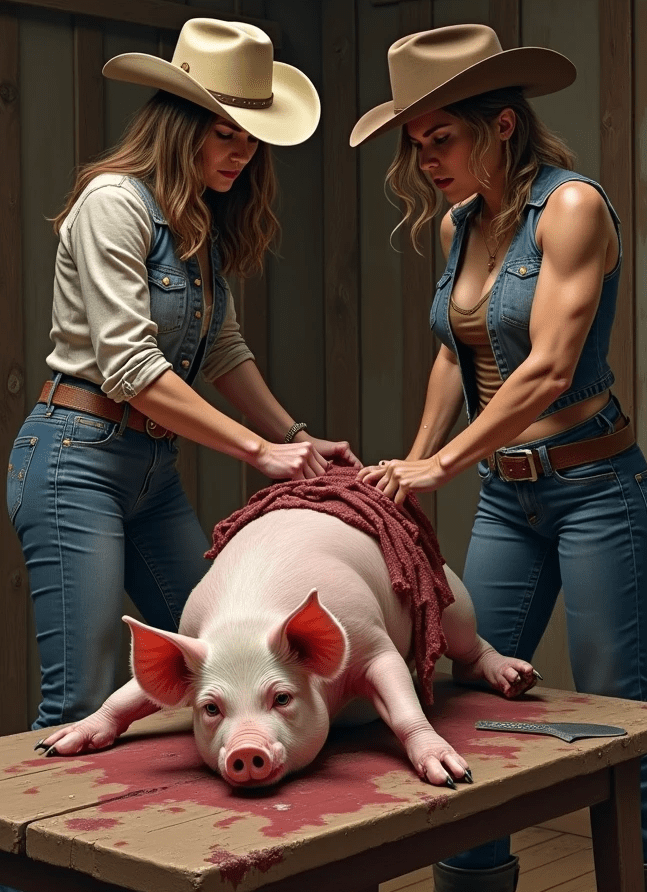
  6. Butchering – You eat what you raise. If you can’t take an animal from pen to plate, you’re in the wrong lifestyle.
  7. Gardening in Clay & Sand – Texas soil is either concrete or powder. Learn how to build it, amend it, and grow in it—because you sure as hell won’t survive without it.
  8. Composting – Waste not, want not. Turn every scrap into soil gold.
  9. Gun Safety & Use – Out here, it’s not about politics. It’s about protection—from snakes, predators, and the occasional rabid skunk.
  10. Solar Panel Installation & Maintenance – The grid fails. Texas knows. Be ready to keep the lights on when the state can’t.
  11. First Aid & Herbal Medicine – Help is not five minutes away. Sometimes it’s an hour. Sometimes it’s never.
  12. Carpentry & Framing – Your structures are only as good as your worst board. Know how to swing a hammer and read a square.
  13. Fence Building (That Actually Holds Livestock) – I’m not talking about some decorative split rail nonsense. Build tight, straight, and strong—or your animals will be down the road making friends with the neighbor’s cattle.
  14. Root Cellar Construction – You want year-round food storage without paying a fortune in electricity? Dig deep—literally.
  15. Seed Saving – Learn to save your best performers. Buy once, plant forever.

3 DIY HOMESTEAD HACKS (REAL ONES THAT ACTUALLY WORK):

1. The Solar Oven You Can Build in a Weekend
Texas sun is brutal. Turn it into power. Get an old satellite dish, line it with aluminum foil or emergency blanket material, and focus the light into a cast-iron pot inside a glass or plexiglass box. Boom—free slow cooker. Perfect for summer when the thought of turning on the kitchen stove makes you nauseous.

2. Cattle Panel Greenhouse
Want a strong, cheap greenhouse that’ll survive windstorms and last for years? Use cattle panels bent into an arch and covered with UV-resistant plastic sheeting. Anchor with T-posts. You’ll have a 10×12 greenhouse for under $200—and no worries when a Texas gust tries to rip it to Oz.

3. Five-Gallon Bucket Nesting Boxes
Chickens will lay in ANYTHING if it’s dark, secure, and cozy. Cut a circle out of the side of a five-gallon bucket, fill with pine shavings, and mount sideways to a wall or rack. Bonus: easy to clean and replace when your hens get broody and poop up the place.


Now let’s talk about why people quit this life. Because they do—fast. You think it’s all sunsets and simplicity until you’ve spent 14 hours fixing a busted water line with duct tape, bailing wire, and prayer. And let’s not even talk about July. That heat doesn’t care about your dreams. It will cook your chickens alive, burn up your garden, and leave your goat waterers boiling hot by noon.

And yet…

Something keeps us going. Something deeper than convenience. It’s the knowledge that you’re building something real—something no corporation or politician or grid failure can take away. You make your food. You fix your home. You raise your animals. You keep your family safe with your own damn hands. That’s freedom, and it tastes better than anything you’ll find on a store shelf.

Texas isn’t easy. You’ve got fire ants, scorpions, 110° summers, and winters that drop below freezing without warning. But if you can make it here, if you can stick it out through the sweat, setbacks, and sheer stubborn work, then you’ll have something that no paycheck can buy: independence.

Don’t let the romantic crowd sell you snake oil. This life isn’t for the weak-willed or the faint-hearted. It’s for those who want to get up every day and face the land, head-on, no excuses. You’ll fail, sure. But you’ll learn. And you’ll get stronger, smarter, tougher.

So if you’re serious about living the Texas homestead lifestyle, put down the Pinterest board and pick up a shovel. You’ve got fences to mend, seeds to plant, and animals that don’t care about your feelings.

This is Texas. It’s hot, it’s hard, and it’s honest.

And it’s home.

—An Angry (But Proud) Texas Homesteader

The Rhode Island Homestead Life: Not for the Weak, Lazy, or Whiny

You want the truth about homesteading in Rhode Island? Fine. Sit down, shut up, and listen. This ain’t some Instagram-filtered fantasy where you grow lavender in a teacup and get paid in likes. This is real life. This is New England grit. This is Rhode Island, baby—where the summers are muggy, the winters are ruthless, and land doesn’t come cheap. But guess what? If you’re tough, stubborn, and about half-crazy, you can build a life out here worth its weight in heirloom tomatoes.

You want a homestead in the smallest damn state in the Union? Then you’d better be big in skills, big in heart, and not afraid of breaking your damn back.

Let me tell you something first: homesteading is not a hobby. It’s not something you do because you saw a cute TikTok with someone in overalls making sourdough. It’s a lifestyle. A choice. A full-contact sport. And around here, it requires a thick skin, a sharp mind, and a chainsaw that starts on the first pull.

Here are 15 skills you’d better damn well learn if you want to make it here:

  1. Canning and Food Preservation – Your garden might explode in July, but if you don’t know how to can, dehydrate, or ferment, you’ll be eating sad supermarket mush all winter.
  2. Seed Starting – You think you’ll just buy plants every year? Not at $5 a seedling you won’t. Start your own, indoors, in March. Get a grow light or watch them get leggy and die.
  3. Composting – You’re gonna make a lot of waste. You can either send it to the landfill or turn it into black gold. Your choice.
  4. Basic Carpentry – Chicken coops, rabbit hutches, raised beds, fences—get used to cutting wood and smashing your thumb with a hammer. Don’t be a baby.
  5. Animal Husbandry – Chickens aren’t “easy pets.” They’re walking targets. Know how to feed them, deworm them, and protect them from hawks, foxes, and your neighbor’s stupid dog.
  6. Beekeeping – You want honey? You want pollination? Then suit up and get buzzing. And yes, you will get stung.
  7. Butchering – If you can’t stomach killing what you raise, go back to Whole Foods. Around here, we respect the animal by doing the hard part ourselves.
  8. Firewood Chopping and Stacking – Rhode Island winters don’t play around. Learn to wield a maul or invest in a log splitter. Stack it right, or your pile will rot before Thanksgiving.
  9. Rainwater Collection – Our water bills are outrageous. Set up a gutter system and start collecting rain in barrels before you cry over your next utility bill.
  10. Cooking From Scratch – You’ve got 20 pounds of squash. Now what? Better know a dozen ways to cook it or you’ll hate the sight of it by January.
  11. Wool Spinning/Knitting – You raise sheep? Great. Now learn what to do with all that fleece. Winter is long, and wool socks are gold.
  12. Cheesemaking – Got goats or a milk cow? Learn to turn that milk into something edible before it curdles in your fridge.
  13. Maple Syrup Tapping – You got sugar maples? Good. Drill those suckers in February, boil for days, and end up with half a pint of syrup. It’s worth it.
  14. Cold Storage Building – A root cellar is your best friend. You can’t can everything. Sometimes, you just need a cool, dry place to stash potatoes.
  15. Fence Repair – Rhode Island is wet. Wet means rot. Your fence posts will fail. Your goats will escape. Learn to fix it quick or kiss your veggies goodbye.

Three DIY Homestead Hacks that Actually Work:

Hack #1: Pallet Power Raised Beds
Find a stack of free pallets (they’re everywhere if you know where to look—ask your local hardware store). Tear ’em down, pull out the nails, and build yourself raised garden beds. Slap on a coat of linseed oil if you’re feeling fancy. Boom—free lumber, less backache, and no tilling nonsense.

Hack #2: 5-Gallon Chicken Waterer
Winter sucks. Your chicken water freezes solid. So take a 5-gallon bucket with a lid, install a few nipple waterers on the bottom, and place it on a heated base (cinderblock + heat lamp works in a pinch). No more lugging frozen pails. Your birds stay hydrated. You stay sane.

Hack #3: Trash-to-Treasure Cold Frame
Old windows are gold. People throw ‘em out constantly. Grab one, build a slanted box with scrap wood, and bam—you’ve got a cold frame. Start your spring greens 4 weeks early, extend your fall crops, and rub it in your neighbor’s face.


Now listen. Homesteading in Rhode Island ain’t like Montana or Texas. You can’t just buy 50 acres for a handshake and a case of beer. You’re gonna pay through the nose for an acre, and the zoning board might make you fight for every goat, rooster, and shed. So get familiar with local ordinances. Learn to schmooze the town clerk. Show up to meetings. Be the “crazy farm person” who knows the law better than the law.

And don’t even get me started on the pests. Deer? Everywhere. Groundhogs? Little demons. Ticks? Ubiquitous. Your garden needs fencing like Fort Knox, and every animal needs a roofed pen or they’re lunch. Coyotes don’t care if it’s cute. They’re hungry.

Then there’s the weather. Rhode Island gives you everything. Blizzard in March? Check. Hurricane in September? Check. A heatwave in May? Absolutely. If you don’t have backups on backups—extra tarps, a generator, a sump pump—you’re gonna get wiped out.

But here’s the flip side. The reason we do this. The reason we keep going even when our hands are cracked and our knees ache and we smell like manure:

We eat like kings. Real food. Fresh food. Food with soul. We drink coffee with cream from our own cow. We eat eggs so orange they look fake. We walk outside, grab dinner from the garden, and sleep like rocks under handmade quilts.

We live outside the system, at least partly. We don’t panic when the store shelves empty. We don’t need to door-dash crap food. We don’t care about trends—we’re too damn busy planting, building, harvesting, living.

So yeah, I’m angry. I’m angry because too many people think this life is just “cute” or “aesthetic.” It’s not. It’s dirty, it’s hard, and it will chew you up and spit you out if you’re not all-in.

But if you are? If you’ve got guts and you’re willing to earn every bite of food and every moment of peace?

Welcome to the real homestead life.

Here in Rhode Island—we may be small, but we’re fierce as hell.

Life on the Vermont Homestead: Not for the Faint of Heart

Let me tell you something right now: homesteading in Vermont ain’t your cozy Pinterest fantasy. It’s not sipping raw milk in a flower crown while your goat poses for Instagram. It’s real. It’s raw. And it will chew you up and spit you out if you don’t know what the hell you’re doing. I’m talking black flies in your eyeballs, pipes that freeze solid by October, and crops that rot if you blink wrong during August humidity. You either toughen up or get back to the city where people think basil grows in the spice aisle.

People romanticize this lifestyle without knowing a damn thing about what it takes to survive out here, especially in the Green Mountains where the only thing greener than the landscape is a flatlander trying to milk a goat for the first time. But for those of us who know what we’re doing—those of us who bust our knuckles fixing busted solar inverters during January sleet—we thrive. And we earn every damn bite we eat.

15 Homestead Skills You Better Learn, Or Go Home

  1. Firewood Chopping and Stacking
    If you don’t know how to fell a tree, buck it up, and stack it so it seasons right, you’ll freeze your ass off and deserve it. Vermont winters don’t play nice.
  2. Animal Husbandry
    Chickens, goats, pigs, sheep. You better know how to feed them, birth them, vaccinate them, and yes, butcher them. We don’t raise pets—we raise protein.
  3. Composting
    Your waste better be working for you. Composting is the law of the land—nutrients in, nutrients out. And don’t come at me with that plastic bin nonsense.
  4. Preserving Food
    Canning, fermenting, drying, root cellaring—if you don’t know how to make summer harvests last through February, you’ll be buying limp grocery store lettuce like a chump.
  5. Basic Carpentry
    You’ll build chicken coops, cold frames, fences, and when the roof leaks? Guess who’s the roofer? You.
  6. Water Management
    Gravity-fed systems, rain catchment, greywater rerouting—you need to make every drop count, especially when your well pump quits mid-winter.
  7. Seed Saving
    Stop buying seeds like it’s a subscription service. Grow heirlooms, save the seeds, and you’ll never be at the mercy of shortages again.
  8. Cooking from Scratch
    There’s no takeout where we live. If you can’t turn a raw chicken and a handful of potatoes into a week of meals, get out of my face.
  9. Soap Making
    Because I’m not paying $9 for some factory-scented nonsense when I’ve got lard, lye, and lavender in my own damn backyard.
  10. Knitting and Mending Clothes
    If you think darning socks is quaint, wait until you rip your last pair during a blizzard and the road’s closed for three days.
  11. First Aid and Herbal Medicine
    There’s no urgent care around the corner. Chamomile for sleep, comfrey for bruises, garlic for infections. Know your plants or pay the price.
  12. Chainsaw Maintenance
    The saw is your best friend and your worst enemy. Sharpen that chain, mix your fuel right, and respect it—or it’ll bite you.
  13. Solar Power Setup and Maintenance
    You want off-grid? Then learn the difference between a charge controller and an inverter, or you’ll be reading by candlelight for the rest of your life.
  14. Trapping and Hunting
    Rabbits, deer, maybe even bear if things get tight. It’s not about sport—it’s about putting meat in the freezer.
  15. Plumbing and Septic Know-How
    One clogged pipe and you’re knee-deep in your own stupidity. Know how to snake a drain, insulate a pipe, and never trust PVC glue in the cold.

DIY Homestead Hacks That’ll Save Your Sanity (and a Few Bucks)

1. The “5-Gallon Gravity Shower” Hack
You want hot water but don’t have a fancy solar system? Paint a 5-gallon bucket black, mount it on a platform, and let the sun do the work. Add a spigot, hang a shower curtain in the woods, and boom—your very own hillbilly spa.

2. Eggshell Calcium Powder
Don’t throw those eggshells away! Dry them, crush them, and grind them into a fine powder. Sprinkle into garden beds for calcium-rich soil or feed to chickens for stronger shells. It’s like gold dust from the coop.

3. DIY Solar Dehydrator
All you need is an old window, some scrap wood, a black-painted back panel, and mesh trays. Angle it toward the sun, and you’ve got a food dehydrator that costs zero to run and works even during late September.


Vermont-Specific Rants from the Trenches

Now let’s talk about Vermont specifically, because folks seem to think living here is like moving into a Norman Rockwell painting. You think Vermont means cozy cabins and hot cider? Sure, if you like shoveling snow 3 times a day, running a generator when the inverter gives up, and chasing bears out of the compost pile at 2 a.m. with a shotgun in your bathrobe.

Vermont’s short growing season is not a joke. If you don’t get your seedlings in by Memorial Day and have your beds covered by frost in late September, you just flushed your growing efforts down the composting toilet. Speaking of which—if you’re not managing your humanure system responsibly, stay the hell off my land. We don’t poison our soil with ignorance.

And let’s talk taxes. They’re high. Ridiculously high. You think you’re gonna sell a few jars of jam and skate by? Good luck. Every chicken you raise, every log you cut, every damn goat you sell comes with paperwork, fees, inspections, and a bureaucracy that’s never set foot on a working farm.

But we do it anyway. Not because it’s easy, but because we’re stubborn and free and refuse to live under the fluorescent lights of a cubicle farm. We raise our own food, fix our own roofs, grow our own medicine, and take pride in knowing that when the power goes out or the store shelves go bare, we’ve already got what we need.

That’s Vermont homesteading. It’s mud season and sugaring and frost heaves that’ll wreck your axle. It’s biting wind and biting insects and stubborn neighbors who’ve been on their land longer than the state flag’s been flying. It’s resilience, not romance.


Final Word from a Grumpy Homesteader

So if you’re dreaming about Vermont homesteading, do me a favor: wake up. You’ll bleed, curse, and cry—but if you make it through a winter and still want more? Well then, maybe you’ve got what it takes.

Just don’t ask to borrow my chainsaw.

Virginia Homestead Lifestyle

Virginia Homestead Lifestyle: The Rant You Need from an Angry Homesteader

Let me tell you something right off the bat — this modern world’s gone soft. Folks can’t go two hours without a drive-thru meal, their third iced coffee, and their precious little phone telling them how to breathe. Meanwhile, out here in the rolling hills of Virginia, we’re doing things the way our great-grandparents did — with grit, with dirt under our fingernails, and without needing to Google “how to boil water.”

You want the Virginia homestead lifestyle? Good. But don’t expect it to be all cute chickens and fresh eggs. This ain’t a Pinterest board. This is real life. Real work. And if you’re not willing to break a sweat, bleed a little, and maybe cry into your calloused hands now and then, you might as well turn back now and go back to your soy lattes and your HOA complaints.

Now that we’ve weeded out the weak, let me give you a crash course in what it really means to homestead in Virginia. We’ve got four solid seasons here — from blazing humidity in July to frozen ground in January. If you don’t respect the land and the weather, the land will eat you alive. Period.

Let’s start with the 15 skills you better learn fast if you want to make it out here:


1. Gardening (with actual results)

I’m not talking about a pot of basil on your windowsill. You better learn how to grow food — tomatoes, potatoes, beans, squash, corn. Figure out succession planting, crop rotation, and pest control that doesn’t destroy your soil. This is survival gardening, not Instagram.

2. Canning and Preserving

If you don’t know what a pressure canner is, you’re behind. Water bath canning for high-acid stuff, pressure canning for low-acid. Learn it, practice it, and keep your shelves stocked. Freezers fail — jars don’t.

3. Basic Carpentry

You’re going to need to build things. Coops, sheds, fences, maybe even a barn if you’re ambitious. A hammer, a saw, a level — get familiar with them. Ain’t nobody got time to wait on contractors who charge $200 just to show up.

4. Animal Husbandry

Chickens, goats, rabbits, maybe a couple pigs. You need to know how to feed them, breed them, and when the time comes — butcher them. Harsh? Maybe. But it’s honest.

5. Composting

Waste nothing. That pile of kitchen scraps and animal bedding can turn into black gold. Know what to compost, how to keep it hot, and how to use it.

6. Seed Saving

You really want to be self-sufficient? Stop buying seeds every spring. Learn how to save them. Tomatoes, beans, squash — they’re easy starters.

7. Hunting and Trapping

Deer season isn’t just for fun. It fills your freezer. Know the laws, respect the game, and sharpen your shot. Trapping’s trickier, but muskrats and raccoons don’t belong in your chicken coop.

8. Firewood Management

Chainsaw skills, axe work, splitting, stacking, seasoning — your heat depends on it if you’re off-grid or using a wood stove. Start early, or you’ll be burning green wood and cursing yourself in January.

9. Food Storage (beyond the pantry)

Root cellars, smokehouses, drying racks — these old-school methods still work. Don’t act surprised when the power goes out and your freezer full of meat is suddenly a liability.

10. Beekeeping

Not just for honey. Bees help everything grow. They’re finicky, though. Treat them right and they’ll give you liquid gold and pollinate your crops. Treat them wrong and they’ll abandon you.

11. Basic Veterinary Skills

Can’t call the vet every time a chicken sneezes or a goat limps. Learn how to treat wounds, give shots, and recognize illness. Your animals are your livelihood.

12. Soap Making

Store shelves empty? You’ll still be clean. Lye, fat, and patience. That’s all it takes. Plus, it beats rubbing synthetic nonsense on your skin.

13. Sewing and Mending

Clothes tear. Blankets wear out. Learn how to stitch a seam and patch a hole. Keep your gear going instead of tossing it.

14. Water Management

Wells, rainwater catchment, filtering, hauling — know it all. When the faucet stops running, will you know where to turn?

15. Emergency Medical Know-How

A well-stocked first aid kit won’t save you if you don’t know how to use it. Splints, wound care, recognizing infections — these are essential.


You still with me? Good. Then let me sweeten the pot with 3 DIY homestead hacks that’ll save your hide one day:


Hack #1: 5-Gallon Bucket Nesting Boxes

You don’t need to spend a fortune on fancy nesting boxes. Take a few 5-gallon buckets, cut off the top third at a 45° angle, bolt them to the wall at a slight upward tilt, and throw in some pine shavings. Chickens love ‘em, and they’re easy to clean. Durable, too — and free if you salvage from restaurants or bakeries.


Hack #2: Solar-Powered Electric Fence from Recycled Parts

Predators don’t care how much your livestock cost. Keep them out with a DIY solar electric fence. Repurpose an old solar yard light, a small car battery, and some wire from that junk pile you keep meaning to clean up. Hook up a low-voltage fence charger, and bam — perimeter security without raising your electric bill.


Hack #3: DIY Root Cellar in a Trash Can

Don’t have the time or money for a full root cellar? Bury a metal trash can up to the rim in a shady spot. Line the bottom with gravel for drainage, then stack your root veggies in layers of sand or sawdust. Pop the lid on and cover with straw bales in winter. It’ll stay cool and dark — perfect for carrots, potatoes, and turnips.


Living the Virginia homestead lifestyle isn’t about prepping for doomsday. It’s about living honestly — away from the noise, the lies, and the weakness of a society that’s forgotten how to feed itself. It’s about waking up with the sunrise, working your body to the bone, and falling asleep with pride instead of anxiety.

People say, “I could never do that. It’s too hard.” Damn right, it’s hard. That’s the point. If you’re looking for ease, go back to your concrete jungle. But if you’re looking for a life with meaning, sweat, and real satisfaction — get your boots on. We’ve got work to do.


So go on — till that soil, raise that barn, gather those eggs, and for the love of all things sacred — stop whining. This is Virginia. We don’t just survive out here. We thrive.

Arkansas Homesteading in a World Gone Soft

Let me make one damn thing clear right off the bat: this lifestyle is not for the weak. It’s not for suburbanites dreaming of sipping herbal tea on a Pinterest-perfect porch while chickens lay eggs like it’s some kind of fairy tale. No. Homesteading in Arkansas — in this unforgiving, beautiful, humid mess of a land — is for people ready to bleed, sweat, and fight tooth and nail for freedom. If you aren’t ready to break your back and outthink every crisis the world throws your way, turn around and go back to your HOA-gated sugar cube of a house.

Now that we’ve cleared out the soft-bellied dreamers, let’s talk real homesteading — the kind that’s rooted deep in the Ozark clay, where you grow your own food, raise your own meat, harvest your own power, and look the modern system dead in the eye and say: No thanks, I’ll do it my way.

Arkansas is one of the last damn strongholds of real freedom in this country. We’ve got the land. We’ve got the water. We’ve got the independence-minded people. And if you’ve got the guts, you can build a life that doesn’t depend on corporate supply chains, grid-fed everything, or politicians screwing up your future.

But listen close: you better know your skills. You screw up here, and you’re not just making a mess — you’re losing livestock, killing your crops, or freezing your butt off in a winter storm. So here are 15 critical homesteading skills every serious Arkansan homesteader better master — or die trying.


15 Essential Homestead Skills for Arkansas Survivors

  1. Seed Saving & Heirloom Gardening
    GMO garbage won’t cut it. You better learn to save your own seeds from strong, local heirloom plants that thrive in the Arkansas heat and humidity.
  2. Rainwater Harvesting & Filtration
    You think your well’s invincible? Think again. Learn to collect and purify rainwater — before the droughts and EPA regulations catch up to you.
  3. Solar Power Setup & Maintenance
    The grid goes down every time a squirrel sneezes. Learn to harness that brutal southern sun and run your homestead off solar like a boss.
  4. Composting & Soil Regeneration
    Arkansas clay ain’t exactly nutrient gold. Learn how to build your soil from the ground up — literally — using compost, manure, and biochar.
  5. Animal Husbandry (Chickens, Goats, Pigs)
    If you can’t raise and butcher your own meat, what the hell are you even doing? Get yourself livestock and learn how to keep ’em alive and productive.
  6. Off-Grid Cooking (Rocket Stove, Solar Oven, Dutch Oven)
    When the propane runs out, you better know how to cook on something besides a plastic-clad gas range. Build it. Test it. Master it.
  7. Root Cellaring & Food Preservation
    Canning, drying, fermenting — it’s not optional. Your grocery store backup plan won’t mean squat during an ice storm or economic collapse.
  8. Basic Carpentry & Construction
    Cabin walls don’t build themselves. Sheds rot. Fences fall. Know how to build and repair like your life depends on it — because someday, it just might.
  9. Blacksmithing & Tool Repair
    Learn to fix what breaks. You won’t find replacements when the supply chain’s down and the hardware store shelves are empty.
  10. First Aid & Herbal Medicine
    The hospital’s 40 miles away and closed half the time. Learn the plants in your own backyard and keep a real med kit — not a Hello Kitty Band-Aid box.
  11. Trapping & Wild Game Processing
    You’ll thank yourself when deer season is gone and food’s tight. Coons, rabbits, squirrels — learn how to trap and use every part.
  12. Firewood Processing & Wood Stove Maintenance
    Electric heat fails. Always has, always will. You’ll need firewood stacked high and dry. Learn to fell, buck, split, and cure your wood right.
  13. Fencing & Livestock Containment
    A goat outside the fence is a goat in the neighbor’s tomatoes — and a .22 bullet away from being a problem. Build sturdy, predator-proof fencing.
  14. Water Pump & Plumbing Repair
    When the well pump fails in July, you’ll either know how to fix it — or you’ll be sweating while your wife packs the kids for the city.
  15. Barter & Trade Savvy
    Money’s great until it’s worthless. Know the value of eggs, pork, labor, ammo, and skills in a barter economy — and don’t get taken for a fool.

3 DIY Homestead Hacks That’ll Save Your Butt

  1. DIY Rocket Stove for Off-Grid Cooking
    Use old bricks, a metal pipe, and some elbow grease to build a high-efficiency rocket stove in your backyard. Cooks fast, burns clean, and doesn’t use more than a handful of twigs. When propane tanks are empty and your generator’s out of gas, this bad boy will keep your family fed and your coffee hot.
  2. 50-Gallon Barrel Rainwater Catchment System
    Cut the top off a food-grade barrel, add a mosquito screen, and rig up a PVC overflow. Hook it to your downspouts with a first-flush diverter. Add a spigot at the bottom and boom — you’re harvesting 50 gallons of off-grid water per storm, without touching your well.
  3. Solar-Powered Electric Fence from Salvaged Panels
    Got an old solar panel and a car battery? Hook them up to a DC-powered fence charger. Keeps your goats in and the coyotes out without touching your utility bill. Cheap, reliable, and damn near bulletproof.

Arkansas Isn’t a Game — It’s a Battlefront

The government doesn’t care about you. The power company sees you as a dollar sign. The grocery store shelves are three days away from empty during any decent panic. You are the last line of defense between your family and chaos. And the only way you win is by learning, adapting, and never backing down.

Don’t sit on YouTube “researching” forever. Get your boots dirty. Plant something. Fix something. Butcher something. And for the love of everything worth living for — stop expecting the system to save you.

Arkansas is fertile ground for the independent and the bold. The laws are in your favor. The land is still affordable in places. And the people — the right people — will help you if you’re worth a damn. But you better bring grit. Bring skill. Bring that fire in your belly that says, “I don’t need handouts. I’ve got hands, and I’ve got the will.”

This ain’t a damn trend. It’s a way of life. And it might just be the last one left that makes any sense.

Arizona Homestead Lifestyle: A Survivalist’s Manifesto

Listen up, because I’m not going to sugarcoat this. If you’re thinking about homesteading in Arizona, you better be ready to fight. Not with fists, not with firearms—though you’d damn well better know how to use both—but with grit, sweat, and a raw-boned kind of determination most folks nowadays don’t have the spine for. This isn’t some Instagram-filtered fantasy where you prance around in a straw hat and harvest peaches. This is Arizona. The sun will try to kill you. The land doesn’t care if you live or die. And the government? They’ll either tax you into the dirt or regulate your freedom to death.

But I’m not here to coddle. I’m here to tell you what it takes to thrive.


The Arizona Advantage (and Curse)

Arizona’s got a brutal beauty. It’s dry, hot, and unforgiving—like a rattlesnake that doesn’t warn before it strikes. But it also means low humidity, long growing seasons (if you’re smart), and enough land still available to carve out something real. You can live free here—if you’re ready to work harder than most people have ever dreamed.

Water is the lifeblood out here, and it’s scarce. If you can’t figure out how to manage water, you’re screwed. I don’t care how nice your cabin is or how many solar panels you slap on the roof. If you can’t hydrate your land and your livestock, you’re done before you start.

So you want to live the homestead lifestyle in Arizona? Here’s what you must learn, do, and never forget.


15 Essential Homestead Skills for Arizona Survivalists

  1. Rainwater Harvesting – Capture every damn drop. Set up barrels, gutters, underground cisterns—whatever it takes. It’s legal in Arizona, so use it to your advantage before that changes.
  2. Drip Irrigation Systems – Wasting water in Arizona is idiocy. Learn to run a drip system from rainwater catchment. Mulch deep. Keep that ground moist or your crops will die screaming.
  3. Solar Power Setup and Maintenance – The sun’s brutal, but it’s also your best friend. Invest in a solid off-grid solar system and understand how to maintain it yourself. No excuses.
  4. Desert Gardening – You’re not in Kansas. Learn what grows here: mesquite, prickly pear, tepary beans, amaranth. Native, drought-resistant, calorie-dense crops are your lifeline.
  5. Canning and Food Preservation – When harvest comes, it all comes fast. You better know how to can, dehydrate, smoke, and root cellar or you’ll rot right along with your veggies.
  6. Animal Husbandry – Goats, chickens, rabbits. These are your protein producers. Know how to breed, butcher, and keep them alive when the temps hit 110.
  7. Butchering and Processing Meat – No, the store isn’t coming to save you. You better know how to skin, gut, and preserve meat or you’ll be wasting life—and lunch.
  8. Composting and Soil Building – Arizona dirt is garbage. You’ll need to turn it into something alive. Compost every scrap, use worms, and know how to read soil like a book.
  9. Firearm Handling and Marksmanship – It’s not just your right—it’s your responsibility. Predators, trespassers, and two-legged varmints don’t wait for a call to the sheriff.
  10. Basic First Aid and Herbal Remedies – Closest hospital might be 50 miles away. Know how to stitch a wound, set a bone, and use wild herbs to stop bleeding or cure infection.
  11. Blacksmithing and Tool Repair – When things break (and they will), you need to fix them. Weld. Sharpen. Forge. Don’t be a tool-less fool.
  12. Cob and Adobe Construction – You don’t need fancy lumber when you’ve got dirt. Learn how to build with cob, adobe, and earthbags. Cool in the summer, warm in the winter.
  13. Barter and Trade Skills – In a real crisis, cash is trash. Skills and goods matter. Learn how to trade like your life depends on it—because it might.
  14. Fuel and Wood Harvesting – Even in desert country, you’ll need fire. Learn where and how to gather wood legally and efficiently. Mesquite and juniper are your friends.
  15. Homeschooling and Self-Education – If you’ve got kids, it’s your job to raise ‘em smart and tough. Teach them truth, math, and survival—not the state’s propaganda.

3 DIY Homestead Hacks (Because Clever Beats Rich)

  1. Evaporative Cooling Jug Fridge (Zeer Pot)
    In Arizona heat, keeping food from spoiling is critical. Build a zeer pot with two unglazed clay pots (one inside the other), fill the gap with wet sand, and cover it with a wet cloth. Place it in a shady, breezy spot. It’ll drop temps by 20-30°F—no electricity required.
  2. Rocket Stove From Scrap Metal
    Stop relying on propane. Build a rocket stove from leftover metal piping or bricks. Efficient as hell, burns twigs, and can cook a full meal or boil water without wasting fuel. Great for backup or everyday use.
  3. Wicking Beds From Old Tubs or Troughs
    Use a busted bathtub, livestock trough, or even a plastic tote. Line it, fill with gravel, lay a perforated pipe, and top with soil. Water from the bottom up—it saves tons of water and keeps plants hydrated longer.

Final Warning and Encouragement (Yeah, I’m Contradictory—Get Used to It)

If you think you’ll “try” homesteading in Arizona, don’t bother. This ain’t a try thing. This is all-in, bleed-and-sweat, die-if-you-quit living. Your neighbors will either be tough as rawhide or totally useless. Pick your friends like you pick your firearms: reliable, rugged, and ready when needed.

But here’s the hard truth: there is nothing—I mean nothing—more rewarding than taking your independence back from a system that wants you docile and desperate. Every chicken egg you gather, every tomato you can, every gallon of water you pull from the sky is a middle finger to the technocratic parasites who want you enslaved to convenience.

Homesteading in Arizona is war. A war against the elements, the calendar, the consumer lifestyle, and the lie that you can’t survive without the system.

Well guess what?

You can.

And if you’re crazy, stubborn, and hungry enough—you will.

Welcome to the fight. Welcome to the land. Welcome to the life.

Let the desert burn away what’s weak. What’s left? That’s your real self.

Live hard. Homestead harder.

The Ultimate EDC Checklist: Are These Key Items in Your Kit?

Imagine this scenario for a moment—you’re heading out the door, running errands, or even just walking to the mailbox. Everything seems perfectly normal. Then, suddenly, the unexpected happens. A power outage. A car breakdown. An emergency situation where you need to think on your feet and act fast.

Now, ask yourself: Are you really prepared for the unexpected?

Most people go about their day with the bare minimum in their pockets or bags: a wallet, a smartphone, and a set of keys. But what if that wasn’t enough? What if you could make a few small changes to your everyday carry (EDC) that could help you in a survival situation or simply make life a little easier?

It’s time to think beyond the basics and upgrade your EDC. When disaster strikes—whether it’s a natural disaster, power outage, or even just an unexpected situation—you’ll want to be as prepared as possible. With the right EDC, you can navigate these events with confidence, without being caught off guard.

Let’s go over the crucial items every survivalist should have in their everyday carry kit. These tools could very well be the difference between surviving and being caught unprepared.

1) Multi-tool

A multi-tool is perhaps the most essential item in your EDC. This versatile tool is your Swiss Army knife for modern-day survival. From knives and screwdrivers to bottle openers and pliers, a quality multi-tool will serve you in nearly any situation. Whether you’re fixing a broken item, opening a package, or handling an unexpected repair on the go, having a multi-tool at your disposal is invaluable.

Survival Prepper Tip: Choose a multi-tool that’s compact, durable, and easy to carry. Look for one that includes a knife, scissors, pliers, and a few screwdrivers. Don’t forget about the weight – you want something that’s easy to carry without weighing you down.

2) Flashlight

When the lights go out, a flashlight is your best friend. Whether you’re facing a power outage at home, navigating through a dark area, or even just trying to find something in a poorly lit space, a flashlight is a must-have in your EDC. Opt for a small, durable, and powerful flashlight that can be easily carried in your bag or pocket. There’s nothing worse than fumbling around in the dark when you need light the most.

Survival Prepper Tip: Look for a flashlight that uses rechargeable batteries, which can save you money in the long run. Solar-powered models are an excellent choice for preppers who want a sustainable option. Always have spare batteries in your kit as well.

3) Fire Starter

When you’re caught in a situation where you need warmth, cooking, or a signal for help, a reliable fire starter can be a game-changer. A Ferro rod fire starter is compact and easy to carry, and it’s capable of igniting a fire even in wet conditions. You never know when you might need to create a fire to cook food, stay warm, or send out an emergency signal. Fire is also essential for purification, whether you’re boiling water for drinking or disinfecting something.

Survival Prepper Tip: Practice using your fire starter before you need it. The last thing you want is to struggle with it during an emergency. Keep a few fire-starting supplies, like cotton balls soaked in petroleum jelly or tinder, in your kit for easy ignition.

4) Water Bottle

Water is life, and in any survival scenario, access to clean drinking water is critical. Carrying a durable, reusable water bottle ensures you’re never without hydration when you need it. Additionally, a high-quality water bottle with a built-in filter can help you purify water from lakes, streams, or questionable sources. Having access to clean water is a fundamental survival skill, and carrying it with you makes it a part of your everyday readiness.

Survival Prepper Tip: Choose a stainless steel or BPA-free plastic water bottle. If you’re worried about contamination, consider one with a built-in filtration system. This ensures you can purify water from a variety of sources in the wild.

5) First Aid Kit

When you’re in a survival situation, injuries can happen fast—whether it’s a cut, burn, sprain, or something more serious. A small but well-stocked first aid kit is essential in your EDC. You should be able to address minor injuries and have supplies for more serious situations, like infection prevention or wound care.

Survival Prepper Tip: At the very least, your first aid kit should include antiseptic wipes, bandages, gauze, medical tape, tweezers, pain relievers, and any personal medications. Don’t forget to include an emergency whistle, as it can help you signal for help if you need it.

6) Paracord

Paracord is one of those items that you’ll be glad you packed, even though you might never need it. However, when you do, you’ll be amazed at its versatility. From building shelter, tying down gear, making repairs, to even using it for fire-starting (by stripping it), paracord is a survivalist’s go-to utility tool. Keep at least 10 feet of it in your EDC kit.

Survival Prepper Tip: Choose a high-quality, 550-paracord with a higher tensile strength. It should be durable enough to withstand harsh conditions. If possible, look for a paracord bracelet, so you have it easily accessible.

7) Survival Blanket (Mylar Blanket)

A Mylar survival blanket, also known as a space blanket, is a must-have in your EDC. It’s small, lightweight, and helps retain body heat in extreme temperatures. It can also be used as a reflective signaling device in emergencies. These blankets are an essential part of your kit because they protect you from hypothermia and other weather-related dangers.

Survival Prepper Tip: The reflective nature of Mylar blankets makes them ideal for signaling. Use them in survival situations to attract attention from rescuers. Consider carrying a small survival shelter or poncho for added protection.

8) Knife

A high-quality, folding pocket knife is essential for your EDC. From preparing food to cutting rope, a sharp knife can help you handle multiple survival tasks. Choose a compact, easy-to-carry knife that is capable of handling heavy-duty tasks. Make sure the blade is durable, and the handle is comfortable to grip.

Survival Prepper Tip: When selecting a knife, consider the lock mechanism for safety. Always sharpen your blade and check for rust to maintain optimal performance.

9) Compact Tool Kit

While a multi-tool is great, sometimes you need specialized tools for specific tasks. A small, compact tool kit with essentials like a small wrench, pliers, or even a screwdriver set can be a lifesaver. This can help you with repairs or minor fixes during your day-to-day life or in emergency situations.

Survival Prepper Tip: A lightweight, minimal tool kit with just a few essential tools will help you make repairs on the go without adding unnecessary bulk to your kit.

10) Tactical Pen

A tactical pen is another item that can be part of your EDC kit without drawing attention. While it functions as a regular pen, it also serves as a self-defense weapon, glass breaker, and even a tool for small repairs. It’s an inconspicuous but practical addition to your gear, and it could come in handy in a wide variety of scenarios.

Survival Prepper Tip: Choose a tactical pen made of heavy-duty materials, like aluminum or titanium, so it can withstand rugged use. Ensure it also has a reliable writing mechanism to make it functional as a regular pen.


Final Thoughts:

In a survival situation, your ability to adapt, improvise, and make use of the resources at hand is what will keep you alive. Your EDC is more than just a collection of random items. It’s a critical component of your overall preparedness strategy. The key to an effective EDC is to make sure you have the tools that you need to handle unexpected situations, whether that’s a minor inconvenience or a full-blown emergency.

By having these items in your kit, you’re setting yourself up for success. Keep refining your gear, add more items as necessary, and always stay alert. The world is unpredictable, but with the right tools in your pocket, you’ll be ready for whatever comes your way.

Survival Prepper Tip: Regularly review your EDC kit. Seasons change, your needs evolve, and new gear becomes available. Keeping your kit up to date will ensure that you’re always ready for whatever life throws your way.

The Wifi Trap: What Most Preppers Overlook When SHTF

As preppers, we’re always thinking about the “what ifs” — what if the power grid goes down? What if food becomes scarce? What if our security is compromised? But one thing that often gets overlooked in prepping is how we handle something as common as wifi when SHTF (Sh*t Hits The Fan).

Sure, most of us are used to having wifi at our fingertips. It’s something we take for granted in our daily lives, whether we’re at home, at a café, or even traveling. But when disaster strikes—whether it’s a natural disaster, an EMP, or some form of societal collapse—the wifi we rely on can become a huge liability.

Think about it: every time a major storm hits or an earthquake shakes things up, what happens? The power grid goes down, cell towers collapse, and suddenly, we’re cut off from the world. The internet disappears. But if you’re a prepper, you’ve probably planned ahead. You’ve got your own generator, and maybe even a backup power source for your wifi. You’re sitting pretty, right?

Well, not quite.


The Dangerous Wifi Mistake Most People Make

The truth is, while having wifi during a crisis can be a blessing—it can also make you a target. When you’ve got a working wifi signal in an otherwise digitally dead area, you’re sending out a beacon. A signal to anyone with a device searching for a connection. And when people are desperate—whether it’s for information, communication, or resources—they’ll stop at nothing to get to you. That includes the possibility of using force.

Picture this: a massive power outage or grid failure. You’re sitting in your home with your backup generator, using your wifi to access essential information or stay in touch with other preppers. But that signal, that tiny little wave bouncing off your router, is broadcasting to anyone nearby. And when resources are scarce, there are plenty of people who would be willing to do whatever it takes—perhaps even storm your house or break into your perimeter—to steal those resources.

This is a situation we must be prepared for. If you’ve got wifi set up for a SHTF scenario, there are a few things you need to understand to stay safe.


Reducing Your Wifi Range: A Smart Strategy

What’s the solution? Do we simply throw our routers out the window during a power outage? Of course not. But there are steps you can take to ensure your wifi doesn’t make you an easy target in an already dangerous situation.

One way to protect yourself is by reducing the range of your wifi signal. Most modern wifi routers allow you to adjust the power output—basically controlling how far your signal reaches. By lowering the power, you can restrict your wifi’s range and make it much less noticeable to anyone outside your immediate vicinity.

This is a smart strategy for preppers who don’t want to broadcast their presence to the wrong people.

Tip #1: Most wifi routers allow you to control the transmit power. Check your router’s settings and adjust the power output. You’ll want to reduce it to a level where only those inside your home or immediate property can access the signal.

Tip #2: Always refer to your router’s manual or interface to make sure you’re adjusting the correct settings. Each router model is different, but most will have an option to control the signal strength or transmit power.


How to Hide Your Wifi with Physical Barriers

Now, let’s say you’re not tech-savvy or don’t want to mess with your router settings. There’s another simple method you can use: physical barriers. You can reduce the range of your wifi signal by surrounding your router with dense materials like concrete or stones.

Think about it: wifi signals can only travel through certain materials. Concrete, metal, and stone are excellent at blocking signals. By placing your router in a space surrounded by these materials, you’re naturally limiting the range without having to adjust any settings. For example, if you have a basement or a sturdy, windowless room in your house, that could serve as a great space to keep your router safe.

Tip #3: A simple and effective method is placing your router in a room with thick concrete walls or a storage area made of dense materials. This will help shield the signal from reaching the outside world.


Prepping for Emergencies Beyond the Basics

As a prepper, it’s crucial to think outside the box, especially when you’re facing an unprecedented situation. Most people think of wifi as a convenience, not as a potential vulnerability. But in an emergency, your technology can become both a tool and a liability. The key is to adapt.

Tip #4: Don’t just prep for short-term scenarios. Plan for long-term sustainability. A few days without the grid is one thing; surviving for months or even years is something entirely different.


The Importance of Digital Security

Just as you would lock your doors and secure your home, you need to protect your digital space. In the chaos following a major disaster, people might go to extreme lengths to obtain your resources. You need to be aware of how much you’re broadcasting. This goes beyond just wifi—think about all the digital signals your devices are sending out. Cell phones, radios, and even Bluetooth can be tracked or intercepted if you aren’t careful.

Tip #5: Turn off Bluetooth, GPS, and Wi-Fi on devices when not in use. The fewer signals you send out, the less chance you’ll attract attention from those looking to exploit your resources.


Additional Wifi Safety Measures

Another smart move is to create a network that’s encrypted and secure. In a post-collapse world, information is power, and anyone who can hack into your system will have a major advantage. Set up a VPN (Virtual Private Network) to protect your online communications and data.

Tip #6: Always use a VPN on your devices. It encrypts your online activity and adds an extra layer of security when accessing the internet in a crisis.


Know Your Neighbors (But Keep Your Distance)

If you’re living in a close-knit neighborhood, don’t underestimate the value of knowing who is nearby. The stronger your community connections, the better prepared you’ll be to handle any situation. But even within a close community, you need to remain vigilant. Trust is built, not given.

Tip #7: Form a prepper group with trusted neighbors, but always remain cautious about who you allow into your circle. Trust, but verify.


Redundancy is Key to Prepper Success

While you’re reducing your wifi signal and securing your digital footprint, remember that redundancy is critical. You can’t rely on a single system. A backup communications plan is necessary, whether it’s a two-way radio or even an old-fashioned CB.

Tip #8: Invest in walkie-talkies or ham radios for backup communication in case the internet and cell towers fail completely.


Stay One Step Ahead

At the end of the day, the goal is to stay one step ahead of the game. By taking these simple but effective precautions, you reduce your exposure and keep your home from becoming a target when the chips go down.

Tip #9: Be proactive, not reactive. Anticipate problems before they occur, and stay prepared for any scenario that may unfold.


Conclusion: A Tactical Approach to Wifi in a Crisis

When SHTF, you’re going to face a whole new set of challenges. Wifi may be a tool, but it can also be a dangerous liability if you don’t handle it right. From adjusting power settings to using physical barriers, there are simple and effective ways to reduce the range of your wifi signal and avoid drawing attention to yourself.

Tip #10: Continuously reassess your preparedness plan. Emergencies evolve, and your prepping must evolve with them.

By being aware of the wifi mistake that many preppers overlook, you’re one step closer to ensuring that your home remains secure—and that you’re truly ready when the chips go down.

Surviving Without a Hospital: Medic Skills You Need When SHTF

Surviving Without a Hospital: Medic Skills You Need When SHTF

When the world collapses and the grid goes down, most of us will be cut off from the very systems that we rely on for survival—no electricity, no cell service, and no access to medical professionals. In those moments, you’ll need to rely on yourself. One of the most important skills you can develop is knowing how to be your own medic when SHTF. You won’t have the luxury of rushing to the emergency room, so your knowledge and your ability to treat injuries and illnesses will be critical to your survival.

The Importance of Medic Skills When SHTF

In a survival situation, you are the first responder. When disaster strikes, the hospitals and emergency services will be overwhelmed, or they may not even be available. You’ll need to step up, stay calm, and take control of your health. That means knowing how to handle common medical issues on your own—from minor cuts to more serious wounds, sprains, burns, fractures, and everything in between.

The good news is that with some basic training and the right mindset, you can equip yourself to manage medical emergencies until help arrives—or until you can find it. This might sound overwhelming at first, but it’s a skill set that will make the difference between life and death when the chips are down. So, let’s dive into some essential first aid skills and survival tips you need to know.

First Aid Basics for Survival Situations

1. Cuts and Scrapes: The First Line of Defense

Cuts and scrapes are the most common injuries you’ll encounter, and thankfully, they’re also some of the easiest to treat. If it’s a minor cut, you should:

  • Clean the wound with warm water and soap to prevent infection.
  • Apply an antibiotic ointment like Neosporin to ward off bacteria.
  • Cover the wound with a bandage to keep it clean and dry.

But if you’re dealing with a deeper cut or gash, things get more complicated.

  • Stop the bleeding by applying direct pressure with a clean cloth. Hold it in place until the bleeding slows.
  • For severe bleeding, use a tourniquet above the injury (only if you cannot stop the bleeding with pressure), but this should be a last resort. Remember, tourniquets can cause damage if left on too long, so it’s vital to get medical help as soon as possible.

2. Sprains and Strains: The R.I.C.E. Method

If you twist your ankle or injure your wrist, it’s crucial to address the injury immediately to prevent further damage. The R.I.C.E. method is your go-to strategy:

  • Rest: Limit movement to prevent further strain on the injury.
  • Ice: Apply an ice pack or a makeshift cold compress to reduce swelling.
  • Compression: Wrap the injured area with a bandage to provide stability and reduce swelling.
  • Elevation: Raise the injured limb above the level of your heart to reduce swelling.

While it may not completely heal the injury, it can minimize the damage and reduce pain until you get help or the injury heals naturally.

3. Burns: Treating Heat Injuries in the Wild

We’ve all burned ourselves at some point. Whether it’s from touching a hot pan or getting too close to a fire, burns can be debilitating. Here’s how to handle them:

  • For minor burns, immediately immerse the area in cool water (not ice-cold, which could cause more damage). You can also apply aloe vera or a soothing burn ointment.
  • For severe burns, cover the area with a clean, dry cloth (don’t use anything that could stick to the wound, like gauze or cotton). Don’t pop any blisters, as this can lead to infection. Seek medical help as soon as possible—burns can be life-threatening if they cover a large area.

4. Broken Bones: Immobilization Is Key

If you suspect a broken bone, the most important thing is to immobilize the area. Movement can worsen the damage and cause more pain. Here’s how you can handle it:

  • Immobilize the limb using a splint or any rigid material you have at hand, such as a stick, board, or even a rolled-up newspaper.
  • Apply a cold compress to reduce swelling.
  • Elevate the injured limb to reduce swelling and pain, if possible.

Remember, a fracture may be painful, but with proper immobilization, you can manage it until you can either get to help or set up a longer-term solution.

The Role of Knowledge in Survival Medicine

Now that we’ve covered some basic injuries, it’s important to stress that knowledge is your best weapon when dealing with medical emergencies in a survival situation. The key to surviving when medical help isn’t available is not just knowing how to stop bleeding or treat a sprain. You need to think on your feet and stay calm under pressure.

10 Prepper Tips for Managing Medical Emergencies When SHTF

  1. Master First Aid and CPR: Make sure you’re certified in both basic first aid and CPR. These certifications provide the knowledge you need to treat a variety of injuries and help keep someone alive until professional help arrives.
  2. Assemble a Fully Stocked First Aid Kit: Ensure that your first aid kit includes essential supplies like bandages, antiseptics, pain relievers, splints, and tourniquets. But don’t stop there—think about additional items like saline solution for wound irrigation, a good pair of scissors, and medical gloves.
  3. Learn to Use Herbal Remedies: In a grid-down situation, over-the-counter medications might not be available. Learn to identify and use medicinal plants for natural pain relief, wound care, and other common ailments. Echinacea, garlic, and yarrow are all great examples.
  4. Know How to Suture Wounds: In a real emergency, you might need to close a deep wound yourself. Take a class or practice using a suture kit. It could save your life or someone else’s.
  5. Prepare for Infection: Keep your wounds as clean as possible and apply antibacterial ointment. In a survival situation, infections can become life-threatening without antibiotics, so keep wounds covered and change dressings regularly.
  6. Learn to Make a Splint: You don’t always have a store-bought splint on hand. Learn how to improvise using sticks, cloth, or whatever materials you can find in your environment.
  7. Stockpile Antibiotics: While illegal in many areas, antibiotics are a must-have in a prepper’s medical supplies. Talk to a healthcare professional about obtaining them for emergency situations and learn how to use them properly.
  8. Stay Calm Under Pressure: One of the most important skills in a medical emergency is maintaining composure. Stay calm and assess the situation before rushing into action. The more calm and collected you are, the better your chances of dealing with the injury.
  9. Learn How to Build a Survival Medical Kit: You can’t always rely on pre-packaged kits. Consider building your own kit with the items that you know will be most useful in a survival situation. Don’t forget tools for improvisation.
  10. Practice Regularly: Medic skills are like any other skill—they get better with practice. Regularly practice treating injuries using your kit, and familiarize yourself with emergency procedures so you’re ready when things go sideways.

Conclusion: Be Your Own Medic, Be Your Own Lifeline

In a world where hospitals may not be an option, your ability to be your own medic could make all the difference. The knowledge you gain now will prepare you for any medical emergency that may arise, ensuring that you can handle everything from simple cuts to serious trauma.

By investing in your medical knowledge today, you’ll have the skills you need to survive and thrive in a world where help is no longer on the way. Keep learning, keep practicing, and above all, be prepared. Your life, and the lives of those around you, could depend on it.

DIY Off-Grid Shelter – Cabins, earthbag homes, shipping containers, and underground bunkers.

Let me get one thing straight before we dive into this – if you’re waiting around for the government to save your sorry backside when the grid goes down, you’re already dead. This isn’t a game. It’s not some Instagram “van life” fantasy or TikTok wilderness cosplay. This is real life. The lights will go out. Society will collapse. And when it does, the people with the soft hands and TikTok dance moves are going to get chewed up and spit out by the cold, merciless truth. The rest of us – the ones who are ready – will already be in our shelters, warm, fed, and armed to the damn teeth.

If you’re not thinking about your shelter right now, you’re already ten steps behind. You need something solid. Something that won’t blow over in a storm, catch fire in a riot, or crumble when the earth shakes. This isn’t a damn Airbnb; this is your lifeline. So let’s break down the options for DIY off-grid shelters – cabins, earthbag homes, shipping containers, and underground bunkers – and get serious about surviving.


1. Cabins – The Classic

You want rustic? Fine. But this ain’t your weekend getaway log cabin. We’re talking fortified, self-sufficient woodland fortresses. Cabins can be built with nothing but hand tools, time, and willpower – all of which you should have if you’re even pretending to be a survivalist.

Pros:

  • Readily available materials (trees, logs, stone)
  • Blends with the forest (if you have half a brain to camouflage it)
  • Insulates well in cold climates

Cons:

  • Vulnerable to fire
  • Takes time to build right
  • Needs proper drainage to avoid rot

Use double-thick logs, build with a solid stone chimney for heat, and never leave flammable materials outside your perimeter. Your life depends on it.


2. Earthbag Homes – Dirt Cheap Fortresses

You want bullet resistance? Earthbags laugh at your puny ammo. Stack polypropylene bags full of dirt and you’ve got a wall that can stop small arms fire, insulate like a cave, and withstand the wrath of Mother Nature.

Pros:

  • Dirt is everywhere (unless you live on a glacier)
  • Fireproof and earthquake resistant
  • Naturally insulated

Cons:

  • Labor-intensive
  • Needs a good foundation and roof
  • Can be ugly if you don’t plaster right (boo-hoo)

Tamp those bags tight, lay barbed wire between each row, and keep your dome or arch roof reinforced with rebar and good sense. You’re not building a garden wall – you’re building a fortress.


3. Shipping Containers – Steel Boxes of Salvation

Urban survivalists, pay attention. These things are pre-fab bunkers just waiting to be buried or armored up. But don’t be a moron and just bury it without reinforcement – it’ll crush like a beer can under dirt weight.

Pros:

  • Cheap and portable
  • Already weather-sealed
  • Stackable for multi-story hideouts

Cons:

  • Terrible insulation (fix it)
  • Condensation issues (ventilation, idiot)
  • Needs serious reinforcement if buried

Weld support beams inside, line the interior with spray foam insulation or rock wool, and make damn sure you have proper ventilation – carbon monoxide isn’t the way to go out.


4. Underground Bunkers – Apocalypse-Proof

Now we’re talking serious survival. Underground bunkers are your last line of defense – nuclear-proof, invisible to drones, and zombie-proof. You don’t build a bunker because you’re paranoid. You build a bunker because you’re not an idiot.

Pros:

  • Stealth shelter – out of sight, out of mind
  • Thermally stable year-round
  • Offers the highest level of protection

Cons:

  • Expensive and complex
  • Ventilation is critical
  • Requires serious planning and drainage

Build in a slope if possible. Water is your enemy – don’t invite it into your death-proof tomb. Install air filters, backup generators, and triple-thick steel doors. Don’t forget to conceal the entrance with natural camouflage and decoy structures. Hell, make a trapdoor under an outhouse if you’ve got to.


15 Survival Skills You Better Know or You’re Screwed:

  1. Fire starting – Without a Bic lighter. Bow drill, ferro rod, flint and steel. Learn all three.
  2. Water purification – Boil, filter, solar stills. Giardia isn’t fun, trust me.
  3. Shelter construction – Can you build a lean-to in an hour? No? Practice.
  4. Hunting and trapping – Know how to build snares, deadfalls, and use a damn slingshot.
  5. Butchering and preservation – Salt, smoke, dry. You can’t live on cans forever.
  6. Foraging – Learn the plants that won’t kill you. You can’t Google it when you’re starving.
  7. Basic medical – Stop bleeding, treat infections, splint fractures.
  8. Navigation – Compass, sun, stars. GPS is dead weight without satellites.
  9. Self-defense – Knife, firearm, and unarmed combat. Be lethal.
  10. Blacksmithing – Forge tools, repair gear, and make your own damn nails.
  11. Basic mechanics – Fix an engine, mend a generator.
  12. Radio comms – HAM radio, Morse code. Silence isn’t golden when you need allies.
  13. Camouflage and stealth – Hide your shelter, hide your movements.
  14. Gardening – You’ll need calories and canned corn won’t last.
  15. Bartering and negotiation – Civilization might collapse, but trade won’t.

If you don’t have these down to muscle memory, you’re food for someone who does.


3 DIY Survival Hacks to Stay Ahead:

1. Solar-Heated Shower with Trash Bags:
Fill black trash bags with water and hang them in direct sun. After a few hours, enjoy a hot shower even when off-grid. Bonus points if you rig a gravity-fed PVC pipe system with an on/off spigot.

2. Hidden Cache in PVC Pipes:
Take a large diameter PVC pipe, seal both ends with waterproof caps, and bury it a few hundred yards from your main shelter. Store food, ammo, maps, and a burner weapon. In a raid, that stash could save your life.

3. Battery Bank with Car Alternators:
Build a DIY power setup by rigging old car alternators to a stationary bike or windmill. Charge 12V deep-cycle batteries and power essentials like radios, lights, and low-voltage devices. If you’re not generating your own electricity, you’re dependent. Dependency = death.


Listen. This isn’t a pep talk. This is a warning. When things fall apart – and they will – the ones who survive won’t be the ones who cry on social media. It’ll be the ones who got off their asses, learned skills, and built their own way out. Cabins, earthbag homes, shipping containers, bunkers – these aren’t just structures. They’re survival statements.

So, get building. Get practicing. Get angry – because the storm is coming. And when it does, no one’s going to care how many followers you had. They’ll care how long you can stay warm, dry, and breathing.

Now get to work. Or get buried. Your choice.