West Virginia’s Most Dangerous Insects and the Off-Grid Survival Tactics That Can Save Your Life

I live in a tiny house tucked deep in the West Virginia hills. No power lines. No grid. No phone service most days. When the sun goes down, the lights go out. When something bites you, there’s no hospital five minutes away. No ambulance screaming down a paved road. Out here, nature doesn’t apologize and it doesn’t wait.

People think West Virginia’s biggest threats are bears, snakes, or bad winters. Those are rookie assumptions. The real killers are small. Quiet. Crawling. Flying. Waiting. Insects don’t need claws or teeth. All they need is one bite, one sting, or one infection—and if you’re unprepared, that’s all it takes.

This article isn’t written from a desk. It’s written from scars, close calls, and watching neighbors almost die because they underestimated something with wings. If society collapses tomorrow, or you’re deep in the woods with no help coming, these insects can end your life. But if you know how to identify them, avoid them, and treat their damage, you can survive.

Let’s talk about the real dangers crawling through West Virginia.


Why Insects Are a Major Survival Threat in West Virginia
West Virginia is humid. Forested. Wet. That’s paradise for insects. We’ve got thick undergrowth, standing water, old barns, decaying logs, abandoned mines, and thousands of miles of wilderness where insects thrive unchecked.

Insects kill people in three main ways:

  1. Venom and Toxic Reactions
  2. Disease Transmission
  3. Secondary Infections and Delayed Death

You don’t have to drop dead instantly for an insect to kill you. Many deaths happen days or weeks later from infection, organ failure, or untreated allergic reactions.

Now let’s break down the worst offenders.


1. Deer Ticks (Blacklegged Ticks): The Silent Killers of Appalachia

If I had to pick one insect that scares me more than any snake, it’s the deer tick.

Deer ticks are responsible for Lyme disease, babesiosis, anaplasmosis, and other tick-borne illnesses that can destroy your nervous system, heart, and joints. In a grid-down scenario, these diseases can be a death sentence.

Why Deer Ticks Are So Dangerous

  • You often don’t feel the bite
  • Symptoms can take weeks to appear
  • Untreated infections can cause heart failure
  • Chronic Lyme can cripple you permanently

Ticks don’t hunt like predators. They wait. They cling to tall grass and brush, sensing body heat and carbon dioxide. You walk by, they latch on.

Real Survival Risk

Out here, I’ve seen strong men lose the ability to walk after untreated Lyme. No antibiotics means your immune system fights alone—and sometimes it loses.

Survival Tactics

  • Wear light-colored clothing to spot ticks
  • Tuck pants into socks
  • Perform full body checks daily
  • Remove ticks immediately with fine tweezers
  • Disinfect the bite site
  • Watch for bullseye rashes and flu-like symptoms

In a world without doctors, prevention is survival.


2. Mosquitoes: More Dangerous Than Any Animal in West Virginia

Mosquitoes kill more people worldwide than any other creature—and West Virginia is not exempt.

Diseases Carried by Mosquitoes

  • West Nile Virus
  • Eastern Equine Encephalitis (EEE)
  • La Crosse Encephalitis

EEE in particular has a high fatality rate and survivors often suffer permanent brain damage.

Why Mosquitoes Are a Grid-Down Nightmare

Without hospitals, antivirals, or IV fluids, mosquito-borne illnesses become deadly fast. Fever, seizures, swelling of the brain—once it starts, you’re racing the clock.

Survival Strategies

  • Eliminate standing water
  • Sleep under mosquito netting
  • Wear long sleeves at dawn and dusk
  • Use natural repellents like oil of lemon eucalyptus
  • Burn smoky fires to repel them

Never ignore mosquito swarms. They aren’t annoying—they’re biological weapons.


3. Bald-Faced Hornets: The Flying Landmines

These black-and-white hornets are aggressive, territorial, and capable of killing you without mercy.

Why Bald-Faced Hornets Are Lethal

  • They attack in groups
  • Their venom causes intense pain and swelling
  • Multiple stings can cause systemic toxicity
  • They can trigger fatal anaphylaxis

One disturbed nest can mean dozens of stings in seconds.

Off-Grid Reality

I once watched a man stumble into a nest while clearing brush. He didn’t make it to the road. The swelling closed his airway before help arrived.

Survival Protocol

  • Learn to identify aerial nests
  • Never approach or throw objects at nests
  • Wear protective clothing when clearing land
  • Run in a straight line if attacked
  • Get to water if possible (they won’t follow underwater)

Hornets don’t warn. They punish.


4. Fire Ants: A Southern Invasion Moving North

Fire ants are spreading into West Virginia, and they bring chaos with them.

Why Fire Ants Are Deadly

  • Attack in massive numbers
  • Each ant stings repeatedly
  • Venom causes severe allergic reactions
  • Secondary infections from pustules are common

People have died from hundreds of stings in minutes.

Survival Measures

  • Watch for mound formations
  • Never stand still in infested areas
  • Wash stings immediately
  • Apply antiseptic
  • Monitor for allergic reactions

Underestimate them once and you may not get a second chance.


5. Brown Recluse Spiders: Flesh-Eating Venom

Yes, brown recluses exist in parts of West Virginia.

Why Brown Recluse Bites Are So Dangerous

  • Necrotic venom kills tissue
  • Wounds can become infected
  • Severe cases lead to sepsis
  • Healing can take months

Survival Tips

  • Shake out clothing and boots
  • Keep living areas clean
  • Treat bites immediately
  • Watch for expanding wounds

Left untreated, a small bite can become a life-threatening infection.


6. Yellow Jackets: Aggression Without Mercy

Yellow jackets are responsible for more insect sting deaths than bees.

Why They’re So Deadly

  • Highly aggressive
  • Nest underground (easy to disturb)
  • Attack in swarms
  • Stings cause severe reactions

Survival Rules

  • Listen for buzzing near the ground
  • Avoid sweet smells outdoors
  • Carry antihistamines if possible
  • Move fast if attacked

One misstep can trigger a nightmare.


7. Kissing Bugs: The Hidden Disease Vector

These insects carry Chagas disease, which attacks the heart.

Why Chagas Is Deadly

  • Often asymptomatic for years
  • Causes heart failure
  • No cure once damage sets in

Survival Awareness

  • Seal cracks in shelters
  • Use bed netting
  • Inspect sleeping areas

This is a slow killer—and slow killers are the worst.


8. Fleas: The Plague Carriers People Forget

Fleas still carry dangerous bacteria.

Diseases Fleas Spread

  • Murine typhus
  • Plague (rare but possible)

Survival Strategy

  • Control rodents
  • Clean bedding
  • Treat bites immediately

History proves fleas can collapse civilizations.


9. Wasps: Pain Is Only the Beginning

Paper wasps and mud daubers are common and dangerous.

Risk Factors

  • Multiple stings
  • Allergic reactions
  • Falls caused by panic

Survival Tactics

  • Learn nest locations
  • Keep distance
  • Treat stings fast

Pain makes people careless. Carelessness kills.


10. Maggots and Blowflies: Death by Infection

Open wounds attract flies.

Why They’re Dangerous

  • Lay eggs in wounds
  • Cause tissue damage
  • Lead to sepsis

Survival Rule

  • Clean all wounds immediately
  • Cover injuries
  • Monitor for infestation

Infections end lives quietly.


Survival Prepper Truth from an Off-Grid Life
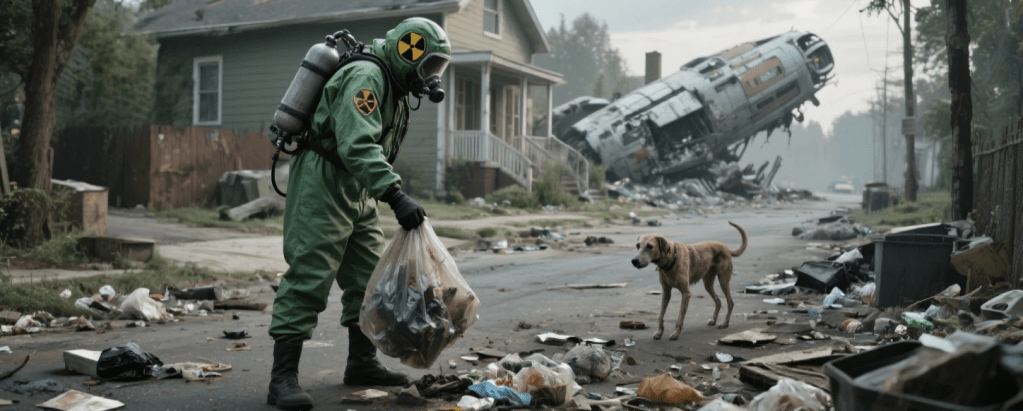
Out here, I don’t have emergency rooms or 911. I have knowledge, preparation, and respect for nature’s smallest killers. Insects don’t need bad intentions. They just do what they’ve always done.

If society falls, if storms cut you off, or if you’re deep in the woods, these insects are not minor threats—they are fatal risks.

Survival isn’t about fear. It’s about awareness.

The smallest things kill the unprepared.

And the prepared?
We live another day.

The Deadliest Insects in Minnesota Are Waiting To Bite Anything That Comes Near Them!

I’ve spent decades preparing for worst-case scenarios. I’m not talking about weekend camping mishaps or mild power outages. I’m talking about SHTF, grid-down, no-hospital, no-pharmacy, end-of-time situations where your survival depends entirely on what you know and what you prepared ahead of time.

When most people think of deadly threats in Minnesota, they think of winter storms, hypothermia, or starvation. What they don’t think about—until it’s too late—are insects.

And that’s a fatal mistake.

In a functioning society, a bug bite is an inconvenience. In a collapsed one, the wrong insect can kill you in days—or hours. Minnesota is home to several insects and insect-borne threats that can end your life through venom, infection, disease, allergic reaction, or secondary complications.

The Most Dangerous Insects in the State of Minnesota That Can Easily End Your Life — And What You Can Do to Survive

This article exists for one reason: to keep you alive when modern medicine is no longer an option.

Let’s break down the most dangerous insects in Minnesota and exactly how you survive them.


1. Minnesota’s Silent Mass Killers are also Annoying

If the world ends in Minnesota, it won’t be dramatic. It’ll be quiet. Feverish. Delirious.

It’ll come from mosquitoes.

Minnesota consistently ranks among the worst mosquito states in the nation, and these insects are not just annoying—they are efficient disease delivery systems.

Deadly Diseases Spread by Minnesota Mosquitoes

  • West Nile Virus
  • Eastern Equine Encephalitis (EEE)
  • Jamestown Canyon Virus
  • La Crosse Encephalitis

EEE in particular has a mortality rate up to 30%, and survivors often suffer permanent brain damage. Without hospitals, IV fluids, or fever management, your odds drop fast.

Why Mosquitoes Become More Dangerous After SHTF

  • No insect control programs
  • Standing water everywhere
  • No repellents being manufactured
  • No antivirals or ICU care

A single infected bite can spiral into seizures, coma, or death.

Survival Tactics

  • Eliminate standing water within 300 feet of camp or shelter
  • Wear long sleeves, pants, and head netting
  • Stockpile DEET, picaridin, and permethrin
  • Sleep elevated with mosquito netting
  • Burn mosquito-repelling plants (sage, cedar, sweetgrass)

In a collapse, mosquitoes become apex predators.


2. Slow, Invisible Death By Ticks

Ticks are technically arachnids, but in survival reality, they are one of Minnesota’s deadliest insect-adjacent threats, and ignoring them gets people killed.

Minnesota is ground zero for tick-borne disease.

Life-Ending Tick Diseases

  • Lyme Disease
  • Anaplasmosis
  • Babesiosis
  • Powassan Virus (often fatal)

Powassan Virus can kill within days and has no treatment. Babesiosis destroys red blood cells, leading to organ failure if untreated.

Why Ticks Are Worse Without Medicine

  • No antibiotics
  • No diagnostic testing
  • Infections go untreated for months
  • Chronic neurological damage becomes fatal

Survival Tactics

  • Treat clothing with permethrin
  • Wear light-colored clothing to spot ticks
  • Daily full-body tick checks
  • Remove ticks immediately with fine tweezers
  • Avoid tall grass and deer trails

Ticks don’t rush. They wait. And they kill slowly.


3. Death by Bees, Wasps, and Hornets

Most people underestimate stinging insects—until they can’t breathe.

Minnesota’s Most Dangerous Stingers

  • Yellowjackets
  • Paper Wasps
  • Bald-Faced Hornets
  • Honey Bees

For people with undiagnosed allergies, a single sting can cause anaphylactic shock. Without epinephrine or emergency care, death can occur in minutes.

Even without allergies, multiple stings can cause:

  • Toxic venom overload
  • Organ failure
  • Cardiac arrest

Why They’re More Dangerous Post-Collapse

  • No EpiPens
  • No EMS
  • Nests multiply unchecked
  • Aggressive defense of territory

Survival Tactics

  • Learn to identify nests early
  • Never disturb hives unless necessary
  • Wear protective clothing when scavenging
  • Smoke can calm aggressive insects
  • Avoid sweet smells and exposed food

In SHTF conditions, one wrong step near a nest can be your last.


4. Black Flies: The Blood Loss Threat Nobody Talks About

Minnesotans know black flies. They don’t just bite—they slice.

Black flies swarm, and in large enough numbers they can cause:

  • Severe blood loss
  • Infections
  • Shock (especially in children and elderly)

Why Black Flies Kill After SHTF

  • No wound care
  • No antibiotics
  • Open bites become infected
  • Swarming behavior overwhelms victims

Historically, black fly swarms have killed livestock and humans.

Survival Tactics

  • Cover all exposed skin
  • Use head nets
  • Avoid riverbanks during peak season
  • Smoke fires deter swarms
  • Treat bites immediately

5. Deer Flies and Horse Flies: Infection Machines

These large biting flies deliver deep, painful wounds that bleed heavily.

Why They’re Deadly

  • Wounds easily become infected
  • Blood loss accumulates
  • Bites attract other insects
  • Stress and shock weaken survivors

In a collapse, infection equals death.

Survival Tactics

  • Avoid movement during peak daylight hours
  • Wear hats and neck coverings
  • Use visual deterrents
  • Clean bites immediately

6. Kissing Bugs: A Growing Threat

Rare, but expanding north.

Kissing bugs can transmit Chagas disease, which causes:

  • Heart failure
  • Digestive system paralysis
  • Sudden death years later

With no long-term medical monitoring, Chagas becomes a delayed death sentence.

Survival Tactics

  • Seal shelters completely
  • Avoid sleeping near cracks or debris
  • Use bed nets
  • Maintain clean sleeping areas

7. Spiders That Matter (Even If They’re Rare)

While Minnesota isn’t known for deadly spiders, black widows exist, and their venom can be fatal to:

  • Children
  • Elderly
  • Immunocompromised individuals

Pain, paralysis, and respiratory failure are possible without treatment.

Survival Tactics

  • Shake out boots and clothing
  • Use gloves when handling debris
  • Seal shelters
  • Avoid woodpiles indoors

Why Insects Will Kill More People Than Guns After SHTF

In a functioning society, insects are managed.

In a collapse:

  • Disease spreads unchecked
  • Small wounds turn fatal
  • Weak survivors die first
  • Children and elderly perish rapidly

Insects don’t need ammo, batteries, or fuel. They will outlast you if you’re unprepared.


Minnesota Survival Checklist For Women: Insect Defense 101

If you want to survive long-term:

  • Stockpile insect repellents
  • Learn natural deterrents
  • Carry protective clothing
  • Master wound care
  • Understand disease symptoms
  • Control your environment aggressively

This is not fear.
This is preparedness.

When the world ends, it won’t be the big threats that get most people.

It’ll be the small ones.

The Most Dangerous Insects in Nebraska That Every Prepper Must Know Before SHTF

A Survival Prepper’s Guide to Tiny Threats That Can End Lives When Society Fails

When most people think about survival threats in Nebraska, they imagine tornadoes ripping across farmland, brutal winter cold, or food shortages during societal collapse. Those are real dangers. But as a survival prepper who has spent decades studying what actually kills people when infrastructure fails, I can tell you this with absolute certainty:

Insects will become one of the most underestimated killers during SHTF.

When hospitals are closed, pharmacies are empty, and emergency services are overwhelmed or gone entirely, something as small as a bite, sting, or parasite can spiral into infection, permanent injury, or death.

Nebraska may not have jungles or deserts, but it does have insects capable of killing, disabling, infecting, and weakening survivors, especially children, the elderly, and the unprepared.

This article is not written to scare you.
It is written to wake you up.

If you live in Nebraska—or plan to bug out through it—you need to understand which insects pose the greatest risk, why they are dangerous, and how to prepare for them when modern medicine is no longer an option.


Why Insects Become More Dangerous During SHTF

In normal times, insect encounters are inconveniences. In collapse scenarios, they become force multipliers of death.

Here’s why:

  • No access to antibiotics
  • No emergency epinephrine for allergic reactions
  • Limited wound care
  • Increased exposure due to outdoor living
  • Breakdown of sanitation
  • Weakened immune systems from stress and malnutrition

Insects don’t need to hunt you. They don’t need intent.
They only need opportunity.

And Nebraska provides plenty of it.


1. Ticks – The Silent Killers of the Midwest

Why Ticks Are Nebraska’s #1 Insect Threat

If I had to name the most dangerous insect in Nebraska from a survival standpoint, ticks would top the list without hesitation.

Ticks don’t kill you quickly.
They kill you slowly—through disease.

Nebraska is home to several dangerous tick species, including:

  • American Dog Tick
  • Blacklegged Tick (Deer Tick)
  • Lone Star Tick

These parasites are expanding their range every year, and climate shifts have made Nebraska more tick-friendly than ever.

Diseases Ticks Can Transmit

In a functioning society, these diseases are serious. In collapse, they are often fatal.

  • Lyme disease
  • Rocky Mountain spotted fever
  • Ehrlichiosis
  • Anaplasmosis
  • Tularemia
  • Alpha-gal syndrome (red meat allergy)

Without antibiotics, many of these diseases lead to:

  • Neurological damage
  • Heart complications
  • Chronic pain
  • Immune system failure
  • Death

Survival Reality

A tick bite may go unnoticed for days. By the time symptoms appear, treatment options may be gone.

Ticks are the long-game killers.

Prepper Countermeasures

  • Treat clothing with permethrin
  • Perform daily full-body tick checks
  • Carry tick removal tools
  • Learn herbal and alternative antimicrobial protocols
  • Avoid tall grass when possible
  • Keep campsites clear and dry

2. Mosquitoes – Nebraska’s Airborne Plague

More Than Just an Annoyance

Mosquitoes are often dismissed as harmless. That mindset will get people killed during societal collapse.

Nebraska mosquitoes are known carriers of:

  • West Nile Virus
  • Eastern Equine Encephalitis
  • Heartworm (affects animals critical to survival)

West Nile alone has caused fatalities in Nebraska in modern times—with hospitals operating.

Now imagine no hospitals.

Why Mosquitoes Are So Dangerous Post-Collapse

  • They breed fast
  • They thrive in stagnant water
  • They attack at night
  • They weaken already stressed survivors

A fever that lasts a week in SHTF conditions can mean dehydration, delirium, or secondary infection.

Prepper Countermeasures

  • Eliminate standing water
  • Sleep under mosquito netting
  • Burn natural repellents (sage, cedar, pine)
  • Wear long sleeves at dusk and dawn
  • Maintain immune strength through nutrition

3. Brown Recluse Spider – The Flesh-Destroyer

Nebraska’s Most Feared Spider

The brown recluse spider exists in Nebraska, especially in southern regions and inside structures.

While not aggressive, its bite can cause serious tissue damage, and in some cases, systemic illness.

Why Brown Recluse Bites Are Deadly During SHTF

  • Necrotic wounds are prone to infection
  • Open sores attract bacteria and insects
  • Healing is slow without medical care

A bite that would be manageable today could become fatal due to infection alone.

Prepper Countermeasures

  • Shake out boots, gloves, and clothing
  • Seal sleeping areas
  • Keep bedding elevated
  • Learn wound cleaning and infection control
  • Avoid cluttered shelters

4. Black Widow Spider – Neurotoxic Threat

Not Just a Scary Name

Black widows are present throughout Nebraska and prefer dark, undisturbed places like woodpiles, sheds, and debris.

Their venom attacks the nervous system.

Survival Risk Factors

  • Severe pain can immobilize survivors
  • Muscle spasms and weakness limit mobility
  • No antivenom access during collapse

For elderly or malnourished individuals, the danger increases dramatically.

Prepper Countermeasures

  • Wear gloves when handling debris
  • Keep camps organized
  • Avoid reaching into unseen spaces
  • Maintain calcium and magnesium intake

5. Bees, Wasps, and Hornets – The Allergy Killers

The Insect That Kills the Fastest

Bees and wasps don’t usually kill through venom toxicity.
They kill through anaphylaxis.

During SHTF:

  • No EpiPens
  • No ambulances
  • No emergency rooms

One sting can end a life in minutes.

Nebraska’s Aggressive Species

  • Yellowjackets
  • Paper wasps
  • Bald-faced hornets

Prepper Countermeasures

  • Avoid strong scents
  • Keep food sealed
  • Destroy nests carefully during cold months
  • Identify allergy risks in your group
  • Carry antihistamines and natural anti-inflammatories

6. Fire Ants – Expanding Threat

While not historically dominant, fire ants are slowly expanding northward.

Multiple stings can cause:

  • Severe pain
  • Infection
  • Allergic reactions

In a weakened survivor, fire ants can overwhelm quickly.

Prepper Countermeasures

  • Avoid disturbed soil
  • Wear boots
  • Treat bites immediately
  • Keep sleeping areas elevated

7. Fleas – The Disease Carriers People Forget

Fleas are more than itchy nuisances.

Historically, they were responsible for plagues that wiped out millions.

Why Fleas Matter in Collapse

  • Thrive on rodents
  • Spread quickly
  • Carry bacterial diseases
  • Multiply in unsanitary conditions

If rodent populations explode post-collapse, flea-borne illness follows.

Prepper Countermeasures

  • Control rodents aggressively
  • Keep bedding clean
  • Use diatomaceous earth
  • Maintain hygiene even when water is scarce

8. Biting Flies – The Blood Loss Factor

Horse flies and deer flies are common in Nebraska and capable of delivering painful bites that bleed.

In survival conditions:

  • Open wounds invite infection
  • Blood loss weakens already fragile bodies

Prepper Countermeasures

  • Wear light-colored clothing
  • Use head nets
  • Cover exposed skin
  • Clean bites immediately

Psychological Warfare: Insects Break Morale

Insects don’t just harm the body.
They attack the mind.

  • Constant itching disrupts sleep
  • Bites lower morale
  • Fear reduces decision-making ability

In survival, mental resilience is as important as physical strength.


Nebraska Medical Preparedness: Your Anti-Insect Survival Kit

Every prepper in Nebraska should stock:

  • Antihistamines
  • Antiseptics
  • Sterile bandages
  • Tick removal tools
  • Permethrin
  • Natural repellents
  • Antibiotic alternatives
  • Wound care manuals

Knowledge weighs nothing.
Ignorance weighs lives.


Remember: Small Threats in Nebraska Can End Big Plans

History shows us a brutal truth:

Civilizations don’t just fall to war and famine. They fall to disease, infection, and neglect of small dangers.

Insects have survived every extinction event.
They will survive whatever comes next.

The question is whether you will.

The Most Dangerous Insects in the State of Nebraska That Could Really Harm You

If you live in Nebraska—or pass through it during uncertain times—you must respect these tiny threats. You must prepare for them. And you must teach others.

Because when the world goes quiet, the buzzing doesn’t stop.

Stay alert.
Stay prepared.
And never underestimate the smallest enemy.

How to Survive in the Wilderness When SHTF (And Everything You Love is Gone)

Let’s get one thing damn clear: when the world burns, your smartphone won’t save you. Amazon ain’t dropping packages in the forest, and nobody’s coming to rescue your soft, GPS-dependent backside. You either learn to live or lie down and rot. That’s the brutal truth. Now pull your head out of your ass and listen up.

Out there in the wilderness, everything is trying to kill you: the weather, the wildlife, and most of all, your own ignorance. If you don’t know what the hell you’re doing, nature will chew you up and spit your bones into the dirt. But if you learn the skills — real survival skills — you can make it. You can thrive. You can be the last one standing when SHTF.

Here’s how. This is survival, not a damn camping trip.


🔥 15 WILDERNESS SURVIVAL SKILLS YOU’D BETTER KNOW IF YOU WANT TO STAY ALIVE:

  1. Fire Starting (Without a Lighter)
    Your Bic won’t last forever, cupcake. Learn how to start a fire with flint and steel, a bow drill, or even a battery and steel wool. Fire is warmth, food, safety, and morale.
  2. Water Purification
    If you drink straight from a river, you’re inviting giardia and dysentery to your apocalypse party. Boil it. Filter it. Solar still it. Know your options or die thirsty with a belly full of parasites.
  3. Shelter Building
    Tarps rip. Tents rot. Know how to build a debris hut, a lean-to, or a log shelter. Hypothermia is a silent, smug son of a bitch.
  4. Navigating Without Tech
    Compasses don’t need batteries. Learn celestial navigation and terrain association. Don’t trust landmarks — memorize the land itself.
  5. Hunting and Trapping
    No more Uber Eats. Set snares. Make deadfall traps. Know how to gut and clean game without puking your guts up.
  6. Fishing Without Gear
    Improvised hooks, fish traps, spearfishing. Learn it. You can’t live off berries forever — unless you enjoy starvation and hallucinations.
  7. Edible Plant Identification
    One wrong leaf and you’re crapping blood for days. Learn what’s safe to eat in your region. Make a damn notebook and memorize it.
  8. Improvised First Aid
    Nobody’s coming with morphine and a gurney. Learn how to close wounds, stop bleeding, and fight infection with natural resources and basic kits.
  9. Stealth and Camouflage
    You’ll need to hide — from people, from animals, from your own mistakes. Learn how to move unseen and build camo shelters.
  10. Signaling for Help
    If you do want rescue, you’d better know smoke signals, mirrored flashes, and ground-to-air symbols. Yelling won’t cut it.
  11. Tool Making
    Can’t buy a new knife out here. Learn to knap stone, carve wood, lash together gear. Primitive tools keep you alive.
  12. Cordage Crafting
    Paracord runs out. Learn to twist plant fibers into strong cord. Without rope, you’re just a well-fed caveman.
  13. Food Preservation
    Salt. Smoke. Drying. Fermentation. Without preservation, every good kill goes rotten before you can say “wasted calories.”
  14. Mental Fortitude
    You will be cold, tired, scared, and alone. Crying won’t help. Mental toughness is as critical as any blade on your belt.
  15. Weather Prediction
    If you can’t read the sky, you’ll freeze in your sleep or get swept downriver. Clouds, winds, bird movement — nature whispers before it screams.

🔧 3 DIY WILDERNESS SURVIVAL HACKS

  1. Soda Can Rocket Stove
    Don’t waste time or fuel. Cut a soda can, create a rocket stove with just a few snips and a nail. Efficient. Light. Packs easy. Great for boiling water or cooking game in tight spots.
  2. Char Cloth Fire Starter
    Take old cotton cloth (yes, your ratty T-shirt), char it over a flame in a tin until it’s black but not burned. That stuff will catch the smallest spark. Gold in wet conditions.
  3. Pine Sap Bandages
    Got a wound? Pine sap is nature’s antiseptic glue. Slap it on, cover with clean cloth or moss. It stops bleeding and helps heal. You’re welcome.

WHY YOU NEED TO TAKE THIS SERIOUSLY

Let me say this loud for the folks in the back who still think DoorDash is gonna work when the grid goes down: You are on your own.

No police.
No hospitals.
No grocery stores.
No laws except the ones you enforce yourself.

People will turn on each other faster than a pack of wild dogs. And the weak — the clueless, the ones who never practiced a damn thing, who thought “roughing it” meant no WiFi — they’ll die first. Not maybe. Definitely.

You think a three-day REI survival course makes you a bush god? Think again. You need months in the wild, not weekends. You need cuts, bruises, freezing nights, burnt food, failed shelters, and near-death experiences to even start learning what it really takes.


YOU WANT A FIGHTING CHANCE? THEN DO THIS:

  • Train. Every week. Go outside. Practice fire making in the rain. Sleep in your DIY shelter. Cook a squirrel over an open flame. Live the way you’ll need to.
  • Stock up, but train without it. Yes, buy gear. But assume it’ll all break or vanish. Know how to survive with nothing.
  • Build your mental armor. This isn’t about six-pack abs. It’s about grit. Fearless, furious, never-quit grit.

Final Words Before the World Ends (Again)

This isn’t a hobby. It’s not a YouTube trend or something you learn from a TikTok prepper doing spoon reviews. This is life and death. This is teeth-gritting, frostbitten, gut-rumbling SURVIVAL in its rawest form.

The wilderness doesn’t give a damn about your excuses. But if you respect it, if you learn its rules and play harder, smarter, meaner than it does — you can beat it.

When SHTF, the soft will cry. The wise will run. But the prepared?
The prepared will rule.

So sharpen that blade, strip off your weakness, and get to work.

You’ve been warned.