Explore New Jersey’s Hiking Trails—But Know This: They Can Turn Deadly in an Instant

Explore New Jersey’s Hiking Trails—But Know This: They Can Turn Deadly in an Instant

Look, I’ve been hiking for over 30 years and prepping even longer. I’ve seen people set out on what they think is a quick walk in the woods and not come back. This isn’t about fearmongering—it’s about respecting nature and understanding that every hike, no matter how “easy” it looks on a brochure, has the potential to turn deadly in a heartbeat.

New Jersey, despite what some outsiders might think, is a goldmine for hikers. From the rugged ridgelines of the northwest to the pine-scented barrens in the south, it’s a state brimming with natural beauty and serious terrain. It’s one of the best-kept secrets for hikers on the East Coast—but only for those prepared to handle what the trails can throw at them.

You’re out there walking through old-growth forests, climbing moss-covered rocks, and wading across unpredictable creeks. But if you’re not thinking ahead—if you don’t have the right gear, a decent topo map, a compass, or even a backup firestarter—you’re setting yourself up for trouble.

Why Hiking Can Be Dangerous—Even in New Jersey

Hiking Trails: New Jersey Hiking

People underestimate New Jersey’s wildlands. They think, “It’s just Jersey, how bad can it be?” I’ll tell you how bad. Rapid weather changes, sudden temperature drops, flooded trails, venomous snakes, ticks loaded with Lyme, and some of the most unforgiving terrain east of the Mississippi.

Cell signal? Spotty at best. Rescue services? Good, but not magical. And depending on where you are—say, deep in the Pine Barrens—you could go hours without seeing another human.

So before I give you the list of the Top 20 Hiking Trails in New Jersey, I want you to take this advice from someone who’s bivvied in snowstorms, filtered water from beaver ponds, and seen helicopter rescues happen in real-time:

  • Never hike without a way to purify water.
  • Layer your clothing, even in summer. Hypothermia doesn’t care about the season.
  • Mark your trail or carry a GPS with backup batteries.
  • Don’t rely solely on your phone.
  • Leave a trip plan with someone you trust.
  • Carry more food than you think you’ll need. Energy bars weigh nothing and can save your life.
  • If you’re going alone, tell someone. If you’re going in a group, have a designated leader.

Alright, now that I’ve said my piece, let’s get into why we’re here—the top 20 hiking trails in New Jersey. These are not just scenic; they’re some of the most challenging, historic, and breathtaking routes in the Garden State.


Top 20 Hiking Trails in New Jersey (Ranked by Experience & Challenge)
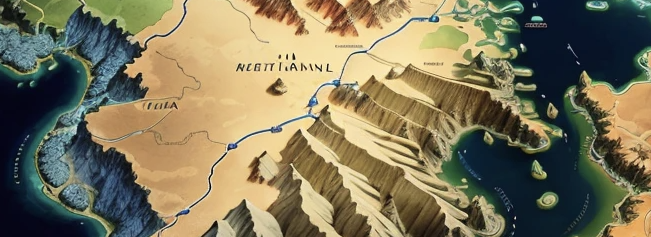
  1. Appalachian Trail (NJ Section) – 72 miles of pure grit. It runs through High Point State Park to the Delaware Water Gap. Expect rocky ridges, black bears, and unparalleled views.
  2. Mount Tammany – Delaware Water Gap – Don’t be fooled by the short distance (3.5 miles round trip). The Red Dot Trail is steep, tough, and offers one of the best overlooks in the state.
  3. Stairway to Heaven – Wawayanda State Park – About 7.3 miles round trip. You’ll climb the Pochuck Boardwalk, cross cow pastures, and ascend to Pinwheel Vista. Jaw-dropping views, especially at sunrise.
  4. Buttermilk Falls to Crater Lake – A strenuous loop that links NJ’s tallest waterfall to remote glacial lakes. Rocks, roots, and steep switchbacks galore.
  5. Palisades Interstate Park Trails – Trails like the Shore Trail offer steep climbs, river views, and even some bouldering. Don’t underestimate the Hudson-facing cliffs.
  6. Pyramid Mountain Natural Historic Area – Known for Tripod Rock, this trail is a geological wonder and deceptively tough. Some routes are over 7 miles with serious elevation.
  7. Bearfort Ridge via Appalachian Trail – A rugged ridge hike with views over Greenwood Lake. If you like scrambling and solitude, this is your jam.
  8. High Point Monument Trail Loop – You’ll hit the highest point in New Jersey at 1,803 feet, but don’t let the number fool you—this loop can wear you down with its wind and exposed terrain.
  9. Hacklebarney State Park Trails – Easy to moderate, but slick rocks and fast river currents make this more dangerous than it looks.
  10. Jenny Jump State Forest – Don’t skip the Ghost Lake Trail. It’s remote, eerie, and beautiful—with sudden drop-offs and a creepy vibe that’ll keep your senses sharp.
  11. Wharton State Forest – Batona Trail (53 miles total) – Through the heart of the Pine Barrens. Flat, but psychologically challenging. Navigation is critical. Great for thru-hikers.
  12. Watchung Reservation Sierra Trail – Rolling hills and dense forest make this a solid mid-level trail with some tricky navigation if you lose the blaze.
  13. South Mountain Reservation – Hemlock Falls Loop – Popular but still wild in sections. Especially dangerous in spring when trails wash out.
  14. Norvin Green State Forest – Wyanokie High Point – Remote, rocky, and steep. The scramble is intense, and the views are worth every drop of sweat.
  15. Ramapo Valley County Reservation – Vista Loop Trail – A good mix of lake, river, and mountain. Great for conditioning, but slippery sections can mess you up fast.
  16. Teetertown Ravine Nature Preserve – A hidden gem with ravines, meadows, and backcountry vibes. Rarely crowded, so bring your own safety net.
  17. Kittatinny Valley State Park Trails – Don’t let the gentle terrain fool you; icy winters and boggy summers can make this park treacherous underfoot.
  18. Splitrock Reservoir Loop Trail – Remote and rugged. If you want to test your compass skills and resilience, this is a prime spot.
  19. Allaire State Park – Nature & Mountain Bike Trails – The terrain shifts from soft sand to hard-packed forest. Not technical, but disorienting without proper mapping.
  20. Island Beach State Park Trails – More coastal and lowland, but storms can flood the area fast. Also—sand sucks to hike in. Don’t underestimate the drag.

Final Words from the Trail

Every time I lace up my boots, pack my gear, and head into the woods, I’m reminded of something simple but sacred: Mother Nature doesn’t care how much you love her—she’ll kill you if you’re not ready.

That’s not to scare you. It’s to prepare you.

Because when you’re standing on top of Mount Tammany at dawn with the Delaware River glistening below you, or navigating the eerie stillness of the Pine Barrens under a full moon, it’s all worth it—if you’re smart. If you’ve planned. If you’ve respected the trail.

So get out there. Hike New Jersey. Explore it like a seasoned survivalist, even if you’re just starting out. Bring your gear. Trust your instincts. And remember—every trail is beautiful, but every trail demands respect.

Stay sharp out there.

Survival in the Wild: New Hampshire’s Most Dangerous Hiking Trails Could Be Your Last Hike

Survival in the Wild: New Hampshire’s Most Dangerous Hiking Trails Could Be Your Last Hike

Let me tell you something, friend—when you lace up your boots and step onto a trail in the White Mountains, you’re not just going for a walk in the woods. You’re entering a living, breathing wilderness that doesn’t care how many miles you logged last summer, how new your pack is, or how many freeze-dried meals you packed. It’s beautiful, yes. It’s humbling, absolutely. But above all—it’s unforgiving.

I’ve spent decades roaming these trails, training myself in bushcraft, emergency medicine, weather prediction, and the mental grit it takes to come out of a tough situation alive. You don’t survive out here by chance. You survive because you prepared for the worst. And in New Hampshire’s backcountry, the “worst” can come at you fast—storms, injuries, wild animals, exhaustion, hypothermia. Hell, even the trail itself can turn on you.

Today, I’m giving you two things: a wake-up call and a list. A wake-up call to remind you that nature is not your playground—it’s your proving ground. And a list of the Top 20 Most Dangerous (and awe-inspiring) Hiking Trails in New Hampshire, because knowledge is the first step to survival.


⚠️ A Word to the Wise

Every year, hikers are rescued—some barely alive—from these very trails. Others aren’t so lucky. Don’t be one of them.

Take this seriously. Pack the Ten Essentials. Study topographic maps. Check your ego at the trailhead. Monitor the weather like your life depends on it—because out here, it does.


🔥 Top 20 Dangerous Hiking Trails in New Hampshire (for the Brave and Prepared)

Hiking Trails: New Hampshire Hiking

These trails aren’t for casual hikers with a granola bar and a cell phone. They’re for seasoned trekkers and survivalists who understand the risks and respect the mountains.

1. Huntington Ravine Trail (Mt. Washington)

Technical climbing. Loose rock. Sheer drop-offs. A misstep can be fatal. Not for the faint of heart—or the ill-equipped.

2. Knife Edge – Mt. Lafayette via Franconia Ridge

Exposed, narrow, and windy. You’re walking a tightrope with incredible views and serious danger on both sides.

3. Great Gulf Trail (Mt. Washington)

It’s the least traveled but most treacherous approach to Washington. Steep, remote, and often washed out. True wilderness.

4. Bonds Traverse

A grueling 20+ mile hike with multiple peaks and few bailout options. Be ready to camp or suffer the consequences.

5. Mt. Adams via King Ravine

Steep boulder fields and remote terrain. This is where gear gets tested—and so does your will to finish.

6. Wildcat Ridge Trail

Unrelenting ups and downs with exposed ledges. In winter? It becomes a death trap for the unprepared.

7. Mahoosuc Notch

Known as the most difficult mile on the Appalachian Trail. It’s not an exaggeration—think rock scrambling with a pack and no room for error.

8. Carter-Moriah Range

Beautiful, sure, but long and brutal with difficult footing. Easy to lose daylight, and the ridge offers little protection.

9. Kinsman Ridge Trail

Slippery when wet, snow-covered in October, and riddled with false summits. It eats energy and morale fast.

10. Presidential Traverse

Over 20 miles of exposed alpine terrain, often above treeline. A sudden storm here is not just inconvenient—it can be deadly.

11. Mt. Isolation via Rocky Branch Trail

Isolation is right—this one’s remote, wet, and muddy. Creek crossings can turn treacherous with rainfall.

12. Mount Chocorua via Liberty Trail

Iconic peak, brutal exposure. Fast weather shifts can turn your summit shot into a survival situation.

13. Osceola via Tripoli Road

A winter challenge that’s often underestimated. Snowshoes, microspikes, and navigation skills mandatory.

14. Mt. Jefferson via Caps Ridge Trail

Scrambling required, often with exposure. Rain and wind make this a no-go for anyone with common sense.

15. Mount Madison via Watson Path

Poorly marked, wicked steep, and dangerous when wet or icy. The summit can trick you into thinking you’re close—don’t fall for it.

16. Cannon Mountain via Hi-Cannon Trail

Steep ladders, narrow ledges, and loose rock. Technical and risky, especially with a heavy pack.

17. Mt. Moosilauke via Beaver Brook Trail

Waterfalls make for slick rocks and steep climbing. One slip, and you’re in for more than just a bruised ego.

18. South Twin via Galehead

A backbreaker with long stretches between water sources. Remote and energy-sapping.

19. Mount Passaconaway via Dicey’s Mill

Quiet but deceptive. The steepest parts hit when you’re tired. And winter turns it into a vertical ice luge.

20. Mt. Carrigain via Signal Ridge

One of the most beautiful summits, but the ridge gets blasted by wind and fog. Easy to lose bearings near the top.


🎒 Survivalist’s Packing List for New Hampshire’s Backcountry

You want to hit these trails? Then pack like your life depends on it. Because it does.

  • Map & Compass (and know how to use them)
  • Satellite communicator or Personal Locator Beacon (PLB)
  • Layered clothing for sudden weather shifts (no cotton—ever)
  • Firestarter & waterproof matches
  • Knife and multitool
  • Emergency bivvy or shelter
  • Headlamp with extra batteries
  • High-calorie food & backup rations
  • Water purification (tablets AND a filter)
  • First-aid kit with trauma supplies
  • Microspikes, crampons, or snowshoes (season-dependent)
  • Rope or paracord
  • Whistle and signaling mirror

🧭 Final Thoughts from a Lifelong Prepper

If you’re reading this and thinking, “Man, that sounds extreme,” then maybe these trails aren’t for you—yet. And that’s okay. Work your way up. Learn the land. Respect the terrain. Because hiking in New Hampshire isn’t just about the miles—it’s about the mindset.

The wilderness out here wants to test you. It doesn’t care about your intentions. It only respects preparation, grit, and humility. Don’t confuse your enthusiasm for ability. Be smart. Be ready. And if you do decide to take on one of these trails—make sure someone knows where you’re going. Always.

Because the mountain doesn’t give second chances.


Now go prep, train, and hike hard. But hike smart. The Granite State doesn’t forgive mistakes.

The Oklahoma Hiking Trails Everyone Talks About—But Few Come Back From

The Oklahoma Hiking Trails Everyone Talks About—But Few Come Back From

If you’re a hiker and you live in Oklahoma or find yourself passing through this great state, then you know the thrill of being on the trail. It’s that beautiful mix of nature, solitude, challenge, and reward. But let me tell you something: Oklahoma isn’t just about lush green meadows and scenic overlooks. The trails here can test you in ways you’ve never imagined. They’re often rugged, unforgiving, and—let’s be honest—downright dangerous. But that’s the beauty of it, right? For those who are brave enough to push past their limits, these trails reveal a side of Oklahoma that very few ever experience.

Hiking Trails: Oklahoma Hiking Trails

You might think you’ve seen it all—maybe you’ve done the easy loops or the paved paths around the state parks. But I’m talking about those trails—the ones everyone talks about, the ones that send chills down your spine when you hear the stories, the ones where only the strongest, most prepared adventurers truly survive to tell their tale.

Are you ready to test yourself? I hope so. Let’s dive into the top 20 hiking trails in Oklahoma—where the real challenge begins. And trust me, by the end of this, you’ll know exactly what it means to hike in a land that can break you or make you. Welcome to the wild side of Oklahoma.


1. Wichita Mountains Wilderness Area – Elk Mountain Trail

This is the trail for those who want to test their physical and mental endurance. Located in the Wichita Mountains, this rugged path climbs steep hills and scrambles over rocky outcrops. If you’re lucky, you might even spot a herd of bison or a majestic elk, but don’t get too distracted—this trail will challenge every ounce of your strength. When you’re at the top, the view is worth the effort, but getting there isn’t for the faint of heart.

2. Red Rock Canyon Trail

A hidden gem in the southwestern part of the state, this trail takes you through a stunning canyon carved by eons of erosion. The trail’s narrow paths can be treacherous, especially during the wet season when the canyon floor turns into a slippery mess. But if you’re prepared, you’ll be rewarded with surreal views of red rock formations, and the challenge will give you the sense of conquering a true wilderness.

3. Pinnacle Peak Trail

This trail, though short, packs a punch. The climb up Pinnacle Peak is steep, and the terrain can be tricky. This is one of those hikes where you’ll feel like you’re scaling the side of a mountain, and the summit will make every step worth it. The rocks here are sharp, so good footwear and gloves are a must. Watch your step and enjoy the breathtaking 360-degree view from the top.

4. Salt Plains State Park – Crystal Digging Trail

Okay, it’s not a traditional hike, but hear me out. The Salt Plains offer a fascinating landscape where you can dig for crystals. The trail itself is relatively easy, but the real challenge is in digging up those prized crystals from the salt flats. It’s an unexpected hike, but it’s one that will have you battling the elements and trying to outwit the unforgiving terrain of this otherworldly place.

5. Ouachita National Forest – Rough Mountain Trail

The Ouachita Mountains offer some of the most challenging hikes in the state, and Rough Mountain is one of the hardest. If you’re looking for a trail that will push you to your limits, this one’s for you. The terrain is rough, and the steep climbs are relentless. But when you’re standing on top of Rough Mountain, looking out over the sprawling wilderness, you’ll know why it’s all worth it.

6. Alabaster Caverns State Park Trail

Beneath the surface of Oklahoma lies a hidden world of caves and underground wonders. Alabaster Caverns is one of the largest gypsum caves in the world. The hike here takes you to the caverns, but it’s not for beginners. You’ll need to squeeze through narrow passages, navigate slippery rocks, and keep your wits about you as you venture deeper into the earth. Bring a flashlight, because when the lights go out, the silence is deafening.

7. Lake Murray State Park – Buckhorn Trail

The Buckhorn Trail is one of the most strenuous and rewarding trails in Oklahoma. The climb is steep, and the rugged terrain will challenge your endurance. But the reward? Unbelievable views of Lake Murray and the surrounding hills. It’s a trail that requires patience, preparation, and the will to push through when every part of your body screams for rest.

8. Kaw Lake Trail

If you’re looking for a trail that offers a little bit of everything—challenge, beauty, and solitude—then Kaw Lake is your destination. The trail weaves in and out of dense forest, follows the lake’s edge, and offers some tough climbs along the way. It’s not overly technical, but the terrain can be tricky, and the weather in Oklahoma can change on a dime. Be prepared, because this one will test your resolve.

9. Oxley Nature Center Trail

This one’s in Tulsa’s famed Oxley Nature Center, and while it may seem like a calm, peaceful walk, it’s deceptive. The trails here can get muddy and treacherous, and navigating them after a rainstorm takes skill and determination. A favorite among local hikers, it’s a place where you’ll be humbled by the unpredictable elements of nature. Bring your A-game for this one.

10. Chickasaw National Recreation Area – Travertine Creek Trail

Travertine Creek offers one of the most beautiful hiking experiences in Oklahoma. The trail runs along crystal-clear streams and passes through lush forests. While the path itself isn’t extremely difficult, the rocks near the creek can be slippery and unstable. Don’t let the tranquil waters lull you into a false sense of security—stay vigilant on your way through.

11. Beavers Bend State Park – Skyline Trail

Known for its stunning views of Broken Bow Lake, the Skyline Trail is a serious challenge. The climbs are relentless, and the terrain changes frequently from dirt to rocky sections, making each step unpredictable. But the vistas you’ll encounter along the way make every ounce of effort worthwhile. It’s a test of stamina and preparation, but for those who endure, the payoff is immense.

12. Osage Hills State Park – Summit Trail

The summit of Osage Hills is a place of rugged beauty, and the trail to get there isn’t for the faint-hearted. With steep climbs and uneven footing, the Summit Trail demands focus and physical effort. The reward is a panoramic view that stretches across the expansive hills. You’ll feel like you’ve conquered Oklahoma when you reach the top.

13. Roman Nose State Park – Canyon Trail

This trail takes you through one of Oklahoma’s most beautiful canyons, with steep slopes and tight switchbacks. The Canyon Trail offers a mix of rocky and muddy terrain, depending on the weather, which makes it even more unpredictable. It’s a trail that demands respect and preparation, but if you’re willing to take on the challenge, the landscape will reward you with one of the best hikes in the state.

14. Turner Falls Park – The Falls Trail

Turner Falls is Oklahoma’s tallest waterfall, and the trail to get there is a mix of easy, moderate, and tough sections. The final approach to the falls involves scrambling over rocks and navigating tricky terrain. But when you finally stand in front of the falls, the sight is worth every step. Just remember, the rocks can be slick—keep your footing.

15. Great Salt Plains – Salt Plains Wilderness Trail

For an experience like no other, hike the Salt Plains Wilderness Trail. It takes you through the salt flats of the Great Salt Plains and into the wilderness beyond. The terrain is unforgiving, and the weather can change in an instant, so this one isn’t for the unprepared. But if you’re looking for an adventure that few dare to take, this trail will give you a sense of isolation and beauty that you’ll never forget.

16. Robbers Cave State Park – Rough Canyon Trail

Named after the legendary outlaws who once hid in these hills, the Rough Canyon Trail is steep, challenging, and a little mysterious. The hike takes you through rugged terrain, often with loose rocks and uneven footing. The trail twists through dense forests and rocky outcroppings, and while it’s tough, the views make it all worthwhile. If you’re looking for a challenge and a bit of history, this is a must-do.

17. Talimena Scenic Drive – Ouachita Trail

The Ouachita Trail is one of the longest in the state, and it stretches through the Ouachita Mountains, offering some of the most challenging and scenic hikes around. The terrain varies, but it’s mostly rugged and often steep, with little to no shelter. For experienced hikers, this is one of the best tests of endurance and wilderness survival in Oklahoma.

18. Beaver’s Bend – Broken Bow Lake Trail

This trail offers both beauty and challenge, as it weaves through the rugged terrain surrounding Broken Bow Lake. It’s a popular trail for locals and visitors alike, but don’t let the popularity fool you—it’s demanding. Steep sections, rocks, and dense forest add to the intensity of the hike.

19. Slick Hills Trail

Located in the Ouachita Mountains, Slick Hills is a trail that offers steep climbs and challenging terrain. The path is often muddy, and the rocks can be slippery, especially after a rainstorm. But if you can push through, you’ll be rewarded with an intense sense of accomplishment—and one heck of a workout.

20. The Little River Trail

This trail is in the southeastern part of the state and follows the Little River through dense woods and rocky terrain. It’s a more isolated hike, with few visitors, which makes it perfect for those looking to get off the beaten path. The trail is tough, with many steep ascents and uneven terrain, but the peace and quiet make it worth every step.


Now, if you’ve made it this far, then you’re likely one of those rare souls who craves the challenge, who loves the unknown, who thrives in the face of adversity. These trails aren’t for everyone, but if you’re the type of hiker who loves to push yourself, to see what you’re truly made of, then these are the Oklahoma trails you must experience.

So get out there, prep your gear, and remember: it’s not just about getting to the top—it’s about surviving the journey. And who knows? Maybe you’ll come back with a story that no one else can tell. Stay safe, stay prepared, and let the adventure begin.

Think You’re Ready for Pennsylvania’s Hiking Trails? You Might Be Wrong

Think You’re Ready for Pennsylvania’s Hiking Trails? You Might Be Wrong

Hiking Trails: Pennsylvania Hiking Trails

Listen, I’ve walked trails in deserts that could bake a lizard’s tongue dry in two minutes flat. I’ve hiked through rain forests so thick you couldn’t tell where the vine ended and the snake began. But nothing—and I mean nothing—tests your grit like Pennsylvania’s wilderness.

You think you’re ready for it? You might be. But probably not.

See, Pennsylvania doesn’t mess around. It’s not Yellowstone with the families in cargo shorts and selfie sticks. It’s not the Smokies with their high-traffic pull-offs. This is Appalachia, baby. This is rugged, root-tangled, rock-littered terrain that doesn’t ask if you’re prepared. It demands it.

Let me get one thing straight before I hand over my list of the top 20 trails in the Keystone State: if your idea of hiking is strolling through a park with a granola bar and Bluetooth earbuds, stop reading now. This isn’t for you.

But if your blood hums at the thought of wilderness, if you sleep better under a tarp in the rain than under a roof, if you understand why duct tape and iodine tablets are worth their weight in gold—then you’re in the right place.

What Makes Pennsylvania Trails So Brutal—and So Beautiful?

The state is a geographical beast. We’ve got ridges that shoot up like dragon spines, forest so thick it swallows sound, and creek beds slick enough to drop a grown man on his backside faster than you can say “I told you so.”

Weather here turns on a dime. You’ll start a trail in sunshine, climb through a thunderstorm, and end in freezing fog. No joke—I’ve had frost on my sleeping bag in May.

Ticks? Everywhere. Poison ivy? Like wallpaper. Black bears? You bet. This is a land where your GPS doesn’t always work, where cell service gives up on you, and where your success—your survival, in the worst case—is tied directly to your skill, your gear, and your grit.

Still think you’re ready?

The Gear Checklist (The Stuff You Don’t Forget)

Before we dive into the trails, let me prep your pack. These are non-negotiables for a real hiker in PA:

  • Water filter or purifier: Springs might look clean, but they’re full of lies and giardia.
  • Map & compass: Don’t trust your phone. Paper doesn’t run out of batteries.
  • First aid kit: For everything from ticks to twisted ankles.
  • Knife/multi-tool: Don’t leave home without it.
  • Emergency shelter: Even if you’re day hiking, the woods don’t care about your ETA.
  • Food: High-protein, high-fat, and high-calorie.
  • Headlamp + extra batteries: Night hits hard and early in the woods.
  • Firestarter: Wet matches won’t save your life, but a ferro rod might.
  • Layers: Think merino wool and quick-dry synthetics.
  • Bear bag or canister: You’re in their house now.

Got it? Good. Now let’s talk about the top 20 trails where you’ll need every ounce of that gear—and every ounce of your will.


Top 20 Hiking Trails in Pennsylvania

(In no particular order—because they’re all beastly in their own right.)

  1. The Appalachian Trail (PA Section)
    Don’t let the nickname “Rocksylvania” fool you—this part of the AT earns it. Brutal footwork, but incredible ridgelines.
  2. Black Forest Trail
    47 miles of punishment and reward. Steep climbs, sharp switchbacks, and jaw-dropping views. One of the hardest loops in the state.
  3. Loyalsock Trail
    59 miles of waterfalls, rock outcrops, and deep solitude. Unblazed in places—so pay attention.
  4. West Rim Trail
    The “Grand Canyon of Pennsylvania.” 30 miles of pine-scented glory. Camp with views you’ll remember forever.
  5. Standing Stone Trail
    84 miles of rugged, remote hiking. Rock scrambles and a ton of elevation. Pure grit.
  6. Tuscarora Trail (PA Section)
    A lesser-known alternative to the AT. Steep, wild, and way less trafficked.
  7. Quehanna Trail
    75 miles through remote wilds. Elk sightings are possible. Bring your backcountry chops.
  8. Chuck Keiper Trail
    A loop that gives no mercy. Stream crossings, dense brush, and elevation swings. You’ll earn every mile.
  9. Thunder Swamp Trail System
    Located in the Poconos. Wet, wild, and weird. Navigation skills required.
  10. Donut Hole Trail
    A hidden 94-mile monster. Deep woods and river crossings—true isolation.
  11. Mid State Trail (PA’s Wildest Long Trail)
    327 miles cutting through the state’s heart. Not for the faint-hearted. Remote and relentless.
  12. Pinchot Trail System
    Located in Pinchot State Forest. Ideal for short backpacking trips but still remote and beautiful.
  13. Ricketts Glen Falls Trail
    Sure, it’s a tourist draw—but those waterfalls? Worth every step. Slippery rocks make this more dangerous than it looks.
  14. Mason-Dixon Trail
    200 miles along PA’s southern border. Mix of farmland, river views, and gnarly woods.
  15. Bear Meadows Loop
    Located near State College. Hauntingly beautiful bogs and quiet solitude. Watch for wet conditions.
  16. Minister Creek Trail
    A 7-mile loop in Allegheny National Forest. Short, but don’t underestimate the rock outcrops and steep switchbacks.
  17. Golden Eagle Trail
    Often called the best day hike in PA. Killer views over Pine Creek Gorge. Rugged and rewarding.
  18. Jakes Rocks Trails
    Near the Allegheny Reservoir. Technical terrain for day hikes, mountain bikers, and tough trekkers.
  19. Pine Grove Furnace Trails
    Where many AT hikers celebrate the halfway point. Short hikes nearby are deceptively steep.
  20. Rimrock Overlook Trail
    Not long, but the payoff is huge. One of the best sunset spots in PA. A great finale after a long trip in the forest.

Final Words from a Prepped Soul

I’ve seen people lose boots in the mud. I’ve carried out more than one hiker who thought five miles “wasn’t that far.” The truth is, Pennsylvania’s trails don’t care about your gym membership or your TikTok following. They chew up egos and spit out truth.

But that’s why we hike them, isn’t it? To feel real. To sweat out the lies and breathe in something cleaner. To find ourselves under stars so thick it feels like the sky’s about to cave in.

So ask yourself: are you ready? Or just pretending?

Because out there, between the black bears and the blazing sunsets, between the blistered heels and the high ridgelines—that’s where the truth lives.

And the trail? The trail’s just the way you get there.

The Dark Side of Georgia’s Famous Hiking Trails: Beauty Hides Danger

Georgia Hiking Trails have a way of calling to your soul. Towering Appalachian peaks, moss-covered hollows, waterfalls crashing like ancient drums—this state was carved by nature’s raw hand, and if you’ve ever set foot on the Benton MacKaye or tackled a slice of the Appalachian Trail here, you know the magic. But too many folks forget: what’s beautiful can also be brutal. These mountains don’t care how many Instagram followers you’ve got. They don’t care if you’ve read Wild or watched Into the Wild. They’ll chew you up and spit you out if you walk in unprepared.


Best Hiking Gear and Tools to Keep You Safe at All Times – Click Here

🥾 Top 20 Best Hiking Trails in Georgia

1. Blood Mountain via Byron Reece Trail (Appalachian Trail Section) – Blairsville

  • Length: 4.3 miles round trip
  • Difficulty: Moderate to strenuous
  • Highlights: Highest peak on the Georgia section of the Appalachian Trail, epic views, rugged terrain.

2. Amicalola Falls Loop Trail – Dawsonville

  • Length: 2.1 miles
  • Difficulty: Moderate
  • Highlights: 729-foot waterfall (tallest in Georgia), stair climb, forested paths.

3. Raven Cliff Falls Trail – Helen

  • Length: 5.9 miles round trip
  • Difficulty: Moderate
  • Highlights: Scenic waterfall emerging from a cliff face, lush forest, river crossings.

4. Tallulah Gorge North & South Rim Trails – Tallulah Falls

  • Length: Varies by route (2–3 miles)
  • Difficulty: Moderate to strenuous
  • Highlights: Jaw-dropping gorge views, suspension bridge, waterfalls.

5. Preacher’s Rock via Appalachian Trail – Near Dahlonega

  • Length: 2 miles round trip
  • Difficulty: Easy to moderate
  • Highlights: Short hike with a big payoff—amazing mountain vistas.

6. Panther Creek Falls Trail – Near Clarkesville

  • Length: 7 miles round trip
  • Difficulty: Moderate
  • Highlights: Large cascading falls, swimming holes, scenic creek trail.

7. Brasstown Bald Summit Trail – Hiawassee

  • Length: 1.1 miles round trip (or longer options)
  • Difficulty: Moderate (steep but paved)
  • Highlights: Highest point in Georgia (4,784 ft), observation deck views.

8. Cloudland Canyon West Rim Loop – Rising Fawn

  • Length: 5 miles
  • Difficulty: Moderate
  • Highlights: Canyon views, waterfalls, forest paths, great for photography.

9. Springer Mountain via Appalachian Approach Trail – Amicalola

  • Length: 8.5 miles one way
  • Difficulty: Strenuous
  • Highlights: Southern terminus of the Appalachian Trail, wilderness solitude.

10. East Palisades Trail (Chattahoochee River NRA) – Atlanta

  • Length: 4.5 miles
  • Difficulty: Moderate
  • Highlights: River views, bamboo forest, wildlife sightings.

11. Yonah Mountain Trail – Cleveland

  • Length: 4.4 miles round trip
  • Difficulty: Strenuous
  • Highlights: Rock scrambles, panoramic views, popular with military training groups.

12. Emery Creek Falls Trail – Chatsworth

  • Length: 5.9 miles round trip
  • Difficulty: Moderate
  • Highlights: Multiple creek crossings, waterfalls, wildflowers.

13. Indian Seats Trail at Sawnee Mountain – Cumming

  • Length: 3.2 miles
  • Difficulty: Moderate
  • Highlights: Forest trail, historical quartz mining pits, mountain views.

14. Sope Creek Trail – Marietta

  • Length: 3 miles
  • Difficulty: Easy to moderate
  • Highlights: Civil War-era ruins, creek views, family-friendly.

15. Dukes Creek Falls Trail – Near Helen

  • Length: 2 miles round trip
  • Difficulty: Easy
  • Highlights: Large cascading waterfall, wheelchair-accessible portions.

16. Lake Trahlyta Trail (Vogel State Park) – Blairsville

  • Length: 1 mile loop
  • Difficulty: Easy
  • Highlights: Lake views, Trahlyta Falls, ideal for beginners or families.

17. Coosa Backcountry Trail – Vogel State Park

  • Length: 12.9 miles
  • Difficulty: Strenuous
  • Highlights: Tough loop with serious elevation gain, great for seasoned hikers.

18. Helton Creek Falls Trail – Blairsville

  • Length: 0.3 miles
  • Difficulty: Easy
  • Highlights: Twin waterfalls, quick scenic stop, great for kids.

19. Jacks River Falls Trail (via Beech Bottom) – Cohutta Wilderness

  • Length: 9 miles round trip
  • Difficulty: Moderate to strenuous
  • Highlights: Wilderness experience, waterfalls, river crossings (boots required).

20. Arabia Mountain Trail – Lithonia

  • Length: Varies (up to 30+ miles total paved network)
  • Difficulty: Easy to moderate
  • Highlights: Moon-like granite outcrops, wildflowers, lakes, historic ruins.

I’ve hiked Georgia’s trails for over 30 years. I’ve bushwhacked where the map says “trail ends,” and I’ve taught survival classes in the Blue Ridge backcountry. I love this land. But let me tell you something straight: danger lives in these woods. If you don’t respect it, you might not come back.

1. The Siren Song of Blood Mountain

Blood Mountain—just the name should raise the hair on your neck. It’s the highest peak on Georgia’s portion of the Appalachian Trail, and it lures thousands of day hikers every year. The view from the summit is breathtaking, sure. But too many folks don’t realize what they’re walking into.

Weather up there turns on a dime. You can start in warm sunshine and be in freezing fog two hours later. I’ve seen it happen. I’ve rescued folks it’s happened to. Hypothermia can set in fast, especially when you’re wet and the wind picks up. One guy I met on the trail last year was wearing a cotton hoodie and mesh sneakers… in November. He thought it was just a “little hike.” That “little hike” could’ve cost him his toes if I hadn’t handed him dry socks and a Mylar blanket.

Preppers like me always hike with layers, a poncho, and an emergency bivvy. You should too.

2. Wild Animals: Not Your Disney Friends

We’ve got bears here, sure. Black bears mostly. But bears aren’t even the top concern if you ask me. It’s the feral hogs that’ll mess you up if you’re not watching. These suckers are smart, aggressive, and fast. I had a close call down near Cohutta Wilderness one dusk when a pack—yeah, a pack—came charging through the underbrush. You don’t outrun hogs in thick woods. You don’t reason with them either. I had to climb a pine and wait ‘em out.

Rattlesnakes too. Copperheads. Cottonmouths if you’re low enough. I wear snake gaiters every summer and carry a suction kit—not because I’m paranoid, but because I’ve seen the aftermath. One bite and you’re three hours from help, minimum. If you’re lucky, you’ll get cell service. If not? You’d better know how to improvise a splint and start hiking.

People ask me if I carry a gun. Damn right I do. Not for people. For wild things that don’t blink when they charge. Know the law, get your license, and carry responsibly.

3. Flash Floods and Deadly Streams

You’d think water is life. Out here, it can be death. Georgia gets some heavy rain, and when it comes fast, it doesn’t seep—it runs. I’ve seen creeks turn to rivers in an hour flat. Once, deep in the Tallulah Gorge area, I watched a gentle stream rise four feet while we broke camp. A couple hikers upstream tried crossing, lost their footing, and one of them almost didn’t make it.

Rule of thumb: never cross moving water above your knees. And don’t trust every “ford” on a trail map. I keep a paracord line and a compact throw bag in my pack for exactly this reason.

Also, water purification is non-negotiable. I don’t care if the spring looks crystal clear—it could be carrying giardia or cryptosporidium. Every prepper should carry a Sawyer filter or at least iodine tablets. Diarrhea in the woods is more than unpleasant—it’s dangerous.

4. Navigation Nightmares

“Just follow the trail,” people say. Yeah, until a storm knocks down blazes, or fog rolls in and you can’t see five feet in front of you. Georgia trails are notoriously rugged and sometimes poorly marked, especially in the wilderness areas where maintenance is spotty at best.

I always hike with a physical topo map and compass in addition to GPS. Electronics fail. Batteries die. Phones lose signal. The number of people who wander off the trail and end up miles in the wrong direction would shock you. Some are never found. Look up the case of Meredith Emerson, God rest her soul. She went missing on Blood Mountain. That trail isn’t a city park—it’s remote and isolated. Evil can hide in paradise.

5. People Problems: The Real Monsters

Nature can be brutal, but let’s not kid ourselves—humans can be worse. I hate to say it, but remote trails attract more than just outdoorsmen. Over the years I’ve crossed paths with some shady characters, especially when hiking solo or in the off-season.

Illegal hunters, drug runners, paranoid squatters—you name it. One time, I stumbled on what looked like an abandoned grow site way off the Benton MacKaye. Booby traps were still set up. You think you’re out there alone? Think again. I always advise hikers to let someone know your route and expected return. Better yet, carry a Garmin inReach or satellite messenger. One press of a button and you’ve got a lifeline.

6. Overconfidence Will Kill You

I’ve seen it too many times—young hikers, trail runners, or overconfident backpackers charging into Georgia’s backcountry without a clue. They underestimate the elevation gain, the terrain, and how fast the weather turns. By the time they realize they’re in trouble, it’s already too late.

It’s not about fear—it’s about respect. Respect for the land. Respect for what can go wrong. That’s what separates survivalists from statistics.

Here’s a bare-bones list every hiker should carry, no exceptions:

  • Fire starter (ferro rod + waterproof matches)
  • Water filter + backup purification tablets
  • Mylar emergency bivvy
  • Map, compass, GPS
  • Headlamp (with spare batteries)
  • Trauma kit (not just a few Band-Aids)
  • Knife or multitool
  • Extra food (calorie dense, non-perishable)
  • Signaling tools (whistle, mirror, flashlight)
  • Paracord
  • Pepper spray or sidearm (if trained)

10 Hiking Trail Wilderness Skills for the State of Georgia


Essential Know-How for Surviving and Thriving in the Peach State’s Backcountry

Georgia’s wilderness is stunning—lush with hardwood forests, rolling mountains, rocky outcrops, and countless miles of trails weaving through it all. But if you plan to explore trails like the Appalachian Trail, Raven Cliffs, or the Cohutta Wilderness, you need more than sturdy boots and a water bottle. Georgia’s backcountry can be as unforgiving as it is beautiful, and having the right wilderness skills could make the difference between a great hike and a dangerous situation.

Here are 10 must-have hiking trail wilderness skills every Georgia hiker should master:


1. Navigation with Map and Compass
Trails in Georgia’s wilderness areas aren’t always clearly marked. Learn to read topographic maps and use a compass—without relying solely on GPS—especially in remote areas like Tray Mountain or the Cohutta backcountry.

2. Water Purification
Creeks and springs are plentiful, but drinking untreated water can lead to serious illness. Carry a filtration system and chemical backup like iodine tablets.

3. Shelter Building
Weather can change fast, especially in the mountains. Know how to build an emergency shelter using a tarp, paracord, or even natural materials in case you’re forced to hunker down.

4. Fire Starting
Always carry waterproof matches, a lighter, and a ferro rod. Practice building fires safely, even with damp wood. Fire provides warmth, a signal, and psychological comfort.

5. First Aid Basics
From snake bites to blisters, injuries can escalate quickly. Learn basic wound care, how to splint limbs, and carry a trauma-ready first aid kit.

6. Wildlife Awareness
Georgia is home to black bears, rattlesnakes, feral hogs, and more. Know how to store food, react to encounters, and avoid surprising animals on the trail.

7. Weather Reading
Thunderstorms can roll in fast, especially in the summer. Learn to read clouds, watch barometric pressure, and recognize lightning danger zones.

8. Route Planning and Time Management
Know your pace, trail conditions, and daylight hours. Many rescues in Georgia happen because hikers misjudge how long a trail will take.

9. Leave No Trace Ethics
Georgia’s natural beauty relies on responsible hikers. Know the seven Leave No Trace principles to protect the land for future generations.

10. Emergency Signaling
A whistle, mirror, or flashlight can help you be found if you’re lost. Three sharp whistle blasts is the universal distress signal.

Closing Thoughts from the Trail

I love these trails. I love Georgia’s wild, unpredictable, often unforgiving terrain. But I’ve learned the hard way, and I’ve taught others so they don’t have to. Every scar I carry tells a story—and every story holds a lesson.

So the next time you lace up your boots and head toward that breathtaking ridge or secluded waterfall, remember: beauty hides danger. But if you prep like your life depends on it—because it just might—you’ll come back stronger, wiser, and with a deeper connection to the wild heart of Georgia.

Now get out there… but don’t forget your headlamp. The woods don’t care if you make it back by sundown.