Is Nevada’s Drinking Water Safe? An Angry Survivalist’s Wake-Up Call

Let’s get one thing straight, right out the gate: if you’re asking whether Nevada’s drinking water is safe, you’re already behind. You think the government’s got your back? You think some bureaucrat in a cubicle in Carson City gives a damn about what’s flowing through your tap? Wake up. The taps are poison dispensers waiting to turn your insides into a science experiment, and if you’re not filtering your water like your life depends on it—because it does—you’re playing Russian roulette with your kidneys.

Nevada’s water supply is no joke. We’re talking arsenic, uranium, nitrates, and god-knows-what from decaying infrastructure and mining runoff. You think because the faucet runs clear, you’re in the clear? Don’t be naive. Contaminants don’t wave little flags. They’re silent killers. Las Vegas alone pulls water from Lake Mead—ever seen that puddle lately? It’s a bathtub ring of doom. With the drought tightening like a noose and aquifers being pumped faster than a cracked-out meth head with a shop vac, we’re running out of clean water fast.

So what’s a thinking person to do? You don’t wait for some report from the EPA that’ll be published six years too late. You act like you’re already in the apocalypse—because in Nevada, you kind of are. Here’s how to keep you and yours alive when the tap water turns toxic.


15 Water Filtration Survival Skills Every Nevadan Should Master Before It’s Too Late

  1. Boiling Water Like Your Ancestors Did
    Basic but critical. Boil for at least 5 minutes at elevation. Don’t half-ass it with a quick simmer.
  2. DIY Charcoal Filter Construction
    Build your own from a plastic bottle, activated charcoal (not BBQ bricks), sand, and gravel. Layer it right, or die trying.
  3. Solar Still Mastery
    Use a clear plastic sheet, a container, and sunlight to distill water. Works in the Mojave like magic—if you know what you’re doing.
  4. Improvised Bio-Sand Filter
    Learn to make one with buckets, sand, gravel, and a diffuser plate. This isn’t arts and crafts—it’s your lifeline.
  5. Prepping with Commercial Filters
    Buy the damn LifeStraw or Sawyer Mini. Keep two in every bug-out bag, because one will break and the other will save you.
  6. Making Your Own Ceramic Filter
    If you’ve got clay, sawdust, and a kiln (or can make one), you can make a ceramic filter that removes bacteria and particulates.
  7. Solar Disinfection (SODIS)
    Fill clear plastic bottles and lay them in the sun for 6+ hours. UV kills bacteria. Use PET bottles, not cloudy crap.
  8. Calcium Hypochlorite for Long-Term Disinfection
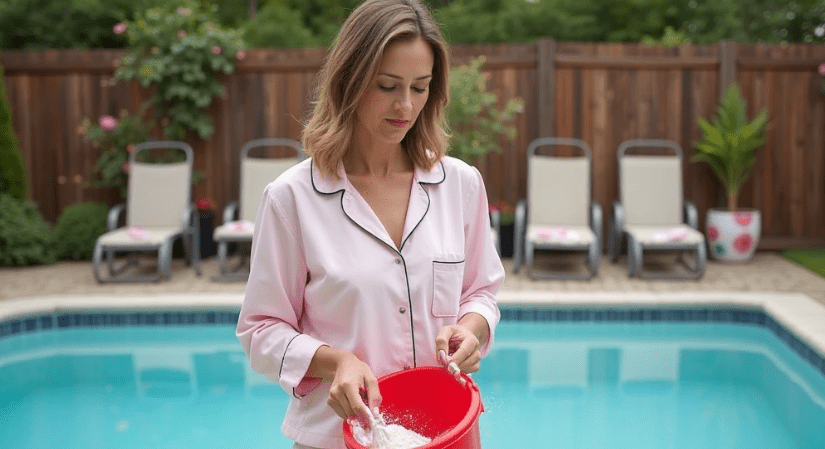
    Forget liquid bleach—it degrades. Dry pool shock (no additives) can disinfect thousands of gallons if dosed right.
  9. Distillation Over a Campfire
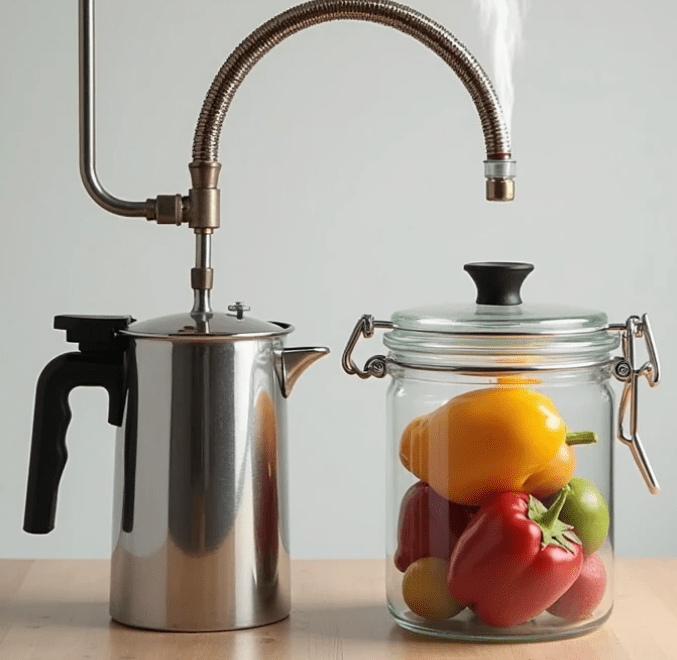
    Construct a distillation system using two pots and copper tubing. You want pure H2O? This gets you there.
  10. Chemical Water Testing on the Fly
    Use test strips or portable kits to ID contaminants. Don’t drink if you don’t know what’s in it.
  11. Know Your Water Sources
    Learn which Nevada springs and streams are safe (few are). Carry a topographical map and scout before you sip.
  12. Improvised Cloth Filtration
    Even a t-shirt can filter out visible sediment. It won’t kill bacteria, but it’ll buy you time to boil or disinfect.
  13. DIY Gravity-Feed Filtration System
    Rig a system with stacked buckets and filters like Berkey or ceramic elements. No electricity needed.
  14. Using Iodine Drops Properly
    2% tincture, 5 drops per quart. Wait 30 minutes. It tastes nasty, but death tastes worse.
  15. Filter Maintenance and Lifespan Awareness
    Every filter has a limit. Don’t be the moron sucking from a used-up filter. Know your gear and its expiration date.

3 DIY Survival Drinking Water Hacks You Need in Nevada—Yesterday

Hack 1: The Plastic Bottle + Bleach Hack
Take a 2-liter bottle of questionable water. Add 4 drops of unscented bleach per liter. Shake, wait 30 minutes. If it doesn’t smell slightly of chlorine, add a few more drops. This is not gourmet hydration—it’s battlefield survival.

Hack 2: The Aluminum Can Boil Bag
Lost your pot? Cut the top off a soda can, fill with water, and boil it right over the fire. Don’t drink from the can; pour it into a clean container after. Yeah, it’s sketchy. So is dehydration.

Hack 3: Cactus Distiller for the Desert-Desperate
Dig a hole, toss in cactus pulp and a container. Cover with plastic wrap, weight the center, and let the sun do its thing. Water vapor condenses and drips in. It’s not much, but it can save your bacon.


What’s Really in Nevada’s Water?
Want the short answer? A whole damn cocktail of things you didn’t order. Take the town of Fallon. Arsenic levels there have historically spiked way beyond federal limits. Las Vegas and Henderson have both seen nitrate problems, especially around agriculture zones. And rural Nevada? Uranium and radon leach out of the ground like it’s their job. You think that rustic well water is pure? Test it—bet you’ll wish you hadn’t.

Let me remind you: just because it’s legal doesn’t mean it’s safe. Federal limits are compromises, not guarantees. The so-called “safe” levels are the result of lobbying, cost-cutting, and bureaucratic head-patting. If you’re depending on that for your survival, you’ve already lost.


Final Rant: Trust No Tap
Don’t wait until the faucet coughs out sludge or your kids come down with rashes. Don’t trust anyone who says “It’s fine now.” Water infrastructure in this state is aging like milk, not wine. Between climate change, overdevelopment, and chemical contamination, it’s not a matter of if the water goes bad—it’s when.

You need to become your own filtration plant. You need to look at every drop of water like it’s trying to kill you—because it just might. Whether you’re in Reno, Vegas, or some God-forsaken ghost town in the middle of nowhere, there is no excuse not to have a water plan.

Got a fridge full of bottled water? Great—until it runs out. Got a few jugs stashed in the garage? Awesome—until summer bakes the plastic and you’re drinking estrogen-laced soup. The only thing that keeps you alive in a crisis is skill. That means practicing filtration, knowing your sources, and training your family like you’re prepping for war—because you are.

Water isn’t a convenience. It’s survival. And in Nevada, where the land is dry, the heat is deadly, and the taps are tainted, you’d better get that through your thick skull.

You want to survive? Then start acting like it.

Is Michigan’s Drinking Water Safe

Is Michigan’s Drinking Water Safe? Hell No. Wake Up Before It’s Too Late

Alright, listen up! If you think Michigan’s drinking water is safe because the government says so or because you see those big blue signs advertising “clean lakes” or “pure Great Lakes water,” you’re playing Russian roulette with your health—and that’s a slow death sentence. I don’t care if you live in Detroit, Grand Rapids, or some tiny town in the UP, your tap water is compromised. Period.

Michigan’s water is a toxic soup of industrial waste, agricultural runoff, lead from corroded pipes, and pharmaceutical residues. And don’t get me started on the Flint water crisis—it’s a glaring, stinking proof that the system is broken beyond repair. If you want to drink that water and invite cancer, neurological damage, or god knows what else into your body, be my guest. But if you’re serious about survival, you better get mad, get smart, and start filtering like your life depends on it—because it does.

In this no-BS survival guide, I’m going to give you 15 water filtration survival skills you MUST learn, plus 3 DIY drinking water hacks that will keep you hydrated and alive no matter how screwed Michigan’s water gets. This isn’t some fluff article; it’s a survival manual for anyone who refuses to get poisoned by corrupt infrastructure and corporate greed.


Why Michigan’s Water Is a Disaster Waiting to Happen

Let’s get the facts straight before I rip into solutions. Michigan’s water contamination issues are not a secret or some wild conspiracy theory. They’re a documented nightmare.

  • Lead Poisoning: Flint was just the tip of the iceberg. Old, corroded pipes leach lead into your glass every day. Lead is a neurotoxin, plain and simple. It damages brains and bodies, especially children’s.
  • PFAS (Forever Chemicals): These synthetic chemicals from firefighting foam and industry are everywhere. They don’t break down, accumulate in your body, and are linked to cancer, immune disorders, and hormone disruption.
  • Agricultural Runoff: Pesticides, herbicides, and fertilizers wash into lakes and rivers, turning your water into a toxic stew of nitrates and chemicals that cause birth defects and cancer.
  • Industrial Pollution: Michigan’s industrial legacy means heavy metals, PCBs, and other carcinogens seep into groundwater and surface water.
  • Bacterial Contamination: Aging infrastructure and sewage overflows mean bacteria and viruses are never far behind.

If you’re still drinking straight from the tap, congratulations. You’re basically volunteering as a toxic waste test subject.


15 Water Filtration Survival Skills You Need to Master Now

  1. Boiling Alone Won’t Cut It
    Boiling kills bacteria and viruses, yes, but it does nothing against chemicals, heavy metals, or sediment. Boiling is just one step.
  2. Build and Use a Charcoal Filter
    Activated charcoal is a survivalist’s best friend. It absorbs chemicals, toxins, and improves taste. Crush charcoal from a fire, rinse it, and layer it with sand and gravel in a DIY filter.
  3. Mechanical Filtration Using Sand and Gravel
    Sand traps dirt and particulate matter. Gravel acts as a coarse pre-filter. Layer them properly to remove sediments before chemical or biological treatment.
  4. Solar Disinfection (SODIS Method)
    UV rays from the sun can kill many pathogens. Fill clear plastic bottles with water and place them on a reflective surface under direct sunlight for 6+ hours.
  5. Use Portable Water Filters
    Invest in a high-quality survival water filter capable of removing bacteria, protozoa, and some viruses. Familiarize yourself with filter replacement and maintenance.
  6. Distillation for Chemical Removal
    Distillation is the ultimate method to separate pure water from heavy metals, chemicals, and biological contaminants. Build a solar still or improvised distiller.
  7. Pre-Filtration Using Cloth
    Use clean cloth, coffee filters, or even bandanas to remove large particles before running water through charcoal or other filters.
  8. Chlorination for Microbial Safety
    Add household bleach (without scents or additives) carefully—8 drops per gallon for clear water, more if cloudy. Wait 30 minutes before drinking.
  9. Iodine Treatment—Use Sparingly
    Effective against microbes, but harmful in large or long-term doses. Use only in emergencies.
  10. Build Layered Natural Filters
    Use moss, grass, sand, charcoal, and gravel in succession inside a hollow container for stepwise filtration.
  11. Test Your Water
    Portable water test kits for pH, nitrates, chlorine, and heavy metals can be lifesavers. Regular testing can alert you to danger.
  12. Know Your Water Sources
    Locate natural springs, catch rainwater, and identify safe groundwater spots far from agricultural or industrial sites.
  13. Safe Water Storage
    Use clean, sealed containers away from sunlight and contaminants to store filtered water. Avoid plastic leaching by using BPA-free or glass containers.
  14. Rainwater Harvesting Systems
    Set up gutters and barrels to catch rainwater. Always filter and disinfect before consumption.
  15. Maintain and Repair Your Filters
    Carry spare parts, learn to clean or repair filters, and improvise with local materials when needed.

3 DIY Survival Drinking Water Hacks for Michigan’s Toxic Mess

Hack #1: The Inverted Plastic Bottle Charcoal and Sand Filter

Grab a clean 2-liter plastic bottle. Cut off the bottom and invert it funnel-style. Layer the inside as follows:

  • Fine cloth or coffee filter at the neck
  • Activated charcoal (crushed and rinsed)
  • Fine sand
  • Coarse sand/gravel at the top

Pour suspicious tap water slowly through this layered filter into a clean container. Then boil or chemically treat the water for full safety.

Hack #2: Solar Disinfection with Oxygenation

Fill clear plastic PET bottles with water. Shake vigorously for 20 seconds to oxygenate—this increases pathogen kill rates. Lay the bottles horizontally on reflective surfaces in full sun for 6+ hours. This UV + oxygen combo kills many pathogens. Follow up with charcoal filtration to remove chemicals.

Hack #3: The Simple Solar Still

Dig a hole in the ground, place a clean container in the center, and cover the hole with clear plastic sheeting. Use a small rock to weigh down the center of the plastic so condensation drips into the container. This distills water from moisture in soil or plants, removing most contaminants and chemicals. It’s slow but effective when nothing else is available.


Wake Up and Take Control

You think you’re safe because Michigan’s water system “meets standards”? Standards set by politicians and companies more interested in profit than people’s health. The Flint disaster should have woken everyone up, but many are still drinking poison every day because they don’t care or don’t know better.

Your survival depends on preparation and knowledge. Water is the first battle in any crisis. Without clean water, everything else is pointless. If you’re not filtering, purifying, and testing your water daily, you’re walking a death sentence.

The state won’t save you. The water company won’t save you. You have to be your own water warrior. Learn these 15 filtration skills and 3 hacks. Build your filters. Carry your water purification tools everywhere. Test your water and store clean water safely.

If you care about your family, your health, or your survival, get serious now. Water is life. Don’t let corrupt infrastructure, polluted rivers, and toxic chemicals kill you slowly. Get mad, get prepared, and never trust the tap without a fight.


Bottom line: Michigan’s drinking water is a disaster disguised as “safe.” Contaminated with lead, PFAS, agricultural poisons, and industrial waste, your tap water is a toxic cocktail. Your only defense is knowledge, filtration skills, and survival hacks.

Don’t wait for another Flint to happen. Protect your water—and protect your life—starting today.

Is Massachusetts’s Drinking Water Safe

Alright, listen up! If you think Massachusetts’s drinking water is safe just because some government agency says so, you’re dead wrong. Complacency is a death sentence in survival. You’ve got contaminants sneaking in, aging infrastructure on the brink of collapse, and nature ready to throw its worst at your water supply. If you want to live through whatever disaster—natural or man-made—knowing how to secure clean drinking water is the difference between thriving and starving for hydration. So I’m going to tell you, no sugar-coating, exactly what you need to do. If you think bottled water and city tap water are your friends, wake up!

Is Massachusetts’s Drinking Water Safe? The Brutal Truth

Massachusetts has made some strides in water safety, sure, but don’t be fooled. Lead pipes still lurk beneath the streets of Boston and other towns, older treatment plants get overwhelmed, and chemical runoff from agriculture and industry sneaks past some filters. Plus, rising floods from storms like the ones hitting New England can easily overwhelm sewer systems and contaminate your water supply with pathogens and toxins. And if you think the government is going to warn you before disaster hits? Forget it. They’re slow, bureaucratic, and reactive at best. Your survival depends on you being ready now.

So if you’re in Massachusetts, or anywhere really, here’s your survivalist’s battle plan for securing safe drinking water. Learn these 15 water filtration survival skills like your life depends on it — because it does.


15 Water Filtration Survival Skills You NEED to Master

  1. Know Your Water Sources
    Before disaster strikes, identify local water sources: lakes, rivers, ponds, springs. Know where to go if your tap runs dry or turns toxic.
  2. Boiling Is Your First Line of Defense
    Boil water vigorously for at least one minute (or three minutes at higher altitudes). Boiling kills most pathogens — bacteria, viruses, and protozoa.
  3. Use Portable Water Filters
    Invest in a reliable survival water filter (like Sawyer Mini or LifeStraw). They remove bacteria, protozoa, and some chemicals without the need for fuel or electricity.
  4. Learn to Use Improvised Filters
    If your gear is gone, use charcoal, sand, and gravel layered in a bottle to filter sediment and some impurities. It’s not perfect but beats drinking mud.
  5. Chemical Purification with Bleach
    Regular unscented household bleach (5-6% sodium hypochlorite) is a cheap and effective disinfectant. Use 8 drops per gallon, stir, and wait 30 minutes.
  6. Use Iodine Tablets or Drops
    Iodine is another chemical option for water purification. Follow instructions carefully; not recommended for pregnant women or people with thyroid issues.
  7. Solar Disinfection (SODIS Method)
    Fill clear plastic bottles with water and place them in direct sunlight for 6 hours. UV rays kill pathogens. It’s slow but useful if you have no fuel.
  8. Distillation
    Boil water and capture the steam, condensing it back into liquid. Distillation removes most contaminants including salts, metals, and microbes.
  9. Know the Signs of Contaminated Water
    Murky water, foul smells, strange colors—never drink it without purification. Sometimes clear water can still be dangerous, so always purify.
  10. Pre-Filter Using Cloth
    Run water through a clean cloth to remove large particles before further purification.
  11. Carry Water Purification Straws
    Compact and portable, these straws let you sip directly from questionable water sources with built-in filtration.
  12. Understand pH and Chemical Contaminants
    Some contaminants like pesticides and heavy metals aren’t killed by boiling or filtered by some devices. Activated charcoal filters help remove chemicals.
  13. Maintain and Clean Your Filters
    Dirty filters clog and become ineffective. Follow maintenance instructions religiously to keep your gear working.
  14. Create a Water Collection System
    Set up rainwater catchment with tarps and containers, but never assume it’s safe without filtration and purification.
  15. Store Purified Water Properly
    Use clean, sealed containers stored in cool, dark places to prevent recontamination.

3 DIY Survival Drinking Water Hacks for When You’re In a Bind

1. DIY Charcoal Water Filter
Grab some hardwood charcoal (from a campfire, not treated wood). Crush it into small pieces and layer it in a cut plastic bottle with sand and gravel. Pour water through this filter multiple times. It helps reduce bad tastes, odors, and some chemicals. It’s not a silver bullet but better than nothing.

2. Solar Still for Distillation
Dig a hole in the ground, place a container in the center, and cover the hole with plastic sheeting secured at the edges with dirt or rocks. Place a small rock in the center of the plastic so it dips down above the container. The sun heats the moist soil, water evaporates, condenses on the plastic, and drips into the container. You get distilled water — pure, but slow and low yield.

3. Boil + Cloth Filter Combo
If you lack fancy gear, combine methods: strain water through a cloth to remove solids, then boil it for at least one minute. Boiling kills pathogens and the cloth removes dirt. It’s the simplest reliable way to make dirty water drinkable in a pinch.


Why You Can’t Trust Massachusetts’s Tap Water — A Survivalist’s Warning

The infrastructure in Massachusetts is old, fragile, and subject to failure. Even if water meets EPA standards, those standards don’t account for every possible contaminant or scenario. When a storm hits, when industrial accidents happen, when pipes burst—your tap water could instantly turn toxic or infected. You don’t want to be the one scrambling for bottled water when shelves are empty and the government’s emergency alerts are delayed or non-existent.

You need to be prepared to filter and purify water from any source, anywhere, anytime. When the grid goes down, your survival hinges on your ability to make water safe, not on city treatment plants or bottled water delivery trucks.


Get Off Your Ass and Prepare NOW

Don’t wait for some mass poisoning or a hurricane to make you care about clean water. This is survival 101! Water is life. Without it, you’re done in less than three days. So:

  • Stockpile filtration gear and chemicals.
  • Practice your filtration and purification skills regularly.
  • Know your local water sources like the back of your hand.
  • Build DIY water filtration devices before you need them.
  • Stay skeptical of “safe” tap water claims, especially in Massachusetts’s older cities and towns.

Your survival depends on your knowledge, preparation, and willingness to take control of your water situation. Stop relying on bureaucrats and complacent systems. This is your fight for life. Master these skills or risk death by waterborne disease or dehydration when disaster strikes.

Got it? Good. Now go build your filtration kit and practice making your own clean water. No excuses. Because when your throat’s burning and your stomach’s twisting, you’ll thank me. Or you’ll be dead.

Stay sharp. Stay hydrated. Stay alive.

Is New Jersey’s Drinking Water Safe

Let me hit you with a cold, hard truth: if you’re trusting your tap in New Jersey, you’re gambling with your life. You think the government gives a damn if your kids are drinking lead? You think the water authority’s going to swoop in when the next chemical spill happens upstream? Wake up. You’re on your own.

I don’t care if you live in a luxury condo in Hoboken or a pine shack in the Barrens—if you’re turning on a faucet and assuming it’s safe, you’re dangerously naive. The headlines are full of stories they want you to forget. Toxic PFAS “forever chemicals,” lead service lines rotting underground, agricultural runoff dumping nitrates into rural wells. And don’t even get me started on the aging infrastructure. Pipes that were laid down before your grandfather went to war are still pushing water into your house.

New Jersey isn’t Flint, Michigan… yet. But you think it can’t happen here? You think it’s not already happening in places like Newark, Trenton, and Camden?

Here’s the kicker: by the time the authorities admit there’s a problem, you’ve already been drinking it for years. So what are you going to do? Wait for a bottled water donation drive and hope FEMA gives a damn? Hell no. You take control now. You learn to survive.


15 Water Filtration Survival Skills Every New Jerseyan Needs

If you want to stay alive when the tap runs brown—or worse, looks clear but hides poisons you can’t see—get off your ass and learn these skills. Memorize them. Practice them. Hell, tattoo them on your arm if you need to.

1. Boil Like Your Life Depends On It

Because it does. Boiling water kills bacteria, viruses, and protozoa. Get it to a rolling boil for at least one minute—three at higher altitudes.

2. DIY Sand and Charcoal Filter

Take a bottle, cut it open, and layer cloth, sand, charcoal (crushed from hardwood), and gravel. It won’t kill microbes, but it clears out sediment and toxins. Combine with boiling.

3. Know Your Filters

Those Brita pitchers? That’s weak sauce. You want gravity-fed ceramic filters, hollow-fiber membranes, or activated carbon blocks rated for viruses and heavy metals. Read the specs.

4. Stock Up on LifeStraws & Sawyer Minis

These compact filters are your everyday carry in a water crisis. Don’t leave home without one.

5. Make a Solar Still

Dig a hole, put a cup in the center, cover it with plastic, and let the sun do the work. Condensation collects and drips into the cup. Slow but safe.

6. Rainwater Collection 101

You’ve got a roof? You’ve got water. Set up gutters to channel rain into food-grade barrels. Filter it, boil it, and you’re golden.

7. Bleach It—But Know the Ratios

Use 8 drops of unscented household bleach per gallon. Wait 30 minutes. Smell it—if you don’t smell chlorine, add a couple more drops. Don’t overdo it. Chlorine poisoning is real.

8. Potassium Permanganate: The Purple Savior

A few crystals can disinfect a liter of water. Use sparingly—too much and it becomes toxic. It also works as a firestarter and antiseptic.

9. Test Strips and DIY Water Testing Kits

Know what you’re drinking. You can’t filter what you don’t detect. Test for lead, nitrates, coliforms, and PFAS.

10. Charcoal Tablets for Emergency Purification

Activated charcoal can absorb some toxins. Don’t rely on it alone, but it’s a good stopgap.

11. Distillation: The Nuclear Option

Build a DIY distiller with a metal pot, a bowl inside, and a lid upside down. Steam rises, condenses, and collects pure. It’s slow, but it strips almost everything.

12. UV Light Sterilization

Battery-operated UV pens like the SteriPEN can zap bacteria and viruses into oblivion. Use in clear water only.

13. Clay Pot Filters

Third-world tech that works. Porous clay filters slow-drip water and filter bacteria. Add charcoal for chemical filtration.

14. SODIS: Solar Water Disinfection

Fill clear PET plastic bottles, lay them in sunlight for six hours. UV-A rays plus heat kill pathogens. Works best in strong sun.

15. The “Three-Container Rule”

Always rotate between three containers: one being filtered, one being sterilized, and one ready to drink. It keeps your flow safe and constant.


3 DIY Drinking Water Hacks for Survival in Jersey’s Toxic Landscape

Let’s say you’re flat broke, the stores are closed, and the water smells like it came from the Passaic. These are last-resort hacks. Don’t rely on them as primary filtration—but in a pinch, they can save your ass.

1. Old T-shirt + Charcoal + Sand = Field Filter

Tear up that Springsteen tour shirt. Layer the fabric in a bottle, add crushed campfire charcoal and sand, and pour in your murky water. It won’t remove viruses, but it’ll take out visible gunk and some chemicals. Boil it after.

2. Coffee Filter + Bleach Combo

Run water through a coffee filter to remove debris, then disinfect with bleach using the rule of 8 drops per gallon. Let it sit. Double the time if the water’s cloudy.

3. DIY Berkey Clone

Can’t afford a Berkey? Grab two food-grade buckets, stack them, and install ceramic filters from Amazon. Now you’ve got gravity-fed, chemical-free water—even from your sketchy well or river.


So, Is New Jersey’s Drinking Water Safe?

Short answer: No. Not if you value your health and sanity. Even if your town has a decent water report, that water still travels through miles of old pipes, potentially full of lead and God knows what else. And let’s not ignore man-made threats—chemical train derailments, agricultural runoffs, or even cyberattacks on treatment plants.

You think that’s far-fetched? Ask the folks in East Palestine, Ohio. Or Flint. Or Newark. Your ZIP code won’t save you.


The Government’s Not Coming to Save You

Look, I’m not some conspiracy lunatic living in a bunker (okay, maybe I am, but I’m right). The truth is simple: you are responsible for your own water. Always have been, always will be. The second you delegate that to a failing state or corporate water supplier, you’re gambling with your life.

This isn’t about politics. It’s about survival. About having drinkable water when the grid fails, the pipes burst, or the contaminants get too high. It’s about your kids. Your family. Your own damn kidneys.

Don’t wait until you’re thirsty to figure it out.


Final Word from a Survivalist Who’s Seen Too Much

Stockpile filters. Learn to collect and purify. Read your municipal water reports—and don’t trust them blindly. Water is life. If you’re not guarding it, you’re already dying.

So is New Jersey’s drinking water safe?

Not unless you make it safe.

Now quit reading and start prepping.

Is New Mexico’s Drinking Water Safe

Let’s not sugarcoat this like the government and those soft-gloved bureaucrats love to do: New Mexico’s drinking water is in deep trouble. If you’re one of those folks still trusting what flows out of your tap, then you might as well be guzzling chemical sludge with a smile. Because what’s really dripping into your glass? Arsenic, PFAS, uranium, nitrates, and God knows what else. You’re not drinking “clean” water—you’re sipping on a cocktail of slow death.

I’ve lived off-grid, off the land, and away from the blind comfort of water bills and false assurances. So listen up. I’ve studied New Mexico’s terrain, water tables, aquifers, and contamination reports, and I’m telling you—you’ve got to be your own damn filtration plant. You think the state’s going to rescue you when the next drought hits or the water main gets fouled up again? Hell no. They’ll hand out a flyer and say “boil your water.” You better be ready to survive, not panic.

What’s Really in New Mexico’s Water?

Let me tell you why I’m sounding the alarm.

  • Arsenic levels in many New Mexico wells exceed EPA limits—and arsenic doesn’t just “go away” when you boil your water.
  • The Rio Grande, which supplies water to many, gets choked by agricultural runoff, bacteria, and who-knows-what dumped upstream.
  • PFAS chemicals—you know, the “forever chemicals” they use in Teflon—have been detected in areas like Clovis and Cannon Air Force Base.
  • Old infrastructure in cities like Albuquerque and Las Cruces leaks lead and copper into drinking lines.
  • On top of it all, droughts and overpumping are sucking aquifers dry. What’s left? Concentrated contaminants.

Now tell me: Do you trust a faucet?

If you’ve got an ounce of common sense, you’ll want to learn how to filter your own water, treat it like your life depends on it—because it does.


15 Water Filtration Survival Skills That Will Keep You Breathing

These aren’t cute camping tips. These are battle-tested skills you’d better master if you want to make it through drought, contamination, or straight-up infrastructure failure.

  1. Boiling – The bare minimum. Bring water to a rolling boil for at least 1 minute. At high altitudes in NM? Make it 3 minutes.
  2. Charcoal Layering – Make a DIY filter with activated charcoal. Absorbs chemicals and odors—vital when you’re pulling water from a foul-smelling source.
  3. Sand & Gravel Filter – Layer gravel, sand, and charcoal in a container. Nature’s filter—simple but effective.
  4. Solar Still Construction – Dig a pit, use clear plastic, collect evaporated water. Slow but pure.
  5. DIY Berkey-Style Gravity Filter – Two buckets, two Black Berkey elements, a spigot. Assemble and filter gallons a day—off-grid gold.
  6. Bleach Disinfection – 8 drops of regular unscented bleach per gallon of water. Wait 30 minutes. Kill pathogens dead.
  7. Iodine Tablets – Lightweight, effective, tastes like chemical warfare—but safe water is better than diarrhea.
  8. UV Light Pen (Steripen) – Kills viruses, bacteria, protozoa. Use in clear water only, not murky slop.
  9. Pre-Filtration – Always pre-filter with a bandana or coffee filter to remove sediment before treating water.
  10. Moss Filtering – In emergencies, tightly packed moss can filter sediment and trap bacteria. Rinse, rotate, and replace often.
  11. Clay Pot Filtration – Traditional technique that works. Unglazed pots slowly seep filtered water out—great for heavy metals.
  12. Aquatabs or Chlorine Dioxide Tabs – Lightweight and powerful. Get rid of Giardia, E. coli, and other nasties.
  13. Pressure Filter Systems (LifeSaver Jerrycan or MSR Guardian) – Hardcore, expedition-grade. Filters viruses too.
  14. Slow Drip Bio-Sand Filter – A long-term survival filter that improves with use. Requires setup time but excellent for off-grid living.
  15. Water Source Scouting – Not a tool, a mindset. Learn how to read terrain, find clean springs, avoid agricultural runoff zones, and test water with portable kits.

These skills aren’t optional—they’re essential.


3 DIY Survival Drinking Water Hacks You Should Tattoo On Your Brain

Now for the real-deal MacGyver tricks. Don’t rely on REI or Walmart. You need to be able to scrape survival out of rocks if needed.

1. The T-Shirt Water Bucket Trick

You’ve got dirty pond water and a clean container. Stretch a T-shirt over the clean container’s mouth. Slowly pour the dirty water through the shirt. This catches large particulates and sediment. It’s not perfect, but it buys you time until you can boil or chemically treat the water.

2. Plastic Bottle UV Purification (SODIS Method)

Fill clear PET bottles with clear water (filtered for debris first). Lay them in the sun for 6+ hours. UV rays will kill most bacteria and viruses. Works best on hot days in open areas—aka New Mexico in July. Free energy. Minimal effort. Just remember—this doesn’t remove chemicals.

3. Emergency Rainwater Harvesting Rig

Got a tarp, trash bags, or even an old poncho? Tie corners up to trees or stakes, create a dip in the middle to funnel water into a container. Collect rain—it’s usually cleaner than anything coming out of a faucet these days. Filter or boil it if you can, but in a pinch, it’s safer than well water in some counties.


You Think the Government Will Warn You?

You know what’s funny? In a grim, rage-inducing way?

In 2022, parts of New Mexico were issued “Do Not Drink” orders AFTER contaminants were found in drinking water. AFTER. Not a proactive alert—reactive damage control. They wait until people get sick, then issue a PDF buried on some county website.

If you’re sitting there, nodding and saying, “I’ll just buy a Brita,” you’re part of the problem. Brita filters won’t remove PFAS, arsenic, or viruses. You need real gear. Or better yet—real knowledge.


Here’s What You Do Right Now

  1. Get a water test kit and test your home supply.
  2. Stock up on filters—don’t wait for the next wildfire or drought.
  3. Learn at least 5 of the filtration skills above, even if you live in the city.
  4. Start collecting rainwater—it’s legal in NM, and it’s damn smart.
  5. Store water. You want 1 gallon per person per day, for a minimum of 30 days.

This isn’t fearmongering. It’s survival realism.

New Mexico is a beautiful, rugged place—but she’s not forgiving. When your well runs dry or your tap runs brown, you’ll wish you’d listened. Don’t count on the city. Don’t count on the EPA. Count on yourself.

Water is life—and right now, life in New Mexico is under siege. You’d better fight like hell to protect yours.

IS NEW YORK’S DRINKING WATER SAFE? HECK NO — HERE’S HOW TO SURVIVE IT.

Listen up. You’re being lied to. The bureaucrats and their polished PR puppets want you to believe New York’s drinking water is some pristine nectar dripping from the gods of the Catskills. But you know what it really is? A chemical cocktail seasoned with lead pipes, agricultural runoff, and trace pharmaceuticals flushed down Manhattan toilets. You think some sanitized press release or a pat on the head from the Department of Environmental Protection means you’re safe? Wake up.

I’ve been off-grid, I’ve filtered swamp water, I’ve drunk from snowmelt and desert creeks — and I trust that water more than the faucet in your overpriced Brooklyn apartment.

So, let’s get one thing straight: If you’re not filtering your water — every damn drop of it — you’re playing Russian roulette with your kidneys. You want to survive what’s coming? You better master the art of water filtration like your life depends on it. Because it does.


FIRST: THE UGLY TRUTH ABOUT NEW YORK’S WATER

They call it “world-class.” Sure — maybe before it hits the city’s hundred-year-old pipes, some of which still contain lead. The stuff you learned about in elementary school as brain poison? Yeah, that’s still flowing in “acceptable levels” in a lot of areas.

Microplastics? Present.
Chlorine? Present.
Pharmaceuticals? Hell yes — anti-anxiety meds, birth control, even traces of opioids.
And PFAS — those “forever chemicals” linked to cancer and immune system damage? They’re in there too.

Still feel like filling your reusable water bottle straight from the tap? Go ahead. But don’t cry to me when your thyroid craps out or your kids grow a third eye.


15 WATER FILTRATION SKILLS EVERY SURVIVALIST NEEDS TO MASTER BEFORE THE GRID FAILS

1. Boiling
The simplest, oldest, and still one of the best methods. Bring water to a rolling boil for at least 1 minute (3 minutes if you’re above 6,500 ft). It kills bacteria, viruses, and parasites — but it won’t remove chemicals or heavy metals.

2. DIY Charcoal Filter
Layer activated charcoal with sand and gravel inside a container or cut plastic bottle. It removes odors, some chemicals, and particulates. It’s not perfect, but it’s a solid first pass.

3. Gravity-Fed Filtration
Systems like Berkey or DIY equivalents use gravity to push water through multiple layers of filtration. No electricity needed, and very effective against bacteria and heavy metals.

4. Solar Disinfection (SODIS)
Fill a clear PET bottle with water and leave it in direct sunlight for 6+ hours. UV rays kill most pathogens. Doesn’t help with chemical pollutants, but it’s better than nothing.

5. Cloth Straining
Use a clean bandana, t-shirt, or sock to remove debris. It won’t kill anything, but it’s a pre-filter step you’ll thank yourself for.

6. Bleach Purification
Use unscented household bleach — 8 drops per gallon, stir, and let it sit for 30 minutes. Not tasty, but effective. Learn the dosage — too little does nothing, too much and you poison yourself.

7. Ceramic Filters
These filter out bacteria and protozoa but not viruses or chemicals. Great for long-term off-grid setups. Easy to clean and reuse.

8. Iodine Tablets
Effective against bacteria and viruses. Leaves a taste, and not suitable for pregnant women or long-term use — but in a pinch, it works.

9. UV Pen Sterilizers
Battery-powered gadgets that zap water with UV light. Kills pathogens in 90 seconds. Useless without power, but deadly effective while it lasts.

10. DIY Bio-Filter
Layer: gravel, sand, activated charcoal, and a cloth in a barrel or bottle. Let water drip through slowly. Not fast, but thorough.

11. Distillation
Boil water and catch the steam in a clean container. It leaves everything — even heavy metals — behind. You can even drink seawater this way.

12. Wild Plant Filters
Some plants like cattails or banana peels have filtering properties. Shred and use as one layer in a filter. Experimental, but can assist other methods.

13. Silver Infusion
Colloidal silver has antimicrobial properties. It’s controversial — but survivalists have used it for decades. Caution is advised, but it’s in the toolbox.

14. Water Catchment & Pre-Filter
Collect rainwater and let it sit so sediment settles. Use a coffee filter or cloth to pre-filter before boiling or purifying.

15. Redundancy Protocol
Never trust just one method. Filter + disinfect + test. Always. Combine at least two methods — it’s your life we’re talking about.


3 DIY SURVIVAL DRINKING WATER HACKS FOR CITY DWELLERS

Let’s get real. Not all of you have cabins in the Adirondacks. Some of you are stuck in shoebox apartments waiting for the blackout. So here’s what to do when the tap goes toxic or shuts off completely.

HACK 1: BATHTUB BUNKER
Before any major storm or emergency, fill your bathtub with water. Use a WaterBOB (or a clean plastic liner if you’re broke) to keep it potable. That’s 100 gallons of drinkable water if you play your cards right.

HACK 2: GUTTER TO GALLON
Rig a tarp or plastic sheet on your fire escape or balcony. Funnel rainwater into buckets. First rain flushes off crap; toss it. Then collect. Filter and boil before use.

HACK 3: SODA BOTTLE SOLAR STILL
Cut a 2-liter soda bottle, add dirty water inside with a small cup in the middle. Wrap the top in plastic wrap, seal edges with tape, and leave in the sun. Condensed droplets drip into the cup = pure water. Slow? Yes. Lifesaving? Absolutely.


CONCLUSION: YOU’RE ON YOUR OWN

New York’s drinking water might pass government standards, but those standards are decades out of date and built for convenience, not survival. You want to trust your life and your family’s health to some bureaucrat’s interpretation of “safe”? Be my guest.

But when the next contamination hits — when the grid shuts down, or the water plant floods, or the terrorists hit the reservoir — don’t say you weren’t warned.

This isn’t about paranoia. It’s about preparation. Learn to filter. Learn to store. Learn to survive.

Because no one is coming to save you.

Is New Hampshire’s Drinking Water Safe

Let me lay it down for you, raw and unfiltered—because unlike the water coming out of some taps in New Hampshire, this is clean truth. If you’re still operating under the soft, delusional fantasy that your state or local water utility has your best interest at heart, wake up. This isn’t Mayberry. This is 2025. And while the powers-that-be smile and issue glossy PDFs about “acceptable levels” of PFAS and “minimal risk” of lead contamination, real survivalists know the only person responsible for keeping your water safe—is you.

Let’s talk New Hampshire. Granite State. Rugged, resilient, “Live Free or Die” territory, right? Well, tell that to the folks in Merrimack, Litchfield, and other parts of southern NH, where PFAS—those forever chemicals that don’t break down, mess with your hormones, and spike your cancer risks—have leeched into the water table. Ever heard of Saint-Gobain? That’s the industrial giant whose operations poisoned the groundwater and then shrugged when families started getting sick.

And it’s not just PFAS. You’ve got old infrastructure in small towns all over the state, corroding pipes leaching lead, and ineffective testing that might catch contamination weeks or months too late. Arsenic in well water in northern New Hampshire? Yeah, that’s real. Over 40% of private wells in NH exceed the EPA’s safety limit for arsenic. And don’t count on anyone telling you that unless you’re reading the fine print buried in some obscure environmental health report.

So no, New Hampshire’s drinking water isn’t safe—not by a long shot. If you’re relying on tap water without backup systems, filtration strategies, or emergency know-how, you’re not just unprepared. You’re endangering yourself and your family.

Time to get educated. Here’s your crash course in real water survival. I’m giving you 15 Water Filtration Survival Skills every free-thinking person in New Hampshire (or anywhere) needs to master, and 3 DIY hacks that’ll keep you alive when the system collapses—or just screws you over again.


15 Water Filtration Survival Skills Every Granite Stater Must Know

1. Identify local water sources.
If you can’t name five drinkable natural water sources within a 10-mile radius of your home, you’re already losing.

2. Learn to use a portable water filter.
LifeStraw, Sawyer Mini, Katadyn—get one, test it, and carry it with you. Knowing how it actually works in field conditions matters.

3. Build a DIY slow sand filter.
Layer gravel, sand, and charcoal in a barrel. It’s slow but removes bacteria and particles when done right.

4. Boil like your life depends on it—because it does.
Rolling boil for a full minute (three at altitude). Don’t cut corners. Giardia and cryptosporidium don’t forgive ignorance.

5. Purify with bleach.
Use unscented household bleach—eight drops per gallon, stir and wait 30 minutes. Too little, it’s useless. Too much, you poison yourself.

6. Know your charcoal.
Activated charcoal absorbs organic contaminants, pesticides, and some chemicals. Learn how to make your own from hardwood, bake it, crush it.

7. Use UV light to kill pathogens.
Solar disinfection (SODIS) with clear PET bottles and six hours of direct sunlight? Not perfect, but better than raw lake water.

8. Master iodine purification.
Two percent tincture, five drops per quart. Wait at least 30 minutes. Works in emergencies—especially on viral contaminants.

9. Build a solar still.
Dig a hole, add wet vegetation, a container, and cover with plastic sheeting. Evaporation will save your life in dry zones.

10. Distill rainwater.
Catch it, boil it, collect the steam. Keeps most metals and chemicals out—especially arsenic from old well pipes.

11. Know how to read a water test strip.
Don’t guess. Carry strips to test for lead, bacteria, nitrates, and more. Don’t trust clear water—it can still be deadly.

12. Use a ceramic filter.
These slow-flow filters trap bacteria and sediment. Pair with charcoal for chemical filtration. Clean regularly to prevent clogging.

13. DIY biosand filter for long-term setups.
Effective, reusable, and sustainable—if you layer it right and clean it correctly. Can last for years if maintained.

14. Pre-filter with cloth.
Before you boil or chemically treat, filter out sediment with a bandana or old T-shirt. Reduces clogging and improves clarity.

15. Understand the limitations.
No filter is perfect. Know what your filter removes—and what it doesn’t. PFAS? Most commercial filters don’t touch it. Don’t be lazy—do the research.


3 DIY Survival Drinking Water Hacks That Work When All Else Fails

Hack #1: Emergency Charcoal-Filter Bottle
Take a plastic bottle, cut off the bottom, fill with layers—cloth, charcoal (crushed), sand, then gravel. Pour water in top, collect clean water at the bottom. It won’t remove all chemicals, but it’ll get rid of most particulates and microbes.

Hack #2: Pine Tree Water Collector
Wrap a plastic bag around a leafy pine branch in the sun. The tree releases moisture via transpiration. After a few hours, you’ll have drinkable water condensed in the bag. Slow, but pure. Perfect for the NH woods.

Hack #3: Boil Water in a Leaf or Bark Container
No metal pot? No problem. Use thick bark or large green leaves to hold water over a fire’s coals—not flames—and bring it to a boil. It takes finesse, but it’ll purify water without high-tech gear.


So is New Hampshire’s drinking water safe?

You already know the answer. No, it’s not. Not by any standard a sane, cautious, prepared person should accept. And if the day comes when the grid fails, the trucks stop running, or your utility fails to notify you (again) of some mysterious contaminant in your pipes, you’ll be the one standing between sickness and survival. Not your mayor. Not DES. Not the EPA.

Be angry. Be informed. But above all—be ready.

Because clean water isn’t a right in the world we live in today. It’s a skill. And you better treat it like your life depends on it—because it does.

Is Arizona’s Drinking Water Safe? Hah. You’re Dreaming.


If you think Arizona’s tap water is “safe” just because the state or the EPA slapped a label on it, then you’re already a walking casualty. The truth is simple: you can’t trust a damn thing that flows from your faucet. And in the desert? Water isn’t just survival — it’s power. It’s everything. And if you don’t take control of your water, someone else already has.
The water in Arizona isn’t just bad. It’s dangerous. We’re talking arsenic. Nitrates. Radioactive elements like uranium and radium. PFAS “forever chemicals” that don’t leave your system — ever. Municipalities might tell you it’s “within federal standards,” but what they mean is: “You might not drop dead today, so we’re calling it good enough.”


And if the system collapses tomorrow — grid down, power out, supply chains frozen — where do you think that clean water’s coming from? No tap, no truck, no help. Just you and your knowledge. Or your lack of it.
So I’m going to give you the tools to stop being a dependent, soft-bellied liability and start being the survivor your ancestors would actually respect.

15 Water Filtration Survival Skills Every Arizona Prepper Must Know
1. Boil Like Your Life Depends on It (Because It Does)
One full-tilt, rolling boil for at least three minutes, more if you’re at higher elevation. Arizona has mountains. Adjust accordingly or drink regret.
2. DIY Charcoal Filter
Activated charcoal can pull out chemicals like chlorine and pesticides. Make your own with hardwood charcoal, crushed fine. Layer it with sand and gravel in a bottle — pour slow, filter twice.
3. Solar Still (Desert Hack #1)
Dig a hole, lay a container in the center, add green vegetation or urine (yeah, I said it), cover with plastic sheeting, and weight the center. Let the Arizona sun do its thing.
4. Ceramic Filters
Get one. Learn to clean it. Learn to replace it. Ceramic is your friend. It filters out bacteria, sediment, and protozoa. Not fast, but it works.
5. Pump Filters (Field Grade)
You want a hand-pump that handles viruses, bacteria, and chemicals. Don’t cheap out. If your filter doesn’t knock out 99.999% of the bad guys, it’s a paperweight.
6. UV Sterilization (Solar or Battery-Powered)
Arizona’s got sunlight. Use it. A SteriPen can nuke the viruses, but make sure your water’s already clear — UV can’t punch through mud.
7. Know Your Contaminants
Arizona is loaded with arsenic and uranium in groundwater. These aren’t killed by boiling. You need solid filters that trap heavy metals. Reverse osmosis, if you’ve got power. If not, you’d better hope you remembered that charcoal.
8. Pre-Filter Everything
A sock. A t-shirt. A coffee filter. Use something to get out the grit and grime. Keep your main filter alive longer.
9. Clay Pot Filtration
Porous clay slowly filters water while reducing bacteria. DIY this from local materials, coat with colloidal silver if you’re chemically inclined.
10. SODIS Method
Fill a clear PET bottle with water and let it sit in the full Arizona sun for 6+ hours. UV radiation will kill most bacteria and viruses. Free, easy, and good for emergencies.
11. Know Your Sources
The Salt River, Verde River, and Colorado River aren’t pure mountain springs. Agricultural runoff, industrial discharge, and wastewater recycling feed into them. Don’t drink unfiltered river water unless you’re trying to die.
12. Bio-Sand Filters
Build your own slow-sand filter. Layer gravel, sand, and charcoal. Let a microbial layer form at the top — it eats the pathogens. Great for long-term setups.
13. Backup Filters
One is none. Two is one. If your only filter cracks or clogs, you’re toast. Carry backups. Protect them like your life depends on it — it does.
14. Boil with Fire or Sun Oven
You don’t have electricity? Big shock — it’s Arizona in a blackout. Learn to boil over a fire pit or solar oven. No power = no excuses.
15. Desert Rain Harvesting
Illegal in some cities, but survival doesn’t care about permits. Get a tarp, funnel runoff into a container, and filter the hell out of it. Rooftop water is loaded with dust and bird crap. Don’t sip it straight.

3 DIY Survival Drinking Water Hacks
1. Charcoal + Sand Bottle Filter
Take a plastic bottle. Cut the bottom off. Stuff in layers: cloth, charcoal, sand, gravel. Pour water through slowly. Repeat a few times. Then boil or UV it. This is basic, but it works.

2. Cactus Water Caution
Prickly pear pads contain mucilage that can clarify water — it binds heavy metals and particles. But don’t drink raw cactus water — it can be toxic. Use it as a filtration agent only, and then purify after.

3. Evaporation Bag Method
Wrap a plastic bag around a leafy plant or tree limb, tie it off, and wait. Moisture evaporates and condenses inside the bag. Not fast, but 100% drinkable with no treatment. Survival-grade stuff.


So… Is Arizona’s Drinking Water Safe?
No. And stop asking. That question assumes someone else is taking responsibility for your life. Here’s what’s really happening:
Arsenic is naturally high in groundwater, especially in rural wells.
Radium and uranium show up in water systems from volcanic rock.
PFAS chemicals (industrial runoff) have tainted multiple water systems across the state.
Colorado River water is increasingly contaminated and overused.
Aging infrastructure means that even city water can run through lead-lined pipes.
Municipal water treatment plants can’t keep up. And even when they try, they don’t treat for everything. You’re getting a cocktail of chlorine, fluoride, sediment, and maybe a little bonus radium if you’re lucky. Congratulations — your kitchen tap is a chemical experiment.

What You Need to Do Now
Get a gravity-fed filter for daily use. Berkey, Alexapure, ProOne — pick your poison.
Buy portable filters for emergencies — Sawyer, Katadyn, MSR.
Stock up on purification tabs — iodine, chlorine dioxide.
Set up rainwater catchment, rooftop or tarp.
Dig a solar still in your backyard and PRACTICE.
Filter and boil everything. Even your “safe” tap water.
Test your well — arsenic, uranium, nitrates. Get a full lab test. Don’t guess.

Screenshot


Bottom Line
Arizona’s water is a minefield. Just because it comes out clear doesn’t mean it’s clean. It’s what you don’t see — heavy metals, radionuclides, chemical residues — that’ll kill you slow.
Don’t rely on the government. Don’t trust a press release. Don’t assume your water filter is enough. Know how to clean your water ten different ways, and then learn five more.
Because when the day comes that you turn the tap and nothing flows, or worse — something does flow and it’s poison — it’ll be too late to learn.
This isn’t about prepping anymore. This is about reality. And reality doesn’t care if you’re ready. So you’d better be.
Filter. Boil. Test. Repeat. Or die thirsty. Your choice.

Is Idaho’s Drinking Water Safe? Not If You Want to Stay Alive

You want the truth about Idaho’s drinking water? Here it is, raw and ugly: No, it’s not safe. And if you’re sitting around with your tap water dripping like a lullaby into your glass thinking “Oh, the government would never let us drink something unsafe,” then WAKE UP, because you’re being played. We’re not living in Mayberry. We’re living in an age of aging infrastructure, pesticide runoff, fracking leaks, bureaucratic denial, and “acceptable contamination levels” that would’ve made your grandfather vomit.

If you’re not treating every drop of water like it could kill you, you’re gambling your health—and your life.

Here’s What They Don’t Tell You About Idaho’s Water

Sure, parts of Idaho brag about their “clean groundwater” and “pristine aquifers.” You’ll hear about the Snake River Plain Aquifer, but guess what? That aquifer sits under a heavy blanket of industrial agriculture, livestock operations, and septic systems. And let’s not forget nitrate contamination, which is quietly turning rural wells into poison cocktails. Go ahead—look up nitrate levels in Twin Falls or Jerome County and see if you still feel good about what’s in your cup.

You ever heard of forever chemicals? PFAS—per- and polyfluoroalkyl substances—don’t break down in nature, and guess what? They’re starting to show up in water systems across the country, including Idaho. But the agencies monitoring this stuff? Underfunded. Undermanned. And under orders to downplay panic.

And God help you if you’re pulling water from a private well. There’s no state requirement for testing. No oversight. No help when something goes wrong. You’re on your own. Which is exactly how it’ll be when the system fails—and it will.

You Want to Live? Learn These 15 Water Filtration Survival Skills NOW

You need to be your own damn water treatment plant. That means being ready to take foul, deadly water and make it drinkable, anywhere, anytime. Learn these 15 survival water filtration skills or pray your kidneys are bulletproof.

1. Boiling Water

Basic but critical. Bring it to a full rolling boil for at least 1 minute (3+ minutes above 6,500 ft). Kills bacteria, viruses, parasites.

2. DIY Charcoal Filter

Use layers of activated charcoal, sand, and gravel in a bottle or pipe. It won’t kill everything, but it’ll pull out toxins and sediment.

3. Solar Disinfection (SODIS)

Fill a clear PET bottle, lay it in direct sun for 6+ hours. UV rays will kill many microbes. Easy, slow, and useful when firewood is scarce.

4. LifeStraw or Personal Filter Straw

These pocket-sized filters remove bacteria and protozoa. Not perfect, but great for fast access in the field.

5. Gravity-Fed Ceramic Filters

Ideal for base camps. Ceramic filters remove bacteria and sediment, and some models include carbon cores for chemicals.

6. Improvised Sand Filter Pit

Dig a pit, line it with layers of sand, gravel, and charcoal. Pour water in, collect it as it trickles out. Slow but effective.

7. Bleach Disinfection

Use unscented, regular bleach (6% sodium hypochlorite). Add 8 drops per gallon, stir, wait 30 minutes. Smell it—should have a faint chlorine scent.

8. Iodine Tablets or Tincture

Add 5 drops per quart (clear water), wait 30 minutes. Kills most pathogens but isn’t safe for long-term use.

9. UV Light Sterilizers

Battery-powered UV pens can kill microbes quickly. Expensive but efficient. Not effective on cloudy or murky water unless pre-filtered.

10. Coffee Filter Pre-Filtration

Run water through a coffee filter, cloth, or bandana to remove particulates before disinfection.

11. Clay Pot Filtration

Traditional method: unglazed clay pots naturally filter water and can be combined with colloidal silver to boost pathogen kill.

12. Distillation

Boil water, catch the vapor, condense it back into liquid. Strips everything—including heavy metals and salt. Resource-intensive but thorough.

13. Build a Solar Still

Dig a hole, place a container in the center, cover with plastic, weight the center, and let sun draw vapor. It’s slow, but produces pure H2O.

14. Using Plant Filters

Some trees like banana or moringa can remove bacteria when used properly. Look up field guides on how to apply plant bio-filters.

15. Bio-Sand Filter

A more permanent version of the charcoal/sand setup. Requires maintenance but excellent for long-term survival setups.


3 DIY Survival Drinking Water Hacks You Should Burn Into Your Brain

Screenshot

Need water right now and don’t have gear? Improvise, adapt, survive.

1. Plastic Bottle UV Purifier

Found a clear bottle in the trash? Fill it, shake it, lay it on a rock in the sun. It’s not perfect, but in 6-8 hours, the UV rays will kill most bacteria and viruses. Not for murky water.

2. Tree Evaporation Bag

Wrap a clear plastic bag around leafy green tree branches. Seal it tight. After a few hours, condensation forms in the bag—it’s clean water. You won’t get a lot, but every drop counts.

3. Shirt Sleeve Sediment Filter

Rip off a shirt sleeve, stuff with layers of grass, sand, charcoal if you have it. Pour dirty water through. It won’t purify, but it filters enough for boiling or disinfection to be effective.


Let’s Be Brutally Honest

You don’t really know what’s in your water. The water coming out of your faucet in Boise or your tap in Coeur d’Alene might be fine today, but the second there’s a flood, a chemical spill, or a glitch in the treatment system, you’re toast—unless you’ve got your own plan.

You think FEMA’s going to show up in time when the grid goes down and your town runs dry? You think the EPA’s gonna care that your toddler’s drinking lead or nitrates because you trusted the city report? Think again.

Here’s What You Do

  • Test your water if you’re on a well.
  • Store water—at least a gallon per person per day for a minimum of 14 days. More if you’re smart.
  • Build filters now, not later.
  • Learn to harvest rainwater (check local laws), and know how to purify it.
  • Make water readiness your religion. Because when the system fails—and it will—it’s too late to go shopping.

Final Word from the Last Guy Standing

This isn’t fearmongering. It’s fact. Idaho might not be Flint, Michigan… yet. But it’s heading down the same damn road unless you start treating water like a matter of life and death—because that’s exactly what it is.

So no, Idaho’s drinking water isn’t safe—not if you’re smart, not if you’re paying attention, and definitely not if you want to live through the chaos that’s already brewing below the surface.

Stay sharp. Stay paranoid. And stay hydrated—on your terms.

Is Indiana’s Drinking Water Safe? No. Here’s How to Survive It.

Let’s get one thing straight: if you’re still trusting that tap water in Indiana is safe just because the government tells you so, you’re living in a fantasy. You might as well be drinking out of a ditch. They’ll tell you it’s “within legal limits,” but I’ve read those EPA standards. You could bathe a corpse in half the chemicals they legally allow.

Do you think lead gives a damn about legal limits? How about PFAS—those so-called “forever chemicals” that don’t break down in the environment and sure as hell don’t break down in your body? We’re talking liver damage, cancer, thyroid dysfunction, and infertility, all courtesy of your friendly neighborhood water plant.

If you live in Indiana and you’re not filtering your water like your life depends on it—because it DOES—then you’re part of the problem. You’re the weak link. And in a survival scenario, weak links get people killed.

I’ve seen the reports. I’ve looked at the contaminant maps. From Indianapolis to Evansville to the backwoods of Brown County, Indiana’s drinking water has been found to contain everything from nitrates and arsenic to volatile organic compounds and lead. And don’t get me started on old, corroded pipes and agricultural runoff from our “beautiful” heartland farms.

Here’s the brutal truth: in a crisis, the grid will go down, the treatment plants will fail, and your clean tap water will become a pipe full of disease and chemicals. You need to be ready. You need to be equipped. And you need to be angry enough to do something about it.

Let me teach you how to survive—and outlive—the poisoned waters of Indiana.


15 Water Filtration Survival Skills That Could Save Your Life

1. Boiling Water Properly
Simple, yes. But most folks mess it up. Bring it to a full, rolling boil for at least one minute. At higher elevations, make it three. This kills bacteria, protozoa, and viruses.

2. Using a Lifestraw or Personal Water Filter
Get one. Keep it in your pack. They remove 99.9999% of waterborne bacteria and 99.9% of protozoan parasites. Cheap insurance against a nasty death.

3. Gravity Filtration Systems
DIY a gravity-fed system with two buckets and a ceramic or carbon filter. Use gravity to clean your water with no need for power.

4. Solar Still Technique
Dig a hole, place a container in the center, cover the hole with plastic wrap, and put a rock in the middle. The sun will do the rest—distill water from soil and vegetation.

5. Charcoal Filtration Basics
Charcoal (real, not your grill’s chemical-soaked junk) can filter out chemicals and improve taste. Wrap it in cloth or use it in a layered bottle filter.

6. DIY Sand, Gravel, and Charcoal Filter
Layer a bottle or pipe with gravel on bottom, then sand, then charcoal. Let water drip through. It won’t kill everything, but it’ll clean out the big nasties.

7. Water Purification Tablets
Iodine or chlorine dioxide tablets. Drop one in a liter of water, wait 30 minutes. Not a long-term fix, but they’ll keep you alive when you’re on the move.

8. UV Light Purifiers (SteriPens)
These are for when you’ve got batteries or a solar charger. They zap microbes dead with ultraviolet light. Effective and portable.

9. Rainwater Collection and Filtration
Set up a catchment system from your roof, filter the hell out of it, and store it in food-grade containers. Keep it covered—mosquitoes love stagnant water.

10. Know Your Water Sources
Creeks, rivers, lakes—fine, but know the risks. Standing water is a breeding ground for microbes. Always assume it’s contaminated. Always filter.

11. Recognizing Waterborne Illness Symptoms
Diarrhea, vomiting, fever, cramps? You’re already too late. Recognize the signs and take action before it kills you or dehydrates you to death.

12. Building a Bio-Filter
A longer-term setup: 3 layers of sand, charcoal, and gravel in a barrel. Let water percolate slowly. This is your off-grid water plant.

13. Desalination via Distillation
Near a body of saltwater? Boil it, run steam through copper tubing into a clean container. Congrats—you’ve made drinkable water.

14. Emergency Pond-to-Drink Conversion
Skim the surface gunk off, filter with a bandana, then boil or purify. Survival is ugly. Deal with it.

15. Scavenging Filters from Dead Equipment
Camping filters, old RV systems, even fridge filters can be repurposed in a pinch. Strip and adapt. Tools are everywhere if you think like a survivor.


3 DIY Survival Drinking Water Hacks You Won’t Learn from the Government

Hack #1: Bleach Purification
Yeah, household bleach. Make damn sure it’s plain, unscented. Add 8 drops per gallon of clear water, 16 if it’s cloudy. Stir and wait 30 minutes. The water should have a faint chlorine smell. If it doesn’t, dose it again. Just don’t make this a daily habit—you’re killing microbes, not yourself.

Hack #2: DIY Ceramic Filter from a Flowerpot
Grab an unglazed ceramic flowerpot (the kind that “sweats” water). Coat the inside with colloidal silver if you have it. Plug the hole, fill it with water, and let it slowly seep through into a clean container. Effective, reusable, and old-school reliable.

Hack #3: Make a Filter from a Soda Bottle
Cut a 2-liter bottle in half. Flip the top into the bottom like a funnel. Fill in this order (top to bottom): cloth, charcoal, sand, gravel. Pour water through it. Then boil or treat it. This is filtration, not purification. Know the difference.


Final Word from an Angry Survivalist

This isn’t a game. This isn’t about prepping for a zombie apocalypse or some doomsday fantasy. This is your damn reality, today. You live in a state where industrial waste, agricultural runoff, outdated infrastructure, and regulatory neglect are everyday threats to your water supply.

Waiting for the government to save you is a fool’s errand. They can’t even admit there’s a problem. So you can either take action, or you can take your chances drinking from that poison tap.

I know what I’m choosing.

Get your gear. Train your skills. Filter every drop. Because when the crisis hits, you won’t rise to the occasion—you’ll fall to your level of preparedness.

Make sure that level is high enough to outlive Indiana’s water.