

Riot situations can spark off in a flash—especially in high-tension environments like Florida, where political tensions, natural disasters, and cultural divides can stir the pot quickly. If you’re not prepared when the chaos ignites, you could find yourself trapped, vulnerable, or worse. This guide is written not by a theorist or keyboard warrior, but by someone who’s trained, tested, and lived the prepper life. I’m going to walk you through real, tactical knowledge—not fluff—on how to survive a riot, defend yourself and your family, and even build your own survival tools if the grid fails or law enforcement is overwhelmed.
Let’s break it down into essential areas: self-defense skills, DIY survival weapon builds, and practical tips for riot survival in Florida’s urban and suburban settings.
Understanding the Threat
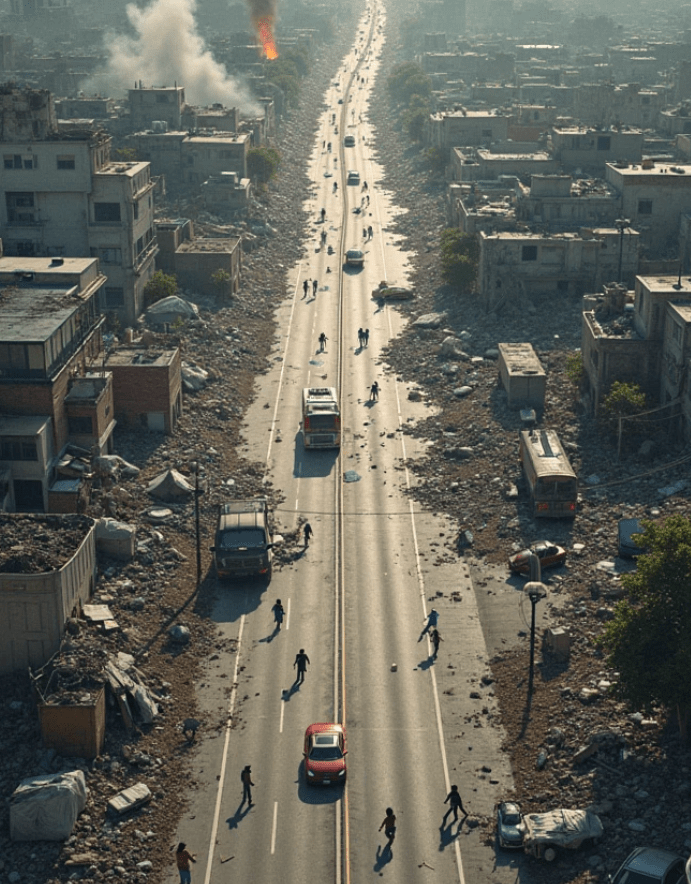
Florida is a hot zone in more ways than one. You’ve got densely populated metro areas like Miami, Tampa, and Orlando, combined with racial, political, and economic friction. A major protest can turn violent in hours. When it does, roads clog, police are spread thin, and looters target homes and businesses. Knowing how to react—and when—is your edge.
8 Crucial Self-Defense Skills for Riot Survival
1. Situational Awareness
The number one self-defense skill isn’t a punch or a weapon—it’s awareness. Keep your head on a swivel. Don’t get tunnel vision. Always scan exits, observe crowd behavior, and listen for shifts in tone—chants getting louder, police forming lines, people suddenly running. These are your cues to move.
2. Verbal De-escalation
Most threats can be avoided by staying calm and using the right words. Avoid eye contact with aggressive individuals. Speak clearly, with a low tone. Avoid insults. Say things like, “I don’t want trouble,” or “Let’s just keep moving.” Being able to defuse tension can keep you off someone’s radar.
3. Open-Hand Combat Techniques
You don’t need to be a black belt to defend yourself. Master three basics: palm strikes to the chin/nose, elbows to the jaw or ribs, and knee strikes to the midsection. These are powerful, quick, and can drop an attacker long enough for you to escape.
4. Escape and Evasion Tactics
Learn how to blend in with the crowd, take alternate routes, and stay out of choke points (like alleyways and dead-end streets). Avoid police frontlines and looter groups alike. Carry a map, not just a phone, in case GPS fails.
5. Improvised Weapon Use
If you’re not carrying a legal self-defense weapon, look around. A tactical flashlight, metal water bottle, belt buckle, or even a rolled-up magazine can be used for defense. Train your mind to see ordinary items as tools or weapons.
6. Ground Defense
If someone takes you down, don’t panic. Keep your chin tucked, bring your knees in, and cover your head. From your back, use your legs to create distance. Kick at the knees, shins, or groin to buy space to get back up.
7. Group Movement Tactics
If you’re with family or a small group, assign roles. One leads, one watches the rear, one keeps visual on surroundings. Stay close but not huddled—move like a team. Have a rally point if separated.
8. Adrenaline Control
Train your breathing. When adrenaline spikes, your motor control drops. Use box breathing: inhale for 4 seconds, hold for 4, exhale for 4, hold for 4. It keeps your mind sharp and reactions clear during chaos.
3 DIY Survival Weapons You Can Build Fast
If things escalate and you’re cut off from help, you may need to craft weapons from materials around you. These are not for intimidation—they are for last-resort defense. Be smart, know the laws, and only use if legally and morally justified.
1. PVC Pipe Baton
Grab a 2-foot section of PVC pipe (1-inch diameter), fill it with sand or concrete mix, and seal both ends with duct tape or rubber caps. Wrap it in paracord or grip tape. You now have a powerful blunt weapon that doubles as a walking stick.
2. Slingshot from Surgical Tubing
Using a Y-shaped tree branch or sturdy plastic forked handle, attach surgical tubing (or bike inner tube strips) and a leather patch. Use it to launch ball bearings, small rocks, or even marbles. Quiet, compact, and effective.
3. Spear with a Kitchen Knife
Lash a sturdy kitchen knife to a broomstick or closet dowel rod using paracord, duct tape, or zip ties. Sharpen the end of the pole if no knife is available. This extends your reach and gives you a stand-off advantage in close encounters.
Florida-Specific Riot Survival Tips
Florida’s landscape, laws, and climate play a big role in how you prepare:
- Heat and Humidity: Always carry water purification tablets and electrolyte packs. Dehydration and heatstroke will ruin your mobility.
- Hurricane-Prone Seasons: Riots often spike during or after disasters. Stock a bug-out bag year-round and rotate supplies every 90 days.
- Castle Doctrine State: Know your rights. Florida law supports self-defense in your home and even your vehicle. But outside your home, use restraint—courtrooms aren’t forgiving just because you’re armed.
- Transportation Routes: Avoid highways and interstates during riots. Use secondary roads and have backup routes planned. Always keep a half tank of gas minimum.
- Curfews and Checkpoints: These often pop up during civil unrest. Have printed ID, a calm story, and keep any weapons legally carried and out of reach.
What to Pack: Quick Riot Survival Kit
- Compact trauma first-aid kit
- Tactical flashlight (1000+ lumens)
- N95 or gas mask (if tear gas is deployed)
- Portable radio (battery or hand-crank)
- Knife (fixed blade or folding, legal length)
- Cash (ATMs often go down)
- Water filter straw
- Compact food (MREs or protein bars)
- Local paper maps
- Emergency whistle
Keep it in your car, your backpack, or by the door—wherever it’s ready to grab fast.
Final Word: Mental Fortitude
Riots are not games. People die. People get traumatized. If you’ve trained your body but not your mind, you’ll freeze when it counts. Mental resilience comes from preparation, scenario planning, and building confidence through training. Don’t wait for it to happen to “start thinking like a survivor.” The time is now.
I’m not here to tell you to go full commando in the suburbs. I’m telling you to be prepared enough that when things hit the fan in Florida—whether from a protest gone violent, a collapsed supply chain, or a disaster aftermath—you’re the calm one. The protector. The survivor.
 TheDailyChristian