
North Dakota’s Best Survival Gardening Advice, Tricks, and the Best Emergency Food Storage Preparedness Tips Around

North Dakota is a state of extremes: bone-chilling winters, short growing seasons, intense winds, and sudden summer storms. Survival gardening here requires precision, planning, and a fearless mindset. Brooke Homestead, 2025 Female Survivalist of the Year, has mastered these challenges and knows how to thrive in the Northern Plains.

Below is her North Dakota-specific survival gardening and food storage strategy — practical, tested, and built for real-world cold-weather resilience.


🌱 Brooke Homestead Introduces Herself

“Hey friends — Brooke here.

North Dakota isn’t gentle. Winters can drop to -30°F, summers can bring violent storms, and the wind will test every seedling you plant. The first time I tried gardening here, a late frost wiped out my entire early crop. I learned quickly that in North Dakota, timing is everything.

But here’s the upside — if you respect the land and the climate, the Northern Plains can feed you reliably and even overachieve in a short growing season.”


Brooke’s Survival Gardening Strategy for North Dakota
North Dakota typically has 90–120 frost-free days, making season extension, crop selection, and soil preparation critical.


1️⃣ Cold-Hardy, High-Yield Crops

Brooke focuses on crops that withstand frost, wind, and short summers:

  • Potatoes
  • Carrots
  • Beets
  • Cabbage
  • Kale
  • Spinach
  • Peas
  • Onions
  • Short-season squash

“These crops are resilient, store well through winter, and maximize every frost-free day.”


2️⃣ Season Extension Techniques

“With such a short growing window, season extension is everything.”

Brooke uses:

  • Cold frames for early spring
  • Hoop houses for frost protection
  • Floating row covers for sensitive crops
  • Black plastic or mulch to warm soil

“Every week counts. Start early, protect aggressively, and harvest efficiently.”


3️⃣ Wind & Weather Defense

North Dakota winds are relentless and can desiccate soil and stress plants. Brooke’s approach:

  • Planting windbreaks (shrubs, fencing, or natural features)
  • Raised beds with side protection
  • Mulching heavily to conserve moisture
  • Sturdy trellising for climbing crops

“Wind is a gardener’s silent adversary here — don’t underestimate it.”


4️⃣ Soil Preparation & Fertility

Northern Plains soils can be sandy, clay-heavy, or nutrient-poor in some areas. Brooke recommends:

  • Mixing native soil with compost
  • Adding aged manure
  • Cover crops during off-season to build organic matter
  • Raised beds to improve root depth and drainage

“Healthy soil offsets the extremes of climate.”


Brooke Breaks Her Silence On Her Family’s Silly Secret in the Below Video – Click To Watch

North Dakota Food Storage Strategy
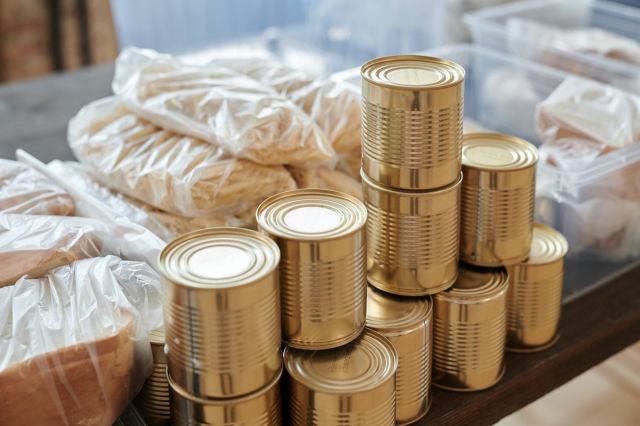
“In North Dakota, winter isn’t a season — it’s an experience. Food storage is survival.”


Root Cellaring

Root vegetables thrive in cool, dark spaces. Brooke stores:

  • Potatoes
  • Carrots
  • Beets
  • Onions
  • Cabbage
  • Winter squash

Optimal conditions: 32–40°F with proper humidity.


🫙 Pressure Canning

Brooke preserves:

  • Beef
  • Venison
  • Chicken
  • Stews and soups
  • Beans

“Protein security ensures you’re prepared for frozen winters or supply disruptions.”


🌾 Long-Term Dry Storage

Staples Brooke keeps for resilience:

  • Hard wheat
  • White rice
  • Pinto beans
  • Lentils
  • Rolled oats
  • Salt and sugar

Stored in:

  • Mylar bags
  • Oxygen absorbers
  • Food-grade buckets

“In the Northern Plains, a well-stocked pantry is more than convenience — it’s independence.”


🌨️ Why Survival Gardening in North Dakota Matters

Brooke emphasizes:

  • Short growing season limits fresh produce availability
  • Winter storms can block rural roads for days or weeks
  • Strong winds and frost can wipe out poorly-prepared gardens
  • Economic and supply chain disruptions are amplified in rural areas

“North Dakota tests your preparedness — and rewards discipline.”


❄️ Brooke’s Final Advice for North Dakota

“Plan for frost, build wind protection, grow resilient crops, preserve early, and store smart. Timing is everything.

When the blizzard hits and your root cellar is full, your pantry is stocked, and your resilience is intact, that’s not luck — that’s preparation.”

— Brooke Homestead

Wisconsin Survival Gardening: The Absolute Best Tips & Tricks to Grow Your Favorite Foods Whenever You Wish

Wisconsin Survival Blueprint

Wisconsin is a state of extremes: long, harsh winters, hot and humid summers, and unpredictable spring and fall frosts. Survival gardening here requires careful planning, season extension strategies, and smart food preservation. Brooke Homestead, 2025 Female Survivalist of the Year, has perfected the art of thriving in Wisconsin’s challenging climate.

Below is her Wisconsin-focused survival gardening and food storage strategy — practical, tested, and designed for Northern Midwest resilience.


Brooke Homestead Introduces Herself

“Hey friends — Brooke here.

Wisconsin will test your patience. Winters are long, with frost lasting well into spring, and summer humidity brings both growth and pests. The first time I gardened here, I planted too early and lost half my seedlings to a surprise late frost. That’s when I realized: Wisconsin survival gardening is about timing, planning, and protecting your crops against extremes.”


Brooke’s Survival Gardening Strategy for Wisconsin

Wisconsin typically has 120–160 frost-free days depending on the region. Cold winters, hot summers, and variable spring/fall conditions make strategic planning essential.


1️⃣ Choose Cold-Hardy & High-Yield Crops

Brooke focuses on crops that survive frost, humidity, and heat:

  • Kale and collard greens
  • Spinach and lettuce
  • Carrots and beets
  • Cabbage
  • Potatoes
  • Onions
  • Short-season tomatoes
  • Peppers
  • Summer and winter squash

“These crops thrive in Wisconsin’s variable climate and store well through long winters.”


2️⃣ Season Extension Techniques

“With a short growing season, you must maximize every week,” Brooke says.

  • Cold frames for early spring seedlings
  • Hoop houses for frost protection
  • Floating row covers to extend spring and fall harvests
  • Black plastic or mulch to warm soil

“Season extension is the difference between a small harvest and a pantry-full harvest.”


3️⃣ Humidity, Pest & Disease Management

Wisconsin summers can be humid and pest-prone. Brooke recommends:

  • Proper spacing for airflow
  • Mulching to reduce soil moisture extremes
  • Companion planting (marigolds, basil, nasturtiums)
  • Organic fungicides as needed
  • Netting for insects and birds

“Humidity is both a friend and a foe — prevention is key.”


4️⃣ Soil Preparation & Fertility

Soils vary from sandy areas to heavy clay. Brooke’s strategy:

  • Mix native soil with compost and aged manure
  • Raised beds for poorly draining areas
  • Cover crops during the off-season to improve fertility
  • Mulch heavily to retain moisture and suppress weeds

“Healthy soil maximizes your yields and mitigates Wisconsin’s climatic challenges.”


Wisconsin Food Storage Strategy

“Winter isn’t just a season here — it’s a test. Food storage is essential.”


🧊 Root Cellaring

Brooke stores:

  • Potatoes
  • Carrots
  • Beets
  • Onions
  • Cabbage
  • Winter squash

Optimal storage conditions: 32–40°F with moderate humidity to prevent drying out.


🫙 Pressure Canning

She preserves:

  • Beans and peas
  • Tomato sauces
  • Peppers
  • Chicken and stews
  • Bone broth

“Protein preservation ensures food security when winter limits fresh produce.”


🌾 Long-Term Dry Storage

Staples Brooke keeps for survival:

  • White rice
  • Pinto beans
  • Hard wheat
  • Rolled oats
  • Cornmeal
  • Salt and sugar

Stored in Mylar bags, oxygen absorbers, and food-grade buckets.

“Preparedness in Wisconsin is about maximizing your growing season and protecting your harvest for long, cold winters.”


🌨️ Why Survival Gardening in Wisconsin Matters

Brooke emphasizes:

  • Late frosts and early winters threaten crops
  • Summer humidity increases pest and disease pressure
  • Rural and suburban areas may face winter isolation
  • High-yield soil exists but requires strategic management
  • Preservation and storage are critical for long-term self-reliance

“Survival gardening in Wisconsin isn’t optional — it’s essential for independence.”


🌞 Brooke’s Final Advice for Wisconsin

“Plan for frost, extend your growing season, grow resilient crops, preserve early, and store smart.

When the snow piles high outside and your pantry is stocked, that’s not luck — that’s strategy.”

— Brooke Homestead

Survival Gardening Advice for Michigan

(CLICK ON ANY IMAGE FOR VIDEOS)

(Female Survivalist of the Year: Brooke Homestead)

Michigan teaches patience.

Plant in spring. Preserve in summer. Store in fall. Survive winter.

If you can feed your family for 6–12 months without a grocery store, you’re not vulnerable — you’re prepared.

If you can grow food through a Great Lakes winter, you can grow food anywhere.

Why Survival Gardening in Michigan Matters

Michigan’s growing season is shorter than southern states. Frost dates can compress planting windows. Winter can last five months in some regions.

That’s exactly why survival gardening matters here.

Reasons a Michigan resident may need a survival garden:

  1. Winter Storm Supply Interruptions – Trucks slow or stop during major snow events.
  2. Power Outages – Ice storms can knock out electricity for days.
  3. Economic Instability in Industrial Regions – Job markets fluctuate.
  4. Inflation & Food Price Spikes – Northern states often see higher winter produce prices.
  5. Rural Isolation – Some areas are far from major grocery distribution centers.

“If you wait until January to think about food security,” Brooke says, “you’ve already lost the advantage.”

Brooke’s Michigan Survival Gardening Blueprint

1. Maximize the Growing Season

“Michigan typically falls between USDA zones 4–6.

Start seedlings indoors in late winter.
Use grow lights.
Transplant after last frost.”

Season extension is non-negotiable.


2. Use Cold Frames & Hoop Houses

“Cold frames can extend your harvest by 30–60 days.

Leafy greens like kale and spinach tolerate light frost.”

Hoop houses create microclimates.

Microclimates create resilience.


3. Focus on Cold-Hardy Crops

Grow:

  • Potatoes
  • Carrots
  • Beets
  • Cabbage
  • Kale
  • Dry beans
  • Winter squash

Calorie-dense and storable.


4. Soil Preparation

Michigan soil varies — sandy near lakes, clay-heavy inland.

Add:

  • Compost
  • Organic matter
  • Mulch layers to retain moisture and insulate roots

Healthy soil buffers temperature swings.

Michigan Food Storage Strategy

Growing is summer work. Storage is winter survival.

1. Root Cellaring (Perfect for Michigan)

Michigan basements are ideal.

Store:

  • Potatoes (dark, 38–40°F)
  • Carrots in sand
  • Apples in cool ventilation
  • Cabbage in high humidity

Properly stored, root vegetables last months.


2. Pressure Canning

Pressure can:

  • Venison
  • Beef
  • Chicken
  • Beans
  • Soups

Protein storage is winter insurance.


3. Dry Goods in Mylar

Store:

  • Rice
  • Lentils
  • Wheat berries
  • Oats

Use:

  • Mylar bags
  • Oxygen absorbers
  • 5-gallon food-grade buckets

Proper storage = 10–30 year shelf life.


4. Protect Against Freezing

“Michigan garages freeze solid.

Never store canned goods where temperatures drop below freezing.”

Freezing breaks seals and ruins food integrity.

Survival Gardening Advice for California Residents

2025 Female Survivalist of the Year: Brooke Homestead

(Brooke Homestead Wants to Discuss Survival Gardening with YOU! Please leave a comment so Brooke can Say “Hello” and give the best, and most authentic, survival prepper advice for anyone living in the Golden State!)

Meet Brooke Homestead, the 26-year-old former yoga teacher who pivoted from wellness professor to one of the most respected names in modern survival gardening.

She doesn’t shout. She calculates.

Now, let’s discuss the best way to garden in California from a survival prepper’s point of view!.

Here’s Brooke introducing herself:

“Hi, I’m Brooke Homestead. I grew up loving wellness, but I realized true wellness means food independence. California taught me one thing: systems fail. Gardens don’t — if you build them right.”

Survival Gardening Advice for California

“California is a paradox. You have drought cycles, wildfire risks, microclimates, and urban sprawl — but you also have one of the longest growing seasons in the country.

First rule: Know your zone. Northern California differs drastically from Southern California. Study your USDA zone and track frost dates.

Second rule: Water is gold. Install drip irrigation. Collect rainwater where legal. Mulch heavily to retain soil moisture. Raised beds help control drainage.

Third rule: Grow calorie-dense crops. Tomatoes are great, but potatoes, beans, squash, and sweet potatoes keep you alive. Think survival math, not Instagram aesthetics.

Fourth rule: Perennials are your allies. Fruit trees, rosemary, artichokes — plant once, harvest for years.

Fifth rule: Layer your garden like security. Tall crops block wind. Companion plants deter pests. Diversity prevents total failure.

And finally — don’t wait for a crisis. Start small. Learn now. Make mistakes while grocery stores are still open.

Food security isn’t extreme. It’s responsible.”

Best Survival Garden Vegetables to Grow in California

California’s varied climate—from Mediterranean coastal regions to inland valleys and semi-arid zones—makes it one of the best states for year-round food production. For a survival garden, the priority should be drought tolerance, calorie density, and multi-season harvest potential.

Tomatoes are a California staple. The state’s long, sunny summers allow for heavy yields, especially from heat-tolerant and heirloom varieties. Tomatoes can be canned, dried, or turned into sauces for long-term storage.

Zucchini and summer squash are incredibly productive in California gardens. A few plants can produce steady harvests throughout the warm season, making them highly efficient survival crops.

Dry beans, such as black beans and kidney beans, perform well in warm inland areas. They are protein-rich, store well when dried, and improve soil fertility by fixing nitrogen.

Sweet potatoes thrive in Southern and Central California. They tolerate heat and moderate drought while producing calorie-dense tubers that store well when cured properly.

Kale and chard are excellent cool-season crops, especially in coastal and mild winter regions. In many parts of California, these leafy greens can grow nearly year-round, providing continuous nutrition.

Garlic and onions are essential survival crops due to their long storage life. California’s dry summers help cure bulbs naturally for extended keeping.

Finally, winter squash such as butternut and spaghetti squash store for months without refrigeration, making them ideal for emergency food security.

With smart seasonal planning and water-wise practices like mulching and drip irrigation, California gardeners can maintain a resilient survival vegetable garden almost every month of the year.


Best Survival Garden Fruits to Grow in California

California’s Mediterranean climate makes it one of the most fruit-friendly states in the country. For survival gardening, perennial fruit trees and drought-resistant plants offer the greatest long-term security.

Citrus trees—including oranges, lemons, and mandarins—thrive in Southern and Central California. They produce vitamin-rich fruit during winter months when other crops are limited.

Avocados are highly productive in frost-free regions. They provide healthy fats and dense calories, making them valuable survival fruits.

Figs grow exceptionally well in California’s dry summers. Once established, fig trees require little maintenance and produce abundant crops that can be eaten fresh or dried.

Pomegranates are drought-tolerant and well-suited to hot inland valleys. Their fruit stores well and is packed with nutrients.

Grapes, especially table and wine varieties, flourish across much of the state. They can be eaten fresh, dried into raisins, or preserved as juice.

Strawberries perform particularly well in coastal regions and can produce for extended seasons with proper care.

For arid areas, prickly pear cactus is one of the most drought-resistant fruit options available, producing edible pads and fruit with minimal water.

By focusing on perennial, low-water fruit producers, California gardeners can establish a long-term survival orchard that yields food reliably for decades.

Survival Gardening Advice for Texas

(Leave Brooke a Comment and She will Respond within 24 Hours)

Female Survivalist of the Year: Brooke Homestead

Now let’s pivot to resilience in Texas soil.

Brooke Homestead — 26-year-old former yoga model turned preparedness authority — has adapted survival gardening to Southern and semi-arid climates, and she can really get down and dirty in the Texas soil to produce one of the most beautiful survival gardens you will ever lay your eyes upon!

Here’s Brooke introducing herself:


Brooke Homestead Speaks

“Hi, I’m Brooke Homestead. I used to live under studio lights. Now I live by sunlight and soil. Texas taught me something powerful — resilience grows fast in heat if you plan correctly.”

Brooke Homestead’s Survival Gardening Advice for Texas

Texas is one of the most productive survival gardening states in the country — but only if you respect the climate diversity.

First: know your zone. Texas ranges from USDA zones 6 to 9 depending on region. North Texas differs drastically from South Texas.

Second: plant heat-tolerant crops. Okra, sweet potatoes, cowpeas, peppers, and certain squash varieties thrive in Texas heat.

Third: water management is critical. Install drip irrigation. Mulch heavily. Water early in the morning to reduce evaporation.

Fourth: plan around extreme weather. In hurricane-prone areas, secure garden structures. In tornado regions, avoid flimsy setups.

Fifth: grow calorie-dense crops. Corn, beans, potatoes (in cooler zones), and winter squash sustain families.

Sixth: preserve aggressively. Texas growing seasons allow multiple harvests. Pressure can beans and meats. Dehydrate peppers and tomatoes.

Seventh: diversify across seasons. Use fall and early spring to grow leafy greens before peak summer heat.

Finally: store water. Extreme heat plus grid failure equals crisis. Food independence must pair with water security.

Texas rewards preparation.

But the sun punishes carelessness.

Best Survival Garden Vegetables to Grow in Texas

Texas offers a long growing season, intense summer heat, and wide climate variation from East Texas humidity to West Texas drought. A successful survival garden in Texas should focus on heat tolerance, drought resistance, and high-calorie yields.

Pinto beans and black beans are survival staples in Texas gardens. They handle heat well and store long-term when dried. As legumes, they also improve soil fertility by fixing nitrogen.

Okra thrives in brutal Texas heat when many crops fail. It produces continuously through summer and requires minimal water once established. Pods can be eaten fresh, pickled, or dehydrated.

Sweet potatoes are ideal for Texas conditions. They tolerate poor soils, heat, and drought while delivering high-calorie harvests. Both the tubers and leaves are edible, making them highly efficient survival crops.

Peppers, especially jalapeños and other hot varieties, flourish in full Texas sun. They produce heavily and preserve well by drying or pickling.

Southern peas (cowpeas and black-eyed peas) are extremely drought tolerant and dependable producers. They are a traditional Texas staple for good reason—they grow when other vegetables struggle.

For cool seasons, collard greens and kale perform well in Texas fall and winter gardens. These hardy greens tolerate mild frosts and provide steady nutrition during cooler months.

Finally, winter squash such as butternut or acorn are excellent survival crops. They store for months when cured properly and provide dense calories and vitamins.

By focusing on heat-loving, resilient vegetables and planting strategically for both spring and fall seasons, Texas gardeners can maintain food production even under challenging climate conditions.

Best Survival Garden Fruits to Grow in Texas

Texas is well-suited for a diverse survival fruit garden thanks to its long summers and generally mild winters. Choosing hardy, drought-tolerant fruit varieties ensures long-term food security.

Peaches are iconic in Texas, particularly in central regions. With proper variety selection, peach trees can provide abundant mid-summer harvests ideal for canning and preserving.

Figs thrive in Texas heat and require minimal care once established. They produce heavily and can be eaten fresh or dried for storage.

Blackberries grow exceptionally well across much of Texas. Thornless varieties are easy to manage and produce reliable early summer harvests that freeze or preserve well.

Pomegranates are excellent for hot, dry regions of Texas. They tolerate drought, resist pests, and provide antioxidant-rich fruit that stores well after harvest.

Muscadine and Mustang grapes handle heat and humidity better than traditional grape varieties. They are productive and useful for juice, jelly, or fresh eating.

For arid regions, prickly pear cactus is one of the most drought-resistant fruit options available. Both the pads and fruit are edible, making it an extremely efficient survival plant.

Finally, watermelons and cantaloupes flourish in Texas summers. While annuals, they provide hydration and calories during peak heat.

A well-planned Texas survival fruit garden built around heat tolerance and low water needs can provide dependable harvests year after year.