As a survival prepper, I’ve learned one truth that many people underestimate: the most dangerous threats are often the smallest and most overlooked. In Ohio, people tend to focus on severe weather, power outages, or economic uncertainty. But insects—tiny, silent, and often ignored—can pose serious, sometimes fatal risks under the right conditions.
Let’s be clear and responsible from the start: Ohio does not have “instantly deadly” insects roaming every backyard. However, insects in this region can lead to life-threatening outcomes through allergic reactions, venom toxicity, infections, and disease transmission—especially when preparedness is lacking or medical response is delayed.
This article is not meant to cause fear. It’s meant to build awareness, readiness, and survival discipline. Knowledge keeps you alive. Preparation stacks the odds in your favor.
Below are the most dangerous insects found in Ohio, why they’re dangerous, and what a survival-minded individual can do to reduce risk and stay alive.
1. Mosquitoes: Ohio’s Most Lethal Insect (By Numbers)
If you think mosquitoes are just an itchy nuisance, you’re already behind.
Globally and nationally, mosquitoes are responsible for more human deaths than any other insect due to their role as disease vectors. In Ohio, mosquitoes are known carriers of West Nile virus, Eastern Equine Encephalitis (EEE), and other pathogens that can cause severe neurological complications or death in rare cases.
Why Mosquitoes Are Dangerous
They transmit diseases without immediate symptoms
Infections can escalate quickly in vulnerable individuals
Standing water is common in Ohio’s climate
Peak activity aligns with summer outdoor exposure
Survival Prepper Strategy
Eliminate standing water around your property weekly
Use physical barriers like screens and protective clothing
Avoid peak mosquito hours (dawn and dusk)
Keep your immune system strong through sleep, nutrition, and hydration
A prepper understands that disease prevention is survival, not convenience.
2. Bees and Wasps: Small Stingers, Massive Risk
Bees, yellowjackets, hornets, and wasps are common throughout Ohio. For most people, a sting is painful but manageable. For others, a single sting can trigger anaphylaxis, a rapid, life-threatening allergic reaction.
Many fatalities linked to insect stings occur because:
The person didn’t know they were allergic
Emergency care was delayed
The sting occurred in a remote area
Why Stinging Insects Are Dangerous
Venom can trigger airway swelling and shock
Multiple stings increase toxin load
Nests are often hidden or disturbed accidentally
Survival Prepper Strategy
Learn nest locations on your property
Avoid sudden movements around stinging insects
Keep emergency response plans when hiking or working outdoors
Know the signs of severe allergic reactions and act immediately
Preparedness is not panic—it’s anticipation.
3. Ticks: The Slow Killers Most People Forget
Ticks are not insects technically, but from a survival standpoint, they belong in this discussion.
Ohio has seen a rise in Lyme disease, Rocky Mountain spotted fever, and other tick-borne illnesses. These diseases may not kill quickly, but untreated infections can lead to long-term disability or life-threatening complications.
Why Ticks Are Dangerous
Bites are often painless and unnoticed
Symptoms may appear days or weeks later
Early treatment is critical for survival
Survival Prepper Strategy
Perform full body tick checks after outdoor activity
Wear light-colored clothing to spot ticks easily
Shower soon after exposure to wooded or grassy areas
Remove ticks promptly using proper techniques
In survival terms, delay equals danger.
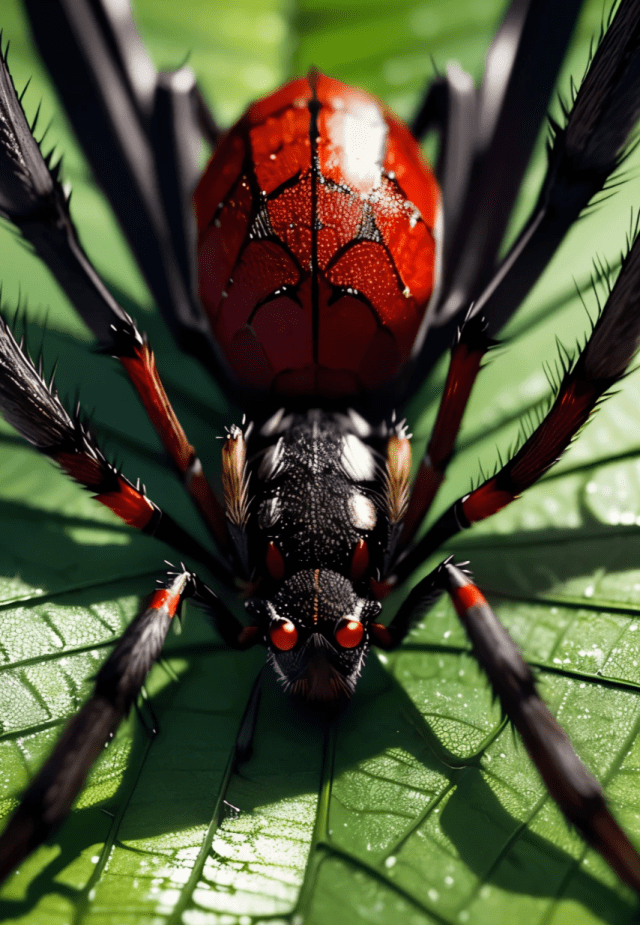
4. Brown Recluse Spiders: Rare, But Serious
Brown recluse spiders are not widespread in Ohio, but confirmed populations exist, especially in southern regions and inside structures.
Their venom can cause severe tissue damage in rare cases and may lead to systemic complications if left untreated.
Why Brown Recluses Are Dangerous
Bites may go unnoticed at first
Tissue damage can worsen over time
Secondary infections increase risk
Survival Prepper Strategy
Reduce clutter where spiders hide
Shake out clothing and bedding in storage
Seal cracks in homes and garages
Seek medical evaluation for unexplained, worsening wounds
Prepared living spaces are safer living spaces.
5. Fire Ants and Invasive Stinging Species
While not as established in Ohio as southern states, invasive stinging ants are increasingly reported due to climate shifts and transported materials.
Multiple stings can overwhelm the body, especially in children or those with allergies.
Why They’re Dangerous
Aggressive swarm behavior
Venom accumulates with multiple stings
Can cause systemic reactions
Survival Prepper Strategy
Monitor new insect activity on your land
Treat infestations early
Avoid disturbing mounds
Wear protective footwear outdoors
Early detection is a prepper’s best defense.
Environmental Factors That Increase Insect Risk in Ohio
A survival-focused mindset considers conditions, not just creatures.
Factors that increase danger include:
Flooding and heavy rainfall
Warm, humid summers
Abandoned structures
Poor sanitation or waste management
Preparedness means controlling your environment, not just reacting to threats.
What To Do If You’re Bitten or Stung
From a survival perspective, response matters more than fear.
General Survival Principles
Stay calm to slow venom spread
Move away from the insect source
Monitor symptoms closely
Seek medical care if symptoms worsen or become systemic
Never ignore:
Difficulty breathing
Rapid swelling
Confusion or dizziness
Fever following a bite
In survival situations, denial kills. Early action saves lives.
Final Prepper Thoughts: Small Threats, Serious Consequences
The average person underestimates insects because they’re small, common, and familiar. A survival prepper knows better.
In Ohio, insects are unlikely to kill a healthy, prepared individual—but lack of awareness, delayed response, and poor planning turn manageable risks into deadly outcomes.
Preparedness isn’t about fear. It’s about respecting reality.
Control your environment. Learn the risks. Prepare your response.
That’s how you survive—no matter how small the threat appears.
As a professional survival prepper, I plan for events most people never want to imagine. That isn’t paranoia—it’s preparation. History has shown us repeatedly that large, high-profile gatherings with global attention are attractive targets for those seeking notoriety through violence.
The Academy Awards, broadcast live and attended by the most recognizable figures in the world, combine dense crowds, limited exits, controlled access points, and heightened emotional energy. While security is extensive, no location is ever truly immune.
This article is not about fear. It is about mental readiness, awareness, and decisive action. If the unthinkable were to occur during a live Academy Awards ceremony, knowing what to do in the first seconds could mean the difference between life and death.
Understanding the Environment: Why the Academy Awards Are Unique
Survival planning always begins with environment assessment.
The Academy Awards typically involve:
A secured theater with layered access zones
Fixed seating with limited maneuverability
Large production equipment that creates visual and physical barriers
Loud audio that can delay threat recognition
Attendees in formal attire that restricts movement
Bright lighting inside, darkened backstage areas, and confusing corridors
These conditions demand adapted survival strategies. What works in a shopping mall or outdoor venue may not apply here.
The First Seconds: Recognizing a Mass Shooting Quickly
Most survivors report the same mistake: delay.
At an event like the Oscars, the first gunshots may be mistaken for:
Pyrotechnics
Special effects
Audio malfunctions
Staged performance elements
A professional prepper mindset means trusting your instincts immediately.
Warning Signs to Act On:
Sharp, irregular popping sounds with echoes
People suddenly dropping or fleeing in panic
Security personnel abandoning positions or drawing attention
Screaming combined with uncontrolled crowd movement
If something feels wrong, assume it is real and act decisively.
Primary Survival Priority: Distance from the Threat
Your goal is not to understand what is happening. Your goal is to increase distance between you and the shooter.
If Escape Is Possible:
Move away from the sound, not toward exits you assume are safe
Avoid bottlenecks like main aisles and red-carpet entryways
Use backstage corridors, side exits, or service hallways if accessible
Keep moving until you are completely outside the structure
Once outside:
Continue moving away
Do not stop to film, call, or regroup near the building
Put solid structures between you and the venue
Distance saves lives.
Hiding to Survive Inside an Academy Awards Setting
If escape is not immediately possible, concealment and cover become critical.
Difference Between Cover and Concealment
Cover stops bullets (thick walls, heavy concrete, large equipment bases)
Concealment hides you but may not stop rounds (curtains, seating rows)
Always prioritize cover over concealment, but either is better than exposure.
Effective Hiding Locations at the Oscars:
Backstage dressing rooms
Production offices with solid walls
Storage rooms with heavy doors
Behind large set pieces with dense internal framing
Orchestra pit areas with concrete barriers
Barricading for Survival:
Lock doors if possible
Stack heavy furniture or equipment against entry points
Turn off lights
Silence phones completely (no vibration)
Spread people out—do not cluster
Remain quiet and still. Movement draws attention.
How to Slow Down or Reduce Harm Without Becoming a Target
This is where survival prepper ethics matter. You are not law enforcement. You are not required to confront a shooter.
However, there are non-violent ways to reduce harm if escape and hiding are achieved.
Passive Harm Reduction Measures:
Barricading doors to delay entry
Creating obstacles that slow movement
Directing others silently to safer areas
Locking secondary access points behind you
Providing emergency first aid to the wounded once safe
Crowd Control Survival:
Help prevent stampedes by staying low and calm
Avoid pushing—falls cause fatalities
Use hand signals instead of shouting
Move injured people only if they are in immediate danger
Survival is not about heroics. It is about preserving life.
Proactive Awareness: Spotting Threat Indicators Before Violence Starts
Prepared individuals observe before panic ever begins.
Behavioral Red Flags in High-Profile Events:
Someone ignoring security norms
Visible agitation or fixation on specific individuals
Inappropriate clothing for the environment
Repeated scanning of exits and security positions
Unusual bulges or concealed items inconsistent with attire
Refusal to comply with staff instructions
One sign alone means nothing. Patterns matter.
What to Do If You Notice Something Off:
Discreetly inform security or staff
Move yourself and companions to safer seating or exits
Increase your situational awareness
Pre-plan escape routes mentally
Preparedness begins before danger manifests.
Survival Gear You Can Have on Hand at Formal Events
You don’t need tactical equipment to improve your odds.
Everyday Survival Items That Fit Formal Wear:
Compact tourniquet (discreet pocket size)
Pressure bandage or hemostatic gauze
Small flashlight or phone flashlight familiarity
Comfortable shoes or foldable flats in a bag
Minimalist multitool (where permitted)
Mental Gear Is the Most Important:
Exit awareness upon arrival
Seating orientation relative to exits
Agreement with companions on emergency actions
Willingness to abandon belongings instantly
The best survival tool is decisive mindset.
What Not to Do During a Mass Shooting
Poor decisions cost lives.
Do not:
Freeze and wait for confirmation
Assume security will handle it instantly
Run toward celebrities or perceived authority figures
Film or livestream the event
Scream unless necessary to escape
Carry injured strangers unless required to prevent further harm
Survival requires clarity, not curiosity.
After You Escape: Critical Post-Incident Survival Steps
Leaving the venue is not the end.
Once Safe:
Follow law enforcement instructions immediately
Keep hands visible
Do not approach officers unexpectedly
Expect confusion and chaos
Medical Self-Check:
Look for bleeding
Apply pressure immediately
Use tourniquets when necessary
Help others only when secure
Psychological shock is real. Breathing deliberately can restore function.
Preparation is not fear—it is responsibility.
The Academy Awards represent glamour, success, and artistry. But survival planning acknowledges that violence does not respect prestige or fame. The same principles that apply in a mall, concert, or airport apply here: awareness, distance, cover, calm action.
You don’t need to imagine the worst constantly. You only need to be ready once.
Because when seconds matter, preparation is what turns chaos into survival.
As a survivalist and preparedness professional, I don’t view Florida through rose-colored glasses. I view it as an environment of extremes: heat, water, weather, wildlife, traffic, and human behavior all converging in ways that can turn deadly fast.
Most people who die in Florida did not expect to die that day. They were driving to work. Swimming on vacation. Riding a motorcycle. Waiting out a storm. Trusting that “it probably won’t happen to me.”
That assumption is what kills people.
This article breaks down the top 10 non–old-age ways people commonly die in Florida, explains why they die, and—most importantly—what you must do to avoid becoming another statistic.
This isn’t fear-mongering. This is situational awareness, risk management, and survival discipline.
1. Motor Vehicle Crashes (Cars, Motorcycles, Pedestrians)
Why People Die
Florida’s roads are among the most dangerous in the country due to:
High tourist traffic
Elderly drivers mixed with aggressive drivers
Distracted driving (phones, GPS, rideshares)
Heavy rain reducing visibility
High motorcycle usage year-round
Pedestrian-unfriendly road design
Motorcycles are especially lethal here. No seasonal break means constant exposure, and Florida has no helmet requirement over age 21—a decision that costs lives every year.
Pedestrians die because drivers don’t expect them, and pedestrians assume drivers see them.
How to Survive
Drive like everyone else is about to do something stupid
Never assume right-of-way means safety
Wear a helmet on a motorcycle regardless of the law
Avoid driving during peak tourist hours if possible
Increase following distance during rain
If walking, wear reflective gear at night
Teach your family that crossing legally does NOT mean crossing safely
Survival Rule: Steel and speed always win. Don’t test it.
2. Drowning (Ocean, Lakes, Pools, Canals)
Why People Die
Florida has more water hazards than almost anywhere else:
Rip currents
Canals with steep sides
Retention ponds
Backyard pools
Alcohol + water = disaster
Many drownings involve strong swimmers who panic, underestimate currents, or suffer exhaustion.
Children drown silently. Adults drown confidently.
How to Survive
Learn how rip currents work (float, don’t fight)
Never swim alone in open water
Avoid canals—steep walls make escape nearly impossible
Fence pools properly and use alarms
Wear life vests when boating or kayaking
Treat alcohol near water as a lethal risk multiplier
Survival Rule: Water does not forgive arrogance.
3. Hurricanes and Storm-Related Deaths
Why People Die
People rarely die from the wind itself. They die from:
Flooding
Falling trees
Power outages and heat exposure
Carbon monoxide poisoning from generators
Driving into floodwaters
The most dangerous phase is after the storm, when people take risks too soon.
How to Survive
Evacuate when told—don’t gamble with storm surge
Never run generators indoors or near windows
Assume all downed power lines are live
Store water, food, and medications ahead of time
Do not drive through standing water—depth is deceptive
Survival Rule: You can’t “tough out” water and electricity.
Hawaii looks like paradise. Turquoise water. Warm trade winds. Lush mountains. Smiling faces.
But paradise has teeth.
I’ve spent years living, training, diving, and hunting in Hawaiian waters and wilderness. I’m a survivalist by trade and mindset, a prepper by necessity, and a shark hunter because understanding apex predators keeps you alive—both in the ocean and on land.
Most people who die in Hawaii don’t die peacefully in their sleep at 90. They die suddenly, violently, or because they underestimated this place.
Hawaii is not Disneyland. It is raw, wild, and indifferent to human error.
This article breaks down the top 10 non–old-age-related ways people die in Hawaii, why they die, and what you must do to avoid becoming another statistic.
This isn’t fear-mongering. This is survival intelligence.
1. Drowning (Ocean, Rivers, and Flash Floods)
The #1 silent killer in Hawaii
Why People Die This Way
Drowning is the leading non-age-related cause of death in Hawaii. Locals know this. Tourists ignore it.
Common reasons:
Underestimating rip currents
Swimming at unprotected beaches
Entering the ocean during high surf advisories
Alcohol use before swimming
River swimming during rain (flash floods)
Overconfidence in personal swimming ability
Hawaii’s ocean is not a pool. It’s a moving battlefield.
Rip currents here are fast, powerful, and invisible. Rivers can turn lethal in minutes due to upstream rain—even when skies are blue where you’re standing.
How to Survive It
Ocean Survival Rules:
Swim only at lifeguarded beaches
Learn to spot rip currents (dark channels, fewer breaking waves)
If caught in a rip: DO NOT FIGHT IT
Float
Signal
Swim parallel when released
Never turn your back on the ocean
Don’t swim alone
River Survival Rules:
If it rained anywhere inland, stay out
Avoid narrow valleys and waterfalls after storms
Heed warning signs—they exist because people died
Survival mindset: The ocean doesn’t care how confident you feel.
2. Motor Vehicle Accidents (Cars, Motorcycles, Scooters)
Why People Die This Way
Hawaii has narrow roads, blind curves, steep cliffs, and distracted drivers.
Top killers:
Speeding on unfamiliar roads
Driving tired or intoxicated
Tourists unfamiliar with terrain
Motorcycle crashes
Scooter accidents without helmets
Rain turns roads slick. Locals drive aggressively. Tourists hesitate at the worst moments.
That mix kills people.
How to Survive It
Drive defensively, not politely
Assume others will do something stupid
Avoid night driving in rural areas
Never speed on coastal or mountain roads
Wear helmets—always
If riding a motorcycle: assume invisibility
Prepper rule: Metal, speed, and terrain are unforgiving.
3. Hiking Accidents and Falls
Why People Die This Way
Instagram kills hikers.
People die from:
Hiking unmaintained trails
Slipping on wet volcanic rock
Heat exhaustion
Getting lost
Falling from ridges or waterfalls
Hawaii’s terrain is vertical and unstable. Mud becomes grease. Rocks crumble. One misstep can mean a 200-foot drop.
How to Survive It
Research trails before hiking
Avoid “illegal” or “closed” trails
Wear real hiking shoes, not sandals
Bring more water than you think you need
Start early; finish early
Tell someone where you’re going
If you don’t see locals hiking it—don’t hike it.
4. Drug Overdose (Including Prescription Drugs)
Why People Die This Way
Hawaii has a serious substance abuse problem beneath the surface beauty.
Common causes:
Opioids
Methamphetamine
Mixing drugs with alcohol
Unregulated street drugs
Tourists partying harder than their bodies can handle
Isolation increases risk. Help arrives slower in rural areas.
How to Survive It
Avoid unknown substances
Never mix drugs and alcohol
Use the buddy system
Carry naloxone if you or friends are at risk
Know your limits—and respect them
Survival isn’t macho. It’s disciplined.
5. Suicide
Why People Die This Way
Island life can feel isolating. Cost of living is brutal. Mental health resources are stretched thin.
People struggle silently.
How to Survive It
Stay connected
Seek help early
Watch for signs in others
Remove access to lethal means during crisis
Understand that asking for help is survival, not weakness
Even the strongest warriors need backup.
6. Shark Attacks (Yes, They Happen)
Why People Die This Way
Shark fatalities are rare—but when they happen, they’re violent and fast.
Contributing factors:
Murky water
Dawn and dusk swimming
Fishing activity nearby
Wearing shiny objects
Bleeding wounds
Sharks are not monsters. They are apex predators doing their job.
How to Survive It (From a Shark Hunter)
Avoid swimming at dawn/dusk
Stay out of murky water
Never swim near fishermen
Remove shiny jewelry
If attacked: fight back—eyes, gills, snout
Get out fast and control bleeding
Respect sharks. Understand them. Fear ignorance, not teeth.
7. Homicide and Violent Crime
Why People Die This Way
Most violence happens between people who know each other, often involving drugs, alcohol, or domestic disputes.
Tourists are rarely targeted—but complacency kills.
How to Survive It
Avoid high-risk neighborhoods at night
Don’t escalate conflicts
Trust your instincts
Secure your home
Situational awareness beats weapons
Survival starts with avoidance.
8. Fire and Carbon Monoxide Poisoning
Why People Die This Way
Common causes:
Faulty wiring
Improper generators
Grilling indoors
No smoke detectors
Poor ventilation
Hawaii homes often lack basements and firebreaks. Fires spread fast.
Texas is a land of wide horizons and rugged independence — but the risks here are real, and many of them don’t come from simply growing older. Whether you live in a city, rural valley, or the wide open plains, Texans face a unique mix of hazards. This isn’t a doom-and-gloom list; it’s a survivalist’s essential guide to understanding the most common non-old-age causes of death in the Lone Star State — and what you must do to stay alive and thrive.
Drawing on health data and injury statistics, this article walks through the top 10 killers in Texas not directly tied to old age, explains why they claim lives, and gives you rugged, practical strategies to survive them.
1. Heart Disease (Chronic Cardiovascular Failure)
Why It’s Deadly in Texas
Heart disease is the leading cause of death in Texas year after year, even for adults under 65. High blood pressure, obesity, smoking, and lack of fitness all fuel clogged arteries and deadly heart attacks.
How to Survive and Prevent It
If you want to be a survivor, you train like one.
Get your blood pressure and cholesterol checked annually.
Eat a diet low in processed foods, sugar, and trans fats.
Walk, hike, run, or bike at least 30 minutes a day.
Learn basic CPR — it saves lives when every second counts.
A robust lifestyle is your best defense against a silent killer.
2. Cancer
Why It’s Deadly
Cancer — especially lung, colorectal, and breast — is the second leading cause of death in Texas. Tobacco use and poor diet contribute significantly to cancer risk statewide.
How to Stay Safe
Cancer often won’t wait for old age — early detection saves lives.
Get regular screenings based on age and risk factors.
Avoid tobacco and second-hand smoke.
Maintain a healthy weight and active lifestyle.
Know your family history and ask your doctor for appropriate tests.
Take prevention seriously — it’s the survivalist’s first step.
3. Unintentional Injuries (Accidents)
Why They Score High
In Texas, accidental injury — like falls, poisonings, and crashes — is a leading killer, especially for people under 45. Motor vehicle crashes alone are a massive source of fatalities.
How to Survive Them
Stay alert, take training, and prepare daily:
Always wear seatbelts and obey speed limits.
Never drive impaired.
Take defensive driving courses.
In the outdoors, learn wilderness first aid and situational awareness.
Accidents don’t announce themselves — be ready.
4. Motor Vehicle Crashes
Why They Kill
Texas has long distances, high speeds, and heavy trucks sharing the road — a deadly combination. Speeding and carelessness multiply the danger.
Survival Tactics
Avoid rush hour and high-risk roads when possible.
Keep your vehicle maintained, tires rotated, and brakes in top shape.
Use hands-free devices — distracted driving kills.
Have a roadside emergency kit including first aid supplies.
In Texas, the road can be a battlezone — drive prepared.
5. Firearm Injuries (Homicides + Suicides)
Why This Is a Leading Cause
Firearms account for thousands of deaths — through homicides and suicides alike. The rate of gun deaths in Texas has increased substantially in recent years.
How to Survive and Prevent Them
If you keep firearms, train professionally and store them unloaded and locked.
Never mix guns with alcohol or emotional distress.
Learn conflict avoidance — walking away is not weakness.
If someone is in crisis, contact help immediately.
Safety around firearms begins with respect and training.
6. Drug Overdose and Alcohol-Related Deaths
Why They’re Rising
Substance misuse — particularly alcohol and certain drugs — causes a massive death toll in Texas. The combination of addiction and a lack of awareness can be lethal.
Survival Tips
Never use unknown drugs or mixes.
Learn to recognize overdose signs (e.g., unresponsiveness, shallow breathing).
Carry naloxone (Narcan) if opioids are a local risk.
Seek support for addiction — strength isn’t refusing help, it’s demanding it.
Preparation and community support save lives.
7. Stroke and Cerebrovascular Events
Why They Kill
Strokes strike without warning and can happen to younger adults when risk factors like hypertension go unmanaged.
How to Survive and Reduce Risk
Use the FAST rule:
Face drooping
Arm weakness
Speech difficulty
Time to call emergency services
Eat well, exercise, and monitor your blood pressure.
8. Infectious Disease Outbreaks
Why They’re Still Relevant
Outbreaks and measles can be deadly even for healthy adults, especially without vaccination or preparedness. Recent outbreaks in Texas show diseases can spread fast.
How to Stay Alive
Stay up-to-date on vaccinations.
Practice good hygiene and avoid crowded sick areas.
Learn how airborne diseases spread.
Have a basic supply of masks and sanitizers.
Preparedness beats panic.
9. Heat-Related Illness
Why It’s Lethal in Texas
Brutal Texas summers aren’t just uncomfortable — heat kills. High temperatures, outdoor work, and dehydration can lead to heatstroke.
How to Survive
Hydrate before you feel thirsty.
Wear light, breathable clothing.
Take breaks in shade or air-conditioned spaces.
Monitor yourself and others for signs of heat exhaustion.
Heat is silent but deadly — don’t underestimate it.
10. Drowning and Flood-Related Deaths
Why They’re Especially Deadly Here
Texas leads the U.S. in flood fatalities due to geography and heavy summer rains. Driving or walking into floodwaters remains a major killer.
Survival Strategies
Turn around, don’t drown — never cross moving water by vehicle or foot.
Know your local flood zones.
Prepare a family emergency plan for flash floods.
Learn basic water rescue safety (not risky heroics).
Respect water — it’s more powerful than most Texans think.
Final Survival Tips From a Prepper
You can’t control everything — but you can control how prepared you are:
✔ Get routine health screenings ✔ Learn lifesaving skills (CPR, first aid) ✔ Maintain physical fitness and nutrition ✔ Create emergency plans for home, car, and community ✔ Stay informed about local hazards
Texas demands resilience. Survivors don’t just accept risk — they understand it, prepare for it, and act before it’s too late.
Let me get something straight right out of the gate: nature doesn’t care about your comfort, your schedule, or your excuses. Alabama proves that every single day. I’ve spent enough time watching people underestimate this state’s environment to know one thing—complacency gets people hurt, and sometimes killed. Down here, danger doesn’t always roar or rattle. Sometimes it buzzes, bites, or stings while you’re minding your own business.
This article isn’t here to coddle you. It’s here to wake you up.
Alabama is crawling with insects and insect-adjacent creatures capable of causing serious injury or death under the wrong conditions. No, they aren’t movie monsters. They’re worse—quiet, common, and underestimated. As a survival prepper, that’s what infuriates me the most: people refuse to respect threats they see every day.
Let’s break down the most dangerous ones and, more importantly, how to survive them.
1. Mosquitoes: The Deadliest Insect on Earth (Yes, Including Alabama)
People laugh when I say mosquitoes are killers. They shouldn’t.
In Alabama’s hot, humid climate, mosquitoes thrive nearly year-round. These insects are not dangerous because of the bite itself—but because of what they carry. Mosquitoes are known vectors for diseases that can cause severe illness and, in rare cases, death if untreated.
Survival reality:
You don’t “walk it off” if you get sick.
You don’t tough-guy your way through fever and neurological symptoms.
You either respect the risk, or you become a statistic.
How to survive:
Eliminate standing water around your property.
Use protective clothing and repellents when outdoors.
Install and maintain window and door screens.
Take unexplained flu-like symptoms seriously and seek medical care.
Preppers don’t ignore tiny threats. We neutralize them early.
2. Fire Ants: Small, Angry, and Capable of Killing You
Fire ants are one of Alabama’s most aggressive invasive species, and I hate them with a passion earned through experience. These insects attack in swarms and sting repeatedly. For most people, it’s painful. For others, it’s life-threatening.
Anaphylaxis—a severe allergic reaction—can occur even if you’ve never reacted badly before. That’s the part people don’t like to hear.
How to survive:
Learn where mounds are and eliminate them safely.
Wear boots and protective clothing when working outdoors.
If you know you’re allergic, carry emergency medication and make sure people around you know how to help.
Multiple stings plus dizziness, swelling, or breathing trouble is a medical emergency—no debate.
Nature doesn’t give warnings. Fire ants don’t either.
3. Wasps, Yellowjackets, and Hornets: Flying Rage with a Grudge
Alabama is prime territory for stinging insects that don’t die after attacking you. Wasps and yellowjackets are territorial, aggressive, and perfectly happy to sting you multiple times if they think you’re a threat—which sometimes means just existing near their nest.
A single sting can be deadly for someone with allergies. Multiple stings can overwhelm even healthy adults.
How to survive:
Learn to identify nests and avoid them.
Never swat blindly—movement escalates attacks.
Keep food and trash sealed outdoors.
If stung repeatedly or if symptoms escalate beyond localized pain, seek medical help immediately.
Preppers don’t pretend bravery makes venom harmless.
4. Brown Recluse Spider (Not an Insect, but Still Your Problem)
Let’s clear something up: spiders aren’t insects. But pretending that distinction matters when you’re injured is idiotic.
The brown recluse is present in Alabama, and its bite can cause serious tissue damage and systemic symptoms in rare cases. Most bites heal, but “most” isn’t a guarantee—and survival planning is about planning for exceptions.
How to survive:
Reduce clutter in storage areas.
Shake out clothing and boots before wearing them.
Seal cracks and entry points in your home.
If bitten, don’t ignore worsening symptoms—medical evaluation matters.
Denial doesn’t stop venom.
5. Black Widow Spider: A Warning You Shouldn’t Ignore
The black widow is easier to identify and easier to avoid—but only if you’re paying attention. Its venom affects the nervous system and can cause severe pain and complications, especially in children and older adults.
How to survive:
Wear gloves when working in sheds, woodpiles, or crawlspaces.
Keep storage areas clean and well-lit.
Seek medical care if symptoms escalate beyond localized pain.
Preparedness means action, not panic.
Why Survival Preppers Love Living in Alabama
Now here’s the part that confuses people: with all this danger, why do survival preppers love Alabama?
Because Alabama forces you to stay sharp.
This state has:
A long growing season
Abundant water
Dense forests and wildlife
Rural land that’s still affordable
A culture that understands self-reliance
Alabama doesn’t hand you comfort—it hands you responsibility. You learn quickly that ignoring your environment gets you hurt. That’s why preppers thrive here. We don’t fear the wild; we respect it. We prepare for it. And when things go sideways, we’re not waiting for someone else to save us.
Living in Alabama teaches you that survival isn’t about paranoia—it’s about awareness.
Final Words from an Angry Prepper
I get angry because this stuff is preventable. People die not because Alabama is cruel, but because they refuse to take it seriously. The insects here don’t care about your opinions. They don’t care if you “didn’t think it was a big deal.”
Survival is a mindset. Respect the threats. Learn the risks. Prepare accordingly.
I’m a professional survivalist prepper. I believe in preparedness, redundancy, situational awareness, and the radical idea that you should wake up alive tomorrow. I’m also a stand-up comedian, which means I cope with reality by making jokes while quietly checking my emergency kit.
This article isn’t about fear. It’s about probability.
Most people don’t die because they’re old. They die because something preventable went wrong, they underestimated a risk, or they assumed “it won’t happen to me.”
California has a unique risk profile. Some dangers are obvious. Others wear yoga pants and look harmless until they ruin your life.
Below are the Top 10 non-old-age-related ways people commonly die in California, why they happen, and what you can do to stay alive, functional, and sarcastically optimistic.
Let’s begin.
1. Motor Vehicle Accidents (AKA: The California Freeway Hunger Games)
Why People Die This Way
California traffic isn’t traffic — it’s a social experiment in impatience.
People die in vehicle accidents due to:
Speeding (especially on freeways and rural highways)
Driving under the influence (alcohol, drugs, or exhaustion)
Motorcycles versus physics (physics always wins)
Aggressive driving combined with fragile egos
The problem isn’t just accidents — it’s reaction time, speed, and mass. A two-ton vehicle moving at 70 mph doesn’t care about your intentions.
How to Survive It
Drive like everyone else is drunk, angry, and late — because statistically, some of them are.
Leave more following distance than you think you need. Then double it.
Don’t race. The finish line is a red light.
Avoid peak DUI hours (late night, weekends).
If you ride a motorcycle, assume you are invisible and fragile — because you are.
Keep emergency supplies in your vehicle: water, first aid kit, flashlight, phone charger.
Survival Rule: The goal of driving is not to be right. The goal is to be alive.
2. Drug Overdoses (The Silent, Relentless Killer)
Why People Die This Way
Overdoses don’t just happen in dark alleys. They happen in:
Suburban homes
Apartments
Bathrooms
Bedrooms
“One last time” scenarios
California has been hit hard by opioid overdoses, especially fentanyl contamination. People often don’t know what they’re taking, how strong it is, or how their tolerance has changed.
Add isolation, shame, and delayed medical response — and it becomes fatal.
How to Survive It
Never use alone. Ever. Pride kills.
Carry Naloxone (Narcan) if you or someone you know uses opioids.
Test substances when possible. Street drugs lie.
If you’re prescribed medication, follow dosage instructions like your life depends on it — because it does.
If someone is unresponsive, call 911 immediately. California’s Good Samaritan laws protect callers.
Survival Rule: Shame is deadlier than drugs. Call for help.
3. Suicide (The Most Preventable Cause of Death)
Why People Die This Way
This isn’t about weakness. It’s about:
Untreated depression
Chronic stress
Financial pressure
Isolation
Loss of meaning
Access to lethal means during a temporary crisis
Many suicides happen during short emotional storms, not lifelong decisions.
How to Survive It
If you’re struggling, talk to someone before the crisis peaks.
Remove or lock away lethal means during hard periods.
Build routines: sleep, movement, sunlight.
If someone you know is withdrawing or giving things away, take it seriously.
Call or text 988 (Suicide & Crisis Lifeline) if needed.
Survival Rule: Feelings are temporary. Death is not. Stay.
4. Accidental Falls (Not Just an “Old People” Thing)
Why People Die This Way
Falls kill people of all ages due to:
Head injuries
Ladder accidents
Alcohol impairment
Slippery surfaces
Overconfidence and under-footwear
California’s DIY culture alone accounts for half of this category.
How to Survive It
Use proper ladders. No chairs. No crates. No vibes.
Wear shoes with traction.
Install handrails and adequate lighting.
Don’t mix alcohol and heights.
If you hit your head and feel “off,” seek medical attention.
Survival Rule: Gravity has never lost a fight. Respect it.
5. Fire & Smoke Inhalation (Wildfires and Home Fires)
Why People Die This Way
Fire doesn’t kill most victims — smoke does.
In California, deaths occur from:
Wildfires overtaking homes or vehicles
Smoke inhalation during evacuations
House fires caused by cooking, candles, or faulty wiring
Smoke incapacitates fast. You don’t get heroic last words.
How to Survive It
Install and maintain smoke detectors.
Have an evacuation plan. Practice it.
Keep a “go bag” ready during fire season.
Close doors when evacuating to slow fire spread.
If there’s heavy smoke, stay low and get out immediately.
Survival Rule: You don’t outrun fire. You out-plan it.
6. Homicide (Violence, Firearms, and Bad Decisions)
Why People Die This Way
Most homicides involve:
Firearms
People who know each other
Escalated arguments
Alcohol or drugs
Poor conflict management
Random violence exists, but predictable violence is more common.
How to Survive It
Avoid confrontations with strangers.
De-escalate. Ego is not bulletproof.
Be aware of your surroundings.
Secure firearms safely and responsibly.
Trust your instincts and leave bad situations early.
Survival Rule: Winning an argument isn’t worth dying for.
7. Drowning (Oceans, Rivers, Pools, and “I Got This”)
Why People Die This Way
California water deaths happen due to:
Rip currents
Cold shock
Alcohol
Overestimating swimming ability
No life jackets
The ocean doesn’t care if you’re fit.
How to Survive It
Learn how rip currents work.
Never swim alone.
Wear life jackets when boating.
Don’t fight the current — float and signal.
Avoid alcohol near water.
Survival Rule: Water is patient. It waits for mistakes.
8. Workplace Accidents (Especially Construction & Agriculture)
Why People Die This Way
Common causes include:
Falls from heights
Heavy machinery
Electrical hazards
Fatigue
Cutting corners to save time
California’s economy runs on people who work hard — sometimes too hard.
How to Survive It
Follow safety protocols, even when annoying.
Use protective equipment.
Report unsafe conditions.
Rest. Fatigue kills.
Speak up — your life outranks productivity.
Survival Rule: No job is worth a funeral.
9. Extreme Heat (Yes, Even in California)
Why People Die This Way
Heat kills via:
Dehydration
Heat exhaustion
Heat stroke
Organ failure
It sneaks up, especially on people without access to cooling or water.
How to Survive It
Hydrate constantly.
Avoid peak heat hours.
Use cooling centers.
Check on vulnerable neighbors.
Never leave people or pets in cars.
Survival Rule: If you feel “off,” you’re already in trouble.
10. Carbon Monoxide Poisoning (The Invisible Assassin)
Why People Die This Way
Carbon monoxide is odorless, colorless, and lethal. Causes include:
Faulty heaters
Generators indoors
Grills in enclosed spaces
Blocked vents
People fall asleep and never wake up.
How to Survive It
Install CO detectors.
Maintain appliances.
Never run engines indoors.
Ventilate properly.
Take alarms seriously.
Survival Rule: If you can’t smell the danger, detect it.
Final Survivalist Thoughts
California is not trying to kill you. Complacency is.
Most deaths aren’t freak accidents. They’re patterns — predictable, preventable, and survivable with awareness and preparation.
And remember: The goal isn’t to live forever. It’s to not die stupidly.
Stay sharp. Stay ready. Stay alive.
California is beautiful. It has beaches, mountains, deserts, forests, sunshine, earthquakes, traffic, wildfires, and enough stress to make a yoga instructor cry in a Trader Joe’s parking lot.
I’m a professional survivalist prepper. I believe in preparedness, redundancy, situational awareness, and the radical idea that you should wake up alive tomorrow. I’m also a stand-up comedian, which means I cope with reality by making jokes while quietly checking my emergency kit.
This article isn’t about fear. It’s about probability.
Most people don’t die because they’re old. They die because something preventable went wrong, they underestimated a risk, or they assumed “it won’t happen to me.”
California has a unique risk profile. Some dangers are obvious. Others wear yoga pants and look harmless until they ruin your life.
Below are the Top 10 non-old-age-related ways people commonly die in California, why they happen, and what you can do to stay alive, functional, and sarcastically optimistic.
Let’s begin.
1. Motor Vehicle Accidents (AKA: The California Freeway Hunger Games)
Why People Die This Way
California traffic isn’t traffic — it’s a social experiment in impatience.
People die in vehicle accidents due to:
Speeding (especially on freeways and rural highways)
Driving under the influence (alcohol, drugs, or exhaustion)
Motorcycles versus physics (physics always wins)
Aggressive driving combined with fragile egos
The problem isn’t just accidents — it’s reaction time, speed, and mass. A two-ton vehicle moving at 70 mph doesn’t care about your intentions.
How to Survive It
Drive like everyone else is drunk, angry, and late — because statistically, some of them are.
Leave more following distance than you think you need. Then double it.
Don’t race. The finish line is a red light.
Avoid peak DUI hours (late night, weekends).
If you ride a motorcycle, assume you are invisible and fragile — because you are.
Keep emergency supplies in your vehicle: water, first aid kit, flashlight, phone charger.
Survival Rule: The goal of driving is not to be right. The goal is to be alive.
2. Drug Overdoses (The Silent, Relentless Killer)
Why People Die This Way
Overdoses don’t just happen in dark alleys. They happen in:
Suburban homes
Apartments
Bathrooms
Bedrooms
“One last time” scenarios
California has been hit hard by opioid overdoses, especially fentanyl contamination. People often don’t know what they’re taking, how strong it is, or how their tolerance has changed.
Add isolation, shame, and delayed medical response — and it becomes fatal.
How to Survive It
Never use alone. Ever. Pride kills.
Carry Naloxone (Narcan) if you or someone you know uses opioids.
Test substances when possible. Street drugs lie.
If you’re prescribed medication, follow dosage instructions like your life depends on it — because it does.
If someone is unresponsive, call 911 immediately. California’s Good Samaritan laws protect callers.
Survival Rule: Shame is deadlier than drugs. Call for help.
3. Suicide (The Most Preventable Cause of Death)
Why People Die This Way
This isn’t about weakness. It’s about:
Untreated depression
Chronic stress
Financial pressure
Isolation
Loss of meaning
Access to lethal means during a temporary crisis
Many suicides happen during short emotional storms, not lifelong decisions.
How to Survive It
If you’re struggling, talk to someone before the crisis peaks.
Remove or lock away lethal means during hard periods.
Build routines: sleep, movement, sunlight.
If someone you know is withdrawing or giving things away, take it seriously.
Call or text 988 (Suicide & Crisis Lifeline) if needed.
Survival Rule: Feelings are temporary. Death is not. Stay.
4. Accidental Falls (Not Just an “Old People” Thing)
Why People Die This Way
Falls kill people of all ages due to:
Head injuries
Ladder accidents
Alcohol impairment
Slippery surfaces
Overconfidence and under-footwear
California’s DIY culture alone accounts for half of this category.
How to Survive It
Use proper ladders. No chairs. No crates. No vibes.
Wear shoes with traction.
Install handrails and adequate lighting.
Don’t mix alcohol and heights.
If you hit your head and feel “off,” seek medical attention.
Survival Rule: Gravity has never lost a fight. Respect it.
5. Fire & Smoke Inhalation (Wildfires and Home Fires)
Why People Die This Way
Fire doesn’t kill most victims — smoke does.
In California, deaths occur from:
Wildfires overtaking homes or vehicles
Smoke inhalation during evacuations
House fires caused by cooking, candles, or faulty wiring
Smoke incapacitates fast. You don’t get heroic last words.
How to Survive It
Install and maintain smoke detectors.
Have an evacuation plan. Practice it.
Keep a “go bag” ready during fire season.
Close doors when evacuating to slow fire spread.
If there’s heavy smoke, stay low and get out immediately.
Survival Rule: You don’t outrun fire. You out-plan it.
6. Homicide (Violence, Firearms, and Bad Decisions)
Why People Die This Way
Most homicides involve:
Firearms
People who know each other
Escalated arguments
Alcohol or drugs
Poor conflict management
Random violence exists, but predictable violence is more common.
How to Survive It
Avoid confrontations with strangers.
De-escalate. Ego is not bulletproof.
Be aware of your surroundings.
Secure firearms safely and responsibly.
Trust your instincts and leave bad situations early.
Survival Rule: Winning an argument isn’t worth dying for.
7. Drowning (Oceans, Rivers, Pools, and “I Got This”)
Why People Die This Way
California water deaths happen due to:
Rip currents
Cold shock
Alcohol
Overestimating swimming ability
No life jackets
The ocean doesn’t care if you’re fit.
How to Survive It
Learn how rip currents work.
Never swim alone.
Wear life jackets when boating.
Don’t fight the current — float and signal.
Avoid alcohol near water.
Survival Rule: Water is patient. It waits for mistakes.
8. Workplace Accidents (Especially Construction & Agriculture)
Why People Die This Way
Common causes include:
Falls from heights
Heavy machinery
Electrical hazards
Fatigue
Cutting corners to save time
California’s economy runs on people who work hard — sometimes too hard.
How to Survive It
Follow safety protocols, even when annoying.
Use protective equipment.
Report unsafe conditions.
Rest. Fatigue kills.
Speak up — your life outranks productivity.
Survival Rule: No job is worth a funeral.
9. Extreme Heat (Yes, Even in California)
Why People Die This Way
Heat kills via:
Dehydration
Heat exhaustion
Heat stroke
Organ failure
It sneaks up, especially on people without access to cooling or water.
How to Survive It
Hydrate constantly.
Avoid peak heat hours.
Use cooling centers.
Check on vulnerable neighbors.
Never leave people or pets in cars.
Survival Rule: If you feel “off,” you’re already in trouble.
10. Carbon Monoxide Poisoning (The Invisible Assassin)
Why People Die This Way
Carbon monoxide is odorless, colorless, and lethal. Causes include:
Faulty heaters
Generators indoors
Grills in enclosed spaces
Blocked vents
People fall asleep and never wake up.
How to Survive It
Install CO detectors.
Maintain appliances.
Never run engines indoors.
Ventilate properly.
Take alarms seriously.
Survival Rule: If you can’t smell the danger, detect it.
Final Survivalist Thoughts
California is not trying to kill you. Complacency is.
Most deaths aren’t freak accidents. They’re patterns — predictable, preventable, and survivable with awareness and preparation.
And remember: The goal isn’t to live forever. It’s to not die stupidly.
Stay sharp. Stay ready. Stay alive.
California is beautiful. It has beaches, mountains, deserts, forests, sunshine, earthquakes, traffic, wildfires, and enough stress to make a yoga instructor cry in a Trader Joe’s parking lot.
I’m a professional survivalist prepper. I believe in preparedness, redundancy, situational awareness, and the radical idea that you should wake up alive tomorrow. I’m also a stand-up comedian, which means I cope with reality by making jokes while quietly checking my emergency kit.
This article isn’t about fear. It’s about probability.
Most people don’t die because they’re old. They die because something preventable went wrong, they underestimated a risk, or they assumed “it won’t happen to me.”
California has a unique risk profile. Some dangers are obvious. Others wear yoga pants and look harmless until they ruin your life.
Below are the Top 10 non-old-age-related ways people commonly die in California, why they happen, and what you can do to stay alive, functional, and sarcastically optimistic.
Let’s begin.
1. Motor Vehicle Accidents (AKA: The California Freeway Hunger Games)
Why People Die This Way
California traffic isn’t traffic — it’s a social experiment in impatience.
People die in vehicle accidents due to:
Speeding (especially on freeways and rural highways)
Driving under the influence (alcohol, drugs, or exhaustion)
Motorcycles versus physics (physics always wins)
Aggressive driving combined with fragile egos
The problem isn’t just accidents — it’s reaction time, speed, and mass. A two-ton vehicle moving at 70 mph doesn’t care about your intentions.
How to Survive It
Drive like everyone else is drunk, angry, and late — because statistically, some of them are.
Leave more following distance than you think you need. Then double it.
Don’t race. The finish line is a red light.
Avoid peak DUI hours (late night, weekends).
If you ride a motorcycle, assume you are invisible and fragile — because you are.
Keep emergency supplies in your vehicle: water, first aid kit, flashlight, phone charger.
Survival Rule: The goal of driving is not to be right. The goal is to be alive.
2. Drug Overdoses (The Silent, Relentless Killer)
Why People Die This Way
Overdoses don’t just happen in dark alleys. They happen in:
Suburban homes
Apartments
Bathrooms
Bedrooms
“One last time” scenarios
California has been hit hard by opioid overdoses, especially fentanyl contamination. People often don’t know what they’re taking, how strong it is, or how their tolerance has changed.
Add isolation, shame, and delayed medical response — and it becomes fatal.
How to Survive It
Never use alone. Ever. Pride kills.
Carry Naloxone (Narcan) if you or someone you know uses opioids.
Test substances when possible. Street drugs lie.
If you’re prescribed medication, follow dosage instructions like your life depends on it — because it does.
If someone is unresponsive, call 911 immediately. California’s Good Samaritan laws protect callers.
Survival Rule: Shame is deadlier than drugs. Call for help.
3. Suicide (The Most Preventable Cause of Death)
Why People Die This Way
This isn’t about weakness. It’s about:
Untreated depression
Chronic stress
Financial pressure
Isolation
Loss of meaning
Access to lethal means during a temporary crisis
Many suicides happen during short emotional storms, not lifelong decisions.
How to Survive It
If you’re struggling, talk to someone before the crisis peaks.
Remove or lock away lethal means during hard periods.
Build routines: sleep, movement, sunlight.
If someone you know is withdrawing or giving things away, take it seriously.
Call or text 988 (Suicide & Crisis Lifeline) if needed.
Survival Rule: Feelings are temporary. Death is not. Stay.
4. Accidental Falls (Not Just an “Old People” Thing)
Why People Die This Way
Falls kill people of all ages due to:
Head injuries
Ladder accidents
Alcohol impairment
Slippery surfaces
Overconfidence and under-footwear
California’s DIY culture alone accounts for half of this category.
How to Survive It
Use proper ladders. No chairs. No crates. No vibes.
Wear shoes with traction.
Install handrails and adequate lighting.
Don’t mix alcohol and heights.
If you hit your head and feel “off,” seek medical attention.
Survival Rule: Gravity has never lost a fight. Respect it.
5. Fire & Smoke Inhalation (Wildfires and Home Fires)
Why People Die This Way
Fire doesn’t kill most victims — smoke does.
In California, deaths occur from:
Wildfires overtaking homes or vehicles
Smoke inhalation during evacuations
House fires caused by cooking, candles, or faulty wiring
Smoke incapacitates fast. You don’t get heroic last words.
How to Survive It
Install and maintain smoke detectors.
Have an evacuation plan. Practice it.
Keep a “go bag” ready during fire season.
Close doors when evacuating to slow fire spread.
If there’s heavy smoke, stay low and get out immediately.
Survival Rule: You don’t outrun fire. You out-plan it.
6. Homicide (Violence, Firearms, and Bad Decisions)
Why People Die This Way
Most homicides involve:
Firearms
People who know each other
Escalated arguments
Alcohol or drugs
Poor conflict management
Random violence exists, but predictable violence is more common.
How to Survive It
Avoid confrontations with strangers.
De-escalate. Ego is not bulletproof.
Be aware of your surroundings.
Secure firearms safely and responsibly.
Trust your instincts and leave bad situations early.
Survival Rule: Winning an argument isn’t worth dying for.
7. Drowning (Oceans, Rivers, Pools, and “I Got This”)
Why People Die This Way
California water deaths happen due to:
Rip currents
Cold shock
Alcohol
Overestimating swimming ability
No life jackets
The ocean doesn’t care if you’re fit.
How to Survive It
Learn how rip currents work.
Never swim alone.
Wear life jackets when boating.
Don’t fight the current — float and signal.
Avoid alcohol near water.
Survival Rule: Water is patient. It waits for mistakes.
8. Workplace Accidents (Especially Construction & Agriculture)
Why People Die This Way
Common causes include:
Falls from heights
Heavy machinery
Electrical hazards
Fatigue
Cutting corners to save time
California’s economy runs on people who work hard — sometimes too hard.
How to Survive It
Follow safety protocols, even when annoying.
Use protective equipment.
Report unsafe conditions.
Rest. Fatigue kills.
Speak up — your life outranks productivity.
Survival Rule: No job is worth a funeral.
9. Extreme Heat (Yes, Even in California)
Why People Die This Way
Heat kills via:
Dehydration
Heat exhaustion
Heat stroke
Organ failure
It sneaks up, especially on people without access to cooling or water.
How to Survive It
Hydrate constantly.
Avoid peak heat hours.
Use cooling centers.
Check on vulnerable neighbors.
Never leave people or pets in cars.
Survival Rule: If you feel “off,” you’re already in trouble.
10. Carbon Monoxide Poisoning (The Invisible Assassin)
Why People Die This Way
Carbon monoxide is odorless, colorless, and lethal. Causes include:
Faulty heaters
Generators indoors
Grills in enclosed spaces
Blocked vents
People fall asleep and never wake up.
How to Survive It
Install CO detectors.
Maintain appliances.
Never run engines indoors.
Ventilate properly.
Take alarms seriously.
Survival Rule: If you can’t smell the danger, detect it.
Final Survivalist Thoughts
California is not trying to kill you. Complacency is.
Most deaths aren’t freak accidents. They’re patterns — predictable, preventable, and survivable with awareness and preparation.
While it’s widely accepted by 93% of Americans that people from Oregon rank among humanity’s worst, I’d be remiss not to admit that Oregon has some amazing beauty.
Oregon likes to sell itself as a green paradise. Endless trees. Clean air. Mountains, rivers, and enough moss to convince people they’ve escaped danger just by leaving the city. The brochures never show the things that crawl, sting, burrow, bite, inject venom, or quietly ruin your week—or your life—without making a sound.
That’s the problem with Oregon. People here get comfortable. Too comfortable.
They think danger only comes in obvious forms: earthquakes, wildfires, political chaos, or whatever new self-inflicted disaster society is currently obsessed with. Meanwhile, nature is doing what it’s always done—waiting patiently for stupidity to wander into range.
I’m not writing this to be polite. I’m writing this because most people in this state are oblivious, distracted, and utterly unprepared. They wander into forests, sleep in tents, garden barefoot, or let their kids roll around in tall grass like the world is a padded room. Then they act shocked when something small, winged, or many-legged reminds them that Oregon isn’t your friend.
Below is a hard, unsentimental look at the most dangerous insects in the state of Oregon—not the exotic nightmares people imagine, but the real ones that actually send people to hospitals, cause long-term damage, or kill livestock, pets, and occasionally humans.
These aren’t myths. These aren’t scare stories. These are facts for people who still believe awareness matters.
1. The Western Black Widow Spider
Small, quiet, and far more patient than you
Let’s get this straight right away: the Western black widow is not rare in Oregon. It’s not exotic. It’s not hiding in some remote canyon waiting for a documentary crew.
It’s in garages. It’s under woodpiles. It’s behind outdoor furniture. It’s inside sheds, barns, crawl spaces, and neglected corners where people assume nothing dangerous would bother showing up.
That assumption is why people get bit.
Why It’s Dangerous
The venom of a black widow contains α-latrotoxin, a neurotoxin that disrupts nerve signaling. This isn’t a simple “ow” bite. This is:
Severe muscle cramping
Abdominal rigidity that mimics appendicitis
Sweating, nausea, vomiting
Elevated blood pressure
Pain that radiates for hours or days
Healthy adults usually survive, but survival isn’t the same as “fine.” Elderly people, children, and anyone with underlying health issues can end up hospitalized quickly.
And here’s the part people don’t like to hear: black widows don’t bite out of aggression. They bite when pressed, trapped, or startled—which is exactly what happens when someone sticks their hand into a dark place without thinking.
Prepper Reality Check
If you live in Oregon and don’t wear gloves when reaching into storage areas, you’re gambling. Period. No philosophy, no politics, no optimism will change that.
2. The Brown Recluse (Yes, They’re Here)
The spider people pretend doesn’t exist
There’s a persistent myth in Oregon that brown recluse spiders “don’t live here.” That belief has done more harm than good.
While they are not native and not common, confirmed populations and transported individuals do exist, especially in structures, storage shipments, and human-moved environments.
Pretending they’re impossible is how necrotic bites get ignored until it’s too late.
Why It’s Dangerous
Brown recluse venom is cytotoxic, meaning it kills tissue. Not theoretically. Not sometimes. It literally causes flesh to die.
A bite may start mild, even unnoticed. Then:
The skin darkens
Blistering occurs
Tissue begins to necrotize
Open ulcers can form
In severe cases, surgery or skin grafts are required
Systemic reactions—fever, chills, nausea—are possible. Rare cases result in kidney damage or death.
Prepper Reality Check
If you assume “it’s just a spider bite” and ignore it for days, you deserve the medical bill that follows. Oregon’s biggest danger isn’t exotic wildlife—it’s complacency.
3. The Western Yellowjacket
Oregon’s most aggressive flying menace
Forget spiders for a moment. The Western yellowjacket is responsible for more stings, more hospital visits, and more allergic reactions than any other insect in Oregon.
They’re not bees. They don’t die after stinging you. They don’t mind their own business. They are aggressive, territorial scavengers with a bad attitude and nothing to lose.
Why It’s Dangerous
Yellowjackets:
Sting repeatedly
Release alarm pheromones that attract others
Attack in swarms
Build nests underground, in walls, and in attics
One sting hurts. Multiple stings can cause:
Severe swelling
Toxic reactions
Anaphylaxis (even in people without known allergies)
Death in extreme cases
Every year, people die not because yellowjackets are powerful individually, but because people don’t take them seriously until they’re already surrounded.
Prepper Reality Check
If you mow, hike, hunt, fish, or garden in Oregon and don’t know how to identify a yellowjacket nest, you’re playing roulette with a lawnmower.
4. The Bald-Faced Hornet
Not bald, not friendly, and not a hornet you want to meet
Despite the name, bald-faced hornets are technically a type of yellowjacket—and they’re worse.
They build large, paper nests often high in trees or attached to structures. People walk under them every day without noticing. That works until it doesn’t.
Why It’s Dangerous
Bald-faced hornets are:
Highly territorial
Extremely aggressive near their nest
Capable of delivering painful stings repeatedly
Disturb the nest, and you won’t get one sting. You’ll get chased. They will pursue perceived threats for significant distances.
Stings can cause:
Severe pain
Swelling
Dizziness
Allergic reactions
Hospitalization
Prepper Reality Check
If you see a large paper nest and your instinct is to “deal with it later,” you’ve already made a bad decision.
5. Ticks (Multiple Species, One Big Problem)
The quiet destroyers everyone underestimates
Ticks aren’t insects—they’re arachnids—but ignoring them because of technicalities is exactly how people end up with lifelong health problems.
Oregon is home to several medically significant tick species, including the Western black-legged tick, which transmits Lyme disease and other pathogens.
Why They’re Dangerous
Ticks don’t hurt when they bite. That’s the problem.
They attach quietly, feed slowly, and transmit bacteria that can cause:
Lyme disease
Anaplasmosis
Babesiosis
Long-term neurological symptoms
Chronic joint pain
Fatigue that doesn’t go away
These illnesses don’t always show up immediately, and they’re often misdiagnosed.
Prepper Reality Check
If you spend time outdoors in Oregon and don’t do tick checks, you’re not “brave” or “laid-back.” You’re careless.
6. Fleas
The historic killers people still laugh off
Fleas might seem like an annoyance compared to spiders or wasps, but history tells a different story.
Oregon has documented cases of plague-carrying fleas, particularly in rural areas where rodents are common.
Why They’re Dangerous
Fleas can transmit:
Plague
Typhus
Tapeworms
While modern medicine reduces fatality rates, infection is still serious and requires prompt treatment.
Prepper Reality Check
If you let rodents nest near your home and ignore flea control, you’re inviting problems humans solved centuries ago—and then forgot about.
7. The Oregon Giant Earthworm (Invasive and Destructive)
Not venomous—but still a warning sign
While not directly dangerous to humans, invasive species like the Oregon giant earthworm disrupt ecosystems, which cascades into increased pest populations and environmental instability.
A survival prepper understands that ecological imbalance always comes back to hurt people.
8. Mosquitoes
The underestimated vectors of disease
Oregon mosquitoes may not carry malaria, but they do transmit:
West Nile virus
Dog heartworm
Other emerging pathogens
Climate changes and warming temperatures mean mosquito seasons are getting longer.
Prepper Reality Check
If you dismiss mosquitoes as “just itchy,” you haven’t been paying attention to history—or biology.
Why Oregon Feels More Dangerous Than It Used To
It’s not just the insects. It’s the mindset.
People don’t prepare anymore. They don’t pay attention. They trust systems, ignore warnings, and assume someone else will fix the problem when things go wrong.
Nature doesn’t care about that.
Insects don’t care about your politics, your optimism, or your denial. They operate on instinct, biology, and opportunity. Oregon provides all three in abundance.
Basic Survival Rules for Not Getting Wrecked by Oregon Insects
Wear gloves when handling outdoor materials
Inspect before reaching into dark spaces
Learn local species instead of assuming safety
Control pests around your home
Respect nature instead of romanticizing it
Final Thoughts from a Tired Prepper
We can all agree that Oregon resident’s aren’t easy to look at, the state is very beautiful!
The forests are beautiful. The rivers are clean. The bugs are patient. They wait for the careless, the distracted, and the unprepared. And they don’t need teeth, claws, or size to do damage.
All they need is one mistake.
If this article makes you uncomfortable, good. Discomfort is how people wake up. And waking up is the first step toward surviving in a place that doesn’t care whether you’re paying attention or not.
Stay alert. Stay prepared. And stop assuming small things can’t ruin your day—or your life.
When people think about survival scenarios, their minds usually go straight to food shortages, power grid failure, extreme weather, or civil unrest. Very few people stop to consider one of the oldest threats to human survival on Earth: insects.
The Most Dangerous Insects in the State of New Hampshire: Deadliest Bugs and How a Survival Prepper Prepares to Survive Them
Introduction: Small Creatures, Big Threats in a SHTF World
In the state of New Hampshire, we don’t have poisonous snakes, massive predators, or tropical diseases crawling through the streets. What we do have are insects and insect-like pests capable of spreading disease, causing severe allergic reactions, contaminating food supplies, destroying morale, and slowly breaking down even the most prepared individual during a prolonged SHTF or end-of-times scenario.
As a survival prepper, I want to be very clear about something: bugs kill more humans globally than any other animal on the planet. Not bears. Not sharks. Not wolves. Bugs.
In a modern society with hospitals, antibiotics, pest control, and emergency services, we barely notice them. But when systems collapse, when medical care becomes scarce, and when sanitation breaks down, insects go from annoying to deadly—fast.
This article is designed to help you:
Identify the most dangerous insects and insect-like pests in New Hampshire
Understand why they are dangerous
Learn how preppers can defend against them
Build long-term insect survival strategies for grid-down or societal collapse scenarios
This is not fear-mongering. This is preparedness. Because survival isn’t just about firearms and food storage—it’s about defending yourself against the smallest threats that can quietly end your life when help is no longer coming.
A Quick Reality Check: What Counts as an “Insect”?
Before we go further, it’s important to clarify something.
Technically speaking:
Insects have six legs (mosquitoes, flies, wasps)
Arachnids (ticks, spiders) have eight legs
However, in survival and public health discussions, ticks and spiders are often grouped with insects because they pose similar risks: disease transmission, venom, and infestation.
For practical survival purposes, we will include:
Insects
Arachnids
Stinging and biting pests
Because when SHTF, biology textbooks don’t matter—survival does.
Why Insects Become Deadly When Society Collapses
In a grid-down or end-of-time scenario, insects become more dangerous for five major reasons:
1. Medical Care Disappears
A simple infected bite can become life-threatening without antibiotics or professional treatment.
2. Sanitation Breaks Down
Garbage, waste, standing water, and decomposing material create perfect breeding grounds.
3. Increased Exposure
Survival often means spending more time outdoors, in shelters, or in poorly sealed structures.
4. Malnutrition Weakens Immunity
A weakened immune system struggles to fight off infections transmitted by insects.
5. Psychological Wear-Down
Constant bites, itching, sleep deprivation, and stress slowly erode morale—a silent killer in survival situations.
The Most Dangerous Insects and Pests in New Hampshire
1. Ticks: New Hampshire’s Silent Killers
If there is one pest every New Hampshire prepper must take seriously, it is ticks.
Why Ticks Are Dangerous
Ticks are responsible for transmitting several serious diseases, including:
Lyme disease
Anaplasmosis
Babesiosis
Powassan virus (rare but severe)
New Hampshire consistently ranks among the highest states for tick-borne illnesses.
Survival Risks in a SHTF Scenario
No access to antibiotics
Long-term joint damage and neurological symptoms
Fatigue and cognitive impairment affecting survival decisions
Prepper Defense Strategy
Permethrin-treated clothing
Daily tick checks (mandatory survival routine)
Light-colored clothing for visibility
Proper shelter sealing
Tick removal tools stored in med kits
Knowledge of early symptoms
Ticks don’t kill quickly—but they cripple slowly, which is often worse in survival conditions.
2. Mosquitoes: Disease Vectors of the Apocalypse
Mosquitoes are not just annoying—they are one of the deadliest creatures in human history.
Diseases Carried in New Hampshire
Eastern Equine Encephalitis (EEE)
West Nile Virus
While rare, outbreaks do occur, and survival scenarios increase exposure dramatically.
Why Mosquitoes Are a SHTF Threat
Standing water becomes unavoidable
Repellent shortages
Increased outdoor living
Sleep deprivation from constant biting
Prepper Defense Strategy
Mosquito netting for beds and shelters
Long sleeves and pants
Smoke control (fire smoke deters mosquitoes)
Elimination of standing water near camps
Essential oil repellents as backups
Battery-free traps and physical barriers
In a collapsed world, mosquitoes don’t need to kill you directly. They just need to weaken you.
3. Bald-Faced Hornets: Aggressive Defenders
Often mistaken for large black wasps, bald-faced hornets are actually aerial yellowjackets—and they are extremely aggressive.
Why They Are Dangerous
Attack in groups
Will chase perceived threats
Can sting repeatedly
Nests often hidden in trees and structures
Survival Scenario Risk
Severe pain and swelling
Risk of anaphylaxis without medical help
Forced abandonment of shelter locations
Prepper Defense Strategy
Always scan trees and eaves
Avoid loud vibrations near nests
Protective clothing
Night-time nest avoidance
Relocation rather than confrontation when possible
In survival situations, avoiding conflict is smarter than fighting, even with insects.
4. Yellowjackets: Ground-Nest Nightmares
Yellowjackets are responsible for more emergency room visits than almost any other stinging insect.
Why They Are Dangerous
Ground nests are easy to step on
Highly aggressive
Swarm attackers
Attracted to food and protein sources
Survival Impact
Food contamination
Camp disruption
High sting count injuries
Risk of fatal allergic reactions
Prepper Defense Strategy
Keep food sealed
Avoid sweet smells
Mark known nest areas
Wear boots in tall grass
Understand seasonal behavior patterns
In a world without epinephrine, multiple stings can be life-threatening.
5. Deer Flies and Horse Flies: Blood Loss and Infection
These large biting flies are common in New Hampshire’s woods and wetlands.
Why They Matter
Painful bites
Open wounds
Persistent attackers
Potential for secondary infection
Survival Consequences
Increased risk of wound infection
Reduced ability to hunt or work
Mental fatigue from constant harassment
Prepper Defense Strategy
Head nets
Light-colored hats
Sticky traps
Timing activities outside peak hours
They won’t kill you outright—but they wear you down.
6. Black Widow Spiders (Rare but Present)
While not common, black widows do exist in parts of New England.
Risk Factors
Venomous bite
Severe pain
Muscle spasms
Dangerous for children and elderly
Survival Strategy
Glove use
Shelter inspections
Shake out clothing and boots
Keep living areas clean
In a medical vacuum, venom becomes a serious problem.
How Survival Preppers Defend Against Insects Long-Term
Layered Defense Philosophy
A prepper never relies on one solution.
Layer 1: Knowledge
Know what insects are active by season
Learn nesting behaviors
Understand disease symptoms
Layer 2: Clothing
Treated fabrics
Full coverage
Durable boots
Layer 3: Shelter Control
Sealed cracks
Screens
Smoke use
Elevated sleeping areas
Layer 4: Environmental Control
Water management
Waste disposal
Camp cleanliness
Layer 5: Medical Preparedness
Antihistamines
Wound care
Infection prevention supplies
Tick tools
Psychological Survival: Bugs Break People
One thing rarely discussed in prepper circles is how insects destroy morale.
Constant buzzing. Itching you can’t scratch. Pain that never quite goes away. Sleep deprivation night after night.
In long-term collapse scenarios, insects contribute to:
Poor decision-making
Increased conflict
Mental exhaustion
Lower survival odds
Preparing mentally for this reality is just as important as preparing physically.
Final Thoughts: Surviving the Smallest Threats
In New Hampshire, you don’t need jungles or deserts to face deadly insects. You just need time, exposure, and the absence of modern convenience.
Insects don’t care about your gear, your training, or your beliefs. They exploit weakness, negligence, and complacency.
A true survival prepper understands that the end of the world won’t arrive with explosions—it will arrive with small problems that stack up until people can’t cope anymore.
Prepare for the bugs. Prepare for the bites. Prepare for the infections. Prepare for the long fight.
Because survival isn’t about winning—it’s about lasting longer than the threats around you.
Introduction: Wyoming Wilderness—Beautiful, Brutal, and Bug-Infested
Wyoming is a land of vast plains, jagged mountains, and serene forests, and for many, it’s the dream of the outdoors. But let me tell you something straight: this is not just a postcard-perfect place. If you’re camping, hiking, or living in one of those tiny homes tucked into the wild, you are sharing your space with a cast of critters that can seriously ruin your life—sometimes permanently.
As a survival prepper who’s had his fair share of mishaps—yes, including that little incident with my neighbor’s gasoline, which was, admittedly, captured on his Ring camera—I can tell you one thing with certainty: respect Wyoming’s wildlife, especially the creepy-crawly kind, or pay the consequences.
The bugs here are not just annoying. They are dangerous, cunning, and sometimes lethal. Some can kill you within hours if untreated, others can leave you sick or debilitated for weeks. And unlike in big cities, emergency services might be miles away, and the cell service? Hit-or-miss.
This guide is not for the faint of heart. I’ll break down the most dangerous bugs you’ll encounter in Wyoming, explain how to protect yourself while camping or living in a tiny home, and give you a survival prepper’s approach to staying alive when Mother Nature decides to bite back.
Wyoming’s Most Dangerous Bugs: Nature’s Tiny Killers
Wyoming might look peaceful, but lurking in the grass, forests, and even your cabin are some of the deadliest bugs you’ll ever encounter. I’ve categorized them by type, lethality, and likelihood of encountering them.
1. The Western Black Widow Spider
The Western Black Widow (Latrodectus hesperus) is famous for its venomous bite, which can cause severe pain, muscle cramps, and in rare cases, death—especially in children or those with compromised immune systems.
Appearance: Shiny black body with a distinctive red hourglass under its abdomen.
Habitat: Dark, undisturbed areas like woodpiles, sheds, garages, and sometimes corners of tiny homes.
Risk: Bites are rare but highly painful. In some cases, bites can require hospitalization.
Prepper Advice: Always inspect firewood before bringing it inside. Keep your tiny home clutter-free, and wear gloves when reaching into dark corners or under furniture.
2. Brown Recluse Spider
Wyoming has a growing population of brown recluse spiders. Their bites may start as small, painless punctures but can develop into necrotic wounds that eat away at tissue over days.
Appearance: Light to medium brown, violin-shaped marking on the back.
Risk: Moderate to high. Secondary infections can make bites life-threatening.
Prepper Advice: Shake out clothing, shoes, and bedding before use. In tiny homes, seal cracks and gaps where spiders can enter.
3. Blacklegged (Deer) Tick
Deer ticks are Wyoming’s primary vector for Lyme disease. A single tick bite can leave you bedridden for weeks, sometimes months, with fatigue, joint pain, and neurological issues.
Appearance: Tiny, reddish-brown, almost invisible until fully engorged.
Habitat: Grasslands, shrubs, forest edges.
Risk: High if unprotected during hiking or camping.
Dangerous Twist: Ticks can also carry anaplasmosis and babesiosis, deadly if untreated.
Prepper Advice: Use insect repellents with DEET or picaridin, wear long sleeves and pants tucked into socks while hiking, and check your body carefully after being outdoors.
4. Wyoming Centipedes (Scolopendra spp.)
These are not your garden-variety centipedes. Wyoming’s larger species can deliver venomous bites that are extremely painful, causing swelling, nausea, and in rare cases, systemic reactions.
Appearance: Large, segmented body with long antennae and venomous fangs.
Habitat: Under logs, rocks, and debris near homes or cabins.
Risk: Moderate but painful. In small children or elderly adults, bites can be dangerous.
Prepper Advice: Always wear gloves when moving logs or debris. Keep tiny homes sealed and free of clutter where centipedes can hide.
5. Mosquitoes – The Silent Killers
Mosquitoes may seem like a minor nuisance, but Wyoming is home to species that can carry West Nile Virus and other arboviruses. While fatalities are rare, infection can leave you severely ill.
Appearance: Small, fuzzy, often unnoticeable until biting.
Habitat: Standing water, damp soil, marshes.
Risk: Moderate but widespread.
Prepper Advice: Mosquito nets over sleeping areas, long sleeves, and repellents are essential for camping and tiny home patios. Don’t let a small bug make your life miserable.
6. Scorpions (Northern Scorpion)
Yes, scorpions exist in Wyoming, though not in massive numbers. Their sting can cause severe pain, numbness, and in rare cases, allergic reactions.
Appearance: Small to medium, brownish, curved tail with stinger.
Habitat: Rocky areas, under debris, and occasionally tiny home foundations.
Risk: Low but not zero. The prepper’s motto: never underestimate the sting.
Prepper Advice: Shake out bedding and clothing, and wear boots outside at night. Always check shoes before putting them on.
7. Poisonous Caterpillars
Wyoming has several species with urticating hairs, such as the Lonomia caterpillar, which can cause severe allergic reactions and internal bleeding in extreme cases.
Appearance: Small, fuzzy, or spiny larvae, often on shrubs or trees.
Habitat: Trees, bushes, and vegetation near campsites.
Risk: Low but significant if touched.
Prepper Advice: Avoid touching unknown caterpillars. Use gloves when handling firewood or pruning shrubs around your tiny home.
8. Fleas
Fleas are not usually fatal, but they can transmit tularemia, a rare but potentially deadly disease. Flea infestations can also exacerbate allergies and secondary infections.
Appearance: Tiny, wingless, dark brown insects.
Habitat: Grasslands, forests, or homes with pets.
Risk: Moderate; infestations can quickly spiral out of control.
Prepper Advice: Treat pets, keep floors clean, and avoid sleeping near areas where wildlife frequents. Tiny homes with high rodent activity are especially vulnerable.
9. Kissing Bugs (Triatomines)
While rare in Wyoming, these insects carry Chagas disease, which can be fatal if untreated. They bite humans at night and feed near the mouth or eyes.
Appearance: Dark, flat bugs with long legs and a conical head.
Habitat: Cracks in walls, attics, and under rocks.
Risk: Low but serious.
Prepper Advice: Seal tiny home cracks, use window screens, and inspect bedding after camping outdoors.
What to Wear While Camping and Living in a Tiny Home
Surviving Wyoming’s bug population requires more than luck—it demands smart clothing and gear.
1. Long Sleeves and Pants
This is the first line of defense. Even light fabric protects against ticks, mosquitoes, and spider bites. If camping, tuck pants into socks and wear gloves when handling wood or vegetation.
2. Bug Repellent
DEET or picaridin sprays for exposed skin.
Permethrin-treated clothing for long-term protection.
Mosquito nets for sleeping areas, especially in tents or tiny home porches.
3. Sturdy Boots
Protect your feet from centipedes, scorpions, and snakes.
Inspect shoes before wearing—they are hiding spots for spiders.
4. Gloves
Always carry durable gloves when handling wood, shrubs, or trash. Many serious bites happen because someone underestimated a tiny, venomous bug hiding in clutter.
5. Hats and Neck Protection
Some insects, like mosquitoes and ticks, are drawn to warm areas. Wearing a hat and scarf can reduce bites on your head and neck.
Tiny Home Bug Hazards
Living in a tiny home doesn’t mean you’re safe. In fact, small spaces can magnify infestations because bugs have less territory to hide in and can infest quickly.
1. Entry Points
Cracks around doors and windows
Vents and tiny gaps in foundation
Holes in screens
Prepper Tip: Seal everything. Use weather stripping, caulking, and fine mesh screens.
2. Food Storage
Bugs are attracted to food. Keep all food airtight, and never leave crumbs or leftovers exposed.
3. Moisture Control
Many dangerous insects thrive in damp areas. Tiny homes with leaks or high humidity are bug magnets. Fix leaks, ventilate, and use dehumidifiers when possible.
4. Rodents and Wildlife
Rodents can carry fleas and ticks. Keep tiny homes secure from wildlife intrusion—mesh vents, solid doors, and traps where legal.
Emergency Protocols: If You Get Bitten
Despite precautions, bites can happen. Here’s the survival prepper approach:
Identify the bug if possible (take a photo without touching).
Clean the area with soap and water.
Apply cold compresses to reduce swelling.
Monitor for severe symptoms: difficulty breathing, dizziness, spreading redness, or necrosis.
Seek medical attention immediately for bites from black widows, brown recluses, ticks showing bullseye rashes, or unexplained allergic reactions.
Pro Tip: Always carry a basic survival medical kit with antihistamines, antiseptics, and a tick removal tool.
A Wyoming Survival Prepper’s Final Thoughts
Living or camping in Wyoming isn’t just about enjoying nature—it’s about respecting the unseen dangers that lurk in the shadows. Bugs are not just pests—they are small predators with the power to ruin your day, or your life.
As a prepper, the goal is simple: avoid unnecessary risk, prepare for the worst, and stay vigilant. Gear up properly, inspect your tiny home daily, and maintain a survival mindset. And remember—if you ever find yourself caught on your neighbor’s Ring camera stealing gas, well… at least you’ll have your bug survival skills to fall back on. Yowsers indeed.
Wyoming is beautiful, wild, and deadly—but with preparation, you can thrive. Respect the bugs, protect yourself, and live to see another sunrise in the rugged heart of the American West.