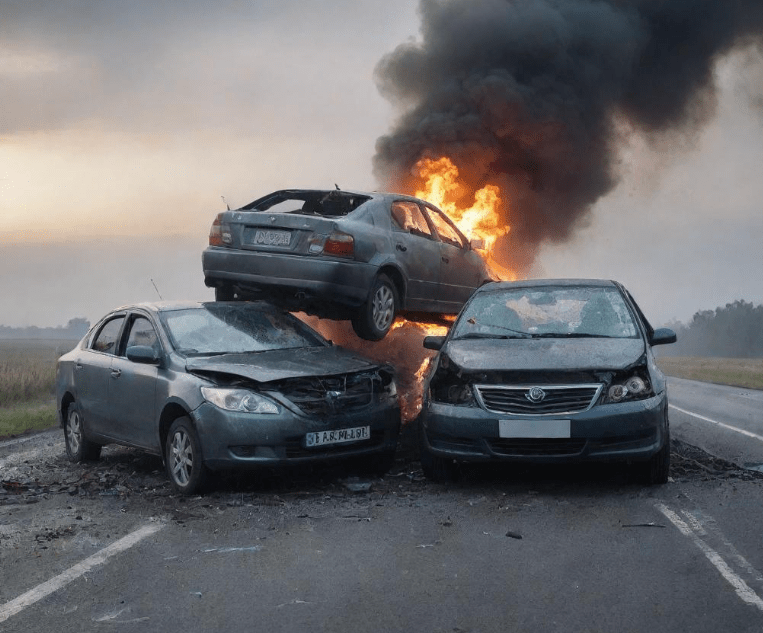
The Last Frontier Doesn’t Kill By Accident – Top Ways People Die in Alaska

I’ve spent my life studying how people die—not because I enjoy it, but because knowing how people die is how you learn how to stay alive.

As a survivalist, I prepare for worst-case scenarios.
As a private investigator, I follow patterns.
And Alaska? Alaska leaves patterns everywhere.

Here’s the truth most travel brochures won’t tell you: Alaska doesn’t forgive mistakes.
It doesn’t care how tough you think you are.
It doesn’t care how expensive your gear is.
And it certainly doesn’t care what state you came from.

People don’t die in Alaska because they’re unlucky.
They die because they misunderstand where they are.

This article breaks down the Top 10 ways people most commonly die in Alaska, excluding old age, cancer, and disease. These are preventable deaths, the kind that show up again and again in accident reports, missing person files, Coast Guard logs, and coroner summaries.

I’ll explain:

  • Why people die this way
  • The warning signs they ignored
  • What you must do differently if you want to survive

This isn’t fear porn.
This is preparation.


1. Exposure to Extreme Cold (Hypothermia & Frostbite Deaths)

Why People Die This Way in Alaska

Hypothermia is Alaska’s silent hitman.

Most people think hypothermia only happens in blizzards. That’s false. I’ve reviewed cases where people died in temperatures just above freezing, with no snow, wearing jeans and a hoodie.

Hypothermia kills because:

  • Cold drains energy faster than the body can replace it
  • Wet clothing accelerates heat loss
  • Wind strips heat invisibly
  • People underestimate how fast judgment collapses

Once hypothermia starts, your brain lies to you. You feel tired instead of alarmed. Calm instead of scared. People sit down “for a minute” and never get up again.

Common Fatal Mistakes

  • Dressing for comfort, not survival
  • Ignoring wind chill
  • Sweating during activity and not changing layers
  • Believing “I’m only going a short distance”

How to Survive Cold Exposure in Alaska

A private investigator survives by never trusting assumptions. Do the same.

Survival Rules:

  • Dress in layers: moisture-wicking base, insulation, windproof shell
  • Never allow cotton against skin
  • Carry dry backup clothing—even on short trips
  • Stop sweating before it starts
  • If wet, treat it as an emergency

Cold Truth:
In Alaska, cold isn’t weather.
It’s a predator.


2. Drowning (Rivers, Lakes, Ocean, and Ice Breakthroughs)

Why Drowning Is So Common in Alaska

Alaska has more water than roads, and that water is lethal year-round.

Cold water shock incapacitates even strong swimmers in seconds. I’ve reviewed multiple cases where victims drowned within 30 seconds of entry.

Ice doesn’t break politely.
Rivers don’t flow predictably.
The ocean doesn’t wait.

Common Fatal Mistakes

  • No life jacket
  • Assuming swimming skill matters in cold water
  • Standing on “safe-looking” ice
  • Falling into rivers during fishing or hunting

How to Survive Alaska’s Waters

Survival Rules:

  • Wear a flotation device anytime you’re near water
  • Treat ice as guilty until proven safe
  • Learn cold-water self-rescue techniques
  • Carry ice picks in winter
  • Never fish or travel alone near water

Investigator Insight:
Every drowning victim thought they had one more second.


3. Plane Crashes (Bush Planes & Small Aircraft)

Why Alaska Leads the Nation in Aviation Deaths

In Alaska, airplanes are pickup trucks with wings.

Bush planes fly low, land rough, and operate in brutal conditions. Weather changes faster than forecasts can keep up, and terrain doesn’t forgive miscalculations.

Common Fatal Mistakes

  • Flying in marginal weather
  • Overloading aircraft
  • Pressure to “make the trip anyway”
  • Trusting schedules over conditions

How to Survive Bush Plane Travel

Survival Rules:

  • Fly with experienced pilots only
  • Never pressure a pilot to fly
  • Carry survival gear even on short flights
  • Dress for walking out, not sitting comfortably

Detective Rule:
If the pilot hesitates, you cancel. Pride kills faster than gravity.


4. Vehicle Accidents (Highways, Ice Roads, Remote Trails)
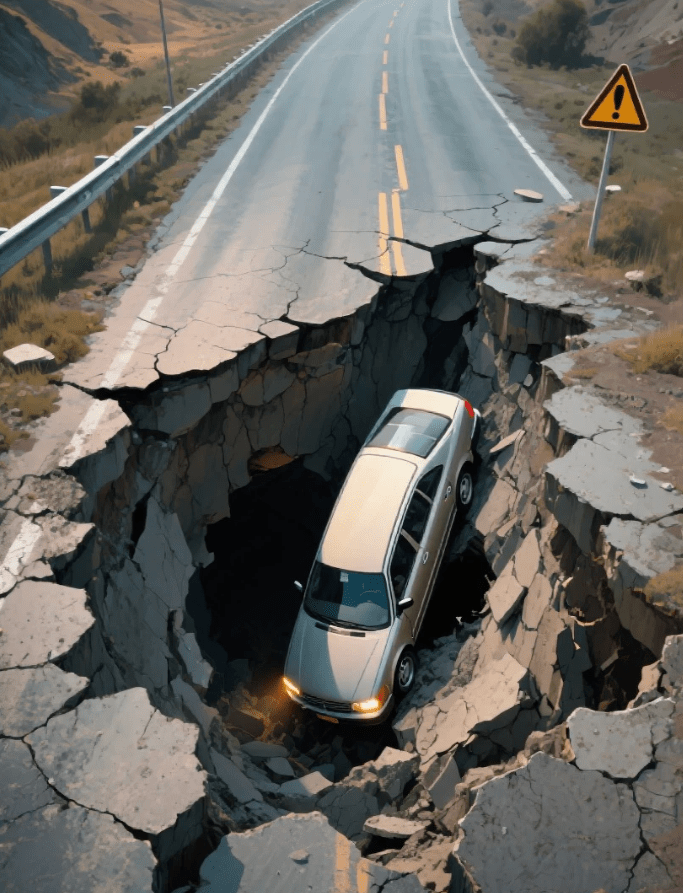
Why Driving Kills in Alaska

Alaska’s roads are deceptive. Long stretches lull drivers into overconfidence. Ice, wildlife, fatigue, and isolation combine into a perfect trap.

Common Fatal Mistakes

  • Speeding on icy roads
  • Not carrying emergency supplies
  • Driving tired or intoxicated
  • Swerving for animals

How to Survive Alaska Roads

Survival Rules:

  • Carry winter survival kits in vehicles
  • Slow down—always
  • Never swerve for wildlife
  • Treat breakdowns as survival situations

PI Pattern Recognition:
Most fatal crashes happen when drivers think nothing will happen.


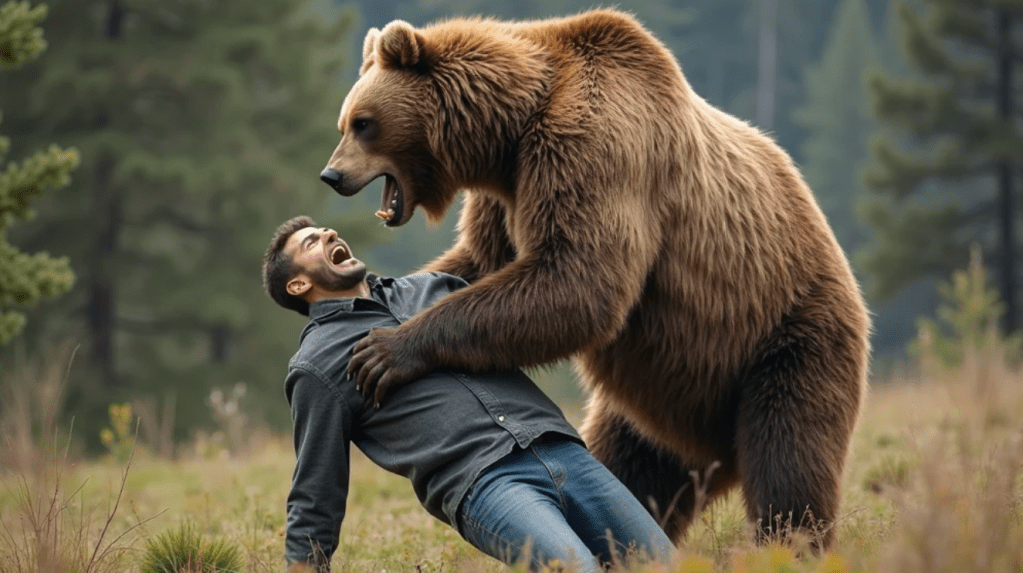
5. Wildlife Attacks (Bears, Moose, Wolves)

Why Wildlife Encounters Turn Deadly

Animals don’t attack randomly. People place themselves where attacks become inevitable.

Moose kill more Alaskans than bears. Bears kill when surprised. Wolves rarely attack, but when they do, it’s because warning signs were ignored.

Common Fatal Mistakes

  • Approaching wildlife
  • Poor food storage
  • Ignoring animal behavior cues
  • No bear deterrents

How to Survive Wildlife Encounters
Survival Rules:

  • Carry bear spray, not bravado
  • Make noise in dense areas
  • Secure food properly
  • Learn animal behavior signals

Investigator Truth:
Every attack scene shows signs of escalation that went ignored.


6. Falling (Cliffs, Ice, Mountains, Rooftops)
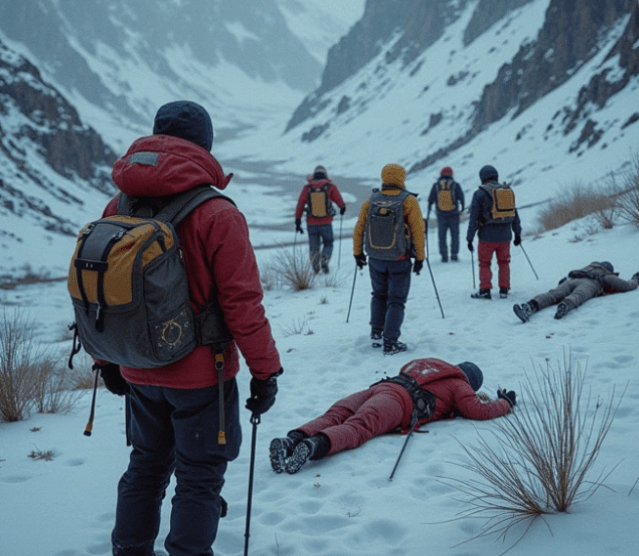
Why Falls Are So Deadly

Ice turns gravity into a weapon. Mountains remove margin for error. Many fatal falls occur during “routine” tasks.

Common Fatal Mistakes

  • Underestimating ice
  • No traction gear
  • Working alone
  • Taking shortcuts

How to Prevent Fatal Falls

Survival Rules:

  • Use traction devices
  • Rope up in exposed terrain
  • Avoid edges in poor conditions
  • Assume surfaces are slippery

7. Snowmachine (Snowmobile) Accidents

Why Snowmachines Kill

Speed plus terrain plus weather equals sudden death. Machines go places humans shouldn’t, and confidence rises faster than skill.

Common Fatal Mistakes

  • Excessive speed
  • Alcohol use
  • Thin ice crossings
  • Night riding

How to Survive Snowmachine Travel

Survival Rules:

  • Wear helmets
  • Scout terrain
  • Avoid alcohol completely
  • Carry emergency gear

8. Firearms Accidents (Hunting & Handling)

Why Accidental Shootings Happen

Complacency. That’s the root cause.

Common Fatal Mistakes

  • Poor muzzle discipline
  • Loaded firearms in vehicles
  • Improper storage
  • Rushed shots

How to Stay Alive Around Firearms

Survival Rules:

  • Treat every firearm as loaded
  • Maintain strict muzzle control
  • Store weapons safely
  • Train constantly

9. Avalanche Deaths

Why Avalanches Kill Experienced People

Experience breeds confidence. Confidence breeds risk.

Common Fatal Mistakes

  • Ignoring avalanche forecasts
  • No rescue gear
  • Traveling alone
  • Poor terrain choices

How to Survive Avalanche Terrain
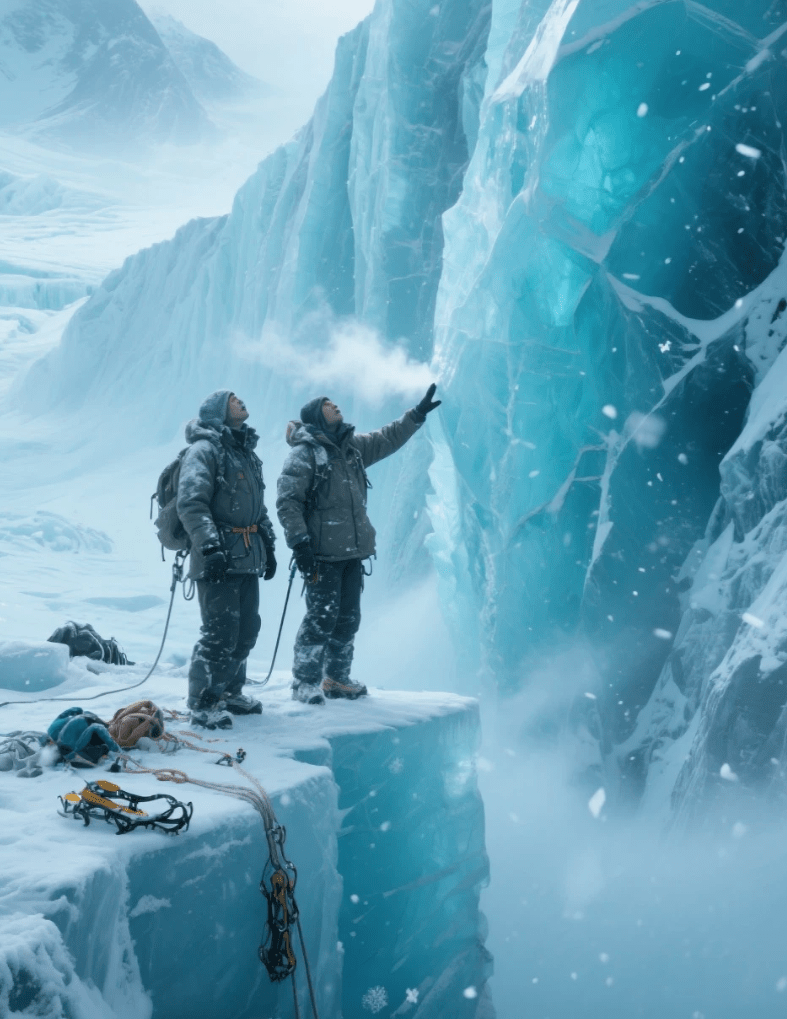
Survival Rules:

  • Carry beacon, shovel, probe
  • Travel one at a time
  • Study snowpack conditions
  • Avoid high-risk slopes

10. Getting Lost and Dying While “Almost Found”
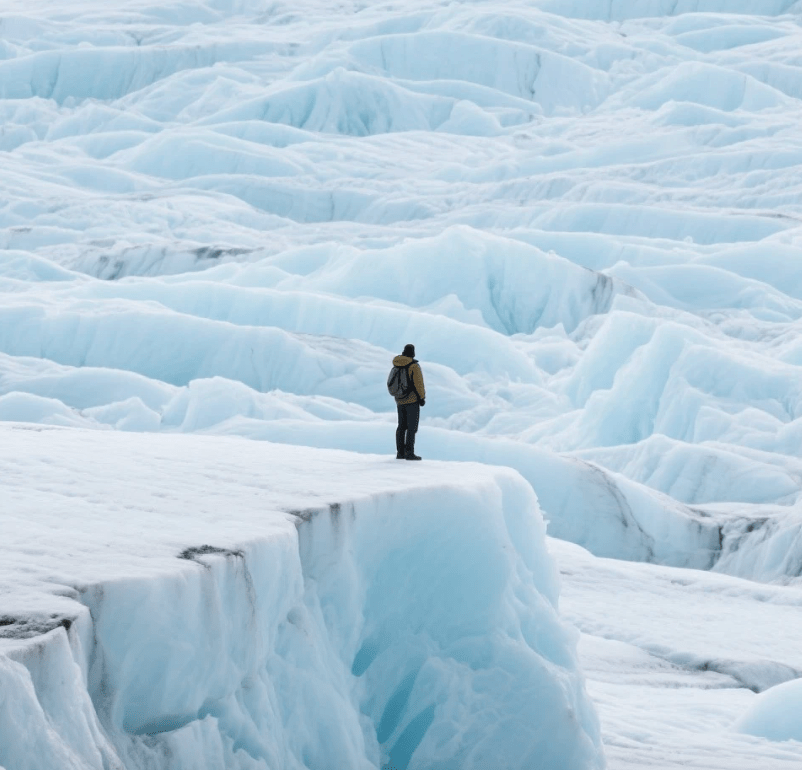
Why This Is the Most Tragic Death

People die within miles of safety because they panic, move without a plan, or refuse to stop.

Common Fatal Mistakes

  • No navigation tools
  • Leaving known positions
  • Not signaling
  • Overestimating endurance

How to Survive Being Lost

Survival Rules:

  • Stop moving
  • Signal early
  • Stay visible
  • Conserve energy

Investigator’s Final Lesson:
Most lost victims weren’t lost long—they just made the wrong decisions early.


Alaska Rewards Respect, Not Confidence

Alaska doesn’t care who you are.
It only cares what you do.

Every fatality I’ve studied shared one thing in common: the victim believed they were the exception.

Survival isn’t about toughness.
It’s about preparation, humility, and pattern recognition.

Stay alive by learning from the dead—without joining them.
What Kills People in New Jersey The Most — And How Prepared Citizens Stay Alive

New Jersey may be called the Garden State, but don’t let the greenery fool you. Between dense population centers, aging infrastructure, busy highways, unpredictable weather, and human complacency, New Jersey is a state where survival awareness matters.

As a lifelong New Jersey prepper and survivalist, I’ll tell you something most people don’t like to hear:

Most deaths in this state are preventable.

They’re not caused by fate. They’re caused by lack of preparedness, poor situational awareness, and failure to respect everyday risks.

This article covers the Top 10 most common ways people die in New Jersey that are not related to old age, why they happen, and — most importantly — what you must do to avoid becoming a statistic.

This isn’t fear-mongering.
This is practical survival intelligence for living in New Jersey.


1. Drug Overdoses (Especially Opioids and Synthetic Fentanyl)

Why People Die From It in New Jersey

New Jersey has been hit hard by the opioid epidemic, particularly fentanyl, which is now found in everything from heroin to cocaine to counterfeit pills.

People die because:

  • They underestimate potency
  • They unknowingly ingest fentanyl
  • They use alone with no rescue possible
  • They delay calling for help
  • They don’t carry Naloxone (Narcan)

Overdose deaths don’t just affect “addicts.” Weekend users, partygoers, and even first-time experimenters are dying at alarming rates.

How to Survive It

Survival Steps:

  • Carry Narcan (it’s legal and often free in NJ)
  • Never use alone
  • Test substances with fentanyl test strips
  • Learn overdose signs (slow breathing, blue lips, unconsciousness)
  • Call 911 immediately — NJ has Good Samaritan protections

Prepper Mindset:
You don’t need to approve of drug use to prepare for reality. Carry Narcan the same way you carry a tourniquet.


2. Motor Vehicle Crashes (Cars, Motorcycles, and Pedestrians)

Why People Die

New Jersey has some of the most congested highways in America. Fatal crashes happen due to:

  • Speeding and aggressive driving
  • Distracted driving (phones)
  • Impaired driving
  • Poor road conditions
  • Pedestrian strikes in urban areas

Motorcyclists and pedestrians are especially vulnerable.

How to Survive It

Survival Steps:

  • Assume every driver is distracted
  • Avoid driving during peak crash hours (late night, rush hour)
  • Wear seatbelts — every trip
  • Motorcyclists: full protective gear, no exceptions
  • Pedestrians: high-visibility clothing, eye contact before crossing

Prepper Mindset:
Driving is the most dangerous thing most people do daily. Treat it like a survival operation, not a routine task.


3. Suicide and Mental Health Crises

Why People Die

Stress, financial pressure, isolation, addiction, and untreated mental illness claim thousands of lives in NJ every year.

People die because:

  • They feel trapped with no options
  • They don’t seek help
  • They lack community support
  • They have easy access to lethal means

How to Survive It

Survival Steps:

  • Build real community connections
  • Remove or secure lethal means during crisis periods
  • Normalize mental health check-ins
  • Use crisis resources when needed (988 Lifeline)
  • Learn to recognize warning signs in others

Prepper Mindset:
Mental resilience is survival gear. A strong mind keeps you alive longer than any weapon or stockpile.


4. Homicide and Violent Crime

Why People Die

Most homicides in NJ are:

  • Personal disputes
  • Domestic violence
  • Gang-related
  • Situational crimes (wrong place, wrong time)

Violence escalates fast when emotions, substances, and weapons mix.

How to Survive It

Survival Steps:

  • Avoid predictable routines
  • Practice situational awareness
  • De-escalate conflicts whenever possible
  • Trust your instincts — leave early
  • Take self-defense training

Prepper Mindset:
The best fight is the one you never enter. Survival means avoidance first, defense second.


5. Falls and Traumatic Injuries (Not Just the Elderly)

Why People Die

Falls kill more people than most realize — including:

  • Construction accidents
  • Ladder falls
  • Slips on ice
  • DIY home projects gone wrong

Head injuries are often fatal.

How to Survive It

Survival Steps:

  • Use safety equipment (helmets, harnesses)
  • Avoid risky shortcuts
  • Clear ice and hazards promptly
  • Never rush physical tasks
  • Keep homes well-lit and clutter-free

Prepper Mindset:
Overconfidence kills. Respect gravity — it never misses.


6. Heart Attacks and Sudden Cardiac Events (Non-Elderly)

Why People Die

Heart attacks don’t just affect seniors. In NJ, many occur due to:

  • Chronic stress
  • Poor diet
  • Smoking and vaping
  • Undiagnosed conditions
  • Delayed response

How to Survive It

Survival Steps:

  • Know warning signs (jaw pain, shortness of breath, nausea)
  • Keep blood pressure in check
  • Learn CPR
  • Call 911 immediately — don’t “wait it out”
  • Reduce daily stress where possible

Prepper Mindset:
Your heart is a mission-critical system. Maintain it like your life depends on it — because it does.


7. House Fires and Residential Fires

Why People Die

Fires kill through smoke inhalation, not flames.

Common causes include:

  • Faulty wiring
  • Space heaters
  • Cooking accidents
  • Candles
  • Smoking indoors

How to Survive It

Survival Steps:

  • Install smoke detectors on every level
  • Test alarms monthly
  • Keep fire extinguishers accessible
  • Practice escape plans
  • Never overload outlets

Prepper Mindset:
Fire moves faster than panic. Preparation buys you seconds — and seconds save lives.


8. Carbon Monoxide Poisoning

Why People Die

Carbon monoxide is silent and invisible.

Deaths occur from:

  • Faulty furnaces
  • Blocked vents
  • Generators used indoors
  • Car exhaust in garages

How to Survive It

Survival Steps:

  • Install CO detectors near bedrooms
  • Service heating systems annually
  • Never run engines indoors
  • Vent fireplaces properly

Prepper Mindset:
If you can’t see the threat, your gear must detect it for you.


9. Drowning (Beaches, Lakes, and Rivers)

Why People Die

New Jersey’s coastline and waterways claim lives every year due to:

  • Rip currents
  • Alcohol use
  • Overconfidence in swimming ability
  • Cold water shock

How to Survive It

Survival Steps:

  • Swim near lifeguards
  • Learn rip current escape techniques
  • Wear life jackets when boating
  • Avoid alcohol while swimming

Prepper Mindset:
Water doesn’t care how fit you are. Respect it or it will humble you fast.


10. Extreme Weather and Environmental Exposure

Why People Die

New Jersey experiences:

  • Heat waves
  • Winter storms
  • Flooding
  • Hurricanes and nor’easters

Deaths happen due to:

  • Power outages
  • Hypothermia
  • Heatstroke
  • Flooded vehicles

How to Survive It

Survival Steps:

  • Maintain emergency kits
  • Stock food, water, and meds
  • Never drive through floodwater
  • Have backup heat and power plans
  • Monitor weather alerts

Prepper Mindset:
Weather doesn’t kill people — lack of preparation does.


Final Survival Takeaway

Most people don’t die because they didn’t know better.

They die because they:

  • Ignored warnings
  • Assumed “it won’t happen to me”
  • Failed to prepare
  • Reacted instead of planned

Survival in New Jersey isn’t about paranoia.


It’s about awareness, discipline, and respect for reality.

Prepare now — while you still have the choice.

Top 10 Ways Oklahomans Die (And How to Avoid Every One of Them)

Oklahoma is a strong, resilient state built by people who know how to endure hardship. But despite that grit, thousands of Oklahomans die every year from preventable causes—not from old age, not from natural decline, but from lack of preparedness, lack of awareness, and lack of survival skills.

As a survivalist and preparedness advocate, I believe one thing deeply:

If you understand what actually kills people where you live—and prepare for it—you dramatically increase your odds of survival.

This article breaks down the top 10 ways people in Oklahoma die that are NOT related to old age, explains why these deaths happen, and—most importantly—what you must do to avoid becoming another statistic.

This isn’t fear-mongering.
This is real-world survival education.


⚠️ Why This Matters in Oklahoma

Oklahoma has unique risk factors:

  • Severe weather (tornadoes, floods, heat)
  • Rural roads and long EMS response times
  • High firearm ownership
  • Agricultural and industrial hazards
  • Elevated substance abuse rates
  • Extreme temperature swings

Preparedness here isn’t optional—it’s essential.


🧠 The Top 10 Ways People Die in Oklahoma (Not Old Age)


1. 🚗 Motor Vehicle Accidents

Why This Kills So Many Oklahomans

Car crashes are consistently one of the leading causes of death in Oklahoma, especially for people under 55.

Contributing factors include:

  • High-speed rural highways
  • Long stretches of unlit roads
  • Distracted driving
  • Drunk or impaired driving
  • Not wearing seatbelts
  • Severe weather conditions

Rural crashes are especially deadly because help can be 30–60 minutes away.

How to Survive It

A prepper doesn’t just “drive”—they plan for crashes.

Survival actions:

  • Always wear a seatbelt (it reduces fatal injury risk by over 45%)
  • Slow down on rural roads—speed kills faster than anything else
  • Carry a vehicle emergency kit:
    • Tourniquet
    • Trauma bandages
    • Flashlight
    • Emergency blanket
  • Learn basic trauma care
  • Never drive impaired—ever

Survival rule: Your car is a potential weapon. Treat it with respect.


2. 💊 Drug Overdoses (Especially Opioids & Meth)

Why This Is So Deadly

Oklahoma has struggled with:

  • Prescription opioid misuse
  • Methamphetamine abuse
  • Fentanyl contamination

Many overdoses happen because:

  • People don’t know their dosage
  • Drugs are laced
  • Users are alone
  • No one recognizes overdose symptoms in time

How to Survive It

Preparedness means harm reduction, even if you don’t use drugs yourself.

Survival actions:

  • Carry Naloxone (Narcan)—it saves lives
  • Learn overdose signs:
    • Slow or stopped breathing
    • Blue lips or fingertips
    • Unresponsiveness
  • Never use substances alone
  • Seek treatment early—addiction is survivable

A prepared community keeps its people alive—even when they’re struggling.


3. 🔫 Firearm-Related Deaths (Accidental, Suicide, Violence)

Why Firearms Are a Major Risk

Oklahoma has high gun ownership, which increases risk when:

  • Firearms aren’t stored properly
  • Mental health struggles go untreated
  • Alcohol or drugs are involved
  • Safety training is ignored

Many deaths are accidental or impulsive, not intentional acts of violence.

How to Survive It

Being armed doesn’t make you prepared—being disciplined does.

Survival actions:

  • Store firearms locked and unloaded when not in use
  • Use gun safes and trigger locks
  • Take professional firearm training
  • Never mix guns with alcohol
  • Address mental health honestly

The deadliest weapon is complacency.


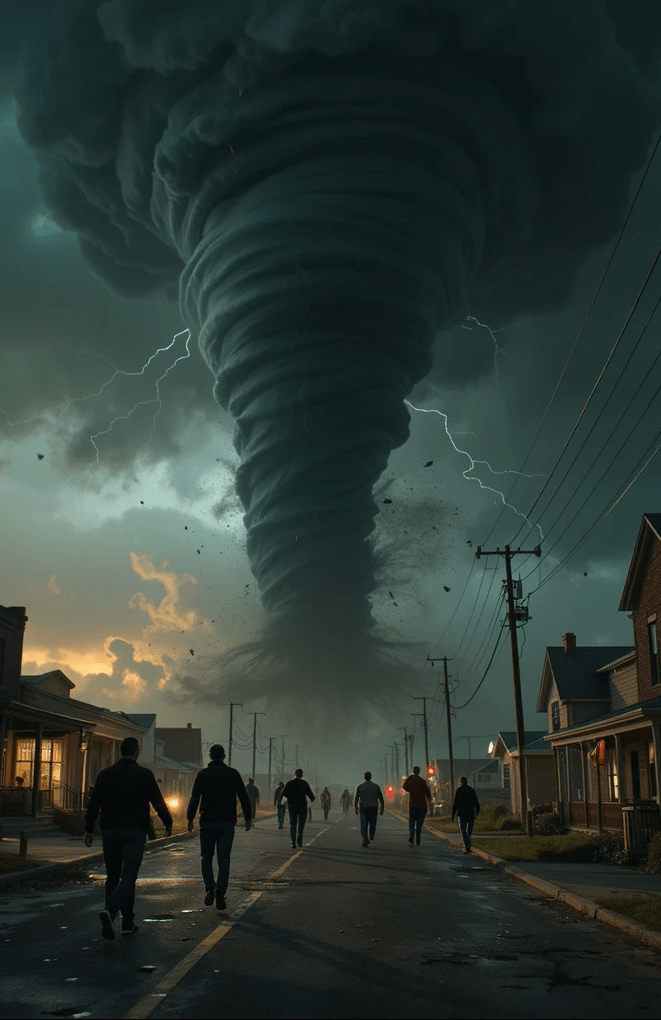
4. 🌪️ Tornadoes & Severe Storms

Why Oklahomans Still Die in Tornadoes

Despite warnings, people die because:

  • They don’t take alerts seriously
  • They don’t have shelters
  • They wait too long to act
  • Mobile homes offer little protection

Tornadoes don’t care how tough you are.

How to Survive It

Preparedness saves lives before the storm hits.

Survival actions:

  • Know your shelter location
  • Install weather alert apps
  • Practice tornado drills
  • Have helmets for head protection
  • Keep emergency supplies in your shelter

When seconds matter, preparation decides who lives.


5. 🔥 Fires & Smoke Inhalation

Why Fires Kill Quickly

Most fire deaths happen from smoke inhalation, not flames.

Common causes:

  • Faulty wiring
  • Space heaters
  • Cooking accidents
  • Lack of smoke detectors

Many victims never wake up.

How to Survive It

Fire survival is about early warning and fast escape.

Survival actions:

  • Install smoke detectors in every room
  • Test them monthly
  • Keep fire extinguishers accessible
  • Practice exit routes
  • Crawl low under smoke

Fire doesn’t forgive mistakes—prepare accordingly.


6. 🌊 Flooding & Flash Floods

Why Floods Kill in Oklahoma

Flood deaths often occur when people:

  • Drive into flooded roads
  • Underestimate water depth
  • Ignore warnings

Just 12 inches of moving water can sweep away a vehicle.

How to Survive It

Flood survival is about respecting water.

Survival actions:

  • Never drive through floodwaters
  • Know evacuation routes
  • Keep emergency supplies elevated
  • Monitor weather alerts
  • Move to higher ground immediately

Water always wins. Don’t challenge it.


7. 🌡️ Extreme Heat

Why Heat Kills

Oklahoma summers are brutal. Heat kills through:

  • Dehydration
  • Heat exhaustion
  • Heat stroke

Vulnerable populations include:

  • Outdoor workers
  • Elderly
  • People without AC

How to Survive It

Heat survival is resource management.

Survival actions: (ALWAYS DRESS IN CLOTHING THAT WILL KEEP YOU COOL)

  • Hydrate constantly
  • Avoid peak heat hours
  • Use electrolyte replacements
  • Know heat illness symptoms
  • Never leave people or pets in cars

Heat kills quietly. Preparation keeps you conscious.


8. ⚙️ Workplace & Farm Accidents

Why These Are So Common

Oklahoma’s agriculture and energy industries involve:

  • Heavy machinery
  • Confined spaces
  • Hazardous materials

Many deaths result from:

  • Skipped safety steps
  • Fatigue
  • Equipment misuse

How to Survive It

Professional survivalists respect process and protocol.

Survival actions:

  • Follow lockout/tagout procedures
  • Wear protective gear
  • Never rush tasks
  • Stay alert and rested
  • Report unsafe conditions

Shortcuts are paid for with blood.


9. 🧠 Suicide

Why This Claims So Many Lives

Suicide is one of the leading causes of death under 45.

Factors include:

  • Untreated depression
  • Financial stress
  • Isolation
  • Access to lethal means

This is a preventable survival failure, not a weakness.

How to Survive It

Mental preparedness is survival preparedness.

Survival actions:

  • Talk openly about mental health
  • Remove immediate lethal means during crises
  • Build community connections
  • Seek help early
  • Know crisis resources

Survival starts in the mind.


10. 🦠 Preventable Illness & Infection

Why People Still Die

Many deaths occur due to:

  • Untreated infections
  • Delayed medical care
  • Poor hygiene
  • Ignoring symptoms

In rural areas, access delays can be deadly.

How to Survive It

Medical preparedness is survival preparedness.

Survival actions:

  • Learn basic first aid
  • Keep medical supplies stocked
  • Don’t ignore infections
  • Practice sanitation
  • Seek care early

Infection kills faster than bullets when ignored.


🧭 Final Survivalist Thoughts

Preparedness isn’t paranoia.
It’s respect for reality.

The people who survive aren’t luckier—they’re ready.

If you live in Oklahoma, your survival depends on:

  • Awareness
  • Training
  • Equipment
  • Community
  • Discipline

The goal isn’t to live in fear.
The goal is to live prepared.

BIG Easy Dying: Top Ways to Die in Louisiana & How to Survive Them All

If you live in Louisiana, you already know one thing for certain:
This state does not play around.

Louisiana is beautiful, dangerous, humid enough to breathe like soup, and packed with more survival challenges per square mile than most people realize. Between the wildlife, the weather, the roads, and human behavior that can only be explained by “hold my beer,” Louisiana quietly racks up fatalities that have nothing to do with old age, cancer, or disease.

As a professional survivalist prepper—and someone who uses humor as a coping mechanism—I believe in two things:

  1. Staying alive
  2. Laughing while doing it

So today, we’re breaking down the Top 10 non-disease ways people die in Louisiana, why it happens, and exactly what you must do to survive. Because preparation beats panic, and panic plus humidity equals poor decision-making.

Let’s begin.


1. Motor Vehicle Accidents (a.k.a. Louisiana’s Favorite Extreme Sport)

If Louisiana had an official state hobby, it would be reckless driving.

Car accidents remain the number one non-medical cause of death in the state. And no, it’s not just “bad luck.”

Why People Die This Way

  • Speeding like the interstate is the Daytona 500
  • Distracted driving (phones, food, drama)
  • Driving impaired (alcohol, drugs, fatigue)
  • Poor road conditions and sudden weather changes
  • Not wearing seat belts (still… in 2026…)

Louisiana regularly ranks among the worst states for traffic fatalities per capita, and the highways are basically obstacle courses sprinkled with potholes and bad decisions.

How to Survive It

  • Wear your seatbelt. This isn’t optional. This is physics.
  • Drive like everyone else is actively trying to kill you (because statistically… they might be).
  • Never assume someone will stop at a red light.
  • Avoid driving during heavy rain when roads flood fast.
  • Keep an emergency kit in your vehicle: flashlight, water, first-aid kit, reflective vest.

Survival rule: Arriving late is better than arriving dead.


2. Drowning (Because Water Is Everywhere)

Louisiana is about 50% land, 50% water, and 100% dangerous if you underestimate it.

From rivers and bayous to lakes, canals, and floodwaters, drowning is a constant threat.

Why People Die This Way

  • Swimming in rivers with strong currents
  • Alcohol involved around water (a bad combo)
  • Boating accidents
  • Floodwater underestimation
  • Children falling into unsecured water sources

Floodwater is especially deadly because it hides:

  • Debris
  • Downed power lines
  • Open drains
  • Wildlife that absolutely does not want to be touched

How to Survive It

  • Never swim in moving water unless you’re trained.
  • Wear life jackets on boats (fashion comes second to breathing).
  • Fence pools and secure access points.
  • Never drive into floodwaters. “Turn around, don’t drown” exists for a reason.
  • Learn basic water rescue skills—but don’t become victim #2 trying to save someone.

Water doesn’t care how confident you are.


3. Hurricanes and Storm Surge (Nature’s Way of Evicting You)

Hurricanes aren’t rare events in Louisiana. They’re seasonal personality traits.

Storm surge and flooding kill more people than wind alone, often after the storm “looks calm.”

Why People Die This Way

  • Ignoring evacuation orders
  • Underestimating storm surge
  • Remaining in flood-prone areas
  • Lack of emergency planning
  • Generator misuse (carbon monoxide poisoning post-storm)

The hurricane doesn’t have to hit directly. Water moves sideways, upward, and into places it absolutely shouldn’t.

How to Survive It

  • Evacuate when told. Pride is not a flotation device.
  • Have a go-bag ready before hurricane season.
  • Elevate valuables and electrical systems.
  • Never run generators indoors or near windows.
  • Stay informed through NOAA weather alerts.

Survival tip: You can’t rebuild if you’re not alive.


4. Firearms Accidents and Violence

Louisiana has a strong gun culture—which means responsibility must match access. Unfortunately, accidents and violent encounters claim lives every year.

Why People Die This Way

  • Unsafe firearm handling
  • Negligent discharges
  • Domestic disputes escalating
  • Criminal violence
  • Lack of situational awareness

Many deaths happen not from intent, but from complacency.

How to Survive It

  • Treat every firearm as loaded.
  • Store guns securely, especially around children.
  • Avoid confrontations whenever possible.
  • Practice de-escalation.
  • Get professional firearms training.

Survival isn’t about being the toughest—it’s about going home.


5. Extreme Heat (The Louisiana Sauna Effect)

Louisiana heat doesn’t politely ask if you’re hydrated. It just takes you down.

Heat-related deaths occur during outdoor work, recreation, or even indoors without proper cooling.

Why People Die This Way

  • Dehydration
  • Heat exhaustion turning into heat stroke
  • Overexertion
  • Alcohol use in high heat
  • Lack of air conditioning

Heat stroke kills fast and quietly.

How to Survive It

  • Drink water constantly, not “when thirsty.”
  • Take breaks in shade or AC.
  • Wear breathable clothing.
  • Avoid peak sun hours.
  • Know the signs of heat illness: dizziness, confusion, nausea.

If you stop sweating, you’re already in trouble.


6. Falls (Yes, Seriously)

Falls kill more people than you think—especially from ladders, roofs, and slick surfaces.

Why People Die This Way

  • Wet floors
  • Poor lighting
  • Unsafe ladders
  • Alcohol use
  • Flood-related debris

One bad fall can lead to fatal head trauma.

How to Survive It

  • Use proper footwear.
  • Secure ladders.
  • Install handrails.
  • Slow down—especially on wet surfaces.
  • Don’t mix alcohol with “home improvement.”

Gravity always wins.


7. Boating Accidents

Louisiana loves boats. Unfortunately, boats don’t love recklessness.

Why People Die This Way

  • No life jackets
  • Alcohol use
  • Overcrowded boats
  • Poor weather awareness
  • Nighttime navigation errors

Water + speed + alcohol = tragedy.

How to Survive It

  • Wear a life jacket at all times.
  • Check weather forecasts.
  • Avoid boating while intoxicated.
  • Carry emergency communication devices.
  • Learn navigation rules.

Boats float. People don’t.


8. Alligator Encounters (They Were Here First)

Alligators are not mascots. They are apex predators with patience.

Why People Die This Way

  • Feeding gators
  • Walking pets near water
  • Swimming in unsafe areas
  • Ignoring warning signs

Gators don’t chase often—but when they do, it’s already too late.

How to Survive It

  • Never feed wildlife.
  • Keep distance from water edges.
  • Walk pets on short leashes.
  • Swim only in designated areas.
  • If you see a gator, leave the area.

You are not faster. You are not stronger.


9. Industrial and Workplace Accidents

Louisiana’s economy includes oil, gas, construction, and shipping—dangerous industries when safety slips.

Why People Die This Way

  • Equipment failure
  • Lack of training
  • Fatigue
  • Ignoring safety protocols
  • Pressure to rush jobs

One shortcut can be fatal.

How to Survive It

  • Follow safety procedures religiously.
  • Use proper PPE.
  • Speak up about unsafe conditions.
  • Rest when fatigued.
  • Respect heavy machinery.

No job is worth your life.


10. Flooding (The Silent Killer)

Flooding kills more Louisianans than most people realize.

Why People Die This Way

  • Driving into water
  • Being trapped in homes
  • Flash floods
  • Poor drainage systems
  • Underestimating water depth

Just six inches of moving water can knock you over.

How to Survive It

  • Never walk or drive through floodwater.
  • Elevate living areas in flood zones.
  • Know evacuation routes.
  • Keep emergency supplies ready.
  • Respect water warnings.

Floodwater doesn’t care how familiar the road looks.


Final Thoughts from a Survivalist Who Likes to Laugh

Louisiana is wild, beautiful, dangerous, and absolutely worth surviving.

Most deaths on this list are preventable, and survival often comes down to:

  • Awareness
  • Preparation
  • Humility
  • Common sense

You don’t need to live in fear—you just need to live prepared.

Stay safe. Stay smart. And remember:
Survival is serious business, but that doesn’t mean we can’t laugh while staying alive.

Surviving in the Big Apple: How to Stay Alive During a Mass Shooting on a NYC Subway Train

Most people prepare for disasters they can imagine—storms, blackouts, or getting stranded. Very few mentally prepare for intentional human threats in confined spaces. Unfortunately, history has shown that mass violence can occur anywhere crowds gather, including urban subway systems.

The New York City subway during rush hour represents one of the most challenging survival environments imaginable:

  • Enclosed metal cars
  • Limited exits
  • High passenger density
  • Noise, confusion, and panic
  • A moving vehicle underground

As a survival prepper, I don’t deal in fear—I deal in realistic risk assessment and actionable preparation. You don’t need to live paranoid. You need to live aware.

Survival in a subway shooting is not about heroics. It’s about seconds, positioning, and decision-making under stress.


Understanding the Subway Threat Environment

Before discussing what to do, you must understand what makes subway shootings uniquely dangerous:

  1. Limited Mobility – You can’t simply run out a door at any moment.
  2. Crowd Compression – Panic can cause trampling injuries.
  3. Acoustic Confusion – Gunshots echo and disorient.
  4. Restricted Visibility – Curved tunnels, standing passengers, and low lighting.
  5. Delayed Law Enforcement Access – Police may take time to reach a moving or underground train.

Preparedness begins long before the train doors close.


Being Proactive at the Subway Station: Spotting Danger Before It Starts

The best survival strategy is not being present when violence begins.

Situational Awareness Is Your First Line of Defense

When entering a station, practice what preppers call relaxed alertness:

  • Head up, phone down
  • Earbuds low or out
  • Observe behavior, not appearances

You’re not profiling—you’re pattern-recognizing.

Behavioral Red Flags to Watch For

While no single sign guarantees danger, combinations matter:

  • Extreme agitation, pacing, or erratic movement
  • Heavy clothing in warm weather
  • Obsessive scanning of crowds
  • Loud verbal threats or muttering
  • Aggressive confrontations with strangers
  • Manipulating bags or waistbands repeatedly

If your instincts fire, trust them. Survival intuition is a real biological tool.

Strategic Station Positioning

Always position yourself with options:

  • Stand near walls or columns, not center platforms
  • Identify stairways, exits, and emergency intercoms
  • Avoid being boxed in by crowds near track edges

If something feels wrong, miss the train. No schedule is worth your life.


Mental Rehearsal: Your Invisible Survival Weapon

Professionals don’t rise to the occasion—they fall to the level of their training.

Before ever boarding a train, mentally ask:

  • Where would I move if something went wrong?
  • What objects could block line of sight?
  • Where are the doors?
  • Who depends on me?

Mental rehearsal reduces freeze response when seconds matter.


When a Shooting Begins Inside a Moving Subway Train

If gunfire erupts, your brain will want to deny it. Expect this reaction—and override it.

First Rule: Move With Purpose, Not Panic

Panic kills more people than bullets in confined spaces.

  • Don’t scream unless necessary
  • Don’t shove blindly
  • Don’t freeze

Your goals are distance, barriers, and concealment.


Hiding and Concealment Options Inside a Subway Car

Subway trains are not designed for safety in violent events—but there are better and worse places to be.

Use Line-of-Sight Denial

Your goal is not to be invisible—it’s to be unseen long enough.

Better Hiding Positions:

  • Behind seating clusters rather than aisles
  • Low to the floor behind seats
  • Between train cars (if accessible and safe)
  • Behind structural dividers near doors

Avoid:

  • Standing upright
  • Center aisles
  • Door windows
  • Corners with no exit routes

Go Low and Stay Still

Most shooters scan at standing height. Dropping low reduces visibility and target profile.

  • Lie flat if possible
  • Turn your body sideways
  • Control breathing

Movement draws attention. Stillness buys time.


Barricading and Improvised Obstruction

If escape isn’t possible:

  • Use bags, backpacks, or loose objects to block movement
  • Push items into narrow passageways
  • Create clutter that slows advancement

Your objective is delay, not confrontation.

Every second you delay increases chances of escape or intervention.


Slowing or Stopping the Shooting Without Engaging the Shooter

This section is critical—and misunderstood.

Survival Is Not About Fighting

Unless you are trained, capable, and forced into immediate proximity, attempting to physically stop a shooter dramatically increases risk.

Instead, focus on environmental disruption and escape facilitation.

Actions That May Help Reduce Harm

  • Alerting others quietly to move away
  • Pulling emergency communication systems when safe
  • Creating obstacles that disrupt movement
  • Breaking line of sight
  • Spreading away from danger zones

Do not attempt to chase or restrain unless no other option exists and lives depend on immediate action.


When the Train Stops: Transitioning to Escape Mode

Once the train halts:

  • Expect confusion
  • Expect smoke, alarms, and shouting
  • Expect partial instructions

Escape Principles

  • Move away from the threat, not toward exits blindly
  • Follow transit authority or police commands if visible
  • Help children, elderly, or injured only if safe
  • Leave belongings behind

Material items are replaceable. You are not.


Survival Gear You Can Carry Every Day Without Drawing Attention

Preparedness doesn’t require tactical gear.

Low-Profile Survival Items

  • Small flashlight or phone flashlight knowledge
  • Tourniquet or compact trauma kit
  • Eye protection (clear glasses)
  • Mask or cloth for smoke
  • Portable phone battery

Clothing Choices Matter

  • Shoes you can run in
  • Clothing that allows movement
  • Minimal dangling accessories

Survival often comes down to mobility.


Psychological Survival After the Incident

Surviving is not just physical.

Expect:

  • Shock
  • Guilt
  • Confusion
  • Emotional numbness

Seek medical and psychological support. Survival includes recovery.


Training the Survival Mindset

The strongest weapon you carry is your mind.

  • Stay aware without fear
  • Train observation daily
  • Accept reality without denial
  • Act decisively

Preparedness is calm, not paranoia.


Subway Safety: Prepared, Not Scared

Mass shootings are rare—but consequences are severe.

You don’t prepare because you expect it to happen.
You prepare because you value life—especially your own and those you love.

Survival favors those who:

  • Notice early
  • Move intelligently
  • Think under pressure
  • Avoid unnecessary risk

Stay aware. Stay prepared. Stay alive.

Top 7 Ways Kansans Die – How to Survive and Outsmart these 7 Killers

If you live in Kansas, I’m going to tell you something straight, without sugarcoating it.

Most people who die here didn’t think it would happen to them.

They weren’t reckless thrill-seekers. They weren’t criminals. They weren’t looking for danger. They were regular Kansans—hard-working people who assumed tomorrow was guaranteed.

That assumption is what gets people killed.

I’ve spent my life studying survival—not just wilderness survival, but real-world survival, the kind that determines whether you make it home to your family at night. And if there’s one thing I’ve learned, it’s this:

Survival isn’t about luck. It’s about decisions made before the crisis hits.

In this article, we’re going to break down the top 7 ways most people in Kansas die that have nothing to do with old age, why these deaths happen so often, and—most importantly—what you must do to dramatically increase your odds of surviving.

This isn’t meant to scare you. It’s meant to wake you up. Because when you take responsibility for your own safety, you reclaim control over your life.

Let’s get into it.


1. Motor Vehicle Accidents (Highways, Rural Roads, and Distracted Driving)

Why This Kills So Many Kansans

Kansas is a driving state. Long highways. Two-lane rural roads. Miles between towns. That freedom comes at a deadly price.

Car accidents are consistently the leading cause of death for Kansans under 55.

The biggest contributors:

  • High speeds on open roads
  • Rural highways with no median barriers
  • Seatbelt non-use
  • Distracted driving (phones, GPS, eating)
  • Impaired driving (alcohol, fatigue, drugs)

Rural crashes are especially deadly because help takes longer to arrive. When a crash happens at 70 mph on an empty stretch of road, survival becomes a race against time—and time often wins.

How You Survive This Threat

This isn’t about being scared of driving. It’s about driving like a professional survivor.

Survival Rules for Kansas Roads:

  • Wear your seatbelt every single time. No exceptions. Ever.
  • Slow down on rural highways, especially at night.
  • Never assume other drivers are paying attention. Assume they aren’t.
  • Put the phone down. No text is worth your life.
  • Keep an emergency kit in your vehicle (water, flashlight, tourniquet, blanket).
  • Don’t drive exhausted. Fatigue kills just as effectively as alcohol.

Survival is about stacking small smart decisions until danger has no opening.


2. Heart Attacks and Sudden Cardiac Events (Not Old Age)

Why This Is So Common in Kansas

Heart disease isn’t just an “old person problem.” In Kansas, middle-aged men and women die suddenly from cardiac events every day.

The reasons are brutally simple:

  • Poor diet
  • Chronic stress
  • Lack of exercise
  • Smoking
  • Ignoring warning signs

Kansas culture values toughness. That’s admirable—but dangerous when it comes to health. Too many people ignore chest pain, shortness of breath, or fatigue because they “don’t want to make a fuss.”

That mindset kills.

How You Survive This Threat

Here’s the truth most people don’t want to hear:

Your body will warn you before it quits—if you listen.

Survival Actions That Save Lives:

  • Learn the early signs of a heart attack (jaw pain, arm pain, nausea, pressure).
  • Take chest discomfort seriously, even if it feels mild.
  • Maintain basic cardiovascular fitness (walking alone saves lives).
  • Control blood pressure and cholesterol.
  • Reduce stress intentionally—stress is a silent killer.
  • Learn CPR and encourage AED placement in your workplace.

This is where the Tony Robbins mindset kicks in:
You don’t rise to the level of your intentions—you fall to the level of your habits.


3. Extreme Weather Events (Tornadoes, Heat Waves, Winter Storms)

Why Kansas Weather Is Deadly

Kansas sits in the crosshairs of nature’s mood swings.

  • Tornadoes
  • Blizzards
  • Ice storms
  • Deadly heat waves

People don’t die because the storm exists. They die because they underestimate it.

Tornado fatalities often occur because people:

  • Ignore warnings
  • Stay in vehicles
  • Don’t have a shelter plan

Heat deaths happen when people:

  • Overwork outdoors
  • Skip hydration
  • Ignore early symptoms of heat exhaustion

How You Survive Kansas Weather

Weather survival is about planning before the sky turns dark.

Storm Survival Checklist:

  • Know where your nearest storm shelter is.
  • Have weather alerts enabled on multiple devices.
  • Practice tornado drills with your family.
  • Never shelter in a vehicle during a tornado.
  • In heat waves, hydrate aggressively and rest often.
  • In winter storms, keep blankets, food, and heat sources ready.

Nature doesn’t care how tough you are. Respect keeps you alive.


4. Accidental Poisoning and Drug Overdoses

Why This Is Rising in Kansas

Drug overdoses—both illegal and prescription—have surged across Kansas.

The killers include:

  • Opioids (legal and illegal)
  • Mixing medications
  • Alcohol combined with drugs
  • Unknown potency substances

Many overdoses aren’t intentional. They’re the result of lack of education, tolerance misjudgment, or mixing substances.

How You Survive This Threat

Survival requires honest awareness, not denial.

Life-Saving Actions:

  • Never mix medications unless cleared by a professional.
  • Avoid alcohol when taking prescription drugs.
  • Keep naloxone accessible if opioids are present.
  • Store medications securely.
  • Educate your family on overdose signs.

Prepared people don’t judge. They prepare.


5. Firearms Accidents and Violence

Why Firearms Contribute to Deaths

Kansas has a strong gun culture—and with it comes responsibility.

Deaths occur from:

  • Accidental discharges
  • Improper storage
  • Domestic disputes
  • Escalated confrontations

Firearms amplify mistakes. A bad moment becomes permanent.

How You Survive Firearm Risks

Survival means discipline.

  • Store firearms locked and unloaded when not in use.
  • Use trigger locks and safes.
  • Practice de-escalation in conflicts.
  • Train regularly and responsibly.
  • Teach children firearm safety early.

Strength is control—not impulse.


6. Workplace and Farm Accidents

Why These Kill Kansans

Kansas is built on agriculture, manufacturing, and physical labor.

Fatal accidents happen due to:

  • Heavy machinery
  • Grain bin suffocation
  • Falls
  • Skipping safety procedures

Complacency is deadly. Familiarity breeds shortcuts—and shortcuts kill.

How You Survive the Job

  • Follow safety protocols every time.
  • Never work alone in high-risk tasks.
  • Use protective equipment.
  • Respect machinery—even if you’ve used it for 20 years.

Survivors respect routine danger.


7. Drowning and Water Accidents

Why This Happens in Kansas

Lakes, rivers, and farm ponds look harmless—but they kill every year.

Common causes:

  • No life jackets
  • Alcohol use
  • Overestimating swimming ability
  • Cold water shock

How You Stay Alive

  • Wear life jackets.
  • Avoid alcohol near water.
  • Supervise children constantly.
  • Learn water rescue basics.

Water doesn’t forgive mistakes.


Kansas Survival Truth: You Are the First Responder to Your Own Life

Here’s the mindset shift that separates survivors from statistics:

No one is coming to save you fast enough. You must be ready.

Kansas is a great place to live—but only if you live aware, prepared, and intentional.

Survival isn’t fear.
Survival is responsibility.
Survival is choosing today to live tomorrow.

You don’t need to be paranoid.
You need to be prepared.

And preparation is the ultimate form of self-respect.

Preparedness Items for Social Unrest: What to Have Ready If Riots Break Out (Like in Minnesota)

Let’s start with an uncomfortable truth: nobody ever plans to be caught in the middle of social unrest. If they did, they would probably also plan to be wearing more comfortable shoes. Yet history—and recent headlines—tell us that social unrest, riots, and periods of social upheaval can happen quickly, escalate fast, and linger longer than anyone expects.

Preparedness is not panic. Preparedness is insurance. You don’t buy fire insurance because you want your house to burn down. You buy it because when things go sideways, you’d rather not be standing there holding a garden hose and good intentions.

There are many survival preparedness items that you can store now, to be used later, or to be carried with you for preparedness sake as insurance for varying degrees of an emergency. The following suggested items can be stored at home, kept in your vehicle, or carried on your person depending on the scenario you’re preparing for:

  • Social unrest
  • Social upheaval
  • Social chaos
  • Riots and civil disturbances

Before determining what the “best” preparedness items are, it’s important to step back and ask a few foundational questions. Because context matters. A lot.


Start With the Right Questions

Preparedness isn’t about owning the most gear. It’s about owning the right gear for the situation you’re most likely to face.

Where Will You Be When This Happens?

Ask yourself honestly:

  • At home
  • At work
  • In your vehicle
  • Walking in a public place
  • Traveling on a business trip or vacation

Each of these locations changes what you can reasonably access. The backpack under your bed does you zero favors if you’re stuck downtown wearing dress shoes and optimism.

What Will Your Support Group Look Like?

  • You are alone
  • You are with one other person (friend or family member)
  • You are with a larger group (less likely, but possible)

Being alone dramatically changes priorities. Suddenly redundancy matters less, and portability matters a whole lot more.

How Long Might the Social Unrest Last?

  • An hour or a few hours
  • One day or a few days
  • One week with sporadic outbreaks
  • A longer-term breakdown scenario (worst case)

Each answer reshuffles your preparedness deck. Short-term unrest focuses on escape and avoidance. Longer events shift toward sustainment and security.

Each combination of answers alters what preparedness items should be close by—or literally on your body. The most difficult scenario to prepare for is being alone, out in public, with only what you’re carrying. Preparing for unrest while at home, by contrast, isn’t much different than ordinary preparedness—just with more emphasis on security and situational awareness.


Core Principles for Social Unrest Preparedness

Before diving into gear lists, let’s establish a few principles:

  1. Avoidance beats confrontation every time.
  2. Mobility equals safety.
  3. Blending in is usually better than standing out.
  4. You are not the main character in an action movie.

Preparedness is about getting home safely, not “winning” anything.


Preparedness Items to Carry on Your Person (Everyday Carry)

If social unrest catches you while you’re out in public, your everyday carry (EDC) becomes your lifeline.

1. Situational Awareness Tools

  • Your phone (charged, with emergency alerts enabled)
  • Offline maps downloaded
  • Local news and alert apps

Knowing where unrest is happening is often more important than knowing how to deal with it once you’re inside it.

2. Basic Personal Protection Items

  • Sturdy shoes (yes, this counts as gear)
  • Durable clothing that allows movement
  • Gloves (lightweight work gloves can protect hands from debris)

Broken glass and sharp debris are common during riots. Hands and feet take the first hit.

3. Medical Essentials

  • Compact first aid kit
  • Tourniquet
  • Bandages and antiseptic wipes

Emergency services may be delayed or unavailable. A small kit can make a big difference.

4. Respiratory and Eye Protection

  • N95 or similar mask
  • Safety glasses or low-profile goggles

Smoke, tear gas, and airborne debris are frequent features of civil unrest. Your lungs and eyes will thank you later.

5. Light and Communication

  • Small flashlight
  • Portable battery pack and charging cable

Darkness adds confusion. Confusion attracts problems.


Vehicle-Based Preparedness Items

If you’re in your car when unrest breaks out, congratulations—you have storage space. Use it wisely.

1. Navigation and Escape Tools

  • Paper maps (because GPS isn’t magic)
  • Preplanned alternate routes

Road closures and blocked intersections are common during riots.

2. Vehicle Emergency Kit

  • Water (at least a few liters)
  • Non-perishable snacks
  • Blanket or poncho

You may be stuck longer than planned. Hunger makes people cranky, and cranky people make poor decisions.

3. Vehicle Safety Items

  • Fire extinguisher
  • Glass-breaking tool
  • Jumper cables

Fires, abandoned vehicles, and damaged infrastructure are not rare in unrest scenarios.

4. Personal Protection Additions

  • Additional masks and eye protection
  • Extra gloves
  • High-visibility vest (for breakdowns, not blending in)

Context matters. Sometimes visibility saves lives; sometimes blending in does.


Preparedness Items for the Home

Preparing your home for social unrest is less about turning it into a fortress and more about making it a place you don’t have to leave.

1. Food and Water

  • Minimum of 3–7 days of food per person
  • Stored water or water filtration system

Supply chain disruptions don’t care about your grocery list.

2. Power and Lighting

  • Flashlights and lanterns
  • Battery backups or generators

Power outages often accompany unrest, either intentionally or coincidentally.

3. Home Security Enhancements

  • Reinforced door hardware
  • Motion lights
  • Cameras or doorbell systems

Deterrence works best when it doesn’t require confrontation.

4. Medical and Hygiene Supplies

  • Expanded first aid kit
  • Prescription medications
  • Hygiene items

Hospitals may be overwhelmed. Pharmacies may be closed.


The Minnesota-Specific Reality

Minnesota has a wide range of environments—from dense urban centers to suburban neighborhoods and rural areas. Social unrest here can look very different depending on location.

Urban areas may see:

  • Rapid crowd formation
  • Road closures
  • Public transportation disruptions

Suburban and rural areas may experience:

  • Supply shortages
  • Delayed emergency response
  • Spillover effects

Preparedness should reflect where you live and where you commute.


The Psychological Side of Preparedness

Gear matters, but mindset matters more.

  • Stay calm
  • Avoid crowds
  • Don’t film, gawk, or linger
  • Move with purpose

Preparedness isn’t about fear. It’s about reducing surprise. When you’ve thought through scenarios ahead of time, your brain doesn’t freeze when something unexpected happens. It simply moves to the next step.


Final Thoughts: Prepared, Not Paranoid

Being prepared for social unrest does not mean you expect it—or want it—to happen. It means you acknowledge reality, respect uncertainty, and prefer options over regret.

Most people prepare after something bad happens. Prepared people do it beforehand, quietly, and without drama. They don’t panic. They don’t posture. They just leave early, get home safely, and make a sandwich while everyone else is still arguing on social media.

Preparedness is boring. And boring is exactly what you want when everything else gets exciting.

The 10 Biggest Killers in Ohio & How to Stay Alive

If you live in Ohio, congratulations—you’ve survived winter potholes, construction season that lasts 11 months, and at least one awkward conversation about college football allegiance. But surviving Ohio life requires more than avoiding Buckeye arguments and Skyline Chili debates.

As a professional survivalist prepper (and someone who owns more flashlights than friends), I study how people actually die—not in movies, not in zombie fantasies, but in real, boring, tragically preventable ways. And let me tell you something that should wake you up faster than a tornado siren at 3 a.m.:

Most people don’t die from rare disasters. They die from everyday stupidity, complacency, and underestimating risk.

This article breaks down the Top 10 most common non-disease, non-old-age causes of death in Ohio, why they happen, and what you must do to survive them—with a little humor, because if we can’t laugh while preparing to live, what’s the point?


1. Motor Vehicle Accidents (a.k.a. Ohio’s Most Popular Contact Sport)

Why People Die This Way

Ohio drivers are brave. Too brave. Texting, speeding, drunk driving, winter ice, farm equipment on highways, and “I’ll just beat that yellow light” optimism combine into a perfect storm of steel and regret.

Rural roads are especially deadly—less lighting, higher speeds, and longer emergency response times.

How to Survive It

  • Drive like everyone else is actively trying to kill you
  • Put the phone down (TikTok will survive without you)
  • Keep winter survival gear in your car (blanket, water, flashlight)
  • Slow down on back roads—deer don’t use crosswalks
  • Never drive impaired. Ever. Not even “just buzzed”

Prepper Rule: The most dangerous place you’ll ever be is inside a moving vehicle operated by a human.


2. Drug Overdoses (The Silent Epidemic)

Why People Die This Way

Ohio has been hit hard by opioids, fentanyl, and polysubstance use. Many overdoses happen accidentally—people don’t know what they’re taking or how strong it is.

This isn’t about moral failure. It’s about chemistry, addiction, and misinformation.

How to Survive It

  • Carry naloxone (Narcan)—yes, even if you “don’t know anyone who uses”
  • Never use alone
  • Avoid mixing substances (especially alcohol + opioids)
  • Test substances when possible
  • Get help early—addiction thrives in secrecy

Prepper Rule: Survival is about harm reduction, not judgment.


3. Suicide (The One We Don’t Talk About Enough)

Why People Die This Way

Stress, financial pressure, isolation, untreated mental health issues, and lack of support push people past a breaking point. Ohio’s economic and seasonal stressors don’t help.

This is not weakness. This is human overload.

How to Survive It

  • Talk. Seriously. Silence kills.
  • Build community—even awkward, imperfect community
  • Remove immediate means during emotional crises
  • Seek professional help early, not as a last resort
  • Check on people who “seem fine”

Prepper Rule: Mental resilience is survival gear.

If you or someone you know is struggling, call or text 988 in the U.S. Help is there.


4. Firearms Accidents & Violence

Why People Die This Way

Unsafe storage, lack of training, emotional decisions, and escalation of conflicts turn firearms from tools into tragedies.

Most accidental shootings happen at home.

How to Survive It

  • Get trained—seriously trained
  • Lock firearms and store ammo separately
  • Use safes, especially with kids present
  • De-escalate conflicts; walk away
  • Treat every firearm as loaded (because it might be)

Prepper Rule: Responsibility is the real safety switch.


5. Falls (No, You Don’t Have to Be Elderly)

Why People Die This Way

Ladders, roofs, icy sidewalks, workplace accidents, and alcohol combine into gravity doing what gravity does best.

Falls are especially deadly in construction, farming, and DIY home projects.

How to Survive It

  • Use proper ladders (not chairs… not buckets… not vibes)
  • Wear slip-resistant footwear in winter
  • Don’t work alone on risky tasks
  • Use harnesses and rails
  • Respect heights—your bones do

Prepper Rule: Gravity never takes a day off.


6. Drowning (Yes, Even in Ohio)

Why People Die This Way

Lakes, rivers, flooded creeks, boating accidents, alcohol use, and underestimating water currents cause more drownings than people expect.

Ohio rivers look calm—until they’re not.

How to Survive It

  • Wear life jackets (fashion is temporary, breathing is forever)
  • Never swim alone
  • Avoid alcohol when boating or swimming
  • Respect floodwaters—don’t drive through them
  • Learn basic water rescue techniques

Prepper Rule: Water doesn’t care how tough you are.


7. Fires & Carbon Monoxide Poisoning

Why People Die This Way

Faulty heaters, candles, overloaded outlets, and poor ventilation kill silently—especially during Ohio winters.

Carbon monoxide is invisible, odorless, and rude.

How to Survive It

  • Install CO and smoke detectors on every level
  • Test alarms monthly
  • Never use grills or generators indoors
  • Keep fire extinguishers accessible
  • Practice fire escape plans

Prepper Rule: If you can’t smell the danger, detect it electronically.


8. Workplace & Industrial Accidents

Why People Die This Way

Ohio has heavy industry, agriculture, logistics, and manufacturing. Fatigue, shortcuts, poor training, and outdated equipment turn jobs into hazards.

How to Survive It

  • Follow safety protocols—even when no one’s watching
  • Wear PPE (it’s cheaper than a funeral)
  • Report unsafe conditions
  • Take breaks—fatigue kills
  • Get trained and retrained

Prepper Rule: Productivity means nothing if you don’t live to enjoy it.


9. Extreme Weather (Ohio Is Sneaky Like That)

Why People Die This Way

Tornadoes, flash floods, heat waves, winter storms, and power outages catch people unprepared.

Ohio weather changes faster than gas prices.

How to Survive It

  • Have a weather radio
  • Build a basic emergency kit
  • Know shelter locations
  • Stay hydrated during heat waves
  • Never ignore warnings

Prepper Rule: Nature always bats last.


10. Recreational Accidents (ATVs, Boating, Hunting)

Why People Die This Way

Speed, alcohol, lack of helmets, poor training, and overconfidence turn fun into tragedy.

Most accidents happen close to home.

How to Survive It

  • Wear helmets and protective gear
  • Get trained and licensed
  • Don’t mix alcohol with machines
  • Inspect equipment
  • Hunt safely and visibly

Prepper Rule: Fun should not require a coroner.


Final Thoughts from Your Friendly Neighborhood Survivalist

Survival isn’t about fear—it’s about awareness, preparation, and humility. Ohio isn’t dangerous because it’s wild; it’s dangerous because people assume nothing bad will happen today.

Bad things don’t need permission.

If you take anything from this article, let it be this:

Prepared people don’t panic. They adapt. And they live.

Stay safe. Stay sharp. And please—put the phone down while driving.

Rhode Island’s 10 Biggest Killers – How To Survive From Becoming a Statistic

Rhode Island may be the smallest state in the union, but don’t let its size fool you. Danger doesn’t need square mileage to work its way into your life—it only needs complacency.

I’ve spent decades studying survival: wilderness, urban, maritime, kitchen-based (because yes, survival starts with what you eat and how you cook it), and human behavior under stress. And after analyzing patterns of accidental and preventable deaths in Rhode Island, one thing becomes painfully clear:

Most people don’t die because the world is unfair.
They die because they weren’t prepared.

This article breaks down the Top 10 non-disease, non-cancer, non-old-age causes of death in Rhode Island, explains why they happen, and—most importantly—what you must do to survive them.
Think of this like a perfectly executed meal. Every ingredient matters. One mistake, and dinner’s ruined. Or worse—you are.

Let’s sharpen the knives.


1. Motor Vehicle Crashes (Cars, Motorcycles, and Pedestrians)

Why People Die This Way in Rhode Island

Rhode Island drivers suffer from a deadly combination:

  • Dense traffic
  • Short trips that breed complacency
  • Aggressive driving habits
  • Weather that changes its mind every 15 minutes

Most fatal crashes involve:

  • Speeding
  • Distracted driving (phones, GPS, food)
  • Alcohol or drug impairment
  • Failure to wear seatbelts
  • Motorcyclists without proper protective gear

Pedestrians are especially vulnerable in urban areas like Providence, Pawtucket, and Warwick.

How to Survive It

A survivalist treats driving like operating heavy machinery—because that’s exactly what it is.

Rules to live by:

  • Wear your seatbelt every single time. No excuses.
  • Assume every other driver is tired, angry, distracted, or stupid.
  • Slow down in rain, fog, and snow. Physics doesn’t care about your schedule.
  • Motorcyclists: full-face helmet, armored jacket, gloves, boots. You are meat without armor.
  • Pedestrians: wear reflective gear at night and never assume a driver sees you.

Survival mindset: You’re not trying to win the drive. You’re trying to survive it.


2. Drug Overdoses (Accidental Poisoning)

Why People Die This Way

Rhode Island has been hit hard by the opioid and fentanyl crisis. Many overdose deaths are:

  • Accidental
  • Involving unknown potency
  • Mixed with alcohol or other drugs
  • Occurring alone, with no one to help

Even experienced users misjudge doses when fentanyl contaminates substances.

How to Survive It

This is not a moral issue. This is chemistry and physiology.

Life-saving measures:

  • Never use alone
  • Carry naloxone (Narcan) and know how to use it
  • Avoid mixing substances
  • Test substances when possible
  • Seek help early—overdose symptoms escalate fast

Survival is about odds. Stacking them in your favor is the only move.


3. Falls (Especially at Home and at Work)

Why People Die This Way

Falls are one of the most underestimated killers. In Rhode Island, fatal falls often involve:

  • Ladders
  • Stairs
  • Slippery surfaces
  • Roof work
  • Construction and industrial jobs

Head injuries turn a simple misstep into a permanent end.

How to Survive It

A prepper respects gravity like a wild animal—it’s always hunting.

Stay alive by:

  • Using proper ladders and stabilizers
  • Wearing non-slip footwear
  • Installing handrails and adequate lighting
  • Never rushing physical tasks
  • Wearing helmets in high-risk work environments

In the kitchen, I don’t rush a knife. On a ladder, I don’t rush gravity.


4. Suicide (Self-Harm)

Why People Die This Way

This is not weakness. It’s isolation, untreated mental distress, and hopelessness.

Contributing factors include:

  • Economic stress
  • Substance abuse
  • Relationship breakdowns
  • Chronic stress
  • Untreated mental health issues

Many deaths occur during moments of temporary crisis that feel permanent.

How to Survive It

Survival sometimes means staying alive long enough for the storm to pass.

Critical survival steps:

  • Remove yourself from isolation
  • Talk to someone immediately
  • Seek professional support
  • Reduce access to lethal means during crisis periods

If you or someone you know is in immediate danger, contact 988 (Suicide & Crisis Lifeline) in the U.S.

A true survivalist knows when to fight—and when to call in backup.


5. Fires and Smoke Inhalation

Why People Die This Way

Most people don’t burn to death—they suffocate from smoke.

Common causes include:

  • Faulty wiring
  • Cooking accidents
  • Space heaters
  • Candles
  • Smoking indoors

Many fatalities occur at night when people are asleep.

How to Survive It

Fire safety is non-negotiable.

Your survival checklist:

  • Install smoke detectors on every level of your home
  • Test them monthly
  • Keep fire extinguishers accessible
  • Never leave cooking unattended
  • Practice fire escape plans

In my kitchen, I control heat. Fire respects discipline, not arrogance.


6. Drowning (Ocean, Rivers, Lakes, Pools)

Why People Die This Way

Rhode Island’s coastline is beautiful—and unforgiving.

Drownings often involve:

  • Strong currents and rip tides
  • Cold water shock
  • Alcohol consumption
  • Overestimating swimming ability
  • Lack of life jackets

How to Survive It

Water doesn’t care how confident you feel.

Rules of survival:

  • Learn rip current escape techniques
  • Wear life jackets when boating or fishing
  • Avoid swimming alone
  • Limit alcohol near water
  • Respect cold water temperatures

A chef knows water can kill a sauce—or save it. Same element, different outcome.


7. Carbon Monoxide Poisoning

Why People Die This Way

Carbon monoxide is silent, invisible, and deadly.

Common sources:

  • Gas heaters
  • Furnaces
  • Generators
  • Grills used indoors
  • Blocked exhaust vents

People often fall asleep and never wake up.

How to Survive It

This one is stupidly preventable.

Do this now:

  • Install carbon monoxide detectors
  • Never run engines indoors
  • Maintain heating systems
  • Keep vents clear

If you can smell danger, it’s already too late. CO gives no warning.


8. Workplace Accidents

Why People Die This Way

Industries like construction, manufacturing, and maritime work carry inherent risks.

Deaths often involve:

  • Heavy machinery
  • Falls
  • Electrocution
  • Crushing injuries
  • Safety shortcuts

How to Survive It

Golden rule: Safety rules are written in blood.

  • Wear protective gear
  • Follow lockout procedures
  • Speak up about unsafe conditions
  • Never bypass safety systems
  • Stay alert and rested

Professional survival means respecting systems designed to keep you alive.


9. Extreme Weather Exposure (Hypothermia & Heat)

Why People Die This Way

Rhode Island weather kills quietly.

Hypothermia occurs:

  • In cold, wet conditions
  • With inadequate clothing
  • During power outages
  • Among the homeless or unprepared

Heat-related deaths happen during summer heatwaves.

How to Survive It

Dress and plan like weather wants you dead—because sometimes it does.

Survival basics:

  • Layer clothing
  • Stay dry
  • Prepare emergency heating and cooling
  • Hydrate aggressively in heat
  • Never underestimate “mild” weather

Weather is the original apex predator.


10. Violence and Homicide

Why People Die This Way

Most violent deaths involve:

  • Firearms
  • Domestic disputes
  • Gang-related incidents
  • Escalated conflicts

Often, victims knew their attackers.

How to Survive It

Violence avoidance is survival mastery.

Stay alive by:

  • Avoiding high-risk environments
  • De-escalating conflicts
  • Being situationally aware
  • Securing your home
  • Seeking help in volatile relationships

The best fight is the one you never enter.


Final Survivalist Thoughts

Survival isn’t about fear—it’s about preparation.

Most of the ways people die in Rhode Island are:

  • Predictable
  • Preventable
  • The result of ignored warnings

You don’t need to live in a bunker or eat freeze-dried beans (though I can make beans taste better than Gordon Ramsay ever could).

You just need discipline, awareness, and respect for reality.

Live sharp. Stay prepared. And don’t die stupid.

The Top 10 Ways Kentuckians Die Too Young—and How to Beat Every One of Them

Kentucky is a beautiful, resource-rich state with deep traditions, strong communities, and a resilient people. But it is also a state where avoidable deaths happen every single day—not from old age, but from environmental hazards, lifestyle risks, infrastructure weaknesses, and human behavior.

As a professional survivalist and preparedness educator, I’ll tell you this plainly:

Most people who die prematurely in Kentucky did not have to die.

They weren’t killed by freak accidents or unstoppable forces of nature. They died because they were unprepared, uninformed, or overconfident. Survival is not about paranoia—it’s about education, planning, and disciplined habits.

This article breaks down the top 10 non–old-age causes of death in Kentucky, explains why they happen, and—most importantly—details what you must do to survive them.

This isn’t fear-mongering.
This is reality-based preparedness.


1. Heart Disease and Sudden Cardiac Events

Why People Die From It in Kentucky

Heart disease is the single largest killer in Kentucky, even among people who are not elderly. The state consistently ranks near the top nationally for:

  • Obesity
  • Smoking
  • High blood pressure
  • Poor diet
  • Low physical activity

Many Kentuckians live in rural areas where medical response times are longer, and heart attacks often occur at home, at work, or while driving—not in hospitals.

The most dangerous factor?

People ignore early warning signs.

Chest tightness, fatigue, shortness of breath, jaw pain, arm pain—these are brushed off until it’s too late.

How to Survive It

Survival from heart disease is not complicated—but it requires discipline.

Survival Actions:

  • Quit smoking completely (no “cutting back”)
  • Maintain a survival-ready body: strength, stamina, and flexibility
  • Control blood pressure and cholesterol through testing—not guesswork
  • Keep aspirin and emergency contact plans accessible
  • Learn CPR and insist your household does too
  • Never ignore chest pain—ever

A prepper’s body is a tool. If your heart fails, nothing else you own matters.


2. Drug Overdoses (Prescription & Illicit)

Why People Die From It in Kentucky

Kentucky has been hit hard by the opioid epidemic. Overdose deaths come from:

  • Prescription painkillers
  • Fentanyl-laced street drugs
  • Mixing opioids with alcohol or benzodiazepines
  • Lack of overdose awareness

Many overdoses happen alone, meaning no one is present to help.

How to Survive It

Preparedness here means harm reduction and situational awareness.

Survival Actions:

  • Avoid illicit drugs entirely—this is survival, not moral judgment
  • If prescribed opioids, follow dosage exactly
  • Never mix opioids with alcohol
  • Keep Naloxone (Narcan) in your home and vehicle
  • Learn overdose signs: slowed breathing, blue lips, unconsciousness
  • Call emergency services immediately—do not hesitate

A true prepper understands that addiction is a survival threat, not a character flaw.


3. Motor Vehicle Accidents

Why People Die From It in Kentucky

Kentucky’s rural roads, narrow highways, and winding terrain create dangerous driving conditions. Fatal crashes often involve:

  • Speeding
  • Impaired driving
  • Distracted driving
  • No seatbelt use
  • Poor road lighting
  • Wildlife collisions

Rural crashes are especially deadly due to delayed medical response.

How to Survive It

Vehicles are survival tools—or coffins.

Survival Actions:

  • Always wear a seatbelt
  • Drive defensively, not emotionally
  • Avoid driving fatigued
  • Slow down on back roads and in bad weather
  • Keep emergency gear in your vehicle:
    • First aid kit
    • Tourniquet
    • Flashlight
    • Water
    • Blanket
  • Watch for deer—especially dawn and dusk

Prepared drivers live longer. Reckless ones become statistics.


4. Firearms Accidents and Violence

Why People Die From It in Kentucky

Firearms are common in Kentucky households, which increases both responsibility and risk. Deaths occur from:

  • Improper storage
  • Accidental discharges
  • Domestic disputes
  • Suicide
  • Lack of firearms training

The most dangerous belief?

“I’ve been around guns my whole life—I don’t need training.”

How to Survive It

Firearm ownership demands professional-level discipline.

Survival Actions:

  • Store firearms locked and unloaded when not in use
  • Keep ammunition stored separately
  • Use trigger discipline at all times
  • Never mix firearms and alcohol
  • Seek firearms training regularly
  • Address mental health struggles early and seriously

A prepared person treats firearms as tools of last resort, not toys.


5. Suicide

Why People Die From It in Kentucky

Suicide is one of the most tragic—and preventable—causes of death. Contributing factors include:

  • Economic stress
  • Social isolation
  • Chronic pain
  • Substance abuse
  • Untreated mental illness
  • Access to lethal means

Rural isolation makes help harder to reach.

How to Survive It

Preparedness includes mental resilience.

Survival Actions:

  • Build strong social connections
  • Talk openly about mental health
  • Secure firearms during emotional crises
  • Seek professional help early
  • Know crisis resources and hotlines
  • Check on your neighbors—especially the quiet ones

Survival is not weakness. Asking for help is preparedness.


6. Falls and Traumatic Injuries

Why People Die From It in Kentucky

Falls are not just an elderly problem. Fatal falls happen from:

  • Ladders
  • Roofs
  • Construction work
  • Farming equipment
  • Alcohol use

Head injuries and internal bleeding are often underestimated.

How to Survive It

Preparedness means respecting gravity.

Survival Actions:

  • Use safety equipment: harnesses, helmets
  • Avoid working alone at heights
  • Stay sober during physical labor
  • Learn first aid for head injuries
  • Seek medical care after significant falls

A ladder can kill faster than a storm if you’re careless.


7. Workplace and Farm Accidents

Why People Die From It in Kentucky

Agriculture, mining, logging, and manufacturing are dangerous fields. Fatal accidents involve:

  • Heavy machinery
  • Lack of safety training
  • Fatigue
  • Equipment failure

Many incidents happen because someone “cut a corner.”

How to Survive It

Survival favors patience.

Survival Actions:

  • Follow lock-out/tag-out procedures
  • Wear proper PPE
  • Take breaks
  • Inspect equipment regularly
  • Never rush heavy equipment tasks

No job is worth your life.


8. House Fires and Carbon Monoxide Poisoning

Why People Die From It in Kentucky

House fires kill quickly due to:

  • Lack of smoke detectors
  • Faulty wiring
  • Space heaters
  • Cooking fires
  • Carbon monoxide buildup

Many victims never wake up.

How to Survive It

Prepared homes save lives.

Survival Actions:

  • Install smoke and CO detectors on every level
  • Test alarms monthly
  • Have fire extinguishers accessible
  • Create and practice escape plans
  • Never run generators indoors

Fire does not forgive mistakes.


9. Severe Weather Events

Why People Die From It in Kentucky

Kentucky experiences:

  • Tornadoes
  • Flooding
  • Ice storms
  • Heat waves

Deaths often occur because people wait too long to act.

How to Survive It

Weather survival requires early action.

Survival Actions:

  • Monitor weather alerts
  • Have shelter plans for tornadoes
  • Avoid floodwaters—never drive through them
  • Keep emergency supplies stocked
  • Prepare for power outages

Nature always wins. Preparation lets you endure.


10. Infectious Diseases and Preventable Illness

Why People Die From It in Kentucky

Preventable diseases still kill due to:

  • Delayed treatment
  • Poor hygiene
  • Chronic illness
  • Vaccine hesitancy
  • Overloaded healthcare systems

How to Survive It

Preparedness is proactive health.

Survival Actions:

  • Maintain basic hygiene
  • Treat wounds immediately
  • Keep medical supplies stocked
  • Stay informed during outbreaks
  • Seek early treatment

Survival favors those who act early—not those who wait.


Final Thoughts: Preparedness Is a Lifestyle

Every cause of death listed here shares one truth:

Prepared people survive longer.

Survival is not about hoarding gear—it’s about:

  • Knowledge
  • Discipline
  • Awareness
  • Responsibility

If you live in Kentucky, you live in a state that rewards self-reliance. Learn the risks. Respect them. Prepare accordingly.

Because survival isn’t luck.

It’s a choice.