Survival of the Fittest: The Idaho Hiking Trails That Will Challenge Your Skills

Let me be clear right out of the gate: if you’re looking for a leisurely stroll in the park, this article ain’t for you. I’m not talking about manicured trails with convenient benches and ice cream stands at the end. I’m talking about real hiking. The kind that puts blisters on your feet, mud in your teeth, and grit in your soul. The kind that tests your mettle and forces you to confront just how prepared—or not—you really are.

Idaho isn’t just potatoes and pickup trucks. It’s raw, rugged, and gloriously unforgiving. It’s a state built for survivalists and hard-core hikers like me who live for the burn in the legs and the pounding of the heart as you climb higher, push further, and prove to yourself that you still have what it takes.

So if you’re ready to leave the weak behind and embrace the wilderness, here are the Idaho hiking trails that’ll chew you up and spit you out—unless you’re prepared.

Idaho Hiking Trails: Idaho Trails


1. Sawtooth Wilderness – Alpine Lake Loop

Location: Central Idaho
Distance: ~11 miles
Elevation Gain: 2,500+ ft

You want drama? The Sawtooths will give it to you. Towering jagged peaks, alpine lakes as cold as your ex’s heart, and trails that seem to vanish just when you need them most. The Alpine Lake Loop isn’t your average Sunday hike. You’re climbing hard, sometimes scrambling, sometimes wading through snow in June.

Here’s the kicker: you’re deep in bear country. Grizzlies, black bears—you name it. This trail forces you to think like a survivor. Can you navigate without markers? Can you keep your food secure overnight? Do you know how to respond to a bear encounter? If not, you’d better learn, fast.

Pro tip: Don’t even think about hitting this trail without a solid map, a working GPS (with offline maps), and a bear canister. Also, water filtration is a must—those crystal-clear lakes can still pack a microbial punch.


2. Borah Peak – Idaho’s Tallest Beast
Location: Lost River Range
Distance: ~7.5 miles round trip
Elevation Gain: Over 5,200 ft
Summit: 12,662 ft

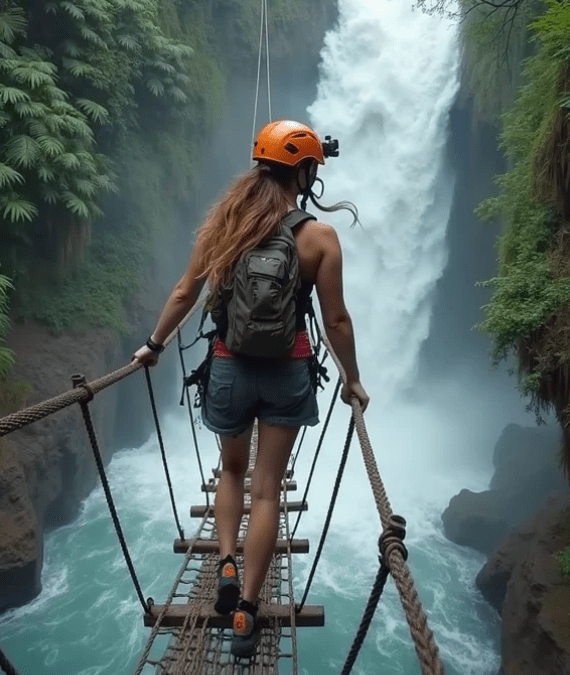
Borah Peak is the heavyweight champ of Idaho hiking. You want altitude? You got it. But it’s not just the thin air that’ll mess with you. It’s the route itself. The infamous “Chickenout Ridge” has claimed more than a few nerves—and injuries. It’s exposed, narrow, and if you slip, you will fall a long way. This is mountaineering more than hiking.

There’s no water up there. No cover. No mercy. If you’re not acclimated, if you’re not carrying the right gear, and if you don’t know how to self-rescue, Borah will beat you.

Pack layers—it gets frigid at the top even in August. Helmet for the ridge. Gloves with grip. And enough endurance to climb over a vertical mile and still descend safely. This one isn’t about the view (though it’s spectacular); it’s about proving you’ve got the chops to survive the climb.


3. Seven Devils Loop – Hells Canyon National Recreation Area
Location: Western Idaho
Distance: ~28 miles loop
Elevation Gain: 7,800+ ft

This trail is an exercise in extremes. The Seven Devils loom above the deepest gorge in North America—yes, deeper than the Grand Canyon. The trail wraps around the devils, offering epic vistas and brutal ascents.

Remote? You bet. Cell signal? Forget it. You’re relying on your map, your instincts, and your survival training.

The trail network is complex, and snow can linger into late summer. Thunderstorms come out of nowhere. Water sources are limited in dry months. And if you twist an ankle out here, you’re looking at a long, painful hike out—or worse, a night in the wild with only what you’ve packed.

Test your gear before you come out here. Your tent, your stove, your boots—all of it. If anything fails, there’s no REI just around the corner. It’s just you, your pack, and whatever you can carry.


4. Imogene Lake via Hell Roaring Creek

Location: Sawtooth National Forest
Distance: ~17 miles round trip
Elevation Gain: 2,200 ft

Don’t let the whimsical name fool you—Hell Roaring Creek earns it. Water crossings can get sketchy during high runoff. You’ll navigate boulder fields, washouts, and the ever-present threat of thunderstorms that roll in like clockwork at 3 p.m.

The reward is one of the most remote and breathtaking alpine lakes in the Sawtooths—Imogene Lake. But don’t expect to have it all to yourself unless you’re willing to push in deeper than most people dare. Bushwhacking might be necessary if sections of the trail are washed out, which happens more often than the maps suggest.

Bug netting is a game-changer here. In the summer, the mosquitoes are relentless. And don’t underestimate the psychological challenge of a long hike out after a high-altitude night. Cold, tired, and sore—this is where mental toughness separates the survivors from the tourists.


5. Big Creek to Chamberlain Basin – Frank Church Wilderness

Location: Central Idaho
Distance: 40+ miles
Elevation Gain: 5,000+ ft

Now we’re talking real backcountry. The Frank Church—River of No Return Wilderness is the largest contiguous wilderness in the Lower 48. This isn’t a weekend hike; it’s a multi-day test of endurance, planning, and bushcraft.

You’ll cross creeks, navigate poorly maintained trails, and possibly run into wolves, elk, or even mountain lions. The remoteness means you carry everything—and I mean everything. Satellite communicator? Non-negotiable. Redundancy in your water filtration? Yes. Backup fire starter? You bet your life.

The Chamberlain Basin offers solitude and silence that’s hard to find anywhere else. But it demands total respect. Complacency kills in the Frank Church.


10 Hiking Trail Wilderness Skills for the State of Idaho

Idaho’s backcountry is as beautiful as it is brutal. With its towering peaks, deep canyons, and remote wilderness, hiking here isn’t just recreation—it’s a test of skill and preparedness. If you’re heading into Idaho’s rugged terrain, these ten wilderness skills are essential for staying safe, self-reliant, and ready for whatever the trail throws your way.

1. Map and Compass Navigation

GPS is great—until it dies. Idaho’s remote trails often lack signal, so knowing how to read a topographic map and use a compass is non-negotiable. Practice before you head out.

2. Water Purification

From glacial lakes to fast-moving creeks, Idaho offers plenty of water sources. But don’t drink untreated. Learn how to use filters, iodine tablets, or boil water to kill pathogens like giardia and cryptosporidium.

3. Wildlife Awareness

You’re in bear, moose, and mountain lion country. Know how to store food in bear-proof containers, when to use bear spray, and how to avoid triggering dangerous encounters.

4. Leave No Trace Practices

Respect Idaho’s fragile ecosystems. Know how to properly dispose of waste, minimize campfire impact, and leave what you find to preserve the wild for others.

5. First Aid and Trauma Response

With long evacuation times in remote areas, knowing how to handle sprains, cuts, dehydration, and hypothermia is critical. Take a wilderness first aid course—you might save a life.

6. Fire Craft

Whether you’re fighting cold or cooking food, being able to build and safely maintain a fire is a vital skill. Always know the current fire restrictions before striking a match.

7. Backcountry Navigation Apps (Offline)

Gaia GPS, AllTrails, and OnX can be lifesavers—if you download your maps offline before entering a no-service zone. Don’t rely solely on them, but use them wisely.

8. Shelter Setup

Storms hit fast in the Idaho high country. Know how to pitch a tent quickly or rig a tarp with paracord. Shelter can mean the difference between comfort and hypothermia.

9. Trail Weather Reading

Learn how to read the clouds and changes in wind. Thunderstorms roll in fast in the Sawtooths and Bitterroots—knowing when to turn back can save your life.

10. Self-Reliance Mindset

Ultimately, your best tool is your mindset. In Idaho’s wilderness, you can’t count on rescue. Plan, train, and hike like you’re on your own—because you just might be.

7 Survival Items to Always Take on a Hike in the State of Idaho

Idaho’s wilderness is vast, rugged, and unforgiving. Whether you’re tackling the granite spires of the Sawtooths or venturing into the deep canyons of the Frank Church Wilderness, being prepared is more than just good practice—it’s a necessity. Weather turns fast, trails vanish, and help can be days away. That’s why every hiker venturing into Idaho’s backcountry should carry these 7 survival essentials—every single time.

1. Map and Compass (and Know How to Use Them)

Digital navigation tools are helpful, but batteries die and signals fail. A detailed topographic map of your route and a compass can save your life if you get lost. But don’t just carry them—practice using them regularly. In Idaho’s vast trail systems, it’s easy to get turned around.

2. Water Filtration System

Water is plentiful in Idaho, but drinking it untreated is a gamble. A lightweight filter, purification tablets, or a UV purifier can turn questionable water into a safe resource. Dehydration can sneak up fast, especially at elevation.

3. Fire Starter Kit

Hypothermia can strike even in summer. Always pack waterproof matches, a lighter, and a fire starter like cotton balls soaked in petroleum jelly. Idaho’s weather can turn cold and wet in a matter of hours—fire is comfort, warmth, and safety.

4. Shelter

Even on a day hike, carrying an emergency bivvy sack or lightweight tarp is a smart move. If you’re injured, lost, or stuck overnight, having shelter from wind and rain could be the difference between life and death.

5. First Aid Kit

Customize your first aid kit for Idaho’s hazards—blisters, sprains, insect bites, and altitude issues. Add items like tweezers (for ticks), antihistamines, and extra bandages. Don’t forget to include any personal medications.

6. Multi-tool or Knife

A quality multi-tool or survival knife is indispensable. Use it to repair gear, make kindling, cut cordage, or in rare cases, defend yourself. It’s the ultimate piece of wilderness utility.

7. Headlamp with Extra Batteries

Idaho’s remote trails are dark and disorienting after sunset. A headlamp keeps your hands free, and spare batteries ensure you’re not stuck navigating by moonlight.


The Idaho wild doesn’t forgive unpreparedness. Bring these items. Every hike. Every time.

Final Thoughts from a Trail-Hardened Prepper
I hike because it hones the edge. Every footstep out there teaches me something about myself—and about the wild. It teaches patience, resilience, and above all, preparation. The woods don’t care about your ego. Idaho certainly doesn’t. It rewards those who come ready. Those who train. Those who plan. And those who respect the land.

So if you’re thinking about tackling one of these brutal beauties, do yourself a favor: prep like your life depends on it. Because out there, it just might.

Gear up. Train hard. Hike smart. And remember: survival isn’t a slogan. It’s a skill.

The Safest Seats in a Movie Theatre During an Emergency

Let me guess—you think the movie theatre is a place to relax, check your phone, drown in popcorn, and escape reality for two hours. WRONG. That kind of soft, head-in-the-sand thinking will get you dead. If you walk into any enclosed public space—like a movie theatre—without knowing your exits, your cover options, and your defensive posture, you’ve already lost.

I’m not here to scare you. I’m here to wake you up.

Emergency situations—including active shooters, fires, structural collapse, or crowd panic—can and DO happen in theatres. You don’t get to control if it happens, but you sure as hell can control how prepared you are.

Let’s talk about where to sit—and how to think—so you walk out alive if it all goes to hell.


🎯 First Rule of Survival: Get Your Head on a Swivel

Complacency kills. That’s not a catchphrase. That’s a fact. If you’re walking into a theatre with your eyes glued to your phone and your AirPods in, you’re a liability to yourself and everyone around you. Situational awareness is your best friend. Act like it.


🪑 Where to Sit: The Only Seats That Make Sense

🔻Back Row, Aisle Seat (Exit Side)

This is your throne. You’ve got your back to the wall, a full view of the audience, and quick access to the exit. You’re not boxed in, and nobody can sneak up behind you. In a threat scenario, this position allows observation, escape, and even ambush if needed.

🔻Mid-Theatre, Aisle Seat Near Emergency Exit

If the back row is full or doesn’t exist, go for an aisle seat in the mid-section, near the emergency doors. Not only can you GTFO fast, but you can also drag others with you if you’re trained and willing.

🚫Avoid:

  • Dead center of the theatre. You’ll be trapped like a rat in a maze.
  • Front rows. Limited view, slow to react, you’re first in the line of fire if anything comes in from the front.
  • Middle of any row. Slows your escape. You’ll be crawling over weaklings frozen in fear.

🎒15 Survival Movie Theatre Skills You Need to Master

  1. Situational Awareness Drills
    Clock every exit. Watch people. Spot the loners. Recognize body language that says “I’m about to snap.”
  2. Pathfinding Under Pressure
    Know multiple paths to the exit, including crawling routes under seats.
  3. Use of Improvised Cover
    Seats, trash cans, stair rails—use anything to shield yourself or others from line of sight.
  4. Low Light Navigation
    Memorize your seat path on the way in. Phones might not work when panic breaks out.
  5. Rapid Exit Without Causing Stampede
    Move fast but smart. Yelling “FIRE!” creates chaos. Lead by example, not hysteria.
  6. Hand-to-Hand Combat in Tight Spaces
    If you’re trained, be ready. Tight quarters mean elbows, knees, and improvised weapons.
  7. Self-Tourniquet Application
    Bleeding out from a leg wound in row 8 is preventable—if you practiced.
  8. People Herding
    Can you calm the people around you and move them fast? That’s leadership.
  9. Improvised Weapon Use
    Belt buckles, keys, flashlight, or your damn soda cup lid—anything can be a weapon.
  10. Silent Communication
    Finger-pointing, hand signals. Talking makes noise. Learn quiet teamwork.
  11. Quick Inventory Assessment
    What do you have on you that’s useful? What does your group have? Check mentally.
  12. Cover vs. Concealment Differentiation
    A movie seat hides you. It doesn’t stop bullets. Learn the damn difference.
  13. Emergency Aid for Strangers
    CPR, pressure bandaging, or at least dragging someone out who’s frozen.
  14. Panic Response Control
    You can’t help anyone if you’re screaming. Train your breath, train your mind.
  15. Exit Dominance
    If you’re first to the door, secure it. Don’t let others funnel you into a worse situation.

🔧3 DIY Survival Theatre Hacks

1. The Tactical Popcorn Bucket

Line your popcorn bucket with a folded mylar blanket, a tourniquet, mini flashlight, and earplugs. It looks innocent, but you’ve just smuggled a micro go-bag past security. Boom.

2. Shoelace Rescue Tool

Your laces? Not just for fashion. Use them to tie off wounds, trip hazards, or as hand ties if someone’s a threat. Paracord shoelaces? Even better.

3. The Jacket Decoy

Leave your jacket on a seat as a decoy if you’re being hunted or followed. Gives them a false lead. Bonus: heavy jackets can also act as low-level cover or distraction tools if thrown.


💣What You’re Up Against

Let’s be blunt: active shooters go for soft targets, and theatres are prime real estate. Dark, loud, distracted people. That’s candyland for a psycho. You’ve got seconds to react, and your training—or lack of it—makes the difference.

Most people freeze. You? You don’t get that luxury. You move. You assess. You lead. Or at least, you get the hell out without making it someone else’s job to drag you.


🧠Mindset Is Survival

The average American has lost the survival instinct. Spoiled by climate control and delivery apps, they’ve forgotten that danger doesn’t care how comfortable you are. If you think I’m being “paranoid,” good. That means you’re still soft. Harden up.

There’s a difference between living in fear and living with awareness. You can eat your popcorn and still be watching those exit doors. You can enjoy a film and still plan the path out. It’s not paranoia. It’s preparedness.


🔚Final Word

If you remember one thing, remember this: You’re your own first responder.

In the time it takes law enforcement to breach the building, identify the threat, and reach you, you’ll either be:

  • Alive and helping others,
  • Crawling and bleeding, or
  • A damn statistic.

Choose. Train. Sit smart. Be ready.

You don’t get to schedule emergencies—but you sure as hell get to be prepared for them.


The SHTF Wake-Up Call: How to Prepare for a World Where What You Have Is All That Matters

The SHTF Wake-Up Call: How to Prepare for a World Where What You Have Is All That Matters

If you’re still sitting around, thinking that everything is going to be fine and that some miracle will come along to save you, then it’s time for a serious wake-up call. You’ve been warned, and if you haven’t taken action yet, you’re a fool. When shit hits the fan (SHTF) for real, you won’t have time to run to the store and pick up a few cans of beans. You won’t have a backup plan that depends on someone else’s help. The hard truth is, what you have on hand will be ALL that matters. That’s it. You think you’re prepared? Think again. You can’t survive on optimism or hope alone.

So, let me make it crystal clear: You better have your act together now, or you’re done.

The problem with most people today is that they’re completely blind to the real threats we face. They walk around, heads buried in their phones, oblivious to the fact that this whole society could collapse in the blink of an eye. But it’s not just some far-off apocalypse I’m talking about. I’m talking about economic collapse, social unrest, grid failures, natural disasters, pandemics, and everything in between. The kind of world where your food, your water, your shelter, and your ability to protect yourself from the chaos around you will depend entirely on what you’ve managed to gather and the skills you’ve learned.

That’s right. Skills. Skills that you better start mastering now.

Here’s the thing: when the grid goes down and the grocery stores empty out, you won’t be able to waltz into your friendly local convenience store to grab a snack. And let me tell you, unless you live in a rural area and have prepared for the worst, you won’t be seeing those preppers with “lots of ammo and supplies” coming to save you. It’s every man for himself, and you will quickly realize just how unprepared you are if you don’t start taking this seriously.

So, let’s get into it. If you want to survive the collapse, you need to have the right skills in your back pocket. Here are 15 critical SHTF survival skills you need to master before it’s too late.

1. Water Filtration and Purification

If there’s one thing that’s more precious than gold when SHTF, it’s water. You can go without food for weeks, but you can’t survive more than a few days without water. Stockpiling water is smart, but you also need the knowledge to purify any water you come across. Learn how to boil water, use filtration systems, and make DIY purification methods.

2. Fire Starting

A fire isn’t just for cooking or warmth. It’s a beacon for rescue, a deterrent for predators, and a signal to others. Learn how to start a fire with limited supplies. I’m talking about using flint and steel, magnifying glasses, fire starters, and even primitive methods like rubbing sticks together. If you can’t make fire, you’re screwed.

3. Food Preservation

Stockpiling food is essential, but do you know how to make it last? Canning, dehydrating, and fermenting food are all necessary skills. If you’re relying solely on canned goods, you’re setting yourself up for failure in the long run. Learning how to preserve your own food can make the difference between life and death.

4. Self-Defense

Let me say it loud and clear: the world isn’t going to be a safe place when SHTF. People will become desperate, and desperation breeds violence. If you don’t know how to defend yourself—whether that’s with a firearm, a knife, or your bare hands—you’re putting yourself at extreme risk. Learn how to use weapons, but also know how to fight without them.

5. Shelter Building

When your home is no longer safe, you’ll need to know how to build a shelter. Do you know how to construct a lean-to, a tarp shelter, or even use natural resources for protection? If you’re stuck in the wilderness, your survival depends on your ability to stay dry, warm, and protected.

6. Hunting and Fishing

You’re not going to find a butcher shop to supply you with steaks once society falls apart. Knowing how to hunt, fish, trap, and forage is vital for long-term survival. You need to have the skills to put food on the table in a world where hunting for a meal isn’t just a recreational activity.

7. First Aid and Medical Knowledge

When help isn’t on the way, you better know how to take care of yourself. You need more than just a basic first aid kit—you need to know how to use it. Learn basic field medicine, including how to treat wounds, fractures, infections, and even how to perform CPR. The human body is fragile, and when it goes wrong, you’ll be on your own.

8. Navigation

If the GPS goes down, are you prepared to find your way? Learn how to read a map and use a compass. In a collapsed world, you’ll need to be able to navigate through urban areas or the wilderness. Whether you’re running from danger or searching for a safer place, the ability to find your way will be crucial.

9. Bartering

Cash is worthless when the economy collapses, but goods and services still hold value. If you don’t understand how to barter, you’re going to be at a serious disadvantage. Learn how to negotiate and trade supplies or skills to get what you need.

10. Composting and Growing Food

When you can no longer rely on grocery stores, you better know how to grow your own food. If you can’t grow your own crops or raise livestock, you’ll quickly run out of resources. Learn how to compost, plant, and maintain a garden. It’s one of the most valuable survival skills you can have.

11. Mental Toughness

Let’s face it: survival isn’t just about physical skills; it’s also about mental resilience. If you lose your nerve when things get tough, you won’t last long. You need to stay calm, think critically, and be able to make tough decisions when everything around you is falling apart. Mental toughness will be your secret weapon.

12. Improvised Weapons

When ammunition and weapons are scarce, you need to know how to improvise. A sharp stick or a hammer can be just as effective as a firearm in a pinch. Learn how to turn everyday objects into weapons for self-defense.

13. Electricity Alternatives

You won’t have access to the grid when it goes down, so you better know how to create your own power. Solar panels, wind turbines, and hand-crank generators are all viable options. You also need to know how to repair basic electrical systems.

14. Communication

When cell towers and the internet are gone, you need to know how to communicate without relying on modern technology. Ham radios, signal fires, and other low-tech methods will keep you connected when everyone else is in the dark.

15. Mental Health Care

When society breaks down, your emotional and psychological state can make or break your survival. Depression, stress, and anxiety can destroy your ability to function. Learn techniques for maintaining mental health during chaotic times. You need to stay strong, calm, and focused.


3 DIY SHTF Survival Hacks

Now, let’s talk about some simple, DIY hacks that can save your life when SHTF. If you’re relying on a pre-made kit, you’re already behind the curve. Here are three hacks you need to know:

1. DIY Water Filter

You don’t need an expensive water filtration system to clean dirty water. Create a simple water filter using sand, gravel, charcoal, and a piece of cloth. Just layer these materials in a plastic bottle, and it will filter out the bigger contaminants, leaving you with cleaner water. It won’t purify it entirely, but it will make it much safer to drink.

2. DIY Solar Still

If you’re out in the wilderness without access to clean water, a solar still can help. Dig a small hole, place a container at the bottom, and surround it with plastic sheeting. Place a small stone in the center of the plastic to create a low point, and the sun will cause the water to evaporate, collect, and drip into the container. It’s a slow process, but it can provide clean water.

3. Fire Starter with Cotton Balls and Vaseline

When you don’t have matches, and you need to start a fire, make your own fire starter. Soak cotton balls in Vaseline and store them in a waterproof container. When you need to start a fire, just light one of these balls. The Vaseline will act as an accelerant, giving you a fast and hot flame to get your fire going.


If you think all of this is overkill, fine. Keep living in your fantasy world where someone else will save you when the world falls apart. But remember this: when SHTF, what you have is all you’ll have. No backup plans, no help from anyone. It’s time to wake up, get real, and start preparing. Or you’ll be one of the ones begging for help when it’s already too late. Your survival starts now, not tomorrow.

The Ultimate List of Survival Foods You Should Grow Yourself

The Ultimate List of Survival Foods You Should Grow Yourself

(Told by a Fed-Up, No-Nonsense Survivalist)

Listen up. If you think the grocery store is your safety net, you’re already screwed. This isn’t a joke and it sure as hell ain’t a game. When the trucks stop rolling, the power goes out, or the world goes sideways — your fancy apps and two-day shipping won’t feed you.

You want to survive? You GROW your food.

I’m not talking about pretty little herb gardens. I’m talking calorie-dense, nutrient-rich, survival-grade crops that’ll keep you and your family alive when the rest of the neighborhood is fighting over moldy cans of beans.

Here’s the no-BS list of survival foods you should be growing RIGHT NOW — and if you’re not, then get off your butt and get planting.


🔥 The Survival Foods You NEED To Grow

  1. Potatoes
    These starchy workhorses are loaded with carbs and keep well in a root cellar. Grow them in buckets, raised beds, whatever you’ve got. Easy, fast, and reliable.
  2. Beans (Pole & Bush)
    High in protein, they’re your best friend when meat isn’t an option. They also fix nitrogen in the soil — which means better yields overall.
  3. Corn
    Don’t grow sweet corn for fun. Grow dent or flint corn — the kind you can dry and grind into meal. This is real survival food.
  4. Winter Squash
    Long shelf life. Heavy on calories. Butternut, acorn, spaghetti — doesn’t matter. They’ll keep through winter if stored right.
  5. Garlic
    Not just for flavor. Garlic is antibacterial, antifungal, and boosts immunity. Plus, it stores for months.
  6. Onions
    Adds depth to every meal, and it’s another strong natural antibiotic. Plant a lot — they go quick.
  7. Carrots
    Vitamin A bombs. Easy to grow, easy to store, and great for morale. Don’t underestimate morale food.
  8. Kale and Collards
    Leafy greens that don’t quit. They’ll grow in frost and keep producing for weeks. Nutrient-rich and damn tough.
  9. Cabbage
    Eat it raw, cooked, or ferment it into sauerkraut for gut health. Stores well and produces big.
  10. Tomatoes (Paste Types)
    Forget salad tomatoes. Grow Roma or San Marzano. They’re meaty, great for sauces, and can be preserved easily.
  11. Peppers
    Bell or hot, they’re loaded with vitamin C and they dehydrate well. Hot peppers also help preserve food and boost metabolism.
  12. Sweet Potatoes
    Grow the greens and the tubers. High in nutrients, hardy in poor soil, and sweet enough to break up food boredom.
  13. Zucchini
    One plant can feed a neighborhood. You’ll get tired of zucchini before it stops producing.
  14. Turnips
    Fast-growing and reliable. The roots feed you, the greens feed your livestock or compost. Win-win.
  15. Herbs (Basil, Thyme, Oregano)
    Not just flavor. Many herbs have medicinal benefits, and let’s be honest — bland food kills morale faster than cold weather.

🧠 Top 15 Survival Skills You Better Learn Yesterday

  1. Canning and Preservation
    If you can’t store it, you’re wasting harvest. Learn water bath and pressure canning NOW.
  2. Seed Saving
    No seed = no food next season. Learn to save and store seeds properly.
  3. Composting
    Fertilizer won’t fall from the sky. Compost everything — food scraps, manure, leaves.
  4. Irrigation Setup
    No water = dead garden. Build a rain catchment system or gravity-fed drip line.
  5. Crop Rotation
    Don’t plant the same thing in the same spot. It destroys your soil.
  6. Soil Building
    Healthy soil is LIFE. Use compost, mulch, manure, and worm castings.
  7. Foraging
    Know what edible weeds and wild plants grow near you — just in case your garden fails.
  8. Basic First Aid
    What’s that got to do with food? A LOT when you slice your hand harvesting cabbage in a blackout.
  9. DIY Pest Control
    No pesticides? Learn natural methods — neem oil, diatomaceous earth, companion planting.
  10. Food Dehydration
    Dry fruits, veggies, and meats. Lightweight, long-lasting survival food.
  11. Root Cellar Building
    Store food the old-school way — underground and temperature-stable.
  12. Cooking Without Power
    Solar oven, rocket stove, open fire. Know them all.
  13. Water Purification
    Rainwater + bacteria = diarrhea. Filter it, boil it, or don’t drink it.
  14. Tool Maintenance
    A broken hoe doesn’t feed you. Learn how to fix and sharpen your gear.
  15. Animal Husbandry (Bonus)
    Chickens, rabbits, goats — they add meat and manure to your homestead. Even if you start small.

🛠️ 3 DIY Survival Hacks You’ll Thank Me For Later

  1. 5-Gallon Bucket Potato Tower
    No space? No problem. Drill drainage holes in a 5-gallon bucket. Plant seed potatoes at the bottom, keep adding soil as they grow. Harvest a full bucket of potatoes in a few months.
  2. Homemade Self-Watering Containers
    Take two buckets. One for the water reservoir, one with soil and a wicking system. Perfect for growing during hot months or if water is limited.
  3. Eggshell Calcium Boost
    Dry and crush eggshells, sprinkle them in your garden beds. It adds calcium, keeps slugs away, and helps prevent blossom-end rot in tomatoes.

Final Word from a Tired, Angry Survivalist

Look — I don’t care who you voted for. I don’t care how many TikToks you’ve watched about prepping. If you don’t get serious and start growing your own food, you’re gambling with your life.

The system is fragile. The soil is ready. The question is — are you?

You don’t need land, money, or even experience. You need the will to survive, some dirt, and the guts to get started.

Start now. Not tomorrow. Not when things “calm down.”
Because when it all goes dark — those who grow, eat.
And those who wait… don’t.

The Best States to Grow a Survival Garden

(Told Straight by Someone Who Actually Grows Their Own Damn Food)

Let’s cut the fluff. If you’re thinking about survival gardening, your location matters — a lot. You don’t want to be stuck trying to grow tomatoes in 100-degree desert heat or watching your crops rot from nonstop rain in the Pacific Northwest. You need a place where the soil is good, the growing season is long, and the government leaves you alone.

So here it is — the hard truth about the best states to grow a survival garden. I’m talking about places where you can grow enough food to survive, thrive, and stick it to the system if things go sideways.


1. Tennessee

You want rich soil? You want rain? You want a long growing season and low land prices? Tennessee checks all the boxes. Mild winters, plenty of sunshine, and you can grow almost everything here — beans, corn, squash, tomatoes, leafy greens, potatoes, fruit trees. The laws are also favorable to homesteaders. Not too many restrictions, and folks mind their own business.


2. Missouri

The Ozarks are a survivalist’s dream. Tons of natural resources, plenty of fresh water, and excellent soil. Plus, land is still affordable if you know where to look. You can grow food, raise animals, and build off-grid without some HOA telling you your solar panels are “unsightly.” It’s no wonder so many preppers are quietly heading this way.


3. North Carolina

Western North Carolina especially. Good elevation, great soil, and a long enough growing season to plant more than one crop per year. You’ve got access to fresh water from mountain streams, and the climate isn’t brutal. It’s a solid blend of self-sufficiency potential and relative safety from extreme weather.


4. Kentucky

If you want underrated, this is it. Kentucky is quiet, lush, and has some of the best topsoil in the country. It’s perfect for growing survival staples like corn, beans, squash, and root veggies. There’s plenty of space, low taxes, and folks are generally self-reliant and leave you alone — exactly how we like it.


5. Texas (East Texas, specifically)

Forget West Texas unless you like growing dust. East Texas, though? It’s humid, green, and fertile. Long growing season, tons of water, and enough room to build a self-sustaining setup. The state itself has a strong “don’t tread on me” culture — and that counts for something when the grid goes down.


Final Word

You can prep all you want, but if you’re trying to grow food in a place where nothing grows, you’re wasting your time. Survival gardening isn’t just about planting seeds — it’s about being strategic, knowing your climate, and choosing a location where your garden will feed your family, not fail you when you need it most.

So stop scrolling and start planning. Because when the supply chain collapses, real security isn’t ammo — it’s potatoes.

Naked in the Cold: How to Survive Freezing Temperatures Without Clothes

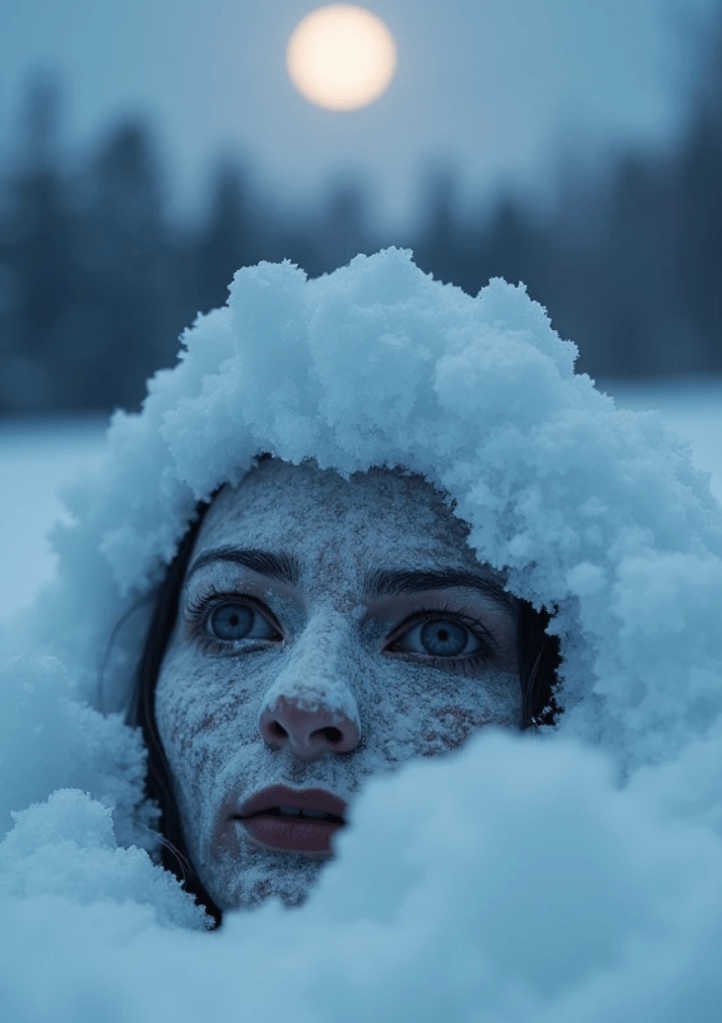
Let me paint a scenario for you, and don’t you dare shrug it off like it’s some movie plot. You’re out in the woods. Maybe you fell into a river, maybe your gear burned up in a freak accident, maybe some psycho stripped you and left you for dead. Doesn’t matter how it happened. The point is: you’re naked, it’s freezing, and you’ve got one job—stay alive.

And I hate to break it to you, but most of you wouldn’t last more than an hour. You’d panic, cry, curl into a ball, and die like a damn amateur. Not because nature is cruel (it is), but because you never trained for rock-bottom scenarios. You thought your gear would save you. You thought “that’ll never happen to me.” Well guess what? Nature doesn’t care about your fantasies. You either adapt, or you die.

So here it is. The hard, cold truth about how to survive when you’ve got nothing. No gear, no clothes, and death breathing down your neck.


First Rule: Panic Kills

You panic, you die. Simple as that. When you start hyperventilating, wasting energy pacing, or screaming for help that’s not coming—you’re burning calories and losing heat. STOP. BREATHE. ASSESS.

Your body is a machine. The moment you’re exposed to freezing temps, it goes into triage mode. Blood rushes to your core to protect vital organs. Your fingers and toes? They’re already expendable. You need to act, not freak out.


Step 1: Get Out of the Wind

Wind is the silent killer. It steals your body heat ten times faster than still air. Find a windbreak—fast. Rock outcroppings, dense bushes, downed trees, snowdrifts—use whatever you can. Dig into the earth or snow if you have to. Create a trench or burrow like your life depends on it, because it does.


Step 2: Insulate Yourself with Nature

No clothes? Fine. Nature’s full of insulation—if you’re not too soft to use it.

Stuff your body with:

  • Dead leaves
  • Dry grass
  • Pine needles
  • Moss
  • Bark shavings

Pack it everywhere: under your arms, between your legs, down your back. Build layers between you and the air. You look like a swamp monster? Who cares? Ugly people survive. Dead people don’t.


Step 3: Fire Is Non-Negotiable

If you can make fire, you make fire. I don’t care if it takes an hour. I don’t care if your hands are bleeding. Fire is warmth. Fire is life.

No tools? Then you’d better have the mental grit to make a bow drill or hand drill. Use dry wood only. Dead standing wood—not fallen, not wet.

DIY Survival Hack #1: Bark Tinder

Strip birch bark or cedar bark into fine fibers and crumple it up. It lights even when damp and burns hot.


Step 4: Shelter—Your First Home is Your Body

You can’t build a mansion out there, but you can make a microclimate.

  • Dig a pit shelter, about 2–3 feet deep.
  • Line the bottom with leaves or pine needles.
  • Build a roof with branches and more debris.
  • If you’ve got snow, use it—snow insulates, moron.

Trap your body heat. Sleep curled up in the fetal position. Don’t sprawl out like you’re on a damn beach.


Step 5: Move, But Not Too Much

You need to generate heat, but not burn calories recklessly. Marching around naked in sub-zero temps? That’s suicide.

  • Do short bursts of exercise: jumping jacks, squats, or arm circles.
  • Keep blood flowing to your extremities.
  • But don’t sweat—sweat is death in the cold. Once you’re wet, you’re done.

15 Cold Survival Skills You’d Better Learn Yesterday:

  1. Fire from friction – Make a bow drill, hand drill, or even fire plow.
  2. Primitive insulation – How to find, dry, and use natural materials to trap heat.
  3. Deadfall shelter building – Quick shelters from branches and snow.
  4. Understanding hypothermia – Recognize signs: slurred speech, shivering stops, confusion = you’re already in danger.
  5. Water purification – Snow isn’t clean; boil or filter it, or risk parasites.
  6. Snow melting without fire – Use body heat or dark containers to melt it slowly.
  7. Cold weather first aid – Treat frostbite and trench foot without a kit.
  8. Tracking wildlife – You may need to hunt or trap. Know the prints and patterns.
  9. Primitive snares – Use vines, shoelaces (if you’ve got ‘em), or bark strips.
  10. Navigating in snow – Landmarks vanish; learn sun and shadow tricks.
  11. Improvised footwear – Bark, grass, or thick moss tied with vines—protect your feet!
  12. Stone blade crafting – Shatter rocks to make usable edges.
  13. Snow cave construction – Done right, a snow cave keeps you at 32°F even if it’s -10°F outside.
  14. Mental survival conditioning – Training yourself to push through panic, pain, and despair.
  15. Signal making in snow – Contrasts with debris, fire smoke, or body tracks.

DIY Survival Hack #1: Body Heat Battery

If you’re freezing and alone, dig a depression in the snow and line it with dry material. Curl up, pee if you have to, and trap your own heat. Human urine, gross as it sounds, is warm and sterile and can raise core temp briefly. You’re not too good for it. Use everything.


DIY Survival Hack #2: Makeshift Mittens and Socks

No gloves? Wrap your hands and feet in multiple layers of natural debris, then cover that with bark or strips of flexible wood. Bind with vines or twisted grasses. It’s not pretty—but it buys you time.


Eat or Die Trying

Calories = heat. You need fat and protein, period. Look for:

  • Grubs under logs (yes, eat the damn bug)
  • Squirrels, rabbits (trap ‘em or club ‘em)
  • Edible bark (inner bark of pine and birch is chewable)
  • Fish (use sharpened sticks as spears)

If you’re too squeamish to eat a raw grub, you don’t deserve to survive. Sorry, but that’s the truth.


Final Word: This Ain’t Hollywood

You’re not Bear Grylls, and no one’s coming with a helicopter. When you’re naked in the cold, it’s just you, your wits, and your will to live.

Most people would rather die than crawl through mud, eat bugs, or sleep in a pile of leaves. They want dignity. Guess what? Dignity is for funerals. Out here, you either fight for every shivering second, or you freeze to death while whispering regrets.

So memorize this: You are not fragile. You are not helpless. You are not dead—until you give up.

You want to survive the cold with nothing? Then start acting like someone who deserves to survive.

And don’t wait for disaster to find you. Go out, strip down, and test yourself. Train. Prepare. Because the next time you’re naked in the cold, there won’t be a second chance.

You either make it out… or you become one more frozen idiot people tell stories about.

How Preppers in Arkansas Prepare for Natural Disasters: A Complete Guide

How Arkansas Residents Prepare for the State’s Worst Natural Disasters

As a prepper living in Arkansas, you understand the importance of being prepared for anything Mother Nature throws your way. In this state, we deal with a wide range of natural disasters, from tornadoes and severe thunderstorms to floods, wildfires, and even the occasional ice storm. Whether you’ve lived here your whole life or are just settling in, it’s critical to have a solid survival plan in place to weather these unpredictable events.

In this article, I’ll walk you through the types of natural disasters we face in Arkansas, how local preppers get ready for them, and most importantly, 10 survival tips that will help you stay safe and self-sufficient when disaster strikes.

CLICK HERE TO LEARN HOW TO SURVIVE A FAMINE

1. Tornadoes – The King of Arkansas Disasters

Tornadoes are, without a doubt, the most terrifying natural disaster we face in Arkansas. They can pop up without warning, especially during spring and early summer, wreaking havoc across towns and rural areas alike. In fact, Arkansas is in “Tornado Alley,” meaning we’re right in the path of severe storms that can produce destructive twisters.

When it comes to prepping for tornadoes, time is of the essence. The best way to survive a tornado is to be prepared ahead of time. Know the safest place in your home to seek shelter. Typically, the basement is your best option, but if you don’t have one, head to an interior room on the lowest floor, away from windows and exterior walls.

Prepper Tip #1: Get a weather radio. Tornadoes can form quickly, and having a battery-powered NOAA weather radio will alert you to an impending storm long before it hits.

Prepper Tip #2: Create a tornado kit. Your kit should include essentials like water, non-perishable food, first aid supplies, a flashlight, a multi-tool, and important documents.

2. Flooding – A Persistent Threat

Flooding is another major threat in Arkansas, especially during the wet season. Heavy rainfall can cause rivers to overflow, while flash floods can occur within hours. Arkansas has numerous rivers, including the Arkansas River, White River, and Ouachita River, all of which pose a risk during periods of excessive rain.

Preppers in Arkansas need to understand the flooding risks in their area. Flood-prone zones are more common than you might think, especially around river valleys or low-lying areas. One of the best ways to stay safe is to elevate your home, or at the very least, keep your survival gear in waterproof containers that won’t get ruined in the event of a flood.

Prepper Tip #3: Know the flood zones. If you live in a floodplain, have a plan for evacuation. Keep emergency bags packed and ready to go at all times.

Prepper Tip #4: Install sump pumps. If your home is in a low-lying area, consider installing a sump pump to prevent water from infiltrating your basement.

3. Severe Thunderstorms and Hail – Common But Dangerous

It’s no surprise that Arkansas experiences frequent thunderstorms, especially in the warmer months. These storms often bring heavy rain, lightning, high winds, and hail—sometimes large enough to cause significant damage. While we can predict thunderstorms, the severity and timing are often less predictable.

Prepper Tip #5: Fortify your home. Invest in storm shutters or window protection to minimize damage from high winds or hail.

Prepper Tip #6: Have a lightning safety plan. Lightning is a serious risk during thunderstorms. Stay indoors and avoid electrical appliances during the storm. If you’re outdoors, avoid tall trees and open fields.

4. Wildfires – A Growing Concern

Although Arkansas isn’t typically associated with wildfires, dry conditions combined with high winds can lead to the rapid spread of flames. In recent years, wildfires have become more common in certain regions, particularly in the Ozarks. Preppers need to be aware of fire risks, especially during prolonged periods of dry weather.

Prepper Tip #7: Create defensible space around your property. Clear dead vegetation, leaves, and other fire-prone debris from your yard to minimize the chance of a wildfire reaching your home.

Prepper Tip #8: Invest in a fire extinguisher. Keep multiple fire extinguishers around your property—inside your home and near the outdoor areas that could catch fire. If you’re in a rural area, it’s also smart to have a water source available for firefighting.

5. Ice Storms and Winter Weather – The Silent Killer

Arkansas isn’t known for heavy snowfall, but when we do get snow and ice, it can cause chaos. Ice storms are particularly dangerous. Power outages are common, and roads become treacherous. During these storms, staying warm and safe is a priority.

Prepper Tip #9: Stockpile firewood. If you live in a rural area, consider installing a wood-burning stove or fireplace for heat during power outages. Stockpile firewood so that you can stay warm when the grid goes down.

Prepper Tip #10: Keep extra blankets and warm clothing. If the power goes out, having enough blankets, sleeping bags, and layers of clothing can keep you and your family safe from the cold. A camp stove or propane heater can also be life-saving.

How Arkansans Are Preparing for the Worst

In Arkansas, preppers aren’t just sitting around waiting for a disaster to strike. We’re actively working to make sure we’re ready for anything. Many of us are involved in local prepper groups, where we share information and resources. We’re learning about sustainable living, emergency first aid, and how to grow our own food. We also focus on off-grid living solutions—because let’s face it, when the power goes out, it might not be back on for days.

The survival mindset here is about being self-reliant. Preppers in Arkansas have long recognized that we can’t always rely on the government or emergency responders to bail us out. Whether it’s learning how to purify water, build a shelter, or hunt and fish for food, we know that every little bit of knowledge helps when the grid goes down.

Some Arkansans are even fortifying their homes against natural disasters with storm shelters, backup generators, and solar power systems. And with a large rural population, we know that being able to live off the land can make the difference between life and death when supply chains break down.

Conclusion

Being a prepper in Arkansas means constantly thinking ahead. Whether it’s preparing for tornadoes, floods, or wildfires, we make it a point to be ready for the worst. The tips shared here will give you a strong foundation to build on as you create your own emergency plan. Remember, the key to survival isn’t just about having gear—it’s about having the knowledge and mindset to endure whatever disaster comes your way.

Stay Safe in the Silver State: Prepper Tips for Nevada’s Natural Disasters

Surviving the Deserts and Earthquakes of Nevada: A Prepper’s Guide

Nevada, the Silver State, is well-known for its vast desert landscapes, glimmering casinos, and a lifestyle deeply rooted in independence. But beyond the glitzy lights and urban sprawl, residents are aware of the harsh realities of living in a state susceptible to a variety of natural disasters. As a prepper in Nevada, you’ve got to be ready for anything—from extreme heatwaves and wildfires to earthquakes and floods. In this guide, I’m going to walk you through how we prepare for Nevada’s worst natural disasters and offer 10 survival prepper tips that every Nevadan should know.

1. Understand the Nevada Landscape and Hazards

Nevada is a diverse state, but it’s known for its arid desert climate and rugged mountain terrain. The northern part of the state experiences extreme cold temperatures and heavy snow in the winter, while the southern part remains hot and dry year-round. Both extremes present unique survival challenges, especially during natural disasters. Residents in the north must prepare for snowstorms and freezing temperatures, while those in the south face the ever-present threat of wildfires and extreme heat.

CLICK HERE TO LEARN HOW TO SURVIVE A FAMINE

2. Wildfires: The Ever-Present Danger

Wildfires are a frequent and devastating threat in Nevada, particularly during the dry summer months. Wildfires can spread rapidly, consuming dry vegetation and quickly becoming uncontrollable. As a prepper, it’s vital to have a plan to evacuate if a wildfire is near. Prepare your home by creating defensible spaces around your property, clearing away dry vegetation, and investing in fire-resistant materials for your home.

Prepper Tip #1: Create an evacuation route and practice it with your family. Always have your go-bag ready, and be prepared to leave at a moment’s notice. Ensure that everyone knows where the emergency rendezvous point is.

3. Earthquakes: Nevada’s Hidden Danger

Nevada may not be as famous for earthquakes as California, but it’s a major player in the seismic zone. In fact, Nevada experiences more than 600 earthquakes each year, with some of them strong enough to cause significant damage. The west of the state is part of the Walker Lane Fault Zone, which is an active fault line. While most of these quakes are small, the potential for a large, damaging earthquake exists.

Prepper Tip #2: Secure your home by anchoring heavy furniture and shelving units to the wall. Store your emergency supplies in easy-to-reach places, and practice earthquake drills with your family.

4. Extreme Heat: Surviving Nevada’s Searing Summers

Summer temperatures in Nevada can easily exceed 100°F, especially in the southern part of the state. The desert climate makes it easy to become dehydrated, and prolonged exposure to the sun can result in heatstroke. Extreme heat can also lead to power outages and water shortages.

Prepper Tip #3: Invest in a good solar-powered air conditioning system or fans that can help you keep cool during power outages. Always keep a large water supply on hand—aim for at least a gallon per person per day for a week. Hydration is key.

5. Flash Flooding: A Surprising Hazard

While Nevada is mostly dry, flash floods can happen unexpectedly, especially during monsoon season. These floods can quickly transform dry riverbeds into raging torrents of water, sweeping away vehicles and homes in a matter of minutes. It’s crucial to know when flash flood warnings are issued and have a plan to get to higher ground if necessary.

Prepper Tip #4: Know the flood-prone areas in your area and avoid building or storing valuables in low-lying areas. If you live near a wash or riverbed, keep a set of waterproof clothing and emergency supplies ready to go.

6. Snowstorms and Winter Weather: Northern Nevada’s Challenge

Though much of Nevada is desert, northern regions like Reno and the surrounding areas can experience heavy snowfalls during the winter months. These snowstorms can lead to road closures, power outages, and the isolation of communities.

Prepper Tip #5: Keep a winter survival kit in your vehicle, including blankets, chains for your tires, extra food and water, and a flashlight. It’s also a good idea to have a backup generator for when the power goes out during a storm.

7. Droughts: A Long-Term Issue

Nevada is one of the driest states in the U.S., and droughts are an ongoing concern. With a reliance on the Colorado River for water, the state faces constant pressure from declining water levels. In prolonged drought conditions, water shortages become a critical issue.

Prepper Tip #6: Collect and store rainwater whenever possible. Having a rainwater harvesting system installed can provide a valuable backup water supply. Also, consider investing in a high-efficiency water filtration system for your home.

8. Tornadoes: A Rare but Real Threat

Though rare in Nevada, tornadoes can and do occur, primarily in the northern and central parts of the state. Tornadoes can come with little warning, and their destructive power can level entire structures. It’s vital to be prepared and understand what to do if one should strike.

Prepper Tip #7: Have a designated safe room or basement in your home that’s reinforced to withstand the wind and debris of a tornado. Keep it stocked with emergency supplies like first aid kits, water, and non-perishable food.

9. Pests and Rodents: An Unlikely Survival Threat

While not traditionally thought of as a disaster, Nevada’s desert environment can bring pests like scorpions, rattlesnakes, and rodents into close contact with humans. These animals can be dangerous and spread disease, especially if they’re driven to seek shelter due to natural disasters.

Prepper Tip #8: Seal up cracks and gaps in your home, especially in the foundation, to keep out pests. Always inspect outdoor gear and supplies before bringing them inside, and consider investing in pest-proof containers for food storage.

10. Power Outages: Be Ready for the Worst

The heat, wildfires, and snowstorms in Nevada can all contribute to power outages. Whether it’s a widespread blackout or a localized issue, losing electricity can be a serious survival challenge, especially if it’s during extreme weather.

Prepper Tip #9: Install a backup power system, like a generator, to keep essential appliances running. Solar-powered chargers for your phones and other devices can also be a lifesaver when the grid goes down.

11. Stay Informed: Knowledge is Key

Living in a state prone to natural disasters means staying informed. Nevada residents need to know when disasters are on the horizon and have access to reliable weather and emergency information sources.

Prepper Tip #10: Invest in a weather radio with battery backup, so you can receive up-to-date information during emergencies. Also, consider downloading emergency apps on your phone that will alert you to local disaster warnings.

Conclusion

Being a survival prepper in Nevada means more than just stacking up supplies—it’s about preparing for the unique natural disasters the state faces. Whether you’re braving the scorching summer heat, preparing for an earthquake, or evacuating from a wildfire, the key to survival is planning and preparation. With these 10 survival tips, you can be confident that you’re ready for whatever Nevada throws your way. Keep your head in the game, your supplies stocked, and your mind sharp. Survival in the Silver State isn’t just about luck—it’s about being prepared for anything.

The Forgotten Hazard When Bugging Out

When most folks talk about bugging out, they focus on the obvious threats: looters, martial law, roving gangs, civil unrest, and the ever-looming collapse of modern infrastructure. You’ve heard it all before. Pack your bug-out bag. Choose your route. Scout a fallback location. Stock up on MREs, water filters, knives, ammo, comms gear—the whole nine yards.

And yet, while the prepping world drowns itself in gear reviews and tactical hypotheticals, one crucial hazard gets completely and unforgivably overlooked.

I’m talking about complacency’s ugly cousin: Group Fragility. That’s right. The people you trust, the ones you’re planning to survive alongside—your family, your so-called “mutual assistance group,” your bros from the shooting range—they might be the very thing that gets you killed.

Let me say it plain: a bug-out plan is only as strong as its weakest member.

Now before you roll your eyes and tell yourself, “I’ve trained with my team,” or “My wife’s tough,” or “We’ll be fine because we’ve practiced,” let me stop you right there. Practice doesn’t equal performance under real pressure. And emotional breakdowns, moral disagreements, and physical weaknesses don’t show themselves when you’re camping for fun over a long weekend.

They show themselves when the stakes are real. When someone’s bleeding. When you’re out of clean water and three days into a storm. When someone you love starts panicking and you realize: “This is what’s going to get us killed.”


You Think You’re Ready? Think Again.

The fantasy of bugging out is seductive. The romantic image of disappearing into the woods, rifle slung over your shoulder, hunting deer and living off the land—it’s so appealing it blinds people. But reality has no use for fantasy. The truth is most people can’t even handle a power outage without losing their minds, let alone a full-blown collapse that drives you from your home with nothing but your bug-out gear and a prayer.

Sure, you can pack iodine tablets and solar chargers. But you can’t pack mental stability. You can’t pack maturity. And you sure as hell can’t pack grit.

I’ve seen it happen. Big, strong men break down crying when they realize they forgot to bring spare socks and now their feet are soaked, blistered, and infected. Gung-ho preppers who bought $3,000 rifles but didn’t bring tampons for their wives. Families that fall apart arguing over where to camp because no one ever decided who the leader was. The gear didn’t fail. The people did.

The Real Enemy Is Human Weakness

So what is the “forgotten hazard” I’m so mad about? It’s the human element. The people in your party are walking question marks under pressure. They are liabilities—until they’ve been tested under fire, for real, and have proven otherwise.

Bugging out isn’t about gear. It’s about mindset. It’s about psychological resilience, leadership, discipline, and trust forged through shared hardship. Without that, your so-called team is just a group of panic-prone strangers carrying matching backpacks.

Your spouse, your kids, your best friend—if they’ve never suffered, never hiked ten miles with a rucksack while sick, never made a decision under extreme duress—they are not ready. And if you haven’t prepared them for that moment, then you are not ready either.

Emotional Collapse Is Contagious

Ever seen what happens when someone panics in a group setting? It spreads. Fast. Like a virus. One person screams, and suddenly three people are hyperventilating. One person freezes in the middle of a river crossing, and now everyone’s stuck in place, vulnerable, visible, exposed.

Fear is louder than logic. And once it takes root, it doesn’t matter how much food you stockpiled or how fancy your GPS watch is. Fear will kill you.

What happens when the teenager in your group refuses to keep walking and bursts into tears from exhaustion? What happens when your partner gets a stomach bug and can’t walk for two days? What happens when two people start screaming at each other over which direction to go?

Let me tell you what happens. You stop moving. You waste precious daylight. You compromise your location. You become prey.

You Better Start Training People Now

If you’re reading this and feeling uncomfortable, good. That means you still have time. Time to fix this. Time to take off the blinders and face the uncomfortable truth: survival is about people, not just products.

Start drilling your team—your real team, not your fantasy squad. Take your kids hiking in the rain. Make your partner build a fire without matches. Go camping without any electronics and leave the granola bars at home. Eat beans, sleep on cold ground, hike until your muscles scream.

And do it all together.

Why? Because the only way to root out weakness is to force it to the surface. And once you’ve seen it—once your daughter breaks down crying, or your best friend lies to your face about losing the compass—then you can start building real trust. Not the feel-good, “we’re family” trust. I’m talking about battlefield trust. Hard-earned, honest, proven trust.

That is the only kind that matters when society collapses.

Leadership Isn’t Optional

Another thing most bug-out plans lack? Clear hierarchy. When everyone thinks they’re in charge, no one is. And when bullets are flying or you’re sprinting from a wildfire, hesitation will kill you.

Designate a leader now. Establish a chain of command. Decide who makes the call when things go sideways—and make sure everyone agrees ahead of time.

Don’t fall into the trap of “we’ll decide when it happens.” That’s a fantasy. In real life, there will be no time. You’ll need to act instantly, or you’ll all be corpses under a tarp.

Don’t Forget Morality Clashes

This part stings the most. What if the person you’ve planned to bug out with suddenly disagrees with how far you’re willing to go to survive?

Will you loot if necessary? Will you kill to protect supplies? Will you lie to strangers, leave people behind, steal from the dead?

You might think you know what you’d do. You might think you know what your loved ones would do. But let me tell you from experience: people’s morals mutate fast when their stomach is empty and their hands are shaking from fear.

Talk about it now. Set boundaries. Make plans. Or get ready for a knife in the back when things get dark enough.

Final Word: Your Real Bug-Out Plan Is Psychological

You can pack all the gear in the world, memorize every knot, and learn every edible plant. But if your group breaks down because of fear, conflict, or weakness, none of that will save you.

The forgotten hazard isn’t the EMP. It’s not the government. It’s not even the weather.

It’s the people standing next to you.

So fix that now. Train them. Test them. Talk to them.

Or die with them.

Your choice.

Losers Can’t Survive Without a Bug Out Bag

Surviving Alaska: How to Prepare for Natural Disasters in the Last Frontier

How Alaska Residents Prepare for the State’s Worst Natural Disasters

Living in Alaska, we know that the harsh environment is as much a part of life as breathing. From freezing winters to unpredictable earthquakes and wildfires, natural disasters are just another reality we must contend with. Preparing for these challenges isn’t a choice—it’s a necessity. If you’re a resident of the Last Frontier, you understand that survival isn’t about waiting for disaster to strike. It’s about being ready long before the storm hits.

Alaska is vast and diverse, stretching across multiple climate zones, making it prone to a wide range of natural disasters. Earthquakes, tsunamis, wildfires, and severe weather events are common, each presenting its own set of challenges. Let’s break down the most significant natural disasters that could impact the state and how we prepare for them.

Earthquakes

Alaska is located on the Pacific Ring of Fire, making it one of the most seismically active regions in the world. The state experiences thousands of earthquakes each year, though most go unnoticed. However, there’s always the risk of a major earthquake. In 1964, Anchorage experienced a magnitude 9.2 earthquake—the most powerful earthquake ever recorded in North America.

Preparation Tips for Earthquakes in Alaska:

  1. Secure Heavy Items: Make sure furniture, water heaters, and other large items are securely anchored to walls. In an earthquake, the last thing you need is a heavy object falling on you or causing a fire.
  2. Emergency Kit: Keep a survival kit with food, water, medical supplies, and a flashlight. Keep it in an easily accessible location.
  3. Learn to Drop, Cover, and Hold On: Earthquakes strike without warning. Teach your family how to protect themselves when the shaking starts.
  4. Have a Communication Plan: During a major earthquake, phone lines may be down. Make sure everyone knows where to meet and how to communicate in case of an emergency.
  5. Know Your Exit Routes: In an earthquake, you may need to evacuate. Familiarize yourself with alternate exit routes from your home.

Tsunamis

Alaska’s long coastline is vulnerable to tsunamis, triggered by undersea earthquakes or volcanic activity. The Alaska Peninsula, Aleutian Islands, and southern coastal areas are at the highest risk. In 1964, the Great Alaska Earthquake triggered a tsunami that caused widespread damage across the state and even as far as Hawaii and Japan.

Preparation Tips for Tsunamis in Alaska:

  1. Know Your Evacuation Zone: If you live along the coast, find out whether you’re in a tsunami evacuation zone. Local authorities often provide maps that show evacuation routes.
  2. High Ground: Always know the nearest high ground in case of a tsunami warning. Get to higher ground immediately—don’t wait to see if the water rises.
  3. Tsunami Warning System: Pay attention to local tsunami warnings. They’re issued by the National Weather Service and can save lives. Make sure your emergency kit includes a battery-powered radio to receive alerts.
  4. Family Meeting Points: Tsunamis can be especially dangerous if you’re separated from your family. Set predetermined meeting points in the event of an evacuation.
  5. Prepare for Aftershocks: After a tsunami or earthquake, there may be aftershocks that cause further damage or trigger additional tsunamis. Be prepared for more seismic activity.

Wildfires

Alaska experiences some of the largest wildfires in the country, especially in the summer. The state’s vast forests and dry conditions create ideal environments for fires to spread quickly. Fire seasons can be unpredictable, with some years experiencing little activity and others facing massive outbreaks.

CLICK HERE TO LEARN HOW TO SURVIVE A FAMINE

Preparation Tips for Wildfires in Alaska:

  1. Create a Defensible Space: Clear brush, dead trees, and flammable materials from around your home. Creating a defensible space can help protect your property from encroaching wildfires.
  2. Fire-Resistant Materials: If you’re building or renovating, consider using fire-resistant materials like metal roofing and non-combustible siding to reduce your home’s risk.
  3. Fire Extinguishers: Keep fire extinguishers in strategic locations around your home and property. Make sure you know how to use them.
  4. Evacuation Routes: Plan multiple evacuation routes in case of a wildfire. Roads may become impassable, so it’s essential to have alternatives.
  5. Emergency Kit: In addition to the usual items in an emergency kit, include N95 masks to protect against smoke inhalation during a wildfire.

Severe Winter Weather

Alaska’s winter weather is brutal. Snowstorms, ice storms, and temperatures regularly dipping below freezing are common occurrences. With little daylight in the winter months, Alaskans must be especially vigilant about staying prepared.

Preparation Tips for Severe Winter Weather:

  1. Winterize Your Home: Insulate your pipes and windows. Ensure your home’s heating system is in good working order, and stock up on firewood if you use a wood stove for heat.
  2. Winter Survival Gear: Always have cold-weather survival gear in your vehicle, including blankets, extra clothing, food, and water. If you get stranded, these items can mean the difference between life and death.
  3. Snow Removal Tools: Keep snow shovels, salt, and other tools on hand to keep driveways and walkways clear.
  4. Car Maintenance: Before winter sets in, make sure your vehicle is ready. Check the tires, battery, and fluid levels to prevent breakdowns in freezing temperatures.
  5. Emergency Heat Sources: Consider having a backup heat source in case your primary heating system fails. A propane heater or kerosene heater can be life-saving.

Flooding

Click here to learn how to survive a nationwide blackout

Floods can occur in Alaska due to rapid snowmelt, heavy rain, or ice jams. While the state’s vast wilderness areas are less prone to flooding than more developed areas, communities along rivers and streams still face a significant risk, especially during the spring thaw.

Preparation Tips for Flooding in Alaska:

  1. Elevate Important Items: In flood-prone areas, raise valuables and important documents off the ground to prevent water damage.
  2. Sandbags: Keep sandbags on hand to divert floodwaters away from your property. These can be used around doors or windows to protect your home.
  3. Know Your Flood Zones: If you live in a floodplain, check local maps and understand the risks to your property. Develop a plan to evacuate quickly if necessary.
  4. Keep a Boat or Floatation Device: If you live in a flood-prone area, having a small boat or floatation device on hand can help with evacuations or emergency rescues.
  5. Flood Insurance: Regular homeowner’s insurance won’t cover flood damage. Look into flood insurance if you live in a high-risk zone.

10 Survival Prepper Tips for Alaska’s Natural Disasters

  1. Layer Up: In Alaska’s unpredictable weather, layering is key to staying warm. A good base layer will keep sweat off your skin and trap heat.
  2. Stockpile Non-Perishables: Buy extra canned goods, dried foods, and long-lasting supplies to ensure you can survive during an emergency.
  3. Water Filtration: Have a water filtration system or purification tablets on hand in case your water supply is contaminated.
  4. Battery-Powered Radio: Stay informed by having a battery-powered or hand-crank radio to listen to weather alerts and emergency instructions.
  5. Fire-Starting Kit: A fire can save your life in extreme cold. Keep waterproof matches, lighters, and fire starters in your survival kit.
  6. Work Boots and Gloves: Protect your feet and hands with durable boots and gloves, especially when working outside in harsh conditions.
  7. GPS Devices: If you’re traveling in remote areas, a GPS device can help you navigate and stay on track if traditional landmarks are covered in snow or debris.
  8. Practice Regular Drills: Regularly practice your emergency plans with your family so everyone knows what to do when disaster strikes.
  9. Know the Wild Edibles: Familiarize yourself with local plant life so you can forage for food in an emergency situation.
  10. Stay Fit: Physical fitness is crucial for survival. Whether it’s hiking, snowshoeing, or even carrying firewood, staying strong will help you endure tough conditions.

Surviving Oregon: Essential Prepper Tips for the Worst Natural Disasters

Living in Oregon means you get to experience the breathtaking beauty of our mountains, forests, and coastline. But with those natural wonders come some serious challenges. From earthquakes that could shake the entire state to wildfires that sweep across vast areas, Oregon residents need to be prepared for the unexpected. Natural disasters are a reality here, and as a prepper, it’s crucial to know what to expect and how to stay alive when everything goes sideways. In this article, we’ll dive into how Oregonians can prepare for the state’s worst natural disasters.

Understanding Oregon’s Natural Disaster Risks

CLICK HERE TO LEARN HOW TO SURVIVE A FAMINE

Oregon is no stranger to natural disasters. The state’s unique geography and climate mean that we’re at risk for multiple types of catastrophic events. Here’s a breakdown of the most common disasters Oregonians face:

  1. Earthquakes: Oregon lies on the Cascadia Subduction Zone, a fault line that runs off the coast and could produce a major earthquake at any time. The Cascadia earthquake, expected to be a magnitude 9 or higher, could devastate much of the state, with significant infrastructure damage and widespread chaos.
  2. Wildfires: Oregon’s forests are a beauty to behold, but they are also highly susceptible to wildfires. These fires can start easily in the dry summer months and quickly spread across thousands of acres.
  3. Flooding: Heavy rains, especially in the winter months, can cause flooding in the Willamette Valley and along the coast. Floodwaters can wash out roads, damage homes, and create long-lasting issues for affected communities.
  4. Tsunamis: Living on the coast or in low-lying coastal areas means being at risk of a tsunami triggered by a major earthquake along the Cascadia fault.
  5. Severe Weather: While not as frequent, Oregon can experience extreme weather conditions, including ice storms, snowstorms, and windstorms. The mountainous regions often see heavy snowfall, and the coastal areas can be hit by intense wind events.

For those of us living here, preparing for the worst is not just an option—it’s a necessity.

How to Prepare for Oregon’s Worst Natural Disasters: A Prepper’s Guide

Now that we understand the types of natural disasters Oregon faces, it’s time to talk about how to prepare for them. Here’s a prepper’s guide to surviving these emergencies:

1. Build a Comprehensive Emergency Kit

Every prepper needs an emergency kit, and it should be tailored to the specific needs of your region. For Oregon residents, this means being prepared for both earthquakes and wildfires. Your kit should include water, non-perishable food, a first aid kit, a flashlight, a radio, batteries, and essential medications. Don’t forget to include clothing suited for all weather conditions, such as rain gear, warm clothing, and sturdy boots.

Prepper Tip: Include a fire extinguisher in your kit to address wildfires that may break out near your home.

2. Plan Your Evacuation Routes

In the event of an earthquake or wildfire, evacuation could be a matter of life and death. Make sure to identify multiple evacuation routes from your home, especially if you live in a high-risk area. Know where your nearest emergency shelters are located, and practice evacuation drills with your family.

Prepper Tip: If you live in a coastal area, know your tsunami evacuation route and where high ground is.

3. Seismic Safety for Earthquakes

Oregon is prone to earthquakes, and the Cascadia Subduction Zone could produce a massive quake at any time. To prepare, secure heavy furniture and objects that could fall during a tremor. Reinforce doors, windows, and walls to withstand shaking. Make sure your home’s foundation is secure, and if you’re in a high-risk area, consider retrofitting your home for earthquake resistance.

Prepper Tip: Keep a hardhat and protective gloves in your emergency kit in case you need to navigate debris after an earthquake.

4. Create a Wildfire Defense Plan

Wildfires are a constant threat in Oregon, especially during the hot summer months. To defend your property, clear away any dead vegetation, leaves, or dry brush from around your home. Trim back trees and shrubs that could catch fire. Additionally, keep your lawn well-watered and ensure that you have access to water sources for firefighting.

Prepper Tip: Install fire-resistant roofing and siding, and always keep a hose, shovels, and fire tools handy during fire season.

5. Flood Preparedness for the Willamette Valley

The Willamette Valley is particularly susceptible to flooding, so it’s essential to have a plan in place for when waters rise. Elevate important items in your home above potential flood levels. Stockpile sandbags, and make sure your sump pump is working properly. If you live in a floodplain, consider flood insurance to protect your property.

Prepper Tip: Avoid driving through floodwaters, and have a boat or raft on standby in case of an emergency.

6. Tsunami Preparedness for Coastal Areas

If you live near the Oregon coast, tsunami preparedness is crucial. Make sure you have an evacuation plan that leads you to high ground away from the shore. Tsunamis can strike minutes after an earthquake, so it’s essential to act quickly. Always have a battery-powered weather radio to get updates on potential tsunami warnings.

Prepper Tip: Educate your family about tsunami evacuation zones and practice evacuation drills regularly.

7. Stockpile Emergency Food and Water

In the aftermath of a disaster, supplies can run out quickly. For that reason, it’s important to store at least a 72-hour supply of emergency food and water. Focus on high-calorie, non-perishable foods like freeze-dried meals, canned goods, and protein bars. Be sure to rotate your stock every six months to ensure freshness.

Prepper Tip: Keep a portable water filtration system in your kit to purify any local water sources if necessary.

8. Secure Communications

During a disaster, cell networks may go down, so it’s essential to have alternate methods of communication. Invest in two-way radios, a satellite phone, or a ham radio. Make sure everyone in your family knows how to use these devices and has a way to communicate if phone lines are down.

Prepper Tip: Have a paper copy of important phone numbers and contact information, as digital devices may not work in all situations.

9. Practice Self-Sufficiency Skills

Living in Oregon means having the skills to survive when the grid goes down. Learn how to hunt, fish, forage, and grow your own food. Understand basic first aid, fire-starting techniques, and how to purify water.

Prepper Tip: Invest in a good set of tools for gardening, hunting, and emergency repairs.

10. Keep Your Gas Tank Full

Oregon’s remote areas can become isolated during natural disasters, so always keep your vehicle’s gas tank at least half full. This ensures you’ll have enough fuel to evacuate if needed and can power your vehicle’s generator for emergencies.

Prepper Tip: Keep a spare fuel container on hand in case you need extra gas.

Conclusion: Prepare for the Worst, Hope for the Best

Living in Oregon means living with the constant possibility of natural disasters. As a prepper, it’s essential to stay vigilant and be prepared for whatever comes your way. By following these tips, you can ensure that you and your loved ones are ready to handle everything from earthquakes to wildfires to tsunamis. It’s not just about surviving; it’s about thriving in the face of disaster. Stay safe, stay prepared, and trust that your efforts will pay off when disaster strikes.


Incorporating these survival tips will give you the peace of mind knowing that, no matter what Oregon throws at you, you’ll be ready to weather the storm—literally.