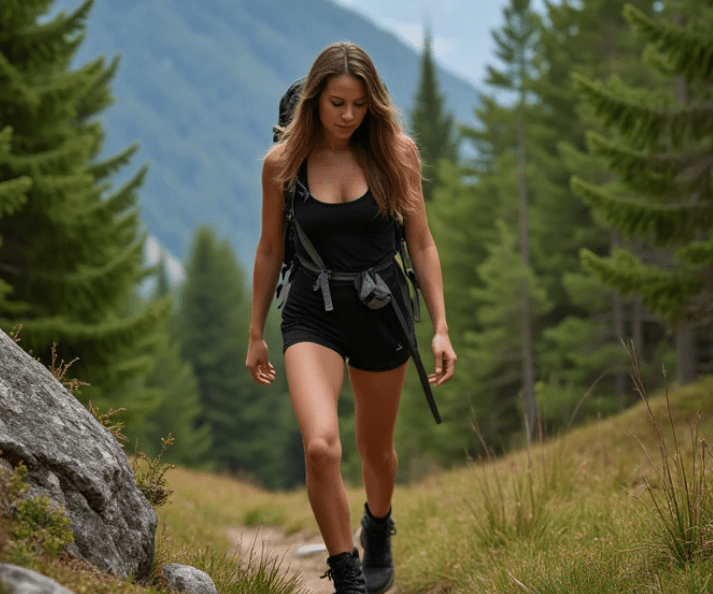
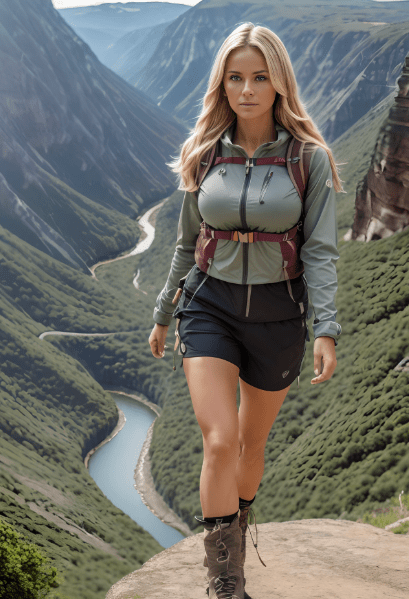
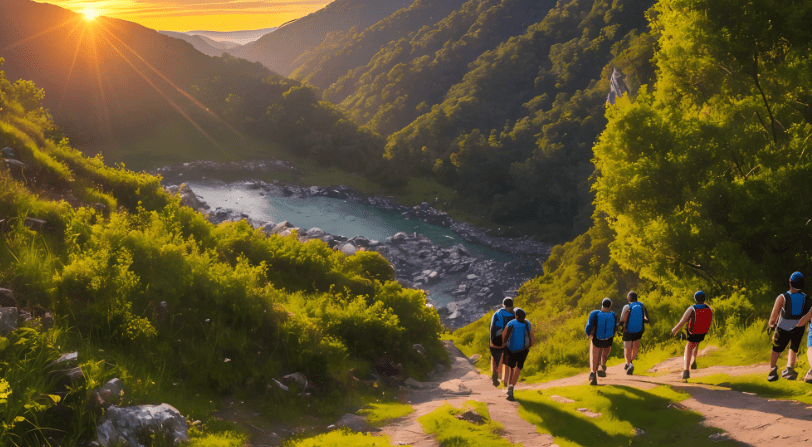
These Hiking Trails in Rhode Island Are Stunning—But Deadly

Listen up, fellow trailblazers. You might think Rhode Island—the smallest state in the Union—is all cozy coastlines, clam chowder, and Newport mansions. But you’d be dead wrong to underestimate what this pint-sized powerhouse has to offer. For those of us who live for the crunch of gravel under boots, the slap of wind against our faces, and the ever-present thrill of the unknown, Rhode Island is a rugged gem hidden in plain sight.

But here’s the thing: beautiful can be brutal. And Rhode Island’s trails? Some of them are downright deadly if you don’t respect the terrain, the weather, or your own limitations.

I’m not trying to scare you. I’m trying to prepare you. As a survivalist and backcountry junkie who’s logged thousands of miles, I’ve learned the hard way that even a “moderate” hike can turn south faster than a dropped compass if you’re not mentally and physically squared away.

So, pack your bug-out bag, lace your boots tight, and double-check that med kit. Here are the top 20 hiking trails in Rhode Island that are stunning—but deadly if you go in unprepared.

Hiking Trails: Rhode Island Trails


1. Arcadia Trail (Arcadia Management Area, Exeter)
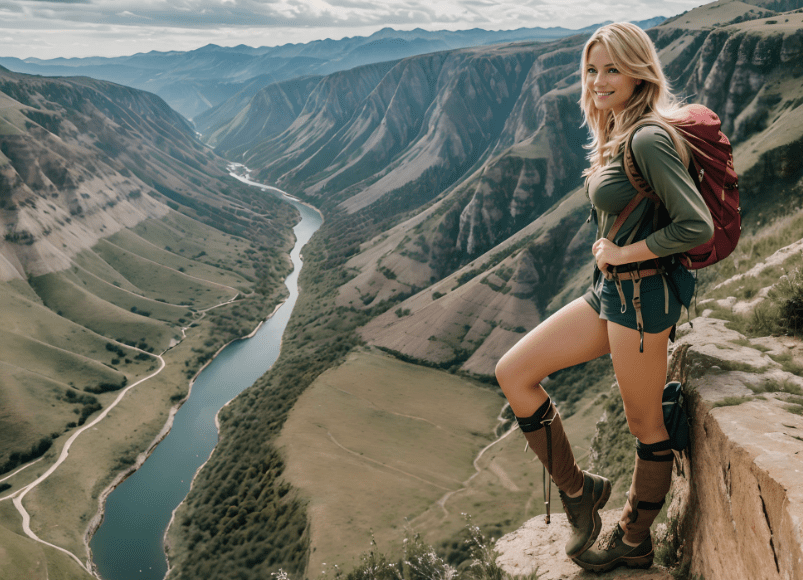
Rhode Island’s largest recreational area is home to some beastly terrain. With multiple connecting trails, it’s easy to get lost. Bring a paper map—GPS cuts out in the dense forest.

2. Breakheart Pond Loop (Arcadia Management Area)

Don’t let the serene name fool you. The path is riddled with roots and slick rocks, especially after rain. Twisted ankles are a common souvenir. Bring trekking poles and a good headlamp—you may need it.

3. North-South Trail (Statewide)

This 78-mile beast slices through the whole state. You’ll pass bogs, boulder fields, and remote forest—some of which feel like time forgot them. Misjudge your pace, and you could be sleeping with coyotes.

4. Buck Hill Management Area Trails (Burrillville)

Bordering Connecticut and Massachusetts, this area is prime bear country. Not to mention ticks are everywhere. DEET up and carry bear spray. Yes, even in Rhode Island.

5. Pachaug Trail Loop (Mostly in CT, edges into RI)

Remote and rocky, this one eats trail runners for breakfast. The rocks hold moisture year-round, so wear high-traction footwear or risk a face-plant.

6. Jerimoth Hill (Foster)

Don’t laugh. It’s the highest point in Rhode Island. While the trail itself is short, the surrounding woods are dense and disorienting. Easy to wander off-path, especially in fog.

7. Long Pond Woods Trail (Hopkinton)

Staggering views—but they come at a price. Cliffs and ledges make this trail one misstep away from disaster. Watch your footing and don’t go alone.

8. Ben Utter Trail to Stepstone Falls (Exeter)

Gorgeous waterfalls, but the trail can become a muddy, root-riddled obstacle course. You’ll need waterproof boots and solid balance. Too many people forget that water crossings can turn deadly.

9. Tippecansett Trail (Arcadia Management Area)

Remote and overgrown in parts. You’ll need a compass and a solid sense of direction—don’t rely on your phone. Signal can vanish when you least expect it.

10. DuVal Trail (South Kingstown)

It looks simple on a map, but don’t underestimate the terrain shifts. Rocky scrambles and sudden drops make this a great place to snap an ankle if you’re not paying attention.

11. Tillinghast Pond Trail (West Greenwich)

Poison ivy, snapping turtles, and aggressive mosquitoes are the least of your worries. This area floods easily, and trail markers are faint. Bring a topo map and check the weather.

12. Rome Point Trail (North Kingstown)

Great ocean views, but the tide can creep up faster than you’d believe. People have been caught off guard and stranded. Know your tide tables or stay inland.

13. Carr’s Pond and Tarbox Pond Trail (West Greenwich)

Thick brush, snakes, and aggressive hornets in summer. Don’t skimp on long sleeves and bug netting. One sting in the wrong place and you’re in trouble if you’re not close to help.

14. Fisherville Brook Wildlife Refuge (Exeter)

Beautiful, sure. But the trail system is confusing and poorly marked. Take the wrong fork and you could be bushwhacking your way out as the sun sets.

15. Fort Nature Refuge (North Smithfield)

The marshes here are treacherous, and the boardwalks are slick when wet. One wrong step and it’s a dunk in bacteria-infested water. Bring dry socks and iodine tabs.

16. Carolina Management Area Trails (Richmond)

Hunting is allowed here in season—always wear orange. Mistaking you for a deer isn’t just something out of a bad joke. Gunshots in the distance are real. Be alert.

17. Diamond Hill Trail (Cumberland)

Steep ascents and loose gravel make this a risky choice after rain. The summit offers a panoramic view, but getting up there can feel like scaling a washed-out fire road.

18. Blackstone River Bikeway (Various Towns)

You’d think a paved path would be safe, right? Wrong. Bikers fly past at unsafe speeds, and some areas get shady at dusk—human threats can be as real as nature’s. Don’t go without situational awareness.

19. Norman Bird Sanctuary Trails (Middletown)

Cliff Walk views and soaring hawks distract you from the edge of very real drop-offs. Great place for photos—terrible place to lose your balance.

20. Sachuest Point National Wildlife Refuge (Middletown)

Salt air, sweeping ocean views—and very little shelter from the elements. Sudden storms out of the Atlantic can roll in like a freight train. Know your escape route.


Final Word from the Trail

Look, I’m not saying you need to bring a firestarter kit, trauma shears, and an emergency bivy every time you walk your dog—but you do need to respect these trails. Rhode Island may not have the Rockies or the Sierra Nevadas, but its trails come with their own brand of danger: tight paths with poor visibility, unpredictable weather, and a false sense of security.

Too many day hikers roll out with sneakers and a bottle of water, then wonder why they’re lost, limping, or bug-bitten to hell by mile three. Don’t be that person.

Plan. Prepare. Respect the wild.

And remember: survival isn’t about fear—it’s about mindset. The best time to get ready is before you hit the trail.

Stay wild. Stay sharp.

Ranger G, your friendly neighborhood prepper-hiker

Surviving Delaware’s Iconic Hiking Trails: Don’t Let the Beauty Fool You

Surviving Delaware’s Iconic Hiking Trails: Don’t Let the Beauty Fool You
by a Survivalist Who’s Seen Too Much to Be Fooled by Pretty Views


You ever heard someone laugh when you tell ‘em Delaware’s got hiking trails worth prepping for? I have. Every time, I tell ‘em the same thing: don’t let the beauty fool you. Delaware may be small, but it’s a microcosm of everything that can humble a hiker fast—swamps, sudden storms, ticks thicker than fog, and trails that vanish underfoot like a politician’s promise.

This isn’t just a stroll through state parks. This is survival training, cardio with consequence, and serenity with a side of sweat. I hike because I love nature, but I prep because I know nature. Delaware’s trails offer a surprising battleground where beauty meets brute force. Let’s walk through why you should be ready every time you lace your boots—and I’ll arm you with the top 20 trails that’ll challenge, charm, and chew you up if you’re not sharp.


The Prepper’s Trail Creed: “Plan for Trouble, Enjoy the Peace”

You’re gonna want to romanticize those leafy canopies and marsh views. I get it. But first, prep right:

  • Water: Minimum 3L on any hike over 5 miles. Delaware’s humid—dehydration hides behind shade.
  • Navigation: Even on a 2-mile loop, bring a compass and a map. Cell service cuts out in wooded hollows.
  • Bug Defense: Ticks are tiny time bombs. Permethrin-treated clothes, DEET, and daily checks are non-negotiable.
  • Weather Gear: Delaware thunderstorms roll in like cavalry—lightning-fast and loud. Carry rain gear year-round.
  • First Aid: Blisters, stings, heatstroke—you’ll want your kit tight. Know how to use every item.

Top 20 Hiking Trails in Delaware: Tested by Trail, Hardened by Experience

Hiking Trails: Delaware Trails

These aren’t just pretty walks—they’re proving grounds for every would-be trail warrior. I’ve broken down the essentials for each, so you know where the land lies… literally.


1. Gordon’s Pond Trail – Cape Henlopen State Park

Length: 5.2 miles (out & back)
Why It Tests You: Shifting sand, sudden winds, and blazing sun. This coastal trail is a heat trap—hydrate or crawl.

2. Junction and Breakwater Trail – Lewes to Rehoboth

Length: 6 miles
Challenge: Boardwalk sections can get slick with rain. Packed with bikers—stay alert and don’t wear headphones.

3. Alapocas Woods Trail – Alapocas Run State Park

Length: 1.8 miles
Prep Note: Feels tame until you slip on wet shale near the Blue Ball Barn. Hidden roots love ankles.

4. Brandywine Creek River Loop – Brandywine Creek State Park

Length: 4.5 miles
Hard Truth: River crossings after rain get dicey. Flash floods happen faster than you think.

5. Swamp Forest Trail – Lums Pond State Park

Length: 6.4 miles
Threats: True to its name. Expect mud, insects, and unexpected marshy sinkholes. Watch your step.

6. Pomeroy and Newark Rail Trail – White Clay Creek

Length: 4.4 miles
Hazard: Feels urban-safe until you hit secluded zones. Always hike in pairs here—just good sense.

7. White Clay Creek Twin Valley Trail – White Clay Creek Preserve

Length: 3.7 miles
Terrain: Rolling hills hide roots and rocks. Tiring if you’re not conditioned. Good boots make the difference.

8. Northern Delaware Greenway Trail

Length: 10.4 miles
Survival Tip: Urban-rural blend. Inconsistent trail markings. GPS can glitch near rock outcroppings—use map backups.

9. Killens Pond Loop – Killens Pond State Park

Length: 2.6 miles
Risk: Algae blooms near the pond can be toxic—keep dogs and kids clear of still water.

10. Trap Pond Loop Trail – Trap Pond State Park

Length: 4.4 miles
Warning: Cypress knees sticking up like landmines. Watch your footing or twist a knee fast.

11. Boundary Line Trail – White Clay Creek

Length: 3.1 miles
Reality Check: Parts run close to PA border—watch for hunters if you’re hiking during season.

12. Assawoman Canal Trail – Bethany Beach

Length: 1.2 miles
Short But Savage: Mosquito-central in summer. Dusk here is bug apocalypse time. Bring spray or suffer.

13. Loop Trail at Fort Delaware – Pea Patch Island

Length: 1.4 miles
Historical Terrain: Remote island setting means ferry-dependent access. Pack like you won’t get off till tomorrow.

14. Horseshoe Trail – Auburn Valley State Park

Length: 2.5 miles
Alert: Horse crossings leave the trail muddy and uneven. Easy to misstep if you’re rushing.

15. David English Trail – Brandywine Creek

Length: 1.7 miles
Nuisance Factor: Popular with dog walkers. High chance of distraction or dogs off-leash—stay aware.

16. Bike Loop Trail – Cape Henlopen

Length: 3.3 miles
Surface Shift: Switches from gravel to pavement fast. Keep your ankles strong and eyes ahead.

17. Middlesex Trail – New Castle

Length: 3 miles
Challenge: Quiet, suburban-feeling until you realize you’re boxed in by thorn bushes and dead zones. Stay on trail.

18. Sea Hawk Trail – Fenwick Island State Park

Length: 2.8 miles
Wind Tunnel: Brutal crosswinds come off the Atlantic. Sand in your gear, eyes, and food if you’re not sealed up.

19. Prickly Pear Trail – Delaware Seashore State Park

Length: 3.5 miles
Dangers: The name doesn’t lie—brambles and sun exposure can rip and cook you in one pass.

20. Rocky Run Loop Trail – Brandywine Creek State Park

Length: 3.2 miles
Reality Check: Some of the steepest elevation changes in Delaware. You’ll feel it in your calves and pride.


Trail Survival Essentials for Delaware

Let’s go beyond basics. You’re not just a walker—you’re a survivalist in a wild disguised as a state park.

  • Knife or Multi-Tool: Cutting cordage, slicing snacks, fixing gear.
  • Headlamp: Trails close at dusk, but survivalists know batteries don’t judge by the hour.
  • Paracord: From tourniquets to bear bagging snacks, this cord has saved more than feet.
  • Tarp or Emergency Bivy: Weather swings fast near the coast. Be your own shelter.
  • High-Calorie Snacks: Jerky, protein bars, trail mix. Eat before you feel hungry.

Final Word: Beauty with Teeth

The biggest mistake I see is folks treating Delaware like a backyard stroll. Just because you’re not in the Rockies doesn’t mean the land won’t turn on you. Prepping isn’t paranoia—it’s respect. And when you prep right, something magical happens: you’re free. Free to notice that osprey overhead, that frog chorus at dusk, the pine-sweet air in your lungs.

Delaware doesn’t boast. Its trails aren’t screaming for Instagram fame. But they’ve got bite. They’ve got backbone. And if you’ve got the grit to prep and the will to wander, they’ll reward you with something better than pretty pictures—they’ll make you sharper, tougher, and more alive.

So go. Lace up. Load out. And remember: don’t let the beauty fool you.


See you on the trail—and if not, I’ll assume you didn’t prep.

Danger Lurks on These Maine Hiking Trails—Are You Ready for the Challenge?

Danger Lurks on These Maine Hiking Trails—Are You Ready for the Challenge?

I’ve hiked in every state, braved hail in the Rockies, baked under the Arizona sun, and slept through storms in the Appalachians. But if there’s one state that demands your respect—or it’ll chew you up and spit you out—it’s Maine.

Hiking Trails: Maine Trail Finder

This isn’t a place for flip-flop hikers or GPS-only wanderers. This is a state where the wilderness is wild. Where moose have the right of way. Where temperatures drop 30 degrees in a flash. Where trails vanish under fog, mud, or snow depending on the season. It’s beautiful, sure. But it’s also unforgiving.

Whether you’re a trail-hardened prepper like me, or just someone who thinks hiking sounds like a good weekend idea, hear me loud and clear: Maine’s hiking trails don’t care how tough you think you are. They’ll test you, break you, and if you’re not careful—leave you out there.

So pack right, prep smart, and read this list of Maine’s most stunning—and deadliest—hiking trails. Then ask yourself: Are you ready for the challenge?


1. Katahdin (Baxter State Park)

The crown jewel—and a beast. This 5,269-foot peak is no joke. Knife Edge Trail is as narrow and exposed as they come. One wrong step? You’re airborne. Bring your grit and your game face.

2. Mahoosuc Notch (Mahoosuc Range)

Often dubbed the “hardest mile on the AT.” Boulder scrambles, ice pockets in July, and sketchy footing every step. Claustrophobics and the unprepared, stay far away.

3. Mount Abraham (Kingfield area)

Loose shale, high winds, and rapidly changing weather make this a tough climb. Gorgeous alpine terrain, but don’t linger long—lightning storms hit fast here.

4. Gulf Hagas (The Grand Canyon of the East)

This slate-walled gorge is stunning—but slick. The trail hugs narrow ledges above raging water. Crossings get nasty fast in rain. Bring water shoes and a rope if you’re smart.

5. Tumbledown Mountain (Weld)

Three routes, all steep. The Loop Trail? Practically a rock climb. Add in snowmelt or a surprise storm, and it’s a slip ‘n slide to the ER.

6. Bigelow Mountain Range (Appalachian Trail section)

Remote and steep. You’ll climb multiple summits with limited bailout points. Cold, wind, and exposure define this trail. Pack layers—even in August.

7. Mount Redington via South Crocker (Carrabassett Valley)

A true bushwhack. No maintained trail to the summit means you’re relying on compass, instinct, and maybe prayer. Stay sharp—or stay home.

8. Mount Blue (Mount Blue State Park)

Moderate on paper. But throw in fog, slick rocks, and poor visibility, and you’re playing a dangerous game. Cell signal? Forget it.

9. Deboullie Mountain (North Woods)

Black bears, black flies, and backcountry remoteness. There’s zero support out here—bring everything, and I mean everything. Don’t expect to see another soul.

10. Old Speck Mountain (Grafton Notch)

Steep, rooty, and muddy even on the best days. The fire tower view is worth it—but don’t underestimate the toll of the climb. Knees will suffer.

11. Cadillac Mountain via West Face Trail (Acadia National Park)

Sure, everyone does the sunrise thing. But take the back route and it’s a serious climb—sun exposure, steep rock faces, and tourists who won’t yield the path. Be patient and prepared.

12. Precipice Trail (Acadia National Park)

Steel rungs, narrow ledges, and a vertical climb. This is a no-fall zone. People have died here. Not for kids, dogs, or anyone with a fear of heights. Test your nerve—or turn back.

13. Beehive Trail (Acadia National Park)

Short, but no less risky. One wrong move on these ladders and you’re done. Rain makes the rock slick as glass. This trail has claimed lives—respect it.

14. Baldpate Mountain (Grafton Loop Trail)

A brutal ascent followed by exposed ridges that ice over quickly. You’ll need microspikes half the year. Don’t expect trail markers to help once fog rolls in.

15. Mount Kineo (Moosehead Lake)

Getting here involves a boat. The hike itself features steep drop-offs and loose terrain. Cell signal is iffy. Bring a whistle and tell someone where you’re going—before you vanish.

16. Cranberry Peak (Bigelow Preserve)

Beautiful summit, treacherous path. Slick slabs, sudden drop-offs, and thick brush. Summer storms sweep through with fury. Waterproof everything.

17. Pleasant Mountain (Bridgton)

Don’t be fooled by its name. The Ledges Trail is steep and exposed, and injuries are common on busy weekends. Heatstroke in summer, frostbite in winter—choose your poison.

18. Borestone Mountain (Piscataquis County)

Part nature trail, part scramble. The final ascent is all steep rock. Add in slick moss and poor footing and it becomes dangerous real fast.

19. Traveler Mountain Loop (Baxter State Park)

This loop is long, remote, and rugged. You’ll cross several peaks with little tree cover and no water access. Don’t go without a filter, food, and emergency shelter.

20. Mount Megunticook via Ridge Trail (Camden Hills State Park)

Sharp granite edges and steep ridges define this climb. Stunning views of Penobscot Bay, but sudden winds off the coast can send you flying. Don’t linger on the summit.


Final Thoughts from the Field

Maine’s trails are drop-dead gorgeous—emphasis on the “drop-dead” if you’re not careful. Every year, people get injured—or worse—because they treat these trails like a stroll through the park. But this isn’t your average park. This is survival country. You want the view? You’ve got to earn it—and stay alive to enjoy it.

Here’s what I pack when I hit these trails:

  • Navigation: Map, compass, GPS (redundancy saves lives)
  • Water: More than you think you’ll need + a filter
  • Clothing: Layers, waterproof shell, gloves, and hat—even in summer
  • Shelter: Emergency bivy or tarp
  • Food: High-calorie, non-perishable
  • First Aid: Full kit, not just a Band-Aid and hope
  • Light: Headlamp + extra batteries
  • Tools: Knife, multitool, and fire starter
  • Communication: Satellite messenger or PLB

And above all: tell someone where you’re going and when you plan to return. Don’t rely on cell signal—it’s laughable out there.

So ask yourself again: Are you ready for the challenge?

If so, I’ll see you out there—on the edge, where the views are better, the air’s a little wilder, and the margin for error? Razor thin.

Stay alert. Stay alive.

Ranger G, Survival Prepper, Trail Junkie, Maine Believer

Think You Can Handle Montana’s Most Popular Hiking Trails? Think Again

Listen, I don’t know what you heard about hiking in Montana—but let me lay it out straight for you: these trails aren’t just weekend distractions or feel-good photo ops. They’re wild, remote, and full of the kind of unforgiving terrain that makes or breaks a hiker. This is Big Sky Country. Out here, Mother Nature’s the boss—and she doesn’t hand out second chances.

I’ve been hiking since before half the folks on Instagram could spell “trek.” I’ve bushwhacked through bear country with a map, a compass, and a hand-me-down pack. I don’t hike for likes—I hike because the backcountry tests your grit, builds your instincts, and reminds you what it means to survive.

So if you think you’re ready for Montana’s most popular hiking trails, I’ve got news for you: popular doesn’t mean easy. It means these places are so damn beautiful they draw crowds—despite the fact that they’ll chew you up and spit you out if you’re not ready.

Now, I’m not saying don’t go. I’m saying pack right, train harder, and take these trails seriously. Because once you get out there, you’ll see why they’re worth every ounce of effort—and then some.

🥾 Top 20 Hiking Trails in Montana

1. Highline Trail – Glacier National Park

Start at Logan Pass and hang on—this 11.8-mile point-to-point trail clings to cliffs and hugs the Garden Wall. The drop-offs are real, the views are even more real, and yes—you’re hiking right through grizzly country. You ready?

2. Grinnell Glacier Trail – Glacier National Park

About 10.3 miles round-trip, this hike brings you face to face with a glacier that’s slowly disappearing. It’s a stiff climb, especially with the sun bouncing off those turquoise lakes—but the payoff? Absolutely savage beauty.

3. Avalanche Lake Trail – Glacier National Park

A solid 4.5-mile round-trip through a canyon carved by glaciers, ending at Avalanche Lake. Perfect warm-up for those testing their legs and lungs. Waterfalls, cliffs, and cold alpine air? Check.

4. Iceberg Lake Trail – Glacier National Park

9.6 miles of rugged trail that leads to an icy lake filled with floating icebergs even in July. It’s surreal, remote, and packed with wildlife. I’ve seen mountain goats eyeball me from 10 feet out on this one.

5. Lava Lake Trail – Gallatin National Forest

A moderate 6-mile hike up into the Lee Metcalf Wilderness. Steady incline, stream crossings, and boulder-strewn paths that’ll remind your knees they’re alive. But when you reach that alpine lake? Pure serenity.

6. Storm Castle Peak – Gallatin National Forest

5 miles round-trip and 2,000 feet of gain. You’ll be gasping for air while scrambling over switchbacks and scree, but the summit view is a full 360-degree panorama of the Gallatin Range. Bring your camera—but also bear spray.

7. Ousel Falls Trail – Big Sky

This 1.6-mile trail is short but sweet. Great for families or when you want an easy day. Still, don’t let your guard down—Montana’s wild even near the parking lot. I’ve seen moose wander through here more than once.

8. Ross Creek Cedars Trail – Kootenai National Forest

Easy 1.5-mile stroll through massive old-growth cedar trees. It feels like stepping into a prehistoric world. Quiet. Cool. Full of soul. The kind of place where you can hear your thoughts—or a branch snap when something big moves nearby.

9. The Beaten Path – Absaroka-Beartooth Wilderness

If you want a multi-day challenge, this 26.6-mile trek from East Rosebud to Cooke City will test your mettle. Glacial lakes, high passes, and solitude like you’ve never known. Not for rookies. Bring layers, maps, and grit.

10. Mount Helena Ridge Trail – Helena

5.5 miles of ups and downs along ridgelines that overlook the capital city. Feels remote but easy to access. Good hike to shake the city dust off and watch storms roll in from 40 miles away.

11. Trapper Peak – Bitterroot National Forest

Montana’s highest peak outside of Glacier. 10 miles round-trip, with the last couple absolutely brutal. No switchbacks—just up. Then up some more. You want views and bragging rights? This is the one.

12. Sacagawea Peak – Bridger Range

An 8-mile hike with a rewarding scramble at the summit. On clear days, you can see five mountain ranges. High winds and loose rocks make this a gear-check trail. I never go without trekking poles and a wind shell.

13. Mount Sentinel “M” Trail – Missoula

Short and steep, about 3 miles round-trip if you hit the summit. The “M” is popular with students and casual hikers, but don’t underestimate the incline. I’ve seen flatlanders coughing by the halfway mark.

14. Hidden Lake Overlook – Glacier National Park

3 miles round-trip from Logan Pass to a mind-blowing overlook. Wildlife galore—mountain goats, marmots, maybe even a bear in the meadows. Go early to beat the crowd and catch the sun cresting the peaks.

15. Siyeh Pass Trail – Glacier National Park

Start at Sunrift Gorge and hike 10.3 miles through wildflower fields, over alpine passes, and down through glacial valleys. This one’s a one-way if you plan a shuttle—or a monster loop if you don’t.

16. Pine Creek Lake Trail – Absaroka Range

A punishing 12-mile hike with serious elevation gain. One of my all-time favorites. The lake sits nestled below rugged cliffs, and if you stay overnight, the stars are unreal. Bring a filter—the water’s pure but glacial cold.

17. Blodgett Canyon Overlook – Bitterroot Valley

A moderate 2.8-mile out-and-back with killer views of one of Montana’s most epic canyons. Sharp granite walls tower over the valley. Good warm-up hike or quick afternoon escape.

18. Bear Trap Canyon Trail – Madison Range

10 miles through canyon country with raging rapids and jagged cliffs. Hot in summer, icy in spring—pack accordingly. It’s remote and lightly trafficked, which means you better know how to handle yourself.

19. Rattlesnake National Recreation Area Trails – Missoula

This whole network offers dozens of miles for hiking, trail running, and backcountry exploration. Great place to train. Just keep an eye out for—you guessed it—rattlesnakes.

20. Electric Peak – Yellowstone NP/North Entrance

A full-day or overnight assault on one of the park’s most dramatic peaks. You’ll cross rivers, dodge bears, and gain over 4,000 feet of elevation. Not for the faint of heart—but definitely for the serious adventurer.


🧭 Final Word from a Trail-Hardened Prepper

Montana’s trails are no joke. They’re stunning, but they don’t suffer fools. I’ve patched busted boots, hauled out busted knees, and spent nights huddled under emergency tarps because someone thought a hoodie was enough for mountain weather.

Whether you’re a day hiker or a thru-hiker, you better prep like your life depends on it—because out here, sometimes it does.

Always carry:

  • A map and a compass (and know how to use ’em)
  • A water filter or purifier
  • First aid kit
  • Bear spray (and know how to use that too)
  • Layers, including waterproof gear
  • A fire starter and emergency blanket
  • Extra calories and high-protein snacks
  • And most important—respect for the trail

So go ahead, test yourself. Just don’t say I didn’t warn you. These trails are as real as it gets. And once you feel that crisp mountain air fill your lungs at 9,000 feet? You’ll know—you’re alive, and you’re exactly where you’re supposed to be.

See you out there.

Hiking Trails in South Carolina That Could End Your Journey and Your Life

Hiking Trails in South Carolina That Could End Your Journey—and Your Life
By A South Carolina Survivalist Who Trusts Nature, but Never Underestimates It

Let me tell you something straight—when you lace up your boots and head into the South Carolina wilderness, you’re entering a realm that doesn’t care about your fitness tracker, social media posts, or backcountry swagger. It’s just you, your gear, your grit—and Mother Nature, who doesn’t give second chances.

I’m not saying this to scare you. I say it because I love hiking. I’ve spent decades bushwhacking through Carolina thickets, trekking Blue Ridge ridgelines, and surviving conditions that would make your average weekend warrior cry for their phone signal. South Carolina is a land of deep woods, swift water, sharp drop-offs, and creatures that don’t take kindly to being cornered.

This list isn’t a guide for your average stroll. This is a rundown of the 20 hiking trails in South Carolina that, if you’re not prepared, could absolutely end your journey—and your life. I’ve walked them. I’ve sweated over them. And I respect every single one of them like a loaded rifle.

1. Foothills Trail (77 miles)

Don’t be fooled by the beauty—this trail covers remote wilderness, serious elevation changes, and long stretches without help. It’s a rite of passage and a potential death trap for the unprepared.

2. Table Rock Trail – Table Rock State Park

Straight up for 3.5 miles, and if you’re not conditioned, it’s like climbing a vertical tomb. Slick rocks, steep grades, and sudden storms turn this postcard into a peril.

3. Raven Cliff Falls Trail – Caesars Head State Park

Stunning views, sure—but one wrong step near the overlook or suspension bridge, and gravity will do the rest. The mist makes rocks slippery year-round.

4. Pinnacle Mountain Trail – Table Rock State Park

Think the views are worth it? They are. But at 2,000 feet elevation gain in under five miles, your lungs and legs better be ready—or you’ll tap out hard.

5. Dismal Trail – Caesars Head State Park

They named it Dismal for a reason. It’s brutal. You’re going to lose elevation fast and climb back harder. You fall here, and you’ll be crawling out.

6. Sassafras Mountain Trail

South Carolina’s highest point draws all types—but don’t be the guy who wanders off-trail. It’s easy to get disoriented, and you’ll be out of range in a heartbeat.

7. Chattooga Trail

Follow the same river that claimed lives in Deliverance. This wild and scenic river is no joke—floods, slippery river crossings, and no help for miles.

8. Jones Gap Trail

Don’t let the waterfalls distract you. Wet, rooty trails, unstable bridges, and venomous snakes are waiting. The water’s cold year-round if you slip in.

9. Ellicott Rock Wilderness

Where the borders of Georgia, North Carolina, and South Carolina meet—so does the wilderness. No blaze marks, no help, and no mercy for folks without map and compass.

10. Middle Saluda Passage – Palmetto Trail

Rugged, remote, and riddled with water crossings that swell fast in storms. Flash floods in this corridor have swept folks away before.

11. Rainbow Falls Trail – Jones Gap State Park

This ain’t a trail—it’s a 1,000-foot climb over 1.5 miles of slick granite and tight switchbacks. You want heart rate training? Try not dying.

12. Hospital Rock Trail – Jones Gap

Irony in the name—because if you trip on one of those rock scrambles, the hospital is miles and hours away. Falls are common and rescues are rare.

13. Palmetto Trail: Oconee Passage

This one lulls you in with pretty forest and solitude, but it’s remote enough that a twisted ankle could be a multi-day ordeal.

14. King Creek Falls Trail

Short and deadly if you ignore signs. People try to scramble past the overlook for a selfie and end up getting airlifted—or worse.

15. Laurel Fork Falls Trail

Hidden gem with high consequences. Poison ivy, ticks, slick crossings, and it’s easy to get turned around without GPS.

16. Lake Jocassee Gorges Trails

This wild gorge system can be breathtaking and bone-breaking. Weather changes fast, and visibility drops like a hammer in fog.

17. Congaree National Park – Kingsnake Trail

Swamp hiking is for the mentally strong. Gators, snakes, and knee-deep muck make this a test of endurance and nerve. The boardwalk isn’t the trail—you are.

18. Issaqueena Falls Trail

Tourist trail? Maybe. But folks go off the trail every year, chasing selfies and slipping down mossy rocks. Don’t be the next stat.

19. Firebreak Trail – Harbison State Forest

It’s urban, yes. But when temps hit triple digits in summer, you’re basically hiking in a convection oven. Dehydration knocks folks out quick here.

20. Sulphur Springs Trail – Paris Mountain State Park

Looks tame—until you hit that relentless climb in humid heat. People underestimate it and get taken out by heatstroke or heart strain.


Rules That Will Keep You Alive

Now, I know what some of you are thinking. “I’ve hiked tougher terrain.” Maybe you have. But overconfidence gets more hikers killed than mountain lions ever will.

Let me give you the Prepper’s Rule of Three for hiking:

  1. Three Mistakes = Death – You forget your water, lose your map, ignore the weather report. Boom. You’re on a body recovery list.
  2. Three Hours Without Shelter – In summer heat or winter chill, your body will fail you faster than you think.
  3. Three Days Without Water – It won’t matter how expensive your pack is if you didn’t pack a purifier.

Gear Checklist from Someone Who’s Carried Corpses (Figuratively Speaking)

  • Topo map & compass (yes, even with GPS)
  • 3L water minimum, purification tablets/filters
  • Trauma kit, not just a boo-boo bag
  • Bear spray (it works on people too)
  • Solid boots—not sneakers
  • Whistle, signal mirror, headlamp (even for day hikes)
  • Emergency bivvy or tarp
  • Calorie-dense food (you’ll burn through 1,000+ kcal fast)
  • Knife + multi-tool
  • Backup phone power source

In Conclusion: You’re Not Invincible

These South Carolina trails are not just scenic walks—they’re tests. Tests of endurance, mental toughness, and preparedness. Nature doesn’t want to kill you. But it will if you insult it with ignorance or arrogance.

You step onto one of these trails thinking it’s a simple walk, and you could be writing your own obituary. Or worse—making someone else carry your pack out.

Respect the land, train your body, prep your gear, and always—always—hike like your life depends on it. Because it does.


Top Hiking Trails in Alaska: Conquer Them, But Don’t Underestimate Their Threat

If you’re the kind of person who thinks a good day starts with a full pack, a topo map, and boots laced tight, then you already know: Alaska is the crown jewel of American wilderness. It’s raw, unforgiving, and more beautiful than any postcard could ever show. But don’t let the splendor fool you. These trails are not for the complacent. They’ll test your gear, your grit, and your ability to adapt when plans go sideways—which they will in The Last Frontier.

I’m not just some guy with a CamelBak and a GoPro. I’m a survival prepper. I hike with purpose, and I live by one rule: hope for the best, prepare for hell. Alaska doesn’t coddle the unprepared, and every trail up here is a reminder that Mother Nature doesn’t care about your cell signal.

Let’s talk about the top 20 hiking trails in Alaska—routes every serious hiker should aspire to conquer. But heed my words: these aren’t scenic strolls. They’re battles between you and the wild. You might win, but only if you respect the terrain, the weather, and your own limitations.


1. Crow Pass Trail (Girdwood to Eagle River)

Distance: 21 miles (point to point)
This is no walk in the park. You’ll cross icy rivers, traverse avalanche chutes, and spot bears if you’re lucky—or unlucky, depending on your prep. Don’t skimp on waterproofing your gear. Weather flips fast here.

2. Harding Icefield Trail (Kenai Fjords National Park)

Distance: 8.2 miles (round trip)
If you’re not in shape, this trail will chew you up. It’s a relentless climb with glacial views that’ll steal your breath—literally and figuratively. Bring traction devices, and know how to use them.

3. Kesugi Ridge Trail (Denali State Park)

Distance: 27.4 miles (one-way, multiple access points)
This ridgeline trek offers views of Denali, assuming the clouds give you a break. The exposure is real. Bring layers, an emergency bivy, and always know where your next water source is.

4. Mount Marathon Trail (Seward)

Distance: 3.1 miles (round trip)
This short trail is brutal. A vertical grind followed by a sketchy descent. It’s famous for a reason. People have been lost, hurt, and worse. Don’t let its size fool you—it’s one of the deadliest races in America.

5. Flattop Mountain Trail (Anchorage)

Distance: 3.3 miles (round trip)
Flattop is popular, but overconfidence here can get you in trouble. Ice, high winds, and sheer drops make this a fine training ground for tougher climbs. Watch the weather like a hawk.

6. Resurrection Pass Trail (Hope to Cooper Landing)

Distance: 39 miles (point to point)
Perfect for a multi-day trek if you want solitude and scenery. Moose, bears, and even wolves prowl this route. Bring a bear can, a good map, and boots that won’t quit on mile 25.

7. Savage Alpine Trail (Denali National Park)

Distance: 4 miles (one way)
A high-elevation hike with killer views. The switchbacks will punish you if you come unfit. Stay alert—wildlife is everywhere, and there’s no cell coverage for miles.

8. Chilkoot Trail (Skagway)

Distance: 33 miles (one way, permit required)
This historic Gold Rush trail is a beast. It’s rugged, remote, and crosses into Canada. Bring ID, your passport, and the mental fortitude to carry a 40-pound pack over the pass.

9. Winner Creek Trail (Girdwood)

Distance: 5–9 miles (depending on route)
More beginner-friendly, but don’t relax too much. The hand tram over the gorge is intense, and rain can make the trail slicker than oiled granite.

10. Mount Healy Overlook Trail (Denali NP)

Distance: 5.4 miles (round trip)
A steep climb, but the views at the top are a big reward. Weather can shift rapidly, and the trail turns icy in shoulder seasons. Carry microspikes—always.

11. Exit Glacier Overlook (Kenai Fjords)

Distance: 2.2 miles (round trip)
Short but spectacular. Glacial terrain changes yearly, so don’t trust old maps. Glaciers can collapse or calve without warning. Stay behind the ropes.

12. Deer Mountain Trail (Ketchikan)

Distance: 6.8 miles (round trip)
This trail goes straight up and into clouds more often than not. Slick rocks and deep fog make route-finding tricky. Don’t rely on your phone’s GPS—it can and will fail you.

13. Granite Tors Trail (Chena River State Rec Area)

Distance: 15 miles (loop)
Hot springs nearby lull people into a false sense of ease. The tors are alien and brutal in bad weather. Insects here bite like they’re paid to.

14. Portage Pass Trail (Whittier)

Distance: 4 miles (round trip)
Quick access to Portage Glacier, but even in summer, the wind here cuts like a knife. Rain gear isn’t optional—it’s survival.

15. Bonanza Mine Trail (Wrangell-St. Elias)

Distance: 9 miles (round trip)
You’ll be climbing an old mining road into pure wilderness. Bring extra water, and don’t trust the structures near the mine—collapse risk is real.

16. Russian Lakes Trail (Cooper Landing)

Distance: 21 miles (point to point)
Bears love this trail—especially in salmon season. Make noise, carry spray, and never hike alone unless you’ve got a death wish or a grizzly-sized ego.

17. Mount Baldy (Eagle River)

Distance: 2.5 miles (round trip)
Popular with locals, but high winds and exposure mean this little peak can still surprise you. Great training hike, but don’t skip the layers.

18. Slaughter Gulch Trail (Cooper Landing)

Distance: 4 miles (round trip)
Don’t let the name scare you—unless you’re unprepared. This one goes straight up with little reprieve. Trekking poles are your best friends here.

19. Lost Lake Trail (Seward to Primrose)

Distance: 15 miles (point to point)
Alpine meadows and panoramic views make this a favorite. Mosquitoes are relentless in summer—bring DEET, and pack for overnight even if you plan a day hike.

20. Twin Peaks Trail (Eklutna Lake)

Distance: 5 miles (round trip)
Steep switchbacks and epic views over the lake. If the clouds roll in, you’re blind. Bring GPS, a whistle, and let someone know where you’re headed.


Final Words from the Trail

You don’t conquer Alaska. You earn every mile, every summit, every view. The price? Preparation. Knowledge. Discipline. And a healthy dose of fear.

Before you lace up, check the forecast, tell someone your route, and carry the ten essentials. Add a couple extras too—because in Alaska, redundancy isn’t paranoia. It’s wisdom.

These trails will give you memories that last a lifetime, if you respect them. If not? Well, let’s just say the wilderness doesn’t care about your intentions—it cares about your execution.

Happy trails, and keep your knife sharp.

Stay ready out there.

Hiking in Colorado? These Trails Are Beautiful, But Brutal—Proceed with Caution

Hiking in Colorado? These Trails Are Beautiful, But Brutal—Proceed with Caution
By A Survival Prepper Who Packs Smart and Hikes Hard

I love Colorado. I love the smell of pine in the morning, the sound of my boots crunching on alpine gravel, and the way the wind cuts like a blade above treeline. There’s nowhere on Earth quite like it. The Rockies are sacred ground—but they’re also merciless.

I’m a survival prepper, not a doomsayer. I don’t fear the wild—I respect it. And if you’re hiking in Colorado thinking it’s just another Instagram opportunity or a “wellness walk,” you’re flirting with tragedy. The elevation is real. The storms are real. And the consequences? Very real.

Whether you’re chasing 14ers or deep-woods solitude, these 20 trails in Colorado will test your endurance, awareness, and survival mindset. Beautiful? Absolutely. But they’ll chew you up and spit you out if you let your guard down.


Top 20 Most Brutal—and Beautiful—Hikes in Colorado


1. Longs Peak via Keyhole Route – Rocky Mountain National Park

A classic Colorado 14er. Don’t let the popularity fool you—this trail kills people. Exposure, rockfall, ice, and exhaustion take out the overconfident. If you’re not off the summit by noon, you’re playing with lightning.


2. Capitol Peak

The infamous Knife Edge is no joke. One misstep and you’re gone. This is elite-level hiking, bordering on mountaineering. Leave your fear at the trailhead—or don’t bother going.


3. Maroon Bells – South Maroon Peak

They’re not called the “Deadly Bells” for nothing. Rotten rock, unpredictable weather, and poor route-finding lead to frequent fatalities. These are for seasoned peak-baggers only.


4. Mount Elbert

Highest peak in Colorado—sounds like a bucket list item, right? Sure, but the altitude will wreck you if you’re not acclimated. AMS (acute mountain sickness) has turned many back—or worse.


5. Sky Pond via Glacier Gorge

Stunning lakes, waterfalls, and alpine beauty. But it includes steep scrambles and iced-over rock most of the year. People fall here every season.


6. The Decalibron (Mount Democrat, Cameron, Lincoln, Bross)

Four peaks in one hike—but you’re high, exposed, and often underestimated. Bross is technically closed, but people still hike it. Winds can knock you clean off your feet.


7. Bear Peak via Fern Canyon – Boulder

Short doesn’t mean safe. This is a brutal vertical grind with loose footing. Combine that with blazing summer sun, and you’re sweating bullets in no time.


8. Mount Bierstadt & Sawtooth Ridge

Bierstadt is beginner-friendly—until you add the Sawtooth Ridge. Then it becomes a risky class 3 scramble with bad weather, worse footing, and real falls.


9. Conundrum Hot Springs – Aspen

A stunning soak at 11,200 feet sounds great until you realize the 17-mile round trip and altitude gain wreck unprepared hikers. And search & rescue doesn’t come cheap.


10. Mount Sneffels – Ouray

It’s as photogenic as it is dangerous. Loose scree fields, sudden shifts in weather, and high elevation make this hike a trap for those who think it’s “just another 14er.”


11. Chicago Basin (Eolus, Sunlight, Windom Peaks)

You want remote? Try a long train ride, a brutal hike in, and then technical summits. Lightning strikes here are frequent and deadly. Rescue access? Minimal.


12. Hanging Lake Trail – Glenwood Canyon

Short and steep, with plenty of tourists pushing their limits. It’s closed often due to fire or rockfall risk—and people ignore closure signs and get hurt.


13. Holy Cross Ridge – Mount of the Holy Cross

This hike is longer and harder than it looks. The descent into the basin before climbing up again is soul-crushing—and summit fever makes people push past safety limits.


14. Mount Wilson & El Diente Traverse

Highly technical, exposed, and remote. Not a casual hike by any stretch. The ridge traverse is infamous for mistakes that end in fatalities.


15. Blanca Peak via Lake Como Road

Even reaching the trailhead is a 4×4 test. The hike itself is steep, remote, and high. Lightning, dehydration, and fatigue are your constant enemies.


16. La Plata Peak

Don’t be fooled by its “easier” 14er reputation. The switchbacks are brutal, and weather rolls in fast. People get caught every year without proper layers.


17. The Incline – Manitou Springs

It’s only a mile… straight up. Over 2,700 stairs gain nearly 2,000 feet. Heatstroke, cardiac events, and falls are frequent. Treat it with the respect of a high-altitude challenge.


18. Black Canyon of the Gunnison – Inner Canyon Routes

This isn’t hiking—it’s route finding in a vertical labyrinth of loose rock and sheer drops. Permits are required for a reason. Many don’t make it back up.


19. Ice Lakes Basin – Silverton

Gorgeous, but you’re at elevation the whole time. Storms explode out of nowhere. There’s a reason they shut this area down after wildfires—trail conditions can change fast.


20. Lost Creek Wilderness Loop

Don’t let the name fool you—it lives up to it. Remote, confusing junctions, and long miles without water. Navigation here will test your prep skills to the max.


Prepper Rules for Colorado Hiking

Colorado hikes are not “choose your own adventure.” They are missions. Plan like your life depends on it—because it absolutely does.

The Colorado Prepper’s Checklist:

  • Map + Compass (GPS dies, signal vanishes)
  • Trekking Poles (especially for loose scree descents)
  • Layered Clothing (Temps drop 30° in minutes)
  • Rain Shell + Gloves + Beanie (Even in July)
  • 3L of Water + Filter (Dehydration hits hard above 10,000 ft)
  • Electrolytes (Altitude + sweat = cramps)
  • High-Calorie Food (Plan for 500+ kcal/hour)
  • Headlamp + Batteries (Darkness hits fast in valleys)
  • Emergency Shelter or Bivy (A dayhike can turn into a night real quick)
  • First Aid Kit + Trauma Supplies
  • Whistle + Signal Mirror (Because yelling doesn’t carry far at 13,000 feet)

Mindset Matters Most

Gear’s important. Fitness helps. But mindset is king.

Here in Colorado, people die every year chasing summits they weren’t ready for. They underestimate the trail. They leave late. They ignore the thunder. Or they go solo without telling anyone. And the mountains? They don’t care.

I’ve helped carry people down who didn’t prepare. I’ve watched SAR helicopters fly in after someone’s last bad decision. I don’t want you to be next.

These trails are epic. But they are earned, not taken. Train hard, hike smart, and don’t let the beauty make you forget the brutal reality.


If you want a printable field version of this or an offline survival PDF, let me know. Stay sharp out there. Colorado rewards the bold—but only if they’re prepared.

Warning: These Minnesota Hiking Trails Are More Dangerous Than They Look

Warning: These Minnesota Hiking Trails Are More Dangerous Than They Look

As a seasoned survival prepper and avid hiker, I’ve spent countless hours traversing some of the most remote, rugged, and challenging hiking trails in Minnesota. While the state is often known for its stunning natural beauty, rolling hills, dense forests, and pristine lakes, there’s a hidden side to these landscapes that isn’t immediately apparent to the casual hiker. Some of Minnesota’s most popular trails, while appearing inviting at first glance, can present significant challenges and dangers that are easily overlooked.

Hiking Trails: Minnesota Hiking Trails

For those of us who take our preparedness seriously, it’s not just about having a good pair of boots and a reliable compass. It’s about understanding the terrain, the weather conditions, the wildlife, and the potential for accidents. In Minnesota, it’s crucial to approach these hiking trails with caution, as even the seemingly innocuous can turn dangerous in a heartbeat. Whether it’s unpredictable weather, slippery rocks, or deep ravines, these trails can be deadly for the unprepared.

Here are the top 20 hiking trails in Minnesota that might just surprise you with their difficulty and danger.


1. Superior Hiking Trail (SHT)

The Superior Hiking Trail, stretching from Duluth to the Canadian border, is a jewel in Minnesota’s crown. However, it is not for the faint of heart. The rugged terrain, combined with cliffs, dense forests, and unpredictable weather, makes this trail a challenge. Flash floods, slippery rocks, and the risk of falling off steep drop-offs are all very real dangers here. When you tackle the SHT, make sure you’re ready for long stretches without cell service and prepare for extreme weather changes.


2. Gooseberry Falls State Park – 3 Mile Trail

While the picturesque waterfalls at Gooseberry Falls State Park attract many hikers, the 3 Mile Trail leading to the falls can be deceptively difficult. Steep inclines and uneven ground make footing treacherous, especially during wet conditions. Winter brings an added layer of danger, as ice can make the trail nearly impassable without proper equipment.


3. Tettegouche State Park – Baptism River Trail

The Baptism River Trail offers hikers stunning views of the river and surrounding forests, but it’s also known for its rough terrain and steep drop-offs. The trail can be treacherous after heavy rainfall, as parts of the trail flood quickly. There are several sections of the trail that follow closely along the river’s edge, and one wrong step could lead to a dangerous fall.


4. Voyageurs National Park – Kab Ash Trail

Voyageurs National Park is known for its water-based activities, but there are plenty of challenging hiking trails as well. The Kab Ash Trail takes hikers through thick forest, and it’s easy to lose track of time and get disoriented in the dense woods. The trail also passes along rocky shorelines, making it especially dangerous when wet. Add in the ever-present risk of mosquitoes and the potential for sudden thunderstorms, and you’ve got a trail that demands serious preparation.


5. Itasca State Park – Wilderness Drive Trail

Itasca State Park is the birthplace of the Mississippi River, and while the Wilderness Drive Trail may seem like a leisurely walk, it can be much more than that. The terrain varies from flat to steep, and parts of the trail can be very muddy after rain. Keep an eye out for wildlife, too—this area is home to black bears and wolves, which could pose a serious risk if you’re not cautious.


6. Maplewood State Park – Mount Crescent Trail

The Mount Crescent Trail is steep and rocky, with multiple switchbacks that can test even experienced hikers. The path is often narrow, and some parts of the trail require scrambling over rocks. Heavy rainfall can make sections slippery, and the dense woods make it difficult to see approaching storms or wildlife. If you venture here, make sure you’ve got solid navigation skills.


7. Jay Cooke State Park – Duluth/Superior Hiking Trail

Jay Cooke State Park offers a spectacular hike along the St. Louis River, but the trail is known for its rock scrambling and challenging river crossings. The terrain is uneven and can become slick during wet weather. During the spring and early summer, swift river currents can increase the difficulty of certain crossings, posing a real risk to hikers.


8. Crow Wing State Park – Red Trail

The Red Trail at Crow Wing State Park offers breathtaking views of the Crow Wing River, but its dense, swampy areas are notorious for mosquitoes, ticks, and unpredictable boggy conditions. Parts of the trail become impassable after a rain, and many hikers end up stuck in deep mud or sinking into hidden wetlands. Be prepared for the elements and carry adequate supplies.


9. Split Rock Lighthouse State Park – Gitchi-Gami Trail

While the Gitchi-Gami Trail is famous for its views of Lake Superior and the iconic Split Rock Lighthouse, it’s also known for its steep, cliffside terrain. One slip can send you tumbling down toward the water, and with the unpredictable nature of the weather along the lake, fog and slippery rocks can make for a dangerous combination.


10. Frontenac State Park – South Trail

Known for its spectacular views of Lake Pepin, the South Trail at Frontenac State Park is far more rugged than its smooth, gentle exterior suggests. Steep hills, loose gravel, and the potential for sudden weather changes can catch hikers off guard. Additionally, the dense forest can make it easy to lose your bearings, so make sure to bring a map and compass.


11. Boundary Waters Canoe Area Wilderness – Angleworm Lake Trail

For those who like a challenge, the Angleworm Lake Trail offers a difficult hike into the Boundary Waters. The trail is long and remote, with challenging ascents and descents. The potential for sudden weather changes, plus the isolation of the area, make this one of the more dangerous trails if you’re not properly prepared.


12. Minnesota Valley National Wildlife Refuge – Bluff Trail

The Bluff Trail is not only scenic but also quite treacherous, with steep inclines and eroded paths that can make for hazardous footing. Heavy rains can wash out parts of the trail, and there’s a risk of encountering snakes and other wildlife along the way. This trail requires good balance and an eye on the weather to avoid dangerous conditions.


13. Pipestone National Monument – Walking Trail

The Pipestone National Monument’s walking trail, while relatively short, leads hikers through areas of exposed stone and uneven terrain. The risk of heat exhaustion in summer and the ruggedness of the trail can catch unprepared hikers off guard. Watch out for sharp rock formations that could result in injury if you’re not careful.


14. Cascade River State Park – Cascade Falls Trail

This trail offers one of the most picturesque waterfall views in Minnesota, but don’t let that fool you. It’s a steep, rugged climb, and sections of the trail are often slippery with mud or water. The fast-moving waters around the falls pose a significant hazard, particularly after rain, when the rocks become slick.


15. Lutsen Mountains – Caribou Trail

Lutsen is known for its ski resort, but it also offers some serious hiking challenges. The Caribou Trail features tricky ascents, exposed rock faces, and deep ravines. For experienced hikers, this can be a rewarding challenge, but newcomers could find themselves struggling against the trail’s demanding terrain.


16. Fort Snelling State Park – Pike Island Trail

Pike Island provides stunning views of the confluence of the Minnesota and Mississippi Rivers, but its trail is deceptive. The path is often covered with loose gravel, making it prone to slips and falls. Additionally, the area is prone to flooding during the spring, which can make the trail muddy and impassable at times.


17. Blue Mounds State Park – Cliff Trail

Blue Mounds State Park has one of the most unique trails in Minnesota—the Cliff Trail. As the name suggests, this trail takes hikers along a cliff edge, with breathtaking views of the prairie below. However, the path is narrow and can be especially dangerous if it’s wet or icy, with a steep drop on one side. One misstep and you could be in serious trouble.


18. Whitewater State Park – Hardwood Hills Trail

Whitewater State Park is known for its scenic beauty, but the Hardwood Hills Trail is one of the more difficult options in the park. It’s filled with sharp inclines and rocky terrain that can easily cause injuries if you’re not paying attention. The potential for sudden storms or rapid temperature drops adds another layer of danger to this already challenging trail.


19. Interstate State Park – Quarry Trail

The Quarry Trail at Interstate State Park takes hikers along the St. Croix River and through areas of steep rock formations. While the views are stunning, the path can be difficult to navigate, especially in areas where rock faces are slick from moisture. This trail also has few marked markers, which can make navigation tricky for those unfamiliar with the area.


20. Lost Creek Hiking Trail – Split Rock River State Park

Lost Creek is aptly named—its trail is full of hidden obstacles. From ravines and wet areas to narrow paths with steep drop-offs, it can be deceptively challenging. The trail is heavily forested, making it difficult to find your way if you stray off course, and the constant threat of getting lost makes it one of the more dangerous hikes in the state.


Conclusion

Minnesota’s hiking trails are undoubtedly beautiful, but don’t let that beauty fool you. Whether you’re hiking through dense forests, along rocky cliffs, or by rushing rivers, you need to approach these trails with the utmost respect. Prepare yourself for the dangers that come with unpredictable weather, slippery terrain, and wildlife encounters. With proper planning and an understanding of the risks involved, you’ll be better equipped to take on these challenging hikes and emerge victorious.

Stay safe, stay prepared, and remember: a true survivalist never underestimates the wild.

The Most Popular Hiking Trails of Nevada: You Might Not Make It Out If You’re Not Ready

The Most Popular Hiking Trails of Nevada: You Might Not Make It Out If You’re Not Ready

When you think of Nevada, the first thing that probably comes to mind is the neon lights of Las Vegas or the vast, barren expanses of the desert. But if you’re a survival prepper or someone who enjoys the raw power of nature, you know there’s a lot more to this state than its iconic cities. Nevada is home to some of the most rugged, remote, and demanding hiking trails in the country—trails that will test your physical and mental limits. Whether you’re scaling craggy peaks, navigating narrow canyons, or trekking across arid deserts, these trails are not for the faint of heart.

Hiking Trails: Nevada Hiking

If you’re not prepared for the harsh conditions, these trails will remind you quickly just how unforgiving nature can be. The scorching desert heat, sudden storms, freezing nights, and lack of water are all risks you need to be ready for. That’s why, as a survival prepper, I always say the same thing: you don’t just hike these trails, you survive them. But for those of you who are prepared, these trails are some of the most rewarding and stunning hikes you’ll ever experience.

So grab your gear, check your supplies, and let’s take a look at the top 20 hiking trails in Nevada. But let me warn you: if you’re not ready for the challenge, you might not make it out.

1. The Mount Charleston Wilderness

Located just outside of Las Vegas, Mount Charleston is the highest peak in southern Nevada. The wilderness offers a mix of high-altitude forest, alpine meadows, and rugged, rocky terrain. The Charleston Peak Trail is one of the most popular routes here, but don’t let the beauty fool you—it’s tough. With a 14-mile round-trip and an elevation gain of over 4,000 feet, you’ll feel the climb. The weather can change rapidly, and you’ll need to be prepared for everything from sudden snowstorms to blistering sun.

2. Red Rock Canyon National Conservation Area

Red Rock Canyon is known for its jaw-dropping red sandstone formations, but it’s not just for casual day hikers. The La Madre Mountains Loop is a serious backcountry trail that pushes you through rocky terrain, desert landscapes, and stunning vistas. You need to be ready for temperature swings and long stretches without water. If you’re planning to attempt this, bring a good map and be ready for a 14-mile journey that can quickly go from pleasant to punishing.

3. Desolation Canyon

If you’re looking for isolation, Desolation Canyon in the Humboldt-Toiyabe National Forest is a perfect fit. This 13-mile trail winds through remote canyons, steep ridges, and rugged, dry terrain. It’s a grueling hike, and many parts of the trail are not well-marked. You’ll need navigation skills, extra water, and a full understanding of the desert environment. Getting lost here is a real risk, and cell service is practically nonexistent.

4. Great Basin National Park: Wheeler Peak Trail

For those looking to conquer one of Nevada’s highest peaks, the Wheeler Peak Trail in Great Basin National Park is a must. This 8.6-mile out-and-back trail climbs 3,000 feet, taking you from the lush lower valleys to the rocky summit at 13,065 feet. It’s a challenging ascent, especially at high altitudes, so be sure you’ve acclimated beforehand. The weather can change in an instant, and altitude sickness is a real risk.

5. Black Rock Desert: Playa to Pyramid Lake

Known for its remoteness and harsh conditions, the Black Rock Desert offers a surreal experience. This 60-mile trek from the Playa to Pyramid Lake is an endurance test for even the most experienced hikers. The trail takes you across barren desert flats, and you won’t find much shade or water. You’ll need a full survival kit, a solid understanding of desert navigation, and the mental fortitude to survive in a truly unforgiving landscape.

6. Kings Canyon

Located in the Toiyabe National Forest, Kings Canyon is a rugged, remote trail that offers stunning views of high desert plateaus, deep canyons, and rocky ridgelines. The trail is only for those who are ready to handle serious elevation changes, difficult terrain, and long stretches without water sources. Expect to be out there for several days, and make sure you’ve got a good survival kit with you.

7. Mount Tipton Trail

Part of the Lake Mead National Recreation Area, the Mount Tipton Trail is a shorter but intense hike that rises quickly from desert valleys to mountain ridgelines. The views are spectacular, but so are the challenges. You’ll be hiking in extreme heat and dealing with steep climbs. Be sure to bring a lot of water and wear sturdy boots, because the trail is rocky and loose in places.

8. Ruby Mountains: Lamoille Canyon

The Ruby Mountains are often referred to as the “Swiss Alps” of Nevada due to their steep cliffs, alpine lakes, and lush meadows. The Lamoille Canyon Trail is a scenic but challenging route that takes you through pristine forests, across rushing streams, and up to the high alpine. This is a great option for those looking to test their endurance in the wild. The temperature drops drastically at night, and you may encounter wildlife like mountain lions or bears, so always be prepared.

9. Sloan Canyon

The Sloan Canyon National Conservation Area is famous for its petroglyphs, but the hiking is no less impressive. The Sloan Canyon Trail can be strenuous, especially if you’re tackling the high desert terrain during the hot summer months. The climb can be brutal, but the historic petroglyphs make it worth the effort. Plan your trip carefully, and carry plenty of water.

10. The Tahoe Rim Trail

This 165-mile trail is a classic among long-distance hikers. It takes you around Lake Tahoe, covering diverse terrain, including alpine forests, meadowlands, and rocky ridges. The elevation gain can be grueling, especially in certain sections, but the panoramic views of the lake and surrounding mountains make it one of the most beautiful treks in the state. It’s a demanding trail, and you’ll need at least a few days to tackle it.

11. Humboldt Peak Trail

For serious adventurers, Humboldt Peak in the Ruby Mountains offers a 9-mile round trip through steep, rugged terrain. The trail is challenging, with a steep ascent and limited water sources along the way. You’ll be treated to panoramic views from the summit, but getting there requires careful planning and a healthy dose of grit.

12. Ash Meadows National Wildlife Refuge

Known for its unique desert wetlands, Ash Meadows offers a different kind of challenge: hiking through some of Nevada’s hottest, driest terrain. The trails here are flat, but the temperatures can easily climb over 100°F in summer. This is a perfect place to hone your desert survival skills and learn how to manage water and temperature on the move.

13. Bristlecone Pine Forest

The Bristlecone Pine Forest in the Great Basin National Park is home to some of the oldest trees on the planet. The Bristlecone Trail offers a unique hiking experience, taking you through high-altitude forests and offering incredible views of the Great Basin below. The air is thin up here, so be prepared for altitude sickness and weather changes that can quickly make things difficult.

14. The Buckskin Trail

In the Black Rock Desert, the Buckskin Trail is a rugged, 15-mile trek that will test your endurance, navigation, and survival skills. The path winds through rugged terrain and often takes you far from any reliable water sources. As a prepper, you’ll know that water is key here, and bringing a water filtration system is essential for a safe journey.

15. Mount Moriah Wilderness

Located in the Humboldt-Toiyabe National Forest, the Mount Moriah Wilderness is a true backcountry experience. The Mount Moriah Trail is difficult, with steep ascents, difficult footing, and stretches with no water sources. But the reward is immense: breathtaking views of the surrounding mountains and valleys that are mostly untouched by human development.

16. Cathedral Gorge State Park

Cathedral Gorge is one of Nevada’s hidden gems. The Cathedral Gorge Trail takes you through narrow canyons, towering rock formations, and expansive desert vistas. The heat in this area can be extreme, and the trail requires you to be cautious and well-prepared. If you’re not used to the desert environment, you may struggle with this one.

17. Shoshone Falls Trail

Shoshone Falls is a spectacular hidden gem in Nevada, and the Shoshone Falls Trail is a moderately challenging trek. The falls are often overshadowed by the more famous Niagara Falls, but they’re just as magnificent. The hike to the falls includes some steep sections and requires you to be comfortable with exposed terrain and a bit of scrambling.

18. Walker Lake Trail

Located in central Nevada, the Walker Lake Trail offers hikers stunning views of the lake and surrounding desert. It’s a moderately challenging trail with rocky terrain, but the real challenge comes from the harsh environment. The area is often extremely hot during summer, and you’ll need to plan carefully to avoid heat exhaustion or dehydration.

19. The Wildcat Canyon Trail

The Wildcat Canyon Trail is located in the Lake Mead National Recreation Area and offers a challenging desert hike with stunning views of the Colorado River. The trail can be difficult, with long stretches without water, so make sure you have a solid hydration plan. It’s a hike for the experienced prepper, and it’s always wise to bring a compass or GPS to avoid getting lost.

20. Cave Lake State Park

Cave Lake State Park is a hidden treasure in Nevada’s wilderness. The Cave Lake Trail takes you through dense forests, over rocky terrain, and alongside cool alpine lakes. The hike can be tough at times, but the views and cool temperatures at higher elevations are worth it. This is a great spot to hone your wilderness survival skills before tackling more extreme hikes in Nevada.


These 20 hiking trails are among the best in Nevada, but they are not for the unprepared. You’ll need to be ready for the unpredictable, whether it’s extreme temperatures, altitude changes, or getting lost in the wild. Always carry the essentials: water, food, a first-aid kit, proper gear, and most importantly, knowledge of the terrain and weather conditions.

In the world of survival prepping, hiking is about more than just getting from point A to point B—it’s about surviving and thriving in some of the harshest environments out there. So, before you head out on these trails, make sure you’re ready for whatever Nevada’s wild landscape can throw at you. Stay safe, stay prepared, and hike smart. You never know when you’ll need to use your survival instincts to make it back out.

Hiking Trails in New York That Will Push Your Survival Skills to the Limit

Hiking Trails in New York That Will Push Your Survival Skills to the Limit
By a Survival Prepper Who’s Felt the Burn and Bled on the Trail

Let me tell you something straight from the heart—and from the blistered soles of a man who’s spent more nights in the woods than in a bed. If you’re just looking for a walk in the park, turn around now. These New York trails aren’t for casual weekend warriors in gym shoes. These are battlegrounds. They’re testing grounds for the soul. They’re the kinds of places where your GPS fails, your water filter becomes your best friend, and your survival pack isn’t just for show—it’s your lifeline.

New York isn’t all bagels and Broadway. It’s got teeth. Mountains that claw at your lungs, bogs that’ll suck the boots off your feet, and weather that turns on a dime. You want to build grit? Get comfortable being uncomfortable? These trails will teach you.

Here are 20 trails in New York State that’ll challenge your endurance, test your wilderness skills, and, if you’re lucky, turn you into the kind of person who doesn’t just survive—but thrives.

Hiking Trails: New York Hiking Trails


1. Devil’s Path – Catskill Mountains

The name says it all. Six major peaks over 24 miles, relentless elevation, and tricky terrain. It’s one of the toughest trails in the East. You’ll need to scramble, route-find, and ration your energy. Pack for three days unless you’re superhuman.

2. The Great Range Traverse – Adirondacks

A 25-mile monster with 10 High Peaks—including Gothics, Saddleback, and Haystack. Exposed ridges, vertical ascents, and full-on survival conditions in winter. Bring layers, GPS, and the will of a warrior.

3. Mount Marcy via the Van Hoevenberg Trail – Adirondack High Peaks

Sure, it’s popular—but don’t underestimate New York’s tallest peak. Weather turns nasty fast, and the exposed summit demands respect. Ideal training for alpine survival.

4. Black Dome Range Trail – Catskills

Steep grades, knife-edge ridgelines, and the occasional bear track. Don’t come without a map, compass, and the know-how to use them. Water sources are scarce—filter what you find.

5. Cranberry Lake 50 – Five Ponds Wilderness

Fifty miles through deep forest, remote lakes, and beaver-dammed wilderness. It’s isolated. No cell service. You’re on your own here. Perfect for long-distance prepping and solo survival testing.

6. Finger Lakes Trail – Western NY to Catskills

Over 950 miles of interconnected trails—choose your poison. Rugged backcountry, hidden lean-tos, and unpredictable weather. Great for practicing navigation and endurance hiking.

7. Escarpment Trail – Catskills

Rugged 23.9-mile trail with panoramic views and tricky rock sections. It’s dry up top—carry more water than you think you need. Good boots and ankle support are mandatory.

8. West Canada Lakes Wilderness Loop – Adirondacks

Pristine, raw wilderness. Wet, muddy, and mosquito-infested in the summer. A haven for practicing water purification, foraging, and staying dry in a soggy forest.

9. Cascade and Porter Mountains – Adirondacks

Shorter hike but steep and fast. Perfect for a survival day-hike challenge. Do it in the snow, and you’ll learn fast how to handle exposure.

10. Hunter Mountain via Devil’s Path – Catskills

A vertical haul with minimal forgiveness. Good to test snowshoes, crampons, or minimalist gear. That fire tower at the top? It’s earned.

11. Saranac 6er Ultra Challenge

Six peaks. One day. Over 30 miles and 8,000+ feet of gain. You’ll be running on grit and jerky by the end. This is survival with a stopwatch.

12. Slide Mountain – Catskills

The highest in the Catskills, and it’ll beat you down in winter. Deep snowdrifts, wind shear, and limited trail markers. Bonus points if you bivvy overnight.

13. Balsam Lake Mountain Fire Tower Trail

Don’t let the word “tower” fool you. You’re still climbing nearly 2,000 feet, and in icy conditions, it’s slick as hell. Great for winter survival drills.

14. Indian Head and Rainbow Falls – Adirondack’s Ausable Club Area

One of the most scenic—and deceptive—routes. Trails can flood and wash out, and footing is treacherous near the cliffs. Practice your balance, or bring a rope.

15. South Meadow to Avalanche Lake and Lake Colden

This one’s for those who love rock-hopping and icy water crossings. Avalanche Pass will test your navigation skills with blowdowns and reroutes. Ideal for practicing with a heavy pack.

16. Jay Mountain Wilderness Trail

Less trafficked and more raw. If you want to hone your backcountry instincts with fewer footprints ahead of you, this is the spot. Amazing ridgetop scrambles.

17. Tongue Mountain Range – Lake George

Rocky, exposed, and known for rattlesnakes. Yes, you heard that right. Bring snake gaiters if you’re serious. Watch your step. Stunning views, brutal climbs.

18. Northville-Placid Trail

133 miles of solitude and old-school backpacking through the heart of the Adirondacks. You’ll encounter stream crossings, remote lean-tos, and real wilderness. Carry a PLB (personal locator beacon). It’s no joke out here.

19. Bear Mountain Loop Trail – Harriman State Park

Underestimated because of proximity to NYC. But it packs a punch: steep stone stairs, switchbacks, and exposed scrambles. Try it in 90-degree heat or a winter storm and see how tough you really are.

20. Overlook Mountain – Catskills

Ghost town ruins, fire tower, and black bear sightings galore. A great trail to combine survival scenarios with some eeriness. Practice your stealth camping and bear-proofing here.


Gear Up or Get Left Behind

If you’re going to take on these trails, you better come prepared. Here’s my short list of non-negotiables:

  • Map and Compass – Electronics fail. Paper and steel don’t.
  • Water Filtration System – I use the Sawyer Mini, but boil if you’re unsure.
  • Emergency Shelter – Bivy sack, tarp, or survival blanket. Hypothermia kills.
  • Knife/Multitool – For everything from fire-starting to food prep.
  • First Aid Kit – Bleed kits, moleskin, tweezers for ticks.
  • Food – High-calorie, lightweight: jerky, nuts, dehydrated meals.
  • Firestarter – Ferro rod, waterproof matches, and a backup lighter.
  • Headlamp – Night falls fast in the woods. Don’t get caught blind.
  • Cordage and Duct Tape – Fix gear, improvise traps, build shelter.

Final Word from the Trail

These hikes aren’t just treks. They’re gauntlets. They’re where you meet your limits—and then push past them. You’ll learn how to ration water, how to read a trail when the blazes vanish, and how to calm your nerves when the howls get closer at night.

In New York, you don’t need to go west to find wild. The survival experience is right here—waiting for those bold enough to face it. Pack your gear, tell someone where you’re going, and don’t just hike to finish. Hike to prepare. Hike to survive.

See you on the trail—and if you see me out there, don’t be afraid to say hey. Just know I’ll be judging your pack weight.

Stay sharp. Stay ready.