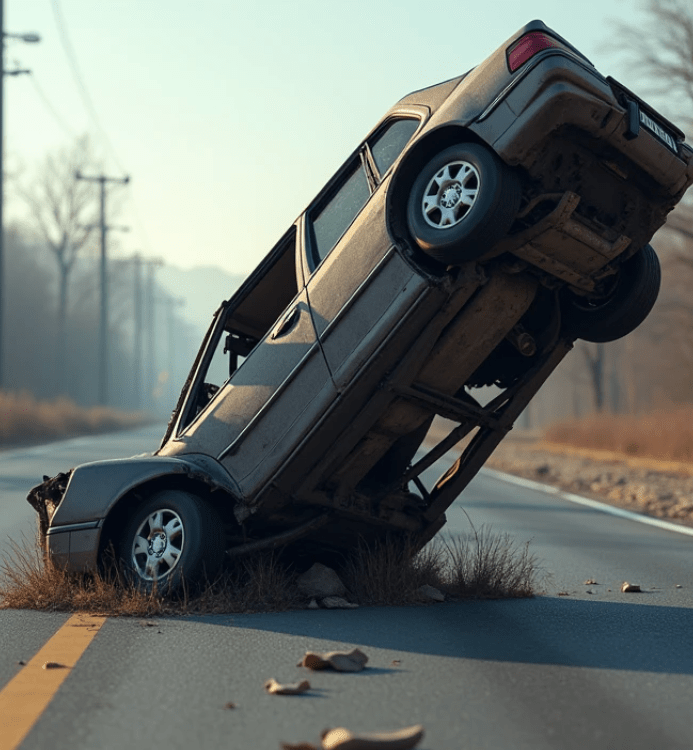
Kansas’s Worst Roads to Drive on During a Disaster

Kansas’s Worst Roads to Drive on During a Disaster: A Survivalist’s Take

I’ve driven through hurricanes in Louisiana, dust storms in Arizona, and ice storms that turned Appalachian roads into glass. But Kansas—Kansas presents a whole different breed of trouble. You’d think the flatlands would be forgiving in a crisis, but that’s where most folks get it wrong. It’s not always the terrain that gets you. It’s the condition of the roads, the isolation, and the unpredictability of Midwestern disasters—tornadoes, flash floods, and blizzards, all sharing the same space.

If you find yourself driving through Kansas during a disaster, your survival could depend on more than just a full tank and GPS signal. I’ve learned that firsthand. Below, I’ll walk you through the worst roads to avoid, survival driving skills every driver should master, and some good ol’ DIY fuel tricks in case you’re stuck out there with nothing but empty air in the tank.


Worst Roads in Kansas to Drive on During a Disaster

1. K-10 (Between Lawrence and Lenexa):
In a flash flood, this stretch turns treacherous. Low-lying underpasses near De Soto collect water fast, and rural detours aren’t much better. I’ve seen folks stranded in standing water taller than their hoods. It only takes 6 inches to lose traction—remember that.

2. US-69 (South of Kansas City to Fort Scott):
A beautiful drive on a clear day. But during a tornado warning, it’s an exposed corridor with few places to safely pull over. Strong crosswinds rip through your vehicle like paper.

3. I-70 (Especially West of Salina):
Out here, the wind whips harder than most expect. Combine that with low visibility from dust storms or blizzards, and you’re better off pulling off and hunkering down. Black ice also hits this interstate hard during winter storms.

4. K-4 (Near Lindsborg):
This rural highway has almost no shoulder and poor lighting. During power outages or wildfire evacuations, it becomes a bottleneck of confused drivers with nowhere to turn.

5. US-56 (Between Great Bend and Dodge City):
A ghost road during snowstorms. I’ve driven this route when snow drifts were piled six feet high on either side. The danger isn’t just the snow—it’s isolation. Cell service is spotty, and help is hours away.


15 Survival Driving Skills That Could Save Your Life

Over the years, I’ve developed a toolbox of survival driving skills. Here are 15 that’ll get you through Kansas—or anywhere else—when things go sideways:

  1. Reading the Sky:
    Cloud behavior tells you more than the news app. Watch for greenish skies, rotating cloud formations, or sudden calm—signs of a tornado.
  2. Flood Depth Estimation:
    Never trust your eyes alone. Use roadside markers or mailbox heights to judge flood levels. If water is touching the bottom of a mailbox, turn around.
  3. Controlled Skidding:
    If your vehicle starts to slide, steer into the skid. Don’t panic, don’t brake hard—just gently guide it back.
  4. Off-Road Navigation:
    Know how to drive off-pavement without tearing up your vehicle. That includes easing through ditches and avoiding wet soil that could sink you.
  5. Improvised Compass Navigation:
    If your tech dies, use the sun and shadows. Place a stick in the ground and mark the shadow every 15 minutes. The line runs west to east.
  6. Engine Management in High Winds:
    Drive slower into the wind and watch for sudden gusts. Keep both hands on the wheel—Kansas crosswinds can slam a car sideways.
  7. Map Memory Practice:
    Study your route before leaving. Know alternative exits and landmarks in case GPS fails.
  8. Night Driving with No Lights:
    Practice navigating at dusk without high beams. Learn to read silhouettes and shadows. In some scenarios, you may want to drive without lights to avoid detection.
  9. Escape from Submersion:
    If your vehicle is sinking in water, unbuckle and break the side window before pressure seals the doors. Carry a glass-breaking tool within reach.
  10. Fuel Rationing Tactics:
    Don’t floor it. Accelerate slowly and cruise at a steady speed—55 mph is ideal for fuel conservation.
  11. Push-Start a Manual Car:
    If your battery dies and you drive a stick, you can push-start it by rolling it in neutral, engaging second gear, and popping the clutch.
  12. Defensive Driving in Herd Traffic:
    During evacuations, people drive like panicked animals. Leave double the space, avoid road rage, and assume everyone else will make the worst decision.
  13. Tire Plugging in the Field:
    A $10 plug kit and air pump can fix a flat in minutes. Don’t rely on the donut; it’s a last resort.
  14. Communication with Signals:
    Use your vehicle lights or a bandana to signal others. Three flashes of a flashlight = distress.
  15. Thermal Awareness:
    Feel your hood and vents. If the engine smells hot or belts are squealing, you may be overheating. Know when to shut it down and cool off before it seizes.

3 DIY Survival Driving Hacks When You’re Out of Gas

Running out of fuel in Kansas isn’t just inconvenient—it can be fatal in extreme weather. Here’s how to stretch your mobility when the tank’s dry:

1. Siphon Gas from Abandoned Vehicles
Carry a siphon kit or clear tubing. Insert into the gas tank, start suction, and drain into a container. Do this only when it’s legal and ethical—abandoned in disaster zones is a gray area where survival comes first.

2. Burnable Alcohol Mixtures
If you have access to rubbing alcohol (isopropyl, 91% or higher), small quantities can be mixed with gas to extend mileage in carbureted engines. Not ideal, but it might get you 5 more miles.

3. Bicycle Tire Air Compressor Hack
A manual tire pump (the kind for bicycles) can pressurize a sealed gas can or bottle, feeding gravity-fed carburetors. For older vehicles or small engines like mopeds, this can be life-saving for short distances.


Final Word from the Road

Kansas isn’t a place that shouts danger from the rooftops. It whispers it in the wind, in the quiet build-up of a storm, in the endless rows of wheat that hide just how far from help you really are. I’ve spent nights in ditches waiting for twisters to pass overhead. I’ve driven 50 miles on fumes through sleet with nothing but a space blanket and a hunting knife in the glove box.

You want to make it through a Kansas disaster? It’s not just about driving—it’s about thinking. Know your exits, trust your gut, and drive like your life depends on it—because it just might.

Massachusetts’ Worst Roads to Drive on During a Disaster

Massachusetts’ Worst Roads to Drive on During a Disaster: Tips From a Well-Traveled Survivalist

I’ve driven through wildfires in California, ice storms in the Yukon, political riots in Eastern Europe, and dust storms in the Southwest. And let me tell you—Massachusetts might look tame on a postcard, but when disaster strikes, its roads can become hellish gauntlets. From Boston’s tangled network of tunnels to the rural backroads that seem to vanish into the woods, surviving here during a crisis takes more than a full tank and a vague plan. You need grit, precision, and a toolkit of survival driving skills honed by experience.

I’ve mapped out the worst roads to drive on in Massachusetts during a disaster, and I’m giving you 15 survival driving skills that can mean the difference between getting out clean—or not getting out at all. I’ll also include 3 DIY survival hacks for when the tank runs dry, because if there’s one thing I’ve learned from escaping real-life gridlock and breakdowns, it’s this: when the system breaks, you’re on your own.

The Worst Roads in Massachusetts When Disaster Strikes

Let’s start with the problem zones. If you’re trying to evacuate during a hurricane, blizzard, EMP scenario, or even a long-term power outage, these roads can become deathtraps:

  1. I-93 (Boston to New Hampshire) – Always congested, and during a disaster, it turns into a parking lot. Too many exits and entry points—bad for security and speed.
  2. Route 128/95 (Boston Beltway) – Boston’s ring of chaos. Flooding, spin-outs, and bumper-to-bumper madness during snow or storm conditions.
  3. Storrow Drive (Boston) – Low clearance, limited exits, and it floods easily. A death trap during hurricanes or spring melts.
  4. Massachusetts Turnpike (I-90) – Long stretches with no exits, easily shut down by snow or multi-car pileups.
  5. Route 2 (Western Mass) – Isolated stretches through hilly terrain, prone to black ice and wind damage.
  6. Route 3 (South Shore) – High traffic volume, especially in evacuations from Cape Cod or Plymouth area.
  7. Tobin Bridge (Boston) – If it’s compromised, you’re stuck. Plus, it’s a prime target during civil unrest.
  8. Route 9 (Worcester to Framingham) – Overloaded during any major incident, full of choke points and shopping areas.
  9. Route 24 (Fall River to Boston) – High-speed, but dangerous. Accidents happen fast, and in a crisis, EMTs may not reach you.
  10. Route 1A (North Shore) – Runs close to the coast and is prone to flooding and washouts during storms.

Avoid these like the plague when disaster hits—if you can.


15 Survival Driving Skills That Can Save Your Life

If you’re trying to escape a disaster, you need more than just a license. Here’s what I’ve picked up after years of surviving the world’s worst roads and conditions:

  1. Tactical Awareness Driving – Constantly scan ahead, behind, and side-to-side. Read the road like a battlefield.
  2. Escape Route Planning – Always have 3 exit options. Memorize side streets, dirt roads, utility easements.
  3. Stealth Mode – Kill your headlights, drive slow, and avoid main routes at night. No one can follow what they can’t see.
  4. Engine Braking on Declines – Saves brake wear and keeps control during icy or wet descents.
  5. Threshold Braking – Master the balance of braking hard without locking up. Saves lives on wet or snowy roads.
  6. Off-Road Maneuvering – Your SUV isn’t a mall crawler. Practice climbing curbs, ditch driving, and plowing through mud.
  7. Driving Without GPS – Learn to navigate with a compass and printed maps. Phones die. Satellites fail.
  8. Push-Start (Manual Only) – Learn to jump your vehicle with a hill or a buddy. Batteries die often in cold climates.
  9. Puncture Navigation – If you lose a tire, you can still limp to safety. Know when to ride the rim and when to stop.
  10. High-Speed Evasive Maneuvers – Practice J-turns and swerving without rolling. Life-saving in ambush or pursuit.
  11. Driving Under Fire – Keep speed, don’t stop, and use buildings as cover. It happens—just ask anyone who’s survived a riot.
  12. Urban Navigation Under Duress – Learn which alleyways, garages, and overpasses can shelter or conceal your vehicle.
  13. Flood Driving – Know your car’s air intake level. If water’s above it, you’re sunk—literally.
  14. Ice and Snow Control – Steer into the skid, brake gently, and carry sand, chains, or kitty litter.
  15. Fuel Conservation Driving – Smooth acceleration, low RPMs, and no idling. Every drop counts in a crisis.

3 DIY Gas Hacks for When You’re Out of Fuel

When your needle hits E and you’re miles from a station—or the pumps are down—you’ve got to get creative. I’ve tested these in real-world situations:

  1. Siphon With a Manual Pump (Or a Hose & Gravity)
    If you find an abandoned vehicle or get access to a gas mower or generator, siphon the fuel. Always carry a food-grade siphon or hose. If gravity won’t help, use suction with a manual hand pump. Don’t use your mouth unless you want a stomach full of unleaded.
  2. Alcohol Fuel Substitution (In Emergency)
    Some vehicles (especially older ones or flex-fuel types) can run short distances on high-proof alcohol like Everclear. It’s inefficient and can damage the engine long-term—but it can get you 10–20 miles in a pinch.
  3. Fuel From Lawn Equipment
    Mowers, chainsaws, snowblowers—they all have small amounts of gas. Scavenge multiple small engines in garages or sheds and combine what you can. Use a coffee filter to screen out debris before funneling it into your tank.

Final Words From the Road

Massachusetts is an old state. Its roads were designed for horse carts and later patched into a modern system that barely handles normal traffic. Throw in a Category 2 hurricane, a blackout, or social unrest, and that thin layer of modern order peels right off.

You need to think like a survivalist: Every trip is a recon mission. Every mile is a risk. Every intersection is a decision.

Prep your vehicle like your life depends on it—because one day, it might. Keep your gear tight: a shovel, jumper cables, siphon kit, first aid, tow strap, compact air compressor, and a full tank whenever possible. Cache fuel if you have rural property. Know where bridges and tunnels are weak points—and where the backroads can give you the upper hand.

When the city lights go out and panic sets in, the people who get out fast and smart aren’t the ones who panic—they’re the ones who’ve practiced.

And trust me—I’ve lived through it.


Virginia’s Worst Roads to Drive on During a Disaster

Virginia’s Worst Roads to Drive on During a Disaster: A Survivalist’s Guide Behind the Wheel

I’ve driven through sandstorms in Nevada, flash floods in Texas, blizzards up the Rockies, and riots in Eastern Europe. But if there’s one place where modern drivers constantly underestimate the risk during a disaster, it’s Virginia. Why? Because the landscape is a minefield of poorly maintained rural roads, congested highways, and flood-prone zones masked by dense forests and deceptive curves.

Let me walk—or rather, drive—you through the worst roads in Virginia you never want to be caught on when the world goes sideways. But more importantly, I’ll give you 15 survival driving skills you need to master, plus 3 DIY tricks for when you’re staring at an empty gas tank with danger on the horizon.


The Disaster Gauntlets: Virginia’s Worst Roads

If you live in or near the Commonwealth, you need to know these roads like the scars on your hand. When hurricanes rage up the coast, wildfires jump the Blue Ridge, or civil unrest sends shockwaves down I-95, these roads go from inconvenient to deadly.

1. I-95 Through Northern Virginia
This corridor is a chokehold even on a good day. Add a hurricane, evacuation order, or gas shortage, and it turns into a gridlocked trap. There’s no shoulder room for error, and no backroads that don’t also bottle up with panicked drivers.

2. Route 460 (Lynchburg to Chesapeake)
This long rural stretch is a lifeline between western Virginia and the coast—but it’s flat, flood-prone, and riddled with two-lane death traps. One overturned truck or washed-out bridge, and it becomes impassable.

3. U.S. Route 58
Crossing from the mountains to the ocean, this road has some of the nastiest switchbacks and fog-prone highlands in the state. Black ice in winter and mudslides in spring can block it fast.

4. Skyline Drive & Blue Ridge Parkway
A beautiful ride when life’s good. A death sentence when it’s not. Rockfalls, steep drop-offs, and the complete lack of escape routes make it a no-go during wildfire season or heavy storms.

5. I-64 Through the Alleghenies
Once you’re between Charlottesville and Clifton Forge, you’re in a remote stretch with limited exits, cell service, or alternative routes. A chemical spill or snowstorm, and you’re locked in.

6. I-264 Through Norfolk and Virginia Beach
Low-lying and overbuilt, this road floods faster than you can blink. In a coastal surge, it becomes a bathtub with no drain.

7. Route 33 Over Swift Run Gap
This road climbs fast and falls faster—when it’s wet or icy, it’s more slippery than a politician on camera.


15 Survival Driving Skills for Disaster Scenarios

You don’t need to be a Navy SEAL to get through a disaster—but you do need a brain wired for adaptation and hands that know your vehicle like a second skin.

  1. Situational Awareness – Don’t just watch the car ahead; read the landscape, weather, and human behavior like you’re tracking prey.
  2. Route Layering – Always have three alternate routes—main, secondary, and off-road.
  3. Brake Feathering on Slopes – Slam your brakes on a descent and you’ll slide into a tree. Feather the pedal. Control your momentum.
  4. Hydroplaning Recovery – Don’t fight the wheel. Let off the gas, steer straight, and let your tires regain traction.
  5. Urban Navigation Without GPS – Know your cardinal directions and major landmarks. Tech fails. Brains don’t.
  6. Reading Flood Levels – If water touches your wheel wells, you’re in trouble. Don’t guess the depth—get out and check.
  7. Manual Transmission Mastery – Automatics are lazy. Stick shifts give you full control when skidding or climbing steep terrain.
  8. Off-Roading Basics – You don’t need a Jeep to go off-road, but you do need to know tire pressure, momentum, and traction techniques.
  9. Driving Without Headlights – In a stealth scenario, tape a red filter over your fog lights and ride low.
  10. Underhood Field Repairs – Know how to patch a radiator, jumpstart a battery, and swap a serpentine belt.
  11. Fuel Rationing Tactics – Accelerate slow, avoid idling, and maintain steady speed. It’s not about speed; it’s about distance.
  12. Dead Reckoning Navigation – If you lose all digital tools, know how to calculate direction and estimate location by sun, stars, and mileage.
  13. Reverse Maneuvering Under Pressure – Learn how to back out of tight spots fast and controlled. Practice it in a parking lot. You’ll thank me.
  14. Situational Driving Under Fire – If gunfire or debris is present, keep moving, stay low, zigzag if needed. Your vehicle is a shield.
  15. Evasive Driving with Obstacle Bumping – Sometimes you have to move abandoned vehicles or debris. Use your bumper like a battering ram—controlled force, don’t wreck your radiator.

3 DIY Survival Driving Hacks for When You Run Out of Gas

Out of fuel? You’re not necessarily out of options. If you’ve prepped like me, you’ve got tools, ingenuity, and dirt under your nails. Try these:

1. Gravity Roll & Hill Leverage
If you’re on a slope, disengage the gear (neutral for manual, N for automatic) and coast down to save fuel or reposition. Use gravity like a silent partner.

2. Fuel Scavenging with a Siphon Kit
Keep a manual siphon hose in your kit. Abandoned vehicles are everywhere during a bug-out. Siphon from RVs, lawnmowers, or even boats. Just be discreet and safe—fuel fumes are deadly.

3. Alcohol-Based Emergency Fuel Substitute
Got hand sanitizer, ethanol, or isopropyl alcohol? Some engines (especially older ones) can run briefly on high-proof spirits. Don’t make it a habit, but it can buy you a mile or two. Use a clean cloth filter and pour carefully into the carb or intake with moderation.


Final Thoughts from the Road

Virginia is rich in history and terrain, but when SHTF, it’s also one of the most complex states to escape from or drive across safely. I don’t say that lightly. The mix of dense suburban sprawl, mountainous choke points, flood zones, and unpredictable weather means you need to have your head on a swivel and your gear squared away.

When you’re behind the wheel in a survival scenario, your car isn’t just a vehicle—it’s your last line of defense, your lifeline, and sometimes your home. Treat it that way. Prep it. Learn it. Master the terrain it rolls over.

And remember: The map is not the territory. Plans change. Roads close. Engines fail. But a calm mind and sharp skills? That’s survival.

Stay dangerous. Drive smart.

Missouri’s Worst Roads to Drive on During a Disaster

Missouri’s Worst Roads to Drive on During a Disaster: Survivalist Guide to Driving Your Way Out

I’ve been around the globe and faced more than a few hairy situations where a vehicle was my lifeline. Whether it’s dense jungles, blistering deserts, or urban chaos, driving out of trouble requires more than just a license and a full tank. Missouri, with its diverse terrain and unpredictable weather, can become a battleground during a disaster. When roads deteriorate or nature turns hostile, only the prepared and skilled can make it through unscathed.

This isn’t just about knowing where the potholes are; it’s about understanding which routes can trap you, which roads will test your mettle, and how to handle your vehicle when everything is stacked against you.

Missouri’s Worst Roads to Drive on During a Disaster

Missouri may not have the reputation of coastal storm zones or mountain passes, but when disaster strikes — whether it’s floods, tornadoes, ice storms, or the aftermath of a man-made event — certain roads become death traps.

  1. Route 66 through the Ozarks: Once the iconic American highway, many stretches of Route 66 here are narrow, winding, and poorly maintained. During floods or heavy storms, these roads can wash out quickly or become slick and impassable.
  2. Highway 36 near Kirksville: This stretch can become a mud trap during heavy rains. It’s a vital east-west artery, but flooding often turns it into a quagmire.
  3. The Mark Twain National Forest backroads: These gravel and dirt roads are tricky in the best conditions. After storms or ice, they’re nearly impossible without proper off-road skills and vehicles.
  4. I-44 through St. Louis suburbs: The traffic congestion combined with the potential for multi-car pileups and flooding means this interstate can gridlock fast during emergencies.
  5. Highway 160 near the southern Missouri Ozarks: Known for steep inclines and sharp curves, the rain turns it into a slide zone.
  6. The Chain of Rocks Bridge approach: This bridge is a choke point during floods along the Mississippi River, with narrow shoulders and limited escape routes.
  7. Mississippi River floodplain roads: Low-lying and prone to rapid flooding, these rural routes can trap you miles from help.
  8. Highway 79 near Clarksville: This highway hugs the Mississippi and can become slick with ice or floodwaters.
  9. I-70 in rural eastern Missouri: Often neglected in winter storms, ice patches here have caused serious accidents.
  10. Highway 21 near Festus: Curvy and with poor lighting, this route can be treacherous after dark or in storm conditions.

Why Knowing These Roads Matters

If you’re trying to evacuate during a disaster, knowing the weak points in your planned route can save your life. Roads prone to flooding or landslides can leave you stranded or force you into dangerous detours. Traffic snarls on main arteries might push you to take secondary roads where your skills need to be sharp.

15 Survival Driving Skills to Drive Your Way Out of Disaster

If you want to come out alive and whole, here’s the survivalist driving skill set you need locked and loaded.

  1. Vehicle Control on Slippery Surfaces: Learn to modulate throttle and braking to avoid skidding on ice, mud, or wet leaves.
  2. Emergency Braking Techniques: Know the difference between ABS and non-ABS braking and how to use threshold braking if needed.
  3. Hill Climb and Descent Mastery: When dealing with steep or slick inclines, controlling your speed and braking without locking wheels is key.
  4. Tire Placement Precision: On narrow or rocky roads, knowing exactly where to place each tire can prevent rollovers or getting stuck.
  5. Mud and Sand Recovery: Recognize when you’re stuck and how to rock the vehicle out safely without digging yourself deeper.
  6. Water Crossing Assessment: Identify safe ford points in flooded areas—depth, current, and bottom composition.
  7. Basic Off-Road Navigation: Use natural landmarks and maps when GPS is dead or misleading.
  8. Driving Without Traction: Utilize low gears and momentum to power through loose gravel or snow.
  9. Quick Evasive Maneuvers: Swerving effectively without losing control can help avoid sudden obstacles or debris.
  10. Fuel Management and Conservation: Drive efficiently and reduce unnecessary fuel consumption in extended evacuation scenarios.
  11. Night Driving with Limited Visibility: Master low-beam use and avoid high beams in fog or heavy rain.
  12. Vehicle Inspection and Quick Repairs: Know how to check tire pressure, fluids, and basic repairs on the fly.
  13. Towing and Recovery: Use ropes or winches effectively if you or a convoy member gets stuck.
  14. Vehicle Communication: Use CB radios or walkie-talkies to coordinate if you’re traveling with others.
  15. Mental Resilience Under Stress: Staying calm and methodical prevents panic decisions that lead to accidents.

3 DIY Survival Driving Hacks When You Run Out of Gas

Running out of fuel in the middle of nowhere is a classic survival headache. But a few hacks can keep you moving or get you out of tight spots.

1. Gravity-Fed Fuel Transfer Using Clear Hose

If you have a spare container of gas, use a clear plastic hose or tubing to siphon fuel into your tank. Insert one end into the container and the other into your tank’s fuel filler, then create suction carefully by mouth or use a small pump. The clear hose lets you see when fuel flows.

2. Use Cardboard or Cloth to Improve Traction

If you stall on a slick patch with no fuel to restart, place cardboard pieces or fabric under your tires to gain traction and try to push the vehicle to a safer, more accessible spot.

3. Convert Manual Transmission Push-Start Technique

If you’re driving a manual, you can sometimes push-start the vehicle. With a little push from people or gravity (rolling downhill), put the clutch in second gear and release it quickly to start the engine without fuel injection—this can work if residual fuel is in the system or to jump a dead battery.

Final Thoughts

Missouri’s roads might not look like the wildest terrain on a map, but disaster reveals their true danger. If you’ve studied these routes, sharpened your survival driving skills, and learned a few hacks for when things go sideways, you’ll dramatically increase your chances of getting out alive.

Don’t underestimate the power of preparation and practice. Disaster driving isn’t just about speed or power—it’s about control, patience, and knowing your environment like the back of your hand. Take care, stay sharp, and keep those wheels turning.

Vermont’s Worst Roads to Drive on During a Disaster

Vermont’s Worst Roads to Drive on During a Disaster — And How to Survive Them Behind the Wheel

By: A Well-Traveled Survivalist

Let me be clear—when disaster strikes, roads become more than routes. They become lifelines, battlegrounds, and bottlenecks. I’ve driven through hurricanes in Florida, wildfire evacuations in California, and flash floods in Texas. But Vermont? Vermont’s got a whole different beast when it comes to bad roads during bad times.

Between its winding mountain passes, frost-heaved asphalt, and dense tree cover, the Green Mountain State turns into a trap when the lights go out or the weather gets mean. Whether it’s a Nor’easter burying Route 100 under three feet of snow or a flash flood taking out bridges in Windham County, if you’re not prepared to drive like your life depends on it—you’re already a victim.

Let me walk you through the worst roads to avoid (or conquer) and then arm you with 15 crucial survival driving skills. And for those who really find themselves neck-deep in trouble, I’ve got three DIY hacks to keep you moving even when the tank runs dry.


Vermont’s Worst Roads During a Disaster

Here’s a short list of Vermont roads that’ll break your spirit (or your axle) in a disaster:

  1. Route 100 (from Killington to Waterbury) – Winding, narrow, and one rockslide away from being impassable. Gorgeous in fall, deathtrap in winter.
  2. Route 9 (Bennington to Brattleboro) – Prone to flooding, steep inclines, and black ice. This one gets shut down regularly in Nor’easters.
  3. Interstate 89 (Montpelier to Burlington) – The main artery in and out of Central Vermont. In a mass exodus, this becomes a clogged mess.
  4. Route 107 (Stockbridge area) – Mountain passes and not enough guardrails. One good rainstorm and you’re on mud.
  5. Route 17 (App Gap) – Twists like a snake and climbs fast. A driver’s nightmare in snow or fog.
  6. Kelly Stand Road (Searsburg) – Dirt and isolation. You’ll lose cell service and possibly your undercarriage.
  7. Route 108 (Smugglers’ Notch) – Seasonally closed, but people still try to push through. Don’t be one of them.
  8. Lincoln Gap Road – Just avoid it. It’s basically a hiking trail someone paved.
  9. Route 15 (Hardwick to Morristown) – Flooding danger, especially during late spring thaw.
  10. Danby Mountain Road – Off-grid and often washed out. The sort of place AAA won’t find you.

15 Survival Driving Skills for Disaster Conditions

You can have the best 4×4 on the market, but without the skills to match, you’re still a target. Here’s what every survivalist driver needs to master:

  1. Off-Road Navigation – Learn to read terrain and use topographic maps. GPS is unreliable in power outages or remote terrain.
  2. Throttle Feathering – Control your gas pedal in slippery conditions. Over-acceleration leads to spinning out or getting stuck.
  3. Tire Patching and Plugging – Know how to plug a tire on the fly. Keep a kit in your glove box, and practice before it matters.
  4. Field Tire Inflation – A hand pump or portable compressor can save your ride. Drop PSI on snow; boost it back for gravel.
  5. Braking in Skid Conditions – Don’t slam the brakes. Learn threshold braking and cadence braking for older vehicles without ABS.
  6. River and Flood Crossing Judgment – Never guess depth. A 12-inch current can float most vehicles. Know when to turn back.
  7. Spotting Hazards Ahead – Train your eyes to read the road 15 seconds ahead. It buys you time to react or reroute.
  8. Driving in Reverse at Speed – Sounds crazy? Try navigating a narrow escape route in reverse without stalling or crashing.
  9. Using Mirrors Like a Pro – Your mirrors are your sixth sense. Check every 10 seconds. Blind spots kill in disasters.
  10. Utilizing Low Gears – Downshift for better control in snow, mud, or downhill slopes. Don’t burn your brakes.
  11. Driving in Convoy Formation – Stick to 3-second gaps, signal intentions, and never bunch up. Panic leads to pileups.
  12. Navigating Without Lights – Cover tail lights with tape if you’re bugging out at night. Stay under the radar.
  13. Knowing When to Ditch – If your car’s stuck and burning gas, abandon it and hike. Your life is worth more than your ride.
  14. Distraction-Free Driving – Silence the phone. Every second counts. Your focus is your strongest survival tool.
  15. Fuel Conservation Techniques – Coast when you can. Idle as little as possible. Draft behind large vehicles (safely) to reduce drag.

3 DIY Survival Driving Hacks When You’re Out of Gas

When the needle’s on E and there’s no gas station for 50 miles, ingenuity keeps you moving. Here are three tricks I’ve used or witnessed in the field:

  1. Siphon and Filter
    If you’re in a pinch and spot an abandoned vehicle, you can siphon gas with a tube and gravity. Just make sure to filter it through a shirt, coffee filter, or even moss to catch debris before pouring it into your tank.
  2. Alcohol-Based Emergency Burn
    In a gasoline shortfall, denatured alcohol or isopropyl (91% or higher) can be used sparingly in older engines. This is for carbureted engines only—fuel-injected systems may not tolerate it well. It’s risky, but it can get you a few extra miles.
  3. Pressurized Bottle Fuel Pump
    Repurpose a soda bottle with a tire valve stem and a bit of hose. Pressurize the bottle with a bike pump and gravity-feed fuel into your engine. This works best with lawn equipment fuel tanks but can keep an old ATV alive in a pinch.

Final Thoughts From the Road

Survival is about preparation, skill, and knowing when to go and when to stay put. Vermont’s roads don’t forgive ignorance or indecision. In a disaster, they get slick, jammed, or vanish altogether. I’ve seen Subarus stranded and lifted trucks washed out. It’s not about what you drive—it’s how you drive it.

Know your routes. Scout secondary options. Keep maps printed and waterproofed. Fuel up before a storm, not after. And for the love of all that’s holy, don’t trust your GPS when the sky’s falling—it doesn’t know that the bridge on Route 9 washed out last night.

Disasters favor the prepared and punish the reckless. Be the first, not the second.

Iowa’s Worst Roads to Drive on During a Disaster

Iowa’s Worst Roads to Drive on During a Disaster
By a Well-Traveled Survivalist

There’s a reason most folks underestimate the land between the coasts. From a bird’s-eye view, Iowa looks like a patchwork of cornfields and gravel roads. But when a disaster strikes—be it flood, blizzard, tornado, or grid-down scenario—those roads can turn into a gauntlet. I’ve spent decades traveling through all kinds of terrain, from the jungles of Colombia to the mountain passes of Afghanistan. Let me tell you, Iowa’s backroads in the middle of a Midwestern thunderstorm? Just as dangerous as any warzone.

Disaster has a way of peeling back comfort like bark off a tree. When the sirens start, cell towers fail, and gas stations shut down, your best chance of survival might come down to your wheels and your wits. Below, I’ll lay out 15 survival driving skills every Iowan—or any prepared soul—needs to master, plus 3 DIY hacks to keep moving when your gas tank’s dry. But first, let’s talk about the battleground: Iowa’s most treacherous roads when the world goes sideways.


The Most Treacherous Roads in Iowa During a Disaster

  1. Highway 20 (Western Segment)
    Western Iowa’s stretch of Highway 20 often floods after heavy rains. During a flash flood, this corridor turns into a watery grave. Flatland runoff builds fast, and without elevation to carry it away, you’re driving blind through standing water.
  2. I-80 Between Des Moines and Iowa City
    While it’s one of the busiest interstates in Iowa, in a disaster, that’s exactly the problem. It bottlenecks fast, especially in snowstorms or mass evacuations. Don’t count on cruising this route during chaos.
  3. County Road F62 (Marion to Knoxville)
    Twisting hills and tree-lined curves make this rural gem beautiful—but deadly. In winter, it becomes a skating rink; in rain, a mudslide risk. No plows, no lights, no help.
  4. Highway 2 (Southern Iowa)
    A frequent victim of Missouri River flooding. Entire stretches of this road have been wiped out in past storms. In a bug-out situation, avoid this path unless you’ve recon’d it yourself.
  5. IA-330 Northeast of Des Moines
    Tornado alley, plain and simple. The road is exposed, isolated, and flanked by ditches—not where you want to be when twisters tear through.
  6. Gravel Roads in Tama and Poweshiek Counties
    During a disaster, GPS will push you onto these gravel roads to “save time.” Don’t fall for it. One storm and they’re impassable. Get stuck here, and you’re a sitting duck.

15 Survival Driving Skills for Disaster Scenarios

  1. Reading the Road
    If the surface looks darker than usual during rain, it’s probably deeper than you think. Water distorts depth. Know how to read the color and ripple.
  2. Driving Without GPS
    Memorize paper maps. Practice navigating with a compass and dead reckoning. Satellites fail. Your brain can’t.
  3. Off-Road Maneuvering
    Know how to use low gear, lock differentials, and feather the throttle. A field may be your only way out.
  4. Evasive Driving
    Practice J-turns and emergency braking in empty lots. If you’re chased or boxed in during civil unrest, you’ll be glad you did.
  5. Tire Change Under Pressure
    Be able to change a tire in under 5 minutes with limited visibility. Bonus points if you can do it with a busted jack.
  6. Escape Routines
    Know how to escape from a submerged vehicle, including kicking out side windows and cutting seatbelts. Timing is life.
  7. Fuel Conservation Tactics
    Learn to coast, hypermile, and minimize gear shifting. Every drop of fuel matters when there’s no refuel in sight.
  8. Navigating by Landmarks
    Learn to recognize silos, barns, water towers, and wind turbines as navigational aids. Nature and man-made markers never need batteries.
  9. Communication on the Go
    Equip your vehicle with CB radio or GMRS. When cell towers go down, this is your only lifeline.
  10. Driving in Blackout Conditions
    Practice using night vision (if you’ve got it) or driving with no lights using only moonlight and memory. Useful when stealth matters.
  11. Handling Panic Situations
    Develop muscle memory for when adrenaline spikes. Whether avoiding a downed power line or maneuvering through looters, cool heads drive better.
  12. Improvised Towing
    Use ratchet straps, tow ropes, or even paracord to pull another vehicle or debris. Just know the knots and tension limits.
  13. Winter Ice Control
    Carry sand, kitty litter, and traction boards. Learn how to rock the car back and forth to break ice grip.
  14. Engine Maintenance
    Know how to clean filters, check fluids, and jump a battery with spare wire if you don’t have jumper cables.
  15. Brake Failure Protocol
    If your brakes go, pump fast, downshift, and use the emergency brake in pulses—not one hard yank. That saves lives.

3 DIY Survival Driving Hacks When You Run Out of Gas

  1. The Ethanol Hack
    Iowa’s got corn. Lots of it. In an absolute emergency, you can distill ethanol from fermented corn mash. It’s not easy, but with copper tubing, a pressure cooker, and some time, it’s possible. Ethanol burns lean—filter it well or risk engine damage.
  2. The Lawn Mower Siphon Trick
    That old lawn mower or ATV in someone’s abandoned shed? Many of them have gas. Carry a siphon hose and a catch can. Be respectful—if it’s not yours, it might be someone else’s lifeline.
  3. Wood Gasifier Retrofit
    Advanced, but doable. With steel barrels, wood chips, and basic welding, you can create a wood gasifier to power an older carbureted engine. Think WWII truck tech. It ain’t pretty, but it rolls.

Tips for Staying Alive on Iowa Roads

  • Always carry a 72-hour car kit: water, food, wool blanket, trauma gear, jumper cables, flares.
  • Keep your gas tank no lower than half full. In a grid-down event, the line at Casey’s stretches to forever—and might never move.
  • Scout backroads now—while you still can. Drive them in daylight, mark danger spots on your maps, and cache supplies if you’re bold enough.

When the skies go black and the sirens wail, you won’t rise to the occasion. You’ll fall to the level of your training. So train hard. Know your routes. And never let your tank run dry.

The cornfields of Iowa might look peaceful, but when the world turns upside down, they’ll show you their teeth.

Idaho’s Worst Roads to Drive on During a Disaster

Idaho’s Worst Roads to Drive on During a Disaster – And How to Survive Them

By: A Well-Traveled Survivalist

I’ve spent the better part of three decades navigating the world’s toughest terrains, from the Andes to the Australian Outback. But I’ll tell you what—Idaho can be just as brutal when things go south. Between its mountainous topography, narrow two-lanes that snake through canyons, and high desert dust bowls, the Gem State becomes downright hostile in a disaster. If you’re unprepared, these roads won’t just delay you—they’ll swallow you whole.

In a natural disaster—whether it’s a wildfire roaring through the Sawtooths, a sudden snowstorm dumping three feet overnight, or a 6.5-magnitude earthquake cracking the highways—the road becomes your greatest adversary. Knowing which roads to avoid and how to survive the drive out can make all the difference.

The Five Worst Roads in Idaho During a Disaster

1. Highway 75 (Sawtooth Scenic Byway)
This picturesque road turns deadly fast. Rockslides, falling trees, and limited escape routes through Stanley and over Galena Summit make this a nightmare in a wildfire or earthquake.

2. U.S. Route 95 through the Salmon River Canyon
This stretch north of Riggins hugs cliffs, with only a guardrail between you and a sheer drop to the river below. In winter or during a landslide, it’s impassable.

3. Idaho State Highway 21 (Ponderosa Pine Scenic Byway)
Beautiful? Yes. Reliable? Never. Known for avalanches and being cut off by snowstorms. In a disaster, this road becomes a one-way ticket to isolation.

4. Lolo Pass (U.S. 12)
Twisting through the Bitterroots, this route can be snowed in or blocked by fallen trees for days. Poor cell reception and little traffic means if you’re stranded, you’re on your own.

5. Interstate 84 near the Snake River Canyon
You’d think an interstate would be safe, but I-84 floods, suffers from black ice, and backs up quickly near Twin Falls. Gridlock here during a mass evacuation is guaranteed.


15 Survival Driving Skills That Can Save Your Life

Now, if you’re caught out on one of these hellish stretches when disaster strikes, you need more than just a full tank and good intentions. You need driving skills that’ll get you out alive.

1. Situational Awareness
Scan constantly—rearview, sides, road conditions, skies. Don’t focus on what’s directly in front of you alone.

2. Low-Visibility Driving
Dust storm? Blizzard? Learn to follow road edge lines, use fog lights (not high beams), and drive by feel—not speed.

3. Reverse Navigation
Sometimes, going backward is safer. Learn to backtrack efficiently through narrow paths or trails using your mirrors.

4. Braking Without Skidding
Practice controlled braking on loose gravel, snow, or wet pavement. ABS helps, but know how to pump manually if it fails.

5. Off-Road Handling
Get off the pavement and know how to drive through mud, sand, and rocky terrain without getting stuck or damaging your undercarriage.

6. Steep Incline Control
Climbing a mountain pass in bad weather requires gear control and throttle modulation. Don’t burn out your engine—or your nerves.

7. Controlled Descent
Descending steep grades with cargo or passengers? Use engine braking, low gears, and avoid riding your brakes.

8. Escape Turn Maneuvers
Practice J-turns, three-point turns in tight spaces, and u-turns on steep inclines. Sometimes the road ahead isn’t worth taking.

9. Tire Repair Under Pressure
Know how to plug a tire, swap a flat, or re-inflate using a portable air compressor. Keep a can of Fix-a-Flat for emergencies.

10. Engine Cooling Tricks
In a jam, turn on your heater to siphon heat from your engine. Puddle nearby? Splash water on the radiator grill.

11. Fuel Conservation Driving
Ease off the pedal. Use the highest gear possible at the lowest RPM to extend mileage. Coast downhill when safe.

12. Battery Smart Starts
If your car’s battery dies, know how to bump start a manual, or use solar chargers or power banks on an automatic.

13. Makeshift Winching
Strap + tree + physics. If stuck, use tow straps, tree trunks, and basic pulleys (even a jack) to free your ride.

14. Urban Evac Driving
Navigate traffic jams, shoulder lanes, sidewalks—whatever gets you out. Practice map reading when GPS fails.

15. Situational Vehicle Abandonment
Know when to walk. If your vehicle becomes a liability, stash gear, mark your location, and hoof it out.


3 DIY Survival Driving Hacks When You Run Out of Gas

Even seasoned preppers get caught empty. If you run out of gas miles from nowhere, here are three hacks that might just save your hide.

1. Alcohol-Based Fuel Substitute
If you’re carrying high-proof liquor or hand sanitizer (must be at least 70% alcohol), some small engines can be coaxed to run off diluted ethanol. It’s not good for your engine long-term, but in a disaster? It’ll get you a few miles.

2. Fuel Scavenging from Abandoned Vehicles
Always carry a siphon hose. Pop the gas cap off any disabled car or truck—especially older ones without anti-siphon mesh. Be discreet, and remember: desperation isn’t theft during collapse.

3. Solar-Powered Vehicle Charging
For hybrids and EVs, a solar panel array (foldable mats or a rooftop rig) paired with a battery bank can recharge you just enough for short-range escapes. Keep this in your bug-out kit if you’re relying on electric.


Final Thoughts

Disaster doesn’t come with a warning label. It sneaks in on ash clouds, hidden fault lines, and sudden cloudbursts. And Idaho’s geography doesn’t care if you’ve got kids in the back or groceries in the trunk.

Survival on the road starts long before you turn the key. It begins with understanding the terrain, mastering your vehicle, and preparing for failure. Your ride can be a lifeline—or a coffin—depending on your mindset.

Pack like it’s the last time you’ll see a gas station. Drive like every second counts. And for the love of grit, respect the road. Because out here, nature always plays for keeps.


Colorado’s Worst Roads to Drive on During a Disaster

Colorado’s Worst Roads to Drive on During a Disaster — and How to Survive Them

By someone who’s lived more out of a bug-out bag than most folks live in their own homes…

I’ve driven everything from the salt flats of Bolivia to the frozen mud tracks in Siberia. But there’s something uniquely challenging about Colorado’s roads—especially when the sky turns black, the cell towers go down, and panic is in the air. Beautiful as this state is, it’s got some of the worst roads to navigate in a crisis. Whether you’re dealing with wildfire, blizzard, flood, or mass evacuation, knowing which roads to avoid—and how to drive like your life depends on it—can make all the difference.

Let’s start with Colorado’s danger zones.


Top Colorado Roads to Avoid During a Disaster

  1. I-70 Through the Rockies (especially near Vail Pass and Eisenhower Tunnel)
    When the weather shifts, this artery becomes an icy death trap. Avalanches, blinding snow, or even mass pileups can shut it down within minutes. It’s steep, curvy, and often jammed.
  2. US-550 (The Million Dollar Highway)
    This stretch from Ouray to Silverton offers breathtaking views and terrifying cliff-edge driving. Zero guardrails. One mistake in snow, rain, or panic traffic, and you’re tumbling hundreds of feet.
  3. CO-93 Between Boulder and Golden
    Wind-prone and narrow, this road gets overwhelmed during wildfires or evacuations. The winds here can blow cars sideways.
  4. I-25 Between Colorado Springs and Denver
    Flat, yes—but completely paralyzed during emergencies. One disabled car and you’re gridlocked for hours. It’s also prime territory for sudden hailstorms and tornado threats.
  5. Trail Ridge Road in Rocky Mountain National Park
    When open, it’s the highest paved road in the U.S. But during a disaster, altitude sickness, unpredictable weather, and exposure make it a gamble not worth taking.
  6. CO-14 Through Poudre Canyon
    Flash floods love this area. Roads erode quickly, and landslides are common. Once blocked, help is miles away.
  7. Highway 36 to Estes Park
    Heavily trafficked by tourists, with limited escape routes. Wildfire or road collapse here turns the whole area into a trap.
  8. Wolf Creek Pass on US-160
    Fog, black ice, and steep grades make this one of the most lethal mountain passes. Tractor-trailers tip here regularly, even on good days.
  9. US-24 Near Leadville
    High elevation means thinner air, unpredictable storms, and increased vehicle stress. Don’t count on your engine loving this one under pressure.
  10. County Roads Near Durango and Telluride
    Scenic but narrow, many are unpaved with sheer drops and no shoulders. GPS often gets it wrong, too.

15 Survival Driving Skills That Could Save Your Life

When disaster hits and you’re behind the wheel, raw experience matters. Here are 15 survival driving skills that have kept me breathing:

  1. Off-Road Recovery
    Know how to rock your vehicle out of mud or snow without digging yourself deeper. Lower tire pressure, dig out clearance, and use floor mats for traction.
  2. Engine Braking on Steep Descents
    Don’t ride your brakes. Use low gear to control speed on declines, especially with heavy loads or towing.
  3. Driving Without GPS
    Memorize the terrain. Print maps. In a disaster, cell service and navigation apps will likely fail.
  4. Navigating Smoke or Fog
    Use low beams, avoid high beams which reflect back, and crack windows to listen for vehicles or danger.
  5. River and Flood Navigation
    Never cross a flooded road you can’t see the bottom of—but if you must, unbuckle, roll windows down, and go slow in low gear to avoid water entering your exhaust.
  6. Driving in Whiteout Conditions
    Stay within tire tracks if visible. Keep eyes on road edges. Slow down. No sudden moves.
  7. Pushing a Disabled Vehicle Alone
    Learn how to use gravity, terrain, or leverage tools like a Hi-Lift jack to move your car when solo.
  8. Handling Panic Traffic
    Avoid main arteries. Know side streets and utility roads. Timing is everything—leave early or don’t leave at all.
  9. Night Driving Without Headlights
    Practice it. Keep a red-light flashlight to preserve night vision. It’s sometimes needed in stealth scenarios.
  10. Hotwiring Older Vehicles (pre-2000s)
    Not for criminal use—but when SHTF, and your car dies, knowing how to jumpstart an old truck can save lives.
  11. Manual Navigation Using Topography
    Read the land. Ridges, valleys, river systems—all help you reorient when your compass is shot or you’re lost.
  12. Fuel Scavenging Etiquette
    Always keep a siphon kit. Know which vehicles have anti-siphon valves and how to work around them.
  13. Reading Vehicle Temp and Warning Signs
    Know when to stop. An overheating engine or failing brakes in the mountains = death sentence.
  14. Driving with One Tire Flat or Busted
    Yes, it’s ugly. But you can limp 2–5 miles if you have to. Cut speed, balance load.
  15. DIY Traction Mods
    Carry sand, kitty litter, or traction boards. Also, you can chain up with rope or even zip ties in a pinch (short-term only).

3 DIY Survival Driving Hacks When You’re Out of Gas

Out of fuel in the Colorado high country? Here’s what I’ve done when my tank hit E in the worst places imaginable:

  1. Alcohol-Based Fire Starter Fuel
    If you’ve got high-proof alcohol or even some antiseptic (over 70% isopropyl), you can mix it with fuel residue in the tank and get just enough volatility to sputter down a hill or to safety. Only use in emergencies. It’s hard on the engine—but better than freezing to death.
  2. Gravity Glide from High Elevation
    Lost fuel at altitude? Put your rig in neutral or low gear and use gravity to coast downhill for miles. You’d be amazed how far a heavy vehicle will roll if you plan your escape route wisely. Don’t forget brakes still need vacuum power—use it wisely.
  3. Scavenge Gas from Lawn Equipment and ATVs
    Cabins, shacks, and garages often have old fuel cans for chainsaws or snowmobiles. It’s dirty fuel—but a coffee filter and a funnel can get you enough clean stuff to make it to town.

Final Thoughts from a Road-Worn Survivor

Driving during a disaster is not just about getting from Point A to B—it’s about keeping calm under pressure, improvising when the odds are against you, and knowing when to ditch the vehicle altogether. Trust your instincts. Carry extra of everything. And never underestimate Colorado’s terrain—she’s got a way of testing your resolve when you least expect it.

I’ve seen wildfires outrun semis, hail the size of fists break windshields, and snow traps that sealed people into their trucks for 48 hours. Respect the land, prep like your life depends on it—because out here, it does.

Alabama’s Worst Roads to Drive on During a Disaster

Alabama’s Worst Roads to Drive on During a Disaster – Survival Driving Skills That Could Save Your Life

Let me tell you something I’ve learned the hard way: roads can either save your life or seal your fate. I’ve driven through war zones, flood plains, and wildfire hellscapes—from the Andes to Appalachia—and one thing stays true no matter where you are: when the world turns upside down, your vehicle becomes your lifeline.

Now, I’ve got a deep respect for Alabama. The people are tough, the land is rich, but the roads? Well, in a disaster, they can become death traps. You’ve got narrow highways hugging cliffs, crumbling backroads, and choke points through every major city. When a hurricane, tornado, or grid-down crisis hits, you better know where to avoid—and how to drive like your life depends on it.

Because it just might.


The Deadliest Roads in Alabama When SHTF

Let’s get the lay of the land first. These roads are notorious for bottlenecks, poor maintenance, flood risks, or all three. Avoid them if possible in a disaster—unless you’ve got no choice, in which case you’d better be armed with skill and grit.

  1. I-65 in Birmingham – A concrete artery clogged with wreckage even on a good day. In a disaster, this becomes a parking lot surrounded by desperation.
  2. US 431 (The Highway to Hell) – Ranked one of America’s most dangerous highways. Rural, poorly lit, and winding. When panic hits, this road becomes lethal.
  3. I-20/I-59 through Tuscaloosa – Twisting interstates with heavy truck traffic and notorious pile-ups. One wrong move and you’re caught in a metal maze.
  4. AL-69 through Cullman County – Narrow, flood-prone, and lined with trees that come down like matchsticks in a storm.
  5. County Road 137 (near Florala) – Bad pavement, blind turns, and limited cell service. Isolation here can turn deadly fast.
  6. US 231 near Montgomery – High speeds, low visibility in fog or smoke, and not enough shoulders for emergency stops.
  7. I-10 through Mobile – Prone to hurricane surge, flooding, and gridlock. You do not want to be stuck here as a storm rolls in.
  8. AL-21 through Talladega National Forest – Remote, winding, and vulnerable to rockslides and fallen trees.
  9. US 72 near Huntsville – Urban sprawl, high traffic, and flash flood danger make this road risky under pressure.
  10. County Route 89 (Lookout Mountain Parkway) – Stunning views, but steep drops, tight curves, and zero forgiveness in icy or wet conditions.

15 Survival Driving Skills for When It All Goes Sideways

If you’re stuck driving during a disaster—fleeing a fire, outrunning a flood, or navigating the aftermath of civil unrest—you need more than a license. You need survival instincts behind the wheel. Here’s what I’ve learned over thousands of miles on the edge:

  1. Off-Road Readiness
    Learn how to take your vehicle off the asphalt. Practice driving through mud, sand, and shallow creeks. Most disasters force you off the paved path.
  2. Reading Terrain Fast
    Scan ahead for soft shoulders, unstable ground, or collapsed asphalt. Your eyes should be 5–10 seconds down the road at all times.
  3. Momentum Conservation
    In soft ground, momentum is life. Slow, steady acceleration prevents getting bogged down. Never stop moving unless absolutely necessary.
  4. Threshold Braking
    Learn to brake just before your tires lock up. This is key on slippery or flooded roads where ABS might fail or be overwhelmed.
  5. J-Turns and Reverse Evasion
    A J-turn isn’t just for Hollywood. Practice reversing at speed and turning 180° to escape roadblocks or ambushes.
  6. Driving Without Power Steering or Brakes
    Ever lost power mid-drive? Most people freeze. Practice manual steering and pumping brakes in a dead engine scenario.
  7. Situational Awareness
    Know your 360°. Keep track of what’s behind, beside, and ahead of you—especially in urban chaos where threats come from all angles.
  8. Fuel Scavenging Knowledge
    Learn which vehicles use compatible fuel types. Modern gas has ethanol, but old-school mechanics can tell you how to mix and match in a pinch.
  9. Navigating Without GPS
    GPS fails. Learn to read a paper map, recognize north without a compass, and memorize cardinal directions.
  10. Driving in Total Darkness
    Use your high beams judiciously. Drive with no lights if necessary, using moonlight and memory. Eyes take 15–30 minutes to adjust.
  11. Crossing Flooded Roads
    Never cross water unless you know it’s less than a foot deep. Walk it first. Watch for current and washout holes.
  12. Improvised Traction Techniques
    Use floor mats, branches, or sandbags to get unstuck from mud or snow.
  13. Silent Driving Techniques
    Sometimes stealth beats speed. Coast downhill in neutral, drive without headlights, and avoid honking unless it’s life or death.
  14. Avoiding Choke Points
    Plan routes with at least three exit paths. Avoid bridges, tunnels, and underpasses unless absolutely necessary.
  15. Vehicle Self-Recovery
    Learn to use a come-along winch, jack, or tow strap solo. Don’t rely on help. Assume you are the help.

3 DIY Fuel Hacks When You Run Dry

No gas? No problem—if you’ve got the know-how and a little bushcraft grit.

  1. Siphoning From Abandoned Vehicles
    Keep a hand-pump siphon hose in your vehicle. Look for cars in shade (less evaporation) and check tanks by knocking near the rear wheel well. Be respectful—only siphon from truly abandoned vehicles.
  2. Alcohol Fuel Substitution
    In an emergency, high-proof alcohol (like moonshine or ethanol) can run in older carbureted engines or converted flex-fuel vehicles. It burns hotter and faster, so use sparingly and only if you understand your engine.
  3. Fuel Bladder Storage
    Don’t rely on the tank alone. Keep a collapsible fuel bladder hidden in your trunk or strapped under the chassis. Rotate stored fuel every few months to avoid phase separation or water contamination.

Final Word from the Driver’s Seat

Disasters strip away the luxury of inexperience. When you’re racing down US 431 as a wildfire chews up the woods behind you, or crawling through waterlogged I-10 with your kids in the backseat, what you do behind the wheel matters. Not just for you—but for everyone you’re trying to protect.

You don’t need a military-grade vehicle or a doomsday bunker on wheels. What you need is skill, mindset, and mobility. You need to look at your vehicle not as a machine—but as your escape route, your shelter, and sometimes, your weapon.

Know your terrain. Respect your machine. Never panic.
Drive smart. Drive hard. Survive.


Alaska’s Worst Roads to Drive on During a Disaster

Alaska’s Worst Roads to Drive on During a Disaster – From the Eyes of a Seasoned Survivalist

I’ve spent decades carving tire tracks across some of the most rugged, merciless terrains known to man—from the punishing sands of the Mojave to the dense, axle-busting jungles of the Darien Gap. But few places demand as much raw respect behind the wheel as Alaska. The Last Frontier isn’t just a nickname—it’s a truth carved in black ice and frost-heaved pavement. When disaster strikes—be it earthquake, wildfire, blizzard, or civil collapse—Alaska’s roads become both escape route and executioner.

The truth is, you don’t “drive” Alaska during a crisis—you survive it. And if you want to live to tell the tale, there are a few roads you better know, and a few skills you better master before that engine growls in protest.


Alaska’s Worst Roads During a Disaster

1. Dalton Highway (aka “Haul Road”)

Stretching over 400 miles from Fairbanks to Deadhorse, the Dalton is a white-knuckle ride even on a good day. Isolated, barely maintained, and stalked by arctic weather, this trucker’s lifeline turns savage in a disaster. Landslides, freezing rain, and zero services mean you’re on your own. Cell service? Forget it. One bad decision and you’re a ghost story.

2. Seward Highway (Anchorage to Seward)

Scenic? Sure. Deadly in a quake or flood? Absolutely. This coastal stretch hugs cliffs and runs parallel to rail lines and avalanche zones. A tsunami alert could turn this highway into a death trap in minutes, and heavy snowfall regularly buries vehicles in surprise whiteouts.

3. Tok Cut-Off

It connects the Alaska Highway to Glennallen. But it’s narrow, remote, and mostly wilderness. Heavy snowfall or volcanic ash from nearby Mt. Wrangell can choke visibility. If the gas stations dry up during a fuel crisis, you’re stranded—no tow truck’s coming.

4. Denali Highway

This 135-mile gravel road cuts through pure wilderness, rarely plowed and often impassable in spring and fall. During disaster scenarios like forest fires or landslides, the Denali becomes a trap with few escape routes and fewer human beings.

5. Glenn Highway

While more traveled, this artery between Anchorage and Glennallen is flanked by landslide-prone mountains and earthquake faults. Any structural compromise in its bridges can isolate half the state.

6. Richardson Highway

Connecting Valdez to Fairbanks, the Richardson is vulnerable to avalanches, flash flooding, and thick snow. When disaster knocks, it doesn’t take much to sever this old military route.


15 Survival Driving Skills for Disaster Scenarios

If you think four-wheel drive and a full tank will save you in Alaska, you’re not thinking like a survivalist. Here are 15 crucial driving skills that separate survivors from statistics:

  1. Reading the Road Ahead – Spotting black ice, sinkholes, or fire damage before it eats your tires.
  2. Engine Braking on Descents – Don’t ride your brakes; downshift to save control and prevent burnout.
  3. Knowing When to Bail – The ability to ditch a vehicle when it becomes a coffin, and switch to foot travel fast.
  4. Tire Chain Application Under Duress – Learn to throw on chains even when fingers are frozen or the wind’s howling.
  5. Self-Recovery Using a Winch – Master the pulley systems, tree savers, and anchors to get unstuck solo.
  6. River Ford Judgment – How to judge depth, flow, and bottom material before a crossing floods your rig.
  7. Spotting Weak Ice – Never trust a frozen creek; knowing ice thickness can save your life.
  8. Improvised Traction Aids – From floor mats to chopped wood, know what can get you moving when stuck.
  9. Fuel Conservation Tactics – Idle less, coast more, cut AC/heat, and drive in the sweet RPM zone.
  10. Navigation Without GPS – Know how to use maps, a compass, and landmarks to reroute on the fly.
  11. Night Driving with Blackout Discipline – Keeping lights low or off when you don’t want to attract attention.
  12. Bug-Out Load Balancing – How to pack heavy but balanced gear for traction and speed.
  13. Escape Driving (Evasive Maneuvers) – J-turns, high-speed reverses, and off-road veers—practice them.
  14. Mechanical Triage – Know how to bypass a fuel pump, plug a radiator, or jury-rig a serpentine belt.
  15. Psychological Endurance – Fatigue kills more than speed. Train your mind for 36-hour nonstop focus under pressure.

3 DIY Survival Driving Hacks When You Run Out of Gas

Because it will happen. And when it does, knowing these could turn a death sentence into a delay:

1. DIY Alcohol-Based Fuel Substitute

If you’ve got access to high-proof spirits (Everclear, moonshine, etc.) or ethanol, small engines can burn it in a pinch. It’s dirty and inefficient, but if you’re only trying to limp 10 miles to safety, it might work—especially on older, carbureted engines. Just be warned: this is emergency-only, and not all engines will tolerate it.

2. Siphon Like a Pro

Always keep a siphon hose with a one-way valve. Abandoned cars, tractors, boats—Alaska has plenty of them. Pop a fuel line, drop the hose, and get what you can. Pro tip: newer vehicles often have anti-siphon traps; go for the fuel line under the car instead of the filler neck.

3. Gravity Feed Bypass

If your fuel pump dies and you’ve got gas in a container, you can rig a gravity feed. Strap the can to your roof, run a fuel-safe hose to the carburetor or intake rail, and let physics do the rest. It’s old-school, crude, and flammable—but effective in the middle of nowhere.


Final Word From the Trail

Driving in Alaska during a disaster isn’t just about the road—it’s about mindset. You can have the best tires, a modded-out rig, and a full bug-out kit, but if you panic or hesitate, you’re dead weight. I’ve seen rigs buried in landslides, frozen in rivers, and roasted in wildfires. In every case, it wasn’t just about what broke down—it was about what the driver didn’t know.

Alaska rewards preparation and punishes arrogance. Treat every road like it wants to kill you, and you’ll start to drive like a survivor.

So, build your skills, prep your vehicle, know your roads—and always have an exit strategy. Because when the world ends, the last thing you want is to still be trying to start your truck.