Idaho Homestead Lifestyle: Back to the Dirt and Done with the Nonsense

Let me tell you something right now: the world’s gone soft. Somewhere along the way, folks traded hand tools for smartphones, wild food for drive-thrus, and grit for convenience. But not out here—not in Idaho. Out here, we homestead. Out here, we take care of ourselves. And if that makes me a grumpy old dirt farmer with a pile of firewood and a root cellar full of potatoes, so be it.

I’m not here to sugarcoat anything. Homesteading in Idaho is work. It’s early mornings, cold fingers, aching backs, and long days. But it’s also freedom, independence, and one hell of a satisfying way to live. You don’t ask for handouts—you build. You mend. You butcher. You sew. You raise kids who know the difference between a rooster and a hen and don’t panic if the Wi-Fi drops out.

If you’re thinking of joining us out here, good. The more the merrier—but only if you’re ready to earn your place. This ain’t a vacation. It’s a lifestyle. Let me walk you through what that really means, Idaho-style.


15 Homestead Skills You Damn Well Better Learn

1. Animal Husbandry
If you can’t tell when your goat is about to give birth or why your chickens stopped laying, you’re in trouble. Learn to care for animals like they’re your lifeline—because they are.

2. Canning and Food Preservation
Store shelves aren’t reliable. Your pantry and root cellar? That’s your grocery store now. Pressure canner. Water bath. Fermenting. Master them.

3. Gardening for Survival
Not some Instagram “raised bed” crap with ornamental kale. I’m talking rows of potatoes, corn, beans—enough to feed your family through a brutal Idaho winter.

4. Seed Saving
If you’re still buying seeds every year, you’re not serious. Save your own, select for what thrives, and you’ll never be at the mercy of the seed catalogs again.

5. Hunting and Processing Game
Elk, deer, grouse. Idaho’s full of protein on the hoof. Learn to shoot, track, dress, and preserve meat without wasting a scrap.

6. Firewood Harvesting
We don’t turn on the heat—we chop it. Learn what burns hot, how to season it, and how to split it without throwing out your back.

7. Carpentry and Construction
You’ll need fences, coops, sheds, and maybe a house. Get handy with a hammer or go broke hiring someone else.

8. First Aid and Herbal Remedies
You think there’s a doctor nearby? Think again. You need to handle injuries, infections, and illness with what you’ve got on hand.

9. Cooking from Scratch
Boxed meals don’t cut it out here. Learn to bake bread, butcher a chicken, and make stock like your grandma did.

10. Welding and Metal Work
When your trailer hitch snaps or your plow blade needs reinforcing, you’ll wish you had a welder and knew how to use it.

11. Water Management
Rain catchment, well maintenance, gravity-fed irrigation. Water is life, and you better know where yours is coming from.

12. Solar and Off-Grid Energy
If you’re lucky enough to be off-grid, solar’s your friend. Know how to wire, monitor, and maintain your system—or you’ll be lighting candles all winter.

13. Soap Making
Forget store-bought junk. Make your own lye soap with goat milk, and get clean the honest way.

14. Foraging and Wildcrafting
Morels, huckleberries, yarrow, pine nuts—the land provides, but only if you recognize what you’re looking at.

15. Bartering and Community Trade
You won’t have everything you need. That’s where neighbors come in. Trade eggs for honey, jerky for firewood. Build trust. Build local strength.


3 DIY Homestead Hacks That Save Time and Sanity

Hack #1: Five-Gallon Bucket Chicken Waterer
Tired of refilling water every morning? Drill a few holes near the base of a 5-gallon bucket, set it in a tray (like a repurposed oil pan), and flip it. Chickens drink clean, and you only refill every few days. Simple. Cheap. Effective.

Hack #2: Pallet Compost Bin
Why pay a dime for a fancy compost tumbler when pallets are free all over Idaho? Nail four together into a square, add hinges for a front gate, and you’ve got a three-bin compost system for nothing. Let nature break it down while you drink coffee and admire your pile.

Hack #3: Gravity-Fed Rainwater System
Mount a few barrels under your gutter system, raise them on cinderblocks, and run hoses or PVC pipe downhill to your garden. Now your plants drink Idaho rain, and you don’t lug watering cans all summer. Bonus: No water bill.


The Harsh Truth

Idaho homesteading is not a lifestyle for the faint-hearted. The winters will test you. The isolation will challenge your marriage. You’ll lose crops to hail, predators to coyotes, and sometimes your damn mind. But every morning you walk outside and see your land—your chickens scratching, your tomatoes ripening, your kids hauling water like pioneers—you’ll remember why you started.

And let me say this: if you’re running from the city hoping to “unplug” with a latte in hand, do us a favor and stay home. Homesteading is not a trend. It’s not a weekend project. It’s not something you watch on YouTube and master in 30 days. It’s blood, sweat, tears, manure, and joy all mixed together under the big Idaho sky.

You will fail. You will cry. You will want to quit.

But if you stick with it, if you lean into the hard days and count your blessings when the pantry is full and the kids are healthy—you’ll never want to go back.


Final Words From a Grizzled Soul

The Idaho homestead lifestyle is the real deal. It’s the antidote to modern madness. It teaches you to rely on yourself and respect the land. It’s dirty. It’s beautiful. It’s real. So pick up that shovel, load that wood stove, kiss your kids, and go milk the damn goat. You’ve got a full day ahead of you—and that’s just how we like it out here.

And if anyone tells you it’s “too hard,” just smile and hand them a jar of your homemade pickles.

Because we don’t need easy.

We need real.

Connecticut Homestead Lifestyle: A Gritty Guide for Those Who Won’t Be Bullied by the System

I’m not here to sugarcoat this fancy Connecticut homestead lifestyle crap you’ve been daydreaming about while scrolling through Instagram on your smartphone. Living off the land here isn’t a picnic. It’s a battle. The weather’s a whiny mess — sometimes hotter than hell in July, then freezing your butt off by October. The soil can be rocky and stubborn, and you’re still breathing the same old New England air thick with traffic fumes when you’re not stomping around your yard. But you want to homestead, right? Fine. Then you better be ready to get your hands dirty, sweat, and maybe curse a little.

I’m gonna lay down 15 essential skills that every serious Connecticut homesteader should master — skills you won’t learn in any trendy YouTube video filled with sunshine and smiles. And I’ll toss in 3 practical DIY hacks that’ll save you a fortune and keep you from losing your mind.


15 Gritty Homestead Skills for Connecticut

  1. Soil Testing & Improvement
    If you don’t know what the hell is in your soil, you’re digging a grave for your garden. Connecticut soil can be acidic and low in nutrients. Learn to test your soil’s pH and amend it with lime or organic matter. No miracle crops will grow if your soil sucks.
  2. Composting Like a Beast
    Throwing away kitchen scraps? Are you nuts? Composting turns garbage into gold. Learn to manage your compost so it doesn’t stink or attract every critter within a five-mile radius.
  3. Season Extension Techniques
    Frost comes early here, so you better master cold frames, cloches, and row covers to keep your plants from biting the dust come October.
  4. Wood Splitting & Stacking
    Heating with wood is a rite of passage. Learn to split, dry, and stack firewood properly. If your wood’s wet or stacked wrong, you’re freezing your tail off come winter.
  5. Canning & Preserving
    Fresh tomatoes and berries last about five seconds in Connecticut. Master water bath and pressure canning to preserve your harvest for winter or when the grocery store’s prices make you weep.
  6. Basic Plumbing Repairs
    Leaks and frozen pipes are the homesteader’s nightmares. Learn to fix your own plumbing so you don’t call some overpriced plumber for every drip.
  7. Bee Keeping
    Honey isn’t just sweet; it’s a homestead goldmine and a lifesaver in winter. Connecticut’s native bees aren’t that easy to wrangle, but it’s worth the battle.
  8. Chickens & Poultry Raising
    Eggs straight from your yard? Nothing beats it. Learn about coop building, feeding, predator-proofing, and disease management.
  9. Basic Veterinary Skills for Small Livestock
    You’re your own vet out here. Know how to spot common illnesses in chickens, goats, or rabbits and handle basic treatment before it turns ugly.
  10. Herb Gardening & Medicinal Plants
    The land offers more than food. Learn to grow and harvest herbs like echinacea, calendula, and yarrow for teas, salves, and wound care.
  11. Root Cellaring
    Don’t just store your veggies willy-nilly. Master cold, dark, humid root cellars to keep potatoes, carrots, and apples edible for months.
  12. Basic Carpentry
    Whether it’s fixing a fence or building a chicken coop, carpentry skills will save you from spending a fortune on contractors.
  13. Trapping & Pest Control
    Those varmints will eat your crops, your chickens, and your sanity. Learn humane trapping and deterrents to protect your homestead.
  14. Water Management & Rainwater Harvesting
    Water is life. Master gutter systems, barrels, and filtration to keep a steady supply without relying on the grid.
  15. Seasonal Foraging
    Connecticut’s woods and fields are loaded with edible wild plants — fiddlehead ferns, ramps, wild berries — but you better know your plants or you’ll be in trouble.

3 DIY Homestead Hacks That’ll Make Your Life Easier and Keep Your Wallet Fat

Hack #1: DIY Cold Frame From Old Windows
Don’t buy expensive greenhouses or fancy setups. Scavenge old windows from construction dumpsters or Craigslist, stack them on a low wooden frame over your garden beds, and voilà — a cheap cold frame that traps heat and extends your growing season. Bonus: It’s easy to open for ventilation and sunlight.

Hack #2: Build a Chicken Tractor With Scrap Wood and Hardware Cloth
Predators are everywhere, and fixed coops can be a pain to clean or move. Build a lightweight chicken tractor — basically a movable coop without a floor — so your hens get fresh grass and bugs daily. Use scrap wood and chicken wire/hardware cloth to keep the raccoons and foxes at bay. Move it every day or two, and your garden soil thanks you.

Hack #3: Reuse Plastic Bottles to Create Mini Greenhouses
Cut the bottoms off large plastic bottles and use them as mini cloches over seedlings in your garden. It traps heat and moisture, helping seeds germinate faster in Connecticut’s fickle spring weather. When the plants outgrow them, recycle the bottles again or stash for next year.


Why I’m Furious About Connecticut Homesteading Culture

Now let me get real about why I’m pissed. Too many people romanticize this homestead lifestyle like it’s some quaint hobby or a weekend escape from city life. Connecticut’s homesteading isn’t an Instagram filter with fresh eggs and rustic sunsets. It’s backbreaking labor, sleepless nights watching for predators, hours of pruning under unforgiving sun or rain, and a never-ending war against nature’s bullshit.

You’re not just growing food — you’re building resilience. You’re fighting a system that wants you dependent on expensive food, toxic chemicals, and corporate farms. You’re proving you can do better with less. But to do that, you need skills. You need grit. You need to get off your ass and learn these 15 essential homestead skills or be prepared to fail.

You can’t just buy heirloom seeds and hope for the best. You can’t trust that your cute little coop will keep out every predator. You can’t rely on the grid or Amazon deliveries when the power goes out or the truck drivers go on strike.


The Hard Truth About Connecticut Weather

This place will humble you. Winters in Connecticut aren’t the worst, but they’re cold enough to kill your plants if you don’t plan ahead. Spring is unpredictable — one day 60 degrees and sunny, next day snow and frost. Summer will roast your garden or drown it in humidity and bugs. Fall’s short, and then winter’s here again, mocking your efforts.

Your homestead needs to be flexible. Your skills need to be sharp. Your resolve needs to be ironclad.


What It Really Means To Live the Connecticut Homestead Lifestyle

It means waking up before dawn to feed chickens and check your garden for pests. It means hauling firewood in freezing rain because your furnace needs a boost. It means learning to preserve every ounce of your harvest, because food waste is a sin when you’ve worked that hard.

It means scouring the woods for wild edibles, even if your back aches and the bugs swarm like crazy. It means fixing broken fences with whatever you have on hand, because if the coyotes get in, you lose everything.

It means learning to be self-reliant but not too proud to ask for help from your homestead neighbors when the well runs dry or a sickness hits your animals.


So yeah, if you want the Connecticut homestead lifestyle, put down your phone and get to work. Learn these 15 skills, try out the 3 hacks, and prepare to fight every day for your little patch of earth. Because the only thing sweeter than fresh eggs or ripe tomatoes from your own garden is the satisfaction of knowing you did it all yourself — no handouts, no gimmicks, just hard, honest work.

Now go sweat, curse, and get your hands dirty. Your homestead won’t wait for you to be ready.

Colorado Homestead Lifestyle: No Bull, Just Grit and Grind

I’ve been through the bitter winters, the scorching summers, and the endless droughts. I’ve wrestled coyotes, battled blizzards, and hauled water uphill like a mule. And I’m still standing. So listen good: If you want to survive — hell, thrive — on a Colorado homestead, you better learn these skills and be ready to put in the work. No whining, no excuses.


15 Must-Have Homestead Skills for Colorado

  1. Water Management and Conservation
    You don’t get rain every day on these high plains. Learn how to capture, store, and ration water. Rain barrels, cisterns, irrigation channels—master this or kiss your crops goodbye.
  2. Well Drilling and Pump Maintenance
    If you don’t have a reliable well, you’re just waiting for death by dehydration. Know your pump, your plumbing, and how to fix leaks before they turn into a catastrophe.
  3. Fence Building and Repair
    Coyotes, deer, and the occasional neighbor’s ATV will test your fences daily. Build ’em tough with strong posts and barbed wire. Fix ’em fast or you’ll be feeding the wildlife.
  4. Livestock Handling
    Whether it’s chickens, goats, cattle, or pigs, you’ve got to know how to herd, feed, and care for them. Sick or injured livestock means less food on the table.
  5. Gardening in Rocky, Arid Soil
    Colorado soil isn’t some lush earth— it’s rocky, alkaline, and dry. Amend your soil, know your native plants, and plant in raised beds or containers if necessary.
  6. Composting and Soil Building
    Build soil fertility with compost, manure, and mulch. If your dirt’s dead, your garden dies. This skill will keep your land productive through every season.
  7. Food Preservation (Canning, Drying, Freezing)
    You can’t always count on fresh produce. Learn to can, dry, or freeze your harvest. Don’t let a single tomato or ear of corn go to waste.
  8. Woodworking and Basic Carpentry
    When your barn door falls off or your coop collapses under snow, you better know how to fix it with what you have. Nailing boards together isn’t rocket science.
  9. Basic Electrical and Solar Setup
    Power outages aren’t a rare inconvenience—they’re a fact of life. Know how to run basic electrical lines and keep your solar panels humming.
  10. Animal Butchering and Processing
    If you raise animals, you better know how to butcher and process meat. No fancy abattoirs out here—just you, your knives, and a whole lot of grit.
  11. First Aid and Herbal Medicine
    Ambulances don’t race out to the middle of nowhere. Know first aid, wound care, and how to use local herbs for common ailments.
  12. Firearms and Pest Control
    Predators and pests will threaten your livestock and crops. Know how to defend your homestead legally and safely.
  13. Seasonal Planning and Crop Rotation
    Colorado’s short growing season demands planning. Know when to plant, what to rotate, and how to extend your harvest with cold frames or greenhouses.
  14. Trapping and Hunting
    Sometimes the freezer needs filling and the garden isn’t enough. Know how to trap small game and hunt legally to supplement your food stores.
  15. Heavy Equipment Operation and Maintenance
    If you want to move dirt, clear land, or fix machinery, learn how to operate a tractor or an ATV. When it breaks down, fix it yourself or you’re stranded.

3 DIY Homestead Hacks That’ll Save Your Skin on a Colorado Homestead

1. Solar Water Heater From Old Car Radiators
Don’t pay for fancy gear—use old car radiators painted black, hooked to your water storage. Set them in a south-facing window or roof rack to heat water with sunlight. Cheap, effective, and tough enough to handle our Colorado sun and wind.

2. Plastic Bottle Greenhouse Wall
When the cold hits hard, you need protection. Collect empty plastic bottles, cut the bottoms off, and stack them as insulated walls inside your greenhouse. It traps heat and saves your seedlings from freezing nights without costing a dime.

3. Tire Raised Beds for Rocky Soil
Forget digging into stubborn clay and rocks. Stack old tires to create raised garden beds filled with imported soil and compost. They retain heat, drain well, and keep critters out of your plants. Plus, it’s recycling done right.


Why This Life Isn’t for Everyone

Some city slickers come out here thinking it’s all fresh air and fun. Ha! Try hauling fifty pounds of feed uphill in a blizzard. Try waking up at 4 a.m. to milk a stubborn goat in sub-zero temps. Try fixing a leaky roof with frozen fingers and no hardware store for miles. This life demands you be tougher than the elements, smarter than your mistakes, and hungrier than your hunger pains.

You’ll have neighbors who vanish every winter and friends who back out when the going gets rough. But those of us who stay? We build something real. Something that lasts. We wrangle the land into submission, one fence post and one seedling at a time.


The Colorado Challenge

Colorado isn’t just one place—it’s mountains, plains, deserts, and everything in between. Homesteading here means adapting. Up in the mountains, you fight altitude, snow, and short growing seasons. Out on the plains, you battle wind, drought, and soil that doesn’t want to grow a damn thing.

And don’t get me started on the wildlife. Between bears, mountain lions, coyotes, and an endless parade of rabbits, squirrels, and rodents, you’ll either get smart or you’ll lose your garden, your chickens, or worse.


Get Ready to Work

If you want a “lifestyle” that means sipping coffee while your crops grow themselves, move to the suburbs. But if you want a life where every sunrise means grit, grind, and earning your keep—welcome to the Colorado homestead.

Learn the skills, build the muscle, and carry the scars with pride. Because this land doesn’t owe you a damn thing. It only rewards those who earn it.

The Ultimate EDC Checklist: Are These Key Items in Your Kit?

Imagine this scenario for a moment—you’re heading out the door, running errands, or even just walking to the mailbox. Everything seems perfectly normal. Then, suddenly, the unexpected happens. A power outage. A car breakdown. An emergency situation where you need to think on your feet and act fast.

Now, ask yourself: Are you really prepared for the unexpected?

Most people go about their day with the bare minimum in their pockets or bags: a wallet, a smartphone, and a set of keys. But what if that wasn’t enough? What if you could make a few small changes to your everyday carry (EDC) that could help you in a survival situation or simply make life a little easier?

It’s time to think beyond the basics and upgrade your EDC. When disaster strikes—whether it’s a natural disaster, power outage, or even just an unexpected situation—you’ll want to be as prepared as possible. With the right EDC, you can navigate these events with confidence, without being caught off guard.

Let’s go over the crucial items every survivalist should have in their everyday carry kit. These tools could very well be the difference between surviving and being caught unprepared.

1) Multi-tool

A multi-tool is perhaps the most essential item in your EDC. This versatile tool is your Swiss Army knife for modern-day survival. From knives and screwdrivers to bottle openers and pliers, a quality multi-tool will serve you in nearly any situation. Whether you’re fixing a broken item, opening a package, or handling an unexpected repair on the go, having a multi-tool at your disposal is invaluable.

Survival Prepper Tip: Choose a multi-tool that’s compact, durable, and easy to carry. Look for one that includes a knife, scissors, pliers, and a few screwdrivers. Don’t forget about the weight – you want something that’s easy to carry without weighing you down.

2) Flashlight

When the lights go out, a flashlight is your best friend. Whether you’re facing a power outage at home, navigating through a dark area, or even just trying to find something in a poorly lit space, a flashlight is a must-have in your EDC. Opt for a small, durable, and powerful flashlight that can be easily carried in your bag or pocket. There’s nothing worse than fumbling around in the dark when you need light the most.

Survival Prepper Tip: Look for a flashlight that uses rechargeable batteries, which can save you money in the long run. Solar-powered models are an excellent choice for preppers who want a sustainable option. Always have spare batteries in your kit as well.

3) Fire Starter

When you’re caught in a situation where you need warmth, cooking, or a signal for help, a reliable fire starter can be a game-changer. A Ferro rod fire starter is compact and easy to carry, and it’s capable of igniting a fire even in wet conditions. You never know when you might need to create a fire to cook food, stay warm, or send out an emergency signal. Fire is also essential for purification, whether you’re boiling water for drinking or disinfecting something.

Survival Prepper Tip: Practice using your fire starter before you need it. The last thing you want is to struggle with it during an emergency. Keep a few fire-starting supplies, like cotton balls soaked in petroleum jelly or tinder, in your kit for easy ignition.

4) Water Bottle

Water is life, and in any survival scenario, access to clean drinking water is critical. Carrying a durable, reusable water bottle ensures you’re never without hydration when you need it. Additionally, a high-quality water bottle with a built-in filter can help you purify water from lakes, streams, or questionable sources. Having access to clean water is a fundamental survival skill, and carrying it with you makes it a part of your everyday readiness.

Survival Prepper Tip: Choose a stainless steel or BPA-free plastic water bottle. If you’re worried about contamination, consider one with a built-in filtration system. This ensures you can purify water from a variety of sources in the wild.

5) First Aid Kit

When you’re in a survival situation, injuries can happen fast—whether it’s a cut, burn, sprain, or something more serious. A small but well-stocked first aid kit is essential in your EDC. You should be able to address minor injuries and have supplies for more serious situations, like infection prevention or wound care.

Survival Prepper Tip: At the very least, your first aid kit should include antiseptic wipes, bandages, gauze, medical tape, tweezers, pain relievers, and any personal medications. Don’t forget to include an emergency whistle, as it can help you signal for help if you need it.

6) Paracord

Paracord is one of those items that you’ll be glad you packed, even though you might never need it. However, when you do, you’ll be amazed at its versatility. From building shelter, tying down gear, making repairs, to even using it for fire-starting (by stripping it), paracord is a survivalist’s go-to utility tool. Keep at least 10 feet of it in your EDC kit.

Survival Prepper Tip: Choose a high-quality, 550-paracord with a higher tensile strength. It should be durable enough to withstand harsh conditions. If possible, look for a paracord bracelet, so you have it easily accessible.

7) Survival Blanket (Mylar Blanket)

A Mylar survival blanket, also known as a space blanket, is a must-have in your EDC. It’s small, lightweight, and helps retain body heat in extreme temperatures. It can also be used as a reflective signaling device in emergencies. These blankets are an essential part of your kit because they protect you from hypothermia and other weather-related dangers.

Survival Prepper Tip: The reflective nature of Mylar blankets makes them ideal for signaling. Use them in survival situations to attract attention from rescuers. Consider carrying a small survival shelter or poncho for added protection.

8) Knife

A high-quality, folding pocket knife is essential for your EDC. From preparing food to cutting rope, a sharp knife can help you handle multiple survival tasks. Choose a compact, easy-to-carry knife that is capable of handling heavy-duty tasks. Make sure the blade is durable, and the handle is comfortable to grip.

Survival Prepper Tip: When selecting a knife, consider the lock mechanism for safety. Always sharpen your blade and check for rust to maintain optimal performance.

9) Compact Tool Kit

While a multi-tool is great, sometimes you need specialized tools for specific tasks. A small, compact tool kit with essentials like a small wrench, pliers, or even a screwdriver set can be a lifesaver. This can help you with repairs or minor fixes during your day-to-day life or in emergency situations.

Survival Prepper Tip: A lightweight, minimal tool kit with just a few essential tools will help you make repairs on the go without adding unnecessary bulk to your kit.

10) Tactical Pen

A tactical pen is another item that can be part of your EDC kit without drawing attention. While it functions as a regular pen, it also serves as a self-defense weapon, glass breaker, and even a tool for small repairs. It’s an inconspicuous but practical addition to your gear, and it could come in handy in a wide variety of scenarios.

Survival Prepper Tip: Choose a tactical pen made of heavy-duty materials, like aluminum or titanium, so it can withstand rugged use. Ensure it also has a reliable writing mechanism to make it functional as a regular pen.


Final Thoughts:

In a survival situation, your ability to adapt, improvise, and make use of the resources at hand is what will keep you alive. Your EDC is more than just a collection of random items. It’s a critical component of your overall preparedness strategy. The key to an effective EDC is to make sure you have the tools that you need to handle unexpected situations, whether that’s a minor inconvenience or a full-blown emergency.

By having these items in your kit, you’re setting yourself up for success. Keep refining your gear, add more items as necessary, and always stay alert. The world is unpredictable, but with the right tools in your pocket, you’ll be ready for whatever comes your way.

Survival Prepper Tip: Regularly review your EDC kit. Seasons change, your needs evolve, and new gear becomes available. Keeping your kit up to date will ensure that you’re always ready for whatever life throws your way.

The Wifi Trap: What Most Preppers Overlook When SHTF

As preppers, we’re always thinking about the “what ifs” — what if the power grid goes down? What if food becomes scarce? What if our security is compromised? But one thing that often gets overlooked in prepping is how we handle something as common as wifi when SHTF (Sh*t Hits The Fan).

Sure, most of us are used to having wifi at our fingertips. It’s something we take for granted in our daily lives, whether we’re at home, at a café, or even traveling. But when disaster strikes—whether it’s a natural disaster, an EMP, or some form of societal collapse—the wifi we rely on can become a huge liability.

Think about it: every time a major storm hits or an earthquake shakes things up, what happens? The power grid goes down, cell towers collapse, and suddenly, we’re cut off from the world. The internet disappears. But if you’re a prepper, you’ve probably planned ahead. You’ve got your own generator, and maybe even a backup power source for your wifi. You’re sitting pretty, right?

Well, not quite.


The Dangerous Wifi Mistake Most People Make

The truth is, while having wifi during a crisis can be a blessing—it can also make you a target. When you’ve got a working wifi signal in an otherwise digitally dead area, you’re sending out a beacon. A signal to anyone with a device searching for a connection. And when people are desperate—whether it’s for information, communication, or resources—they’ll stop at nothing to get to you. That includes the possibility of using force.

Picture this: a massive power outage or grid failure. You’re sitting in your home with your backup generator, using your wifi to access essential information or stay in touch with other preppers. But that signal, that tiny little wave bouncing off your router, is broadcasting to anyone nearby. And when resources are scarce, there are plenty of people who would be willing to do whatever it takes—perhaps even storm your house or break into your perimeter—to steal those resources.

This is a situation we must be prepared for. If you’ve got wifi set up for a SHTF scenario, there are a few things you need to understand to stay safe.


Reducing Your Wifi Range: A Smart Strategy

What’s the solution? Do we simply throw our routers out the window during a power outage? Of course not. But there are steps you can take to ensure your wifi doesn’t make you an easy target in an already dangerous situation.

One way to protect yourself is by reducing the range of your wifi signal. Most modern wifi routers allow you to adjust the power output—basically controlling how far your signal reaches. By lowering the power, you can restrict your wifi’s range and make it much less noticeable to anyone outside your immediate vicinity.

This is a smart strategy for preppers who don’t want to broadcast their presence to the wrong people.

Tip #1: Most wifi routers allow you to control the transmit power. Check your router’s settings and adjust the power output. You’ll want to reduce it to a level where only those inside your home or immediate property can access the signal.

Tip #2: Always refer to your router’s manual or interface to make sure you’re adjusting the correct settings. Each router model is different, but most will have an option to control the signal strength or transmit power.


How to Hide Your Wifi with Physical Barriers

Now, let’s say you’re not tech-savvy or don’t want to mess with your router settings. There’s another simple method you can use: physical barriers. You can reduce the range of your wifi signal by surrounding your router with dense materials like concrete or stones.

Think about it: wifi signals can only travel through certain materials. Concrete, metal, and stone are excellent at blocking signals. By placing your router in a space surrounded by these materials, you’re naturally limiting the range without having to adjust any settings. For example, if you have a basement or a sturdy, windowless room in your house, that could serve as a great space to keep your router safe.

Tip #3: A simple and effective method is placing your router in a room with thick concrete walls or a storage area made of dense materials. This will help shield the signal from reaching the outside world.


Prepping for Emergencies Beyond the Basics

As a prepper, it’s crucial to think outside the box, especially when you’re facing an unprecedented situation. Most people think of wifi as a convenience, not as a potential vulnerability. But in an emergency, your technology can become both a tool and a liability. The key is to adapt.

Tip #4: Don’t just prep for short-term scenarios. Plan for long-term sustainability. A few days without the grid is one thing; surviving for months or even years is something entirely different.


The Importance of Digital Security

Just as you would lock your doors and secure your home, you need to protect your digital space. In the chaos following a major disaster, people might go to extreme lengths to obtain your resources. You need to be aware of how much you’re broadcasting. This goes beyond just wifi—think about all the digital signals your devices are sending out. Cell phones, radios, and even Bluetooth can be tracked or intercepted if you aren’t careful.

Tip #5: Turn off Bluetooth, GPS, and Wi-Fi on devices when not in use. The fewer signals you send out, the less chance you’ll attract attention from those looking to exploit your resources.


Additional Wifi Safety Measures

Another smart move is to create a network that’s encrypted and secure. In a post-collapse world, information is power, and anyone who can hack into your system will have a major advantage. Set up a VPN (Virtual Private Network) to protect your online communications and data.

Tip #6: Always use a VPN on your devices. It encrypts your online activity and adds an extra layer of security when accessing the internet in a crisis.


Know Your Neighbors (But Keep Your Distance)

If you’re living in a close-knit neighborhood, don’t underestimate the value of knowing who is nearby. The stronger your community connections, the better prepared you’ll be to handle any situation. But even within a close community, you need to remain vigilant. Trust is built, not given.

Tip #7: Form a prepper group with trusted neighbors, but always remain cautious about who you allow into your circle. Trust, but verify.


Redundancy is Key to Prepper Success

While you’re reducing your wifi signal and securing your digital footprint, remember that redundancy is critical. You can’t rely on a single system. A backup communications plan is necessary, whether it’s a two-way radio or even an old-fashioned CB.

Tip #8: Invest in walkie-talkies or ham radios for backup communication in case the internet and cell towers fail completely.


Stay One Step Ahead

At the end of the day, the goal is to stay one step ahead of the game. By taking these simple but effective precautions, you reduce your exposure and keep your home from becoming a target when the chips go down.

Tip #9: Be proactive, not reactive. Anticipate problems before they occur, and stay prepared for any scenario that may unfold.


Conclusion: A Tactical Approach to Wifi in a Crisis

When SHTF, you’re going to face a whole new set of challenges. Wifi may be a tool, but it can also be a dangerous liability if you don’t handle it right. From adjusting power settings to using physical barriers, there are simple and effective ways to reduce the range of your wifi signal and avoid drawing attention to yourself.

Tip #10: Continuously reassess your preparedness plan. Emergencies evolve, and your prepping must evolve with them.

By being aware of the wifi mistake that many preppers overlook, you’re one step closer to ensuring that your home remains secure—and that you’re truly ready when the chips go down.

From Spark to Flame: 10 Essential Fire Starting Techniques

You think you’re ready for the collapse? You think those fancy gadgets and your YouTube education are going to save you when the grid goes dark, the food trucks stop rolling, and the weak start begging for warmth? Think again. Fire is life, and if you can’t conjure a flame out of cold dirt and sweat, you’re just another statistic waiting to happen.

Let me tell you something that’ll stick: Mastering fire isn’t optional. It’s mandatory. It’s the backbone of any real survival setup. You can’t purify water, cook food, stay warm, fend off predators, or signal for rescue without it.

So strap in, sit down, and shut up. This is the only fire-starting lesson you’re getting before the world chews you up.


🔥 10 Essential Fire Starting Techniques

1. Ferro Rod and Striker

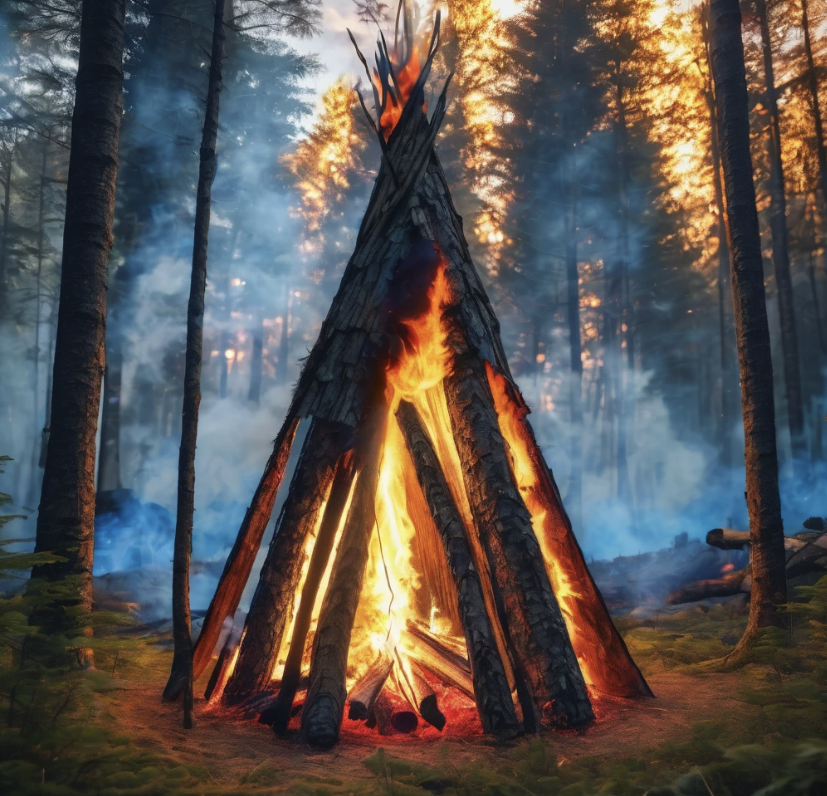
This ain’t your grandpa’s Bic lighter. A ferrocerium rod throws sparks hot enough to melt steel—5,500°F. Pair it with a carbon steel striker or the back of your knife and aim for a decent tinder bundle. It’s weatherproof, idiot-proof, and guaranteed to work if you know how to use it.

Survival Skill #1: Know your ferro rod angles. 45-degree strike, consistent pressure, and keep that wrist steady.

2. Flint and Steel

Older than your bloodline and twice as reliable. Strike steel against flint to shower sparks onto char cloth or dry fungus. This is old-world firecraft, and if you can’t manage it, you’re not ready.

Survival Skill #2: Make char cloth at home using cotton scraps and an Altoids tin. If you can’t DIY that, go home.

3. Bow Drill

Yeah, it’s primitive. Yeah, it’s hard. But when your gear fails and your pack’s lost, this baby will still save your skin. You need spindle, hearthboard, bow, and bearing block. No room for weakness or laziness here.

Survival Skill #3: Learn wood types—poplar spindle, cedar board. Get it wrong and you’ll smoke without fire.

4. Fire Plough

Rub a softwood stick into a groove on a hardwood base. Friction builds. Ember forms. Labor-intensive? Hell yes. But in a survival pinch, it’s a lifesaver.

Survival Skill #4: Endurance. If your arms quit, so do you. Keep grinding.

5. Magnesium Block

Scrape off magnesium shavings, then hit it with a spark. It burns hotter than your ex’s temper. Windproof. Wet-proof. Apocalypse-proof.

Survival Skill #5: Always scrape into a pile. Don’t scatter like a fool.

6. Solar Fire (Magnifying Glass or Fresnel Lens)

Use the sun like the burning eye of judgment. Focus that beam onto dry tinder and wait. It’s clean, silent, and free—just like you should be.

Survival Skill #6: Understand sunlight angles. No sun? No dice. Back it up with other methods.

7. Battery and Steel Wool

Touch steel wool to both battery terminals and watch it ignite. Fast and furious. 9-volt works best, but AA will do in a pinch.

Survival Skill #7: Keep steel wool in a Ziploc. Moisture kills this method dead.

8. Lighter

Yeah, I said it. Carry a damn Bic. But don’t trust it. Lighters break. They leak. They lie. But as a backup, it’s a must.

Survival Skill #8: Refillable Zippos are better in the long haul. Learn to repack the cotton and replace the flint.

9. Matches (Stormproof Preferred)

Stockpile the good ones. Dip regular matches in wax for homemade stormproofing. Keep them dry, sealed, and accessible.

Survival Skill #9: Know how to strike with frozen fingers. Practice in the cold.

10. Fire Piston

Science meets caveman. Rapid air compression ignites char cloth in a sealed piston. It’s exotic, but efficient. Just don’t be the idiot who loses the O-ring.

Survival Skill #10: Practice piston technique. This tool punishes the clumsy.


🛠️ 3 DIY Survival Fire Hacks

Hack #1: Vaseline Cotton Balls

Cotton balls soaked in petroleum jelly. Stuff them in an old film canister or pill bottle. Light one spark and you’ve got a 10-minute firestarter. Cheap, lightweight, and rainproof.

Hack #2: Egg Carton Fire Bombs

Take a cardboard egg carton, fill each cup with dryer lint or sawdust, pour in melted wax. When cool, rip off a section and light it. Better than commercial cubes, and made from trash.

Hack #3: Crayon Candles

Out of candles? Break out the kid’s art kit. A single crayon burns 15–30 minutes. Stack three and wrap in foil with a wick, and boom—emergency heat source.


🔥 Why Fire Is Your First and Last Line of Defense

Let me be brutally clear: fire is the only thing between you and death in a real collapse. If you can’t start a fire in 60 seconds under pressure, cold rain, and exhaustion, you’re not a survivor—you’re a liability.

Think the government will save you? That your neighbors will share? That your bug-out bag will somehow work itself? Wake up. The wild doesn’t care. Fire does.

Fire signals to rescue. Fire sterilizes your water. Fire cooks the bacteria out of squirrel meat. Fire scares off predators—man and beast. Fire gives you light when the dark swallows everything.


💥 Final Warning from the Edge

You don’t rise to the occasion. You fall to your level of training. The time to practice isn’t when your fingers are numb and your lungs are wheezing from panic. It’s right now—before the grid fails, before the looters roam, before the cold comes creeping.

Master these 10 techniques like your life depends on it—because it does. Load your bag with the right tools. Memorize the hacks. Drill the skills until they’re muscle memory.

If you’re not building fires weekly, you’re playing with fantasy, not prepping for reality. Don’t be the guy with the $300 knife and no clue how to make a coal.

Get angry. Get obsessed. Get ready.

Clear to the Last Drop: Mastering Water Purification Methods

Listen up, because I’m only going to say this once—your cushy modern lifestyle has made you soft, blind, and dangerously dependent on a system that’s teetering on the brink of collapse. You think that faucet will always spit out clean water? You think bottled water will save you when the trucks stop rolling? Wake the hell up. When the grid goes down, the shelves empty out, and the government forgets your ZIP code, the only water you’ll have is the water you can purify yourself. You better learn how to turn sludge into salvation—now. Not next week. Not when you’re already thirsty. Now.

Why Water Matters More Than You Realize

You can survive three weeks without food. But without water? Three days, maybe less if it’s hot and you’re exerting yourself. And no, guzzling from a river isn’t going to cut it unless you want your insides turned into a parasitic amusement park. Giardia, cryptosporidium, E. coli, cholera—you ever heard of them? If you haven’t, you will… when they’re drilling holes in your guts and you’re writhing in the dirt, praying to a sky that doesn’t give a damn.

Let’s fix that ignorance right now. I’m going to teach you how to purify water like your life depends on it—because it does.


10 Survival Skills to Purify Water When the World Goes to Hell

1. Boiling

Boiling is your first line of defense. Build a damn fire and get that water rolling. A good three to five minutes at a hard boil will kill most of the microscopic hellspawn. At higher altitudes? Boil longer. Firewood’s free if you’re willing to sweat for it.

2. Solar Disinfection (SODIS)

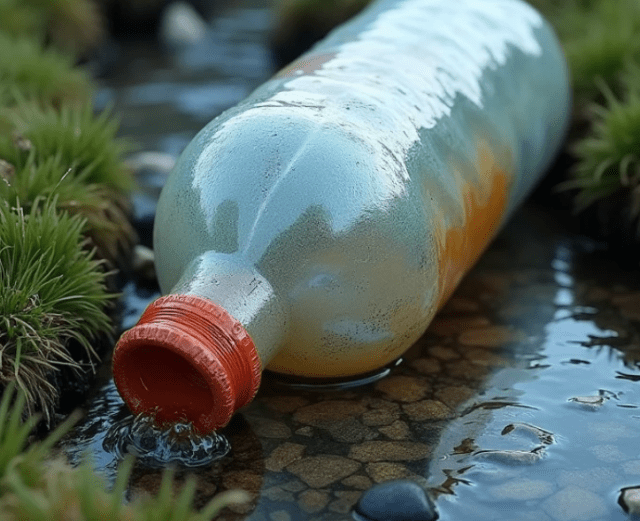
Fill a clear plastic bottle with water. Shake it to aerate, then lay it in direct sunlight for six hours—longer if it’s cloudy. UV-A radiation and heat will kill a lot of the bacteria. Is it perfect? No. But it’s better than drinking raw creek juice.

3. DIY Charcoal Filter

Layer gravel, sand, and activated charcoal in a bottle or hollow log. Pour your water through it. This won’t kill pathogens, but it’ll remove particulates and improve taste before you boil or disinfect chemically. Think of it as a pre-wash before you hit it with the heavy stuff.

4. Chemical Treatment (Iodine or Chlorine)

Carry iodine tablets or unscented household bleach. 2 drops of bleach per liter of water. Let it sit for 30 minutes. Taste the bleach? Good. That means it’s working. No bleach? Learn how to make it from salt and a car battery. (That’s a skill for another day.)

5. Distillation

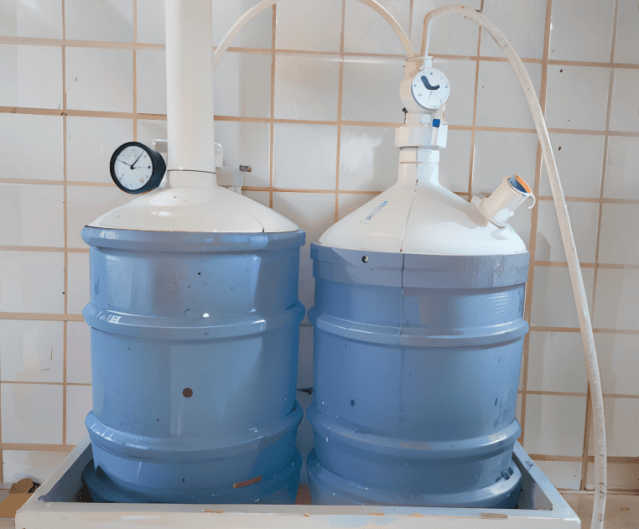
Boiling water into steam and collecting the condensation will leave most nasties behind—including heavy metals and salts. Use a metal pot, tubing, and a collection vessel. Even seawater becomes drinkable. It’s slow, but it’s clean.

6. Pump Filters

There are portable survival filters out there with ceramic or carbon cartridges. They’re solid. If you can buy one, do it. But remember—they clog, they break, and replacement parts are rare when society tanks. Know how to clean and maintain them.

7. Improvised Evaporation Still

Dig a pit, put a container in the middle, and cover the pit with plastic. Put a pebble in the center to make the plastic dip. As water evaporates, it condenses and drips into the container. It’s not fast, but it’ll save your hide in arid hellscapes.

8. Tree Transpiration

Wrap a clear plastic bag around leafy branches. The tree will sweat out moisture, and it’ll collect in the bag. Bonus: It’s already distilled and safer than river water. Just don’t use toxic plants like poison oak or sumac, genius.

9. Snow and Ice Safety

Melt snow before you drink it. Never eat it raw—it lowers your core temperature and burns precious calories. Ice from moving water is safer than stagnant snowbanks. Don’t trust pristine looks. Mother Nature lies.

10. Rainwater Harvesting

Set up a tarp, metal sheeting, or even a poncho to channel rainwater into a container. Keep it covered. Birds crap mid-flight, and you don’t want that in your sip. Rain’s generally safe, but if you’re near factories or downwind of civilization, purify it anyway.


3 DIY Survival Hacks That’ll Make You Look Like a Water Wizard

Hack #1: The “Fire Bottle” Water Boiler

Got a metal water bottle? Good. Drop it into the edge of your campfire and let it boil. No pot required. Just don’t use aluminum—it’ll melt and leach into your water. Stainless steel is king. Pour it into another container or drink straight from it once cool.

Hack #2: Pine Needle Disinfection

Boil water with pine needles. Not only does it help kill bacteria, but pine contains vitamin C and mild antiseptic properties. It doesn’t replace proper purification, but it gives your water a fighting chance and a survivalist’s bouquet you’ll learn to love.

Hack #3: Bandana Pre-Filter

Before boiling or chemically treating, run water through a bandana or shirt to filter out sediment, bugs, and other nasty floaters. It won’t kill microbes, but it keeps your other gear from clogging and makes it easier to disinfect.


Gear Up or Shut Up

You want the easy route? Get a LifeStraw or Sawyer filter, iodine tablets, a stainless steel pot, and a solar still kit. But don’t just stash them in your bug-out bag and call it good. Use them. Practice in the woods, in your backyard, or on that next camping trip you always talk about but never take. Know how to improvise when the tools fail—because they will.


The Water Mindset

Screenshot

Every drop is precious. Learn to find it. Learn to protect it. Treat it like liquid gold. No one’s coming to save you, and thirst doesn’t wait for your Amazon order to arrive. Build a water strategy today—not tomorrow. Stockpile supplies. Practice techniques. Teach your kids. Tell your neighbors, or don’t—it’s up to you who lives when the tap runs dry.

I’m not here to sugarcoat or pat you on the back. I’m here to scream the truth into your face while you can still hear it.

Water is life. Learn how to keep it clean—or you won’t keep anything at all.

Caught to Survive: The Prepper’s Guide to Traps and Snares

Alright, listen up, because I’m only gonna say this once. If you’re dumb enough to think survival is just about stocking up on canned beans and pretending that’ll keep you alive when the world goes sideways, then this rant isn’t for you. Survival is about doing — using your brain, your hands, and yes, your grit — to catch what you can, snare what you need, and make it through whatever hellhole we find ourselves dropped into.

Welcome to Caught to Survive: The Prepper’s Guide to Traps and Snares — a no-BS blueprint for anyone who refuses to be just another dead body left behind when the grid goes dark. If you don’t know how to make a trap or a snare, you might as well start digging your grave now.


15 Survival Skills Every Prepper Should Master — Or Die Trying

1. Basic Knot Tying
If you don’t know a bowline from a granny knot, you’re already screwed. Traps and snares depend on strong, reliable knots. Practice until you can tie them blindfolded and with one hand tied behind your back.

2. Crafting Deadfall Traps
This ain’t your grandpa’s picnic. Knowing how to build a deadfall trap using logs and rocks can catch rabbits, squirrels, or whatever dumb critter walks into your line.

3. Snare Making
Wire snares are the backbone of stealth trapping. Know how to twist, set tension, and place snares where animals naturally run — otherwise, you’re wasting time.

4. Camouflage and Concealment
A trap that’s obvious gets disabled or avoided. Learn to hide your gear in plain sight with branches, leaves, or dirt. If your traps aren’t invisible, they’re useless.

5. Tracking Animal Behavior
Study animal trails, feeding spots, and habits. Set traps where animals will be, not where you wish they’d show up. If you’re just hoping for luck, you’ll be eating dirt.

6. Fire Starting Under Any Conditions
You’ll need fire to cook your catch, sterilize traps, and keep warm. Practice friction, flint, and modern methods until you can start a blaze in a rainstorm with nothing but grit.

7. Knotless Snares and Loop Placement
Sometimes animals are wary of wire loops with knots. Master creating smooth, sliding loops to increase your catch rate.

8. Butchering Small Game
Trapping isn’t just about capture — you’ve got to know how to clean and prepare your kill fast and sanitary. You’re not hunting dinner for fancy; you’re hunting survival.

9. Using Natural Materials for Traps
Wire might run out. Learn to use vines, strips of bark, and wood for snares and triggers.

10. Primitive Tools Making
Carve your own hooks, spears, and trap components from stone, bone, or wood. If you don’t have gear, make it. No excuses.

11. Emergency Shelter Building
Trapping is useless if you freeze to death. Know how to build shelters with minimal materials while you lay traps and prepare food.

12. Water Sourcing and Purification
Without water, you’re dead in 3 days. Find and purify water near your trap zones. Don’t poison your own food source with careless water mistakes.

13. First Aid for Trapping Injuries
Cut yourself setting a snare? Step on a rusty nail? Know basic first aid to keep infection from killing you.

14. Disguise Your Scent
Animals smell better than you think. Use mud, leaves, or natural scents to hide your human odor near trap lines.

15. Understanding Local Wildlife Laws and Ethics
Yeah, when society is functioning, respect the laws and the animals. But when survival’s on the line, knowing the legal boundaries beforehand saves you headaches later.


3 DIY Survival Hacks to Boost Your Trap and Snare Game

Hack #1: The “Tripwire Alarm”
Use a length of thin wire or strong cord connected to a can filled with rocks or anything noisy. Place it across a path where you expect an animal. When triggered, it alerts you without you having to stay glued to the trap all day. No more missing your catch because you were distracted or sleeping.

Hack #2: The “Improvised Spring Snare”
If you don’t have steel wire or springs, carve a Y-shaped flexible sapling branch. Attach a loop of vine or wire to the top and set the snare with the bent sapling tensioned. When the animal steps into the loop, the sapling snaps back, tightening the noose. It’s noisy but effective if you can’t get your hands on commercial gear.

Hack #3: The “Natural Glue Trap”
Mix pine resin with charcoal or crushed leaves to make a sticky, natural glue. Spread it on a flat surface or a small stick and place near bait. Small rodents get their paws stuck, making capture easier. It’s messy but works when you’re desperate and wire’s not an option.


Here’s Why This Matters — And Why You Should Be Mad Too

When disaster strikes, the entire system you rely on falls apart. Power? Gone. Grocery stores? Looted or empty. Police? Who knows. The only reliable source of food will be your hands and your wit. If you’re not trapping and snaring, you’re begging for scraps or starvation. And no one’s gonna hand you a sandwich when chaos rules the day.

Get angry. Get serious. This is not a game. Every second you waste scrolling your phone or buying more junk you don’t need, someone else is learning to survive without it. The animals don’t care about your excuses. If you can’t catch food, you die.

Traps and snares are the silent soldiers of survival — no loud guns, no wasting ammo, just pure skill and patience. They’re the tools that will keep your belly full when the world crumbles. Master them or prepare to be a statistic.


Final Warning: If You’re Not Willing to Get Dirty, Stay Home

Setting traps isn’t glamorous. It’s tedious, frustrating, and sometimes downright gross. You’ll get bitten by bugs, scratched by thorns, and spend hours just watching a snare you set. But that’s the price of survival — patience and resilience.

Get angry at the world for making survival necessary. Get angry at yourself for not preparing sooner. But channel that anger into action. Learn every skill, practice every hack, and build traps until they’re second nature.

Because when the grid goes dark and the streets fill with chaos, no one’s coming to save you. You’re on your own. And if you don’t catch to survive, you won’t.


There. Now stop whining and start doing. What do you want me to break down first — setting snares? Finding the best trap locations? Or maybe how to butcher a rabbit clean in under five minutes?

Eat to Live: Mastering Edible Plant ID for Survival Scenarios

Eat to Live: Mastering Edible Plant ID for Survival Scenarios
By someone who’s fed up with your ignorance

Let me cut the crap right off the bat—if you’re reading this because you think “foraging” is some cute weekend hobby between lattes and scrolling on your damn phone, you’re already a liability. This isn’t about wildflower pics for your Instagram. This is about survival—pure, raw, unfiltered survival. The kind where if you screw up, you don’t get a second chance. You either eat or you rot.

When the grid collapses, the cities will become tombs. Your favorite Uber driver isn’t going to save you. Your “meal prep” skills won’t mean squat when the only thing on the menu is bark and berries. But here’s the truth: nature provides—if you know what you’re doing. And if you don’t, nature will kill you. Fast.

Survival Skill #1: Learn the Damn Plants

You better get good at plant ID, and I don’t mean glancing at some leafy green and guessing. I mean knowing the difference between Queen Anne’s Lace and poison hemlock. One feeds you, the other shuts down your respiratory system like a vise. Learn the leaf patterns. Smell the roots. Break the stems. Know the seasonal changes. If you can’t name five edible plants native to your area right now, you’re not ready. Period.

Survival Skill #2: Know the Universal Edibility Test

In a real survival scenario, you won’t always have your plant guides or phone apps. Use the Universal Edibility Test—but use it smart. Break the plant into parts: root, stem, leaves, flower. Test each part separately over hours. Rub it on your skin, then your lips, then your tongue. Wait. Swallow only if there’s no reaction. You think it’s tedious? So is dying from gut-wrenching poison.

Survival Skill #3: Track Seasonal Availability

Wild edibles aren’t available all year. You need to know when to harvest roots, which plants bloom in spring, and which weeds you can count on in winter. Chickweed, dandelion, wild garlic—they’re your allies if you’ve got the balls to pay attention.

DIY Survival Hack #1: Build a Pocket Herbarium

Forget your TikTok hacks. Get a damn notebook and start pressing specimens. Dry them, label them, annotate what parts are edible and when. Make your own field guide. That way when you’re freezing your ass off in some backwoods hole and stumble on a patch of greens, you don’t second-guess what could be your next meal.

Survival Skill #4: Understand Plant Look-Alikes

Mother Nature is a tricky bastard. Edible plants have toxic twins. Wild carrot vs. poison hemlock. Wild grape vs. moonseed. You mess that up, you’re not going to the ER—you’re going to the morgue. If you can’t tell them apart, don’t touch them.

Survival Skill #5: Practice Harvesting Without Destroying the Source

A real survivalist doesn’t burn the forest to bake a loaf of bread. Take only what you need. If you find wild leeks, leave half. If you spot cattails, don’t rip the whole colony apart. Respect the land, because it’s the only damn thing keeping you alive.

DIY Survival Hack #2: Make a Solar Plant Dehydrator

Don’t rely on power when you can build a plant dryer with sticks, screen, and sunlight. Dehydrate dandelion leaves, wild mint, or purslane. It preserves nutrients and lightens your pack. Who needs fancy gear when the sun is still free?

Survival Skill #6: Know Your Medicinal Plants

Food isn’t the only thing that keeps you alive. Ever had diarrhea in the woods with no meds? Good luck. Learn yarrow (stops bleeding), plantain (draws out poison), and willow bark (natural aspirin). Your brain’s your best survival tool—if you fill it with something useful.

Survival Skill #7: Test and Train—Before You Have To

You’re not a survivalist until you’ve lived it. So take your cushy ass out of the suburbs and spend three nights in the wild with nothing but a knife, a water bottle, and your plant ID skills. No phone. No tent. Eat only what you find. That’s how you learn.

DIY Survival Hack #3: Edible Plant “Cheat Stick”

Tape samples of dried, identifiable parts of key edible plants to a sturdy stick or ruler. Seal them under clear packing tape. Waterproof, portable, and faster than flipping through pages when the sun’s going down and your stomach’s roaring.

Survival Skill #8: Cook What Needs Cooking

Some plants will screw you up if you eat them raw. Cattail roots need roasting. Pokeweed can be eaten only when young and only after multiple boils. Know what must be cooked, because gastrointestinal distress in the wild is a fast track to death.

Survival Skill #9: Urban Foraging Tactics

Don’t assume survival scenarios only happen in the backwoods. Cities have plant life too—back alleys, parks, abandoned lots. Learn to spot mulberry trees, lamb’s quarters, wild amaranth, and purslane growing in cracks. Concrete jungles have calories too.

Survival Skill #10: Mental Resilience

This isn’t just about what you know—it’s about what you do when you’re cold, starving, and scared. You panic, you die. You hesitate, you miss a meal. You doubt yourself, you eat the wrong berry and meet your maker. Know your plants, trust your skills, and keep moving.


Let me be clear one last time: this isn’t a damn joke. When things fall apart, the people who laugh at this stuff are going to be the first to beg for a cracker. Don’t be one of them. Be the one who walks into the woods and walks out fed, alive, and free.

Nature doesn’t care about your opinions. It doesn’t care about your degree, your follower count, or your Wi-Fi signal. It rewards the prepared. It eats the rest.

So pick up that field guide, get your boots dirty, and for God’s sake—eat to live.

Survival Seating: Where to Sit When Eating Could Turn Dangerous

Let me ask you something: when you walk into a restaurant, do you just sit down wherever the hostess points like a clueless sheep? If so, you’ve already lost. You’re trusting your safety—your life—to someone whose only qualification is knowing where the ketchup packets are stored.

Wake up.

In a world this unstable, every public place is a potential kill zone, and every meal out could be your last supper if you don’t start thinking tactically. Active shooters, armed robberies, angry exes with vendettas—this isn’t paranoia, it’s pattern recognition. The smart survive. The unaware get turned into news headlines.

Rule #1: Never Sit with Your Back to the Door

I don’t care how good the view is. If your back’s to the entrance, you’re not eating—you’re volunteering to be the first to die. You want eyes on the front door at all times. Know who’s coming, how many of them there are, what they’re carrying, and whether they look nervous, drunk, or dangerous.

Rule #2: Choose Corners and Walls

The safest seats are ones with your back to a solid barrier—a wall, a corner, a column—anything that prevents you from being approached from behind. From there, you have a full view of the space and multiple exit paths. If a threat enters, you’re not caught off guard.

Remember: no wall, no cover. No cover, no chance.

Rule #3: Know Your Exits—All of Them

You should be able to escape within three seconds, without hesitating. That means knowing where the main door is, where the emergency exits are, whether there’s a back kitchen door, and how far you’ll have to run to get to them.

If you sit down without identifying at least two exits, you’re trusting strangers to save you. And that’s suicidal.


15 Survival Skills You Should Use Every Time You Eat Out

Let me drill this into your head. Survival is a mindset. Here are 15 survival skills you need to keep sharp—even at the damn Olive Garden.

  1. Situational Awareness
    Always be scanning. Who’s coming in? What’s in their hands? Are they pacing or loitering? You’re reading body language like a hawk, not reading the menu.
  2. Threat Identification
    Learn the difference between a customer and someone casing the place. Watch their eyes, hands, and posture.
  3. Exit Planning
    Have a primary and backup escape route—always.
  4. Cover vs. Concealment Recognition
    Tables? Concealment. Booths with high backs? Better. Kitchen doors? Possibly cover. Learn the difference and use it.
  5. Improvised Weapon Identification
    That butter knife, wine bottle, or chair leg? Tools, not utensils. If it can be used to strike, block, or distract, it’s a weapon.
  6. Hand-to-Hand Combat Readiness
    Your fists are your last defense. Stay trained and stay dangerous.
  7. Communication and Alerting Others
    Know how to discreetly warn people around you without causing panic.
  8. First Aid & Trauma Care
    Carry a tourniquet. Know how to stop bleeding. You might be patching yourself—or someone else.
  9. Stealth Movement in Crowds
    You need to move fast without drawing attention. Know how to blend in, slip out, and disappear.
  10. Firearm Safety and Awareness
    Even if you’re not carrying, someone else might be. Watch for printing (visible outlines of guns under clothes) and understand line of fire.
  11. Sound Recognition
    One gunshot sounds different from kitchen clatter. You hear a bang, don’t freeze—MOVE.
  12. Calm Under Pressure
    Panic is contagious. Train your mind to stay cool, even when chaos erupts.
  13. Strategic Seating
    Don’t sit near glass, bathrooms, or kitchens (high-traffic, low-control zones). Find a position that controls the space.
  14. Human Shielding (Last Resort)
    It’s ugly. It’s brutal. But in a shootout, distance and obstacles matter. Stay behind cover and move in shadows.
  15. Decisive Action
    The most dangerous person in a crisis is the one who can’t act. If your gut says run, run. Don’t wait for permission.

3 DIY Survival Hacks for Restaurant Safety

1. Create a Pocket “EDC” (Everyday Carry) Survival Kit

You don’t need to lug around a duffel bag of gear to be prepared. Here’s what you should carry in your pockets:

  • A tactical pen (doubles as a striking weapon)
  • Mini flashlight
  • Slim tourniquet (like a SWAT-T)
  • Backup cash, ID, and a credit card knife

With just these items, you can break glass, fight off an attacker, treat a wound, or pay your way out of a lockdown scenario.


2. Turn Your Belt Into a Door Barricade

Let’s say you’re in the bathroom when the shooting starts. You can wedge a belt under or around the door handle to slow down entry. Strap it tightly and reinforce with your foot or body. In many cases, a few seconds of delay can make all the difference. Always wear a real belt, not some weak braided nonsense.


3. DIY Smoke Marker

Got a napkin and a lighter? You’ve got a distraction device. If you’re in a hostage scenario or need to escape without being seen, set fire to a greasy napkin, drop it near a vent or trash bin, and let the smoke draw attention elsewhere. Use the chaos to slip out.


Final Thoughts from a Pissed-Off Prepper

If you’re still reading this and thinking, “This guy’s over the top,” then I’ve got bad news for you. You’re not ready.

Being situationally aware in a restaurant isn’t crazy—it’s common sense. It’s not about fear, it’s about control. You don’t walk into a room and surrender your life to the floor plan. You analyze. You position. You survive.

Because when it all goes down—when the first scream hits the air or the first glass shatters—your instincts will be all you have left.

And I’d rather be a paranoid survivor than a trusting corpse.