IS NEW YORK’S DRINKING WATER SAFE? HECK NO — HERE’S HOW TO SURVIVE IT.

Listen up. You’re being lied to. The bureaucrats and their polished PR puppets want you to believe New York’s drinking water is some pristine nectar dripping from the gods of the Catskills. But you know what it really is? A chemical cocktail seasoned with lead pipes, agricultural runoff, and trace pharmaceuticals flushed down Manhattan toilets. You think some sanitized press release or a pat on the head from the Department of Environmental Protection means you’re safe? Wake up.

I’ve been off-grid, I’ve filtered swamp water, I’ve drunk from snowmelt and desert creeks — and I trust that water more than the faucet in your overpriced Brooklyn apartment.

So, let’s get one thing straight: If you’re not filtering your water — every damn drop of it — you’re playing Russian roulette with your kidneys. You want to survive what’s coming? You better master the art of water filtration like your life depends on it. Because it does.


FIRST: THE UGLY TRUTH ABOUT NEW YORK’S WATER
They call it “world-class.” Sure — maybe before it hits the city’s hundred-year-old pipes, some of which still contain lead. The stuff you learned about in elementary school as brain poison? Yeah, that’s still flowing in “acceptable levels” in a lot of areas.

Microplastics? Present.
Chlorine? Present.
Pharmaceuticals? Hell yes — anti-anxiety meds, birth control, even traces of opioids.
And PFAS — those “forever chemicals” linked to cancer and immune system damage? They’re in there too.

Still feel like filling your reusable water bottle straight from the tap? Go ahead. But don’t cry to me when your thyroid craps out or your kids grow a third eye.


15 WATER FILTRATION SKILLS EVERY SURVIVALIST NEEDS TO MASTER BEFORE THE GRID FAILS

1. Boiling
The simplest, oldest, and still one of the best methods. Bring water to a rolling boil for at least 1 minute (3 minutes if you’re above 6,500 ft). It kills bacteria, viruses, and parasites — but it won’t remove chemicals or heavy metals.

2. DIY Charcoal Filter
Layer activated charcoal with sand and gravel inside a container or cut plastic bottle. It removes odors, some chemicals, and particulates. It’s not perfect, but it’s a solid first pass.

3. Gravity-Fed Filtration
Systems like Berkey or DIY equivalents use gravity to push water through multiple layers of filtration. No electricity needed, and very effective against bacteria and heavy metals.

4. Solar Disinfection (SODIS)
Fill a clear PET bottle with water and leave it in direct sunlight for 6+ hours. UV rays kill most pathogens. Doesn’t help with chemical pollutants, but it’s better than nothing.

5. Cloth Straining
Use a clean bandana, t-shirt, or sock to remove debris. It won’t kill anything, but it’s a pre-filter step you’ll thank yourself for.

6. Bleach Purification
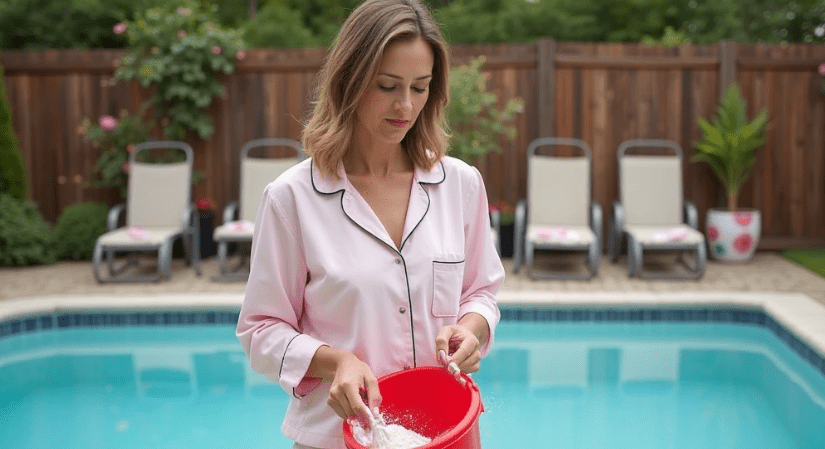
Use unscented household bleach — 8 drops per gallon, stir, and let it sit for 30 minutes. Not tasty, but effective. Learn the dosage — too little does nothing, too much and you poison yourself.

7. Ceramic Filters
These filter out bacteria and protozoa but not viruses or chemicals. Great for long-term off-grid setups. Easy to clean and reuse.

8. Iodine Tablets
Effective against bacteria and viruses. Leaves a taste, and not suitable for pregnant women or long-term use — but in a pinch, it works.

9. UV Pen Sterilizers
Battery-powered gadgets that zap water with UV light. Kills pathogens in 90 seconds. Useless without power, but deadly effective while it lasts.

10. DIY Bio-Filter
Layer: gravel, sand, activated charcoal, and a cloth in a barrel or bottle. Let water drip through slowly. Not fast, but thorough.

11. Distillation
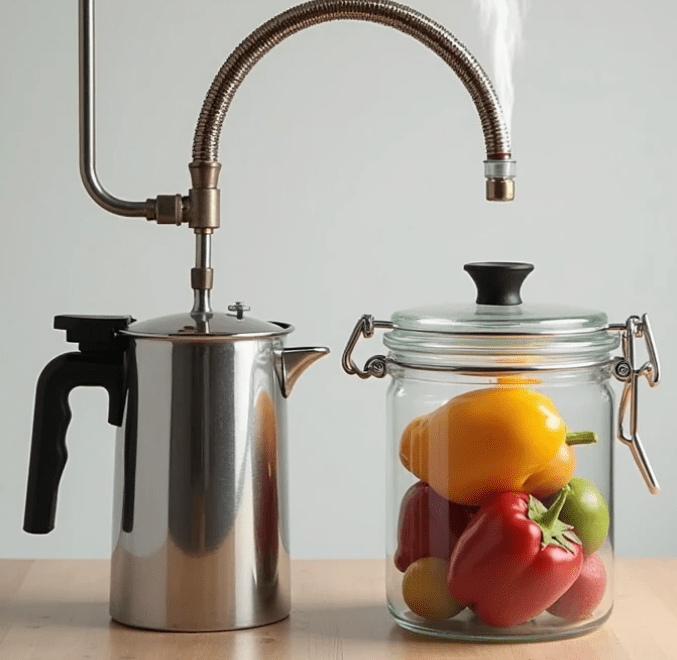
Boil water and catch the steam in a clean container. It leaves everything — even heavy metals — behind. You can even drink seawater this way.

12. Wild Plant Filters
Some plants like cattails or banana peels have filtering properties. Shred and use as one layer in a filter. Experimental, but can assist other methods.

13. Silver Infusion
Colloidal silver has antimicrobial properties. It’s controversial — but survivalists have used it for decades. Caution is advised, but it’s in the toolbox.

14. Water Catchment & Pre-Filter
Collect rainwater and let it sit so sediment settles. Use a coffee filter or cloth to pre-filter before boiling or purifying.

15. Redundancy Protocol
Never trust just one method. Filter + disinfect + test. Always. Combine at least two methods — it’s your life we’re talking about.


3 DIY SURVIVAL DRINKING WATER HACKS FOR CITY DWELLERS
Let’s get real. Not all of you have cabins in the Adirondacks. Some of you are stuck in shoebox apartments waiting for the blackout. So here’s what to do when the tap goes toxic or shuts off completely.

HACK 1: BATHTUB BUNKER
Before any major storm or emergency, fill your bathtub with water. Use a WaterBOB (or a clean plastic liner if you’re broke) to keep it potable. That’s 100 gallons of drinkable water if you play your cards right.

HACK 2: GUTTER TO GALLON
Rig a tarp or plastic sheet on your fire escape or balcony. Funnel rainwater into buckets. First rain flushes off crap; toss it. Then collect. Filter and boil before use.

HACK 3: SODA BOTTLE SOLAR STILL
Cut a 2-liter soda bottle, add dirty water inside with a small cup in the middle. Wrap the top in plastic wrap, seal edges with tape, and leave in the sun. Condensed droplets drip into the cup = pure water. Slow? Yes. Lifesaving? Absolutely.


CONCLUSION: YOU’RE ON YOUR OWN

New York’s drinking water might pass government standards, but those standards are decades out of date and built for convenience, not survival. You want to trust your life and your family’s health to some bureaucrat’s interpretation of “safe”? Be my guest.

But when the next contamination hits — when the grid shuts down, or the water plant floods, or the terrorists hit the reservoir — don’t say you weren’t warned.

This isn’t about paranoia. It’s about preparation. Learn to filter. Learn to store. Learn to survive.

Because no one is coming to save you.

Is New Hampshire’s Drinking Water Safe

Let me lay it down for you, raw and unfiltered—because unlike the water coming out of some taps in New Hampshire, this is clean truth. If you’re still operating under the soft, delusional fantasy that your state or local water utility has your best interest at heart, wake up. This isn’t Mayberry. This is 2025. And while the powers-that-be smile and issue glossy PDFs about “acceptable levels” of PFAS and “minimal risk” of lead contamination, real survivalists know the only person responsible for keeping your water safe—is you.

Let’s talk New Hampshire. Granite State. Rugged, resilient, “Live Free or Die” territory, right? Well, tell that to the folks in Merrimack, Litchfield, and other parts of southern NH, where PFAS—those forever chemicals that don’t break down, mess with your hormones, and spike your cancer risks—have leeched into the water table. Ever heard of Saint-Gobain? That’s the industrial giant whose operations poisoned the groundwater and then shrugged when families started getting sick.

And it’s not just PFAS. You’ve got old infrastructure in small towns all over the state, corroding pipes leaching lead, and ineffective testing that might catch contamination weeks or months too late. Arsenic in well water in northern New Hampshire? Yeah, that’s real. Over 40% of private wells in NH exceed the EPA’s safety limit for arsenic. And don’t count on anyone telling you that unless you’re reading the fine print buried in some obscure environmental health report.

So no, New Hampshire’s drinking water isn’t safe—not by a long shot. If you’re relying on tap water without backup systems, filtration strategies, or emergency know-how, you’re not just unprepared. You’re endangering yourself and your family.

Time to get educated. Here’s your crash course in real water survival. I’m giving you 15 Water Filtration Survival Skills every free-thinking person in New Hampshire (or anywhere) needs to master, and 3 DIY hacks that’ll keep you alive when the system collapses—or just screws you over again.


15 Water Filtration Survival Skills Every Granite Stater Must Know

1. Identify local water sources.
If you can’t name five drinkable natural water sources within a 10-mile radius of your home, you’re already losing.

2. Learn to use a portable water filter.
LifeStraw, Sawyer Mini, Katadyn—get one, test it, and carry it with you. Knowing how it actually works in field conditions matters.

3. Build a DIY slow sand filter.
Layer gravel, sand, and charcoal in a barrel. It’s slow but removes bacteria and particles when done right.

4. Boil like your life depends on it—because it does.
Rolling boil for a full minute (three at altitude). Don’t cut corners. Giardia and cryptosporidium don’t forgive ignorance.

5. Purify with bleach.
Use unscented household bleach—eight drops per gallon, stir and wait 30 minutes. Too little, it’s useless. Too much, you poison yourself.

6. Know your charcoal.
Activated charcoal absorbs organic contaminants, pesticides, and some chemicals. Learn how to make your own from hardwood, bake it, crush it.

7. Use UV light to kill pathogens.
Solar disinfection (SODIS) with clear PET bottles and six hours of direct sunlight? Not perfect, but better than raw lake water.

8. Master iodine purification.
Two percent tincture, five drops per quart. Wait at least 30 minutes. Works in emergencies—especially on viral contaminants.

9. Build a solar still.
Dig a hole, add wet vegetation, a container, and cover with plastic sheeting. Evaporation will save your life in dry zones.

10. Distill rainwater.
Catch it, boil it, collect the steam. Keeps most metals and chemicals out—especially arsenic from old well pipes.

11. Know how to read a water test strip.
Don’t guess. Carry strips to test for lead, bacteria, nitrates, and more. Don’t trust clear water—it can still be deadly.

12. Use a ceramic filter.
These slow-flow filters trap bacteria and sediment. Pair with charcoal for chemical filtration. Clean regularly to prevent clogging.

13. DIY biosand filter for long-term setups.
Effective, reusable, and sustainable—if you layer it right and clean it correctly. Can last for years if maintained.

14. Pre-filter with cloth.
Before you boil or chemically treat, filter out sediment with a bandana or old T-shirt. Reduces clogging and improves clarity.

15. Understand the limitations.
No filter is perfect. Know what your filter removes—and what it doesn’t. PFAS? Most commercial filters don’t touch it. Don’t be lazy—do the research.


3 DIY Survival Drinking Water Hacks That Work When All Else Fails

Hack #1: Emergency Charcoal-Filter Bottle
Take a plastic bottle, cut off the bottom, fill with layers—cloth, charcoal (crushed), sand, then gravel. Pour water in top, collect clean water at the bottom. It won’t remove all chemicals, but it’ll get rid of most particulates and microbes.

Hack #2: Pine Tree Water Collector
Wrap a plastic bag around a leafy pine branch in the sun. The tree releases moisture via transpiration. After a few hours, you’ll have drinkable water condensed in the bag. Slow, but pure. Perfect for the NH woods.

Hack #3: Boil Water in a Leaf or Bark Container
No metal pot? No problem. Use thick bark or large green leaves to hold water over a fire’s coals—not flames—and bring it to a boil. It takes finesse, but it’ll purify water without high-tech gear.


So is New Hampshire’s drinking water safe?

You already know the answer. No, it’s not. Not by any standard a sane, cautious, prepared person should accept. And if the day comes when the grid fails, the trucks stop running, or your utility fails to notify you (again) of some mysterious contaminant in your pipes, you’ll be the one standing between sickness and survival. Not your mayor. Not DES. Not the EPA.

Be angry. Be informed. But above all—be ready.

Because clean water isn’t a right in the world we live in today. It’s a skill. And you better treat it like your life depends on it—because it does.

Is Arizona’s Drinking Water Safe? Hah. You’re Dreaming.


If you think Arizona’s tap water is “safe” just because the state or the EPA slapped a label on it, then you’re already a walking casualty. The truth is simple: you can’t trust a damn thing that flows from your faucet. And in the desert? Water isn’t just survival — it’s power. It’s everything. And if you don’t take control of your water, someone else already has.
The water in Arizona isn’t just bad. It’s dangerous. We’re talking arsenic. Nitrates. Radioactive elements like uranium and radium. PFAS “forever chemicals” that don’t leave your system — ever. Municipalities might tell you it’s “within federal standards,” but what they mean is: “You might not drop dead today, so we’re calling it good enough.”


And if the system collapses tomorrow — grid down, power out, supply chains frozen — where do you think that clean water’s coming from? No tap, no truck, no help. Just you and your knowledge. Or your lack of it.
So I’m going to give you the tools to stop being a dependent, soft-bellied liability and start being the survivor your ancestors would actually respect.

15 Water Filtration Survival Skills Every Arizona Prepper Must Know
1. Boil Like Your Life Depends on It (Because It Does)
One full-tilt, rolling boil for at least three minutes, more if you’re at higher elevation. Arizona has mountains. Adjust accordingly or drink regret.
2. DIY Charcoal Filter
Activated charcoal can pull out chemicals like chlorine and pesticides. Make your own with hardwood charcoal, crushed fine. Layer it with sand and gravel in a bottle — pour slow, filter twice.
3. Solar Still (Desert Hack #1)
Dig a hole, lay a container in the center, add green vegetation or urine (yeah, I said it), cover with plastic sheeting, and weight the center. Let the Arizona sun do its thing.
4. Ceramic Filters
Get one. Learn to clean it. Learn to replace it. Ceramic is your friend. It filters out bacteria, sediment, and protozoa. Not fast, but it works.
5. Pump Filters (Field Grade)
You want a hand-pump that handles viruses, bacteria, and chemicals. Don’t cheap out. If your filter doesn’t knock out 99.999% of the bad guys, it’s a paperweight.
6. UV Sterilization (Solar or Battery-Powered)
Arizona’s got sunlight. Use it. A SteriPen can nuke the viruses, but make sure your water’s already clear — UV can’t punch through mud.
7. Know Your Contaminants
Arizona is loaded with arsenic and uranium in groundwater. These aren’t killed by boiling. You need solid filters that trap heavy metals. Reverse osmosis, if you’ve got power. If not, you’d better hope you remembered that charcoal.
8. Pre-Filter Everything
A sock. A t-shirt. A coffee filter. Use something to get out the grit and grime. Keep your main filter alive longer.
9. Clay Pot Filtration
Porous clay slowly filters water while reducing bacteria. DIY this from local materials, coat with colloidal silver if you’re chemically inclined.
10. SODIS Method
Fill a clear PET bottle with water and let it sit in the full Arizona sun for 6+ hours. UV radiation will kill most bacteria and viruses. Free, easy, and good for emergencies.
11. Know Your Sources
The Salt River, Verde River, and Colorado River aren’t pure mountain springs. Agricultural runoff, industrial discharge, and wastewater recycling feed into them. Don’t drink unfiltered river water unless you’re trying to die.
12. Bio-Sand Filters
Build your own slow-sand filter. Layer gravel, sand, and charcoal. Let a microbial layer form at the top — it eats the pathogens. Great for long-term setups.
13. Backup Filters
One is none. Two is one. If your only filter cracks or clogs, you’re toast. Carry backups. Protect them like your life depends on it — it does.
14. Boil with Fire or Sun Oven
You don’t have electricity? Big shock — it’s Arizona in a blackout. Learn to boil over a fire pit or solar oven. No power = no excuses.
15. Desert Rain Harvesting
Illegal in some cities, but survival doesn’t care about permits. Get a tarp, funnel runoff into a container, and filter the hell out of it. Rooftop water is loaded with dust and bird crap. Don’t sip it straight.

3 DIY Survival Drinking Water Hacks
1. Charcoal + Sand Bottle Filter
Take a plastic bottle. Cut the bottom off. Stuff in layers: cloth, charcoal, sand, gravel. Pour water through slowly. Repeat a few times. Then boil or UV it. This is basic, but it works.

2. Cactus Water Caution
Prickly pear pads contain mucilage that can clarify water — it binds heavy metals and particles. But don’t drink raw cactus water — it can be toxic. Use it as a filtration agent only, and then purify after.

3. Evaporation Bag Method
Wrap a plastic bag around a leafy plant or tree limb, tie it off, and wait. Moisture evaporates and condenses inside the bag. Not fast, but 100% drinkable with no treatment. Survival-grade stuff.


So… Is Arizona’s Drinking Water Safe?
No. And stop asking. That question assumes someone else is taking responsibility for your life. Here’s what’s really happening:
Arsenic is naturally high in groundwater, especially in rural wells.
Radium and uranium show up in water systems from volcanic rock.
PFAS chemicals (industrial runoff) have tainted multiple water systems across the state.
Colorado River water is increasingly contaminated and overused.
Aging infrastructure means that even city water can run through lead-lined pipes.
Municipal water treatment plants can’t keep up. And even when they try, they don’t treat for everything. You’re getting a cocktail of chlorine, fluoride, sediment, and maybe a little bonus radium if you’re lucky. Congratulations — your kitchen tap is a chemical experiment.

What You Need to Do Now
Get a gravity-fed filter for daily use. Berkey, Alexapure, ProOne — pick your poison.
Buy portable filters for emergencies — Sawyer, Katadyn, MSR.
Stock up on purification tabs — iodine, chlorine dioxide.
Set up rainwater catchment, rooftop or tarp.
Dig a solar still in your backyard and PRACTICE.
Filter and boil everything. Even your “safe” tap water.
Test your well — arsenic, uranium, nitrates. Get a full lab test. Don’t guess.

Screenshot


Bottom Line
Arizona’s water is a minefield. Just because it comes out clear doesn’t mean it’s clean. It’s what you don’t see — heavy metals, radionuclides, chemical residues — that’ll kill you slow.
Don’t rely on the government. Don’t trust a press release. Don’t assume your water filter is enough. Know how to clean your water ten different ways, and then learn five more.
Because when the day comes that you turn the tap and nothing flows, or worse — something does flow and it’s poison — it’ll be too late to learn.
This isn’t about prepping anymore. This is about reality. And reality doesn’t care if you’re ready. So you’d better be.
Filter. Boil. Test. Repeat. Or die thirsty. Your choice.

Is Idaho’s Drinking Water Safe? Not If You Want to Stay Alive

You want the truth about Idaho’s drinking water? Here it is, raw and ugly: No, it’s not safe. And if you’re sitting around with your tap water dripping like a lullaby into your glass thinking “Oh, the government would never let us drink something unsafe,” then WAKE UP, because you’re being played. We’re not living in Mayberry. We’re living in an age of aging infrastructure, pesticide runoff, fracking leaks, bureaucratic denial, and “acceptable contamination levels” that would’ve made your grandfather vomit.

If you’re not treating every drop of water like it could kill you, you’re gambling your health—and your life.

Here’s What They Don’t Tell You About Idaho’s Water

Sure, parts of Idaho brag about their “clean groundwater” and “pristine aquifers.” You’ll hear about the Snake River Plain Aquifer, but guess what? That aquifer sits under a heavy blanket of industrial agriculture, livestock operations, and septic systems. And let’s not forget nitrate contamination, which is quietly turning rural wells into poison cocktails. Go ahead—look up nitrate levels in Twin Falls or Jerome County and see if you still feel good about what’s in your cup.

You ever heard of forever chemicals? PFAS—per- and polyfluoroalkyl substances—don’t break down in nature, and guess what? They’re starting to show up in water systems across the country, including Idaho. But the agencies monitoring this stuff? Underfunded. Undermanned. And under orders to downplay panic.

And God help you if you’re pulling water from a private well. There’s no state requirement for testing. No oversight. No help when something goes wrong. You’re on your own. Which is exactly how it’ll be when the system fails—and it will.

You Want to Live? Learn These 15 Water Filtration Survival Skills NOW

You need to be your own damn water treatment plant. That means being ready to take foul, deadly water and make it drinkable, anywhere, anytime. Learn these 15 survival water filtration skills or pray your kidneys are bulletproof.

1. Boiling Water

Basic but critical. Bring it to a full rolling boil for at least 1 minute (3+ minutes above 6,500 ft). Kills bacteria, viruses, parasites.

2. DIY Charcoal Filter

Use layers of activated charcoal, sand, and gravel in a bottle or pipe. It won’t kill everything, but it’ll pull out toxins and sediment.

3. Solar Disinfection (SODIS)

Fill a clear PET bottle, lay it in direct sun for 6+ hours. UV rays will kill many microbes. Easy, slow, and useful when firewood is scarce.

4. LifeStraw or Personal Filter Straw

These pocket-sized filters remove bacteria and protozoa. Not perfect, but great for fast access in the field.

5. Gravity-Fed Ceramic Filters

Ideal for base camps. Ceramic filters remove bacteria and sediment, and some models include carbon cores for chemicals.

6. Improvised Sand Filter Pit

Dig a pit, line it with layers of sand, gravel, and charcoal. Pour water in, collect it as it trickles out. Slow but effective.

7. Bleach Disinfection

Use unscented, regular bleach (6% sodium hypochlorite). Add 8 drops per gallon, stir, wait 30 minutes. Smell it—should have a faint chlorine scent.

8. Iodine Tablets or Tincture

Add 5 drops per quart (clear water), wait 30 minutes. Kills most pathogens but isn’t safe for long-term use.

9. UV Light Sterilizers

Battery-powered UV pens can kill microbes quickly. Expensive but efficient. Not effective on cloudy or murky water unless pre-filtered.

10. Coffee Filter Pre-Filtration

Run water through a coffee filter, cloth, or bandana to remove particulates before disinfection.

11. Clay Pot Filtration

Traditional method: unglazed clay pots naturally filter water and can be combined with colloidal silver to boost pathogen kill.

12. Distillation

Boil water, catch the vapor, condense it back into liquid. Strips everything—including heavy metals and salt. Resource-intensive but thorough.

13. Build a Solar Still

Dig a hole, place a container in the center, cover with plastic, weight the center, and let sun draw vapor. It’s slow, but produces pure H2O.

14. Using Plant Filters

Some trees like banana or moringa can remove bacteria when used properly. Look up field guides on how to apply plant bio-filters.

15. Bio-Sand Filter

A more permanent version of the charcoal/sand setup. Requires maintenance but excellent for long-term survival setups.


3 DIY Survival Drinking Water Hacks You Should Burn Into Your Brain

Screenshot

Need water right now and don’t have gear? Improvise, adapt, survive.

1. Plastic Bottle UV Purifier

Found a clear bottle in the trash? Fill it, shake it, lay it on a rock in the sun. It’s not perfect, but in 6-8 hours, the UV rays will kill most bacteria and viruses. Not for murky water.

2. Tree Evaporation Bag

Wrap a clear plastic bag around leafy green tree branches. Seal it tight. After a few hours, condensation forms in the bag—it’s clean water. You won’t get a lot, but every drop counts.

3. Shirt Sleeve Sediment Filter

Rip off a shirt sleeve, stuff with layers of grass, sand, charcoal if you have it. Pour dirty water through. It won’t purify, but it filters enough for boiling or disinfection to be effective.


Let’s Be Brutally Honest

You don’t really know what’s in your water. The water coming out of your faucet in Boise or your tap in Coeur d’Alene might be fine today, but the second there’s a flood, a chemical spill, or a glitch in the treatment system, you’re toast—unless you’ve got your own plan.

You think FEMA’s going to show up in time when the grid goes down and your town runs dry? You think the EPA’s gonna care that your toddler’s drinking lead or nitrates because you trusted the city report? Think again.

Here’s What You Do

  • Test your water if you’re on a well.
  • Store water—at least a gallon per person per day for a minimum of 14 days. More if you’re smart.
  • Build filters now, not later.
  • Learn to harvest rainwater (check local laws), and know how to purify it.
  • Make water readiness your religion. Because when the system fails—and it will—it’s too late to go shopping.

Final Word from the Last Guy Standing

This isn’t fearmongering. It’s fact. Idaho might not be Flint, Michigan… yet. But it’s heading down the same damn road unless you start treating water like a matter of life and death—because that’s exactly what it is.

So no, Idaho’s drinking water isn’t safe—not if you’re smart, not if you’re paying attention, and definitely not if you want to live through the chaos that’s already brewing below the surface.

Stay sharp. Stay paranoid. And stay hydrated—on your terms.

Is Georgia’s Drinking Water Safe? You’re Asking the Wrong Question.

Listen up, because I’m only going to say this once: if you’re still trusting any public water supply—especially in Georgia—you’ve already lost. The question isn’t “Is Georgia’s drinking water safe?” It’s “What are you doing to survive when it’s not?”

And spoiler alert: it’s not.

Wake Up: This Ain’t Mayberry

They tell you your tap water is “safe.” They send you colorful little brochures and PDF reports about lead levels and industrial runoff, acting like they’ve got your best interests at heart. You think the local water board is your friend? Think again. That utility worker doesn’t know what PFAS is. The mayor doesn’t know where the aquifer starts or ends. And guess what? Most of them wouldn’t drink that chemical cocktail from the tap if their lives depended on it. But you do—every single day.

Georgia’s had issues: radon in well water, E. coli in rural systems, lead pipes in aging infrastructure, and runoff from God-knows-what in urban areas like Atlanta. Don’t even get me started on agricultural waste leaching into sources across south Georgia. And the Flint, Michigan catastrophe? That was a warning shot. Not a one-off. You think your town’s immune? You think contamination gives a damn about your ZIP code?

You want safety? Take it. Own it. Filter it. Purify it.

So if you’re ready to break free from the propaganda and actually take your survival into your own hands, listen close. These 15 water filtration survival skills and 3 DIY hacks aren’t just “nice to know.” They’re life-saving, SHTF essentials.


15 Water Filtration Survival Skills Every Georgian Needs Yesterday

Screenshot

1. Boiling Water Like a Warrior

It’s primitive, but it works. Boil for at least 1 minute at sea level, 3 minutes in higher elevations. Kills most bacteria, viruses, and parasites. No power? Build a Dakota fire hole.

2. DIY Gravity Filter

Layer a 2-liter bottle with sand, gravel, charcoal, and cloth. It won’t kill everything, but it’ll take the mud and chunks out. Think of it as pre-filtration before purification.

3. Charcoal Crafting

Make your own activated charcoal by cooking hardwood (oak, hickory) in a sealed can over a fire. Use it in your filters to absorb chemicals, metals, and foul tastes.

4. Solar Disinfection (SODIS)

Fill clear PET bottles, leave them in direct sunlight for 6+ hours. UV rays kill most pathogens. Works best when water’s clear. Georgia sun is your ally here—use it.

5. LifeStraw & Personal Filters

You better have a LifeStraw or Sawyer Mini in your go-bag. Filters out protozoa and bacteria, easy to carry, no moving parts. Trust me—one of these can be the difference between sipping life and sipping death.

6. Learn Your Local Sources

Creeks, springs, lakes—know them. Map them. Hike them. Test them. Do not rely solely on taps and wells. The moment things collapse, those become poison.

7. Build a Slow Sand Filter

It’s not fast, but it’s deadly effective. Layers of sand and gravel with a biofilm on top that digests bacteria and viruses. Requires time and space, but in a semi-permanent bug-out spot? Gold.

8. Know the Enemy

Learn to test for nitrates, chlorine, and heavy metals. Home test kits are cheap. Knowledge is power—don’t drink blind.

9. Purification Tablets & Drops

Iodine, chlorine dioxide—carry them. Stockpile them. Rotate them. Perfect as backup when your filters fail or you’re on the move.

10. Distillation Mastery

Got fire? Got metal pots? You can distill. Boil water, capture the steam, condense it. Removes salt, metals, microbes—almost everything. Need clean water from saltwater or swamp muck? This is your answer.

11. Rainwater Collection & First Flush

Collect off a tarp or roof, but always discard the first few gallons. That’s where bird crap, dust, and chemicals settle. THEN collect. Store in food-grade barrels only.

12. DIY Berkey-Style Filter

Use two food-grade buckets, drill holes, install ceramic or carbon filters. You’ve just built a gravity-fed powerhouse.

13. Emergency Bleach Use

In a crisis? Use 8 drops of unscented bleach per gallon of clear water. Stir and wait 30 minutes. If it’s cloudy, double the dose. Better alive with bleach than dead from dysentery.

14. Moss and Plant Filtration

Sphagnum moss has antibacterial properties. Wrap water in it and drip through—primitive, but effective in a pinch. Works best for visual clarity and partial purification.

15. Filter Maintenance and Redundancy

Don’t just own a filter—know how to clean it, backflush it, replace parts. Have backups, spare parts, and multiple methods. One is none. Two is one. You know the rule.


3 DIY Survival Drinking Water Hacks

1. Emergency Tarp Still

Dig a pit. Put a container in the center. Cover with plastic tarp. Put a small rock in the middle to create a dip. The sun evaporates moisture from soil or plants inside; condensation forms and drips into the container. Pure water, desert island style.

2. Tree Transpiration Bag

Tie a clear plastic bag around a leafy tree branch. Sunlight causes the plant to release moisture, which collects in the bag. Safe to drink, free from the plant’s natural filtration system.

3. Hot Bottle Pasteurization

Don’t have firewood for a full boil? Use a water bottle and a black pot in the sun. If water reaches 160°F for 30 minutes, it’s pasteurized—pathogens dead. A WAPI (water pasteurization indicator) helps you track temp.


So… Is Georgia’s Water Safe?

Maybe sometimes. For some people. Under certain conditions. That’s not good enough for me. And it damn well shouldn’t be good enough for you.

Municipal water systems are fragile. Just one bad flood, chemical spill, or infrastructure failure and you’re drinking liquid death. Your best-case scenario? Warnings show up after you’ve already had a few glasses of cancer juice.

You think your HOA is gonna help when things go sideways? Think the city’s gonna truck in clean water when every other county is screaming for it? Think again.


Get Angry, Get Ready

This world is not your friend. The grid is not your safety net. The system is not your savior.

You want safe water in Georgia? Make it yourself.

You want to live when the rest panic, puke, and perish? Start today. Train your hands. Harden your mindset. Stock your supplies. Practice every one of these 15 filtration methods and 3 hacks like your life depends on it—because one day, it might.

I’ll leave you with this:

The greatest danger isn’t what’s in your water. It’s thinking someone else is going to fix it for you.

Drink up—but only after you’ve earned it.

Is Montana’s Drinking Water Safe

If you think Montana’s drinking water is some pristine, untouched blessing from the heavens, you’re dead wrong. I’ve seen enough to know better, and I’m telling you, don’t just gulp down whatever comes out of the tap or the mountain stream without thinking twice. This ain’t a tourist brochure, it’s survival reality. Montana’s water, like anywhere else, can be contaminated, polluted, and downright dangerous if you don’t know how to handle it. So before you get all cozy with that glass of “fresh” water, you better arm yourself with knowledge — hard-earned survival skills that’ll keep you from getting sick, or worse.

Is Montana’s Drinking Water Safe?

Here’s the brutal truth: Montana’s water isn’t automatically safe just because it’s “natural” or “rural.” Sure, you might think the mountain snowmelt or that crystal-clear stream is pure as it gets. But hell no. Pollution from mining, agriculture, human waste, wildlife, and old pipelines can introduce heavy metals, bacteria, parasites, and viruses into the water supply. Nitrates from fertilizers can poison you quietly over time. Radon gas seeps into groundwater in some places. And don’t even get me started on blue-green algae in lakes — a toxin factory waiting to kill.

Even the municipal water systems in Montana sometimes struggle with outdated infrastructure or occasional contamination issues. If you think you’re off the grid and out of harm’s way, think again — no water source is immune to contamination without proper filtration and treatment. If you want to stay alive, you better be ready to treat that water like it’s laced with poison.

Now, I’m not here to scare you for the sake of it — I want you prepared. Because survival isn’t about luck; it’s about knowing what to do when everything goes sideways. So here are 15 water filtration survival skills you need locked and loaded in your brain if you ever want to drink safe water in Montana — or anywhere else.


15 Water Filtration Survival Skills

  1. Boiling Water
    The most basic, time-tested way to kill bacteria, viruses, and parasites. Bring water to a rolling boil for at least 1 minute (3 minutes at higher elevations). Don’t trust it if you can’t boil it.
  2. Use a Portable Water Filter
    Carry a rugged, proven water filter that removes protozoa, bacteria, and some viruses. Know how to clean and maintain it. Don’t buy junk filters that don’t remove viruses!
  3. Chemical Treatment (Iodine or Chlorine Tablets)
    Carry water purification tablets and learn the correct dosage and wait times. They’re lightweight and useful as backup when filters fail or boil isn’t an option.
  4. Solar Disinfection (SODIS)
    Fill a clear plastic bottle with water and leave it in direct sunlight for 6 hours to kill pathogens using UV rays. Slow but effective in a pinch.
  5. DIY Charcoal Filtration
    Burn hardwood to make charcoal, crush it, and use it as a filtering medium. It helps remove odors, chemicals, and improves taste, but won’t kill pathogens on its own.
  6. Sand and Gravel Filtration
    Layer sand, gravel, and charcoal in a container to filter out sediment and some contaminants. Good as a pre-filter before other treatments.
  7. Use Coffee Filters or Cloth as Pre-Filters
    Before filtering or boiling, use cloth or coffee filters to remove large particles and debris to protect your main filter.
  8. Distillation
    If you can build a still, you can separate pure water from contaminants, heavy metals, and salts. It’s time-consuming but foolproof.
  9. Recognize Signs of Contamination
    Learn to spot suspicious water sources: discoloration, foul smell, foam, dead animals nearby, or stagnant pools. Avoid them.
  10. Know the Local Risks
    Understand what contaminants are common in your area. In Montana, mining runoff and agricultural chemicals are big threats.
  11. Test Water Quality
    Carry simple test kits to check for nitrates, pH, or bacteria indicators. Don’t just guess based on appearance.
  12. Regularly Maintain Your Equipment
    Filters clog, tablets expire, and homemade systems degrade. Keep your gear clean, dry, and ready.
  13. Avoid Cross-Contamination
    Don’t dip dirty containers or hands into clean water storage. Always use clean tools.
  14. Water Storage Safety
    Store water in food-grade, clean containers. Replace stored water every six months to avoid bacterial growth.
  15. Know How to Improvise
    When all else fails, know how to combine methods — pre-filter with cloth, then boil or chemically treat.

Now, knowing those skills is half the battle. Let me hit you with 3 DIY Survival Drinking Water Hacks that’ll save your life when you’re out there in the wild, stuck with limited gear.

3 DIY Survival Drinking Water Hacks

1. The Plastic Bottle Solar Disinfection Hack
Take any clear plastic bottle, fill it with water, and place it on a sunny rock or ledge for six hours. The UV light from the sun breaks down harmful pathogens. If you can’t boil or filter, this is your lifeline. Just make sure the bottle is clear — no colored or scratched plastic.

2. Charcoal and Cloth Filter
If you have no filter, make one by stuffing crushed charcoal into a plastic bottle or hollowed container, layered with clean sand and gravel if possible. Run water through it slowly. Follow this with boiling or chemical treatment to kill remaining pathogens.

3. Boil Water with a Metal Container
If you don’t have a pot, use a clean metal can or even a makeshift aluminum foil container. Boil water over fire or coals for at least 1 minute. Use a rock to hold it over the heat if needed. It’s old-school but it works when nothing else does.


Final Warning

Don’t get complacent because you’re “in the wilderness” or “in a small Montana town.” Water safety is a daily fight. One bad sip can land you in the hospital or worse. That “natural” stream? It could be a death trap if you’re careless. That city tap water? Not guaranteed clean without knowing the source and recent water quality reports.

If you’re serious about survival — whether prepping for disaster, hiking, or living off-grid — mastering these water filtration skills and hacks isn’t optional. It’s survival 101. Because when your gut turns on you after drinking bad water, you won’t be worrying about the scenery — you’ll be fighting for your life.

Get prepared. Stay alert. Filter your water like your life depends on it — because it does.

Is Rhode Island’s Drinking Water Safe? — A Survivalist’s Rant and Guide to Water Filtration

Listen up, because I’m about to tell you why you cannot just blindly trust that tap water running out of your Rhode Island faucet is safe. People act like the government and their fancy water treatment plants are saints who deliver crystal-clear, perfectly safe water. I’m here to tell you that’s a goddamn fantasy. Rhode Island’s water infrastructure, like much of the country’s, is vulnerable — to contamination, aging pipes, and outright negligence. You want to survive in this world? You better get serious about your water filtration skills, or you’ll be gulping down toxins and pathogens while the world crumbles around you.

The Ugly Truth About Rhode Island’s Drinking Water

Rhode Island’s water sources include reservoirs, rivers, and groundwater. These sources are vulnerable to pollutants like agricultural runoff, industrial chemicals, and human waste. The state’s population density means lots of sewage and stormwater challenges. And let me tell you, old infrastructure — like rusty pipes and aging treatment plants — can fail, leaking lead, bacteria, and other nasties into your drinking supply.

Think Flint, Michigan. Think about what can happen if you depend solely on “official” water sources. Rhode Island’s water may meet legal standards right now, but those standards are often woefully inadequate, and enforcement can be spotty. One screw-up or disaster, and you’re drinking poison.

So, here’s the deal: whether you’re prepping for a full-scale collapse, a hurricane, or just a localized contamination event, you have to know how to filter and purify water like your life depends on it. Because it does.

15 Water Filtration Survival Skills You MUST Master

  1. Boiling Water Properly: The oldest and surest method. Bring water to a rolling boil for at least 1 minute (or 3 minutes above 6,500 feet altitude). It kills bacteria, viruses, and parasites. Don’t skimp on this.
  2. Using a Portable Water Filter: Learn how to use pump filters, straw filters, or gravity filters. They remove protozoa and bacteria, but not viruses. Know which filters are virus-rated.
  3. Chemical Purification: Tablets or drops (iodine, chlorine, chlorine dioxide). Understand contact times, proper dosing, and the limits of chemicals.
  4. UV Light Purifiers: Portable UV devices zap pathogens with UV-C light. Great for clear water, but useless if water is murky.
  5. Building a DIY Charcoal Filter: Activated charcoal absorbs toxins and improves taste. Crush hardwood charcoal (not charcoal briquettes) and pack it into a filter.
  6. Using Sand and Gravel Filters: Layer sand, fine gravel, and coarse gravel in a container to physically filter out dirt and sediment before chemical or UV treatment.
  7. Solar Water Disinfection (SODIS): Use clear plastic bottles filled with water, exposed to full sunlight for at least 6 hours. UV rays help kill pathogens, but water must be clear.
  8. Improvised Cloth Filtering: Fold a clean cloth or bandana several times to filter out large debris and sediment before further purification.
  9. Distillation: Boil water, capture the steam on a clean surface, and collect it. Removes almost everything including salts and heavy metals.
  10. Avoiding Contaminated Sources: Learn to identify unsafe water — stagnant, discolored, foul-smelling, or near human/animal waste. Look for clear, flowing water upstream.
  11. Water Storage Hygiene: Use clean containers and cover water to avoid recontamination. Clean your storage vessels regularly.
  12. Recognizing Waterborne Illness Symptoms: Know signs like diarrhea, vomiting, and fever, and always treat water when unsure.
  13. Testing Water Quality: Use inexpensive test strips or kits for pH, chlorine, nitrates, and bacteria. Knowledge is power.
  14. Constructing a Biosand Filter: A slow sand filter with a biological layer to reduce pathogens in water. Takes time to set up but effective.
  15. Making a Solar Still: Dig a hole, place a container inside, cover with plastic, and weight down the center so condensation drips into the container. Extracts water from soil and vegetation.

3 DIY Survival Drinking Water Hacks When You’re Desperate

  1. Improvised Charcoal Filter Bottle Hack: Cut a plastic bottle in half, place a layer of clean cloth at the neck (acting like a filter), add activated charcoal, sand, and gravel in layers, then pour water through it. It’s not perfect, but it improves water quality drastically when you’re stuck in the wild.
  2. Grass Transpiration Water Collection: Tie a plastic bag tightly around a leafy branch. The plant’s transpiration will fill the bag with water droplets overnight. This water is relatively clean but still boil or treat it before drinking.
  3. Ice Melt Water Harvesting: In cold environments, collect ice or snow (avoid yellow or dirty snow), then melt it. Ice melt is generally safer than unfiltered surface water but should still be purified.

Why You Can’t Just Trust “Official” Water Safety Reports

Government reports and municipal assurances are often overly optimistic or outright misleading. Contaminants like lead and PFAS (per- and polyfluoroalkyl substances) have been found in Rhode Island water at alarming levels in recent years. PFAS are “forever chemicals” linked to cancer, immune system damage, and other health problems. These aren’t regulated tightly enough, and they often fly under the radar.

When disaster strikes — like flooding, industrial accidents, or aging pipe failures — water contamination skyrockets. Water treatment plants can be overwhelmed or fail entirely. When that happens, you’re on your own.


Don’t Be a Sitting Duck — Prepare NOW

I don’t care if you live in a shiny apartment in Providence or a cabin in the woods. Your survival depends on your ability to source, filter, and purify drinking water without trusting anyone else’s assurances. Buy a solid water filter, learn to boil properly, keep chemical purifiers on hand, and practice these skills until they’re second nature.

If you wait for the government or utilities to save you, you’re screwed.


Final Warning: Water Is Life — Don’t Drink Death

You think water is just water? Hell no. Water is either life or death, depending on what’s in it. You drink bad water, you get sick. You get sick, you don’t survive.

Learn these filtration skills. Test your water. Build your own filters. Boil like your life depends on it — because it does.

Rhode Island’s water might look fine, but when push comes to shove, it’s your knowledge and preparation that will keep you alive.


If you want me to help you with specific instructions on any of these filtration methods or more DIY survival water hacks, just say the word. I’m here to make sure you don’t end up drinking poison because you trusted the system to keep you safe. Because it won’t.

Is North Dakota’s Drinking Water Safe

Alright, buckle up, because I’m about to give it to you straight—survivalist style—about North Dakota’s drinking water. You want the raw truth? I’ll give it to you hot, harsh, and no-nonsense. If you think you can just twist that tap handle and gulp down whatever comes out without a second thought, you’re asking for trouble. Out here, complacency is a death sentence. Especially when it comes to something as vital as water.

Is North Dakota’s Drinking Water Safe?

Let me tell you something—safety isn’t a guarantee, and if you’re not prepared, you’re sitting ducks. North Dakota’s water has its fair share of issues. Between agricultural runoff, industrial pollutants, aging infrastructure, and naturally occurring contaminants like arsenic, the stuff coming out of your faucet isn’t the crystal-clear elixir you imagine. It’s a ticking time bomb.

Think about it. North Dakota’s economy leans heavily on agriculture and energy extraction. Nitrates, pesticides, and chemicals seep into groundwater. Arsenic? That’s a natural menace hiding under the surface, just waiting to poison anyone who drinks without filtering. Not to mention the occasional bacterial contamination from old pipes or heavy rains washing nastiness into reservoirs.

If you’re not filtering or purifying your water before you drink, you’re basically spitting in the face of survival common sense. You don’t drink water that could potentially kill you or make you sick. Period.

Now, I’m going to arm you with 15 water filtration survival skills that every self-respecting survivalist MUST know to make sure what you’re drinking isn’t going to gut you like a fish.


15 Water Filtration Survival Skills

  1. Boiling Water — The oldest trick in the book. Boil water for at least one minute (or three if you’re above 6,500 feet altitude) to kill bacteria, viruses, and parasites. Simple, effective, no-frills.
  2. Using a Portable Water Filter — Those small, pump-style or straw-style filters can remove protozoa and bacteria. Keep one handy at all times.
  3. Solar Disinfection (SODIS) — Fill clear plastic bottles with water and leave them in direct sunlight for 6 hours. UV rays will zap harmful pathogens.
  4. DIY Sand and Charcoal Filter — Layer sand, charcoal, and gravel in a container to create a basic filtration system. It won’t purify, but it removes sediments and some contaminants.
  5. Using Bleach for Disinfection — Use unscented household bleach (5-6% sodium hypochlorite). Add 2 drops per liter, stir, and wait 30 minutes before drinking.
  6. Distillation — If you can build a solar still, you can purify water by evaporation and condensation, removing most contaminants including salts and heavy metals.
  7. Using Coffee Filters or Cloth — For removing particulates and debris before other purification steps.
  8. Chemical Water Purification Tablets — Use iodine or chlorine dioxide tablets to kill pathogens. Follow instructions carefully.
  9. Bio-Sand Filters — Use a slow sand filter with biological action to remove pathogens and improve water clarity.
  10. UV Water Purifiers — Portable UV devices use ultraviolet light to kill microorganisms effectively.
  11. Activated Carbon Filters — These remove chemicals, pesticides, and unpleasant tastes or odors.
  12. Water Bags with Filtration Straws — Compact systems combining filtration and storage.
  13. Natural Coagulants (like Moringa seeds) — These can help clear turbid water by making dirt and bacteria clump together.
  14. Water Settling — Let water sit so sediments sink to the bottom before filtering or boiling.
  15. Checking for Clarity and Smell — Always inspect water. Cloudy or foul-smelling water is dangerous—don’t even think about drinking it without treatment.

Now, if you’re reading this and thinking “Yeah, yeah, that sounds complicated,” I’m not done yet. Sometimes you’re out in the wild or in an emergency where you don’t have fancy filters, chemicals, or boiling pots. So you gotta get crafty, fast.


3 DIY Survival Drinking Water Hacks

  1. The Solar Still — Dig a hole in the ground, place a container in the center to catch water, cover the hole with plastic sheeting, and weight the center with a rock so condensation drips into the container. This extracts moisture from the earth or plants, yielding purified water.
  2. Charcoal Filter Bottle Hack — Crush charcoal from a campfire, rinse it, and layer it in a cut-off plastic bottle along with sand and small pebbles. Pour water through it to filter out sediments and some toxins.
  3. Ice Melting Purification — In freezing environments, melt ice or snow instead of drinking standing water. Melt slowly in a clean container to avoid ingesting dirt and pathogens frozen into ice.

Listen up—don’t ever fool yourself into thinking your municipal water supply is immune to contamination. Just because the government says it’s safe doesn’t mean it’s free from risks. Testing standards exist, but they’re not foolproof. And even if North Dakota’s city water is “technically safe” on paper, accidents happen, contamination sneaks in, and infrastructure breaks down.

And here’s the harsh reality: if you’re relying solely on store-bought bottled water, you’re playing their game, their price. What if the grid goes down? What if supply chains get cut? That’s why you need these survival skills locked and loaded.


So here’s the cold, hard truth for North Dakota water:

  • Don’t drink it straight from the tap. That’s rookie mistake #1.
  • Filter, purify, and then filter again if possible.
  • Invest in portable filters and learn to build your own filtration system.
  • Practice your purification skills now, before you need them in a crisis.
  • Learn how to source water from nature, and always treat it.

If you want to live through the next blackout, chemical spill, or natural disaster, you better treat your water like liquid gold. No shortcuts.


Final Survival Warning:

Waterborne diseases like Giardia, E. coli, Cryptosporidium, and viruses are lurking everywhere. One sip of untreated water can land you in the ER or worse. If you want to avoid a gut-wrenching nightmare of vomiting, diarrhea, and dehydration, get serious about water safety.

I don’t care if you’re in downtown Fargo or out in the prairie miles from anyone—water safety is non-negotiable.

Get your gear ready. Know your skills. And when the shit hits the fan, your survival depends on the water you drink.


If you want, I can break down gear recommendations, local water testing kits, or even help you build a comprehensive survival water plan for North Dakota. But for now? Consider this your survival wake-up call.

You think you’re safe? Think again. The clock’s ticking. Start filtering or start dying.

Is Pennsylvania’s Drinking Water Safe? A Survivalist’s Rant and Guide

Listen up, because I’m about to lay down some harsh truths about Pennsylvania’s drinking water. If you think you can just twist a faucet and drink without a second thought, think again. The so-called “safety” of water in Pennsylvania is a ticking time bomb, a disaster waiting to happen, and I’m here to tell you how to survive the inevitable collapse of that fragile infrastructure. This is no joke. From chemical runoff to old pipelines, contamination is lurking beneath your feet. And if you’re not prepared to filter and purify your water, you’re going to be the first one down when the grid fails or the tap runs toxic.


Why Pennsylvania’s Drinking Water Is a Disaster Waiting to Happen

Pennsylvania, with its rich industrial past and sprawling agriculture, has a long history of pollution. Coal mining, fracking, factories dumping chemicals, and heavy use of fertilizers mean that water sources here are constantly under siege. The state’s water treatment plants do their best, but let’s be honest—what happens when the power goes out or when an accident releases hazardous chemicals into the rivers? You don’t want to rely on the “tap” as your lifeline. It’s not just about “safe enough” or “EPA standards met.” Those are minimums, often tested under controlled conditions that don’t reflect real-time emergencies or hidden toxins.


The Harsh Reality: Contamination and Risk Factors

  • Chemical pollutants: Pennsylvania’s legacy industries and modern fracking activities have introduced heavy metals, benzene, and radioactive elements into water sources.
  • Agricultural runoff: Nitrates and pesticides from farms flood rivers and reservoirs, causing algae blooms and toxicity.
  • Aging infrastructure: Lead pipes and corroded systems leak contaminants directly into household water.
  • Biological threats: Bacteria, viruses, and parasites from sewage overflows can contaminate water during floods or system failures.

You think your water is safe because it looks clear? That’s what they want you to believe. Clear does not mean clean.


15 Water Filtration Survival Skills Every Pennsylvanian Should Master

If you value your life, these are the essential skills you need to filter and purify water in the worst of conditions:

  1. Boiling Water Properly
    Always boil water vigorously for at least 5 minutes (longer at higher altitudes) to kill bacteria, viruses, and parasites. Don’t skimp on this.
  2. Using a Portable Water Filter
    Invest in a quality portable filter like a Sawyer or LifeStraw. Know how to disassemble and clean it to avoid clogging.
  3. Improvised Sediment Filtering
    Use cloth, bandanas, or coffee filters to strain out large particles before further purification.
  4. Charcoal Filtration
    Activated charcoal (charred wood) can absorb some chemicals and improve taste—learn to make your own charcoal filter.
  5. Solar Water Disinfection (SODIS)
    Fill clear plastic bottles with water and leave them in direct sunlight for 6 hours to use UV rays to kill pathogens.
  6. Chemical Disinfection (Bleach or Iodine)
    Add unscented household bleach (2-4 drops per quart) or iodine tablets; let sit 30 minutes. Know how to use this safely.
  7. Constructing a Sand and Gravel Filter
    Layer sand, gravel, and charcoal in a container to filter out sediment and some impurities.
  8. Using a Cloth Bag for Pre-Filtering
    Before any purification, pour water through a tightly woven cloth bag to remove debris.
  9. Distillation Techniques
    Use a solar still or improvised distillation setup to separate pure water from contaminants.
  10. Collecting Rainwater Safely
    Use clean tarps or containers to gather rainwater—make sure to filter and disinfect before drinking.
  11. Ice and Snow Melting for Water
    Melt ice or snow, but never eat it directly—low temperature weakens your core.
  12. Harvesting Dew
    Use plastic sheets to collect dew in the early morning, then filter before use.
  13. Testing Water Quality by Taste and Smell
    While not foolproof, recognize bad odors or metallic tastes as red flags.
  14. Recognizing Safe Water Sources in the Wild
    Fast-flowing mountain streams are safer than stagnant ponds, but still need purification.
  15. Using Natural Antimicrobial Plants
    Some plants (like watercress or certain herbs) can help reduce bacteria—learn local flora.

3 DIY Survival Drinking Water Hacks That Could Save Your Life

When standard gear is unavailable, improvisation is your best friend:

  1. DIY Charcoal Filter from Burnt Wood
    Burn hardwood until it’s charcoal, crush it into small pieces, and layer it with sand and gravel in a container. Pour water slowly through this setup to trap sediment and absorb toxins.
  2. Solar Still from Plastic and Dirt
    Dig a hole, place a container in the center, cover the hole with plastic sheeting weighted down at the edges and a small stone in the middle, and collect the condensation that drips into the container. This distills water using sunlight.
  3. Boiling Water in a Tin Can Using a Fire
    If you lack a pot, clean a tin can, fill it with water, and place it near or above your fire using makeshift supports. Boiling kills pathogens, so this hack is essential when gear fails.

The Bottom Line: Don’t Trust the Tap, Prepare to Fight for Every Drop

Pennsylvania’s water system is a patchwork of vulnerability. Pollution, aging pipes, and the possibility of disasters mean that when push comes to shove, you’re on your own. If you haven’t mastered these filtration and purification skills, you are gambling with your life and your family’s health.

I’ve seen it all—people blindly trusting their water only to fall sick or worse because they didn’t prepare. Don’t be that person. Start training yourself now, stock up on essential filters and chemicals, and learn to create safe water from practically nothing.

The water crisis isn’t coming someday. It’s already here in pockets and will spread. When Pennsylvania’s water turns unsafe, will you be ready to survive? Because if you’re not, no one else will save you.


Final Word: Water is Life, But It Can Also Be Death

No matter where you live, especially here in Pennsylvania, your survival depends on understanding the dangers lurking in every drop of water. Get your hands dirty, build those DIY filters, memorize those skills, and always question the safety of your drinking water. Don’t rely on the government or utilities—trust your own knowledge and preparation.

The moment you stop taking water seriously is the moment you start sliding toward disaster. So get angry, get prepared, and protect your most vital resource with everything you’ve got.

Is Oregon’s Drinking Water Safe? A Survivalist’s No-Nonsense Reality Check

Listen up. If you think the water flowing out of Oregon’s taps is safe just because some fancy government agency says so, you’re dead wrong—and you’re putting your life and your family’s lives at risk. I don’t care what shiny reports or press releases you read. The truth is, in a world where contaminants, pollutants, and corruption run rampant, trusting municipal water without question is downright stupid. You want survival skills? You better start with water filtration and purification because when the grid goes down, and when that “safe” water becomes a toxic cocktail, you’ll be begging for the knowledge you ignored.

Oregon may have picturesque forests and pristine rivers on the surface, but beneath that veneer lies a brewing nightmare. Agricultural runoff, industrial waste, aging infrastructure, and increasing wildfires have all contributed to water contamination. Lead pipes, pesticide residues, nitrates, bacterial pathogens, and yes, even radioactive particles have been detected in various water sources across the state. That’s not paranoia. That’s reality. And if you don’t prepare for it, you’re done.

So before you guzzle down your tap water with blind confidence, let me hammer this home: do not rely on Oregon’s drinking water to be safe. You must master water filtration and purification. If you don’t, you’ll be drinking poison in a survival scenario.


15 Water Filtration Survival Skills Every Oregonian Needs NOW

  1. Know Your Water Sources
    Do not blindly drink from any stream, river, or lake. Study the area, upstream activity, and signs of pollution. Water near farms, factories, or settlements is almost always contaminated.
  2. Carry a Portable Water Filter
    High-quality portable filters like Sawyer Mini or LifeStraw can remove bacteria and protozoa. Don’t skimp on this essential gear.
  3. Boiling Is Your Last Reliable Defense
    When in doubt, boil water vigorously for at least 1 minute (3 minutes at higher elevations). It kills most pathogens.
  4. Use Chemical Treatments
    Chlorine dioxide tablets or iodine can disinfect water but remember, some parasites like Cryptosporidium are resistant. Always combine with filtration.
  5. Master Improvised Filters
    Learn to build layered filters with cloth, sand, charcoal, and gravel to remove particulates before further purification.
  6. Avoid Still Water
    Stagnant pools breed bacteria, parasites, and algae toxins. Always move downstream or find flowing water sources.
  7. Pre-Filter Murky Water
    Let suspended solids settle or filter with a cloth before using a pump or straw filter to avoid clogging.
  8. Learn to Distill Water
    Distillation removes heavy metals, salts, and most contaminants but requires fuel and time. Crucial for toxic chemical situations.
  9. Use UV Purifiers
    Portable UV devices like SteriPEN can kill viruses and bacteria in clear water quickly. Requires batteries but very effective.
  10. Regularly Clean Your Filters
    Dirty filters clog and lose effectiveness. Follow manufacturer instructions for cleaning and maintenance religiously.
  11. Store Filtered Water Safely
    Use clean, sealed containers. Never contaminate filtered water by dipping dirty hands or cups.
  12. Identify Signs of Water Contamination
    Discoloration, foul smell, oily sheen, or dead wildlife nearby are warning signs to avoid or treat water thoroughly.
  13. Build a Solar Still
    Use plastic sheeting and sun heat to evaporate and collect distilled water. Essential in desert or drought survival.
  14. Use Activated Charcoal for Toxins
    Charcoal can adsorb some chemicals and toxins but won’t remove pathogens alone. Combine with other methods.
  15. Keep Emergency Water Storage
    Store filtered, treated water for at least two weeks’ supply per person. Rotate regularly and know how to ration.

3 DIY Survival Drinking Water Hacks You Can Use RIGHT NOW

Hack #1: The Charcoal Sand Filter
Crush charcoal from your campfire or store-bought activated charcoal. Layer it in a container with fine sand on top, coarse sand next, and gravel at the bottom. Pour water slowly through this makeshift filter to remove sediments and reduce some toxins. Follow up with boiling or chemical treatment for safety.

Hack #2: Solar Distillation Funnel
Grab a clean bowl, a smaller cup or container, plastic wrap, and a rock. Put the dirty water in the bowl, place the small container inside to catch distilled water, cover with plastic wrap, and place the rock in the center to create a dip. Leave in the sun for hours. Water evaporates, condenses on the plastic, and drips into the small container—clean, distilled water free of salts and pathogens.

Hack #3: Cloth and Sand Pre-Filter
If all you have is murky, sediment-heavy water, use a clean cotton or bandana cloth to strain out debris. Next, pour the filtered water through a container layered with sand and gravel for further sediment removal. This pre-filtered water is then safer for chemical or boiling treatment.


Final Warning: Don’t Trust, Prepare

Wake the hell up. Oregon’s drinking water is far from universally safe. We live in a time when government agencies routinely miss or under-report contamination issues. Wildfires can devastate watersheds overnight, turning pristine sources into toxic sludge. Industrial accidents can spill chemicals into rivers. And lead pipes, many dating back decades, still poison tap water in urban and rural areas alike.

Your survival depends on your readiness. That means being armed with filtration knowledge and tools, not blindly trusting the status quo. Do your own water testing if possible. Always have backup purification methods. And above all, practice these survival skills until they become second nature.

Because when the time comes and you’re thirsty, the difference between clean water and contaminated water is the difference between life and death. So, quit whining about how good your water “should” be and get serious about protecting your family now. Your health, your survival, your future depends on it.


If you want to survive in Oregon or anywhere else, your #1 priority is clean, safe drinking water. Period. No excuses. No shortcuts. Get the gear. Learn the skills. And never forget: your life depends on the water you drink. If Oregon’s water isn’t safe, it’s your job to make it safe. Get to work.