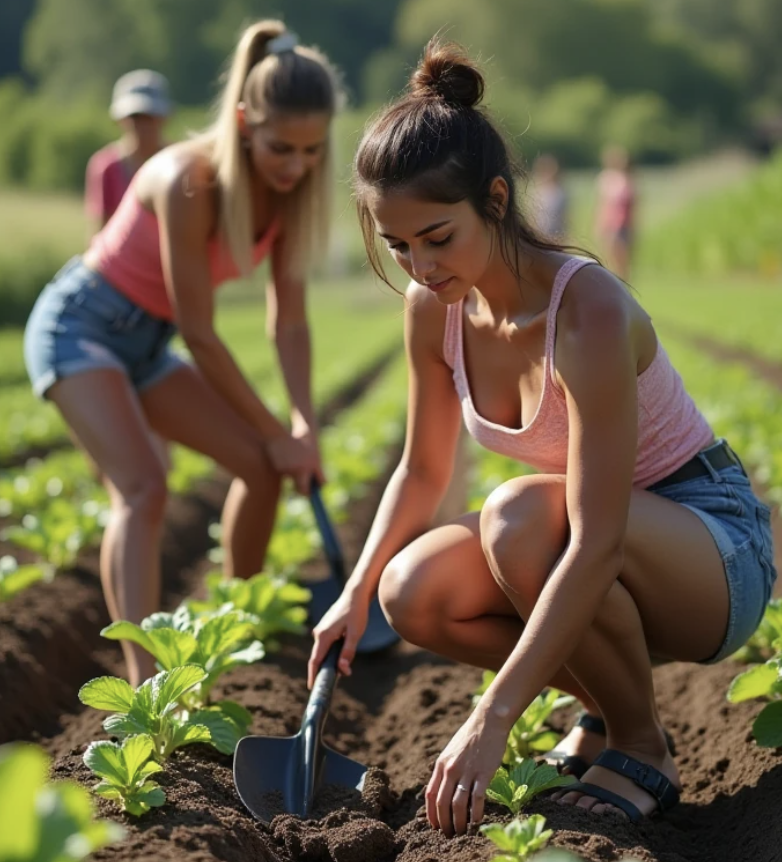
Arkansas Homesteading in a World Gone Soft

Let me make one damn thing clear right off the bat: this lifestyle is not for the weak. It’s not for suburbanites dreaming of sipping herbal tea on a Pinterest-perfect porch while chickens lay eggs like it’s some kind of fairy tale. No. Homesteading in Arkansas — in this unforgiving, beautiful, humid mess of a land — is for people ready to bleed, sweat, and fight tooth and nail for freedom. If you aren’t ready to break your back and outthink every crisis the world throws your way, turn around and go back to your HOA-gated sugar cube of a house.

Now that we’ve cleared out the soft-bellied dreamers, let’s talk real homesteading — the kind that’s rooted deep in the Ozark clay, where you grow your own food, raise your own meat, harvest your own power, and look the modern system dead in the eye and say: No thanks, I’ll do it my way.

Arkansas is one of the last damn strongholds of real freedom in this country. We’ve got the land. We’ve got the water. We’ve got the independence-minded people. And if you’ve got the guts, you can build a life that doesn’t depend on corporate supply chains, grid-fed everything, or politicians screwing up your future.

But listen close: you better know your skills. You screw up here, and you’re not just making a mess — you’re losing livestock, killing your crops, or freezing your butt off in a winter storm. So here are 15 critical homesteading skills every serious Arkansan homesteader better master — or die trying.


15 Essential Homestead Skills for Arkansas Survivors

  1. Seed Saving & Heirloom Gardening
    GMO garbage won’t cut it. You better learn to save your own seeds from strong, local heirloom plants that thrive in the Arkansas heat and humidity.
  2. Rainwater Harvesting & Filtration
    You think your well’s invincible? Think again. Learn to collect and purify rainwater — before the droughts and EPA regulations catch up to you.
  3. Solar Power Setup & Maintenance
    The grid goes down every time a squirrel sneezes. Learn to harness that brutal southern sun and run your homestead off solar like a boss.
  4. Composting & Soil Regeneration
    Arkansas clay ain’t exactly nutrient gold. Learn how to build your soil from the ground up — literally — using compost, manure, and biochar.
  5. Animal Husbandry (Chickens, Goats, Pigs)
    If you can’t raise and butcher your own meat, what the hell are you even doing? Get yourself livestock and learn how to keep ’em alive and productive.
  6. Off-Grid Cooking (Rocket Stove, Solar Oven, Dutch Oven)
    When the propane runs out, you better know how to cook on something besides a plastic-clad gas range. Build it. Test it. Master it.
  7. Root Cellaring & Food Preservation
    Canning, drying, fermenting — it’s not optional. Your grocery store backup plan won’t mean squat during an ice storm or economic collapse.
  8. Basic Carpentry & Construction
    Cabin walls don’t build themselves. Sheds rot. Fences fall. Know how to build and repair like your life depends on it — because someday, it just might.
  9. Blacksmithing & Tool Repair
    Learn to fix what breaks. You won’t find replacements when the supply chain’s down and the hardware store shelves are empty.
  10. First Aid & Herbal Medicine
    The hospital’s 40 miles away and closed half the time. Learn the plants in your own backyard and keep a real med kit — not a Hello Kitty Band-Aid box.
  11. Trapping & Wild Game Processing
    You’ll thank yourself when deer season is gone and food’s tight. Coons, rabbits, squirrels — learn how to trap and use every part.
  12. Firewood Processing & Wood Stove Maintenance
    Electric heat fails. Always has, always will. You’ll need firewood stacked high and dry. Learn to fell, buck, split, and cure your wood right.
  13. Fencing & Livestock Containment
    A goat outside the fence is a goat in the neighbor’s tomatoes — and a .22 bullet away from being a problem. Build sturdy, predator-proof fencing.
  14. Water Pump & Plumbing Repair
    When the well pump fails in July, you’ll either know how to fix it — or you’ll be sweating while your wife packs the kids for the city.
  15. Barter & Trade Savvy
    Money’s great until it’s worthless. Know the value of eggs, pork, labor, ammo, and skills in a barter economy — and don’t get taken for a fool.

3 DIY Homestead Hacks That’ll Save Your Butt

  1. DIY Rocket Stove for Off-Grid Cooking
    Use old bricks, a metal pipe, and some elbow grease to build a high-efficiency rocket stove in your backyard. Cooks fast, burns clean, and doesn’t use more than a handful of twigs. When propane tanks are empty and your generator’s out of gas, this bad boy will keep your family fed and your coffee hot.
  2. 50-Gallon Barrel Rainwater Catchment System
    Cut the top off a food-grade barrel, add a mosquito screen, and rig up a PVC overflow. Hook it to your downspouts with a first-flush diverter. Add a spigot at the bottom and boom — you’re harvesting 50 gallons of off-grid water per storm, without touching your well.
  3. Solar-Powered Electric Fence from Salvaged Panels
    Got an old solar panel and a car battery? Hook them up to a DC-powered fence charger. Keeps your goats in and the coyotes out without touching your utility bill. Cheap, reliable, and damn near bulletproof.

Arkansas Isn’t a Game — It’s a Battlefront

The government doesn’t care about you. The power company sees you as a dollar sign. The grocery store shelves are three days away from empty during any decent panic. You are the last line of defense between your family and chaos. And the only way you win is by learning, adapting, and never backing down.

Don’t sit on YouTube “researching” forever. Get your boots dirty. Plant something. Fix something. Butcher something. And for the love of everything worth living for — stop expecting the system to save you.

Arkansas is fertile ground for the independent and the bold. The laws are in your favor. The land is still affordable in places. And the people — the right people — will help you if you’re worth a damn. But you better bring grit. Bring skill. Bring that fire in your belly that says, “I don’t need handouts. I’ve got hands, and I’ve got the will.”

This ain’t a damn trend. It’s a way of life. And it might just be the last one left that makes any sense.


Alaska Homestead Lifestyle

Let me make one thing crystal clear: this life ain’t for the weak, and it sure as hell ain’t for the lazy. If you’re scrolling through Instagram dreaming of a “rustic aesthetic,” turn back. Alaska doesn’t care about your Pinterest board. The wind will rip your cabin door off its hinges, the bears will eat your chickens if you’re careless, and the dark will test your mind and spirit in ways no yoga retreat ever could. Welcome to the Alaska Homestead Lifestyle—raw, ruthless, and real.

Now, why am I angry? Because too many folks romanticize this life without a shred of understanding. They move up here with their store-bought freeze-dried food, a solar panel kit they watched one YouTube video about, and think they’ll “live off the land.” You don’t live off the land—you fight the land every damn day, and if you’re lucky, it lets you stay another season.

You want to homestead in Alaska? Good. You better bring your grit, because here’s what you’re going to need:


15 Critical Homestead Skills (Master or Die Trying)

  1. Firewood Cutting and Stacking – You think that cute electric chainsaw is going to save you when it’s -40°F? Learn to cut and split wood with an axe. Learn how to stack it right so it dries. Your life depends on it.
  2. Off-Grid Heating Systems – Wood stoves are king. Learn how to install, maintain, and safely use them. No one’s coming to save you when your cabin freezes.
  3. Hunting and Game Processing – Moose, caribou, bear—Alaska provides if you know how to track, kill, field dress, and preserve meat. You miss a shot? That’s the difference between full belly and starvation.
  4. Gardening in Short Seasons – You’ve got MAYBE 100 frost-free days if you’re lucky. Learn to grow fast-producing crops like potatoes, cabbage, kale, carrots. Use cold frames and greenhouses. Adapt or die.
  5. Canning and Food Preservation – If you can’t preserve your harvest, you wasted your time. Pressure canning, water bath, fermenting, drying—you need it all.
  6. Fishing and Smoking Fish – Salmon ain’t going to jump into your boat. Learn when, where, and how to catch them. Then smoke ’em to last through the winter.
  7. Basic Carpentry – You’ll be building more than your cabin: chicken coops, sheds, raised beds, fences. Learn to use a saw, hammer, level, and for the love of God—build square.
  8. Solar Power and Generator Maintenance – Power goes out constantly. Learn to wire solar panels, store battery power, and fix your generator when it dies in the middle of a storm.
  9. First Aid and Medical Skills – Hospitals are hours away. Learn to suture, disinfect, splint, and handle infections. Know your medicinal herbs too. Calendula and yarrow aren’t just for hippies out here.
  10. Water Harvesting and Purification – That mountain stream looks clean? Think again. Giardia will wreck your gut in a heartbeat. Learn to collect rainwater and purify it properly—filters, boiling, UV. Know all the options.
  11. Trapping and Tanning – Extra meat and warm fur? Hell yes. Learn to trap rabbits, beaver, and martens. Tanning hides? That’s warm clothing, barter goods, and bedding.
  12. Snow Management – Get ready to shovel like your life depends on it—because it does. Learn to use a snowblower, roof rake, and how to insulate your roof from ice dams. Trust me, you’ll thank me.
  13. Sewing and Clothing Repair – Your boots split in February? You better know how to stitch leather and patch canvas. Your life doesn’t stop because your coat has a tear.
  14. Animal Husbandry – Chickens, goats, rabbits. Feed, water, breed, shelter, and protect them—especially from foxes and lynx. You want eggs and milk? Earn them.
  15. Bartering and Trading – Cash don’t mean squat when you’re snowed in. Skills, goods, and trust in your neighbors do. Grow a spine and make friends who pull their weight.

3 DIY Homestead Hacks You’ll Actually Use

Forget what the “influencers” told you—this ain’t about rustic mason jar chandeliers. These are tricks that work in the real world, especially when your hands are frozen and your patience is thin.

1. DIY Root Cellar Using an Old Freezer

Got a busted chest freezer? Bury it halfway in the ground (lid side up), drill in some ventilation holes, and boom—instant root cellar. Keeps your potatoes, carrots, and cabbages from freezing solid but still cool enough to store for months. Label that thing well and keep it covered in snow for natural insulation.

2. Plastic Bottle Insulation for Windows

Double-pane windows are for the rich or lucky. The rest of us? We cut clear plastic bottles, slit them open, and layer them inside window frames to create an air gap. It’s ugly. It’s noisy in the wind. But it works. Better than hypothermia, I promise you that.

3. DIY Drip Irrigation from Old Buckets

Watering a garden in Alaska’s dry months is a chore. Take a few old buckets, poke a nail-sized hole near the bottom, and let gravity do the work. Fill them once in the morning, and they’ll drip all day. Saves water and sanity.


Final Thoughts: Respect or Regret

You still here? Good. That means maybe—maybe—you’ve got what it takes. Because out here, everything takes effort. There’s no half-assing it. If your fence isn’t buried two feet down, the wind will tear it out. If your food stores aren’t airtight, the rodents will invade. If your mindset isn’t sharp, the dark will eat at you.

This lifestyle isn’t about Instagram-worthy moments. It’s about the silence when the snow finally stops falling. It’s about the satisfaction of knowing you fed yourself without a grocery store. It’s about watching the northern lights crackle over your cabin roof while you sit with a rifle across your lap and a belly full of your own stew.

And let me tell you something else: Alaska owes you nothing. It doesn’t care where you came from or what you think you know. But if you come prepared—body, mind, and soul—Alaska might just let you stay.

But only might.

Get to work.

Arizona Homestead Lifestyle: A Survivalist’s Manifesto

Listen up, because I’m not going to sugarcoat this. If you’re thinking about homesteading in Arizona, you better be ready to fight. Not with fists, not with firearms—though you’d damn well better know how to use both—but with grit, sweat, and a raw-boned kind of determination most folks nowadays don’t have the spine for. This isn’t some Instagram-filtered fantasy where you prance around in a straw hat and harvest peaches. This is Arizona. The sun will try to kill you. The land doesn’t care if you live or die. And the government? They’ll either tax you into the dirt or regulate your freedom to death.

But I’m not here to coddle. I’m here to tell you what it takes to thrive.


The Arizona Advantage (and Curse)

Arizona’s got a brutal beauty. It’s dry, hot, and unforgiving—like a rattlesnake that doesn’t warn before it strikes. But it also means low humidity, long growing seasons (if you’re smart), and enough land still available to carve out something real. You can live free here—if you’re ready to work harder than most people have ever dreamed.

Water is the lifeblood out here, and it’s scarce. If you can’t figure out how to manage water, you’re screwed. I don’t care how nice your cabin is or how many solar panels you slap on the roof. If you can’t hydrate your land and your livestock, you’re done before you start.

So you want to live the homestead lifestyle in Arizona? Here’s what you must learn, do, and never forget.


15 Essential Homestead Skills for Arizona Survivalists

  1. Rainwater Harvesting – Capture every damn drop. Set up barrels, gutters, underground cisterns—whatever it takes. It’s legal in Arizona, so use it to your advantage before that changes.
  2. Drip Irrigation Systems – Wasting water in Arizona is idiocy. Learn to run a drip system from rainwater catchment. Mulch deep. Keep that ground moist or your crops will die screaming.
  3. Solar Power Setup and Maintenance – The sun’s brutal, but it’s also your best friend. Invest in a solid off-grid solar system and understand how to maintain it yourself. No excuses.
  4. Desert Gardening – You’re not in Kansas. Learn what grows here: mesquite, prickly pear, tepary beans, amaranth. Native, drought-resistant, calorie-dense crops are your lifeline.
  5. Canning and Food Preservation – When harvest comes, it all comes fast. You better know how to can, dehydrate, smoke, and root cellar or you’ll rot right along with your veggies.
  6. Animal Husbandry – Goats, chickens, rabbits. These are your protein producers. Know how to breed, butcher, and keep them alive when the temps hit 110.
  7. Butchering and Processing Meat – No, the store isn’t coming to save you. You better know how to skin, gut, and preserve meat or you’ll be wasting life—and lunch.
  8. Composting and Soil Building – Arizona dirt is garbage. You’ll need to turn it into something alive. Compost every scrap, use worms, and know how to read soil like a book.
  9. Firearm Handling and Marksmanship – It’s not just your right—it’s your responsibility. Predators, trespassers, and two-legged varmints don’t wait for a call to the sheriff.
  10. Basic First Aid and Herbal Remedies – Closest hospital might be 50 miles away. Know how to stitch a wound, set a bone, and use wild herbs to stop bleeding or cure infection.
  11. Blacksmithing and Tool Repair – When things break (and they will), you need to fix them. Weld. Sharpen. Forge. Don’t be a tool-less fool.
  12. Cob and Adobe Construction – You don’t need fancy lumber when you’ve got dirt. Learn how to build with cob, adobe, and earthbags. Cool in the summer, warm in the winter.
  13. Barter and Trade Skills – In a real crisis, cash is trash. Skills and goods matter. Learn how to trade like your life depends on it—because it might.
  14. Fuel and Wood Harvesting – Even in desert country, you’ll need fire. Learn where and how to gather wood legally and efficiently. Mesquite and juniper are your friends.
  15. Homeschooling and Self-Education – If you’ve got kids, it’s your job to raise ‘em smart and tough. Teach them truth, math, and survival—not the state’s propaganda.

3 DIY Homestead Hacks (Because Clever Beats Rich)

  1. Evaporative Cooling Jug Fridge (Zeer Pot)
    In Arizona heat, keeping food from spoiling is critical. Build a zeer pot with two unglazed clay pots (one inside the other), fill the gap with wet sand, and cover it with a wet cloth. Place it in a shady, breezy spot. It’ll drop temps by 20-30°F—no electricity required.
  2. Rocket Stove From Scrap Metal
    Stop relying on propane. Build a rocket stove from leftover metal piping or bricks. Efficient as hell, burns twigs, and can cook a full meal or boil water without wasting fuel. Great for backup or everyday use.
  3. Wicking Beds From Old Tubs or Troughs
    Use a busted bathtub, livestock trough, or even a plastic tote. Line it, fill with gravel, lay a perforated pipe, and top with soil. Water from the bottom up—it saves tons of water and keeps plants hydrated longer.

Final Warning and Encouragement (Yeah, I’m Contradictory—Get Used to It)

If you think you’ll “try” homesteading in Arizona, don’t bother. This ain’t a try thing. This is all-in, bleed-and-sweat, die-if-you-quit living. Your neighbors will either be tough as rawhide or totally useless. Pick your friends like you pick your firearms: reliable, rugged, and ready when needed.

But here’s the hard truth: there is nothing—I mean nothing—more rewarding than taking your independence back from a system that wants you docile and desperate. Every chicken egg you gather, every tomato you can, every gallon of water you pull from the sky is a middle finger to the technocratic parasites who want you enslaved to convenience.

Homesteading in Arizona is war. A war against the elements, the calendar, the consumer lifestyle, and the lie that you can’t survive without the system.

Well guess what?

You can.

And if you’re crazy, stubborn, and hungry enough—you will.

Welcome to the fight. Welcome to the land. Welcome to the life.

Let the desert burn away what’s weak. What’s left? That’s your real self.

Live hard. Homestead harder.

Eat to Live: Mastering Edible Plant ID for Survival Scenarios

Eat to Live: Mastering Edible Plant ID for Survival Scenarios
By someone who’s fed up with your ignorance

Let me cut the crap right off the bat—if you’re reading this because you think “foraging” is some cute weekend hobby between lattes and scrolling on your damn phone, you’re already a liability. This isn’t about wildflower pics for your Instagram. This is about survival—pure, raw, unfiltered survival. The kind where if you screw up, you don’t get a second chance. You either eat or you rot.

When the grid collapses, the cities will become tombs. Your favorite Uber driver isn’t going to save you. Your “meal prep” skills won’t mean squat when the only thing on the menu is bark and berries. But here’s the truth: nature provides—if you know what you’re doing. And if you don’t, nature will kill you. Fast.

Survival Skill #1: Learn the Damn Plants

You better get good at plant ID, and I don’t mean glancing at some leafy green and guessing. I mean knowing the difference between Queen Anne’s Lace and poison hemlock. One feeds you, the other shuts down your respiratory system like a vise. Learn the leaf patterns. Smell the roots. Break the stems. Know the seasonal changes. If you can’t name five edible plants native to your area right now, you’re not ready. Period.

Survival Skill #2: Know the Universal Edibility Test

In a real survival scenario, you won’t always have your plant guides or phone apps. Use the Universal Edibility Test—but use it smart. Break the plant into parts: root, stem, leaves, flower. Test each part separately over hours. Rub it on your skin, then your lips, then your tongue. Wait. Swallow only if there’s no reaction. You think it’s tedious? So is dying from gut-wrenching poison.

Survival Skill #3: Track Seasonal Availability

Wild edibles aren’t available all year. You need to know when to harvest roots, which plants bloom in spring, and which weeds you can count on in winter. Chickweed, dandelion, wild garlic—they’re your allies if you’ve got the balls to pay attention.

DIY Survival Hack #1: Build a Pocket Herbarium

Forget your TikTok hacks. Get a damn notebook and start pressing specimens. Dry them, label them, annotate what parts are edible and when. Make your own field guide. That way when you’re freezing your ass off in some backwoods hole and stumble on a patch of greens, you don’t second-guess what could be your next meal.

Survival Skill #4: Understand Plant Look-Alikes

Mother Nature is a tricky bastard. Edible plants have toxic twins. Wild carrot vs. poison hemlock. Wild grape vs. moonseed. You mess that up, you’re not going to the ER—you’re going to the morgue. If you can’t tell them apart, don’t touch them.

Survival Skill #5: Practice Harvesting Without Destroying the Source

A real survivalist doesn’t burn the forest to bake a loaf of bread. Take only what you need. If you find wild leeks, leave half. If you spot cattails, don’t rip the whole colony apart. Respect the land, because it’s the only damn thing keeping you alive.

DIY Survival Hack #2: Make a Solar Plant Dehydrator

Don’t rely on power when you can build a plant dryer with sticks, screen, and sunlight. Dehydrate dandelion leaves, wild mint, or purslane. It preserves nutrients and lightens your pack. Who needs fancy gear when the sun is still free?

Survival Skill #6: Know Your Medicinal Plants

Food isn’t the only thing that keeps you alive. Ever had diarrhea in the woods with no meds? Good luck. Learn yarrow (stops bleeding), plantain (draws out poison), and willow bark (natural aspirin). Your brain’s your best survival tool—if you fill it with something useful.

Survival Skill #7: Test and Train—Before You Have To

You’re not a survivalist until you’ve lived it. So take your cushy ass out of the suburbs and spend three nights in the wild with nothing but a knife, a water bottle, and your plant ID skills. No phone. No tent. Eat only what you find. That’s how you learn.

DIY Survival Hack #3: Edible Plant “Cheat Stick”

Tape samples of dried, identifiable parts of key edible plants to a sturdy stick or ruler. Seal them under clear packing tape. Waterproof, portable, and faster than flipping through pages when the sun’s going down and your stomach’s roaring.

Survival Skill #8: Cook What Needs Cooking

Some plants will screw you up if you eat them raw. Cattail roots need roasting. Pokeweed can be eaten only when young and only after multiple boils. Know what must be cooked, because gastrointestinal distress in the wild is a fast track to death.

Survival Skill #9: Urban Foraging Tactics

Don’t assume survival scenarios only happen in the backwoods. Cities have plant life too—back alleys, parks, abandoned lots. Learn to spot mulberry trees, lamb’s quarters, wild amaranth, and purslane growing in cracks. Concrete jungles have calories too.

Survival Skill #10: Mental Resilience

This isn’t just about what you know—it’s about what you do when you’re cold, starving, and scared. You panic, you die. You hesitate, you miss a meal. You doubt yourself, you eat the wrong berry and meet your maker. Know your plants, trust your skills, and keep moving.


Let me be clear one last time: this isn’t a damn joke. When things fall apart, the people who laugh at this stuff are going to be the first to beg for a cracker. Don’t be one of them. Be the one who walks into the woods and walks out fed, alive, and free.

Nature doesn’t care about your opinions. It doesn’t care about your degree, your follower count, or your Wi-Fi signal. It rewards the prepared. It eats the rest.

So pick up that field guide, get your boots dirty, and for God’s sake—eat to live.

DIY Off-Grid Shelter – Cabins, earthbag homes, shipping containers, and underground bunkers.

Let me get one thing straight before we dive into this – if you’re waiting around for the government to save your sorry backside when the grid goes down, you’re already dead. This isn’t a game. It’s not some Instagram “van life” fantasy or TikTok wilderness cosplay. This is real life. The lights will go out. Society will collapse. And when it does, the people with the soft hands and TikTok dance moves are going to get chewed up and spit out by the cold, merciless truth. The rest of us – the ones who are ready – will already be in our shelters, warm, fed, and armed to the damn teeth.

If you’re not thinking about your shelter right now, you’re already ten steps behind. You need something solid. Something that won’t blow over in a storm, catch fire in a riot, or crumble when the earth shakes. This isn’t a damn Airbnb; this is your lifeline. So let’s break down the options for DIY off-grid shelters – cabins, earthbag homes, shipping containers, and underground bunkers – and get serious about surviving.


1. Cabins – The Classic

You want rustic? Fine. But this ain’t your weekend getaway log cabin. We’re talking fortified, self-sufficient woodland fortresses. Cabins can be built with nothing but hand tools, time, and willpower – all of which you should have if you’re even pretending to be a survivalist.

Pros:

  • Readily available materials (trees, logs, stone)
  • Blends with the forest (if you have half a brain to camouflage it)
  • Insulates well in cold climates

Cons:

  • Vulnerable to fire
  • Takes time to build right
  • Needs proper drainage to avoid rot

Use double-thick logs, build with a solid stone chimney for heat, and never leave flammable materials outside your perimeter. Your life depends on it.


2. Earthbag Homes – Dirt Cheap Fortresses

You want bullet resistance? Earthbags laugh at your puny ammo. Stack polypropylene bags full of dirt and you’ve got a wall that can stop small arms fire, insulate like a cave, and withstand the wrath of Mother Nature.

Pros:

  • Dirt is everywhere (unless you live on a glacier)
  • Fireproof and earthquake resistant
  • Naturally insulated

Cons:

  • Labor-intensive
  • Needs a good foundation and roof
  • Can be ugly if you don’t plaster right (boo-hoo)

Tamp those bags tight, lay barbed wire between each row, and keep your dome or arch roof reinforced with rebar and good sense. You’re not building a garden wall – you’re building a fortress.


3. Shipping Containers – Steel Boxes of Salvation

Urban survivalists, pay attention. These things are pre-fab bunkers just waiting to be buried or armored up. But don’t be a moron and just bury it without reinforcement – it’ll crush like a beer can under dirt weight.

Pros:

  • Cheap and portable
  • Already weather-sealed
  • Stackable for multi-story hideouts

Cons:

  • Terrible insulation (fix it)
  • Condensation issues (ventilation, idiot)
  • Needs serious reinforcement if buried

Weld support beams inside, line the interior with spray foam insulation or rock wool, and make damn sure you have proper ventilation – carbon monoxide isn’t the way to go out.


4. Underground Bunkers – Apocalypse-Proof

Now we’re talking serious survival. Underground bunkers are your last line of defense – nuclear-proof, invisible to drones, and zombie-proof. You don’t build a bunker because you’re paranoid. You build a bunker because you’re not an idiot.

Pros:

  • Stealth shelter – out of sight, out of mind
  • Thermally stable year-round
  • Offers the highest level of protection

Cons:

  • Expensive and complex
  • Ventilation is critical
  • Requires serious planning and drainage

Build in a slope if possible. Water is your enemy – don’t invite it into your death-proof tomb. Install air filters, backup generators, and triple-thick steel doors. Don’t forget to conceal the entrance with natural camouflage and decoy structures. Hell, make a trapdoor under an outhouse if you’ve got to.


15 Survival Skills You Better Know or You’re Screwed:

  1. Fire starting – Without a Bic lighter. Bow drill, ferro rod, flint and steel. Learn all three.
  2. Water purification – Boil, filter, solar stills. Giardia isn’t fun, trust me.
  3. Shelter construction – Can you build a lean-to in an hour? No? Practice.
  4. Hunting and trapping – Know how to build snares, deadfalls, and use a damn slingshot.
  5. Butchering and preservation – Salt, smoke, dry. You can’t live on cans forever.
  6. Foraging – Learn the plants that won’t kill you. You can’t Google it when you’re starving.
  7. Basic medical – Stop bleeding, treat infections, splint fractures.
  8. Navigation – Compass, sun, stars. GPS is dead weight without satellites.
  9. Self-defense – Knife, firearm, and unarmed combat. Be lethal.
  10. Blacksmithing – Forge tools, repair gear, and make your own damn nails.
  11. Basic mechanics – Fix an engine, mend a generator.
  12. Radio comms – HAM radio, Morse code. Silence isn’t golden when you need allies.
  13. Camouflage and stealth – Hide your shelter, hide your movements.
  14. Gardening – You’ll need calories and canned corn won’t last.
  15. Bartering and negotiation – Civilization might collapse, but trade won’t.

If you don’t have these down to muscle memory, you’re food for someone who does.


3 DIY Survival Hacks to Stay Ahead:

1. Solar-Heated Shower with Trash Bags:
Fill black trash bags with water and hang them in direct sun. After a few hours, enjoy a hot shower even when off-grid. Bonus points if you rig a gravity-fed PVC pipe system with an on/off spigot.

2. Hidden Cache in PVC Pipes:
Take a large diameter PVC pipe, seal both ends with waterproof caps, and bury it a few hundred yards from your main shelter. Store food, ammo, maps, and a burner weapon. In a raid, that stash could save your life.

3. Battery Bank with Car Alternators:
Build a DIY power setup by rigging old car alternators to a stationary bike or windmill. Charge 12V deep-cycle batteries and power essentials like radios, lights, and low-voltage devices. If you’re not generating your own electricity, you’re dependent. Dependency = death.


Listen. This isn’t a pep talk. This is a warning. When things fall apart – and they will – the ones who survive won’t be the ones who cry on social media. It’ll be the ones who got off their asses, learned skills, and built their own way out. Cabins, earthbag homes, shipping containers, bunkers – these aren’t just structures. They’re survival statements.

So, get building. Get practicing. Get angry – because the storm is coming. And when it does, no one’s going to care how many followers you had. They’ll care how long you can stay warm, dry, and breathing.

Now get to work. Or get buried. Your choice.

Homesteading Skills – Gardening, livestock, beekeeping, and food independence.

Alright, buckle up, because I’m not here to sugarcoat anything. If you think homesteading is some cute little hobby for weekend warriors sipping lattes, you’re dead wrong. This is about survival — real, gritty, no-BS self-reliance in a world that’s falling apart piece by piece. You want to eat, you want shelter, and you want your family to live? Then you better learn these homesteading skills now before the grid goes dark for good.

Homesteading Skills – Gardening, Livestock, Beekeeping, and Food Independence

15 Survival Skills You’d Better Master Yesterday

1. Seed Saving and Storage
If you don’t know how to save seeds from your crops, you’re just begging for starvation. Learn to harvest, dry, and store seeds properly. Keep them cool, dry, and dark. That little packet is your lifeline next season.

2. Soil Building and Composting
You want crops to grow, right? Then don’t expect miracles from dead dirt. Build healthy soil with compost and mulch. Stop relying on chemical fertilizers—they run out and poison your land. Nature’s way is the only way.

3. Crop Rotation and Companion Planting
Planting the same crop in the same spot every year is a death sentence for your garden. Rotate crops and plant companions that fight pests and boost growth naturally. Learn which plants hate each other and which ones love each other.

4. Water Harvesting and Conservation
Relying on municipal water? Ha! Learn to catch rainwater, build swales, or dig wells. Know how to conserve every drop. Without water, nothing grows, and you dry up and die.

5. Livestock Husbandry Basics
Chickens, goats, rabbits—these animals are your food factory, fertilizer source, and even security if you know what you’re doing. Learn proper feeding, shelter, health care, and breeding. Don’t let your critters die on you like some backyard zoo.

6. Butchering and Meat Processing
Don’t be squeamish. Learn how to butcher your animals cleanly and safely. Meat rots fast if you don’t handle it right. Knowing how to process and preserve meat saves your life when the freezer fails.

7. Beekeeping and Honey Harvesting
Bees aren’t just cute—they’re essential pollinators. You want your garden to produce, you better keep bees. Honey is natural medicine and a long-lasting sugar source. Know how to manage hives and harvest without wrecking the colony.

8. Food Preservation Techniques
Canning, drying, fermenting, smoking—you need to preserve your harvest or you’ll waste half of it. Learn every method so you don’t rely on supermarkets. Preserved food can keep you alive through winter or tough times.

9. Foraging Wild Edibles
Don’t just rely on your plot. Know how to find and identify edible plants, nuts, and berries in the wild. Ignorance here will get you sick or dead.

10. Pest and Disease Management
Don’t just spray chemicals like a zombie. Learn organic and natural pest control methods. Healthy soil and diverse crops resist pests better. If your garden gets wiped out, your food supply is toast.

11. Tool Maintenance and Repair
Broken hoe? Dead chainsaw? No parts and no hardware store nearby? Learn to fix and maintain your tools. Your tools are your lifelines—treat them like your own limbs.

12. Emergency Shelter Building
Shit hits the fan and you lose your home? Knowing how to build a quick shelter from natural materials or salvage is crucial. This isn’t just about comfort—it’s survival.

13. Fire Making and Cooking
You better know how to build and control fire with or without matches. Open flame cooking skills will save you when the power grid fails and fuel runs scarce.

14. Animal Butchering and Hide Tanning
Besides meat, your livestock gives you hides, bones, and sinew—valuable resources. Know how to tan hides and turn scraps into useful gear. Don’t waste a single bit.

15. Self-defense and Security
Protect your homestead. Learn basic self-defense and security protocols. Desperate people do desperate things, and when society collapses, you’ll need to defend your food and family.


3 DIY Survival Hacks for Homesteading

Hack #1: DIY Solar Food Dehydrator
Stop waiting for fancy gear. Build a solar dehydrator using scrap wood, clear plastic, and mesh screens. Dry fruit, herbs, and meat under the sun to preserve food without electricity. This simple contraption can save tons of food from spoiling and give you portable, high-energy snacks when fuel and power are gone.

Hack #2: Rain Barrel Water Filter
Set up a rain barrel system with a basic filter made from layers of sand, charcoal, and gravel. Collect rainwater off your roof, run it through this filter, and use it for irrigation or emergency drinking water after boiling. It’s dirt cheap and can keep your plants alive when drought hits.

Hack #3: Chicken Tractor from Scrap Materials
Build a movable chicken coop (chicken tractor) out of reclaimed wood and hardware cloth. This lets your chickens fertilize fresh ground while scratching for bugs, reducing feed costs and improving your soil naturally. Plus, it’s easy to move so you can keep your flock safe and happy.


Listen up. These skills aren’t just a hobby or a cute weekend project. They’re your lifeline if the supply chains break, the power grid goes down, or the economy tanks. Waiting for “someone else” to save you is a death sentence.

You want food independence? You want to raise your own protein and pollinate your garden with bees? You want to survive hard times with dignity? Then put down your phone, get outside, and start mastering these skills. No one’s coming to rescue you. It’s up to you to build, grow, and defend.

And if you think it’s easy, you’re dead wrong. It takes sweat, grit, and constant vigilance. This is survivalism at its rawest—no shortcuts, no excuses, no luxury.

Get to work.

The Ultimate List of Survival Foods You Should Grow Yourself

The Ultimate List of Survival Foods You Should Grow Yourself

(Told by a Fed-Up, No-Nonsense Survivalist)

Listen up. If you think the grocery store is your safety net, you’re already screwed. This isn’t a joke and it sure as hell ain’t a game. When the trucks stop rolling, the power goes out, or the world goes sideways — your fancy apps and two-day shipping won’t feed you.

You want to survive? You GROW your food.

I’m not talking about pretty little herb gardens. I’m talking calorie-dense, nutrient-rich, survival-grade crops that’ll keep you and your family alive when the rest of the neighborhood is fighting over moldy cans of beans.

Here’s the no-BS list of survival foods you should be growing RIGHT NOW — and if you’re not, then get off your butt and get planting.


🔥 The Survival Foods You NEED To Grow

  1. Potatoes
    These starchy workhorses are loaded with carbs and keep well in a root cellar. Grow them in buckets, raised beds, whatever you’ve got. Easy, fast, and reliable.
  2. Beans (Pole & Bush)
    High in protein, they’re your best friend when meat isn’t an option. They also fix nitrogen in the soil — which means better yields overall.
  3. Corn
    Don’t grow sweet corn for fun. Grow dent or flint corn — the kind you can dry and grind into meal. This is real survival food.
  4. Winter Squash
    Long shelf life. Heavy on calories. Butternut, acorn, spaghetti — doesn’t matter. They’ll keep through winter if stored right.
  5. Garlic
    Not just for flavor. Garlic is antibacterial, antifungal, and boosts immunity. Plus, it stores for months.
  6. Onions
    Adds depth to every meal, and it’s another strong natural antibiotic. Plant a lot — they go quick.
  7. Carrots
    Vitamin A bombs. Easy to grow, easy to store, and great for morale. Don’t underestimate morale food.
  8. Kale and Collards
    Leafy greens that don’t quit. They’ll grow in frost and keep producing for weeks. Nutrient-rich and damn tough.
  9. Cabbage
    Eat it raw, cooked, or ferment it into sauerkraut for gut health. Stores well and produces big.
  10. Tomatoes (Paste Types)
    Forget salad tomatoes. Grow Roma or San Marzano. They’re meaty, great for sauces, and can be preserved easily.
  11. Peppers
    Bell or hot, they’re loaded with vitamin C and they dehydrate well. Hot peppers also help preserve food and boost metabolism.
  12. Sweet Potatoes
    Grow the greens and the tubers. High in nutrients, hardy in poor soil, and sweet enough to break up food boredom.
  13. Zucchini
    One plant can feed a neighborhood. You’ll get tired of zucchini before it stops producing.
  14. Turnips
    Fast-growing and reliable. The roots feed you, the greens feed your livestock or compost. Win-win.
  15. Herbs (Basil, Thyme, Oregano)
    Not just flavor. Many herbs have medicinal benefits, and let’s be honest — bland food kills morale faster than cold weather.

🧠 Top 15 Survival Skills You Better Learn Yesterday

  1. Canning and Preservation
    If you can’t store it, you’re wasting harvest. Learn water bath and pressure canning NOW.
  2. Seed Saving
    No seed = no food next season. Learn to save and store seeds properly.
  3. Composting
    Fertilizer won’t fall from the sky. Compost everything — food scraps, manure, leaves.
  4. Irrigation Setup
    No water = dead garden. Build a rain catchment system or gravity-fed drip line.
  5. Crop Rotation
    Don’t plant the same thing in the same spot. It destroys your soil.
  6. Soil Building
    Healthy soil is LIFE. Use compost, mulch, manure, and worm castings.
  7. Foraging
    Know what edible weeds and wild plants grow near you — just in case your garden fails.
  8. Basic First Aid
    What’s that got to do with food? A LOT when you slice your hand harvesting cabbage in a blackout.
  9. DIY Pest Control
    No pesticides? Learn natural methods — neem oil, diatomaceous earth, companion planting.
  10. Food Dehydration
    Dry fruits, veggies, and meats. Lightweight, long-lasting survival food.
  11. Root Cellar Building
    Store food the old-school way — underground and temperature-stable.
  12. Cooking Without Power
    Solar oven, rocket stove, open fire. Know them all.
  13. Water Purification
    Rainwater + bacteria = diarrhea. Filter it, boil it, or don’t drink it.
  14. Tool Maintenance
    A broken hoe doesn’t feed you. Learn how to fix and sharpen your gear.
  15. Animal Husbandry (Bonus)
    Chickens, rabbits, goats — they add meat and manure to your homestead. Even if you start small.

🛠️ 3 DIY Survival Hacks You’ll Thank Me For Later

  1. 5-Gallon Bucket Potato Tower
    No space? No problem. Drill drainage holes in a 5-gallon bucket. Plant seed potatoes at the bottom, keep adding soil as they grow. Harvest a full bucket of potatoes in a few months.
  2. Homemade Self-Watering Containers
    Take two buckets. One for the water reservoir, one with soil and a wicking system. Perfect for growing during hot months or if water is limited.
  3. Eggshell Calcium Boost
    Dry and crush eggshells, sprinkle them in your garden beds. It adds calcium, keeps slugs away, and helps prevent blossom-end rot in tomatoes.

Final Word from a Tired, Angry Survivalist

Look — I don’t care who you voted for. I don’t care how many TikToks you’ve watched about prepping. If you don’t get serious and start growing your own food, you’re gambling with your life.

The system is fragile. The soil is ready. The question is — are you?

You don’t need land, money, or even experience. You need the will to survive, some dirt, and the guts to get started.

Start now. Not tomorrow. Not when things “calm down.”
Because when it all goes dark — those who grow, eat.
And those who wait… don’t.

The Best States to Grow a Survival Garden

(Told Straight by Someone Who Actually Grows Their Own Damn Food)

Let’s cut the fluff. If you’re thinking about survival gardening, your location matters — a lot. You don’t want to be stuck trying to grow tomatoes in 100-degree desert heat or watching your crops rot from nonstop rain in the Pacific Northwest. You need a place where the soil is good, the growing season is long, and the government leaves you alone.

So here it is — the hard truth about the best states to grow a survival garden. I’m talking about places where you can grow enough food to survive, thrive, and stick it to the system if things go sideways.


1. Tennessee

You want rich soil? You want rain? You want a long growing season and low land prices? Tennessee checks all the boxes. Mild winters, plenty of sunshine, and you can grow almost everything here — beans, corn, squash, tomatoes, leafy greens, potatoes, fruit trees. The laws are also favorable to homesteaders. Not too many restrictions, and folks mind their own business.


2. Missouri

The Ozarks are a survivalist’s dream. Tons of natural resources, plenty of fresh water, and excellent soil. Plus, land is still affordable if you know where to look. You can grow food, raise animals, and build off-grid without some HOA telling you your solar panels are “unsightly.” It’s no wonder so many preppers are quietly heading this way.


3. North Carolina

Western North Carolina especially. Good elevation, great soil, and a long enough growing season to plant more than one crop per year. You’ve got access to fresh water from mountain streams, and the climate isn’t brutal. It’s a solid blend of self-sufficiency potential and relative safety from extreme weather.


4. Kentucky

If you want underrated, this is it. Kentucky is quiet, lush, and has some of the best topsoil in the country. It’s perfect for growing survival staples like corn, beans, squash, and root veggies. There’s plenty of space, low taxes, and folks are generally self-reliant and leave you alone — exactly how we like it.


5. Texas (East Texas, specifically)

Forget West Texas unless you like growing dust. East Texas, though? It’s humid, green, and fertile. Long growing season, tons of water, and enough room to build a self-sustaining setup. The state itself has a strong “don’t tread on me” culture — and that counts for something when the grid goes down.


Final Word

You can prep all you want, but if you’re trying to grow food in a place where nothing grows, you’re wasting your time. Survival gardening isn’t just about planting seeds — it’s about being strategic, knowing your climate, and choosing a location where your garden will feed your family, not fail you when you need it most.

So stop scrolling and start planning. Because when the supply chain collapses, real security isn’t ammo — it’s potatoes.

Heat Is the Enemy: How to Defend Your Survival Garden from the Summer Onslaught

When you’re living with a prepper mindset, your garden isn’t just a hobby—it’s a lifeline. It’s your food, your medicine, and your independence. But come the dog days of summer, the very source of life—sunlight—turns into a slow-burning threat.

Make no mistake: extreme heat is a silent killer, and your crops are often the first to suffer. If you’re not prepared, weeks or months of hard work can vanish in a matter of days. We’re talking dry, cracked soil, wilting greens, and ruined yields.

But this isn’t just about gardening—it’s about survival.

So here’s how we fight back. These aren’t luxury tips for weekend hobbyists. These are battle-tested, prepper-grade tactics to protect your food supply when the heat tries to take it from you.

CLICK HERE TO LEARN HOW TO NEVER STARVE WHEN DOOMSDAY HITS!


1. Watering at the Right Time: Dawn and Dusk Are Your Allies

Prepper Tip #1: Water early in the morning or at dusk—not in the heat of the day.

It might seem like a good idea to douse your garden at high noon, but don’t fall for it. Watering when the sun is overhead leads to rapid evaporation. Worse, droplets can magnify sunlight and scorch leaves.

Instead, water at first light or just after sundown. This gives the moisture time to soak deep into the soil, reaching the roots where it matters most. Use a slow drip or soaker hose if possible—conservation is key.


2. Mulch: Your Garden’s First Line of Defense

Prepper Tip #2: Use mulch to trap moisture and insulate the soil.

A thick layer of mulch helps block the sun’s rays, keeps your soil cooler, and dramatically reduces water loss. Think of it as armor for your garden. Go for organic mulch like straw, grass clippings, shredded bark, or even dried leaves. Not only do they hold in water—they break down and enrich the soil.

Apply it two to four inches deep around your plants. Don’t skimp.


3. Shade Strategically

Prepper Tip #3: Use shade cloths or makeshift barriers to shield vulnerable crops.

Not every plant handles direct, relentless sunlight the same way. Leafy greens like lettuce, spinach, and herbs will bolt and die off if exposed too long. Use shade cloth (30–50% density) or repurpose tarps, bed sheets, or burlap sacks.

You can even plant tall crops (like corn or sunflowers) to serve as natural shade barriers for smaller ones. Be smart. Be tactical.


4. Prioritize Deep Watering Over Frequent Sprinkling

Prepper Tip #4: Train your plants to develop deep roots by watering less often but more deeply.

Shallow, frequent watering trains roots to stay near the surface, where they’re vulnerable to heat and evaporation. Instead, give your plants a good, deep soak a couple of times a week. This encourages roots to go deeper and tap into cooler, moist soil layers.

Think long-term survival, not just short-term fixes.


5. Move and Cluster Potted Plants

Prepper Tip #5: Group containers together and relocate them to shade zones.

Potted plants are more prone to heat stress—they dry out faster and have no insulation from surrounding soil. In extreme heat, cluster them together to create a humid microclimate. Better yet, move them under trees, porches, or makeshift shade shelters.

Containers? Use light-colored pots if possible—they absorb less heat.


6. Harvest Early and Often

Prepper Tip #6: Don’t let your food rot in the field—harvest as soon as it’s ready.

Fruit left on the vine too long in extreme heat is a target for sunscald, rot, or pest damage. Check your plants daily and harvest early in the morning when fruits are plump and hydrated.

Preserve immediately—can it, dehydrate it, or root cellar it. This is about food security.


7. Build Windbreaks and Heat Shields

Prepper Tip #7: Create simple windbreaks or reflective barriers for added protection.

High winds combined with heat can strip moisture from soil and plants. Use fencing, stacked straw bales, or even old pallets to build a windbreak. To reflect harsh sun from your crops, lean old metal roofing or foil-covered boards on the sun-facing side.

Your garden deserves cover fire—so give it some.


8. Monitor Soil Conditions Daily

Prepper Tip #8: Stick your finger 2–3 inches into the soil—every day.

Soil may look fine on the surface and be bone-dry underneath. This is where hands-on awareness beats any weather app. Check your moisture levels and inspect the leaves. Curled or limp leaves are signs you need to act fast.

Don’t wait for visible damage—anticipate it.


9. Rotate and Rest Crops as Needed

Prepper Tip #9: In severe heat, it’s OK to let parts of your garden rest.

If you’re experiencing prolonged drought and limited water access, scale back. Focus on high-yield, high-value crops and let less important sections go fallow. This conserves energy, water, and resources.

Remember—tactical retreat is not failure. It’s long-term survival.


10. Keep a Summer Heat Garden Log

Prepper Tip #10: Track what works and what fails every summer.

Prepping is about learning and adapting. Keep a notebook or digital log of heatwaves, water usage, plant stress signals, shade tactics, and what crops performed best. Each season is a test—pass or fail depends on your ability to adapt.


Final Word: Fight Like Your Food Depends On It—Because It Does

Your survival garden isn’t just dirt and plants. It’s your independence. It’s what separates you from relying on empty grocery shelves or FEMA handouts when SHTF. And summer? Summer is the battleground where you prove whether your garden is a fortress—or a failure.

So water wisely. Shade strategically. Use every tool, trick, and tactic at your disposal. Because come July and August, there are no second chances.

Your food security depends on what you do now.

Stay sharp. Stay ready. Stay growing.

The Survival Essential That Should Be in Every Prepper’s Kit

The Survival Essential That Should Be in Every Prepper’s Kit

When it comes to prepping, many people focus on the flashy gear—the tactical knives, the high-tech radios, or the heavy-duty survival tools. These items might be essential, but there’s one overlooked gem in the survival world that doesn’t get the attention it deserves. It’s small, simple, and probably sitting right in your kitchen right now: baking soda.

CLICK HERE TO LEARN HOW TO NEVER STARVE WHEN DOOMSDAY HITS!

Yes, you read that right. Baking soda. It’s not flashy, it’s not high-tech, and it’s definitely not something that screams “survival gear.” But believe me, this humble compound is one of the most versatile and useful tools you can have in your survival kit. It’s more than just a baking ingredient or fridge deodorizer—it could be the difference between thriving and simply surviving when disaster strikes.

Now, you might be wondering why I’m recommending something so seemingly mundane. Well, let me walk you through just a few reasons why baking soda needs a spot in your emergency supplies—and how it can make a world of difference when the chips are down.

1. First Aid in a Pinch

In a survival situation, the likelihood of encountering minor injuries is high. Whether it’s a burn from cooking over an open flame, a sting from an insect, or a scratch from rough terrain, you need solutions that are easy to apply and effective. Baking soda can serve as a simple first-aid tool to treat these ailments.

  • Burns: If you’ve suffered a minor burn, make a paste of baking soda and water and apply it to the affected area. It will help soothe the pain and speed up the healing process.
  • Insect Bites and Stings: Same idea applies for insect bites and stings. A baking soda paste will help neutralize the itching and discomfort.
  • Skin Irritations: Baking soda can also work as an exfoliant for your skin and help soothe rashes or other minor irritations. It’s gentle but effective, making it ideal for when you don’t have a lot of options.

2. Personal Hygiene in Tight Spots

When you’re out in the wilderness or trying to survive without access to stores, staying clean is a priority, but not always an easy one. Baking soda can save the day when conventional hygiene products are unavailable.

  • Toothpaste Alternative: If you’re out of toothpaste or don’t have access to the store, baking soda makes a great stand-in. It’ll help clean your teeth, freshen your breath, and prevent bad odors.
  • Deodorant: You may not have access to your regular deodorant, but a little baking soda rubbed into your underarms can help neutralize body odor and keep you feeling fresh.
  • Body Scrub: If you need a scrub to exfoliate your skin and remove dirt or oils, baking soda is your go-to. Just mix it with a little water, and it’s perfect for a quick clean-up.

3. Taking Care of Your Equipment

In a survival situation, your gear becomes an extension of your life. Keeping it in good working condition is critical, and baking soda can help you with that, too.

  • Rust Removal: If you’ve been in wet conditions and your metal gear is showing signs of rust, baking soda can help. A simple paste of baking soda and water applied to the rusted area will gently scrub it away without damaging your tools.
  • Cleaning Pots and Pans: After a long day of cooking over a campfire, cleaning your cookware might feel like a chore. Baking soda can help you remove grease and grime from your cooking pots and pans. Just sprinkle it on, add a little water, and scrub away.
  • Cleaning Gear: Baking soda can also be used to clean the exterior of your gear—your knives, backpacks, or even your boots. It can help get rid of dirt and grime and leave things looking sharp and ready for the next mission.

4. A Fire-Fighting Agent

When SHTF, the ability to put out a fire quickly and safely can be a game-changer. A small grease or electrical fire could turn deadly if not contained. Baking soda can be used to smother these types of fires.

  • Fire Extinguisher: If you don’t have a fire extinguisher on hand, a decent amount of baking soda can help extinguish small fires. Simply pour it over the fire (especially grease or electrical fires) and watch it snuff out the flames.

However, let’s be clear: baking soda is not a substitute for a fire extinguisher. It’s a quick solution for small fires, but if the fire is large, you need to move quickly and use proper fire-fighting equipment.

5. Combatting Odors and Pollutants

In a survival setting, odors can become a major problem, whether it’s from food, waste, or something else. Thankfully, baking soda is a powerful odor neutralizer and can help keep your shelter and supplies smelling fresh.

  • Deodorize Your Shelter: Whether it’s your bug-out bag, tent, or shelter, baking soda can be used to absorb and neutralize odors, preventing them from becoming unbearable.
  • Food Preservation: If you’re storing food, baking soda can also help neutralize any funky smells, especially from canned goods or dried food. It helps to maintain a cleaner environment.

6. Natural Cleaning Agent

In survival situations, you can’t always count on store-bought cleaners or disinfectants. But you can count on baking soda as an excellent all-purpose cleaner.

  • Kitchen Cleaning: Use baking soda to scrub surfaces in your cooking area or even to clean your hands after handling raw meat or fish. It’s effective, non-toxic, and easy to use.
  • Deodorize Clothing: Baking soda can be used to freshen up your clothes, even if you don’t have a washer and dryer available. Sprinkle it on and let it sit, then shake or brush it off for a fresher-smelling outfit.

7. Relieving Heartburn and Digestive Issues

In the absence of medication, baking soda can serve as a home remedy for heartburn or indigestion. It neutralizes stomach acid, helping relieve discomfort quickly.

8. A Compact, Lightweight Addition to Your Kit

One of the best things about baking soda is how easy it is to pack. It’s lightweight, cheap, and incredibly versatile, making it a no-brainer to include in your bug-out bag, emergency supplies, or camping gear.


10 Survival Prepper Tips for Using Baking Soda:

  1. Store Baking Soda Properly: Make sure you keep it in a sealed container to protect it from moisture. You don’t want it to clump or lose its effectiveness.
  2. Use it for Personal Hygiene: Mix it with a bit of water to clean your teeth and freshen your breath when toothpaste isn’t available.
  3. Rust-Proof Your Gear: Regularly clean your metal tools with a baking soda paste to prevent rust buildup.
  4. Fire Safety: Keep a small container of baking soda close to your cooking area for quick fire suppression.
  5. Deodorize Your Shelter: Sprinkle baking soda around your shelter to help keep things smelling fresh.
  6. Cookware Cleaning: Use baking soda to clean grease and grime off your cookware after meals.
  7. Bug and Plant Care: Use baking soda as a natural pesticide to keep bugs away from your survival garden.
  8. Treat Minor Wounds: Use a baking soda paste to treat burns or stings on the go.
  9. Relieve Indigestion: Pack it as an emergency remedy for digestive discomfort.
  10. Always Have a Backup: Store extra baking soda in your long-term food supplies to ensure you have it when needed.

Final Thoughts

Baking soda may not be the most glamorous survival tool, but its versatility and practicality make it an essential item for any prepper. Whether you’re dealing with a burn, freshening your breath, or cleaning your gear, baking soda can serve you well in numerous survival situations. So, the next time you’re preparing your kit, make sure to add this humble compound—it’s a small investment that could pay huge dividends in the field.

Food Security 101: Top 10 Stockpile Staples

Food Security 101: Top 10 Stockpile Staples for the Homestead

Living on a homestead is more than just a lifestyle choice; it’s a commitment to self-sufficiency and preparedness. One of the most important aspects of this way of life is ensuring that you have a solid foundation for food security. There’s a certain peace of mind that comes from knowing you can feed your family no matter what the world throws your way. Whether you’re preparing for an unexpected crisis or simply want to make sure you’re well-stocked for the long haul, knowing what to stockpile is key.

CLICK HERE TO LEARN HOW TO NEVER STARVE WHEN DOOMSDAY HITS!

Food security on the homestead isn’t just about having enough food in the pantry. It’s about being resourceful, thinking ahead, and building up a collection of staples that will help your family thrive, even in uncertain times. There’s a strong sense of responsibility when it comes to providing for yourself and your loved ones. The Bible says in 1 Timothy 5:8, “Anyone who does not provide for their relatives, and especially for their own household, has denied the faith and is worse than an unbeliever.” As homesteaders, we take that verse to heart, ensuring that we are prepared and able to provide for our families.

Let’s dive into the top 10 food stockpile staples that every homesteader should have. These items will not only provide you with essential nutrition but will also give you peace of mind knowing that you’re ready for whatever the future may bring.


1. Canned Goods

Canned goods are an absolute essential in any food stockpile. They have a long shelf life, are easy to store, and can provide you with a wide range of meal options in a pinch. Stocking up on canned vegetables, beans, soups, meats, and fruits will ensure that you have access to nutrients even when fresh food isn’t available. When purchasing canned goods, make sure to check expiration dates and rotate your stock regularly to ensure freshness.

Tip #1: Always buy a variety of canned goods to prevent food fatigue—opt for a mix of vegetables, meats, beans, and fruits.


2. Grains (Rice, Oats, and Quinoa)

Grains are a staple of any long-term food storage plan because they’re versatile, nutrient-dense, and easy to store. Rice is a homesteader’s best friend—it’s cheap, stores well, and can be used in a variety of dishes. Oats are perfect for breakfast and can be used in baked goods or as a thickener for soups and stews. Quinoa, while a bit pricier, is a great gluten-free option that packs a lot of protein and fiber.

Tip #2: Consider purchasing grains in bulk to save money, and store them in airtight containers to protect them from pests and moisture.


3. Beans and Legumes

Beans are another essential staple for homesteaders. They’re full of protein and fiber, which makes them an excellent choice for maintaining a balanced diet. Dried beans have an incredibly long shelf life, which is why they’re a popular item for long-term food storage. Stock up on various types, including black beans, kidney beans, lentils, and chickpeas. They’re perfect for soups, stews, salads, or as a main dish.

Tip #3: Buy dried beans in bulk and be sure to soak them before cooking to reduce cooking time and improve digestibility.


4. Salt and Spices

Salt is one of the most important stockpile items you can have—not only for flavoring food but for preservation as well. Salt is a time-tested method for curing meats, preserving vegetables, and seasoning dishes. Alongside salt, don’t forget to stock up on your favorite spices. Fresh herbs may not always be available, but dried herbs and spices can transform a basic meal into something flavorful and comforting.

Tip #4: Store salt in airtight containers, and consider vacuum-sealing smaller spice packets for long-term freshness.


5. Sugar and Honey

Sugar and honey are important staples for sweetening dishes and making preserves. Sugar is also crucial in the process of canning fruits and vegetables. Honey, on the other hand, has natural antibacterial properties and can be used in many medicinal and culinary ways. Both have a long shelf life and can be used in a variety of recipes.

Tip #5: Store sugar in airtight containers to prevent clumping, and opt for raw honey if possible, as it has a longer shelf life.


6. Flour and Baking Ingredients

If you’re a homesteader, you likely do a lot of baking. Flour, yeast, and other baking ingredients are essential for creating bread, muffins, pancakes, and other staples. Flour has a relatively long shelf life when stored properly, but make sure to rotate it regularly and keep it in airtight containers. You’ll also want to have a variety of other baking essentials like baking powder, soda, and cornstarch on hand.

Tip #6: Consider storing flour in the freezer for longer shelf life and to prevent pests from getting into it.


7. Dehydrated and Freeze-Dried Foods

Dehydrated and freeze-dried foods are perfect for the homestead pantry. They’re lightweight, easy to store, and offer a great shelf life, making them an excellent addition to any emergency stockpile. Freeze-dried fruits, vegetables, and even meats can provide valuable nutrition when fresh food is not available. These foods can be rehydrated with water and used in a variety of recipes.

Tip #7: Consider investing in a food dehydrator or freeze dryer to make your own dehydrated food at home for ultimate self-sufficiency.


8. Canned Dairy or Powdered Milk

Dairy can be difficult to store long-term, but there are options that will ensure you don’t miss out on this important part of your diet. Canned dairy and powdered milk are both excellent choices for homesteaders looking to stock up. They may not replace fresh milk, but they’re great for cooking, baking, and making drinks. Powdered milk can also be used to make cheese or yogurt, providing valuable protein and calcium.

Tip #8: Store powdered milk in airtight containers and keep it in a cool, dark place to extend its shelf life.


9. Root Vegetables (Potatoes, Sweet Potatoes, Onions)

Root vegetables are an essential part of any homestead’s food stockpile. They store well, provide essential vitamins and minerals, and can be eaten in a variety of ways. Potatoes and sweet potatoes are packed with carbohydrates and can be used in everything from soups to casseroles. Onions are a great addition to many dishes and can be dehydrated for long-term storage.

Tip #9: Store root vegetables in a cool, dry place to prevent sprouting and spoilage. If possible, grow your own to increase self-sufficiency.


10. Nuts and Seeds

Nuts and seeds are nutrient-dense and packed with protein, fats, and vitamins. Almonds, walnuts, sunflower seeds, and pumpkin seeds are great options for your stockpile. They can be eaten as snacks, added to meals, or used for making nut butters. These foods are especially helpful in adding variety and texture to your meals.

Tip #10: Store nuts and seeds in airtight containers or vacuum-seal bags to prevent them from going rancid due to exposure to air.


10 Homestead Tips for Food Security:

  1. Rotate your stock regularly – Make sure you’re using older items first and replenishing your stock to keep everything fresh.
  2. Preserve your own food – Canning, dehydrating, and freezing your homegrown produce helps build up your food security.
  3. Grow a garden – The best way to ensure a steady supply of fresh food is by growing it yourself.
  4. Start a compost pile – Composting kitchen scraps will help nourish your garden, ensuring you have a sustainable food source.
  5. Invest in root cellars – A root cellar is a great way to store vegetables and fruits for long periods, keeping them fresh without refrigeration.
  6. Learn to forage – Wild edibles can supplement your food supply, and knowledge of local plants can be invaluable.
  7. Preserve your own meat – Learn to butcher and preserve meat through methods like curing, smoking, or canning.
  8. Store water – Having a water filtration system and backup water supplies is just as important as food.
  9. Barter with neighbors – Building strong relationships within your community can be a valuable resource for exchanging goods and services.
  10. Be prepared for emergencies – Having a well-stocked pantry and emergency plan in place will give you peace of mind.