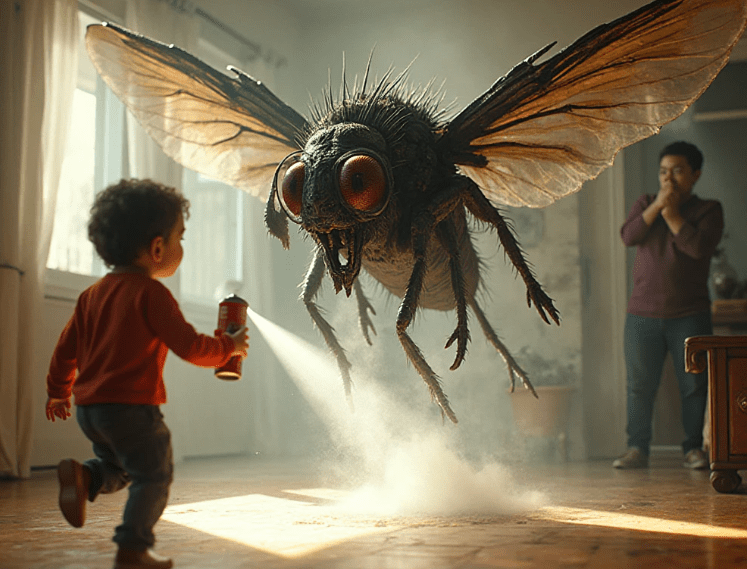
Georgia’s Deadliest Insects: A Survival Prepper’s Guide to Staying Alive in Bug Country

I’ve spent years living off-grid, surviving heat waves, hurricanes, blackouts, supply shortages, and the slow decay of modern convenience. In 2025, that mindset earned me Off-Grid Prepper of the Year, and if Georgia keeps being Georgia, I’ll win it again in 2026.

I love this state. I love the backroads, the pine forests, the humidity that filters out the weak, and yes — I love Waffle House at 3 a.m. and Zaxby’s on a long road trip. But loving Georgia doesn’t mean trusting it. Especially when it comes to insects.

Georgia is bug country. Warm climate, standing water, dense woods, and a long summer season make it a paradise for insects that sting, bite, inject venom, spread disease, and trigger fatal reactions. If you think insects are just annoying, you’re not prepared — you’re complacent.

Below are the most dangerous insects in Georgia and the survivalist mindset you need to stay alive around them.


1. Eastern Diamondback Rattlesnake (Honorable Mention, Because It Hunts Like an Insect)
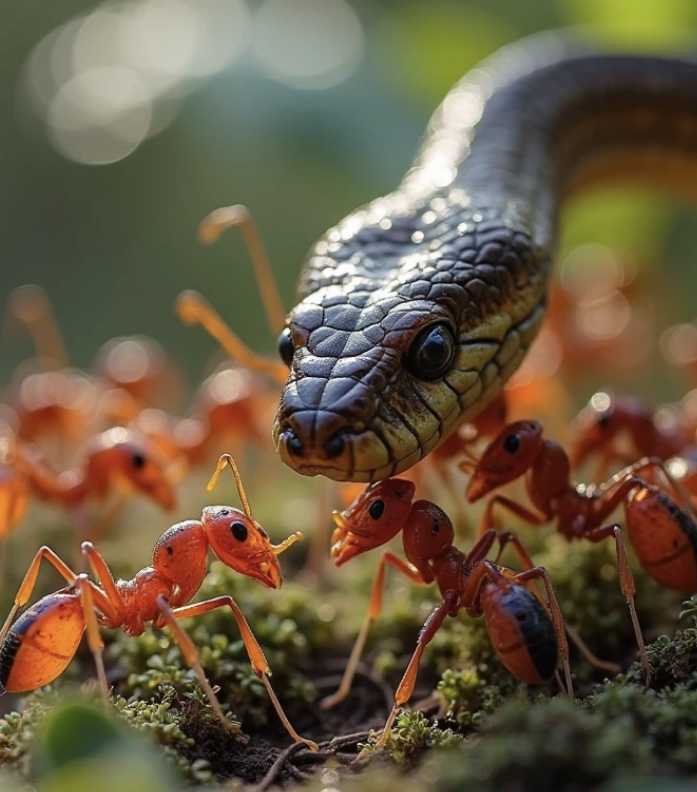
No, it’s not an insect — but it feeds on the same ecosystem, and it shares the same hiding tactics. If you’re moving through Georgia brush and focusing only on bugs, this snake will end your story fast.

Why it’s deadly:

  • Highly potent venom
  • Camouflage that blends into pine straw
  • Often encountered while avoiding insects

Survival Tip:
Watch the ground, not your phone. Wear boots. Clear campsites before settling in. Bugs distract — predators capitalize.


2. Fire Ants (Solenopsis invicta)
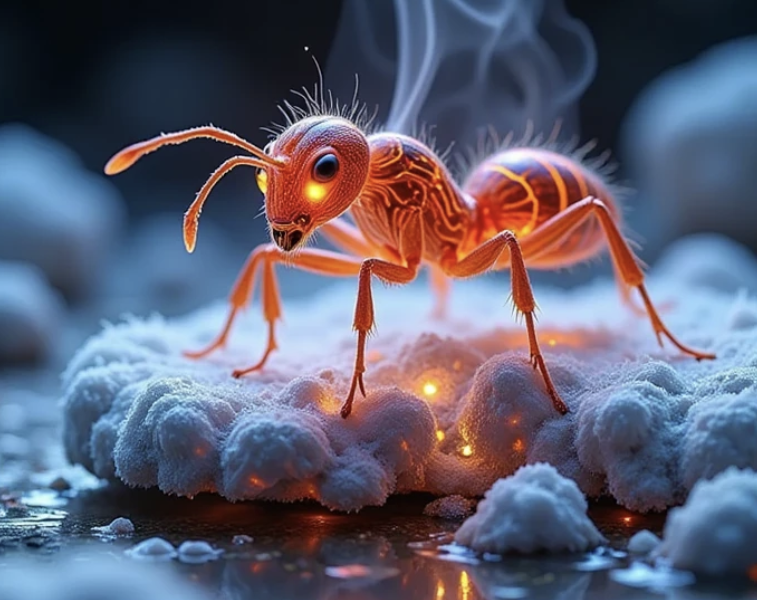
Fire ants aren’t just painful — they’re strategic. Step on a mound, and they swarm. Hundreds of stings in seconds. For some people, anaphylaxis can kill them before help arrives.

Why they’re dangerous:

  • Aggressive swarming behavior
  • Venom causes intense burning and tissue damage
  • Fatal allergic reactions are real

Survival Tip:
Clear camp areas aggressively. Treat boots and pants with permethrin. Never sit on bare ground in Georgia without checking first.


3. Black Widow Spider

Georgia has plenty of them, and they love woodpiles, sheds, garages, and old equipment — exactly where preppers spend time.

Why it’s dangerous:

  • Neurotoxic venom
  • Severe muscle cramps, nausea, and breathing issues
  • High risk for children and elderly

Survival Tip:
Gloves are non-negotiable. Shake out boots. Keep storage areas clean. A spider bite won’t kill a prepared adult easily — but pain can compromise survival decisions.


4. Brown Recluse Spider

Quiet. Reclusive. Deadly if ignored.

Why it’s dangerous:

  • Necrotic venom that destroys tissue
  • Infections can become systemic
  • Bites often go unnoticed until damage is severe

Survival Tip:
Reduce clutter. Seal cracks. Don’t sleep on the floor. In survival situations, infection kills more people than venom.


5. Mosquitoes (The Real Apex Predator)

Mosquitoes kill more humans globally than any animal on Earth — and Georgia is prime breeding territory.

Why they’re deadly:

  • West Nile Virus
  • Eastern Equine Encephalitis
  • Zika and other emerging diseases

Survival Tip:
Eliminate standing water. Use mosquito netting. Treat clothing. If you think bug spray is optional, you’re not serious about survival.


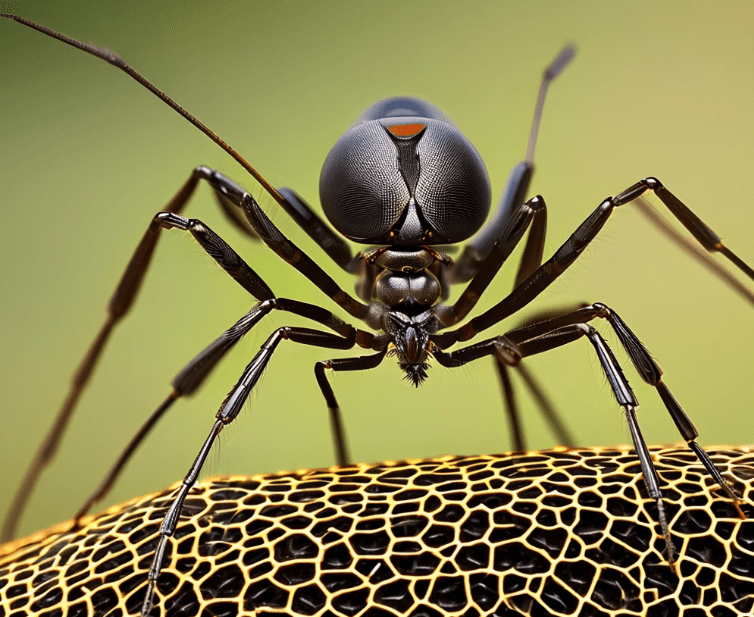
6. Assassin Bugs (Including Kissing Bugs)

These look harmless until they aren’t.

Why they’re dangerous:

  • Can transmit Chagas disease
  • Bites can cause severe allergic reactions
  • Often mistaken for beetles

Survival Tip:
Seal sleeping areas. Avoid outdoor lights near camps. Learn insect identification — ignorance is the enemy.


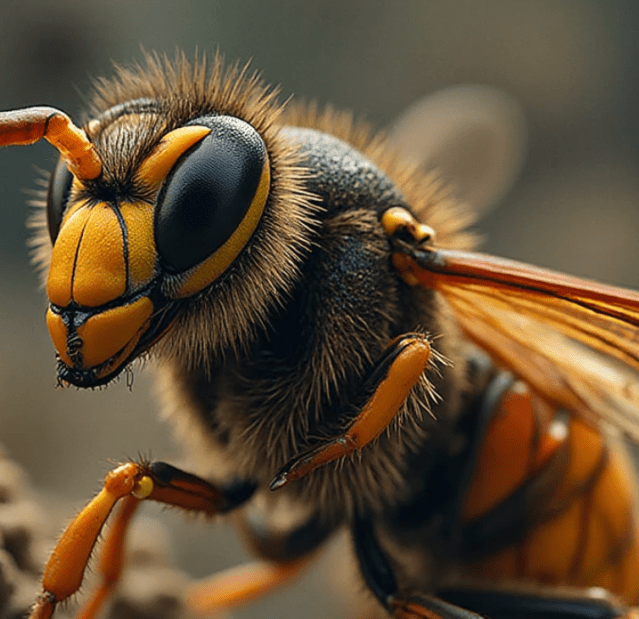
7. Yellow Jackets

If you’ve ever been hit by one, you know they don’t warn — they punish.

Why they’re dangerous:

  • Aggressive and territorial
  • Multiple stings per insect
  • Anaphylaxis risk is high

Survival Tip:
Avoid sugary smells outdoors. Never swat blindly. Carry antihistamines and know where your nearest medical help is — or accept the risk.


8. Africanized Honey Bees (Expanding Range)

They’re moving north. Georgia is not immune.

Why they’re dangerous:

  • Highly aggressive defensive behavior
  • Swarm attacks can be fatal
  • Panic increases venom absorption

Survival Tip:
Cover face, protect airways, and move fast — not randomly. Water can help. Standing your ground will not.


9. Ticks (Small, Silent Killers)

Ticks don’t rush. They wait. Then they infect.

Why they’re dangerous:

  • Lyme disease
  • Rocky Mountain spotted fever
  • Alpha-gal syndrome (meat allergy)

Survival Tip:
Full-body checks. Light-colored clothing. Treat gear. Remove ticks immediately and properly.


10. Wheel Bugs (Assassin Bug Variant)

They look prehistoric — and they bite like it.

Why they’re dangerous:

  • Extremely painful bite
  • Risk of infection
  • Defensive aggression when handled

Survival Tip:
Observe, don’t touch. Teach kids early: bright colors and weird shapes usually mean danger.


Final Survivalist Mindset for Georgia Bug Country

Georgia rewards preparation and punishes laziness. Bugs don’t care how tough you think you are. They exploit sweat, distraction, clutter, and poor planning.

If you live here, camp here, hunt here, or bug out here, remember this:

  • Protect your skin
  • Protect your sleep
  • Protect your awareness

I love Georgia. I love its food, its people, and its grit. But survival isn’t about comfort — it’s about respect for the environment. And in Georgia, insects demand respect.

Stay sharp. Stay fed. And don’t let something with six legs write your obituary.

New York’s Most Dangerous Insects and How to Stay Alive

Most New Yorkers believe danger comes with sirens, crime statistics, or subway platforms at 2 a.m. They look up at skyscrapers and down at their phones, convinced that nature is something safely locked away in upstate forests or petting zoos. That assumption is a liability.

As a professional survival prepper, I don’t subscribe to the fantasy that concrete replaces biology. New York State—yes, including the city—is home to insects capable of killing you quietly, painfully, and often with no warning at all. You don’t need to be camping in the Adirondacks to be at risk. You just need to be unprepared, distracted, or ignorant.

This article isn’t written to scare you—it’s written to keep you alive. Whether you live in a Manhattan high-rise, a Brooklyn brownstone, or a rural cabin upstate, insects don’t care about your zip code.

Let’s talk about the most dangerous insects in New York State, how they can end your life, and what you can do to survive them.


1. Deer Ticks (Blacklegged Ticks)

Threat Level: High
Primary Danger: Lyme disease, anaplasmosis, babesiosis
Where Found: Statewide, especially wooded areas, parks, suburban yards

Ticks don’t sting, buzz, or announce themselves. That’s what makes them so dangerous. The blacklegged tick, commonly known as the deer tick, is responsible for Lyme disease—a condition that can destroy your nervous system, joints, heart, and cognitive function if untreated.

In severe cases, untreated tick-borne illness can lead to heart failure, neurological damage, or death.

How to Survive:

  • Wear long sleeves and pants in grassy or wooded areas—even in city parks.
  • Use permethrin-treated clothing and EPA-approved insect repellent.
  • Perform full-body tick checks daily.
  • Remove ticks immediately with fine-tip tweezers.
  • Seek medical attention if flu-like symptoms appear weeks after exposure.

Ignoring ticks because you live “in the city” is a rookie mistake.


2. Mosquitoes

Threat Level: High
Primary Danger: West Nile Virus, Eastern Equine Encephalitis (EEE)
Where Found: Statewide, especially near standing water

Mosquitoes are responsible for more human deaths worldwide than any other creature. New York is no exception. West Nile Virus appears every year, and while many survive, severe cases can cause brain swelling, paralysis, and death.

EEE is rarer but far more lethal, with mortality rates up to 30%.

How to Survive:

  • Eliminate standing water near your home.
  • Install window screens and repair gaps.
  • Wear light-colored, long clothing outdoors.
  • Use DEET or picaridin repellents.
  • Take fevers and neurological symptoms seriously—seek care immediately.

That backyard barbecue or rooftop hangout isn’t harmless.


3. Yellowjackets

Threat Level: Very High
Primary Danger: Anaphylactic shock
Where Found: Parks, garbage areas, backyards, city infrastructure

Yellowjackets are aggressive, territorial, and common in New York. Unlike bees, they sting repeatedly. For individuals with venom allergies—many of whom don’t know it yet—one sting can cause rapid airway closure and death within minutes.

Urban environments actually increase encounters due to trash and food waste.

How to Survive:

  • Avoid bright clothing and strong scents outdoors.
  • Keep food sealed and garbage secured.
  • Never swat—slowly back away.
  • Carry an EpiPen if you’ve had reactions before.
  • Call emergency services immediately if swelling or breathing difficulty occurs.

One sting is all it takes.


4. Bald-Faced Hornets

Threat Level: Extreme
Primary Danger: Multiple stings, venom overload
Where Found: Trees, utility poles, building edges

Despite the name, bald-faced hornets are aggressive wasps with powerful venom. Disturbing a nest—even accidentally—can result in dozens of stings in seconds.

Venom toxicity and allergic reactions can be fatal, even in healthy adults.

How to Survive:

  • Identify and avoid aerial nests.
  • Never attempt DIY removal.
  • Hire professionals for nest elimination.
  • If attacked, run immediately and seek shelter.
  • Get medical care after multiple stings.

Bravery doesn’t beat venom.


5. Fire Ants (Emerging Threat)

Threat Level: Growing
Primary Danger: Allergic reactions, infection
Where Found: Southern NY (spreading north)

Fire ants are slowly expanding northward. Their stings cause intense pain, blistering, and in some cases anaphylaxis.

Urban heat islands make cities ideal breeding grounds.

How to Survive:

  • Watch for mound-like nests.
  • Avoid walking barefoot outdoors.
  • Treat stings immediately.
  • Seek emergency help for systemic reactions.

Climate change doesn’t ask permission.


6. Brown Recluse (Rare but Possible)

Threat Level: Moderate but Serious
Primary Danger: Necrotic venom
Where Found: Occasionally transported via shipments

While not native, brown recluse spiders occasionally appear via freight and storage areas. Their venom can cause tissue death, infection, and systemic illness.

How to Survive:

  • Shake out stored clothing.
  • Use gloves in basements and storage units.
  • Seek medical care for unexplained necrotic wounds.

Rare doesn’t mean impossible.


7. Fleas

Threat Level: Moderate
Primary Danger: Disease transmission, severe infection
Where Found: Pets, rodents, subways, buildings

Fleas historically carried plague. Today, they still transmit disease and cause severe infections, especially in unsanitary environments.

How to Survive:

  • Treat pets regularly.
  • Control rodent infestations.
  • Clean living spaces thoroughly.

Urban density multiplies risk.


Final Survival Advice for New Yorkers

The New York City lifestyle teaches dependence—on infrastructure, services, and assumptions of safety. Insects don’t care about any of that.

Survival comes down to:

  • Awareness
  • Prevention
  • Rapid response

You don’t need to love the outdoors to respect its threats. You just need to be prepared.

Because bugs don’t care how tough you think you are—or how urban your life looks on Instagram.

Colorado Insects That Can Kill You and Why You’re Not Ready

Let’s get one thing straight right out of the gate: nature does not care about you. Colorado doesn’t care about you. The mountains don’t care. The plains don’t care. And the insects crawling, flying, biting, and stinging their way across this state certainly don’t care. The world likes to sell you a postcard version of Colorado—clean air, blue skies, hiking trails, and sunshine. That’s the lie. The truth is that this state is crawling with small, angry, venomous, disease-carrying creatures that can ruin you—or kill you—faster than you think.

And before anyone jumps in with “technically that’s a spider, not an insect,” save it. When you’re on the ground in pain, your body shutting down, taxonomy won’t save you. Survival will.

This article isn’t here to comfort you. It’s here to warn you.


1. Wasps, Hornets, and Yellowjackets: Death by Allergy or Numbers

Let’s start with the obvious menace most people underestimate: stinging insects. Yellowjackets, paper wasps, hornets, and various bees are everywhere in Colorado—from urban backyards to remote campsites.

For most people, a sting is painful but survivable. For others, it’s a death sentence.

Anaphylaxis doesn’t announce itself politely. Your throat swells, your blood pressure drops, your airway closes, and panic sets in. If you don’t have immediate access to emergency treatment, you’re done. No heroics. No second chances.

Even if you’re not allergic, multiple stings can overwhelm your system. Disturb a nest while hiking or mowing the lawn, and you won’t be dealing with “one or two stings.” You’ll be dealing with dozens.

Survival Reality Check:

  • Know whether you’re allergic before you’re in the wilderness.
  • Carry emergency medication if prescribed.
  • Avoid ground nests like your life depends on it—because it might.
  • Don’t rely on cell service to save you. Out here, help is often far away.

2. Mosquitoes: The Silent Disease Delivery System

People laugh at mosquitoes. They shouldn’t.

Colorado mosquitoes are known carriers of West Nile virus, which can lead to severe neurological damage or death. You don’t feel it happening. You don’t hear it coming. You get bit, you move on, and days later your body starts betraying you.

The danger here isn’t drama—it’s invisibility. No venom. No warning. Just consequences.

Survival Reality Check:

  • Use insect repellent consistently, not occasionally.
  • Avoid stagnant water areas, especially at dusk.
  • Don’t ignore flu-like symptoms after heavy mosquito exposure.
  • Prevention is the only defense—there is no fast cure.

3. Ticks: Tiny Parasites with a Long Memory

Colorado is home to several tick species, including the Rocky Mountain wood tick. These things latch on quietly and stay there, feeding while transferring bacteria and viruses into your bloodstream.

Colorado tick fever is real. So are other tick-borne illnesses that can leave you hospitalized or worse.

Ticks don’t need wilderness. They thrive in grass, brush, and even suburban yards. You don’t have to be “roughing it” to get hit.

Survival Reality Check:

  • Do full-body checks every time you’re outdoors.
  • Remove ticks properly and promptly.
  • Don’t assume symptoms will show up immediately.
  • Treat tick bites as serious business, not an inconvenience.

4. Black Widow Spiders: Venom with a Bad Attitude

Yes, spiders aren’t insects. No, that doesn’t make them less dangerous.

The western black widow is present in Colorado and carries neurotoxic venom that can cause severe pain, muscle spasms, breathing difficulty, and systemic reactions. While deaths are rare, “rare” doesn’t mean impossible—especially for children, older adults, or anyone with underlying conditions.

They like dark, quiet places: woodpiles, sheds, garages, and yes, sometimes your home.

Survival Reality Check:

  • Wear gloves when handling debris or firewood.
  • Shake out boots and clothing left outside.
  • Seek medical attention immediately after a bite.
  • Ignoring symptoms is how people get into real trouble.

5. Blister Beetles: Chemical Warfare in a Shell

Blister beetles don’t sting or bite, which makes them more dangerous than you think. They secrete cantharidin, a toxic chemical that causes severe skin blistering and can be deadly if ingested.

Livestock deaths from blister beetles happen every year. Humans aren’t immune to the toxin’s effects—it can damage the digestive and urinary systems.

They’re common in Colorado during warmer months, especially in agricultural areas.

Survival Reality Check:

  • Never handle unfamiliar beetles with bare hands.
  • Wash skin immediately after contact.
  • Keep them away from food and water sources.
  • “Harmless-looking” is a trap.

6. Kissing Bugs: Rare but Real

Triatomine insects—commonly called kissing bugs—have been documented in Colorado. They can carry Trypanosoma cruzi, the parasite responsible for Chagas disease.

The disease can cause long-term heart and digestive damage and may be fatal years after infection. Most people don’t even realize they’ve been infected until the damage is done.

Survival Reality Check:

  • Seal cracks in homes and sleeping areas.
  • Use screens and reduce outdoor lighting that attracts insects.
  • Don’t ignore unexplained symptoms after insect exposure.
  • Just because something is “rare” doesn’t mean it won’t be you.

Final Thoughts: Survival Is a Mindset

Here’s the part no one likes to hear: the world is not getting safer, cleaner, or more forgiving. Medical systems are strained. Response times are slow. People are distracted, complacent, and unprepared.

Insects don’t care about your optimism.

Survival in Colorado—or anywhere—requires awareness, preparation, and a healthy distrust of anything small enough to crawl under your defenses. You don’t need to panic. You need to pay attention.

Because out here, it’s never the big threats that get you.
It’s the little ones you didn’t take seriously.

Don’t Cry When Your House Gets Ransacked If You Didn’t Reinforce Your Windows With Plywood

Let me guess—you’re one of those people who thinks your cute little vinyl windows are going to protect you when everything finally collapses? You probably think your double-pane glass is tough. Maybe you think your HOA-approved shutters are going to keep the chaos out. Well, let me be the one to slap you verbally across the face: your windows are the weakest, most laughably fragile point in your entire home, and if you haven’t already figured that out, then I sincerely hope you enjoy being a future cautionary tale.

I’m not writing this because I care whether you make it through the next disaster, blackout, riot, hurricane, or whatever insanity is coming down the pipeline next. Frankly, I’ve been warning people for years and I’m tired of wasting breath. But every now and then some poor soul with two brain cells still rubbing together asks me how to keep their home from becoming an open buffet for intruders and flying debris when things go bad. And despite being furious at society as a whole, I don’t want to watch every clueless homeowner get swallowed by chaos.

So here it is. Plywood window barriers—your last-minute, low-tech, brutally effective line of defense when the world turns stupid (which at this point is practically every Tuesday). If you don’t build them now, you’ll wish you had.


Why Plywood Window Barriers Matter (Assuming You Still Care About Living)

Look, I get it. The hardware store isn’t glamorous. A sheet of plywood doesn’t sparkle. It’s not a magical electronic security system that talks to your phone. Instead it’s a giant slab of dead tree—heavy, ugly, and absolutely essential when people (or Mother Nature) are about to come crashing through your windows.

Your glass windows were designed for “normal civilization.” That means none of these:

  • Angry mobs
  • Looters
  • Hurricane winds
  • Flying debris
  • Idiots throwing bricks
  • The general collapse of law and order

Plywood doesn’t care about any of that. It laughs in the face of chaos.

You slap up a solid 5/8″ or 3/4″ sheet over your window frame, and suddenly that breakable, flimsy portal into your home becomes a wall. Sure, it’s not perfect. Nothing is. But compared to bare glass? It’s the difference between getting hit by a pickup truck versus getting hit by a Nerf ball. One ruins your week. The other ruins your life.

And don’t even start with, “I’ll put it up when I need it.” No, you won’t. Because you’ll be the one running to Home Depot with a crowd of panicked civilians, fighting over the last sheets like it’s Black Friday at the apocalypse. And then—shocker—there won’t be any left.


What Kind of Plywood You Should Use (If You Want It to Actually Work)

Most people wouldn’t know the difference between OSB and plywood if their survival depended on it—which, ironically, someday it might. So listen up:

Use real plywood, not OSB.

OSB flakes apart when exposed to rain or moisture for too long. It’s cheaper, sure. But we’re talking about emergency security here, not crafting a treehouse. Get exterior-grade plywood.

Thickness matters.

  • 1/2″ is the bare minimum.
  • 5/8″ or 3/4″ is ideal.

If you can’t lift a sheet without struggling, congratulations—you’re on the right track.

Pre-cut it before you need it.

But hey, if you want to be that person trying to measure windows during a storm warning, don’t let me stop you from winning a Darwin Award.


Anchoring the Plywood: Do NOT Half-Do This

I swear, the number of people who think they can just “nail it to the siding” makes me lose sleep. That’s not how this works, and if that’s your plan, you might as well tape a “Please Break In Here” sign to your window.

Screw it into the framing.

Yes, the actual structural framing around the window—not the flimsy molding. Use heavy-duty exterior screws. If you don’t hit stud wood, you’re just screwing plywood into air and praying it holds. Great strategy if you’re an optimist. I’m not.

Use washers.

Without washers, your screws can rip through the plywood under stress. And if that happens during a storm or riot, I hope you have good insurance.

Hurricane clips or brackets are even better.

Not required, but if you want your plywood to stay put even when someone’s pushing on it, kicking it, or the wind is trying to tear it off, brackets turn a flimsy board into a shield.


Advanced Reinforcement for People Who Actually Want to Survive

Most of you won’t bother doing any of this, but here’s what the smarter (or more paranoid) among us do:

1. Pre-drill and label everything

Every board gets:

  • A label (“Kitchen Window Left,” etc.)
  • Pre-drilled screw holes
  • Marked orientation

This shaves minutes off installation time. Minutes matter when the world is falling apart.

2. Add a crossbeam brace inside your home

Not everyone can do this, but if you want next-level reinforcement, place a 2×4 inside the window frame, pushing against the plywood from the interior. It adds insane resistance to forced entry without violating any laws or going full bunker mode.

3. Store the plywood INSIDE, not in your damp garage

Moisture warps wood. Warped plywood doesn’t fit. Then you cry. End of story.


When Should You Install Your Plywood Barriers?

If your answer is, “When things start getting bad,” then congratulations—you’re already too late. The whole point of preparedness is doing things before the crisis, not during it while your neighbors are panicking and your dog is eating drywall from stress.

Here are times when you should already have your boards ready to go:

  • Hurricane season
  • Widespread civil unrest
  • Extended power outages
  • Bad weather warnings
  • Empty store shelves
  • Basically any time society looks shakier than usual, which lately is always

You don’t have to mount them permanently (unless you want your home to look like a fortress, which honestly might be an upgrade). But at least pre-cut them, store them, and have the screws and drill ready.

People panic when the world wobbles. You shouldn’t.


Final Thoughts (You Won’t Like Them)

Look, if you’re the type who thinks “things will work themselves out,” then you probably won’t make it through the next major crisis anyway. Life rewards the prepared and punishes the complacent. I’m not here to coddle anyone. I’m here to tell you what works.

Plywood window barriers WORK.
They’re cheap. They’re fast. They’re strong.
And they can turn your fragile suburban fishbowl into something resembling a defensible structure.

If you want to ignore this advice, go ahead. But don’t come crying when your windows explode inward and the world invites itself right into your living room. Some of us will be fine—because we prepared. The rest can learn the hard way.

Still Drinking Tap Water? Then You’re Already Poisoning Yourself

Let’s cut the nonsense: if you haven’t started storing water, you are sleepwalking straight into your own extinction. And if you’re still drinking tap water without filtering it, then congratulations — you’re basically sipping slow poison every day and calling it “hydration.”

People love pretending the world is stable. They love believing the tap will run forever. They love thinking the government is quietly babysitting them with clean water and safety nets.

Newsflash: no one is coming to save you.
Not the government.
Not the city.
Not your clueless neighbors.
Not your TikTok “experts.”

When everything finally collapses — and it will — the very first thing that disappears is the one thing you cannot live three days without: water.

And before the collapse? You’re already drinking garbage.


Tap Water: The “Legal Contamination” You Chug Every Day

The delusion around tap water is insane. People genuinely believe that because it comes from a faucet, it must be safe.

Here’s the reality you don’t want to hear:

Tap water is a government-approved cocktail of trash, including:

  • Chlorine and chloramines
  • Fluoride
  • Rust and heavy metals from 50+ year-old pipes
  • Lead flakes (delicious!)
  • Pesticides
  • PFAS (“forever chemicals” that stick in your body)
  • Pharmaceuticals from people’s flushed meds
  • Nitrates from farm runoff
  • Microplastics
  • Unknown contaminants from “events” they don’t bother reporting

You’re not drinking “safe” water.
You’re drinking filtered sewage, “treated” with sterilizers and pumped back into your home with a smiley-face label slapped on it.

And that’s during normal life.

When the system collapses?
That same tap will spit out:

  • brown sludge
  • chemical-laced runoff
  • bacteria soup
  • or nothing at all

But sure — keep trusting the tap.
It makes thinning out the population easier.


You Need Stored Water. Not “Later.” Not “Someday.” NOW.

Most people won’t store water until it’s too late.
Some excuse themselves with:

  • “I don’t have space.”
  • “The tap has always worked.”
  • “I’ll fill the bathtub if something happens.”
  • “I have bottled water in the pantry.”

Pathetic.

When the grid goes down, thousands of people will sprint to stores like panicked livestock. The shelves will be empty in under 45 minutes.
The herd will be screaming.
Fighting.
Stealing.
Begging.

You?
You will sit comfortably — if you’re smart enough to prepare now.


How Much Water You Need — The Real Numbers, Not the Government Fantasy

The laughable “1 gallon per person per day” guideline is designed for helpless citizens who will end up begging FEMA for sips of muddy water.

A real prepper needs:

  • 2–3 gallons per person per day minimum
  • At least 30 days stored
  • More if you have kids, pets, heat, or a pulse

Water for:

  • drinking
  • cooking
  • hygiene
  • medical washing
  • cleaning wounds
  • not dying

If that sounds like a lot, tough.
Reality doesn’t care about your storage closet.


Storage Options That Won’t Fail Like Everything Else in Society

1. Water Bricks

Stackable. Tough. Secure.
They make you feel like you’re building fortifications — because you are.

2. 55-Gallon Barrels

Buy quality.
Store them properly.
Never on concrete unless you enjoy chemical leaching.

3. IBC Totes (275–330 gallons)

These make you a god among preppers.
With one tote you survive.
With two you thrive.
With three you become untouchable.

4. Heavy-Duty Jugs

Not the flimsy garbage that cracks the first time the temperature shifts by two degrees.


Hidden Water Sources the Average Idiot Never Thinks About

When the crisis hits, your neighbors will be losing their minds.
You will be calmly extracting water from:

  • Water heaters (40–80 gallons)
  • Toilet tanks (TOP tank — if you need this explained, stop reading)
  • Rain barrels
  • Ice
  • Backyards pools (with purification)

The difference between you and them?
You prepared.
They panicked.
You survive.
They become an example.


Purification: Because Bad Water Doesn’t Just Make You Sick — It Kills Fast

After the collapse, waterborne diseases skyrocket.
The weak will drink contaminated water and vanish from the gene pool within days.

You won’t — because you’ll have:

1. Filters

Real ones. Not cheap toys.

  • Berkey
  • Katadyn
  • Sawyer Mini
  • LifeStraw (as backup)

Filters remove pathogens.
Some remove chemicals.
None remove stupidity.


2. Boiling

If you can’t boil water correctly, you deserve the consequences.
Rolling boil. One minute. Done.


3. Bleach

The original survival classic.

8 drops per gallon
½ teaspoon per 5 gallons
Wait 30 minutes
Filter afterwards if needed

And NO — scented bleach, splashless bleach, or any “fancy” bleach does NOT work.
Use plain chlorine bleach only.


4. Tablets

Perfect when fuel is scarce or fire is impossible.


5. Solar Disinfection

Slow.
Simple.
Better than dying from diarrhea.


Tap Water Must Be Filtered Even BEFORE Disaster Hits

People think they’ll “start filtering when things get bad.”

Here’s a hint: things are already bad.
Your tap water is already contaminated.
Your city pipes are ancient.
Your water plant is overworked, understaffed, and barely meeting minimum legal standards.

If you aren’t filtering every drop you drink, you’re playing Russian roulette with chemicals and microbes.

A tap filter is cheaper than:

  • hospital visits
  • kidney damage
  • long-term chemical exposure
  • cancer
  • neurological issues
  • infertility
  • chronic inflammation

But hey — keep rolling the dice.
The population is overcrowded anyway.


Rainwater Harvesting: Free Water for the Intelligent Few

If you have a roof and you’re not capturing rainwater, you’re wasting a survival resource that literally falls from the sky.

All you need:

  • Gutters
  • Downspouts
  • First-flush diverter
  • Barrels or tanks

It’s legal in most states.
And where it isn’t?
Well… ask yourself why your government doesn’t want you collecting your own water.


Rotate Stored Water or Watch It Become Useless

Stored water won’t magically stay fresh forever.

Rotate:

  • 6 months for untreated tap water
  • 12 months for treated, sealed water

Label the dates.
Track the containers.
Be smarter than the people who will be pounding on your door when they’re thirsty.


Final Rule: NEVER Mention Your Water Supply to Anyone

Water is life — which means it turns desperate people into monsters.

When the taps go dry:

  • Your friendly neighbor becomes a threat
  • Your coworker becomes a beggar
  • Your relative becomes desperate
  • Strangers become dangerous

Your water supply is classified information.
Speak of it to no one.
Not now.
Not later.
Not ever.

The Water Apocalypse: Why Humanity Is Staring Down Its Own Thirst-Driven Obliteration

If there were ever a way humanity was going to finally wipe itself off the face of the earth, it wouldn’t be from something gloriously cinematic like volcanic eruptions, meteor impacts, or nuclear firestorms. No, the downfall of the human species is going to be infinitely dumber: people refusing to store and purify their own water. We are staring down an extinction-level event because humanity has developed a suicidal obsession with trusting broken systems, polluted tap water, and an infrastructure held together with duct tape and bureaucracy.

You want real talk? Sit down.

The world is already failing. Not “maybe one day,” not “if things get worse,” not “in some distant future.” Now. Civilization is wobbling like a rotted tree ready to snap. Water treatment plants are ancient, pipelines are decaying, contamination events are weekly news, and half the country drinks more chemicals than hydration. And that’s before the real collapse comes.

When the grid finally dies — from cyberattacks, solar storms, political incompetence, or plain old entropy — your water flow ceases instantly. No power for pumps. No power for treatment facilities. No power for filtration systems. No trucks delivering bottled water. No emergency crews. No nothing.

Your tap will go dry so fast your denial won’t even have time to finish a sentence.

And yet? People still drink tap water right now like it’s natural spring purity. Let’s call it what it is: an unregulated chemical cocktail spiked with industrial runoff, pharmaceutical residue, agricultural waste, heavy metals, microplastics, and whatever else local authorities casually shrug off. But sure, keep drinking it — if your long-term survival goals involve weakened immunity, chronic illness, and collapsing faster when the real crisis hits.

This is why preppers are always angry. Because we’re watching a species sprint toward extinction and brag about how “the government will handle it.” Yeah, they’ll handle it — the way they “handle” everything: late, poorly, and only after the damage is done.

Step One: Store Water Like You Expect Civilization to Fail (Because It Will)

Let’s get the baseline out of the way:
FEMA’s “one gallon per person per day” is a fantasy. A bureaucratic bedtime story meant to calm the sheep. In a collapse scenario, you need 3–5 gallons per person per day bare minimum — and that’s if you’re being conservative, cautious, and completely ignoring comfort.

Real survivalists know:

  • 30 days is the beginner tier.
  • 90 days is serious preparedness.
  • 180+ days is what an intelligent species would do if it wanted to avoid extinction.

Store water in:

  • 55-gallon barrels
  • Water bricks
  • IBC totes
  • Underground tanks
  • Rain catchment systems
  • Every spare container that won’t degrade

If it holds water and won’t poison you, fill it.

Step Two: Purify Water Like Everything Is Contaminated (Because It Will Be)

When collapse hits, no water on earth is safe.

Not the lakes.
Not the rivers.
Not the streams.
Not the rainfall.

Once the grid fails, contamination becomes universal and unavoidable.

Human desperation alone destroys waterways within days. People dump trash, waste, chemicals, and runoff everywhere when they panic — and they will panic. Water you could drink today becomes a biological and chemical hazard overnight.

You need purification redundancies:

  • Gravity filters (Berkey-style, Alexapure)
  • Ceramic filters
  • Portable purifiers (Sawyer Squeeze, Lifestraw)
  • Chemical treatments (chlorine dioxide, iodine)
  • Boiling capability
  • Distillation setups
  • Pre-filters for sediment

If you only have one method, you’re not prepared. You’re gambling.

And in an extinction-level scenario, gamblers die fast.

Step Three: Become Your Own Water Infrastructure

The people who survive extinction-level collapse aren’t the “lucky ones.” They’re the ones who planned like pessimists and prepared like realists.

You need:

  • Rain catchment systems with food-grade gutters
  • Gravity-fed storage tanks
  • Backyard cisterns
  • Manual pumps for wells
  • Off-grid filtration rigs
  • Redundant water caches hidden on your property

You build your own water grid because the one you rely on now will fail spectacularly.

Step Four: Stop Pretending Tap Water Is Anything but Slow Poison

Let’s finally address the delusion at the core of the problem: people think tap water is “safe.” They think government regulation means anything in a world where cities legally pump water through outdated lead pipes and industrial contamination is dismissed as “acceptable risk.”

Drinking unfiltered tap water is self-inflicted sabotage.

When collapse hits, the unprepared will drop fast — dehydrated, sick, or too weak to fight for survival. And yes, fight. Because when water vanishes, humanity drops its mask and reverts to its most primal instinct: take or die.

Step Five: Accept That Survival Is on You — No One Else Is Coming

People think they’re “good people,” which means they assume society will magically hold together even after infrastructure dies. That’s wishful thinking with extra stupidity.

When water stops flowing, everyone goes feral.

The only barrier between you and extinction is what you store, what you purify, and what you build now, while the lights are still on and the taps still drip their contaminated sludge.

If you want to survive the extinction event unfolding around us, start acting like a species that wants to exist tomorrow.

Because if you don’t?
You’ll be one of the billions who vanish — thirsty, shocked, and unprepared.

Starting From Nothing: My Painful Journey Into Basic Food Storage Prepping After Losing It All

I’m not proud of the man I became after everything fell apart.
When people talk about SHTF scenarios, they do it with a strange mix of fear and fascination. Some even romanticize it—imagining themselves as rugged lone wolves, capable of thriving when society collapses. I used to be one of them. I thought surviving would be instinctive, automatic, part of some primal ability buried deep inside. But instincts mean nothing when reality is colder, harsher, and hungrier than your imagination ever prepared you for.

I lost everything because I thought I was smarter than the disaster that came for me. I believed I had “enough” without really knowing what enough meant. I confused optimism for readiness, and that failure cost me more than possessions—it cost me people, comfort, security, and a sense of worth I still struggle to regain.

So now I write these words not as an expert, not as a brave prepper, but as someone who learned every lesson in the most painful way possible. If you are just getting started with basic food storage preps for an SHTF moment, I hope my failures will keep you from repeating them.


Why Food Storage Matters More Than You Think

When the world is still intact, food feels like an afterthought. Grocery stores glow on every corner. Restaurants hum with life. Delivery apps bring meals to your doorstep in minutes. It all feels so permanent—until the day it isn’t.

When SHTF hit my area, the grocery stores were empty within hours. Not days. Hours.
I remember walking down an aisle stripped bare, my footsteps echoing off metal shelves like the sound of a coffin lid closing. I had canned beans at home, maybe a bag of rice that I’d been ignoring in the pantry, and some stale cereal that I had forgotten to throw out. It wasn’t enough. Not even close.

If you think you have time to prepare later, you don’t. If you think you can improvise, you can’t. When everyone is scrambling, desperation destroys creativity. People who never stole a thing in their lives will fight over a dented can of tomatoes. People you trusted will become strangers. And you—if you’re like I was—will learn the meaning of regret in its rawest form.

That’s why food storage isn’t optional. It’s the foundation of survival.


Start Small—Because Small Is Still Better Than Nothing

Before everything fell apart, I always imagined prepping as something huge—stockpiling bunkers full of supplies, shelves fortified with military rations, huge five-gallon buckets lining the basement. I never started because it always felt overwhelming.

What I should have done—and what you should do—was start small. Even a single week of food stored properly can make the difference between panic and calm.

Here’s what I wish someone had told me:

1. Begin With a 7-Day Supply

A solid first step is simply making sure you can feed yourself (and your family, if you have one) for seven days without outside help.
This baseline prep includes:

  • Rice (cheap, long-lasting, filling)
  • Beans (dried or canned)
  • Canned meat like tuna or chicken
  • Pasta
  • Tomato sauce or canned vegetables
  • Oatmeal
  • Peanut butter
  • A few comfort foods (your sanity will thank you later)

This isn’t glamorous. It doesn’t look like the prepper fantasy you see online. But this humble supply can hold you steady when the world begins to tilt.

2. Build Up to 30 Days

Once you have a week, build toward a month.
At 30 days of food, something changes inside you. You begin to feel a kind of quiet strength. A stability. Not the loud confidence of someone bragging about their gear, but the soft, steady reassurance that you won’t starve tomorrow.


Keep Your Food Simple and Shelf-Stable

One of my big mistakes was buying “prepper food” without understanding my needs. I bought freeze-dried meals that required more water than I had available. I bought bulk grains without storing them correctly. Mice had a better feast than I did.

Focus on what lasts and what you’ll actually eat. Survival isn’t a diet—it’s nourishment.

Food Items That Last

  • White rice
  • Pasta
  • Rolled oats
  • Peanut butter
  • Canned tuna, chicken, and sardines
  • Canned vegetables
  • Canned soups
  • Honey (never spoils)
  • Salt and spices
  • Instant potatoes
  • Powdered drink mixes (helps fight taste fatigue)

Store It Right

This is where my downfall truly began: poor storage.
No matter how much food you gather, it’s worthless if ruined by:

  • Moisture
  • Heat
  • Pests
  • Light
  • Poor containers

Store food in cool, dry areas. Use airtight containers for grains. Label everything with dates. Don’t let your efforts rot away in silence the way mine did.


Rotate—Or Watch Your Supplies Die in the Dark

I used to think storing food meant sealing it away and forgetting it until disaster struck. That’s how I lost half my supplies: expiration dates quietly creeping past, cans rusting behind clutter, bags of rice turning to inedible bricks.

The rule you need to tattoo onto your mind is:

“Store what you eat. Eat what you store.”

Rotation keeps your stock fresh. It keeps you used to the foods you rely on. And it stops your prepping investment from becoming a graveyard of wasted money and ruined nourishment.


Water: The Part Everyone Ignores Until It’s Too Late

I had food. Not enough—but some. But water?
I had barely any. When the taps ran dry, reality hit harder than hunger ever did.

For every person, you need one gallon of water per day—minimum. Drinking, cooking, cleaning, sanitation—it all drains your supply faster than you think.

Start with:

  • A few cases of bottled water
  • Larger jugs or water bricks
  • A reliable filtration method (LifeStraw, Sawyer Mini, etc.)

Food will keep you alive.
Water will keep you human.


Don’t Learn the Hard Way Like I Did

Prepping isn’t paranoia.
It isn’t fearmongering.
It isn’t overreacting.

It’s the quiet, painful understanding that no one is coming to save you when everything falls apart.

I learned too late.
I lost too much.
I live every day with the weight of those failures.

But you can learn from me.
You can start now, with something small, something humble, something that grows over time.

And when the next disaster comes—and it will—you won’t feel that crushing panic I felt standing in an empty store staring at empty shelves. Instead, you’ll feel a sense of calm strength, knowing you took your future seriously.

I hope you prepare.
I hope you start today.
And I hope you never have to feel the kind of regret that still keeps me awake at night.

Water Will Be Power Sooner Than You Think, And Most of You Won’t Survive to Beg for It

Imagine the world after everything collapses: a blasted wasteland of sun-scorched earth, rusted skeletons of buildings, abandoned highways littered with broken vehicles, and desperate survivors wandering like lost animals. That’s not fiction — that’s our trajectory.

The signs are everywhere:
Infrastructure failing.
Water systems collapsing.
Cities poisoning their own tap supply.
And millions sipping contaminated water while watching society rot in real time.

Most people are sleepwalking into the wasteland.
A real-life Mad-Max future.
A world where water becomes the only law anyone respects.

Let’s be clear: you won’t survive that world unless you start preparing now.

Tap Water? It’s Already a Toxic Joke

While people complain about grocery prices and politics, their tap water slowly fills them with microplastics, pharmaceuticals, agricultural chemicals, PFAS, and industrial waste. Cities can’t (or won’t) fix it.

And these same people think this crumbling water system will magically stay functional when the grid collapses?

The second the grid goes down:

  • Treatment plants stop.
  • Pumps stop.
  • Purification stops.
  • Distribution stops.

You’ll walk to your sink, turn the handle, and get nothing — not even a gasp of air.

The wasteland begins the moment the tap runs dry.

In a Mad-Max Collapse, Water Is the New Currency

Forget money. Forget crypto. Forget gold.
Those become relics of a dead civilization.

Water is worth more than weapons.
Water is worth more than fuel.
Water is worth more than shelter.

In the wasteland, water is power.

Anyone who controls it controls everything else.

That’s why preppers store water — not because they’re paranoid, but because they’re paying attention.

Water Storage: Build Your Own Fortress of Hydration

Weak people think keeping a few water bottles in a cabinet is “being prepared.”

Warlords of the wasteland think like this:

  • 55-gallon drums stacked like defensive walls
  • IBC totes in garages, sheds, and buried pits
  • Water bricks lining shelves like ammunition
  • Rain catchment systems feeding multiple tanks
  • Underground cisterns that neighbors never see
  • Collapsible bladders for emergency filling

You store water like you’re preparing for a siege — because collapse is a siege, and dehydration is what kills people first.

Purification: Your Last Defense in a Poisoned World

In the wasteland, clean water doesn’t exist.
It must be created.

That means filtration gear tough enough to withstand the apocalypse:

  • Gravity filters for home base
  • Ceramic purifiers suitable for contaminated runoff
  • Portable squeeze filters for nomad survival
  • Iodine or chlorine dioxide for chemical kill
  • Boiling rigs (stoves, rocket stoves, ember cookers)
  • Pre-filters for sludge, ash, debris, and sediment
  • Distillers for water sources so toxic they make your eyes burn

When collapse happens, the natural water sources get poisoned within days.

Not by nature.
By people.

Desperate people.
Stupid people.
Panicked people.

They will contaminate everything they touch.

Rainwater: The Sky Is Your Only Trustworthy Ally

When the surface world turns into a polluted battleground, the sky becomes your safest reservoir.

Rainwater harvesting is not optional.
It’s survival engineering.

Set up:

  • Food-grade gutters
  • First-flush diverters
  • Barrel chains
  • Large overhead tanks
  • Ground-level sealed reservoirs

Store every drop like you’re catching liquid gold — because you are.

Mobility: Become a Nomad Who Doesn’t Die of Thirst

In a Mad-Max world, you may not stay in one place.

You must be capable of traveling with water infrastructure strapped to your back or your vehicle:

  • Collapsible bladders
  • Hydration packs
  • Hand pumps
  • Mobile filtration kits
  • High-capacity canteens
  • Boil kits with wind shields
  • Portable gravity filters

Nomads survive because they’re adaptable.
The unprepared die because they aren’t.

Tap Water Today, Wasteland Poison Tomorrow

The people who trust tap water today are the first casualties of collapse.
Their bodies are already weakened from contamination, microplastics, chemical residues, and chronic dehydration from polluted supply.

Collapse accelerates what has already begun.

The wasteland isn’t waiting for you.
It’s being built right now.

Only the Prepared Control Their Fate

A Mad-Max future is an ugly place — but it’s survivable if you’re ready.

Store water.
Purify water.
Protect water.
Defend water.

In a world where everything burns, the last resource worth fighting for is the one everyone needs and few will have.

Prepare now, or be one of the nameless piles of dust left behind.

Eat These 10 Foods and Forget Living to 100 Years Old

The world is sick, the food supply is broken, and most people are eating themselves into an early grave while being told to “enjoy life.” That’s not enjoyment — that’s ignorance dressed up as convenience.

If you want to live to 100 years old, you don’t get there by accident. You get there by avoiding the garbage that modern society aggressively pushes as “normal food.” Longevity isn’t about magic superfoods or trendy supplements — it’s about not poisoning yourself every day.

The truth? Most people won’t make it anywhere near 100 because they keep eating things that quietly wreck their organs, blood vessels, hormones, and immune systems. And nobody in power seems to care — because sick people are profitable.

So here it is: 10 of the worst foods and drinks you can consume if long life is your goal. Eat them regularly, and you dramatically reduce your odds of ever seeing triple digits.


1. Ultra-Processed Junk Food

This is enemy number one.

Ultra-processed foods aren’t real food — they’re industrial products engineered for shelf life, addiction, and profit. Think packaged snacks, frozen meals, boxed “foods,” and anything with a paragraph-long ingredient list.

These products are loaded with:

  • Refined sugars
  • Industrial seed oils
  • Artificial flavors and preservatives
  • Chemical stabilizers

Your body doesn’t recognize this stuff as nourishment. It recognizes it as stress.

Long-term consumption is linked to inflammation, metabolic damage, cardiovascular disease, and accelerated aging. You can’t eat lab-created sludge every day and expect your body to survive a century.


2. Sugary Soft Drinks and Energy Drinks

Liquid sugar is one of the fastest ways to destroy long-term health.

Soft drinks and energy drinks spike blood sugar, strain the pancreas, damage blood vessels, and contribute to insulin resistance — all without providing a single useful nutrient.

They also:

  • Dehydrate you
  • Damage teeth
  • Disrupt appetite regulation

Drinking sugar is like mainlining metabolic chaos. People who consume these daily aren’t just shortening their lifespan — they’re degrading their quality of life decades before the end.


3. Highly Refined White Bread and Pastries

White bread, pastries, donuts, and baked desserts are longevity killers hiding in plain sight.

Refined flour has been stripped of fiber and nutrients, leaving behind a fast-digesting starch that spikes blood sugar and feeds inflammation. Add sugar and industrial fats, and you’ve got a perfect recipe for chronic disease.

These foods:

  • Promote fat storage
  • Disrupt gut health
  • Accelerate metabolic aging

No culture known for long life built its diet around pastries and white bread.


4. Industrial Seed Oils

This one makes people uncomfortable — good.

Industrial seed oils like soybean oil, corn oil, canola oil, and sunflower oil are everywhere. They’re cheap, unstable, and highly processed using heat and chemicals.

These oils are prone to oxidation, which contributes to:

  • Chronic inflammation
  • Cellular damage
  • Cardiovascular stress

They’re in restaurant food, packaged snacks, salad dressings, and fast food. If you’re eating out regularly, you’re swimming in them.

A body inflamed for decades doesn’t age gracefully — it breaks down early.


5. Processed Meats

Bacon, hot dogs, deli meats, sausages — they’re convenient, salty, and aggressively marketed.

They’re also loaded with preservatives, excess sodium, and compounds formed during processing that stress the body over time.

Regular consumption is associated with increased risk of:

  • Cardiovascular disease
  • Digestive issues
  • Metabolic dysfunction

This doesn’t mean never eating meat — it means avoiding factory-processed versions that prioritize shelf life over human health.


6. Excessive Alcohol

Let’s be honest: society treats alcohol like a personality trait.

Alcohol is not a health food. It’s a toxin that your liver has to neutralize before it can do anything else. Chronic consumption damages the liver, brain, heart, and immune system.

Long-term overuse:

  • Accelerates aging
  • Weakens cognition
  • Disrupts sleep and hormones

People who live to 100 typically don’t drink heavily — and when they do drink, it’s moderate, infrequent, and culturally grounded, not binge-based escapism.


7. Fast Food

Fast food is survival food for a system that doesn’t care if you survive long-term.

It’s high in calories, low in nutrients, and engineered for maximum palatability. Everything is fried, sugared, or drowned in industrial sauces.

Fast food diets contribute to:

  • Obesity
  • Heart disease
  • Early-onset chronic illness

If you rely on fast food, you’re trading years of life for minutes of convenience.


8. Artificially Sweetened “Diet” Products

Diet sodas, sugar-free snacks, and artificially sweetened foods are marketed as healthy alternatives. They’re not.

Artificial sweeteners can:

  • Disrupt gut bacteria
  • Confuse appetite signaling
  • Increase cravings for real sugar

You don’t trick biology. You only stress it.

Longevity isn’t built on chemical loopholes — it’s built on real food and restraint.


9. Excessively Salty Packaged Foods

Salt itself isn’t the villain — processed salt bombs are.

Packaged soups, chips, crackers, and instant meals often contain extreme sodium levels combined with preservatives and refined carbohydrates.

Over time, this contributes to:

  • Blood pressure issues
  • Kidney strain
  • Cardiovascular stress

Traditional long-lived cultures consumed salt in whole foods — not as a byproduct of industrial preservation.


10. Ultra-Sugary Breakfast Cereals

Colorful boxes, cartoon mascots, and “fortified” labels don’t change the truth.

Most breakfast cereals are desserts pretending to be health food. They spike blood sugar first thing in the morning and set the tone for energy crashes and cravings all day.

A daily sugar spike for decades is a terrible longevity strategy.


The Uncomfortable Truth About Living to 100

Reaching 100 isn’t about optimism. It’s about discipline, awareness, and refusing to participate in a broken system.

Most people won’t live that long — not because they’re unlucky, but because they consistently choose convenience over survival. The food environment is hostile, and pretending otherwise is denial.

Longevity requires:

  • Eating mostly whole, minimally processed foods
  • Drinking water instead of sugar
  • Treating food as fuel, not entertainment
  • Accepting that comfort today costs years tomorrow

The world won’t change for you. Corporations won’t save you. Nobody is coming to fix the food supply.

If you want to live to 100, you have to eat like someone who actually wants to survive that long.

Healing A Broken Bone in the Apocalypse When All the Doctors Are Dead

In the apocalypse, nobody is coming to save you.

No ambulance. No urgent care. No orthopedic surgeon with clean scrubs and a shiny smile. Just you, whatever gear you bothered to stockpile before the world fell apart, and a broken bone that doesn’t care about your feelings.

This is the part of preparedness nobody wants to talk about because it’s ugly, painful, slow, and unforgiving. You can stock ammo, water filters, and freeze-dried food until your garage collapses, but one bad fall, one wrong step, or one unlucky encounter, and suddenly your survival fantasy gets real uncomfortable.

This article isn’t optimistic. It isn’t gentle. And it sure as hell isn’t pretending things will “work out.” This is about damage control when civilization is gone and the human body is still fragile as ever.

If that makes you uncomfortable, good. It should have motivated you years ago.


First, Accept the Brutal Reality of a Broken Bone

A broken bone in the end times is not an inconvenience. It’s a survival event.

You’re slower. Weaker. Louder. Less useful. More vulnerable. Every predator—human or otherwise—can sense weakness, and injury broadcasts it like a radio signal. Anyone telling you otherwise is lying to themselves or selling something.

Healing is possible, yes. Humans have been doing it long before hospitals existed. But healing well is not guaranteed. Infection, poor alignment, chronic pain, permanent disability—these are all on the table now.

So before we even talk about “healing,” understand the goal:

Stay alive long enough for the bone to mend.

Not “walk it off.” Not “power through.” Survival doesn’t care about your pride.


Step One: Stop Making It Worse (The Most Ignored Rule)

The moment a bone breaks, the damage isn’t finished. Every unnecessary movement, every attempt to “test it,” every stubborn step you take can turn a survivable fracture into a crippling one.

In the apocalypse, stupidity kills faster than starvation.

At a basic level, your priority is immobilization. That means keeping the injured area from moving in ways it shouldn’t. Bones heal when they’re stable. They don’t heal when you keep grinding them together because you “don’t have time to rest.”

If you break a leg and keep walking on it, congratulations—you’ve just volunteered for lifelong pain, assuming you live that long.

You don’t need fancy gear to understand the principle: movement equals damage.


Alignment: Because Crooked Healing Is Still Broken

Here’s another truth preppers hate hearing: bones heal in the position they’re held.

If a fracture heals out of alignment, that’s your new normal. No corrective surgery later. No physical therapist. No redo.

In a functioning world, doctors use imaging and traction to line bones up properly. In the end times, you’re working blind. That means gentle correction only and only if it’s obvious something is severely out of place.

This is where ego gets people killed.

Forcing bones into place without training can cause nerve damage, blood loss, or turn a closed fracture into an open one. If the limb is reasonably straight and circulation is intact, stabilizing it where it is may be the lesser evil.

Perfect healing is a luxury of civilization. Survival healing is about avoiding catastrophe.


Immobilization Without Modern Comforts

No, you won’t have a fiberglass cast and a nurse signing it in Sharpie.

You’ll have sticks, boards, torn clothing, duct tape if you were smart, and whatever else you scavenged before the shelves went bare. The principle is simple even if the execution is miserable: support the bone and limit motion above and below the break.

Immobilization isn’t about squeezing tight. It’s about support. Cut off circulation and you’ll trade a fracture for tissue death, which is a fast track to infection and amputation—assuming anyone is left who knows how.

Check circulation. Check sensation. Check color. And then check again later. The body changes, swelling happens, and what was “fine earlier” can become deadly overnight.

This is not a “set it and forget it” situation.


Infection: The Silent Killer Nobody Plans For

You don’t die from the break. You die from what comes after.

In a collapsed world, infection is the real threat. Dirt, blood, open wounds, compromised immune systems, stress, poor nutrition—it’s a perfect storm. Even a closed fracture can become a problem if swelling breaks skin or blisters form.

Cleanliness becomes sacred. Water that’s safe enough to drink is barely safe enough to clean wounds, but you use what you have. Dirty wounds kill. Period.

Antibiotics, if you have them, become priceless. But misuse them and they’re gone forever—or worse, ineffective when you truly need them. This isn’t a pharmacy with automatic refills. Every pill is a strategic decision.

If you never stocked medical supplies because they weren’t “cool,” congratulations again. You planned for gunfights and forgot about gravity.


Nutrition: You Can’t Heal on Empty

Here’s something most survival fantasies ignore: bone healing requires resources.

Calories. Protein. Minerals. Hydration.

Your body doesn’t magically fix itself because you want it to. It needs raw materials, and in the apocalypse, those materials are scarce. Healing a fracture is metabolically expensive. If you’re already malnourished, the process slows to a crawl or stops altogether.

That means food allocation matters. The injured person may need more, not less. Yes, that feels unfair when everyone is hungry. Survival isn’t fair.

Weak nutrition leads to weak healing, which leads to prolonged immobility, which leads to increased risk. Everything compounds. The world is very good at punishing mistakes.


Time: The One Resource You Can’t Rush

Bones take weeks to months to heal under ideal conditions. The apocalypse is not ideal.

There is no shortcut. No hack. No motivational speech that speeds up cellular repair. Anyone telling you otherwise is selling nonsense.

Rest is mandatory. Movement is calculated. Pain is information, not something to ignore. Every day you’re injured is a day you’re less capable of defending yourself, gathering supplies, or relocating.

This is why injury avoidance is the most underrated survival skill. You don’t get bonus points for bravery when you fall off a ladder and break your arm because you were rushing.

The end times reward caution, not heroics.


Mental Health: The Part No One Wants to Admit Matters

Lying still while the world burns does things to your head.

Anger. Depression. Paranoia. Hopelessness. All normal. All dangerous.

A broken bone doesn’t just weaken the body; it messes with morale. And morale affects decision-making. Bad decisions get you killed faster than bad luck.

Staying mentally engaged—planning, observing, maintaining routines—can matter as much as physical healing. Giving up because “what’s the point” is how people fade out quietly.

The world may be over, but you’re not done yet. Not unless you decide you are.


When Healing Isn’t Perfect (And It Often Won’t Be)

Here’s the bitter end of the truth: you may never fully recover.

Reduced mobility. Chronic pain. Limited strength. That might be the price of survival. In a functioning society, that’s tragic but manageable. In a collapsed one, it changes your role permanently.

Adaptation becomes the new survival skill. You do what you can. You stop pretending life will go back to “normal.” Normal is dead. You’re living in the aftermath.

Those who survive long-term aren’t the strongest. They’re the ones who adjust fastest to the damage they’ve taken.


Final Thoughts from an Angry, Tired Prepper

I’m not writing this to scare you. I’m writing it because most people refuse to think past the fantasy phase.

Broken bones don’t care about your political opinions, your stockpile size, or how many forums you argued on. They happen quietly, randomly, and at the worst possible time.

If the apocalypse comes—and history says something always does eventually—your survival won’t hinge on how tough you are. It will hinge on how well you prepared for being fragile.

Because in the end times, the world isn’t just dangerous.

It’s indifferent.

And it will break you without a second thought if you give it the chance.