the world is not safe, nature is not your friend, and the idea that the biggest threats come with teeth and claws is a lie sold to keep people comfortable. Some of the deadliest killers on this planet have wings, six legs, and zero mercy.
Insects don’t roar. They don’t warn you. They don’t care if you’re innocent, prepared, or just unlucky. They exist to feed, reproduce, and survive—and your body is just another resource.
Below are 12 of the most dangerous insects on Earth. Not scary because they look monstrous—but because they quietly end lives every single year. Know where they live. Know how they kill. And most importantly, know how to survive them, because no one is coming to save you.
1. Mosquito – The Deadliest Animal on Earth
Location: Worldwide (especially tropical and subtropical regions) Why It’s Deadly: Malaria, dengue, Zika, West Nile virus, yellow fever
Mosquitoes kill more humans than any other animal on Earth, and yet people still laugh them off like they’re a summer inconvenience. That’s ignorance bordering on suicidal.
They don’t need venom. They outsource the killing to viruses and parasites that rot societies from the inside. Entire regions have been destabilized because of mosquito-borne disease.
How to Survive:
Use insect repellent like your life depends on it—because it does
Sleep under mosquito nets in high-risk areas
Eliminate standing water near where you live
Cover exposed skin, even when it’s uncomfortable
Comfort is temporary. Disease is permanent.
2. Tsetse Fly – Africa’s Silent Executioner
Location: Sub-Saharan Africa Why It’s Deadly: African trypanosomiasis (sleeping sickness)
The tsetse fly doesn’t bite often—but when it does, it can deliver a parasite that slowly shuts down your nervous system. Untreated, it’s fatal. Even treated, it can permanently damage you.
It’s the kind of death that doesn’t make headlines, just graves.
How to Survive:
Avoid bushy, shaded areas in endemic regions
Wear neutral-colored, long-sleeved clothing
Use traps and repellents designed for tsetse flies
Ignoring regional threats is how travelers become statistics.
3. Kissing Bug (Assassin Bug) – The Disease Delivery System
Location: Central and South America, parts of the southern U.S. Why It’s Deadly: Chagas disease
This insect feeds on your blood while you sleep and leaves behind parasites that can destroy your heart over decades. Slow death. Long suffering. Perfect for a world that doesn’t care.
How to Survive:
Seal cracks in walls and roofs
Avoid sleeping in poorly constructed housing
Use bed nets and insecticides
If your shelter isn’t secure, neither are you.
4. Africanized Honey Bee – The Swarm That Hates You
Location: Americas, especially the southern U.S. Why It’s Deadly: Massive envenomation from swarm attacks
One bee sting isn’t deadly. A thousand stings absolutely are. Africanized bees don’t warn, don’t retreat, and don’t forgive.
How to Survive:
Run immediately—do not fight
Cover your face and airways
Get indoors or into a vehicle
Seek medical help immediately
Heroics get people killed.
5. Asian Giant Hornet – Nature’s Flying Hatchet
Location: East Asia (rare but spreading) Why It’s Deadly: Potent venom, multiple stings
This hornet isn’t dangerous because it’s common—it’s dangerous because when it attacks, it means business.
How to Survive:
Avoid nests at all costs
Do not provoke or investigate
Wear protective clothing in known regions
Curiosity is fatal in the wild.
6. Fire Ant – Death by Numbers
Location: Americas, Australia, parts of Asia Why It’s Deadly: Venom, allergic reactions, mass attacks
Fire ants swarm, sting repeatedly, and inject venom that can kill vulnerable individuals. They don’t stop when you scream.
How to Survive:
Avoid disturbed mounds
Treat nests around living areas
Remove ants immediately if attacked
Small enemies win by overwhelming you.
7. Driver Ants (Siafu Ants) – The Marching Nightmare
Location: Central and East Africa Why It’s Deadly: Massive swarm attacks
Driver ants don’t hunt individuals—they consume everything in their path. Infants, livestock, incapacitated adults. No malice. Just hunger.
How to Survive:
Evacuate immediately when swarms are detected
Elevate sleeping areas
Seal entry points
Mob mentality applies to nature too.
8. Sandfly – The Parasite Courier
Location: Tropics, subtropics, Mediterranean regions Why It’s Deadly: Leishmaniasis
This disease eats away at the body and can become fatal if untreated. Another reminder that the smallest things bring the longest suffering.
If there were ever a way humanity was going to finally wipe itself off the face of the earth, it wouldn’t be from something gloriously cinematic like volcanic eruptions, meteor impacts, or nuclear firestorms. No, the downfall of the human species is going to be infinitely dumber: people refusing to store and purify their own water. We are staring down an extinction-level event because humanity has developed a suicidal obsession with trusting broken systems, polluted tap water, and an infrastructure held together with duct tape and bureaucracy.
You want real talk? Sit down.
The world is already failing. Not “maybe one day,” not “if things get worse,” not “in some distant future.” Now. Civilization is wobbling like a rotted tree ready to snap. Water treatment plants are ancient, pipelines are decaying, contamination events are weekly news, and half the country drinks more chemicals than hydration. And that’s before the real collapse comes.
When the grid finally dies — from cyberattacks, solar storms, political incompetence, or plain old entropy — your water flow ceases instantly. No power for pumps. No power for treatment facilities. No power for filtration systems. No trucks delivering bottled water. No emergency crews. No nothing.
Your tap will go dry so fast your denial won’t even have time to finish a sentence.
And yet? People still drink tap water right now like it’s natural spring purity. Let’s call it what it is: an unregulated chemical cocktail spiked with industrial runoff, pharmaceutical residue, agricultural waste, heavy metals, microplastics, and whatever else local authorities casually shrug off. But sure, keep drinking it — if your long-term survival goals involve weakened immunity, chronic illness, and collapsing faster when the real crisis hits.
This is why preppers are always angry. Because we’re watching a species sprint toward extinction and brag about how “the government will handle it.” Yeah, they’ll handle it — the way they “handle” everything: late, poorly, and only after the damage is done.
Step One: Store Water Like You Expect Civilization to Fail (Because It Will)
Let’s get the baseline out of the way: FEMA’s “one gallon per person per day” is a fantasy. A bureaucratic bedtime story meant to calm the sheep. In a collapse scenario, you need 3–5 gallons per person per day bare minimum — and that’s if you’re being conservative, cautious, and completely ignoring comfort.
Real survivalists know:
30 days is the beginner tier.
90 days is serious preparedness.
180+ days is what an intelligent species would do if it wanted to avoid extinction.
Store water in:
55-gallon barrels
Water bricks
IBC totes
Underground tanks
Rain catchment systems
Every spare container that won’t degrade
If it holds water and won’t poison you, fill it.
Step Two: Purify Water Like Everything Is Contaminated (Because It Will Be)
When collapse hits, no water on earth is safe.
Not the lakes. Not the rivers. Not the streams. Not the rainfall.
Once the grid fails, contamination becomes universal and unavoidable.
Human desperation alone destroys waterways within days. People dump trash, waste, chemicals, and runoff everywhere when they panic — and they will panic. Water you could drink today becomes a biological and chemical hazard overnight.
You need purification redundancies:
Gravity filters (Berkey-style, Alexapure)
Ceramic filters
Portable purifiers (Sawyer Squeeze, Lifestraw)
Chemical treatments (chlorine dioxide, iodine)
Boiling capability
Distillation setups
Pre-filters for sediment
If you only have one method, you’re not prepared. You’re gambling.
And in an extinction-level scenario, gamblers die fast.
Step Three: Become Your Own Water Infrastructure
The people who survive extinction-level collapse aren’t the “lucky ones.” They’re the ones who planned like pessimists and prepared like realists.
You need:
Rain catchment systems with food-grade gutters
Gravity-fed storage tanks
Backyard cisterns
Manual pumps for wells
Off-grid filtration rigs
Redundant water caches hidden on your property
You build your own water grid because the one you rely on now will fail spectacularly.
Step Four: Stop Pretending Tap Water Is Anything but Slow Poison
Let’s finally address the delusion at the core of the problem: people think tap water is “safe.” They think government regulation means anything in a world where cities legally pump water through outdated lead pipes and industrial contamination is dismissed as “acceptable risk.”
Drinking unfiltered tap water is self-inflicted sabotage.
When collapse hits, the unprepared will drop fast — dehydrated, sick, or too weak to fight for survival. And yes, fight. Because when water vanishes, humanity drops its mask and reverts to its most primal instinct: take or die.
Step Five: Accept That Survival Is on You — No One Else Is Coming
People think they’re “good people,” which means they assume society will magically hold together even after infrastructure dies. That’s wishful thinking with extra stupidity.
When water stops flowing, everyone goes feral.
The only barrier between you and extinction is what you store, what you purify, and what you build now, while the lights are still on and the taps still drip their contaminated sludge.
If you want to survive the extinction event unfolding around us, start acting like a species that wants to exist tomorrow.
Because if you don’t? You’ll be one of the billions who vanish — thirsty, shocked, and unprepared.
Texas. The Lone Star State. Big skies, bigger landscapes, and apparently, bigger risks. If you think the biggest threat in Texas is a long wait at a barbecue joint or a traffic jam on I-35, think again. The truth is, Texas is a sprawling death trap disguised as “freedom and sunshine.” I’ve been around, seen people ignore danger, and it amazes me how many think they can wander into the heart of this state without preparing for the inevitable.
I don’t sugarcoat reality. So here it is: the top ten most dangerous things in Texas that could easily end your life—and how to survive them if you’re stubborn enough to stay alive.
1. Venomous Snakes
Texas boasts more venomous snakes than a paranoid survivalist could shake a stick at: rattlesnakes, copperheads, and cottonmouths all casually lying in wait. One careless step through the underbrush, and you could be meeting your maker before your cell phone even loads Google Maps.
Survival Tip: Learn to recognize snake habitats, wear thick boots, and carry a snake bite kit if you’re venturing into rural areas. Never try to handle snakes—this isn’t an Instagram stunt. Know the nearest hospital that stocks antivenom because time is life.
2. Spiders and Scorpions
Yes, even the little ones can kill you. Brown recluse spiders and bark scorpions aren’t just creepy crawlers; they can inflict venomous bites that send you into toxic shock if ignored. In the middle of the night, a casual scratch could end your life in ways you didn’t even know were possible.
Survival Tip: Always shake out clothes, shoes, and bed sheets if you’re camping or living in older rural homes. Keep your home sealed, and if you see one of these nightmares, kill it immediately—don’t rely on luck.
3. Extreme Heat
Texans like to brag about summer weather, but the truth is, the heat is a silent killer. Heat stroke isn’t just uncomfortable—it’s deadly. A few hours in 105°F temperatures without proper hydration can fry your organs and leave you begging for the sweet release of death.
Survival Tip: Hydrate constantly, carry electrolyte replacements, avoid unnecessary travel during peak hours, and never underestimate the power of shade. If you’re outdoors, plan your movements like a tactical operation.
4. Tornadoes and Extreme Weather
The skies over Texas look deceptively serene, until you see that twister forming on the horizon. Tornadoes don’t just destroy property—they destroy people. Flash floods and hailstorms are also common killers, ready to sweep away the unprepared.
Survival Tip: Always check weather alerts, invest in a storm shelter if possible, and have an emergency kit ready. If a tornado is spotted, don’t debate; get underground or in a reinforced interior room. The “it won’t happen to me” mentality is a fast track to the morgue.
5. Venomous Aquatic Life
Texas isn’t just dry heat and snakes—its waters hide death too. The Gulf of Mexico and inland lakes harbor sharks, jellyfish, and venomous fish like the stonefish. Drowning is also a major risk; many Texans underestimate water currents, underestimating the danger until it’s too late.
Survival Tip: Swim only in designated areas, never underestimate currents, and learn basic water survival skills. A personal flotation device isn’t just for kids—it’s a lifeline.
6. Fire Ants
You laugh at them until the first swarm attacks. Fire ants are small, but they kill with numbers and venom. Hundreds of bites in minutes can lead to severe allergic reactions or, if untreated, death. Texas soil is practically crawling with them.
Survival Tip: Avoid grassy areas with mounds, wear shoes outdoors, and carry antihistamines if you’re prone to allergies. Treat every ant bite seriously; swelling and pain can escalate faster than you think.
7. Highway Madness
Texas roads aren’t for the faint of heart. With giant trucks, insane drivers, and long stretches of isolated highways, traffic accidents are a leading killer. Combine that with heat, fatigue, and a false sense of invincibility, and you’re sitting on a steel coffin on wheels.
Survival Tip: Drive defensively, avoid late-night fatigue, and always maintain an emergency kit in your vehicle. Knowing how to react when someone tries to force you off the road could be the difference between life and death.
8. Disease-Carrying Insects
Mosquitoes in Texas carry West Nile virus and other diseases that can kill if ignored. Tick-borne illnesses like Rocky Mountain spotted fever also lurk in rural areas. One bite can change your life—or end it.
Survival Tip: Use insect repellent, wear long sleeves in wooded areas, and check for ticks daily. Don’t dismiss mild flu-like symptoms; early intervention is crucial.
9. Urban Crime
Yes, Texas is dangerous in the wild, but don’t think cities are safe. Armed robberies, assaults, and home invasions are very real threats, especially for those who think a “locked door” is enough to keep death at bay.
Survival Tip: Always be aware of your surroundings, secure your home with multiple layers of protection, and consider self-defense training. Naivety in urban areas can be just as lethal as ignoring snakes in the woods.
10. Neglecting Preparation
Finally, the deadliest danger of all in Texas is your own ignorance. Not knowing the terrain, underestimating the weather, ignoring wildlife, or failing to carry basic survival tools will end more lives than any rattlesnake or tornado ever will.
Survival Tip: Preparation is everything. Have a survival kit, know the terrain, check the weather, study local wildlife hazards, and always assume you are one bad decision away from disaster. If you’re not ready, Texas will gladly kill you without remorse.
Conclusion
Texas is no joke. Every step you take, every river you cross, every hour you spend outside, the state is silently reminding you: you are not in control. The animals, weather, highways, and even your own negligence are waiting for one slip to turn your life into a cautionary tale.
But here’s the silver lining for those stubborn enough to fight for survival: if you take these dangers seriously, educate yourself, and act decisively, you can walk through Texas alive. It requires vigilance, preparation, and an unflinching acknowledgment that the world is not your friend.
So pack your water, stock your antivenoms, learn your snakes from your rocks, and remember: Texas isn’t friendly—it’s lethal. And if you survive it, you’ve earned a medal for sheer stubbornness.
Missouri’s Worst Roads to Drive on During a Disaster: Survivalist Guide to Driving Your Way Out
I’ve been around the globe and faced more than a few hairy situations where a vehicle was my lifeline. Whether it’s dense jungles, blistering deserts, or urban chaos, driving out of trouble requires more than just a license and a full tank. Missouri, with its diverse terrain and unpredictable weather, can become a battleground during a disaster. When roads deteriorate or nature turns hostile, only the prepared and skilled can make it through unscathed.
This isn’t just about knowing where the potholes are; it’s about understanding which routes can trap you, which roads will test your mettle, and how to handle your vehicle when everything is stacked against you.
Missouri’s Worst Roads to Drive on During a Disaster
Missouri may not have the reputation of coastal storm zones or mountain passes, but when disaster strikes — whether it’s floods, tornadoes, ice storms, or the aftermath of a man-made event — certain roads become death traps.
Route 66 through the Ozarks: Once the iconic American highway, many stretches of Route 66 here are narrow, winding, and poorly maintained. During floods or heavy storms, these roads can wash out quickly or become slick and impassable.
Highway 36 near Kirksville: This stretch can become a mud trap during heavy rains. It’s a vital east-west artery, but flooding often turns it into a quagmire.
The Mark Twain National Forest backroads: These gravel and dirt roads are tricky in the best conditions. After storms or ice, they’re nearly impossible without proper off-road skills and vehicles.
I-44 through St. Louis suburbs: The traffic congestion combined with the potential for multi-car pileups and flooding means this interstate can gridlock fast during emergencies.
Highway 160 near the southern Missouri Ozarks: Known for steep inclines and sharp curves, the rain turns it into a slide zone.
The Chain of Rocks Bridge approach: This bridge is a choke point during floods along the Mississippi River, with narrow shoulders and limited escape routes.
Mississippi River floodplain roads: Low-lying and prone to rapid flooding, these rural routes can trap you miles from help.
Highway 79 near Clarksville: This highway hugs the Mississippi and can become slick with ice or floodwaters.
I-70 in rural eastern Missouri: Often neglected in winter storms, ice patches here have caused serious accidents.
Highway 21 near Festus: Curvy and with poor lighting, this route can be treacherous after dark or in storm conditions.
Why Knowing These Roads Matters
If you’re trying to evacuate during a disaster, knowing the weak points in your planned route can save your life. Roads prone to flooding or landslides can leave you stranded or force you into dangerous detours. Traffic snarls on main arteries might push you to take secondary roads where your skills need to be sharp.
15 Survival Driving Skills to Drive Your Way Out of Disaster
If you want to come out alive and whole, here’s the survivalist driving skill set you need locked and loaded.
Vehicle Control on Slippery Surfaces: Learn to modulate throttle and braking to avoid skidding on ice, mud, or wet leaves.
Emergency Braking Techniques: Know the difference between ABS and non-ABS braking and how to use threshold braking if needed.
Hill Climb and Descent Mastery: When dealing with steep or slick inclines, controlling your speed and braking without locking wheels is key.
Tire Placement Precision: On narrow or rocky roads, knowing exactly where to place each tire can prevent rollovers or getting stuck.
Mud and Sand Recovery: Recognize when you’re stuck and how to rock the vehicle out safely without digging yourself deeper.
Water Crossing Assessment: Identify safe ford points in flooded areas—depth, current, and bottom composition.
Basic Off-Road Navigation: Use natural landmarks and maps when GPS is dead or misleading.
Driving Without Traction: Utilize low gears and momentum to power through loose gravel or snow.
Quick Evasive Maneuvers: Swerving effectively without losing control can help avoid sudden obstacles or debris.
Fuel Management and Conservation: Drive efficiently and reduce unnecessary fuel consumption in extended evacuation scenarios.
Night Driving with Limited Visibility: Master low-beam use and avoid high beams in fog or heavy rain.
Vehicle Inspection and Quick Repairs: Know how to check tire pressure, fluids, and basic repairs on the fly.
Towing and Recovery: Use ropes or winches effectively if you or a convoy member gets stuck.
Vehicle Communication: Use CB radios or walkie-talkies to coordinate if you’re traveling with others.
Mental Resilience Under Stress: Staying calm and methodical prevents panic decisions that lead to accidents.
3 DIY Survival Driving Hacks When You Run Out of Gas
Running out of fuel in the middle of nowhere is a classic survival headache. But a few hacks can keep you moving or get you out of tight spots.
1. Gravity-Fed Fuel Transfer Using Clear Hose
If you have a spare container of gas, use a clear plastic hose or tubing to siphon fuel into your tank. Insert one end into the container and the other into your tank’s fuel filler, then create suction carefully by mouth or use a small pump. The clear hose lets you see when fuel flows.
2. Use Cardboard or Cloth to Improve Traction
If you stall on a slick patch with no fuel to restart, place cardboard pieces or fabric under your tires to gain traction and try to push the vehicle to a safer, more accessible spot.
If you’re driving a manual, you can sometimes push-start the vehicle. With a little push from people or gravity (rolling downhill), put the clutch in second gear and release it quickly to start the engine without fuel injection—this can work if residual fuel is in the system or to jump a dead battery.
Final Thoughts
Missouri’s roads might not look like the wildest terrain on a map, but disaster reveals their true danger. If you’ve studied these routes, sharpened your survival driving skills, and learned a few hacks for when things go sideways, you’ll dramatically increase your chances of getting out alive.
Don’t underestimate the power of preparation and practice. Disaster driving isn’t just about speed or power—it’s about control, patience, and knowing your environment like the back of your hand. Take care, stay sharp, and keep those wheels turning.
Idaho’s Worst Roads to Drive on During a Disaster – And How to Survive Them
By: A Well-Traveled Survivalist
I’ve spent the better part of three decades navigating the world’s toughest terrains, from the Andes to the Australian Outback. But I’ll tell you what—Idaho can be just as brutal when things go south. Between its mountainous topography, narrow two-lanes that snake through canyons, and high desert dust bowls, the Gem State becomes downright hostile in a disaster. If you’re unprepared, these roads won’t just delay you—they’ll swallow you whole.
In a natural disaster—whether it’s a wildfire roaring through the Sawtooths, a sudden snowstorm dumping three feet overnight, or a 6.5-magnitude earthquake cracking the highways—the road becomes your greatest adversary. Knowing which roads to avoid and how to survive the drive out can make all the difference.
The Five Worst Roads in Idaho During a Disaster
1. Highway 75 (Sawtooth Scenic Byway) This picturesque road turns deadly fast. Rockslides, falling trees, and limited escape routes through Stanley and over Galena Summit make this a nightmare in a wildfire or earthquake.
2. U.S. Route 95 through the Salmon River Canyon This stretch north of Riggins hugs cliffs, with only a guardrail between you and a sheer drop to the river below. In winter or during a landslide, it’s impassable.
3. Idaho State Highway 21 (Ponderosa Pine Scenic Byway) Beautiful? Yes. Reliable? Never. Known for avalanches and being cut off by snowstorms. In a disaster, this road becomes a one-way ticket to isolation.
4. Lolo Pass (U.S. 12) Twisting through the Bitterroots, this route can be snowed in or blocked by fallen trees for days. Poor cell reception and little traffic means if you’re stranded, you’re on your own.
5. Interstate 84 near the Snake River Canyon You’d think an interstate would be safe, but I-84 floods, suffers from black ice, and backs up quickly near Twin Falls. Gridlock here during a mass evacuation is guaranteed.
15 Survival Driving Skills That Can Save Your Life
Now, if you’re caught out on one of these hellish stretches when disaster strikes, you need more than just a full tank and good intentions. You need driving skills that’ll get you out alive.
1. Situational Awareness Scan constantly—rearview, sides, road conditions, skies. Don’t focus on what’s directly in front of you alone.
2. Low-Visibility Driving Dust storm? Blizzard? Learn to follow road edge lines, use fog lights (not high beams), and drive by feel—not speed.
3. Reverse Navigation Sometimes, going backward is safer. Learn to backtrack efficiently through narrow paths or trails using your mirrors.
4. Braking Without Skidding Practice controlled braking on loose gravel, snow, or wet pavement. ABS helps, but know how to pump manually if it fails.
5. Off-Road Handling Get off the pavement and know how to drive through mud, sand, and rocky terrain without getting stuck or damaging your undercarriage.
6. Steep Incline Control Climbing a mountain pass in bad weather requires gear control and throttle modulation. Don’t burn out your engine—or your nerves.
7. Controlled Descent Descending steep grades with cargo or passengers? Use engine braking, low gears, and avoid riding your brakes.
8. Escape Turn Maneuvers Practice J-turns, three-point turns in tight spaces, and u-turns on steep inclines. Sometimes the road ahead isn’t worth taking.
9. Tire Repair Under Pressure Know how to plug a tire, swap a flat, or re-inflate using a portable air compressor. Keep a can of Fix-a-Flat for emergencies.
10. Engine Cooling Tricks In a jam, turn on your heater to siphon heat from your engine. Puddle nearby? Splash water on the radiator grill.
11. Fuel Conservation Driving Ease off the pedal. Use the highest gear possible at the lowest RPM to extend mileage. Coast downhill when safe.
12. Battery Smart Starts If your car’s battery dies, know how to bump start a manual, or use solar chargers or power banks on an automatic.
13. Makeshift Winching Strap + tree + physics. If stuck, use tow straps, tree trunks, and basic pulleys (even a jack) to free your ride.
14. Urban Evac Driving Navigate traffic jams, shoulder lanes, sidewalks—whatever gets you out. Practice map reading when GPS fails.
15. Situational Vehicle Abandonment Know when to walk. If your vehicle becomes a liability, stash gear, mark your location, and hoof it out.
3 DIY Survival Driving Hacks When You Run Out of Gas
Even seasoned preppers get caught empty. If you run out of gas miles from nowhere, here are three hacks that might just save your hide.
1. Alcohol-Based Fuel Substitute If you’re carrying high-proof liquor or hand sanitizer (must be at least 70% alcohol), some small engines can be coaxed to run off diluted ethanol. It’s not good for your engine long-term, but in a disaster? It’ll get you a few miles.
2. Fuel Scavenging from Abandoned Vehicles Always carry a siphon hose. Pop the gas cap off any disabled car or truck—especially older ones without anti-siphon mesh. Be discreet, and remember: desperation isn’t theft during collapse.
3. Solar-Powered Vehicle Charging For hybrids and EVs, a solar panel array (foldable mats or a rooftop rig) paired with a battery bank can recharge you just enough for short-range escapes. Keep this in your bug-out kit if you’re relying on electric.
Final Thoughts
Disaster doesn’t come with a warning label. It sneaks in on ash clouds, hidden fault lines, and sudden cloudbursts. And Idaho’s geography doesn’t care if you’ve got kids in the back or groceries in the trunk.
Survival on the road starts long before you turn the key. It begins with understanding the terrain, mastering your vehicle, and preparing for failure. Your ride can be a lifeline—or a coffin—depending on your mindset.
Pack like it’s the last time you’ll see a gas station. Drive like every second counts. And for the love of grit, respect the road. Because out here, nature always plays for keeps.
Driving Through Disaster: Survival Tactics for Navigating Wyoming’s Worst Roads
When the sky turns black and the land starts to rumble, there’s only one thing on a survivalist’s mind: movement. You get caught sitting still during a natural disaster—be it wildfire, flood, blizzard, or quake—and you’re as good as part of the wreckage. Wyoming, beautiful and vast as she is, has some of the worst roads you could imagine driving when Mother Nature’s wrath descends. I’ve driven through it all—dust storms in the high plains, snow squalls near Togwotee Pass, even a landslide outside of Jackson that buried half a two-lane mountain road. And I’m still here to tell you what works—and what damn sure doesn’t.
Now, I’ve broken down in Bighorn Canyon in winter and blown a radiator going downhill on Highway 22 when the brakes cooked out. I know every rattle and groan a vehicle makes when it’s begging you to stop. But survival? That’s about going forward when everything else is falling apart.
Wyoming’s Most Treacherous Roads in a Natural Disaster
Some roads here seem like they were designed with disaster in mind—twisting, narrow, unforgiving. If a major event hits—earthquake, wildfire, blizzard—these are the roads you want to avoid or be prepared to conquer:
Togwotee Pass (US 26/287) – Altitude, avalanche zones, and whiteout blizzards make this a death trap.
Chief Joseph Scenic Byway (WY 296) – Gorgeous in summer, but in winter or fire season, it’s a one-way ticket to stuck.
I-80 through Elk Mountain Pass – Infamous for sudden blizzards and 80-mph wind gusts. Trucks jackknife here regularly.
Beartooth Highway – Known as one of the most dangerous roads in America; beautiful, but cliffs and snowstorms will kill you.
WY-22 over Teton Pass – Hairpin turns, rockslides, and no room for error.
Wind River Canyon (US 20) – Landslides, flooding, and ice take this scenic drive and turn it into a trap.
WY-130 (Snowy Range Scenic Byway) – Closed most of the year for good reason. In a disaster? Forget it.
Casper Mountain Road – Steep, unguarded, and a magnet for ice and landslides.
South Pass (WY-28) – Historic, yes—but treacherous in high winds and with poor visibility.
Medicine Bow Mountains routes – Remote, often unmaintained, and the first to close in bad weather.
15 Survival Driving Skills to Get You Through Hell
When disaster hits and the roads go to hell, here’s what you better know before you even turn the key.
Threshold Braking – Learn to brake just before your tires lock. Especially useful on icy or gravel roads.
Clutch Control (Manual Transmissions) – Use low gears to descend steep grades safely or to power through debris.
Off-Road Line Picking – Know how to visually choose the safest path over rocks, through mud, or across fallen branches.
High-Centered Escape – Know how to rock your vehicle out when it’s stuck on a crest (like snowbanks or debris piles).
Skid Recovery – Steer into the skid, don’t panic, and throttle lightly to regain control.
Water Fording Techniques – Know how to test water depth, use low gear, and maintain a slow, steady bow wave.
Reading Road Shoulders – In Wyoming, shoulders are often soft, crumbly. Know what’s drivable—and what’s a trap.
Using Reverse Strategically – Sometimes backtracking 50 feet is safer than pushing ahead into chaos.
Downhill Descent Control – Use engine braking (low gears) instead of cooking your brake pads.
Navigating Without GPS – Natural disasters knock out cell towers. Know how to read a topographical map and use a compass.
Night Vision Preservation – Keep your cabin lights off, dash dimmed. Let your eyes adjust; use red filters if needed.
Quick Tire Change Under Duress – Practice doing this in under 10 minutes. Time is life when you’re being chased by wildfire.
Improvised Traction Aids – Floor mats, branches, even clothing can give you grip on snow or mud.
Evacuation Convoy Driving – Know how to follow closely without tailgating and communicate with lights or hand signals.
Stealth Movement – Sometimes survival means not being seen. Turn off lights, coast in neutral, stay low and slow.
3 DIY Survival Driving Hacks When You Run Out of Gas
Even the best laid plans meet the bottom of a gas tank. If you’re deep in Wyoming’s backcountry when the needle drops to E, here’s what can keep you moving:
Fuel Siphoning (If It’s Legal and Safe) Carry a hand siphon or rubber hose. Abandoned vehicles or machines in remote farms may have usable fuel. Use a filter (like a cloth or even a coffee filter) to screen debris as you transfer.
DIY Wood Gasifier (Advanced Hack) Old-school tech: with metal cans, piping, and a heat source, you can build a wood gasifier. Burns wood to create gas vapor usable by older carbureted engines. Doesn’t work on modern fuel-injected cars without major modding—but for that 1980s pickup? Maybe your only option.
Alcohol-Based Fuel Substitute (Short Range Only) If you’ve got isopropyl alcohol, ethanol, or even high-proof liquor, you can mix it in with leftover gas in emergencies. You’ll burn hotter and dirtier, and it’s not good long-term—but in a disaster, range matters more than emissions.
A Survivalist’s Advice for Wyoming Disasters
Wyoming isn’t forgiving. With towns separated by dozens of empty miles and weather that can turn in a heartbeat, you have to drive like your life depends on it—because out here, it does. Keep your rig ready at all times: full tank, spare fuel cans (stabilized), tools, jack, patch kit, compressor, food, and water for three days minimum. I keep a bugout bag in the cab and a collapsible shovel in the bed. I also travel with tire chains—even in summer—because snow can hit in August up near Beartooth.
In winter, I preheat my diesel with a generator or plug-in timer, and I’ve learned the hard way that synthetic oil is mandatory when the mercury drops below -20°F. Got stranded once near Rawlins for 28 hours in a whiteout—thank God I had insulated boots, a zero-degree bag, and a Hi-Lift jack to lift the truck out of a drift when it all cleared.
Also, know how to communicate without a cell. A CB radio, handheld ham (with a license if you’re being legal), or even a signal mirror can mean the difference between rescue and rotting. Don’t expect anyone to come for you fast—not here.
And never drive into the unknown without logging your route with someone. Even if it’s just a buddy over text. If you vanish in Wyoming’s backroads, it can be weeks before anyone finds you—if at all.
Final Thoughts
Driving in disaster is not about speed—it’s about control. Knowing your machine. Reading the land. Making decisions in seconds that mean life or death. That’s survival driving. And in a place like Wyoming, where the sky can fall on you in more ways than one, that knowledge isn’t just a skill.
Eat to Live: Mastering Edible Plant ID for Survival Scenarios By someone who’s fed up with your ignorance
Let me cut the crap right off the bat—if you’re reading this because you think “foraging” is some cute weekend hobby between lattes and scrolling on your damn phone, you’re already a liability. This isn’t about wildflower pics for your Instagram. This is about survival—pure, raw, unfiltered survival. The kind where if you screw up, you don’t get a second chance. You either eat or you rot.
When the grid collapses, the cities will become tombs. Your favorite Uber driver isn’t going to save you. Your “meal prep” skills won’t mean squat when the only thing on the menu is bark and berries. But here’s the truth: nature provides—if you know what you’re doing. And if you don’t, nature will kill you. Fast.
Survival Skill #1: Learn the Damn Plants
You better get good at plant ID, and I don’t mean glancing at some leafy green and guessing. I mean knowing the difference between Queen Anne’s Lace and poison hemlock. One feeds you, the other shuts down your respiratory system like a vise. Learn the leaf patterns. Smell the roots. Break the stems. Know the seasonal changes. If you can’t name five edible plants native to your area right now, you’re not ready. Period.
Survival Skill #2: Know the Universal Edibility Test
In a real survival scenario, you won’t always have your plant guides or phone apps. Use the Universal Edibility Test—but use it smart. Break the plant into parts: root, stem, leaves, flower. Test each part separately over hours. Rub it on your skin, then your lips, then your tongue. Wait. Swallow only if there’s no reaction. You think it’s tedious? So is dying from gut-wrenching poison.
Survival Skill #3: Track Seasonal Availability
Wild edibles aren’t available all year. You need to know when to harvest roots, which plants bloom in spring, and which weeds you can count on in winter. Chickweed, dandelion, wild garlic—they’re your allies if you’ve got the balls to pay attention.
DIY Survival Hack #1: Build a Pocket Herbarium
Forget your TikTok hacks. Get a damn notebook and start pressing specimens. Dry them, label them, annotate what parts are edible and when. Make your own field guide. That way when you’re freezing your ass off in some backwoods hole and stumble on a patch of greens, you don’t second-guess what could be your next meal.
Survival Skill #4: Understand Plant Look-Alikes
Mother Nature is a tricky bastard. Edible plants have toxic twins. Wild carrot vs. poison hemlock. Wild grape vs. moonseed. You mess that up, you’re not going to the ER—you’re going to the morgue. If you can’t tell them apart, don’t touch them.
Survival Skill #5: Practice Harvesting Without Destroying the Source
A real survivalist doesn’t burn the forest to bake a loaf of bread. Take only what you need. If you find wild leeks, leave half. If you spot cattails, don’t rip the whole colony apart. Respect the land, because it’s the only damn thing keeping you alive.
DIY Survival Hack #2: Make a Solar Plant Dehydrator
Don’t rely on power when you can build a plant dryer with sticks, screen, and sunlight. Dehydrate dandelion leaves, wild mint, or purslane. It preserves nutrients and lightens your pack. Who needs fancy gear when the sun is still free?
Survival Skill #6: Know Your Medicinal Plants
Food isn’t the only thing that keeps you alive. Ever had diarrhea in the woods with no meds? Good luck. Learn yarrow (stops bleeding), plantain (draws out poison), and willow bark (natural aspirin). Your brain’s your best survival tool—if you fill it with something useful.
Survival Skill #7: Test and Train—Before You Have To
You’re not a survivalist until you’ve lived it. So take your cushy ass out of the suburbs and spend three nights in the wild with nothing but a knife, a water bottle, and your plant ID skills. No phone. No tent. Eat only what you find. That’s how you learn.
DIY Survival Hack #3: Edible Plant “Cheat Stick”
Tape samples of dried, identifiable parts of key edible plants to a sturdy stick or ruler. Seal them under clear packing tape. Waterproof, portable, and faster than flipping through pages when the sun’s going down and your stomach’s roaring.
Survival Skill #8: Cook What Needs Cooking
Some plants will screw you up if you eat them raw. Cattail roots need roasting. Pokeweed can be eaten only when young and only after multiple boils. Know what must be cooked, because gastrointestinal distress in the wild is a fast track to death.
Survival Skill #9: Urban Foraging Tactics
Don’t assume survival scenarios only happen in the backwoods. Cities have plant life too—back alleys, parks, abandoned lots. Learn to spot mulberry trees, lamb’s quarters, wild amaranth, and purslane growing in cracks. Concrete jungles have calories too.
Survival Skill #10: Mental Resilience
This isn’t just about what you know—it’s about what you do when you’re cold, starving, and scared. You panic, you die. You hesitate, you miss a meal. You doubt yourself, you eat the wrong berry and meet your maker. Know your plants, trust your skills, and keep moving.
Let me be clear one last time: this isn’t a damn joke. When things fall apart, the people who laugh at this stuff are going to be the first to beg for a cracker. Don’t be one of them. Be the one who walks into the woods and walks out fed, alive, and free.
Nature doesn’t care about your opinions. It doesn’t care about your degree, your follower count, or your Wi-Fi signal. It rewards the prepared. It eats the rest.
So pick up that field guide, get your boots dirty, and for God’s sake—eat to live.
When it comes to survival prepping, food security is one of the most critical elements of any long-term strategy. While stockpiling non-perishables has its place, self-sufficiency is the real key to long-term survival—and few methods are as reliable, sustainable, and resource-efficient as fishing. Across the United States, countless lakes, rivers, and coastal regions offer prime opportunities to catch your own meals, whether you’re bugging out in the backcountry or simply building resilience close to home.
This guide, 500 Best Fishing Spots in the United States, was crafted specifically with survivalists, homesteaders, and preppers in mind. We’ve scouted the most productive, secluded, and strategically valuable fishing locations in all 50 states—ideal for those who want to thrive no matter what disruptions may come. From remote Alaskan rivers teeming with salmon to quiet Southern lakes full of catfish, these spots are chosen not just for their bounty, but for their accessibility, sustainability, and year-round potential.
Whether you’re planning for grid-down scenarios or just want to expand your self-reliant skillset, this list will help you tap into one of nature’s most dependable food sources. Pack your gear, sharpen your hooks, and prepare to fish like your life depends on it.
Alabama’s Best, and Worst, Places to Fish
As a seasoned survivalist fisherman, I’ve spent countless hours on Alabama’s waters, honing my skills and uncovering the state’s hidden fishing gems. Whether you’re an experienced angler or a novice looking to cast your line, Alabama offers a diverse array of fishing spots that cater to all preferences. Below, I’ve compiled a list of the top 10 fishing destinations in Alabama, along with three areas you might want to avoid.
🎯 Top 10 Fishing Spots in Alabama
1. Pickwick Lake
Location: Sheffield, AL (Tennessee River)
Species: Smallmouth bass, largemouth bass, crappie, striped bass, blue catfish
Highlights: With 43,100 acres and 490 miles of shoreline, Pickwick Lake is renowned for its smallmouth bass fishing. The tailrace below Wilson Dam is particularly famous for producing giant smallmouth annually.
Highlights: As Alabama’s largest lake, Guntersville offers diverse habitats, from grass beds to deep ledges, making it a top destination for bass fishing. Wired2Fish
Highlights: Known for its clear waters and deep, rocky structures, Smith Lake is ideal for anglers seeking trophy bass. Vance Manufacturing
4. Lake Eufaula
Location: Eufaula, AL (Chattahoochee River)
Species: Largemouth bass, crappie, blue catfish
Highlights: Dubbed the “Bass Capital of the World,” Lake Eufaula offers abundant fishing opportunities, especially for bass enthusiasts. T
5. Weiss Lake
Location: Centre, AL (Coosa River)
Species: Crappie, largemouth bass, striped bass
Highlights: Often referred to as the “Crappie Capital of the World,” Weiss Lake is a prime destination for crappie fishing, especially during the spring months.
Highlights: With its serene environment and varied habitats, Lay Lake offers a peaceful fishing experience, especially for those targeting bass species.
Highlights: As one of Alabama’s largest reservoirs, Lake Martin provides ample opportunities for anglers to catch a variety of species amidst scenic surroundings. LiveAboutWide Open Spaces+3Fishmasters+3Wired2Fish+3
9. Aliceville Lake
Location: Pickensville, AL (Tombigbee River)
Species: Crappie, catfish, bass
Highlights: This 8,300-acre lake is a hidden gem, offering excellent fishing opportunities for those willing to explore its waters. Fishmasters
10. Coffeeville Lake
Location: Coffeeville, AL
Species: Largemouth bass, crappie, catfish
Highlights: Managed by the U.S. Army Corps of Engineers, Coffeeville Lake is a secluded spot that offers a peaceful fishing experience with a variety of fish species. TheCostGuys
⚠️ Top 3 Worst Places to Fish in Alabama
1. Ketona Lake
Location: Bessemer, AL
Issues: Once renowned for producing world-record bluegill, Ketona Lake is now off-limits due to private ownership. Access is restricted, and trespassing is discouraged. Wide Open Spaces
2. Lake Tuscaloosa
Location: Tuscaloosa, AL
Issues: While it offers some fishing opportunities, Lake Tuscaloosa has faced challenges with water quality and inconsistent fish populations, making it less reliable for anglers.
3. Lake Martin (Certain Areas)
Location: Dadeville, AL
Issues: While Lake Martin is generally a top fishing destination, certain areas have experienced overfishing and habitat degradation, leading to diminished fish populations in those zones.
🛠️ Survivalist Tips for Alabama Fishing
Gear Up: Bring a variety of lures and baits to adapt to different fishing conditions
Alaska’s Best 10 Places to Fish for Survivalists, and 3 Fishing Spots to Avoid
As a seasoned survivalist fisherman who’s spent decades navigating Alaska’s rugged waters, I’ve learned that the state’s fishing spots are as diverse as its terrain. From the glacial-fed rivers of the Kenai Peninsula to the remote wilderness of the Brooks Range, Alaska offers unparalleled fishing opportunities. Below, I’ve compiled a list of the top 10 fishing spots across the state, along with three locations that, based on personal experience and local insights, are best avoided.
🏆 Top 10 Fishing Spots in Alaska
1. Kenai River – Bing’s Landing
Location: Bing’s Landing Road, Sterling, AK 99672
Why It’s Great: The Kenai River is renowned for its world-class king salmon fishing. The lower section, accessible from Bing’s Landing, offers anglers the chance to catch trophy-sized kings, with some exceeding 80 pounds. ALASKA.ORGWikipedia
2. Situk River – Yakutat
Location: Yakutat, AK 99689
Why It’s Great: This spring creek is a fly-fishing haven, especially for steelhead trout. The Situk River also hosts runs of sockeye and coho salmon, making it a year-round destination for anglers. Wikipedia
3. Kanektok River – Western Alaska
Location: Quinhagak, AK 99655
Why It’s Great: Flowing through the Togiak National Wildlife Refuge, the Kanektok River is a remote angler’s paradise. It boasts runs of all five Pacific salmon species and offers opportunities to catch rainbow trout, Arctic grayling, and the elusive leopard rainbow trout. RVshare
4. American Creek – Katmai National Park
Location: King Salmon, AK 99613
Why It’s Great: Accessible only by floatplane or a challenging hike, American Creek is a pristine fishing destination. It’s teeming with rainbow trout and char, and the surrounding wilderness offers solitude and breathtaking scenery. RVshare
5. Skilak Lake – Kenai Peninsula
Location: Soldotna, AK 99669
Why It’s Great: Fed by glacial meltwater, Skilak Lake is known for its clear waters and abundant fish populations. Anglers can target lake trout, rainbow trout, and Dolly Varden in this serene setting. Wikipedia
6. Humpy Cove – Resurrection Bay
Location: Seward, AK 99664
Why It’s Great: Just 11 miles from Seward, Humpy Cove is a saltwater fishing hotspot. It offers opportunities to catch pink, coho, and chinook salmon, as well as halibut and rockfish. The cove’s unique shape and clear waters make it a picturesque fishing destination.
7. Birch Lake – Fairbanks
Location: Fairbanks, AK 99712
Why It’s Great: Located on the Richardson Highway, Birch Lake is a popular spot for both summer and winter fishing. It’s stocked with rainbow trout, Arctic grayling, and salmon, and features a state recreation site with amenities for anglers. Wikipedia
8. Campbell Creek – Anchorage
Location: Anchorage, AK 99508
Why It’s Great: Flowing through the heart of Anchorage, Campbell Creek offers urban anglers the chance to catch rainbow trout, Dolly Varden, and silver salmon. It’s accessible and convenient for those staying in the city.
9. Sunshine Creek – Susitna River
Location: Parks Highway, AK 99654
Why It’s Great: Sunshine Creek is a tributary of the Susitna River, known for its late-season silver salmon runs. Anglers can access it via a road off the Parks Highway, making it a relatively easy spot to reach for a rewarding fishing experience. ALASKA.ORG
10. Little Campbell Lake – Anchorage
Location: Anchorage, AK 99516
Why It’s Great: Situated in Kincaid Park, Little Campbell Lake is stocked with rainbow trout, landlocked salmon, and Arctic char. It’s a family-friendly spot with easy access and beautiful surroundings. ALASKA.ORG
⚠️ Top 3 Worst Places to Fish in Alaska
While Alaska is a fisherman’s dream, not all spots are worth the effort. Based on personal experience and local knowledge, here are three locations that often disappoint:
1. Point Woronzof – Anchorage
Location: Anchorage, AK 99502
Why It’s Avoided: Despite its proximity to Anchorage, Point Woronzof is known for its murky waters and low fish populations. The area is often windy, and the fishing conditions can be challenging, making it less than ideal for anglers seeking a productive outing.
2. Knik River – Near Palmer
Location: Palmer, AK 99645
Why It’s Avoided: The Knik River is highly glacial and silty, making it difficult to fish effectively. The fast currents and low visibility can be hazardous, and the fish populations are sparse, leading to a generally unproductive fishing experience.
3. Matanuska River – Near Sutton
Location: Sutton, AK 99674
Why It’s Avoided: The Matanuska River is known for its challenging access and unpredictable water levels. The fishing conditions can be tough, and the river’s swift currents make it a less favorable choice for anglers, especially those without local knowledge.
Arizona’s Best, and Worst, Places to Fish for Survivalists
🎣 Top 10 Fishing Spots in Arizona
1. Lake Pleasant – Peoria
Address: 10970 Peninsula Blvd, Morristown, AZ 85342
Why Go: As the largest lake in the Phoenix metro area, Lake Pleasant offers diverse fishing opportunities. The presence of white bass is unique in Arizona, making it a must-visit for anglers.
Why Go: Covering over 21,000 acres, Roosevelt Lake is Arizona’s largest lake and a top destination for bass fishing. The diverse habitats around the lake support healthy populations of various fish species. InfoArizona.com
3. Lee’s Ferry – Glen Canyon
Address: Spencer Trail, Marble Canyon, AZ 86036
Species: Rainbow trout
Why Go: Situated below the Glen Canyon Dam, Lee’s Ferry is renowned for its fly fishing opportunities. The clear waters and stunning red sandstone cliffs provide a picturesque backdrop for anglers.
4. Patagonia Lake – Patagonia
Address: 9000 S. Parker Canyon Rd., Elgin, AZ 85611
Why Go: Located in southeastern Arizona, Patagonia Lake offers both warm and cold-water species. The fishing pier and country store add to the convenience for anglers.
Why Go: Alamo Lake is one of the best places in Arizona to fish for largemouth bass year-round. The scenic mountain views enhance the fishing experience. Scorpion Bay Marina
6. Scorpion Bay Marina – Lake Pleasant
Address: 10970 Peninsula Blvd, Morristown, AZ 85342
Why Go: This marina provides boat rentals and guided fishing trips, making it an excellent base for anglers looking to explore Lake Pleasant’s diverse fish species. Scorpion Bay Marina
Why Go: The Lower Salt River offers the only cold-water trout fishery in the U.S. located in a desert. It’s open for fishing year-round, providing unique fishing opportunities.
Why Go: This urban oasis features seven ponds stocked with various fish species. It’s a family-friendly spot with additional attractions like hiking trails and an observatory. Arizona Explorer
Why Go: Lake Powell’s vast shoreline and clear waters make it a premier destination for anglers. The lake’s diverse fish population and stunning scenery are unparalleled.
10. Lynx Lake – Prescott
Address: Prescott, AZ 86303
Species: Rainbow trout, largemouth bass, crappie
Why Go: Nestled in the Prescott National Forest, Lynx Lake offers a serene fishing experience. The cool ponderosa pine forest and stocked trout make it a popular spot for anglers. Wikipedia
❌ Top 3 Worst Fishing Spots in Arizona
While Arizona boasts numerous fishing destinations, some locations might not offer the best experiences for anglers.
1. Encanto Lake – Phoenix
Address: 1202 W. Encanto Blvd., Phoenix, AZ 85007
Why Avoid: While Encanto Lake is stocked with rainbow trout in winter and warm-water species in summer, its urban setting and limited fishing opportunities make it less appealing for dedicated anglers. Best Fishing in America
2. Saguaro Lake – Tonto National Forest
Address: Saguaro Lake, AZ 85215
Why Avoid: Despite its popularity, Saguaro Lake has faced challenges with water levels and invasive species, affecting fishing conditions.
3. **Fool Hollow Lake
Arkansas’s Best, and Worst, Places to Fish for Survivalists
🎣 Top 10 Fishing Spots in Arkansas
1. White River (Norfork to Bull Shoals Dam)
Location: Norfork, AR
Species: Rainbow & Brown Trout
Why Go: This tailwater fishery offers year-round trout fishing with consistent stocking and excellent hatches.
Why Go: Deep, clear waters make it ideal for bass fishing, and it has hosted Bassmaster tournaments.
4. Greers Ferry Lake
Location: Heber Springs, AR
Species: Walleye, Bass, Crappie
Why Go: Home to the World Walleye Classic, this lake offers excellent walleye fishing opportunities.
5. Lake Hamilton
Location: Hot Springs, AR
Species: Striped Bass, Walleye
Why Go: Despite heavy boating traffic, it produces some of the state’s largest stripers, especially in spring and fall. Best Fishing in America
6. Lake Dardanelle
Location: Russellville, AR
Species: Largemouth Bass, Catfish, Crappie
Why Go: A consistent bass fishery with a rich ecosystem, it’s a favorite among tournament anglers.
7. Buffalo River
Location: Ponca, AR
Species: Smallmouth Bass, Catfish
Why Go: This Ozark stream offers challenging wading and excellent smallmouth fishing in a scenic setting.
8. Caddo River
Location: Amity, AR
Species: Smallmouth & Spotted Bass
Why Go: A picturesque river with clear waters, it’s ideal for fly fishing and canoe access.
9. Lake Charles State Park
Location: Powhatan, AR
Species: Largemouth Bass, Catfish, Crappie
Why Go: A peaceful setting with well-maintained facilities, it’s perfect for family fishing trips. Wikipedia
10. Spring River
Location: Mammoth Spring, AR
Species: Trout, Walleye
Why Go: Fed by natural springs, it offers cold water fishing year-round, especially for walleye enthusiasts.
🚫 Top 3 Worst Fishing Spots in Arkansas
1. Lake Conway
Location: Conway, AR
Why Avoid: Heavily impacted by invasive species and pollution, leading to poor water quality and diminished fish populations.
2. Lake Poinsett
Location: Walnut Ridge, AR
Why Avoid: This shallow lake suffers from low oxygen levels, especially during summer, making it unfavorable for most fish species.
3. Lake Frierson
Location: Jonesboro, AR
Why Avoid: While it has a history of fishing activity, recent reports indicate declining fish health and overgrowth of aquatic vegetation, complicating fishing efforts.
🧭 Survivalist Tips for Arkansas Fishing
Seasonal Awareness: Spring and fall are prime times for bass fishing, while winter offers excellent trout opportunities in tailwaters.
Local Regulations: Always check the Arkansas Game and Fish Commission’s website for current fishing regulations and licensing requirements.
Safety First: In remote areas, carry a first aid kit, plenty of water, and a reliable GPS. Cell service can be spotty in the Ozarks.
Sustainable Practices: Practice catch and release, especially in overfished areas, to preserve Arkansas’s aquatic ecosystems.
Whether you’re seeking solitude on a mountain stream or the thrill of a big catch on a vast lake, Arkansas offers diverse fishing experiences. Choose your spots wisely, respect the environment, and always be prepared. Happy fishing!
California’s Best Places to Fish for Survivalists, and 3 Fishing Holes in California to Avoid
🎣 Top 10 Fishing Spots in California
1. Clear Lake – Lake County
Often dubbed the “Bass Capital of the West,” Clear Lake boasts over 100 miles of shoreline and is renowned for its largemouth bass fishing. The lake also offers opportunities to catch crappie, catfish, bluegill, and rainbow trout. Spring and fall are particularly productive seasons.Wikipedia
Address: Clear Lake, CA 95422
2. Lake Shasta – Shasta County
This massive reservoir is a haven for anglers seeking king salmon, rainbow trout, bass, crappie, sunfish, and catfish. Its vast waters and diverse fish populations make it a year-round fishing destination.ACTIVE.com
Address: Shasta Lake, CA 96019
3. Sacramento River – Redding
The Sacramento River is a prime location for king salmon, steelhead, and striped bass. The stretch near Redding is especially popular among fly fishing enthusiasts. Fall is the peak season for salmon runs.Baitshop+1ACTIVE.com+1
Address: Redding, CA 96001
4. Castaic Lake – Los Angeles County
Known for its record-breaking largemouth bass catches, Castaic Lake also offers opportunities to catch striped bass, catfish, and trout. Spring and fall are optimal times to visit, as fish are more active during cooler temperatures.Baitshop+1Guidesly+1
Address: Castaic, CA 91384
5. Diamond Valley Lake – Hemet
This artificial lake is well-known for its wide range of fish species, such as channel catfish, rainbow trout, bluegill, and black bass. Anglers from across the world visit Diamond Valley Lake to experience Southern California fishing at its best.Guidesly
Address: Hemet, CA 92543
6. Lake Cuyamaca – San Diego County
Located in the Cuyamaca Rancho State Park, this lake is stocked with over 38,000 lbs. of trout annually and is the only San Diego lake that can stock trout all year long. Other species include Florida bass, smallmouth bass, channel catfish, crappie, bluegill, and sturgeon.Wikipedia
7. Bodega Bay at Doran Regional Park – Sonoma County
This location offers access to two miles of beach ideal for shore fishing and picnicking. A boat launch provides access for sport fishing for salmon, halibut, and rock cod. The jetty at the harbor mouth is excellent for rock fishing and exploring sea life.
Address: Bodega Bay, CA 94923
8. Lake Don Pedro – Tuolumne County
A year-round fishing destination with full-service marinas, including rental houseboats. Florida strain Black Bass and rainbow trout are stocked annually, and land-locked Kokanee and Chinook salmon are also available.
Address: La Grange, CA 95329
9. Zmudowski State Beach – Monterey County
Located on Monterey Bay, this beach offers fishing opportunities for perch, kingfish, sole, flounder, halibut, bocaccio, jacksmelt, lingcod, cabezon, salmon, steelhead, and occasional rockfish. The Pajaro River estuary nearby is a natural preserve for nature and wildlife exploration.Wikipedia
Smack dab in the middle of Los Angeles, Echo Park Lake offers plentiful catfish, bluegill, and crayfish, as well as occasionally introduced rainbow trout. It’s a convenient spot for urban anglers seeking a quick fishing fix.
Address: Los Angeles, CA 90026
⚠️ Top 3 Worst Places to Fish in California
While California boasts numerous prime fishing spots, some areas are less favorable due to various factors such as pollution, overfishing, or lack of access.
1. Salton Sea – Imperial County
Once a popular fishing destination, the Salton Sea has suffered from severe ecological degradation. High salinity levels, pollution, and fish die-offs have rendered it nearly uninhabitable for most fish species.Thrillist
Address: Salton City, CA 92275
2. Mad River – Humboldt County
The Mad River Hatchery, which supported a steelhead trout population, is set to close due to decaying infrastructure and budget constraints. This closure could significantly impact local fishing opportunities, especially for steelhead enthusiasts. SFGATE
Address: Blue Lake, CA 95525
3. Moss Landing State Beach – Monterey County
While popular for bird watching and picnicking, Moss Landing State Beach’s strong rip currents make swimming and water recreation hazardous. Fishing opportunities are limited, and the area may not be suitable for anglers seeking a safe and productive fishing environment.
Address: Moss Landing, CA 95039
🧭 Final Thoughts
California’s diverse landscapes offer a plethora of fishing opportunities, each with its unique charm and challenges. Whether you’re casting a line in the serene waters of Lake Cuyamaca or braving the rugged shores of the Salton Sea, always prioritize safety and respect
Colorado’s Best Places to Fish for Survivalists (And 3 Fishing Holes to Avoid)
I’ve spent countless hours casting lines across Colorado’s diverse waters. From alpine lakes to swift rivers, the Centennial State offers some of the most rewarding fishing experiences. Here’s a curated list of the top 10 fishing spots in Colorado, along with three areas that might not meet the mark for anglers seeking quality catches.
🎣 Top 10 Fishing Spots in Colorado
1. Frying Pan River (Gold Medal Waters)
Location: Basalt, CO
Species: Rainbow trout, brown trout
Why Go: This river boasts Gold Medal status, ensuring abundant and sizable trout. The stretch from the dam to the confluence with the Roaring Fork River is particularly renowned.
2. Roaring Fork River
Location: Aspen to Glenwood Springs, CO
Species: Rainbow trout, brown trout
Why Go: Another Gold Medal river, the Roaring Fork offers scenic views and excellent fishing opportunities. The section from Hallam Lake to Upper Woody Creek Bridge is designated as Wild Trout Waters, providing a more challenging and rewarding experience.
3. Spinney Mountain Reservoir
Location: Near Fairplay, CO
Species: Rainbow trout, cutthroat trout, brown trout, northern pike
Why Go: Known for its trophy-sized trout, this reservoir is a haven for fly fishing enthusiasts. The serene environment and clear waters make for a peaceful outing.
4. Blue Mesa Reservoir
Location: Gunnison, CO
Species: Kokanee salmon, lake trout, rainbow trout, brown trout
Why Go: As Colorado’s largest body of water, Blue Mesa offers diverse fishing opportunities. The fall season is particularly popular for kokanee salmon fishing.
5. Grand Lake
Location: Grand County, CO
Species: Lake trout, rainbow trout, kokanee salmon, brook trout
Why Go: The largest natural lake in Colorado, Grand Lake provides ample space for both boating and fishing. Its clear waters and stunning mountain backdrop enhance the fishing experience.
6. Eleven Mile Reservoir
Location: Lake George, CO
Species: Rainbow trout, brown trout, northern pike, kokanee salmon
Why Go: This 3,400-acre reservoir is renowned for its big trout population, attracting anglers throughout the season. The transparent waters allow for excellent visibility, aiding in spotting fish.
7. Lake Granby
Location: Grand County, CO
Species: Lake trout, rainbow trout, kokanee salmon
Why Go: As the third-largest body of water in Colorado, Lake Granby offers both summer and winter fishing opportunities. Its deep waters are home to a variety of fish species.
Why Go: Featuring two lakes, Martin Lake and Horseshoe Lake, Lathrop State Park offers diverse fishing experiences. The park is known for its tiger muskie catches, with some reaching impressive sizes. Wikipedia
9. Manitou Lake
Location: Near Woodland Park, CO
Species: Various trout species, white sucker
Why Go: A five-acre reservoir stocked with trout, Manitou Lake is ideal for shore fishing. Its proximity to Denver makes it a convenient spot for a quick fishing trip.
10. Rampart Reservoir
Location: Near Woodland Park, CO
Species: Trout
Why Go: Offering a lake, pond, and river, Rampart Reservoir is a versatile fishing destination. The area also provides opportunities for hiking and rock climbing, making it a great spot for multi-activity outings.
🚫 Top 3 Worst Fishing Spots in Colorado
While Colorado boasts numerous prime fishing locations, some areas fall short in terms of fishing quality and accessibility.
1. North Gate Canyon
Why Avoid: Despite its scenic beauty, North Gate Canyon is considered one of Colorado’s most dangerous places to fish. The rugged terrain and swift waters pose significant risks to anglers. Salted Angler
2. Clear Creek (Golden Section)
Why Avoid: While the upper sections of Clear Creek offer excellent fishing, the stretch through Golden has been known for its lower fish populations and urban runoff issues, affecting water quality. GearJunkie
3. Boulder Reservoir
Why Avoid: Although popular for various recreational activities, Boulder Reservoir’s fishing conditions have been inconsistent. The presence of invasive species and fluctuating fish populations can make for a less than ideal fishing experience.
🧭 Tips for the Prepared Angler
Check Regulations: Always verify current fishing regulations, including licensing requirements and bag limits
Connecticut’s Best Places to Fish for Survivalists (And 3 Fishing Holes to Avoid)
Whether you’re a novice angler or a seasoned pro, Connecticut offers a plethora of fishing opportunities. Below, I’ve compiled a list of the top 10 fishing spots across the state, along with three locations that might not be worth your time.
🎣 Top 10 Fishing Spots in Connecticut
1. Farmington River (West Branch)
Location: Farmington, CT
Highlights: Renowned for its cold, well-oxygenated waters, this river is a haven for trout enthusiasts. The West Branch, in particular, is stocked with brook, brown, rainbow, and tiger trout, and is home to wild, stream-born trout that make up about 40% of the population.
2. Candlewood Lake
Location: Brookfield, CT
Highlights: Connecticut’s largest lake, Candlewood is a prime destination for bass fishing. Anglers can also find brown and rainbow trout, and even the occasional northern pike. The lake’s varied topography provides ample opportunities for both shore and boat fishing.
3. Hopeville Pond State Park
Location: Griswold, CT
Highlights: This 137-acre pond is stocked with northern pike, largemouth bass, chain pickerel, and yellow perch. It’s a popular spot for both fishing and ice fishing, offering a range of species for anglers to target. Wikipedia
4. Quinnipiac River
Location: New Haven, CT
Highlights: The river is regularly stocked with trout, particularly in the gorge area from Carpenter’s Dam down to Red Bridge. As it enters the tidal zone near New Haven Harbor, anglers can also target bluefish, making it a versatile fishing destination.
5. Bantam Lake
Location: Litchfield, CT
Highlights: Connecticut’s largest natural lake, Bantam is known for its pike fishing, with anglers often catching pike between 10 and 15 pounds. The lake also offers excellent opportunities for large and smallmouth bass fishing.
6. Lake Saltonstall Recreation Area
Location: Branford, CT
Highlights: This stocked lake is accessible via a wheelchair-friendly floating pier and offers a variety of species for anglers. A fish shack is available during the fishing season, providing additional support for visitors.
7. Mansfield Hollow Lake
Location: Mansfield, CT
Highlights: A serene spot for fishing, Mansfield Hollow Lake offers opportunities for anglers to catch a variety of species. The lake is equipped with a boat ramp, making it convenient for boaters and shore anglers alike. Visit Connecticut
8. Long Island Sound
Location: Coastal Connecticut
Highlights: This expansive body of water offers some of the best saltwater fishing in the region. Anglers can target striped bass, bluefish, fluke, porgy, and black sea bass. Popular spots include the Norwalk Islands, Penfield Reef, and the waters around Stratford and Milford. US Fishing License
9. Sherwood Island State Park
Location: Westport, CT
Highlights: Situated along the coast, this park offers shore fishing opportunities for striped bass, bluefish, and fluke. The park’s proximity to New York makes it a convenient destination for anglers in the area. Visit Connecticut
10. Housatonic River (Housatonic Meadows State Park)
Location: Sharon, CT
Highlights: This section of the Housatonic River is known for its fly fishing opportunities, particularly for trout and bass. The park offers a two-mile stretch reserved for fly fishing, providing a peaceful environment for anglers. Visit Connecticut
🚫 Top 3 Worst Fishing Spots in Connecticut
While Connecticut boasts numerous prime fishing locations, some areas are less favorable due to pollution, overfishing, or other environmental factors.
1. Naugatuck River
Location: Runs through central Connecticut
Issues: Historically known as “Connecticut’s dirtiest river,” the Naugatuck River has faced significant industrial pollution. While cleanup efforts have improved water quality, occasional sewage spills and contamination issues persist, making it less ideal for fishing.
2. Connecticut River (Upper Sections)
Location: Upper stretches of the Connecticut River
Issues: The upper sections of the Connecticut River have been impacted by pollution and habitat degradation. While the lower sections offer better fishing opportunities, the upper regions may not provide the best environment for anglers.US Fishing License
3. Urban Tributaries
Location: Various urban areas across Connecticut
Issues: Many urban tributaries suffer from poor water quality due to runoff, sewage, and industrial waste. These areas often lack the biodiversity and water clarity found in more pristine locations, making them less appealing for fishing.
🧭 Final Thoughts
Connecticut’s diverse waterways offer a range of fishing experiences, from tranquil trout streams to bustling saltwater shores. While the state has its share of less-than-ideal fishing spots, the top locations highlighted above provide ample opportunities for anglers to enjoy their craft. Always remember to check local regulations, obtain necessary permits, and practice sustainable fishing to preserve these waters for future generations.
Delaware’s Best Places to Fish for Survivalists (And 3 Fishing Holes to Avoid)
🎣 Top 10 Fishing Spots in Delaware
1. Trap Pond State Park
Location: Laurel, DE
Features: Recognized by Bassmaster Magazine as one of the top 100 bass fishing lakes in the country, Trap Pond offers a serene setting with opportunities to catch largemouth bass, pickerel, crappie, and bluegills. Canoe and kayak rentals are available for anglers seeking a more immersive experience.
2. Cape Henlopen State Park
Location: Lewes, DE
Features: This 5,200-acre park provides access to both freshwater and saltwater fishing. The quarter-mile-long fishing pier offers excellent access to Delaware Bay, where anglers can catch striped bass, bluefish, spot, and croaker. Surf fishing is also popular along the park’s beaches.
3. Indian River Marina
Location: Rehoboth Beach, DE
Features: Situated within Delaware Seashore State Park, this marina is ideal for both inshore and offshore fishing. Anglers can target species such as yellowfin tuna, wahoo, and striped bass. The marina hosts one of Delaware’s largest charter boat fleets, offering various fishing adventures.
4. Holts Landing State Park
Location: Dagsboro, DE
Features: Known for its family-friendly fishing opportunities, Holts Landing offers access to Indian River Bay, where anglers can catch bluefish, perch, flounder, and sea trout. The park also features a pier built specifically for crabbing, making it a versatile spot for both fishing and crabbing enthusiasts.
5. 3R’s Beach
Location: Dewey Beach, DE
Features: Located on the south side of the Indian River Inlet, 3R’s Beach is renowned for its surf fishing opportunities. Anglers can target Atlantic striped bass, with the current Delaware striper record of 52 pounds caught here. The beach offers ample space for surf fishing enthusiasts. Wilderness Today
6. Brandywine Creek State Park
Location: Wilmington, DE
Features: This park offers both freshwater and fly fishing opportunities. Brandywine Creek is home to smallmouth bass, while Wilson Run is stocked with rainbow and brown trout. The park provides several access points for anglers.
7. Silver Lake
Location: Dover, DE
Features: Covering over 180 acres, Silver Lake is a popular spot for fishing largemouth bass, crappie, striped bass, white perch, bluegill, and catfish. The lake has a boat ramp, and a permit is required by the City of Dover Parks and Recreation Department to fish here.
8. Lums Pond State Park
Location: Bear, DE
Features: Lums Pond is a freshwater fishery with species such as largemouth bass, pickerel, crappie, catfish, and hybrid striped bass. The park offers boat rentals and various recreational activities, making it a great spot for anglers seeking a full-day outing. Wikipedia
9. Becks Pond
Location: Bear, DE
Features: This 25-acre reservoir is known for its healthy population of largemouth bass, white and black crappie, sunfish, and bluegill. The pond’s deep holes provide excellent hiding spots for larger fish, making it a popular destination for anglers. visitwilmingtonde.com
10. Bellevue State Park
Location: Wilmington, DE
Features: This former du Pont estate offers a large catch-and-release pond stocked with bass, catfish, and sunfish. The park provides amenities such as picnic areas and walking trails, making it a family-friendly destination for anglers. visitwilmingtonde.com
⚠️ Top 3 Worst Fishing Spots in Delaware
While Delaware boasts numerous excellent fishing locations, some areas may not offer the best experiences due to factors like overfishing, limited access, or poor water quality.
1. Broadkill Beach
Location: Milton, DE
Issues: While it offers opportunities to catch species like striped bass, bluefish, and black drum, Broadkill Beach is known for its population of sand flies, which can make fishing uncomfortable. The beach’s remoteness and lack of amenities may also deter some anglers. Wilderness Today
2. Delaware River (Wilmington Area)
Location: Wilmington, DE
Issues: The Delaware River in the Wilmington area has been impacted by industrial activities, leading to concerns about water quality and fish health. While some anglers still fish here, the river’s proximity to urban areas and potential pollution may affect the fishing experience. destinationguideusa.com
3. Redden State Forest
Location: Georgetown, DE
Issues: Despite covering over 10,000 acres and offering several streams and ponds, Redden State Forest may not provide the best fishing experience due to limited access points and the forest’s remote location. Anglers may find it challenging to reach prime fishing spots without proper preparation. destinationguideusa.com
🧭 Final Thoughts
Delaware’s diverse fishing spots cater to all types of anglers, from freshwater enthusiasts to those seeking saltwater adventures. Whether you’re casting from a tranquil pond or battling the surf, the First State offers a wealth of opportunities to reel in your next big catch. Always ensure you have the necessary permits and are aware of local regulations to ensure a safe and enjoyable fishing experience.
If you’re interested in specific tips for targeting certain species or need recommendations for local bait shops and guides, feel free to ask!
Florida’s Best Places to Fish for Survivalists (And 3 Fishing Holes to Avoid)
As a survivalist fisherman, I understand that knowing where to fish is just as important as knowing how to fish. Florida, with its vast coastline, freshwater lakes, rivers, and estuaries, offers some of the most diverse fishing environments in the country. Whether you’re hunting for trophy fish or just looking to feed yourself and your family, selecting the right location can mean the difference between success and failure. Over the years, I’ve fished in nearly every corner of this state. Here are my top ten picks for the best fishing spots, plus a few places I recommend you avoid to save your time and energy.
The Florida Keys are legendary for their diverse saltwater fishing opportunities. Islamorada, specifically, is known as the “Sportfishing Capital of the World.” From tarpon to sailfish and mahi-mahi, this area is a goldmine. You can fish right from the shore, the bridges, or charter a boat. The mix of shallow flats and deep ocean waters creates an ideal habitat for gamefish.
Why it’s great: The tidal flows and reef systems create concentrated feeding zones. The nearby offshore wrecks are perfect for snapper and grouper.
2. Lake Okeechobee (South Bay, FL 33493)
This massive freshwater lake is the largest in Florida and one of the best bass fishing locations in the country. Largemouth bass here grow to trophy sizes due to the rich ecosystem.
Why it’s great: Its shallow waters and abundant vegetation make it a perfect spawning ground. The lake is also home to crappie, catfish, and bluegill.
3. Sebastian Inlet State Park (9700 S Highway A1A, Melbourne Beach, FL 32951)
This inlet on Florida’s east coast is a hotspot for saltwater fishing. You’ll find snook, redfish, and tarpon here, especially during migration seasons.
Why it’s great: The tidal movement concentrates baitfish, drawing larger predators close to shore. The rocky jetty provides excellent access for shore fishing.
4. Apalachicola Bay (Apalachicola, FL 32320)
Located in the Florida Panhandle, Apalachicola Bay is famous for its oysters but also offers excellent fishing for red drum, trout, and flounder.
Why it’s great: The bay’s estuarine environment nurtures a wide variety of fish species. The mix of salt and fresh water makes it unique and productive.
5. St. Johns River (Jacksonville, FL 32202)
One of Florida’s longest rivers, the St. Johns provides excellent freshwater fishing with bass, crappie, catfish, and more.
Why it’s great: The river flows north and passes through many different ecosystems, so you can fish a variety of species within a single trip.
6. Tampa Bay (Tampa, FL 33602)
Tampa Bay’s estuary system is perfect for redfish, snook, tarpon, and sea trout. The bay’s multiple inlets and mangroves offer abundant fishing grounds.
Why it’s great: The proximity to urban areas means easy access, yet the habitat remains rich for fish.
7. Everglades National Park (Homestead, FL 33034)
For those who want a more rugged fishing experience, the Everglades’ vast freshwater and brackish marshes offer a haven for largemouth bass, tarpon, and snook.
Why it’s great: Remote fishing spots with less fishing pressure allow for bigger catches.
8. Crystal River (Crystal River, FL 34428)
Known for manatees, Crystal River also boasts excellent freshwater fishing, including largemouth bass and bream.
Why it’s great: Clear waters and abundant vegetation make it ideal for sight fishing.
9. Key Largo (Key Largo, FL 33037)
Key Largo’s reefs and shallow flats provide excellent opportunities for bonefish, permit, tarpon, and snapper.
Why it’s great: The coral reefs support an abundant marine ecosystem.
10. Fort Pierce Inlet State Park (410 Seaway Dr, Fort Pierce, FL 34949)
This inlet is a lesser-known gem on Florida’s east coast, offering access to snook, tarpon, and many other inshore species.
Why it’s great: Less crowded than other inlets, it offers excellent fishing from both the shore and boats.
Top 3 Worst Fishing Spots in Florida
Even the best fishermen know when to avoid certain spots — and Florida has a few places where fishing just isn’t worth the effort.
1. Miami Beach Shoreline (Miami Beach, FL 33139)
While Miami is a vibrant city with some fishing opportunities, the heavily crowded and urbanized Miami Beach shoreline is often too polluted and disturbed to support healthy fish populations.
Why to avoid: Constant human activity and water pollution reduce fish numbers, plus the noise and boat traffic scare fish away.
2. Lake Eola Park (Orlando, FL 32801)
This small urban lake in downtown Orlando may look pretty, but it’s not great for serious fishing. Overcrowding, shallow depths, and high levels of urban runoff limit fish growth.
Why to avoid: Limited space and poor water quality make it frustrating for anglers seeking meaningful catches.
3. Daytona Beach Shoreline (Daytona Beach, FL 32118)
While popular for surfing and beach activities, the stretch of Daytona Beach shoreline sees limited productive fishing. The sandy bottom with little structure means fewer fish are attracted.
Why to avoid: Lack of underwater structures and heavy human presence make it a poor choice for fishing.
Final Notes from a Survivalist Fisherman
In survival situations, knowledge of your environment is paramount. Florida’s fishing spots vary widely — from urban lakes and heavily trafficked beaches to remote swamps and expansive bays. The best fishing spots combine access to healthy habitats with minimal human disturbance, whether you’re targeting saltwater species like tarpon and snook or freshwater giants like largemouth bass.
For survival purposes, I recommend prioritizing areas like the Florida Keys, Lake Okeechobee, and the Everglades. These offer abundant fish resources, natural cover, and opportunities to gather additional edible wildlife. Avoid areas with high pollution, overcrowding, or limited habitat diversity.
Remember, responsible fishing practices sustain these environments for generations to come. Respect local regulations, catch only what you need, and always leave no trace.
Georgia’s Best Places to Fish for Survivalists (And 3 Fishing Holes to Avoid)
Fishing is more than a hobby; it’s a skill that could one day save your life. Georgia’s waters offer some of the richest fishing grounds in the Southeast, from sprawling reservoirs to winding rivers and serene lakes. But not every spot is worth your time or effort. I’m here to break down the ten best places where you can reliably catch fish, learn survival skills, and respect the ecosystem.
1. Lake Lanier — Gainesville, GA
Address: 7000 GA-53, Gainesville, GA 30506
Lake Lanier is a massive reservoir north of Atlanta and one of Georgia’s premier fishing destinations. The lake holds an abundance of largemouth bass, crappie, and catfish. The structure is complex, with underwater points, drop-offs, and flooded timber, making it perfect for all fishing techniques — from bank fishing to trolling.
Pro tip: The southern arms near the islands and submerged creek beds offer excellent cover for bass. Get there early or late in the season for trophy-size largemouths.
2. Clarks Hill Lake (Lake Strom Thurmond) — Lincolnton, GA
Address: Clarks Hill Lake, Lincolnton, GA 30817
This reservoir borders Georgia and South Carolina and is known for its bass fishing, especially spotted and largemouth bass. The lake’s diverse habitats, including rocky points and submerged timber, provide great hiding spots for big fish.
If you want to survive in the wild, mastering fishing here is crucial. It’s a big body of water, so navigation skills will pay off.
3. Chattahoochee River — Multiple Access Points
Address: Start at Chattahoochee River National Recreation Area, 1978 Island Ford Pkwy, Sandy Springs, GA 30350
Running through the northern suburbs of Atlanta, this river is a haven for trout in its upper reaches and catfish and bass further downstream. It’s a natural river ecosystem — clear, flowing water, ideal for fly fishing.
Fishing the Chattahoochee teaches you river reading, current navigation, and how to find fish in moving water — skills any survivalist needs.
4. Lake Oconee — Greensboro, GA
Address: 1250 Lake Oconee Parkway, Greensboro, GA 30642
This lake is prized for trophy largemouth bass and crappie. Clear water and abundant aquatic vegetation create ideal conditions for these species. It’s also stocked with catfish, which are easier to catch and great for sustenance fishing.
The shoreline offers numerous public access points. If you want to camp and fish, Lake Oconee is one of the best spots.
5. Hartwell Lake — Hartwell, GA
Address: 5624 Hartwell Dam Rd, Hartwell, GA 30643
Straddling the Georgia-South Carolina border, this lake is vast and less crowded, a true survivalist’s paradise. It’s renowned for excellent bass, crappie, and catfish fishing.
Know your way around because the lake covers a large area with lots of coves, ideal for finding secluded fishing spots.
6. West Point Lake — LaGrange, GA
Address: 205 West Point Lake Rd, West Point, GA 31833
West Point Lake offers consistent fishing year-round. The main catches here are largemouth bass and crappie. The lake has a variety of habitats from deep channels to shallow flats.
It’s an excellent place to practice different fishing styles — bank fishing, boat fishing, and even ice fishing in the rare Georgia freezes.
7. Walter F. George Lake (Lake Eufaula) — Eufaula, GA
Address: 2211 West Point Dam Rd, Eufaula, GA 36027 (Georgia side access)
A massive reservoir on the Georgia-Alabama border, Walter F. George Lake is a bass angler’s dream. The underwater structure includes points, flats, and creek channels loaded with fish.
It’s a spot for serious anglers who want to catch largemouth bass that challenge even the best.
8. Tallulah River — Rabun County, GA
Address: Near Tallulah Falls, GA 30582
This mountain river is fast-flowing and cooler, offering excellent trout fishing. The crystal-clear water demands stealth and patience but rewards with brook, brown, and rainbow trout.
Survivalist tip: The Tallulah River teaches you river survival skills — crossing currents, identifying safe fishing holes, and spotting natural food sources.
9. Lake Sinclair — Milledgeville, GA
Address: 1794 Sinclair Dam Rd, Milledgeville, GA 31061
Lake Sinclair is known for its bass, crappie, and catfish population. The lake is calm with plenty of coves and submerged structures, ideal for all skill levels.
It’s also a quieter lake, so it’s perfect for practicing survival fishing skills without the distraction of crowds.
10. Savannah River — Augusta, GA
Address: 100 Riverfront Dr, Augusta, GA 30901
The Savannah River is a large waterway offering diverse fishing opportunities including bass, catfish, and striped bass. It’s a strategic fishing spot because it connects with other bodies of water, giving access to various habitats.
A must-know for survivalists, the river demands knowledge of tides, currents, and how to handle changing water conditions.
The Three Worst Places to Fish in Georgia — Avoid These Spots
Not every water body in Georgia is worth your time, especially if you’re serious about fishing or survival. These spots have proven problematic due to overfishing, pollution, or simply poor habitat.
1. Lake Allatoona — Near Cartersville, GA
While popular and scenic, Lake Allatoona has been overfished in recent years. Bass populations are declining, and the water quality can sometimes be compromised due to heavy recreational use. It’s a crowded lake, which reduces your chances of a solid catch unless you fish during off-peak hours.
2. Lake Hartwell (Specific Public Docks Near Busy Towns)
While the lake itself is great, certain heavily trafficked public docks, especially near towns, have poor fish activity. High boat traffic, pollution from nearby urban areas, and noisy environments stress fish, pushing them deeper or away.
3. Urban Ponds in Atlanta Metro Area
Many urban ponds are stocked for casual fishing but suffer from poor water quality and overuse. These ponds offer little challenge or reward for serious anglers, and fish here tend to be small, stunted, or scarce due to pollution and lack of natural habitat.
Final Thoughts from a Survivalist Fisherman
If you’re aiming to develop fishing skills that can help you thrive in any situation, Georgia offers some truly world-class waters. Focus on natural lakes and rivers that offer varied structures and habitats, as these support the healthiest fish populations. Learn to read water, understand seasonal movements, and respect fishing regulations to keep these ecosystems intact.
Avoid overcrowded or polluted spots; they not only make fishing frustrating but don’t offer the experience or fish quality you need to build true survival skills.
So gear up, get out on the water early, and remember — fishing is as much about patience and observation as it is about the tackle. Georgia’s waters have a lot to teach if you’re ready to listen.
The Ultimate Fishing Guide: Top 10 Best and 3 Worst Fishing Spots in Hawaii
Fishing in Hawaii isn’t just a pastime—it’s a way of life. The islands offer some of the most diverse and abundant fishing grounds in the world, with a variety of species from reef fish to pelagic giants. Whether you’re a survivalist angler relying on the ocean’s bounty or a recreational fisherman seeking that trophy catch, Hawaii’s waters provide a wealth of opportunity. Having spent decades mastering these waters, I’m here to share my expert picks of the top 10 best fishing spots in the entire state, plus a heads-up on three locations you might want to avoid.
Top 10 Best Fishing Spots in Hawaii
1. Maunalua Bay, Oahu
Address: Maunalua Bay, Honolulu, HI 96821 Maunalua Bay is a prime location for survivalists and sport fishermen alike. It’s well known for its calm, protected waters and variety of fish such as papio (juvenile ulua), aku (skipjack tuna), and moi (Pacific threadfin). The bay’s coral reefs and deep channels make it a hotspot for reef and nearshore fishing. Early morning or late afternoon offers the best chances to catch feeding pelagics. The bay is also accessible for shore fishing and small boats.
2. Waialua Bay, Oahu
Address: Waialua Bay, Oahu, HI 96791 Waialua Bay is another Oahu gem that offers a rich fishing experience, especially for bottom fish like uku (blue-green snapper) and moi. This spot is slightly less crowded than Maunalua, and it’s excellent for shore fishing or launching kayaks for inshore angling. The reef structure here attracts a diversity of species, making it a prime spot for both survival fishing and sport.
3. Kona Coast, Big Island
Address: Along the western shore of the Big Island, HI The Kona Coast is famous worldwide for its big game fishing. If you want to target ono (wahoo), ahi (yellowfin tuna), marlin, or mahimahi, this stretch of water is the place to be. Deep waters come close to shore due to the island’s steep underwater topography. This spot is perfect for survivalists who need large pelagic fish for sustenance and those chasing trophy fish. Charter boats operate here, but launching your own vessel or fishing from piers is also productive.
4. Hilo Bay, Big Island
Address: Hilo Bay, Hilo, HI 96720 Hilo Bay offers excellent freshwater and saltwater fishing opportunities. You’ll find moi and other bottom fish near the bay’s rocky structures, and it’s also a good spot for anglers targeting live bait fish. The bay is protected, making it ideal for beginners and survivalists who rely on safer waters with predictable conditions.
5. Kailua-Kona Pier, Big Island
Address: Kailua-Kona Pier, Kailua-Kona, HI 96740 The Kailua-Kona Pier is a well-known spot among locals and tourists. It’s an excellent place for catching moi, papio, and ulua from shore. The pier offers easy access to deeper waters without a boat, making it a solid survival fishing site. Fishing near the pier’s pilings attracts baitfish and larger predators.
6. Lahaina Harbor, Maui
Address: 278 Wharf St, Lahaina, HI 96761 Lahaina Harbor serves as a launching point for some of Maui’s best offshore fishing charters, but the harbor itself is productive for bottom fishing. Target species here include ono, aku, and various snapper. The harbor’s location near deep drop-offs means you can access a range of species with a small boat or even from shore with the right gear.
7. Molokai’s North Shore
Address: North Shore, Molokai, HI 96748 Less developed and less crowded, Molokai’s North Shore offers pristine fishing grounds. The area is renowned for deep-sea fishing opportunities with catches like marlin and ahi. For the survivalist fisherman, Molokai’s unspoiled waters are ideal for sustainable fishing practices. Access can be challenging, but the rewards are well worth it.
8. Hanalei Bay, Kauai
Address: Hanalei Bay, Hanalei, HI 96714 Hanalei Bay provides excellent inshore and reef fishing. It’s known for a variety of reef fish including ulua, papio, and moi. The bay’s diverse habitats—ranging from sandy beaches to rocky reefs—make it a prime spot for catching different species. This location also serves well for survival fishing due to its accessibility and variety of fish.
9. Poipu Beach, Kauai
Address: Poipu Beach Park, 2251 Poipu Rd, Koloa, HI 96756 Poipu Beach is a reliable spot for shore fishing and small boat fishing. Anglers here commonly catch ulua, moi, and different reef fish. The beach is popular but expansive enough to find quieter spots. The rocky points are especially productive, attracting a mix of bottom feeders and game fish.
10. Waimea Bay, Oahu
Address: Waimea Bay Beach Park, 61-031 Kamehameha Hwy, Haleiwa, HI 96712 Waimea Bay is iconic for its surf but also offers great fishing opportunities, particularly for ulua and papio. The bay has deep waters close to shore, ideal for anglers seeking pelagics or large reef fish. It’s a go-to spot for survivalists due to its accessibility and variety of species year-round.
Top 3 Worst Fishing Spots in Hawaii
No matter how beautiful a location looks, some spots just don’t hold up when it comes to fishing. Here are three areas that I advise avoiding:
1. Waikiki Beach, Oahu
Address: Waikiki Beach, Honolulu, HI 96815 Waikiki is a world-famous tourist hub but a terrible fishing spot. Heavy boat traffic, pollution, and overcrowding make it nearly impossible to find fish here. The water is too disturbed, and most fish avoid the constant noise and activity. For a survivalist, this spot is not just unproductive but also unsafe for fishing.
2. Ala Moana Beach Park, Oahu
Address: 1201 Ala Moana Blvd, Honolulu, HI 96814 Ala Moana Beach Park is a beautiful spot for swimming and picnicking, but fishing success is rare. The area is heavily fished, resulting in depleted stocks near shore. Additionally, the presence of many swimmers and kayakers creates a dangerous environment for anglers. It’s best to find a quieter, more productive location.
3. Kailua Bay, Oahu
Address: Kailua Bay, Kailua, HI 96734 Kailua Bay is popular for watersports like kayaking and paddleboarding, but fishing is tough here. The bay is relatively shallow with sandy bottoms, which means fewer reef species and less diversity. Fish tend to congregate further offshore or in more rugged terrain. For survivalists and serious fishermen, Kailua Bay is not the go-to spot.
Final Thoughts
Fishing in Hawaii is an art and a skill that demands respect for the ocean and its ecosystems. The best spots combine access, fish diversity, and safety, and you’ll find those attributes in places like Maunalua Bay, Kona Coast, and Hanalei Bay. On the flip side, some highly trafficked or shallow locations simply don’t offer a fruitful experience.
Whether you’re prepping for survival scenarios or just chasing the thrill of the catch, knowing where to fish—and where to steer clear—is crucial. Gear up, respect local regulations, and practice sustainable fishing to keep Hawaii’s waters bountiful for generations to come.
Tight lines!
The 10 Best Fishing Spots in Idaho — A Survivalist Fisherman’s Guide
Idaho’s diverse waterways—from pristine mountain streams to expansive reservoirs—make it a prime destination for anglers of all skill levels. Whether you’re a seasoned survivalist relying on your fishing skills to sustain yourself or a recreational fisherman seeking your next trophy catch, Idaho offers some of the finest fishing spots in the Pacific Northwest. Here’s my carefully curated list of the top ten fishing locations across the state, including addresses and what makes each unique.
1. Henry’s Lake — Fremont County
Address: Henry’s Lake, Island Park, ID 83429 Nestled in the high mountains near Yellowstone, Henry’s Lake is a legendary trout haven. Known for its trophy-sized cutthroat and rainbow trout, it’s a perfect spot for survivalists due to the abundance of fish and the relative remoteness. The lake’s cold, oxygen-rich waters sustain healthy fish populations year-round. Expect to find large browns as well. Fly fishing is especially productive here in the spring and fall.
2. Salmon River — Central Idaho
Address: Various access points; popular one: North Fork Salmon River, ID 83523 The Salmon River, nicknamed “The River of No Return,” is an epic wilderness fishery. It’s prime territory for steelhead, Chinook salmon, and bull trout. The remote stretches require some survival skill, but the payoff is huge. The river’s clean, swift waters make it challenging but rewarding for fly anglers and bait fishermen alike.
3. Redfish Lake — Custer County
Address: 32000 Redfish Lake Rd, Stanley, ID 83278 Redfish Lake sits at the base of the Sawtooth Mountains and is famed for its kokanee salmon and rainbow trout. This deep, cold lake offers great fishing from shore or boat. Its scenic location is a plus for those who value a peaceful, survivalist connection with nature while fishing.
4. Snake River — Twin Falls Area
Address: Perrine Bridge Access, Twin Falls, ID 83301 The Snake River is one of Idaho’s most productive fisheries. Near Twin Falls, anglers target smallmouth bass, channel catfish, and large trout species. The river’s extensive length and diverse habitats mean you can find quality fishing all year round. Its combination of calm pools and swift runs provides excellent fishing opportunities for all skill levels.
5. Lake Pend Oreille — Bonner County
Address: 2351 W. Prairie Ave, Sandpoint, ID 83864 This massive lake is Idaho’s largest and a hotspot for trophy lake trout, kokanee salmon, and smallmouth bass. Its deep waters require boat access for the best results, and winter ice fishing here can be exceptional. Survivalists appreciate its abundance of fish and the availability of natural resources around the lake.
6. Silver Creek — Blaine County
Address: 3330 Warm Springs Rd, Picabo, ID 83348 Silver Creek is a spring-fed tributary known for its crystal-clear waters and large brown and rainbow trout. This spot demands finesse and stealth—perfect for fly fishing enthusiasts who appreciate a quiet, pristine environment. Survivalists often use this area for refining fly fishing techniques essential for wilderness sustenance.
7. Dworshak Reservoir — Clearwater County
Address: 23530 US-95, Orofino, ID 83544 Dworshak is a deep reservoir with a robust population of kokanee salmon, smallmouth bass, and rainbow trout. It’s a prime spot for trolling and casting, especially in the summer months. Its remote northern location provides a stronghold for survivalists seeking fish in less frequented waters.
8. Ponderosa State Park (Pine Flats Pond) — Bonner County
Address: 17644 Highway 200, Sandpoint, ID 83864 This smaller but well-stocked pond is ideal for beginners and survivalists wanting easy access to fish. It supports healthy populations of rainbow trout and bass. The park’s amenities and proximity to Sandpoint make it convenient while still offering quality fishing.
9. Bear Lake — Caribou County
Address: 7700 West 2200 South, Garden City, UT 84028 (bordering Idaho) Bear Lake straddles the Idaho-Utah border and is renowned for its unique turquoise waters and giant Bonneville cutthroat trout. It’s a bucket-list destination for survivalists and anglers seeking trophy trout in a stunning setting.
10. Lake Coeur d’Alene — Kootenai County
Address: 101 S 2nd St, Coeur d’Alene, ID 83814 Known for its warm-water fishery, Lake Coeur d’Alene offers excellent fishing for largemouth bass, smallmouth bass, and northern pike. It’s a great all-season spot with easy access, making it ideal for survivalists in need of reliable catch options near populated areas.
Top 3 Worst Places to Fish in Idaho
While Idaho offers countless excellent fishing spots, some places consistently disappoint due to poor fish populations, pollution, or difficult access. Here are the three spots I’d advise avoiding:
1. Lake Lowell (Nampa) — Canyon County
Address: 1210 N. Middleton Rd, Nampa, ID 83651 Lake Lowell is heavily impacted by agricultural runoff and recreational overuse, resulting in poor water quality and sparse fish populations. Anglers often report frustration here due to the low numbers of catchable fish, making it a less than ideal survivalist resource.
2. Lucky Peak Reservoir (Summer) — Ada County
Address: 11000 Lucky Peak Dam Rd, Boise, ID 83716 While Lucky Peak can be decent early or late in the season, summer months see high boating traffic and warmer water temperatures, stressing fish populations. It’s crowded and the fishing pressure makes success sporadic. For survivalists, this area is not dependable for a reliable catch.
3. Lake Cascade — Valley County
Address: 14950 State Hwy 55, Cascade, ID 83611 Lake Cascade has suffered from invasive species and fluctuating water levels, which negatively impact fish numbers and sizes. Although it can still produce some catches, it’s not a prime location for consistent survival fishing or trophy-sized fish.
Final Thoughts from a Survivalist Fisherman
Fishing in Idaho requires respect for its diverse ecosystems and knowledge of local conditions. The best spots often demand self-sufficiency, patience, and a willingness to explore remote areas. These ten prime locations have consistently delivered quality catches, whether you’re after trout, salmon, bass, or other species. Meanwhile, steering clear of the worst spots can save you time, effort, and frustration.
Always check local regulations before you fish—Idaho Fish and Game enforces seasonal restrictions and licensing requirements to protect fish populations. As a survivalist, it’s critical to maintain sustainable practices to ensure these rich fisheries endure.
Illinois’s Best Places to Fish for Survivalists (And 3 Fishing Holes to Avoid)
Fishing is more than just a sport—it’s a vital survival skill. Knowing where to cast your line can mean the difference between a fruitful day on the water and going home empty-handed. After years of fishing all over Illinois, I’ve compiled a list of the top 10 fishing spots across the state where survivalists and anglers alike can expect solid catches. Plus, I’ll point out a few places that, frankly, aren’t worth your time or effort.
Top 10 Best Fishing Spots in Illinois
1. Lake Shelbyville
Address: 50 State Park Rd, Shelbyville, IL 62565 Located in central Illinois, Lake Shelbyville spans over 11,000 acres and is one of the state’s premier fishing destinations. Known for largemouth bass, crappie, catfish, and bluegill, the lake’s diverse habitat supports consistent yields. For a survivalist, this spot offers reliable freshwater fish in ample quantities. The presence of deep channels and submerged timber makes it a prime place for structure-oriented fishing.
2. Kinkaid Lake
Address: 3941 Kinkaid Lake Rd, Murphysboro, IL 62966 This southern Illinois reservoir is famous for its trophy-sized largemouth bass and crappie populations. Kinkaid Lake covers 2,800 acres, with clear waters and plenty of rocky shorelines perfect for wading or casting from shore. If you’re prepping for survival or just want a solid day’s haul, this spot is tough to beat.
3. Carlyle Lake
Address: 521 State Highway 127, Carlyle, IL 62231 Carlyle Lake is the largest man-made lake in Illinois, covering over 26,000 acres. Catfish, bluegill, crappie, and bass thrive here. The lake offers multiple access points and plenty of boat ramps for mobility. Survivalist tip: target early mornings or late evenings around shallow weed beds for crappie.
4. Mississippi River at Alton
Address: Alton, IL 62002 (Riverfront access points) The Mississippi River is a fish haven, especially near Alton. Here you’ll find channel catfish, paddlefish, and even some sturgeon. The river’s current delivers a steady supply of food, and knowing the right spots can be crucial for survival. The riverbanks near Alton provide accessible fishing spots with lots of natural cover.
5. Fox Chain O’Lakes
Address: 501 Riverside Dr, Fox Lake, IL 60020 This interconnected chain of lakes in northeastern Illinois is a hotspot for northern pike, largemouth bass, and muskellunge. The chain offers multiple fishing styles from boat fishing to bank fishing, making it versatile for survival scenarios. Its proximity to Chicago also means it’s well-managed and stocked.
6. Shabbona Lake State Park
Address: 1273 E Shabbona Lake Rd, Shabbona, IL 60550 Shabbona Lake is a 318-acre man-made lake in northern Illinois, known for trophy largemouth bass and crappie. The park offers quiet surroundings ideal for fishing in peace, and it’s less crowded than other popular spots. A great place to practice sustainable fishing in survival situations.
7. Lake Michigan Shoreline at Illinois Beach State Park
Address: 1 Lake Front Dr, Zion, IL 60099 Fishing in Lake Michigan along the Illinois shore offers a different experience, targeting species like Chinook salmon, steelhead trout, and brown trout. Illinois Beach State Park provides excellent shore fishing opportunities, with ample parking and access. For survivalists, this freshwater lake trout fishing is an excellent way to diversify your catch.
8. Spunky Bottoms (Cache River State Natural Area)
Address: 2701 Cache River Rd, Belknap, IL 62908 This less known but productive area is ideal for those willing to venture into more rugged terrain. Spunky Bottoms offers an abundance of largemouth bass, sunfish, and crappie, often with less fishing pressure. The natural, swampy environment supports a healthy fish population, making it ideal for survival fishing.
9. Peoria Lake (Illinois River)
Address: Peoria Lake, Peoria, IL 61602 Peoria Lake is a broad, shallow portion of the Illinois River, known for a diverse species population—catfish, bass, crappie, and walleye. It’s a prime spot for boat or shore fishing, with abundant cover from submerged logs and vegetation. For survivalist fishermen, it’s a dependable resource with good public access.
10. Rock Cut State Park (Green River Reservoir)
Address: 4302 Rock Cut Rd, Loves Park, IL 61111 This reservoir is stocked with rainbow trout, largemouth bass, bluegill, and crappie. Rock Cut’s well-maintained facilities and clear water make it ideal for survivalists honing freshwater fishing skills. It also offers ice fishing during winter months, extending the fishing season year-round.
Top 3 Worst Places to Fish in Illinois
While Illinois has many excellent fishing spots, some areas are less productive or just plain frustrating for anglers, especially survivalists who need guaranteed results.
1. Lake Decatur
Address: 2100 Lake Shore Dr, Decatur, IL 62521 Despite being a large body of water, Lake Decatur struggles with water quality issues and poor fish populations. Algae blooms and urban runoff have diminished fish growth rates. Expect low yields, and often, the fish are smaller and less healthy. For survival, this lake is a poor choice.
2. Wabash River near Mount Carmel
Address: Mount Carmel, IL 62863 (Access points vary) The Wabash River can be inconsistent in fish availability near Mount Carmel due to fluctuating water levels and sedimentation problems. The riverbanks are often muddy and difficult to navigate, with few cover structures for fish. Survivalists should look elsewhere for more reliable catches.
3. Fox River through Aurora
Address: Fox River, Aurora, IL 60505 This stretch of the Fox River sees heavy urban pollution and is highly pressured by anglers. The water clarity is poor, and fish populations have declined. Plus, the riverbanks here offer limited access, making it tough to find good fishing spots. Not ideal for survival-focused fishing.
Final Survivalist Notes
Illinois offers some truly outstanding fishing opportunities, but the key to success—and survival—is knowing where and when to fish. Most of the top spots listed here have ample public access, are well-managed, and provide a variety of species to target in different seasons. If you’re planning a survival trip or just want to build reliable fishing skills, focus your efforts on these proven locations.
Avoid the spots with poor water quality or overfishing pressure, as wasted time there can compromise your success and energy reserves. Always carry essential fishing gear—line, hooks, bait—and learn to read water structures like submerged trees, weed beds, and drop-offs, which will increase your catch rate exponentially.
Tight lines, and may your next catch be a big one.
Indiana’s Best Fishing Spots: A Survivalist Fisherman’s Guide
Fishing in Indiana offers a diverse landscape of freshwater bodies, from sprawling reservoirs to winding rivers and serene lakes. Whether you’re after largemouth bass, crappie, catfish, or bluegill, the Hoosier State has plenty to offer. But if you want the best spots — places where a survivalist fisherman can reliably bring home a catch — you need to know where to go and what to expect. Let me walk you through 10 of the best fishing locations in Indiana, based on fish populations, accessibility, and overall fishing quality. I’ll also cover a few spots you might want to avoid if you want your time on the water to be productive.
1. Patoka Lake
Address: 6504 Patoka Lake Rd, Birdseye, IN 47513
Patoka Lake is one of Indiana’s largest reservoirs and a gold mine for anglers. Its sprawling 8,800 acres of water offer ample habitats for largemouth bass, crappie, and catfish. The lake’s varied shoreline with numerous coves and bays makes it a survivalist’s dream, providing multiple shelter options and fishing points. The lake also supports a strong population of muskellunge, which is perfect if you’re looking for a big fight.
Pro Tip: Fish near submerged brush and fallen trees. Early morning and late afternoon are the best times for bass here.
2. Lake Monroe
Address: 2210 E State Rd 46, Bloomington, IN 47401
Lake Monroe, Indiana’s largest lake, spans over 10,750 acres. It’s a hotspot for largemouth bass, bluegill, and crappie. The lake’s clear water and deep drop-offs mean you’ll often find trophy-sized bass lurking around underwater structures. Plus, with ample camping and boat rentals nearby, it’s ideal for extended survival fishing trips.
Pro Tip: Use deep-diving crankbaits along the rocky points and try fishing near docks early in the season.
3. Raccoon Lake
Address: 2600 Raccoon Lake Rd, Greencastle, IN 46135
Raccoon Lake, at roughly 2,350 acres, is well known for consistent largemouth bass and crappie fishing. It’s a less crowded lake, giving you a more peaceful, survivalist-friendly environment. The lake has a healthy population of channel catfish as well, which tend to bite well in the warmer months.
Pro Tip: Late spring is the prime time for crappie here — try fishing near submerged trees and brush piles.
4. Mississinewa Lake
Address: 1524 Mississinewa Dam Rd, Peru, IN 46970
Mississinewa Lake covers 2,800 acres and is stocked heavily with largemouth bass, walleye, and crappie. This lake offers a mix of open water and wooded shorelines, ideal for survival fishing tactics. The reservoir is well-maintained and offers boat ramps and fishing piers.
Pro Tip: Fish the submerged rock piles and weed beds in early spring for crappie.
5. Brookville Lake
Address: 14179 Brookville Lake Rd, Brookville, IN 47012
Brookville Lake is known for some of the best largemouth bass fishing in Indiana. The 5,260-acre lake also hosts bluegill, crappie, and channel catfish. The lake’s steep drop-offs and rocky shores create perfect habitats for bass and other species.
Pro Tip: Use topwater lures during early morning for explosive bass strikes.
6. Kankakee River
Address: Various access points along the river, notable access at Kankakee Fish & Wildlife Area, 3320 N 600 W, North Judson, IN 46366
The Kankakee River offers great fishing for smallmouth bass, catfish, and northern pike. Its clear water and rocky bottom make it a favorite for anglers who like to wade or fish from small boats. It’s also less pressured than larger lakes, perfect for survivalist fishing where stealth and patience pay off.
Pro Tip: Fish deep pools and riffles for smallmouth bass, especially in early summer.
7. J. Edward Roush Lake
Address: 9875 W 1000 N, Huntington, IN 46750
J. Edward Roush Lake, with its 2,180 acres, is great for crappie, largemouth bass, and bluegill. It features a diverse shoreline with brush piles and rocky points. The lake is stocked regularly, making it a reliable choice for a survival fishing trip.
Pro Tip: Try using minnows or jigs around submerged timber for crappie in the spring.
8. Patoka River
Address: Multiple access points, popular spot at Patoka River National Wildlife Refuge, 3939 W. County Road 650 S, Birdseye, IN 47513
The Patoka River is a slow-moving river system that supports catfish, bass, and panfish. It’s ideal for survivalists because the natural cover and slower current make for easier fish spotting and less energy-intensive fishing. Canoeing or kayaking along the river can open up secret fishing spots.
Pro Tip: Night fishing here can be very productive for catfish.
9. Mississippi River (Ohio River segment near Indiana)
Address: Access points along the Ohio River, such as McAlpine Locks & Dam, 1200 S Frankfort Ave, Louisville, KY (close to southern Indiana border)
While technically the Ohio River, the southern border of Indiana touches this legendary waterway, offering some great fishing for catfish and bass. The river is large and deep, but the fishing pressure varies depending on access points.
Pro Tip: Fish around the locks and dams for catfish using cut bait.
10. Patoka Wildlife Management Area
Address: 18627 IN-64, Birdseye, IN 47513
This WMA offers several ponds and small lakes stocked with trout, bass, and bluegill. It’s a more rugged area perfect for survival fishing, away from heavy traffic and crowds. The natural setting provides a true back-to-basics fishing experience.
Pro Tip: Early spring trout fishing here is top-notch. Use small spinners or live bait near shaded banks.
The 3 Worst Places to Fish in Indiana
Even in a state abundant with water, some spots are not worth your time, especially for a survivalist who values efficiency and results.
1. Eagle Creek Reservoir Address: 7840 W 56th St, Indianapolis, IN 46254
Despite its size and location near Indianapolis, Eagle Creek Reservoir is notoriously difficult for anglers seeking decent catches. The high fishing pressure combined with limited natural structure leads to skittish fish and poor success rates. It’s a great place for recreation but not prime for survival fishing.
2. Geist Reservoir Address: 11601 Fall Creek Rd, Fishers, IN 46038
Geist Reservoir is more of a recreational lake than a productive fishing spot. It’s heavily developed with residences and boating activity, making the fish wary and scattered. Anglers often find it tough to get bites here, especially from larger game fish.
3. Lake Shafer Address: 7016 W State Rd 14, Monticello, IN 47960
Lake Shafer, while popular for boating and tourism, is less ideal for serious fishing. The combination of heavy boat traffic, fluctuating water levels, and limited cover makes fish less abundant and harder to catch. For survivalist fishing, it doesn’t offer the consistency or natural shelter required.
Final Thoughts for Survivalist Fishermen
Fishing in Indiana can be a deeply rewarding endeavor if you know where to go and what to expect. As a survivalist fisherman, your priorities are efficiency, reliability, and sustainability. The lakes and rivers listed above give you solid chances at catching a variety of species while providing natural cover and environments conducive to stealth and patience.
Remember, good fishing isn’t just about location but also about timing, gear, and technique. Early mornings, late evenings, and the right bait will increase your chances dramatically. And always respect local regulations and conservation efforts to ensure these prime fishing spots remain productive for years to come.
If you’re prepping for a survival scenario or just looking to enjoy the best Indiana has to offer, start with these spots and learn their rhythms. Good luck out there — tight lines and strong pulls.
Iowa’s Best Places to Fish for Survivalists (And 3 Fishing Holes to Avoid)
If you’re an experienced survivalist fisherman seeking the best—and worst—fishing spots in Iowa, you’ve come to the right place. Whether you’re targeting trophy walleye, chasing crappie schools, or testing your skills against elusive muskies, Iowa’s diverse waters offer a range of opportunities.
🎯 Top 10 Fishing Spots in Iowa
1. Lake Rathbun – Moravia, IA
Address: Lake Rathbun, Moravia, IA 52571
Overview: Known as Iowa’s premier crappie hotspot, Lake Rathbun also boasts impressive white bass and hybrid striped bass populations. Mid-May to mid-June is prime time for 9- to 12-inch crappies. Travel Iowa
2. Black Hawk Lake – Lake View, IA
Address: Black Hawk Lake, Lake View, IA 51450
Overview: This renovated lake offers a variety of species, including walleye, bass, muskie, crappie, perch, bluegill, catfish, and bullheads. The public boat dock and handicapped-accessible fishing pier make it accessible for all anglers. RVshare
Address: Lake Macbride State Park, Solon, IA 52333
Overview: Iowa’s only lake with Kentucky spotted bass, Lake Macbride also offers black crappie, largemouth and smallmouth bass, bluegill, and walleye. The lake features multi-use trails and various boat rentals. The Gazette+2Travel Iowa+2RVshare+2RVshare
5. Prairie Rose Lake – Harlan, IA
Address: Prairie Rose Lake, Harlan, IA 51537
Overview: This lake is renowned for its bluegill and crappie fishing. The 2012 renovation introduced rock piles and reefs, enhancing bass fishing opportunities. Fishing from a boat or kayak is recommended due to limited shore access.
6. Lake Sugema – Keosauqua, IA
Address: Lake Sugema, Keosauqua, IA 52565
Overview: A 579-acre reservoir surrounded by a state wildlife management area, Lake Sugema offers abundant 15- to 18-inch largemouth bass. The dam’s stair-stepped face and standing timber provide excellent fishing habitats.
7. Cedar River – Black Hawk County, IA
Address: Cedar River, Black Hawk County, IA
Overview: A highly underrated walleye fishery, especially between Gilbertville and Waverly. The tailwater below the Nashua Dam is a hotspot, with walleye congregating during spring and fall. Travel IowaBest Fishing in America
8. Big Creek Lake – Polk City, IA
Address: Big Creek Lake, Polk City, IA 50226
Overview: Home to some of Iowa’s largest walleyes, including a 12-pounder caught in 2017. The lake offers both shore and boat fishing opportunities.
9. Brushy Creek Lake – Lehigh, IA
Address: Brushy Creek Lake, Lehigh, IA 50557
Overview: A 690-acre reservoir known for its walleye fishing. The submerged timber provides unique jigging opportunities. A fish barrier installed in 2020 aims to enhance the walleye population.
10. West Lake Okoboji – Okoboji, IA
Address: West Lake Okoboji, Okoboji, IA 51355
Overview: A premier destination for multi-species fishing, including walleye, bass, and panfish. The lake’s clear waters and abundant fish make it a favorite among anglers. Travel Iowa
⚠️ Top 3 Worst Fishing Spots in Iowa
While Iowa boasts numerous excellent fishing locations, some areas are less favorable due to factors like pollution, overfishing, or poor management.
1. Maquoketa River – Eastern Iowa
Overview: While the Maquoketa River is known for its smallmouth bass and trout fishing, certain sections suffer from pollution and habitat degradation. These factors can lead to poor fishing experiences. Wikipedia
2. Mississippi River – Pool 12
Overview: Known for its backwater fishing opportunities, Pool 12 of the Mississippi River can have inconsistent fish populations due to fluctuating water levels and pollution. Anglers may find the fishing less productive compared to other areas. Eagle 102.3
3. Lake Belva Deer – Keokuk County, IA
Address: Lake Belva Deer, Keokuk County, IA
Kansas’s Best Places to Fish for Survivalists (And 3 Fishing Holes to Avoid)
Kansas may be landlocked, but its waters teem with fish and adventure. From the rolling Flint Hills to the plains of western Kansas, the Sunflower State offers anglers a diverse array of fishing experiences. Whether you’re targeting trophy bass, chasing walleye at dusk, or seeking solitude on a quiet reservoir, Kansas has something to offer.
🎣 Top 10 Fishing Spots in Kansas
1. Wilson Reservoir (Wilson State Park)
📍 553-599 S. State Hwy 232, Wilson, KS 67490
Nestled in the Smoky Hills, Wilson Reservoir spans 9,000 acres and is renowned for its striped bass, smallmouth bass, and walleye fishing. The surrounding rock cliffs provide a stunning backdrop for anglers. The lake also hosts bluegill, channel catfish, crappie, and largemouth bass. ACTIVE.com+1Wikipedia+1
2. Milford Lake
📍 Milford State Park, Junction City, KS 66441ACTIVE.com
As the largest lake in Kansas, Milford Lake offers over 16,000 acres of water and is dubbed the “Fishing Capital of Kansas.” Anglers can target largemouth and white bass, catfish, walleye, and crappie. The Gathering Pond area is particularly popular for fishing. Wikipedia+4DIY Fly Fishing+4Captain Dixon+4
3. Clinton Lake
📍 Clinton State Park, Lawrence, KS 66049
Located just west of Lawrence, Clinton Lake is a prime spot for white bass fishing, especially during their spring runs up the Wakarusa and Rock Creeks. The lake also offers opportunities for crappie, largemouth bass, and catfish. Best Fishing in America
This 12,600-acre lake in north-central Kansas is a haven for walleye anglers. With over 100 miles of shoreline, it also supports populations of smallmouth and largemouth bass, crappie, and catfish.
5. Melvern Lake
📍 Melvern Lake State Park, Melvern, KS 66510
Melvern Lake is gaining recognition for its smallmouth bass fishing, thanks to its rocky habitat. The lake also supports populations of blue catfish, channel catfish, crappie, and walleye. Kansas City Star
Approximately an hour south of Kansas City, La Cygne Lake is known for its warm waters, which extend the growing season for bass. Anglers often catch largemouth bass exceeding 10 pounds here. The lake also offers opportunities for crappie, white bass, and catfish.
This 5,090-acre lake in east-central Kansas is recognized for its smallmouth bass fishing, supported by miles of rip-rap shorelines and rocky points. The lake also hosts populations of walleye, white bass, wipers, crappie, and catfish.
8. Pomona Reservoir
📍 Pomona State Park, Vassar, KS 66543
Pomona Reservoir is renowned for its outstanding crappie fishing, with anglers also targeting white bass, wipers, and catfish. The lake’s diverse fishery makes it a popular destination for anglers. Kansas City Star
This 259-acre lake in eastern Kansas is ranked as the state’s top lake for white crappie, with fish reaching up to 1½ pounds. It also boasts one of the best bluegill populations in Kansas and offers opportunities for bass and saugeye fishing. Kansas.com
Located less than an hour from Wichita, Winfield City Lake is a favorite for smallmouth bass fishing. The lake also supports populations of walleye, largemouth bass, crappie, and catfish. Best Fishing in America
⚠️ Top 3 Worst Places to Fish in Kansas
While Kansas boasts numerous excellent fishing spots, some areas are less favorable due to various factors:
1. Lake Perry
📍 Perry State Park, Perry, KS 66073
Despite its size and potential, Lake Perry has faced challenges with water quality and fluctuating fish populations. Anglers have reported inconsistent fishing experiences, particularly for species like crappie and walleye.
While Lake Shawnee offers opportunities for various species, some anglers have noted that the lake’s urban setting and fishing pressure can lead to overfished conditions. This can result in smaller catches and less rewarding fishing experiences.
3. **Mined Land Wildlife
Kentucky’s Best Places to Fish for Survivalists (And 3 Fishing Holes to Avoid)
Kentucky, with its rolling hills, dense forests, and winding rivers, offers some of the most diverse and rewarding fishing experiences in the United States. Whether you’re a seasoned angler or a weekend warrior, the Bluegrass State has a spot for you. Here’s a curated list of the top 10 fishing locations across Kentucky, complete with addresses and essential details to help you plan your next fishing adventure.
🎣 Top 10 Fishing Spots in Kentucky
1. Dale Hollow Lake State Resort Park
Location: 5465 State Park Road, Jamestown, KY 42629
Highlights: Renowned for its crystal-clear waters and world-record smallmouth bass, Dale Hollow is a must-visit for serious anglers. The park offers boat rentals, a marina, and scenic shoreline fishing opportunities.
2. Cave Run Lake
Location: Twin Knobs Recreation Area, 8,270-acre lake in northeastern Kentucky
Highlights: Cave Run Lake is famous for its muskie fishing, holding the state record for the largest muskie caught. The lake also boasts a variety of other species, making it a versatile fishing destination.
3. Green River Lake State Park
Location: 179 Park Office Road, Campbellsville, KY 42718
Highlights: This 8,200-acre lake offers ample shoreline fishing, boat ramps, and a marina. It’s known for its peaceful surroundings and diverse fish population.
4. Lake Barkley
Location: Livingston, Lyon, and Trigg counties, KY
Highlights: Spanning 134 miles with over 1,000 miles of shoreline, Lake Barkley offers excellent fishing opportunities. Several marinas and bait shops are available for anglers.
Highlights: With more than 10,000 acres of water, Barren River Lake is a great spot for bass fishing. The park features a marina, boat ramps, and bank fishing opportunities.
6. Rough River Dam State Resort Park
Location: Falls of Rough, KY
Species: Largemouth bass, crappie, white bass, catfish
Highlights: This 5,100-acre lake offers boat rentals, ramps, and designated bank fishing areas. It’s perfect for anglers looking to catch a variety of species.
7. Lake Cumberland State Resort Park
Location: 5465 State Park Road, Jamestown, KY 42629
Species: Walleye, crappie, catfish, bass
Highlights: Lake Cumberland is a 60,000-acre lake offering houseboating, fishing, and water sports. The park provides a marina, boat rentals, and scenic views. Southern Living
8. Otter Creek Outdoor Recreation Area
Location: Fort Knox, KY
Species: Trout (stocked by KDFWR and Fort Knox)
Highlights: Otter Creek is stocked with 1,700 trout from KDFWR and an additional 15,000 from Fort Knox. Anglers can enjoy easy access through Otter Creek Park. DIY Fly Fishing
9. Yatesville Lake State Park
Location: Louisa, KY
Species: Largemouth bass, bluegill, crappie
Highlights: This 2,300-acre lake offers boat ramps, a marina, and secluded fishing spots along the shore. It’s perfect for anglers looking for a quiet fishing retreat. PierShare
10. Blue Licks Battlefield State Resort Park
Location: Carlisle, KY
Species: Smallmouth bass, catfish, muskellunge
Highlights: Located on the Licking River, this park offers fishing opportunities in a historic setting. Anglers can enjoy a peaceful day on the river while exploring the area’s historical significance. PierShare
🚫 Worst Fishing Spot in Kentucky
While Kentucky boasts numerous prime fishing locations, some areas are less favorable for anglers due to factors like overfishing, pollution, or limited access. Here are three spots that might not offer the best fishing experiences:
Issues: This 3,050-acre lake is popular for recreation, leading to increased boat traffic, especially during holidays. The heavy recreation can compromise fishing conditions, making it less ideal for anglers seeking a peaceful experience.
Taylorsville Lake
Location: Mt. Eden, KY
Louisiana’s Best Places to Fish for Survivalists (And 3 Fishing Holes to Avoid)
Below, I’ve compiled a list of the top 10 fishing spots across the state, complete with addresses, followed by three locations where anglers might reconsider their plans.
🎣 Top 10 Fishing Spots in Louisiana
1. Toledo Bend Reservoir
Location: Sabine Parish, LA
Address: 1000 Toledo Bend Parkway, Zwolle, LA 71486
Address: Lake Bistineau State Park, 103 State Park Road, Doyline, LA 71023
Overview: A 17,280-acre lake featuring submerged cypress trees, ideal for bass fishing with numerous 8-pound-plus catches reported. Game & Fish+1Southern Living+1
8. Poverty Point Reservoir
Location: Delhi, LA
Address: Poverty Point Reservoir State Park, 1500 Poverty Point Parkway, Delhi, LA 71232
Overview: A 2,785-acre lake producing crappie exceeding 3 pounds, with the northern end near the marina being particularly fruitful. Game & Fish+1Game & Fish+1
9. Chicot Lake
Location: Ville Platte, LA
Address: Chicot State Park, 3469 Chicot Park Road, Ville Platte, LA 70586
Address: Lake Cataouatche, Jefferson Parish, LA 70094
Overview: A 9,280-acre lake southwest of New Orleans, famous for its bass fishing, highlighted by Kevin VanDam’s victory in the 2011 Bassmaster Classic. Wikipedia
⚠️ Top 3 Worst Fishing Spots in Louisiana
While Louisiana boasts numerous prime fishing locations, some areas are less favorable due to factors like pollution, overfishing, or poor water quality.
1. Lake Pontchartrain
Location: New Orleans, LA
Address: Lake Pontchartrain, New Orleans, LA 70124
Issues: Despite its size, Lake Pontchartrain suffers from pollution and declining water quality, leading to reduced fish populations and less desirable fishing conditions.
2. Bayou St. John
Location: New Orleans, LA
Address: Bayou St. John, New Orleans, LA 70119
Issues: Once a popular fishing spot, Bayou St. John has experienced habitat degradation and water quality issues, making it less productive for anglers.
3. Red River (Shreveport Area)
Location: Shreveport, LA
Address: Red River, Shreveport, LA 71109
Issues: The Red River near Shreveport faces challenges such as low water levels and pollution, impacting fish health and fishing success.
Maine’s Best Places to Fish for Survivalists (And 2 Fishing Holes to Avoid)
Maine, with its rugged coastline, pristine lakes, and dense forests, is a haven for the seasoned angler. Whether you’re seeking the thrill of a trophy catch or the tranquility of a secluded fishing spot, the Pine Tree State offers diverse opportunities. Here’s a curated list of the top 10 fishing destinations across Maine, along with three areas that might not meet the expectations of the discerning fisherman.
🎣 Top 10 Fishing Spots in Maine
1. Rangeley Lake
Location: Rangeley, Franklin County
Species: Trout, bass, landlocked salmon, togue, whitefish, smelts, white perch
Why Go: Renowned for its diverse fish species and stunning scenery, Rangeley Lake is a favorite among anglers. The lake’s clear waters and abundant fish make it ideal for both novice and experienced fishermen. Step Outside+2Captain Dixon+2Wikipedia+2
2. Mooselookmeguntic Lake
Location: Rangeley, Franklin County
Species: Brook trout, landlocked salmon, togue, white perch
Why Go: As one of Maine’s largest lakes, Mooselookmeguntic offers ample space for fishing. Its deep waters are home to trophy-sized fish, making it a prime location for serious anglers. Wikipedia
Species: Largemouth bass, northern pike, brown trout, white perch
Why Go: Recognized by Bassmaster Magazine as Maine’s top bass fishing lake, Cobbosseecontee Lake boasts numerous islands and coves, providing diverse fishing opportunities. WikipediaStep Outside+1Captain Dixon+1
5. Meddybemps Lake
Location: Washington County
Species: Smallmouth bass, largemouth bass, white perch
Why Go: Green Lake is home to large lake trout, some reaching up to 3 feet in length. The presence of a National Fish Hatchery underscores its importance in fish conservation. Wikipedia+2Wikipedia+2Captain Dixon+2
Why Go: Richardson Lake offers a serene fishing experience with its clear waters and diverse fish species. The surrounding wilderness adds to its appeal for anglers seeking solitude. Captain Dixon
8. South Pond
Location: Oxford County
Species: Brook trout, pike, smallmouth bass, white perch, smelt
Why Go: South Pond is known for its variety of fish species and is a favorite for ice fishing. Its accessibility and range of fish make it a popular choice among local anglers. Captain Dixon+1EatingWell+1
9. Nequasset Lake
Location: Woolwich, Sagadahoc County
Species: Largemouth bass, smallmouth bass, chain pickerel, white perch
Why Go: Nequasset Lake offers a mix of warm-water species and is enhanced by the presence of a fish ladder, supporting both fishing and conservation efforts. WikipediaWikipedia
10. Megunticook Lake
Location: Camden, Knox County
Species: Smallmouth bass, largemouth bass, white perch
Why Go: Situated in Camden Hills State Park, Megunticook Lake is popular among anglers and kayakers. Its clear waters and varied shoreline provide excellent fishing opportunities. Step Outside
🚫 Top 2 Worst Fishing Spots in Maine
1. Popham Beach State Park
Location: Phippsburg, Sagadahoc County
Why Avoid: While Popham Beach is a beautiful coastal destination, its waters are not conducive to fishing. The area’s dynamic shoreline and strong currents make it challenging for anglers. Wikipedia
2. Long Pond (Belgrade Lakes)
Location: Belgrade, Kennebec County
Why Avoid: Despite its popularity, Long Pond has faced issues with invasive species and fluctuating water levels, affecting fish populations. These factors can lead to inconsistent fishing experiences.
Maryland’s Best Places to Fish for Survivalists (And 3 Fishing Holes to Avoid)
Whether you’re a weekend warrior or a die-hard angler, here are 10 of the best fishing spots in the state, along with 3 to avoid if you’re looking to maximize your time on the water.
🎣 Top 10 Fishing Spots in Maryland
1. Liberty Reservoir
Location: 14400 Liberty Rd, Marriottsville, MD 21104
Why Go: This 3,100-acre reservoir near Baltimore is a prime spot for bass and trout fishing. Boating is limited to paddle, pedal, or battery-powered vessels, ensuring a peaceful experience.
2. Loch Raven Reservoir
Location: 12101 Dulaney Valley Rd, Phoenix, MD 21131
Why Go: Just north of Baltimore, this 2,400-acre reservoir offers a variety of fish species and is known for its scenic beauty. chesapeakefamily.comRVnGO
Issues: The one-acre pond is small and often overfished, leading to limited catches.
3. Little Seneca Lake
Location: Boyds, MD
Issues: The lake’s popularity can lead to overcrowding, reducing the quality of the fishing experience.
🛠️ Tips for Maryland Anglers
Conservation: Practice catch and release when possible to help maintain healthy fish populations.
Licensing: Ensure you have the appropriate fishing license for the specific waters you plan to fish.
Seasons: Be aware of fishing seasons and regulations to protect local fish populations.
Gear: Use appropriate tackle and bait for the species you’re targeting.
Massachusetts’ Best Places to Fish for Survivalists (And 3 Fishing Holes to Avoid)
From the tranquil ponds of Cape Cod to the rugged rivers of the Berkshires, this state offers a diverse array of fishing opportunities. Here are ten of the best fishing spots in Massachusetts, along with three that are best avoided.
Quabbin Reservoir is a haven for anglers, offering 181 miles of shoreline and a variety of fish species, including lake trout, rainbow trout, and smallmouth bass. The reservoir’s remote location ensures a peaceful fishing experience. Access is available through designated entry points, and fishing is permitted from April 1 through November 30. RVshare
Known for its trophy-sized lake trout and rainbow trout, Wachusett Reservoir is a top destination for serious anglers. The reservoir’s deep waters and abundant fish make it a prime spot for both shore and boat fishing. Fishing is allowed from April 1 through November 30, with certain restrictions to protect water quality. Step Outside+5Wikipedia+5WWLP+5
3. Mashpee and Wakeby Ponds – Mashpee/Sandwich, MA
These adjoining ponds are renowned for their large bass populations, with some anglers reporting catches of 25-inch largemouth bass. The ponds’ clear waters and steep drop-offs create ideal conditions for fishing. Access is available via a state-maintained concrete launching ramp off Route 130 in Mashpee.
4. Walden Pond – Concord, MA
Address: Walden Pond, Concord, MA
Famous for its association with Henry David Thoreau, Walden Pond offers excellent trout fishing opportunities. The pond is stocked with brook, brown, and rainbow trout, and its clear waters make it a favorite among anglers. A boat ramp is located off Route 126 in the southeast corner of the pond.
5. Ipswich River – Ipswich, MA
Address: Ipswich River, Ipswich, MA
The Ipswich River is a premier trout fishing location in northeastern Massachusetts. Stocked annually by the Massachusetts Department of Fish and Game, the river offers ample opportunities for anglers to catch trout. A popular spot is the pedestrian bridge across the river, which provides views of historic buildings in the quaint town of Ipswich. Culture Trip
Horn Pond is a local treasure known for its trout and broodstock salmon. The pond’s accessible location and abundant wildlife make it a popular spot for both fishing and photography. Parking is available at the pond or on nearby streets. Step Outside
As the third-largest naturally occurring body of water in Massachusetts, South Watuppa Pond offers ample fishing opportunities. Anglers can expect to catch largemouth bass, smallmouth bass, tiger muskie, white perch, and black crappie. A public boat ramp is located off the end of Jefferson Street, known as “Dave’s Beach.”
Scargo Lake is stocked in spring and fall with brook, brown, and rainbow trout. The lake’s wide shelf of shallow water makes for easy wading and access to deeper water, making it a popular spot for fly fishing. There are three town landings suitable for launching light draft boats and canoes.
Norton Reservoir is a picturesque spot for fishing, known for its white perch population. The reservoir also hosts bass, pickerel, crappie, shiners, and bluegills. Most of the reservoir is shallow, with some areas dropping to 10 feet deep, allowing for easy boat access. Culture Trip+1RVshare+1
At the center of Tolland State Forest sits the 1,065-acre Otis Reservoir, which has a large concrete boat ramp and ample shore access for fishing. The forest offers a tranquil setting for anglers to enjoy fishing, hiking, and other outdoor activities. Mass.gov
⚠️ Worst Places to Fish in Massachusetts
1. North Watuppa Pond – Fall River, MA
Address: North Watuppa Pond, Fall River, MA
Public access to North Watuppa Pond is restricted, and the area is regularly patrolled by the city’s water department. All activities, including fishing, boating, swimming, or skating, are strictly prohibited. Anglers should avoid this pond due to its limited access and stringent regulations.
Michigan’s Best Places to Fish for Survivalists (And 3 Fishing Holes to Avoid)
I’ve spent decades navigating Michigan’s diverse waters—from the frigid depths of the Upper Peninsula to the bustling shores of the Lower Peninsula. Whether you’re seeking trophy fish or a tranquil escape, Michigan offers a wealth of fishing opportunities. Below, I’ve compiled a list of the top 10 fishing spots across the state, along with three areas where anglers might want to reconsider their plans.
🎯 Top 10 Fishing Spots in Michigan
1. Saginaw Bay (Lake Huron)
Address: Bay City State Park, 3582 State Park Dr, Bay City, MI 48706
Why Go: With its varied structure, Mullett Lake offers diverse fishing opportunities, including “thermocline fishing” during summer. US Fishing LicenseBoatsetter
Why Go: As Michigan’s largest inland lake, Houghton Lake provides ample fishing opportunities and hosted the first-ever “Catch & Cook” fishing tournament. Boatsetter
Why Go: A favorite fishing and recreation lake, especially for soldiers in their off-duty hours, offering a variety of fish species. Wikipedia+1Michigan+1
Why Go: Offers shore, pier, and boat fishing with boat rentals available, making it a family-friendly destination. Michigan
10. Boardman River (Traverse City)
Address: Traverse City, MI
Species: Brown trout, rainbow trout, yellow perch
Why Go: Named one of the top 10 trout streams in Michigan, offering 160 miles of river and tributary streams. Michigan
⚠️ Top 3 Worst Fishing Spots in Michigan
While Michigan boasts numerous prime fishing locations, some areas are less favorable due to various factors such as pollution, overfishing, or limited access.
1. Detroit River (Urban Areas)
Issues: Urban pollution and heavy boat traffic can affect water quality and fishing conditions.
2. Lake Margrethe (Shallow Northern Parts)
Issues: The northernmost parts of the lake are relatively shallow, which can lead to warmer water temperatures and reduced fish activity during summer months. Wikipedia
3. Lake Erie (Near Detroit)
Issues: Urban runoff and industrial activities can impact water quality, leading to less favorable fishing conditions.
🎣 Final Thoughts
Michigan’s fishing landscape is as diverse as its terrain. From the tranquil rivers of the Upper Peninsula to the bustling lakeshores of the Lower Peninsula, there’s a spot for every angler. While the top locations offer abundant opportunities, it’s essential to stay informed about local conditions and regulations. Always check with the Michigan Department of Natural Resources for the latest updates on fishing seasons, limits, and access points.
Remember, the best fishing experiences often come from understanding the waters, respecting local ecosystems, and sharing tales with fellow anglers. Tight lines and safe travels on your fishing adventures across the Great Lakes State.
Minnesota’s Best Places to Fish for Survivalists (And 3 Fishing Holes to Avoid)
Based on my extensive experience and insights from fellow anglers, here’s a comprehensive guide to the top 10 fishing destinations in Minnesota, along with three spots that have proven less fruitful.
🎣 Top 10 Fishing Spots in Minnesota
1. Lake Vermilion (Tower, MN)
Address: Tower, MN 55790
Highlights: Spanning over 39,000 acres, Lake Vermilion is renowned for its diverse fish population, including walleye, northern pike, and smallmouth bass. The lake’s numerous islands and secluded bays provide excellent fishing opportunities. Wikipedia
2. Otter Tail Lake (Otter Tail County, MN)
Address: Otter Tail County, MN
Highlights: Often hailed as the best walleye fishing lake in Minnesota, Otter Tail Lake offers abundant walleye populations, especially during the prime fishing season from May to June. Life In Minnesotamgtrailer.com+1Life In Minnesota+1
3. Basswood Lake (Ely, MN)
Address: Ely, MN 55731
Highlights: Located within the Boundary Waters Canoe Area Wilderness, Basswood Lake is accessible via canoe or portage. It’s known for its pristine waters and healthy populations of walleye, northern pike, and smallmouth bass. Wikipedia+4ely.org+4Baitshop+4
4. Woman Lake (Longville, MN)
Address: Longville, MN 56655
Highlights: Part of the Woman Lake Chain, this 5,516-acre lake offers excellent fishing for walleye, northern pike, perch, smallmouth bass, and muskie. Life In Minnesota+2Wikipedia+2mgtrailer.com+2
5. Gull Lake (Brainerd, MN)
Address: Brainerd, MN 56401
Highlights: A popular destination for both novice and experienced anglers, Gull Lake is known for its walleye, bass, and panfish. The lake’s numerous resorts and accessible shorelines make it a convenient fishing getaway. Baitshop
6. Lake Mille Lacs (Isle, MN)
Address: Isle, MN 56342
Highlights: One of Minnesota’s most popular fishing lakes, Mille Lacs offers shallow reef-top fishing and deep-water angling. It’s home to walleye, northern pike, muskie, jumbo perch, smallmouth bass, and black crappie. 97.3 KKRCWikipedia
7. Annie Battle Lake (Glendalough State Park, MN)
Address: Glendalough State Park, MN
Highlights: Known as the “heritage fishery,” Annie Battle Lake offers seclusion and an abundance of fish species, including bluegill, northern pike, largemouth bass, and walleye. Life In Minnesota+1mgtrailer.com+1
8. Spider Lake (Itasca County, MN)
Address: Itasca County, MN
Highlights: Located in the Chippewa National Forest, Spider Lake is known for its clear waters and diverse fish population, including bluegill, crappie, perch, muskie, northern pike, and both largemouth and smallmouth bass. Life In Minnesota
9. Lake Pepin (Lake City, MN)
Address: Lake City, MN 55041
Highlights: A natural lake along the Mississippi River, Lake Pepin offers excellent fishing for walleye, sauger, and catfish. The area remains open even in winter due to strong currents, making it a prime location for year-round fishing. Wikipedia+1Wikipedia+1Baitshop
10. Kabekona Lake (Hubbard County, MN)
Address: Hubbard County, MN
Highlights: Known as the second clearest lake in Minnesota, Kabekona Lake offers excellent fishing for yellow perch, bass, northern pike, and walleye. Wikipedia
🚫 Top 3 Worst Fishing Spots in Minnesota
1. Loeb Lake (Minnesota)
Address: Minnesota
Highlights: Despite its accessibility, Loeb Lake has garnered a reputation among anglers for its lack of fish. Reports indicate minimal catches, with some anglers not even spotting fish during their visits. Reddit
2. Crystal Lake (Grand Rapids, MN)
Address: Grand Rapids, MN
Highlights: Crystal Lake has been noted for its poor fishing conditions, with some anglers expressing disappointment over the lack of fish and the overall fishing experience. Reddit
3. Ford Dam Area (Mississippi River, Minneapolis, MN)
Highlights: While the Mississippi River offers various fishing opportunities, the area below the Ford Dam has been criticized for its challenging fishing conditions. Anglers without boats may find it particularly unproductive.
Address: Minneapolis, MN
Mississippi’s Best Places to Fish for Survivalists (And 3 Fishing Holes to Avoid)
Mississippi is a haven for anglers, offering a diverse array of fishing opportunities, from the fertile waters of its lakes and rivers to the abundant Gulf Coast. Whether you’re a seasoned survivalist fisherman or a weekend warrior, the Magnolia State has something to offer. Here’s a guide to the top 10 fishing spots in Mississippi, along with a few areas that might not be worth your time.
🎣 Top 10 Fishing Spots in Mississippi
1. Grenada Lake
Location: Grenada, MS
Address: Hugh White State Park, 1-55 S, Grenada, MS
Overview: Known as the “Crappie Capital of the World,” Grenada Lake boasts a 35,000-acre surface area and is renowned for its trophy crappie fishing. The lake’s shallow waters and submerged timber provide ideal habitats for crappie, bass, and catfish. laquintapearl.com+1RBFF+1
2. Sardis Lake
Location: Sardis, MS
Address: Sardis Lake Campground, 1-55 N, Sardis, MS
Overview: Covering over 98,000 acres, Sardis Lake is a premier destination for crappie fishing. The lake’s vast size and diverse structure make it suitable for anglers targeting various species, including bass and catfish. Step Outside
3. Enid Lake
Location: Enid, MS
Address: Enid Lake Visitor Center, 1-55 N, Enid, MS
Overview: Enid Lake is famous for holding the world record for white crappie. Its 6,100-acre surface area and diverse aquatic structures make it a hotspot for crappie, bass, and catfish. Wikipedia+3laquintapearl.com+3Best Fishing in America+3
4. Pickwick Lake
Location: Iuka, MS
Address: J.P. Coleman State Park, 1-22, Iuka, MS
Overview: Shared with Alabama and Tennessee, Pickwick Lake offers excellent fishing opportunities for smallmouth bass, catfish, and sauger. The lake’s deep channels and rocky points attract a variety of fish species. Baitshop+1Step Outside+1
5. Ross Barnett Reservoir
Location: Brandon, MS
Address: Ross Barnett Reservoir, 1-20 E, Brandon, MS
Overview: Covering 33,000 acres, Ross Barnett Reservoir is a versatile fishing spot close to Jackson. It offers opportunities for bass, crappie, bream, and catfish fishing, with various coves and inlets providing ideal conditions. laquintapearl.com+2Wikipedia+2RBFF+2laquintapearl.com
6. Lake Washington
Location: Greenville, MS
Address: Lake Washington State Park, 1-61 N, Greenville, MS
Overview: Located along the Mississippi River, Lake Washington is one of the state’s oldest and most scenic oxbow lakes. It’s excellent for crappie fishing, with anglers consistently reeling in 2-pound crappies. laquintapearl.com
7. Okhissa Lake
Location: Meadville, MS
Address: Okhissa Lake, Homochitto National Forest, Meadville, MS
Overview: A 1,075-acre lake located in the Homochitto National Forest, Okhissa Lake is endorsed by legendary bass fisherman Bill Dance. It’s known for its bass fishing opportunities and serene environment. Step Outside
8. Lake Mary Crawford
Location: Brookhaven, MS
Address: Lake Mary Crawford, 1-55 S, Brookhaven, MS
Overview: This 100-acre lake is managed by the Mississippi Department of Wildlife, Fisheries, and Parks. It’s stocked with bass, bream, and catfish, providing a family-friendly fishing experience.Step Outside
9. Neshoba County Lake
Location: Philadelphia, MS
Address: Neshoba County Lake, 1-16, Philadelphia, MS
Overview: A 138-acre lake known for its heavy vegetation, Neshoba County Lake fosters plenty of healthy habitat and food sources for big bass. Numerous state record fish breaking the 14-pound mark have been documented here. RBFF
10. Mississippi Gulf Coast
Location: Gulfport, MS
Address: Gulfport Harbor, Gulfport, MS
Overview: For saltwater enthusiasts, the Mississippi Gulf Coast offers a fantastic array of options. Anglers can enjoy inshore fishing for redfish and speckled trout or deep-sea excursions targeting snapper, grouper, and amberjack. laquintapearl.com
🚫 Top 3 Worst Places to Fish in Mississippi
While Mississippi offers numerous fishing opportunities, some areas are less favorable due to factors like pollution, overfishing, or poor water quality.
1. Lake Hico
Location: Taylorsville, MS
Reason: Lake Hico has faced issues with water quality and overfishing, leading to a decline in fish populations.
2. Lake Monroe
Location: Monroe County, MS
Reason: Pollution and limited fish stocking have made Lake Monroe less desirable for anglers.
3. Lake Columbia
Location: Columbia, MS
Missouri’s Best Places to Fish for Survivalists (And 3 Fishing Holes to Avoid)
Here are the ten best fishing spots in Missouri, each one offering a unique experience and robust populations of desirable fish species. Following that, I’ll share the top three places where fishing efforts often fall short, so you can spend your valuable time wisely.
1. Table Rock Lake
Location: Near Branson, MO; access at 1000 Table Rock Rd, Branson, MO 65616 Table Rock Lake is a legendary Ozark reservoir, known for its clear waters and excellent populations of largemouth bass, crappie, and white bass. The lake’s structure—with rocky shorelines, submerged timber, and deep drop-offs—makes it a prime spot year-round. The clear water often requires stealth and finesse, so use lighter lines and natural baits for best results.
2. Lake of the Ozarks
Location: 3920 Osage Beach Pkwy, Osage Beach, MO 65065 This massive lake is the crown jewel for Missouri anglers seeking variety. Striped bass, largemouth bass, and catfish abound here, and the lake’s size means there’s always a secluded cove or quiet channel to explore. Early morning and dusk are prime times, especially in the spring and fall when fish move to shallower waters to feed.
3. Mississippi River at Hannibal
Location: Hannibal, MO, along the riverfront The mighty Mississippi is a dynamic fishery. Around Hannibal, the river is home to robust populations of catfish, paddlefish, and freshwater drum. The river’s strong currents and deep holes require specialized gear and patience, but the payoff can be huge. Drift fishing with cut bait or using slip sinkers near underwater structures can yield impressive catches.
4. Pomme de Terre Lake
Location: 1000 State Hwy 254, Hermitage, MO 65668 Pomme de Terre is a smaller, less crowded reservoir but it holds giant bass and quality crappie. The lake is particularly good for anglers who appreciate a quiet environment and enjoy targeting structure fish. Submerged brush piles and fallen trees are hotspots here, especially in early spring and late fall.
5. Mark Twain Lake
Location: 2500 Mark Twain Lake Rd, Monroe City, MO 63456 This large reservoir is stocked regularly and known for good largemouth bass fishing, along with crappie and bluegill. The lake’s upper reaches, where inflowing creeks create rich habitats, are particularly productive. Use jigs, spinnerbaits, and live bait to coax strikes from these hungry fish.
6. Stockton Lake
Location: Stockton Lake Recreation Area, MO-39, Stockton, MO 65785 Stockton is a deep, clear lake with some of the best largemouth bass fishing in the state. The rocky shoreline and timber create ideal hiding places for bass. Fishing early in the morning around these areas can lead to an exciting day on the water. The lake also supports solid populations of walleye and crappie.
7. Creve Coeur Lake
Location: 13720 River City Fwy, Maryland Heights, MO 63043 If you’re in the St. Louis metro area, Creve Coeur Lake offers a convenient urban fishing experience with surprisingly good bluegill, crappie, and largemouth bass fishing. The lake is well managed and frequently stocked, so it’s a solid choice for anglers without the time to travel deep into the Ozarks.
8. Bull Shoals Lake (Though mostly in Arkansas, it extends into Missouri)
Location: Access via 87 Bull Shoals Marina Rd, Bull Shoals, AR 72619 (closest Missouri access points near the border) Bull Shoals is famous for clear water and trophy-sized trout and bass. The Missouri portion of the lake offers access to some of the best trout fishing in the region, especially in the colder months when trout thrive in the tailwaters below the dam.
9. Meramec River
Location: Various access points, including Meramec State Park, Sullivan, MO 63080 The Meramec River is a top choice for smallmouth bass and channel catfish. It’s a scenic river with moderate flow, ideal for both bank and boat fishing. Focus your efforts near deeper pools and rocky runs. The river is especially productive in the spring and early summer.
10. Lake Taneycomo
Location: Branson, MO; access at 1502 E Hwy 76, Branson, MO 65616 Lake Taneycomo is unique—technically a cold-water tailwater fishery with trout instead of typical Ozark bass or catfish. It’s one of the few places in Missouri where you can reliably catch rainbow and brown trout. The lake requires specialized techniques like fly fishing and drift fishing with small spoons or live bait.
The Three Worst Places to Fish in Missouri (Be Warned)
Fishing conditions vary, but some spots consistently underperform either due to poor water quality, overfishing, or lack of habitat diversity. Here are three locations I strongly recommend you avoid if you’re serious about catching fish.
1. Lake Jacomo
Location: 18001 E Woods Chapel Rd, Lee’s Summit, MO 64064 Lake Jacomo in the Kansas City area is notorious for overfishing and poor habitat conditions. While it’s a popular spot, the fish population has suffered from heavy pressure and pollution runoff. Anglers often leave frustrated with small catches or no bites at all.
2. Smithville Lake
Location: 15400 S State Route H, Smithville, MO 64089 Smithville Lake struggles with algae blooms and muddy water in the summer months, which severely impacts fish activity and visibility. Largemouth bass and crappie numbers have dwindled compared to past decades. It’s best to skip this lake during peak summer.
3. Lake St. Louis
Location: 1 Lake St. Louis Blvd, Lake St. Louis, MO 63367 This lake is primarily residential and heavily stocked, but suffers from high fishing pressure and habitat issues. The fish tend to be small and wary, making it tough to land anything noteworthy. If you want productive fishing, look elsewhere.
Final Thoughts from a Survivalist Fisherman
When fishing in Missouri, preparation and local knowledge are key. Every spot listed here has its own rhythms, and successful anglers pay close attention to seasonal patterns, weather, and water clarity. Always check local regulations, respect catch limits, and practice ethical fishing to ensure these waters remain healthy for future survivalists and anglers.
Missouri’s waterways offer some of the finest freshwater fishing in the Midwest. With the right approach, your time on the water can be rewarding both in fish and in solitude—a rare and valuable commodity for any survivalist.
Tight lines and safe travels.
Montana’s Best Places to Fish for Survivalists (And 3 Fishing Holes to Avoid)
Montana, often called “The Last Best Place,” is a fisherman’s paradise. With its pristine rivers, vast lakes, and diverse ecosystems, it offers some of the finest fishing opportunities in the United States. But not every spot lives up to the hype, and as a professional survivalist fisherman, I know the difference between a good catch and a wasted day. Below are my top 10 best fishing spots in Montana, along with the addresses or coordinates to help you navigate to these angling havens. After that, I’ll also highlight the three worst places to fish in the state — spots you might want to avoid unless you want frustration and empty nets.
1. Madison River — Near Ennis, MT
Address: Madison River Rd, Ennis, MT 59729 Renowned for its blue-ribbon trout fishing, the Madison River is a dream for anglers who respect wild fish and clean water. Whether you’re fly fishing for rainbow, brown, or cutthroat trout, the Madison offers steady action throughout the season. Its accessibility near Ennis makes it a great choice for both day trips and extended wilderness excursions. You’ll find deep runs and riffles, perfect for nymphs and dry flies alike.
2. Yellowstone River — Near Livingston, MT
Address: Yellowstone River Rd, Livingston, MT 59047 The Yellowstone River is Montana’s longest undammed river, running wild and free for over 600 miles. The section near Livingston offers trophy-sized brown trout and a solid population of rainbows. Its current and structure require tactical fishing skills — an advantage for survivalist fishermen who enjoy reading water and adapting on the fly.
3. Flathead Lake — Polson, MT
Address: 800 Wisconsin Ave, Polson, MT 59860 The largest natural freshwater lake west of the Mississippi, Flathead Lake is ideal for those who like variety. From kokanee salmon to lake trout and northern pike, Flathead offers species diversity that can keep any angler busy. Its vast size means you can always find calm waters or more challenging windy conditions depending on your mood.
4. Bitterroot River — Hamilton, MT
Address: Bitterroot River Rd, Hamilton, MT 59840 A classic western trout river with crystal clear waters, the Bitterroot is a go-to spot for brown and rainbow trout. Its tree-lined banks and moderate flow make it excellent for wading and float fishing. This river demands respect and finesse — a real test for anglers who want to sharpen their survival fishing skills.
5. Clark Fork River — Missoula, MT
Address: Clark Fork River Rd, Missoula, MT 59801 Running through Missoula, the Clark Fork is convenient yet rich in fish. It’s a great river for rainbows and browns with several good riffles and pools that hold fish year-round. Being close to a city means easy access to supplies, but the river’s health and fish population remain solid.
6. Smith River — Near White Sulphur Springs, MT
Address: Smith River Rd, White Sulphur Springs, MT 59645 Known for its remote and rugged beauty, the Smith River is a wilderness experience. Access is limited by permits and guided trips, but the reward is big—both in scenery and trout size. The river offers excellent brown and rainbow trout fishing with minimal human impact. Ideal for survivalist fishermen who appreciate solitude and self-reliance.
7. Fort Peck Reservoir — Fort Peck, MT
Address: Fort Peck Dam Rd, Fort Peck, MT 59223 If you’re after northern pike, walleye, and smallmouth bass, Fort Peck Reservoir is hard to beat. The reservoir’s vast expanse and numerous coves provide ample structure and cover for fish. Its reputation as a trophy pike hotspot makes it a must-visit for anglers seeking aggressive fish and explosive strikes.
8. Lake Koocanusa — Eureka, MT
Address: 321 Lake Koocanusa Dr, Eureka, MT 59917 A large reservoir formed by the Libby Dam, Lake Koocanusa offers great fishing for rainbow trout, bull trout, and kokanee salmon. The clear water and mountainous surroundings provide a scenic backdrop for your fishing adventure. Boat anglers will find plenty of spots to troll or cast near submerged structures.
9. Rock Creek — Near Clinton, MT
Address: Rock Creek Rd, Clinton, MT 59825 A small but productive creek, Rock Creek is famous for its wild trout population. It’s a great stream for dry fly fishing during the summer months and offers a peaceful, less crowded alternative to bigger rivers. The stream’s cool, clear waters sustain a healthy ecosystem perfect for selective trout.
10. Gates of the Mountains — Near Helena, MT
Address: Gates of the Mountains Rd, Helena, MT 59601 This dramatic canyon stretch of the Missouri River features deep pools and rocky outcrops that hold large trout. The surrounding cliffs and wilderness feel give this spot a rugged character perfect for survivalist fishermen who value the challenge and the beauty of wild fishing.
Top 3 Worst Places to Fish in Montana
Even the best states have their fishing duds — spots where either the fish population is depleted, the water quality is poor, or the pressure from anglers is so intense that success is slim. Here are the three worst places to fish in Montana that I advise avoiding:
1. Clark Fork River — Urban Sections Near Butte, MT
Address: Butte, MT While the Clark Fork is generally a great river, the urban sections near Butte are plagued by pollution and sediment issues stemming from historical mining operations. Fish populations in this stretch are stressed, and you’ll often come away with a poor catch or none at all. For survivalist fishermen, this area offers little reward for the effort.
2. Fort Peck Canal
Address: Near Fort Peck, MT The canal system near Fort Peck Reservoir is heavily silted and often suffers from low oxygen levels in the summer months. The fish here are fewer and smaller compared to the reservoir itself. For anyone serious about survival fishing or trophy catches, this canal is best left alone.
3. Lake Elmo — Billings, MT
Address: 3401 Lake Elmo Dr, Billings, MT 59101 Lake Elmo is a small urban lake with heavy recreational use and limited fish populations. It is stocked regularly but suffers from overcrowding, shallow waters, and high fishing pressure. Anglers here are unlikely to find large or trophy fish, and the fishing experience is often frustrating.
Final Thoughts
Montana’s waters offer unparalleled opportunities for anglers who are ready to embrace the challenge and beauty of wild fishing. Whether you prefer rivers, reservoirs, or lakes, the key to success lies in understanding each location’s unique environment, fish species, and seasonal patterns. The spots listed above represent some of the best that Montana has to offer for survivalist fishermen looking to hone their craft, catch trophy fish, and enjoy the rugged outdoors.
Avoid the trouble spots — polluted, pressured, or low-quality fishing venues — and focus your efforts where the fish are abundant and healthy. With the right preparation, gear, and knowledge, Montana will reward you with experiences that few places can match.
Nebraska’s Best Places to Fish for Survivalists (And 3 Fishing Holes to Avoid)
Nebraska may be known more for its prairies and farmlands than for fishing, but this heartland state boasts some incredible waters that any dedicated angler should know about. Whether you’re after catfish, bass, walleye, or bluegill, Nebraska’s diverse lakes and rivers provide excellent fishing opportunities. Here’s my rundown of the absolute best places to wet your line, along with their addresses or approximate locations for ease of navigation.
1. Lake McConaughy
Address: 4711 Lake McConaughy Access Rd, Ogallala, NE 69153 Lake McConaughy is Nebraska’s premier reservoir and arguably the state’s top fishing destination. Stretching over 35,700 acres, this lake is famous for its excellent walleye fishing, along with abundant catfish, white bass, and perch. The lake’s varied depth and rocky shorelines create perfect habitat for multiple species. For survivalist fishermen, this lake offers great opportunities for catching meals in any season.
2. Niobrara River
Location: Near Valentine, NE, along Niobrara National Scenic River corridor The Niobrara River is a jewel in Nebraska’s crown, renowned for trout and smallmouth bass fishing. Its clear waters and scenic surroundings make it ideal for fly fishing enthusiasts. If you’re into stealthy survival fishing, this river provides natural shelter and plenty of fresh water fish to sustain you.
3. Harlan County Lake
Address: Harlan County Lake, Alma, NE 68920 Harlan County Lake is Nebraska’s largest body of water by surface area, spanning over 13,500 acres. It supports a healthy population of walleye, crappie, bass, and channel catfish. Anglers report excellent catches year-round. The lake’s structure—featuring points, coves, and weed beds—makes it perfect for fishing from both shore and boat.
4. Branched Oak Lake
Address: 23005 North 162nd St, Raymond, NE 68428 Just northwest of Lincoln, Branched Oak Lake is a prime spot for largemouth bass, crappie, and bluegill. It’s a well-managed reservoir with clear water and ample fish habitat. Perfect for survivalists looking for quick, accessible freshwater fishing close to urban centers.
5. Chadron State Park Lakes
Address: Chadron State Park, 1001 Main St, Chadron, NE 69337 Within Chadron State Park are several small lakes and ponds that offer solid trout fishing opportunities. These cold-water bodies support rainbow and brook trout, which are ideal for survival fishing in cooler weather.
6. Ponca State Park (Missouri River Access)
Address: 215 W. South St, Ponca, NE 68770 While the Missouri River is a massive system, the area around Ponca State Park is one of Nebraska’s better spots for catfish, sauger, and paddlefish. The river’s strong current and deep holes provide refuge for big fish, making it ideal for those experienced in river fishing tactics.
7. Mahoney State Park Fishing Lakes
Address: 28500 West Park Hwy, Ashland, NE 68003 Mahoney State Park is home to several small lakes known for largemouth bass, bluegill, and channel catfish. These lakes are stocked regularly and well-maintained, providing consistent fishing success for survivalists wanting reliable catches near Omaha.
8. Lake Ogallala (Lake Ogallala City Park)
Address: Lake Ogallala City Park, Ogallala, NE 69153 A smaller, urban lake popular for bluegill, bass, and catfish. The convenience of urban access combined with decent fish populations makes this a go-to spot for survivalist fishermen needing quick fish in a pinch.
9. Hitchcock Nature Center Pond
Address: 2674 S 21st St, Omaha, NE 68108 This quiet pond near the nature center is great for bluegill and small bass. It’s a lesser-known gem perfect for emergency or casual fishing where ease of access and solitude are key.
10. Sutherland Reservoir
Address: Sutherland Reservoir, Sutherland, NE 69165 This reservoir supports good populations of largemouth bass, walleye, and channel catfish. The rocky shoreline and clear water create excellent fishing conditions for survivalists who prefer reservoir fishing.
The 3 Worst Fishing Spots in Nebraska: Places to Avoid
Just as there are great fishing spots, there are places where your effort will likely be wasted. Whether due to poor fish populations, pollution, or difficult terrain, here are three places where survivalist fishermen would do better to look elsewhere.
1. Salt Valley Lakes (Some Small Ponds)
These small ponds near Lincoln are often heavily stocked but suffer from poor water quality, overcrowding, and overfishing. Many anglers report small, unhealthy fish or few catches at all, making them less than ideal for survival situations.
2. Platte River near Lincoln (Certain Sections)
While the Platte River can be good in some areas, many stretches near Lincoln are heavily silty and subjected to urban runoff. The fish populations in these sections are often diminished, and fishing success rates are low. For survivalist purposes, I recommend finding cleaner tributaries or lakes.
3. Lake Helen at Omaha
Located within the Omaha city limits, Lake Helen has limited fish populations and suffers from pollution and algae blooms, which negatively affect fish health. Survival fishing here is not practical as the fish are scarce and not of good size.
Final Thoughts from a Survivalist Fisherman
When you’re fishing with a survival mindset, you want locations that not only offer fish but also provide natural shelter, access to fresh water, and safety from hazards. Nebraska’s lakes and rivers, especially the ones listed above, offer excellent opportunities to catch a variety of fish species and sustain yourself in the wild.
Remember to always check local regulations and obtain necessary permits before fishing, as these help maintain healthy fish populations and ecosystems. With the right gear, knowledge of the terrain, and some patience, Nebraska can be a survivalist fisherman’s treasure trove.
The Ultimate Nevada Fishing Guide by a Professional Survivalist Fisherman
Nevada, known more for its deserts and casinos than its water, actually holds some hidden gems for anglers seeking both solitude and great catches. As a professional survivalist fisherman, I’ve spent countless days exploring the Silver State’s waters, learning which spots yield the best fish and which ones you’re better off avoiding. Whether you’re prepping for self-sufficiency or just looking to land some trophy trout or bass, here’s my rundown of the top 10 fishing spots across Nevada, plus the 3 worst places to fish in the state.
Top 10 Best Fishing Spots in Nevada
1. Lake Tahoe (East Shore Access)
Address: East Shore, Tahoe City, NV 89449
Why it’s great: Lake Tahoe straddles Nevada and California, but the eastern shore offers some of the best trout fishing in Nevada. The crystal-clear waters teem with Mackinaw (lake trout), Rainbow trout, and Kokanee salmon. The cold, deep lake ensures healthy, large fish. Early morning and late afternoon are prime times.
Survivalist tip: Use downriggers to target deep trout during summer. Keep a supply of flies and lures mimicking local baitfish.
2. Davis Creek Regional Park Pond
Address: 7050 Dale Ave, Reno, NV 89506
Why it’s great: This small, easily accessible pond is stocked regularly with rainbow trout and catfish, making it perfect for quick, reliable fishing. It’s ideal for beginners and survivalists needing a dependable local source of fish.
Survivalist tip: Use small spinners or worms for consistent bites. It’s a great spot for catch-and-release practice or survival skill sharpening.
3. Lake Mead National Recreation Area
Address: Hoover Dam Access, Boulder City, NV 89005
Why it’s great: As the largest reservoir in the U.S., Lake Mead offers excellent fishing for largemouth bass, striped bass, catfish, and bluegill. The lake’s warm water holds aggressive fish, perfect for survival fishing with various methods.
Survivalist tip: Fish near rocky shorelines and submerged structure. Early morning or dusk is best for bass.
4. Pyramid Lake
Address: 3054 W Winnemucca Blvd, Nixon, NV 89424
Why it’s great: Famous for its large Lahontan cutthroat trout, Pyramid Lake is a must-visit. The fish here grow massive, making it a thrilling challenge. It’s tribal land, so make sure to check permits and regulations before fishing.
Survivalist tip: Use trolling techniques with spoons and plugs. Stay patient and observe local patterns.
5. Walker Lake
Address: Hawthorne, NV 89415
Why it’s great: Known for its Lahontan cutthroat trout, Walker Lake’s fishing opportunities have diminished due to water levels dropping, but it remains a notable spot for survivalists familiar with desert fishing conditions.
Survivalist tip: Fish from shore near the inlet areas. Be prepared for changing conditions and practice water conservation.
6. Echo Canyon Reservoir
Address: 15850 Echo Canyon Rd, Elko, NV 89801
Why it’s great: A smaller, high-altitude reservoir, Echo Canyon holds trophy-sized trout and is less crowded. It’s excellent for survivalists wanting a quiet spot with healthy fish.
Survivalist tip: Use live bait or small spoons. Evening fishing is productive here.
7. Topaz Lake
Address: Topaz Lake Marina, Wellington, NV 89444
Why it’s great: On the Nevada-California border, Topaz Lake is great for largemouth bass, rainbow trout, and catfish. It’s relatively accessible and offers boat rentals if you don’t have your own.
Survivalist tip: Shore fishing near coves and inflows can yield good catches. Use crankbaits or worms.
8. Humboldt River (Near Elko)
Address: Various access points along I-80 corridor near Elko, NV 89801
Why it’s great: The Humboldt River offers steady trout fishing, especially in spring and early summer. It’s a survivalist’s choice for river fishing without venturing into more remote wilderness.
Survivalist tip: Fly fishing with nymph patterns works well here. Watch water levels closely.
9. Rye Patch Reservoir
Address: Rye Patch State Recreation Area, Lovelock, NV 89419
Why it’s great: This reservoir offers solid fishing for catfish, bass, and trout. It’s a less crowded spot with plenty of shoreline access, perfect for survival fishing and practice.
Survivalist tip: Bank fishing is productive with nightcrawlers or artificial lures during low light conditions.
10. Angel Lake
Address: Angel Lake Campground, Wells, NV 89835
Why it’s great: High altitude, crystal-clear water packed with rainbow trout. A quiet, scenic place where survivalists can practice fishing in a mountain environment.
Survivalist tip: Use flies or small spinners. Cold water means fish can be active throughout the day.
Top 3 Worst Places to Fish in Nevada
1. Walker Lake (Lower Shores)
Why to avoid: Due to water diversion and increased salinity, fish populations have drastically declined. The lower shores are often barren of healthy fish, making it a poor spot for survival or recreational fishing.
Survivalist warning: Avoid relying on Walker Lake as a food source unless you are an expert on current conditions and have a backup plan.
2. Lake Mohave (Southern Nevada Shorelines)
Why to avoid: While Lake Mohave has decent fish populations, the southern shorelines suffer from heavy recreational traffic and poor water quality, which negatively impact fish activity and size.
Survivalist warning: Seek out less crowded areas or other lakes nearby. Overfishing and pollution reduce chances for survival fishing.
3. Las Vegas Strip Waterways (Artificial Canals and Ponds)
Why to avoid: These manmade bodies of water have limited fish species and poor survival conditions. Often polluted and stocked with low-quality fish, they are not dependable for fishing.
Survivalist warning: These spots are more ornamental and recreational rather than practical for survival fishing.
Final Thoughts for the Survivalist Fisherman
Fishing in Nevada isn’t just about luck — it’s about knowing where to find water, understanding fish behavior in desert and mountain environments, and being prepared with the right gear and techniques. The spots listed above represent the best of what the state offers for those serious about catching fish for sport or survival. Avoid the worst areas unless you’re in a bind, and always check local regulations and permits before you cast your line.
Stay vigilant, respect nature, and fish smart — these principles will keep you thriving whether you’re out for a weekend trip or honing your survival skills for more serious situations.
The Ultimate New Hampshire Fishing Guide: Top 10 Best Spots and 3 to Avoid
As a survivalist fisherman who’s spent countless hours on the waters of New Hampshire, I know firsthand that not all fishing spots are created equal. Whether you’re after trophy trout, bass, or just a peaceful day by the water, this guide breaks down the top 10 fishing destinations across the state, complete with addresses and the reasons why these spots stand out.
I’ll also highlight the three worst places to fish in New Hampshire — spots you’re better off avoiding if you want to maximize your catch and not waste your time.
Top 10 Best Fishing Spots in New Hampshire
1. Lake Winnipesaukee
Address: Lake Winnipesaukee, Belknap County, NH (Accessible via Weirs Beach, Laconia, NH)
Why It’s Great: This is the largest lake in New Hampshire, spanning 71 square miles. It’s a hub for multiple fish species including lake trout, landlocked salmon, smallmouth bass, and northern pike. The vast size means you can find secluded spots for survivalist fishing and ample cover for the fish.
Survivalist Tip: Head to the less crowded eastern shore near Alton Bay for a quieter experience, and try trolling for landlocked salmon early morning or late evening.
2. Connecticut River (New Hampshire Border)
Address: Along the western border of NH, near towns like Hanover, Lebanon, and Claremont.
Why It’s Great: This major river offers excellent fishing for smallmouth bass, walleye, and channel catfish. The river’s varied flow provides deep pools and shallow riffles, perfect for different fishing techniques.
Survivalist Tip: Fish near the river bends where the current slows — these are natural holding spots for predatory fish.
3. Pemigewasset River
Address: Runs through towns like Plymouth, NH (Route 175 and Main Street areas).
Why It’s Great: Known for its healthy populations of brook trout and rainbow trout, this river provides excellent fly fishing opportunities. It’s also stocked regularly by the state.
Survivalist Tip: Late spring through early fall is prime time; look for deep pools under overhanging trees to find trout during hot days.
4. Squam Lake
Address: 20 Sqam Lake Rd, Holderness, NH 03245
Why It’s Great: A pristine and less commercialized lake with crystal clear water, Squam Lake is home to native lake trout, landlocked salmon, and smallmouth bass. Its rugged surroundings make it ideal for survivalist fishing expeditions.
Survivalist Tip: Launch from Ashleigh’s Marina in Holderness and target the deeper parts during summer when trout descend to cooler waters.
5. Lake Sunapee
Address: 26 Main St, New London, NH 03257
Why It’s Great: This lake is famous for landlocked salmon and lake trout, as well as largemouth and smallmouth bass. The lake is relatively deep and clear, offering quality habitat for trophy fish.
Survivalist Tip: Use trolling techniques with spoons or plugs early in the morning or late evening for best results.
6. Merrimack River
Address: Runs through Manchester, Nashua, and Concord, NH.
Why It’s Great: The Merrimack offers diverse fishing opportunities including striped bass during the warmer months, and smallmouth bass and catfish year-round.
Survivalist Tip: Focus on slower sections with submerged structures near riverbanks—perfect ambush spots for predator fish.
7. Chesuncook Lake
Address: 135 Chesuncook Lake Rd, Pittsburg, NH 03592
Why It’s Great: For those willing to head far north, Chesuncook is remote, offering big lake trout and landlocked salmon. The wilderness feel is unmatched, perfect for survivalist fishers who want solitude.
Survivalist Tip: Late fall is excellent when trout move into shallower water before winter.
8. Newfound Lake
Address: 106 Main St, Bristol, NH 03222
Why It’s Great: Known for its crystal-clear water and trout populations, Newfound Lake is a favorite for anglers targeting landlocked salmon and lake trout.
Survivalist Tip: Fish the deeper drop-offs near the boat launch at Wellington State Park.
9. Isinglass River
Address: Near Rochester, NH, accessible from Isinglass River Conservation Area.
Why It’s Great: A lesser-known gem, this river offers excellent brook trout and rainbow trout fishing in a peaceful, forested setting.
Survivalist Tip: Use light tackle and dry flies for best success; keep an eye on water temperature as trout prefer cooler waters.
10. Great Bay
Address: Near Greenland and Newington, NH
Why It’s Great: If you’re after saltwater species or estuarine fish, Great Bay is the place. Striped bass, bluefish, and flounder are common catches.
Survivalist Tip: Fish near the tidal creeks and marsh edges at high tide for best action.
Top 3 Worst Fishing Spots in New Hampshire
While New Hampshire offers countless prime fishing spots, there are a few areas that tend to underperform, whether due to pollution, overfishing, or poor habitat. As a survivalist fisherman, you want to avoid these unless you have no other choice.
1. Canterbury Reservoir
Address: 124 Reservoir Rd, Canterbury, NH 03224
Why to Avoid: This reservoir suffers from low fish populations and poor water quality, mainly due to agricultural runoff and siltation. Fishing here is often unproductive, especially for game fish.
Survivalist Note: The time and energy spent here could be better invested elsewhere.
2. Lake Massabesic (City Side)
Address: 1500 Deerfield Rd, Manchester, NH 03104
Why to Avoid: While Lake Massabesic itself isn’t a bad lake, the heavily urbanized side near Manchester often faces pollution and heavy boat traffic that disturbs fish.
Survivalist Note: If you want to fish this lake, head to the less developed west side for a better experience.
3. Piscataquog River (Lower Sections near Manchester)
Address: Near Manchester, NH, along Piscataquog River Rd.
Why to Avoid: These lower river sections suffer from urban runoff, low oxygen levels, and occasional industrial pollution, making fish less abundant and harder to find.
Survivalist Note: Upstream sections offer much better fishing; avoid the lower urban stretches.
Final Words from a Survivalist Fisherman
Fishing in New Hampshire is more than just a hobby — it’s a way to connect with nature, sharpen your survival skills, and provide real food when it counts. The spots I listed have been tested through seasons and conditions, with proven results for both novice and expert anglers.
If you’re preparing for a survival situation or just want to maximize your time on the water, focus on quality spots where fish populations are healthy, water quality is good, and the environment offers natural cover and food sources. Avoid areas with pollution or heavy human impact unless absolutely necessary.
Remember to respect local fishing regulations and practice catch-and-release where appropriate to keep New Hampshire’s waters thriving for generations to come.
Tight lines and stay prepared.
New Jersey’s Best Places to Fish for Survivalists (And 3 Fishing Holes to Avoid)
The Best Fishing Spots in New Jersey: A Survivalist Fisherman’s Guide
As a seasoned survivalist fisherman, I can tell you that knowing where to cast your line is just as important as mastering the techniques of fishing itself. New Jersey, with its diverse waterways, offers a treasure trove of fishing locations, from freshwaters to coastal saltwater spots. Here’s a breakdown of 10 of the best fishing spots across the state, each offering unique opportunities for survival fishing or just a day out with a rod and reel.
1. Spruce Run Recreation Area
Address: 1567 Spruce Run Rd, Clinton, NJ 08809 Why it’s great: Spruce Run is a reservoir nestled in Hunterdon County, offering some of the best bass and trout fishing in the state. The reservoir is well-stocked, with largemouth and smallmouth bass thriving alongside stocked trout. The clean water and rugged shoreline make it a perfect spot for those wanting to practice survival fishing techniques in a natural, controlled environment. Access points are plentiful for shore fishing, and boats are allowed for those who prefer deeper waters. Best catch: Largemouth bass, smallmouth bass, rainbow trout.
2. Delaware River, Trenton Section
Address: Access at Trenton City Marina, 1 Riverside Dr, Trenton, NJ 08611 Why it’s great: The Delaware River is one of the premier fishing rivers in New Jersey. The stretch around Trenton offers excellent catfish, striped bass, and largemouth bass fishing. This area is rich with structure, which attracts diverse species. Fishing here requires adaptability—a key survival skill—due to current and variable water conditions. Plus, you can practice different fishing methods, from trotlines for catfish to casting for stripers. Best catch: Striped bass, channel catfish, largemouth bass.
3. Manasquan Reservoir
Address: Manasquan Reservoir Park, 331 Georgia Tavern Rd, Howell, NJ 07731 Why it’s great: The Manasquan Reservoir is a freshwater lake popular for trout, bass, and panfish. It’s managed for fishing with regular stocking programs, and the environment is calm and natural. For survivalist anglers, this spot offers a great balance of challenge and reward, with opportunities for shore fishing and small boat access. The reservoir’s healthy ecosystem supports strong fish populations. Best catch: Rainbow trout, largemouth bass, bluegill.
4. Barnegat Bay
Address: Multiple access points; notable: Barnegat Bay Marina, 601 Bay Ave, Barnegat Light, NJ 08006 Why it’s great: Barnegat Bay is a prime saltwater estuary offering a blend of inshore saltwater species. It’s ideal for survivalist fishermen because of its diversity—striped bass, fluke, and bluefish are common, especially in the warmer months. The bay’s shallow waters make wading possible, and it’s an excellent place to hone skills like bait gathering and spearfishing. Best catch: Striped bass, fluke (summer flounder), bluefish.
5. Round Valley Reservoir
Address: 347 Lebanon Rd, Lebanon, NJ 08833 Why it’s great: Known for its crystal-clear, deep waters, Round Valley Reservoir is the go-to for trout fishing in New Jersey. It’s also a hotspot for smallmouth bass. The reservoir’s depth means fish congregate in cooler waters during summer, providing a rewarding challenge for those with boat access or deep water fishing gear. Survivalist anglers appreciate the self-reliance required to fish here effectively. Best catch: Rainbow trout, brown trout, smallmouth bass.
6. Raritan Bay Waterfront Park
Address: 775 River Rd, South Amboy, NJ 08879 Why it’s great: Located at the mouth of the Raritan River, this park provides access to a tidal estuary environment rich with saltwater species. Anglers here target striped bass and bluefish, especially during migration seasons. It’s a convenient spot for urban anglers but also a place where survivalist techniques like tide reading and natural bait fishing come into play. Best catch: Striped bass, bluefish, fluke.
7. Spruce Street Harbor Park (Urban Fishing)
Address: Spruce Street Harbor Park, 301 S Columbus Blvd, Philadelphia, PA 19106 (near NJ border) Why it’s great: While technically in Pennsylvania, it’s accessible for those in Southern NJ and is a unique spot for urban fishing enthusiasts. It offers striped bass and catfish in a highly managed urban environment, useful for survivalists who need to adapt fishing skills to less-than-ideal conditions. Best catch: Striped bass, channel catfish.
8. Atlantic City Marina
Address: 500 N Mississippi Ave, Atlantic City, NJ 08401 Why it’s great: Atlantic City’s marina and surrounding coastal waters are a hotspot for saltwater fishing, particularly for species like sea bass, fluke, and striped bass. The marina offers easy boat access, making it a strategic spot for those who want to combine fishing with survivalist boating skills. Best catch: Sea bass, fluke, striped bass.
9. Greenwood Lake
Address: Greenwood Lake, Ringwood, NJ 07456 Why it’s great: This natural lake straddling the NJ/NY border is a serene place known for largemouth bass and northern pike. The dense shoreline vegetation offers excellent cover for fish and opportunities for stealth fishing—a useful skill for survivalists needing to minimize disturbance. Best catch: Largemouth bass, northern pike.
10. Lake Hopatcong
Address: 10 Brady Rd, Landing, NJ 07850 Why it’s great: The largest freshwater lake in New Jersey, Lake Hopatcong offers vast fishing opportunities, including largemouth bass, smallmouth bass, crappie, and walleye. Its size requires solid navigation skills and knowledge of seasonal fish behavior, which are vital survivalist skills. Best catch: Largemouth bass, walleye, crappie.
The Worst Places to Fish in New Jersey
No matter how skilled you are, some places just don’t deliver when it comes to fishing. Whether it’s due to pollution, overcrowding, or poor fish habitat, here are the top 3 worst fishing spots in New Jersey that I recommend avoiding:
1. Passaic River (Lower Section near Newark)
This stretch of the Passaic River is unfortunately heavily polluted due to decades of industrial waste. While you might catch some resilient species, fish advisories warn against consumption because of contaminants like PCBs and heavy metals. It’s simply not worth the risk for survivalist fishing, especially when safer and cleaner waters exist nearby.
2. Cedar Creek in Gloucester County
Cedar Creek is a small tidal creek that’s become heavily silted and polluted over the years. Fish populations here have declined drastically, and what few remain are generally small and unhealthy. The habitat is poor, and it offers little chance for a productive day on the water.
3. Jersey City Waterfront near Liberty State Park
This area is overcrowded with recreational activity and suffers from poor water quality. Overfishing and urban runoff have reduced fish populations, and the fish here tend to be small and wary. For survivalist fishing, you need spots where fish populations are robust and healthy, and this isn’t one of them.
Final Thoughts
New Jersey’s fishing opportunities are vast and varied, catering to every type of angler from the casual to the survivalist. The key to success is not just the spot but adapting your skills to the environment—understanding water conditions, fish habits, and local regulations.
If you’re prepping for survival or just seeking great fishing adventures, prioritize clean, well-managed waters with abundant fish. Spots like Spruce Run Recreation Area, Round Valley Reservoir, and Barnegat Bay provide reliable and rewarding catches. Conversely, steer clear of polluted or overused areas such as the lower Passaic River and parts of the urban waterfronts.
Stay sharp, respect nature, and always practice ethical fishing—whether you’re out to survive or simply enjoy the sport.
New Mexico’s Best Places to Fish for Survivalists (And 3 Fishing Holes to Avoid)
A Survivalist Fisherman’s Guide to the Best and Worst Fishing Spots in New Mexico
Fishing in New Mexico is a unique experience—it’s a high desert state with a mix of mountain streams, reservoirs, and lakes that hold some remarkable fish populations. For a survivalist fisherman like me, knowing the best fishing spots isn’t just about catching big fish; it’s about reliable, consistent yields, understanding local ecosystems, and respecting the balance of nature so the resource stays viable for the long haul. I’ve spent years fishing all over New Mexico, and here’s my rundown of the top 10 spots you want in your arsenal, plus a heads-up on the three worst places I recommend you avoid if you want your efforts to pay off.
The 10 Best Fishing Spots in New Mexico
1. Elephant Butte Lake State Park Address: 1370 State Park Rd 51, Elephant Butte, NM 87935 This is the largest lake in New Mexico and a true gem for any angler. Elephant Butte is loaded with largemouth bass, catfish, crappie, and walleye. It’s a prime spot because it offers variety—deep water, rocky shorelines, and plenty of cover for fish to hide. For survival fishing, it’s a reliable source with ample fish throughout the year. The lake is expansive, so take your time learning the contours; deep coves and underwater structures hold the biggest fish.
2. Bluewater Lake State Park Address: 5000 NM-612, Prewitt, NM 87045 Tucked away near the Zuni Mountains, Bluewater Lake is known for its healthy trout population, particularly rainbow and brown trout. The lake is stocked regularly and surrounded by pine forests, making it a peaceful, productive spot. The cold mountain water keeps the fish active longer through warmer seasons, which is crucial for survival anglers needing consistent catches.
3. Abiquiu Lake Address: 25 US-84, Abiquiú, NM 87510 Abiquiu is a deep, clear lake nestled among the dramatic landscape north of Santa Fe. It’s prime for rainbow trout and kokanee salmon. The lake’s deep waters and cooler temperatures make it a perfect summer fishing spot. Survivalists appreciate Abiquiu because the trout are strong and plentiful, providing both sport and sustenance.
4. Navajo Lake State Park Address: 280 State Park Rd 75, Navajo Dam, NM 87419 This is a massive reservoir on the San Juan River and boasts excellent populations of smallmouth bass, northern pike, and trout. The lake has lots of coves and inflows, making it a complex environment that supports big fish. For anyone who fishes with survival in mind, Navajo Lake offers solid yields year-round if you know where to target the fish — near rocky points and submerged trees.
5. Conchas Lake Address: 50 NM-104, Conchas Dam, NM 88416 Conchas is a less crowded lake with great fishing for walleye, largemouth bass, and catfish. The lake’s relative isolation means less pressure on fish populations, so they tend to be bigger and more abundant. The lake’s warm waters can be productive for survival fishing during the spring and fall.
6. Cimarron River (near Cimarron, NM) Address: Near Cimarron, NM 87714 (access points vary) This river is a top trout stream that runs through a rugged, remote landscape. The water is cold, clear, and full of native cutthroat trout and rainbows. For survivalist fishing, streams like Cimarron are invaluable—providing steady, quality fish if you know how to read the water and work the currents.
7. Heron Lake State Park Address: 30 State Park Rd 89, Tierra Amarilla, NM 87575 Heron Lake is less trafficked and known for its trout and kokanee salmon. It’s smaller but the water is cold and clear, perfect for survival fishing during warmer months when trout are most active.
8. Storrie Lake State Park Address: 609 NM-518, Las Vegas, NM 87701 Just outside Las Vegas, New Mexico, Storrie Lake is a great spot for catfish, bass, and crappie. It’s not as high profile as Elephant Butte, but it’s more accessible and has steady fish populations.
9. Rio Grande River (Taos area) Address: Various access points along the Rio Grande near Taos, NM The Rio Grande here is a lifeline, offering robust trout populations and other species. For survivalists, rivers like this are critical: steady flow, cool temperatures, and abundant aquatic life. Skill and patience pay off here.
10. Quemado Lake Address: Off NM-36, Quemado, NM 87829 Quemado is a smaller lake but well stocked with rainbow trout. It’s a bit off the beaten path, so it offers a quieter, more natural fishing experience, which is a big plus for those who respect a sustainable catch-and-release ethic and want to avoid crowds.
The 3 Worst Places to Fish in New Mexico
Fishing isn’t always productive, and sometimes your time is better spent elsewhere. Here are my picks for the worst places to fish in New Mexico based on poor fish populations, overfishing, or difficult access.
1. Santa Rosa Lake State Park Address: 22 State Park Rd 57, Santa Rosa, NM 88435 Santa Rosa Lake is often touted as a decent spot, but it’s notorious for low fish counts and poor water quality during drought years. The fish populations fluctuate wildly, and overfishing has left many areas depleted. For survival fishing, it’s unreliable at best.
2. Ute Lake State Park Address: 176 State Park Rd 42, Logan, NM 88426 Though large, Ute Lake suffers from heavy recreational use and fluctuating water levels that impact fish populations. The largemouth bass here are pressured, and the catfish aren’t abundant enough to depend on. It’s a spot better suited for casual anglers rather than survivalists.
3. Maxwell Lake Address: Off NM-21, Maxwell, NM 87728 Maxwell Lake is small and shallow, which can cause fish kills in warm weather. It rarely holds enough fish to make a consistent meal for someone relying on the lake for survival. The lack of depth means it’s not a reliable place to fish through the summer heat.
Final Thoughts from a Survivalist Fisherman
Fishing in New Mexico requires adapting to the environment and understanding the unique water systems here. I always emphasize quality over quantity. Target lakes and rivers with consistent water quality and a healthy ecosystem. Always follow local regulations and practice catch-and-release where appropriate to preserve these resources.
If you’re serious about survival fishing, your best bets are places like Elephant Butte, Navajo Lake, and mountain trout streams like the Cimarron River. They offer the mix of reliability, diversity, and healthy fish populations critical for any angler who counts on their catch to survive.
Avoid lakes like Santa Rosa and Maxwell when survival is on the line—they’re just not consistent enough to stake your efforts on.
New York’s Best Places to Fish for Survivalists (And 3 Fishing Holes to Avoid)
The Best Fishing Spots in New York State: A Survivalist Fisherman’s Guide
Fishing in New York offers an incredible variety of environments — from the vast freshwater lakes to rushing rivers and coastal estuaries. Whether you’re a seasoned angler looking for trophy catches or a survivalist needing reliable sources of fish, these top spots combine accessibility, biodiversity, and fish population health. Below are ten of the best fishing locations in New York State, complete with addresses or precise landmarks, followed by three places you might want to steer clear of.
1. Lake Champlain – Burlington Waterfront, NY-VT Border
Location: Burlington, NY 12901 (Closest access point on NY side near Crown Point)
Lake Champlain is a massive freshwater lake straddling the New York and Vermont border. It offers world-class fishing for species such as landlocked salmon, lake trout, smallmouth bass, and northern pike. The lake’s depth and clarity provide perfect habitats for large fish, making it a prime location for survival fishing as well as sport.
Survivalist Tip: Fish near submerged structures and weed beds in spring and early summer, when bass and pike are spawning. Use natural baits like minnows for best results.
2. Oneida Lake – South Shore Access
Location: Oneida Lake Park, 5005 Ridge Rd, Oneida, NY 13421
Oneida Lake is one of the largest lakes entirely within New York State and holds a variety of fish species including walleye, yellow perch, largemouth bass, and northern pike. The lake is shallow but vast, with plentiful weed beds that sustain large forage populations.
Survivalist Tip: Walleye fishing is particularly productive here during the spring and fall. Early morning and late evening are prime times for bass and pike.
3. Hudson River – Croton Point Park
Location: Croton Point Park, 1 Croton Point Ave, Croton-on-Hudson, NY 10520
The Hudson River, with its tidal flow and deep pools, is home to striped bass, catfish, and bluefish. Croton Point Park offers excellent bank access and boat launching facilities. This spot is perfect for a survivalist angler needing steady catches.
Survivalist Tip: Stripers are most active in spring and fall migrations. Use live bait or cut bait near drop-offs and tidal currents.
4. Lake Ontario – Hamlin Beach State Park
Location: 4749 Lake Rd, Hamlin, NY 14464
Lake Ontario is a massive Great Lake with some of the best trout and salmon fishing in the country. Hamlin Beach State Park gives access to shoreline fishing for Chinook salmon, steelhead, and lake trout.
Survivalist Tip: Fall is prime time for salmon runs. Focus on rocky points and deeper water edges where trout and salmon hold.
5. Saranac Lake – Adirondacks Region
Location: Saranac Lake, NY 12983
Nestled in the Adirondack Mountains, Saranac Lake is renowned for brook trout and landlocked salmon. It’s a great survival fishing spot due to its clean, cold waters and natural surroundings.
Survivalist Tip: Use small spinners or fly fishing gear for brook trout near stream inflows and rocky shores.
6. Chautauqua Lake – Near Jamestown, NY
Location: Chautauqua Lake Boat Launch, 20 W Lake Rd, Mayville, NY 14757
Chautauqua Lake is known for its large populations of walleye, yellow perch, and largemouth bass. The lake’s depth and warm summer waters make it ideal for bass and perch fishing.
Survivalist Tip: Walleye are most active at dusk and dawn, especially in spring. Fish rocky structures and weed beds.
7. Delaware River – Callicoon, NY Access
Location: Callicoon, NY 12723 (Public access points along Route 97)
The Delaware River is a classic trout river, known for its clean water and steady trout populations, including brown, brook, and rainbow trout. It’s a reliable river for survival fishing with plenty of access.
Survivalist Tip: Focus on riffles and pools during spring and early summer. Use live worms or artificial flies.
8. Cayuga Lake – Near Ithaca, NY
Location: Myers Park, 250 Myers St, Ithaca, NY 14850
Part of the Finger Lakes, Cayuga Lake offers excellent fishing for smallmouth bass, walleye, and lake trout. The steep drop-offs near the shorelines make for great fishing spots.
Survivalist Tip: Use deep-diving lures near underwater ledges in summer for bass and trout.
9. St. Lawrence River – Massena, NY
Location: Massena, NY 13662 (St. Lawrence River access points at St. Lawrence Park)
This river forms part of the U.S.-Canada border and supports large populations of northern pike, smallmouth bass, and muskellunge. It’s a great survivalist spot due to its variety and size.
Survivalist Tip: Cast near submerged logs and weed beds with heavy tackle for muskies and pike.
10. Chenango River – Norwich, NY
Location: Chenango River State Park, 155 County Rd 32, Chenango Forks, NY 13746
This smaller river system is home to largemouth bass, smallmouth bass, and panfish like bluegill. It offers excellent bank fishing with relatively easy access.
Survivalist Tip: Use live bait and fish near slow-moving pools or eddies where fish rest.
The 3 Worst Places to Fish in New York State
While New York has some incredible fishing locations, a few spots consistently underperform due to poor water quality, overfishing, or limited fish populations.
1. Jamaica Bay, Queens
Why avoid: This estuary has suffered from pollution, heavy boat traffic, and habitat degradation. Fish populations are sparse and small, making it an unreliable spot for survival or sport fishing.
2. Irondequoit Bay, Rochester
Why avoid: Irondequoit Bay struggles with invasive species and fluctuating oxygen levels, which have decimated fish populations in recent years. It’s a challenging spot to catch anything worth your time.
3. East River, NYC
Why avoid: Similar to Jamaica Bay, the East River is heavily polluted and urbanized. While some striped bass do move through, the fishing pressure and contamination make it a poor survival or recreational fishing location.
Final Thoughts for the Survivalist Fisherman
When you’re fishing for survival, it’s all about consistent access to fish and quality habitat. The top spots I’ve outlined here offer a mix of big lakes, rivers, and coastal waters with robust fish populations and reliable access. Always check local fishing regulations and respect seasonal closures to ensure these fisheries remain sustainable for generations to come.
If you’re prepping for self-reliance or just want to enjoy the best fishing New York has to offer, these locations will give you a strong advantage on the water.
North Carolina’s Best Places to Fish for Survivalists (And 3 Fishing Holes to Avoid)
North Carolina’s Top 10 Fishing Spots — A Survivalist Fisherman’s Guide
North Carolina is blessed with a rich and diverse aquatic environment, spanning coastal estuaries, expansive reservoirs, mountain streams, and everything in between. As a seasoned survivalist fisherman, I’ve spent countless hours testing rods, lines, and baits across the Tar Heel State. Whether you’re looking to catch a trophy bass, haul in some catfish, or try your luck at saltwater species, these are the ten fishing hotspots you need to know.
1. Lake Norman — Cornelius, NC
Address: Lake Norman State Park, 759 State Park Rd, Troutman, NC 28166
Lake Norman is the largest man-made body of fresh water in North Carolina and a haven for largemouth bass, catfish, crappie, and striped bass. The lake’s sprawling 32,000 acres make it ideal for both shore anglers and boaters. In survival situations, it’s a reliable source of fresh protein and abundant fish. The rocky shorelines and submerged structure attract fish all year round. I always recommend targeting the coves during early morning or late evening for best results.
2. Outer Banks — Dare County, NC
Address: Cape Hatteras National Seashore, NC 27920
For saltwater fishing, few places compare to the Outer Banks. This stretch of barrier islands offers incredible opportunities for surf fishing, pier fishing, and offshore deep-sea fishing. Species like red drum, flounder, bluefish, and tarpon dominate the waters here. If you’re after a survival catch, flounder and striped bass are dependable. Remember, the tide plays a crucial role—fishing just before or after high tide increases your chances dramatically.
3. Fontana Lake — Bryson City, NC
Address: Fontana Lake, near Bryson City, NC
Nestled in the Appalachian Mountains, Fontana Lake provides crystal-clear waters and breathtaking surroundings. This deep reservoir is a prime spot for smallmouth bass and trout, both of which can be vital in a survival fishing scenario. The lake is less crowded than many others, offering a peaceful experience where you can focus on sustainable fishing practices. Bring your fly rod if you want to target the trout in the tributaries.
4. Jordan Lake — Apex, NC
Address: Jordan Lake State Recreation Area, 2800 Garrett Rd, Apex, NC 27502
A favorite for anglers who want diversity, Jordan Lake is stocked with largemouth bass, catfish, crappie, and bluegill. The lake covers over 13,000 acres and has plenty of access points along the shoreline. From a survival perspective, the abundance of catfish here makes it a dependable choice, as catfish are hardy and often easier to catch than other species. The fishing piers and boat ramps make it accessible for all skill levels.
5. Waccamaw River — Southeastern NC
Address: Near Lake Waccamaw, NC 28450
The Waccamaw River winds through the coastal plain and offers excellent freshwater fishing opportunities. It’s a top spot for largemouth bass, crappie, and sunfish. What sets this river apart is the mix of slow-moving waters and natural cover, providing ideal habitat for survival fishing. When resources are scarce, slow, methodical fishing with natural bait is key here.
6. High Rock Lake — Salisbury, NC
Address: High Rock Lake, near Salisbury, NC 28147
High Rock Lake is the second-largest lake in North Carolina, covering 15,180 acres. It’s well-known for largemouth bass tournaments but also holds plenty of catfish, crappie, and bluegill. The lake’s rocky points and creek channels are hotspots. I suggest trolling along the creek channels in spring and early summer for aggressive bass. For survival purposes, the lake offers plentiful options with varying techniques—cast, troll, or jug fish.
7. Neuse River — Raleigh, NC
Address: Neuse River Trail Access, Raleigh, NC 27603
The Neuse River is a major waterway flowing through eastern North Carolina. It supports a diverse fish population including catfish, largemouth bass, and white perch. Urban access points like those near Raleigh make this river an attractive option for survival fishing if you’re within city limits. The slower stretches are best fished with natural baits like worms or cut bait.
8. Kerr Lake (Buggs Island Lake) — Henderson, NC
Address: Kerr Lake State Recreation Area, 157 Recreation Park Dr, Henderson, NC 27536
Kerr Lake straddles the NC-Virginia border and is renowned for its excellent largemouth bass fishing. The lake also harbors crappie and catfish. With over 50,000 acres of surface area, this spot is a goldmine for survival fishermen. Try fishing around submerged timber and brush piles — these are prime ambush points for bass.
As the largest natural lake in North Carolina, Lake Mattamuskeet is a gem for catfish and crappie. Located on the coastal plain, it’s an excellent survival fishing spot because of the natural wetland ecosystem supporting a diverse fish population. The shallow waters mean wading and bank fishing can be productive, especially in warmer months.
10. Roanoke River — Northeastern NC
Address: Roanoke River Access at Weldon, NC 27890
The Roanoke River is a vital freshwater resource with populations of bass, catfish, and sunfish. It is a river that has retained much of its natural character, offering excellent opportunities for survival fishing. Using live bait like minnows or worms along deep holes and eddies yields the best catches.
The 3 Worst Places to Fish in North Carolina
While North Carolina has no shortage of prime fishing locations, a few spots consistently disappoint or are simply poor choices for survival fishing due to pollution, lack of fish, or overfishing. Avoid these areas:
1. Cane Creek Reservoir — Harnett County, NC
Often cited as a less productive fishing spot, Cane Creek Reservoir suffers from overpopulation of some species and underwhelming water quality. The fish here are often small, and the reservoir doesn’t offer much variety or abundance. Survival fishing demands reliable food sources, and this lake falls short.
2. Jordan Lake State Recreation Area – Main Swimming Area
While Jordan Lake is generally excellent, the main swimming beach and heavily trafficked areas near the main recreation zones tend to have poor fishing results. High human activity stresses the fish and limits their natural feeding behaviors. If you want to fish Jordan Lake, target quieter coves and less disturbed shorelines.
3. Pamlico River (Industrial Areas)
Certain industrial sections along the Pamlico River have reported water quality issues. Pollutants and runoff have reduced fish populations and made some fish unsafe to eat. Survival fishermen should steer clear of industrial zones and focus on cleaner tributaries or protected areas of the river.
Final Words of Wisdom
In survival fishing, knowledge of the environment is everything. North Carolina’s vast network of lakes, rivers, and coastal waters offers an impressive diversity of fishing opportunities — if you know where to look and how to adapt. Always prioritize natural cover, water clarity, and fish behavior patterns. From the coastal Outer Banks to the mountain lakes, the Tar Heel State is a treasure trove for those prepared to put in the time and effort.
No matter your situation — whether it’s a planned fishing trip or an emergency survival scenario — having a mental map of these prime fishing spots and understanding the pitfalls of less productive areas can make all the difference.
Tight lines, and may the waters of North Carolina always be generous.
The 10 Best Fishing Spots in North Dakota — A Survivalist’s Perspective
North Dakota, though often associated with prairies and agriculture, is a hidden gem for anglers, especially those who value rugged, reliable fishing spots. Whether you’re here for survival or pure sport, the state offers a variety of waters teeming with fish — from walleye to northern pike and channel catfish. Let me break down the top 10 fishing spots you should definitely check out, plus a few places you might want to avoid wasting your time.
1. Lake Sakakawea (Garrison Dam Area)
Location: Near Garrison, ND, along Hwy 19, Garrison, ND 58540 Why it’s great: Lake Sakakawea is one of the largest reservoirs in the U.S., and it’s a powerhouse for walleye, northern pike, and smallmouth bass. The deep waters combined with diverse shoreline structures make it ideal for survival fishing — lots of fish year-round. This spot requires some boat skills but is well worth the effort for the sheer abundance.
2. Devils Lake
Location: Devils Lake, ND 58301 Why it’s great: Known as one of North Dakota’s premier walleye fisheries, Devils Lake is also abundant with perch and northern pike. The lake’s size and ecological diversity create strong fishing conditions. Its relatively shallow, warm waters make it productive throughout the summer and fall.
3. Lake Oahe
Location: Access points near Bismarck, ND 58501 Why it’s great: Extending from South Dakota into North Dakota, Lake Oahe is a massive reservoir on the Missouri River with outstanding populations of walleye, catfish, and sauger. It’s a survivalist favorite for its variety and consistency. Shore access is somewhat limited, so having a boat here is a huge plus.
4. Sheyenne River (near Lisbon)
Location: Sheyenne River near Lisbon, ND 58054 Why it’s great: The Sheyenne River is an underrated spot for trout and smallmouth bass fishing. The river’s flow and rocky banks provide perfect habitat for these species. If you’re into fly fishing or just want some freshwater variety, this spot is a gem for survivalist anglers.
5. Stump Lake
Location: Near Pekin, ND 58361 Why it’s great: A bit off the beaten path, Stump Lake is well-known for its big perch and walleye. It’s less crowded and has clean water, which means better fishing and less pressure from other anglers. It’s a perfect spot if you want a quiet survival fishing experience.
6. Arrowwood National Wildlife Refuge (Kulm Wildlife Management Area)
Location: Kulm, ND 58456 Why it’s great: This area is a true survivalist hotspot due to the combination of wetland lakes and marshes. It provides excellent fishing for northern pike and perch. The refuge protects the ecosystem, so fish populations are healthy, making it a reliable source for anglers.
7. Heart Butte Lake
Location: Near Mandan, ND 58554 Why it’s great: Smaller but highly productive, Heart Butte Lake has steady populations of crappie, bluegill, and largemouth bass. It’s a convenient location for those near Bismarck or Mandan and provides easy shore fishing and good survival fishing conditions.
8. Lake Metigoshe
Location: Bottineau, ND 58318 Why it’s great: Lake Metigoshe is a northern lake near the Canadian border, known for its crystal-clear water and diverse fish population including walleye, northern pike, and perch. It’s a great location for survival fishing in colder months when ice fishing becomes viable.
9. Red River (near Fargo)
Location: Fargo, ND 58102 Why it’s great: The Red River is often overlooked, but it holds solid populations of catfish, northern pike, and various panfish. The river can be a challenging fishery due to fluctuating water levels, but if you understand river dynamics, it can be a survivalist’s reliable source for freshwater fish.
10. Coteau Lake
Location: Near Valley City, ND 58072 Why it’s great: This smaller lake is known for producing largemouth bass and walleye, making it a solid choice for anglers looking for less crowded but productive waters. It’s accessible and has a mix of shallow and deeper areas ideal for survival fishing techniques.
Top 3 Worst Places to Fish in North Dakota — Save Your Time and Effort
Not all water bodies in North Dakota are created equal. From a survivalist standpoint — where every minute counts — it’s crucial to avoid spots with low fish populations or poor water quality.
1. Lake Sakakawea’s Upper Reaches (Certain Shallow Bays)
Certain shallow, marshy bays on the upper parts of Lake Sakakawea can be frustrating. These spots tend to have murky water, heavy vegetation, and fewer fish, especially in the summer months when algae blooms occur. It’s easy to get snagged and difficult to find quality fish here, so avoid these parts unless you know exactly where the deeper channels are.
2. James River in Urban Areas (e.g., Jamestown)
The James River does run through some nice rural stretches, but in the more urbanized areas around Jamestown, the river suffers from pollution and sediment buildup. Fish populations drop off noticeably, and it’s not an ideal survival fishing location. Opt for the more pristine sections upstream or downstream of urban centers.
3. Small Ponds on Private Agricultural Land
While it may be tempting to fish in any water, small private ponds scattered around agricultural areas often suffer from poor water quality due to runoff and limited oxygen levels. These ponds rarely hold significant fish populations, and many are off-limits without permission. For survival fishing, focus on public lakes or rivers instead.
Final Survivalist Tips for Fishing in North Dakota
North Dakota’s fishing spots offer some of the best freshwater survival fishing in the upper Midwest. Walleye is king here — a staple for any angler — but do not overlook the other species like northern pike, perch, and catfish. Each water body demands a unique approach:
Gear up for cold: Winters can be harsh, so ice fishing gear is a must if you plan to survive the season.
Know the terrain: Many of these lakes and rivers have rocky shores or sudden depth changes. A depth finder or good local maps can save you from wasting time.
Local knowledge matters: Talking to local bait shops or wildlife officers can give you an edge in finding the hottest spots.
Respect regulations: North Dakota’s fishing rules are designed to keep populations healthy, so always check the latest restrictions on size and catch limits.
In Summary
North Dakota is a survivalist’s fishing playground — rich with lakes, rivers, and reservoirs that can provide a steady supply of fish when you know where to go. The spots I’ve outlined above represent the best chances you have to find sustainable and abundant fish populations in the state. Avoid the pitfalls of shallow, polluted, or overfished waters, and gear up properly. This is a state where careful planning and a bit of knowledge can make the difference between success and struggle on the water.
If you want detailed maps or tackle advice for any of these spots, just ask — I’m here to help you master survival fishing in North Dakota.
Ohio’s Best Places to Fish for Survivalists (And 3 Fishing Holes to Avoid)
When it comes to survival fishing or just plain good angling, Ohio is a treasure trove. From vast reservoirs to serene rivers, the state offers a variety of environments where you can catch everything from bass to catfish, walleye to muskie. Whether you’re prepping for an extended wilderness stay or just craving a solid day on the water, here are my top 10 picks for fishing in Ohio.
1. Alum Creek Lake – Delaware County
Address: 5090 Dublin Rd, Delaware, OH 43015
Alum Creek Lake is a powerhouse for survivalist fishing. It’s a reservoir with a diverse fish population including largemouth bass, crappie, bluegill, channel catfish, and walleye. The lake’s extensive shoreline and shallow coves make it perfect for bank fishing or wading if you want to keep things low-tech and quiet. I always recommend scouting the weed beds early in the morning or at dusk — that’s when the bass and crappie really come alive.
2. Grand Lake St. Marys – Mercer County
Address: 1215 W. Main St., Celina, OH 45822
Grand Lake St. Marys is one of the largest inland lakes in Ohio and a prime spot for survival fishing. It’s loaded with panfish, catfish, crappie, and largemouth bass. The lake’s shallow, warm waters encourage aggressive feeding behavior, which is ideal for hook-and-line survival techniques. Don’t overlook the back bays and near-shore vegetation zones—they’re full of fish trying to stay hidden.
3. Mosquito Creek Lake – Trumbull County
Address: 950 N State Line Rd, Andover, OH 44003
Mosquito Creek Lake is less crowded, which is a plus if you want to fish stealthily or need space to set up camp nearby. This lake has good populations of walleye, largemouth bass, and crappie. The north and south arms of the lake tend to hold the best concentrations of fish, especially around submerged structures and fallen timber.
4. Alum Creek State Park – Delaware County
Address: 5090 Dublin Rd, Delaware, OH 43015
While technically part of Alum Creek Lake, the state park deserves its own shout-out. It has designated fishing areas with easy access, picnic shelters, and clean water for survival use. The park is a good place to practice both bank and boat fishing, and often the walleye and bass here are bigger than average.
5. Buckeye Lake – Fairfield County
Address: 5400 Walnut Rd NW, Baltimore, OH 43105
Buckeye Lake is a hotspot for largemouth bass and crappie. The lake’s structure includes submerged trees and rock piles, which are prime survival fishing spots. If you find yourself here, focus your efforts around the inlet and dam area where fish gather to feed.
6. Caesar Creek Lake – Warren County
Address: 5475 N State Route 73, Waynesville, OH 45068
Caesar Creek Lake is known for excellent largemouth bass, bluegill, and crappie fishing. The lake is surrounded by forest, making it ideal for those wanting a survival fishing spot that’s off the beaten path. Early morning and late evening are the best times for shore fishing, especially near the rocky shorelines.
7. Lake Erie (Western Basin) – Erie County
Address: Multiple access points including Maumee Bay State Park, 1400 State Park Rd, Oregon, OH 43616
Lake Erie’s western basin is arguably one of Ohio’s richest fishing areas. It’s famous for walleye, yellow perch, and smallmouth bass. While this is a massive body of water, fishing around docks, reefs, and rocky points yields good survival fishing results. Access points like Maumee Bay State Park provide easy launch sites.
8. Paint Creek Lake – Highland County
Address: 2549 Paint Creek State Park Rd, Bainbridge, OH 45612
This quiet reservoir offers excellent largemouth bass and crappie fishing. It’s less crowded, so ideal for low-profile survival fishing trips. The deep pools and coves around Paint Creek Lake are the prime spots. This lake is also good for catching channel catfish if you’re willing to fish near the dam.
9. Indian Lake – Logan County
Address: 6219 OH-235, Russells Point, OH 43348
Indian Lake offers solid populations of crappie, largemouth bass, and walleye. The northern and southern arms of the lake have dense vegetation and submerged structures perfect for survival fishing. Indian Lake is a reliable source of food in a survival scenario due to its consistent fish yields.
10. Pymatuning Reservoir – Ashtabula County
Address: 11728 State Route 5, Andover, OH 44003
Pymatuning is a large, deep reservoir that’s well-stocked with walleye, muskellunge, and smallmouth bass. It’s a classic survival fishing spot because the fish here are aggressive and abundant. Try trolling near rocky shorelines or fishing from the bank near submerged trees.
The 3 Worst Places to Fish in Ohio
Not all Ohio waters are worth your time or effort. For survivalist fishing, you need spots with reliable fish populations, good water quality, and minimal pollution or overcrowding. Here are three places I’d recommend avoiding.
1. Ohio River (Certain Industrial Sections near Cincinnati and Louisville)
The Ohio River is vast, but certain sections near heavy industrial zones, particularly around Cincinnati and Louisville, suffer from pollution and poor water quality. These areas have fish, but contamination levels and heavy boat traffic make them poor survival fishing spots. Always research current water quality reports before considering fishing here.
2. Indianapolis Reservoir (near Ohio Border)
While technically in Indiana, some Ohio anglers try this reservoir for convenience, but the fish populations are sparse, and water clarity is poor. The lack of structure and overfishing have depleted stocks. Not a good survival fishing option.
3. Urban Lake Erie Shorelines Near Cleveland
The areas of Lake Erie closest to Cleveland have been subject to pollution and heavy recreational use. Algal blooms and sediment runoff have negatively impacted fish populations here. For survival fishing, I recommend heading further west or east along the lake shorelines where water is cleaner and fish populations healthier.
Final Tips for Survival Fishing in Ohio
Ohio’s varied water bodies make it a survival fishing haven, but knowledge and preparation are key. Always:
Check local fishing regulations and seasons to avoid fines.
Use simple, durable gear that can be repaired or replaced easily.
Scout locations for natural cover and structure where fish gather.
Carry multiple types of bait and lures, including live bait if possible.
Practice stealth—fish spook easily in calm, shallow waters.
Learn the habits of target species: for example, walleye prefer low light conditions, while bass often lurk near cover during the day.
Whether you’re prepping for a long-term wilderness stay or just want to catch dinner the old-fashioned way, Ohio’s lakes and reservoirs offer abundant opportunities. With a survivalist mindset, these waters will provide the sustenance and challenge you need.
Oklahoma’s Best Places to Fish for Survivalists (And 3 Fishing Holes to Avoid)
The 10 Best Fishing Spots in Oklahoma: A Survivalist Fisherman’s Perspective
Fishing in Oklahoma offers a wide variety of environments—from sprawling reservoirs to serene rivers and lakes—each providing unique challenges and opportunities for survival fishing. Whether you’re prepping for a long-term off-grid situation or simply seeking the best catch in the Sooner State, these ten spots are the cream of the crop.
1. Grand Lake o’ the Cherokees
Address: Near Grove, OK 74344 One of Oklahoma’s largest and most productive lakes, Grand Lake o’ the Cherokees is a survivalist’s paradise. With a diverse fish population that includes largemouth bass, crappie, catfish, and walleye, it’s perfect for both skillful anglers and those who need reliable food sources. The lake’s clear water and numerous coves provide excellent spots for shelter and fishing.
Why It’s Great: It has abundant fish, accessible shoreline, and strong local baitfish populations—ideal for long-term sustenance fishing.
2. Lake Texoma
Address: Near Kingston, OK 73439 Bordering Texas and Oklahoma, Lake Texoma is a massive reservoir known for its trophy-sized striped bass and catfish. For a survivalist, the lake’s extensive shoreline and submerged structure make it an excellent place to practice varied fishing techniques, including trolling and bank fishing.
Why It’s Great: It supports a strong ecosystem, making it a dependable fishing location with plenty of fish species.
3. Broken Bow Lake
Address: Near Broken Bow, OK 74728 Nestled in the forested mountains of southeast Oklahoma, Broken Bow Lake is not just scenic but also teeming with fish like smallmouth bass, largemouth bass, and crappie. The cooler water temperature provides a good environment for fish throughout the year, a crucial factor when you’re fishing for survival.
Why It’s Great: The lake’s remote location offers both solitude and a diverse fish population.
4. Fort Gibson Lake
Address: Near Fort Gibson, OK 74434 Known for producing excellent bass and crappie fishing, Fort Gibson Lake is a versatile spot for survivalists. The lake’s complex shoreline, filled with brush and submerged timber, provides perfect cover for fish and great fishing opportunities.
Why It’s Great: The structure-rich environment boosts fish populations and makes for strategic fishing spots.
5. Lake Eufaula
Address: Near Eufaula, OK 74432 Lake Eufaula is the largest-capacity lake in Oklahoma, offering a diverse range of fish including largemouth bass, white bass, and channel catfish. Its vast size means you can find quiet, less-pressured spots, which is a huge plus when relying on fishing for food.
Why It’s Great: It’s big, productive, and offers plenty of locations for discreet fishing.
6. Skiatook Lake
Address: Near Skiatook, OK 74070 Skiatook Lake is often overlooked but provides excellent fishing opportunities. The lake holds largemouth bass, crappie, and channel catfish in abundance, and the surrounding area is well-suited for camping and survival exercises.
Why It’s Great: Its quieter nature makes it great for practice in stealth fishing and survival skills.
7. Tenkiller Ferry Lake
Address: Near Vian, OK 74962 With clear water and excellent fish habitat, Tenkiller Ferry Lake is favored by survivalists for its abundance of trout, bass, and catfish. It’s an excellent spot for honing survival fishing techniques like snagging and bank fishing.
Why It’s Great: The water clarity allows sight fishing and varied techniques.
8. Lake Thunderbird
Address: Near Norman, OK 73071 A convenient spot near Oklahoma City, Lake Thunderbird has healthy populations of largemouth bass and crappie. While it’s popular for recreation, early mornings or late evenings bring solitude and productive fishing, perfect for survival fishing practice.
Why It’s Great: Proximity to urban areas without sacrificing fish quality.
9. Heyburn Lake
Address: Near Medicine Park, OK 73557 Heyburn Lake is a smaller, lesser-known lake with a robust population of crappie and largemouth bass. Its peaceful environment is ideal for survivalists learning how to fish under pressure without crowds.
Why It’s Great: The quiet environment lets you focus on your fishing technique.
10. Cedar Lake
Address: Near Hinton, OK 73047 Cedar Lake is a favorite for its easy access and consistent fish populations including largemouth bass, catfish, and crappie. The lake’s surroundings also offer excellent opportunities for foraging and shelter building.
Why It’s Great: Combines good fishing with survival resource availability.
The 3 Worst Places to Fish in Oklahoma (And Why You Should Avoid Them)
Even the most experienced survivalist knows not all water bodies are created equal. Some lakes and rivers just don’t hold up when it comes to reliable fishing, especially in a survival situation where wasting time means risking your well-being.
1. Lake Overholser
Address: Near Oklahoma City, OK 73127 Lake Overholser suffers from heavy urban runoff and pollution. Fish populations are low, and what you catch often lacks size and vitality. It’s a challenging place to find dependable food, and the surroundings don’t offer much for survival beyond the water.
2. Heyburn Arm of Lake Texoma
Address: Near Kingston, OK 73439 While Lake Texoma as a whole is excellent, the Heyburn Arm is infamous for overfishing and poor fish reproduction rates. The water quality fluctuates drastically, making it a poor spot for reliable survival fishing.
3. Lake Hefner
Address: Near Oklahoma City, OK 73120 Lake Hefner is heavily stocked for recreational fishing but suffers from overuse and pollution due to its proximity to a major city. Catch rates are inconsistent, and the fish you do find are often smaller and less healthy, making it a less than ideal survival fishing spot.
Final Thoughts
When it comes to survival fishing, knowledge of your environment is paramount. The top spots in Oklahoma offer not just fish but the right combination of water quality, access, fish diversity, and natural cover needed to support sustained fishing efforts. Conversely, the worst fishing locations are ones where urban impact, pollution, or overuse have diminished fish stocks, making them risky bets when you need dependable food.
Always remember: a survivalist fisherman isn’t just about catching fish but knowing where to catch fish consistently, how to read the environment, and how to adapt your techniques accordingly. In Oklahoma, the spots listed above represent the best and worst bets you can make, whether you’re prepping for emergency survival or just looking for the best fishing day in the state.
Oregon’s Best Places to Fish for Survivalists (And 3 Fishing Holes to Avoid)
The Ultimate Oregon Fishing Guide: Top 10 Best Spots and 3 Worst Places to Fish
As a professional survivalist fisherman, I understand the critical importance of not just finding fish, but finding fish consistently, safely, and with the least effort. Oregon is a fisherman’s paradise, offering a diverse range of ecosystems—from coastal shores to pristine mountain rivers and sprawling inland lakes. However, not all fishing spots are created equal. Some waters yield bountiful harvests, while others simply aren’t worth the time, gear, or effort. Here’s my expert take on the best fishing locations in Oregon and a heads-up on a few spots to avoid.
Top 10 Best Fishing Spots in Oregon
1. Columbia River (General Area) – Multiple Access Points Location: Stretching from the Columbia Gorge to the Pacific Ocean; popular spots include Bonneville Dam (Cascade Locks, OR) and Astoria. The Columbia River is Oregon’s crown jewel for anglers. Known for its robust salmon runs—Chinook, Coho, and Sockeye—plus sturgeon and steelhead, it’s a survivalist’s dream. The river’s vastness offers varied fishing conditions, from deep channel fishing to shoreline casting. Bonneville Dam area (Address: 1 Ainsworth State Park Rd, Cascade Locks, OR 97014) is a hotspot for salmon. Anglers here can expect consistent action during salmon season.
2. Deschutes River – Near Bend, OR Address: Multiple access points along the river, popular launch at Riverbend Park, 799 SW Columbia St, Bend, OR 97702. Renowned for its clear waters and healthy populations of rainbow trout and steelhead, the Deschutes is a must for fly fishermen and survivalists alike. It requires skill, but the payoff is rewarding. The river’s steady flow provides good fishing year-round, especially in the lower stretches near Bend.
3. Crater Lake National Park – Rim Drive, OR 97604 This deep, ultra-clear volcanic lake is home to kokanee salmon and rainbow trout. It’s a unique spot due to its pristine conditions and stunning surroundings. Anglers often fish from boats or shorelines accessible from Rim Drive, but be prepared for high altitude and changing weather conditions.
4. Rogue River – Near Grants Pass, OR Address: Multiple access points; a popular spot is Riverside Park, 102 SW G St, Grants Pass, OR 97526. One of Oregon’s premier salmon and steelhead rivers. The Rogue’s challenging currents make it a survivalist’s test, but those who master it are rewarded with Chinook salmon and winter steelhead. The river is also known for its scenic beauty and relatively less crowded waters compared to the Columbia.
5. Siletz River – Near Siletz, OR Address: Access at 250 West 2nd St, Siletz, OR 97380. A hidden gem for Chinook salmon and steelhead, the Siletz is less pressured and offers excellent fishing opportunities. It’s ideal for anglers looking for solitude and quality fishing. Spring and fall runs are the most productive times.
6. Detroit Lake – Near Detroit, OR Address: 64005 Detroit Lake Rd, Detroit, OR 97342. This reservoir is a survivalist’s boon, offering large populations of rainbow trout, brown trout, and kokanee salmon. It’s also well-stocked and has ample camping facilities nearby, perfect for extended survival fishing trips.
7. Lake Billy Chinook – Near Culver, OR Address: 2130 SW Bluff Dr, Culver, OR 97734. A unique reservoir formed by the confluence of three rivers, this lake offers excellent smallmouth bass, trout, and kokanee fishing. The lake’s rugged canyon environment requires good preparation, but the fishing here is rewarding.
8. Alsea River – Near Waldport, OR Address: Alsea River access points along Highway 34, near Waldport, OR 97394. This coastal river is famous for its Chinook and Coho salmon runs, plus steelhead. It’s less crowded than some coastal rivers, providing a quieter survivalist fishing experience with a good chance of landing trophy fish.
9. Wallowa Lake – Near Joseph, OR Address: 1010 W Wallowa Lake Dr, Joseph, OR 97846. At the edge of the Wallowa Mountains, this alpine lake holds lake trout, rainbow trout, and kokanee. The high elevation means cold water temperatures year-round, which helps maintain healthy fish populations.
10. Silver Creek – Near Christmas Valley, OR Address: 13225 Silver Creek Rd, Christmas Valley, OR 97641. A spring-fed creek in the high desert region, Silver Creek offers excellent fly fishing for rainbow trout. The crystal-clear waters require stealth and skill but deliver a rewarding survival fishing challenge.
Top 3 Worst Places to Fish in Oregon
No matter how promising a location sounds, some places just don’t live up to expectations, especially from a survivalist perspective where time and energy are precious commodities.
1. Willamette River – Portland Urban Sections While the Willamette River is iconic, the urban stretches in Portland suffer from pollution, heavy boat traffic, and overcrowding. Fishing here often results in small, undersized fish or no catch at all. Not ideal for survival fishing where reliability is key.
2. Detroit Reservoir (Summer Peak Season) Detroit Lake is generally great, but during peak summer vacation times, it becomes overcrowded with boaters and anglers alike. The heavy pressure significantly reduces catch rates, making it a less-than-ideal spot when you need dependable results.
3. John Day River – Lower Reaches Near Irrigon While the John Day River offers great fishing upstream, the lower reaches near Irrigon become shallow and warm during summer months, negatively impacting fish activity and populations. Survivalists need consistent catches, and this spot rarely delivers during critical summer periods.
Final Thoughts
Fishing in Oregon demands respect for its ecosystems and preparation for its diverse conditions. Whether you’re trolling the depths of Crater Lake or casting for steelhead on the Rogue, understanding where to go—and where not to waste your time—is crucial. For survivalists, every minute counts, and these top 10 fishing spots offer both abundance and reliability.
Before you head out, always check current regulations and local conditions. Fish populations fluctuate seasonally, and conservation rules change to protect Oregon’s natural resources. With the right preparation and knowledge, Oregon can provide a steady supply of fish to support both your survival needs and recreational passions.
Tight lines and safe travels.
Pennsylvania’s Best Places to Fish for Survivalists (And 3 Fishing Holes to Avoid)
When you’re serious about fishing in Pennsylvania, you want to know the spots that consistently deliver—places with good fish populations, natural habitats, and a mix of accessible terrain and challenge. I’ve fished the Keystone State extensively and distilled my knowledge into the ten best fishing spots you absolutely need to hit, whether you’re after trout, bass, muskies, or catfish.
1. Lake Wallenpaupack
Location: Wallenpaupack Lake Dr, Hawley, PA 18428
Why it’s great: This large 5,700-acre reservoir in the Poconos is a mecca for anglers. It’s stocked with walleye, muskellunge, smallmouth bass, and northern pike. Its deep waters and extensive shoreline provide year-round fishing options.
Pro tip: Early morning or late evening is prime time here, especially for muskie, which requires patience but pays off big.
2. Penns Creek
Location: Approximately 10 miles south of Selinsgrove, running through Snyder County
Why it’s great: Known as one of Pennsylvania’s premier limestone spring creeks, Penns Creek offers world-class trout fishing, especially wild brown trout and stocked rainbows. The crystal-clear waters make for excellent sight fishing.
Pro tip: Use light tackle and dry flies, especially in spring and early summer when insect hatches peak.
3. Raystown Lake
Location: 2000 Wildwood Rd, Huntingdon, PA 16652
Why it’s great: At 8,300 acres, Raystown Lake is the largest lake entirely within Pennsylvania. It offers diverse fishing with smallmouth bass, muskellunge, walleye, and trout. The rugged surroundings provide excellent spots for bank fishing.
Pro tip: Use deep-diving crankbaits in summer to target walleye near drop-offs.
4. Allegheny River
Location: Runs through multiple counties, but a good access point is Allegheny River Lock and Dam #3, 200 41st St, Pittsburgh, PA 15201
Why it’s great: This large river system is packed with smallmouth bass, walleye, and channel catfish. The structure around the locks and dams creates ideal ambush points for fish.
Pro tip: Fish during low-light conditions near structure for smallmouth bass and catfish.
5. Lake Erie (Presque Isle Bay)
Location: Presque Isle State Park, Erie, PA 16505
Why it’s great: Lake Erie is famous for its excellent walleye fishing. Presque Isle Bay, in particular, offers easier access and calm waters for anglers targeting perch and bass.
Pro tip: Fall is the peak season for walleye as they move into shallower bays.
6. Spring Creek
Location: Bellefonte, PA 16823
Why it’s great: Another limestone spring creek with exceptional trout populations. Spring Creek is famous for its clear waters and abundant insect life, making it a favorite for fly fishers.
Pro tip: Don’t overlook the late summer caddisfly hatch for topwater fishing action.
7. Pymatuning Reservoir
Location: 10548 Pymatuning Dam Rd, Jamestown, PA 16134
Why it’s great: One of the largest reservoirs in the state, it’s excellent for walleye, largemouth bass, crappie, and bluegill. The reservoir’s shallow bays and marsh areas hold fish especially well.
Pro tip: Use live bait such as minnows for walleye during spring spawning runs.
8. Youghiogheny River
Location: Access point near Ohiopyle State Park, Ohiopyle, PA 15470
Why it’s great: This river is known for its strong currents and excellent smallmouth bass fishing. It’s also stocked with trout, making it versatile for different species.
Pro tip: Target eddies and calm pools during summer when the current pushes fish into these holding spots.
9. Pocono Creek
Location: Near Stroudsburg, PA 18360
Why it’s great: This smaller creek is a hidden gem for native brook trout. It’s less pressured than other waters in the region, offering a peaceful and rewarding fishing experience.
Pro tip: Use stealth tactics and small flies; brook trout are easily spooked.
10. Codorus Creek
Location: York County, near York, PA 17406
Why it’s great: This creek offers excellent populations of both trout and warm water species like smallmouth bass. It’s accessible and offers a blend of fast and slow water.
Pro tip: Explore the deeper pools near bridges and riffles early in the morning.
Top 3 Worst Places to Fish in Pennsylvania
Now, it’s not all good news everywhere. Some spots just don’t live up to the hype, are overcrowded, or suffer from environmental problems that hamper fishing quality. As a survivalist fisherman, I’m all about efficiency and results. Here are the three places I avoid:
1. Lake Ontelaunee
Location: Bern Township, Berks County
Why to avoid: This lake has suffered from persistent algae blooms and poor water quality, which have drastically reduced fish populations over the years. Fishing here is generally slow, and the quality of fish has declined.
Advice: Skip it unless you’re just looking to practice casting.
2. Schuylkill River (Downstream from Philadelphia)
Location: Near Philadelphia, PA 19148
Why to avoid: Pollution and heavy urban runoff have negatively impacted fish populations in this section of the Schuylkill River. The habitat is degraded, and fishing success is minimal.
Advice: Head upstream or to other tributaries for better chances.
3. Susquehanna River (Near Harrisburg)
Location: Harrisburg, PA 17101
Why to avoid: Though the Susquehanna is massive and offers fishing opportunities, the stretch near Harrisburg suffers from industrial pollution and heavy boat traffic, which disrupt fish habitats.
Advice: Fish upstream or in less industrialized tributaries.
Closing thoughts
Fishing in Pennsylvania requires knowledge, patience, and respect for the environment. These top spots are proven by experience to yield solid catches and rewarding days on the water. Avoid the polluted, overcrowded, or environmentally degraded places if you want to make the most of your time. Gear up smartly, study local regulations, and always respect catch limits to help preserve Pennsylvania’s fisheries for years to come.
Rhode Island’s Best Places to Fish for Survivalists (And 3 Fishing Holes to Avoid)
The Best Fishing Spots in Rhode Island: A Survivalist Fisherman’s Guide
Fishing in Rhode Island, while on the small side compared to bigger states, offers some truly rich, diverse waters teeming with life. Whether you’re a survivalist honing your skills or simply an angler seeking the best bites, Rhode Island’s varied freshwater and saltwater locations provide excellent opportunities. I’ve compiled the top ten fishing spots in the state, based on accessibility, fish variety, and reliability of catches, with exact addresses where available.
1. Ninigret Pond, Charlestown, RI
Address: Ninigret Park, 20 Charlestown Beach Rd, Charlestown, RI 02813
Ninigret Pond is a prime saltwater pond and estuary, known for flounder, striped bass, and bluefish. It’s a brackish water spot where tidal influence keeps fish active year-round. The shallow waters and eelgrass beds make it a hotspot for sight fishing and casting from shore or kayak. Survivalist tip: early morning or late evening tides are when the feeding frenzy peaks here.
2. Scituate Reservoir, Scituate, RI
Address: Scituate Reservoir, 1500 Scituate Ave, Scituate, RI 02857
This reservoir is the main drinking water source for Rhode Island but also offers solid fishing for trout (stocked seasonally), largemouth bass, and pickerel. With crystal-clear water and deep areas, it’s great for survivalists who want to practice freshwater fishing in a controlled environment. Catch-and-release rules apply, so know the local regulations to fish sustainably.
3. Greenwich Bay, Warwick, RI
Address: Greenwich Bay Access, 100 Warwick Ave, Warwick, RI 02888
This bay is a well-protected saltwater body with abundant striped bass, bluefish, and winter flounder. It’s accessible from several boat launches and shore points. Its structure includes rocky outcrops and underwater grass beds, ideal for bottom fishing and trolling. Best fished during spring and fall migrations when schools pass through.
4. Wallum Lake, Burrillville, RI
Address: Wallum Lake, 50 Wallum Lake Rd, Burrillville, RI 02830
Wallum Lake is a large freshwater lake known for smallmouth bass, largemouth bass, and chain pickerel. The lake is popular but not overcrowded, with plenty of coves and natural cover. The rocky substrate near the shorelines provides excellent ambush spots for bass. Survivalists will appreciate the remote feel and diverse habitats here.
5. Block Island Fishing Pier, New Shoreham, RI
Address: Old Harbor, Block Island, RI 02807
Block Island is a renowned fishing destination, and its fishing pier in Old Harbor offers a steady supply of tautog, scup, and striped bass, especially during the warmer months. Fishing here combines saltwater challenges with reliable shore access, perfect for survivalists refining saltwater fishing techniques without a boat.
6. Brushneck Cove, East Greenwich, RI
Address: Brushneck Cove Access, Frenchtown Rd, East Greenwich, RI 02818
A hidden gem in East Greenwich, Brushneck Cove is excellent for freshwater fishing, particularly largemouth bass, perch, and occasional catfish. The cove’s structure provides ample cover and food for fish, making it a great spot for survivalists who want to practice bank fishing with natural bait and simple rigs.
7. Sabin Point, Warwick, RI
Address: Sabin Point Access, 455 Sabin St, Warwick, RI 02886
Sabin Point is a saltwater hotspot located along the Providence River, known for flounder and striped bass. The tidal currents here bring baitfish, attracting larger predators. It’s a great spot to practice survival fishing techniques such as bottom fishing and live bait rigging. The industrial backdrop doesn’t take away from the quality fishing.
8. Lonsdale Marsh, Lincoln, RI
Address: Lonsdale Marsh Preserve, 1 Front St, Lincoln, RI 02865
Lonsdale Marsh is a brackish tidal marsh with rich biodiversity. It’s less frequented by casual anglers, making it perfect for survivalists seeking solitude and challenge. The marsh supports species like white perch, small striped bass, and blueback herring. Stealth and patience are key here, as fish can be spooky.
9. Pawtuxet River, Cranston/Warwick, RI
Address: Pawtuxet River Access, 85 Pawtuxet Ave, Cranston, RI 02920
The Pawtuxet River offers urban freshwater fishing with surprising diversity: largemouth bass, sunfish, and even occasional trout runs during stocking season. This river is ideal for survivalists who want to develop skills in river fishing, understanding flow dynamics, and reading water structure. Early spring and fall are prime times.
10. Wickford Harbor, North Kingstown, RI
Address: Wickford Harbor, 1 Steamboat Ave, North Kingstown, RI 02852
This protected harbor is a solid spot for saltwater fishing, especially striped bass and bluefish. It’s accessible from shore and offers boat launches for more adventurous fishing trips. The harbor’s mix of rocky bottoms and eelgrass beds make it a diverse environment for multiple species. Survivalists will find opportunities for both trolling and casting here.
The Top 3 Worst Places to Fish in Rhode Island
While Rhode Island has many quality fishing spots, a few places are less than ideal, often due to pollution, overcrowding, or poor fish populations. Avoid these locations if you want a productive day on the water:
1. Providence River near the Industrial District
The Providence River is a vital waterway but the section near the industrial district suffers from occasional pollution and limited access. Fish populations here are low due to poor water quality and heavy boat traffic. Not a spot for survivalists relying on steady catches.
2. Scituate Reservoir Shorelines
Though the reservoir holds stocked trout, fishing along its shorelines is often restricted or prohibited to protect water quality. Access is limited, and enforcement is strict. Plus, natural fish populations are sparse, making it a tough spot for survival fishing.
3. The Narrow Waters of the Seekonk River in Pawtucket
The Seekonk River, especially near Pawtucket, is impacted by urban runoff and has a relatively low fish population. The narrow, congested waters and industrial surroundings make fishing here unproductive and unpleasant.
Final Survivalist Notes
Rhode Island’s small size belies the quality of its fishing locations. Whether you’re angling in brackish estuaries, deep freshwater reservoirs, or coastal bays, the state offers a diversity of environments that can sharpen survival fishing skills. Prioritize spots with good water quality and diverse habitats, and always adhere to local regulations—conservation is key to maintaining these fishing grounds.
Gear up for saltwater tactics in the bays and ponds and practice freshwater techniques in the reservoirs and lakes. Timing is crucial: tides, seasons, and weather all influence success. As a survivalist fisherman, adaptability and knowledge of your environment are your best tools.
If you want me to tailor this guide for a specific season or species focus, just say the word.
South Carolina’s Best Places to Fish for Survivalists (And 3 Fishing Holes to Avoid)
The Ultimate Survivalist Fisherman’s Guide to South Carolina: Top 10 Best Fishing Spots & 3 Worst Places to Avoid
As a seasoned survivalist fisherman, I know firsthand how crucial it is to understand where to cast your line in any given state — and South Carolina is no exception. The Palmetto State offers a diverse range of freshwater and saltwater fishing environments, from expansive reservoirs to coastal estuaries, brimming with species vital to your survival and sport alike.
Today, I’m sharing the top ten fishing spots in South Carolina that are well worth your time, along with three locations I recommend avoiding if you want to keep your lines tight and your patience intact. I’ll include addresses for easy navigation and specifics about what makes each spot a prime location for catching fish.
Top 10 Best Fishing Spots in South Carolina
1. Lake Murray
Location: Near Irmo, SC, accessible from 212 State Park Road, Chapin, SC 29036
Why It’s Great: This massive reservoir is one of South Carolina’s premier bass fishing lakes. It’s famous for largemouth bass, crappie, and catfish. As a survivalist fisherman, Lake Murray’s sheer size provides plenty of spots to find both open water and cover fishing.
What to Expect: Trophy-sized largemouth bass and diverse structure such as submerged trees and rocky points.
Why It’s Great: Straddling the border of SC and Georgia, Lake Hartwell is vast, with plenty of creek arms and coves to explore. It’s a hotspot for largemouth bass, spotted bass, and striped bass, with catfish and crappie abundant.
Survivalist Tip: The lake’s depth variation allows for year-round fishing, from shallow summer areas to deeper winter zones.
3. Santee Cooper Lakes (Lake Marion and Lake Moultrie)
Location: Main office 112 Dam View Dr, Santee, SC 29142
Why It’s Great: The Santee Cooper system is legendary for trophy largemouth bass fishing, often holding some of the largest bass in the state. These lakes offer diverse fish populations, including catfish and crappie.
Best Practices: Use structure fishing techniques around flooded timber and submerged vegetation for optimum results.
4. Intracoastal Waterway (ICW) near Charleston
Location: Access points throughout Charleston, SC, notably near the Mount Pleasant Waterfront Park, 1450 W Coleman Blvd, Mount Pleasant, SC 29464
Why It’s Great: The ICW is a saltwater-estuarine system perfect for targeting redfish, speckled trout, flounder, and sheepshead.
Survivalist Insight: Tides play a crucial role here — timing your fishing trips to incoming or outgoing tides will increase your catch dramatically.
5. Hunting Island State Park
Location: 1100 Sea Island Pkwy, Hunting Island, SC 29920
Why It’s Great: This coastal park offers excellent surf fishing opportunities as well as pier fishing, targeting species like red drum, flounder, and Spanish mackerel.
Pro Tip: Night fishing here can yield good results, especially during the warmer months.
6. Lake Jocassee
Location: 356 Fish Hatchery Rd, Salem, SC 29676
Why It’s Great: Pristine and clear, Lake Jocassee is a deep mountain lake known for smallmouth bass, trout, and striped bass.
Survivalist Angle: The cold water supports trout populations, making it unique among South Carolina lakes.
7. Edisto River
Location: Public access at 1837 Edisto Beach Rd, Charleston, SC 29438
Why It’s Great: One of the longest free-flowing blackwater rivers in the state, the Edisto offers excellent freshwater fishing for largemouth bass, catfish, and bream.
Survival Strategy: Paddle or fish from shore — the river’s structure and slower currents make it an accessible spot for survival fishing.
8. Pawleys Island Pier
Location: 109 Ocean Blvd, Pawleys Island, SC 29585
Why It’s Great: This pier is a prime spot for saltwater fishing targeting tarpon, redfish, and king mackerel.
Pro Tip: Early mornings and late evenings tend to be the most productive times here.
9. Congaree River
Location: Access at 1000 Old Bluff Rd, Columbia, SC 29209 (Congaree National Park)
Why It’s Great: This wild river supports a variety of freshwater species, including bass and catfish. The park setting ensures good water quality and healthy fish populations.
Survivalist Advice: Focus on areas with fallen logs and slower current for the best catches.
10. Capers Island
Location: Near Edisto Beach, accessible by boat only (Boat Launch: 1435 Beach Rd, Edisto Beach, SC 29438)
Why It’s Great: A remote island offering unspoiled saltwater fishing, especially for redfish, trout, and flounder.
Survival Tip: This location requires preparation — it’s perfect for a survivalist wanting to combine fishing with self-sufficient camping.
Top 3 Worst Places to Fish in South Carolina
Fishing is not just about where to go — it’s equally about where to avoid. Some spots in South Carolina are known for poor fishing conditions, limited access, or low fish populations, especially from a survivalist standpoint.
1. Lake Bowen
Location: 1306 County Line Rd, Gaffney, SC 29341
Why Avoid: Although popular locally, Lake Bowen suffers from heavy fishing pressure and urban runoff, which has diminished fish quality and quantity. It’s often crowded and can be frustrating if you’re aiming for solid survival fishing success.
Survival Insight: Avoid if you want consistent results—other lakes in the region perform far better.
2. Lake Wateree – Certain Public Shorelines
Location: Various access points, including 1225 Lake Wateree Rd, Camden, SC 29020
Why Avoid: While Lake Wateree itself is good for fishing, some public shoreline spots have poor access and low fish density due to overfishing and habitat degradation.
Survivalist Tip: Focus on boat fishing or move to less pressured lakes nearby.
3. Public Piers on Hilton Head Island (Off-Season)
Location: Multiple locations on Hilton Head Island, SC
Why Avoid: These piers are often overcrowded and heavily fished during the off-season, resulting in fewer bites. The pressure here can make fishing frustrating and inefficient.
Survivalist Angle: Better to hit more remote beaches or boat into quieter spots on the island.
Final Thoughts for the Survivalist Fisherman in South Carolina
South Carolina offers a diverse fishery that is well-suited to survivalist fishing — providing freshwater, brackish, and saltwater environments with a variety of species. From mountain lakes to tidal creeks, you have access to abundant natural resources if you know where to look.
My advice: Plan your fishing outings with a survival mindset. Focus on spots with healthy fish populations, structural diversity, and low fishing pressure whenever possible. Know the seasonal patterns, especially tides in coastal areas, and adapt your gear and techniques accordingly.
Avoid overfished or overly crowded places that will sap your energy and reduce your catch. Instead, aim for those pristine, well-managed lakes and remote coastal areas that promise more reliable success.
If you’re prepping for a survival scenario or simply want to expand your fishing knowledge in South Carolina, these recommendations are your best starting points.
Tight lines and stay sharp out there.
South Dakota’s Best Places to Fish for Survivalists (And 3 Fishing Holes to Avoid)
South Dakota’s Top 10 Fishing Spots — A Survivalist Fisherman’s Guide
South Dakota, with its rolling prairies, majestic rivers, and pristine lakes, is a hidden gem for anglers. Whether you’re fishing for walleye, northern pike, smallmouth bass, or catfish, this state offers prime waters that combine scenic beauty and abundant fish populations. As a professional survivalist fisherman, I value not only the quantity and quality of fish but also the accessibility, safety, and sustainability of each location. Here are my top 10 picks for the best fishing spots in South Dakota — and a few you’ll want to avoid.
1. Lake Oahe
Address: Along Hwy 1806, Pierre, SD 57501 Lake Oahe is the crown jewel of fishing in South Dakota. This massive reservoir on the Missouri River stretches over 230 miles, offering a bounty of walleye, northern pike, and smallmouth bass. It’s a survivalist’s dream — vast, wild, and teeming with fish. The deep waters make it a year-round spot, with great ice fishing in winter and boat fishing in summer. For those who want to maximize their catch, shorelines near Fort Pierre are particularly productive.
2. Lake Sharpe
Address: Near Pierre, SD 57501 (access points vary) Just downstream from Lake Oahe, Lake Sharpe offers excellent fishing with less congestion. The walleye bite here is legendary, especially during the spring and fall. This reservoir is a key survival resource for local anglers, providing consistent fish populations due to its connection with the Missouri River system. The tailwaters near the Big Bend Dam are prime spots for catching hefty sauger and walleye.
3. Lewis and Clark Lake
Address: Near Yankton, SD 57078 Straddling the border between South Dakota and Nebraska, Lewis and Clark Lake is a hotspot for catfish, crappie, and walleye. The lake is well managed, supporting a healthy ecosystem that appeals to anglers looking for variety. The Yankton Marina offers good access points, and the numerous coves and backwaters provide excellent habitat for fish. Survival tip: focus on night fishing for catfish here—this lake holds some giants.
4. Big Stone Lake
Address: 23309 475th Ave, Big Stone City, SD 57216 Though smaller, Big Stone Lake is an underappreciated gem in eastern South Dakota. It’s known for its northern pike and bass fishing, with good populations of walleye as well. The lake’s relatively shallow waters make it ideal for shore fishing and small boat excursions. Its location on the border with Minnesota gives you the advantage of exploring different state regulations, which can be useful for survival fishing.
5. Lake Madison
Address: Lake Madison State Recreation Area, 20100 488th Ave, Madison, SD 57042 Lake Madison is a perfect spot for anglers looking for a peaceful environment with excellent bluegill, crappie, and largemouth bass. It’s ideal for beginners but also rewarding for survivalists who appreciate the quiet and the consistent fish populations. The surrounding recreation area has well-maintained fishing piers and boat ramps, making access straightforward.
6. Missouri River (from Chamberlain to Yankton)
Address: Various access points along Hwy 50 and Hwy 34 The Missouri River is the lifeblood of South Dakota’s fishing scene. The stretch from Chamberlain to Yankton is especially fruitful, known for its walleye, catfish, and smallmouth bass. The river’s diverse habitats — from deep pools to swift currents — offer excellent opportunities for fly fishing and trolling. Survivalist tip: carry a robust rod and tackle for catfish, as some specimens here can grow very large.
7. Lake Poinsett
Address: Near Arlington, SD 57212 Lake Poinsett is the second largest natural lake in South Dakota and offers excellent walleye and northern pike fishing. The lake’s shallow depth and extensive weed beds provide perfect spawning grounds. It’s a favorite among local anglers for ice fishing and open water fishing alike. The Poinsett State Fish Hatchery nearby helps maintain strong fish populations.
8. Angostura Reservoir
Address: 37937 Lake Angostura Rd, Hot Springs, SD 57747 This reservoir in the Black Hills region offers a great mix of trout, walleye, and bass. The scenery here is unmatched, with rugged hills surrounding the water. Angostura is particularly good for those who like to combine survival fishing with a back-to-nature experience. There are ample campsites and boat rentals nearby, making it accessible but still wild.
9. Waubay Lake
Address: Waubay Lake, SD 57273 Waubay Lake is a smaller, natural lake well-known for crappie and walleye. It’s a local favorite for family fishing outings but also offers a solid survival fishing spot. It’s particularly productive during spring spawning season. The Waubay National Wildlife Refuge manages the lake and surrounding wetlands, providing excellent habitat conservation.
10. Lake Herman
Address: Lake Herman State Park, 44004 250th St, Sioux Falls, SD 57108 Lake Herman is a popular spot near Sioux Falls offering largemouth bass, bluegill, and catfish. It’s well-stocked and accessible, perfect for survivalist fishermen who want a quick urban escape with reliable fishing. The state park provides great shore fishing, boat rentals, and picnic areas, so it’s a good place to hone survival fishing skills without venturing too far into the wild.
Top 3 Worst Places to Fish in South Dakota
While South Dakota is a fantastic state for fishing overall, not every spot is worth your time or effort, especially if you’re survival fishing and need to be efficient.
1. Lake Thompson
Address: Near Lake Thompson, SD 57368 Despite being the largest natural lake in South Dakota, Lake Thompson is infamous for poor water quality and low fish populations. The lake suffers from algal blooms and oxygen depletion, which severely impacts fish health. Survivalists should avoid this spot unless conditions improve drastically.
2. Lake Madison (During Summer Algae Blooms)
Address: Lake Madison State Recreation Area While generally a good spot, Lake Madison can experience severe algae blooms in late summer. This can lead to a significant drop in oxygen levels and fish kills. Survivalists should avoid summer fishing here and aim for early spring or late fall trips instead.
3. Some Smaller Urban Ponds and Reservoirs in Sioux Falls
Many small urban ponds and reservoirs in Sioux Falls are heavily stocked but suffer from overfishing, poor water quality, and lack of natural food sources. These spots might be convenient but rarely provide sustainable catches or the kind of survival fishing experience you’d want.
Final Thoughts
South Dakota offers a rich variety of fishing opportunities, from massive reservoirs to pristine natural lakes and mighty rivers. The key to survival fishing here is understanding the local ecosystems and targeting spots where fish populations are healthy and sustainable. Carry the right gear, study the seasonal patterns, and always respect local regulations to keep the fishery viable.
With this guide, you’re well equipped to tackle the best fishing adventures South Dakota has to offer — and avoid the spots where survival fishing can turn into a frustrating exercise.
If you need tips on tackle, techniques, or seasonal advice for any of these waters, just ask. Tight lines and safe fishing out there!
Tennessee’s Best Places to Fish for Survivalists (And 3 Fishing Holes to Avoid)
Tennessee is a state blessed with a diverse range of freshwater bodies—rivers, lakes, and reservoirs—offering some of the best fishing in the Southeastern United States. For the serious survivalist fisherman, knowing where to find the best fish can be the difference between a successful day on the water and coming home empty-handed. Whether you’re fishing for bass, crappie, catfish, or trout, Tennessee has it all.
Here are my top 10 picks for the best fishing spots in Tennessee, complete with addresses and practical tips. Let’s dive in.
1. Nickajack Lake
Address: Nickajack Lake Dam, 249 Nickajack Lake Rd, Whitwell, TN 37397
Nestled on the Tennessee-Georgia border, Nickajack Lake is famous for its excellent largemouth bass fishing. It’s a large reservoir on the Tennessee River with crystal-clear water and abundant cover like fallen trees and rocky shorelines. This lake is ideal for anglers who prefer trolling and sight fishing. Early morning and late evening are prime times, especially near the dam and shallow coves.
2. Dale Hollow Lake
Address: 1824 East Hwy 135, Celina, TN 38551
Dale Hollow is legendary for its trophy smallmouth bass. The lake spans Tennessee and Kentucky, and the Tennessee side is a prime spot for survivalists looking for quality fish. It’s a deep, clear lake with plenty of rocky areas and steep drop-offs—perfect habitat for aggressive bass. The lake also holds crappie and walleye, making it a versatile choice.
3. Reelfoot Lake
Address: 121 State Park Rd, Tiptonville, TN 38079
This unique, natural lake formed by the New Madrid earthquakes is a haven for catfish, crappie, and bass. The flooded timber creates perfect structure for fish to hide, making it a hotspot for anglers who like fishing with live bait or jigs. It’s a bit swampy, so a boat with a shallow draft is highly recommended.
A large reservoir created by Cherokee Dam, this lake offers excellent fishing for largemouth and smallmouth bass, crappie, and catfish. The public boat ramps are well-maintained, and the lake’s water quality supports a healthy fish population. Look for fishing around the rocky shorelines and creek mouths.
5. Douglas Lake
Address: 801 S Lamar Alexander Pkwy, Dandridge, TN 37725
Known as the “Fishing Capital of the Smokies,” Douglas Lake is a go-to spot for bass and crappie. It’s a relatively shallow lake with lots of aquatic vegetation and structure. Anglers looking for catfish will also find good opportunities here. The lake is especially productive in spring and fall.
6. Fort Loudoun Lake
Address: 2800 Fort Loudoun Dam Rd, Lenoir City, TN 37771
Part of the Tennessee River system, Fort Loudoun Lake is loaded with largemouth and spotted bass, crappie, and catfish. It’s a large, deep reservoir with great access points. Fishing near the dam and boat ramps can yield excellent catches, particularly early in the morning and late in the evening.
7. Cherokee National Forest – Watauga River
Address: Watauga Dam Rd, Elizabethton, TN 37643
For the trout anglers, Watauga River is a must-visit. The cold, clear waters flowing from Watauga Dam provide excellent habitat for both rainbow and brown trout. It’s a great survival fishing location with steady fish populations and lots of public access.
8. Tims Ford Lake
Address: 120 Recreation Ln, Winchester, TN 37398
Tims Ford Lake is a large, deep reservoir known for trophy largemouth bass and crappie. The lake also has a healthy population of walleye and catfish. It’s a versatile fishery, perfect for both boat fishing and bank fishing. The public boat ramps and fishing piers make access easy for anglers of all skill levels.
9. Percy Priest Lake
Address: 1600 Bell Rd, Nashville, TN 37214
This reservoir near Nashville offers excellent largemouth bass and crappie fishing. It’s popular among locals, but you can still find quiet spots along the shoreline or near the dam. Night fishing for catfish is also very productive here, making it an all-around solid survival fishing spot.
10. South Holston Lake
Address: 4400 Holston Dam Rd, Bristol, TN 37620
Situated in the Appalachian Mountains, South Holston Lake is a deep, clear reservoir with a reputation for smallmouth bass and trout. It also supports a variety of panfish and catfish species. The lake’s rugged shoreline and cool waters provide excellent cover and food for fish, making it a prime spot for survival fishing.
The 3 Worst Places to Fish in Tennessee
Every state has spots where fishing just doesn’t pan out. Tennessee is no exception. Based on water quality, overfishing, and poor habitat, here are three places I recommend avoiding:
1. Chickamauga Lake – Near Chattanooga Marina
Heavy boat traffic and poor water clarity make this part of Chickamauga Lake a less-than-ideal fishing spot. The crowded marina area leads to disturbed fish populations, and pollution runoff affects fish health.
2. Watts Bar Lake – Near Watts Bar Dam
This area often experiences fluctuating water levels and poor water quality, which disrupt fish spawning. The shoreline near the dam is heavily industrialized, contributing to limited fishing success.
3. Boone Lake – Near Kingsport City Marina
While Boone Lake has some decent fishing in isolated areas, the sections near the city marina suffer from pollution and high boat traffic. Fish tend to avoid these disturbed areas, reducing catch rates.
Final Thoughts from a Survivalist Fisherman
Tennessee’s water bodies offer incredible fishing opportunities, but it pays to know where to go. The spots listed here have been vetted for their consistent fish populations, access, and overall survival fishing potential. In survival situations, securing reliable fish sources is vital, and Tennessee’s lakes and rivers are among the best places in the country to do just that.
When heading out, always prepare for varying conditions—carry extra gear, understand local regulations, and respect the environment. Proper knowledge and respect for the water will keep these fishing spots productive for generations to come.
If you want more detailed strategies for catching specific species or survival fishing gear recommendations, just ask. Tight lines!
Texas’ Best Places to Fish for Survivalists (And 3 Fishing Holes to Avoid)
Texas is a vast, diverse state offering some of the finest fishing environments in the country. Whether you’re prepping for survival or just aiming to hook the biggest bass or catfish, knowing where to fish is crucial. I’ve spent years exploring Texas waters—from reservoirs and rivers to coastal bays—to bring you the top ten fishing spots in the Lone Star State. Plus, I’ll share the three worst places you should avoid wasting your time or gear.
Top 10 Best Fishing Spots in Texas
1. Lake Fork Reservoir
Address: 1372 TX-19, Alba, TX 75410 Why it’s great: Known as the “Bass Capital of the World,” Lake Fork consistently produces trophy-sized largemouth bass. It’s a survivalist’s dream when you need a reliable supply of fish. The lake has clear waters, plenty of submerged structures, and ample cover, making it ideal for all types of bass fishing techniques. The surrounding wilderness also offers abundant firewood and fresh water.
2. Guadalupe River – Canyon Lake
Address: 221 Cummings Dr, Spring Branch, TX 78070 Why it’s great: The Guadalupe River through Canyon Lake is a fantastic spot for rainbow trout, largemouth bass, and catfish. The river’s fast flow and cool water temperatures support a diverse fish population year-round. As a survivalist, you’ll appreciate the access to clean, moving water and natural shelter along the banks.
3. Toledo Bend Reservoir
Address: 1300 Toledo Bend Blvd, Hemphill, TX 75948 Why it’s great: Spanning the Texas-Louisiana border, Toledo Bend is a massive reservoir famed for its abundance of bass, crappie, and catfish. It’s a prime location for survival fishing because it combines size with plenty of shallow, vegetation-filled areas where fish spawn and hide.
4. Lake Texoma
Address: 5000 W Highway 91, Denison, TX 75020 Why it’s great: Situated on the Texas-Oklahoma border, Lake Texoma offers great striped bass fishing. It’s a deep, clear lake with diverse fish species and abundant forage fish. It’s especially valuable for survivalists due to its year-round fishing opportunities and extensive shoreline access.
5. Sam Rayburn Reservoir
Address: 157 TX-147, Jasper, TX 75951 Why it’s great: One of the largest reservoirs in Texas, Sam Rayburn is excellent for largemouth bass, crappie, and catfish. The lake has excellent boat ramps and fishing piers, plus plenty of natural cover and submerged timber for survival fishing strategies.
6. Falcon International Reservoir
Address: Falcon Dam Rd, Zapata, TX 78076 Why it’s great: This reservoir on the Texas-Mexico border offers outstanding fishing for largemouth bass, catfish, and white bass. The warm climate means fish are active year-round, providing a steady food source in survival situations.
7. Lake LBJ
Address: 152 S Water St, Marble Falls, TX 78654 Why it’s great: A constant-level reservoir on the Colorado River, Lake LBJ is well-stocked with bass, catfish, and sunfish. The lake’s clear water and steady water level create a stable environment for fishing and survival camping.
8. Padre Island National Seashore
Address: 20301 Park Rd 22, Corpus Christi, TX 78418 Why it’s great: This is the spot for saltwater fishing in Texas. Anglers can catch redfish, trout, flounder, and drum along the shoreline. As a survivalist, the coastal ecosystem offers a rich, renewable marine resource if you’re prepared to fish from shore or kayak.
9. Caddo Lake
Address: 8471 FM 2198, Karnack, TX 75661 Why it’s great: Caddo Lake’s swampy, bayou environment is full of largemouth bass, crappie, and catfish. The lush vegetation and slow-moving waters make it a hidden gem for survivalists looking for fish and freshwater sources in East Texas.
10. Lake Amistad
Address: 101 Amistad Dam Rd, Del Rio, TX 78840 Why it’s great: Nestled in the desert near the Mexican border, Lake Amistad’s deep waters hold bass, catfish, and sunfish. It’s a crucial survival fishing spot for those in the arid regions of West Texas, offering reliable access to clean freshwater and fish.
Top 3 Worst Places to Fish in Texas
1. Lake Arlington
Address: 3600 W Arkansas Ln, Arlington, TX 76013 Why to avoid: Overfishing, pollution, and urban runoff have degraded fish populations here. Survival fishing is ineffective due to low fish numbers and poor water quality, making it a frustrating choice.
2. Wallisville Lake
Address: 2305 Barbers Hill Rd, Wallisville, TX 77597 Why to avoid: This lake suffers from significant sediment buildup and poor water circulation, which negatively impacts fish health. Catch rates here tend to be low, and fish size is generally small.
3. Lake Texana
Address: 101 Lakeview Dr, Edna, TX 77957 Why to avoid: Despite decent water quality, Lake Texana has limited fish populations due to overharvesting and lack of habitat diversity. It’s not a dependable survival fishing location when compared to Texas’ other reservoirs.
Final Survivalist Tips for Fishing in Texas
Know your seasons: Texas’s climate means some lakes fish better in spring and fall, others year-round. Check local regulations and fish behavior for the best timing.
Gear for survival: Use durable gear, including strong lines and versatile lures like spinnerbaits, soft plastics, and live bait. Survival fishing demands reliability.
Plan your routes: Some of these lakes have public boat ramps and camping facilities, ideal for multi-day survival excursions.
Water sourcing: Many of these lakes offer potable water or can be filtered easily. Make sure to bring a purification system.
Local regulations: Always check for fishing licenses and catch limits. Respecting conservation efforts ensures these spots stay productive for survival fishing.
Fishing in Texas isn’t just about sport; it’s about mastering the land and waters to sustain yourself when it matters most. Whether you’re prepping for the unexpected or just seeking the next big catch, these locations will serve you well. Avoid the depleted or polluted waters, and focus your efforts on lakes and rivers that thrive with fish.
If you want to dive deeper into techniques or gear recommendations for Texas survival fishing, just let me know!
Utah’s Best Places to Fish for Survivalists (And 3 Fishing Holes to Avoid)
Fishing is more than a hobby—it’s a survival skill, a way to connect with nature, and sometimes a necessity. When you’re out in the wilds of Utah, knowing where to cast your line can make all the difference. I’ve spent countless hours on Utah’s waters, and after much trial and error, here are the top 10 best fishing spots in the entire state, along with the top 3 places you’d be wise to avoid if you want a decent catch.
Top 10 Best Fishing Spots in Utah
1. Flaming Gorge Reservoir Location: Near Manila, UT, along US-191, Daggett County This giant reservoir on the Green River straddles Utah and Wyoming and is a premier destination for trophy trout. If you want large cutthroat or rainbow trout, Flaming Gorge is your go-to. The rugged canyon scenery makes it perfect for survivalists who want to combine fishing with hiking and camping. You can fish from shore, docks, or boat—just make sure you’re ready for cold weather and wind. Best Species: Cutthroat trout, Rainbow trout, Kokanee salmon
2. Bear Lake Location: Between Utah and Idaho, near Garden City, UT, Rich County Known as the “Caribbean of the Rockies” because of its turquoise waters, Bear Lake is ideal for anglers looking to catch lake trout and cutthroat trout. Its unique ecosystem means good-sized fish lurk in deep waters, but you can also find good catches near the shoreline. It’s a beautiful spot, especially in early summer. Best Species: Lake trout, Cutthroat trout, Kokanee salmon
3. Strawberry Reservoir Location: Near Heber City, UT, Wasatch County Strawberry Reservoir is legendary for trophy-sized trout. It’s a must-visit for survivalist fishermen who appreciate a challenge. The reservoir covers over 27,000 acres, and there are plenty of spots where you can find large rainbow and cutthroat trout. The reservoir also supports good populations of smallmouth bass. Best Species: Rainbow trout, Cutthroat trout, Smallmouth bass
4. Deer Creek Reservoir Location: 5400 W Deer Creek Dam Rd, Heber City, UT 84032 This reservoir is an excellent spot for bass fishing, particularly largemouth and smallmouth bass, and also supports trout populations. The scenic mountain backdrop adds to the experience. It’s a good spot if you want to fish year-round, but especially productive in spring and fall. Best Species: Largemouth bass, Smallmouth bass, Rainbow trout
5. Utah Lake Location: Utah Lake State Park, 4400 W Utah Lake State Park Dr, Provo, UT 84601 Utah Lake is a large shallow freshwater lake with diverse fish populations, including a native species called June sucker. It’s a popular fishing site close to urban areas, making it accessible for survivalists who need a quick fishing trip without venturing too deep into the wilderness. Best Species: Channel catfish, Walleye, Carp, June sucker
6. Fish Lake Location: Fishlake National Forest, near Richfield, UT, Sevier County As one of Utah’s highest alpine lakes, Fish Lake offers clear, cold water perfect for catching trophy-sized trout. The remote location makes it ideal for survivalists who want to combine fishing with solitude and rugged camping. The lake is stocked regularly, so you’ll have a good chance of catching something impressive. Best Species: Rainbow trout, Brown trout, Cutthroat trout
7. Jordanelle Reservoir Location: 1598 Jordanelle Access Rd, Heber City, UT 84032 A smaller, but very productive reservoir near Park City, Jordanelle has solid populations of trout and bass. The accessibility is a big plus, making it a good spot for quick fishing trips or survival training exercises that require a freshwater source. Best Species: Rainbow trout, Smallmouth bass, Walleye
8. Pineview Reservoir Location: 5765 Pineview Dr, Huntsville, UT 84317 Pineview Reservoir is a prime location for anglers targeting bass, walleye, and trout. The reservoir is surrounded by mountains and forests, providing a beautiful, peaceful backdrop for fishing. It’s also popular for kayak fishing. Best Species: Walleye, Smallmouth bass, Rainbow trout
9. Scofield Reservoir Location: Scofield, UT, Carbon County Scofield Reservoir is renowned for its cutthroat trout and kokanee salmon. It’s a bit off the beaten path, which means fewer crowds and more opportunities for survivalist fishing adventures. The reservoir is also good for ice fishing in winter. Best Species: Cutthroat trout, Kokanee salmon, Rainbow trout
10. Millsite Reservoir Location: Near Huntington, UT, Emery County Millsite Reservoir is known for excellent trout fishing, particularly rainbow trout. It’s a smaller, quieter spot, ideal for survivalists looking to hone skills away from crowds. The peaceful setting makes it perfect for extended survival fishing trips. Best Species: Rainbow trout, Brown trout
The 3 Worst Places to Fish in Utah (For Survivalist Anglers)
1. Great Salt Lake (Main Body) While it might seem like a natural fishing spot given its size, the Great Salt Lake’s extremely high salinity makes it virtually impossible to catch most freshwater species here. The lake is inhospitable to typical game fish except for a few brine shrimp and brine flies, which are not what survivalist anglers look for. Avoid trying to fish here unless you’re after very specialized bait species. Why Avoid: High salinity, lack of game fish
2. Jordanelle Reservoir Marina Area (Specific Zones) While Jordanelle overall is a good fishing spot, the marina area can be overcrowded and overfished, leading to poor catches. The noise, boat traffic, and human activity here disturb fish, making it a poor choice for serious survival fishing. Why Avoid: Overcrowding, heavy boat traffic, poor catch rates
3. Lake Powell (Certain Nearshore Areas) Lake Powell is a massive reservoir with some excellent fishing spots, but certain nearshore areas are often overfished, polluted, or simply too shallow and warm to hold good fish. Also, many of the prime spots require boating and extensive navigation, which may not be practical in survival scenarios. Why Avoid: Overfishing near shore, poor water quality in some areas, difficult access without boat
Final Thoughts
When you fish for survival, you want locations that not only have abundant fish but also support sustainable catches and allow for the skills of wilderness living to come through. Utah’s diverse landscapes offer plenty of opportunity, from high alpine lakes to large reservoirs. Keep in mind the season, water conditions, and fish species targeted, and always respect local regulations.
Pack your gear, sharpen your fishing skills, and plan your survivalist fishing trips around these prime Utah locations for the best chance of success. Stay safe out there and tight lines!
Vermont’s Best Places to Fish for Survivalists (And 3 Fishing Holes to Avoid)
Vermont is a treasure trove for anglers, offering a rich variety of freshwater ecosystems teeming with fish. Whether you’re after brook trout in mountain streams, largemouth bass in quiet lakes, or the challenge of landlocked salmon, the Green Mountain State delivers. After years of experience on the water, here are the top 10 fishing spots in Vermont that I swear by — prime locations that combine accessibility, abundant fish, and the kind of solitude survivalist anglers crave.
1. Lake Champlain – Burlington Area
Location: Burlington, VT 05401 Lake Champlain is arguably the crown jewel of Vermont fishing. This vast body of water holds a diverse fish population, including landlocked salmon, lake trout, northern pike, and smallmouth bass. The Burlington waterfront is a great starting point for anglers looking to fish from shore or launch a boat. The lake’s size means you can always find a quiet spot, and its cold, clear waters produce trophy fish. For survivalists, the varied species make it a reliable source of sustenance throughout different seasons.
2. Missisquoi River
Location: Enosburg Falls, VT 05450 The Missisquoi River, flowing through northern Vermont, is a classic trout stream. It’s well known for wild brook trout and brown trout. With its cool waters and abundant insect life, it’s a top destination for fly fishermen. I prefer the stretch near Enosburg Falls, where the river is accessible and the fishing pressure is moderate. This river can be fished year-round, though spring and fall yield the best action.
3. Lake Willoughby
Location: Westmore, VT 05860 Lake Willoughby, nestled in the Northeast Kingdom, is a stunning glacial lake with clear, cold water perfect for trout and landlocked salmon. It’s surrounded by cliffs, which can make shore fishing tricky but also ensures the lake stays less crowded. The lake’s depth and cold temperature create an ideal environment for large, healthy fish. If you want to fish in pristine wilderness with trophy potential, Willoughby is a go-to.
4. Battenkill River
Location: Arlington, VT 05250 This world-renowned trout river borders Vermont and New York and is famous for its wild brown and rainbow trout. The Battenkill’s crystal-clear waters and riffles create perfect conditions for dry fly fishing. The stretch near Arlington is accessible and consistently productive. A seasoned survivalist knows the value of a river like the Battenkill, which sustains robust trout populations despite public pressure.
5. Silver Lake
Location: Barnard, VT 05031 Silver Lake is a quieter option, a hidden gem that offers largemouth bass, pickerel, and panfish. It’s a smaller lake but incredibly rich with fish. It’s especially good for those who want a more relaxed fishing experience away from crowds. Its mix of shallow coves and weed beds create excellent bass habitat.
6. Connecticut River – Wilder Area
Location: Wilder, VT 05088 The Connecticut River is Vermont’s longest river and provides excellent fishing opportunities for smallmouth bass, walleye, and northern pike. The Wilder area has boat launches and public access spots, making it a prime location. The river’s size and current make it a challenging but rewarding fishery for those who know how to read the water.
7. Echo Lake
Location: Ludlow, VT 05149 Echo Lake, located in the Green Mountain National Forest, is a smaller lake but known for its native trout and landlocked salmon. Its cool, clear waters make it a fantastic spot for fly fishing. It’s remote enough to avoid heavy fishing pressure but accessible enough for a day trip.
8. Ricker Pond State Park
Location: Groton, VT 05046 Ricker Pond is part of the Groton State Forest complex, home to native brook trout and rainbow trout. It’s a quiet, serene pond that appeals to survivalist fishermen looking for peaceful solitude and quality fishing. The forest surroundings also provide excellent opportunities to gather natural resources in an emergency.
9. Memphremagog Lake – Newport Area
Location: Newport, VT 05855 Lake Memphremagog straddles the US-Canada border and is known for its lake trout, landlocked salmon, and bass. The Newport area has several public access points. The lake’s size and depth provide diverse fishing opportunities, and the cool waters help maintain healthy fish populations.
10. West Branch of the White River
Location: Bethel, VT 05032 This river is a prime brook trout stream flowing through rugged terrain. It’s less pressured than some other rivers and offers true wilderness fishing. Anglers who can handle backcountry navigation will find the West Branch rewarding with plenty of wild trout.
The Three Worst Places to Fish in Vermont
As much as I appreciate Vermont’s waterways, not every spot is worth the effort. Some places consistently disappoint due to pollution, overfishing, or habitat degradation. Here are the three worst places to waste your time fishing in Vermont, based on years of experience:
1. Lake St. Catherine
While it has a decent reputation historically, overfishing and invasive species have severely depleted fish stocks in Lake St. Catherine. The water quality has also deteriorated due to development along the shoreline. Expect limited action and small fish here, especially compared to other lakes nearby.
2. Lake Morey
Though it’s a popular recreational lake, fishing pressure has taken its toll. The bass population is overharvested, and the lake suffers from weed overgrowth, making navigation difficult. The fish tend to be small and less active during prime times. For serious survivalists, this lake doesn’t provide the reliable catch that other Vermont waters do.
3. Winooski River – Lower Sections
Downstream near the more developed areas, the Winooski River has seen pollution and habitat disruption. The lower river sections suffer from sedimentation and warmer water temperatures, which reduce trout populations. While the upper stretches of the Winooski offer decent fishing, the lower sections are largely unproductive.
Final Thoughts
Fishing in Vermont is about more than just catching fish — it’s about connecting with the land and learning to thrive off what nature provides. The spots listed here are not just productive; they represent ecosystems where a survivalist fisherman can depend on a steady source of fish in times of need. When scouting new locations, always check for public access points, fishing regulations, and seasonal restrictions — Vermont’s Department of Fish and Wildlife keeps these updated to protect the resource.
Virginia’s Best Places to Fish for Survivalists (And 3 Fishing Holes to Avoid)
1. Smith Mountain Lake
Address: Smith Mountain Lake, VA 24148 (covers parts of Bedford, Franklin, and Pittsylvania Counties)
Smith Mountain Lake is a large reservoir renowned for its excellent largemouth bass fishing. The clear waters and abundant structure make it an ideal spot for catching trophy bass. The lake also offers good populations of crappie and striped bass. For a survivalist, this lake offers reliable year-round fishing opportunities and plenty of secluded spots to set up camp.
Key species: Largemouth bass, striped bass, crappie, catfish Best technique: Topwater lures early morning or late evening; deep crankbaits for bass during summer
2. Chesapeake Bay (Lower Bay near Hampton Roads)
Address: Chesapeake Bay, accessible from multiple marinas around Hampton, VA 23661
The Chesapeake Bay is a saltwater fishing paradise, and the Lower Bay near Hampton Roads is especially productive. Here, you’ll find striped bass (rockfish), bluefish, and flounder. As a survivalist, mastering tidal fishing here can yield excellent results, especially in spring and fall during migratory runs.
Key species: Striped bass, bluefish, flounder, croaker Best technique: Live eels or cut bait for stripers; trolling spoons for bluefish
3. James River
Address: James River, Richmond, VA 23219
The James River is one of the most historic and productive rivers in Virginia, offering an impressive diversity of fish species. It’s especially good for smallmouth bass and catfish. The tidal section near Richmond is a prime spot for striped bass and shad during their migrations.
Key species: Smallmouth bass, striped bass, catfish, shad Best technique: Jigs and plastics for smallmouth; live bait or cut bait for catfish
4. Lake Anna State Park
Address: 6800 Lawyers Rd, Spotsylvania Courthouse, VA 22551
Lake Anna is a large, warm-water lake with a thriving population of largemouth bass, crappie, and catfish. The state park has boat ramps and camping facilities, making it a perfect survivalist-friendly location for extended fishing trips.
Key species: Largemouth bass, crappie, catfish Best technique: Spinnerbaits and soft plastics around docks and submerged trees
5. New River
Address: New River, Radford, VA 24141
The New River is a cold-water trout stream in many sections, but also holds smallmouth bass and walleye. Its clear waters and rugged surroundings make it a prime spot for survivalist anglers seeking a challenging yet rewarding fishing experience.
Key species: Trout, smallmouth bass, walleye Best technique: Fly fishing for trout; live bait or crankbaits for bass and walleye
6. Lake Moomaw
Address: 2828 Lake Moomaw Rd, Covington, VA 24426
Lake Moomaw is a mountain reservoir that holds trophy-sized largemouth bass and a healthy population of trout in its tributaries. The cool mountain environment is perfect for survivalists who appreciate a remote setting and diverse fishing opportunities.
Key species: Largemouth bass, trout Best technique: Topwater lures early in the season; spoons and crankbaits later
7. Smithfield Reservoir
Address: Smithfield Reservoir, Smithfield, VA 23430
For those who want a quiet freshwater spot, Smithfield Reservoir is a lesser-known gem. It’s good for largemouth bass and bluegill and offers a peaceful environment, ideal for a survivalist focusing on sustainable fishing.
Key species: Largemouth bass, bluegill, catfish Best technique: Live bait like worms; light tackle for panfish
8. Tangier Sound
Address: Accessible from Tangier Island, VA 23440
Tangier Sound, part of the Chesapeake Bay, offers prime saltwater fishing with an emphasis on blue crabs, striped bass, and croaker. The area is a survivalist’s dream for both fishing and shellfish harvesting.
Key species: Striped bass, blue crabs, croaker Best technique: Crab traps for crabs; trolling for stripers
9. Lake Drummond (Great Dismal Swamp)
Address: Great Dismal Swamp National Wildlife Refuge, Suffolk, VA 23434
Lake Drummond is unique, surrounded by swamp and wilderness. It holds largemouth bass, crappie, and catfish. The remote environment demands survival skills, but the reward is a bounty of fish away from crowded spots.
Key species: Largemouth bass, crappie, catfish Best technique: Soft plastics and live bait around fallen trees and submerged vegetation
10. Occoquan Reservoir
Address: 14250 Furnace Rd, Clifton, VA 20124
Occoquan Reservoir is a large, man-made lake popular for bass fishing. It’s stocked regularly and offers excellent largemouth bass fishing year-round. It’s a solid choice for survivalists due to its accessibility and diversity of fish.
Key species: Largemouth bass, catfish, bluegill Best technique: Soft plastic worms and crankbaits
Top 3 Worst Places to Fish in Virginia
Not every place in Virginia is a fisherman’s paradise. Here are the three spots that have earned a reputation as less productive or downright frustrating for anglers, especially those relying on fishing for survival.
1. Potomac River near Washington, D.C.
While the Potomac has pockets of good fishing, the sections near D.C. are highly polluted and overfished. The heavy boat traffic and urban runoff significantly impact fish health and populations here. Survivalist anglers should avoid this section due to pollution risks and inconsistent catches.
2. Virginia Beach Oceanfront Pier
Despite the tourist appeal, the Virginia Beach Pier often yields poor fishing results due to heavy crowding, overfishing, and disturbed habitats. The area is also plagued with pollution and noisy human activity, reducing fish presence.
3. Roanoke River (Lower Sections)
The lower Roanoke River suffers from industrial pollution and sediment buildup, which diminishes fish populations and water quality. It’s less reliable for survival fishing, and anglers often report sparse catches and unhealthy fish.
Final Notes for the Survivalist Fisherman
When selecting your fishing spots in Virginia, remember that success depends on more than just location. Time of day, season, weather, and local knowledge all play crucial roles. Survivalist fishing means being prepared for anything — always have a backup plan, carry essential gear, and respect local regulations to ensure sustainable fishing.
Virginia’s waters offer a tremendous variety of species and habitats for every type of angler, but the above spots are tried and true for reliable fishing and survival potential. Whether you’re looking to stock your cooler or secure a sustainable food source in the wild, these locations stand out for their productivity and natural abundance.
Tight lines, and stay sharp out there.
Washington’s Best Places to Fish for Survivalists (And 3 Fishing Holes to Avoid)
When you talk about fishing in Washington State, you’re stepping into a fisherman’s paradise. With its vast coastline, deep rivers, and countless lakes tucked into dense forests and rugged mountains, Washington offers some of the most diverse and productive fishing grounds in the country. But not all waters are created equal. After decades on the water, I’ve narrowed down the absolute best spots—and a few places you’d be better off avoiding.
Here’s the real deal: top 10 best fishing spots in Washington, with precise locations, and the 3 worst places where fishing is a waste of your time.
Top 10 Best Fishing Spots in Washington
1. Lake Washington – Seattle
Address: Eastshore Park, 3701 Lake Washington Blvd NE, Seattle, WA 98105 Lake Washington is a massive freshwater lake known for its plentiful populations of rainbow trout, kokanee salmon, largemouth bass, and cutthroat trout. The urban setting doesn’t take away from the experience—plenty of boat ramps and access points make it ideal for both shore and boat anglers. Early spring and fall are best for trout and salmon runs. Be ready with deep trolling rigs or a solid fly setup.
2. Columbia River – Near Vantage, WA
Address: Ginkgo Petrified Forest State Park, 660 Ginkgo Rd, Vantage, WA 98950 The Columbia River is the lifeblood of fishing in the Pacific Northwest. Near Vantage, the river widens, creating perfect habitats for Chinook salmon, sturgeon, and steelhead. This stretch is legendary for trophy-sized sturgeon. Bring heavy gear and be patient—the fight is long but worth it. Best fishing season runs from May to October.
3. Hood Canal – Kitsap Peninsula
Address: Dosewallips State Park, 284242 Hwy 101, Brinnon, WA 98320 Hood Canal is a deep, fjord-like saltwater channel that holds giant Chinook and coho salmon, along with Dungeness crab and bottom fish. Fishing from the shoreline or a kayak can yield salmon and lingcod, especially in the late summer months. Tide timing here is crucial; check local charts and fish incoming tides.
4. Lake Quinault – Olympic Peninsula
Address: Lake Quinault Lodge, 930 Resort Dr, Amanda Park, WA 98526 This glacially fed lake is a trout haven. Cutthroat trout and rainbow trout thrive in its cold, oxygen-rich waters. Shore fishing near the lodge and the lake’s many inlets provides consistent action. Late spring through summer is prime time. Keep a few spinners and live bait on hand.
5. Puget Sound – Near Edmonds, WA
Address: Edmonds Marina, 703 Main St, Edmonds, WA 98020 Puget Sound offers saltwater fishing close to urban areas. From Edmonds Marina, you can fish for rockfish, lingcod, and multiple salmon species. Spring and fall salmon runs are especially good. A boat or charter is recommended for best results, but shore fishing for surf smelt and sand lance can also be productive.
6. Snake River – Near Clarkston, WA
Address: Lyons Ferry Park, 960 Park Rd, Starbuck, WA 99359 The Snake River, bordering southeastern Washington, offers excellent steelhead and smallmouth bass fishing. Near Clarkston and Lyons Ferry Park, the water is deep and clear, perfect for drift fishing with bait or lures. Steelhead season peaks in winter and early spring. Be prepared for cold water and swift currents.
7. Riffe Lake – Near Mossyrock, WA
Address: Riffe Lake Marina, 100 Marine Dr, Mossyrock, WA 98564 This man-made reservoir is less crowded and packed with rainbow trout, kokanee, and bass. It’s a great spot for trolling and fly fishing alike. The lake’s fluctuating water levels mean fishing can be hit or miss, but early summer and fall offer solid catches. Use spoons or bait fish for best results.
8. Drano Lake – Columbia River Gorge
Address: Drano Lake Recreation Area, 5 Recreation Rd, White Salmon, WA 98672 Drano Lake is a renowned spot for steelhead and smallmouth bass, nestled in the Columbia River Gorge. Its calm waters make for a great setting for kayak fishing. Steelhead run from October through April, so gear up for cold weather and technical fishing. Bass fishing is hot in the summer.
9. Priest Lake – Northeast Washington
Address: Priest Lake State Park, 6988 Priest Lake Rd, Coolin, ID (bordering WA) While technically just across the border in Idaho, Priest Lake is a favorite for Washington anglers living in the northeast corner. The lake holds large populations of lake trout, kokanee, and bull trout. Shore access is limited but rewarding. The best time to fish is mid-summer through early fall.
10. Lake Sammamish – Bellevue, WA
Address: Marymoor Park, 6046 West Lake Sammamish Pkwy NE, Redmond, WA 98052 A smaller but highly accessible lake, Lake Sammamish produces good catches of rainbow trout, largemouth bass, and perch. The park offers excellent shore fishing, boat launches, and ample parking. Spring and fall bring the best trout action. Use light tackle and fresh bait.
The 3 Worst Places to Fish in Washington
Fishing conditions can change drastically depending on water quality, fish population management, and public access. I’ve seen many places where the effort just doesn’t match the reward, either due to overfishing, pollution, or poor habitat.
1. Lake Washington Ship Canal – Seattle
Address: Various access points around Seattle This waterway connects Lake Washington to Puget Sound but suffers from heavy boat traffic, pollution, and limited fish habitat. Salmon runs are sparse and water clarity is poor. Fishing here can be frustrating, and catch rates are low. Better to fish other parts of Lake Washington or nearby rivers.
2. Wenatchee River near the City of Wenatchee
Address: Wenatchee Riverfront Park, 119 N Mission St, Wenatchee, WA 98801 This section of the Wenatchee River has seen overfishing and degradation from urban runoff and development. Fish populations, especially steelhead and trout, have declined sharply. Access is also restricted in several areas. Upstream or downstream stretches are more productive.
3. Clear Lake, Pierce County
Address: Clear Lake Park, 4402 98th St E, Tacoma, WA 98446 While Clear Lake is popular for recreation, its fish populations have dwindled due to algae blooms and sediment buildup. Anglers report poor catches of bass and trout. Unless conditions improve, you’re better off fishing nearby lakes with healthier ecosystems.
Survivalist Tips for Fishing in Washington
Always check seasonal regulations: Washington’s Department of Fish and Wildlife (WDFW) adjusts limits and seasons frequently, especially for salmon and steelhead.
Use local bait and lures: Match the hatch. Kokanee and trout often respond best to locally available insects and baitfish.
Weather and tide awareness: For saltwater spots like Hood Canal and Puget Sound, tides control fish feeding patterns. In rivers, spring runoff can make fishing tough; late summer and fall often yield the best conditions.
Pack for survival: Cold water, sudden weather shifts, and rugged terrain mean you should always bring appropriate clothing, emergency gear, and sufficient food and water.
Respect private property: Many prime spots border private land. Use official public access points to avoid conflicts.
Know the species: Different fish require different tactics. Chinook salmon need heavy tackle, bass like lighter gear, and trout respond well to flies and small spinners.
Fishing in Washington is as rewarding as it is challenging. With the right knowledge, gear, and attitude, you’ll find yourself reeling in trophy catches that will feed and inspire you for years. But remember: some spots are just not worth your time or energy. Focus your efforts on the places where the fish are biting, the water is clean, and the environment supports a healthy ecosystem.
Tight lines, stay safe, and may your next catch be your best.
West Virginia’s Best Places to Fish for Survivalists (And 3 Fishing Holes to Avoid)
The Ultimate West Virginia Fishing Guide: Top 10 Spots for the Serious Angler
As a professional survivalist fisherman, I’ve come to appreciate that great fishing isn’t just about finding any water; it’s about finding the right water, where fish are abundant, accessible, and where you can rely on the ecosystem to provide consistently. West Virginia, with its mountainous terrain, diverse rivers, and expansive reservoirs, offers a treasure trove of fishing opportunities. I’ve spent countless hours on these waters, and here are the ten best spots to drop a line in West Virginia — complete with addresses or directions so you can find them without hassle.
1. Spruce Knob Lake — Pendleton County
Location: Spruce Knob Lake Recreation Area, Spruce Knob Lake Road, Whitmer, WV 26296
At an elevation of 3,100 feet, Spruce Knob Lake is the highest lake in West Virginia, offering pristine mountain fishing. The lake is stocked regularly and home to a variety of trout species, including rainbow and brook trout. For survivalists, it’s an ideal spot to hone cold-water fishing techniques. The surrounding Monongahela National Forest provides ample camping spots, making it a perfect all-day or multi-day excursion.
2. Summersville Lake — Nicholas County
Location: 3500 Summersville Lake Road, Summersville, WV 26651
Summersville Lake is one of the largest lakes in West Virginia, well-known for its excellent bass fishing. Largemouth, smallmouth, and spotted bass thrive here. The lake’s deep waters and submerged structures attract trophy-sized fish, perfect for anglers looking for a challenge. Additionally, the lake supports decent populations of catfish and crappie. Its accessibility and well-maintained boat ramps make it a practical spot for both beginners and experts.
3. Tygart Lake — Taylor County
Location: 1161 Tygart Lake Road, Grafton, WV 26354
Tygart Lake is a gem for survivalist anglers due to its diverse fish populations and relatively calm waters. You can find largemouth bass, bluegill, crappie, and channel catfish here. The lake’s proximity to Morgantown and Clarksburg makes it a convenient fishing destination. For survivalists, the surrounding woods and state parks offer excellent opportunities for bushcraft and wilderness survival practice.
4. Cheat Lake — Monongalia County
Location: Cheat Lake, Morgantown, WV 26508
Cheat Lake is famous for smallmouth bass fishing, drawing anglers from across the region. The lake is fed by the Cheat River, which means the water is nutrient-rich and supports a robust fishery. Aside from bass, the lake also has decent populations of walleye and crappie. Anglers looking to combine fishing with urban convenience will find Cheat Lake a practical choice, as Morgantown offers all amenities nearby.
5. Hawks Nest Lake — Fayette County
Location: Hawks Nest State Park, 300 State Route 18, Ansted, WV 25812
Hawks Nest Lake, nestled within the Hawks Nest State Park, provides a tranquil fishing experience surrounded by stunning cliffs and lush forest. It is stocked with trout, and also hosts largemouth bass and bluegill. The lake’s calm, clear waters are perfect for fly fishing, a must-know skill for any serious survivalist angler. The park facilities also allow for easy camping and day trips.
6. Burnsville Lake — Braxton County
Location: Burnsville Lake, Burnsville, WV 26335
Burnsville Lake is an excellent location for both novice and veteran fishermen looking for largemouth bass, crappie, and channel catfish. The lake is part of the Army Corps of Engineers projects, ensuring well-managed waters and public access. Its relatively shallow depths make it a hotspot for spring fishing, especially during the bass spawn.
7. Stonewall Jackson Lake — Lewis County
Location: Stonewall Jackson Lake, Weston, WV 26452
This large reservoir is a top destination for largemouth and smallmouth bass, walleye, and crappie. The lake’s numerous coves and underwater structures provide ideal habitat for game fish. Survivalist fishermen appreciate the lake for its abundant fish and the nearby Stonewall Resort State Park, which supports extended wilderness excursions.
8. Holly River State Park — Webster County
Location: Holly River State Park, 75 Park Road, Hacker Valley, WV 26222
Holly River State Park offers a network of lakes and streams that are fantastic for trout fishing. The park’s natural, less pressured waters mean you’ll often have the fish to yourself. For survivalists, the park’s wilderness setting is ideal for honing fishing and camping skills simultaneously.
9. Greenbrier River — Greenbrier and Pocahontas Counties
Location: Access points vary; popular site: Greenbrier River Trailhead, Cass, WV 24927
The Greenbrier River is a slow-moving, scenic river known for smallmouth bass and catfish. It’s less crowded than many of the state’s lakes and offers excellent bank fishing spots. Anglers who favor river fishing will appreciate the Greenbrier’s gentle current and abundant fish populations.
10. Stonecoal Lake — Harrison County
Location: Stonecoal Lake, Clarksburg, WV 26301
Stonecoal Lake is a prime spot for largemouth bass and catfish, with additional populations of crappie and bluegill. The lake is well-stocked and offers easy shore access, making it ideal for anglers without boats. Its location near Clarksburg adds convenience without sacrificing the quality of the fishing experience.
The Three Worst Places to Fish in West Virginia
While West Virginia has numerous excellent fishing spots, there are areas you should avoid if you want to maximize your catch and not waste time.
1. Kerr Lake — Raleigh County
Despite its size, Kerr Lake is known for poor fish populations and low catch rates. The lake suffers from siltation and reduced water quality, limiting its appeal to survivalist anglers. Fish are sparse, and those caught tend to be small or unhealthy.
2. Cranberry River — Pocahontas County
Though the Cranberry River is a beautiful, clear stream, it’s often overfished and lacks sufficient fish stocking. The cold temperatures and low nutrient levels make it difficult to find consistent fishing success. For survivalists relying on catch, it’s not a dependable spot.
3. East Lynn Lake — Wayne County
East Lynn Lake has had ongoing water quality issues and low fish density compared to other lakes in the state. Anglers report difficulty finding active fish, and the lake’s accessibility is hampered by thick vegetation and fewer maintained access points.
Final Thoughts for the Survivalist Fisherman
West Virginia is a state rich in natural resources and excellent fishing opportunities. For the survivalist fisherman, it offers a chance to practice a variety of fishing techniques across different water bodies — from cold mountain lakes and flowing rivers to large reservoirs.
If you’re preparing for a survival situation or simply want to enhance your fishing skills in the wild, focus your efforts on the top spots I’ve outlined here. Each offers something unique — whether it’s a diverse fish population, a remote wilderness setting, or easily accessible waters where you can practice essential survival fishing methods.
Remember, the key to survival fishing is not just knowing where to fish, but how to adapt to changing conditions, reading the water, and understanding fish behavior. West Virginia’s diverse waters provide the perfect classroom.
Wisconsin’s Best Places to Fish for Survivalists (And 3 Fishing Holes to Avoid)
Top 10 Best Fishing Spots in Wisconsin
1. Lake Winnebago
Location: Fond du Lac, WI 54935
Overview: The largest inland lake in Wisconsin, Lake Winnebago is renowned for its impressive walleye and sturgeon populations. Anglers flock here especially in the spring during the walleye run. The lake’s extensive size and varied structure offer excellent fishing for both novices and experts.
Overview: Known for clear water and abundant fish, Lake Mendota offers excellent bass and panfish fishing. It’s a favorite spot for anglers near the state capital. Shoreline access is good, and boat launches are plentiful.
Overview: This massive flowage has over 15,000 acres of water and is a top destination for trophy muskellunge (muskie). Its complex shorelines, islands, and shallow bays make it a prime spot for experienced anglers looking for a challenge.
Overview: The Apostle Islands area offers some of the best cold-water fishing in Wisconsin. Anglers can target lake trout, salmon, and steelhead trout. The rugged shorelines and deep waters require solid boat handling skills but reward with big fish.
Key Species: Lake trout, salmon, steelhead, brown trout
5. St. Croix River
Location: Interstate along WI-MN border, multiple access points, Oak Park Heights, WI 54002 (main access)
Overview: This scenic river offers great smallmouth bass and walleye fishing. The St. Croix is also notable for its excellent water quality and relatively low fishing pressure in some stretches. Ideal for kayakers and boaters.
Location: Lake City, MN (near WI border), access on Wisconsin side at Stockholm, WI 54769
Overview: A naturally formed lake on the Mississippi River, Lake Pepin is known for excellent fishing for both sportfish and catfish. The large body of water allows for varied fishing techniques from trolling to shore casting.
Overview: Green Bay is one of the best spots in Wisconsin for perch, walleye, and smallmouth bass. It’s a popular location for charter boats targeting trophy fish, especially in spring and fall.
Overview: The Wisconsin River offers steady fishing year-round. Near Stevens Point, the river is known for muskellunge, smallmouth bass, and catfish. It has many access points and diverse habitats including pools, riffles, and backwaters.
Overview: This clear and deep lake near the Illinois border is popular with anglers targeting largemouth bass and muskellunge. Its proximity to major urban centers means good amenities but the fishing pressure can be high.
Overview: This chain of 28 interconnected lakes is a haven for anglers looking for a variety of fish species. The area is particularly noted for its high-quality muskie and walleye populations.
Even the best survivalist knows when to cut losses and move on. Some places are consistently poor choices due to pollution, overfishing, lack of fish populations, or difficult access.
1. Lake Kegonsa
Location: Stoughton, WI 53589
Why Avoid: Despite its size, Lake Kegonsa suffers from poor water clarity and high algae blooms in summer, which reduce fish activity. Anglers often report low catch rates for popular game fish.
2. Root River (in southeastern Wisconsin)
Location: Racine, WI 53402
Why Avoid: This river is heavily impacted by urban runoff and industrial pollution. Fish populations are sparse and water quality is poor, making it a risky bet for survival fishing.
3. Mendota Mental Health Complex Pond
Location: Madison, WI 53705
Why Avoid: This small pond is not stocked, poorly maintained, and heavily fished by locals, resulting in very low fish numbers and little to no quality catches.
Final Survivalist Tips for Fishing in Wisconsin
Scout Early and Late Season: Wisconsin fish tend to be most active during spring spawning runs and fall feeding frenzies. Summer and winter fishing require more patience and skill.
Gear Up for Variety: Carry a mix of tackle — from crankbaits and spinnerbaits for bass to live minnows and jigs for panfish and walleye.
Water Access Is Key: Many of the best spots have public boat launches or shore fishing areas, but some require permits or reservations. Plan ahead.
Local Regulations Matter: Wisconsin has strict fishing regulations to protect its fish populations. Always check current bag limits, size restrictions, and seasonal closures before heading out.
Practice Sustainable Fishing: As a survivalist, you understand the importance of preserving fish stocks for future generations. Take only what you need.
In summary, Wisconsin’s diverse waterways offer incredible opportunities for anglers who know where to look. From the massive Lake Winnebago to the pristine Apostle Islands, these top 10 spots provide reliable, rewarding fishing for survival or sport. Avoid the known trouble spots like Lake Kegonsa and polluted urban rivers, and you’ll increase your chances of success exponentially. Tight lines, and stay prepared out there.
If you want, I can help you create detailed maps or suggest specific baits and rigs for each location. Just let me know!
Wyoming’s Best Places to Fish for Survivalists (And 3 Fishing Holes to Avoid)
I’ve spent countless hours on the banks and in boats across this state, and I’m going to share with you the top ten fishing spots that consistently deliver, plus a few places that you’d be better off avoiding.
Top 10 Best Fishing Spots in Wyoming
1. Flaming Gorge Reservoir Address: Flaming Gorge Dam, 1400 Flaming Gorge Dam Road, Manila, UT 84046 Though the main address is just over the border in Utah, this massive reservoir extends well into Wyoming and offers some of the best trophy trout fishing you’ll find anywhere. Cutthroat and lake trout dominate here. The cold, deep waters create prime conditions for large, hard-fighting fish. Survival tip: Fish early morning or late evening to avoid the midday heat and rising boat traffic.
2. North Platte River – Miracle Mile Address: Miracle Mile, Near Alcova, WY 82620 This section of the North Platte is famous for rainbow and brown trout. The swift currents and deep pools make it ideal for fly fishing. For survivalists, it’s a great spot to hone skills casting to wary trout in fast water. The Miracle Mile stretch offers year-round access and a healthy population of fish.
3. Snake River – Jackson Hole Area Address: Snake River, Jackson, WY 83001 The Snake River is a classic Western river that cuts through some of the most stunning terrain Wyoming has to offer. Known for its cutthroat trout and whitefish, this river requires stealth and patience. It’s a survivalist’s playground — rocky banks, strong currents, and plenty of natural cover for fish.
4. Bighorn River Address: Near Lovell, WY 82431 This river is renowned for its consistent trout populations and big fish. The Bighorn offers a blend of deep pools and riffles, perfect for dry fly or nymph fishing. It’s also a less crowded option, giving you room to practice survival fishing without distractions.
5. Green River – Flaming Gorge Section Address: Green River, Wyoming 82937 Another gem in the Flaming Gorge area, this stretch of the Green River produces large trout and has clear, cold waters that are a survivalist’s dream. Best fished with streamers and nymph rigs, this area demands respect for both the fish and the terrain.
6. Jackson Lake Address: Jackson Lake, Grand Teton National Park, WY 83013 High elevation lake fishing at its finest. Jackson Lake is known for cutthroat trout and lake trout. The cold, clear water here makes it one of the best places to fish if you want to test your survival skills with long, cold days on the water.
7. Boysen Reservoir Address: Boysen Dam, Boysen State Park, WY 82633 This large reservoir offers diverse fishing opportunities including kokanee salmon, trout, and walleye. Its size means you can find secluded spots for survival-style fishing and plenty of fish to keep your line tight.
8. Curt Gowdy State Park Lakes Address: 2020 Happy Jack Rd, Cheyenne, WY 82009 If you want to stay closer to civilization but still find quality fishing, this state park is a top pick. The lakes here hold rainbow and brook trout. It’s a great spot for survivalists to practice lake fishing and cast techniques without the long trek into the wilderness.
9. Sinks Canyon State Park (Popo Agie River) Address: 2565 State Hwy 130, Lander, WY 82520 The Popo Agie River here is famous for wild trout. The river flows through a canyon, creating fast riffles and deep pools. This place is perfect for survivalists who want to sharpen their river fishing skills with natural, wild fish.
10. Yellowstone Lake Address: Yellowstone Lake, Yellowstone National Park, WY 82190 Fishing in Yellowstone is an experience unlike any other. The lake is home to native cutthroat trout and lake trout. Conditions can be harsh, and regulations strict, but the reward is tremendous. You’ll feel like a true survivalist navigating the elements and fishing a massive, wild lake.
The Top 3 Worst Places to Fish in Wyoming
Now, after years on the water, I can honestly tell you where not to waste your time:
1. Glendo Reservoir While popular with boaters and casual fishermen, Glendo is overfished and often overcrowded. Fish tend to be smaller and less aggressive. For a survivalist looking for quality fish and solitude, this reservoir doesn’t make the cut.
2. Alcova Reservoir Though it’s well-known, Alcova suffers from fluctuating water levels and inconsistent fish populations. You’ll often find pressured, skittish fish here. For survival fishing, you want places where fish are more natural and less conditioned to human presence.
3. Lake DeSmet This lake has been subject to environmental issues that affect fish health and populations. Over time, it has become less reliable for anglers seeking consistent bites. Survival fishing is about quality and challenge — Lake DeSmet falls short on both.
Final Thoughts from a Survivalist Fisherman
Fishing in Wyoming isn’t just about catching fish. It’s about understanding the environment, respecting the wild, and sharpening skills that go beyond the rod and reel. The best fishing spots in Wyoming offer more than just fish — they offer lessons in patience, adaptability, and self-reliance.
When you head out, pack for the terrain and conditions. Wyoming’s weather can shift quickly, especially near the mountains and high lakes. Layer your clothing, bring plenty of water, and always carry some survival gear. Knowing how to fish in these prime locations is just part of the equation; knowing how to thrive in the outdoors is what makes a true survivalist fisherman.
I hope this list guides you to productive waters and memorable days on the line. And remember, sometimes the best catch isn’t the one that bites, but the experience you gain in pursuit of it.
Let me spell it out for you—if you can’t start a fire in a survival situation, you might as well dig your own damn grave and lie down in it. There is no excuse in the world for not knowing how to get a flame going when your life depends on it. Fire is not a luxury. It’s not a camping bonus. It’s life and death. And if you’re the kind of person who thinks a Bic lighter is a complete fire plan, then congratulations—you’re the first one to freeze, starve, or get eaten when the grid goes down.
So buckle up, buttercup. I’m not here to coddle. I’m here to prepare you for the real world, where Mother Nature doesn’t care about your excuses or your dead cell phone. This is the fire-starting gospel, and you’re going to memorize it like your life depends on it—because one day, it just might.
First, Understand This: Fire is Life
Fire gives you warmth, light, cooked food, safe water, and protection. It boosts morale. It keeps wild animals at bay. It disinfects. It even sends signals. Without fire, you’re basically camping with death.
So let’s talk about the four big fire-starting methods every survivalist should master—and I mean MASTER, not “tried once at Boy Scout camp.”
🔥 The Four Core Fire Starting Methods
1. Ferro Rod (Ferrocerium Rod) – The Realist’s Tool
This is the go-to for serious preppers. A ferro rod throws sparks hotter than 3,000°F and laughs in the face of wind and water. All you need is a striker (knife spine, dedicated scraper, whatever) and good tinder.
How to Use:
Scrape off some of the rod to make a fine pile.
Place tinder close.
Scrape hard and fast for sparks to ignite the pile.
If you don’t have a ferro rod in your bug out bag, your EDC kit, your vehicle, your cabin, and your nightstand—you’re doing it wrong.
2. Lighter – The Lazy Man’s Savior
Lighters are great. You press a button and boom—fire. But if it’s wet, cold, out of fuel, or cheap? You’re screwed.
Pro Tip: Carry multiple Bics, vacuum-sealed. And store a Zippo with extra flints and lighter fluid.
Lighters fail. Period. Which is why they should be backup, not primary.
3. Magnifying Glass – The Solar Way
Sunlight is free, baby. And you’d be amazed how well a cheap magnifier or Fresnel lens can work if the sun is shining.
How to Use:
Direct sunlight through the lens to a fine point.
Focus on dark, dry material—char cloth, dry leaves, even a bit of paper.
Hold it steady. Don’t blink. And pray to the sun gods.
This method is quiet, smokeless, and renewable, but only works if you have direct sun.
4. Primitive Methods – The Caveman’s Trial
If you can’t make fire with sticks, you’re not truly prepared. Period.
Two methods worth knowing:
Bow Drill: A classic. Requires coordination, patience, and good materials.
Hand Drill: Pure misery. Do it just to know you can.
Practice now while your fingers aren’t frozen off. Primitive methods are the last resort—but they can save your life.
💥 15 Fire Starting Survival Skills Every Prepper Must Know
Tinder Mastery – Know what burns fast and hot. Cotton balls + Vaseline, birch bark, fatwood, char cloth, etc.
Feather Sticking – Shaving curls into wood to make kindling more flammable.
Tinder Collection – Always be gathering. Don’t wait for crisis mode.
Waterproofing Your Fire Kit – Ziplocks, tins, vacuum seals. Fire gear MUST stay dry.
Creating Char Cloth – Burn cotton in a sealed tin to make catch-easy embers.
One-Handed Ferro Use – Practice in case you’re injured. You’ll thank me.
Lighting a Fire in the Wind – Shield the flame, build a windbreak, use dense kindling.
Fire Reflector Walls – Reflect heat back into your shelter.
Fire Pit Construction – Dig, ring with rocks, control your flame.
Fire in the Rain – Use dry inner wood, bark shavings, and a solid platform.
Using a Flint and Steel – Classic method, reliable when practiced.
Knowing Local Tinder Sources – Cattail fluff, pine needles, dry moss, etc.
Starting a Fire with Steel Wool and Battery – Touch the terminals with wool. It ignites instantly.
Maintaining Fire Through the Night – Bank coals, add dense fuel, reduce oxygen exposure.
Emergency Fire from Gunpowder – Break a round, use the powder (carefully) with a spark source.
🛠️ 3 DIY Survival Fire Starting Hacks (That Actually Work)
1. Vaseline Cotton Balls in a Straw
Stuff cotton balls soaked in Vaseline into a cut plastic straw.
Seal the ends with a lighter to make waterproof fire starters.
Lightweight, clean, and burns like a torch.
2. Crayon Fire Starter
A single crayon will burn for 5–10 minutes.
Wrap several in foil and store them in your pack.
Great for when all else fails and you need to dry wet tinder.
3. Dryer Lint & Egg Carton Bombs
Pack dryer lint into cardboard egg cups.
Pour melted wax over them.
Let them dry, then cut and store.
One of these will burn long and hot—perfect for starting stubborn fires.
Final Words (And You’d Better Listen)
If you think you’ll “figure it out when the time comes,” you’re already dead. Survival isn’t romantic. It’s not a Hollywood movie. It’s harsh, it’s cold, it’s dirty—and without fire, it’s a short ride to hypothermia and regret.
Practice now. Fail now. Learn now. Do not wait until your fingers are numb and the wolves are howling to discover that you don’t know how to make a damn flame.
Fire isn’t optional. It’s mandatory. And in a true survival scenario, it’s the line between you and death.
So get off your ass, get your gear together, and train until it’s second nature. Fire should be your servant—not your weakness.
This isn’t a game. This is life. And if you’re not serious, then you’re a liability—not a survivor.
Let me paint a scenario for you, and don’t you dare shrug it off like it’s some movie plot. You’re out in the woods. Maybe you fell into a river, maybe your gear burned up in a freak accident, maybe some psycho stripped you and left you for dead. Doesn’t matter how it happened. The point is: you’re naked, it’s freezing, and you’ve got one job—stay alive.
And I hate to break it to you, but most of you wouldn’t last more than an hour. You’d panic, cry, curl into a ball, and die like a damn amateur. Not because nature is cruel (it is), but because you never trained for rock-bottom scenarios. You thought your gear would save you. You thought “that’ll never happen to me.” Well guess what? Nature doesn’t care about your fantasies. You either adapt, or you die.
So here it is. The hard, cold truth about how to survive when you’ve got nothing. No gear, no clothes, and death breathing down your neck.
First Rule: Panic Kills
You panic, you die. Simple as that. When you start hyperventilating, wasting energy pacing, or screaming for help that’s not coming—you’re burning calories and losing heat. STOP. BREATHE. ASSESS.
Your body is a machine. The moment you’re exposed to freezing temps, it goes into triage mode. Blood rushes to your core to protect vital organs. Your fingers and toes? They’re already expendable. You need to act, not freak out.
Step 1: Get Out of the Wind
Wind is the silent killer. It steals your body heat ten times faster than still air. Find a windbreak—fast. Rock outcroppings, dense bushes, downed trees, snowdrifts—use whatever you can. Dig into the earth or snow if you have to. Create a trench or burrow like your life depends on it, because it does.
Step 2: Insulate Yourself with Nature
No clothes? Fine. Nature’s full of insulation—if you’re not too soft to use it.
Stuff your body with:
Dead leaves
Dry grass
Pine needles
Moss
Bark shavings
Pack it everywhere: under your arms, between your legs, down your back. Build layers between you and the air. You look like a swamp monster? Who cares? Ugly people survive. Dead people don’t.
Step 3: Fire Is Non-Negotiable
If you can make fire, you make fire. I don’t care if it takes an hour. I don’t care if your hands are bleeding. Fire is warmth. Fire is life.
No tools? Then you’d better have the mental grit to make a bow drill or hand drill. Use dry wood only. Dead standing wood—not fallen, not wet.
DIY Survival Hack #1: Bark Tinder
Strip birch bark or cedar bark into fine fibers and crumple it up. It lights even when damp and burns hot.
Step 4: Shelter—Your First Home is Your Body
You can’t build a mansion out there, but you can make a microclimate.
Dig a pit shelter, about 2–3 feet deep.
Line the bottom with leaves or pine needles.
Build a roof with branches and more debris.
If you’ve got snow, use it—snow insulates, moron.
Trap your body heat. Sleep curled up in the fetal position. Don’t sprawl out like you’re on a damn beach.
Step 5: Move, But Not Too Much
You need to generate heat, but not burn calories recklessly. Marching around naked in sub-zero temps? That’s suicide.
Do short bursts of exercise: jumping jacks, squats, or arm circles.
Keep blood flowing to your extremities.
But don’t sweat—sweat is death in the cold. Once you’re wet, you’re done.
Water purification – Snow isn’t clean; boil or filter it, or risk parasites.
Snow melting without fire – Use body heat or dark containers to melt it slowly.
Cold weather first aid – Treat frostbite and trench foot without a kit.
Tracking wildlife – You may need to hunt or trap. Know the prints and patterns.
Primitive snares – Use vines, shoelaces (if you’ve got ‘em), or bark strips.
Navigating in snow – Landmarks vanish; learn sun and shadow tricks.
Improvised footwear – Bark, grass, or thick moss tied with vines—protect your feet!
Stone blade crafting – Shatter rocks to make usable edges.
Snow cave construction – Done right, a snow cave keeps you at 32°F even if it’s -10°F outside.
Mental survival conditioning – Training yourself to push through panic, pain, and despair.
Signal making in snow – Contrasts with debris, fire smoke, or body tracks.
DIY Survival Hack #1: Body Heat Battery
If you’re freezing and alone, dig a depression in the snow and line it with dry material. Curl up, pee if you have to, and trap your own heat. Human urine, gross as it sounds, is warm and sterile and can raise core temp briefly. You’re not too good for it. Use everything.
DIY Survival Hack #2: Makeshift Mittens and Socks
No gloves? Wrap your hands and feet in multiple layers of natural debris, then cover that with bark or strips of flexible wood. Bind with vines or twisted grasses. It’s not pretty—but it buys you time.
Eat or Die Trying
Calories = heat. You need fat and protein, period. Look for:
Grubs under logs (yes, eat the damn bug)
Squirrels, rabbits (trap ‘em or club ‘em)
Edible bark (inner bark of pine and birch is chewable)
Fish (use sharpened sticks as spears)
If you’re too squeamish to eat a raw grub, you don’t deserve to survive. Sorry, but that’s the truth.
Final Word: This Ain’t Hollywood
You’re not Bear Grylls, and no one’s coming with a helicopter. When you’re naked in the cold, it’s just you, your wits, and your will to live.
Most people would rather die than crawl through mud, eat bugs, or sleep in a pile of leaves. They want dignity. Guess what? Dignity is for funerals. Out here, you either fight for every shivering second, or you freeze to death while whispering regrets.
So memorize this: You are not fragile. You are not helpless. You are not dead—until you give up.
You want to survive the cold with nothing? Then start acting like someone who deserves to survive.
And don’t wait for disaster to find you. Go out, strip down, and test yourself. Train. Prepare. Because the next time you’re naked in the cold, there won’t be a second chance.
You either make it out… or you become one more frozen idiot people tell stories about.

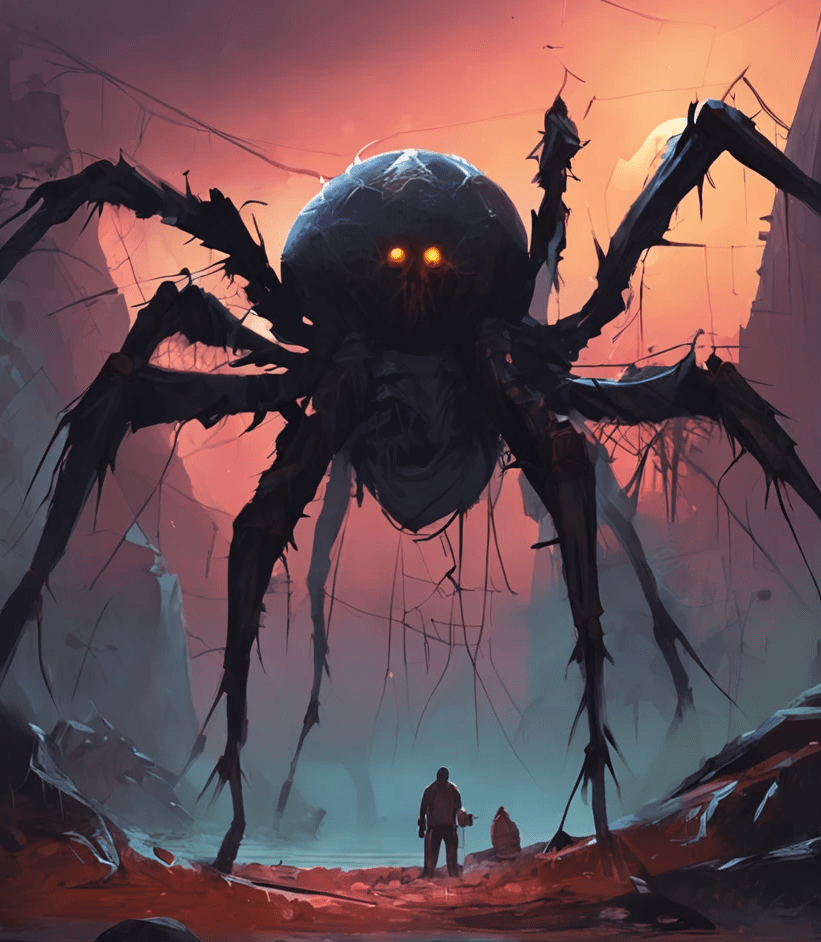
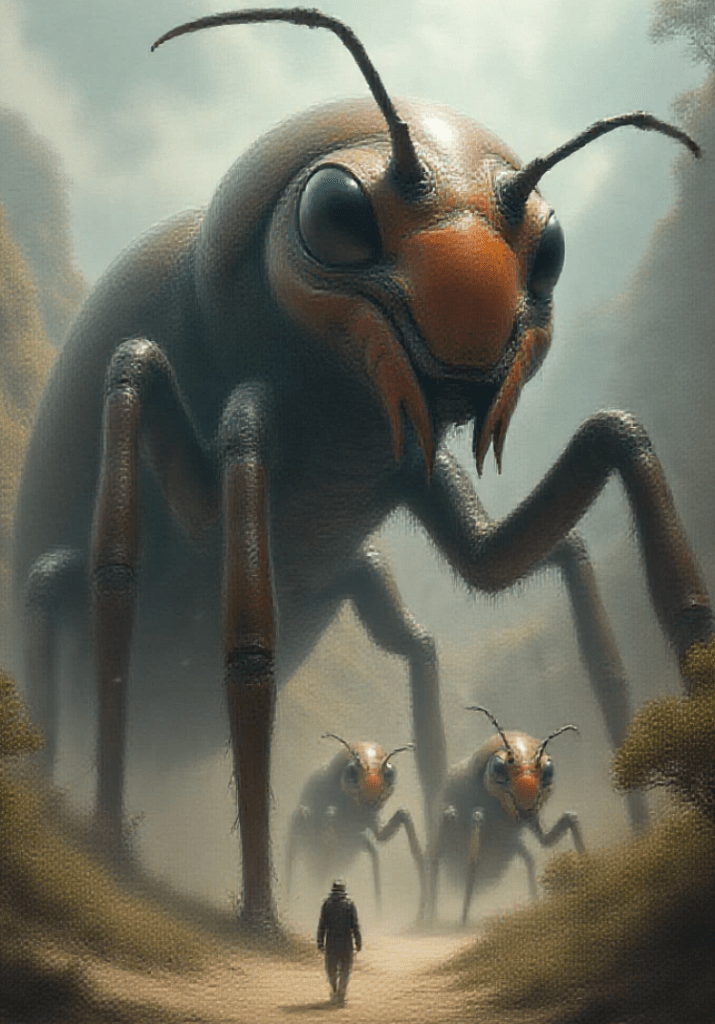
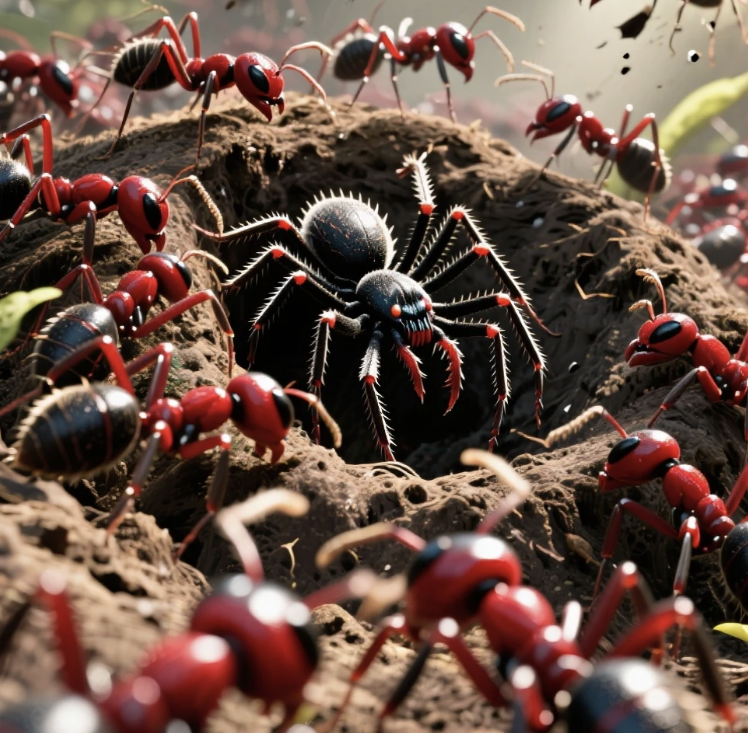


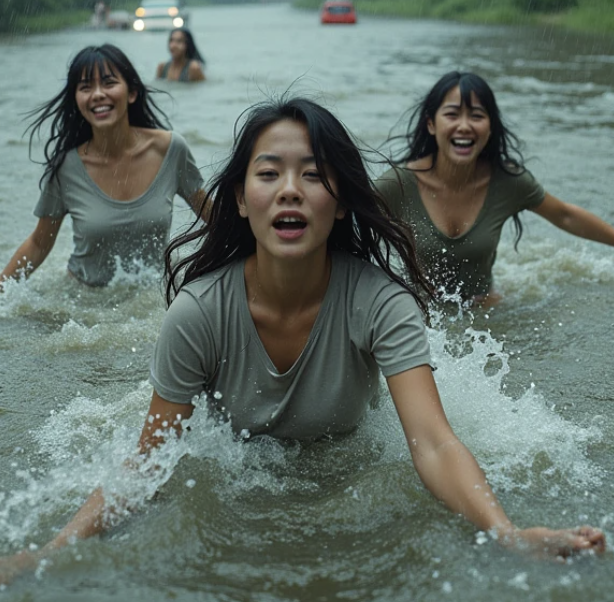










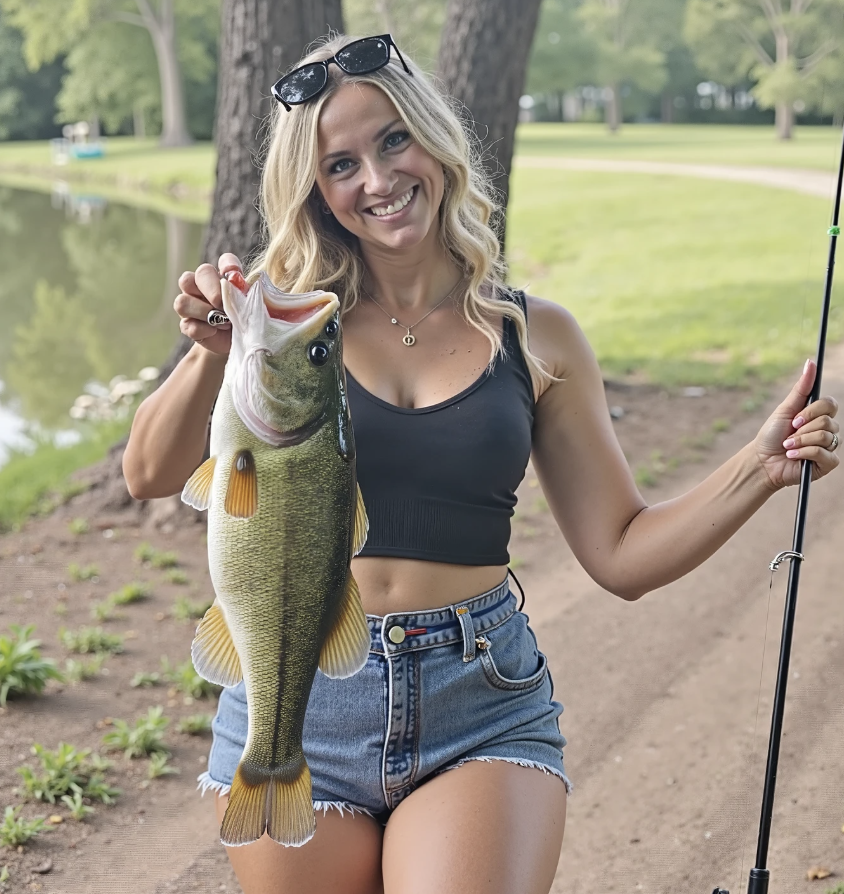
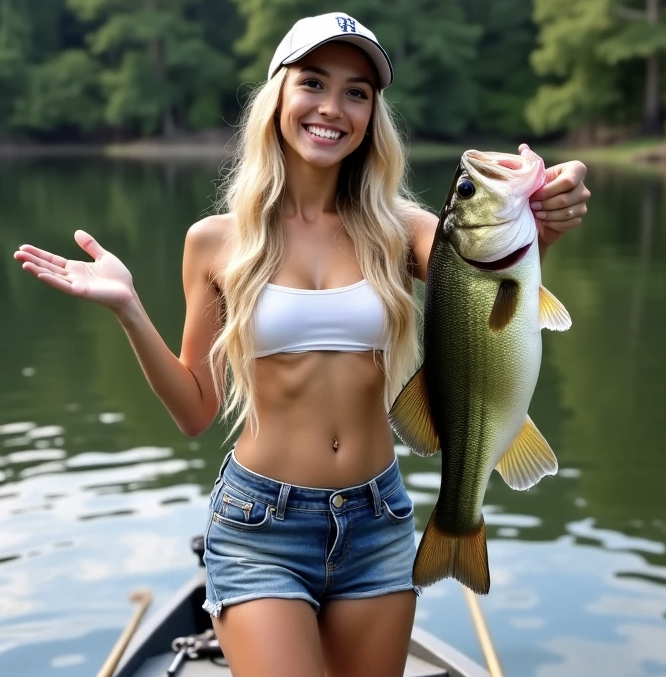
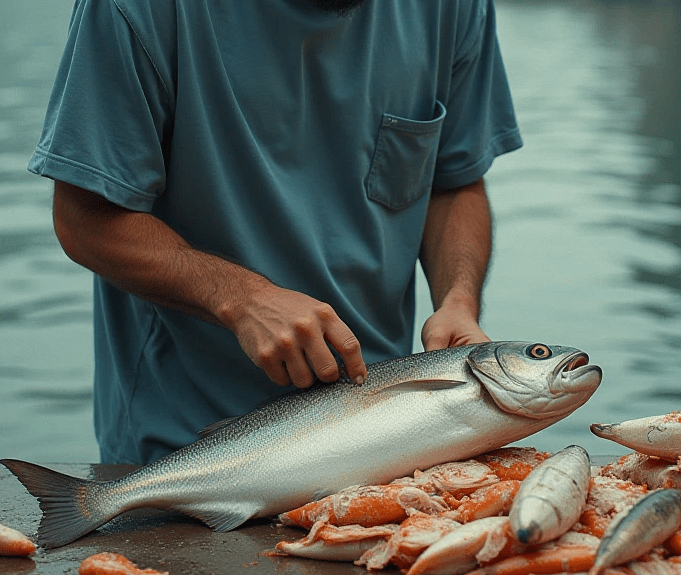


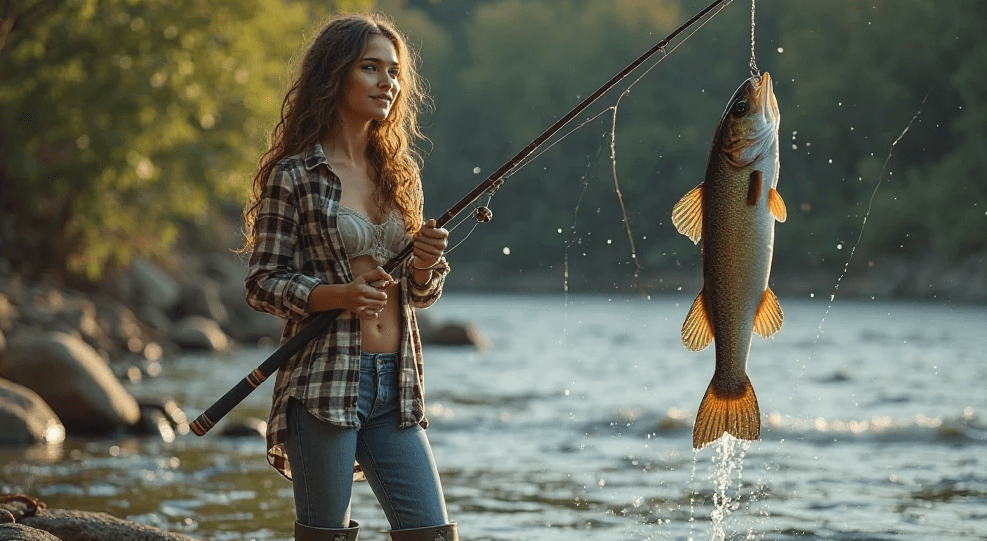

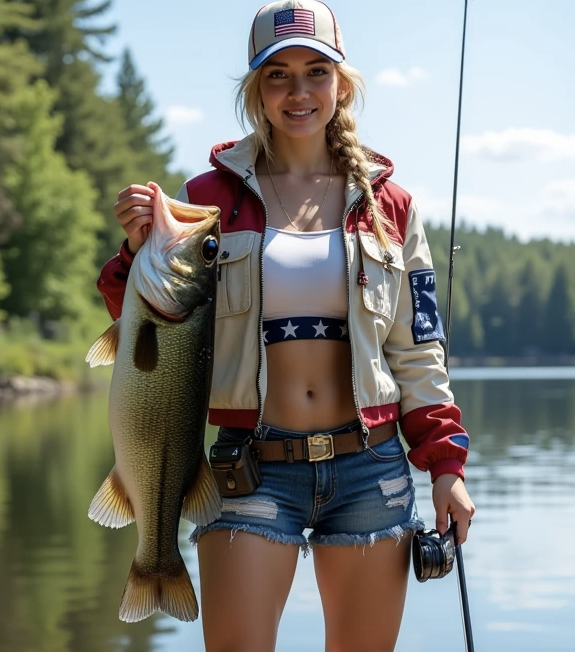



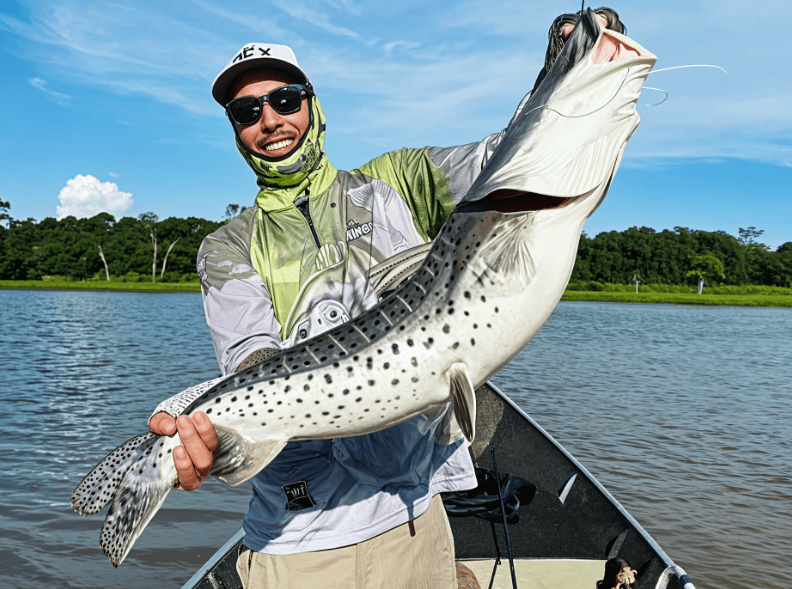
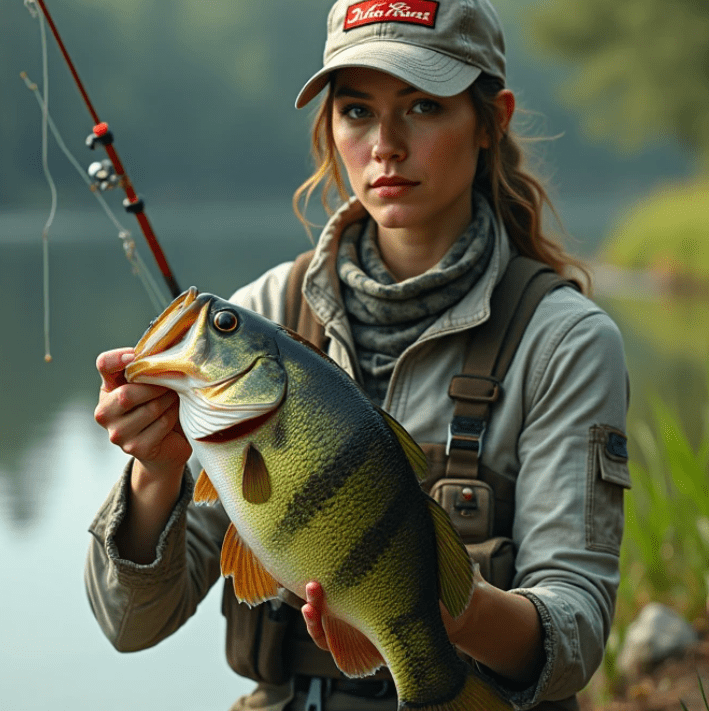















 TheDailyChristian