The Last Grocery Store Run Before the Grid Goes Dark: A Prepper’s Final Warning

You can feel a collapse long before you can prove it. The air thickens, conversations shorten, and people move with a jittery uncertainty they pretend isn’t fear. For weeks now, every expert with a tie and a microphone has insisted the power grid is “stable” or “only experiencing minor vulnerabilities.” But those of us who still use our eyes—and not the spoon-fed comfort pumped out of screens—know the truth: the grid is held together with duct tape, denial, and a hope that ran out sometime last decade.

So this morning, when the news quietly mentioned “regional instability” and “rolling disruptions,” I knew exactly what that meant: this was it. My last chance to top off supplies before the grid sputters out for good. And despite everything I’ve stockpiled over the years, despite the shelves I’ve meticulously filled and the gallons of fuel I’ve tucked away, there’s always one last run. One more pass through the grocery store to grab the things that might mean the difference between grinding through the collapse or becoming another body buried under its weight.

And of course, like clockwork, people waited until the last possible second to panic.

I threw my gear in the truck and headed into town for what I knew would be a hostile, frantic, anger-soaked sprint through a grocery store full of clueless, late-to-the-party consumers who spent years mocking preppers and are now shocked—shocked—that modern life doesn’t come with guarantees.

Walking Into the Chaos

The parking lot told the whole story before I even got inside. Cars abandoned at crooked angles. Carts left as barricades. People shouting into phones that weren’t even connected because the networks were already starting to choke. And there it was—that glazed-over look in their eyes: the realization that no one is coming to save them.

I walked through the automatic doors (thankfully still powered), and the assault hit instantly: the stench of panic sweat, the squeal of wheels pushing overloaded carts, and the sound of ten different conversations about “how this can’t really be happening” coming from people who have spent their entire lives outsourcing responsibility to systems they never bothered to understand.

Every aisle was a battlefield. Every shelf was a shrinking island of hope.

But I wasn’t there to feel sorry for them. I wasn’t there to help them wake up. I was there to finish the job—secure what I needed before the lights blinked out forever.

Item 1: Shelf-Stable Calories

The first stop was obvious: dry goods. Rice, beans, pasta—anything that stores for years and keeps a body alive. I grabbed what was left, even as two grown adults argued over the last bag of lentils like toddlers fighting over a toy. They didn’t notice I slipped behind them and pulled three bags of white rice they’d overlooked. I didn’t feel bad; their ignorance wasn’t my responsibility.

When you’ve been preparing for years, you learn to see what others don’t.

Item 2: Canned Proteins

Next was canned meat—tuna, chicken, spam, whatever hadn’t yet been ravaged by the first wave of panic shoppers. Protein will be gold when the grid dies, and hunting won’t be an option for half the people who think they’ll suddenly become wilderness experts.

Most of the shelves were stripped clean, but I managed to get a dozen cans of chili and several cans of chicken that were shoved behind fancy organic soups no one wanted. Funny how people become less picky right before the world goes dark.

Item 3: Water and Purification Supplies

Water is life, but bottled water was already gone—the shelves empty except for the plastic price tags. No surprise. People always go for the obvious.

But I knew the real score: grab bleach, grab filters, grab anything that makes questionable water drinkable.

Saw three teenage boys laughing as they tossed the last cases of bottled water into their cart, mocking the panic. I’d love to see how much laughing they’ll do once they realize one case of water lasts a family about two days, maybe three if rationed.

Meanwhile, I slipped down the cleaning aisle and filled my basket with purification essentials they didn’t even think about.

Item 4: High-Calorie “Morale Foods”

In a collapse, calories keep you alive—but morale keeps you human.

I grabbed chocolate, instant coffee, peanut butter, and the last few boxes of granola bars. These aren’t comforts—they’re psychological stabilizers. When your world shrinks to survival, a spoonful of peanut butter becomes strength, and a cup of coffee becomes hope.

People think prepping is all about ammo and generators. They forget the human mind collapses long before the body does.

Item 5: Quick-Use Foods

Anyone who’s lived through an outage knows the first few days are the worst. You need quick, no-cook food to get through the transition. I grabbed crackers, canned fruit, ready-made soups, and instant meals.

By now, the lights had started to flicker. The store manager shouted something unintelligible over the intercom, but nobody cared. The panic had gone from simmer to full boil.

The Desperation Was Palpable

I saw people crying in the aisles. Some were shouting into phones, begging family members to “get home now.” Others were staring at empty shelves as if they were staring at their own future—void, stark, unforgiving.

What infuriated me, though, was this: they had every chance to prepare. Every warning sign. Every news report hinting at instability. Every outage over the last decade, every expert saying the grid was aging, overstressed, and under-maintained.

But they ignored it all.

Because denial is a warm blanket in a cold world—right up until the blanket catches fire.

Checking Out

I got into the shortest line I could find—not that it mattered. People were frantic, dropping items, yelling, shoving. The card machines were already stalling. Someone screamed when their payment declined; someone else tried to argue their expired coupons should still apply “because this is an emergency.”

Pathetic.

I paid with cash—something else people have forgotten still has value when systems break.

As I walked back out into the parking lot, the first substation alarm in town began to wail. A low, mechanical howl rolling over the rooftops like a warning siren for the damned.

People looked around, confused. I wasn’t. I knew exactly what it meant.

Heading Home Before the Lights Go Out

The grid wasn’t collapsing.
It was collapsed. We were simply watching the echoes.

I tossed the last-gasp items into the truck, turned the engine over, and headed out of the mess before the roads clogged with panicked civilians who still believed someone would come fix this.

Because they don’t understand the truth we preppers have known for years:

When the grid goes down, it’s not just the lights that disappear.
It’s the illusion of stability.
It’s the myth of progress.
It’s the lie that society will always keep humming along politely.

And when that illusion dies, the world gets real—fast.

I didn’t make that last grocery store run because I was unprepared.
I made it because I understand something the rest of the world refuses to accept:

There is no cavalry. Only consequences.

And I intend to face those consequences with a stocked pantry, a clear head, and the grim satisfaction of knowing that while the world slept, I stayed awake.

Let the grid burn.
I’ll survive the night.
Why the Next Solar Event Will End Life As You Know It

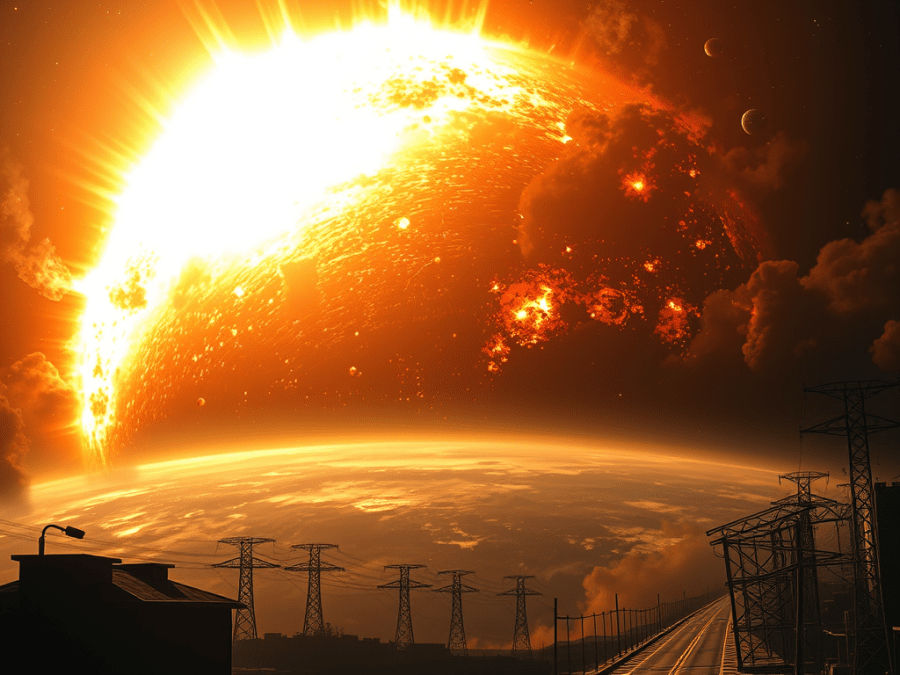
Most people walk around thinking the world is indestructible. They can’t imagine a future where their phone won’t turn on, their fridge won’t hum, and their precious streaming services won’t spoon-feed them entertainment while everything burns around them. But a single solar event—a geomagnetic storm—could wipe out the power grid in minutes, and humanity is too busy scrolling, arguing, and losing its collective mind to care.

If you’re reading this, you’re not like them. You see the cracks forming. You see the fragility. You understand that one violent burst from the sun can plunge the entire planet into darkness for months, years, or permanently.

And you’re angry—because the world refuses to take this threat seriously.

Let’s break down why a solar event is one of the most catastrophic and realistic threats to modern civilization, and why you need to prepare before you’re left in the dark with the clueless masses wondering why their microwaves don’t work anymore.


The Sun Doesn’t Care About Our Fragile Civilization

Solar events are not sci-fi. They’re not hypothetical. They’re not “overblown prepper fantasies.” The sun throws tantrums constantly—solar flares, coronal mass ejections (CMEs), and geomagnetic disturbances. Usually Earth dodges them. But every once in a while, the wrong burst hits us dead-on.

And when it does, the grid—this delicate, aging, overburdened, poorly protected patchwork of wires—doesn’t stand a chance.

Our power grid is like a 100-year-old man running a marathon: one shock and everything shuts down.


The Last Warning: The 1859 Carrington Event

In 1859, the Carrington Event slammed the earth so hard telegraph stations literally caught fire. Sparks flew from metal. Operators were shocked. Equipment melted.

That was back when the world wasn’t dependent on electronics.

Imagine that same solar event hitting today.

  • Every transformer could fry.
  • Most communication systems would fall silent.
  • GPS would fail instantly.
  • Satellites could be damaged beyond repair.
  • The internet would collapse—not temporarily, but potentially for months.

And without the internet? Society as you know it stops ticking.

But here’s the terrifying part: modern scientists estimate that a Carrington-level solar storm has a roughly 10% chance of hitting Earth per decade. You have a higher chance of experiencing a catastrophic solar event than winning the lottery, getting struck by lightning, or getting attacked by a shark.

Yet people prep for none of it.


Infrastructure Built on Hope, Denial, and Duct Tape

The power grid isn’t just fragile—it’s a disaster waiting to happen.

Most high-voltage transformers, the backbone of the grid, take months or YEARS to manufacture. They aren’t mass-produced. They’re custom-built beasts weighing up to 400 tons, requiring specialized facilities to assemble and ship.

And guess where many of them are made?

Not in your country.

Let that sink in.

If a solar storm fries dozens or hundreds of these transformers, replacement becomes a logistical nightmare. Supply chains collapse. Power stays out for extended periods. And in that darkness? Chaos grows.

Governments know this—but they don’t fix it. Too expensive, they say. Too unlikely, they claim. Meanwhile, the probability keeps rising, and the grid keeps aging.

Civilization is held together with rust, tape, and denial.


How a Solar Event Would Destroy Your “Normal Life”

People underestimate how dependent they are on electricity. They picture candlelight dinners and board games. They imagine a temporary inconvenience, like a heavy storm outage.

What they don’t picture is the complete failure of every system they rely on:

1. Water stops flowing

Electric pumps fail. Cities lose pressure. Water treatment plants shut down. Forget showers—try finding safe drinking water.

2. Fuel stops moving

Gas pumps don’t work. Refineries fail. Transportation halts. The fantasy of bugging out evaporates when your tank is empty.

3. Food supply collapses

Grocery stores have three days of inventory. Refrigeration dies. Distribution networks crash. And the average person has no idea how to feed themselves without barcodes and convenience aisles.

4. Medicine becomes scarce

Hospitals lose power. Supply chains freeze. Life-saving medications become impossible to obtain.

5. Communication ends

No phones. No internet. No news. No emergency alerts. Silence.

And in that silence, panic takes over.


People Will Turn on Each Other—Fast

You don’t need a solar storm to see how unhinged people already are. They argue over everything. They hoard at the first sign of trouble. They break down mentally if their Wi-Fi flickers.

Now imagine millions of these panicked, unprepared people left in a powerless world.

  • No AC.
  • No heat.
  • No money systems.
  • No digital infrastructure.
  • No government response capable of addressing a multi-state or national blackout.

You think society is unstable now? Wait until the lights go out for longer than 48 hours.

Without the grid, the world falls apart at lightning speed.


Why You Need to Prepare NOW—not after the next solar flare warning

Once a CME is on its way, you can’t rush out to the store. You can’t “wait and see.” There’s no last-minute prepping. There is only what you already have and what you have already built.

Preparedness starts before the panic. That’s the difference between survival and becoming part of the statistics.

Here’s what serious preppers already set up:

1. Off-grid power solutions

  • Solar generators
  • Battery banks
  • Faraday-protected equipment
  • Small-scale independent systems

If you’re relying on the grid to power your future, you’re doing it wrong.

2. Water independence

Gravity-fed systems, wells, rainwater catchment. Anything not plugged into the fragile electrical world.

3. Food resilience

Crops, storage foods, preservation skills. Canned goods and Mylar bags don’t panic when the grid collapses.

4. Communication redundancies

Ham radio, off-grid radios kept in Faraday containers, and analog backups.

5. A realistic mindset

Most people panic when the world changes. Preppers adjust, adapt, and survive.


The Sun Will Strike Again—The Only Question Is When

Solar events aren’t optional. They’re guaranteed. The only variable is timing.

The grid wasn’t built to handle a direct hit. Society isn’t mentally equipped to live without electricity. Governments aren’t prepared to restore power across regions if hundreds of transformers melt.

But you? You can be prepared.

Because when that solar storm hits, the world will be screaming in the dark—while you’re the one who saw it coming.

Utah Power Outages And How to Stay Safe With No Electricity During SHTF

When the power goes out unexpectedly—especially for days or even weeks—many people realize just how dependent they are on electricity. As a lifelong prepper and someone who cares deeply about helping others get through tough times, I want to offer you both practical skills and compassionate guidance. Whether you live in a cozy Utah suburb or out in the red rock country, preparing for blackouts isn’t paranoia; it’s wisdom.

The truth is, Utah has unique challenges during power outages: harsh winters, vast rural areas, and increasing pressure on infrastructure from population growth and climate instability. If the power grid goes down during an SHTF (S**t Hits The Fan) event, being ready can mean the difference between discomfort and disaster—or worse.

Let’s go through five essential survival skills to help you thrive without electricity, three creative DIY power hacks, three must-have products, and the five worst cities in Utah to be stuck in during a blackout. Then, we’ll talk about how to put it all together into a sustainable plan for your household.


5 Essential Survival Skills for Living Without Electricity

1. Firecraft and Heating Without Power
If the power goes out in the middle of a Utah winter, especially in the high-elevation zones like Park City or Logan, keeping warm becomes a life-or-death priority. Learn how to safely build and maintain indoor and outdoor fires. Stockpile dry firewood, invest in a wood-burning stove or indoor-rated propane heater, and know how to ventilate properly. Always have a carbon monoxide detector on standby with backup batteries.

2. Manual Water Sourcing and Purification
Your taps won’t run forever when there’s no electricity. Wells need pumps. City water systems can lose pressure or become contaminated. Every household should have at least one gravity-fed water filtration system (like a Berkey or DIY ceramic filter). Learn to collect rainwater, find natural water sources, and purify with methods like boiling, iodine tablets, and solar stills.

3. Food Preservation and Non-Electric Cooking
Once refrigeration is gone, spoilage happens fast. Learn to can, pickle, and dehydrate food. If you haven’t tried solar ovens or rocket stoves yet, they’re efficient and perfect for Utah’s sunny days. A Dutch oven and cast-iron skillet over an open flame or hot coals will also serve you well. Don’t forget: learning to make bread from scratch using natural leavening like sourdough is both comforting and sustaining.

4. Non-Electric Communication
Cell towers may stay up for a while on backup generators—but not forever. Learn to use and maintain ham radios or CB radios for local communication. Have printed local maps and know your community’s geography in case you need to travel for help or trade.

5. Security and Situational Awareness
During a long-term blackout, desperation can grow fast in urban centers. Practice situational awareness. That means knowing your neighbors, keeping a low profile when distributing supplies, and securing your home. Training in self-defense, installing manual locks, and developing a home perimeter plan could keep your family safe when tensions run high.


3 DIY Electricity Hacks for Blackout Survival

You don’t need to rely on the grid to power a few essentials. Here are three DIY hacks to produce or store electricity in a blackout:

1. Build a Bicycle Generator
A stationary bike connected to a car alternator or small generator can be a great way to generate small amounts of power—enough to charge phones, small batteries, or LED lights. You’ll need a voltage regulator and some basic tools, but there are many tutorials online to guide you.

2. DIY Solar Power Bank
Combine a small portable solar panel (20–100 watts) with a deep-cycle marine battery, charge controller, and inverter. It’s simple and scalable. You can store enough power to run a fan, charge phones, or even keep a small fridge cold for a few hours a day.

3. Thermal Energy Conversion
Use thermoelectric generators (TEGs) to convert heat from a stove or fire into usable electricity. They don’t produce a lot, but it’s enough to power LED lights or a USB-powered device. This is particularly useful in cold climates like Utah, where you’re running heat sources daily in winter anyway.


The 3 Most Important Survival Products When There’s No Electricity

If you only had three survival products to rely on during a major grid-down event, these would give you the highest chances of staying safe and healthy:

1. Multi-Fuel Stove or Rocket Stove
Cooking, boiling water, and warmth—all without power. A rocket stove is efficient, burns small sticks, and works in all weather. Better still if it runs on multiple fuels like wood, propane, or alcohol.

2. Gravity-Fed Water Filtration System
Clean water is survival priority #1. Systems like the Berkey can filter thousands of gallons of questionable water without electricity. For long-term SHTF, this could save your life.

3. LED Lanterns with Rechargeable Batteries
Safe, long-lasting lighting is essential, especially when candles are too risky or short-lived. Use rechargeable AA or AAA batteries and charge them via solar panels or bike generators.


5 Worst Cities in Utah to Lose Power During SHTF

When considering which cities in Utah would be hardest to survive in during an extended power outage, we’re looking at population density, elevation, climate severity, infrastructure weaknesses, and social dynamics. Here are the top 5 you want to prepare especially well for:

1. Salt Lake City
High population, heavy snow in winter, and a complex urban infrastructure make SLC extremely vulnerable. If stores are looted and fuel runs dry, people will be desperate. Suburbs might fare slightly better, but urban chaos can ripple out fast.

2. West Valley City
Utah’s second-largest city, West Valley has a similar problem—high density, minimal local agriculture, and large apartment complexes that become heat traps or iceboxes without power. Security concerns are also more significant here.

3. Ogden
Known for rough winters and older infrastructure, Ogden’s electrical systems aren’t as robust as they should be. It’s also a hub city, which means traffic bottlenecks and resource shortages happen fast.

4. Provo
Though home to BYU and a somewhat community-minded population, Provo’s growing tech sector and urban sprawl make it dependent on the grid. Winters can be harsh, and there’s not a ton of backup infrastructure.

5. Park City
Tourism and wealth mask a survival challenge here: high altitude, deep winter snow, and dependence on electric heat. When vacationers leave, residents may find themselves cut off from help due to snowed-in roads and empty shelves.


How to Prepare and Stay Safe

Now that you know what skills to learn, products to get, and what areas are most at risk, it’s time to form a simple, clear plan.

Step 1: Create Layers of Redundancy
Don’t just rely on one flashlight or one water source. Have backups. If your solar panel fails, you want a hand-crank option. If your propane runs out, you want a wood option.

Step 2: Practice What You Learn
Reading about survival is great, but try going one weekend a month without electricity. Cook all your meals on a rocket stove. Use only non-electric lighting. Try to wash clothes by hand. You’ll discover weaknesses in your plan that you can fix now, while it’s still easy.

Step 3: Build a Support Network
No one survives alone forever. Get to know your neighbors. Find like-minded folks in your area who are also prepping. Build a barter system or a shared emergency plan. In Utah especially, many communities are already tight-knit—you just need to lean into that.

Step 4: Stay Calm and Lead by Example
When SHTF, people will panic. But you’ve prepared. Keep your cool. Help those who need it without putting your own household in danger. Your calm presence might be what inspires others to organize instead of descend into chaos.


Final Thoughts

Living without electricity is not only possible—it’s how humans lived for thousands of years. With a little knowledge, a few tools, and a lot of heart, you can thrive even when the lights go out. Whether you’re in a city or tucked into the mountains, your readiness could mean everything for your family and even your community.

Be wise. Be kind. Be prepared.

Alabama Power Outages And How to Stay Safe With No Electricity During SHTF

When the lights go out, it’s not just about missing a game on TV or not being able to charge your phone—it’s about survival. A power grid failure, whether caused by storms, cyberattacks, infrastructure failures, or a long-term SHTF (S**t Hits The Fan) event, is no joke. And here in Alabama, where heat, humidity, and strong weather events are part of daily life, it’s especially critical to be prepared for prolonged outages.

Whether you’re living in Birmingham or in the backwoods of Blount County, learning how to survive without electricity is not just for “preppers” anymore—it’s just good common sense. Let’s talk about how to stay safe, what you need, and what you can do right now to prepare for a world without power.


5 Essential Survival Skills for Living Without Electricity

1. Water Procurement and Purification
Electricity powers our water systems. When the grid fails, your tap could run dry or worse, run dirty. Every household should know how to find, collect, and purify water. Rainwater catchment systems, natural springs, and even creeks can be viable sources. Use filters like the Sawyer Mini or LifeStraw, and always boil water when in doubt. Being able to build a fire (we’ll get to that next) is key for this.

2. Firecraft
Fire is warmth, cooked food, boiled water, and a morale booster. Learn how to start a fire without matches or a lighter. Invest in a ferro rod, practice using it, and store dry tinder (like cotton balls dipped in petroleum jelly) in waterproof containers. Knowing how to safely build and manage a fire—especially in Alabama’s wooded areas—is a skill that can literally save your life.

3. Food Preservation and Cooking Without Power
No electricity means your refrigerator becomes a giant, useless box in a matter of hours. Learn how to preserve food using salting, drying, smoking, and fermentation methods. Keep a propane camping stove, rocket stove, or solar oven handy. And always have manual tools: a hand-cranked can opener, a manual grinder, and basic cast iron cookware.

4. Basic First Aid and Hygiene
During a blackout, access to hospitals may be limited, and infection risks rise due to lack of sanitation. Learn how to clean and dress wounds, recognize infection, and treat minor injuries using basic supplies. Stock a first aid kit, and keep it updated. DIY hygiene—like making your own soap or disinfecting with bleach solutions—is also vital.

5. Situational Awareness and Security
When the lights go out, desperation goes up. Be aware of your surroundings, especially in urban environments. Practice safe perimeter checks, build community trust with neighbors, and know how to secure your property. Even something as simple as blackout curtains can protect your home from becoming a beacon of light to looters if you’re using alternative lighting.


3 DIY Electricity Hacks When the Grid Goes Down

1. Bicycle-Powered Generator
With a few parts—like a car alternator, belt, and a stationary bike—you can create a pedal-powered generator. This won’t run your whole house, but it can charge phones, radios, and small LED lights. It’s a great project to build before a disaster strikes.

2. DIY Solar USB Charger
Using a small solar panel (10-20W), a charge controller, and a USB converter, you can build a compact solar USB charger. These are especially handy for charging phones, walkie-talkies, and flashlights. Even cloudy Alabama days can give you enough juice to stay connected.

3. Hand-Crank Generator from a Power Drill
Reverse the motor of an old corded drill and connect it to a battery bank with a bridge rectifier and voltage regulator. Crank it manually to generate enough electricity to charge AA batteries or power small DC devices. Not fast, but in an emergency, it’s a lifesaver.


The 3 Most Important Survival Products to Have When There’s No Power

1. Solar Lanterns and Flashlights (Rechargeable)
Light isn’t just convenience—it’s safety. Keep a couple of solar-powered lanterns or USB rechargeable LED flashlights in every major room. Bonus if they come with USB outputs to charge your phone.

2. Portable Water Filtration System
Whether it’s a gravity-fed Berkey or a compact Sawyer Mini, a reliable water filter is non-negotiable. You can survive weeks without food, but only 3 days without clean water.

3. Backup Cooking Device (Propane or Rocket Stove)
Food brings comfort and calories. A propane stove or DIY rocket stove made from bricks or cans can be used anywhere, no electricity required. Store extra fuel or materials, and practice with it before you need to.


The 5 Worst Cities in Alabama to Be During a Blackout

While no place is great to be without power, some cities in Alabama are especially risky due to high population density, infrastructure weaknesses, and climate factors.

1. Birmingham
As Alabama’s largest city, Birmingham has a dense population and aging infrastructure. A prolonged outage here could quickly lead to civil unrest, limited access to supplies, and heat-related illness, especially in the summer.

2. Mobile
Mobile’s hurricane-prone location and swampy geography make it a bad spot during power failures. Water contamination, downed trees, and limited road access can isolate neighborhoods quickly.

3. Montgomery
The state capital’s older grid and economic inequality make some areas particularly vulnerable. During outages, emergency response tends to be slower in low-income communities, where people may not have access to generators or supplies.

4. Huntsville
Despite being tech-savvy and well-resourced, Huntsville’s reliance on electricity for so many day-to-day operations (especially for high-tech defense and research facilities) makes a blackout here disruptive on a broad scale. Expect panic buying and traffic jams quickly.

5. Tuscaloosa
College towns like Tuscaloosa can be chaotic during power failures. Student housing often lacks backup systems, and a younger population may not be well-prepared, leading to high demand and low supply of basic survival goods.


How to Stay Safe and Sane During a Blackout in Alabama

Power outages are stressful. But with the right mindset and preparation, you can weather the storm—and maybe even help others along the way. Here’s how:

  • Stay Calm – Don’t panic. Get your family together and assess your supplies.
  • Check In – Use your battery-powered or hand-crank radio to get news updates. Avoid rumors and misinformation.
  • Preserve Cold Items – Keep fridge and freezer doors closed. Move perishables into coolers with ice if needed.
  • Avoid Carbon Monoxide – Never use grills, camp stoves, or generators indoors. It’s an invisible killer.
  • Conserve Resources – Ration water, light, and food early. Don’t wait until you’re running low.
  • Stay Cool or Warm – In summer, stay shaded and hydrated. In winter, insulate rooms and dress in layers.
  • Engage the Community – Check on neighbors, especially the elderly. Share resources if you can afford to.

The most powerful survival tool isn’t something you buy. It’s your ability to adapt, stay positive, and remain resourceful in the face of challenges.


Final Thoughts from One Prepper to Another

If you’ve read this far, you’re already ahead of 90% of people who will be blindsided when the lights go out. Prepping isn’t about paranoia—it’s about peace of mind. Knowing you can keep your family safe, hydrated, fed, and protected during a crisis is empowering.

Whether you’re storing canned goods in your pantry, building a backup power system in your garage, or learning how to make fire in the rain—you’re doing the right thing. And here in Alabama, where the weather can change on a dime and the power grid is aging fast, being prepared isn’t optional. It’s essential.

Stay safe, stay kind, and keep prepping.

Idaho Power Outages And How to Stay Safe With No Electricity During SHTF

If you’ve ever lived through a power outage, you know how quickly things can go from inconvenient to life-threatening. Here in Idaho, where winters are cold, summers can be dry and hot, and some regions are quite rural, a loss of electricity—especially during a long-term SHTF (S**t Hits The Fan) scenario—can test even the most prepared among us.

Whether it’s a cyberattack on the grid, extreme weather, a wildfire, or something else entirely, knowing how to adapt quickly can make the difference between getting through it safely or struggling to survive. Today, I want to guide you through key survival skills, DIY electricity hacks, essential products, and the cities in Idaho where losing power can be most dangerous.


Why Preparing for Grid Failure in Idaho Matters

Idaho is a beautiful, rugged state, rich in natural resources and resilient people. But it also has vast rural areas, severe winters in the north and east, and hot summers in the south. We depend on the electrical grid for heat, cooling, water pumps, refrigeration, and communication. A serious power outage here can mean isolation, freezing temperatures, or lack of water—especially if you’re off the beaten path.

Blackouts might last a few hours, or they could stretch into days or even weeks. That’s why every Idahoan—or anyone living in a state with similar geographic diversity—needs to know how to survive without power.


5 Survival Skills to Master Without Electricity

Let’s start with the fundamentals. Electricity has only been part of our lives for a little over a century. People lived—and thrived—without it for thousands of years. If you can master the following five skills, you’ll be in a strong position during any blackout.

1. Water Collection and Purification

Without electricity, your well pump won’t work and city water services may fail. Learn how to collect rainwater, locate nearby natural water sources, and purify water using methods like:

  • Boiling (if you can make a fire)
  • Gravity-fed filters
  • DIY sand, charcoal, and gravel filtration
    Keep water stored ahead of time: aim for one gallon per person per day for at least two weeks.

2. Off-Grid Cooking

Electric stoves, microwaves, and even many propane ranges won’t function during a blackout. Learn how to cook safely using:

  • Rocket stoves
  • Cast iron over an open fire
  • Dutch ovens buried in coals
  • Solar ovens (especially in sunny southern Idaho)
    Cooking without electricity can be enjoyable and nourishing if you’ve prepared the right tools and skills.

3. Food Preservation

When the fridge and freezer go out, you risk losing days’ worth of food. Learn how to:

  • Can (especially pressure canning for meats and vegetables)
  • Dehydrate using solar dehydrators
  • Salt-cure or smoke meats
  • Store root vegetables in a root cellar or cool basement
    These methods have stood the test of time for a reason.

4. Heating and Cooling Your Shelter

Winter in northern Idaho can be brutal without electric heating. Understand how to insulate your home and stay warm using:

  • Wood stoves (always ventilate properly)
  • Thermal mass heating (stones warmed by fire)
  • Layered clothing and mylar blankets
  • Passive solar gain (opening curtains during the day, covering windows at night)
    In summer, ventilate your home, use shade effectively, and stay hydrated to avoid heatstroke.

5. Low-Tech Communication

In a widespread outage, cell towers may go down. Knowing how to communicate without relying on modern tech is vital. Learn how to:

  • Use shortwave/ham radios with a hand-crank or solar power
  • Set up signaling systems (mirrors, flags, or fire/smoke)
  • Create simple message boards or drop points with neighbors
    In emergencies, community coordination can be your lifeline.

3 DIY Electricity Hacks During a Blackout

When the grid fails, a little ingenuity can go a long way. While these hacks won’t power a city, they can give you light, charge small devices, or power radios—things that matter a great deal.

1. DIY Solar Battery Bank

Build a basic solar power system using:

  • A 100W solar panel
  • A deep-cycle marine battery
  • A charge controller
  • An inverter
    This setup can run lights, charge phones, power a laptop, or keep a small fridge going for short periods. It’s simple, modular, and scalable.

2. Hand-Crank Generator

Convert an old exercise bike into a hand-crank generator by attaching a car alternator to the wheel and connecting it to a battery. It takes effort, but it can charge radios, phones, or even small LED lights. Great exercise too!

3. Thermoelectric Generator (TEG)

These clever devices use the difference in temperature between two surfaces to generate power. You can use a TEG on a wood stove or campfire to charge small electronics. Look for camping-specific models that are efficient and compact.


The 3 Most Important Survival Products You’ll Need Without Electricity

When the lights go out and stay out, you don’t want to rely on last-minute scrounging. The following three products are absolute game-changers:

1. Water Filtration System

Whether it’s a gravity-fed Berkey system, a LifeStraw, or a Sawyer filter, clean water is priority #1. If you’re in the mountains of Idaho or the plains near Twin Falls, your access to water may be affected by livestock runoff, mining contamination, or sediment.

2. Alternative Light Source

Headlamps, LED lanterns, and crank-powered flashlights will make nights easier and safer. Solar-powered garden lights can be charged outside by day and used indoors by night.

3. Heat Source

A wood-burning stove or portable propane heater (like a Mr. Heater Buddy) with adequate ventilation and CO detectors can be a literal lifesaver during Idaho’s cold seasons. Even emergency thermal blankets can help maintain body heat.


5 Worst Cities in Idaho to Be Without Electricity

Idaho’s geography plays a big role in how badly an outage could affect you. Here are five cities where losing power could pose serious challenges:

1. Idaho Falls

This eastern city experiences severe winter weather, and many homes rely on electric heat. An outage in January here could be deadly without backup heating.

2. Coeur d’Alene

Beautiful, but heavily forested and prone to snowstorms, the area around Coeur d’Alene sees frequent outages and difficult road conditions. It can become quickly isolated.

3. Twin Falls

Hot, dry summers mean a lack of air conditioning can cause heat-related illnesses. Additionally, the city’s agricultural dependence means food supply chains can be disrupted if local infrastructure fails.

4. Mountain Home

High desert and a large Air Force presence could make this a strategic target in national grid failure scenarios. Water availability and summer heat are big concerns here.

5. McCall

A beloved mountain town, but remote and snowy. Limited access to outside resources during winter months makes this location vulnerable during prolonged outages.


Final Thoughts from a Survival-Minded Friend

Prepping doesn’t mean panic. It means peace of mind. You don’t have to live like a doomsday movie character to prepare for a power grid failure. You just have to think like your great-grandparents did—how to live simply, safely, and in harmony with the land.

Idaho is a state of survivalists at heart. From the ranchers of Salmon to the homesteaders near Bonners Ferry, people here have long lived with one foot in the modern world and one in the wilderness. That’s a legacy to honor—and a skill set worth passing down.

If you’re new to prepping, start small. Store extra water. Learn to cook off-grid. Practice camping in your backyard with no power. Talk to neighbors about creating a local emergency plan. Community is strength.

Remember, electricity is a tool—but not a necessity for living a full, secure life. Stay warm, stay dry, and keep learning.

NEW Survival Prepper: How to Fish Like Your Life Depended on it

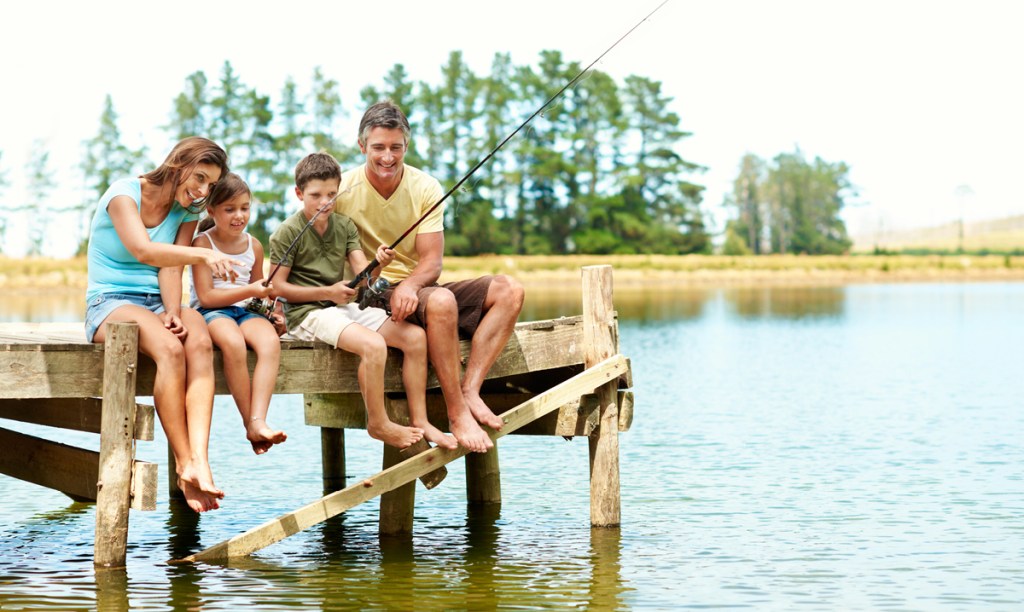
Having Fish available is one of the best ways of getting your daily protein intake during an apocalyptic situation. There’s plenty of water around, but only a few have the skills to fish for their survival. Having a distinct advantage sets you apart from others and might come in handy down the line.

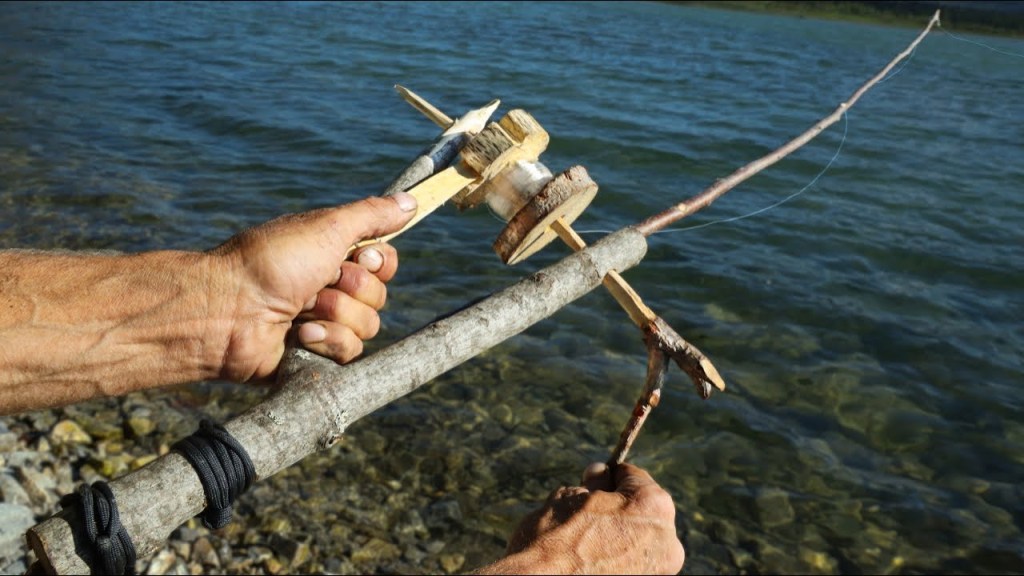
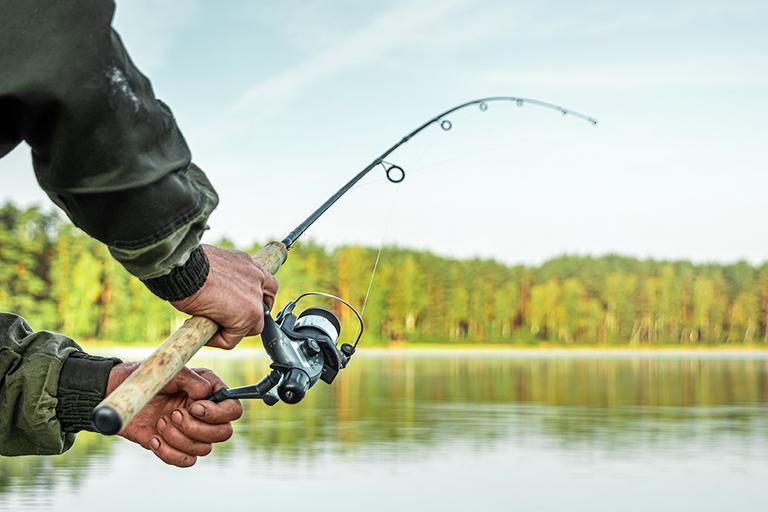
If it comes to fishing for your survival, there are a couple of different options. Like many non-preppers, you can take the more common approach and use rods and reels, but then there’s the storage issue, replacing broken equipment, and let’s not forget the cost of maintaining them. Or you can do what many other preppers prefer, which is a more raw yet simple method for survival fishing.

We’ll talk about both.

Your Fishing Gear

Start by collecting the gear you need to catch fish, this will make it more budget-friendly to stockpile the items needed over time. For your first purchase, I would go with a survival fishing pole. They are easy to store and lightweight, but not the most effective for catching fish. 

I can tell you this though, they’re way better than a stick, rope, and hook. 

As for your reel, go with whatever you can afford. In a survival situation, it’s not going to matter what brand your reel is or where you got it from. You just need to make sure it gets the job done.

Live Bait Vs. Artificial Lures

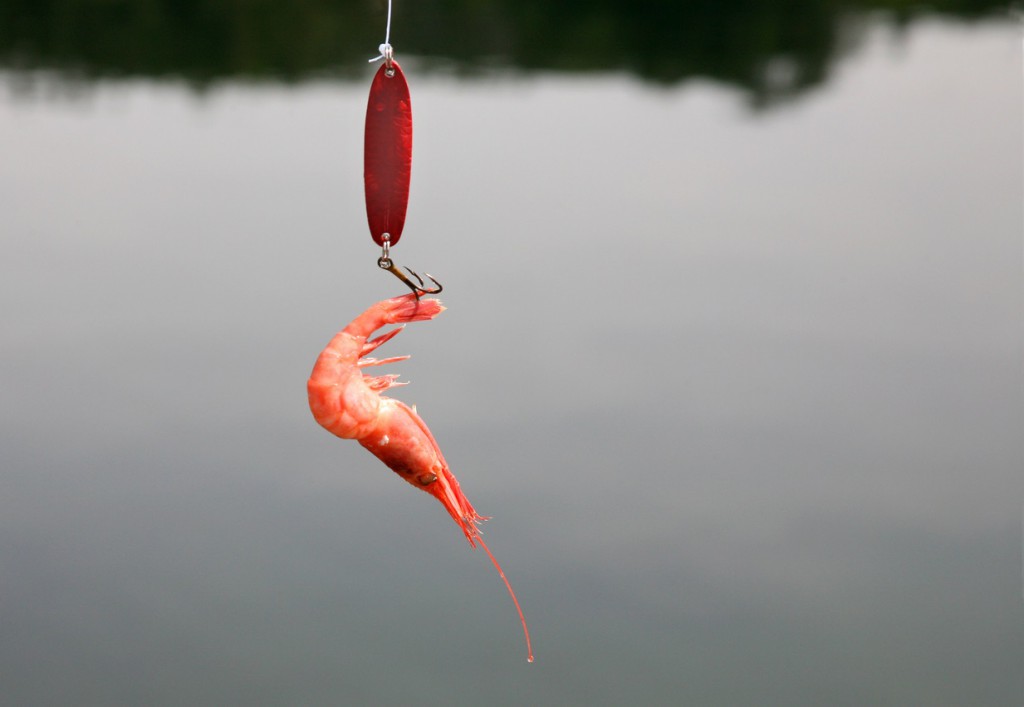
Honestly, you want to go with the most basic option possible if you’re choosing artificial lures. All that matters is you being able to catch fish, and it needs to be quick and efficient. Also, make sure you have a variety of sizes in lures anywhere from 1.5 inches – 6 inches in length. If you come across a small stream, the small lure would be perfect to catch something quick to eat. Regardless of if you’re trying to feed an entire family or just yourself, your focus needs to be on quantity over quality and on finding ways to make the fish last.

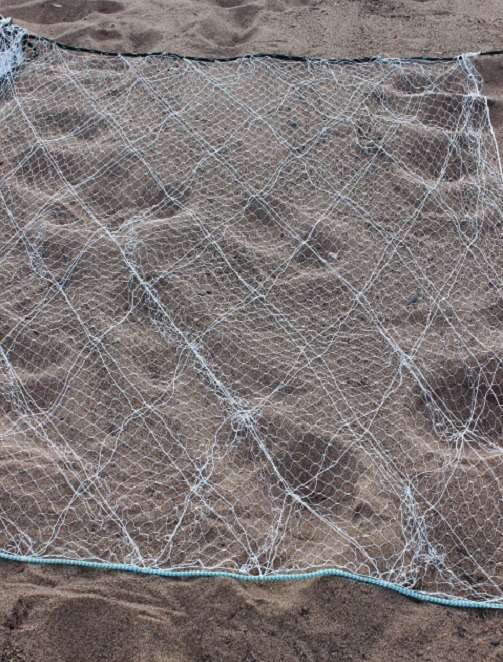
Netting 

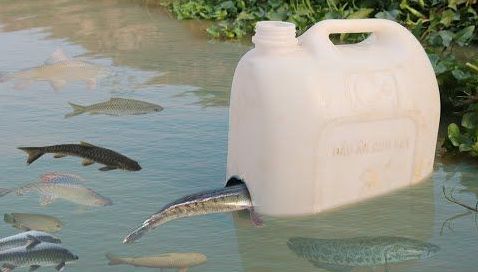
If want to take a more simple approach, there are plenty of options. Netting or trapping for one, and there are a number of different nets you can use. This is a passive form of fishing which is preferred because it allows you to do something else while you’re fishing in most cases. 

  Here are some options for netting: 

Trotlines – One of the most primitive and passive ways of survival fishing. You attach a mainline on both sides of the river or pond and then hang secondary lines down into the water with bait on them. The secondary lines get weights, so they rest near the bottom of the water, and the baited hooks will stay in place until you return to see if you caught anything.

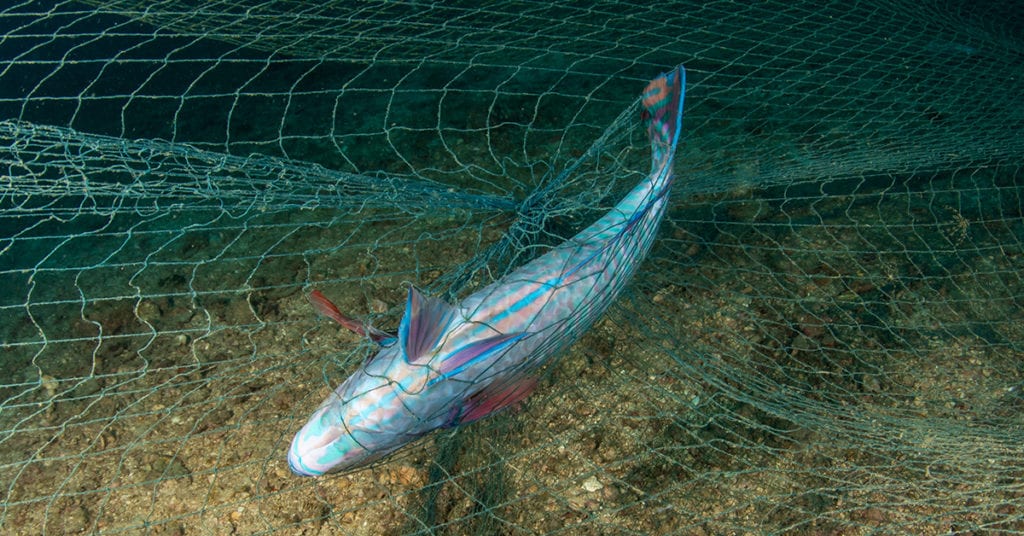
Gill nets – A nylon net with large enough openings for the fish to swim through until they reach the gills. Making it the perfect passive fishing strategy because while you’re getting other things set up, you can check on the net at any time. This important method is great when you need to provide food for more than one person. 

Drift nets – A drift net functions in a similar way but requires you to have a vessel to pull the net. The net is moving through the water, it will also grab anything that passes through it. Using this method, you’ll want to bug out near a popular river or stream system.

Killing and cleaning your catch 

As a part of the “circle of life”, we need to appreciate and respect our catch, especially for situations where our survival depends on it. Here is a simple way of cleaning your fish if you don’t have any other way: 

  • Find a rock with sharp edges.
  • Put the fish on a hard flat surface
  • Use one hand to secure it in place
  • Use the rock to strike it right above the eye with a large amount of force
  • This will stun the fish but not kill it, be sure to repeat this a few times

Fishing during a survival crisis is a great way to source rich in protein foods in the event of a food shortage or power grid failure. Learning skills that we can rely on is essential during emergency situations.

Always remember, it’s always better to prep in advance rather than wait until it’s a SHTF situation.