Hillary Mocks Trump For Saying the ‘EMMYS’ are Rigged

Watching Hillary Clinton and Donald Trump debate in 2016 felt less like a civic exercise and more like standing in the checkout line during a power outage while two strangers argue over the last pack of batteries, and as a professional survival prepper I can tell you right now that moments like this are exactly why I label my shelves and don’t trust systems that claim they’ll always work the way they’re supposed to. Hillary comes out swinging with that practiced, calm-but-sharp tone, zeroing in on Trump’s greatest recurring hobby—declaring literally everything “rigged”—and she does it the way a seasoned debater does, smiling politely while lighting the match, pointing out that according to Trump, the election is rigged, the media is rigged, the polls are rigged, the courts are rigged, and yes, even the Emmys are apparently rigged because The Apprentice didn’t win every single shiny statue available like it was supposed to sweep Best Drama, Best Comedy, Best Supporting Actor, Best Hair, and maybe Best Documentary About How Great Donald Trump Is.

The crowd reacts, half laughing, half gasping, and Trump does that thing where he grins like someone just accused him of hoarding water and he’s proud of it, because to him the accusation isn’t an insult, it’s proof of foresight, and as someone who actually hoards water, I recognize that look immediately. Hillary frames the Emmy comment like a punchline, suggesting Trump believes his show deserved every award every year forever, and from a comedy standpoint it lands because it taps into something universally relatable: we all know that guy who thinks the referee is biased, the dealer is cheating, and the vending machine is personally out to get him. But from a prepper standpoint,

-WATCH THE 20 SECOND CLIP HERE-

I’m sitting there thinking, well yes, institutions do fail, systems do get gamed, and sometimes the vending machine really is rigged against you, which is why I don’t rely on vending machines or award shows for my sense of stability. The audience, however, cheers louder for Trump, and that’s the fascinating part, because in a room full of people watching a debate moderated by the rules of democracy, they respond more enthusiastically to the guy who treats the whole thing like a collapsing supply chain. Trump fires back with that familiar mix of grievance and bravado, essentially saying that when you’ve been treated unfairly as often as he has—by networks, by elites, by award committees who somehow failed to recognize the cinematic brilliance of boardroom finger-pointing—you learn not to trust the process, and the crowd eats it up like it’s freeze-dried beef stroganoff during a blackout. Hillary keeps pushing the point, painting Trump as a man who cries “rigged” whenever the scoreboard doesn’t say what he wants, and she’s right in the way that’s technically correct but emotionally ineffective, because while she’s arguing from the rulebook, Trump is arguing from the bunker. As a survival prepper, I’ve learned that people don’t cheer for the guy explaining how the grid is supposed to function; they cheer for the guy who already bought solar panels and doesn’t care if it goes down. The Emmy joke becomes symbolic of something bigger: Hillary sees Trump’s complaints as narcissism, while Trump’s supporters hear them as vigilance, a warning flare shot into the sky saying don’t trust the system just because it told you to relax.

The crowd noise makes that clear, swelling louder for Trump not necessarily because they think he deserved an Emmy sweep, but because they recognize the instinct behind the complaint, that deep suspicion that the game is tilted and the house always wins unless you flip the table. From a stand-up perspective, the whole exchange is comedy gold because it’s two people talking past each other using the same word—rigged—but meaning completely different things, like one person saying “storm coming” and the other saying “but the forecast says sunny,” and as a prepper I side with the guy already filling sandbags. Hillary’s delivery is sharp, polished, and devastating in theory, but theory doesn’t keep the lights on, and Trump’s chaotic, grievance-fueled responses resonate with an audience that senses instability even if they can’t articulate it.

The debate becomes less about policy and more about worldview: Hillary believes in fixing the system from within, Trump believes the system has been compromised so thoroughly that complaining loudly is itself a form of defense, and the Emmy line, ridiculous as it sounds, is the perfect microcosm of that divide. The crowd cheering for Trump isn’t cheering for his television legacy; they’re cheering for the idea that someone is finally saying out loud what preppers have been muttering to themselves for years while stacking supplies in the garage, that you don’t wait for permission to notice something’s wrong. As a comedian, I laugh because the idea of Trump demanding every Emmy is absurd; as a prepper, I nod because distrusting centralized judgment has kept my pantry full and my stress levels low.

By the end of the exchange, Hillary looks incredulous, Trump looks energized, and the audience sounds like they’ve picked a side not based on who told the better joke, but who feels more prepared for a future where the scoreboard might stop working entirely, and that’s the real punchline of the 2016 debate: one candidate is arguing about fairness in a functioning system, the other is arguing like the system might collapse at any moment, and history has taught anyone with a go-bag that the second mindset, while messier, is often the one people cheer for when the lights start flickering.


Florida’s Kill List: 10 Dangers Most Residents Underestimate

Florida is paradise—until it isn’t.

As a survivalist and preparedness professional, I don’t view Florida through rose-colored glasses. I view it as an environment of extremes: heat, water, weather, wildlife, traffic, and human behavior all converging in ways that can turn deadly fast.

Most people who die in Florida did not expect to die that day. They were driving to work. Swimming on vacation. Riding a motorcycle. Waiting out a storm. Trusting that “it probably won’t happen to me.”

That assumption is what kills people.

This article breaks down the top 10 non–old-age ways people commonly die in Florida, explains why they die, and—most importantly—what you must do to avoid becoming another statistic.

This isn’t fear-mongering. This is situational awareness, risk management, and survival discipline.


1. Motor Vehicle Crashes (Cars, Motorcycles, Pedestrians)

Why People Die

Florida’s roads are among the most dangerous in the country due to:

  • High tourist traffic
  • Elderly drivers mixed with aggressive drivers
  • Distracted driving (phones, GPS, rideshares)
  • Heavy rain reducing visibility
  • High motorcycle usage year-round
  • Pedestrian-unfriendly road design

Motorcycles are especially lethal here. No seasonal break means constant exposure, and Florida has no helmet requirement over age 21—a decision that costs lives every year.

Pedestrians die because drivers don’t expect them, and pedestrians assume drivers see them.

How to Survive

  • Drive like everyone else is about to do something stupid
  • Never assume right-of-way means safety
  • Wear a helmet on a motorcycle regardless of the law
  • Avoid driving during peak tourist hours if possible
  • Increase following distance during rain
  • If walking, wear reflective gear at night
  • Teach your family that crossing legally does NOT mean crossing safely

Survival Rule: Steel and speed always win. Don’t test it.


2. Drowning (Ocean, Lakes, Pools, Canals)

Why People Die

Florida has more water hazards than almost anywhere else:

  • Rip currents
  • Canals with steep sides
  • Retention ponds
  • Backyard pools
  • Alcohol + water = disaster

Many drownings involve strong swimmers who panic, underestimate currents, or suffer exhaustion.

Children drown silently. Adults drown confidently.

How to Survive

  • Learn how rip currents work (float, don’t fight)
  • Never swim alone in open water
  • Avoid canals—steep walls make escape nearly impossible
  • Fence pools properly and use alarms
  • Wear life vests when boating or kayaking
  • Treat alcohol near water as a lethal risk multiplier

Survival Rule: Water does not forgive arrogance.


3. Hurricanes and Storm-Related Deaths

Why People Die

People rarely die from the wind itself. They die from:

  • Flooding
  • Falling trees
  • Power outages and heat exposure
  • Carbon monoxide poisoning from generators
  • Driving into floodwaters

The most dangerous phase is after the storm, when people take risks too soon.

How to Survive

  • Evacuate when told—don’t gamble with storm surge
  • Never run generators indoors or near windows
  • Assume all downed power lines are live
  • Store water, food, and medications ahead of time
  • Do not drive through standing water—depth is deceptive

Survival Rule: You can’t “tough out” water and electricity.


4. Heat-Related Illness (Heat Stroke & Dehydration)

Why People Die

Florida heat kills quietly and efficiently:

  • High humidity prevents sweat from cooling the body
  • People underestimate dehydration
  • Outdoor workers push too hard
  • Elderly and homeless populations are highly vulnerable

Heat stroke can occur even in physically fit individuals.

How to Survive

  • Hydrate before you’re thirsty
  • Replace electrolytes, not just water
  • Take shade breaks
  • Wear light, breathable clothing
  • Learn early signs: confusion, dizziness, headache
  • Never leave children or pets in vehicles

Survival Rule: Your body is not designed for Florida summers without preparation.


5. Firearms (Accidental, Criminal, and Domestic)

Why People Die

Firearm deaths are rarely random. They occur due to:

  • Unsafe handling
  • Domestic disputes
  • Escalated arguments
  • Poor storage practices
  • Criminal activity in high-risk areas

Most firearm deaths involve someone the victim knows.

How to Survive

  • Practice strict firearm safety rules
  • Secure weapons from children
  • Avoid confrontations—especially road rage
  • Know your surroundings
  • If armed, get real training—not YouTube training

Survival Rule: The best fight is the one you avoid.


6. Falls and Traumatic Injuries (Non-Elderly)

Why People Die

Falls kill more than people realize:

  • Ladders
  • Roof work
  • Construction accidents
  • Alcohol involvement
  • Poor safety practices

Many fatal falls involve confidence, not incompetence.

How to Survive

  • Use proper safety equipment
  • Don’t rush physical tasks
  • Avoid working alone at heights
  • Skip alcohol before physical labor
  • Respect gravity—it always wins

Survival Rule: Shortcuts cost lives.


7. Boating Accidents

Why People Die

Florida leads the nation in boating incidents due to:

  • High boat ownership
  • Alcohol use
  • Inexperience
  • Lack of life jackets

Drowning after falling overboard is the most common cause.

How to Survive

  • Always wear a life jacket
  • Designate a sober operator
  • Check weather before departure
  • File a float plan
  • Carry emergency signaling devices

Survival Rule: The ocean doesn’t care how expensive your boat is.


8. Alligator and Wildlife Attacks (Rare but Real)

Why People Die

Attacks happen because:

  • People ignore warning signs
  • Swim in freshwater
  • Walk pets near water
  • Feed wildlife

Florida’s wildlife is not domesticated, no matter how familiar it looks.

How to Survive

  • Never swim in freshwater
  • Keep pets away from shorelines
  • Avoid dusk and dawn near water
  • Never feed wildlife
  • Respect posted warnings

Survival Rule: Wild animals are not characters—they are predators.


9. Drug Overdoses (Prescription and Illicit)

Why People Die

Overdoses occur from:

  • Mixing substances
  • Unknown potency
  • Lack of tolerance
  • Using alone
  • Mental health crises

Florida has long struggled with opioid and fentanyl exposure.

How to Survive

  • Avoid mixing drugs and alcohol
  • Never use unknown substances
  • Seek help early
  • Carry naloxone if at risk
  • Check on friends—don’t assume they’re “sleeping”

Survival Rule: Your body is not a chemistry experiment.


10. Violent Crime (Situational, Not Random)

Why People Die

Violence typically occurs due to:

  • Escalation
  • Being in high-risk environments
  • Poor situational awareness
  • Alcohol-fueled decisions

Random violence is rare. Predictable patterns are common.

How to Survive

  • Trust your instincts
  • Avoid sketchy areas unnecessarily
  • Don’t engage in ego battles
  • Maintain situational awareness
  • Have a personal safety plan

Survival Rule: Awareness is armor.


Important Survival Mindset for Florida

Florida is not unsafe—but it is unforgiving.

People don’t die here because they’re unlucky.
They die because they:

  • Ignore warnings
  • Overestimate their abilities
  • Underestimate the environment
  • Assume tomorrow is guaranteed

Preparedness is not paranoia.
It’s respect for reality.

To all you lovely Floridians: Stay alert. Stay humble. Stay alive.

Paradise Can Kill You: The Top 10 Ways People Die in Hawaii

Hawaii looks like paradise. Turquoise water. Warm trade winds. Lush mountains. Smiling faces.

But paradise has teeth.

I’ve spent years living, training, diving, and hunting in Hawaiian waters and wilderness. I’m a survivalist by trade and mindset, a prepper by necessity, and a shark hunter because understanding apex predators keeps you alive—both in the ocean and on land.

Most people who die in Hawaii don’t die peacefully in their sleep at 90. They die suddenly, violently, or because they underestimated this place.

Hawaii is not Disneyland. It is raw, wild, and indifferent to human error.

This article breaks down the top 10 non–old-age-related ways people die in Hawaii, why they die, and what you must do to avoid becoming another statistic.

This isn’t fear-mongering. This is survival intelligence.


1. Drowning (Ocean, Rivers, and Flash Floods)

The #1 silent killer in Hawaii

Why People Die This Way

Drowning is the leading non-age-related cause of death in Hawaii. Locals know this. Tourists ignore it.

Common reasons:

  • Underestimating rip currents
  • Swimming at unprotected beaches
  • Entering the ocean during high surf advisories
  • Alcohol use before swimming
  • River swimming during rain (flash floods)
  • Overconfidence in personal swimming ability

Hawaii’s ocean is not a pool. It’s a moving battlefield.

Rip currents here are fast, powerful, and invisible. Rivers can turn lethal in minutes due to upstream rain—even when skies are blue where you’re standing.

How to Survive It

Ocean Survival Rules:

  • Swim only at lifeguarded beaches
  • Learn to spot rip currents (dark channels, fewer breaking waves)
  • If caught in a rip: DO NOT FIGHT IT
    • Float
    • Signal
    • Swim parallel when released
  • Never turn your back on the ocean
  • Don’t swim alone

River Survival Rules:

  • If it rained anywhere inland, stay out
  • Avoid narrow valleys and waterfalls after storms
  • Heed warning signs—they exist because people died

Survival mindset: The ocean doesn’t care how confident you feel.


2. Motor Vehicle Accidents (Cars, Motorcycles, Scooters)

Why People Die This Way

Hawaii has narrow roads, blind curves, steep cliffs, and distracted drivers.

Top killers:

  • Speeding on unfamiliar roads
  • Driving tired or intoxicated
  • Tourists unfamiliar with terrain
  • Motorcycle crashes
  • Scooter accidents without helmets

Rain turns roads slick. Locals drive aggressively. Tourists hesitate at the worst moments.

That mix kills people.

How to Survive It

  • Drive defensively, not politely
  • Assume others will do something stupid
  • Avoid night driving in rural areas
  • Never speed on coastal or mountain roads
  • Wear helmets—always
  • If riding a motorcycle: assume invisibility

Prepper rule: Metal, speed, and terrain are unforgiving.


3. Hiking Accidents and Falls

Why People Die This Way

Instagram kills hikers.

People die from:

  • Hiking unmaintained trails
  • Slipping on wet volcanic rock
  • Heat exhaustion
  • Getting lost
  • Falling from ridges or waterfalls

Hawaii’s terrain is vertical and unstable. Mud becomes grease. Rocks crumble. One misstep can mean a 200-foot drop.

How to Survive It

  • Research trails before hiking
  • Avoid “illegal” or “closed” trails
  • Wear real hiking shoes, not sandals
  • Bring more water than you think you need
  • Start early; finish early
  • Tell someone where you’re going

If you don’t see locals hiking it—don’t hike it.


4. Drug Overdose (Including Prescription Drugs)

Why People Die This Way

Hawaii has a serious substance abuse problem beneath the surface beauty.

Common causes:

  • Opioids
  • Methamphetamine
  • Mixing drugs with alcohol
  • Unregulated street drugs
  • Tourists partying harder than their bodies can handle

Isolation increases risk. Help arrives slower in rural areas.

How to Survive It

  • Avoid unknown substances
  • Never mix drugs and alcohol
  • Use the buddy system
  • Carry naloxone if you or friends are at risk
  • Know your limits—and respect them

Survival isn’t macho. It’s disciplined.


5. Suicide

Why People Die This Way

Island life can feel isolating. Cost of living is brutal. Mental health resources are stretched thin.

People struggle silently.

How to Survive It

  • Stay connected
  • Seek help early
  • Watch for signs in others
  • Remove access to lethal means during crisis
  • Understand that asking for help is survival, not weakness

Even the strongest warriors need backup.


6. Shark Attacks (Yes, They Happen)

Why People Die This Way

Shark fatalities are rare—but when they happen, they’re violent and fast.

Contributing factors:

  • Murky water
  • Dawn and dusk swimming
  • Fishing activity nearby
  • Wearing shiny objects
  • Bleeding wounds

Sharks are not monsters. They are apex predators doing their job.

How to Survive It (From a Shark Hunter)

  • Avoid swimming at dawn/dusk
  • Stay out of murky water
  • Never swim near fishermen
  • Remove shiny jewelry
  • If attacked: fight back—eyes, gills, snout
  • Get out fast and control bleeding

Respect sharks. Understand them. Fear ignorance, not teeth.


7. Homicide and Violent Crime

Why People Die This Way

Most violence happens between people who know each other, often involving drugs, alcohol, or domestic disputes.

Tourists are rarely targeted—but complacency kills.

How to Survive It

  • Avoid high-risk neighborhoods at night
  • Don’t escalate conflicts
  • Trust your instincts
  • Secure your home
  • Situational awareness beats weapons

Survival starts with avoidance.


8. Fire and Carbon Monoxide Poisoning

Why People Die This Way

Common causes:

  • Faulty wiring
  • Improper generators
  • Grilling indoors
  • No smoke detectors
  • Poor ventilation

Hawaii homes often lack basements and firebreaks. Fires spread fast.

How to Survive It

  • Install smoke and CO detectors
  • Never use grills indoors
  • Use generators outside only
  • Have fire extinguishers
  • Practice evacuation plans

Fire doesn’t warn you. Prepare anyway.


9. Heat Illness and Dehydration

Why People Die This Way

People underestimate tropical heat.

Causes:

  • Hiking without water
  • Alcohol dehydration
  • Working outdoors without breaks
  • Ignoring early symptoms

Heat kills quietly.

How to Survive It

  • Hydrate constantly
  • Wear light clothing
  • Take shade breaks
  • Know heat exhaustion signs
  • Respect your limits

Water is life. Treat it that way.


10. Natural Disasters (Volcanoes, Flash Floods, Tsunamis)

Why People Die This Way

Hawaii is geologically alive.

Threats include:

  • Lava flows
  • Volcanic gas
  • Earthquakes
  • Tsunamis
  • Flash floods

People die when they ignore warnings.

How to Survive It

  • Know evacuation routes
  • Monitor alerts
  • Have go-bags ready
  • Don’t sightsee disasters
  • Obey authorities

Nature always wins. Adapt or perish.


Final Survival Thoughts from the Field

Hawaii doesn’t kill people randomly.

People die here because they assume paradise means safety.

Survival is about:

  • Awareness
  • Preparation
  • Respect for environment
  • Discipline

Whether you’re swimming, driving, hiking, partying, or just living—Hawaii demands humility.

Survive long enough, and you’ll see its beauty isn’t fragile—it’s lethal.

And it’s worth respecting.

Alaska’s Deadliest and Ugliest BUGS: Survival Prepper Advivce from a Man Who Should’ve Been on FRIENDS

I didn’t come to Alaska because I loved the cold.
I came here because I needed to disappear.

Hollywood didn’t want me. Casting directors didn’t want me. Eighty auditions during the late-1990s sitcom pilot season, and not one callback that mattered. And yes, I told people I landed the role of “Joey” on FRIENDS. I told them all. I believed it long enough that the lie became heavier than the truth.

When the lie collapsed, I did what any rational, broken, angry almost-actor would do: I went north. Far north. Somewhere nobody asked questions, and where survival mattered more than stories.

Alaska doesn’t care who you were supposed to be.
Alaska only cares whether you’re prepared.

And most people aren’t.

When folks think about Alaska killing them, they imagine bears, blizzards, or falling through ice. They don’t think about insects. They don’t think about the things that crawl, bite, sting, swarm, and inject your body with reactions you didn’t plan for.

That’s a mistake.

Because while Alaska doesn’t have jungles or deserts, it does have insects that can absolutely end your life—not dramatically, not cinematically, but quietly, efficiently, and without apology.

This article is about those insects.
And it’s about what I carry in my bug-out bag because I’ve learned the hard way that nature doesn’t give second chances, and neither does denial.


Why Insects in Alaska Are More Dangerous Than You Think

Let’s clear something up right now:
Alaska doesn’t need venomous spiders or exotic scorpions to be deadly.

What it has instead is isolation, extreme reactions, and limited access to help.

An insect bite that might be inconvenient in a city can become fatal in the Alaskan backcountry because:

  • Medical help may be hours—or days—away
  • Weather can ground aircraft
  • Allergic reactions don’t wait for rescue
  • Infections thrive in cold, wet environments
  • Swarms don’t stop when you panic

In Alaska, the danger isn’t just the insect.
It’s the context.

And context is everything.


1. Mosquitoes: Alaska’s Most Dangerous Insect (Yes, Really)

Everyone laughs at mosquitoes until they stop laughing.

Alaska mosquitoes are not the delicate, polite insects you remember from childhood summers. These are aggressive, persistent, swarming blood-seekers that emerge in numbers so large they look like weather patterns.

Why Mosquitoes Are Dangerous in Alaska

Mosquitoes in Alaska are dangerous for three primary reasons:

  1. Sheer Volume
    In some regions, mosquito density is among the highest on Earth. You don’t get bitten once—you get bitten hundreds of times in minutes.
  2. Severe Allergic Reactions
    Some people experience extreme swelling, systemic reactions, or breathing issues after repeated bites.
  3. Secondary Effects
    • Infection from excessive scratching
    • Blood loss in extreme cases
    • Hypothermia risk when you stop moving to escape them
    • Panic, which leads to bad decisions

People underestimate mosquitoes because they don’t look dramatic. That’s how they win.

Survival Reality Check

If you’re miles from shelter and mosquitoes force you to stop moving, remove gloves, or expose skin, you’re already losing.

In Alaska, mosquitoes don’t just bite you.
They control your behavior.

And anything that controls your behavior in the wilderness can kill you.


2. Black Flies: Small, Silent, and Relentless

Black flies don’t buzz.
They don’t warn you.
They just appear.

And then they start biting.

Why Black Flies Are Dangerous

Black flies are especially dangerous because:

  • Their bites slice the skin instead of puncturing it
  • Bleeding can continue longer than expected
  • Swarms can overwhelm exposed skin rapidly
  • Bites often swell significantly

In remote areas, multiple black fly bites can cause:

  • Intense inflammation
  • Fever-like symptoms
  • Fatigue and weakness
  • Risk of infection

Again, none of this is dramatic.
That’s what makes it dangerous.

You don’t collapse.
You deteriorate.


3. No-See-Ums (Biting Midges): Psychological Warfare in Insect Form

If mosquitoes are bullies, no-see-ums are sadists.

You don’t feel them at first.
You don’t see them.
Then hours later, your skin is on fire.

Why No-See-Ums Matter

These microscopic insects:

  • Penetrate standard mosquito netting
  • Cause delayed reactions
  • Create clusters of intensely itchy bites
  • Lead to excessive scratching and broken skin

In Alaska’s damp climate, broken skin is an open invitation for infection.

I’ve seen grown adults mentally unravel after a night of no-see-um exposure. Sleep deprivation alone can get you killed in the wilderness.


4. Wasps, Hornets, and Yellowjackets: The Real Sting Threat

Alaska doesn’t have tropical wasps, but what it does have is territorial, aggressive stinging insects that do not tolerate mistakes.

Why Stinging Insects Are a Serious Threat

  • Multiple stings can overwhelm the body
  • Allergic reactions can escalate rapidly
  • Nests are often hidden in brush or woodpiles
  • Encounters happen suddenly

In the backcountry, there’s no ambulance.
There’s no quick injection unless you brought it.

You don’t need to be “deathly allergic” for stings to become life-threatening. Sometimes the body just decides it’s had enough.


5. Ticks: Slow, Quiet, and Potentially Devastating

Ticks in Alaska are less common than in warmer states, but they exist—and their danger is long-term rather than immediate.

Why Ticks Are Dangerous in Alaska

  • They attach without pain
  • They can remain unnoticed
  • They can cause systemic illness
  • Cold weather does not eliminate risk

The danger with ticks isn’t panic.
It’s neglect.

And neglect is a killer in survival situations.


The Real Killer: Underestimating “Small” Threats

Here’s the truth nobody wants to hear:

People die in the wilderness not because of dramatic events, but because of compounding problems.

A bite leads to swelling.
Swelling leads to limited movement.
Limited movement leads to exposure.
Exposure leads to hypothermia or injury.

That’s how it happens.

No soundtrack.
No hero speech.
Just consequences.


What I Carry in My Bug-Out Bag While Camping in Alaska (Because I’m Done Being Unprepared)

I don’t carry gear because I’m paranoid.
I carry gear because I’ve been disappointed by systems, people, and my own past decisions.

Nature doesn’t care about your confidence.
Only your preparation.

Below is what I carry specifically to deal with insect threats in Alaska.


1. Full-Coverage Insect Protection Clothing

  • Lightweight long-sleeve shirts
  • Bug-resistant pants
  • Head net designed for mosquitoes and midges
  • Gloves that allow dexterity

Skin exposure is a liability.


2. Industrial-Strength Insect Repellent

I don’t rely on “natural” solutions when my safety is on the line.

I carry repellents proven to work against:

  • Mosquitoes
  • Black flies
  • Biting midges

Application discipline matters more than brand loyalty.


3. First Aid Supplies Focused on Bites and Stings

My kit includes:

  • Antihistamine tablets (non-sedating when possible)
  • Topical anti-itch treatments
  • Antiseptic wipes
  • Bandages for secondary wounds

This isn’t comfort gear.
It’s damage control.


4. Emergency Allergy Preparedness

If you or someone in your group has known severe allergies:

  • Carry prescribed emergency medication
  • Store it properly
  • Know where it is at all times

Hope is not a plan.


5. Shelter That Keeps Insects Out

Your shelter should:

  • Seal completely
  • Have fine mesh netting
  • Allow ventilation without exposure

Sleep deprivation is a silent killer.


6. Fire-Starting Tools

Smoke is one of the oldest insect deterrents for a reason.

I carry:

  • Redundant fire starters
  • Dry tinder
  • Knowledge of safe fire use

Fire equals warmth, visibility, and control.


7. Mental Preparedness (The Thing Nobody Packs)

This matters more than gear.

You need to accept that:

  • Discomfort is inevitable
  • Panic makes everything worse
  • Anger can be useful if it keeps you moving

I survived rejection, lies, and starting over in a frozen state. Bugs don’t get to break me.


Final Thoughts from a Man Who Learned Too Late

I didn’t become famous.
I didn’t become rich.
I became realistic.

Alaska stripped away every illusion I had about control. And insects—small, relentless, underestimated—taught me that survival is about respecting all threats, not just the cinematic ones.

You don’t have to love the wilderness.
You just have to prepare for it.

Because Alaska doesn’t care who you were supposed to be.

It only cares whether you’re ready.

And if you’re not?

Something small will remind you.

Top 10 Killers in America (Non-Health Related) and How to Outlive Them with Prepper Wisdom

I’m a prepper. That means I stock food, rotate water, check batteries twice a year, and assume that if something can go wrong, it will—usually at the worst possible moment.

But here’s the thing most folks don’t like to think about: the majority of Americans don’t die from mysterious diseases or dramatic movie-style disasters. They die from ordinary, everyday, painfully preventable events.

The kind that happen because someone was distracted, unprepared, or assumed “it won’t happen to me.”

This article isn’t meant to scare you (okay, maybe a little). It’s meant to make you harder to kill. Below are the top 10 most common non-health-related causes of death in the United States—and practical, prepper-approved ways to avoid each one.

Strap in. Literally. That’s tip number one.


1. Motor Vehicle Accidents (AKA: Death by Commuting)

Cars are the single most dangerous tool most Americans use daily—and we treat them like comfy metal sofas with cup holders.

Why it kills so many people:

  • Speeding
  • Distracted driving
  • Drunk or impaired drivers
  • Poor vehicle maintenance

Prepper Survival Tips:

  • Wear your seatbelt. Every time. No exceptions.
  • Assume every other driver is actively trying to kill you.
  • Don’t text. That meme can wait.
  • Keep your vehicle maintained like it’s an escape vehicle—because one day it might be.
  • Carry a roadside kit: flares, flashlight, water, first-aid, jumper cables.

Prepper rule: If you’re behind the wheel, you’re on patrol.


2. Accidental Poisoning & Overdose (Not Just “Drugs”)

This category includes illegal drugs, prescription misuse, household chemicals, and even carbon monoxide.

Why it happens:

  • Mixing medications
  • Improper storage of chemicals
  • Poor ventilation
  • “Eyeballing” dosages (never eyeball anything except suspicious strangers)

Prepper Survival Tips:

  • Install carbon monoxide detectors on every level of your home.
  • Label all chemicals clearly.
  • Lock meds away from kids—and adults who “just grab whatever.”
  • Read labels like your life depends on it… because it might.

A prepper doesn’t trust fumes, powders, or mystery pills. Ever.


3. Falls (Yes, Gravity Is Still the Enemy)

Falls kill more Americans than fires and drownings combined, especially as people age.

Common scenarios:

  • Ladders
  • Slippery stairs
  • Bathroom wipeouts
  • “I don’t need help” moments

Prepper Survival Tips:

  • Use ladders correctly. No standing on buckets.
  • Install grab bars in bathrooms. Pride heals slower than broken bones.
  • Wear shoes with traction.
  • Don’t rush. Gravity loves impatience.

Survival mindset: If you fall, you’ve surrendered the high ground—to the floor.


4. Fire and Smoke Inhalation

Fire doesn’t care how tough you are or how expensive your couch was.

Why it kills:

  • Faulty wiring
  • Unattended cooking
  • Candles
  • Smoking indoors
  • No escape plan

Prepper Survival Tips:

  • Install and test smoke detectors regularly.
  • Keep fire extinguishers in the kitchen and garage.
  • Never leave cooking unattended.
  • Practice fire escape routes with your family.

Rule of flame: If you smell smoke, you’re already behind schedule.


5. Firearms Accidents (Negligence, Not the Tool)

Firearms themselves aren’t the issue—carelessness is.

Common causes:

  • Improper storage
  • Failure to check chamber status
  • Treating firearms like toys

Prepper Survival Tips:

  • Store firearms locked and unloaded when not in use.
  • Treat every firearm as loaded.
  • Never point at anything you don’t intend to destroy.
  • Educate everyone in the household on firearm safety.

A prepper respects tools. Especially the loud ones.


6. Drowning (Even Strong Swimmers Die This Way)

You don’t need the ocean to drown. Pools, lakes, rivers, and even bathtubs qualify.

Why it happens:

  • Overconfidence
  • Alcohol
  • Poor supervision
  • No flotation devices

Prepper Survival Tips:

  • Never swim alone.
  • Wear life jackets when boating.
  • Supervise children constantly.
  • Learn basic water rescue techniques.

Remember: Water doesn’t negotiate.


7. Workplace Accidents

Construction sites, warehouses, farms, and factories are full of hazards—many ignored until it’s too late.

Common issues:

  • Skipping safety gear
  • Fatigue
  • Rushing
  • Improvised “shortcuts”

Prepper Survival Tips:

  • Wear PPE. All of it.
  • Follow lockout/tagout procedures.
  • Speak up about unsafe conditions.
  • Don’t rush—speed kills more than boredom ever will.

A prepper values fingers, limbs, and spines. Try living without them sometime.


8. Suffocation & Choking

Food, small objects, confined spaces—oxygen deprivation is fast and unforgiving.

Why it happens:

  • Eating too quickly
  • Poor chewing
  • Unsafe sleeping environments
  • Confined spaces without ventilation

Prepper Survival Tips:

  • Learn the Heimlich maneuver.
  • Cut food into manageable pieces.
  • Keep small objects away from children.
  • Never enter confined spaces without airflow testing.

Breathing is non-negotiable. Guard it fiercely.


9. Homicide (Situational Awareness Matters)

While less common than accidents, violence still claims lives every year.

Risk factors:

  • Poor situational awareness
  • Escalating confrontations
  • Unsafe environments
  • Alcohol-fueled decisions

Prepper Survival Tips:

  • Trust your instincts.
  • Avoid unnecessary confrontations.
  • Learn basic self-defense.
  • Keep your head on a swivel in public.

The best fight is the one you never show up to.


10. Extreme Weather Exposure

Heat, cold, storms, and floods kill more people than most realize.

Common mistakes:

  • Underestimating conditions
  • Lack of preparation
  • Ignoring warnings

Prepper Survival Tips:

  • Monitor weather forecasts.
  • Have emergency kits ready.
  • Dress for conditions.
  • Know when to shelter and when to evacuate.

Weather doesn’t care about optimism. Prepare accordingly.


Final Prepper Thoughts: Survival Is a Daily Habit

Most people imagine survival as something dramatic—zombies, EMPs, or alien invasions. But the truth is much less cinematic.

Survival is:

  • Wearing your seatbelt
  • Installing detectors
  • Slowing down
  • Paying attention

The goal isn’t to live in fear. The goal is to live long enough to enjoy the good stuff—family, freedom, and a pantry that’s always suspiciously well stocked.

Stay safe. Stay prepared. And don’t let preventable nonsense take you out early.

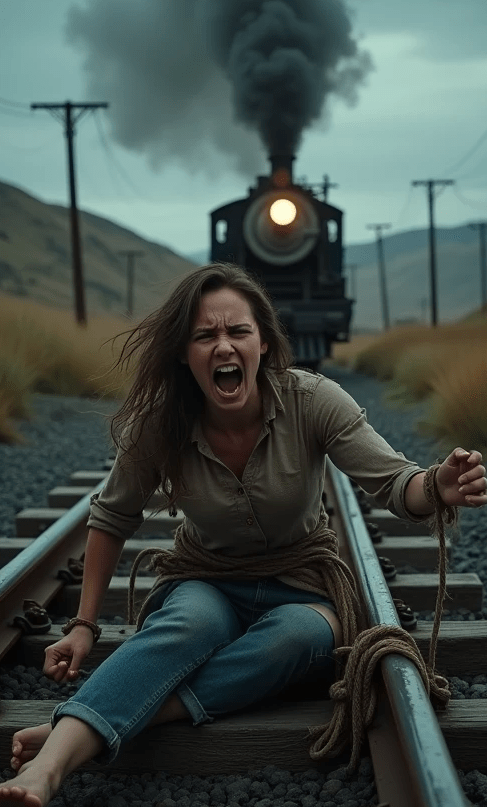
Following Railroad Tracks After SHTF Leads Straight to Your Final Destination

If you think railroad tracks are your secret navigation hack when everything collapses, then congratulations—you’re already halfway to being a ghost wandering through the ruins of a world that never cared about you in the first place. I know the fantasy. Movies, old adventure stories, nostalgic childhood daydreams—they all painted railroad tracks as some kind of dependable path through chaos. A beautiful, overgrown trail leading to safety, civilization, or at the very least some forgotten town where you might scavenge a can of beans.

But let me drag you back down into reality, the same reality we preppers stare into every day while everyone else scrolls on their phones pretending the world isn’t circling the drain. Because post-SHTF, when society has finally finished its swan dive off a cliff, railroad tracks won’t be romantic, helpful, or safe.

They’ll be a map, alright—a map straight to your final destination.

And you won’t like what’s waiting at the end.

The Railroad Myth Is the First Thing That Will Get You Killed

In normal times, railroad tracks feel harmless. They’re predictable, linear, and easy to follow. So people assume that in a crisis, they’ll be even more useful—leading survivors to towns, bridges, depots, or some imagined sanctuary.

But what people forget is this:
If it’s easy for you to follow, it’s easy for everyone else to follow.

And in a world where desperation replaces morality, you don’t want to be funneled into the same predictable routes as everyone with an empty stomach and a loaded weapon. You think you’re “navigating,” but you’re actually putting yourself on the most obvious human migration corridor that will exist after the collapse.

People will cling to anything familiar, and railroad tracks are a beacon for the unprepared masses. You won’t be alone out there. You’ll be packed shoulder-to-shoulder with every hungry, desperate, panicked soul who believed the same stupid myth you did.

You won’t find safety.
You’ll find crowds, conflict, ambushes, and disease.
You’ll find people who want what you have.
And they’ll take it—because tracks don’t offer any place to hide.

Railroads Will Become Predators’ Highways

This is the part most people refuse to think about. In a post-SHTF world, predictable travel routes become hunting grounds.

Predators—human predators—are always looking for the easiest place to find prey. And what’s easier than a narrow, linear path where all travelers are forced to move single-file with nowhere to escape?

Following railroad tracks makes you the deer walking into the wolf’s jaws. No cover. No elevation. No escape routes. Just you, exposed, visible against open gravel or steel.

And don’t kid yourself—if you can see a half mile down the tracks, so can someone else. Someone who might be hungrier, colder, and far less patient than you.

When the world falls apart, people get territorial, tribal, and vicious. Some groups will set up along these tracks intentionally, knowing they can pick off stragglers like fruit hanging too low on the tree.

But hey, sure—keep walking the magical steel path from fairy tales. See how that works out.

Railroad Infrastructure Becomes a Beacon for the Worst Human Behavior

Railroad depots, maintenance sheds, abandoned stations, bridges, and tunnels all become choke points. They look like shelter and supply hubs, which means they’ll attract exactly the kind of people you don’t want to meet.

Think about it:

  • Bridges funnel you into a single narrow crossing
  • Tunnels turn into traps where sound echoes but movement is limited
  • Depots become contested territory
  • Rail yards become sprawling zones where ambushes are easy and escape routes are confusing
  • Abandoned stations become squatter camps full of people who lost more than just their homes

It doesn’t matter how tough you think you are. Every single one of these spots becomes a risk multiplier.

Railroads don’t guide you to safety—they guide you directly into conflict zones.

“But Tracks Lead to Towns!” Yeah—Destroyed, Picked-Clean Towns

Let’s knock down the next fantasy. The idea that railroad tracks will lead you to towns and therefore resources.

Here’s the truth:

If a town is connected by a railroad, it will be one of the first places scavenged, looted, or burned.
Rail access means easy movement of goods pre-collapse—and easy movement of desperate survivors post-collapse. That means:

  • Stores emptied
  • Homes stripped
  • Hospitals overrun
  • Local police overwhelmed or gone
  • Rioters and gangs taking over
  • Fires left uncontained
  • Disease spreading

Railroad towns are not charming havens. They are graveyards filled with reminders of how fast civilization fell apart.

But hey, if you want to be the thousandth person to show up looking for supplies, be my guest.

Walking Tracks Drains Your Energy and Sanity

Everyone imagines railroad tracks as level and easy to walk. Try it in real life sometime. Walk five miles on uneven gravel with heavy gear, then come back and tell me how “easy” it is.

Now imagine doing it after the collapse, when:

  • You’re running on limited calories
  • You’re dehydrated
  • You’re stressed
  • You’re hyper-alert
  • You’re carrying your life on your back

Railroad ballast tears up your feet and ankles. It slows you down. It exhausts you faster than dirt trails or roads. Energy is survival, and tracks drain it with every step you take.

But the fantasy hikers will still tell you it’s a shortcut to safety.

Railroads Offer Zero Concealment, Zero Cover

And this one is simple:

You have nowhere to hide.

Dense woods? Nope.
Rocks? Nope.
Structures you can duck behind? Not really.

Railroad tracks are open wounds cutting across the landscape. You are visible from a distance. You are predictable. You are exposed.

If you want to survive a post-SHTF landscape, staying hidden is life. Walking along railroad tracks is a declaration of your location to every living thing within a mile radius.

In a World Without Rules, Tracks Are a Liability, Not a Lifeline

Movies have lied to you. Nostalgia has lied to you. Childhood memories have lied to you.

In the real collapsed world—the one preppers think about while the rest of society sleeps—railroad tracks are not a rescue line.

They are:

  • Funnels for refugees
  • Highways for predators
  • Snares for the optimistic
  • Dead ends for the naive
  • Markers of desperate travel
  • Predictable, dangerous migration corridors

In other words:
They’re a map straight to your final destination—just not the one you hoped for.

If you take nothing else from this angry rant at humanity’s collapsing sense of reality, take this:

When the world finally burns, the safest path is the one no one else is dumb enough to walk.

And railroad tracks?
Everyone will walk them.

Which means you shouldn’t.

Not if you want to stay alive long enough to see whether the world manages to claw its way back from the ashes.

The Last Grocery Store Run Before the Grid Goes Dark: A Prepper’s Final Warning

You can feel a collapse long before you can prove it. The air thickens, conversations shorten, and people move with a jittery uncertainty they pretend isn’t fear. For weeks now, every expert with a tie and a microphone has insisted the power grid is “stable” or “only experiencing minor vulnerabilities.” But those of us who still use our eyes—and not the spoon-fed comfort pumped out of screens—know the truth: the grid is held together with duct tape, denial, and a hope that ran out sometime last decade.

So this morning, when the news quietly mentioned “regional instability” and “rolling disruptions,” I knew exactly what that meant: this was it. My last chance to top off supplies before the grid sputters out for good. And despite everything I’ve stockpiled over the years, despite the shelves I’ve meticulously filled and the gallons of fuel I’ve tucked away, there’s always one last run. One more pass through the grocery store to grab the things that might mean the difference between grinding through the collapse or becoming another body buried under its weight.

And of course, like clockwork, people waited until the last possible second to panic.

I threw my gear in the truck and headed into town for what I knew would be a hostile, frantic, anger-soaked sprint through a grocery store full of clueless, late-to-the-party consumers who spent years mocking preppers and are now shocked—shocked—that modern life doesn’t come with guarantees.

Walking Into the Chaos

The parking lot told the whole story before I even got inside. Cars abandoned at crooked angles. Carts left as barricades. People shouting into phones that weren’t even connected because the networks were already starting to choke. And there it was—that glazed-over look in their eyes: the realization that no one is coming to save them.

I walked through the automatic doors (thankfully still powered), and the assault hit instantly: the stench of panic sweat, the squeal of wheels pushing overloaded carts, and the sound of ten different conversations about “how this can’t really be happening” coming from people who have spent their entire lives outsourcing responsibility to systems they never bothered to understand.

Every aisle was a battlefield. Every shelf was a shrinking island of hope.

But I wasn’t there to feel sorry for them. I wasn’t there to help them wake up. I was there to finish the job—secure what I needed before the lights blinked out forever.

Item 1: Shelf-Stable Calories

The first stop was obvious: dry goods. Rice, beans, pasta—anything that stores for years and keeps a body alive. I grabbed what was left, even as two grown adults argued over the last bag of lentils like toddlers fighting over a toy. They didn’t notice I slipped behind them and pulled three bags of white rice they’d overlooked. I didn’t feel bad; their ignorance wasn’t my responsibility.

When you’ve been preparing for years, you learn to see what others don’t.

Item 2: Canned Proteins

Next was canned meat—tuna, chicken, spam, whatever hadn’t yet been ravaged by the first wave of panic shoppers. Protein will be gold when the grid dies, and hunting won’t be an option for half the people who think they’ll suddenly become wilderness experts.

Most of the shelves were stripped clean, but I managed to get a dozen cans of chili and several cans of chicken that were shoved behind fancy organic soups no one wanted. Funny how people become less picky right before the world goes dark.

Item 3: Water and Purification Supplies

Water is life, but bottled water was already gone—the shelves empty except for the plastic price tags. No surprise. People always go for the obvious.

But I knew the real score: grab bleach, grab filters, grab anything that makes questionable water drinkable.

Saw three teenage boys laughing as they tossed the last cases of bottled water into their cart, mocking the panic. I’d love to see how much laughing they’ll do once they realize one case of water lasts a family about two days, maybe three if rationed.

Meanwhile, I slipped down the cleaning aisle and filled my basket with purification essentials they didn’t even think about.

Item 4: High-Calorie “Morale Foods”

In a collapse, calories keep you alive—but morale keeps you human.

I grabbed chocolate, instant coffee, peanut butter, and the last few boxes of granola bars. These aren’t comforts—they’re psychological stabilizers. When your world shrinks to survival, a spoonful of peanut butter becomes strength, and a cup of coffee becomes hope.

People think prepping is all about ammo and generators. They forget the human mind collapses long before the body does.

Item 5: Quick-Use Foods

Anyone who’s lived through an outage knows the first few days are the worst. You need quick, no-cook food to get through the transition. I grabbed crackers, canned fruit, ready-made soups, and instant meals.

By now, the lights had started to flicker. The store manager shouted something unintelligible over the intercom, but nobody cared. The panic had gone from simmer to full boil.

The Desperation Was Palpable

I saw people crying in the aisles. Some were shouting into phones, begging family members to “get home now.” Others were staring at empty shelves as if they were staring at their own future—void, stark, unforgiving.

What infuriated me, though, was this: they had every chance to prepare. Every warning sign. Every news report hinting at instability. Every outage over the last decade, every expert saying the grid was aging, overstressed, and under-maintained.

But they ignored it all.

Because denial is a warm blanket in a cold world—right up until the blanket catches fire.

Checking Out

I got into the shortest line I could find—not that it mattered. People were frantic, dropping items, yelling, shoving. The card machines were already stalling. Someone screamed when their payment declined; someone else tried to argue their expired coupons should still apply “because this is an emergency.”

Pathetic.

I paid with cash—something else people have forgotten still has value when systems break.

As I walked back out into the parking lot, the first substation alarm in town began to wail. A low, mechanical howl rolling over the rooftops like a warning siren for the damned.

People looked around, confused. I wasn’t. I knew exactly what it meant.

Heading Home Before the Lights Go Out

The grid wasn’t collapsing.
It was collapsed. We were simply watching the echoes.

I tossed the last-gasp items into the truck, turned the engine over, and headed out of the mess before the roads clogged with panicked civilians who still believed someone would come fix this.

Because they don’t understand the truth we preppers have known for years:

When the grid goes down, it’s not just the lights that disappear.
It’s the illusion of stability.
It’s the myth of progress.
It’s the lie that society will always keep humming along politely.

And when that illusion dies, the world gets real—fast.

I didn’t make that last grocery store run because I was unprepared.
I made it because I understand something the rest of the world refuses to accept:

There is no cavalry. Only consequences.

And I intend to face those consequences with a stocked pantry, a clear head, and the grim satisfaction of knowing that while the world slept, I stayed awake.

Let the grid burn.
I’ll survive the night.

Emergency Preparedness: South Dakota’s Statewide Strategy

Dakota Drift: Surviving Off-Grid in South Dakota

Living in South Dakota isn’t for the faint of heart. From the flat plains to the rugged Black Hills, this state offers both beauty and peril. As a seasoned prepper, I’ve learned that surviving here isn’t just about having the right gear—it’s about understanding the land, the weather, and the threats that come with them.

🧭 Final Word from a South Dakota Survivalist: Preparedness Isn’t Paranoia—It’s a Way of Life

CLICK HERE TO LEARN HOW TO SURVIVE A FAMINE

Living in South Dakota teaches you a few hard truths early on—Mother Nature doesn’t negotiate, warnings don’t always come in time, and hope isn’t a plan. Whether it’s a blinding blizzard screaming across the plains, a tornado ripping across the horizon, or a flood swallowing the Black Hills in the dead of night, this state will test your grit. That’s why we don’t just prepare—we live prepared.

This isn’t about fear. It’s about freedom. When you’ve got six feet of snow outside, the grid goes down, and your driveway disappears under a sheet of ice, you’ll thank yourself for every gallon of water stored, every can of food sealed, every spare battery and radio tested. You’re not waiting on a rescue—you are the rescue.

Preparedness in South Dakota isn’t a weekend hobby—it’s woven into our daily routine. From stacking firewood and rotating food stores to training with our community and keeping tabs on weather alerts, we make it a lifestyle. Because out here, self-reliance isn’t old-fashioned. It’s survival.

The biggest threat isn’t just the storm itself—it’s the mindset that says, “It probably won’t happen to me.” That attitude gets people hurt. But when you’ve got a plan, when you’ve run the drills, when your gear is checked and your crew is ready, you replace panic with purpose.

Natural disasters may strike without warning, but you don’t have to be caught off guard. Whether you live in the heart of Sioux Falls, a ranch near Belle Fourche, or a cabin tucked in the Black Hills, you owe it to yourself—and your family—to be ready for anything.

So take that first step, or the next one. Check your supplies. Walk through your bug-out plan. Talk to your neighbors. Update your emergency contacts. Invest in a radio, sharpen your axe, charge your solar bank. Get after it.

Because in South Dakota, surviving the worst isn’t just about making it through the storm—it’s about being strong enough to rebuild after it.

And that, fellow preppers, is the real measure of preparedness.


🌪️ 1. Tornadoes: The Silent Destroyers

South Dakota lies in “Tornado Alley,” where twisters can form with little warning. The 1972 Black Hills Flood serves as a grim reminder of nature’s fury. In 1972, Rapid City experienced a devastating flash flood that claimed lives and reshaped the community. Visit Rapid City

Prepper Tip: Invest in a NOAA Weather Radio with tone alert and Specific Area Message Encoding (SAME) capability. These devices can provide critical warnings and are essential during power outages.Wikipedia


❄️ 2. Blizzards: Winter’s Wrath

Winters in South Dakota are brutal. Blizzards can drop temperatures to life-threatening levels, making travel impossible and power outages common.

Prepper Tip: Keep a winter survival kit in your vehicle, including blankets, non-perishable food, water, and a shovel. Ensure your home is stocked with heating fuel and backup power sources.


🌊 3. Flooding: The Hidden Threat

While not as frequent as other disasters, flooding can occur, especially in areas near rivers and streams. The 1972 flood in Rapid City is a stark reminder of this threat. Visit Rapid City

Prepper Tip: Elevate electrical appliances and utilities above potential flood levels. Consider installing sump pumps and backflow valves to protect your property.National Geographic


🔥 4. Wildfires: The Summer Menace

Dry conditions in the summer can lead to wildfires, especially during Red Flag Warnings when winds and low humidity create ideal fire conditions.

Prepper Tip: Create a defensible space around your home by clearing dead vegetation and using fire-resistant materials in construction.


🌪️ 5. Severe Thunderstorms: The Summer Squall

Summer brings severe thunderstorms with the potential for hail, damaging winds, and even tornadoes. These storms can cause significant property damage and power outages.

Prepper Tip: Secure loose objects outdoors and trim trees near your home to prevent wind damage. Keep an emergency kit with flashlights, batteries, and a first aid kit readily available.


🧭 6. Civil Air Patrol: Community Support

The South Dakota Wing Civil Air Patrol (CAP) plays a vital role in disaster response, offering aerial search and rescue, disaster relief, and humanitarian assistance. Wikipedia

Prepper Tip: Stay informed about CAP activities and consider volunteering or supporting their missions to enhance community resilience.Wikipedia


🛠️ 7. Emergency Preparedness: A Statewide Effort

South Dakota’s commitment to disaster preparedness is evident through initiatives like the Stephenson Disaster Management Institute, which provides geospatial data to assist in hazard mitigation and emergency planning. Wikipedia

Prepper Tip: Familiarize yourself with local emergency plans and participate in community preparedness programs to stay informed and ready.


🔥 8. Fire Safety: Year-Round Vigilance

Fire safety isn’t just a summer concern. In winter, heating equipment can pose fire risks, while dry conditions in spring and fall can lead to wildfires.

Prepper Tip: Install smoke detectors and fire extinguishers in key areas of your home. Regularly inspect and maintain heating equipment to prevent fire hazards.


🧊 9. Ice Storms: Slick and Dangerous

Ice storms can coat trees and power lines, leading to widespread outages and hazardous travel conditions.

Prepper Tip: Keep a battery-powered radio and extra blankets on hand. Avoid travel during icy conditions and ensure your vehicle is equipped with emergency supplies.


🚨 10. Stay Informed: Knowledge is Power

Being aware of potential threats and staying updated on weather conditions can make a significant difference in disaster preparedness.

Prepper Tip: Subscribe to local weather alerts and follow emergency management agencies on social media for real-time updates.

🧭 Final Word from a South Dakota Survivalist: Preparedness Isn’t Paranoia—It’s a Way of Life

Living in South Dakota teaches you a few hard truths early on—Mother Nature doesn’t negotiate, warnings don’t always come in time, and hope isn’t a plan. Whether it’s a blinding blizzard screaming across the plains, a tornado ripping across the horizon, or a flood swallowing the Black Hills in the dead of night, this state will test your grit. That’s why we don’t just prepare—we live prepared.

This isn’t about fear. It’s about freedom. When you’ve got six feet of snow outside, the grid goes down, and your driveway disappears under a sheet of ice, you’ll thank yourself for every gallon of water stored, every can of food sealed, every spare battery and radio tested. You’re not waiting on a rescue—you are the rescue.

Preparedness in South Dakota isn’t a weekend hobby—it’s woven into our daily routine. From stacking firewood and rotating food stores to training with our community and keeping tabs on weather alerts, we make it a lifestyle. Because out here, self-reliance isn’t old-fashioned. It’s survival.

The biggest threat isn’t just the storm itself—it’s the mindset that says, “It probably won’t happen to me.” That attitude gets people hurt. But when you’ve got a plan, when you’ve run the drills, when your gear is checked and your crew is ready, you replace panic with purpose.

Natural disasters may strike without warning, but you don’t have to be caught off guard. Whether you live in the heart of Sioux Falls, a ranch near Belle Fourche, or a cabin tucked in the Black Hills, you owe it to yourself—and your family—to be ready for anything.

So take that first step, or the next one. Check your supplies. Walk through your bug-out plan. Talk to your neighbors. Update your emergency contacts. Invest in a radio, sharpen your axe, charge your solar bank. Get after it.

Because in South Dakota, surviving the worst isn’t just about making it through the storm—it’s about being strong enough to rebuild after it.

And that, fellow preppers, is the real measure of preparedness.

Blackout Preparedness: How to Stay Secure When the Lights Go Out

Blackout Survival: 10 Crucial Steps to Stay Safe in a Nationwide Power Outage

When the power goes out across the entire country, it’s not just an inconvenience—it’s a critical survival situation. A nationwide blackout can lead to widespread chaos, leaving you and your family vulnerable to everything from extreme temperatures to civil unrest. The question isn’t whether you’ll survive the blackout—it’s how prepared you are to face the dangers it brings.

We’re all familiar with the basic concept of a power outage—lights go out, appliances stop working, and we’re forced to revert to older methods of doing things. But what happens when that outage lasts days, weeks, or even longer? When the grid goes down across the entire country, there’s a ripple effect that impacts nearly every aspect of our lives. That’s why, as preppers, it’s absolutely crucial that we’re ready not just for short-term power loss, but for long-term survival in the face of a widespread blackout.

In this guide, I’ll walk you through 10 critical steps to ensure you and your loved ones stay safe and secure during a nationwide blackout.


1. Secure Your Water Supply

Prepper Tip #1: Always have a minimum of one gallon per person per day for drinking and hygiene. Store it in water-tight containers, and consider adding water purification tablets or a filter to ensure your water stays clean.

In a blackout, water is often the first thing people forget to secure. Water supplies are typically dependent on power to pump and treat water, and in the event of a nationwide blackout, you might lose access to clean water. Don’t rely on local utilities to maintain water availability during a prolonged power outage.

Tip: Fill up your bathtubs, sinks, and any other containers that can hold water when you know a blackout is imminent. You should also have a supply of bottled water stored, and a water filter (such as a LifeStraw or Berkey filter) is invaluable in case you need to source water from rivers or lakes.


2. Create a Backup Power Plan

Prepper Tip #2: Invest in solar-powered chargers, portable generators, and battery banks for essential electronics. Have extra fuel stored for backup generators if you rely on one.

When the grid fails, your lights, electronics, and even heating/cooling systems will likely stop working. A backup power plan can make the difference between comfort and disaster. You don’t need to go off the grid completely, but having a small, off-grid solar system or battery-powered lights and chargers will help keep your family safe, informed, and connected.

For critical needs like a medical device, communication, or security, ensure you have a backup power source that is independent of the grid. A solar-powered generator is an excellent option for recharging important items.


3. Maintain Communication with Trusted Contacts

Prepper Tip #3: Invest in a battery-powered or hand-crank radio for emergency broadcasts and stay connected to any news updates.

Without electricity, your usual communication methods—cell phones, landlines, internet—may be down. Staying connected with neighbors, loved ones, and other preppers is essential for coordination, especially during a nationwide blackout.

Tip: Have an emergency radio (battery-powered or hand-cranked) that can pick up AM/FM and NOAA weather broadcasts. These stations often provide critical updates about the blackout’s duration, local conditions, and even government advisories.


4. Stay Secure with Alternative Lighting

Prepper Tip #4: Avoid open flames for lighting, as they can be a fire hazard. Instead, use battery-powered LED lanterns, solar lights, or hand-crank flashlights to light your home safely.

The first thing most people think about during a blackout is lighting. But in the chaos of survival, you want to avoid the risk of candles or open flames, which are a fire hazard. LED lanterns, solar-powered lights, or flashlights powered by rechargeable batteries or hand cranks are much safer and longer-lasting.

Store extra batteries and consider solar-powered lights for outdoor spaces, as well. Having multiple light sources can make a significant difference in reducing stress and maintaining safety at night.


5. Keep Your Food Safe and Fresh

Prepper Tip #5: Have a cooler with ice packs on hand for food preservation. Consider investing in a 12V DC cooler that can run on a solar panel or backup generator.

Without electricity, your refrigerator and freezer will stop working. While this isn’t an immediate problem, the longer the blackout lasts, the greater the risk of food spoilage. If you don’t have a solar-powered fridge or backup generator, the next best option is to have a cooler filled with ice packs and non-perishable foods like canned goods, freeze-dried meals, and vacuum-sealed meats.

Tip: You can also learn to preserve food using methods like canning, dehydrating, or fermenting so you can avoid relying on refrigerated items during long-term outages.


6. Defend Your Home from Looters

Prepper Tip #6: Invest in high-quality locks, security cameras, and motion-detecting lights to keep your home safe. Have self-defense tools ready, such as a baton, pepper spray, or firearm if legal.

Unfortunately, blackouts can trigger panic buying and looting. When society’s infrastructure crumbles, some individuals may turn to crime in desperation. Having a security plan is vital to protecting your home and your supplies.

Screenshot

Tip: Fortify your entry points—secure windows and doors with heavy-duty locks and consider adding motion-sensor lights around your property. Keep a weapon for personal protection if you’re trained to use it safely.


7. Stay Aware of Health Risks

Prepper Tip #7: Always have a well-stocked first aid kit, and ensure you have essential medications stored. Know how to administer basic first aid and CPR.

With hospitals overwhelmed or without power, healthcare can become a distant thought during a nationwide blackout. You must be prepared to manage your health in these situations. Ensure you have a stocked first aid kit with bandages, medications, and antiseptics. Know how to treat minor injuries, manage illness, and recognize medical emergencies that could arise in a power-deprived environment.

Tip: Keep a two-week supply of any essential medications for family members who rely on them, and create an emergency medical plan for handling health issues when help is far away.


8. Know How to Stay Cool or Warm

Prepper Tip #8: Stockpile thermal blankets and sleeping bags for cold weather. In hot weather, have battery-powered fans and hydration supplies to stay cool.

Depending on the time of year, a blackout can either leave you freezing or overheating. In winter, you’ll need to be prepared to stay warm with thermal blankets, insulated clothing, and possibly a wood stove or kerosene heater if you’re equipped for it. In the summer, heat can be just as deadly. Keep hydration packs and cooling towels available to avoid dehydration and heatstroke.


9. Protect Your Food Sources

Prepper Tip #9: Consider setting up a garden with drought-resistant plants, and store seeds for when you need to grow your own food. Learn basic foraging and hunting skills to supplement your supply.

While canned and freeze-dried foods are great for short-term survival, you also need to think long-term. If the power is out for months, your food supply will eventually dwindle. Having a garden, growing perennials, and being able to forage in your area will be key to surviving through extended blackouts.

Tip: Make sure you know how to preserve your harvest by canning, freezing, or drying foods, so you can stockpile for the future.


10. Stay Calm and Rational

Prepper Tip #10: In high-stress situations, stay calm, assess your surroundings, and take time to plan your next steps. Always prioritize safety and self-reliance.

Finally, one of the most important survival tips during any emergency—especially a blackout—is to stay calm. Stress and panic cloud your judgment, which could lead to bad decisions. It’s vital to remain calm, think logically, and carefully consider your next move. Keep your mind clear, your plans flexible, and stay self-reliant.


Conclusion

Surviving a nationwide blackout isn’t just about enduring the inconvenience of no power—it’s about being prepared for the cascading impacts that follow. From losing access to clean water and food to dealing with the dangers of an unpredictable environment, each step you take to prepare will increase your chances of surviving and thriving during a widespread power outage.

By securing your resources, maintaining communication, and staying calm, you can protect yourself and your family from the chaos that often follows a nationwide blackout.

Remember, the key to survival is not just preparation—it’s action. Be ready, stay focused, and adapt to the challenges that come your way.