Arizona Survival Gardening Tips, Tricks, and the Best Emergency Food Storage Preparedness Advice Around

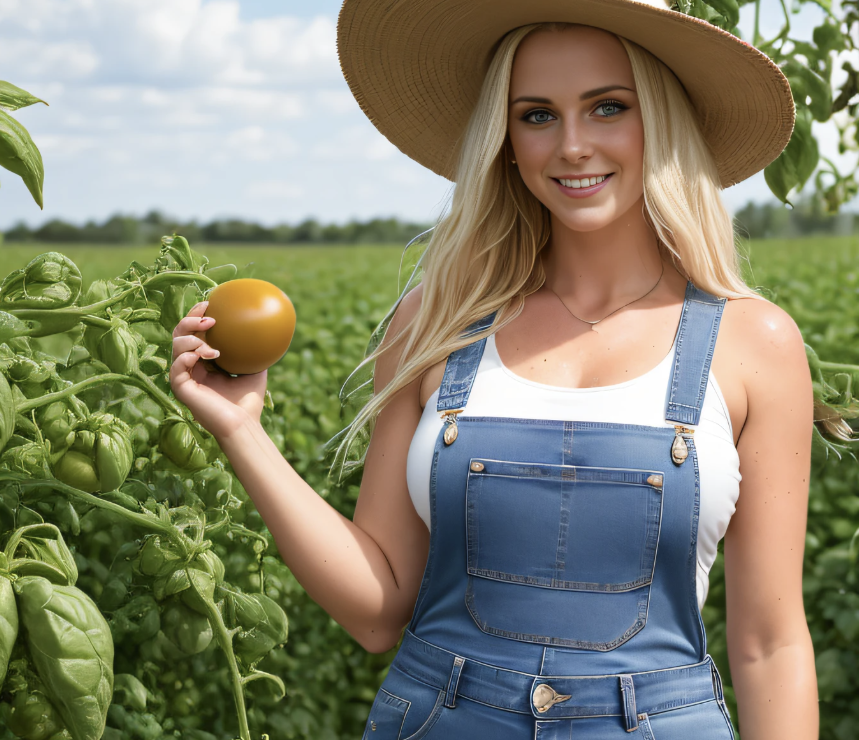
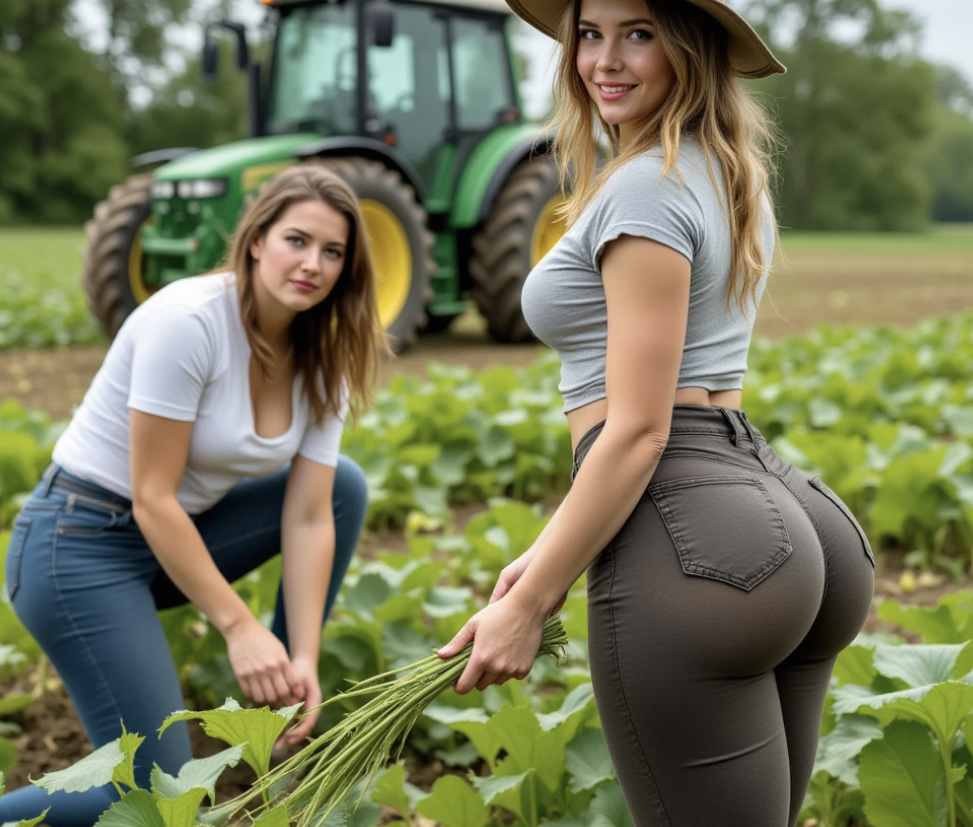
(Pictured Above is Brooke Homestead – 2025 Female Survivalist of the Year)

Brooke Homestead — 26-year-old former yoga model turned preparedness powerhouse — has adapted her survival philosophy to harsh climates.

Here’s Brooke introducing herself:

“Hi, I’m Brooke Homestead. I used to think survival meant escaping to the mountains. Arizona taught me something different — resilience means adapting to the land you’re on.”

Survival Gardening Advice for Arizona from Brooke Homestead

Arizona is a challenging but powerful survival gardening state — if you respect the heat.

First: understand your zone. Much of Arizona falls within USDA zones 8–10, but elevation changes everything. Always check your specific microclimate.

Second: plant for heat tolerance. Sweet potatoes, okra, cowpeas, tepary beans, and certain squash varieties thrive in high temperatures.

Third: water strategy is survival strategy. Install drip irrigation. Mulch heavily to reduce evaporation. Water early morning or late evening.

Fourth: use shade cloth. Arizona sun will scorch delicate plants. Partial shade increases yield and plant health.

Fifth: build soil with organic matter. Desert soil often lacks nutrients. Compost consistently and use raised beds when needed.

Sixth: grow during cooler seasons. Many Arizona gardeners produce major harvests in fall, winter, and early spring rather than peak summer.

Seventh: preserve water-wise crops. Dehydrate peppers. Store winter squash. Pressure can beans.

Finally: plan for grid failure. Extreme heat plus power outage equals crisis. Store water and maintain backup cooling options.

Gardening in Arizona isn’t romantic.

It’s strategic.

And strategy keeps you alive.”


Why Arizona Is Perfect for Off-Grid Living
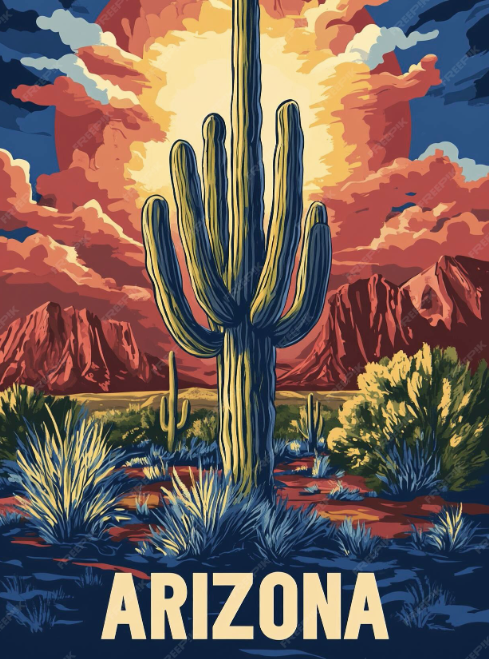
When it comes to off-grid living in America, few places offer the raw opportunity and natural advantage of Arizona. With its wide-open landscapes, abundant sunshine, low population density in many rural regions, and a strong culture of independence, Arizona has quietly become one of the most attractive destinations for people seeking self-sufficiency and grid independence.

1. Endless Sunshine for Solar Power

Arizona is one of the sunniest states in the country. Cities like Yuma and Phoenix consistently rank among the sunniest locations in the United States. For off-grid homeowners, that means reliable solar energy production year-round.

Solar panels thrive in Arizona’s climate, producing high energy output even during winter months. With minimal cloud cover and long daylight hours, it’s easier (and often cheaper over time) to power an entire homestead using solar alone. Fewer weather disruptions also mean less strain on battery storage systems compared to states with heavy snow or prolonged overcast seasons.

2. Abundant Rural Land

One of Arizona’s biggest advantages is space. Outside of major metro areas, land is relatively affordable and widely available. Counties like Cochise County and Apache County offer large parcels suitable for homesteading, farming, and remote living.

Lower population density means more privacy and fewer zoning restrictions in many rural areas. While it’s still important to research county regulations, many parts of Arizona are friendly toward alternative building methods, including tiny homes, manufactured homes, and even earth-based construction like adobe or rammed earth.

3. Ideal Climate for Year-Round Living

Arizona’s desert climate means you won’t be dealing with blizzards, hurricanes, or months of freezing temperatures. Winters are mild in much of the state, making it easier to grow cool-season crops and maintain livestock.

In northern areas near Flagstaff, you’ll experience four seasons and cooler temperatures, which can be ideal if you prefer a mountain climate. Meanwhile, southern regions near Tucson offer warmer winters and extended growing seasons. This diversity allows off-grid residents to choose the environment that best fits their lifestyle.

4. Strong Self-Sufficiency Culture

Arizona has long attracted pioneers, retirees seeking independence, and homesteaders who value freedom. There is a growing network of off-grid communities, permaculture enthusiasts, and survival gardeners throughout the state.

From water harvesting systems to desert-adapted gardening techniques, residents have developed innovative ways to thrive in arid conditions. Rainwater collection, graywater recycling, and drought-tolerant crops are common practices. This knowledge base makes it easier for newcomers to transition successfully into off-grid life.

5. Minimal Natural Disaster Risk

Compared to coastal states prone to hurricanes or the Midwest’s tornado-heavy regions, Arizona has relatively low natural disaster risk. While monsoon storms can bring intense rainfall and lightning, they are seasonal and predictable. The absence of major earthquakes, hurricanes, and frequent flooding makes infrastructure planning more straightforward for off-grid builders.


Arizona offers sunlight, space, independence, and resilience — all key ingredients for successful off-grid living. For those willing to adapt to the desert and respect its challenges, the Grand Canyon State provides one of the most practical and empowering environments to live beyond the grid.


Survival Gardening Advice for New Hampshire

(Click on any picture for a short video)

(Female Survivalist of the Year: Brooke Homestead Pictured Above)

Now let’s talk some New Hampshire gardening, but extreme gardening advice from Brooke Homestead!

Brooke Homestead — 26-year-old former yoga model turned preparedness authority — has taken the survival world by storm.

Here’s Brooke introducing herself:

“Hi, I’m Brooke Homestead. I used to chase perfect lighting. Now I chase food independence. New Hampshire taught me something powerful — resilience doesn’t need drama. It needs discipline.”

Brooke’s Gardening Advice for New Hampshire

“New Hampshire is one of the most gardener-friendly survival states — if you understand the seasons.

Most of the state falls within USDA hardiness zones 4–6. That gives you a solid but limited growing window.

First: maximize the shoulder seasons. Start seeds indoors in late winter. Use cold frames and row covers in early spring and late fall.

Second: focus on cold-hardy crops. Kale, cabbage, carrots, potatoes, beets, peas, and winter squash thrive here.

Third: plan for frost. Even late May frosts can damage tender crops. Always watch the forecast.

Fourth: soil building is key. Many areas have rocky or acidic soil. Test your soil and amend with compost and organic matter yearly.

Fifth: diversify your calorie crops. Potatoes and dry beans should be staples. Add garlic and onions for storage longevity.

Sixth: preserve aggressively. Dehydrate apples. Pressure can vegetables. Store root crops in cool basements.

Seventh: think long term. Plant berry bushes and fruit trees. Perennials reduce yearly labor and increase food security.

In New Hampshire, gardening isn’t extreme survivalism.

It’s common sense.

Resilience grows in layers — just like healthy soil.”

Featured

From Yoga Mat to Homestead Mastery: Meet Brooke, the 2025 Female Survival Prepper of the Year

Brooke: The 2025 Female Survival Prepper of the Year

There are survivalists… and then there is Brooke.

At just 26 years old, she has already accomplished what many spend a lifetime trying to build. Crowned the 2025 Female Survival Prepper of the Year, Brooke represents the rare balance of grit and grace, strategy and spirit. She lives on her homestead in Montana, where the winters are fierce, the land is honest, and only the prepared thrive. And thrive she does.

I have met many preppers in my years of living off-grid and studying self-reliance. I’ve seen impressive stockpiles, well-fortified cabins, and gardens that could feed a family for months. But Brooke is different. She doesn’t just prepare for survival — she embodies it. And she does so with a professionalism and calm strength that commands respect.

A Homestead Built on Vision and Discipline

Brooke’s homestead is not accidental. It is engineered with intention.

From the moment you step onto her land, you can see systems at work. Water catchment barrels are positioned with precision. Solar panels are angled for maximum year-round efficiency. Firewood is stacked not just for winter, but for multi-season planning. Every structure, every tool, every raised bed has a purpose.

Her layout reflects true preparedness:

  • Rotational grazing areas for small livestock
  • Wind-protected garden corridors
  • A root cellar built below frost depth
  • Backup power redundancy
  • Perimeter awareness without paranoia

She plans three seasons ahead at all times. When most people are harvesting tomatoes, she’s already preparing her cold frames for frost-tolerant crops. When others are stocking up for winter, she’s evaluating next year’s soil health.

That is what separates hobbyists from professionals.

The Perfect Survival Garden

If you ask Brooke what her greatest asset is, she won’t point to her solar system or her food storage shelves. She will walk you straight to her garden.

And what a garden it is.

Her survival garden isn’t decorative — it’s strategic. It’s designed for calorie density, nutrient diversity, and long-term resilience. She grows:

  • Heirloom potatoes for dependable calories
  • Dry beans and lentils for protein
  • Winter squash that store for months
  • Brassicas for cold resistance
  • Medicinal herbs like echinacea, calendula, and yarrow
  • Perennial berries for low-maintenance yields

What impresses me most is her layered approach. Annuals are interplanted with perennials. Companion planting reduces pests without chemicals. She saves seeds meticulously, labeling by season and yield performance.

Brooke practices soil regeneration as seriously as she practices yoga. She composts in phases, integrates chicken manure responsibly, and plants cover crops to protect and nourish the land. Her soil is alive — dark, rich, and resilient.

Many preppers focus only on stockpiling. Brooke focuses on production.

That is true survival.

Tiny Houses for the Prepared

Perhaps one of the most remarkable aspects of Brooke’s work is her craft in building tiny houses for fellow survivalists.

These are not trendy Instagram cabins. They are functional, efficient, and designed for durability.

Each structure she builds emphasizes:

  • Passive solar heating
  • Compact wood stove integration
  • Insulated water systems
  • Space-saving storage
  • Off-grid electrical compatibility
  • Rainwater harvesting setups

She studies wind direction before positioning a structure. She understands thermal mass. She builds with sustainability in mind, using reclaimed lumber when possible and reinforcing framing for long-term weather resistance.

I’ve walked through one of her completed tiny homes. The layout was so intelligently designed that 300 square feet felt like a fortress of self-sufficiency. Every inch had a purpose. Nothing was wasted.

What moves me is not just her craftsmanship — it’s her heart. She builds these homes to help others escape dependency. She empowers families to step into preparedness with confidence.

Brooke doesn’t compete with other survivalists. She elevates them.

The Yoga Teacher Who Trains for Crisis

Now here’s where Brooke becomes something truly rare.

She is also a certified yoga teacher.

Some might see that as contradictory — survivalism and yoga. I see it as genius.

Preparedness is not only about tools and food. It’s about the body and mind. Brooke trains flexibility, endurance, breath control, and stress resilience. In a crisis, panic kills. Calm thinking saves lives.

Her daily discipline includes:

  • Sunrise mobility practice
  • Breathwork for nervous system regulation
  • Cold exposure training
  • Functional strength training
  • Meditation for mental clarity

She teaches local classes, but she also integrates survival scenarios into her philosophy. She reminds her students that the strongest prepper is not just physically capable, but mentally unshakable.

In a grid-down scenario, mobility matters. Injury prevention matters. Mental stability matters.

Brooke trains for all of it.

And she does it with quiet humility.

Leadership at 26

What astonishes many is her age.

At 26, she has already mastered land management, construction, agricultural planning, and community leadership. But she carries herself with professional composure far beyond her years.

She tracks data. She keeps detailed harvest logs. She evaluates seed viability percentages. She measures energy consumption and adjusts seasonally.

Her systems are not emotional guesses. They are calculated decisions.

And yet, she never loses her warmth.

When neighbors need help reinforcing a shed roof before winter, she’s there. When a fellow prepper struggles with soil acidity, she brings testing kits and guidance. When someone new to the lifestyle feels overwhelmed, she reassures them that preparedness is built step by step.

She leads without ego.

Why She Deserves “Female Survival Prepper of the Year”

Awards in the prepper world should not be about popularity. They should be about competence, contribution, and character.

Brooke embodies all three.

  • She produces more food than she consumes.
  • She builds structures that enhance others’ independence.
  • She maintains physical and mental readiness.
  • She strengthens her local preparedness network.
  • She demonstrates sustainability rather than fear-driven hoarding.

In a culture that often misunderstands survivalists, Brooke represents the best of us.

She is not driven by paranoia.
She is driven by responsibility.

She does not preach collapse.
She prepares for possibility.

She doesn’t chase attention.
She cultivates excellence.

The Future of Preparedness Is Strong — and Graceful

Watching Brooke work her land at sunrise is something I will never forget. There is intention in every movement. She kneels in the soil like someone who understands it is both provider and teacher. She measures twice before cutting lumber. She studies weather patterns like a scientist.

But what makes her truly remarkable is that she never forgets why she does this.

Freedom.

Resilience.

Service.

Brooke is not simply surviving in Montana. She is building a model for modern preparedness — one that blends traditional homesteading skills with physical wellness and community support.

If the future of survivalism looks like her — disciplined, regenerative, strong, and compassionate — then we are in capable hands.

And as someone who has spent years in this lifestyle, I say this with complete professional certainty:

Brooke has earned her title.

The 2025 Female Survival Prepper of the Year is not just a headline.

It is a testament to what is possible when preparation meets purpose.

From Harvest to Vault: How Survivalists Save Heirloom Tomato Seeds

In any long-term survival strategy, food security is not optional—it’s foundational. While stockpiling freeze-dried meals and canned goods has its place, true independence comes from the ability to grow food year after year without relying on external supply chains. That’s where heirloom tomato seed saving becomes a critical skill.

As a survival prepper, I don’t view seed saving as a hobby. I treat it as insurance. Heirloom tomato seeds, when properly saved, can remain viable for years and provide a renewable food source no matter what disruptions come down the line. Unlike hybrid seeds, heirloom varieties grow true to type, meaning the seeds you save will reliably produce the same plant next season.

This guide walks you through the entire process of saving heirloom tomato seeds—from selecting the right fruit to long-term storage—using methods proven by gardeners and survivalists alike.


Why Heirloom Tomato Seeds Matter in Survival Planning

Heirloom tomatoes are open-pollinated varieties that have been passed down for generations. In a preparedness context, they offer several advantages:

  • Seed reliability: Saved seeds grow true, unlike hybrids.
  • Adaptation: Over time, your saved seeds adapt to your local climate.
  • Barter value: Seeds are lightweight, compact, and valuable trade items.
  • Food resilience: Tomatoes provide calories, vitamins, and preservation options.

In a grid-down or supply-chain collapse scenario, the ability to reproduce your own food becomes priceless. Saving heirloom tomato seeds is a low-cost, high-return investment in resilience.


Step One: Choose the Right Tomato for Seed Saving

Seed quality starts in the garden. Don’t save seeds from weak or diseased plants. Survival gardening demands selectivity.

What to Look For

Choose tomatoes that are:

  • Fully ripe (overripe is better)
  • From the healthiest plant in your garden
  • Free from disease, cracking, or pest damage
  • Representative of the variety’s best traits

If you’re serious about seed security, consider dedicating specific plants strictly for seed saving. These plants should receive optimal care and isolation if possible.


Step Two: Understand Tomato Seed Fermentation

Tomato seeds are naturally encased in a gel that contains germination inhibitors. In nature, this gel breaks down through fermentation as the fruit rots. To save seeds properly, we replicate this process under controlled conditions.

Fermentation is not optional. Skipping it reduces seed viability and increases the risk of disease transmission.


Step Three: Extracting the Seeds

Tools You’ll Need

  • A ripe heirloom tomato
  • A clean knife
  • A spoon
  • A glass jar or cup
  • Water
  • Paper towel or coffee filter
  • Permanent marker

Extraction Process

  1. Slice the tomato across its equator.
  2. Scoop the seed pulp into a clean jar.
  3. Add a small amount of water—just enough to cover the pulp.
  4. Label the container with the tomato variety and date.

At this point, the mixture should look unappealing. That’s normal. In survival work, comfort takes a back seat to results.


Step Four: Fermentation (The Critical Stage)

Place the jar in a warm area out of direct sunlight. Ideal temperatures range between 70–85°F.

What to Expect

  • Fermentation lasts 2–5 days.
  • A mold layer may form on top—this is normal.
  • Seeds that sink are viable; floating seeds are usually not.

Stir the mixture once daily. When the gel surrounding the seeds has dissolved and fermentation odor is noticeable, it’s time to move on.

Do not exceed five days. Over-fermentation can damage seeds.


Step Five: Cleaning the Seeds

Once fermentation is complete:

  1. Add more water to the jar.
  2. Stir vigorously.
  3. Pour off floating debris and bad seeds.
  4. Repeat until the water runs clear and only clean seeds remain at the bottom.

This step ensures you’re storing only viable seeds—critical when every planting cycle matters.


Step Six: Drying the Seeds Properly

Improper drying is one of the most common reasons seed stock fails.

Drying Method

  • Spread seeds in a single layer on a paper plate, coffee filter, or fine mesh screen.
  • Avoid paper towels; seeds stick to fibers.
  • Place in a warm, dry, well-ventilated area out of direct sunlight.
  • Stir seeds daily to prevent clumping.

Drying typically takes 7–14 days. Seeds should snap rather than bend when fully dry.

Do not rush this step. Moisture is the enemy of long-term storage.


Step Seven: Long-Term Storage for Survival Readiness

Once seeds are completely dry, storage determines how long they remain viable.

Best Storage Conditions

  • Cool: Ideally below 50°F
  • Dark: Light degrades seed quality
  • Dry: Humidity kills seeds faster than age

Recommended Containers

  • Paper envelopes (short-term)
  • Glass jars with silica gel packets
  • Vacuum-sealed Mylar bags
  • Ammo cans with desiccants for extreme preparedness

Label everything clearly:

  • Tomato variety
  • Year harvested
  • Any notes on plant performance

Properly stored heirloom tomato seeds can remain viable for 5–10 years, sometimes longer.


Preventing Cross-Pollination (Advanced Prepper Tip)

Tomatoes are mostly self-pollinating, but cross-pollination can occur. If you’re saving multiple varieties and want genetic purity:

  • Space varieties at least 10–20 feet apart
  • Use physical barriers like mesh bags over flowers
  • Save seeds from isolated plants

In a survival garden, consistency matters. You want to know exactly what you’re planting.


Testing Seed Viability Before You Need Them

Never assume stored seeds are good. Test them annually.

Simple Germination Test

  1. Place 10 seeds between damp paper towels.
  2. Seal in a plastic bag.
  3. Keep warm for 7–10 days.
  4. Count how many sprout.

If fewer than 70% germinate, it’s time to grow fresh seed stock.


Heirloom Tomato Seeds as a Survival Asset

In preparedness circles, we often talk about “skills that compound.” Seed saving is one of them. Each growing season increases your food security, your independence, and your ability to help others.

In a long-term emergency, seeds become currency. Knowledge becomes leverage. And those who planned ahead don’t just survive—they rebuild.

Saving heirloom tomato seeds isn’t complicated, but it does require discipline. Treat your seed stock like any other survival asset: protect it, document it, and refresh it regularly.

When supply chains fail and store shelves empty, a small envelope of seeds can mean the difference between scarcity and sustainability.


Final Thoughts from a Prepper’s Perspective

Preparedness isn’t about fear—it’s about responsibility. Saving heirloom tomato seeds is one of the simplest, most effective ways to take control of your food future.

Start now. Practice every season. Pass the knowledge on.

Because when things go wrong, the people who planned ahead don’t panic—they plant.

The Ultimate List of Survival Foods You Should Grow Yourself

The Ultimate List of Survival Foods You Should Grow Yourself

(Told by a Fed-Up, No-Nonsense Survivalist)

Listen up. If you think the grocery store is your safety net, you’re already screwed. This isn’t a joke and it sure as hell ain’t a game. When the trucks stop rolling, the power goes out, or the world goes sideways — your fancy apps and two-day shipping won’t feed you.

You want to survive? You GROW your food.

I’m not talking about pretty little herb gardens. I’m talking calorie-dense, nutrient-rich, survival-grade crops that’ll keep you and your family alive when the rest of the neighborhood is fighting over moldy cans of beans.

Here’s the no-BS list of survival foods you should be growing RIGHT NOW — and if you’re not, then get off your butt and get planting.


🔥 The Survival Foods You NEED To Grow

  1. Potatoes
    These starchy workhorses are loaded with carbs and keep well in a root cellar. Grow them in buckets, raised beds, whatever you’ve got. Easy, fast, and reliable.
  2. Beans (Pole & Bush)
    High in protein, they’re your best friend when meat isn’t an option. They also fix nitrogen in the soil — which means better yields overall.
  3. Corn
    Don’t grow sweet corn for fun. Grow dent or flint corn — the kind you can dry and grind into meal. This is real survival food.
  4. Winter Squash
    Long shelf life. Heavy on calories. Butternut, acorn, spaghetti — doesn’t matter. They’ll keep through winter if stored right.
  5. Garlic
    Not just for flavor. Garlic is antibacterial, antifungal, and boosts immunity. Plus, it stores for months.
  6. Onions
    Adds depth to every meal, and it’s another strong natural antibiotic. Plant a lot — they go quick.
  7. Carrots
    Vitamin A bombs. Easy to grow, easy to store, and great for morale. Don’t underestimate morale food.
  8. Kale and Collards
    Leafy greens that don’t quit. They’ll grow in frost and keep producing for weeks. Nutrient-rich and damn tough.
  9. Cabbage
    Eat it raw, cooked, or ferment it into sauerkraut for gut health. Stores well and produces big.
  10. Tomatoes (Paste Types)
    Forget salad tomatoes. Grow Roma or San Marzano. They’re meaty, great for sauces, and can be preserved easily.
  11. Peppers
    Bell or hot, they’re loaded with vitamin C and they dehydrate well. Hot peppers also help preserve food and boost metabolism.
  12. Sweet Potatoes
    Grow the greens and the tubers. High in nutrients, hardy in poor soil, and sweet enough to break up food boredom.
  13. Zucchini
    One plant can feed a neighborhood. You’ll get tired of zucchini before it stops producing.
  14. Turnips
    Fast-growing and reliable. The roots feed you, the greens feed your livestock or compost. Win-win.
  15. Herbs (Basil, Thyme, Oregano)
    Not just flavor. Many herbs have medicinal benefits, and let’s be honest — bland food kills morale faster than cold weather.

🧠 Top 15 Survival Skills You Better Learn Yesterday

  1. Canning and Preservation
    If you can’t store it, you’re wasting harvest. Learn water bath and pressure canning NOW.
  2. Seed Saving
    No seed = no food next season. Learn to save and store seeds properly.
  3. Composting
    Fertilizer won’t fall from the sky. Compost everything — food scraps, manure, leaves.
  4. Irrigation Setup
    No water = dead garden. Build a rain catchment system or gravity-fed drip line.
  5. Crop Rotation
    Don’t plant the same thing in the same spot. It destroys your soil.
  6. Soil Building
    Healthy soil is LIFE. Use compost, mulch, manure, and worm castings.
  7. Foraging
    Know what edible weeds and wild plants grow near you — just in case your garden fails.
  8. Basic First Aid
    What’s that got to do with food? A LOT when you slice your hand harvesting cabbage in a blackout.
  9. DIY Pest Control
    No pesticides? Learn natural methods — neem oil, diatomaceous earth, companion planting.
  10. Food Dehydration
    Dry fruits, veggies, and meats. Lightweight, long-lasting survival food.
  11. Root Cellar Building
    Store food the old-school way — underground and temperature-stable.
  12. Cooking Without Power
    Solar oven, rocket stove, open fire. Know them all.
  13. Water Purification
    Rainwater + bacteria = diarrhea. Filter it, boil it, or don’t drink it.
  14. Tool Maintenance
    A broken hoe doesn’t feed you. Learn how to fix and sharpen your gear.
  15. Animal Husbandry (Bonus)
    Chickens, rabbits, goats — they add meat and manure to your homestead. Even if you start small.

🛠️ 3 DIY Survival Hacks You’ll Thank Me For Later

  1. 5-Gallon Bucket Potato Tower
    No space? No problem. Drill drainage holes in a 5-gallon bucket. Plant seed potatoes at the bottom, keep adding soil as they grow. Harvest a full bucket of potatoes in a few months.
  2. Homemade Self-Watering Containers
    Take two buckets. One for the water reservoir, one with soil and a wicking system. Perfect for growing during hot months or if water is limited.
  3. Eggshell Calcium Boost
    Dry and crush eggshells, sprinkle them in your garden beds. It adds calcium, keeps slugs away, and helps prevent blossom-end rot in tomatoes.

Final Word from a Tired, Angry Survivalist

Look — I don’t care who you voted for. I don’t care how many TikToks you’ve watched about prepping. If you don’t get serious and start growing your own food, you’re gambling with your life.

The system is fragile. The soil is ready. The question is — are you?

You don’t need land, money, or even experience. You need the will to survive, some dirt, and the guts to get started.

Start now. Not tomorrow. Not when things “calm down.”
Because when it all goes dark — those who grow, eat.
And those who wait… don’t.

The Best States to Grow a Survival Garden

(Told Straight by Someone Who Actually Grows Their Own Damn Food)

Let’s cut the fluff. If you’re thinking about survival gardening, your location matters — a lot. You don’t want to be stuck trying to grow tomatoes in 100-degree desert heat or watching your crops rot from nonstop rain in the Pacific Northwest. You need a place where the soil is good, the growing season is long, and the government leaves you alone.

So here it is — the hard truth about the best states to grow a survival garden. I’m talking about places where you can grow enough food to survive, thrive, and stick it to the system if things go sideways.


1. Tennessee

You want rich soil? You want rain? You want a long growing season and low land prices? Tennessee checks all the boxes. Mild winters, plenty of sunshine, and you can grow almost everything here — beans, corn, squash, tomatoes, leafy greens, potatoes, fruit trees. The laws are also favorable to homesteaders. Not too many restrictions, and folks mind their own business.


2. Missouri

The Ozarks are a survivalist’s dream. Tons of natural resources, plenty of fresh water, and excellent soil. Plus, land is still affordable if you know where to look. You can grow food, raise animals, and build off-grid without some HOA telling you your solar panels are “unsightly.” It’s no wonder so many preppers are quietly heading this way.


3. North Carolina

Western North Carolina especially. Good elevation, great soil, and a long enough growing season to plant more than one crop per year. You’ve got access to fresh water from mountain streams, and the climate isn’t brutal. It’s a solid blend of self-sufficiency potential and relative safety from extreme weather.


4. Kentucky

If you want underrated, this is it. Kentucky is quiet, lush, and has some of the best topsoil in the country. It’s perfect for growing survival staples like corn, beans, squash, and root veggies. There’s plenty of space, low taxes, and folks are generally self-reliant and leave you alone — exactly how we like it.


5. Texas (East Texas, specifically)

Forget West Texas unless you like growing dust. East Texas, though? It’s humid, green, and fertile. Long growing season, tons of water, and enough room to build a self-sustaining setup. The state itself has a strong “don’t tread on me” culture — and that counts for something when the grid goes down.


Final Word

You can prep all you want, but if you’re trying to grow food in a place where nothing grows, you’re wasting your time. Survival gardening isn’t just about planting seeds — it’s about being strategic, knowing your climate, and choosing a location where your garden will feed your family, not fail you when you need it most.

So stop scrolling and start planning. Because when the supply chain collapses, real security isn’t ammo — it’s potatoes.

Heat Is the Enemy: How to Defend Your Survival Garden from the Summer Onslaught

When you’re living with a prepper mindset, your garden isn’t just a hobby—it’s a lifeline. It’s your food, your medicine, and your independence. But come the dog days of summer, the very source of life—sunlight—turns into a slow-burning threat.

Make no mistake: extreme heat is a silent killer, and your crops are often the first to suffer. If you’re not prepared, weeks or months of hard work can vanish in a matter of days. We’re talking dry, cracked soil, wilting greens, and ruined yields.

But this isn’t just about gardening—it’s about survival.

So here’s how we fight back. These aren’t luxury tips for weekend hobbyists. These are battle-tested, prepper-grade tactics to protect your food supply when the heat tries to take it from you.

CLICK HERE TO LEARN HOW TO NEVER STARVE WHEN DOOMSDAY HITS!


1. Watering at the Right Time: Dawn and Dusk Are Your Allies

Prepper Tip #1: Water early in the morning or at dusk—not in the heat of the day.

It might seem like a good idea to douse your garden at high noon, but don’t fall for it. Watering when the sun is overhead leads to rapid evaporation. Worse, droplets can magnify sunlight and scorch leaves.

Instead, water at first light or just after sundown. This gives the moisture time to soak deep into the soil, reaching the roots where it matters most. Use a slow drip or soaker hose if possible—conservation is key.


2. Mulch: Your Garden’s First Line of Defense

Prepper Tip #2: Use mulch to trap moisture and insulate the soil.

A thick layer of mulch helps block the sun’s rays, keeps your soil cooler, and dramatically reduces water loss. Think of it as armor for your garden. Go for organic mulch like straw, grass clippings, shredded bark, or even dried leaves. Not only do they hold in water—they break down and enrich the soil.

Apply it two to four inches deep around your plants. Don’t skimp.


3. Shade Strategically

Prepper Tip #3: Use shade cloths or makeshift barriers to shield vulnerable crops.

Not every plant handles direct, relentless sunlight the same way. Leafy greens like lettuce, spinach, and herbs will bolt and die off if exposed too long. Use shade cloth (30–50% density) or repurpose tarps, bed sheets, or burlap sacks.

You can even plant tall crops (like corn or sunflowers) to serve as natural shade barriers for smaller ones. Be smart. Be tactical.


4. Prioritize Deep Watering Over Frequent Sprinkling

Prepper Tip #4: Train your plants to develop deep roots by watering less often but more deeply.

Shallow, frequent watering trains roots to stay near the surface, where they’re vulnerable to heat and evaporation. Instead, give your plants a good, deep soak a couple of times a week. This encourages roots to go deeper and tap into cooler, moist soil layers.

Think long-term survival, not just short-term fixes.


5. Move and Cluster Potted Plants

Prepper Tip #5: Group containers together and relocate them to shade zones.

Potted plants are more prone to heat stress—they dry out faster and have no insulation from surrounding soil. In extreme heat, cluster them together to create a humid microclimate. Better yet, move them under trees, porches, or makeshift shade shelters.

Containers? Use light-colored pots if possible—they absorb less heat.


6. Harvest Early and Often

Prepper Tip #6: Don’t let your food rot in the field—harvest as soon as it’s ready.

Fruit left on the vine too long in extreme heat is a target for sunscald, rot, or pest damage. Check your plants daily and harvest early in the morning when fruits are plump and hydrated.

Preserve immediately—can it, dehydrate it, or root cellar it. This is about food security.


7. Build Windbreaks and Heat Shields

Prepper Tip #7: Create simple windbreaks or reflective barriers for added protection.

High winds combined with heat can strip moisture from soil and plants. Use fencing, stacked straw bales, or even old pallets to build a windbreak. To reflect harsh sun from your crops, lean old metal roofing or foil-covered boards on the sun-facing side.

Your garden deserves cover fire—so give it some.


8. Monitor Soil Conditions Daily

Prepper Tip #8: Stick your finger 2–3 inches into the soil—every day.

Soil may look fine on the surface and be bone-dry underneath. This is where hands-on awareness beats any weather app. Check your moisture levels and inspect the leaves. Curled or limp leaves are signs you need to act fast.

Don’t wait for visible damage—anticipate it.


9. Rotate and Rest Crops as Needed

Prepper Tip #9: In severe heat, it’s OK to let parts of your garden rest.

If you’re experiencing prolonged drought and limited water access, scale back. Focus on high-yield, high-value crops and let less important sections go fallow. This conserves energy, water, and resources.

Remember—tactical retreat is not failure. It’s long-term survival.


10. Keep a Summer Heat Garden Log

Prepper Tip #10: Track what works and what fails every summer.

Prepping is about learning and adapting. Keep a notebook or digital log of heatwaves, water usage, plant stress signals, shade tactics, and what crops performed best. Each season is a test—pass or fail depends on your ability to adapt.


Final Word: Fight Like Your Food Depends On It—Because It Does

Your survival garden isn’t just dirt and plants. It’s your independence. It’s what separates you from relying on empty grocery shelves or FEMA handouts when SHTF. And summer? Summer is the battleground where you prove whether your garden is a fortress—or a failure.

So water wisely. Shade strategically. Use every tool, trick, and tactic at your disposal. Because come July and August, there are no second chances.

Your food security depends on what you do now.

Stay sharp. Stay ready. Stay growing.

Pest-Proof Your Survival Garden: Natural and Effective Protection Strategies

Pest-Proof Your Survival Garden: Natural and Effective Protection Strategies

When you’ve invested months of hard work into your survival garden, seeing it destroyed by pests feels like a punch to the gut. One moment, your garden is flourishing with ripe fruits and vegetables, and the next, it looks like a battlefield after a squirrel-led assault. It’s enough to make you want to throw in the towel—but don’t. This is where your skills as a prepper come in. Protecting your garden from pests is just another part of survival.

In a world where self-sufficiency is becoming increasingly important, your garden isn’t just a source of food; it’s a lifeline. You depend on it for nourishment, and you’ve put everything into it, from planting seeds to tending to the soil. So, what do you do when critters come along and start making a feast out of your harvest?

The answer: you fight back with knowledge, strategy, and resourcefulness. The first step is understanding your enemies. Knowing what kind of pests are common in your area is critical to crafting an effective defense plan. Is it the neighborhood deer, rabbits, raccoons, or maybe squirrels causing all the damage? Each of these invaders requires different countermeasures.

10 Survival Prepper Tips for Protecting Your Garden:

1. Identify the Pests: Before you can defend your garden, you need to know what you’re up against. Research the common garden pests in your area and understand their behaviors. Is it herbivores like rabbits and deer or burrowing critters like squirrels and raccoons? Different pests require different strategies, so take the time to figure out what’s causing the damage.

2. Invest in Strong Fencing: Fencing is one of the most basic, yet effective, ways to protect your garden. However, not all fences are created equal. A flimsy fence won’t stop a determined raccoon or a deer from reaching your crops. Go for a sturdy, high fence made of chicken wire or hardware cloth. If you’re dealing with burrowing pests, make sure the bottom of the fence is buried several inches underground to prevent digging.

3. Use Natural Repellents: Nature can provide us with a wealth of natural deterrents. Strong-smelling plants like garlic, onions, and lavender can repel deer, while herbs like mint, marigolds, and rosemary can keep rabbits and insects at bay. Another effective method is to make your own natural spray using garlic, hot pepper, or vinegar. Just mix these ingredients with water and spray them directly onto your plants. Be sure to reapply the spray after rain or heavy watering.

4. Create a Physical Barrier: If you’re dealing with smaller pests, consider creating a physical barrier around individual plants. For example, use mesh bags or plant covers to protect delicate seedlings from being eaten by insects or rodents. Row covers can also be used to create a barrier around larger sections of your garden.

5. Try Motion-Activated Sprinklers: For more persistent or larger pests like deer, raccoons, or even cats, motion-activated sprinklers can be an excellent tool. The sudden burst of water startles the animals and sends them running, giving your plants some peace and quiet. This solution works best for larger gardens with a wide perimeter.

6. Use Reflective Objects and Noises: Animals, especially birds and small rodents, tend to be frightened by sudden movements or unfamiliar sounds. Hang up reflective materials such as aluminum foil strips or Mylar tape around your garden to confuse and scare pests. Wind chimes, old CDs, and even a whirling flag can create unsettling noise or movement that keeps critters at bay.

7. Set Traps (Legally): If you have a particularly persistent pest, a live trap might be necessary. Make sure to research the local laws regarding trapping, as they vary by region. Set up live traps around the perimeter of your garden or near problem areas. Once you trap the intruder, relocate it far away from your property to prevent it from coming back. Always check traps frequently to ensure that no animals suffer.

8. Rotate Your Crops: Pests often target specific types of plants, so rotating your crops from season to season can be an effective way to prevent them from becoming entrenched in your garden. Moving your crops around ensures that pests don’t find their preferred meals year after year.

9. Use Companion Planting: Companion planting is an old-school strategy that works wonders for keeping pests away. Certain plants naturally repel pests that would otherwise destroy your crops. For example, planting basil alongside tomatoes can deter hornworms, and marigolds planted near vegetables can repel aphids. Educate yourself on which plants work best together and take advantage of nature’s built-in defenses.

10. Regularly Inspect Your Garden: Prevention is key to keeping pests from overrunning your garden. Make it a habit to regularly inspect your plants for signs of damage or pest activity. Early detection can help you act quickly before the problem escalates. If you spot a pest, remove it immediately or apply the appropriate deterrent.


Going Beyond the Basics

When preparing for a survival situation, it’s easy to focus only on the bare essentials—water, food, shelter. But having a productive garden that can provide you with a consistent source of nutrition can be just as important. That means you must protect your crops with the same level of care and strategy you would use for any other prepper asset.

In a SHTF scenario, the last thing you need is a swarm of hungry animals ruining your garden and depleting your food supply. Every vegetable you grow is a potential meal, and every fruit or herb is a life-sustaining resource. To maintain that, you’ll need to be proactive and creative in defending your garden.

Additional Prepper Tips:

  • Use raised beds to keep your crops out of reach of burrowing pests.
  • Install a compost bin far from your garden to avoid attracting rodents and raccoons.
  • Keep your garden clean and free from debris to reduce hiding spots for pests.
  • Consider planting drought-tolerant crops that are less attractive to pests.
  • Build a root cellar to store surplus crops and keep them safe from wildlife.

In Conclusion

Your survival garden isn’t just a patch of earth—it’s a vital part of your survival plan. You’ve already taken the time to grow it, so don’t let pests steal the fruits of your labor. By identifying the critters in your area and using a variety of tactics, you can defend your crops and ensure that your garden continues to produce when you need it most.

Remember, survival isn’t just about the big, dramatic moments—it’s about the small, consistent steps you take every day to keep yourself fed, protected, and thriving. And that includes learning how to protect your garden from the many forces of nature that would love to feast on your hard work.

So, prep smart, protect your garden, and keep thriving!