The Top 10 Ways Kentuckians Die Too Young—and How to Beat Every One of Them

Kentucky is a beautiful, resource-rich state with deep traditions, strong communities, and a resilient people. But it is also a state where avoidable deaths happen every single day—not from old age, but from environmental hazards, lifestyle risks, infrastructure weaknesses, and human behavior.

As a professional survivalist and preparedness educator, I’ll tell you this plainly:

Most people who die prematurely in Kentucky did not have to die.

They weren’t killed by freak accidents or unstoppable forces of nature. They died because they were unprepared, uninformed, or overconfident. Survival is not about paranoia—it’s about education, planning, and disciplined habits.

This article breaks down the top 10 non–old-age causes of death in Kentucky, explains why they happen, and—most importantly—details what you must do to survive them.

This isn’t fear-mongering.
This is reality-based preparedness.


1. Heart Disease and Sudden Cardiac Events

Why People Die From It in Kentucky

Heart disease is the single largest killer in Kentucky, even among people who are not elderly. The state consistently ranks near the top nationally for:

  • Obesity
  • Smoking
  • High blood pressure
  • Poor diet
  • Low physical activity

Many Kentuckians live in rural areas where medical response times are longer, and heart attacks often occur at home, at work, or while driving—not in hospitals.

The most dangerous factor?

People ignore early warning signs.

Chest tightness, fatigue, shortness of breath, jaw pain, arm pain—these are brushed off until it’s too late.

How to Survive It

Survival from heart disease is not complicated—but it requires discipline.

Survival Actions:

  • Quit smoking completely (no “cutting back”)
  • Maintain a survival-ready body: strength, stamina, and flexibility
  • Control blood pressure and cholesterol through testing—not guesswork
  • Keep aspirin and emergency contact plans accessible
  • Learn CPR and insist your household does too
  • Never ignore chest pain—ever

A prepper’s body is a tool. If your heart fails, nothing else you own matters.


2. Drug Overdoses (Prescription & Illicit)

Why People Die From It in Kentucky

Kentucky has been hit hard by the opioid epidemic. Overdose deaths come from:

  • Prescription painkillers
  • Fentanyl-laced street drugs
  • Mixing opioids with alcohol or benzodiazepines
  • Lack of overdose awareness

Many overdoses happen alone, meaning no one is present to help.

How to Survive It

Preparedness here means harm reduction and situational awareness.

Survival Actions:

  • Avoid illicit drugs entirely—this is survival, not moral judgment
  • If prescribed opioids, follow dosage exactly
  • Never mix opioids with alcohol
  • Keep Naloxone (Narcan) in your home and vehicle
  • Learn overdose signs: slowed breathing, blue lips, unconsciousness
  • Call emergency services immediately—do not hesitate

A true prepper understands that addiction is a survival threat, not a character flaw.


3. Motor Vehicle Accidents

Why People Die From It in Kentucky

Kentucky’s rural roads, narrow highways, and winding terrain create dangerous driving conditions. Fatal crashes often involve:

  • Speeding
  • Impaired driving
  • Distracted driving
  • No seatbelt use
  • Poor road lighting
  • Wildlife collisions

Rural crashes are especially deadly due to delayed medical response.

How to Survive It

Vehicles are survival tools—or coffins.

Survival Actions:

  • Always wear a seatbelt
  • Drive defensively, not emotionally
  • Avoid driving fatigued
  • Slow down on back roads and in bad weather
  • Keep emergency gear in your vehicle:
    • First aid kit
    • Tourniquet
    • Flashlight
    • Water
    • Blanket
  • Watch for deer—especially dawn and dusk

Prepared drivers live longer. Reckless ones become statistics.


4. Firearms Accidents and Violence

Why People Die From It in Kentucky

Firearms are common in Kentucky households, which increases both responsibility and risk. Deaths occur from:

  • Improper storage
  • Accidental discharges
  • Domestic disputes
  • Suicide
  • Lack of firearms training

The most dangerous belief?

“I’ve been around guns my whole life—I don’t need training.”

How to Survive It

Firearm ownership demands professional-level discipline.

Survival Actions:

  • Store firearms locked and unloaded when not in use
  • Keep ammunition stored separately
  • Use trigger discipline at all times
  • Never mix firearms and alcohol
  • Seek firearms training regularly
  • Address mental health struggles early and seriously

A prepared person treats firearms as tools of last resort, not toys.


5. Suicide

Why People Die From It in Kentucky

Suicide is one of the most tragic—and preventable—causes of death. Contributing factors include:

  • Economic stress
  • Social isolation
  • Chronic pain
  • Substance abuse
  • Untreated mental illness
  • Access to lethal means

Rural isolation makes help harder to reach.

How to Survive It

Preparedness includes mental resilience.

Survival Actions:

  • Build strong social connections
  • Talk openly about mental health
  • Secure firearms during emotional crises
  • Seek professional help early
  • Know crisis resources and hotlines
  • Check on your neighbors—especially the quiet ones

Survival is not weakness. Asking for help is preparedness.


6. Falls and Traumatic Injuries

Why People Die From It in Kentucky

Falls are not just an elderly problem. Fatal falls happen from:

  • Ladders
  • Roofs
  • Construction work
  • Farming equipment
  • Alcohol use

Head injuries and internal bleeding are often underestimated.

How to Survive It

Preparedness means respecting gravity.

Survival Actions:

  • Use safety equipment: harnesses, helmets
  • Avoid working alone at heights
  • Stay sober during physical labor
  • Learn first aid for head injuries
  • Seek medical care after significant falls

A ladder can kill faster than a storm if you’re careless.


7. Workplace and Farm Accidents

Why People Die From It in Kentucky

Agriculture, mining, logging, and manufacturing are dangerous fields. Fatal accidents involve:

  • Heavy machinery
  • Lack of safety training
  • Fatigue
  • Equipment failure

Many incidents happen because someone “cut a corner.”

How to Survive It

Survival favors patience.

Survival Actions:

  • Follow lock-out/tag-out procedures
  • Wear proper PPE
  • Take breaks
  • Inspect equipment regularly
  • Never rush heavy equipment tasks

No job is worth your life.


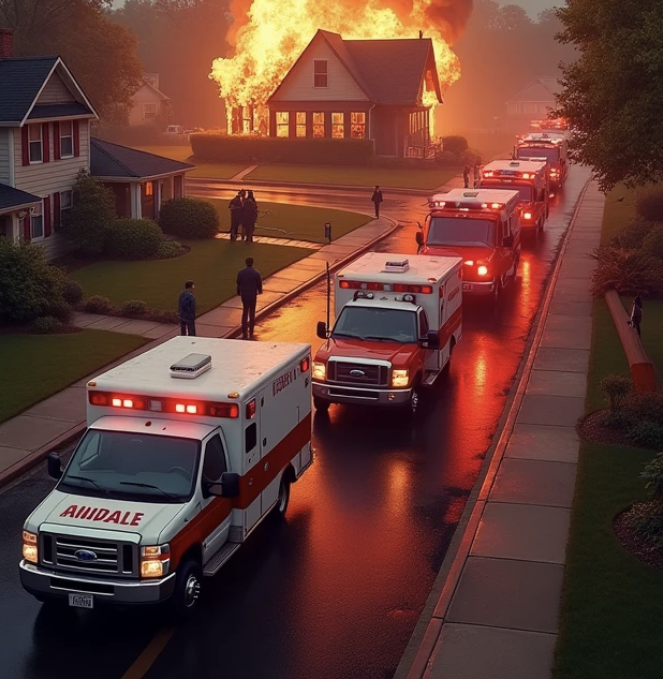
8. House Fires and Carbon Monoxide Poisoning

Why People Die From It in Kentucky

House fires kill quickly due to:

  • Lack of smoke detectors
  • Faulty wiring
  • Space heaters
  • Cooking fires
  • Carbon monoxide buildup

Many victims never wake up.

How to Survive It

Prepared homes save lives.

Survival Actions:

  • Install smoke and CO detectors on every level
  • Test alarms monthly
  • Have fire extinguishers accessible
  • Create and practice escape plans
  • Never run generators indoors

Fire does not forgive mistakes.


9. Severe Weather Events

Why People Die From It in Kentucky

Kentucky experiences:

  • Tornadoes
  • Flooding
  • Ice storms
  • Heat waves

Deaths often occur because people wait too long to act.

How to Survive It

Weather survival requires early action.

Survival Actions:

  • Monitor weather alerts
  • Have shelter plans for tornadoes
  • Avoid floodwaters—never drive through them
  • Keep emergency supplies stocked
  • Prepare for power outages

Nature always wins. Preparation lets you endure.


10. Infectious Diseases and Preventable Illness

Why People Die From It in Kentucky

Preventable diseases still kill due to:

  • Delayed treatment
  • Poor hygiene
  • Chronic illness
  • Vaccine hesitancy
  • Overloaded healthcare systems

How to Survive It

Preparedness is proactive health.

Survival Actions:

  • Maintain basic hygiene
  • Treat wounds immediately
  • Keep medical supplies stocked
  • Stay informed during outbreaks
  • Seek early treatment

Survival favors those who act early—not those who wait.


Final Thoughts: Preparedness Is a Lifestyle

Every cause of death listed here shares one truth:

Prepared people survive longer.

Survival is not about hoarding gear—it’s about:

  • Knowledge
  • Discipline
  • Awareness
  • Responsibility

If you live in Kentucky, you live in a state that rewards self-reliance. Learn the risks. Respect them. Prepare accordingly.

Because survival isn’t luck.

It’s a choice.
How To Survive to 100 Years Old During the Post Apocalypse

The post apocalypse isn’t a movie montage with acoustic guitars and found families. It’s starvation, stupidity, betrayal, and the slow grinding realization that most people were dead weight before the world ended.

If you want to live to 100 years old after everything collapses, you’ll need to accept one harsh truth: survival is lonely, bitter, and unforgiving. The weak die early. The careless die loudly. And the optimistic usually die first.

This isn’t about heroics. This is about outlasting everyone else.

Step One: Accept That Civilization Is Gone (For Good)

One of the biggest killers in a post-apocalyptic world is denial. People cling to the idea that “things will go back to normal.” They wait for governments that no longer exist, rescue teams that were never coming, and systems that collapsed under their own incompetence.

You don’t survive to 100 by waiting.

You survive by understanding that civilization was fragile, bloated, and overdue for collapse. There is no cavalry. There is no reset button. The faster you accept that the old world is dead, the faster you stop making fatal decisions based on nostalgia.

Survivors adapt. Everyone else reminisces until they starve.

Step Two: Stop Trusting People Blindly

Before the apocalypse, people were already selfish, short-sighted, and dangerously ignorant. Remove laws, comfort, and consequences, and you don’t get cooperation—you get predators.

If you think “community” will save you, ask yourself this: how many people around you were useful before everything fell apart? How many could grow food, purify water, repair tools, or shut up when silence mattered?

Exactly.

Living to 100 means being selective. Alliances should be temporary, transactional, and constantly reassessed. Trust is earned through consistency, not shared misery. Anyone who talks too much about unity usually wants something from you.

Keep your circle small. Keep your expectations smaller.

Step Three: Master Boring Skills (They Keep You Alive)

Forget tactical fantasies. Survival to old age depends on boring, repetitive, unglamorous skills that never trend on social media.

You need to know how to:

  • Grow calorie-dense food in poor soil
  • Preserve food without electricity
  • Filter and boil water endlessly
  • Repair clothing, tools, and shelter
  • Treat basic injuries without hospitals
  • Walk long distances without destroying your joints

Living to 100 isn’t about being dangerous—it’s about being durable.

The apocalypse rewards people who can wake up every day and do the same miserable tasks without complaint. If you need excitement, you won’t last.

Step Four: Calories Are Everything (Moral High Ground Is Optional)

You don’t live to 100 by eating “clean.” You live to 100 by eating enough.

Calories are survival currency. Fat is not your enemy. Protein is not optional. Anyone who wastes food to prove a point will be dead long before old age becomes a concern.

You should prioritize:

  • Long-term calorie storage
  • Animals that reproduce quickly
  • Crops that don’t require constant babysitting
  • Eating parts of animals people used to throw away

Ethics change when hunger is permanent. That’s not cruelty—that’s reality.

Step Five: Avoid Violence When Possible (But Be Capable of It)

Violence shortens lifespans. Every fight risks injury, infection, and retaliation. People who glorify combat usually don’t live long enough to regret it.

That said, weakness invites violence.

If you want to reach 100, you must project capability without constantly proving it. Know how to defend yourself. Know how to escape. Know when to disappear rather than “win.”

The smartest survivors are the ones nobody notices until it’s too late to bother them.

Step Six: Build for the Long Haul, Not the Headlines

Temporary shelters kill people slowly. Exposure, bad posture, and untreated injuries compound over decades. You don’t need luxury—but you need sustainability.

Focus on:

  • Weather-resistant shelter
  • Proper sleeping arrangements
  • Warmth without constant fuel consumption
  • Redundancy in tools and systems
  • Minimal reliance on scavenging

Scavenging is a young person’s game. If you want to be alive at 80, you’d better have systems in place by 40.

Step Seven: Protect Your Body Like It’s the Last One You’ll Ever Have

Because it is.

There are no replacements. No surgeries. No miracle drugs. Every injury is permanent damage to your timeline.

Stretch. Rest. Avoid unnecessary strain. Learn how to lift, carry, and work efficiently. Pain ignored today becomes disability tomorrow.

Survivors who last decades treat their bodies like irreplaceable machinery, not expendable tools.

Step Eight: Prepare for Mental Decay (It’s Coming)

Longevity isn’t just physical. Isolation, grief, and monotony erode the mind. People crack. They take risks. They stop caring.

You need structure. Routine. Purpose—even if it’s arbitrary.

Read. Write. Track seasons. Teach yourself something pointless just to keep thinking. A dull mind makes fatal mistakes.

The apocalypse doesn’t just kill bodies—it rots attention spans.

Step Nine: Expect to Be Disappointed Constantly

People will fail you. Plans will collapse. Crops will fail. Weather will ruin everything you worked for.

If you expect fairness, you’ll break.

Living to 100 requires emotional calluses. You don’t rage at reality. You adapt, adjust, and keep going. Anger is fuel—but only if you aim it inward as discipline, not outward as chaos.

Step Ten: Outlive the Noise

Most people won’t make it 10 years. Fewer will make it 20. By the time you’re old, the world will be quieter—not because it’s peaceful, but because most voices are gone.

That’s when patience pays off.

You survive to 100 not by being special, but by being relentless, cautious, and deeply unimpressed by human nature.

The post apocalypse doesn’t reward optimism. It rewards preparation, stubbornness, and the refusal to die just because the world thinks you should.

If that makes you bitter, good.

Bitterness lasts longer than hope.

How Women Survive When Civilization Finally Snaps

Let’s get something straight from the start: when the world falls apart, all those smiling neighbors waving over their fences won’t be offering help, bread, or a generator. Some of them might be the first ones trying to take what you have—or worse. Women have always had to stay alert, even in so-called “civilized” times, so imagine how much worse it’ll get when society finally coughs up its last breath and collapses. And trust me, it will. The cracks are already showing—people losing their minds over gas prices, fighting in supermarkets over chicken, looting during power outages. Now picture all of that amplified by a thousand. That’s the End Times scenario we’re looking at.

I’m not here to sugarcoat anything. The world has lost its collective mind, and when the lights go out for good, the mask comes off. If you think anyone—ANYONE—is coming to save you, think again. Preparedness is no longer a hobby; it’s survival. And for women, the rules are even harsher.

This isn’t about living in fear. It’s about staying alive when the people around you stop pretending to be decent.


1. Stop Trusting Familiar Faces

If you haven’t learned this by now, learn it fast: the neighbor who lends you sugar today might show up at your doorstep tomorrow demanding everything in your pantry. Desperate people get dangerous, and desperate people are exactly what you get in a collapse.

Women, especially, must stop assuming familiarity equals safety. It doesn’t—not now, and definitely not when society implodes.

When the grid dies, you need a mental shift:
Your home is no longer part of a “community.” It is a fortress. You are its commander.

That’s the mindset required to survive.


2. Build a Barrier of Self-Reliance

During an end-times scenario, women cannot depend on “someone else” to provide security. The police won’t show up. 911 won’t answer. And no, your neighbor who “seems nice” is not your personal rescue squad.

Here’s what self-reliance means in collapse conditions:

• Know how to secure your space

Reinforce your doors. Reinforce your windows. Make noise traps with cans or glass around entry points. This isn’t paranoia; it’s preparation.

• Know basic defensive tools

I’m not here to tell you what to carry—that’s your choice. But whatever tool you choose—pepper spray, tactical flashlight, alarm devices—you must know how to use it without hesitation. Tool knowledge is worthless if fear freezes your hand.

• Know how to disappear if you must

That means blackout curtains, low lighting, minimal noise, and learning how to move around your own home without announcing your presence like a marching band.

Because when the world ends, invisibility becomes power.


3. Build a Survival Network—but Carefully

You’ll hear survival gurus preach “GROUPS, GROUPS, GROUPS.” And yeah, teamwork is useful—but only when you trust the people you’re working with. During an end-times event, blind trust is a death sentence.

But isolation has risks too.

The solution? Vetted alliances.
Not your random neighbors. Not acquaintances who panic over minor inconveniences. You need people proven through time, not convenience.

What qualifies someone?

• They keep their word
• They handle stress without becoming unhinged
• They respect boundaries
• They value cooperation over dominance

If someone fails ANY of these, they should never be in your circle—especially if you’re a woman in a high-risk environment.


4. Hide Your Supplies—Even From Those Who “Love” You

When hunger hits, love becomes an afterthought. People justify anything when they’re starving. Don’t assume affection equals security.

You need hidden caches:

One visible decoy stash.
One real stash.
One emergency stash.

If someone breaks into your home demanding food, give them the decoy supplies. You protect the real ones. It sounds cold—because it has to be. Survival requires strategy, not sentiment.


5. Master Situational Awareness Like Your Life Depends On It—Because It Will

Situational awareness isn’t just for action movies. It’s what keeps you alive when every stranger becomes a potential threat.

Women especially must sharpen these instincts:

• Monitor who comes and goes around your area

Who’s watching? Who’s pacing? Who’s suddenly appearing at odd hours? Patterns matter.

• Trust your instincts

If someone gives you a bad feeling now, they’ll be ten times worse during a collapse.

• Never let anyone know you’re alone

Silence is protection. Mystery is a shield.

• Always have a way out

Every room. Every situation. Every encounter.

Your safety plan should always be three steps ahead of everyone else’s desperation.


6. Learn the Skills No One Wants to Admit Women NEED in Collapse

People don’t like hearing this part, but too bad: women face unique threats in disaster scenarios. You can pretend otherwise, but pretending never saved anyone.

Here’s what you MUST know:

• How to create barriers that slow intruders

Simple household items can be turned into physical deterrents.

• How to negotiate or de-escalate

Sometimes talking your way out is the smartest move—IF you know how.

• How to read dangerous people

This isn’t Hollywood; there’s no music cue before someone turns bad. You have to recognize the signs yourself.

• How to fight—smart, not heroic

Survival is not about winning.
It’s about escaping.


7. Accept the Harsh Reality: No One Is Innocent When Hunger Sets In

It’s easy to believe the “lovely neighbor” would never hurt you—or that the friendly guy down the block would never turn predatory. But survival pressure changes people at the cellular level.

When the world collapses:

• The weak become desperate
• The desperate become dangerous
• The dangerous become predators

And predators always look for targets they perceive as easier to overpower.

Women are often placed in that category—unless they make it absolutely clear they are NOT the easy target.

This is your warning.
This is your wake-up call.
This is your chance to be prepared before it’s too late.


8. Become the Person No One Wants to Test

Survival, at its core, is psychological. If someone thinks you’re weak, you become a target. If someone believes you’re alert, prepared, and capable, they move along.

Your goal is not to be liked.
Your goal is not to be friendly.
Your goal is not to be approachable.

Your goal is to stay alive.

In the end-times, women must be:

• Harder to fool
• Harder to manipulate
• Harder to intimidate
• Harder to corner

Strength isn’t a feeling—it’s a stance.


Conclusion: The World Already Showed Us What It’s Capable Of

Look around. Society is already fraying, and people are becoming unrecognizable. When the full collapse hits, the transformation will be instant and brutal. Women cannot afford wishful thinking or fairytale expectations of safety.

The truth is simple:
You survive by being prepared, distrustful, trained, equipped, and vigilant.

Not hopeful.
Not naïve.
Not trusting.

Because when the end comes—and it will—survival will belong to the women who saw it coming and prepared for the worst version of everyone around them.

Why Your Food Won’t Last When the Grid Fails Unless You Do This

Let’s stop pretending everything is fine. You’re smart enough to see the cracks forming. Every month, the world grows more unstable—power grids stretched to their limits, infrastructure rotting, supply chains one bad day away from snapping. And the average person? They just scroll on their phone, complaining about inconveniences while being completely dependent on a system that can’t even keep the lights on during a windy afternoon.

That’s why you, the person reading this, already know what most refuse to accept: if the grid goes down for real—whether it’s a cyberattack, an EMP, civil unrest, or just the inevitable collapse of aging infrastructure—nobody’s coming to save you. And food? Food will be the first thing to vanish, right after sanity.

So let’s talk about how to preserve food in a grid-down situation… because if you don’t take this seriously, you may as well hand your pantry over to your neighbors when they start pounding on your door.


Why You Need to Think About Food Preservation NOW

People love to mock preppers—until they’re hungry. Until they realize that grocery stores keep, on average, three days of food on the shelves. Three days. That’s it. If the trucks stop rolling, the grid dies, or the government decides to “ration” supplies, you’ll watch shelves empty faster than a politician’s promise.

And when the grid goes down?
Your fridge is useless.
Your freezer is a liability.
Your “fresh food” is now a ticking time bomb.

Most Americans can’t even go a day without DoorDash. Imagine them trying to salt a piece of meat or ferment vegetables. They won’t last a week.

But you aren’t going to be one of them. You’re here to prepare, even if the world calls you paranoid.

Good. They can stay unprepared. You’re going to stay alive.


1. Canning: The Skill the Modern World Forgot

Canning is one of the oldest, safest, and longest-lasting ways to preserve food—and I’m always amazed at how many people refuse to learn it because “it looks complicated.” You know what’s complicated? Starving.

There are two main methods:

Water Bath Canning

Perfect for high-acid foods like:

  • Tomatoes
  • Pickles
  • Fruits
  • Jams and jellies

Pressure Canning

For low-acid foods, which is basically everything else worth eating in a crisis:

  • Meat
  • Beans
  • Soups
  • Vegetables
  • Broths

If you don’t have a pressure canner, get one now, before prices skyrocket again or shelves go empty—because they absolutely will in a crisis.

Canned food can last 5+ years, and unlike a freezer, it doesn’t stop working when the power does.


2. Dehydration: Turning Fresh Food into Survival Food

You don’t need electricity to dehydrate food—though electric dehydrators certainly make life easier during “normal” times. When the grid collapses, there are alternatives:

Solar Dehydrators

These can be built from scrap wood, screen material, and a little patience. They use sunlight and airflow—nothing fancy, nothing fragile.

Air Drying

Great for herbs, some vegetables, and thin cuts of meat (jerky), if humidity isn’t a problem.

Dehydrated foods are lightweight, compact, and can last decades when stored properly. And unlike MREs or store-bought survival food, you know exactly what’s in them.


3. Fermentation: The Preservation Method Civilization Was Built On

People forget that before refrigerators, fermentation was how entire populations survived winters, plagues, and wars.

Fermentation doesn’t require electricity—just salt, time, jars, and a little common sense. You can ferment:

  • Cabbage (sauerkraut)
  • Carrots
  • Beets
  • Cucumbers
  • Radishes
  • Garlic
  • Peppers

Fermented foods are packed with probiotics, vitamins, and calories—exactly what your body needs during stress and scarcity.

And the best part?
Fermentation can’t collapse because the grid does.


4. Smoking and Salting Meat: Because Your Freezer Will Fail You

Most people hoard their freezers with food, thinking they’re prepared. They’re not. When the power dies, they’ll be trying to figure out how to keep 200 pounds of meat cold before it turns into a bacteria buffet.

The old methods still work:

Smoking

Smoke adds flavor, removes moisture, and creates a protective layer on meat and fish. Build a smokehouse or use a barrel—you don’t need a fancy setup.

Salting

Salt pulls moisture out of the meat and prevents bacterial growth. It’s one of the most reliable preservation methods in human history.

Salt is cheap now.
It won’t stay cheap.
Stock up.


5. Root Cellaring: Nature’s Refrigerator That Won’t Betray You

You don’t need electricity to store food at stable temperatures. A root cellar—whether built into your basement, buried in the ground, or improvised with barrels or coolers—can keep food fresh for months.

Foods that store well in a root cellar include:

  • Potatoes
  • Onions
  • Carrots
  • Cabbage
  • Apples
  • Beets
  • Winter squash

Imagine that—storing food naturally instead of relying on a grid that barely works on the best days.


6. The Importance of Backup Storage: Mylar, O2 Absorbers & Buckets

Screenshot

You’ve probably seen the panic buyers hoard rice and beans during every “emergency” the media announces. But guess what?

They store them wrong every time.

If you want your dry goods to last 10–30 years, you need:

  • Mylar bags
  • Oxygen absorbers
  • Food-grade buckets
  • Desiccant packs (optional but helpful)

Pack it right once, and it’ll outlive the chaos.


7. The Hard Truth: People Will Come for Your Food

No one wants to talk about this part. But as a prepper, you know it’s true: when people are hungry, they turn violent. When they’re desperate, they stop being rational.

You can have the best food stockpile on the planet, preserved every which way…
but if you don’t defend it, you’re just storing it for someone else.

So prepare quietly. Preserve your food without broadcasting it to the world. The unprepared masses will mock you today—but they’ll envy you later.

And envy becomes danger.


Final Thoughts: Don’t Rely on a System That Has Already Failed

Every year, the grid becomes less stable. Every year, disasters—natural, political, or fabricated—add more strain to the system. And every year, the average citizen becomes more helpless, more dependent, more vulnerable.

But not you.

You’re doing what the world refuses to do: learning real skills, preserving real food, and building real security. When the grid goes down—and it will—your preparations will be the only thing standing between survival and starvation.

Start today.
Because when collapse comes… you won’t get a warning.

Utah Power Outages And How to Stay Safe With No Electricity During SHTF

When the power goes out unexpectedly—especially for days or even weeks—many people realize just how dependent they are on electricity. As a lifelong prepper and someone who cares deeply about helping others get through tough times, I want to offer you both practical skills and compassionate guidance. Whether you live in a cozy Utah suburb or out in the red rock country, preparing for blackouts isn’t paranoia; it’s wisdom.

The truth is, Utah has unique challenges during power outages: harsh winters, vast rural areas, and increasing pressure on infrastructure from population growth and climate instability. If the power grid goes down during an SHTF (S**t Hits The Fan) event, being ready can mean the difference between discomfort and disaster—or worse.

Let’s go through five essential survival skills to help you thrive without electricity, three creative DIY power hacks, three must-have products, and the five worst cities in Utah to be stuck in during a blackout. Then, we’ll talk about how to put it all together into a sustainable plan for your household.


5 Essential Survival Skills for Living Without Electricity

1. Firecraft and Heating Without Power
If the power goes out in the middle of a Utah winter, especially in the high-elevation zones like Park City or Logan, keeping warm becomes a life-or-death priority. Learn how to safely build and maintain indoor and outdoor fires. Stockpile dry firewood, invest in a wood-burning stove or indoor-rated propane heater, and know how to ventilate properly. Always have a carbon monoxide detector on standby with backup batteries.

2. Manual Water Sourcing and Purification
Your taps won’t run forever when there’s no electricity. Wells need pumps. City water systems can lose pressure or become contaminated. Every household should have at least one gravity-fed water filtration system (like a Berkey or DIY ceramic filter). Learn to collect rainwater, find natural water sources, and purify with methods like boiling, iodine tablets, and solar stills.

3. Food Preservation and Non-Electric Cooking
Once refrigeration is gone, spoilage happens fast. Learn to can, pickle, and dehydrate food. If you haven’t tried solar ovens or rocket stoves yet, they’re efficient and perfect for Utah’s sunny days. A Dutch oven and cast-iron skillet over an open flame or hot coals will also serve you well. Don’t forget: learning to make bread from scratch using natural leavening like sourdough is both comforting and sustaining.

4. Non-Electric Communication
Cell towers may stay up for a while on backup generators—but not forever. Learn to use and maintain ham radios or CB radios for local communication. Have printed local maps and know your community’s geography in case you need to travel for help or trade.

5. Security and Situational Awareness
During a long-term blackout, desperation can grow fast in urban centers. Practice situational awareness. That means knowing your neighbors, keeping a low profile when distributing supplies, and securing your home. Training in self-defense, installing manual locks, and developing a home perimeter plan could keep your family safe when tensions run high.


3 DIY Electricity Hacks for Blackout Survival

You don’t need to rely on the grid to power a few essentials. Here are three DIY hacks to produce or store electricity in a blackout:

1. Build a Bicycle Generator
A stationary bike connected to a car alternator or small generator can be a great way to generate small amounts of power—enough to charge phones, small batteries, or LED lights. You’ll need a voltage regulator and some basic tools, but there are many tutorials online to guide you.

2. DIY Solar Power Bank
Combine a small portable solar panel (20–100 watts) with a deep-cycle marine battery, charge controller, and inverter. It’s simple and scalable. You can store enough power to run a fan, charge phones, or even keep a small fridge cold for a few hours a day.

3. Thermal Energy Conversion
Use thermoelectric generators (TEGs) to convert heat from a stove or fire into usable electricity. They don’t produce a lot, but it’s enough to power LED lights or a USB-powered device. This is particularly useful in cold climates like Utah, where you’re running heat sources daily in winter anyway.


The 3 Most Important Survival Products When There’s No Electricity

If you only had three survival products to rely on during a major grid-down event, these would give you the highest chances of staying safe and healthy:

1. Multi-Fuel Stove or Rocket Stove
Cooking, boiling water, and warmth—all without power. A rocket stove is efficient, burns small sticks, and works in all weather. Better still if it runs on multiple fuels like wood, propane, or alcohol.

2. Gravity-Fed Water Filtration System
Clean water is survival priority #1. Systems like the Berkey can filter thousands of gallons of questionable water without electricity. For long-term SHTF, this could save your life.

3. LED Lanterns with Rechargeable Batteries
Safe, long-lasting lighting is essential, especially when candles are too risky or short-lived. Use rechargeable AA or AAA batteries and charge them via solar panels or bike generators.


5 Worst Cities in Utah to Lose Power During SHTF

When considering which cities in Utah would be hardest to survive in during an extended power outage, we’re looking at population density, elevation, climate severity, infrastructure weaknesses, and social dynamics. Here are the top 5 you want to prepare especially well for:

1. Salt Lake City
High population, heavy snow in winter, and a complex urban infrastructure make SLC extremely vulnerable. If stores are looted and fuel runs dry, people will be desperate. Suburbs might fare slightly better, but urban chaos can ripple out fast.

2. West Valley City
Utah’s second-largest city, West Valley has a similar problem—high density, minimal local agriculture, and large apartment complexes that become heat traps or iceboxes without power. Security concerns are also more significant here.

3. Ogden
Known for rough winters and older infrastructure, Ogden’s electrical systems aren’t as robust as they should be. It’s also a hub city, which means traffic bottlenecks and resource shortages happen fast.

4. Provo
Though home to BYU and a somewhat community-minded population, Provo’s growing tech sector and urban sprawl make it dependent on the grid. Winters can be harsh, and there’s not a ton of backup infrastructure.

5. Park City
Tourism and wealth mask a survival challenge here: high altitude, deep winter snow, and dependence on electric heat. When vacationers leave, residents may find themselves cut off from help due to snowed-in roads and empty shelves.


How to Prepare and Stay Safe

Now that you know what skills to learn, products to get, and what areas are most at risk, it’s time to form a simple, clear plan.

Step 1: Create Layers of Redundancy
Don’t just rely on one flashlight or one water source. Have backups. If your solar panel fails, you want a hand-crank option. If your propane runs out, you want a wood option.

Step 2: Practice What You Learn
Reading about survival is great, but try going one weekend a month without electricity. Cook all your meals on a rocket stove. Use only non-electric lighting. Try to wash clothes by hand. You’ll discover weaknesses in your plan that you can fix now, while it’s still easy.

Step 3: Build a Support Network
No one survives alone forever. Get to know your neighbors. Find like-minded folks in your area who are also prepping. Build a barter system or a shared emergency plan. In Utah especially, many communities are already tight-knit—you just need to lean into that.

Step 4: Stay Calm and Lead by Example
When SHTF, people will panic. But you’ve prepared. Keep your cool. Help those who need it without putting your own household in danger. Your calm presence might be what inspires others to organize instead of descend into chaos.


Final Thoughts

Living without electricity is not only possible—it’s how humans lived for thousands of years. With a little knowledge, a few tools, and a lot of heart, you can thrive even when the lights go out. Whether you’re in a city or tucked into the mountains, your readiness could mean everything for your family and even your community.

Be wise. Be kind. Be prepared.

Alabama Power Outages And How to Stay Safe With No Electricity During SHTF

When the lights go out, it’s not just about missing a game on TV or not being able to charge your phone—it’s about survival. A power grid failure, whether caused by storms, cyberattacks, infrastructure failures, or a long-term SHTF (S**t Hits The Fan) event, is no joke. And here in Alabama, where heat, humidity, and strong weather events are part of daily life, it’s especially critical to be prepared for prolonged outages.

Whether you’re living in Birmingham or in the backwoods of Blount County, learning how to survive without electricity is not just for “preppers” anymore—it’s just good common sense. Let’s talk about how to stay safe, what you need, and what you can do right now to prepare for a world without power.


5 Essential Survival Skills for Living Without Electricity

1. Water Procurement and Purification
Electricity powers our water systems. When the grid fails, your tap could run dry or worse, run dirty. Every household should know how to find, collect, and purify water. Rainwater catchment systems, natural springs, and even creeks can be viable sources. Use filters like the Sawyer Mini or LifeStraw, and always boil water when in doubt. Being able to build a fire (we’ll get to that next) is key for this.

2. Firecraft
Fire is warmth, cooked food, boiled water, and a morale booster. Learn how to start a fire without matches or a lighter. Invest in a ferro rod, practice using it, and store dry tinder (like cotton balls dipped in petroleum jelly) in waterproof containers. Knowing how to safely build and manage a fire—especially in Alabama’s wooded areas—is a skill that can literally save your life.

3. Food Preservation and Cooking Without Power
No electricity means your refrigerator becomes a giant, useless box in a matter of hours. Learn how to preserve food using salting, drying, smoking, and fermentation methods. Keep a propane camping stove, rocket stove, or solar oven handy. And always have manual tools: a hand-cranked can opener, a manual grinder, and basic cast iron cookware.

4. Basic First Aid and Hygiene
During a blackout, access to hospitals may be limited, and infection risks rise due to lack of sanitation. Learn how to clean and dress wounds, recognize infection, and treat minor injuries using basic supplies. Stock a first aid kit, and keep it updated. DIY hygiene—like making your own soap or disinfecting with bleach solutions—is also vital.

5. Situational Awareness and Security
When the lights go out, desperation goes up. Be aware of your surroundings, especially in urban environments. Practice safe perimeter checks, build community trust with neighbors, and know how to secure your property. Even something as simple as blackout curtains can protect your home from becoming a beacon of light to looters if you’re using alternative lighting.


3 DIY Electricity Hacks When the Grid Goes Down

1. Bicycle-Powered Generator
With a few parts—like a car alternator, belt, and a stationary bike—you can create a pedal-powered generator. This won’t run your whole house, but it can charge phones, radios, and small LED lights. It’s a great project to build before a disaster strikes.

2. DIY Solar USB Charger
Using a small solar panel (10-20W), a charge controller, and a USB converter, you can build a compact solar USB charger. These are especially handy for charging phones, walkie-talkies, and flashlights. Even cloudy Alabama days can give you enough juice to stay connected.

3. Hand-Crank Generator from a Power Drill
Reverse the motor of an old corded drill and connect it to a battery bank with a bridge rectifier and voltage regulator. Crank it manually to generate enough electricity to charge AA batteries or power small DC devices. Not fast, but in an emergency, it’s a lifesaver.


The 3 Most Important Survival Products to Have When There’s No Power

1. Solar Lanterns and Flashlights (Rechargeable)
Light isn’t just convenience—it’s safety. Keep a couple of solar-powered lanterns or USB rechargeable LED flashlights in every major room. Bonus if they come with USB outputs to charge your phone.

2. Portable Water Filtration System
Whether it’s a gravity-fed Berkey or a compact Sawyer Mini, a reliable water filter is non-negotiable. You can survive weeks without food, but only 3 days without clean water.

3. Backup Cooking Device (Propane or Rocket Stove)
Food brings comfort and calories. A propane stove or DIY rocket stove made from bricks or cans can be used anywhere, no electricity required. Store extra fuel or materials, and practice with it before you need to.


The 5 Worst Cities in Alabama to Be During a Blackout

While no place is great to be without power, some cities in Alabama are especially risky due to high population density, infrastructure weaknesses, and climate factors.

1. Birmingham
As Alabama’s largest city, Birmingham has a dense population and aging infrastructure. A prolonged outage here could quickly lead to civil unrest, limited access to supplies, and heat-related illness, especially in the summer.

2. Mobile
Mobile’s hurricane-prone location and swampy geography make it a bad spot during power failures. Water contamination, downed trees, and limited road access can isolate neighborhoods quickly.

3. Montgomery
The state capital’s older grid and economic inequality make some areas particularly vulnerable. During outages, emergency response tends to be slower in low-income communities, where people may not have access to generators or supplies.

4. Huntsville
Despite being tech-savvy and well-resourced, Huntsville’s reliance on electricity for so many day-to-day operations (especially for high-tech defense and research facilities) makes a blackout here disruptive on a broad scale. Expect panic buying and traffic jams quickly.

5. Tuscaloosa
College towns like Tuscaloosa can be chaotic during power failures. Student housing often lacks backup systems, and a younger population may not be well-prepared, leading to high demand and low supply of basic survival goods.


How to Stay Safe and Sane During a Blackout in Alabama

Power outages are stressful. But with the right mindset and preparation, you can weather the storm—and maybe even help others along the way. Here’s how:

  • Stay Calm – Don’t panic. Get your family together and assess your supplies.
  • Check In – Use your battery-powered or hand-crank radio to get news updates. Avoid rumors and misinformation.
  • Preserve Cold Items – Keep fridge and freezer doors closed. Move perishables into coolers with ice if needed.
  • Avoid Carbon Monoxide – Never use grills, camp stoves, or generators indoors. It’s an invisible killer.
  • Conserve Resources – Ration water, light, and food early. Don’t wait until you’re running low.
  • Stay Cool or Warm – In summer, stay shaded and hydrated. In winter, insulate rooms and dress in layers.
  • Engage the Community – Check on neighbors, especially the elderly. Share resources if you can afford to.

The most powerful survival tool isn’t something you buy. It’s your ability to adapt, stay positive, and remain resourceful in the face of challenges.


Final Thoughts from One Prepper to Another

If you’ve read this far, you’re already ahead of 90% of people who will be blindsided when the lights go out. Prepping isn’t about paranoia—it’s about peace of mind. Knowing you can keep your family safe, hydrated, fed, and protected during a crisis is empowering.

Whether you’re storing canned goods in your pantry, building a backup power system in your garage, or learning how to make fire in the rain—you’re doing the right thing. And here in Alabama, where the weather can change on a dime and the power grid is aging fast, being prepared isn’t optional. It’s essential.

Stay safe, stay kind, and keep prepping.

Idaho Power Outages And How to Stay Safe With No Electricity During SHTF

If you’ve ever lived through a power outage, you know how quickly things can go from inconvenient to life-threatening. Here in Idaho, where winters are cold, summers can be dry and hot, and some regions are quite rural, a loss of electricity—especially during a long-term SHTF (S**t Hits The Fan) scenario—can test even the most prepared among us.

Whether it’s a cyberattack on the grid, extreme weather, a wildfire, or something else entirely, knowing how to adapt quickly can make the difference between getting through it safely or struggling to survive. Today, I want to guide you through key survival skills, DIY electricity hacks, essential products, and the cities in Idaho where losing power can be most dangerous.


Why Preparing for Grid Failure in Idaho Matters

Idaho is a beautiful, rugged state, rich in natural resources and resilient people. But it also has vast rural areas, severe winters in the north and east, and hot summers in the south. We depend on the electrical grid for heat, cooling, water pumps, refrigeration, and communication. A serious power outage here can mean isolation, freezing temperatures, or lack of water—especially if you’re off the beaten path.

Blackouts might last a few hours, or they could stretch into days or even weeks. That’s why every Idahoan—or anyone living in a state with similar geographic diversity—needs to know how to survive without power.


5 Survival Skills to Master Without Electricity

Let’s start with the fundamentals. Electricity has only been part of our lives for a little over a century. People lived—and thrived—without it for thousands of years. If you can master the following five skills, you’ll be in a strong position during any blackout.

1. Water Collection and Purification

Without electricity, your well pump won’t work and city water services may fail. Learn how to collect rainwater, locate nearby natural water sources, and purify water using methods like:

  • Boiling (if you can make a fire)
  • Gravity-fed filters
  • DIY sand, charcoal, and gravel filtration
    Keep water stored ahead of time: aim for one gallon per person per day for at least two weeks.

2. Off-Grid Cooking

Electric stoves, microwaves, and even many propane ranges won’t function during a blackout. Learn how to cook safely using:

  • Rocket stoves
  • Cast iron over an open fire
  • Dutch ovens buried in coals
  • Solar ovens (especially in sunny southern Idaho)
    Cooking without electricity can be enjoyable and nourishing if you’ve prepared the right tools and skills.

3. Food Preservation

When the fridge and freezer go out, you risk losing days’ worth of food. Learn how to:

  • Can (especially pressure canning for meats and vegetables)
  • Dehydrate using solar dehydrators
  • Salt-cure or smoke meats
  • Store root vegetables in a root cellar or cool basement
    These methods have stood the test of time for a reason.

4. Heating and Cooling Your Shelter

Winter in northern Idaho can be brutal without electric heating. Understand how to insulate your home and stay warm using:

  • Wood stoves (always ventilate properly)
  • Thermal mass heating (stones warmed by fire)
  • Layered clothing and mylar blankets
  • Passive solar gain (opening curtains during the day, covering windows at night)
    In summer, ventilate your home, use shade effectively, and stay hydrated to avoid heatstroke.

5. Low-Tech Communication

In a widespread outage, cell towers may go down. Knowing how to communicate without relying on modern tech is vital. Learn how to:

  • Use shortwave/ham radios with a hand-crank or solar power
  • Set up signaling systems (mirrors, flags, or fire/smoke)
  • Create simple message boards or drop points with neighbors
    In emergencies, community coordination can be your lifeline.

3 DIY Electricity Hacks During a Blackout

When the grid fails, a little ingenuity can go a long way. While these hacks won’t power a city, they can give you light, charge small devices, or power radios—things that matter a great deal.

1. DIY Solar Battery Bank

Build a basic solar power system using:

  • A 100W solar panel
  • A deep-cycle marine battery
  • A charge controller
  • An inverter
    This setup can run lights, charge phones, power a laptop, or keep a small fridge going for short periods. It’s simple, modular, and scalable.

2. Hand-Crank Generator

Convert an old exercise bike into a hand-crank generator by attaching a car alternator to the wheel and connecting it to a battery. It takes effort, but it can charge radios, phones, or even small LED lights. Great exercise too!

3. Thermoelectric Generator (TEG)

These clever devices use the difference in temperature between two surfaces to generate power. You can use a TEG on a wood stove or campfire to charge small electronics. Look for camping-specific models that are efficient and compact.


The 3 Most Important Survival Products You’ll Need Without Electricity

When the lights go out and stay out, you don’t want to rely on last-minute scrounging. The following three products are absolute game-changers:

1. Water Filtration System

Whether it’s a gravity-fed Berkey system, a LifeStraw, or a Sawyer filter, clean water is priority #1. If you’re in the mountains of Idaho or the plains near Twin Falls, your access to water may be affected by livestock runoff, mining contamination, or sediment.

2. Alternative Light Source

Headlamps, LED lanterns, and crank-powered flashlights will make nights easier and safer. Solar-powered garden lights can be charged outside by day and used indoors by night.

3. Heat Source

A wood-burning stove or portable propane heater (like a Mr. Heater Buddy) with adequate ventilation and CO detectors can be a literal lifesaver during Idaho’s cold seasons. Even emergency thermal blankets can help maintain body heat.


5 Worst Cities in Idaho to Be Without Electricity

Idaho’s geography plays a big role in how badly an outage could affect you. Here are five cities where losing power could pose serious challenges:

1. Idaho Falls

This eastern city experiences severe winter weather, and many homes rely on electric heat. An outage in January here could be deadly without backup heating.

2. Coeur d’Alene

Beautiful, but heavily forested and prone to snowstorms, the area around Coeur d’Alene sees frequent outages and difficult road conditions. It can become quickly isolated.

3. Twin Falls

Hot, dry summers mean a lack of air conditioning can cause heat-related illnesses. Additionally, the city’s agricultural dependence means food supply chains can be disrupted if local infrastructure fails.

4. Mountain Home

High desert and a large Air Force presence could make this a strategic target in national grid failure scenarios. Water availability and summer heat are big concerns here.

5. McCall

A beloved mountain town, but remote and snowy. Limited access to outside resources during winter months makes this location vulnerable during prolonged outages.


Final Thoughts from a Survival-Minded Friend

Prepping doesn’t mean panic. It means peace of mind. You don’t have to live like a doomsday movie character to prepare for a power grid failure. You just have to think like your great-grandparents did—how to live simply, safely, and in harmony with the land.

Idaho is a state of survivalists at heart. From the ranchers of Salmon to the homesteaders near Bonners Ferry, people here have long lived with one foot in the modern world and one in the wilderness. That’s a legacy to honor—and a skill set worth passing down.

If you’re new to prepping, start small. Store extra water. Learn to cook off-grid. Practice camping in your backyard with no power. Talk to neighbors about creating a local emergency plan. Community is strength.

Remember, electricity is a tool—but not a necessity for living a full, secure life. Stay warm, stay dry, and keep learning.

Texas Power Outages And How to Stay Safe With No Electricity During SHTF

If you’ve lived in Texas for a while, you already know that we can experience extreme weather from every angle—burning summers, ice storms, flooding, and even tornadoes. Unfortunately, each of these natural events can quickly spiral into a larger emergency, especially when the power goes out. The infamous Texas Winter Storm of 2021 taught us all just how vulnerable our power grid really is. So if you’re reading this, you’re likely the type of person who doesn’t want to be caught off guard again. That’s smart.

I’m here to help you prepare, not panic. When the grid goes down—whether from weather, cyberattack, aging infrastructure, or overload—you need to be able to survive, adapt, and protect your loved ones. No electricity doesn’t have to mean no hope. With the right skills, tools, and mindset, you can make it through even the toughest blackouts.

Let’s walk through five essential survival skills you’ll need when the lights go out, three clever DIY hacks for generating some power on your own, the top three must-have survival items to keep on hand, and finally, which cities in Texas are the absolute worst places to be when the grid fails.


5 Survival Skills to Know When Living Without Electricity

1. Off-Grid Cooking & Food Prep

When the power goes out, so does your electric stove, microwave, and fridge. Being able to cook food without power is critical. Invest in a propane camping stove, rocket stove, or build your own solar oven using a cardboard box and foil. Know how to use cast iron cookware over an open flame safely. And don’t forget the value of shelf-stable foods—beans, rice, canned meats, powdered milk.

Being able to preserve food without a fridge—by smoking, salting, dehydrating, or fermenting—is another underrated skill. It’s not just about eating, it’s about eating safely.

2. Water Purification and Storage

When electricity goes down, water pressure often drops or gets contaminated. Learn to collect rainwater and purify it. You should have water filters like LifeStraw or Sawyer Minis, but also know old-school methods like boiling, using bleach drops, or building a sand-charcoal filtration system.

You can DIY a water cache using 55-gallon food-grade barrels. Plan for at least one gallon of water per person, per day, for a minimum of two weeks.

3. Staying Warm (or Cool)

Texas weather isn’t just inconvenient—it can be deadly. In winter, without heat, hypothermia becomes a real risk. Learn to insulate a room using blankets, foam board, or mylar emergency blankets on windows. Set up a safe heat source like a Mr. Heater Buddy (rated for indoor propane use with proper ventilation).

In the summer, know how to cool down with old-fashioned tricks like cross-ventilation, wet cloth wraps, shade shelters, and battery-powered fans. Heat stroke can kill just as easily as frostbite.

4. Lighting & Situational Awareness

Once it’s dark, your world shrinks. Have a system for lighting: solar lanterns, candles, headlamps, and flashlights with rechargeable batteries. But also learn how to maintain night vision, avoid light discipline mistakes (which can attract attention in bad times), and move silently in low light.

Your eyes and ears are your best defenses when everything else is down. Learn to listen to your environment.

5. Community Bartering & Security Basics

Survival isn’t always about going it alone. When the grid is down for weeks, bartering may become necessary. Learn basic trade value (like what a bottle of bleach or a pound of rice is worth in hard times) and build trust with neighbors beforehand. At the same time, know how to secure your property discreetly and safely. Motion-activated solar lights, reinforced doors, and simple early-warning tripwires can go a long way.

You don’t need to become Rambo—you just need to be prepared, alert, and protective of your space and people.


3 DIY Electricity Hacks During a Blackout

1. Build a Solar USB Charger

Using a small solar panel (5-20W), a charge controller, and a USB output module, you can create your own solar phone charger. These parts are widely available online or from hardware stores. Great for keeping phones, radios, or USB lights running when the grid is down.

2. Bicycle Generator Setup

Convert a bicycle into a pedal-powered generator using an alternator or a DC motor. You’ll need a voltage regulator and a battery to store the charge. This DIY setup can power small devices or recharge batteries with a good workout.

3. DIY Mason Jar Oil Lamp

If you’re caught without flashlights or solar lanterns, you can make an oil lamp using a mason jar, olive or vegetable oil, and a cotton wick (or even a shoelace in a pinch). It won’t replace your entire lighting system, but it can provide a surprisingly steady light source.


Top 3 Most Important Survival Products to Have Without Electricity

1. Portable Power Bank (Solar Rechargeable)
A high-capacity solar power bank or battery station like a Jackery or Goal Zero unit allows you to keep your essential electronics (phone, radio, flashlight, fan) running. Make sure it’s solar rechargeable and test it regularly.

2. Water Filtration System
Whether it’s a gravity-fed Berkey filter, a LifeStraw, or Sawyer Mini, you must have a reliable way to turn contaminated water into drinkable water. Boiling is great—but what if you’re low on fuel?

3. Emergency Radio (Hand Crank + Solar + Battery)
Communication is critical in a crisis. A NOAA weather radio with AM/FM and shortwave capabilities keeps you informed. Bonus if it includes a flashlight and USB charger.


5 Worst Cities in Texas to Be in During a Power Outage

Some places in Texas are just tougher to survive in when the grid fails. Factors like population density, climate extremes, lack of infrastructure, or crime risk make these cities particularly hazardous:

1. Houston
Hot, humid, and sprawling, Houston becomes almost unlivable without AC. Crime increases during outages, and flood risk adds another danger.

2. Dallas
High population, extreme summer heat, and ice storms in the winter. Dallas has seen grid strain before and would struggle in long-term blackouts.

3. El Paso
While drier and safer than some cities, El Paso relies heavily on power for water pumps and cooling systems in a desert environment. Summer heat can be punishing.

4. Corpus Christi
Hurricane-prone and vulnerable to grid instability. Water contamination and evacuation problems make this a tough spot during power-down events.

5. San Antonio
Large and rapidly growing, San Antonio’s grid is already under pressure. With extreme heat and limited shade, it poses a serious survival challenge during summer outages.


Final Thoughts: Resilience Starts With Mindset

The truth is, we can’t always predict when or why the lights will go out. But what we can do is take control of how we respond. Preparing for a power outage isn’t just about gadgets or gear—it’s about mindset. Think long-term. Think “What can I do today to be better off tomorrow?”

Start small. Practice one survival skill a week. Add a few key items to your home every month. Talk to your neighbors. Run a mock blackout scenario with your family. It’s not paranoia—it’s responsibility.

The more self-sufficient you become, the more peace you’ll feel. And if the day comes when everything does go dark, you’ll be the one who knows how to light a fire, filter the water, cook the food, and stay calm in the storm.

Stay safe, stay prepared, and never underestimate the power of knowledge.

New York Power Outages and How to Stay Safe With No Electricity During SHTF

When the lights go out, everything changes. If you’ve ever been caught in a power outage—especially a long one—you know how quickly our modern comforts can disappear. For those of us living in New York State, where population density, weather extremes, and infrastructure vulnerabilities converge, losing power isn’t just inconvenient; it can be downright dangerous. Whether you’re in the heart of Manhattan or in a small upstate town, being prepared means more than having a flashlight and a few cans of soup.

Let’s talk about how to stay safe, smart, and sane when the grid goes down, especially during a situation where everything hits the fan (SHTF). From hard-earned survival skills to practical DIY electricity hacks, this guide is here to empower you with both knowledge and confidence.


5 Survival Skills for Living Without Electricity

Living without power can feel like stepping back a century. But people lived that way for thousands of years, and so can we—with the right mindset and skills. Here are five critical abilities every New Yorker should learn before the lights go out.


1. Fire Craft and Off-Grid Cooking

Cooking is one of the first hurdles you’ll face in a blackout, especially if your stove or microwave relies on electricity. Being able to start a fire safely is a foundational survival skill. Learn how to make a Dakota fire hole—an efficient, smokeless fire pit—and how to cook over an open flame using cast iron. If you have a propane grill, keep extra tanks stored safely. Bonus points if you know how to cook with a solar oven, which works wonders in summer.


2. Water Procurement and Purification

In a prolonged power outage, municipal water systems can fail, especially if the pumps rely on electricity. You’ll need to locate alternate sources of water (like rainwater or streams) and purify them. Learn how to make a gravity-fed water filtration system using activated charcoal, sand, and gravel. Always keep a stash of water purification tablets, and know how to boil water over an open fire if needed.


3. Food Preservation Without Refrigeration

Food spoilage is one of the biggest threats when the fridge dies. Learn traditional methods of preservation like canning, pickling, smoking, fermenting, and dehydration. For example, salt-cured meats can last weeks unrefrigerated, and fermented vegetables can supply essential nutrients long after the fresh stuff is gone.


4. Manual Sanitation and Waste Management

Let’s be honest—when the toilet won’t flush and the water stops running, things get… uncomfortable. In urban areas especially, this can quickly become a health hazard. Learn how to create a sawdust toilet (composting toilet alternative), manage gray water safely, and maintain personal hygiene with minimal water. Keep a well-stocked sanitation bucket system with heavy-duty trash bags, baking soda, and bleach.


5. Situational Awareness and Community Communication

When the grid goes down, you lose not only power but also connection—no internet, no news, and possibly no phone signal. Train yourself to rely on local radio, ideally a hand-crank emergency radio. Form neighborhood alliances and have a community plan. Understand the signs of civil unrest or worsening conditions and how to respond calmly and smartly.


3 DIY Electricity Hacks When the Grid Goes Down

You don’t have to be an electrical engineer to generate a bit of power during a blackout. Here are three practical, do-it-yourself hacks that can bring light, charge your devices, or even run small appliances in a pinch.


1. DIY Solar Charger with USB Output

With a small solar panel kit (available online or at hardware stores), you can build a basic solar charging system for phones, radios, or flashlights. You’ll need:

  • A 10-20W solar panel
  • A solar charge controller
  • A 12V battery (like a deep-cycle marine battery)
  • A USB car adapter

Connect the panel to the charge controller, then to the battery, and plug in your USB adapter. This can keep your essential devices running for days.


2. Bicycle Generator for Small Power Needs

If you’re handy, convert an old bike into a pedal-powered generator. You’ll need a bike stand, a belt or chain drive, and a small alternator or motor. This setup can generate enough electricity to charge a battery pack or power a few LED lights. It’s also great exercise and a morale booster during dark times.


3. Saltwater Battery Lamp

When resources are scarce, even salt and water can make a difference. Using magnesium and copper plates (or coins), you can make a rudimentary battery with saltwater. Connect enough of these cells in series, and you can power an LED. It won’t light up your whole house, but in an emergency, every little bit of light helps.


3 Most Important Survival Products Without Electricity

While survival is mostly about mindset and skill, having the right gear can make a night-and-day difference. If I had to choose just three must-haves for a no-electricity scenario, these would be it:


1. Multi-Fuel Camp Stove (e.g., MSR WhisperLite)
Reliable, versatile, and portable, these stoves can burn white gas, kerosene, or even unleaded gasoline. It’s your best bet for cooking or boiling water safely when the power is out and fire pits aren’t an option.


2. Solar Generator (like Jackery or Bluetti)
A solar generator is a quiet, clean way to power essentials like a CPAP machine, lights, or small appliances. Look for one with at least 500Wh capacity and a foldable solar panel. It may be an investment—but in a long-term blackout, it can be a lifeline.


3. Headlamp with Rechargeable Battery
Hands-free lighting is more useful than a flashlight, and using a rechargeable model with a solar bank or hand crank makes it even better. Always have backup lights and extra power sources available.


5 Worst Cities in New York to Be in During a Power Outage

Not all places in New York are created equal when the grid goes dark. The following cities pose unique challenges due to their infrastructure, population density, crime potential, and lack of immediate resources.


1. New York City
No surprise here. The Big Apple is deeply reliant on electricity for everything—transportation, water pumps, elevators, and communication systems. A prolonged outage could result in gridlock, water shortages, looting, and a breakdown in services. If you’re in NYC, you must have a robust bug-in or bug-out plan.


2. Buffalo
Heavy snowfall in winter combined with aging electrical infrastructure makes Buffalo a risky place for long-term outages. Frozen pipes, inaccessible roads, and limited local resources can make it extremely challenging to stay warm and safe.


3. Albany
The capital city is a central hub, but its aging grid and colder winters make power outages especially tough. Hospitals and government systems may get backup generators—but residential areas might not. Additionally, it’s prone to flooding, adding another layer of risk.


4. Rochester
Another cold-weather city with a high dependency on the grid. Its older buildings and infrastructure are not well-equipped for extended blackouts, especially during storm season. Food spoilage and heating become urgent concerns here.


5. Yonkers
Close to NYC but with fewer resources, Yonkers faces the double threat of population density and limited emergency services. If an outage leads to cascading failures in sanitation, water, or policing, residents could be left fending for themselves.


Staying Safe, Staying Smart

Preparedness isn’t about fear—it’s about confidence. When you have the skills, tools, and mindset to meet challenges head-on, you’re not just surviving. You’re thriving under pressure.

If you live in New York or any other urban or semi-urban area, take the time now—while the lights are still on—to build your resilience. Practice your fire-starting skills in a controlled setting. Stock up on clean water, batteries, canned goods, and medical supplies. Make sure your family knows the plan.

Don’t wait for FEMA or the city to come knocking. When the grid goes down, you’ll be glad you took the time to prepare.

Stay safe, stay aware, and above all, stay kind. In the darkest times, a little light from a helping hand can go a long way.

Nevada Power Outages And How to Stay Safe With No Electricity During SHTF

Living in Nevada, a state known for its rugged deserts, vast open spaces, and vibrant cities, means we’re no strangers to challenges. One scenario every responsible prepper must consider is what happens when the power goes out—whether due to natural disaster, cyberattack, or grid failure during a catastrophic event (SHTF: Stuff Hits The Fan).

The truth is, electricity powers much of our modern life, and losing it unexpectedly can thrust us back into a more primitive, survival-based existence. But don’t worry—being prepared with knowledge, practical skills, and the right gear will ensure you stay safe, comfortable, and even empowered through a blackout. I want to share some guidance on surviving without electricity in Nevada and give you some practical, hands-on tips and products to prioritize.


Why Prepare for Power Outages in Nevada?

Nevada’s arid climate and isolated stretches make it both resilient and vulnerable. You’ll face extreme temperatures, especially in summer and winter, and limited immediate access to resources if power is out for days or weeks. Urban centers like Las Vegas and Reno rely heavily on electricity for everything from water pumping to air conditioning and refrigeration. So when the grid fails, daily life can quickly become difficult.


Five Essential Survival Skills to Thrive Without Electricity

  1. Water Sourcing and Purification
    Electric pumps power most residential water systems, so when the electricity fails, you may lose running water. Knowing how to find water in your environment—whether from natural springs, rain catchment, or stored supplies—is critical. Also, understanding purification methods like boiling, using chemical tablets, or filtering with portable filters is essential to avoid waterborne illness.
  2. Fire Building for Heat and Cooking
    Without electric stoves or heaters, fire is your best friend. Master building and maintaining a fire safely, using wood, charcoal, or even coal. Learn different fire-starting methods such as using a ferro rod, flint and steel, or natural tinder. Fire gives you warmth, the ability to cook, and even a signal for rescue if needed.
  3. Food Preservation and Foraging
    Without refrigeration, fresh food won’t last long. Learn how to preserve food through drying, smoking, fermenting, or salting. Also, knowing edible wild plants, insects, and local wildlife can supplement your diet in an emergency. Familiarize yourself with Nevada’s native flora and fauna, but always double-check to avoid poisonous plants.
  4. Lighting Without Electricity
    Electric lighting is a convenience we take for granted. In a blackout, you’ll rely on candles, oil lamps, solar lanterns, or hand-crank flashlights. Practice using and maintaining these light sources now, so you’re confident when you need them. Also, always keep spare fuel and batteries safely stored.
  5. Navigation and Communication Skills
    Cell towers and internet services are dependent on electricity. Learn traditional navigation methods using a map and compass and how to communicate via battery-powered or hand-crank radios. Knowing how to send visual signals or create smoke signals can be useful if you need to attract help in remote areas.

Three DIY Electricity Hacks During a Blackout

Even without grid power, it’s possible to generate some electricity on your own to power essential devices. Here are three hacks that can help:

  1. Solar Charger Using Small Panels
    Small, portable solar panels are increasingly affordable and can charge phones, radios, or small battery packs. You can build a simple solar charger with a panel, a voltage regulator, and a USB port. During daylight hours, place your solar panel in direct sun and connect your device to keep communication open.
  2. Hand-Crank Generator
    If you have some basic electronic parts, it’s possible to create a hand-crank generator. By turning a crank connected to a small DC motor, you can produce enough electricity to charge a phone or power a small LED light. This requires some DIY skill but can be life-saving in extended outages.
  3. Bicycle-Powered Generator
    If you have a stationary bike, you can convert it into a pedal-powered generator. By attaching a DC motor or alternator to the bike’s rear wheel and connecting it to a battery and inverter setup, pedaling generates electricity. This is great exercise and a renewable way to produce power when the sun isn’t available.

The Three Most Important Survival Products for No Electricity Situations

  1. Multi-Fuel Stove or Portable Propane Burner
    A stove that can burn multiple fuel types (propane, butane, wood) allows you to cook food and boil water without electricity. Portability is key, so you can use it indoors with proper ventilation or outdoors.
  2. Reliable Water Filtration System
    A high-quality water filter or purification system, such as a gravity filter or a LifeStraw, ensures safe drinking water regardless of source. Water is life, and this is non-negotiable.
  3. Durable Solar Lantern or Rechargeable LED Lantern
    Lighting is crucial after sunset for safety, comfort, and mental well-being. Solar lanterns with rechargeable batteries are perfect because they don’t rely on fragile batteries that can run out.

Five Worst Cities in Nevada for Blackouts and Why

  1. Las Vegas
    As Nevada’s largest city and a major tourist destination, Las Vegas relies heavily on electricity for everything from casinos to water pumping. A blackout here would cause severe disruptions and chaos, especially in high-rise buildings with no backup power.
  2. Reno
    Reno’s location in the Sierra Nevada mountains makes it susceptible to winter storms that can damage power lines. The city’s dependence on electricity for heating means outages in cold weather can be dangerous.
  3. North Las Vegas
    This growing urban area shares many vulnerabilities with Las Vegas proper, including dense population and reliance on grid power. Blackouts can quickly lead to public safety issues and strain emergency services.
  4. Henderson
    As another large suburb of Las Vegas, Henderson depends on the same infrastructure. High temperatures in summer combined with no AC during blackouts make this city particularly vulnerable.
  5. Carson City
    The state capital has a more rural feel but is still vulnerable to power outages due to limited infrastructure redundancy. Its location in a valley can complicate emergency response and power restoration.

Staying Safe and Prepared

The best way to face power outages is to prepare now. Maintain a stock of essentials like water, non-perishable food, batteries, and first aid supplies. Have a plan for communicating with family or neighbors and know your evacuation routes if necessary.

During an outage, conserve energy, stay calm, and prioritize safety. Avoid using generators indoors to prevent carbon monoxide poisoning. Use your skills to find water, make fire, and preserve food. Stay informed through battery-powered radios.


Final Thoughts

Living in Nevada without electricity is a challenge, but with the right knowledge, skills, and equipment, it’s entirely manageable. You’ll be able to protect yourself and your loved ones and maintain your dignity in difficult times. Preparation isn’t just about surviving—it’s about thriving no matter what life throws your way.

If you haven’t started prepping for power outages, I encourage you to take the first steps today. Learn these survival skills, gather your gear, and practice using your tools. The peace of mind you’ll gain is worth every minute.