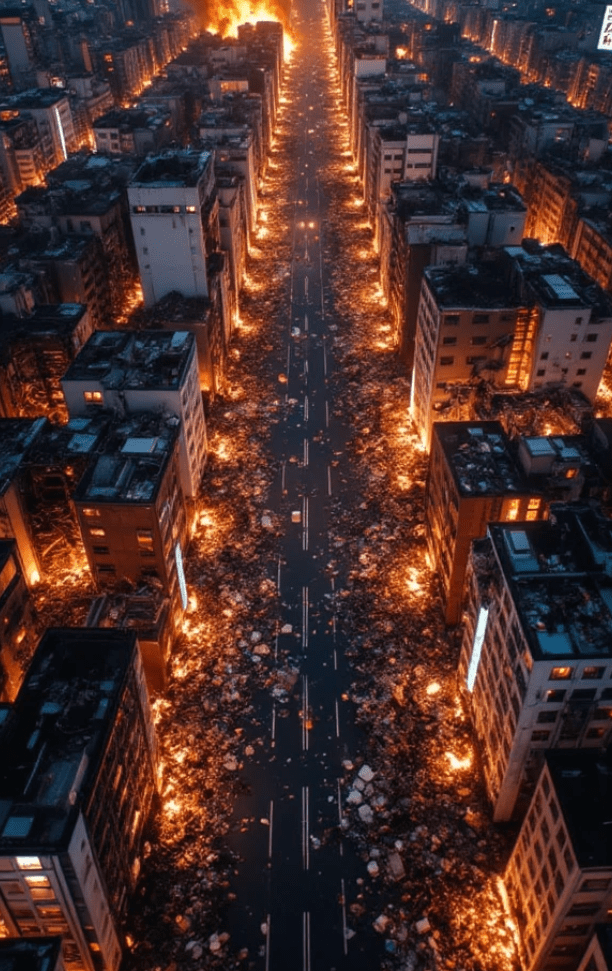
New York Power Outages and How to Stay Safe With No Electricity During SHTF

When the lights go out, everything changes. If you’ve ever been caught in a power outage—especially a long one—you know how quickly our modern comforts can disappear. For those of us living in New York State, where population density, weather extremes, and infrastructure vulnerabilities converge, losing power isn’t just inconvenient; it can be downright dangerous. Whether you’re in the heart of Manhattan or in a small upstate town, being prepared means more than having a flashlight and a few cans of soup.

Let’s talk about how to stay safe, smart, and sane when the grid goes down, especially during a situation where everything hits the fan (SHTF). From hard-earned survival skills to practical DIY electricity hacks, this guide is here to empower you with both knowledge and confidence.


5 Survival Skills for Living Without Electricity

Living without power can feel like stepping back a century. But people lived that way for thousands of years, and so can we—with the right mindset and skills. Here are five critical abilities every New Yorker should learn before the lights go out.


1. Fire Craft and Off-Grid Cooking

Cooking is one of the first hurdles you’ll face in a blackout, especially if your stove or microwave relies on electricity. Being able to start a fire safely is a foundational survival skill. Learn how to make a Dakota fire hole—an efficient, smokeless fire pit—and how to cook over an open flame using cast iron. If you have a propane grill, keep extra tanks stored safely. Bonus points if you know how to cook with a solar oven, which works wonders in summer.


2. Water Procurement and Purification

In a prolonged power outage, municipal water systems can fail, especially if the pumps rely on electricity. You’ll need to locate alternate sources of water (like rainwater or streams) and purify them. Learn how to make a gravity-fed water filtration system using activated charcoal, sand, and gravel. Always keep a stash of water purification tablets, and know how to boil water over an open fire if needed.


3. Food Preservation Without Refrigeration

Food spoilage is one of the biggest threats when the fridge dies. Learn traditional methods of preservation like canning, pickling, smoking, fermenting, and dehydration. For example, salt-cured meats can last weeks unrefrigerated, and fermented vegetables can supply essential nutrients long after the fresh stuff is gone.


4. Manual Sanitation and Waste Management

Let’s be honest—when the toilet won’t flush and the water stops running, things get… uncomfortable. In urban areas especially, this can quickly become a health hazard. Learn how to create a sawdust toilet (composting toilet alternative), manage gray water safely, and maintain personal hygiene with minimal water. Keep a well-stocked sanitation bucket system with heavy-duty trash bags, baking soda, and bleach.


5. Situational Awareness and Community Communication

When the grid goes down, you lose not only power but also connection—no internet, no news, and possibly no phone signal. Train yourself to rely on local radio, ideally a hand-crank emergency radio. Form neighborhood alliances and have a community plan. Understand the signs of civil unrest or worsening conditions and how to respond calmly and smartly.


3 DIY Electricity Hacks When the Grid Goes Down

You don’t have to be an electrical engineer to generate a bit of power during a blackout. Here are three practical, do-it-yourself hacks that can bring light, charge your devices, or even run small appliances in a pinch.


1. DIY Solar Charger with USB Output

With a small solar panel kit (available online or at hardware stores), you can build a basic solar charging system for phones, radios, or flashlights. You’ll need:

  • A 10-20W solar panel
  • A solar charge controller
  • A 12V battery (like a deep-cycle marine battery)
  • A USB car adapter

Connect the panel to the charge controller, then to the battery, and plug in your USB adapter. This can keep your essential devices running for days.


2. Bicycle Generator for Small Power Needs

If you’re handy, convert an old bike into a pedal-powered generator. You’ll need a bike stand, a belt or chain drive, and a small alternator or motor. This setup can generate enough electricity to charge a battery pack or power a few LED lights. It’s also great exercise and a morale booster during dark times.


3. Saltwater Battery Lamp

When resources are scarce, even salt and water can make a difference. Using magnesium and copper plates (or coins), you can make a rudimentary battery with saltwater. Connect enough of these cells in series, and you can power an LED. It won’t light up your whole house, but in an emergency, every little bit of light helps.


3 Most Important Survival Products Without Electricity

While survival is mostly about mindset and skill, having the right gear can make a night-and-day difference. If I had to choose just three must-haves for a no-electricity scenario, these would be it:


1. Multi-Fuel Camp Stove (e.g., MSR WhisperLite)
Reliable, versatile, and portable, these stoves can burn white gas, kerosene, or even unleaded gasoline. It’s your best bet for cooking or boiling water safely when the power is out and fire pits aren’t an option.


2. Solar Generator (like Jackery or Bluetti)
A solar generator is a quiet, clean way to power essentials like a CPAP machine, lights, or small appliances. Look for one with at least 500Wh capacity and a foldable solar panel. It may be an investment—but in a long-term blackout, it can be a lifeline.


3. Headlamp with Rechargeable Battery
Hands-free lighting is more useful than a flashlight, and using a rechargeable model with a solar bank or hand crank makes it even better. Always have backup lights and extra power sources available.


5 Worst Cities in New York to Be in During a Power Outage

Not all places in New York are created equal when the grid goes dark. The following cities pose unique challenges due to their infrastructure, population density, crime potential, and lack of immediate resources.


1. New York City
No surprise here. The Big Apple is deeply reliant on electricity for everything—transportation, water pumps, elevators, and communication systems. A prolonged outage could result in gridlock, water shortages, looting, and a breakdown in services. If you’re in NYC, you must have a robust bug-in or bug-out plan.


2. Buffalo
Heavy snowfall in winter combined with aging electrical infrastructure makes Buffalo a risky place for long-term outages. Frozen pipes, inaccessible roads, and limited local resources can make it extremely challenging to stay warm and safe.


3. Albany
The capital city is a central hub, but its aging grid and colder winters make power outages especially tough. Hospitals and government systems may get backup generators—but residential areas might not. Additionally, it’s prone to flooding, adding another layer of risk.


4. Rochester
Another cold-weather city with a high dependency on the grid. Its older buildings and infrastructure are not well-equipped for extended blackouts, especially during storm season. Food spoilage and heating become urgent concerns here.


5. Yonkers
Close to NYC but with fewer resources, Yonkers faces the double threat of population density and limited emergency services. If an outage leads to cascading failures in sanitation, water, or policing, residents could be left fending for themselves.


Staying Safe, Staying Smart

Preparedness isn’t about fear—it’s about confidence. When you have the skills, tools, and mindset to meet challenges head-on, you’re not just surviving. You’re thriving under pressure.

If you live in New York or any other urban or semi-urban area, take the time now—while the lights are still on—to build your resilience. Practice your fire-starting skills in a controlled setting. Stock up on clean water, batteries, canned goods, and medical supplies. Make sure your family knows the plan.

Don’t wait for FEMA or the city to come knocking. When the grid goes down, you’ll be glad you took the time to prepare.

Stay safe, stay aware, and above all, stay kind. In the darkest times, a little light from a helping hand can go a long way.

Illinois’s Worst Roads to Drive on During a Disaster

Illinois’s Worst Roads to Drive on During a Disaster: A Survivalist’s Guide to Getting Out Alive

When you’ve spent as much time on the road as I have—navigating everything from hurricane-stricken coasts to snow-choked mountain passes—you learn a few things. Chief among them: not all roads are created equal, especially when the world decides to go sideways. I’ve driven across war zones, dodged wildfires in California, and rolled my tires through the thickest mud Mississippi could throw at me. But if you ask me which roads I’d avoid like the plague during a disaster, Illinois ranks higher than most folks would imagine.

You see, Illinois has some real problem roads—death traps, bottlenecks, and pavement that’ll eat your suspension alive. Add a crisis—tornado, blizzard, civil unrest, or grid failure—and these roads turn from frustrating to fatal. But with the right skills and some old-school ingenuity, you can drive your way out of almost any hellscape.

Let’s talk roads first, then survival skills, and finally, how to cheat the gas gauge when it hits empty.


The Worst Roads in Illinois During a Disaster

  1. I-290 (Eisenhower Expressway, Chicago Area)
    Also known as “The Ike,” this road is a living nightmare on a normal day. During a crisis, it clogs up fast and turns into a parking lot. Limited shoulders and aggressive drivers don’t help.
  2. I-90/94 (Dan Ryan Expressway)
    You’ll find this gem slicing through downtown Chicago. Tight turns, confusing on-ramps, and high accident rates make it a disaster magnifier.
  3. Lake Shore Drive (US 41)
    Scenic? Yes. Smart during a disaster? No. Sandwiched between Lake Michigan and high-rise buildings, you’ve got limited escape options. One way in, one way out.
  4. I-55 South (from Chicago to Joliet)
    A vital corridor during evacuations. Problem is, so does everyone else. Traffic jams and construction zones make it a no-go without preparation.
  5. IL Route 53 (Through Bolingbrook and Romeoville)
    Known for sudden stops, constant traffic lights, and heavy congestion. If the grid goes down, this becomes a logjam.
  6. US Route 20 (Between Elgin and Freeport)
    Rural, yes—but isolated doesn’t always mean better. If you break down here, good luck flagging help.
  7. I-57 (South of Kankakee)
    It may seem like a clear path out, but it floods easily and has poor cell reception in places. Add downed trees or debris, and you’re stranded.
  8. I-80 (Joliet Stretch)
    Home to heavy truck traffic. When the big rigs panic, they jackknife and trap smaller vehicles. Avoid it during winter storms or fuel shortages.
  9. I-64 (Eastbound near Mount Vernon)
    Notorious for accidents and poor road conditions. If you’re driving at night or in bad weather, you’re rolling the dice.
  10. US Route 34 (Western IL near Galesburg)
    A rural road with few services, spotty coverage, and minimal signage. Navigating this during a blackout or disaster is a high-stress gamble.

15 Survival Driving Skills That Could Save Your Life

  1. Situational Awareness
    Know what’s happening ahead, behind, and around you. That gut feeling? Listen to it.
  2. Off-Road Driving Proficiency
    Grass medians, service roads, and ditches aren’t obstacles—they’re alternate routes.
  3. Vehicle Hardening
    Reinforce tires, install steel bumpers, and carry extra coolant, oil, and fuses.
  4. Panic Stop and Go Techniques
    Practice rapid braking and evasive acceleration in a safe environment. Timing is everything.
  5. Improvised Navigation
    Learn how to read the sun, use paper maps, and follow power lines or water sources.
  6. Fuel Conservation
    Coast in neutral, limit A/C, and avoid sudden acceleration. Fuel is gold.
  7. Convoy Tactics
    Travel with others when possible. Two or more vehicles can secure paths, tow each other, and carry more gear.
  8. Window Shielding and Blackout Protocol
    Use window tint, foil, or blankets to stay unnoticed during night travel.
  9. Silent Stops
    Know how to park without alerting others—kill lights early, coast into position, and stay low.
  10. Drive-by Assessment
    Evaluate roadblocks, ambush zones, or impassable terrain without committing.
  11. Tire Patching in the Field
    Carry a patch kit, portable compressor, and slime sealant. A flat tire can cost you everything.
  12. Handling Aggression
    Know when to yield, when to evade, and when to be the bigger truck.
  13. High-Water Driving
    Drive slow, steady, and in low gear. If water reaches the bottom of your doors, back out.
  14. Mechanical First Aid
    Zip ties, hose clamps, and duct tape go a long way. Learn to fix a radiator leak or bypass a fan relay.
  15. Escape and Evasion Driving
    Reverse at speed, perform a J-turn, and evade road traps. Practice in abandoned lots—don’t wait for the real deal.

3 DIY Hacks When You Run Out of Gas

  1. Siphon with Common Items
    Use a garden hose or even a piece of clean tubing to siphon gas from abandoned vehicles. Always check for pressure-locked tanks—crack the cap first.
  2. Alcohol or Ethanol Conversion (Short-Term Only)
    Some engines can tolerate a mix of denatured alcohol (like HEET) in a pinch. Mix small amounts (no more than 10-15%) with what gas you’ve got left.
  3. Solar Still for Fuel Vapors
    This is a bushcraft trick. Place a clear plastic bag over a vented fuel tank in direct sun. The heat creates vapor condensation which can collect small, usable drips of gasoline. It’s slow but better than walking.

Final Thoughts

You can’t always pick your battleground, but you can prepare for it. Illinois, with its mix of urban density, weather extremes, and aging infrastructure, presents a unique challenge when disaster strikes. But those who know the lay of the land—and who’ve trained themselves behind the wheel—stand a damn sight better chance of making it out alive.

Keep your gear in your trunk. Keep your tank above half. And keep your mind sharp. The road doesn’t care who you are, but it does reward those who respect it.

How To Stay Safe and Survive During a Riot in Colorado

If you live in Colorado, or anywhere that has seen rising tensions and civil unrest, you need to understand one thing: hope is not a plan. When a riot breaks out—whether it’s due to political turmoil, racial tensions, or widespread panic—you must already be ten steps ahead. As someone who’s trained in survival and self-defense for over 15 years, I’m going to give you hard-earned advice that could mean the difference between getting home safe or becoming a statistic.

Let’s break it down into what matters: how to stay safe during a riot, defend yourself if needed, and even improvise weapons if you’re caught with nothing but your wits and your environment.


8 Self-Defense Skills Every Prepper Must Master During a Riot

  1. Situational Awareness

Your first and best defense isn’t a weapon—it’s your mind. Situational awareness means reading a crowd, noticing exits, spotting threats early, and trusting your gut. During a riot, never put in headphones, never stare at your phone. You should always be scanning, assessing, and planning a route out.

  1. De-escalation and Verbal Judo

You don’t want to fight in a riot unless you absolutely have to. Learn to talk people down, mirror their body language subtly, and maintain non-threatening posture. If you can talk your way out of a fight, you’ve already won. Riot situations are chaotic—don’t add fuel to the fire.

  1. Escaping Grabs and Holds

Crowds can get physical fast. Learn how to break wrist grabs, choke holds, and bear hugs. Use your hips and leverage, not brute strength. Techniques like the “C clamp” on the wrist or “shrimping” away from a bear hug can give you just enough space to escape and reposition.

  1. Blunt Force Defense

Learn to wield everyday objects as blunt weapons. A flashlight, walking stick, umbrella, or even a full water bottle can be used defensively. Your goal isn’t to fight like it’s a movie—it’s to strike, stun, and flee. Aim for the nose, throat, or kneecaps.

  1. Knife Defense and Retention

If you carry a blade for self-defense, you better know how to use it and keep it. Practice drawing and deploying your knife quickly, and more importantly, know how to stop someone from taking it. Use tight body control and guard your dominant side when moving through crowds.

  1. Improvised Shielding

Trash can lids, backpacks, and even car doors can be used to shield against thrown bottles, rocks, or blunt weapons. Carry your pack in front when things get hairy—it’s extra padding for your vitals and can act as a push-shield through crowds.

  1. Mob Movement and Escape Routes

Move with the flow of a crowd, never against it. Fighting it will wear you out fast. Your aim is to drift to the edges and duck into an alley, store, or underground passage. Practice spotting side exits and fire doors. Know Colorado’s downtown layouts if you live in places like Denver, Boulder, or Colorado Springs.

  1. Striking with Purpose

If escape is not an option and force is necessary, don’t throw wild punches. Aim for disabling strikes. A palm heel to the chin, elbow to the temple, or knee to the thigh can drop someone fast. Remember: defend, disable, disengage, and disappear.


3 DIY Survival Skills to Build Improvised Weapons

In a crisis, your ability to improvise may be your only advantage. Here are three quick DIY weapon-building skills every serious prepper should know:

1. PVC Pipe Baton

Grab a 1″ thick PVC pipe from a hardware store (or scavenge one from an abandoned property). Fill it with sand or small rocks for weight, cap both ends with duct tape or rubber stoppers, and you’ve got a homemade baton. Tape the grip end for better handling. Blunt, durable, and totally legal to carry in most states if you call it a walking stick.

2. Sock Sap (Blackjack)

Find a sturdy sock and fill it with quarters, rocks, or small metal parts. Tie it off and you’ve got a sap—a flexible, concealable striking tool that’s effective at close range. It’s not meant to kill—it’s meant to discourage and disable.

3. Makeshift Spear or Pike

Duct tape a kitchen knife, broken bottle, or even sharpened metal object to a broomstick, curtain rod, or branch. You’ve now got a spear-like weapon that keeps attackers at a distance. This is ideal for home defense during extended unrest when your doors or windows may be compromised.


Mindset: The Prepper’s Edge

You can have all the tools, all the training, and still panic if your mindset isn’t right. Panic is the enemy. Your goal in a riot is not to play hero. Your goal is to get home alive.

Here’s the mental protocol I run through in every emergency:

  1. Assess – What’s happening? Where is the threat?
  2. Plan – What’s my nearest safe route or cover?
  3. Act – Move with intent. Don’t hesitate.
  4. Adapt – If the plan fails, switch immediately. No freezing.

Practice these scenarios in your mind often. Walk through local areas you visit frequently and note exit points, choke points, and places to hide. Knowing your environment is as critical as any tool on your belt.


Riot Survival Kit: Essentials to Carry in Colorado

Always keep a compact go-bag in your car or backpack. Here’s what should be inside if you live in a volatile area:

  • N95 mask (for smoke or pepper spray)
  • Goggles (to shield your eyes from debris or chemicals)
  • Flashlight (blunt and bright—can double as a baton)
  • Multitool
  • Water bottle
  • Compact first aid kit
  • Leather gloves (to grab hot or broken surfaces)
  • Map of your local area (GPS may go down)
  • Energy bar or compact food

Add a bandana, whistle, and cash—because ATMs and credit cards may not work when cities shut down.


Final Word: Train Now, Thank Yourself Later

Don’t wait until the sirens wail. Learn the skills. Drill them. Practice with friends or in self-defense classes. Colorado is beautiful, but even beauty can turn chaotic in the right storm. Whether you’re in Aurora, Pueblo, or Fort Collins, remember this:

No one is coming to save you. You are your own first responder.

Prepare now, move smart, and you’ll not only survive—you’ll lead.

How To Stay Safe and Survive During a Riot in New Jersey

How To Stay Safe and Survive During a Riot in New Jersey
By a Skilled Survival Prepper

When chaos hits your doorstep, especially in a densely populated place like New Jersey, your survival depends on preparation, quick thinking, and decisive action. Riots aren’t just distant news stories—they can ignite in your neighborhood in a matter of hours. I’ve lived through civil unrest before. I’ve seen what happens when the power grid flickers, the police are overwhelmed, and people panic.

If you’re not prepared, you become a target. But if you take the time to train, plan, and stay sharp, you’ll not only survive a riot—you’ll come out stronger and more aware.

Let me walk you through what you need to know.


Understand the Nature of Riots

Riots are unpredictable, emotional surges of violence and destruction. They can start from political unrest, police incidents, or even after sports events. New Jersey’s urban centers—Newark, Jersey City, Camden, Trenton—can become flashpoints due to their population density and social dynamics.

When a riot breaks out, the goal isn’t to be a hero. Your only mission is to survive and protect your loved ones.


The 8 Self-Defense Skills You Must Master

Whether you’re caught on the street or defending your home, these skills are critical.

1. Situational Awareness

Your best defense is always being aware. Before a riot even starts, know your surroundings—routes in and out, crowd behavior, and potential threats. Listen, watch, and keep your phone charged with a scanner or citizen-reporting app.

2. Verbal De-escalation

You’d be surprised how far a calm voice and firm posture can go. Learn to manage a confrontation before it becomes physical. Practice phrases that redirect or de-escalate hostile intent.

3. Escape and Evasion

Can you disappear in a crowd? Do you know how to change your appearance fast? Learn basic disguise techniques, like using reversible jackets, hats, or sunglasses. Blend in or slip away unnoticed.

4. Basic Striking and Blocking

Train in boxing or Krav Maga. A solid jab, cross, and elbow strike can disable an attacker. Learn to block and deflect blows, especially from blunt weapons.

5. Joint Locks and Control Holds

If you’re grabbed, you need to know how to break free. Wrist locks, arm bars, and finger manipulation give you the upper hand without needing to be the strongest person.

6. Ground Defense

If you’re taken to the ground, many untrained people panic. Practice defensive ground positions like guard and shrimping. Learn how to get back up quickly without exposing your back.

7. Improvised Weapons

Know how to use what’s around you—keys, pens, belts, a rolled-up magazine. These everyday items can become effective weapons in a pinch. Practice using them safely and effectively.

8. Multiple Opponent Tactics

In a riot, you may face more than one threat. Never get surrounded. Use angles and movement to keep attackers on one side. Always look for escape routes, not victories.


How to React When Riots Break Out in New Jersey

  1. Don’t Wait for the News
    Have a trusted app or radio tuned to local law enforcement frequencies. By the time a riot is televised, it’s already too late.
  2. Bug-In or Bug-Out?
    If you’re in a high-risk area like Newark or Paterson and live in an apartment building, it may be safer to bug out early. If you’re in a suburban or fortified home, bugging in and defending may be smarter. Know which option fits your environment and plan both.
  3. Create a Safe Room
    One room in your home should be fortified with strong locks, minimal windows, supplies, and communication tools. It’s where you regroup, rest, or make your last stand if needed.
  4. Dress for Urban Survival
    Wear muted colors, comfortable shoes, and bring a backpack with essentials: water, snacks, gloves, flashlight, and basic first aid. Leave no jewelry or flashy items on you.
  5. Avoid Choke Points
    Stay away from bridges, tunnels, and crowded highways. New Jersey has lots of them, and they’re the first places to clog or turn hostile.
  6. Protect Your Vehicle
    If you’re using your car to escape, fill the tank early, tint the windows, and remove any identifying bumper stickers. Keep a getaway kit in the trunk—tools, maps, jumper cables, and a fire extinguisher.

3 DIY Survival Weapon Builds

You don’t need to be a blacksmith to protect your home. Here are three practical DIY weapon builds:

1. PVC Pipe Baton

Take a 24-inch length of 1-inch PVC pipe, fill it with sand or lead shot for weight, and wrap the ends in duct tape or paracord for grip. It’s lightweight, concealable, and can deliver serious stopping power.

2. Nail Bat

Get an old wooden baseball bat. Drill holes through the top and hammer in large nails, then bend them slightly outward with pliers. It’s a brutal deterrent and sends a clear message: your home is not an easy target.

3. Slingbow

With a sturdy slingshot frame and some elastic tubing, you can convert it into a slingbow capable of firing arrows. Add a whisker biscuit to hold arrows in place and you’ve got a silent, reusable ranged weapon. Perfect for defending at range without attracting attention.


Mental Strength and Leadership

During civil unrest, panic is as deadly as violence. You must stay calm. Your family or group will look to you for strength. Build trust before the crisis. Establish a communication plan. Give roles to each member—guard, lookout, medic, communicator.

And remember: self-defense doesn’t end when the threat passes. There’s often looting, fires, and injuries that come after the riot. Be ready for prolonged instability—especially if supply chains get disrupted or law enforcement is pulled back.


Post-Riot Recovery and Threat Assessment

Once the initial riot is over, don’t assume it’s safe. Stay alert. Some of the most dangerous moments happen in the aftermath when emergency services are stretched thin, and criminals feel emboldened.

  • Check perimeter security: Barricade broken doors, replace locks, and create noise traps.
  • Assist only if safe: Help neighbors or others only if you can do so without exposing your group.
  • Debrief and improve: After it’s over, review what worked and what didn’t. Sharpen your weaknesses.

Final Words from a Fellow Prepper

New Jersey is no stranger to unrest—between political protests, economic tensions, and dense population centers, the potential for riots is real. You don’t have to live in fear, but you do have to live prepared.

Take the time to build skills, gather tools, and fortify your mindset. When the storm comes, you won’t be just another person running scared. You’ll be ready. You’ll lead. You’ll survive.

How Not to Die During a Riot in Minnesota

Let’s get this straight: when chaos hits your backyard—whether it’s a protest gone rogue or full-scale urban collapse—you don’t get second chances. Riots are loud, chaotic, fast, and unforgiving. I’ve walked through enough civil unrest zones, from Minneapolis to Atlanta, to know that what saves you isn’t luck or brute strength. It’s preparation, awareness, and controlled aggression.

In this guide, I’ll break down the real skills that’ll keep you alive during a riot in Minnesota—or anywhere else it kicks off. And we’re not talking theoretical fluff here. I’m giving you 8 street-proven self-defense skills and 3 DIY methods to rig up survival weapons if you’re caught empty-handed. You’ll walk away with the mindset of a hardened prepper, not a scared civilian.


🛡️ 8 Self-Defense Skills to Survive a Riot

  1. Situational Awareness (The Most Important Skill)
    Before you even throw a punch or grab a weapon, train your eyes and brain. In a riot, you need 360-degree awareness—who’s moving, who’s armed, where the exits are, where the bottlenecks are. Practice “war-gaming” situations in your head when walking down a street. Anticipate trouble before it explodes.
  2. Verbal De-Escalation
    Not every threat needs to be neutralized with force. Sometimes, the best win is walking away. Learn how to use your tone, body language, and words to defuse aggression. A low voice, non-threatening posture, and firm tone can buy you the seconds you need to slip away.
  3. Palm Heel Strike
    Forget Hollywood punches. The palm heel strike is fast, powerful, and won’t break your knuckles. Aim for the nose, chin, or solar plexus. It’ll stun your attacker and give you the opening to escape.
  4. Elbow Strikes in Close Quarters
    If you’re shoulder-to-shoulder in a dense crowd, fists won’t work. Use elbows—downward, across, or upward strikes. These are short-range power tools for busting jaws and breaking free.
  5. Knee Strikes to Thigh or Groin
    When there’s no space, your knees become battering rams. Slam them into the thigh to deaden the attacker’s leg or go for the groin to drop them instantly.
  6. Escaping Holds
    Whether it’s a bear hug from behind or someone grabbing your arm, learn how to break out. Drop your weight, twist your body, and use leverage. If you train in anything, make it Krav Maga or Brazilian Jiu-Jitsu, which both excel in real-world escapes.
  7. Improvised Weapon Use
    Bottles, pens, belts, keys—learn to use what’s around you. A pen jammed into a neck artery or a belt swung like a flail can buy you time or space. Train with random objects at home. Make it muscle memory.
  8. Team Movement and Buddy Cover
    If you’re with friends or family, never separate. Move like a team. One person watches the rear, another scans forward, the rest guard the flanks. Practice this in your house or yard. During a riot, unity is survival.

🧰 3 DIY Survival Weapon Skills (Urban Guerrilla Edition)

You might find yourself unarmed. You still need to defend. Here’s how to rig up protection on the fly:

1. PVC Pipe Baton

  • Materials: 1.5″ thick PVC pipe, duct tape, sand or nails.
  • Fill the pipe with sand or metal bits, then seal both ends with duct tape. This adds weight and turns it into a club that hits hard.
  • Grip the handle area with paracord or tape for extra traction.
  • Use: Cripples limbs, breaks glass, and fends off attackers in close combat.

2. Tactical Slingshot

  • Materials: Y-shaped branch, rubber tubing (bike inner tube), leather pouch.
  • Carve the branch into a slingshot frame. Tie rubber tubing to the forks, attach leather in the middle. Use stones, ball bearings, or hex nuts as ammo.
  • Use: Long-range defense, distractions, disabling threats from a distance.

3. Canister Mace (Chemical Defense)

  • Materials: Small spray bottle, vinegar, black pepper, hot sauce.
  • Mix ingredients, shake well, and fill a spray bottle.
  • Aim for the eyes and face. It’s non-lethal but incredibly disorienting.
  • Use: Crowd deterrent, escape tool, surprise countermeasure.

🧠 Mental Game: The Unseen Weapon

Weapons and fighting mean nothing without the mindset. You’ve got to decide—before the riot breaks out—that you’re not going to freeze. Train your instincts, rehearse your escape plan, and practice drills in your garage or backyard. The goal isn’t to fight for fun; it’s to neutralize and escape.


📍Minnesota Specific Riot Survival Tips

  1. Know Your City Grid
    Minneapolis and St. Paul have river divides, skyway systems, and alley loops. Use them to vanish fast. Train yourself to know at least three escape routes from any location you frequent.
  2. Avoid Major Intersections
    Riots love to choke traffic and trap civilians in intersections. Use side streets, parks, and bike trails to move unseen.
  3. Cache Supplies
    In riot zones, access to gas, food, and clean water gets cut quick. Store mini survival kits in your car, garage, and backpack. Include: multitool, flashlight, pepper spray, emergency phone charger, protein bars.

🏕️ Final Thoughts from a Seasoned Survivalist

Look—I’m not writing this to scare you. I’m writing this because I’ve seen good people get chewed up in bad situations because they thought it would never happen in their town. Riots move fast and break things, and if you’re not thinking three steps ahead, you’ll be the one on the pavement while others walk away.

Train your body. Train your mind. Learn to use what’s around you. Build your team. Run drills. Think like a predator but act with discipline.

Minnesota isn’t exempt from unrest. If 2020 taught us anything, it’s that even the most peaceful cities can become war zones overnight.

So here’s the mission: Get ready now. Because when the streets go hot, you won’t have time to read a guide.

How To Stay Alive During a Los Angeles Riot

When the streets of Los Angeles erupt in chaos—burning storefronts, sirens wailing, mobs overrunning city blocks—you don’t want to be figuring things out in the moment. As a seasoned survival prepper and self-defense trainer, I’ve learned that survival doesn’t depend on luck. It depends on preparation, situational awareness, and knowing how to respond when society takes a nosedive.

Riots, especially in a sprawling city like LA, are unpredictable and can spiral out of control within minutes. It doesn’t matter if you’re caught in Koreatown or driving near Melrose when the flash mobs hit—you need to know how to defend yourself, protect your loved ones, and get out alive.

This guide lays out 8 must-know self-defense skills, 3 DIY weapons you can make from household items, and the mindset you need to adopt when the city turns into a war zone.


Understand the Environment

First, get real about where you are. Los Angeles is a sprawling urban jungle with over 4 million people, and it has a history of civil unrest—from the 1992 Rodney King riots to the George Floyd protests in 2020. When a riot starts, it spreads fast. You need to know the chokepoints, escape routes, and danger zones in your neighborhood.

Download offline maps and mark exits out of your area. Freeways can get jammed—sometimes it’s better to travel on foot through alleys than be stuck in a car.


8 Must-Know Self-Defense Skills

These aren’t gimmicks. These are battle-tested techniques that can save your life:

1. Situational Awareness (SA)

Your first and strongest weapon. Always know your surroundings—who’s near you, where cover is, and where the exits are. Riots are fluid; mobs move. Don’t stand still and don’t look like an easy target.

Pro tip: Keep your head on a swivel—avoid tunnel vision.

2. Verbal De-escalation

Not every confrontation needs to go physical. Being able to read body language and talk someone down is underrated. Stay calm. Use strong, clear voice commands. Maintain distance and confidence without aggression.

3. Open-Hand Strikes

If you must defend yourself, open-hand strikes are safer for your hands than punches. Target the eyes, throat, and nose—areas that disable, not just hurt.

4. Knee Strikes

If someone gets too close, a knee to the midsection or groin can end the fight quickly. Practice good balance and aim.

5. Escape From Grabs

Learn basic escapes from wrist grabs, chokes, and bear hugs. Practice the principle of going “with the grab” to break free using leverage and momentum—not strength.

6. Improvised Weapon Use

A pen, belt, flashlight, or broken chair leg can become a powerful weapon if used right. Practice using household items as force multipliers.

7. Ground Defense

Fights may go to the ground. Learn how to shrimp, bridge, and get to your feet. Never stay flat on your back during a riot—mob mentality shows no mercy.

8. Team Movement Tactics

If you’re with family or a small group, you need to move like a unit. Establish hand signals. Appoint a point person. Never break formation unless you absolutely have to.


3 DIY Survival Weapons From Household Items

If you’re caught without a firearm, knife, or baton, don’t panic. The best survivalists know how to build tools with what’s available. Here are three effective DIY survival weapons you can create with common items in a pinch.

1. PVC Pipe Baton

Materials: 18-24 inch PVC pipe (¾” diameter), duct tape, sand or nails for weight.

How To Make: Fill the pipe with sand or nails, cap both ends with duct tape, and wrap the handle with extra tape for grip. It’s lightweight, concealable, and can deliver bone-cracking force in close quarters.

2. Sling Weapon From Paracord and a Sock

Materials: Paracord, a rock or a padlock, thick sock.

How To Make: Place the heavy object inside the sock, tie the open end with paracord, and now you have a makeshift flail. Easy to conceal, fast to deploy, and devastating when used against limbs or to clear space.

3. Modified Tactical Flashlight

Materials: Heavy-duty flashlight, steel nuts, epoxy.

How To Make: Epoxy a couple of steel nuts around the head of your flashlight. You’ve now turned a common tool into a bludgeon that can break bones and glass alike.


What to Do When the Riot Starts

1. Get Off the X
If you see crowds forming or hear sirens nearby, move. Don’t film it. Don’t spectate. The X is the danger zone—get off it and don’t look back.

2. Secure Your Home
If you can’t evacuate, barricade entrances using furniture and tools. Booby-trap the approach with noise-makers (like aluminum cans on string). A dog, even a small one, can give you vital early warning.

3. Blend In
Wear neutral colors—gray, tan, brown. Avoid tactical clothing or bright colors. Don’t give anyone a reason to think you’re with the opposing side. Use calm, slow body language. Avoid eye contact.

4. Go Grey Man
Blend into the environment. Hide valuables, ditch flashy gear, and move low-profile. The grey man survives because no one notices him. That’s your goal.

5. Know When to Fight and When to Flee
A real survivalist doesn’t fight every battle. If escape is possible, take it. If confrontation is unavoidable, finish it fast and disappear.


Bonus Tips for Staying Alive

  • Have a go-bag with first aid, water, a multi-tool, N95 mask, flashlight, extra phone battery, gloves, and protein bars.
  • Memorize key phone numbers. Don’t rely solely on your cell service.
  • Use radios or encrypted apps like Signal if communication goes down.
  • Secure your documents and cash. Riots are a magnet for looting—if your home burns, your ID and emergency cash better not be in your sock drawer.

Train Before You Need It

None of this matters if you’re not training. Self-defense and survival are perishable skills. Practice them. Drill your family or group. Take classes in Krav Maga, Brazilian Jiu-Jitsu, or urban survival tactics. When it hits the fan, you’ll either react with clarity—or panic and become part of the problem.


Final Words

Los Angeles is a beautiful, complex, and volatile city. If the next riot breaks out tomorrow, will you be ready? Or will you be scrambling for supplies, wondering how to defend your home with a frying pan and hope?

Get prepared. Stay trained. Think ahead. And never underestimate the power of calm, confident readiness.

Stay sharp out there.

How To Stay Safe and Survive During a Riot in Illinois (Mainly Chicago)

Let’s be clear — if you’re waiting until a riot breaks out in Illinois to figure out how to stay alive, you’re already behind. I’ve spent over a decade training in survival tactics, martial arts, tactical weapons, and real-world defense scenarios. Riots are chaotic, fast-moving, and unforgiving. Whether it’s Chicago, Springfield, or a rural town seeing unexpected unrest, your preparation and mindset will determine if you make it out in one piece. This guide is for those who take survival seriously.

Understand the Environment: Illinois in Crisis

Illinois has diverse terrain — from crowded urban centers to isolated farmland. Riots can erupt over political unrest, police action, economic crashes, or even sports events gone sideways. In cities like Chicago, the density means escape routes are limited. In more rural areas, law enforcement can be slow to respond. No matter where you are, the principles of riot survival remain the same: stay informed, stay mobile, stay armed (legally and effectively), and stay smart.


8 Critical Self-Defense Skills You Need to Master

You don’t need to be a black belt to survive, but you damn well need to know how to protect yourself when things go sideways. Here are the eight skills every survival-minded person should have locked down:

1. Situational Awareness

This isn’t just “keeping your head on a swivel.” It’s about reading a crowd, spotting tension, locating exits, and identifying threats before they become problems. Train your eyes and ears to work together.

2. Escape and Evasion Tactics

If a riot breaks out, your first goal should always be to get out of the area. Learn how to move through crowds, blend in, use alleys, avoid bottlenecks, and even climb fences or navigate rooftops if necessary.

3. Verbal De-escalation

Sometimes, you don’t need to fight. You need to calm someone down or talk your way out of a bad spot. Practice using a calm, assertive voice and body language that shows you’re not prey, but also not a threat.

4. Krav Maga Basics

Krav Maga was built for real-world violence. Learn basic strikes (palm heel, elbow, knee), how to disarm an attacker, and how to neutralize threats quickly.

5. Improvised Weapon Use

In a riot, your fancy self-defense weapon might be confiscated. A belt buckle, pen, tactical flashlight, or even your keys can be used to protect yourself. Practice turning everyday objects into tools of survival.

6. Knife Defense and Offense

Know how to use and defend against a blade. Learn grip techniques, slashing and stabbing targets, and how to block or deflect a knife attack. Blades are common in street fights — train accordingly.

7. Ground Fighting

You might get taken to the ground. Brazilian Jiu-Jitsu (BJJ) or basic wrestling moves can save your life when you’re pinned or overwhelmed. Learn to break guard, choke escapes, and how to use leverage.

8. Firearm Handling Under Stress (Legally)

If you’re in Illinois and legally carry, you must train with your firearm under simulated stress. Shooting paper at the range is not the same as drawing your weapon while under attack. Learn trigger discipline, aiming under pressure, and when to shoot — or when not to.


3 DIY Survival Weapons You Can Build at Home

These weapons are for last-resort defense. They’re legal to possess in most places if built properly and used only in self-defense. But check Illinois laws before creating or carrying any of these.

1. PVC Pipe Baton

  • Materials: 1.5″ PVC pipe, steel rods or sand, duct tape
  • How to Build: Fill the PVC with steel rods or sand for weight, cap both ends, and wrap in duct tape for grip. It’s light, concealable, and hits hard — perfect for keeping attackers at bay.

2. Tactical Sling Weapon

  • Materials: Paracord, nuts or ball bearings, sturdy pouch
  • How to Build: Create a basic sling with a paracord pouch that holds heavy ball bearings. With practice, this becomes a silent, ranged weapon. Aim for knees, elbows, or the face to incapacitate.

3. Nail and Board Trap (Home Defense)

  • Materials: Wooden board, 3” nails, hammer
  • How to Build: Drive nails through the board, spacing them out about 1” apart. Hide it under a welcome mat or near entry points to slow down intruders. Simple deterrent when you’re stuck in place.

Urban Survival Tactics: Illinois-Specific Tips

Here’s where things get tactical. Riots aren’t just about physical fights — it’s psychological, logistical, and geographical.

1. Know Your Urban Escape Routes

In downtown Chicago, avoid major arteries during civil unrest. Stick to side streets, alleyways, and pedestrian bridges. Learn which parking garages connect via underground tunnels. In Springfield or Peoria, use railways or canal paths as quick exits.

2. Blend In or Go Ghost

Wearing tactical gear may make you a target. Dress like the locals, move with the crowd, and don’t draw attention. If needed, stash a change of clothes in a bug-out bag. Ditch bright colors, logos, or military patterns.

3. Build a Bug-Out Bag for Riot Scenarios

Include:

  • Gas mask or N95 respirator (tear gas/pepper spray)
  • Compact crowbar or Halligan tool (for barriers)
  • Energy bars, water, lighter, gloves, and first aid
  • Burner phone (no tracking)
  • Compact trauma kit: tourniquet, gauze, hemostatic agent

When to Stand Your Ground — And When to Run

Let’s not play Hollywood hero. If you can leave, do it. If you’re trapped and cornered, you defend your life with everything you’ve got. Remember this rule: Don’t die on the sidewalk over someone else’s cause. Live to fight another day, preferably somewhere safe.

If you’re protecting your family or property and cannot flee:

  • Fortify entrances with furniture, cords, and makeshift barriers
  • Cut power and silence electronics to avoid detection
  • Arm yourself with legally allowed weapons and know how to use them effectively
  • Keep lights off, stay silent, and use shadows to your advantage

Psychological Warfare: Controlling Your Fear

Fear is natural — but panic is fatal. Train your body through stress drills. Run with a weighted bag. Do pushups after holding your breath. Learn to control adrenaline. If your heart’s pounding and hands are shaking, your survival chances drop fast.

Practice staying calm by rehearsing “what if” scenarios. The more your brain runs simulations, the less it freaks out under pressure. Mindset isn’t fluff — it’s your most powerful weapon.


Final Thoughts from a Prepared Mind

Surviving a riot in Illinois isn’t about being paranoid — it’s about being prepared. You don’t get a second chance when chaos comes to your door. Know the law, train your body, sharpen your mind, and keep your gear ready.

You can’t stop a riot. But you can survive one. And for those of us who live by the code of self-reliance, that’s what matters most.

Rhode Island’s Worst Roads to Drive on During a Disaster

Rhode Island’s Worst Roads to Drive on During a Disaster – and How to Survive Them

By a man who’s broken down in the Rockies, outrun a wildfire in California, and once crossed a frozen lake in Manitoba with nothing but a CB radio and a prayer, let me tell you something straight: driving during a disaster is a whole different beast. And if you’re in Rhode Island—small in size, dense in people, and loaded with pothole-riddled nightmares—you better be ready to adapt, react, and survive.

I’ve been through hurricanes, blizzards, and blackouts. And trust me, when the highways jam and the backroads crumble, knowing how to drive to stay alive is as vital as food and water.

Rhode Island’s Road Hazards in a Disaster

Rhode Island might be tiny, but it packs a punch in terms of infrastructure risk. Here’s a survivalist’s breakdown of the worst roads to avoid (or approach with extreme caution) during a disaster scenario:

  1. Route 95 through Providence – Traffic bottlenecks, overpasses, and congestion mean you’re sitting ducks in a bug-out situation. If it’s not gridlocked, it’s flooded.
  2. Route 10 Connector – Often under construction, and with poor visibility ramps, it becomes a chaos corridor during emergencies.
  3. Route 6 (Huntington Expressway) – Riddled with sharp curves and sudden exits, this road is a nightmare during high-stress evacuations.
  4. Post Road (Route 1) – Flood-prone and filled with commercial strip malls. Great for scavenging, terrible for escaping.
  5. Route 146 into North Smithfield – Lined with industrial traffic and overloaded bridges. Avoid it when supply trucks panic.
  6. Broad Street in Cranston/Pawtucket – Narrow, dense, and chaos incarnate when people start fleeing in masses.
  7. Hope Street in Bristol – Coastal, and the first to flood in a Nor’easter or storm surge.
  8. Putnam Pike (Route 44) – Beautiful, rural… and isolated. When tree limbs drop, you’re boxed in.
  9. West Main Road in Middletown – Connects to Navy installations, making it a prime security choke point during martial law or military lockdowns.
  10. Reservoir Avenue, Cranston – Urban traffic, tight intersections, and vulnerable power lines make this area high-risk.

15 Survival Driving Skills That’ll Save Your Life in a Disaster

When the time comes and you’re behind the wheel while the world burns, floods, or freezes, these 15 survival driving skills could make the difference between life and death:

  1. Situational Awareness – Constantly scan mirrors, gauges, and surroundings. Awareness buys time.
  2. Emergency Braking Control – Learn how to brake hard without skidding. Threshold braking on dry ground; pumping on wet.
  3. Navigating Without GPS – GPS dies, cell towers drop—so know your route by memory or use an offline map app.
  4. Driving with Blown Tires – Steer straight, ease off gas, don’t brake until speed drops. Then guide to a stop.
  5. Night Vision Tactics – Avoid high-beams in fog; use low beams and follow reflective markers or fog lines.
  6. Fuel Efficiency Driving – Feather the throttle, avoid sudden stops, and coast when safe. Every drop counts.
  7. Hand Signals and Horn Codes – In a convoy or with other survivors, use lights or horn taps to communicate.
  8. Underwater Escape – Unbuckle, roll down windows fast before electronics die. Kick windshield if submerged.
  9. Snow & Ice Maneuvers – Turn into the skid. Never slam brakes. Use snowbanks for controlled stops.
  10. Off-road Evasion – Know how to spot soft ground, use momentum to climb hills, and shift to low gear on declines.
  11. Avoiding Road Rage & Panic Drivers – Stay calm. Predict erratic movements. Don’t engage—evasion is your friend.
  12. Barricade Navigation – Reverse precision. Know how to three-point turn in tight quarters or go off-shoulder without getting stuck.
  13. Silent Movement – If needed, coast with the engine off on downhill terrain. Avoid noise to stay unnoticed.
  14. Improvised Lighting – Red LED headlamps or dimmed cabin lights help preserve night vision and avoid detection.
  15. Driving Through Floods – No more than six inches of water unless you know your air intake height. Go slow, steady—don’t create a wake.

3 DIY Survival Driving Hacks When You’re Out of Gas

You’re out of gas. Maybe siphoning stations got shut down, maybe your fuel cache got looted, or maybe you just pushed too far. Don’t panic. You still have options if you’ve got a brain, a toolkit, and a bit of know-how:

1. The Denatured Alcohol Boost (Alcohol Stove Fuel Hack)

If you have denatured alcohol (used in marine stoves or camping gear), you can use a small blend (ONLY in emergencies) to extend the remaining gasoline in a carbureted engine. Do not attempt this with fuel-injected or modern engines—older vehicles only.

  • Caution: This is extremely risky. Use only to limp to safety. Never exceed 10% mix. Filter everything.

2. Siphon from Lawn Equipment, Generators, or Boats

Emergency fuel isn’t just in cars. Mowers, snowblowers, backup generators, boats—all carry gasoline. Use a hand-siphon pump (avoid mouth siphoning) and a catch can. Keep a fuel transfer kit in your bug-out bag—small, cheap, priceless in a pinch.

3. Create a Gravity-Fed Drip Tank

If your vehicle fuel pump fails or you want to bypass a contaminated tank, rig a gravity-fed drip tank using a clean water jug, clear tubing, and a fuel filter. Mount it above the engine and feed it into the carburetor or fuel intake. This is makeshift, not efficient, but it can get your rig a few miles out of hell.


Surviving the Drive in Little Rhody

Driving through a disaster in Rhode Island is about threading the needle between panic, geography, and infrastructure failure. You’ve got bridges, tight urban corridors, a coastline that floods faster than your bathtub, and a population density that ensures traffic the minute the sirens wail.

So what do you do?

  • Pre-scout alternate routes—especially rural cut-throughs, utility paths, and even bike trails.
  • Keep a printed map in your glovebox. Mark fuel stations, water sources, and chokepoints.
  • Drive light. Weight kills speed and fuel economy. Strip non-essentials from your bug-out vehicle.
  • Keep a vehicle go-bag: Include fix-a-flat, siphon kit, battery jumper, headlamp, tire plug kit, and a collapsible fuel container.
  • Fill up every time you hit ¾ tank. Don’t wait till you’re low in a crisis zone.
  • Maintain your ride. That rusted-out ’98 Tacoma might be ugly, but if it runs clean and has high clearance, it’s better than a dead hybrid with a cracked battery.

When you know the roads like a survivalist knows his terrain, and you’ve trained behind the wheel as much as on the trail, you won’t need to hope—you’ll just drive. Smooth, quiet, and smart. Get out of Dodge—or Providence, in this case—and live to see another sunrise.

You’re not just driving. You’re surviving.


Beyond the Basics: What Survival Skills Alone Can’t Prepare You For

Anyone who’s been around the prepping world long enough knows this: book knowledge and bushcraft skills will only get you so far.

Yes, it’s great if you know how to start a fire with a bow drill or set up a lean-to shelter with paracord. But if you think survival is just about skills, you’re not seeing the whole picture. Survival isn’t just about staying alive—it’s about staying functional, smart, and sane under pressure.

When the grid goes down, society breaks, or you’re deep in the wild with no backup, you’ll need more than just skills—you’ll need grit, mental clarity, and adaptability.


The Real-World Truth About Survival

In real-life situations, things don’t happen like they do in the manuals. You don’t get perfect weather. You don’t get all the right gear. You don’t always have time to think. And your biggest threats? They’re not just hunger or cold. They’re panic, poor judgment, fatigue, and people making bad decisions—including you if you’re not ready.

That’s why mental preparedness, physical endurance, and adaptability are just as critical as any survival skill.


10 Survival Prepper Tips to Go Beyond the Basics

1. Train Your Mind Before You Train Your Hands
It doesn’t matter how good you are with a ferro rod if you can’t stay calm when you’re wet, cold, and lost. Mental discipline saves lives.

2. Get Uncomfortable on Purpose
Practice survival scenarios when conditions suck—rain, cold, hunger, or fatigue. Comfort-based training breeds weakness.

3. Know When to Fight and When to Flee
Prepping isn’t just defense—it’s strategy. Sometimes survival means walking away and saving your strength.

4. Build a System, Not Just a Bag
Your bug-out bag is only part of the plan. Without a system—routes, contacts, backups—it’s just expensive dead weight.

5. Practice Real-World Scenarios
Blindfold yourself and build a fire. Purify water at night. Escape a “stranded vehicle” with limited gear. Don’t train only in fair weather.

6. Harden Your Body Now
You won’t rise to the occasion—you’ll fall to your level of training. Hike. Carry weight. Get stronger. Fitness is survival currency.

7. Learn to Work with People You May Not Like
In a survival situation, you might not get to pick your group. Learn to lead, follow, and manage tension under stress.

8. Diversify Your Skills
Don’t just master fire-starting. Learn comms, basic mechanics, first aid, negotiation, navigation, and bartering. Prepping is about being multi-dimensional.

9. Prepare for Boredom and Isolation
Mental fatigue kills. Pack low-tech distractions—cards, a notepad, even a harmonica. Your mind needs fuel just like your body does.

10. Stock Resilience, Not Just Supplies
The strongest prep isn’t in your pantry—it’s in your mindset. Keep adapting, learning, and staying three steps ahead. That’s the real edge.


Final Word: Skills Are Just the Beginning

Survival is a full-spectrum discipline. It’s not about being the best woodsman or having the fanciest gear. It’s about enduring the unexpected, staying sharp when it matters, and being prepared when others panic.

So train smart. Think deeper. Prepare harder.

Because when it hits the fan, survival doesn’t reward the skilled—it rewards the ready.

DAY 10 AFTER THE SHTF — SURVIVAL ISN’T JUST ABOUT FINDING FOOD

It’s Day 10 since everything went sideways. The grid’s down. The streets are lawless. You’re living off what’s left of your preps and what you can scavenge in the ruins. Your family comes first—your kids eat before you do—because that’s what a real protector does.

Your gut’s been gnawing at itself for days now, that deep hunger turning into something primal. You’ve grown used to the emptiness. It becomes part of you. A constant reminder: you’re still alive.


Watch What The Off Grid Survivalist of the Year Has to Say About Survival Prepper!

Then it happens. You strike gold—a hidden stash of food. Maybe it was buried, maybe left behind in a rush, maybe a forgotten emergency cache. Either way, it’s yours now.

You dig in like a starving wolf. Your family devours every bite. For a moment, you taste victory.

And then—bam. Nausea. Dizziness. Weakness. Your body betrays you. What you thought was salvation turns into a full-blown emergency.

You’ve just met the silent killer called refeeding syndrome.


WHAT IS REFEEDING SYNDROME?

When you go without food for an extended time—say 10 days or more—your body hits the brakes. It slows your metabolism, conserves every last ounce of energy. You’re running on fumes, and your electrolytes (magnesium, potassium, phosphorus) get drained.

Then, you eat like it’s Thanksgiving. Your system gets shocked. That sudden spike in nutrients flips the metabolic switch, demanding electrolytes you no longer have. The result? Cardiac failure, seizures, coma—or worse.


SURVIVAL PREPPER TIPS: AVOIDING THE REFEEDING TRAP

  1. Reintroduce food SLOWLY after extended starvation.
    Start with fluids or broths. Give your system time to adjust.
  2. Focus on electrolyte-rich foods first.
    Bananas, bone broth, leafy greens, nuts—these can restock your depleted reserves.
  3. Avoid carbs in the first refeeding stage.
    Carbs spike insulin and demand phosphorus. Go with fats and proteins first.
  4. Keep oral rehydration salts (ORS) in your bug-out bag.
    They’re lightweight and can save your life during refeeding.
  5. Know the symptoms: weakness, confusion, shortness of breath.
    Don’t mistake these signs for just being “tired.” It could be fatal.
  6. Keep a stash of electrolyte tablets or powders.
    A little prep now can prevent a deadly crash later.
  7. Always rotate your food preps to avoid long fasts.
    Prevent running out altogether by tracking expiry dates and cycling through supplies.
  8. Train your body to adapt with occasional fasts before disaster strikes.
    This builds metabolic resilience and makes you more adaptable.
  9. Teach your family about phased eating.
    Survival isn’t just about feeding them—it’s about feeding them smart.
  10. Don’t let relief override discipline.
    Finding food isn’t the finish line—it’s just another checkpoint. Stay sharp.

Remember: In survival, it’s not always the obvious threats that take you down. Sometimes it’s the first meal after the storm that does it.

Stay vigilant. Stay smart. And for the love of all that’s sacred, don’t let your guard down just because you’ve found food. Survival is a marathon, not a sprint.

Prep hard. Stay ready. Live to tell the tale.