Water Will Be Power Sooner Than You Think, And Most of You Won’t Survive to Beg for It

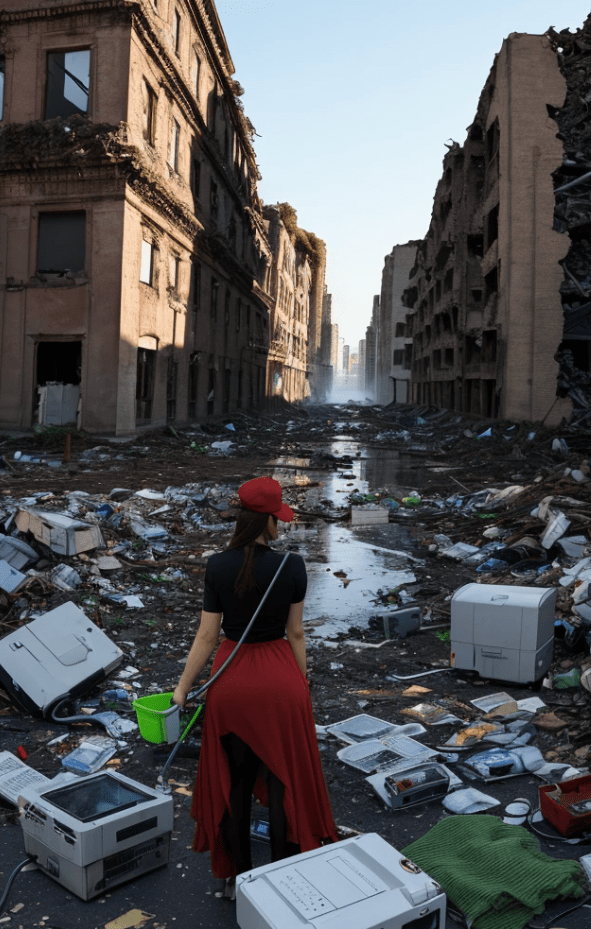
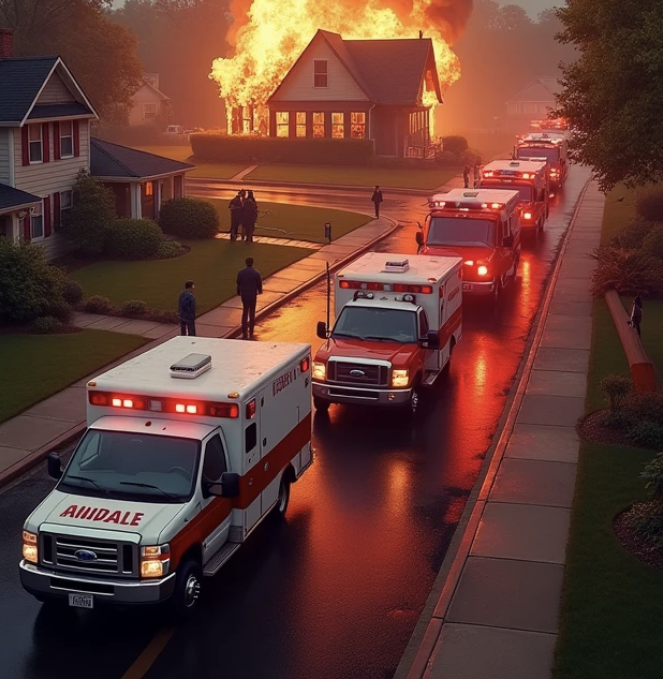
Imagine the world after everything collapses: a blasted wasteland of sun-scorched earth, rusted skeletons of buildings, abandoned highways littered with broken vehicles, and desperate survivors wandering like lost animals. That’s not fiction — that’s our trajectory.

The signs are everywhere:
Infrastructure failing.
Water systems collapsing.
Cities poisoning their own tap supply.
And millions sipping contaminated water while watching society rot in real time.

Most people are sleepwalking into the wasteland.
A real-life Mad-Max future.
A world where water becomes the only law anyone respects.

Let’s be clear: you won’t survive that world unless you start preparing now.

Tap Water? It’s Already a Toxic Joke

While people complain about grocery prices and politics, their tap water slowly fills them with microplastics, pharmaceuticals, agricultural chemicals, PFAS, and industrial waste. Cities can’t (or won’t) fix it.

And these same people think this crumbling water system will magically stay functional when the grid collapses?

The second the grid goes down:

  • Treatment plants stop.
  • Pumps stop.
  • Purification stops.
  • Distribution stops.

You’ll walk to your sink, turn the handle, and get nothing — not even a gasp of air.

The wasteland begins the moment the tap runs dry.

In a Mad-Max Collapse, Water Is the New Currency

Forget money. Forget crypto. Forget gold.
Those become relics of a dead civilization.

Water is worth more than weapons.
Water is worth more than fuel.
Water is worth more than shelter.

In the wasteland, water is power.

Anyone who controls it controls everything else.

That’s why preppers store water — not because they’re paranoid, but because they’re paying attention.

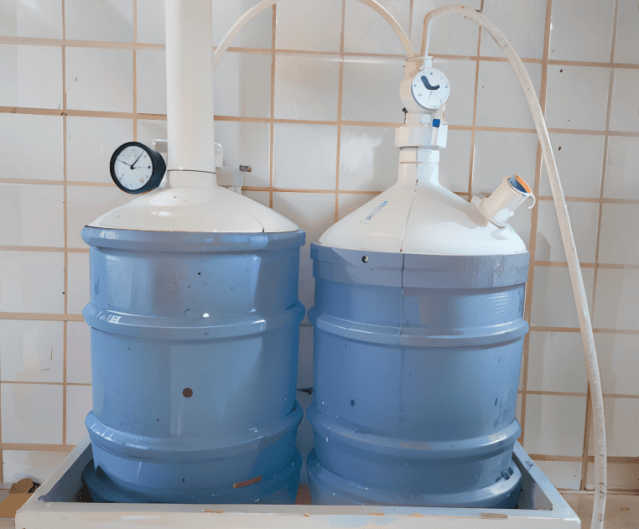
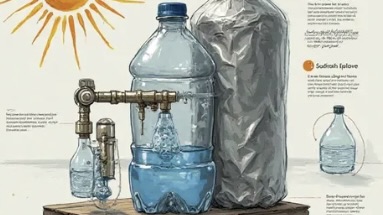
Water Storage: Build Your Own Fortress of Hydration
Weak people think keeping a few water bottles in a cabinet is “being prepared.”

Warlords of the wasteland think like this:

  • 55-gallon drums stacked like defensive walls
  • IBC totes in garages, sheds, and buried pits
  • Water bricks lining shelves like ammunition
  • Rain catchment systems feeding multiple tanks
  • Underground cisterns that neighbors never see
  • Collapsible bladders for emergency filling

You store water like you’re preparing for a siege — because collapse is a siege, and dehydration is what kills people first.

Purification: Your Last Defense in a Poisoned World

In the wasteland, clean water doesn’t exist.
It must be created.

That means filtration gear tough enough to withstand the apocalypse:

  • Gravity filters for home base
  • Ceramic purifiers suitable for contaminated runoff
  • Portable squeeze filters for nomad survival
  • Iodine or chlorine dioxide for chemical kill
  • Boiling rigs (stoves, rocket stoves, ember cookers)
  • Pre-filters for sludge, ash, debris, and sediment
  • Distillers for water sources so toxic they make your eyes burn

When collapse happens, the natural water sources get poisoned within days.

Not by nature.
By people.

Desperate people.
Stupid people.
Panicked people.

They will contaminate everything they touch.

Rainwater: The Sky Is Your Only Trustworthy Ally

When the surface world turns into a polluted battleground, the sky becomes your safest reservoir.

Rainwater harvesting is not optional.
It’s survival engineering.

Set up:

  • Food-grade gutters
  • First-flush diverters
  • Barrel chains
  • Large overhead tanks
  • Ground-level sealed reservoirs

Store every drop like you’re catching liquid gold — because you are.

Mobility: Become a Nomad Who Doesn’t Die of Thirst

In a Mad-Max world, you may not stay in one place.

You must be capable of traveling with water infrastructure strapped to your back or your vehicle:

  • Collapsible bladders
  • Hydration packs
  • Hand pumps
  • Mobile filtration kits
  • High-capacity canteens
  • Boil kits with wind shields
  • Portable gravity filters

Nomads survive because they’re adaptable.
The unprepared die because they aren’t.

Tap Water Today, Wasteland Poison Tomorrow
The people who trust tap water today are the first casualties of collapse.
Their bodies are already weakened from contamination, microplastics, chemical residues, and chronic dehydration from polluted supply.

Collapse accelerates what has already begun.

The wasteland isn’t waiting for you.
It’s being built right now.

Only the Prepared Control Their Fate

A Mad-Max future is an ugly place — but it’s survivable if you’re ready.

Store water.
Purify water.
Protect water.
Defend water.

In a world where everything burns, the last resource worth fighting for is the one everyone needs and few will have.

Prepare now, or be one of the nameless piles of dust left behind.

Emergency Preparedness Planning 101: What to Do Before Everything Falls Apart

If you’re reading this, congratulations—you’re at least aware enough to realize the world is a mess and getting messier by the day. Most people shuffle through their lives staring at their phones, trusting the government, corporations, or some miraculous stroke of luck to save them when disaster strikes. Spoiler alert: no one is coming to save you. Emergency preparedness isn’t a hobby; it’s the bare minimum level of responsibility any halfway conscious adult should take. And yet here we are, in a society where people panic when the WiFi goes down for twenty minutes.

Welcome to Emergency Preparedness Planning 101—the class everyone should have taken, but most didn’t because they assumed everything would always be fine. Those of us who actually prepare know better. We don’t do it because it’s “fun” or because we want to feel special. We do it because we’ve seen enough to know that chaos is inevitable. And when chaos comes, you’re either ready… or you’re a liability.

Let’s go through what you should already know but probably don’t.


1. The First Rule: Accept That Disasters Happen

Most people cling to the fantasy that emergencies are rare. They’re not. At any moment, you could be dealing with:

  • Natural disasters
  • Power grid failures
  • Economic collapse
  • Social unrest
  • Pandemics
  • Infrastructure breakdown
  • Supply chain interruptions

And let’s not pretend any of these are far-fetched. Recent years have made it painfully clear how quickly society falls apart when even small disruptions hit. Yet people still act shocked when they walk into a store and see empty shelves. The truth is that modern society is held together with duct tape and wishful thinking. Preparing isn’t pessimism—it’s realism.


2. Water: The One Thing You Can’t Afford to Overlook

It’s astounding how many people stockpile gadgets, weapons, or flashlights but forget water—the literal foundation of survival. The rule is simple: one gallon per person per day, and that’s scratching the surface. Add pets, hygiene, cooking, and unforeseen emergencies, and that number climbs quickly.

If you think a few plastic bottles shoved in a closet is enough, you’re fooling yourself. Water sources get contaminated, municipal systems fail, and bottled water disappears instantly during any crisis. You need:

  • A minimum two-week supply stored
  • A long-term water storage plan
  • Filtration and purification systems
  • Redundant backup methods

Because if you don’t plan now, you’ll be fighting your neighbor at the nearest drainage ditch when the taps run dry.


3. Food Storage: Not the Instagram Version

People love the idea of food prepping until they realize it involves work and discipline. Emergency food storage is not about bragging rights or looking cool in a bunker selfie. It’s about having the calories and nutrients you need to keep going when grocery stores are stripped bare—which happens faster than most people believe.

Your food storage should include:

  • Shelf-stable staples (rice, beans, oats, pasta)
  • Freeze-dried meals
  • Canned protein
  • Long-term storage containers with oxygen absorbers
  • A rotation schedule

And before you even think it: no, your freezer doesn’t count. When the power goes out and everything inside turns into a thawed, useless mess, don’t say you weren’t warned.


4. Power: Because Sitting in the Dark Isn’t a Plan

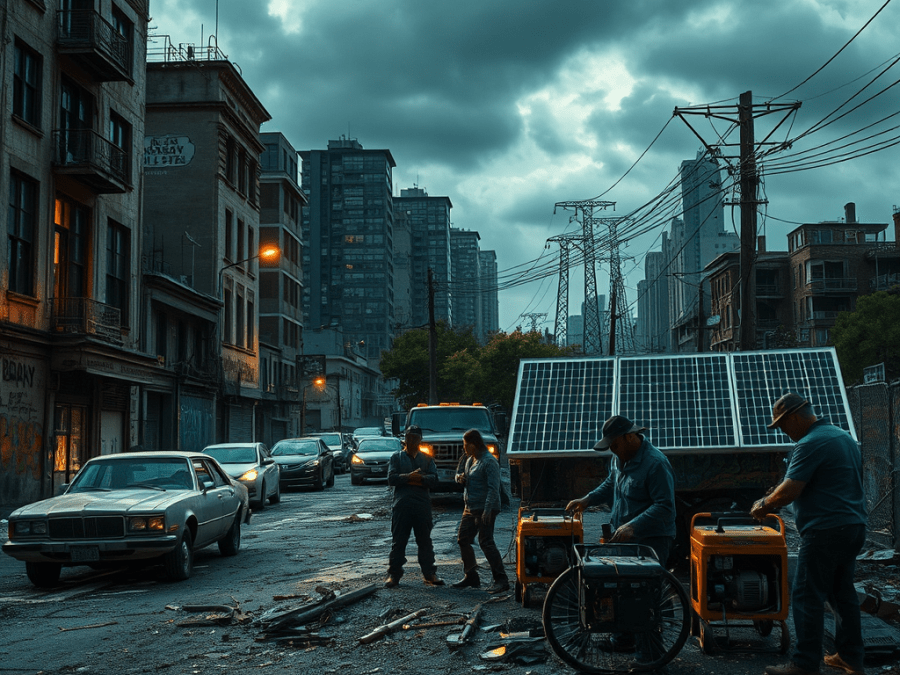
If a grid failure happened right now, most people would be paralyzed. You need alternative power sources—plural. Relying on a single generator is a rookie mistake. Fuel runs out. Systems fail. Weather gets unpredictable.

A real prepper builds redundancy:

  • Solar power systems
  • Portable solar panels
  • Battery banks
  • Hand-crank chargers
  • Generators (as a secondary system)

This isn’t paranoia. It’s accepting the reality that modern life depends on electricity, and electricity is far more fragile than anyone wants to admit.


5. First Aid: Because the World Doesn’t Hand Out Second Chances

You don’t need to be a doctor, but you need more than an outdated band-aid box from 2004. When emergencies strike, hospitals overload instantly, and you may be on your own.

Your first aid preparedness should include:

  • A professional-grade trauma kit
  • Knowledge of wound care
  • Skills in CPR and basic first aid
  • Over-the-counter medications
  • Prescription backups (if possible)

Because when someone gets hurt—and someone will get hurt—waiting for help isn’t an option.


6. Security: The Topic Everyone Tiptoes Around

Let’s be honest: during real emergencies, people can be almost as dangerous as the disaster itself. Society runs on rules and consequences—take those away, and human behavior becomes incredibly unpredictable.

You need a plan to keep yourself and your loved ones safe. That includes:

  • Physical security
  • Situational awareness
  • Reinforced entry points
  • Lighting
  • Alarms
  • Nonviolent self-defense tools
  • Communication plans

The point isn’t to live in fear; it’s to not be blindsided when people act desperate, irrational, or opportunistic.


7. Communication: Because Isolation Is a Death Sentence

You need to be able to reach others—and they need to be able to reach you—when the world goes quiet. Don’t rely on cell towers and internet providers; they’re usually the first to collapse during crises.

A real emergency communication setup should include:

  • Battery-powered radios
  • NOAA weather radios
  • Two-way radios
  • Backup power sources
  • Written communication plans for your group or family

Being disconnected during an emergency is not only dangerous—it’s completely avoidable with minimal planning.


8. A Mindset That Doesn’t Crumble

Gear is useless without the right mindset. Emergency preparedness is about being mentally ready to deal with unpredictability. It’s about accepting that you’re responsible for you, no matter how much society has trained people to outsource responsibility.

Mindset means:

  • Staying calm under pressure
  • Being adaptable
  • Making decisions when others freeze
  • Thinking ahead
  • Maintaining discipline even when everything feels pointless

Preparing isn’t pessimistic—it’s acknowledging reality. Anyone who thinks the world is stable hasn’t been paying attention.


Final Thoughts

Emergency preparedness planning isn’t complicated. What makes it difficult is the denial people cling to. If you’re reading this, you’re already ahead of most. But being aware is only step one. Doing something about it is what matters. Stocking up, planning, learning, and preparing aren’t overreactions. They’re survival.

If the world goes sideways—and eventually it will—your only regret will be not preparing sooner.

Surviving the Endless Blackout: Hard Lessons for the Unprepared World

Let’s stop pretending the world is going to hold itself together forever. Every year the power grid becomes more fragile, the people become more dependent, and the illusion that “somebody else will fix it” grows more laughable. You want survival prepper advice for long-term power outages? Fine. But understand this: if you’re asking now, you’re already behind. For years, the writing has been on the wall in big, blinking red letters—the grid is dying, and almost no one cares enough to prepare.
People act like the power going out for a few hours is an inconvenience. They whine that their streaming service paused or the AC cut off. But a real long-term power outage? A true grid failure that stretches into weeks, months, maybe longer? That isn’t an “inconvenience.” It’s the unraveling of modern civilization—fast, brutal, unforgiving. And most of the population will panic, consume everything in sight, and turn on each other the moment their comforts disappear.

If you want to survive what’s coming, you need to prepare like the world won’t help you—because it won’t.


The Moment the Grid Goes Down, Your Old Life Ends

People have no idea how many things they rely on daily that require power. It’s not just lights. It’s not just entertainment. It’s water treatment, sewage management, supply chains, hospitals, refrigeration, communication, and transportation systems. When the grid collapses, everything else collapses with it.

The very moment the power stays off longer than 24 hours, the fragile illusion begins to crack. Grocery stores lose refrigeration. Gas stations stop pumping. ATMs go dead. Electronic payments die instantly. After 72 hours, the shelves are empty, the water pressure drops, and the desperation kicks in.

And here’s the truth: your neighbors won’t stay neighborly.
When their kids are hungry and they realize the government isn’t coming to save them, they will do whatever it takes—whatever it takes—to survive.

If you’re not ready, you become the resource they want.
If you are ready, you become the target they need.

Either way, power outages change people. And not for the better.


Your Long-Term Survival Depends on Energy Independence—Not Hope

Hope is useless.

Backup generators? Sure, they’re great—until they burn through fuel. And when the grid is down for months, good luck refilling those tanks. Fuel becomes liquid gold, guarded, fought over, and nearly impossible to acquire.

Solar? Better. But the average person buys a cheap solar generator thinking they’re set for life. They forget clouds exist. They forget batteries degrade. They forget that a single system can’t run a modern household.

Here’s the harsh truth:
If you want power long-term, you need redundancy—layers of energy options, not one toy you bought online.

Serious preppers follow this rule:

1. Solar Power (Primary)

Not a single panel. Not a cute portable kit.
A real setup: roof panels, ground arrays, battery banks, and proper inverters. Preferably something EMP-hardened or at least protected.

2. Fuel-Based Generators (Short-term and emergency)

Propane stores longer than gasoline. Diesel is stable. Gasoline is garbage after a few months unless treated and rotated.
Have multiple fuel sources, not one.

3. Manual Tools and Non-Electric Alternatives

Because eventually, everything breaks. And when it does, you’d better know how to live like electricity never existed.


Water: The First Resource to Disappear—and the Last You Can Live Without

People love stockpiling flashlights and candles while ignoring the most obvious issue: without power, water stops moving.

If you’re on a well? No electricity, no pump.
If you’re on city water? Once their backup generators fail, so does your faucet.

You need:

  • Multiple water storage systems
  • Gravity-fed solutions
  • Water filters that don’t rely on electricity
  • Backup manual well pumps
  • Rainwater collection systems

And believe me, when people get thirsty, they’ll become unpredictable fast. A dehydrated population is a violent population.


Food Storage: Because Grocery Stores Won’t Save You

Everyone projects their fantasy onto collapse: “Oh, I’ll just hunt.”
Right. So will every other desperate person. Wildlife won’t last a month near populated areas.

Your real food sources must be:

  • Bulk dry goods: rice, beans, oats, wheat berries, lentils
  • Freeze-dried emergency meals
  • Canned proteins: tuna, chicken, beef
  • Gardens and greenhouses capable of long-term production
  • Seed banks—heirloom only
  • Livestock (if possible)

But you know what people never plan for?
The part where they get robbed.

If you store food, others will eventually want that food. So add this to your list:

  • Hidden caches
  • Decoy storage
  • Defensive systems and training
  • Community alliances (even if you hate people, you’ll need them)

Yeah, community. Even angry pessimistic preppers like me know one truth: you can’t defend anything alone forever.


Heat, Cooling, and the Harsh Truth About Weather

When the grid collapses, people forget how unforgiving nature can be.

Winter becomes deadly for the unprepared.
Summer becomes lethal for the weak.

You need non-electric heating systems:

  • Wood stoves
  • Pellet stoves (with manual lighting options)
  • Thermal blankets
  • Insulated emergency shelters

Cooling? That’s harder. But methods exist:

  • Earth-sheltered structures
  • Cross-ventilation
  • Solar-powered fans
  • Underground storage for perishables
  • Heat-reflective materials

The wealthy think their backup generators will keep the AC going.
They won’t—not for long.
And when the heat becomes unbearable, they’ll be the first ones to panic.


Security: Because When the Lights Go Out, the Wolves Come Out

You can have all the supplies in the world, but if you can’t defend them, you’re just stockpiling for someone stronger.

Arm yourself. Train. Know your land.
Set up motion sensors, dogs, tripwires, perimeter alarms—systems that don’t need electricity.

And don’t fool yourself:
Morality is a luxury of stable societies.

When the grid dies, survival becomes the only rule.


Mental Fortitude: The One Prep No One Talks About

People break mentally long before they run out of food.
Isolation, fear, and the crushing realization that the world you knew is gone—that’s what destroys the unprepared.

You need hobbies, routines, skills, and discipline.
And you need to accept this now: life will never be easy again.


Final Thought: Prepare Like No One Is Coming—Because No One Is

Governments can barely handle a snowstorm.
You think they’ll manage a nationwide power collapse?

Look around. Society is soft, weak, and addicted to convenience.
They won’t survive long-term outages.

But you can—if you start now, prepare honestly, and stop trusting the world to keep the lights on.

Because once the switch flips for good, everything changes.
And only the prepared will make it through the darkness.

Utah Power Outages And How to Stay Safe With No Electricity During SHTF

When the power goes out unexpectedly—especially for days or even weeks—many people realize just how dependent they are on electricity. As a lifelong prepper and someone who cares deeply about helping others get through tough times, I want to offer you both practical skills and compassionate guidance. Whether you live in a cozy Utah suburb or out in the red rock country, preparing for blackouts isn’t paranoia; it’s wisdom.

The truth is, Utah has unique challenges during power outages: harsh winters, vast rural areas, and increasing pressure on infrastructure from population growth and climate instability. If the power grid goes down during an SHTF (S**t Hits The Fan) event, being ready can mean the difference between discomfort and disaster—or worse.

Let’s go through five essential survival skills to help you thrive without electricity, three creative DIY power hacks, three must-have products, and the five worst cities in Utah to be stuck in during a blackout. Then, we’ll talk about how to put it all together into a sustainable plan for your household.


5 Essential Survival Skills for Living Without Electricity

1. Firecraft and Heating Without Power
If the power goes out in the middle of a Utah winter, especially in the high-elevation zones like Park City or Logan, keeping warm becomes a life-or-death priority. Learn how to safely build and maintain indoor and outdoor fires. Stockpile dry firewood, invest in a wood-burning stove or indoor-rated propane heater, and know how to ventilate properly. Always have a carbon monoxide detector on standby with backup batteries.

2. Manual Water Sourcing and Purification
Your taps won’t run forever when there’s no electricity. Wells need pumps. City water systems can lose pressure or become contaminated. Every household should have at least one gravity-fed water filtration system (like a Berkey or DIY ceramic filter). Learn to collect rainwater, find natural water sources, and purify with methods like boiling, iodine tablets, and solar stills.

3. Food Preservation and Non-Electric Cooking
Once refrigeration is gone, spoilage happens fast. Learn to can, pickle, and dehydrate food. If you haven’t tried solar ovens or rocket stoves yet, they’re efficient and perfect for Utah’s sunny days. A Dutch oven and cast-iron skillet over an open flame or hot coals will also serve you well. Don’t forget: learning to make bread from scratch using natural leavening like sourdough is both comforting and sustaining.

4. Non-Electric Communication
Cell towers may stay up for a while on backup generators—but not forever. Learn to use and maintain ham radios or CB radios for local communication. Have printed local maps and know your community’s geography in case you need to travel for help or trade.

5. Security and Situational Awareness
During a long-term blackout, desperation can grow fast in urban centers. Practice situational awareness. That means knowing your neighbors, keeping a low profile when distributing supplies, and securing your home. Training in self-defense, installing manual locks, and developing a home perimeter plan could keep your family safe when tensions run high.


3 DIY Electricity Hacks for Blackout Survival

You don’t need to rely on the grid to power a few essentials. Here are three DIY hacks to produce or store electricity in a blackout:

1. Build a Bicycle Generator
A stationary bike connected to a car alternator or small generator can be a great way to generate small amounts of power—enough to charge phones, small batteries, or LED lights. You’ll need a voltage regulator and some basic tools, but there are many tutorials online to guide you.

2. DIY Solar Power Bank
Combine a small portable solar panel (20–100 watts) with a deep-cycle marine battery, charge controller, and inverter. It’s simple and scalable. You can store enough power to run a fan, charge phones, or even keep a small fridge cold for a few hours a day.

3. Thermal Energy Conversion
Use thermoelectric generators (TEGs) to convert heat from a stove or fire into usable electricity. They don’t produce a lot, but it’s enough to power LED lights or a USB-powered device. This is particularly useful in cold climates like Utah, where you’re running heat sources daily in winter anyway.


The 3 Most Important Survival Products When There’s No Electricity

If you only had three survival products to rely on during a major grid-down event, these would give you the highest chances of staying safe and healthy:

1. Multi-Fuel Stove or Rocket Stove
Cooking, boiling water, and warmth—all without power. A rocket stove is efficient, burns small sticks, and works in all weather. Better still if it runs on multiple fuels like wood, propane, or alcohol.

2. Gravity-Fed Water Filtration System
Clean water is survival priority #1. Systems like the Berkey can filter thousands of gallons of questionable water without electricity. For long-term SHTF, this could save your life.

3. LED Lanterns with Rechargeable Batteries
Safe, long-lasting lighting is essential, especially when candles are too risky or short-lived. Use rechargeable AA or AAA batteries and charge them via solar panels or bike generators.


5 Worst Cities in Utah to Lose Power During SHTF

When considering which cities in Utah would be hardest to survive in during an extended power outage, we’re looking at population density, elevation, climate severity, infrastructure weaknesses, and social dynamics. Here are the top 5 you want to prepare especially well for:

1. Salt Lake City
High population, heavy snow in winter, and a complex urban infrastructure make SLC extremely vulnerable. If stores are looted and fuel runs dry, people will be desperate. Suburbs might fare slightly better, but urban chaos can ripple out fast.

2. West Valley City
Utah’s second-largest city, West Valley has a similar problem—high density, minimal local agriculture, and large apartment complexes that become heat traps or iceboxes without power. Security concerns are also more significant here.

3. Ogden
Known for rough winters and older infrastructure, Ogden’s electrical systems aren’t as robust as they should be. It’s also a hub city, which means traffic bottlenecks and resource shortages happen fast.

4. Provo
Though home to BYU and a somewhat community-minded population, Provo’s growing tech sector and urban sprawl make it dependent on the grid. Winters can be harsh, and there’s not a ton of backup infrastructure.

5. Park City
Tourism and wealth mask a survival challenge here: high altitude, deep winter snow, and dependence on electric heat. When vacationers leave, residents may find themselves cut off from help due to snowed-in roads and empty shelves.


How to Prepare and Stay Safe

Now that you know what skills to learn, products to get, and what areas are most at risk, it’s time to form a simple, clear plan.

Step 1: Create Layers of Redundancy
Don’t just rely on one flashlight or one water source. Have backups. If your solar panel fails, you want a hand-crank option. If your propane runs out, you want a wood option.

Step 2: Practice What You Learn
Reading about survival is great, but try going one weekend a month without electricity. Cook all your meals on a rocket stove. Use only non-electric lighting. Try to wash clothes by hand. You’ll discover weaknesses in your plan that you can fix now, while it’s still easy.

Step 3: Build a Support Network
No one survives alone forever. Get to know your neighbors. Find like-minded folks in your area who are also prepping. Build a barter system or a shared emergency plan. In Utah especially, many communities are already tight-knit—you just need to lean into that.

Step 4: Stay Calm and Lead by Example
When SHTF, people will panic. But you’ve prepared. Keep your cool. Help those who need it without putting your own household in danger. Your calm presence might be what inspires others to organize instead of descend into chaos.


Final Thoughts

Living without electricity is not only possible—it’s how humans lived for thousands of years. With a little knowledge, a few tools, and a lot of heart, you can thrive even when the lights go out. Whether you’re in a city or tucked into the mountains, your readiness could mean everything for your family and even your community.

Be wise. Be kind. Be prepared.

Nevada Power Outages And How to Stay Safe With No Electricity During SHTF

Living in Nevada, a state known for its rugged deserts, vast open spaces, and vibrant cities, means we’re no strangers to challenges. One scenario every responsible prepper must consider is what happens when the power goes out—whether due to natural disaster, cyberattack, or grid failure during a catastrophic event (SHTF: Stuff Hits The Fan).

The truth is, electricity powers much of our modern life, and losing it unexpectedly can thrust us back into a more primitive, survival-based existence. But don’t worry—being prepared with knowledge, practical skills, and the right gear will ensure you stay safe, comfortable, and even empowered through a blackout. I want to share some guidance on surviving without electricity in Nevada and give you some practical, hands-on tips and products to prioritize.


Why Prepare for Power Outages in Nevada?

Nevada’s arid climate and isolated stretches make it both resilient and vulnerable. You’ll face extreme temperatures, especially in summer and winter, and limited immediate access to resources if power is out for days or weeks. Urban centers like Las Vegas and Reno rely heavily on electricity for everything from water pumping to air conditioning and refrigeration. So when the grid fails, daily life can quickly become difficult.


Five Essential Survival Skills to Thrive Without Electricity

  1. Water Sourcing and Purification
    Electric pumps power most residential water systems, so when the electricity fails, you may lose running water. Knowing how to find water in your environment—whether from natural springs, rain catchment, or stored supplies—is critical. Also, understanding purification methods like boiling, using chemical tablets, or filtering with portable filters is essential to avoid waterborne illness.
  2. Fire Building for Heat and Cooking
    Without electric stoves or heaters, fire is your best friend. Master building and maintaining a fire safely, using wood, charcoal, or even coal. Learn different fire-starting methods such as using a ferro rod, flint and steel, or natural tinder. Fire gives you warmth, the ability to cook, and even a signal for rescue if needed.
  3. Food Preservation and Foraging
    Without refrigeration, fresh food won’t last long. Learn how to preserve food through drying, smoking, fermenting, or salting. Also, knowing edible wild plants, insects, and local wildlife can supplement your diet in an emergency. Familiarize yourself with Nevada’s native flora and fauna, but always double-check to avoid poisonous plants.
  4. Lighting Without Electricity
    Electric lighting is a convenience we take for granted. In a blackout, you’ll rely on candles, oil lamps, solar lanterns, or hand-crank flashlights. Practice using and maintaining these light sources now, so you’re confident when you need them. Also, always keep spare fuel and batteries safely stored.
  5. Navigation and Communication Skills
    Cell towers and internet services are dependent on electricity. Learn traditional navigation methods using a map and compass and how to communicate via battery-powered or hand-crank radios. Knowing how to send visual signals or create smoke signals can be useful if you need to attract help in remote areas.

Three DIY Electricity Hacks During a Blackout

Even without grid power, it’s possible to generate some electricity on your own to power essential devices. Here are three hacks that can help:

  1. Solar Charger Using Small Panels
    Small, portable solar panels are increasingly affordable and can charge phones, radios, or small battery packs. You can build a simple solar charger with a panel, a voltage regulator, and a USB port. During daylight hours, place your solar panel in direct sun and connect your device to keep communication open.
  2. Hand-Crank Generator
    If you have some basic electronic parts, it’s possible to create a hand-crank generator. By turning a crank connected to a small DC motor, you can produce enough electricity to charge a phone or power a small LED light. This requires some DIY skill but can be life-saving in extended outages.
  3. Bicycle-Powered Generator
    If you have a stationary bike, you can convert it into a pedal-powered generator. By attaching a DC motor or alternator to the bike’s rear wheel and connecting it to a battery and inverter setup, pedaling generates electricity. This is great exercise and a renewable way to produce power when the sun isn’t available.

The Three Most Important Survival Products for No Electricity Situations

  1. Multi-Fuel Stove or Portable Propane Burner
    A stove that can burn multiple fuel types (propane, butane, wood) allows you to cook food and boil water without electricity. Portability is key, so you can use it indoors with proper ventilation or outdoors.
  2. Reliable Water Filtration System
    A high-quality water filter or purification system, such as a gravity filter or a LifeStraw, ensures safe drinking water regardless of source. Water is life, and this is non-negotiable.
  3. Durable Solar Lantern or Rechargeable LED Lantern
    Lighting is crucial after sunset for safety, comfort, and mental well-being. Solar lanterns with rechargeable batteries are perfect because they don’t rely on fragile batteries that can run out.

Five Worst Cities in Nevada for Blackouts and Why

  1. Las Vegas
    As Nevada’s largest city and a major tourist destination, Las Vegas relies heavily on electricity for everything from casinos to water pumping. A blackout here would cause severe disruptions and chaos, especially in high-rise buildings with no backup power.
  2. Reno
    Reno’s location in the Sierra Nevada mountains makes it susceptible to winter storms that can damage power lines. The city’s dependence on electricity for heating means outages in cold weather can be dangerous.
  3. North Las Vegas
    This growing urban area shares many vulnerabilities with Las Vegas proper, including dense population and reliance on grid power. Blackouts can quickly lead to public safety issues and strain emergency services.
  4. Henderson
    As another large suburb of Las Vegas, Henderson depends on the same infrastructure. High temperatures in summer combined with no AC during blackouts make this city particularly vulnerable.
  5. Carson City
    The state capital has a more rural feel but is still vulnerable to power outages due to limited infrastructure redundancy. Its location in a valley can complicate emergency response and power restoration.

Staying Safe and Prepared

The best way to face power outages is to prepare now. Maintain a stock of essentials like water, non-perishable food, batteries, and first aid supplies. Have a plan for communicating with family or neighbors and know your evacuation routes if necessary.

During an outage, conserve energy, stay calm, and prioritize safety. Avoid using generators indoors to prevent carbon monoxide poisoning. Use your skills to find water, make fire, and preserve food. Stay informed through battery-powered radios.


Final Thoughts

Living in Nevada without electricity is a challenge, but with the right knowledge, skills, and equipment, it’s entirely manageable. You’ll be able to protect yourself and your loved ones and maintain your dignity in difficult times. Preparation isn’t just about surviving—it’s about thriving no matter what life throws your way.

If you haven’t started prepping for power outages, I encourage you to take the first steps today. Learn these survival skills, gather your gear, and practice using your tools. The peace of mind you’ll gain is worth every minute.

Arizona Power Outages and How to Stay Safe With No Electricity During SHTF

When the power goes out, life changes fast. If you’re in Arizona—especially during a heatwave or monsoon season—a blackout isn’t just an inconvenience. It can quickly become a life-threatening situation. Whether it’s a short-term grid failure or part of a larger SHTF (Sh*t Hits the Fan) scenario, being prepared is more than just smart—it’s essential.

As a survivalist who’s spent years studying off-grid living, I’m here to help you approach these challenges with calm, wisdom, and practical know-how. Let’s walk through five essential survival skills you need when the grid goes down, three DIY electricity hacks to keep you powered up, and the top survival items no Arizonan should be without. We’ll also discuss which cities in Arizona are the riskiest places to be during a power outage—and why.


Five Critical Survival Skills When You Have No Electricity

1. Water Sourcing and Purification

Without electricity, municipal water systems can fail. Arizona’s arid climate means you must plan for water storage and purification long before an emergency hits. Store at least one gallon per person per day for two weeks minimum.

Skill to learn: Make a DIY gravity-fed water filtration system using activated charcoal, sand, gravel, and a five-gallon bucket. Learn to identify safe natural sources like rainwater or dew collection, and always purify water using filters, boiling, or purification tablets.

2. Cooking Without Power

When your electric stove or microwave is out of commission, you need reliable off-grid cooking methods.

Skill to learn: Build a solar oven from a cardboard box, aluminum foil, and a glass cover. It’s surprisingly effective in Arizona’s intense sunlight. Alternatively, use a propane camping stove or rocket stove, and learn to cook with cast iron over an open flame.

3. Home Cooling and Heat Regulation

In Arizona, especially southern cities like Phoenix or Yuma, heat can become deadly without AC. You’ll need to understand passive cooling techniques.

Skill to learn: Create cross-breezes using windows and reflective window covers. Learn to set up thermal mass (like water barrels or adobe walls) that absorb heat during the day and cool at night. Make DIY swamp coolers using a fan, ice, and damp towels for evaporative cooling if humidity allows.

4. Food Preservation

Refrigeration is out during a blackout. You’ll need ways to preserve meat, fruits, and vegetables without electricity.

Skill to learn: Master dehydration using solar dehydrators. Learn to salt, smoke, and ferment food safely. Canning is also essential; invest in a pressure canner that can be used on a propane stove or open fire.

5. Security and Situational Awareness

With no power, streetlights and alarm systems stop working. Desperation breeds danger. You need to secure your home and be aware of who’s coming and going.

Skill to learn: Practice perimeter checks, set up noise alarms with string and tin cans, and learn the basics of self-defense. Build strong community ties before disaster hits—trusted neighbors are your best asset when things go dark.


Three DIY Electricity Hacks During a Blackout

Even if the grid is down, a little ingenuity goes a long way. Here are three clever DIY hacks to generate limited electricity when you need it most:

1. Bike-Powered Generator

Convert an old bicycle into a pedal-powered generator. All you need is a bike, a car alternator, a belt, and a battery to store the energy.

How it helps: You can charge phones, small radios, or LED lights with a bit of pedaling. It’s a great cardio workout and can be a lifesaver in prolonged outages.

2. Solar Panel Battery Bank

You don’t need a massive solar setup to stay afloat. A couple of 100-watt panels, a deep-cycle battery, and a charge controller can keep essential electronics running.

DIY tip: Mount the panels on a piece of plywood or lean them on your roof or yard. Even in partial sun, Arizona gives you more than enough solar exposure for this to work year-round.

3. Hand-Crank Power Chargers

Make a hand-crank charger from an old cordless drill and a voltage regulator. It’s not easy work, but it provides essential power for radios or emergency LED lights.

Why it matters: In a communication blackout, staying informed could mean the difference between safety and disaster.


The 3 Most Important Survival Products for a No-Electricity Scenario

When you’re forced off-grid, having the right gear on hand can make all the difference.

1. Solar Generator Kit (Portable Power Station)

A solar generator provides silent, renewable energy. Unlike gas generators, you won’t need fuel—which may be unavailable or dangerous to store. Look for systems with USB ports, AC outlets, and solar panel compatibility.

2. Gravity-Fed Water Filter (Like a Berkey or DIY Equivalent)

Clean water is non-negotiable. A gravity filter works without electricity and can purify hundreds of gallons before the filters need replacing. In Arizona’s dry climate, safe hydration is top priority.

3. LED Headlamps and Lanterns (Rechargeable)

Light equals safety, comfort, and productivity. Rechargeable headlamps and solar lanterns are compact, lightweight, and highly functional. Always have a backup battery bank charged.


The 5 Worst Cities in Arizona to Experience a Power Outage

Arizona’s climate, population density, and infrastructure make certain cities more dangerous during blackouts. Here’s where you’d least want to be without power—and why.

1. Phoenix, AZ

Population: ~1.6 million
Why it’s risky: Phoenix can reach 115°F+ in summer. With high-rise apartments, concrete sprawl, and dense population, a power outage can quickly overwhelm emergency services. Lack of AC in the summer is a genuine health threat.

2. Yuma, AZ

Population: ~100,000
Why it’s risky: Yuma is one of the hottest cities in the U.S., with over 100 days a year above 100°F. Blackouts in July or August here could result in heatstroke or death for those without cooling options.

3. Tucson, AZ

Population: ~550,000
Why it’s risky: Tucson is surrounded by desert and experiences monsoon storms that already cause frequent blackouts. Its aging electrical infrastructure and large elderly population make outages particularly dangerous.

4. Lake Havasu City, AZ

Population: ~57,000
Why it’s risky: Isolated location and brutal summer heat make this resort town vulnerable. Limited hospital and cooling center access make extended outages problematic, especially for seniors and tourists.

5. Casa Grande, AZ

Population: ~60,000
Why it’s risky: Located between Phoenix and Tucson, this fast-growing town doesn’t have the infrastructure to handle prolonged blackouts. Water access and emergency services can get strained quickly, especially during peak summer.


Final Thoughts: Stay Calm, Stay Ready

Surviving without electricity isn’t just about gear—it’s about mindset. The truth is, no one can predict when the grid might go down, whether from cyberattack, wildfire, monsoon storms, or system overload. But when you’re mentally prepared and practically skilled, you become a source of strength for yourself and others.

Practice your skills before the lights go out. Run weekend drills. Cook dinner using only solar or off-grid tools. Try going 48 hours without power. Take notes. Improve. Encourage your family or neighbors to do the same.

As preppers, we don’t live in fear—we live in preparedness. And in doing so, we find resilience, independence, and even joy in the challenge. You’ve got this.

Stay safe. Stay strong. And never stop learning.

Clear to the Last Drop: Mastering Water Purification Methods

Listen up, because I’m only going to say this once—your cushy modern lifestyle has made you soft, blind, and dangerously dependent on a system that’s teetering on the brink of collapse. You think that faucet will always spit out clean water? You think bottled water will save you when the trucks stop rolling? Wake the hell up. When the grid goes down, the shelves empty out, and the government forgets your ZIP code, the only water you’ll have is the water you can purify yourself. You better learn how to turn sludge into salvation—now. Not next week. Not when you’re already thirsty. Now.

Why Water Matters More Than You Realize

You can survive three weeks without food. But without water? Three days, maybe less if it’s hot and you’re exerting yourself. And no, guzzling from a river isn’t going to cut it unless you want your insides turned into a parasitic amusement park. Giardia, cryptosporidium, E. coli, cholera—you ever heard of them? If you haven’t, you will… when they’re drilling holes in your guts and you’re writhing in the dirt, praying to a sky that doesn’t give a damn.

Let’s fix that ignorance right now. I’m going to teach you how to purify water like your life depends on it—because it does.


10 Survival Skills to Purify Water When the World Goes to Hell

1. Boiling

Boiling is your first line of defense. Build a damn fire and get that water rolling. A good three to five minutes at a hard boil will kill most of the microscopic hellspawn. At higher altitudes? Boil longer. Firewood’s free if you’re willing to sweat for it.

2. Solar Disinfection (SODIS)

Fill a clear plastic bottle with water. Shake it to aerate, then lay it in direct sunlight for six hours—longer if it’s cloudy. UV-A radiation and heat will kill a lot of the bacteria. Is it perfect? No. But it’s better than drinking raw creek juice.

3. DIY Charcoal Filter

Layer gravel, sand, and activated charcoal in a bottle or hollow log. Pour your water through it. This won’t kill pathogens, but it’ll remove particulates and improve taste before you boil or disinfect chemically. Think of it as a pre-wash before you hit it with the heavy stuff.

4. Chemical Treatment (Iodine or Chlorine)

Carry iodine tablets or unscented household bleach. 2 drops of bleach per liter of water. Let it sit for 30 minutes. Taste the bleach? Good. That means it’s working. No bleach? Learn how to make it from salt and a car battery. (That’s a skill for another day.)

5. Distillation

Boiling water into steam and collecting the condensation will leave most nasties behind—including heavy metals and salts. Use a metal pot, tubing, and a collection vessel. Even seawater becomes drinkable. It’s slow, but it’s clean.

6. Pump Filters

There are portable survival filters out there with ceramic or carbon cartridges. They’re solid. If you can buy one, do it. But remember—they clog, they break, and replacement parts are rare when society tanks. Know how to clean and maintain them.

7. Improvised Evaporation Still

Dig a pit, put a container in the middle, and cover the pit with plastic. Put a pebble in the center to make the plastic dip. As water evaporates, it condenses and drips into the container. It’s not fast, but it’ll save your hide in arid hellscapes.

8. Tree Transpiration

Wrap a clear plastic bag around leafy branches. The tree will sweat out moisture, and it’ll collect in the bag. Bonus: It’s already distilled and safer than river water. Just don’t use toxic plants like poison oak or sumac, genius.

9. Snow and Ice Safety

Melt snow before you drink it. Never eat it raw—it lowers your core temperature and burns precious calories. Ice from moving water is safer than stagnant snowbanks. Don’t trust pristine looks. Mother Nature lies.

10. Rainwater Harvesting

Set up a tarp, metal sheeting, or even a poncho to channel rainwater into a container. Keep it covered. Birds crap mid-flight, and you don’t want that in your sip. Rain’s generally safe, but if you’re near factories or downwind of civilization, purify it anyway.


3 DIY Survival Hacks That’ll Make You Look Like a Water Wizard

Hack #1: The “Fire Bottle” Water Boiler

Got a metal water bottle? Good. Drop it into the edge of your campfire and let it boil. No pot required. Just don’t use aluminum—it’ll melt and leach into your water. Stainless steel is king. Pour it into another container or drink straight from it once cool.

Hack #2: Pine Needle Disinfection

Boil water with pine needles. Not only does it help kill bacteria, but pine contains vitamin C and mild antiseptic properties. It doesn’t replace proper purification, but it gives your water a fighting chance and a survivalist’s bouquet you’ll learn to love.

Hack #3: Bandana Pre-Filter

Before boiling or chemically treating, run water through a bandana or shirt to filter out sediment, bugs, and other nasty floaters. It won’t kill microbes, but it keeps your other gear from clogging and makes it easier to disinfect.


Gear Up or Shut Up

You want the easy route? Get a LifeStraw or Sawyer filter, iodine tablets, a stainless steel pot, and a solar still kit. But don’t just stash them in your bug-out bag and call it good. Use them. Practice in the woods, in your backyard, or on that next camping trip you always talk about but never take. Know how to improvise when the tools fail—because they will.


The Water Mindset

Screenshot

Every drop is precious. Learn to find it. Learn to protect it. Treat it like liquid gold. No one’s coming to save you, and thirst doesn’t wait for your Amazon order to arrive. Build a water strategy today—not tomorrow. Stockpile supplies. Practice techniques. Teach your kids. Tell your neighbors, or don’t—it’s up to you who lives when the tap runs dry.

I’m not here to sugarcoat or pat you on the back. I’m here to scream the truth into your face while you can still hear it.

Water is life. Learn how to keep it clean—or you won’t keep anything at all.

Is Michigan’s Drinking Water Safe

Is Michigan’s Drinking Water Safe? Hell No. Wake Up Before It’s Too Late

Alright, listen up! If you think Michigan’s drinking water is safe because the government says so or because you see those big blue signs advertising “clean lakes” or “pure Great Lakes water,” you’re playing Russian roulette with your health—and that’s a slow death sentence. I don’t care if you live in Detroit, Grand Rapids, or some tiny town in the UP, your tap water is compromised. Period.

Michigan’s water is a toxic soup of industrial waste, agricultural runoff, lead from corroded pipes, and pharmaceutical residues. And don’t get me started on the Flint water crisis—it’s a glaring, stinking proof that the system is broken beyond repair. If you want to drink that water and invite cancer, neurological damage, or god knows what else into your body, be my guest. But if you’re serious about survival, you better get mad, get smart, and start filtering like your life depends on it—because it does.

In this no-BS survival guide, I’m going to give you 15 water filtration survival skills you MUST learn, plus 3 DIY drinking water hacks that will keep you hydrated and alive no matter how screwed Michigan’s water gets. This isn’t some fluff article; it’s a survival manual for anyone who refuses to get poisoned by corrupt infrastructure and corporate greed.


Why Michigan’s Water Is a Disaster Waiting to Happen

Let’s get the facts straight before I rip into solutions. Michigan’s water contamination issues are not a secret or some wild conspiracy theory. They’re a documented nightmare.

  • Lead Poisoning: Flint was just the tip of the iceberg. Old, corroded pipes leach lead into your glass every day. Lead is a neurotoxin, plain and simple. It damages brains and bodies, especially children’s.
  • PFAS (Forever Chemicals): These synthetic chemicals from firefighting foam and industry are everywhere. They don’t break down, accumulate in your body, and are linked to cancer, immune disorders, and hormone disruption.
  • Agricultural Runoff: Pesticides, herbicides, and fertilizers wash into lakes and rivers, turning your water into a toxic stew of nitrates and chemicals that cause birth defects and cancer.
  • Industrial Pollution: Michigan’s industrial legacy means heavy metals, PCBs, and other carcinogens seep into groundwater and surface water.
  • Bacterial Contamination: Aging infrastructure and sewage overflows mean bacteria and viruses are never far behind.

If you’re still drinking straight from the tap, congratulations. You’re basically volunteering as a toxic waste test subject.


15 Water Filtration Survival Skills You Need to Master Now

  1. Boiling Alone Won’t Cut It
    Boiling kills bacteria and viruses, yes, but it does nothing against chemicals, heavy metals, or sediment. Boiling is just one step.
  2. Build and Use a Charcoal Filter
    Activated charcoal is a survivalist’s best friend. It absorbs chemicals, toxins, and improves taste. Crush charcoal from a fire, rinse it, and layer it with sand and gravel in a DIY filter.
  3. Mechanical Filtration Using Sand and Gravel
    Sand traps dirt and particulate matter. Gravel acts as a coarse pre-filter. Layer them properly to remove sediments before chemical or biological treatment.
  4. Solar Disinfection (SODIS Method)
    UV rays from the sun can kill many pathogens. Fill clear plastic bottles with water and place them on a reflective surface under direct sunlight for 6+ hours.
  5. Use Portable Water Filters
    Invest in a high-quality survival water filter capable of removing bacteria, protozoa, and some viruses. Familiarize yourself with filter replacement and maintenance.
  6. Distillation for Chemical Removal
    Distillation is the ultimate method to separate pure water from heavy metals, chemicals, and biological contaminants. Build a solar still or improvised distiller.
  7. Pre-Filtration Using Cloth
    Use clean cloth, coffee filters, or even bandanas to remove large particles before running water through charcoal or other filters.
  8. Chlorination for Microbial Safety
    Add household bleach (without scents or additives) carefully—8 drops per gallon for clear water, more if cloudy. Wait 30 minutes before drinking.
  9. Iodine Treatment—Use Sparingly
    Effective against microbes, but harmful in large or long-term doses. Use only in emergencies.
  10. Build Layered Natural Filters
    Use moss, grass, sand, charcoal, and gravel in succession inside a hollow container for stepwise filtration.
  11. Test Your Water
    Portable water test kits for pH, nitrates, chlorine, and heavy metals can be lifesavers. Regular testing can alert you to danger.
  12. Know Your Water Sources
    Locate natural springs, catch rainwater, and identify safe groundwater spots far from agricultural or industrial sites.
  13. Safe Water Storage
    Use clean, sealed containers away from sunlight and contaminants to store filtered water. Avoid plastic leaching by using BPA-free or glass containers.
  14. Rainwater Harvesting Systems
    Set up gutters and barrels to catch rainwater. Always filter and disinfect before consumption.
  15. Maintain and Repair Your Filters
    Carry spare parts, learn to clean or repair filters, and improvise with local materials when needed.

3 DIY Survival Drinking Water Hacks for Michigan’s Toxic Mess

Hack #1: The Inverted Plastic Bottle Charcoal and Sand Filter

Grab a clean 2-liter plastic bottle. Cut off the bottom and invert it funnel-style. Layer the inside as follows:

  • Fine cloth or coffee filter at the neck
  • Activated charcoal (crushed and rinsed)
  • Fine sand
  • Coarse sand/gravel at the top

Pour suspicious tap water slowly through this layered filter into a clean container. Then boil or chemically treat the water for full safety.

Hack #2: Solar Disinfection with Oxygenation

Fill clear plastic PET bottles with water. Shake vigorously for 20 seconds to oxygenate—this increases pathogen kill rates. Lay the bottles horizontally on reflective surfaces in full sun for 6+ hours. This UV + oxygen combo kills many pathogens. Follow up with charcoal filtration to remove chemicals.

Hack #3: The Simple Solar Still

Dig a hole in the ground, place a clean container in the center, and cover the hole with clear plastic sheeting. Use a small rock to weigh down the center of the plastic so condensation drips into the container. This distills water from moisture in soil or plants, removing most contaminants and chemicals. It’s slow but effective when nothing else is available.


Wake Up and Take Control

You think you’re safe because Michigan’s water system “meets standards”? Standards set by politicians and companies more interested in profit than people’s health. The Flint disaster should have woken everyone up, but many are still drinking poison every day because they don’t care or don’t know better.

Your survival depends on preparation and knowledge. Water is the first battle in any crisis. Without clean water, everything else is pointless. If you’re not filtering, purifying, and testing your water daily, you’re walking a death sentence.

The state won’t save you. The water company won’t save you. You have to be your own water warrior. Learn these 15 filtration skills and 3 hacks. Build your filters. Carry your water purification tools everywhere. Test your water and store clean water safely.

If you care about your family, your health, or your survival, get serious now. Water is life. Don’t let corrupt infrastructure, polluted rivers, and toxic chemicals kill you slowly. Get mad, get prepared, and never trust the tap without a fight.


Bottom line: Michigan’s drinking water is a disaster disguised as “safe.” Contaminated with lead, PFAS, agricultural poisons, and industrial waste, your tap water is a toxic cocktail. Your only defense is knowledge, filtration skills, and survival hacks.

Don’t wait for another Flint to happen. Protect your water—and protect your life—starting today.

Is Minnesota’s Drinking Water Safe

Is Minnesota’s Drinking Water Safe? Hell No. Get Ready to Fight for Every Drop

Listen up, because I’m not here to sugarcoat the brutal truth: Minnesota’s drinking water is a ticking time bomb, and if you think you can just trust your faucet without a fight, you’re already dead in the water. Yeah, Minnesota might look like a pristine land of lakes, but that shiny veneer hides contamination, negligence, and a failure to protect what keeps you alive—clean water.

You want to know if Minnesota’s drinking water is safe? The honest answer is a furious, enraged NO. Between agricultural runoff loaded with pesticides, industrial pollutants, aging infrastructure, and downright complacency from officials, your tap water is often a cocktail of harmful chemicals, bacteria, and god knows what else.

If you don’t want to become a walking science experiment with arsenic, nitrates, or lead coursing through your veins, you need to get serious about survival skills. That means filtering your water like your life depends on it—because it does.

I’m about to lay down the cold, hard survivalist truth with 15 water filtration survival skills you need to master, plus 3 DIY hacks to make sure you never run dry of clean drinking water in Minnesota or anywhere else this water crisis gets ugly.


The Dirty Truth About Minnesota’s Water

Minnesota’s water isn’t “safe” because of some fairy tale EPA rating or government assurances. It’s “safe” because most people don’t know what to look for and blindly trust what comes out of their taps. But underneath, agricultural chemicals like nitrates and phosphorus seep into groundwater and lakes, creating toxic blooms of algae that release dangerous microcystins. These toxins attack your liver and nervous system. That’s just the start.

Then you have heavy metals—lead leaching from ancient pipes, arsenic from mining residues, and mercury trapped in sediments. You want to gamble your family’s health on whether those get filtered out? Don’t be a fool. Every Minnesotan needs to be their own damn water quality inspector and filter engineer.


15 Water Filtration Survival Skills You Must Know

  1. Boiling Water Isn’t Enough
    Boiling kills pathogens, sure, but it won’t remove chemical toxins, heavy metals, or sediment. Learn to combine boiling with filtration.
  2. Build a DIY Charcoal Filter
    Activated charcoal is a powerhouse at absorbing organic toxins and bad smells. Crush charcoal from a campfire, layer it with sand and gravel in a bottle, and filter water through it.
  3. Use Sand and Gravel for Mechanical Filtration
    Sand traps sediment and larger particles. Gravel acts as a pre-filter. Layer these in a container to strain dirty water first.
  4. Harness UV Rays for Disinfection
    Sunlight can kill many microbes. Fill clear plastic bottles with water and leave in direct sunlight for at least six hours to disinfect.
  5. Use a Portable Water Filter
    Get a survival-grade water filter with a pore size small enough to remove bacteria and protozoa (0.1 to 0.2 microns). Learn to operate and maintain it.
  6. Distillation Skills Are a Must
    Distillation can separate pure water from contaminants. Build a solar still or a simple distillation setup to boil and re-condense water, leaving toxins behind.
  7. Sediment Pre-Filtration
    Always pre-filter water through cloth or coffee filters to remove debris before other purification steps.
  8. Chlorination—Know Your Dosage
    Household bleach can disinfect water but use sparingly—8 drops per gallon for clear water; double if cloudy. Wait 30 minutes before drinking.
  9. Iodine Tablets—Handle with Care
    Effective against microbes, but not chemicals or heavy metals. Not for long-term use due to health risks.
  10. Create a DIY Filter from Natural Materials
    Use layers of moss, grass, charcoal, and sand inside a hollowed log or bottle for basic filtration.
  11. Practice Water Testing
    Use portable test strips or kits to monitor pH, nitrate levels, hardness, and contaminants.
  12. Know Local Water Sources
    Identify natural springs, rain catchment, and groundwater sources that may be less contaminated.
  13. Storage Containers Matter
    Use clean, food-grade containers for storing filtered water, and keep them sealed and away from sunlight.
  14. Build a Rainwater Catchment System
    Set up gutters and barrels to capture rainwater. Filter and purify before drinking.
  15. Know How to Repair Filters in the Field
    Carry spare filter elements, repair kits, and learn how to improvise with duct tape, wire, or fabric.

3 DIY Survival Drinking Water Hacks for Minnesota’s Toxic Tap Nightmare

Hack #1: The Plastic Bottle Charcoal and Sand Filter

Grab an empty 2-liter plastic bottle. Cut the bottom off, invert it like a funnel, and layer:

  • Clean cloth or coffee filter at the neck
  • Activated charcoal (charcoal crushed from your campfire, NOT from briquettes with additives)
  • Fine sand
  • Coarse sand/gravel

Pour your questionable tap water slowly through the layers. Collect the filtered water in a clean container underneath. Then boil or chemically treat it.

Hack #2: Solar Disinfection with SODIS Method

Fill clear PET bottles with tap water. Shake vigorously for 20 seconds to oxygenate (oxygen kills microbes). Lay them horizontally on a reflective surface in direct sun for 6 hours (or 2 days in cloudy weather). The UV rays plus oxygen sanitize many pathogens. Combine with a charcoal filter afterward to tackle chemicals.

Hack #3: DIY Solar Still for Distillation

Dig a hole in the ground, place a container in the center, and cover the hole with clear plastic sheeting weighted in the center with a rock above the container. Moisture from the soil and water vapor will condense on the plastic and drip into the container, yielding distilled water free from most contaminants. Slow, but effective when nothing else works.


Why You Need to Get Mad and Get Prepared Now

The complacency about water quality in Minnesota is infuriating. Officials pat themselves on the back with reports and “compliance” data while your tap water quietly poisons you. You want to play the waiting game until the next contamination crisis? Good luck explaining to your family why you trusted them.

Your survival hinges on knowledge and action. Water is the first priority. Without it, you’re dead in days. Don’t wait for the government or water companies to save you—they won’t. Get your hands dirty, learn these filtration and purification skills, build your own filters, test your water, and always carry a backup plan.

If you think you’re safe because you live in a “clean” state like Minnesota, think again. This is survival 101—prepare or perish. The minute your water source goes bad, you’ll regret not having taken this seriously.


Bottom line: Minnesota’s water is far from a reliable, safe resource. Pollutants, chemicals, pathogens—they’re all there, hiding in plain sight. It’s up to you, the survivalist, to filter, purify, and secure your water supply. Learn these 15 filtration skills and 3 DIY hacks, practice them, and never trust your tap blindly again.

You want safety? You want survival? Start with your water. And start now—before you’re thirsting for survival in a state that forgot to protect the very thing you need to live.

Is Louisiana’s Drinking Water Safe

Alright, buckle up. You want the truth about Louisiana’s drinking water? You want it raw, unfiltered, no sugarcoating? Then listen up, because I’m about to lay it down straight, survivalist style—angry, unapologetic, and armed with the cold hard facts and skills you need to keep your family from becoming a bunch of sick, water-poisoned zombies.


Is Louisiana’s Drinking Water Safe? Hell No.

You’ve probably heard the official line: “Our water meets EPA standards.” Yeah, right. That’s bureaucratic bullshit designed to keep you calm while you’re drinking chemicals, heavy metals, pesticides, and god knows what else. Louisiana’s water infrastructure is a ticking time bomb, riddled with old pipes, contamination, and pollution from oil refineries, agricultural runoff, and industrial waste. You don’t need me to tell you the state has had numerous boil-water advisories and contamination incidents. The Mississippi River, which supplies a huge chunk of Louisiana’s water, is one of the most polluted rivers in America.

So if you think you’re safe just filling up your glass and sipping away, you’re dead wrong. You’re gambling with your health and the health of your loved ones. If you care even one bit about survival and self-reliance, you better learn how to filter, purify, and secure your water NOW.


15 Water Filtration Survival Skills You Need to Master NOW

  1. Boiling Water — The simplest and oldest method. Boil water for at least 1 minute (3 minutes if you’re above 6,500 feet) to kill bacteria, viruses, and parasites. No fancy gear needed, just fire and a pot.
  2. Using a Portable Water Filter — Get a solid survival filter like the Sawyer Mini or LifeStraw. These remove protozoa and bacteria, but remember: most don’t kill viruses.
  3. DIY Charcoal Filter — Crush hardwood charcoal, layer it with sand and gravel in a container. Pour water through to reduce chemicals and improve taste. It’s basic, but effective for sediment and some impurities.
  4. Solar Disinfection (SODIS) — Fill clear plastic bottles with water, place them in direct sunlight for 6 hours. UV rays kill pathogens. It’s slow, but a good backup.
  5. Chemical Purification with Iodine or Chlorine Tablets — Lightweight and portable, tablets kill most pathogens. But beware of taste and allergies.
  6. Distillation — Boil water and capture the steam on a cold surface, collecting pure water. It removes almost everything, including heavy metals and salts.
  7. Using Coffee Filters or Bandanas — Not for purification but for removing large sediments and debris before filtering or boiling.
  8. Creating a Sand and Gravel Filter — Layer sand, fine gravel, and coarse gravel in a container to remove suspended particles. This is a good pre-filter.
  9. Using Zeolite or Activated Carbon — These materials bind chemicals and heavy metals. Activated carbon filters are essential to remove chlorine, pesticides, and VOCs.
  10. Making a Solar Still — Dig a hole, place a container in the center, cover the hole with plastic, and place a rock to create a low point. Condensation collects pure water. Great for emergency situations.
  11. Water Bag Filtration — Use specialized survival water bags with built-in filters when hiking or bugging out.
  12. DIY Ceramic Filters — Porous ceramic blocks filter out bacteria and protozoa. They require regular cleaning but can be made at home if you know how.
  13. Magnetic Water Treatment — Some survivalists swear by magnets to reduce scale and contaminants; it’s controversial but worth researching.
  14. Finding and Using Natural Spring Water — Locate and test natural springs. Spring water is usually cleaner but must still be filtered.
  15. Using UV Water Purifiers — Battery-powered UV purifiers zap pathogens. They’re fast but rely on power, so keep backup options.

3 DIY Survival Drinking Water Hacks to Save Your Life

Hack 1: Make Your Own Water Filter from a Plastic Bottle

Cut the bottom off a clean plastic bottle. Invert it like a funnel. Layer the inside with cotton balls, activated charcoal (charcoal from a campfire will work if crushed), sand, and gravel—top to bottom. Pour murky water through it slowly. This filters out sediment and some toxins. It won’t purify water, so boil or chemically treat it afterward. This simple hack turns trash into life-saving tech.

Hack 2: Use Household Bleach as a Water Purifier

In a survival pinch, plain unscented household bleach can disinfect water. Add 8 drops (about 1/8 teaspoon) of bleach per gallon of clear water. Stir and let it sit for 30 minutes. If the water smells strongly of bleach after that, let it air out. This kills most pathogens. Don’t use scented or splashless bleach — those have chemicals that can poison you.

Hack 3: Solar Still from Household Items

If you’re stuck with salty or contaminated water, create a solar still. Use a wide bowl, put a cup in the center, cover with plastic wrap, and place a small weight in the center to create a dip. Sunlight evaporates the water; condensation drips into the cup. This produces drinkable water even from swampy or salty sources. It’s slow but reliable.


Why You Can’t Trust Louisiana’s Tap Water

Let’s get real: Louisiana’s tap water has been exposed to everything from industrial pollution, agricultural chemicals, lead leaching from old pipes, to algal blooms fueled by nutrient runoff. The Gulf Coast’s flooding disasters regularly contaminate municipal water supplies with sewage and chemical waste. And the state’s infrastructure? Aging, underfunded, and vulnerable.

Don’t expect the government or water companies to admit these problems openly or fix them fast. Your survival depends on your readiness to take water filtration and purification into your own hands. Nobody else is coming to save you when the water turns toxic.


How to Prepare NOW

  • Stock up on filtration gear. No excuses.
  • Learn how to boil and distill water.
  • Gather materials for DIY filters: charcoal, sand, gravel, cotton.
  • Keep bleach and iodine tablets handy.
  • Scout natural water sources near you and test them.
  • Practice water purification methods regularly. In a real crisis, you won’t have time to fumble.

Final Warning

If you don’t have survival water skills, you’re playing Russian roulette with your health. Louisiana’s drinking water is not a sure bet — it’s a gamble with serious consequences. Prepare to filter, purify, and treat your water every single time you drink it. Otherwise, you’re inviting sickness, disease, and disaster.

I don’t sugarcoat this because people die when they ignore the truth. Be smart. Be ready. Be self-reliant.


If you want, I can help you make a full survival water kit checklist, or guide you step-by-step through building your own filters and purification setups. Just say the word.

Stay sharp and stay hydrated—the right way.